




































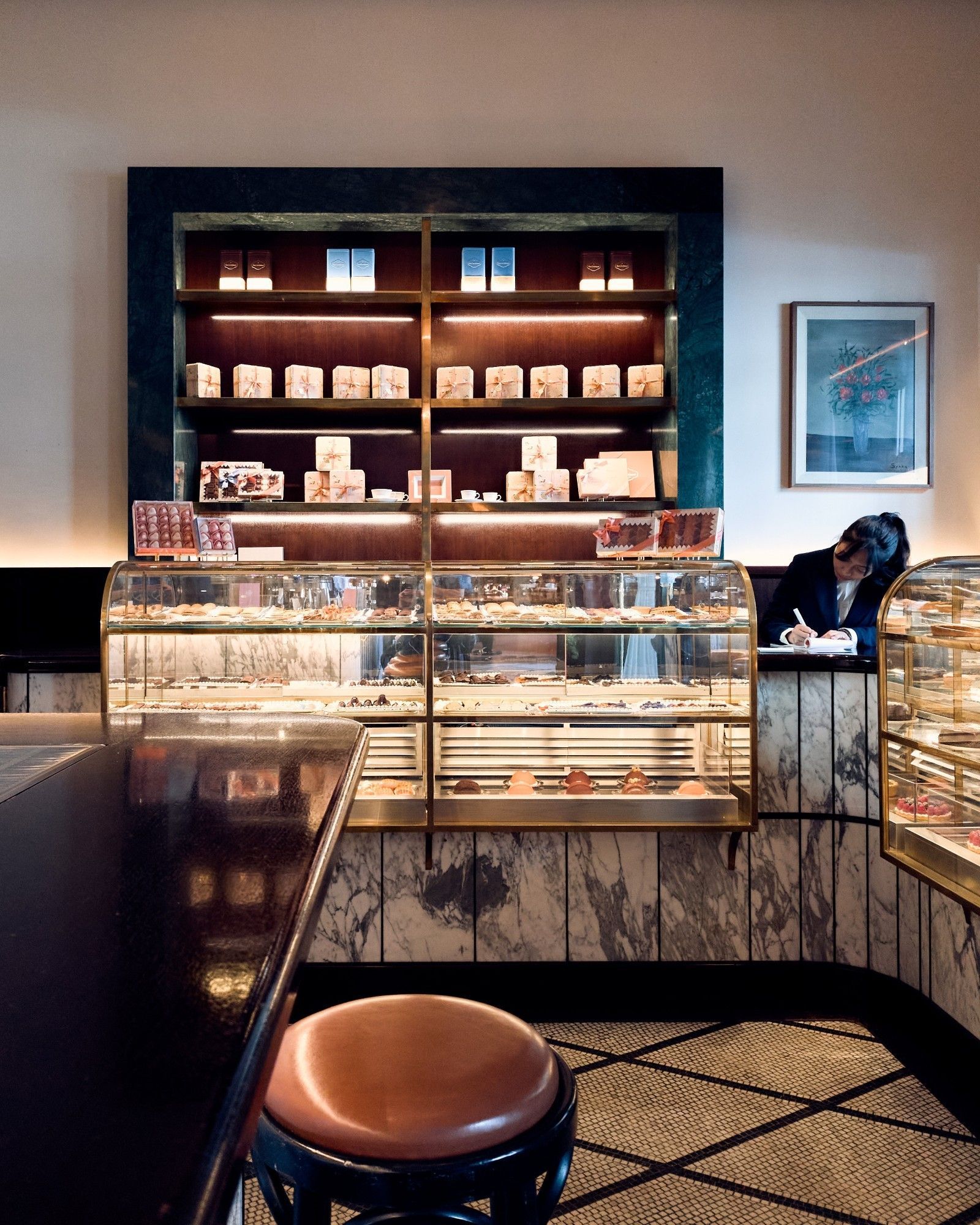
The interiors of Milan’s historic cafés through the new Xiaomi 17T lenses We tested the new Leica 5x telephoto lens at five of the city’s most iconic locations
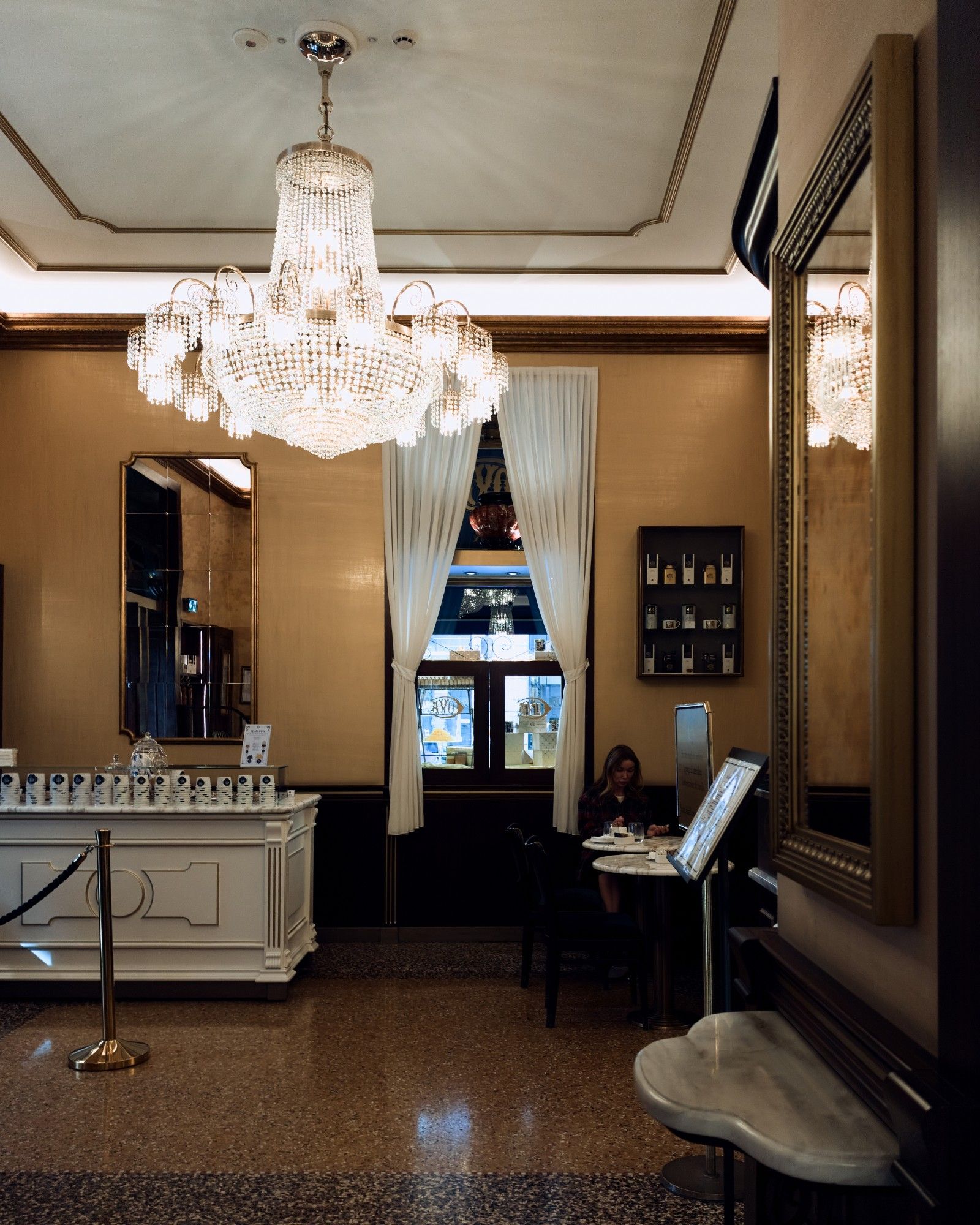
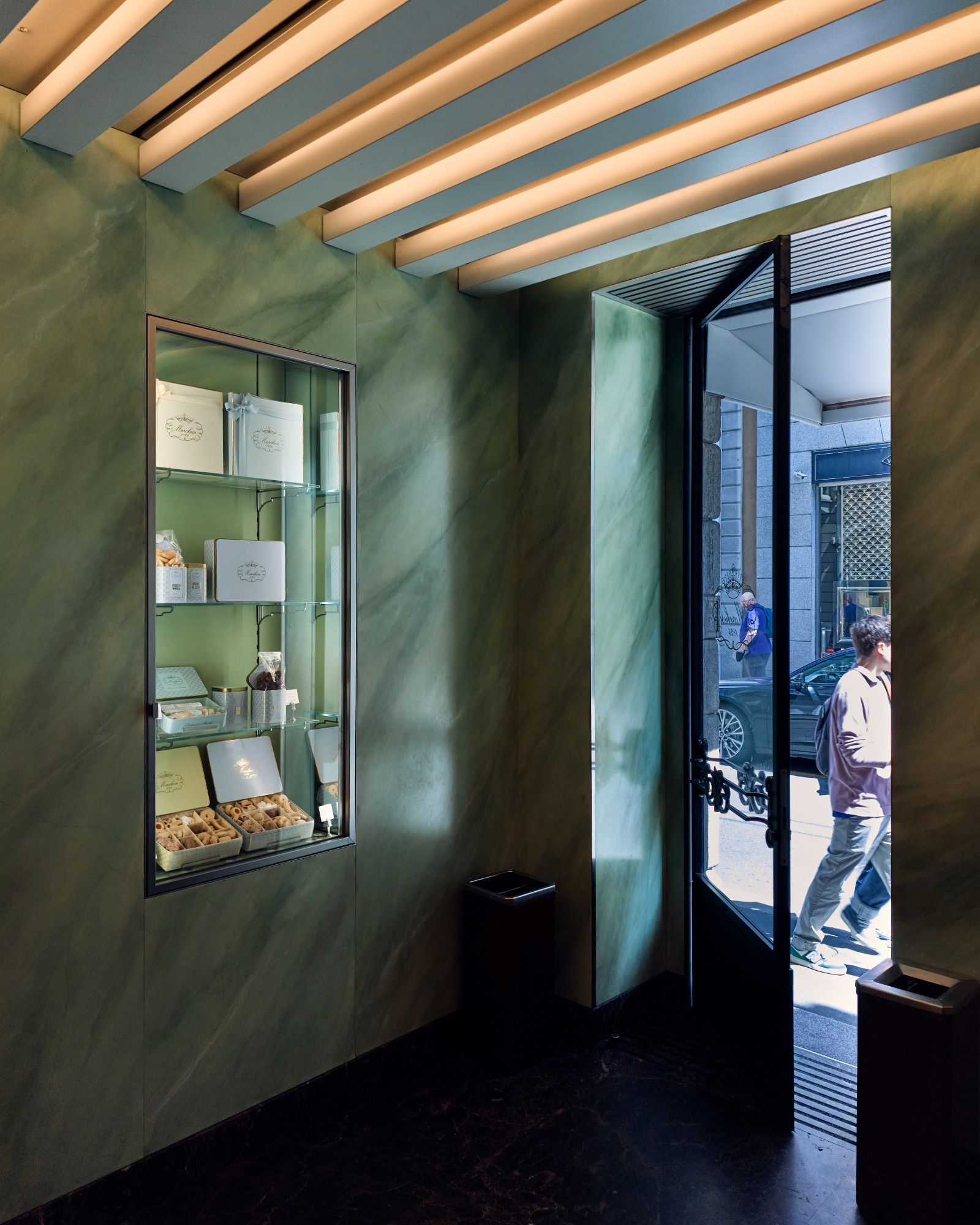
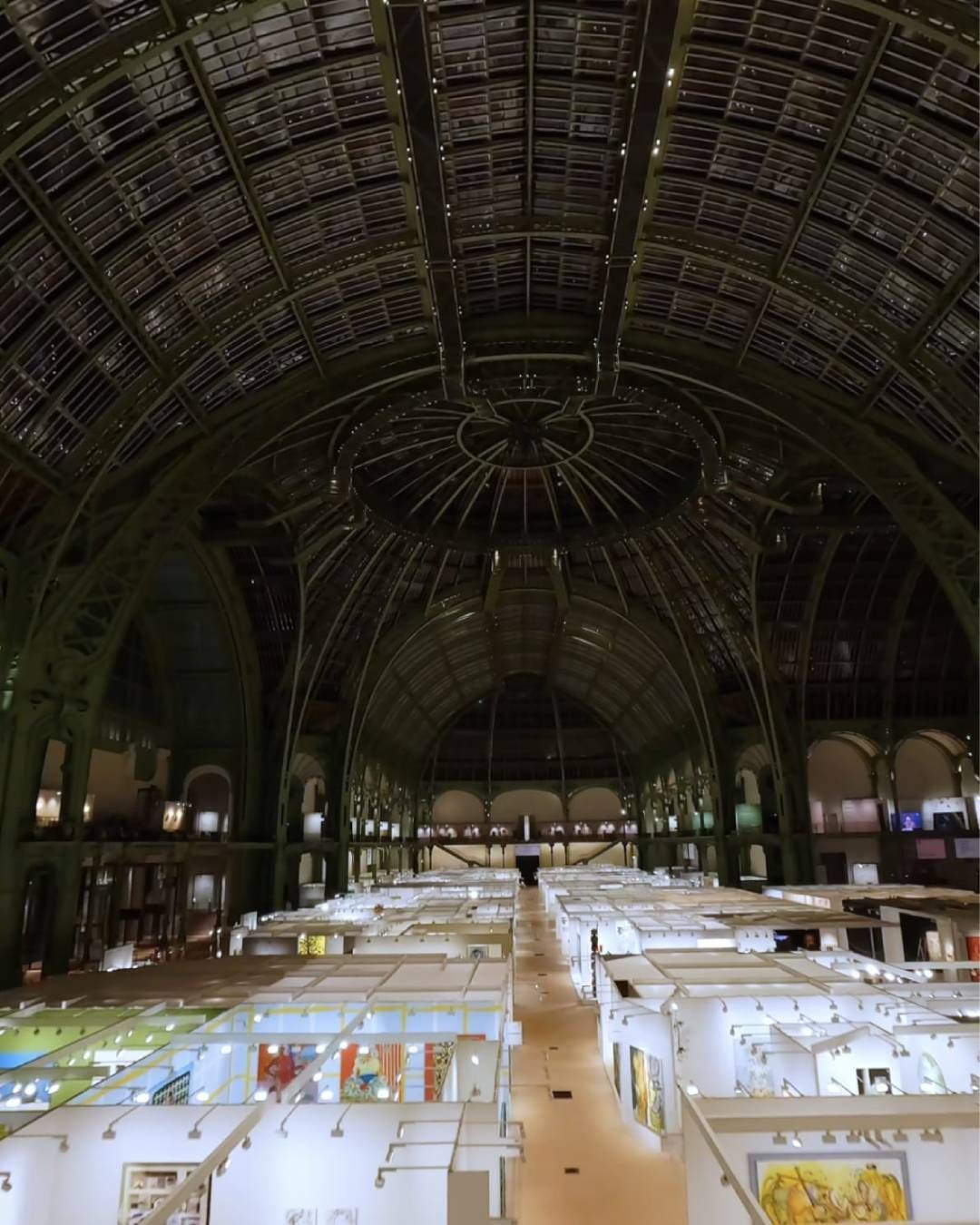
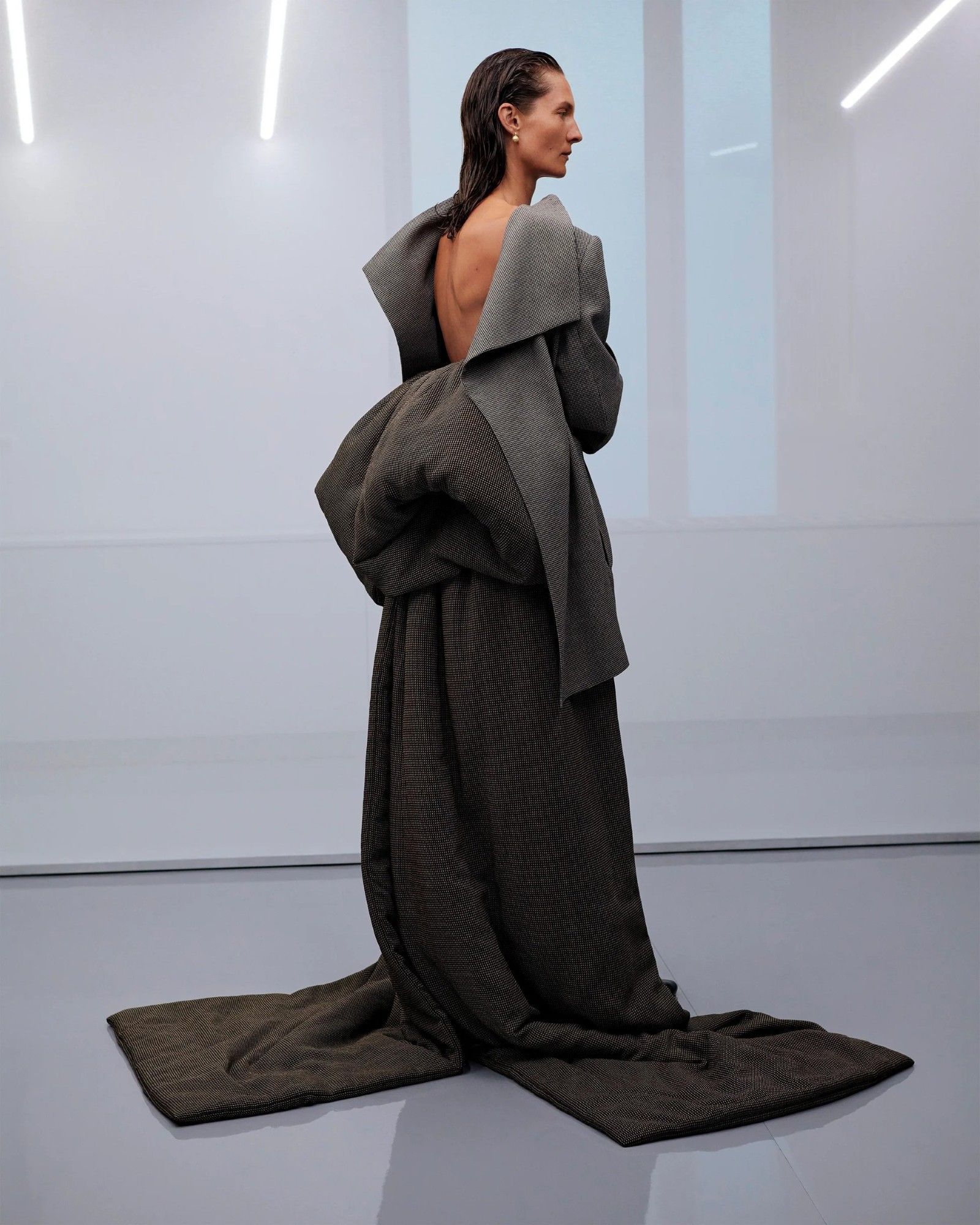
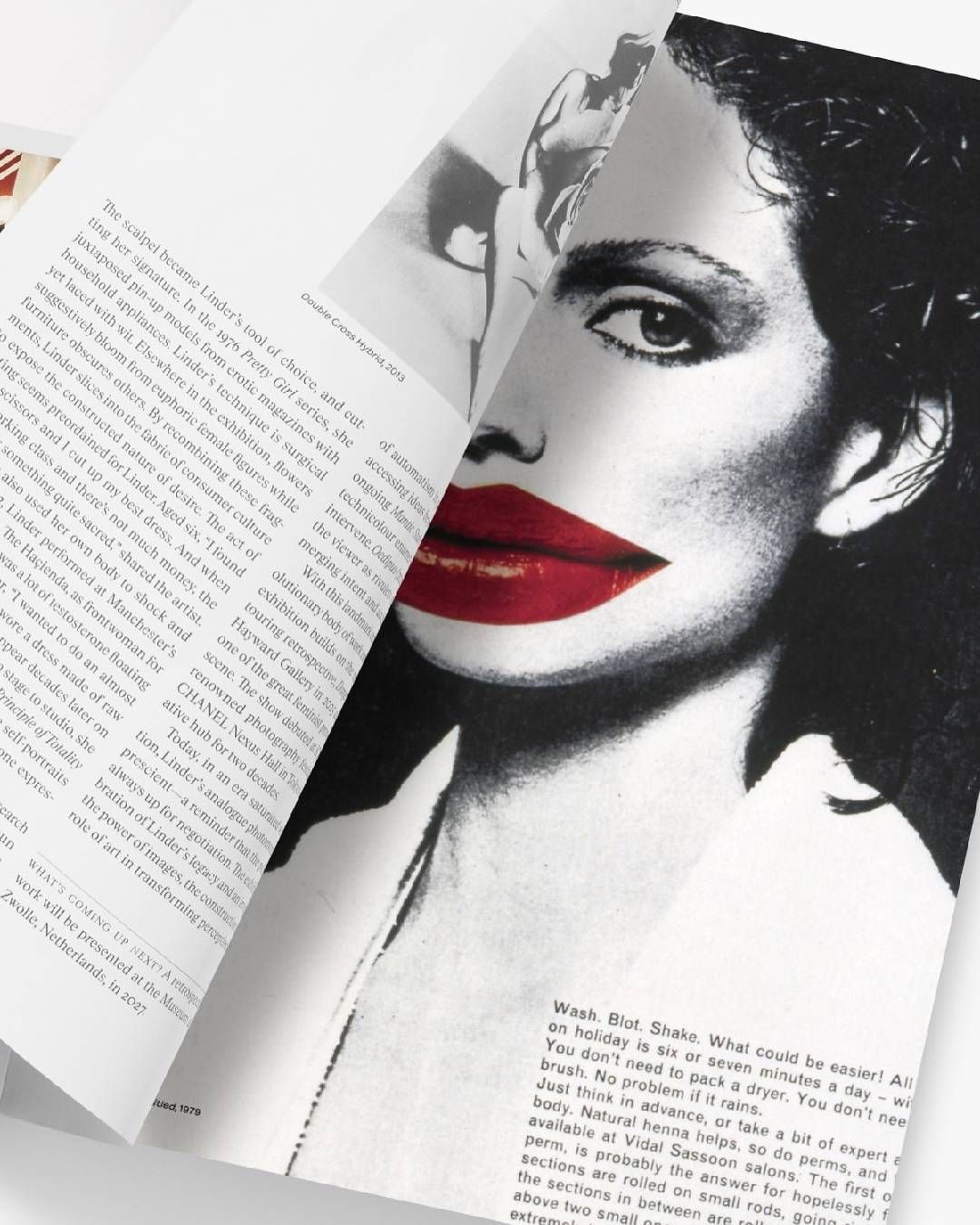
The Leica 5x telephoto lens integrated on the Xiaomi 17T and 17T Pro works on depth and perspective compression, allowing details and faces to be isolated without losing the atmosphere of the space. In Milan’s historic cafés, this translates into more cinematic images, where the subject emerges while preserving the visual layering of the interiors: the polished wood of the counters, low lighting, antique mirrors, and the continuous movement of people.

The interiors of Milan’s historic cafés through the new Xiaomi 17T lenses  We tested the new Leica 5x telephoto lens at five of the city’s most iconic locations | Image 618725
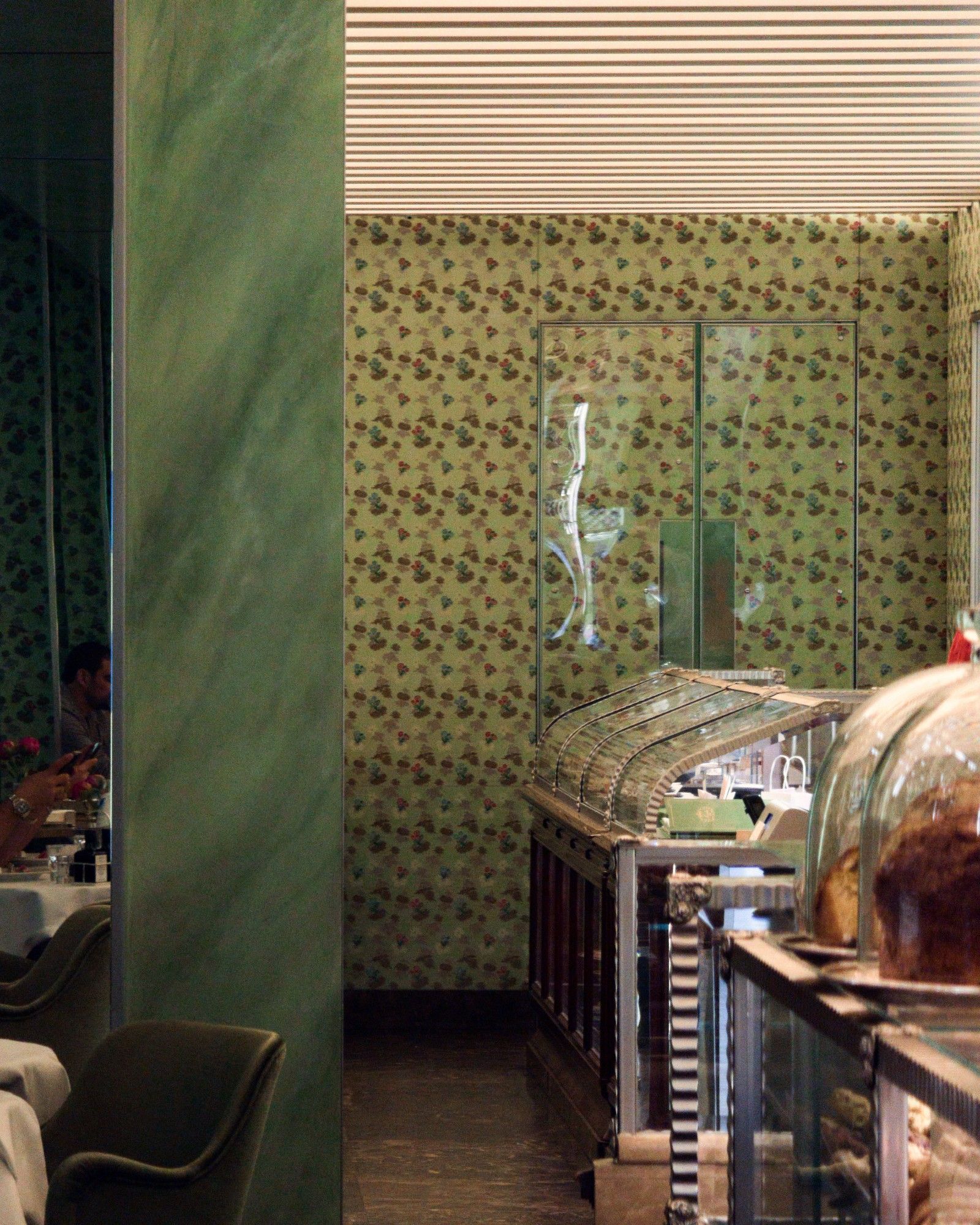
The interiors of Milan’s historic cafés through the new Xiaomi 17T lenses  We tested the new Leica 5x telephoto lens at five of the city’s most iconic locations | Image 618724
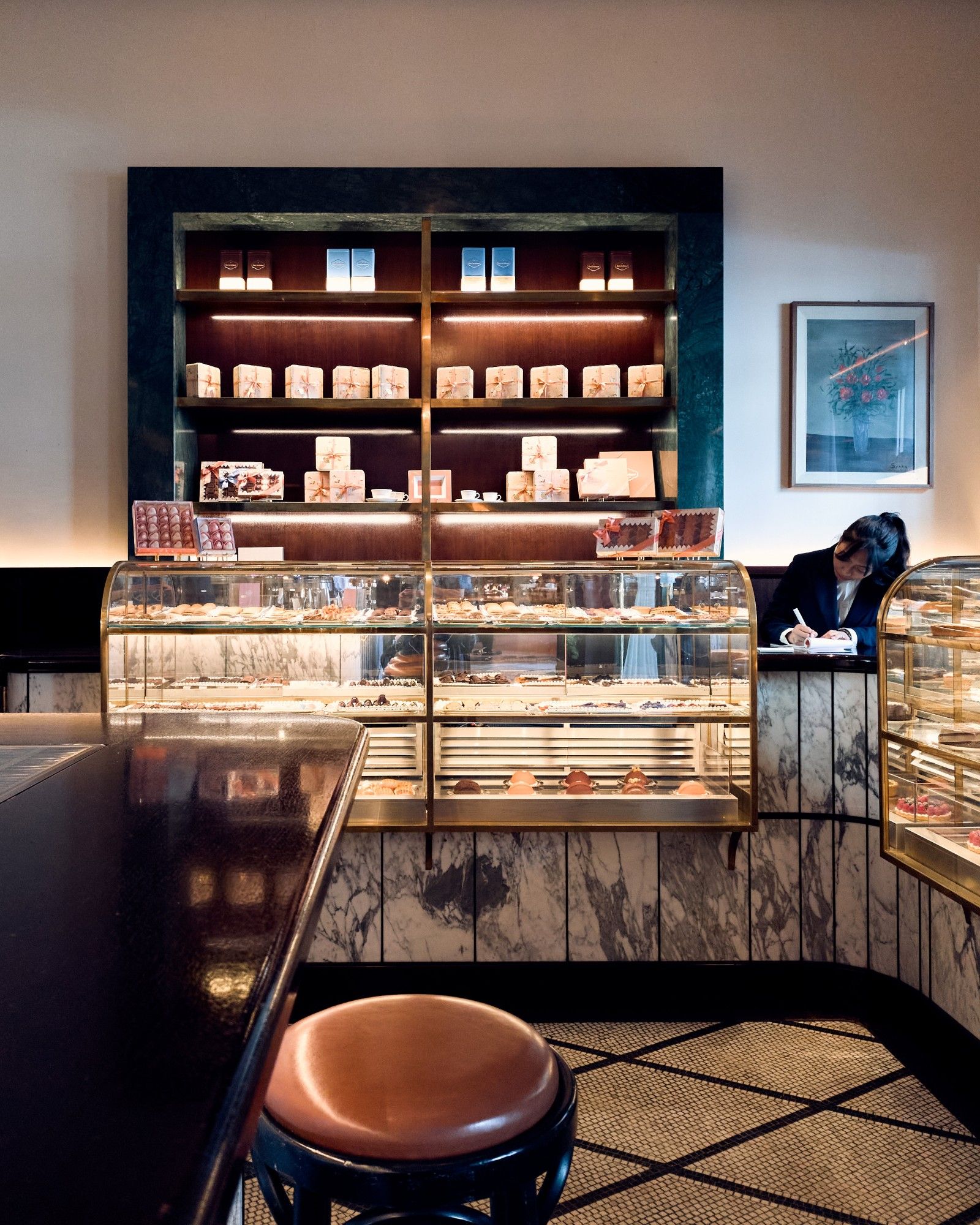
The interiors of Milan’s historic cafés through the new Xiaomi 17T lenses  We tested the new Leica 5x telephoto lens at five of the city’s most iconic locations | Image 618723
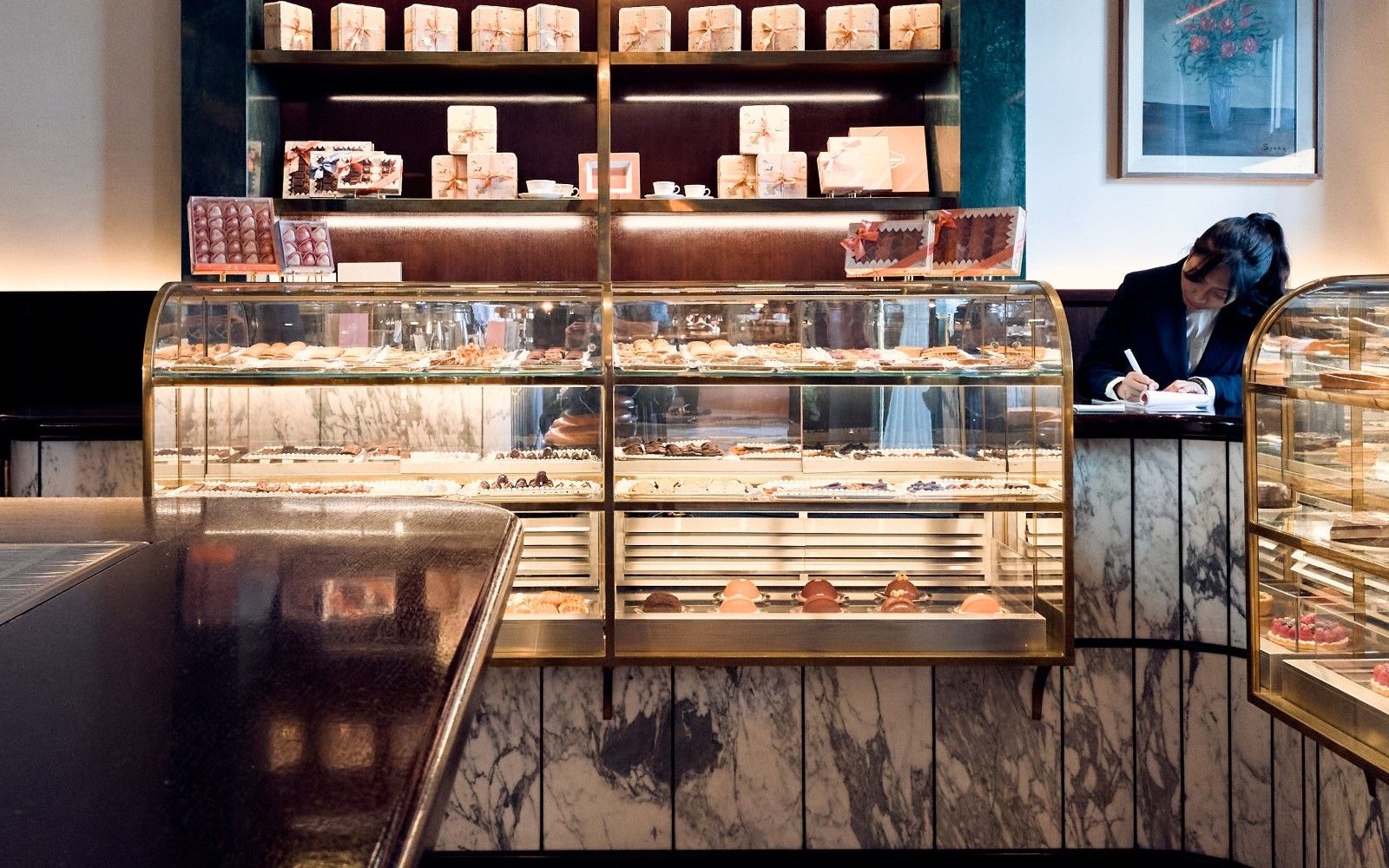
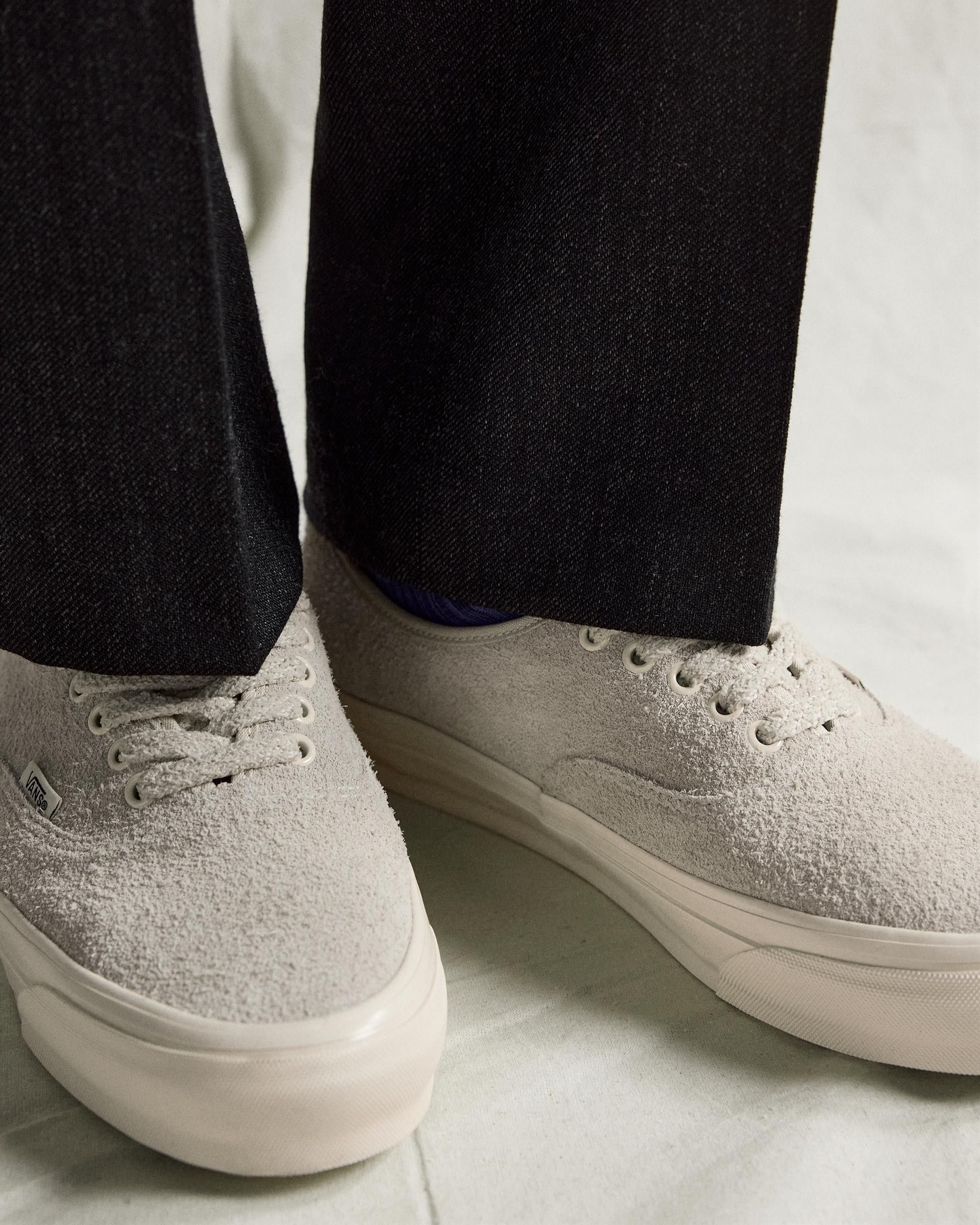
The interiors of Milan’s historic cafés through the new Xiaomi 17T lenses  We tested the new Leica 5x telephoto lens at five of the city’s most iconic locations | Image 618722

The Leica periscope optical structure provides native 5x optical zoom and 10x optical-quality zoom, maintaining natural textures and smooth bokeh even in difficult lighting conditions. Added to this is the telemacro function, which allows work on details without losing naturalness: fabrics, accessories, surfaces, and small architectural elements do not go unnoticed.

The project is completed with Leica Live Moment, the feature developed by Xiaomi together with Leica that goes beyond the idea of the static shot. The goal is not to freeze a single instant, but to capture the continuity of space: a gesture at the counter, a changing light, the fluid movement of people between tables and bar. An approach that fully reflects the discreet vitality and timeless design of these Milanese places.

What to read next