
















What does "soft clubbing" mean? Europe rediscovers the pleasure of dancing without destroying itself
There is a new rave culture making its way through European urban centers. It is sober, curated, mindful. It doesn’t start at midnight and end at six in the morning, but often wraps up earlier. It doesn’t begin with a vodka shot, but with an ayurvedic tea or a flat white. And it has a name that, for those raised in the culture of excess, sounds like a contradiction in terms: soft clubbing. The term describes a new form of nightlife—or even daytime socializing—that is rewriting the vocabulary of European nightlife, offering a radical alternative to the imagery of self-destruction and oblivion associated with traditional clubbing. It is not just a trend, but a response to a profound shift in the bodies, desires, and needs of the new generations.
According to Eventbrite data, searches for events like coffee clubbing, sauna raves, morning dance parties, and silent discos have grown exponentially in the past two years, proving that the demand for healthier fun is real. But what does soft clubbing really mean? It’s not just “dancing without drinking.” It’s a paradigm shift: the deconstruction of the myth of the night as a place of excess, collapse, and oblivion. Soft clubbing means rejecting the romantic narrative of destruction as the only form of fun. It is a response to the performance anxiety of modern life, a pursuit of authentic joy without the “morning after” consequences, both physical and psychological. It means listening to your body, respecting fatigue, enjoying yourself, and connecting with others without losing control.
Where to try a bit of "soft clubbing"?
@gennahnicole Who doesn’t love bass for breakfast? This is @am.radio.la in Venice. It’s a monthly get together hosted by @putyouon.club where you can grab a cup of coffee and catch sets from your favorite artists. #losanageles #amradio #putyouonplaylist #venicebeach #thingstodoinla #cafesets #tryittuesday original sound - cashflips1
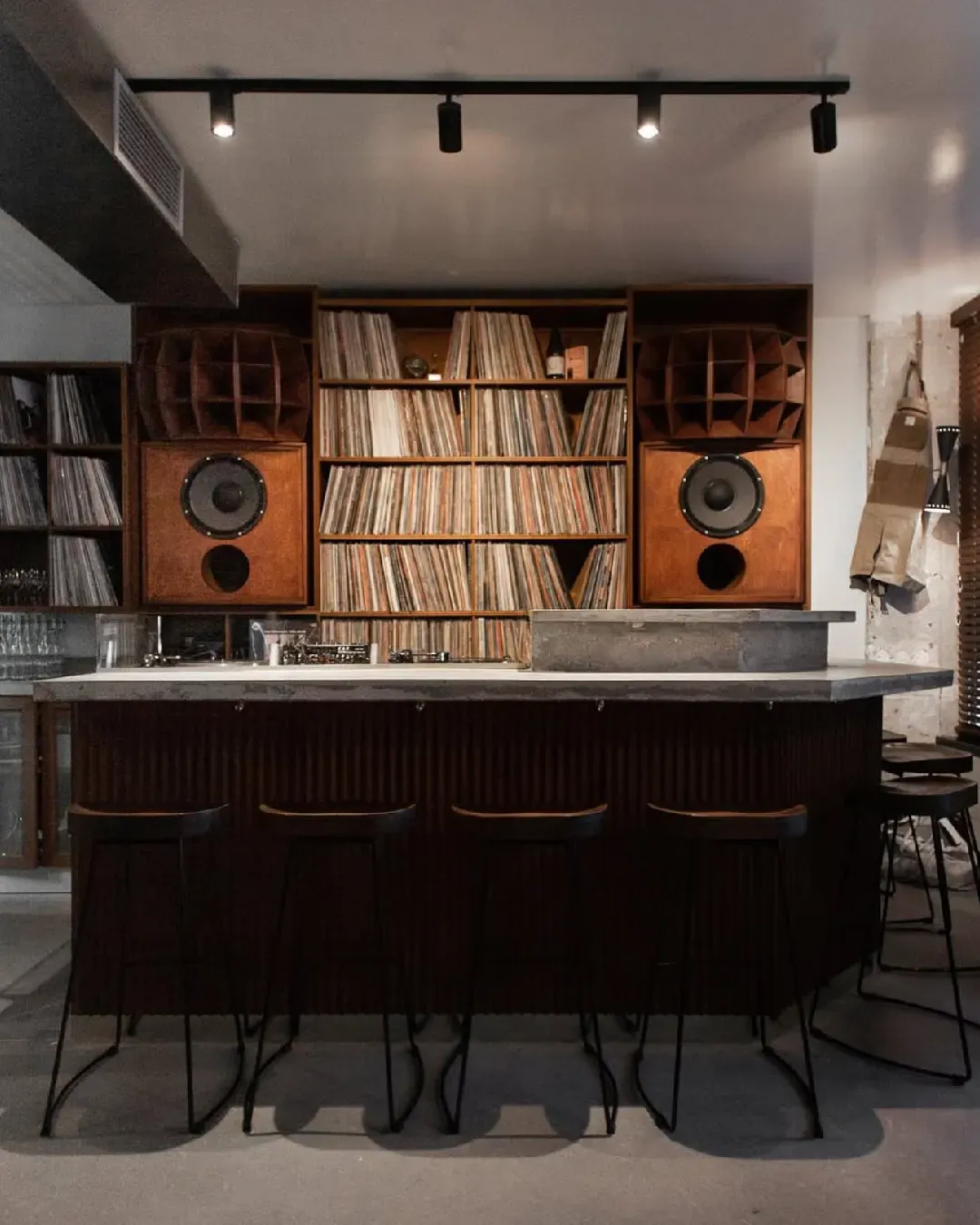
This revolution is not just about behavior, but also about the design of spaces. Soft clubbing venues are designed for wellbeing: the acoustics are calibrated to allow conversation, the lighting is soft and carefully studied to create intimate atmospheres, and the materials are often natural and tactile. Colors and textures, evoking the aesthetics of wellness and of the “lived-in,” replace harsh neon lights and cold minimalist surfaces. The aesthetic is no longer that of a dark, oppressive nightclub, but of a welcoming refuge, a shared living room, or an open-air space that fosters connection.
Especially for Gen Z, which is radically redefining the meaning of “going out”: fewer Instagram posts, more real time; fewer constructed looks, more authenticity; less alcohol, more connection. According to a recent study published by the Global Drug Survey, young people aged 18 to 25 in Europe drink 35% less than Millennials did at the same age. The phenomenon is known as sober curious: curious about sobriety, but not necessarily teetotal. The pandemic also accelerated this shift: after two years spent at home, many realized that mental health is a priority, not a trend. And clubbing as we knew it—sweaty, loud, toxic, exclusive—is now giving way to a more intimate, fluid dimension, embodied but not self-destructive.
The new rave culture in Europe
Marketing managers just be making up any terms because what is 'soft clubbing?' pic.twitter.com/DpMlNd2Gqh
— PoliticsBabe (@Bellhookschild) August 12, 2025
On the continent that invented clubbing, the idea of “going out” is changing its face. In Berlin, the world capital of techno, sober parties are multiplying in spas or parks, where people dance barefoot at dawn. In London, afternoon clubs with yoga and DJ sets are growing week by week. In Paris, new generations meet in concept stores for sound baths and multisensory performances. In Italy, projects like Morning Gloryville or events in spaces like Base Milano, Alcova, Spazio Meta, and Combo tap into this energy: offering an alternative to toxic club culture without giving up sociality, aesthetics, and rhythm.
Soft clubbing is just the latest chapter in a story that Europe has always known how to write: that of reinventing ways of being together and of dancing. But unlike past revolutions that often sought oblivion and escape, this one focuses on presence. It’s an invitation to dance not to run away from yourself or reality, but to reclaim your body and connect more authentically with others. In an era that constantly demands we “always be at our best”, soft clubbing suggests that sometimes the real revolution is simply to “be at your minimum”, to dance at a more human, sober, and mindful pace. And to find joy in lightness.