





























Is design meant to be temporary? Offices, digital spaces and entire cities are changing
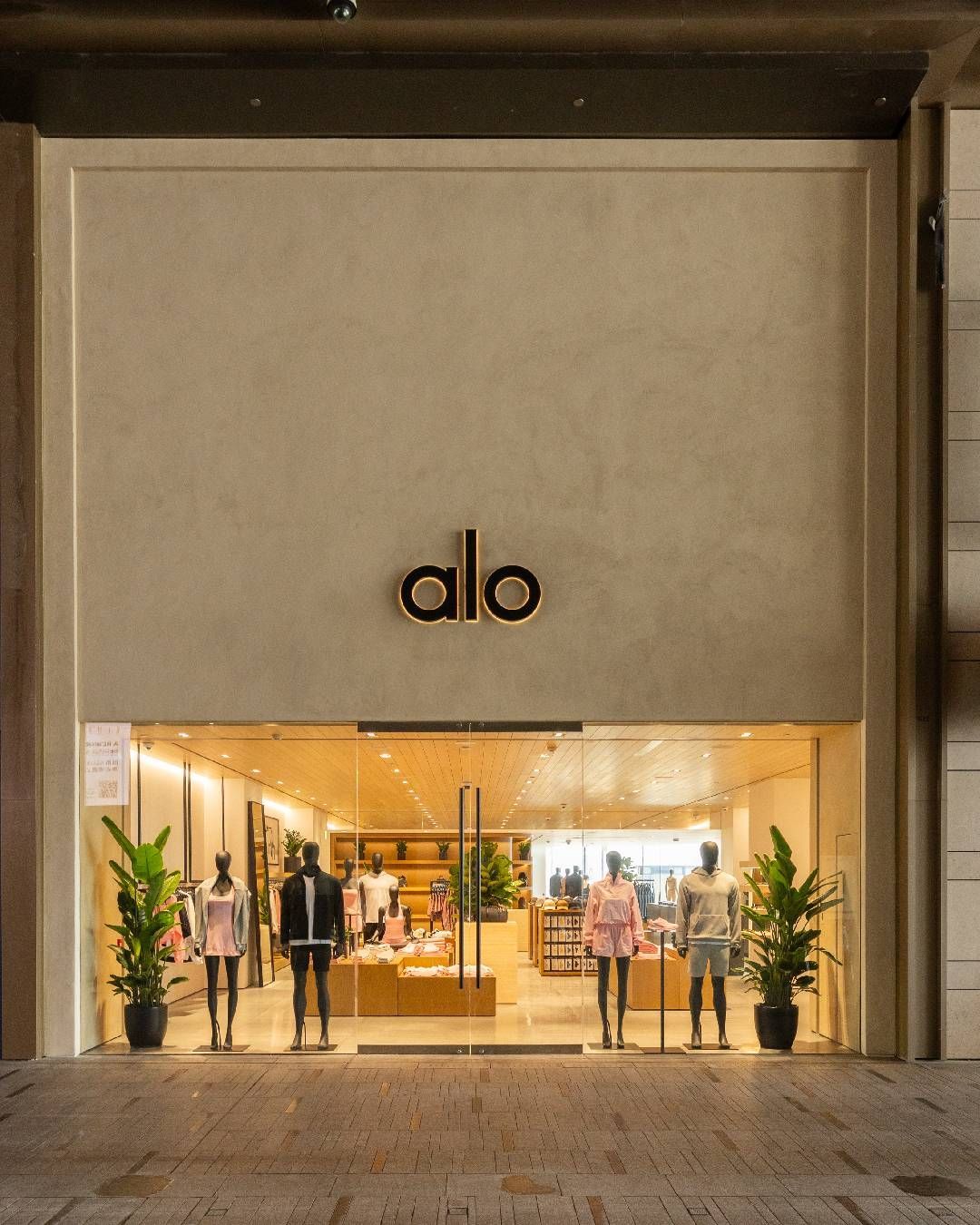
There was a time when every space had a precise function. The shopping mall was for buying, the hotel for sleeping, the office for working. These were clear categories, almost automatic, that didn’t need to be questioned. Today, these distinctions are slowly disappearing, and distancing has only accelerated a process that was already underway, making it more visible. Spaces are no longer designed to last in the same form, but to adapt, transform, and respond to constantly changing needs.
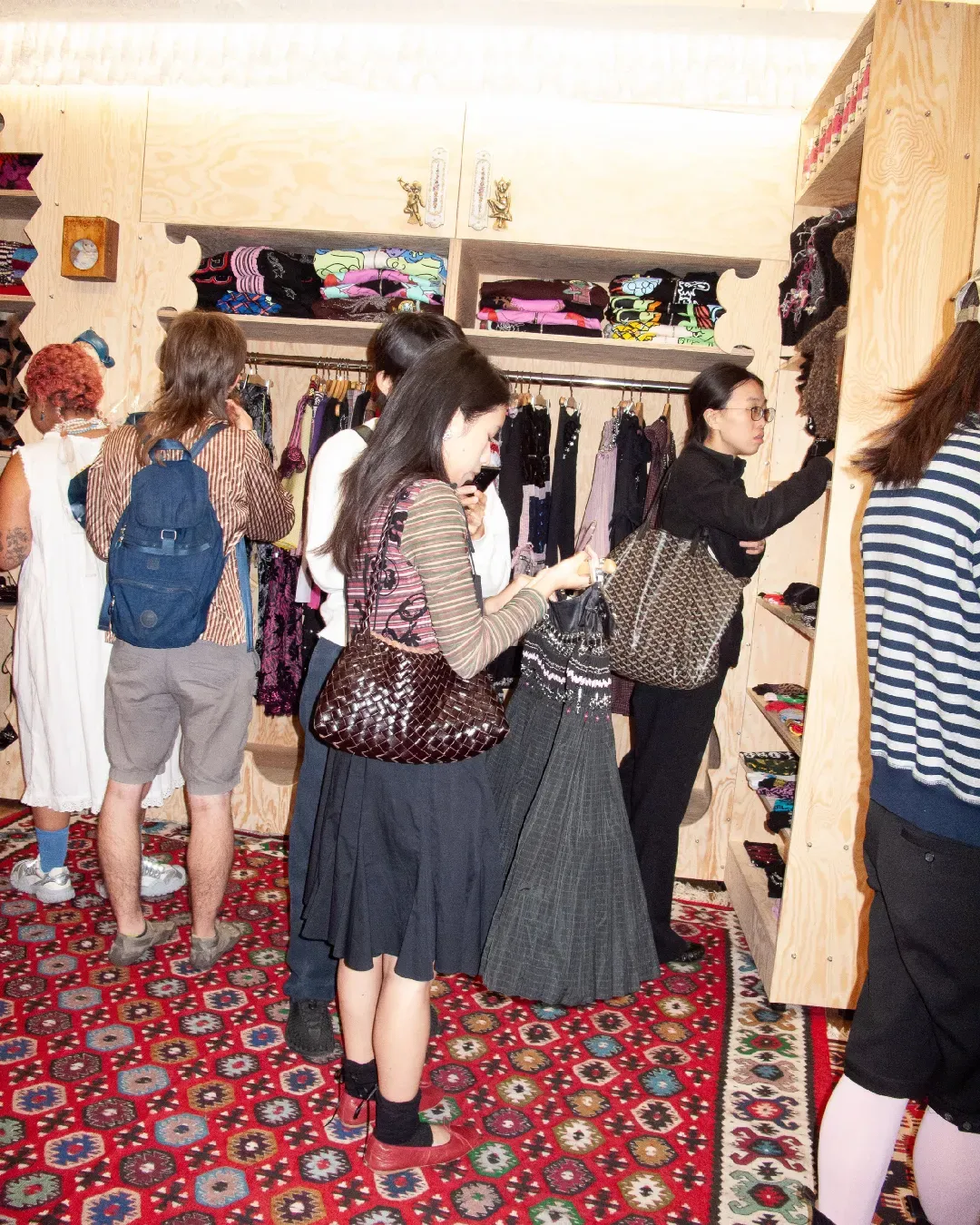
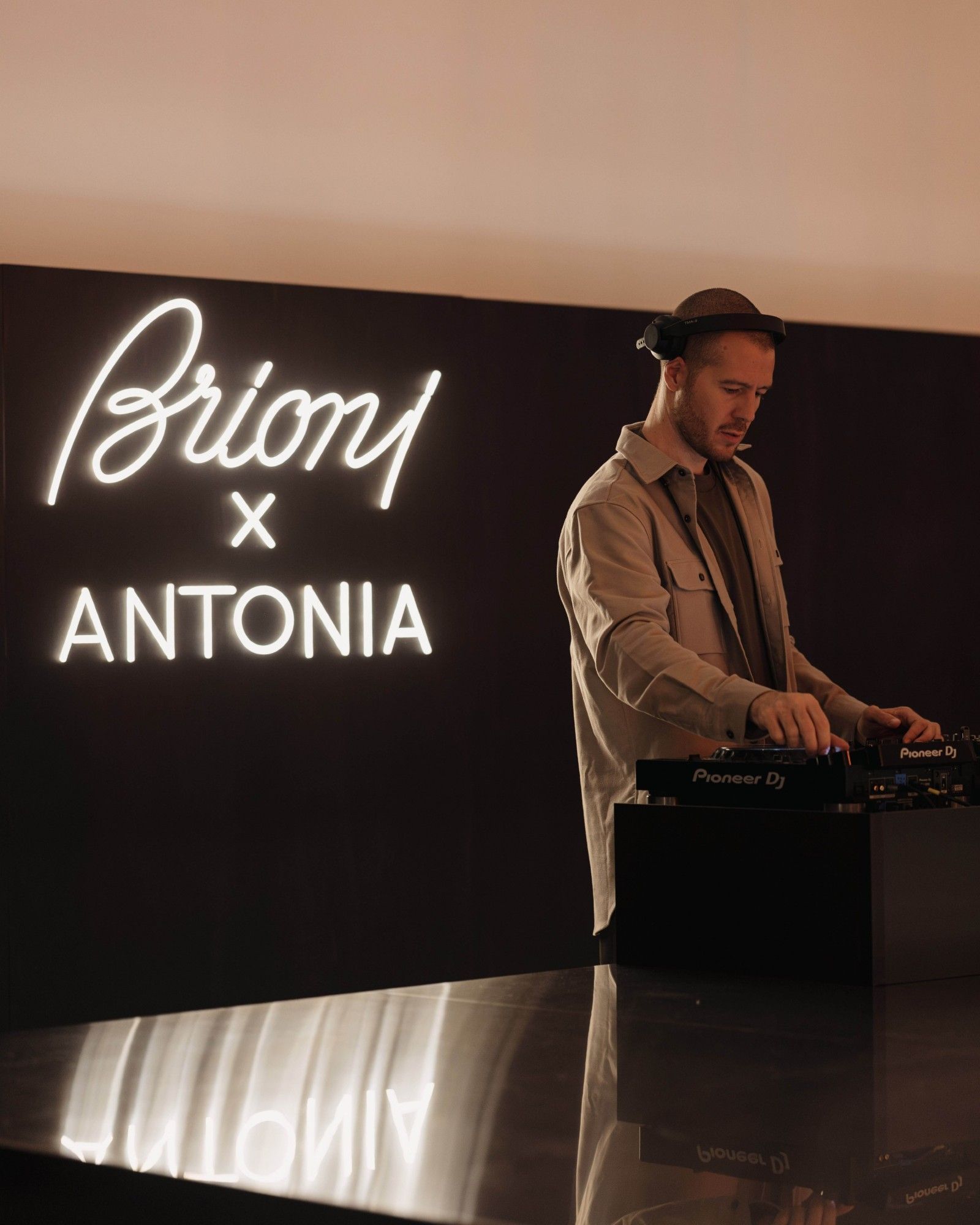
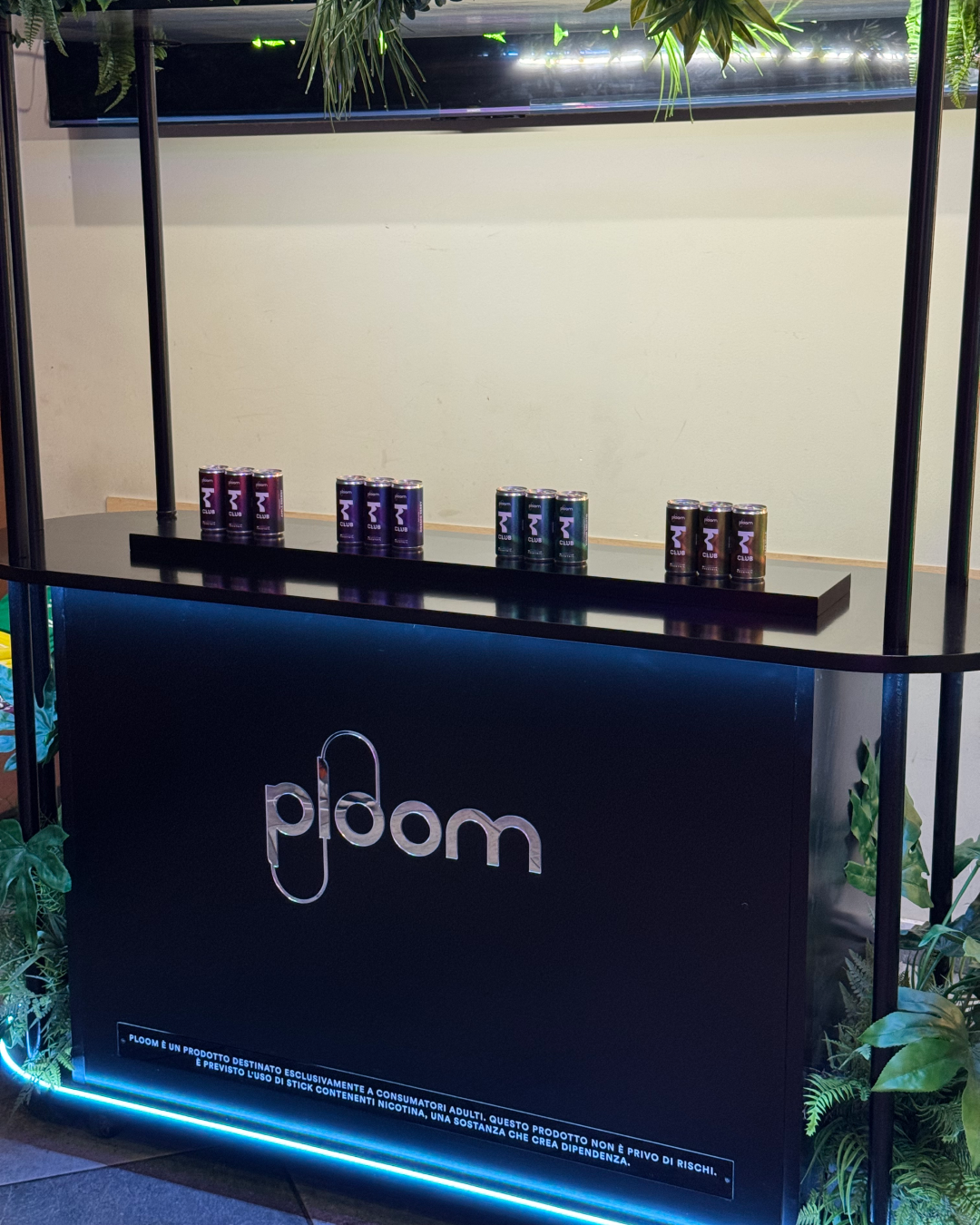
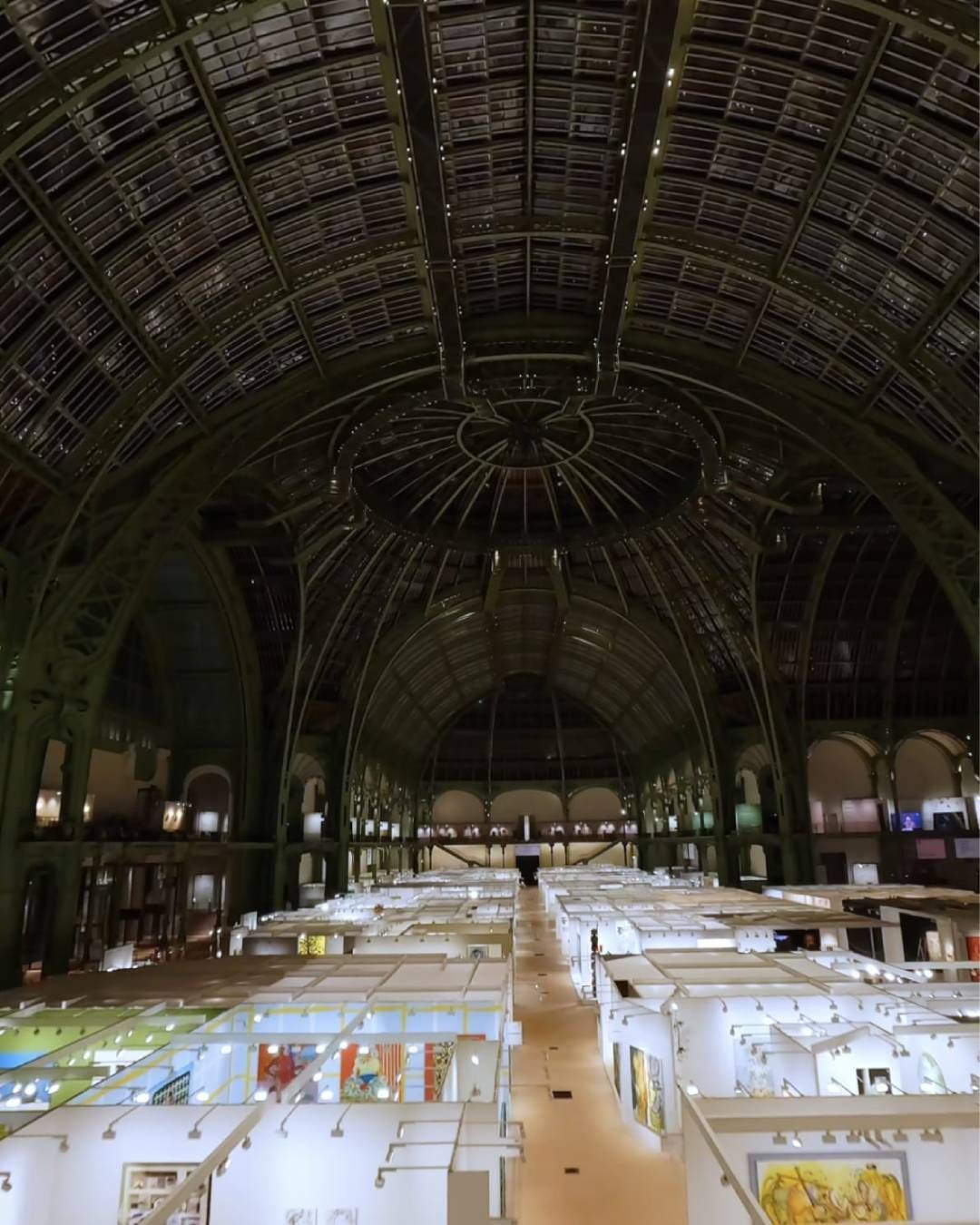
What is emerging is an on-demand model that until recently belonged almost exclusively to the digital world. We are used to choosing content when we want, services when we need them, and personalized experiences in real time. Now this logic is entering the physical space, transforming traditionally static places into dynamic systems. Shopping malls become spaces for events, coworking or logistics, hotels open up to new forms of sociality and work, while more and more environments are created with a hybrid nature, ready to change function throughout the day or the season.
Gen Z and fluid design on and offline
In this scenario, talking about intended use almost becomes reductive. It’s no longer about defining what a space is, but understanding what it can become and for how long it can remain so. This transformation aligns perfectly with the behavior of younger generations, accustomed to moving within a fluid ecosystem, where the boundary between online and offline is increasingly irrelevant. The experience doesn’t stop when moving from a screen to a physical place - it continues, extends, and adapts. An online purchase becomes an in-store pickup, a store turns into a photo set, a physical event generates digital content that continues to live elsewhere.
Rethinking urban areas
Americans… this is a good faith question. I’m not baiting or trolling. Why are you so scared of condos and walkable cities? Does not having to drive for your groceries freak you out? What about it makes you uncomfortable? Please be honest.
— Katrina (@zapatas_mom) April 10, 2026
It is no coincidence that more and more cities are rethinking how they function around the concept of proximity. Having everything nearby - work, services, leisure - is no longer just a convenience, but a concrete response to an urban system that for years has operated through accumulation and distance. Reducing travel means reducing wasted time, and time today has become one of the most valuable resources. In this sense, urban regeneration also changes meaning: it’s no longer just about redeveloping spaces, but about reactivating them, making them useful again, and inserting them into a continuous cycle of transformation.
For this reason, spaces today work when they manage to be part of a broader system, when they become a point of contact within a longer and more articulated experience. They are no longer just places, but nodes in a network that connects people, content, and services. The physical and digital are no longer two separate dimensions, but two moments of the same experience. And it is precisely in this continuity that the real value of contemporary spaces lies.
Temporary spaces to stay relevant forever
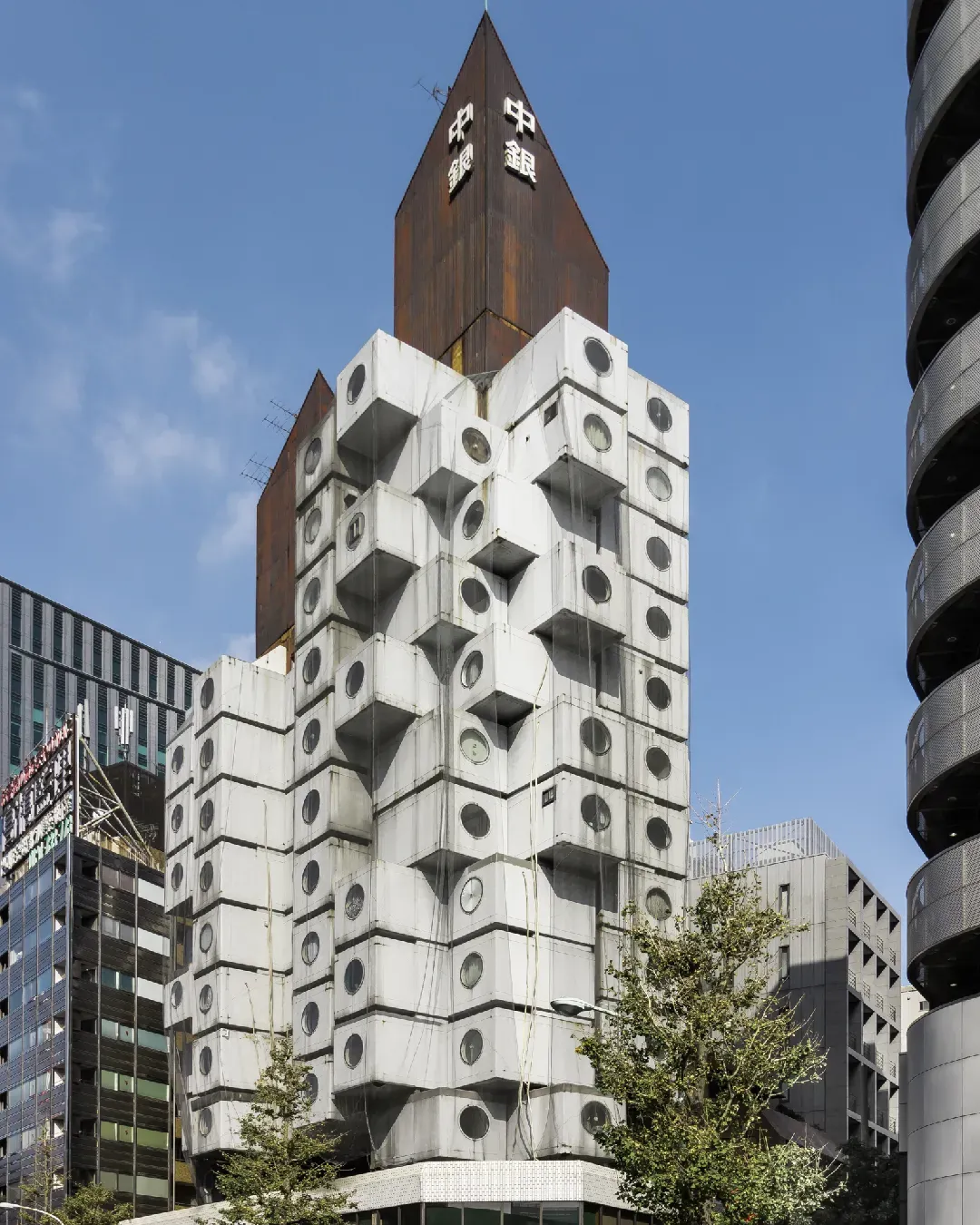
Consequently, the role of design also changes. If everything is temporary, the project itself is no longer definitive. It’s no longer about designing something that remains unchanged over time, but about building structures capable of evolving, accommodating different uses, and adapting without losing coherence. Design no longer works only on form, but on the possibility of transformation, on a space’s ability to remain relevant while everything around it changes.
In such a context, designing means working with possibilities rather than certainties, imagining scenarios rather than defining functions. And perhaps this is the key point: the city is no longer conceived to be stable, but to function better over time. Spaces are no longer what they are, but what they can become. And in a world where everything changes rapidly, the real question is no longer what a space will be, but for how long it will be able to remain so.
What to read next

Will the new EU regulations on unsold goods really help independent brands?
Yes, but there's a catch