




















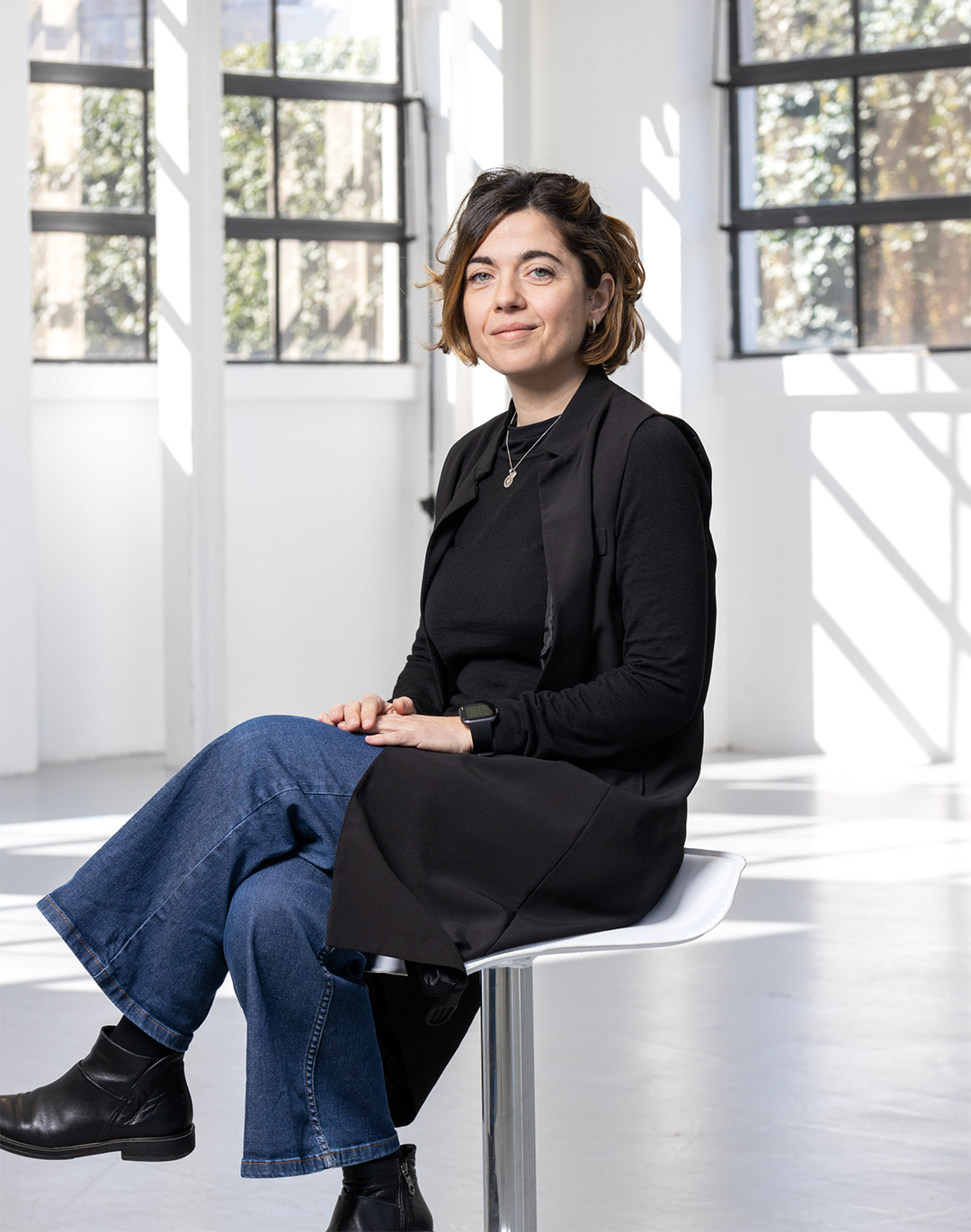
«Design goes beyond the concept of taste but often offers a great deal of beauty», interview with Laura Vella of Superstudio Design Design Week, success and new horizons
Milan Design Week 2026 is shaping up as a liminal event in which design is progressively attracting an ever broader audience, transforming into an open space of contamination and exchange. An unprecedented expansion that, although not without risks, is redefining and broadening the contemporary discourse on design. Realities such as Superstudio Design reflect and shape this progressive growth, helping to activate unprecedented fields of possibility and new narratives within the design landscape.
In this context, Superstudio, a key reference point of the Fuorisalone, for its 26th edition presents Superstudio Design 2026: a new “diffused map” that redefines the experience of Milan Design Week, moving beyond the traditional concept of the District to activate a constellation of urban itineraries. Indeed, from April 20 to 26, 2026, 30,000 square meters distributed across Superstudio Più, Superstudio Maxi, and the new Superstudio Village will host a project articulated into three thematic paths, three areas of the city, and three complementary visions of contemporary design. A format that crosses Milan, from Tortona to Barona and Bovisa, triggering a dialogue between new urban hubs and building an extended narrative in which design and art intertwine.
On the occasion of the new Superstudio Design 2026, we spoke with Laura Vella, architect and Head of Superstudio Design, asking her to tell us about the project and the transformations of design in the contemporary context.
Can you tell us about the “Superstudio Design 2026” project and how it welcomes and interprets the spirit of Milan Design Week?
Laura Vella: Superstudio Design is a hub for contemporary design by major national and international brands, it hosts proposals that operate at the boundary with art and is also a producer of content that looks at design culture and emerging novelties. It was born from the desire to grow our historic project that for over 25 years has had its home in Tortona, extending beyond its boundaries to also land in Barona and Bovisa, the latter being the biggest novelty, coinciding with the first opening of this completely new space! Thus, I believe Superstudio Design fully embraces the spirit of Milan Design Week, positioning itself as a multifaceted stage aimed at different audiences, amplifying voices, enhancing diversity, and focusing on quality.
This year Superstudio is structured into three distinct realities: Superstudio Più, Superstudio Maxi, and the new Superstudio Village. What are the motivations behind this tripartition and who are these three hubs addressed to?
Laura Vella: The foundation of everything is the desire to create a wider network, to grow the project not only in quality but also in scale (reaching 30,000 square meters of exhibition space), through what Superstudio is best able to offer. Space for content! From here come the three polarities in Tortona, Barona, and Bovisa, which respectively address major international players (SuperNova), big names in Italian design under the direction and curation of Giulio Cappellini (SuperCity), and emerging realities and explorations of social design (SuperPlayground).
In your opinion, why is design gaining such a strong centrality in contemporary discourse today?
Laura Vella: Design has always occupied a privileged position within contemporary discourse because it operates exactly at the intersection of systems, technologies, and human behaviors. It does not simply shape objects, but builds relationships, experiences, and meanings, translating complex scenarios into accessible solutions, acting as a true interface between innovation and society. It represents an effective and intelligible language that goes beyond taste, while often still delivering a great deal of beauty.
Do you think its design complexity, along with the depth of the messages it conveys, is still being respected?
Laura Vella: The vastness of the field in which design operates (it is often said that everything is design) sometimes makes it a slippery terrain. It enjoys visibility perhaps without precedent, and this exposure carries, among other things, the risk of oversimplification, reducing it to an aesthetic language or a marketing tool, losing the cultural and design depth that characterizes it. However, there is still a significant part of the sector—designers and companies—that continues to work on complexity, durability, and meaning. It is perhaps less visible, but it is precisely there that design maintains its most authentic function: that of producing meaning, not just forms.
What to read next
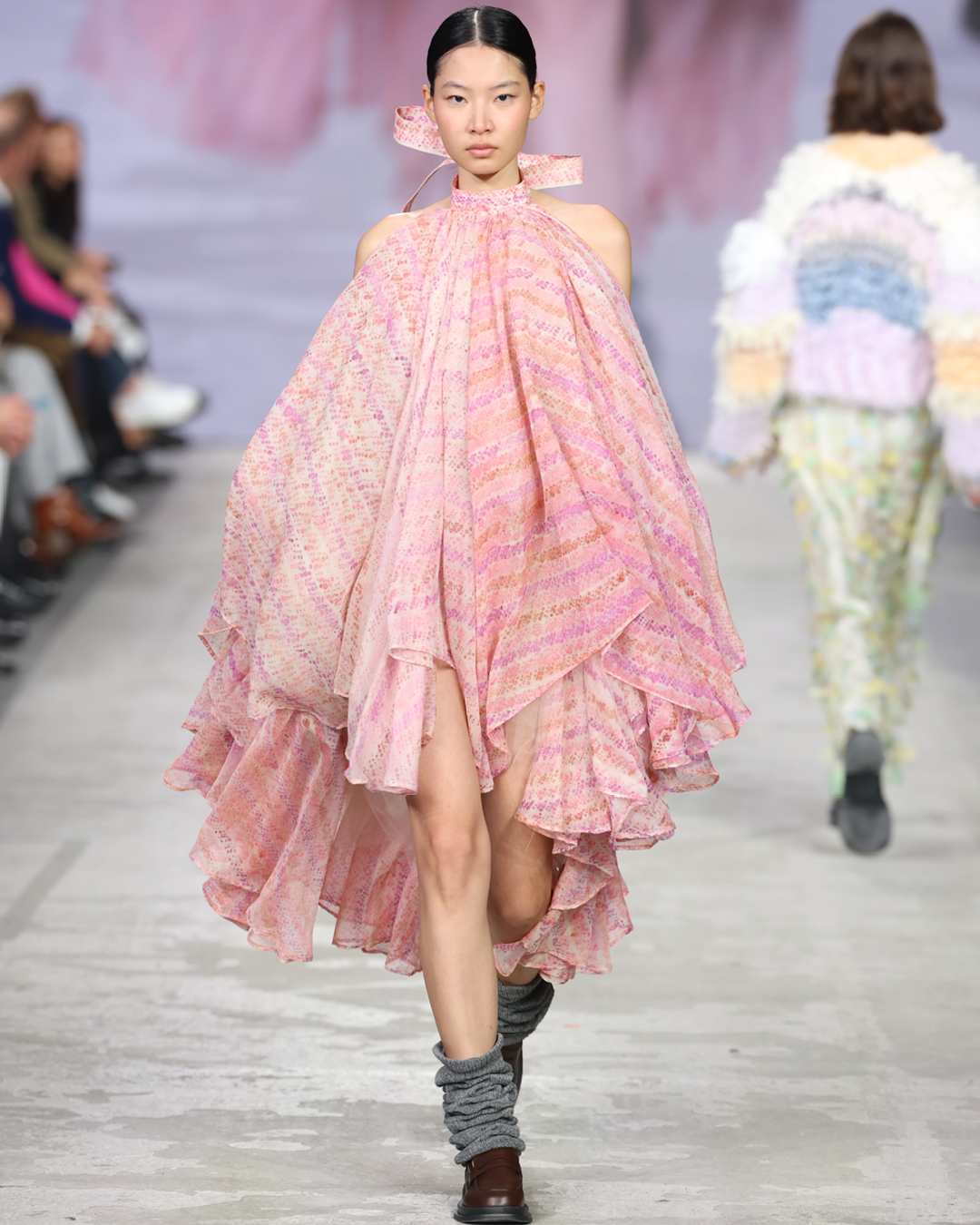
Fashion Graduate Italia presents “Speak Up”
A new edition dedicated to young future professionals in the fashion world
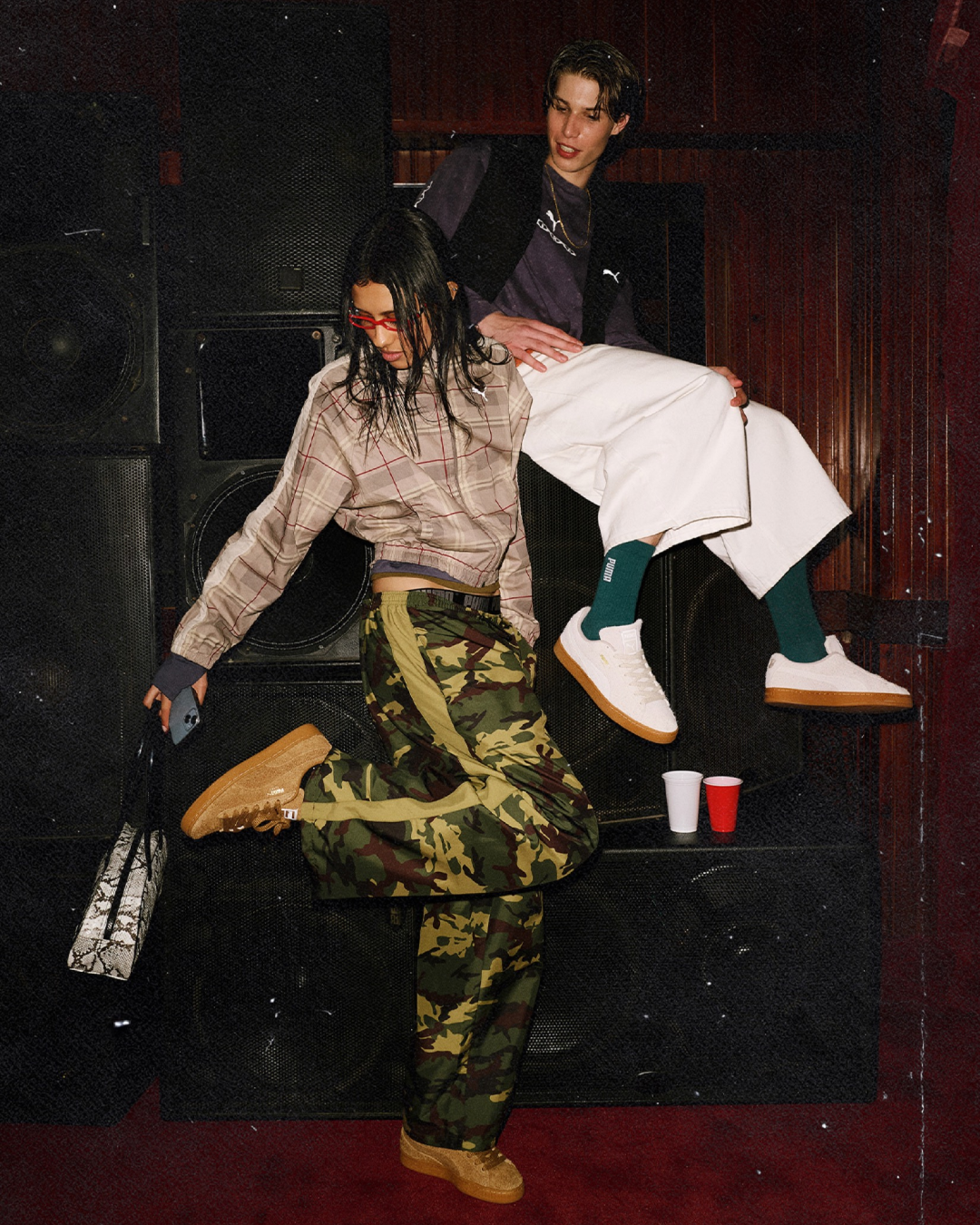
The PUMA Suede Forever proves that classics never go out of style
Three new colorways and a silhouette spanning nearly sixty years of history — the latest chapter of Never Not Suede goes back to its roots
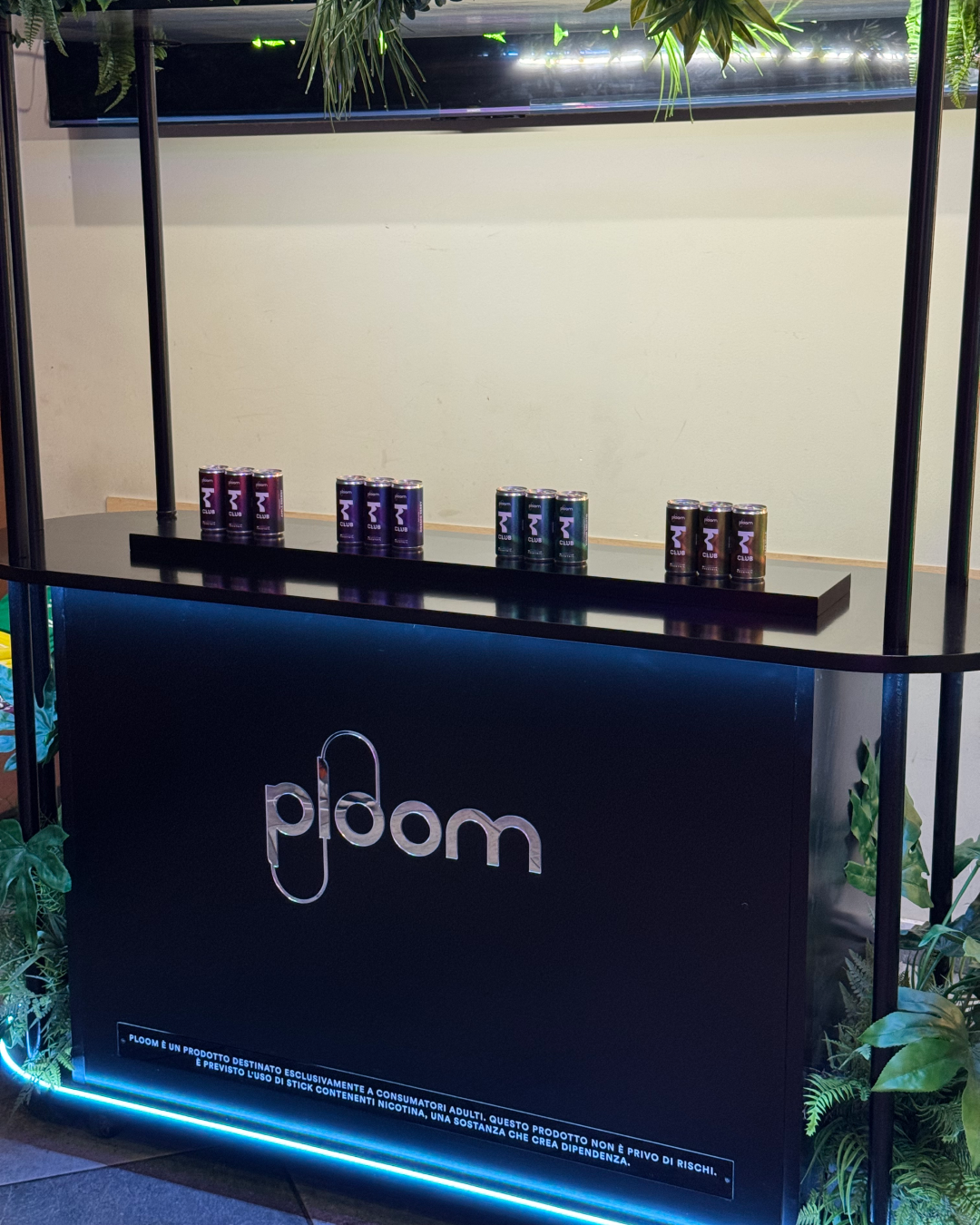
Ploom* reinvents soft clubbing with T-Club
DJ sets, non-alcoholic drinks inspired by the new LYO* range, and exclusive gadgets