





















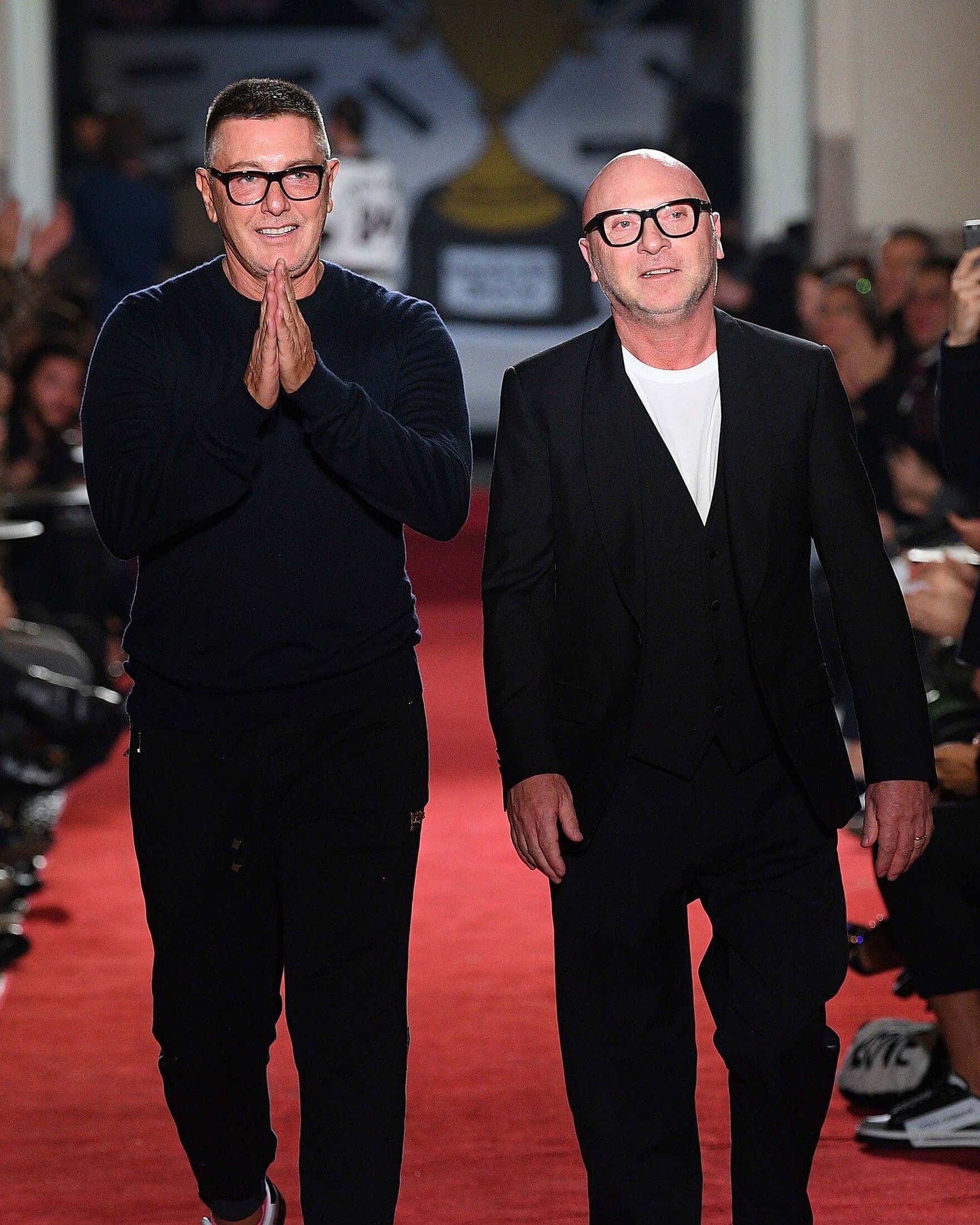
What's going on at Dolce&Gabbana? Following Stefano Gabbana's departure as chairman, Gucci veteran Stefano Cantino has been named co-CEO
Last week, the news that Stefano Gabbana, co-founder of the brand that bears his name, was no longer the chairman of the board of directors of Dolce & Gabbana since last December left many surprised. The news had not initially been made public and has only now emerged from a document filed with the Italian corporate authorities. Starting from January, the role of chairman has been taken over by Alfonso Dolce, brother of Domenico Dolce, who will now be joined as co-CEO of the company by Stefano Cantino, who held a similar role at Gucci until recently, while Gabbana has nonetheless remained co-creative director.
As reported by BoF, Gabbana is also reportedly considering changing his shareholding in the brand in which he holds 40% of the capital. All this comes just ahead of upcoming negotiations that the brand is about to open with its creditor banks for the restructuring of a fairly significant debt, amounting to around 450 million euros. Domenico Dolce holds another 40% of the shares through a holding company, while the rest of the capital is controlled by Domenico himself as well as his two siblings Alfonso and Dorotea, both through private shares and shares held via the Generosa holding. A family-company structure on which the independence of their empire is based. But today many things could change.
What is happening?
The entire situation at Dolce&Gabbana has been triggered by the luxury crisis that is causing so many problems for brands all over the world. If the situation was already difficult in 2025, with the beginning of hostilities in the Middle East creating uncertainty in the markets but also closing a key regional commercial hub, it has since worsened. The brand founded by the two designers has also seen margins decline and, as explained by Bloomberg, has encountered some difficulty in meeting certain clauses related to the management of its debts.
The brand has accumulated 450 million euros in debt with banks, a figure that increased further after the refinancing of 150 million euros obtained last year. According to Bloomberg, banks are requesting an injection of fresh capital of up to 150 million euros to restructure this debt, and the company is therefore evaluating the sale of some owned real estate assets as well as the renewal of several licenses, relying on the advisory services of Rothschild & Co.
And what will happen with the new CEO?
Dolce and Gabbana used to be really smart —and then they got stuck in one story, and continued telling that same story for a decade. https://t.co/ZIOiRCfkrA
— NYC MOTHER. (@francemothers) April 10, 2026
In this sense, the arrival of Stefano Cantino as co-CEO of the company marks an important turning point both symbolically and in practice. A veteran of Gucci and Prada, Cantino will help guide the company in its transition from a fashion brand to a lifestyle platform, that is, toward becoming a modern brand. The very issue of debt, which has gained so much prominence in discussions around the brand, together with the potential restructuring of Gabbana’s shareholding, stems from the expansion into lifestyle and real estate in which the brand has invested in Saudi Arabia. A project that, however, the war in Iran has effectively brought to a halt.
According to MF Fashion, the brand closed the 2024-2025 financial year with revenues of around 1.9 billion euros, a considerable figure that may nonetheless have been “weighed down” by heavy expansion investments. Among the unverified hypotheses being explored is the entry of a minority shareholder injecting new capital or even the very risky path of a stock market listing: currently, according to analyses, the entire group has a value ranging from 4.8 billion dollars up to around 7 billion, depending on analysts’ optimism.
The brand therefore occupies a relatively intermediate position in a luxury market populated by mega-groups and true financial giants, yet still significant considering its historic independence. The root of the problem appears to be the decision to set sail on a new course at a time when the sea was stormy and ships should have remained in port.
The challenge of growing during a luxury downturn
A similar issue, on a much more colossal scale, is what Kering is facing, which, in addition to issues related to the sales of its brands, has become burdened with debt due to real estate investments and very costly acquisitions that, occurring during a luxury downturn, have led the group to overextend itself and to bring in Luca De Meo as the new CEO. It seems that something similar has happened, more or less, to Dolce&Gabbana, which has invested heavily in expanding its beauty business, real estate and hospitality to diversify its revenue streams.
But these are not prosperous times. Fashion and luxury are in crisis, also due to an increase in costs and prices and a shrinking customer base, so much so that Valentino required a 100 million euro capital injection from its shareholders Kering and Mayhoola, and even Giorgio Armani has stipulated in his will that heirs must sell at least 15% of the company to external investors within 18 months to preserve its solidity. There has also long been discussion, albeit perhaps unlikely, of LVMH’s potential plan to separate its fashion division from its alcoholic beverages business, which has not been performing particularly well for some time.
What to read next
Understanding the success of blue-blooded influencers
How princesses became the stars of fashion shows and brand collaborations, and why audiences love them so much
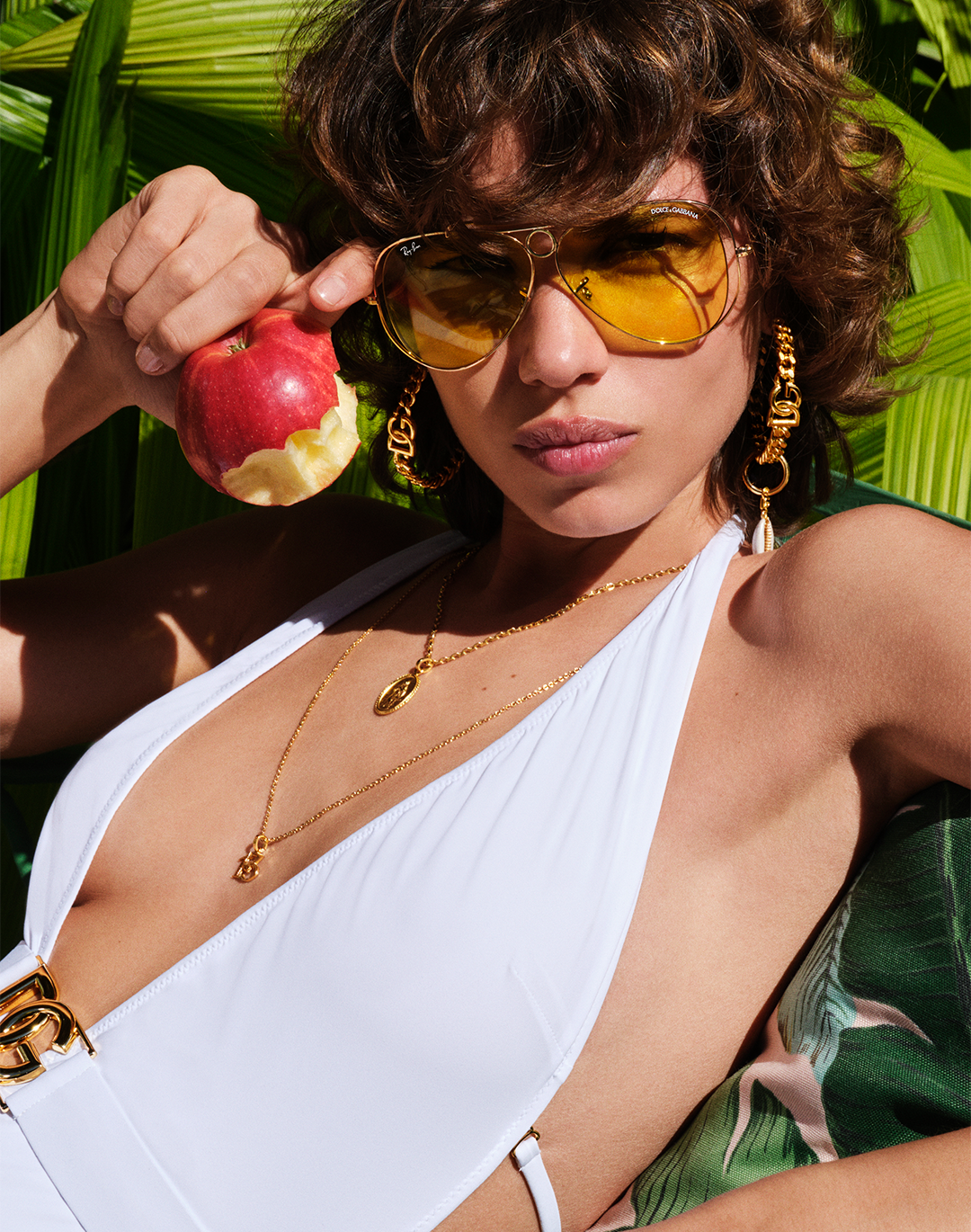
The new collaboration between Dolce&Gabbana and Ray-Ban is here
Featuring the new Shooter and Outdoorsman II models