





















The rich now no longer want to look rich After quiet luxury, poor opulence?
Prada Men SS26
Prada Men SS26
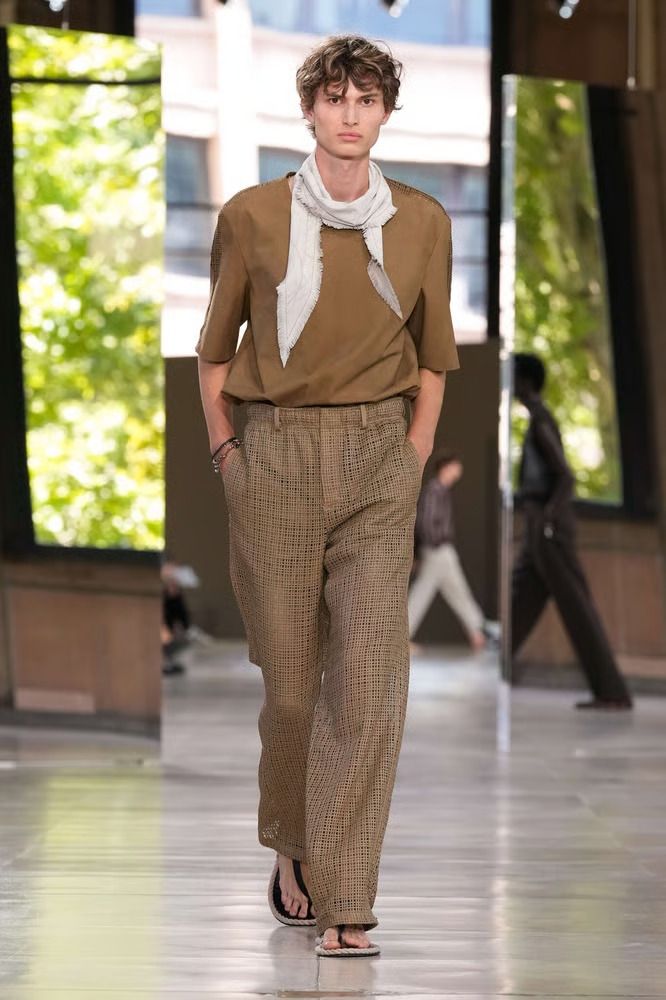
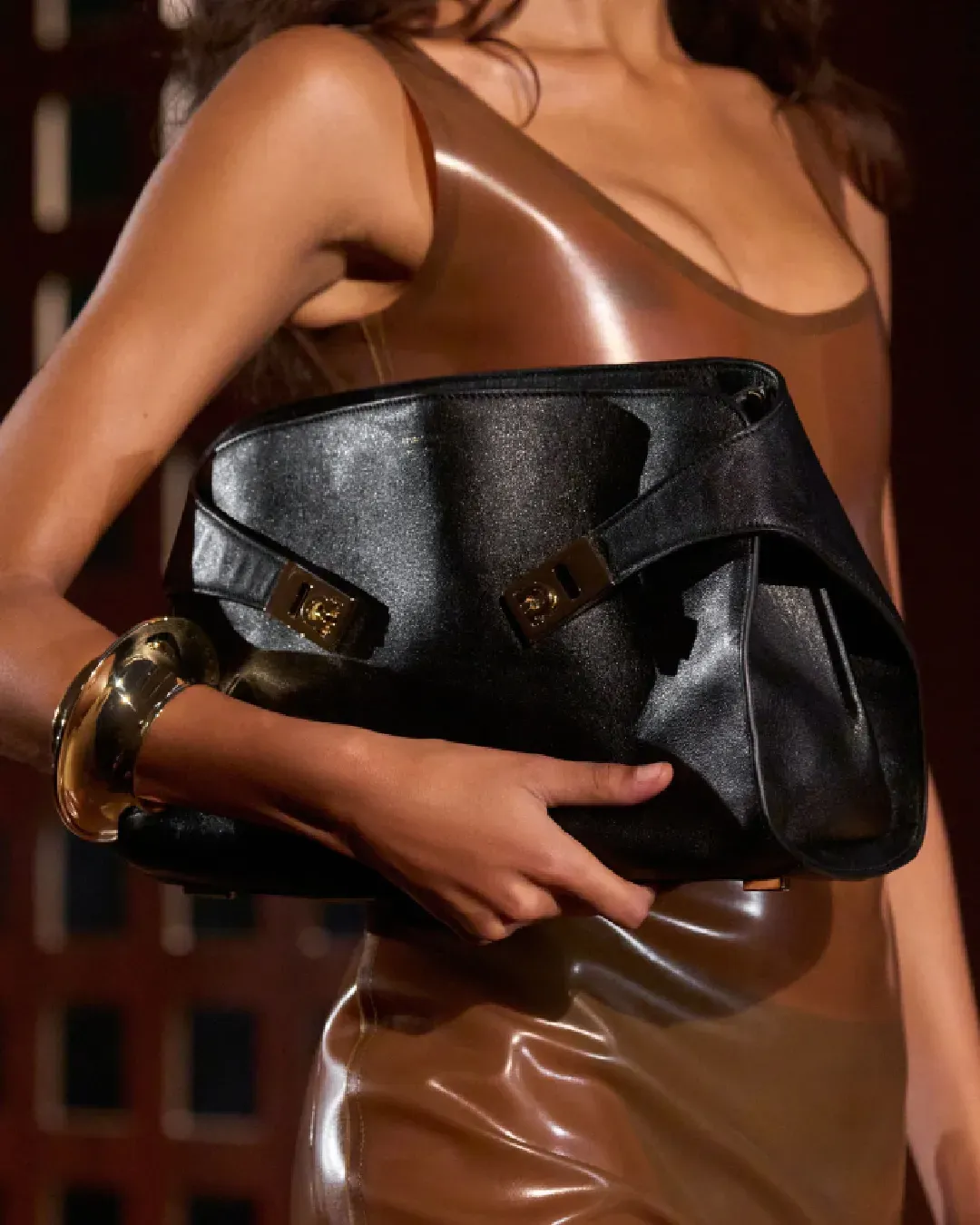
Hermès SS26
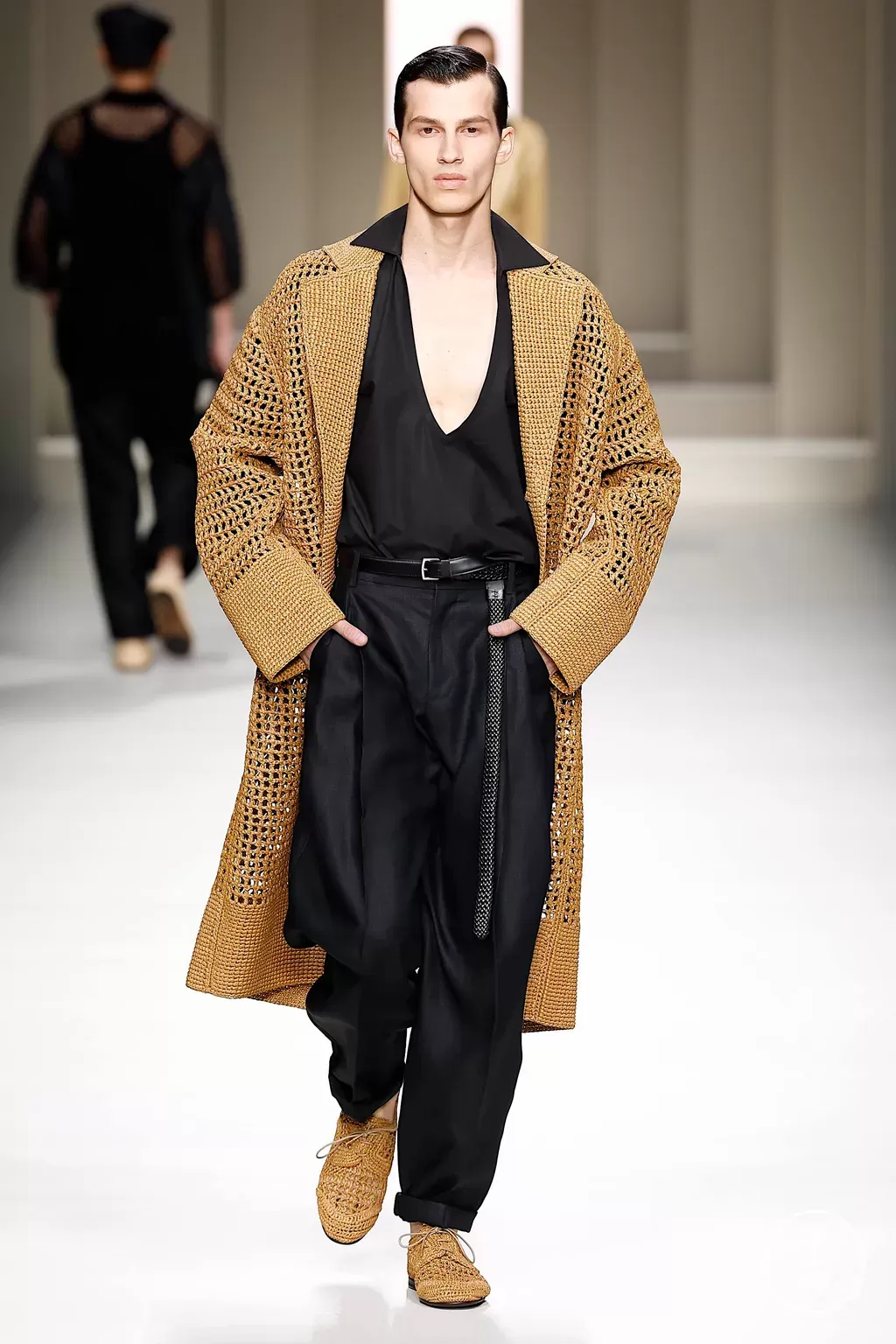
Dolce&Gabbana SS26
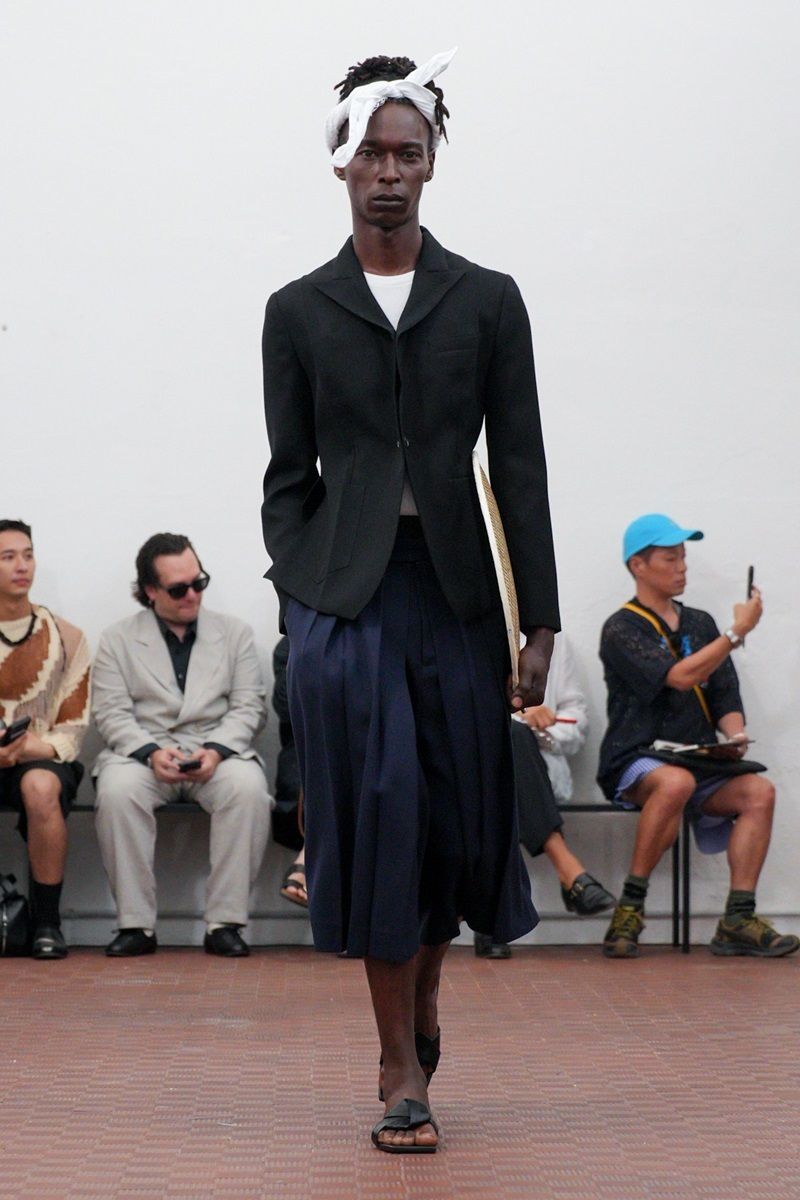
Setchu SS26
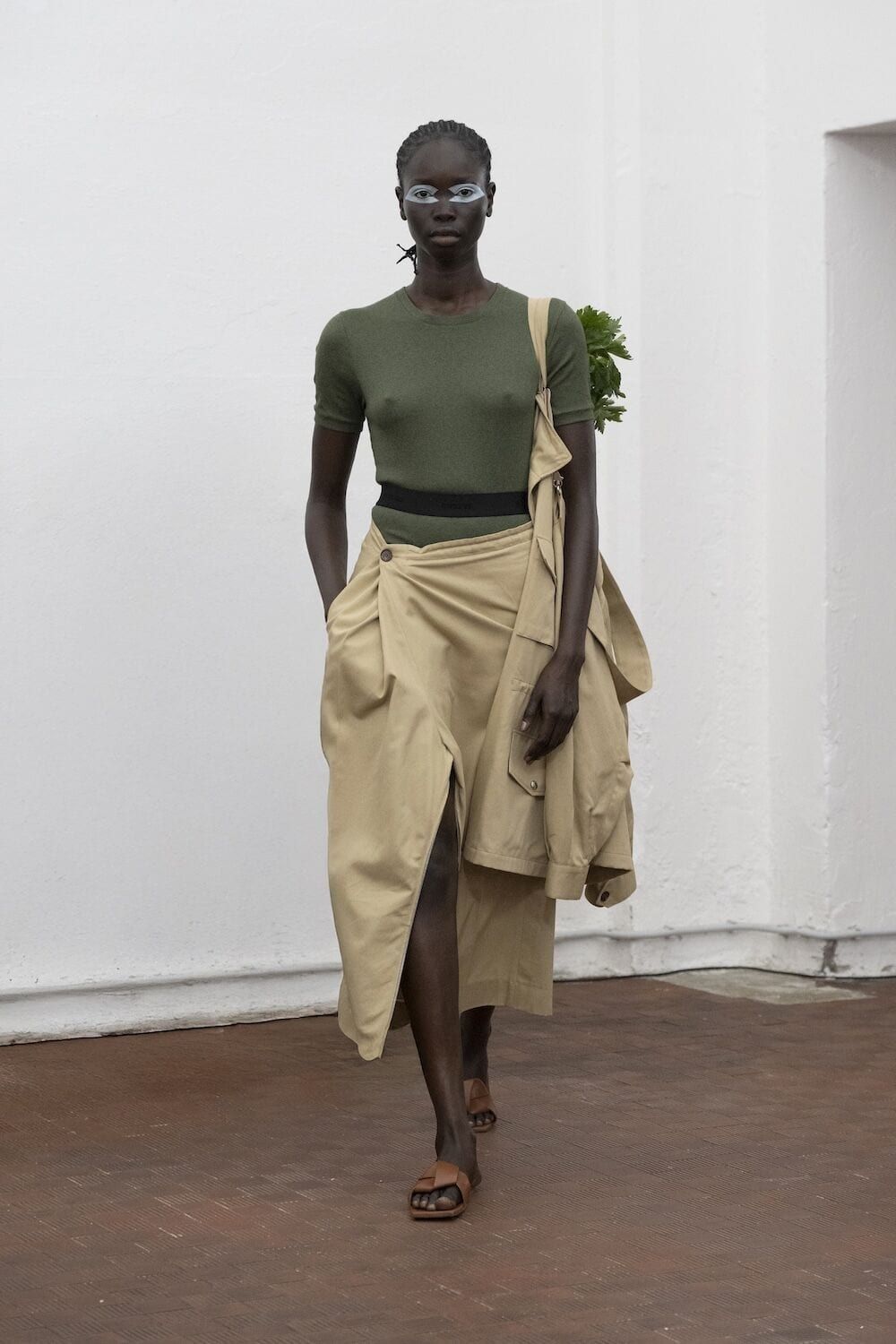
Setchu SS26
Setchu SS26
Lemaire SS26
Officine Générale SS26
Officine Générale SS26
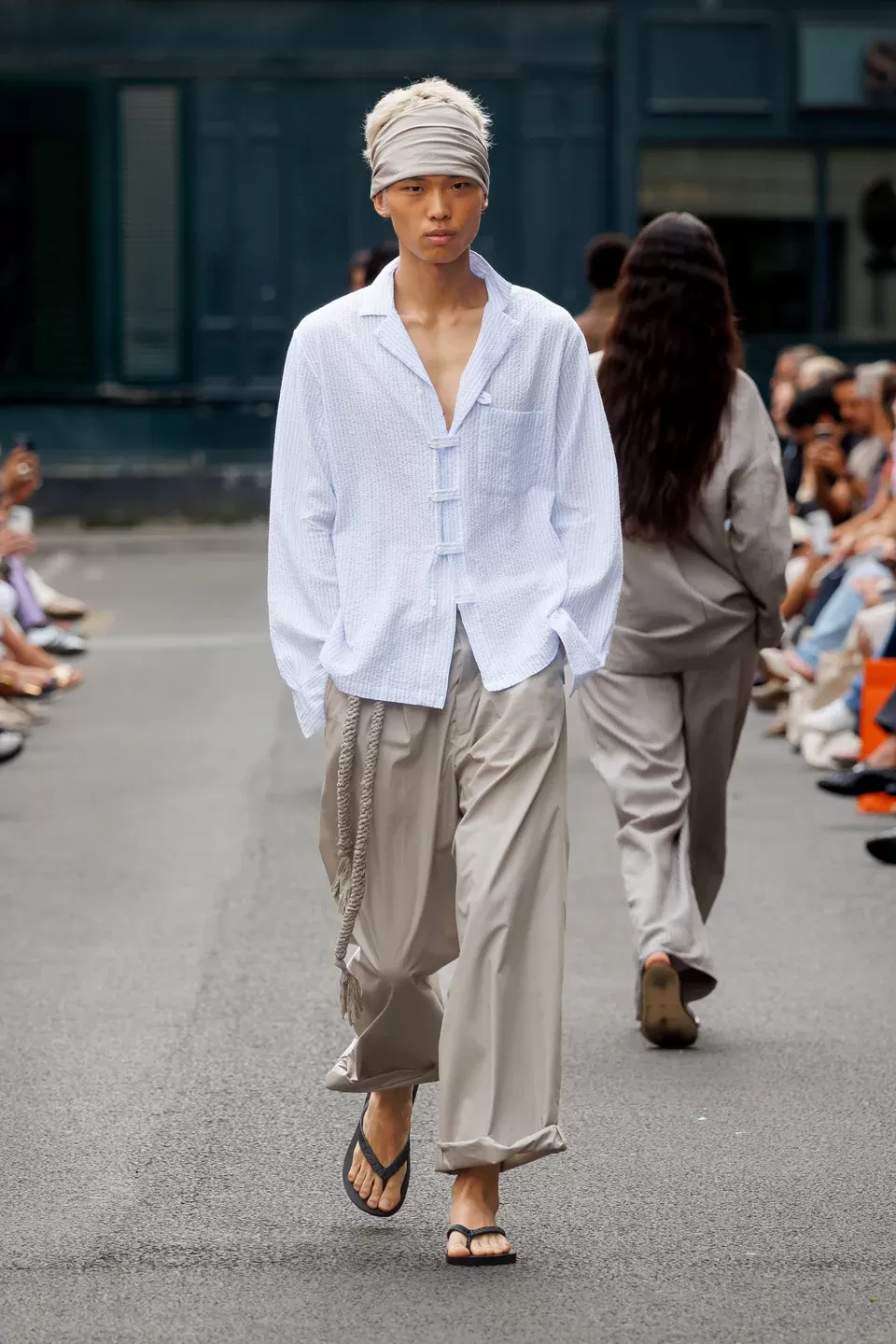
Officine Générale SS26
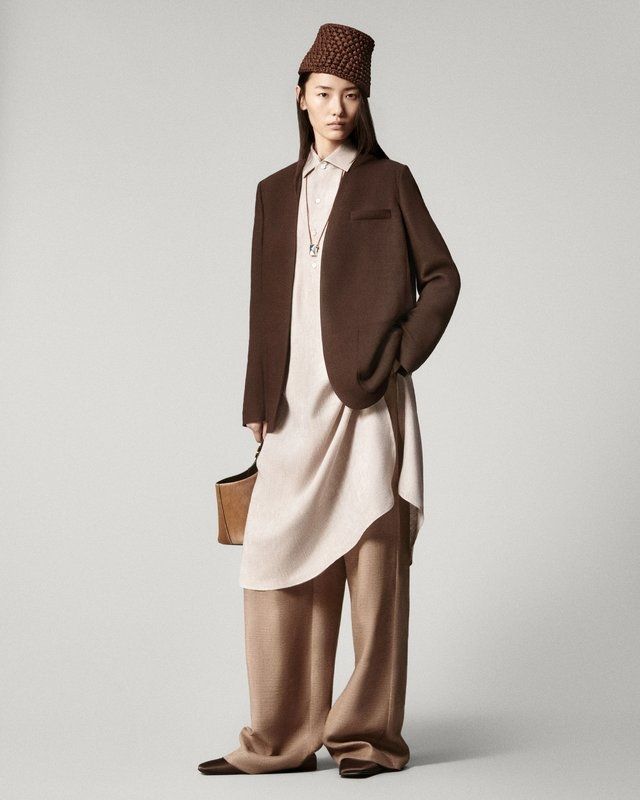
Loro Piana SS25
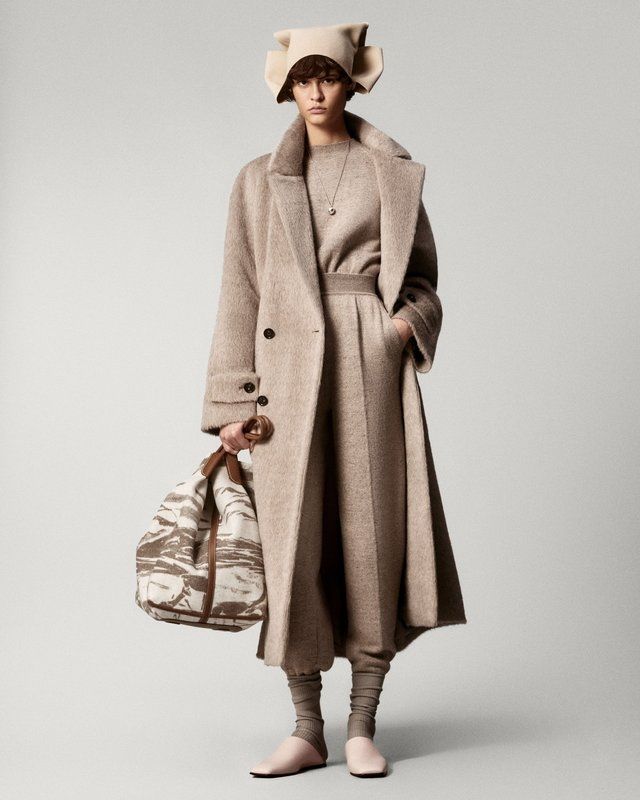
Loro Piana SS25
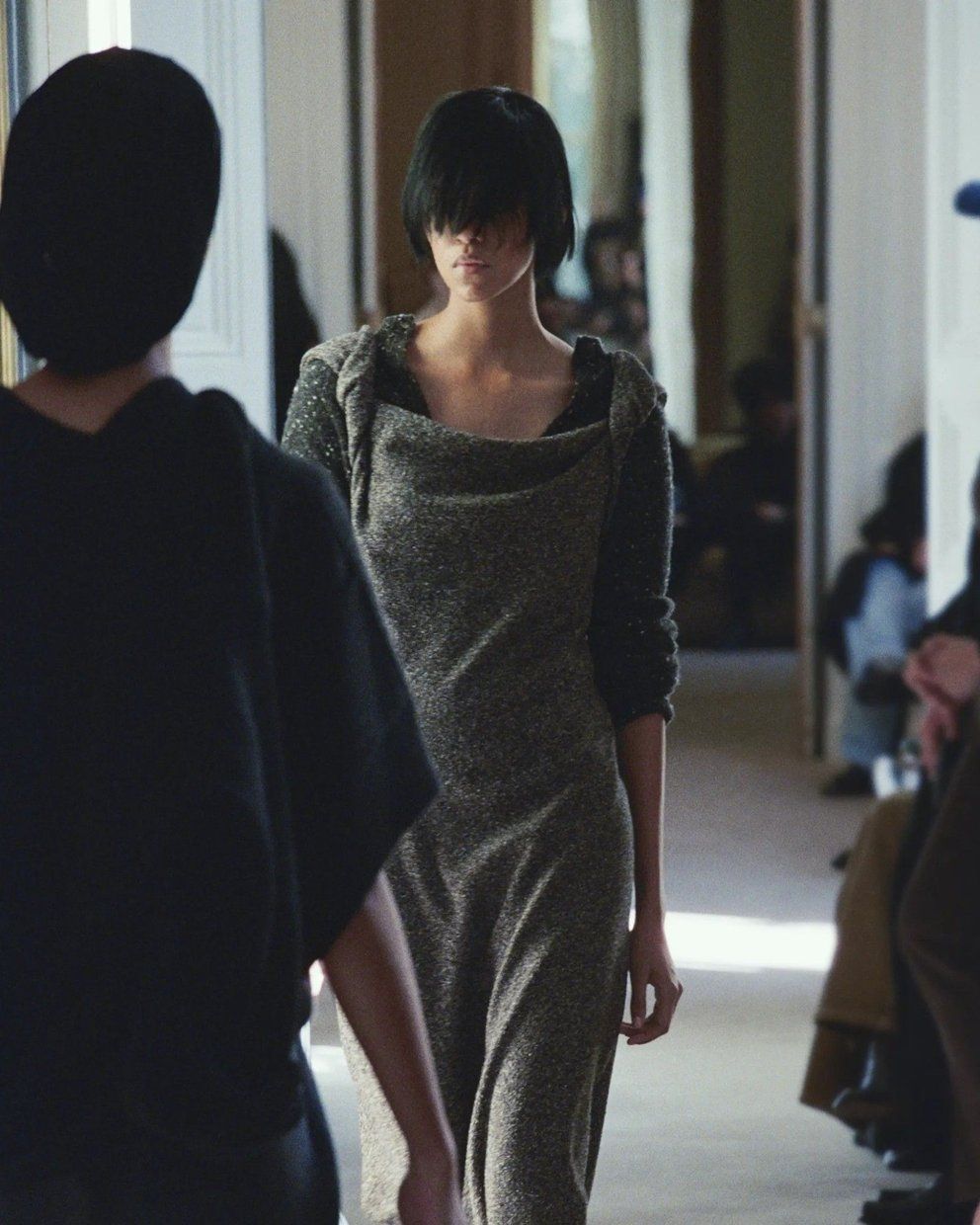
The Row Resort 2026
The Row Resort 2026
The Row Resort 2026
Giorgio Armani SS26
Fashion system designers during the last fashion show cycle are sending us a clear message: abandon chaotic metropolises and return to repopulate the countryside. In contrast to the strict and tight schedule imposed by CEOs, some designers are expressing a collective desire to disconnect from techno-urban confusion and return to the healthy slowness of rural life. First of all, this renewed fascination with rural aesthetics is nothing more than yet another symptom of the conservatism that runs through our society and, inevitably, our fashion. The looks inspired by traditional countryside clothing that dominated recent Fashion Weeks are, in a way, a reflection of rural politics and nostalgic narratives promoted by leading international governments. On the other hand, this rediscovery of the rural imagination could be beneficial to the fashion system, if it leads to greater awareness of production and attention to craftsmanship, which is part of the cultural heritage of local communities. In light of the instability of current times and the neurotic pace of changing trends, fashion is very likely to miss the opportunity to build a cultural and political critique, turning it instead into yet another case of glamorization of poverty.
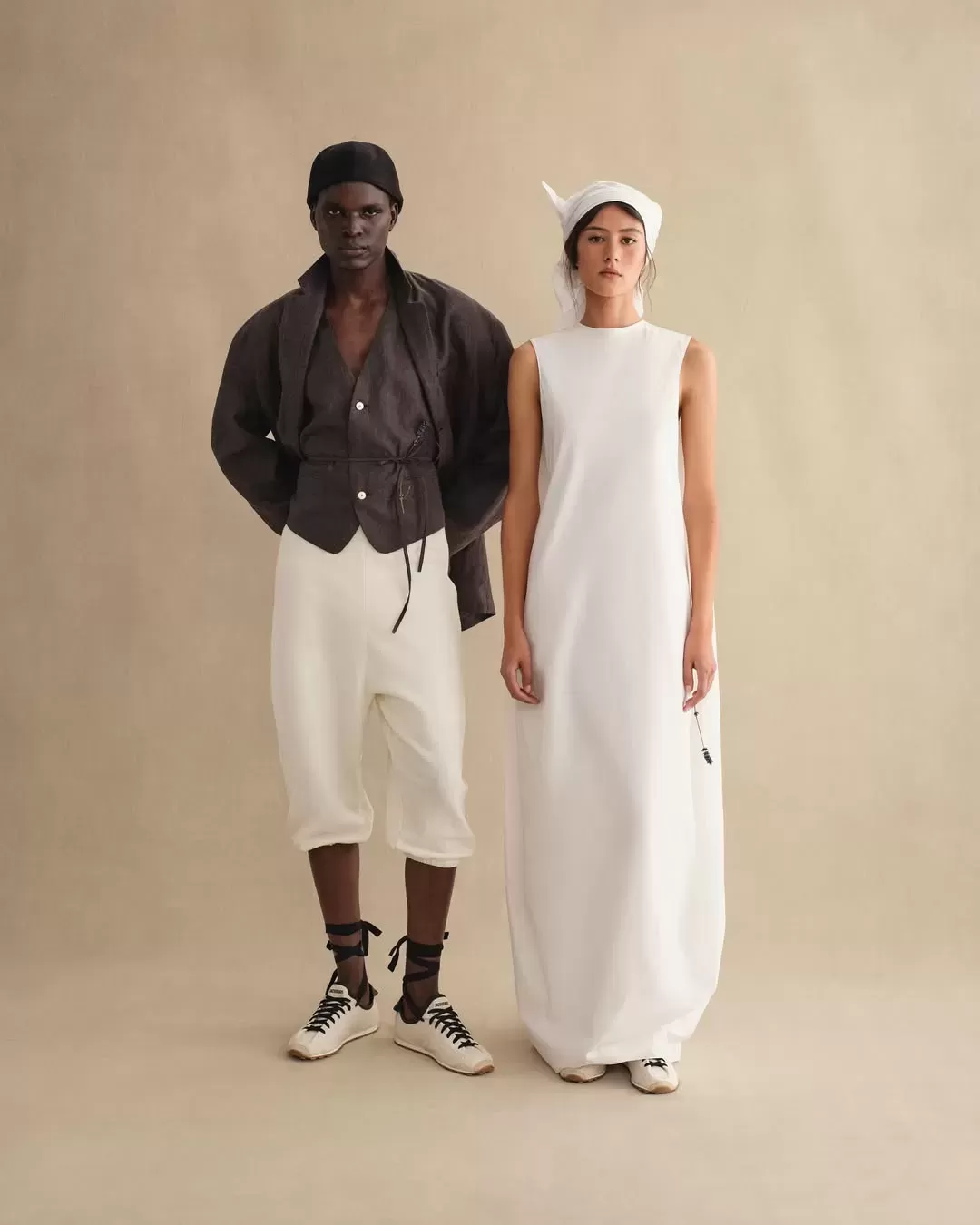
This trend could be summed up by the expression poor opulence, referring to a type of style that in its fabrics and color choices is inspired by the poor rural imagery of the past but is reinterpreted and often romanticized by luxury fashion – a politically incorrect oxymoron, in short. Simon Porte Jacquemus, for example, in his SS26 collection, told the story of his childhood spent in the French Provence. The show, significantly titled Le Paysan, was a tribute to the countryside and its traditions: on the catwalk, there were kerchief-skirts, linen tunics worn with gavroche caps, even vegetable-shaped clutches and crochet dresses. Even though the French designer says, «you can take the boy out of the countryside, but not the countryside out of the boy,» Jacquemus is miles away from the carefree yet laborious life of French farmers: the fairytale farm of the maison is set in sumptuous Versailles, entirely detached from historical and material reality.
The Row Resort 2026
The Row Resort 2026
The Row Resort 2026
Loro Piana SS25
Loro Piana SS25
Setchu SS26
Setchu SS26
Setchu SS26
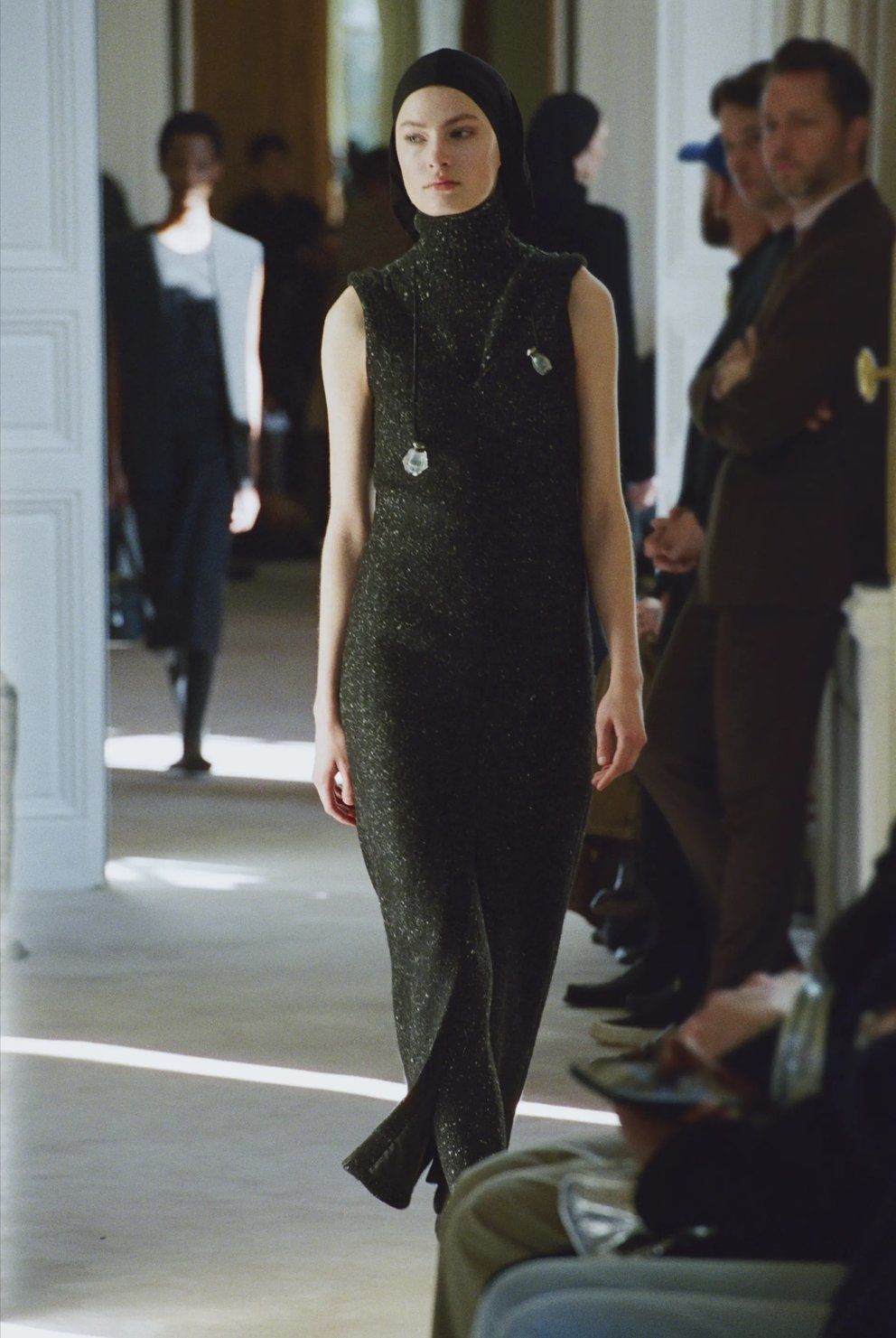
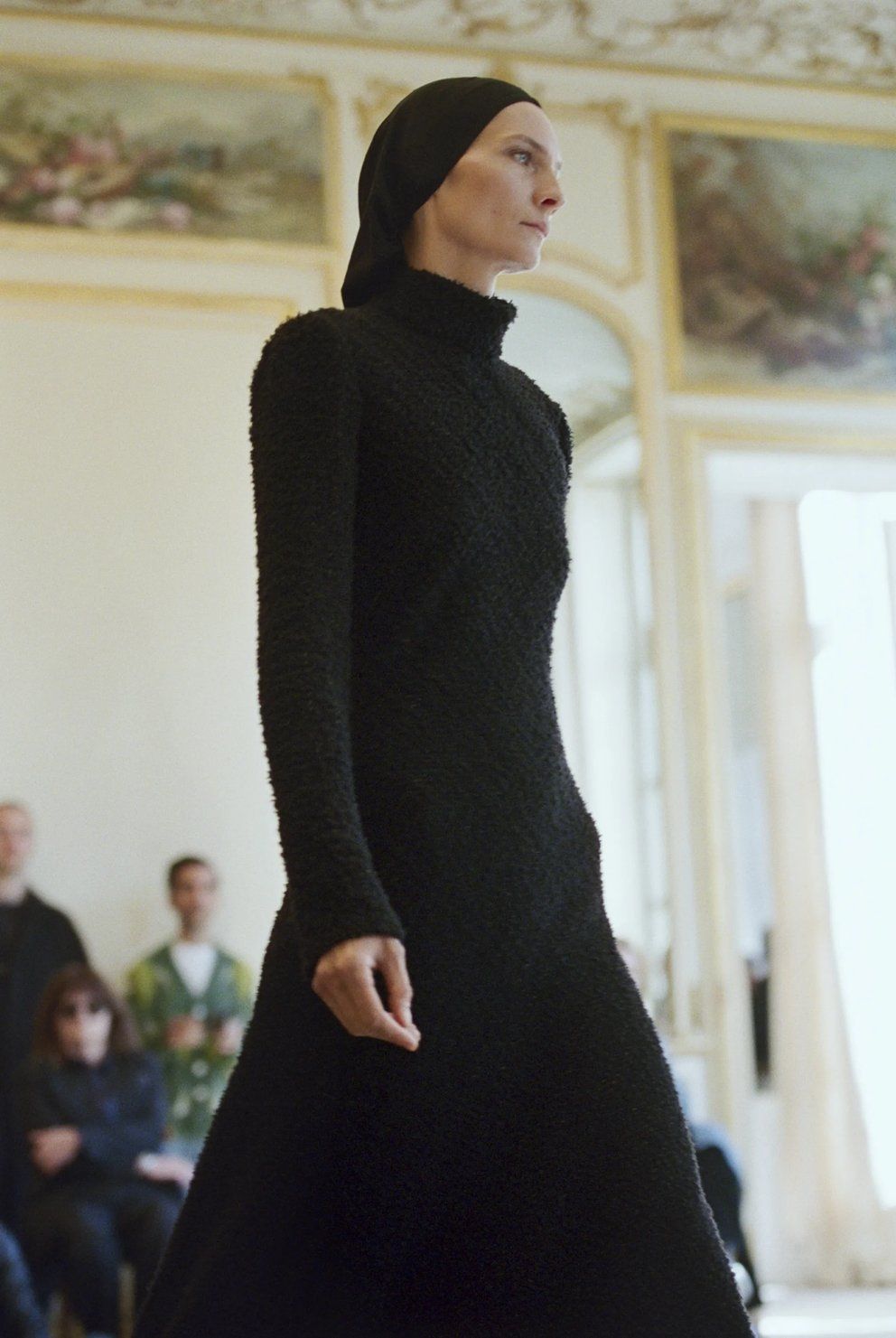
Some of the main proponents of rural aesthetics are paradoxically quiet luxury brands. It’s no surprise that brands like The Row and Loro Piana (some of the most expensive labels in the world) are leaving behind urban minimalism to embrace the rural. This strategy is full of contradictions: maisons that built their reputation on manufacturing excellence and on an idea of essential, lasting luxury have often been accused of exploiting the artisan communities they collaborate with. From one perspective, due to the many material and chromatic connections between the two trends, we could define poor opulence as the latest offspring of quiet luxury. The Row, for its Resort 2026 collection, proposed leather apron-skirts, wool sack dresses, and the typical cotton kerchiefs used by farmers to tie their hair. At Loro Piana, we find a winter cashmere version of this kind of bandana paired with embroidered cardigans and suede slippers – a luxury version of the northern Italian farmer's uniform, like the one more authentically depicted by Maura Delpero in Vermiglio. We are faced with the paradox of ethnographic luxury: these brands elevate rural imagery to an aesthetic ideal but often forget to recognize, even financially, the dignity of the artisan communities they draw from.
Officine Générale SS26
Officine Générale SS26
Officine Générale SS26
Lemaire SS26
Dolce&Gabbana SS26
Hermès SS26
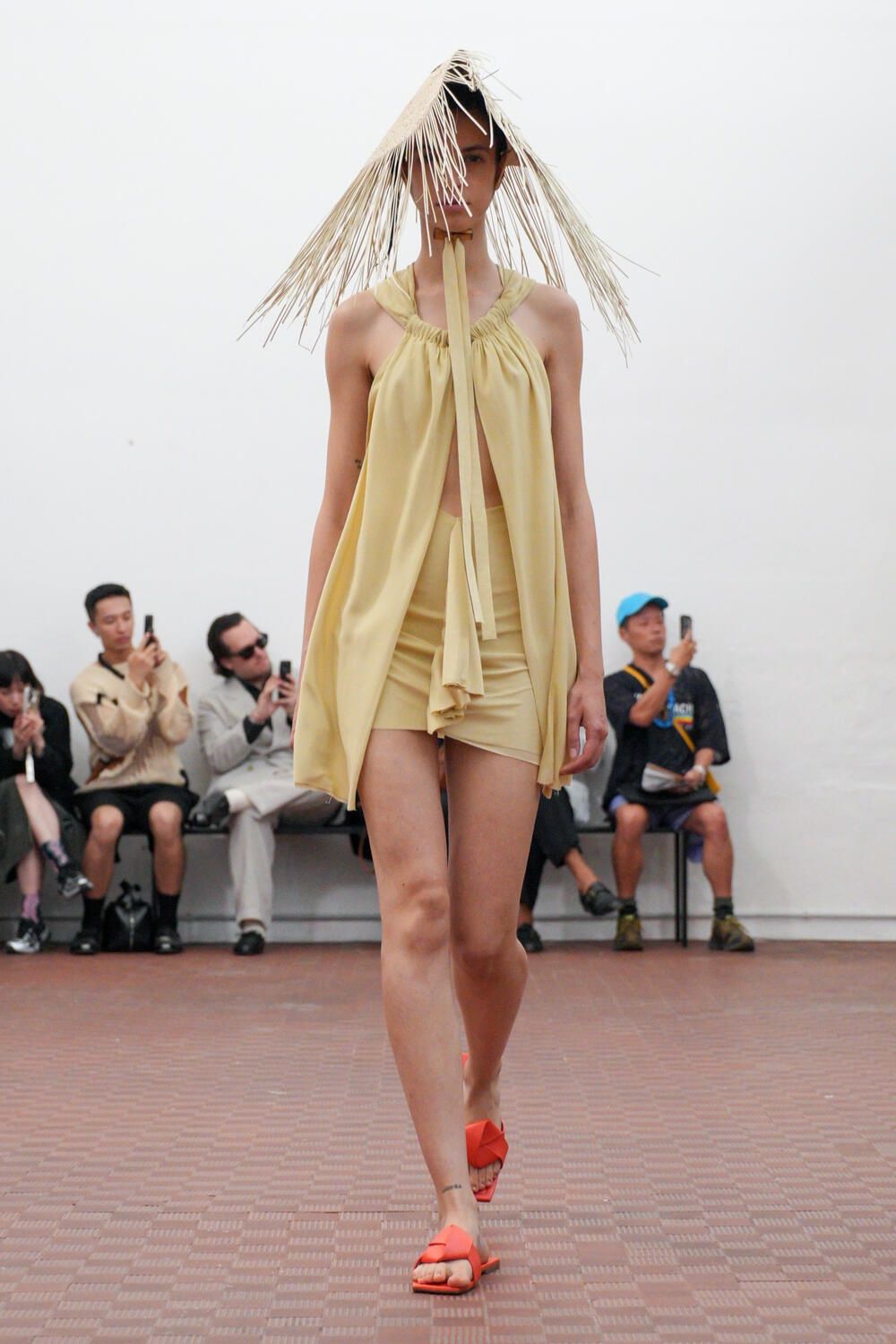
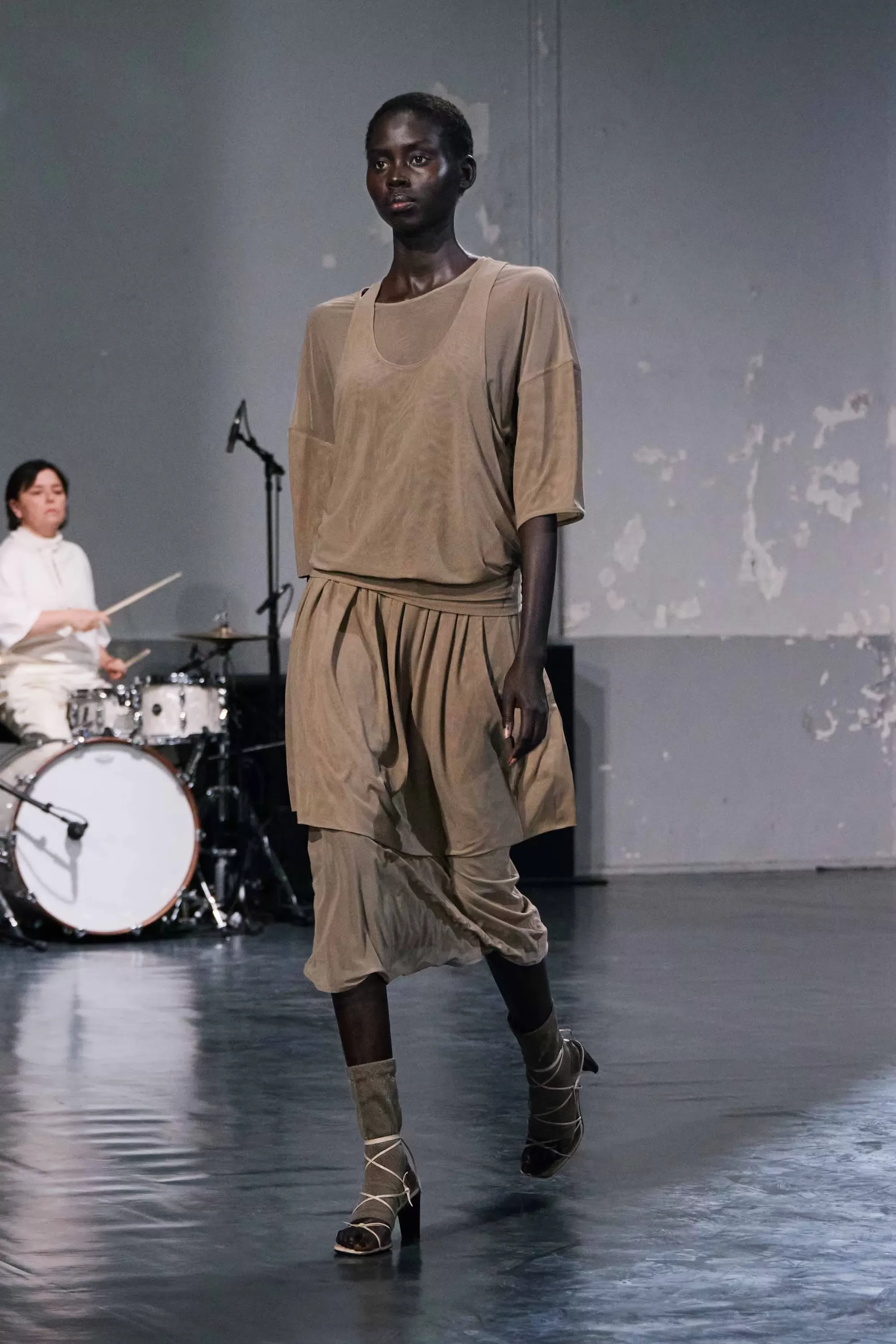
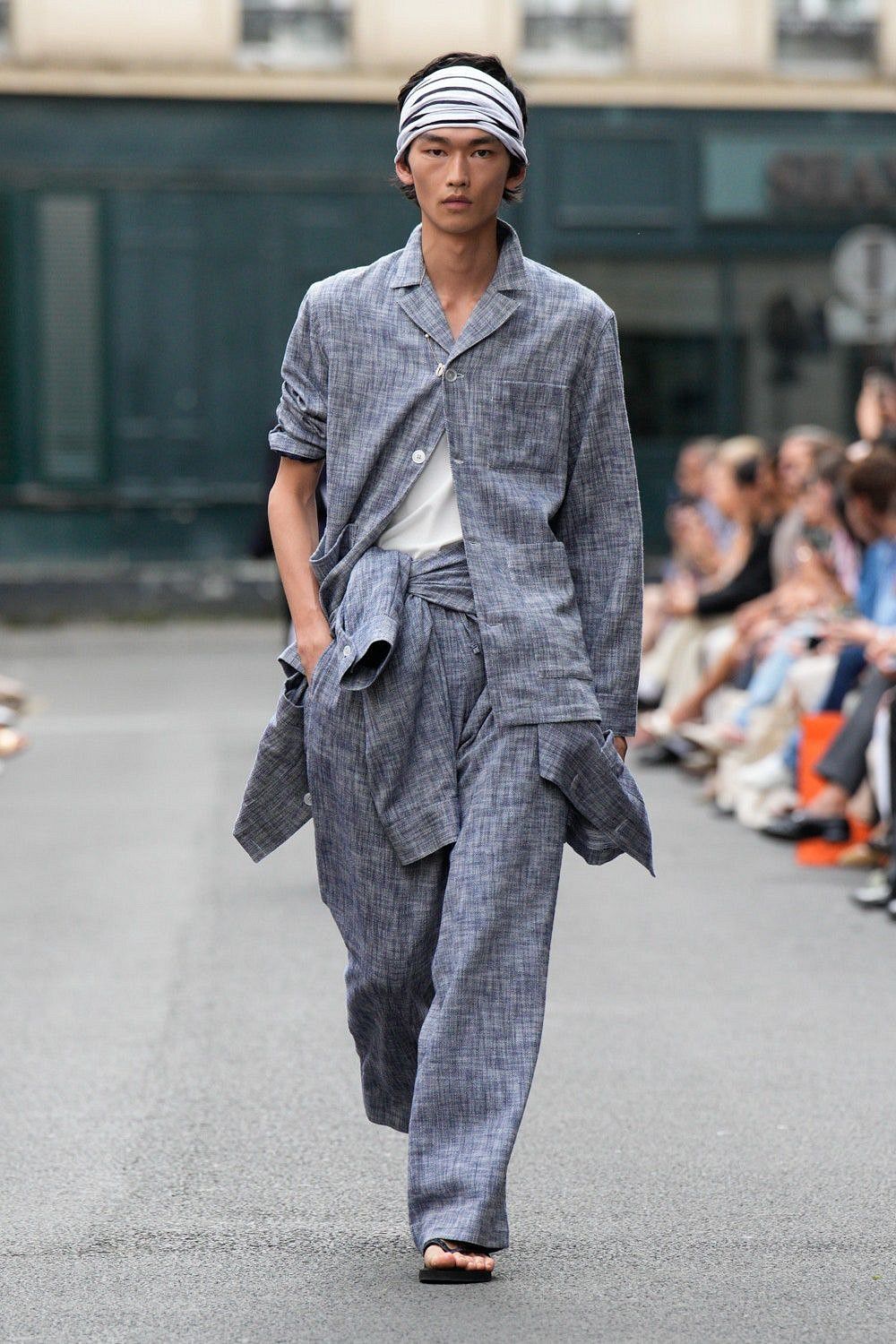
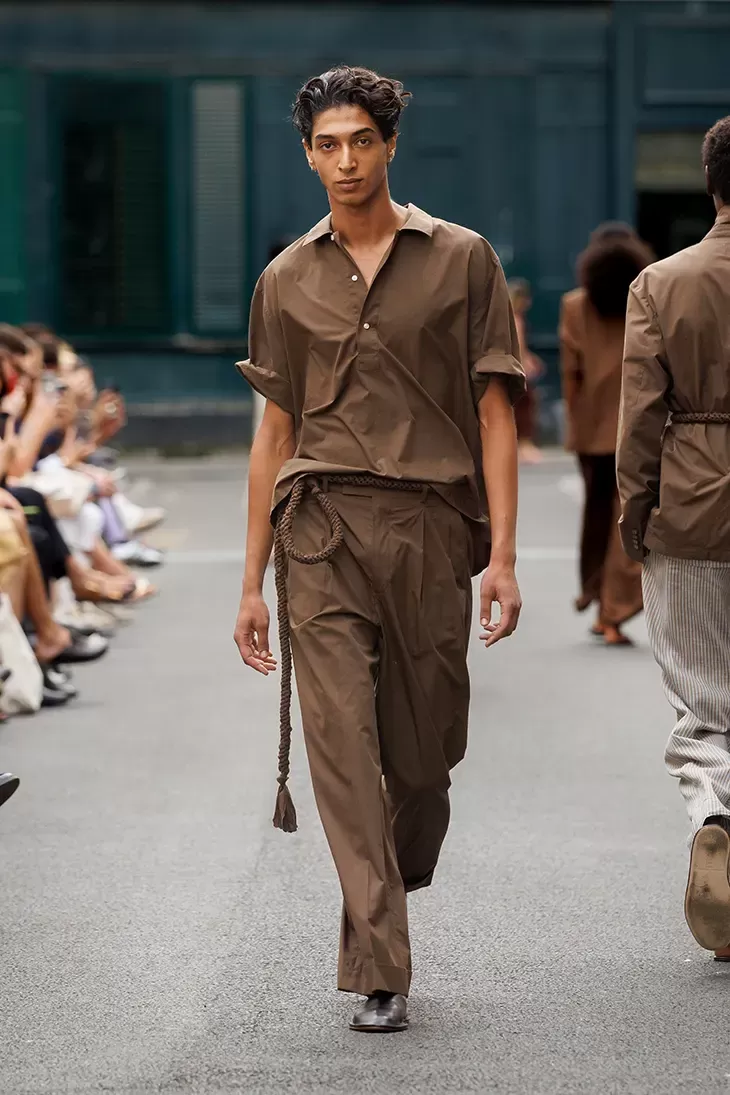
Returning to the examples, even niche brands of contemporary minimalism like Lemaire and Officine Générale embraced this aesthetic in their latest summer collections: in the first case, we find tablier paysan, or apron-skirts made with refined fabrics; in the second, Pierre Mahéo blends Parisian chic with headscarves and shawls tied like those worn by the French working and farming class in the 19th century. These brands, in short, promote an aesthetic that is inspired by a humble image of the peasant and rural life, like that depicted in realist painting, but that tells a story of poverty that is anything but poor. Some designers express this rural fascination through techniques and textile choices: Setchu, for example, created skirts that look like jute sacks with straw fringes, while in the menswear collections by Dolce & Gabbana and Hermès there are mesh tank tops and cardigans reminiscent of the woven seats and baskets typical of southern Italian peasant culture.
Giorgio Armani SS26
Prada Men SS26
Prada Men SS26
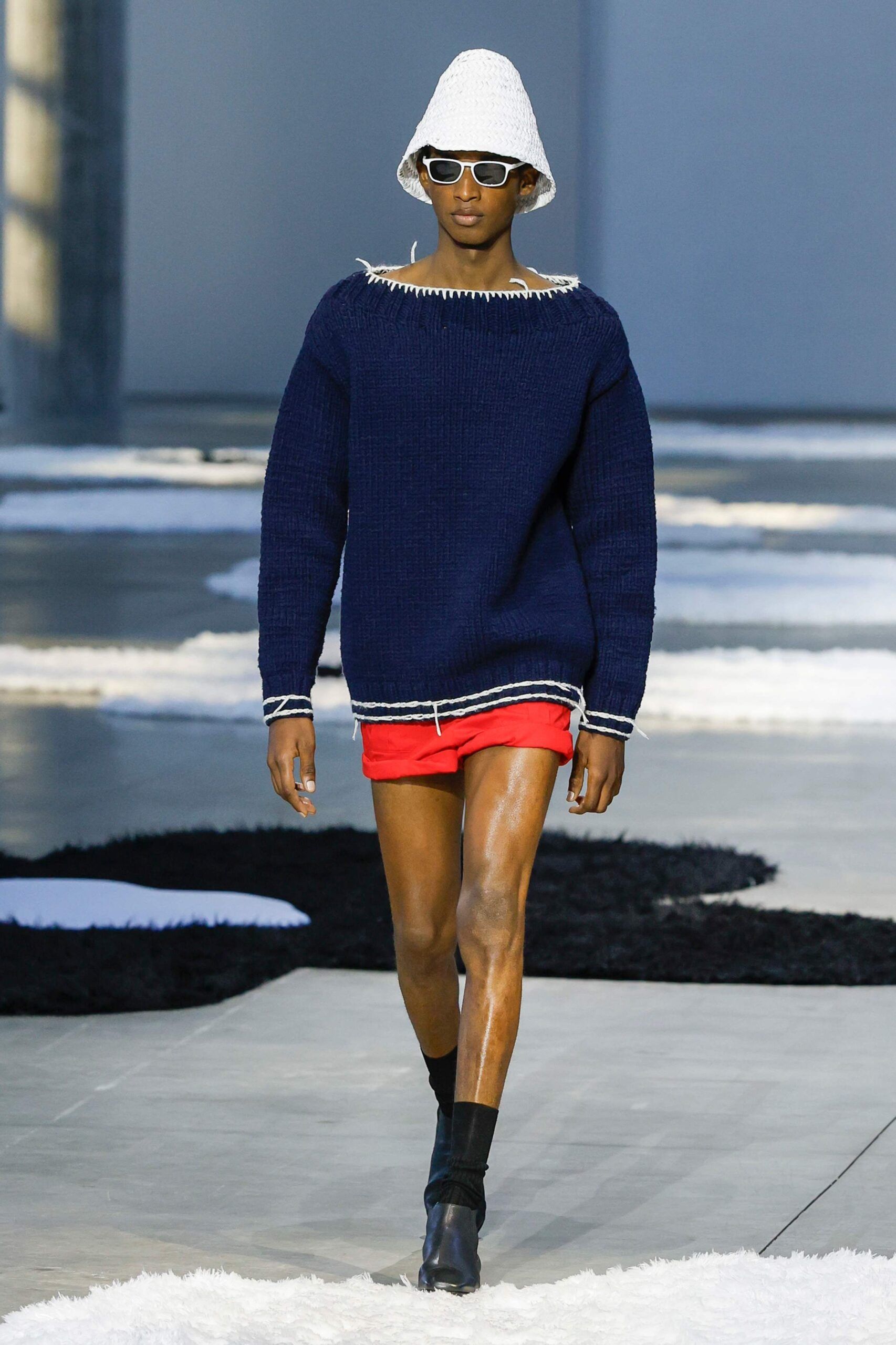
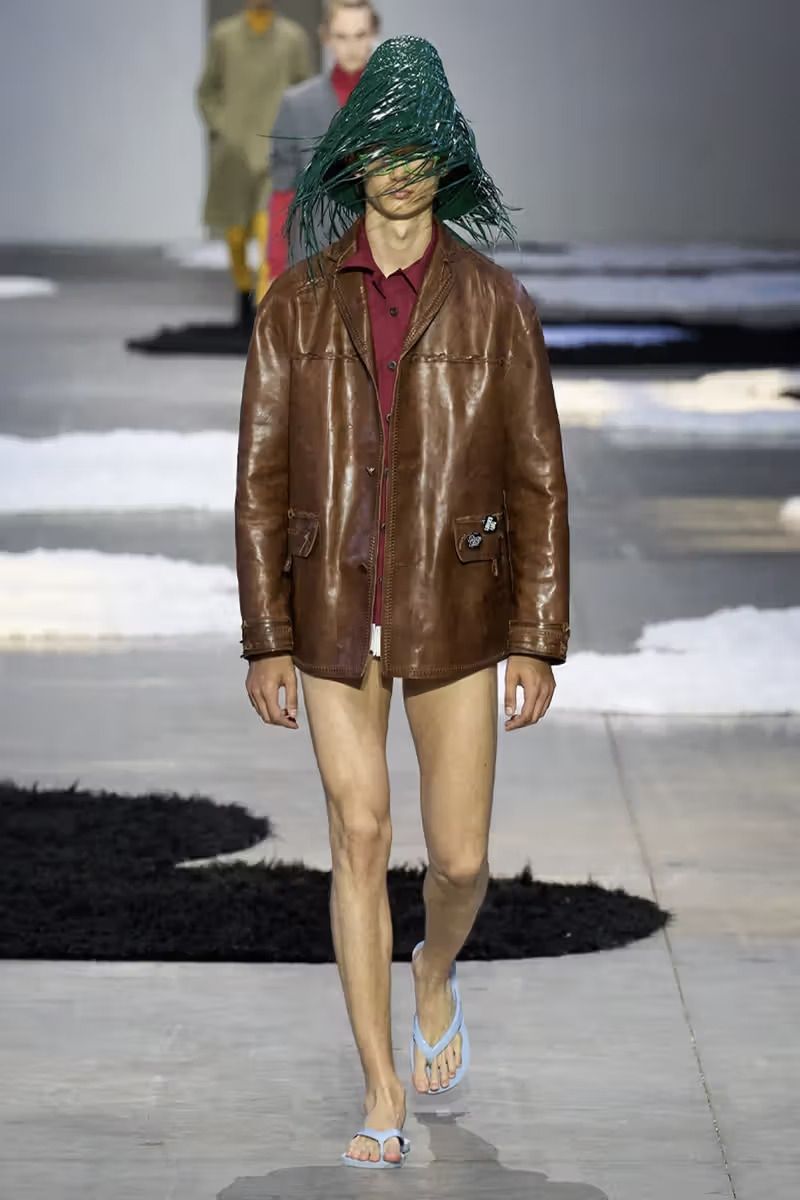
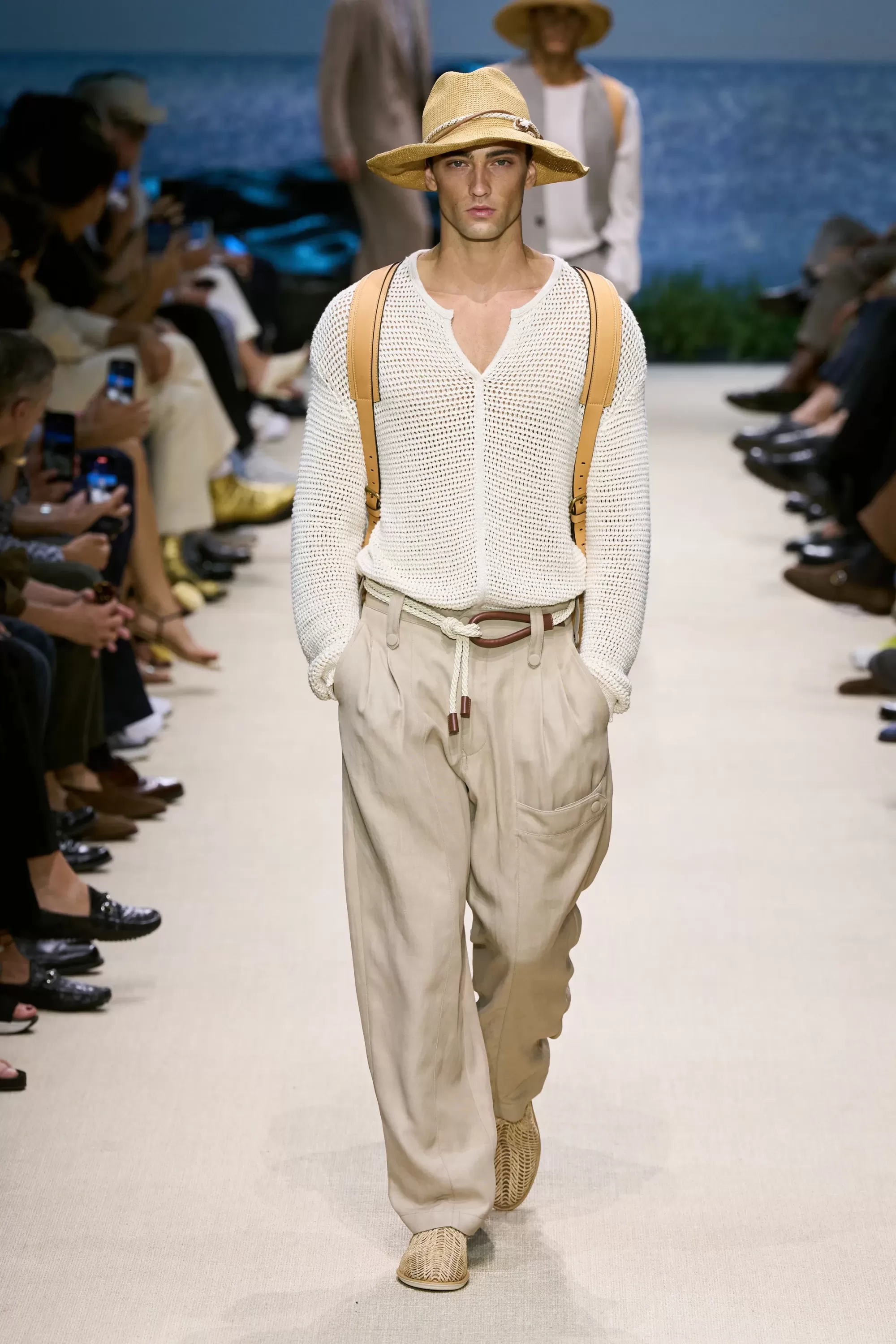
The poor opulence trend has also reached the menswear collections of Prada and Giorgio Armani, who presented their versions of farmer hats by looking beyond the borders of the Western world to capture Eastern markets. Miuccia Prada and Raf Simons, for SS26, propose a braided straw hat that is somewhere between a Puglian trullo and a traditional dǒu li, a conical hat used by Chinese farmers; in Armani’s case, the designer reinterpreted the classic straw hat imported from Egyptian and Greek rural cultures, once worn by European nobles. Ultimately, what emerges is that behind the veneer of creative homage and romanticization of a simple aesthetic – elegant because tied to fundamental values such as quality, manual skill, care, and attention – brands are capitalizing on communities that share nothing with the world of luxury. More than poor opulence, perhaps it would be more accurate to call it out-of-touch opulence.