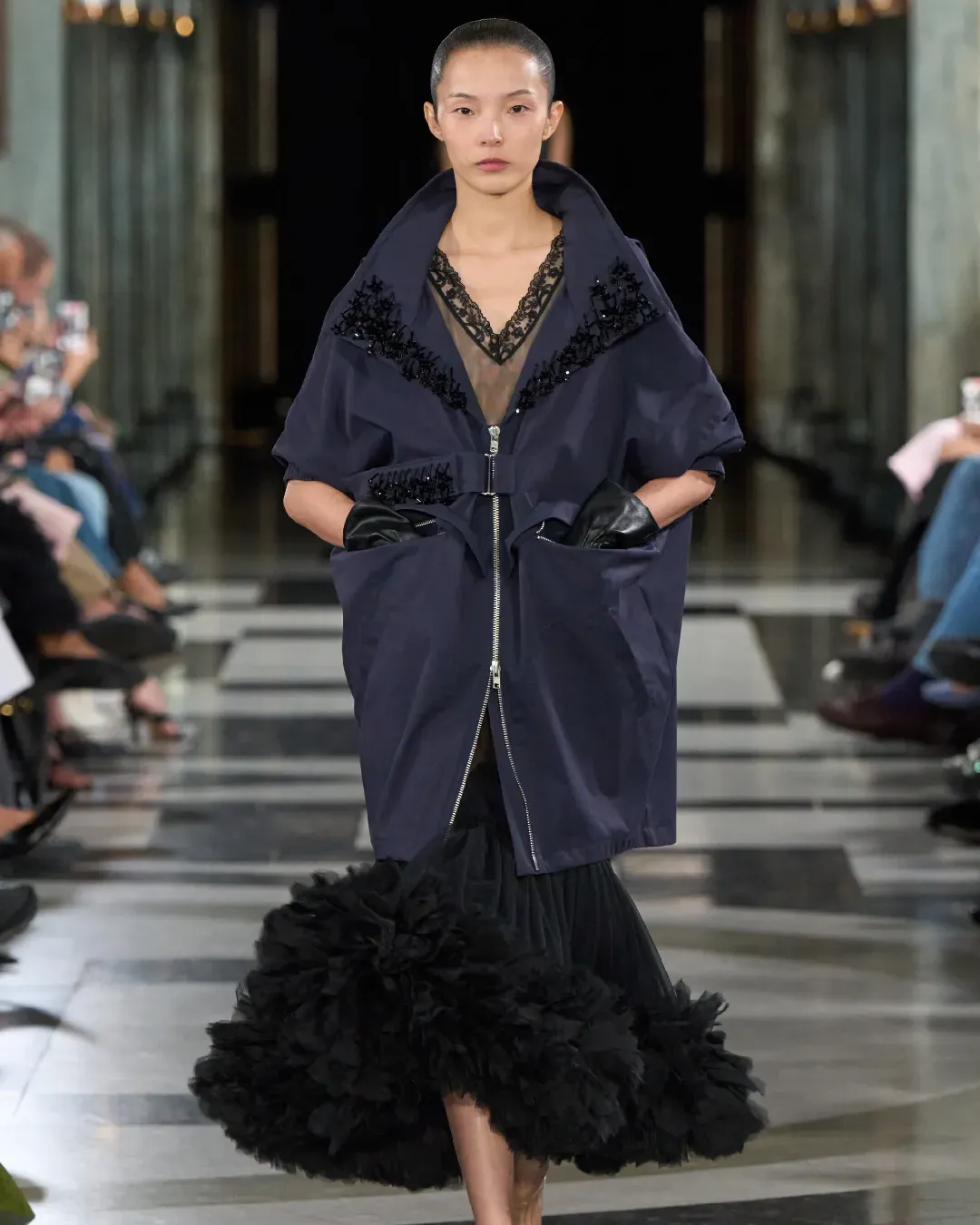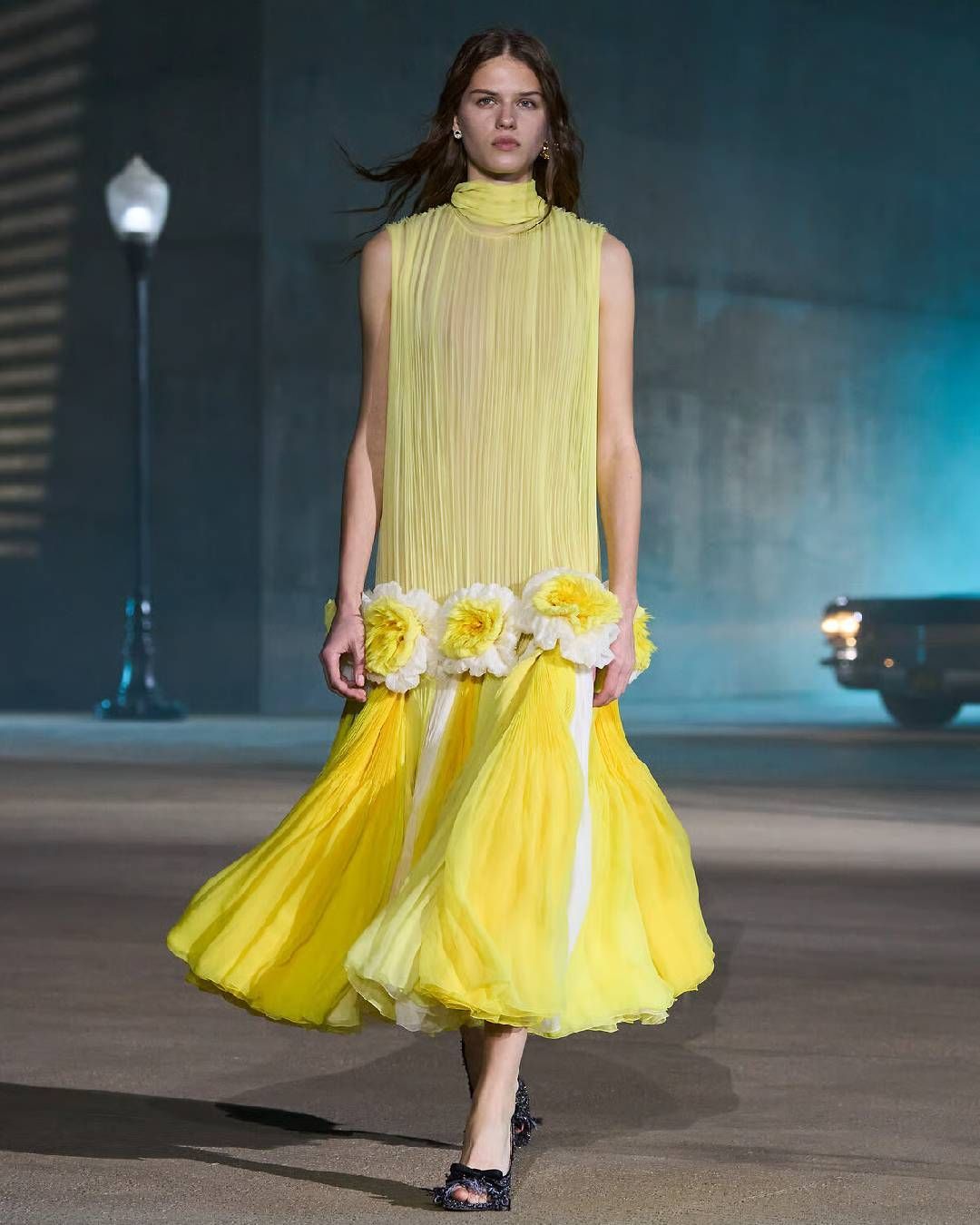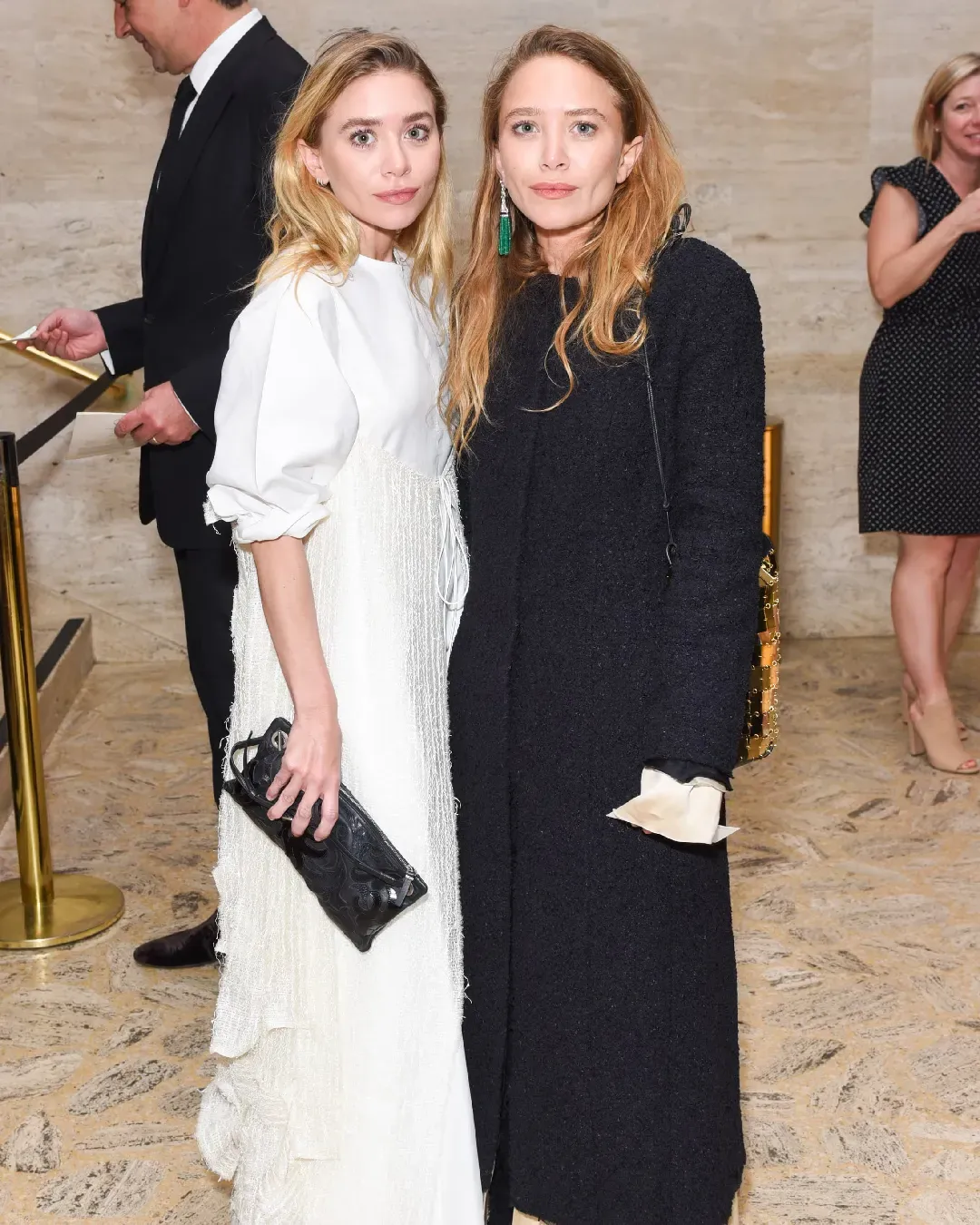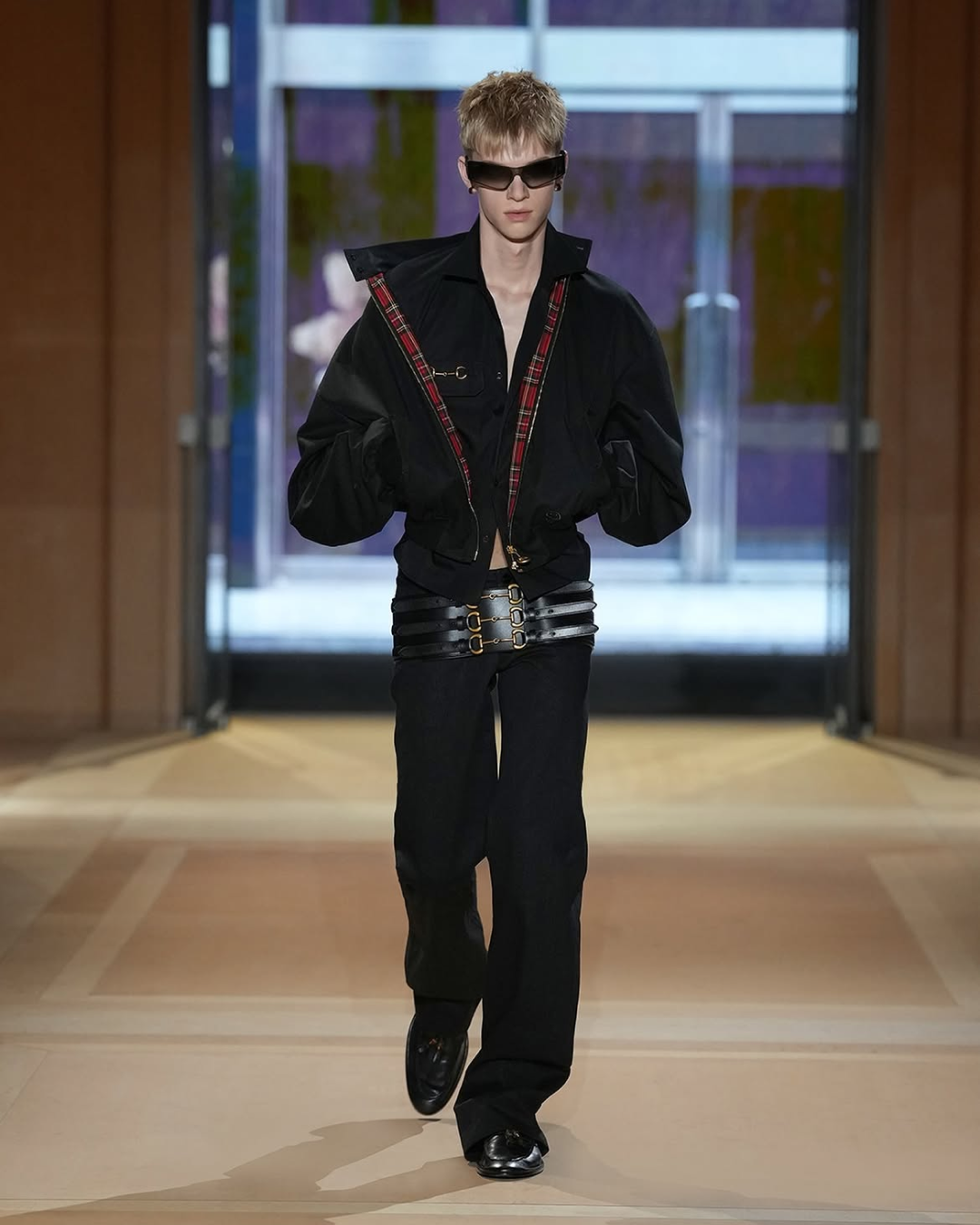






















Is being cool back in fashion? After years of absence, politics reappears on the catwalk and red carpet
Even silence is a political stance, now more than ever. After years dominated by quiet luxury (literally, silent luxury), at the latest Fashion Weeks independent brands and luxury Maisons have begun once again to raise their voices in defense of sociopolitical values. It might seem risky, judging by the climate of tension afflicting the West and the increasingly persistent involvement of tycoons like Jeff Bezos in the industry, yet the moment has never been more favorable.
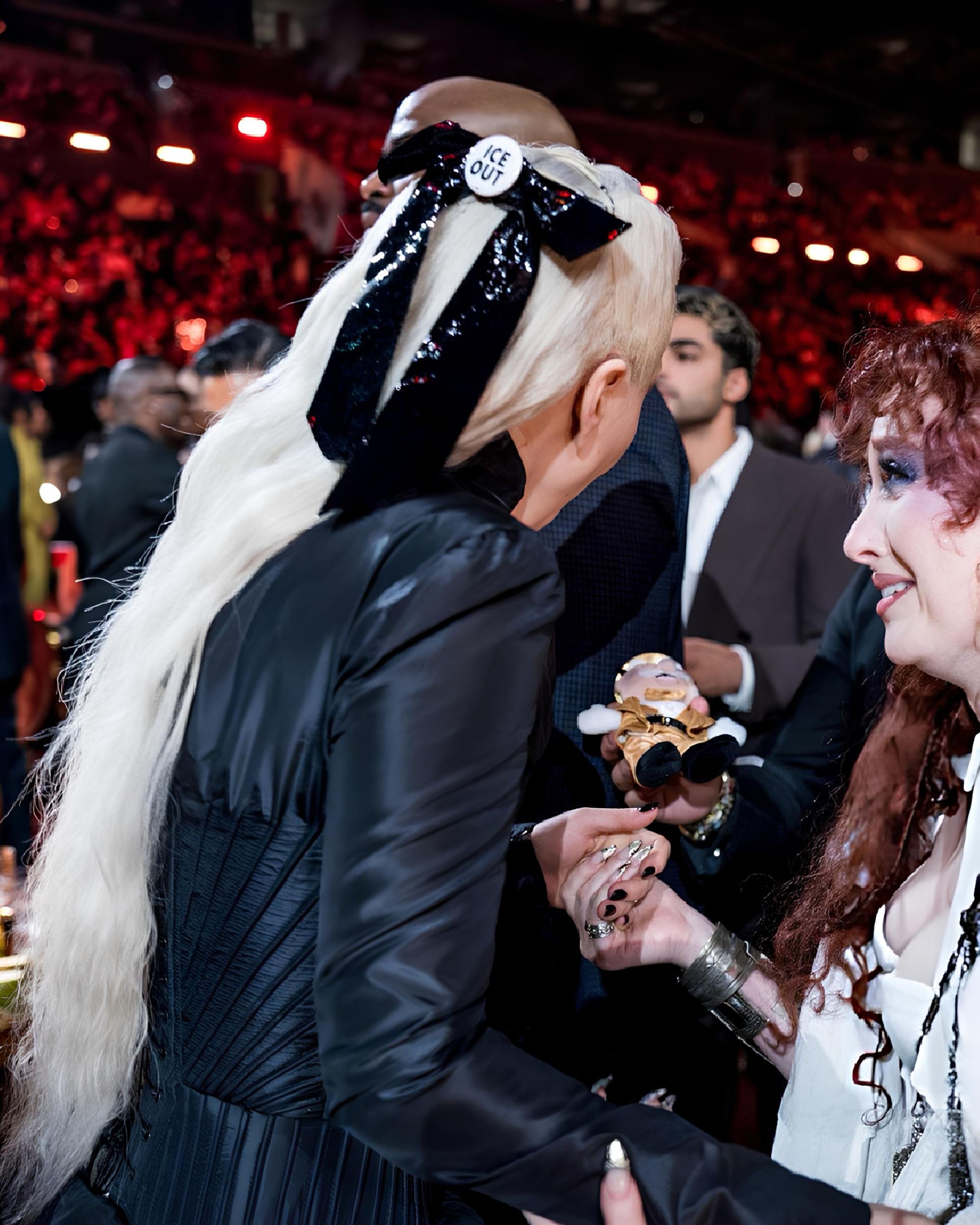
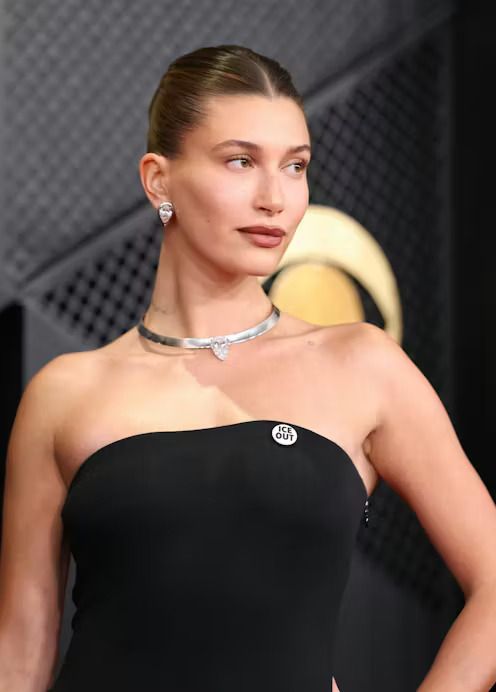
ICE OUT at the Grammys
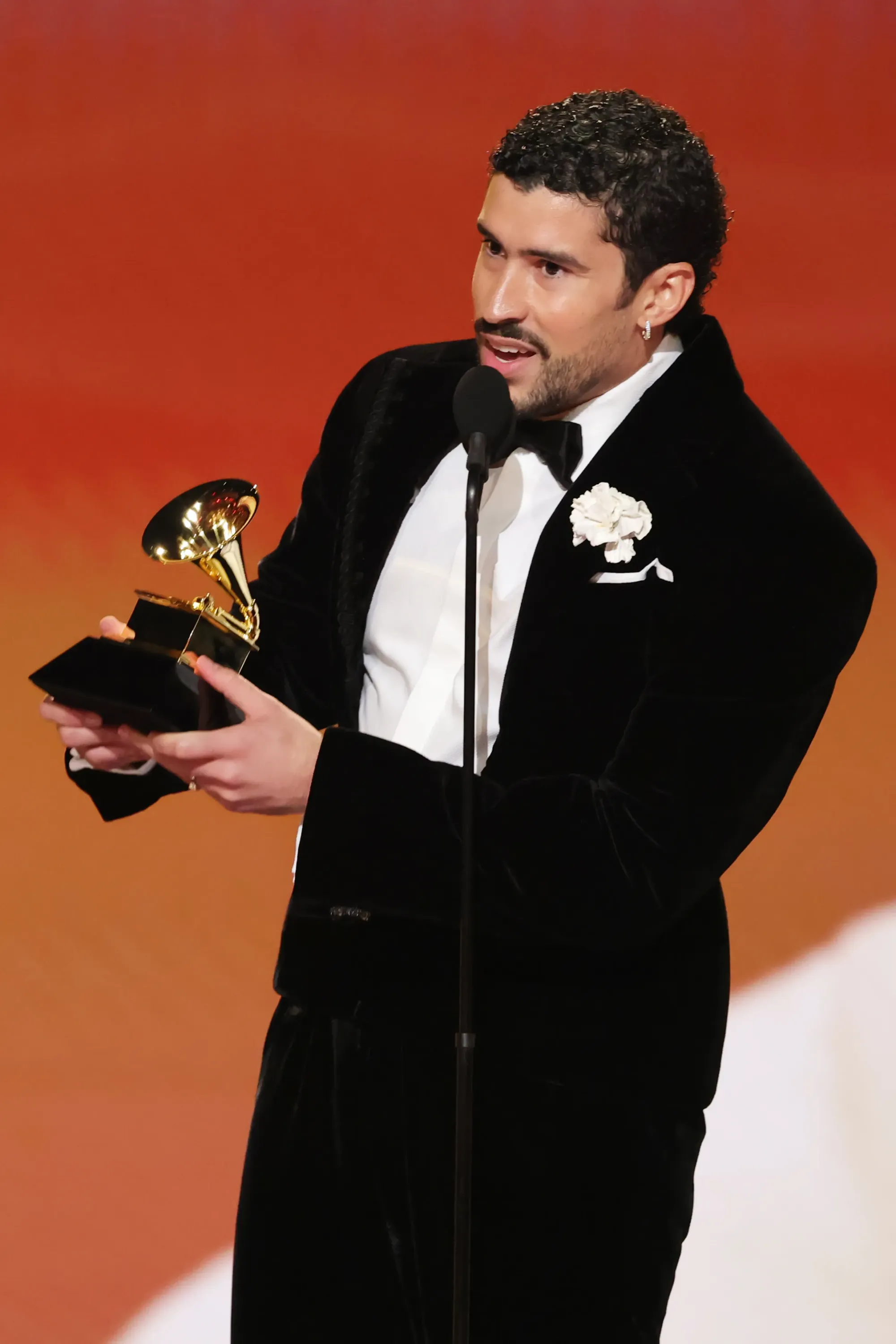
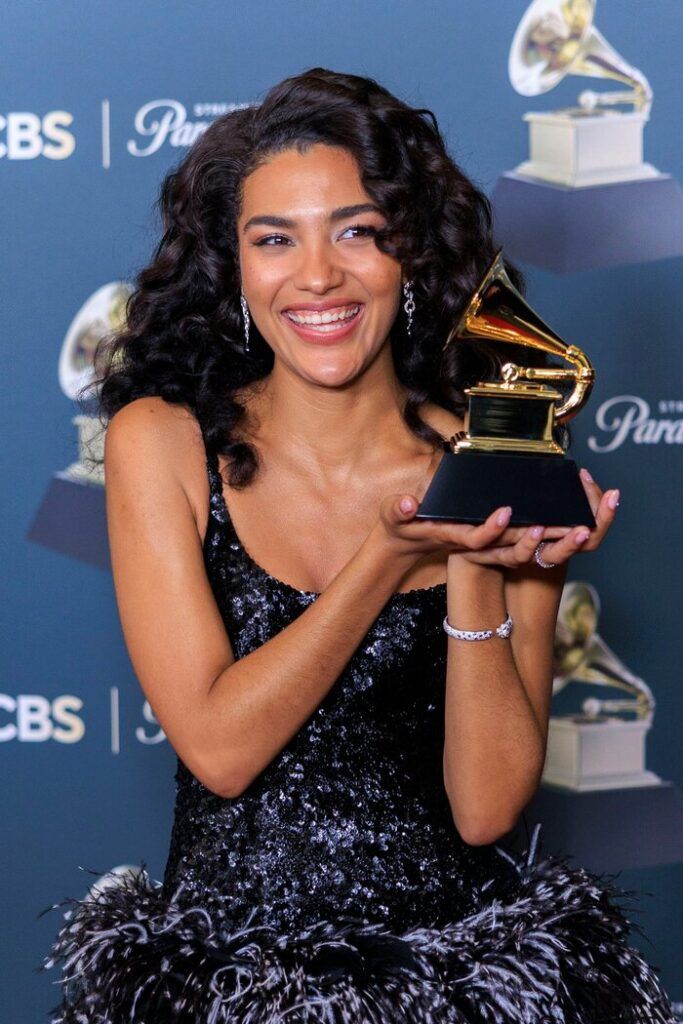
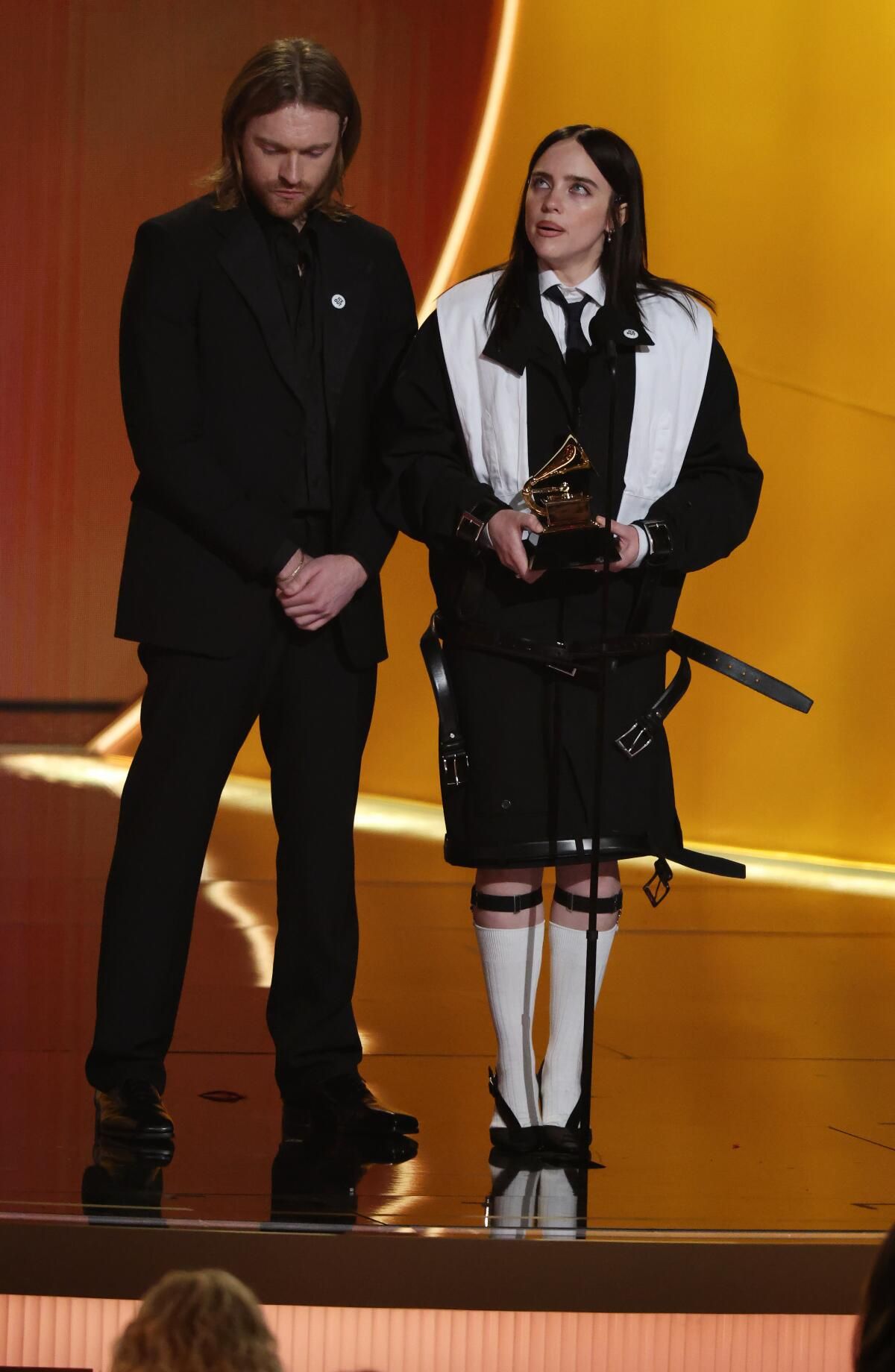
The wokeness, a general awareness of and concern for social injustice and discrimination, seems to be finding its way back to Fashion Week and Celebrity Dressing after a long period of distancing. The clearest expression of this shift appeared at last Sunday’s Grammys, where looks by Balenciaga, Alaïa, and Hodakova were adorned with pins reading ICE OUT in protest against the repression carried out by American military forces in the country. Unlike Justin and Hailey Bieber and Billie Eilish, who wore the aforementioned brands, the winners of Album of the Year and Best New Artist did not have pins on their Schiaparelli and Chanel outfits. On stage, Bad Bunny and Olivia Dean chose to use their voices to denounce the violence and injustices being suffered by ICE victims. But the first sign that fashion and those who wear it had truly begun to speak up again came much earlier.
The political fashion of Willy Chavarria, Conner Ives, and Wales Bonner
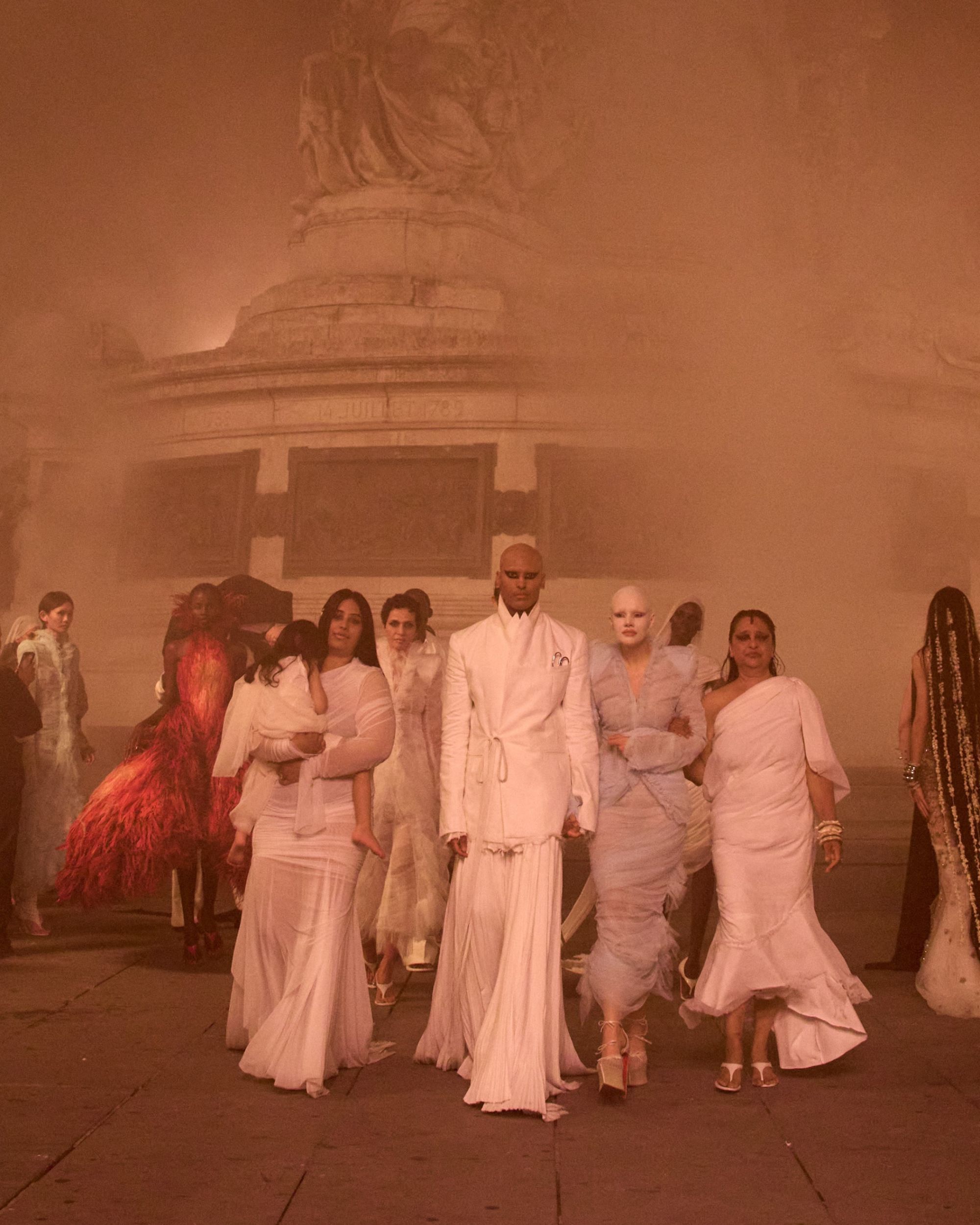
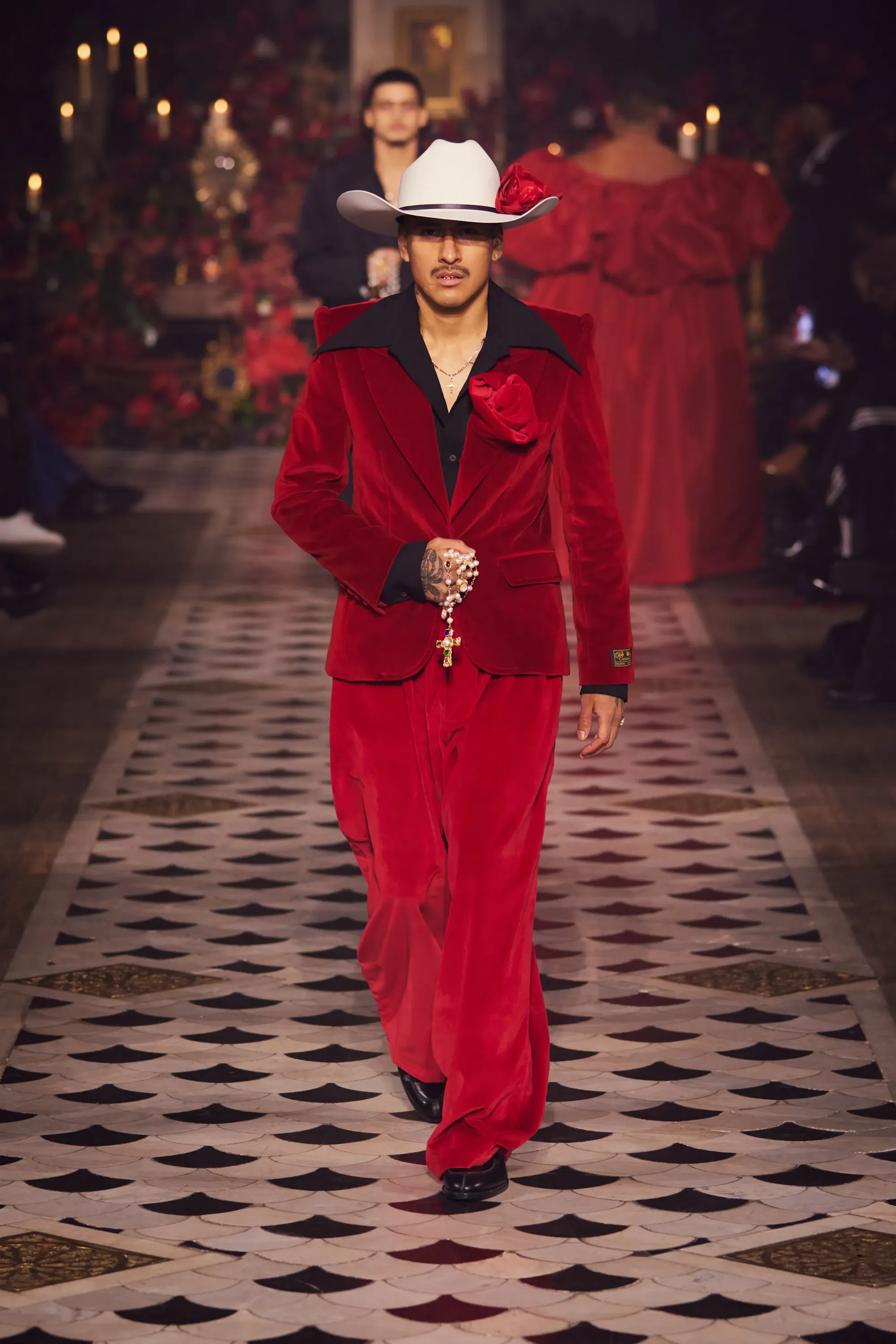
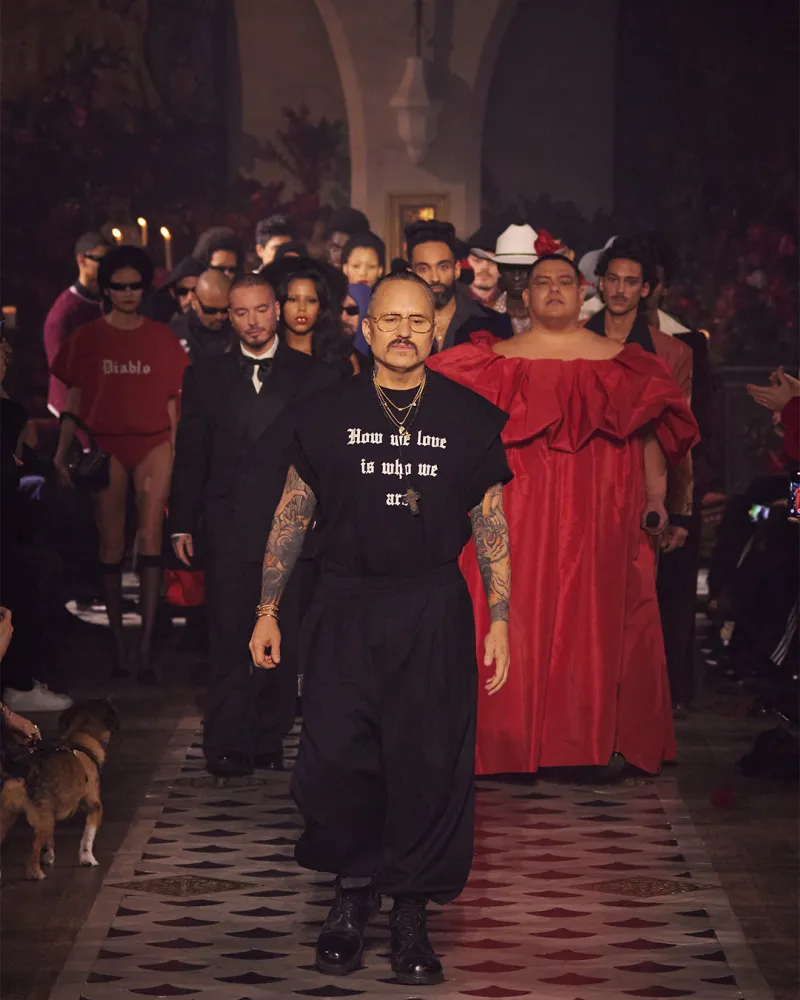
More and more creative directors are placing political discourse at the center of their collections. First among them is Willy Chavarria, an American designer who made a strong impact at the latest Paris Fashion Week with his protest shows. Influenced by an American aesthetic that goes beyond Western style and also explores Mexican tradition (Chavarria himself has South American roots), his collections tell the story of the many faces of the United States, a nation founded on multiculturalism that is now trying to erase it. Not only that: in addition to repeatedly paying tribute to ICE victims, in recent seasons Chavarria has also spoken out in defense of LGBTQIA+ rights through a long-standing collaboration with Tinder and Human Rights Campaign.
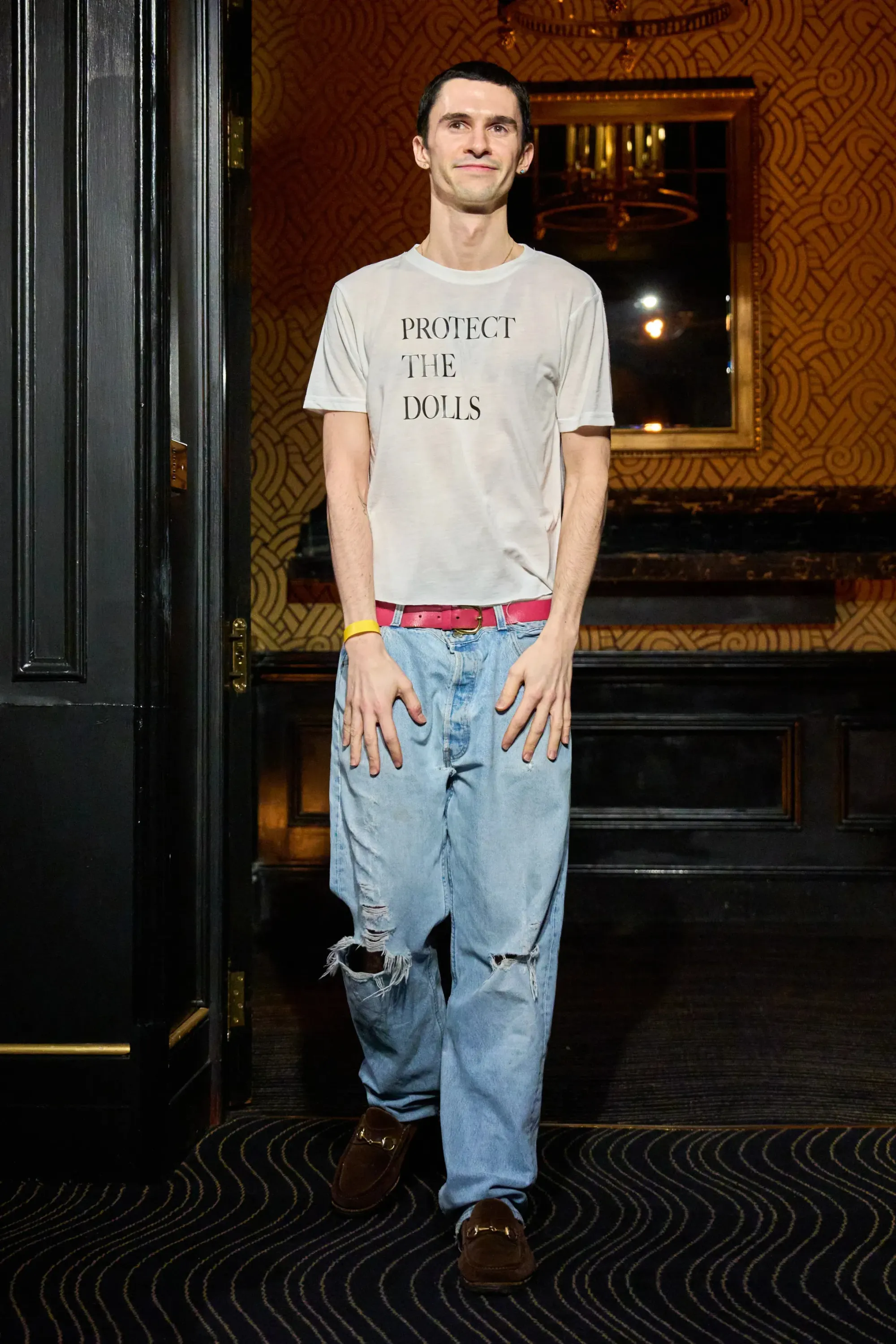
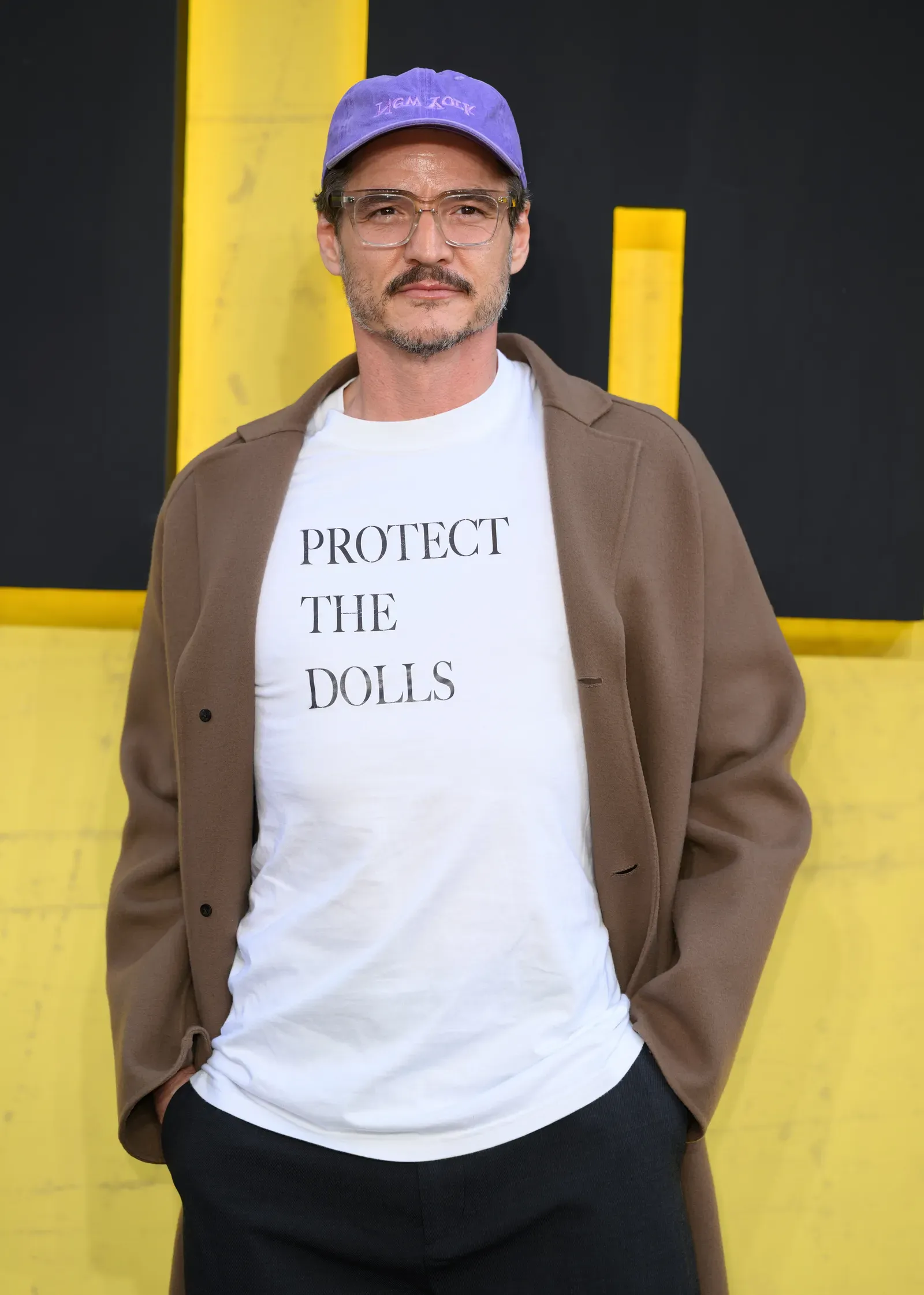
Just like the t-shirt produced by Chavarria and Tinder last year titled How We Love Is Who We Are, Conner Ives also chose to protest through a print. Last spring, at London Fashion Week, the American designer appeared for the final bow wearing the tee Protect the Dolls, in response to the laws the Trump administration (and other governments around the world) were introducing against trans people. Ives’ appearance in the t-shirt sparked a domino effect, with countless celebrities (Troye Sivan, Tilda Swinton, Addison Rae, Pedro Pascal), musicians, and designers (Hunter Ackerman in particular) choosing to wear it at red carpets, concerts, festivals, and press interviews.
Across the ocean, a standard-bearer for a more socially engaged fashion in direct dialogue with the community that wears it is Martine Rose. The designer created a t-shirt reading Aid For Palestine, Aid For Sudan for Artists for Aid, a charity concert held in Los Angeles on January 10, while for SS26 she staged her show in one of London’s most at-risk cultural spaces. At the Job Centre in Lisson Grove, she brought together emerging artists and designers for an entire weekend for an open-to-the-public art market. With direct references to the English queer and creative community, both the collection and the choice of location were a true love letter to London and its inhabitants, as well as a manifesto for the protection of the spaces that host them.
Is Jonathan Anderson’s Dior political?
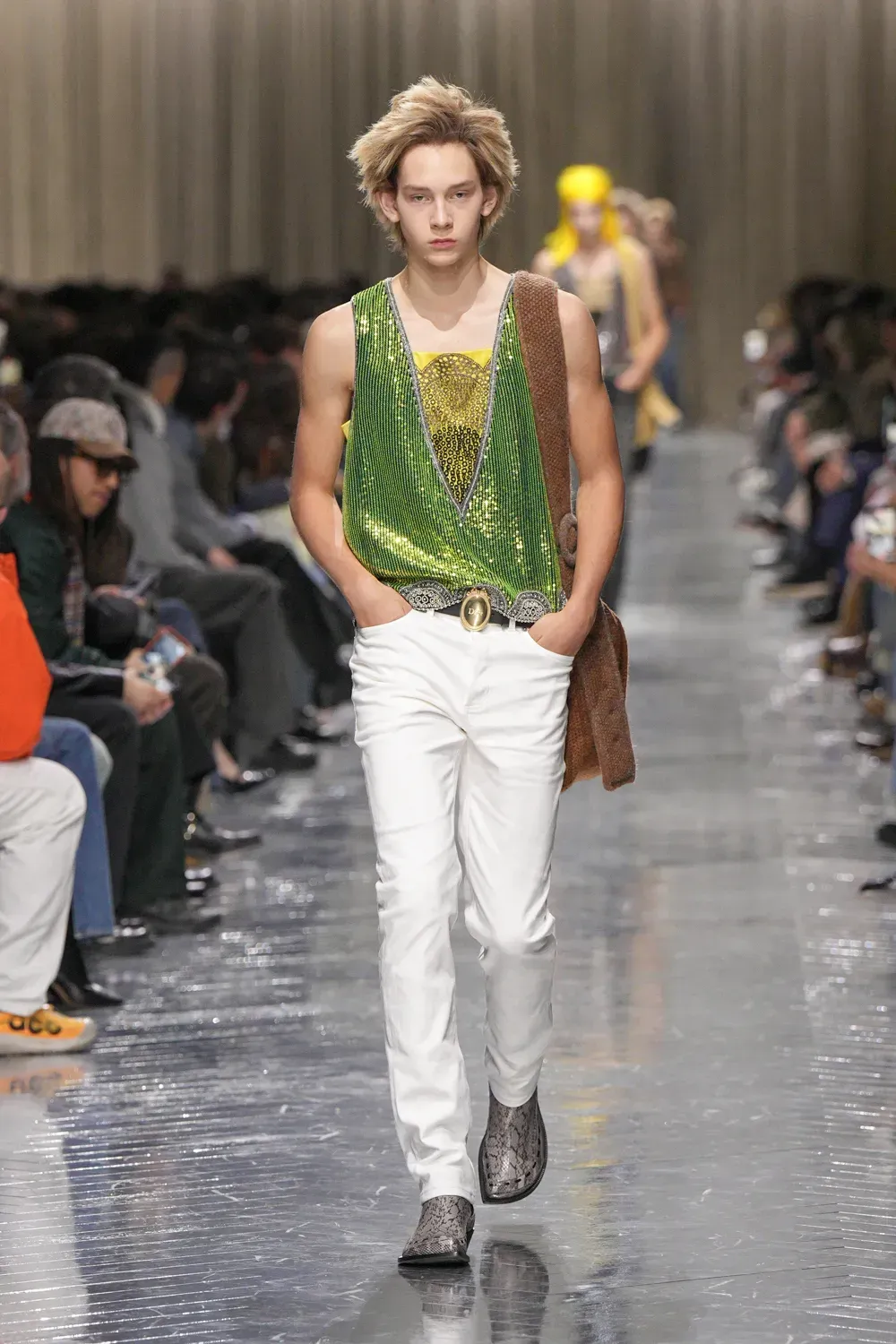
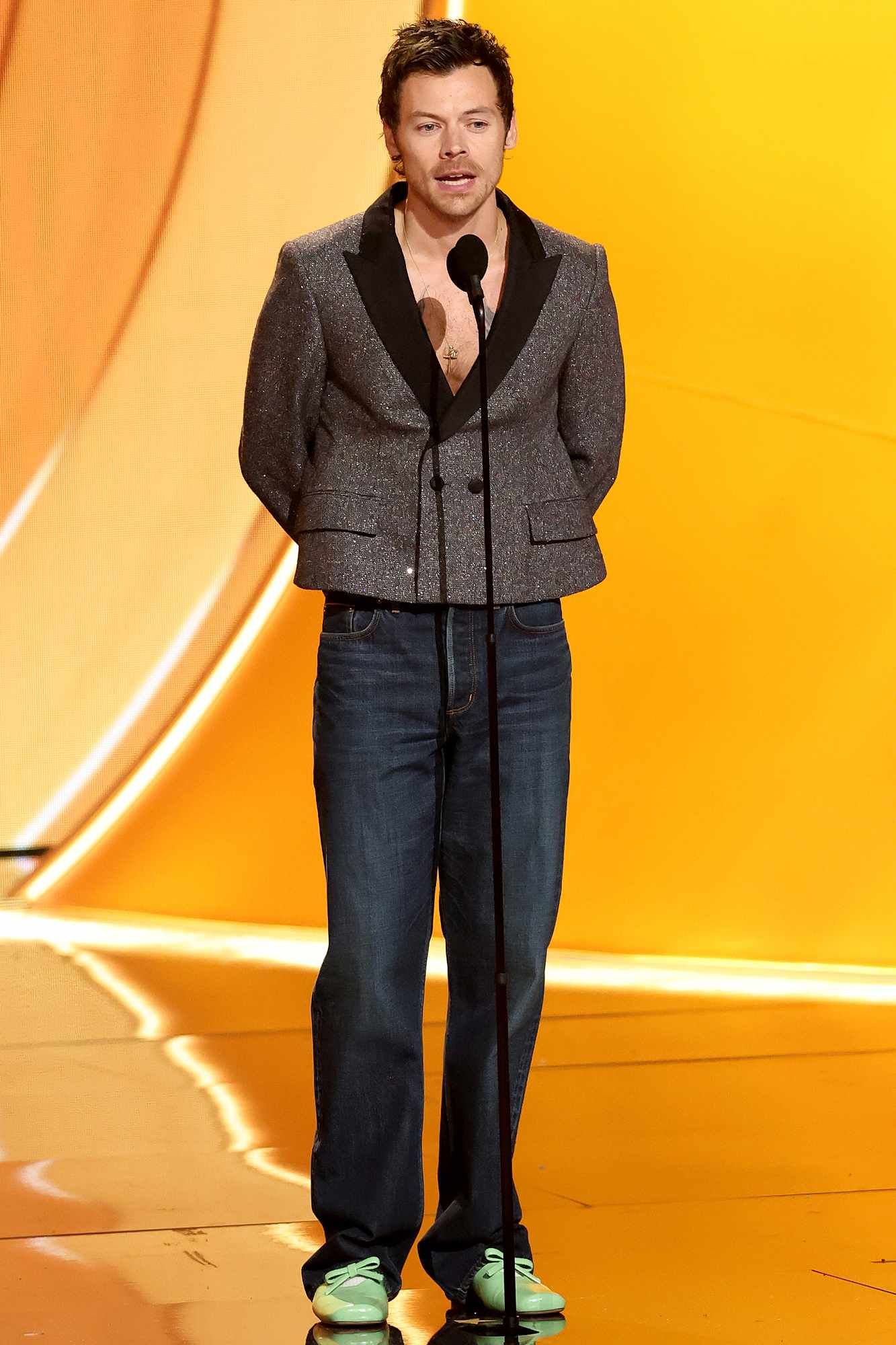
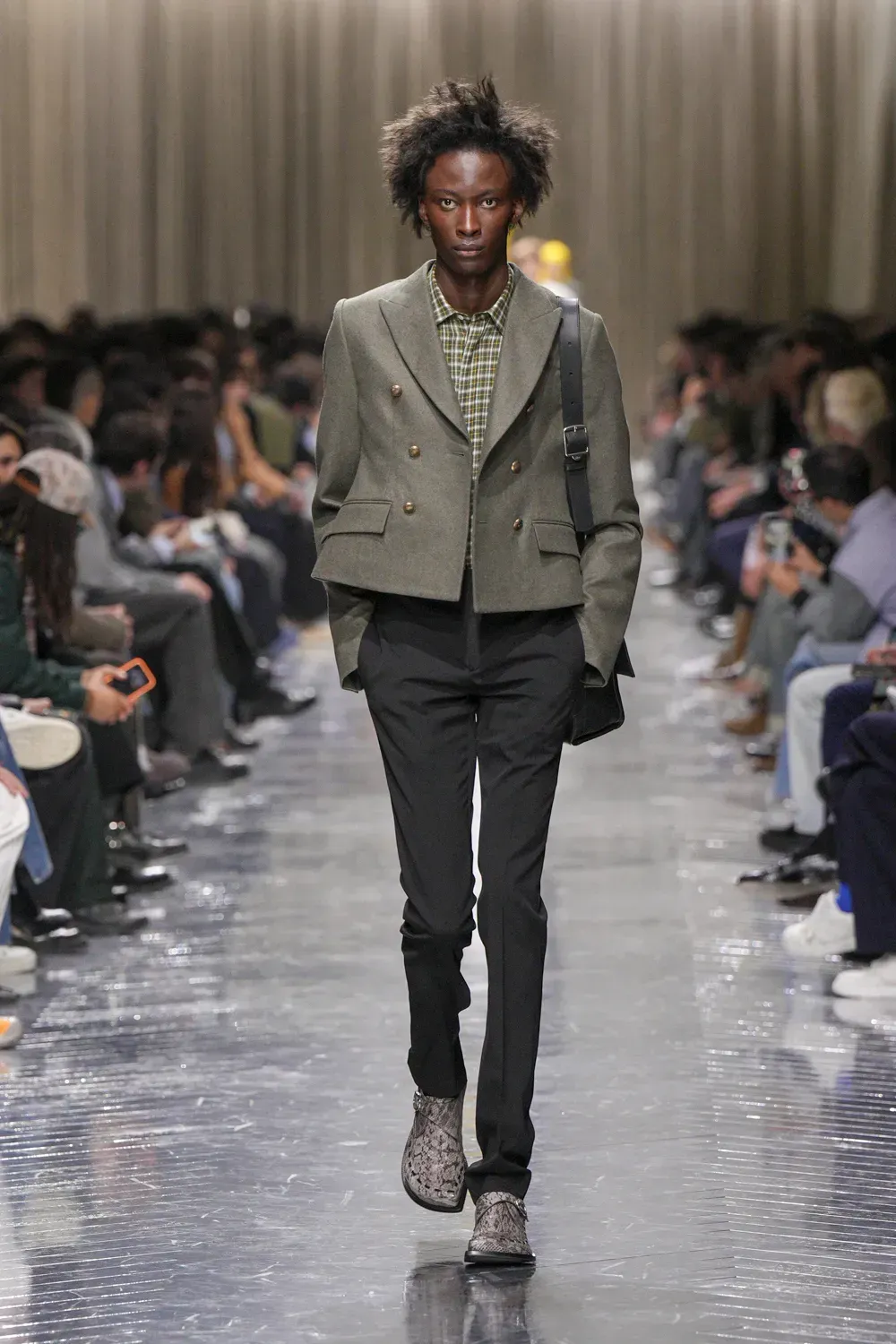
If we thought luxury had definitively turned its back on wokeness and taking positions, the new guard seems to have something to say about it. For Dior Homme, Jonathan Anderson is certainly not producing statement t-shirts in defense of communities betrayed by their governments, yet the style the Northern Irish designer is adopting for the brand nods to a freer form of menswear (or more libertine) than the conservative patterns of quiet luxury. Jonathan Anderson’s luxury at Dior is anything but silent: low-cut sequin tops tucked into tight jeans, cropped blazers, and men’s ballet flats (see Harry Styles again at the Grammys) bring back to the runway an identity that is less virile and more fluid, less subtle and more dazzling. A style that would surely raise an eyebrow from Trump or Bezos (who, incidentally, was present in the front row not at the Dior Homme show, but at the Maison’s Couture show). Could it finally be the moment when fashion no longer cares about investors’ opinions and begins to take creativity seriously again?