




















Millennial optimism has reached the fashion system We can finally talk about generational change
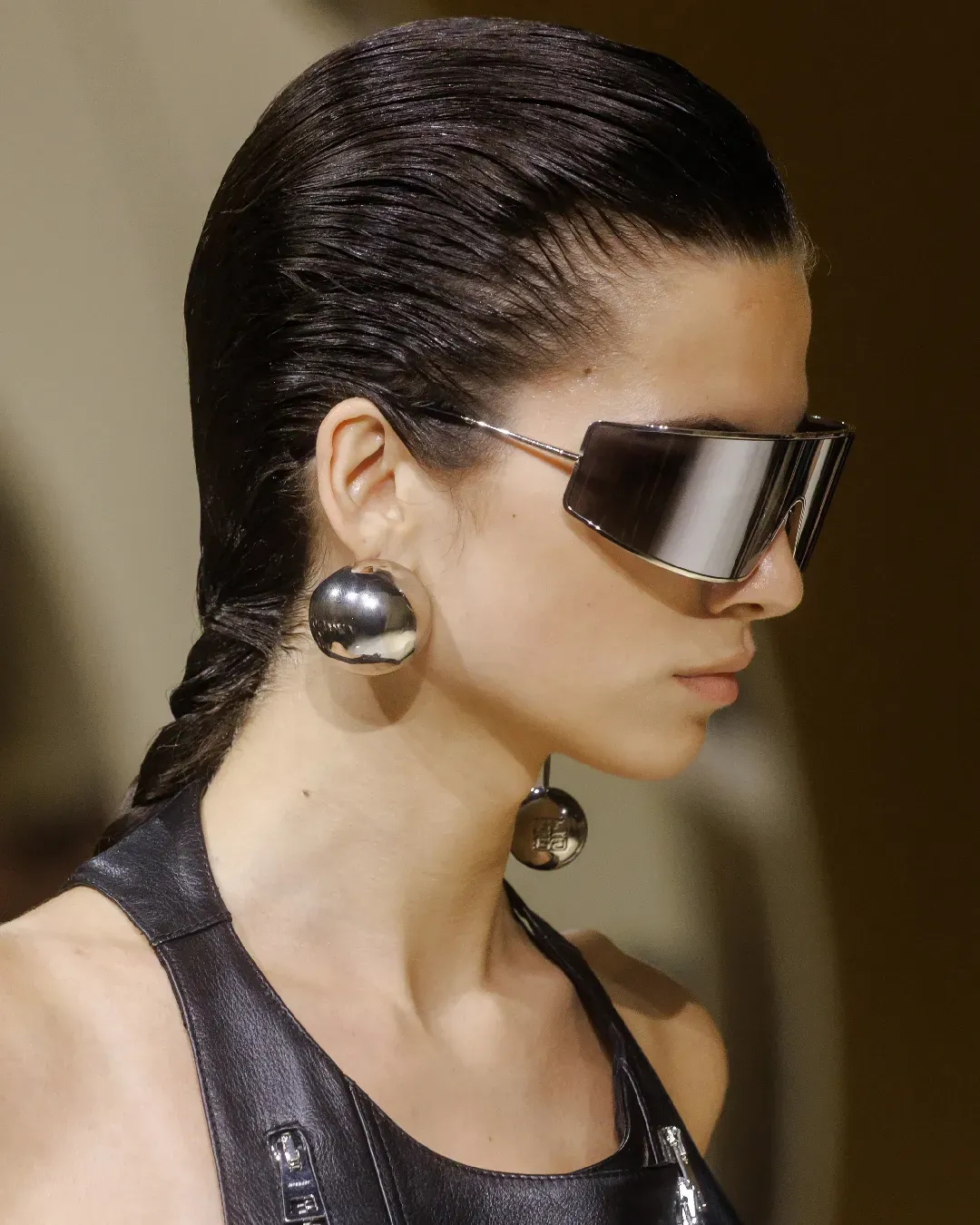
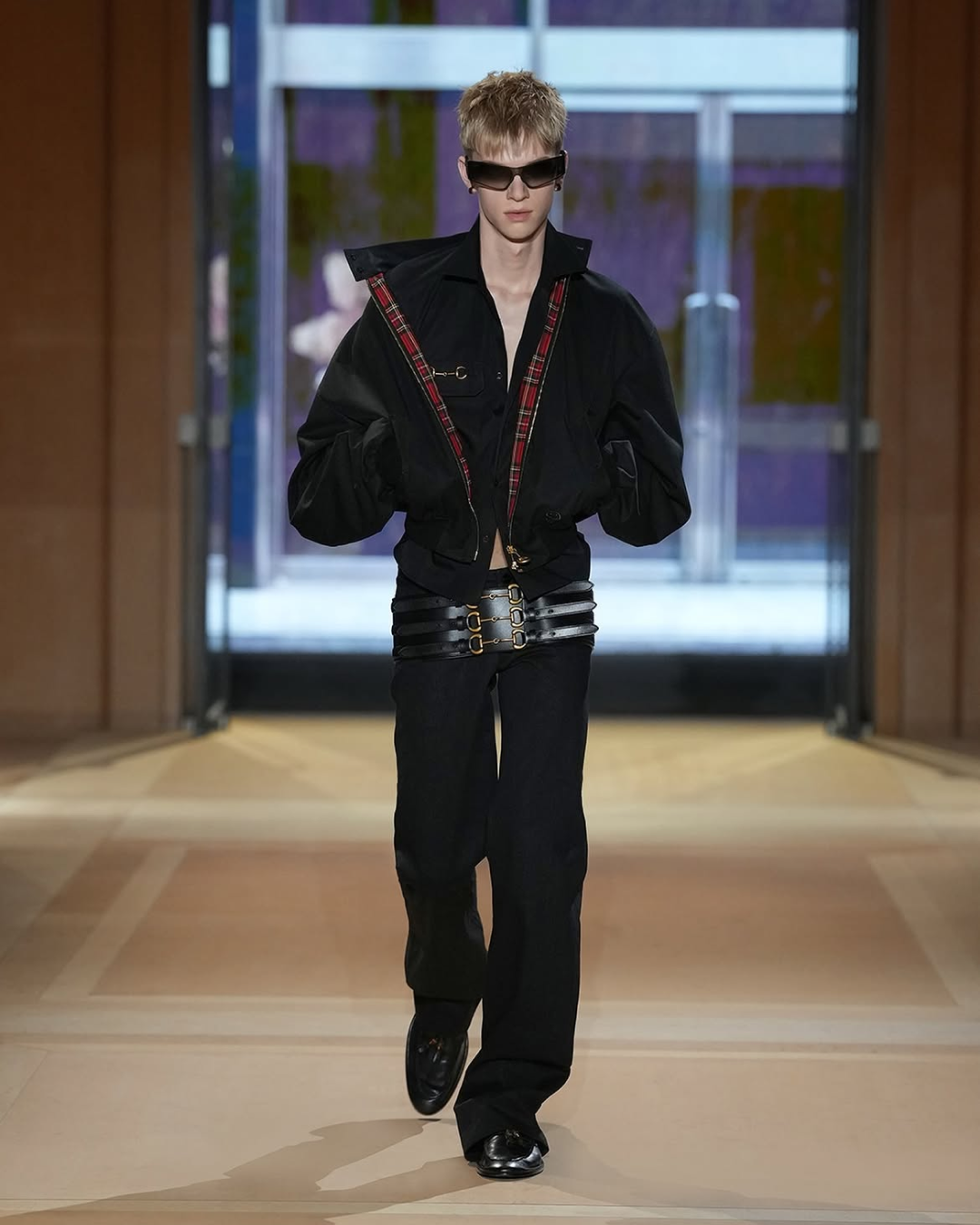
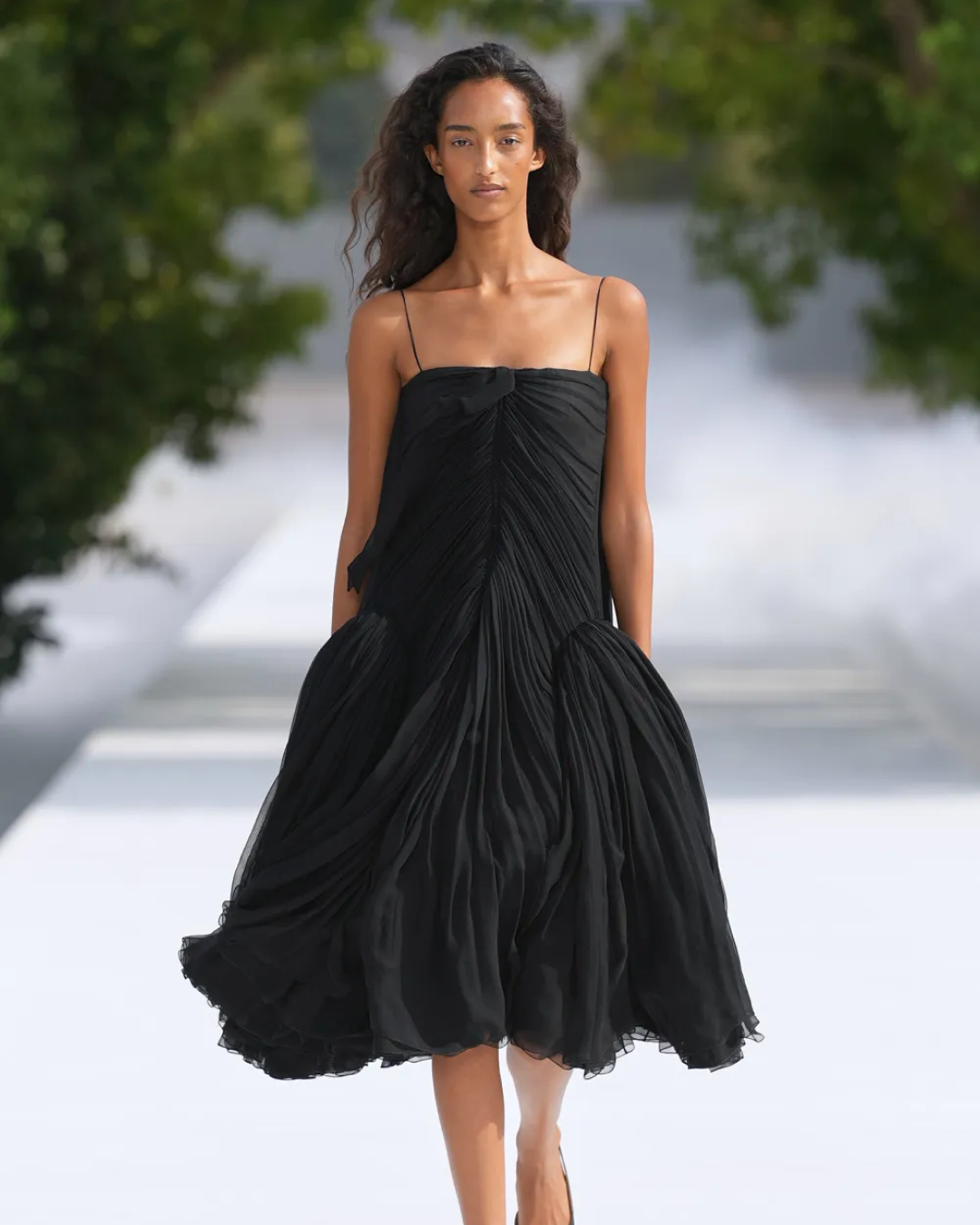
2026 is the new 2016, and so far, so good. But the symbolic year of pop culture is not the only generational icon of the Millennials to have made a comeback over the past year. In fact, several codes that for years belonged to the “most mocked generation in history” have found new virality within fashion. A coincidence? Possibly. But as highlighted by Vogue Business, of the 19 creative changes that took place over the past year, 13 involved Millennial designers, with 11 of them taking the lead of some of the most central Maisons in the system. At this point, the question is inevitable: can we finally talk about a true generational shift in fashion?
Will Millennial designers save the system?
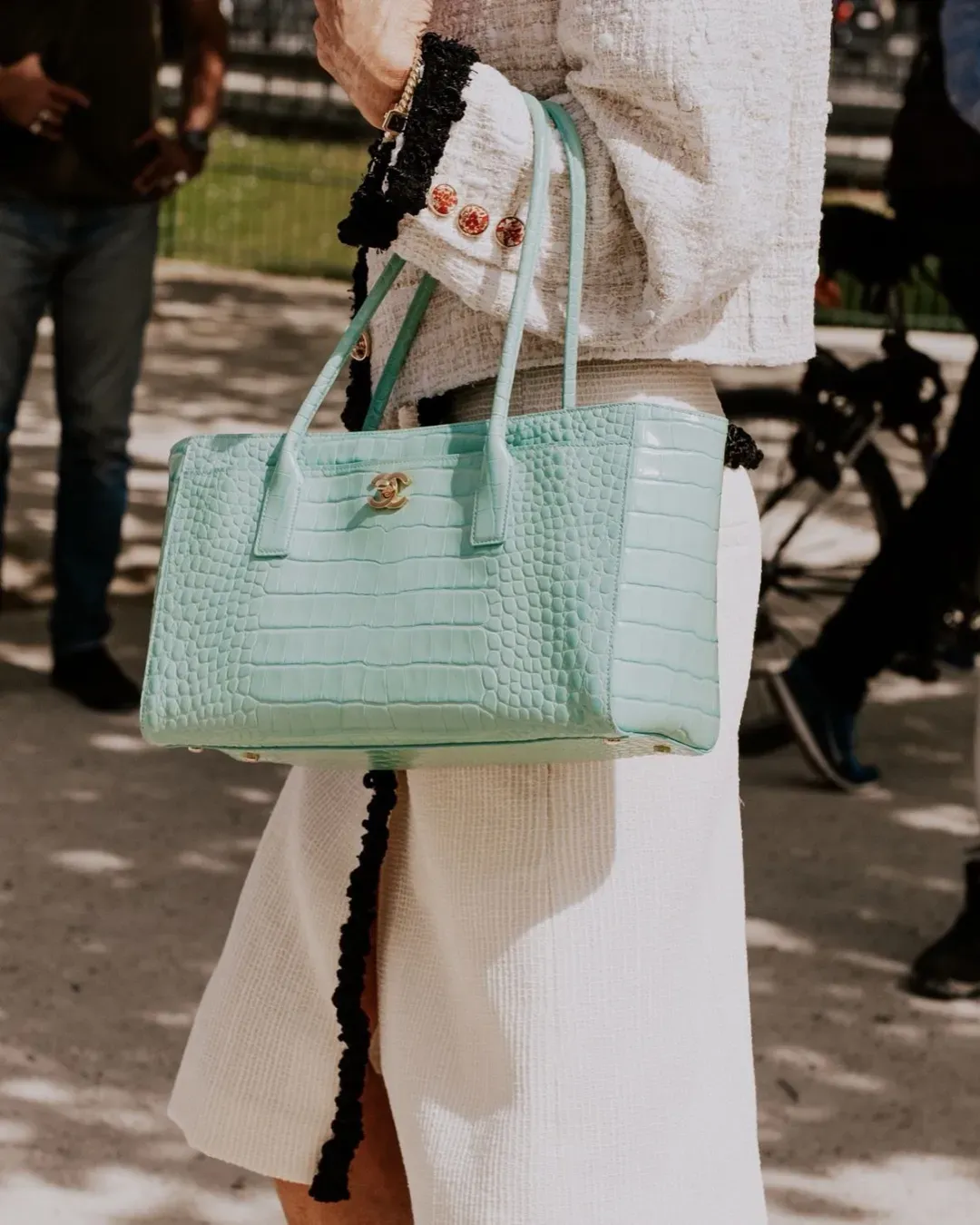
Placing the fate of an industry that seems to be perpetually on the brink of structural crisis on the shoulders of a group of designers in their late 30s and early 40s would be naive. And yet, the portfolio of the so-called Millennial group tells a different story. Jonathan Anderson and Matthieu Blazy, both born in 1984, are now at the helm of two of the most influential Maisons to have ever existed, Dior and Chanel. Demna, born in the first year of Gen Y, defined a dominant and instantly recognizable aesthetic during his ten years at Balenciaga and is now preparing to open a new chapter at Gucci.
Alongside these names, there are appointments whose symbolic weight is even stronger. Grace Wales Bonner, born in 1990, is set to become the next creative director of Hermès menswear, the first person of color to hold that role in the history of the Maison. Rachel Scott, born in 1984, has instead taken over the creative legacy of Proenza Schouler following the founders’ move to Loewe, becoming the first Jamaican designer to lead a Maison of this scale. Different signals, but all pointing in the same direction, one that marks a clear break from the guard the industry has been accustomed to so far.
The Millennial formula
The reasons why Millennials now seem to be the most credible candidates to restart the fashion system go beyond a simple age-related question. Their competitive advantage lies in having grown up exactly at the intersection of two worlds. They are the last generation to have experienced a predominantly analog existence, but also the first to witness in real time the birth of the internet and the rise of social media.
This hybrid positioning is reflected in the way they approach the creative role, as noted by several fashion insiders interviewed by Vogue Business. Leanne Elliott-Young, now at the helm of the Institute of Digital Fashion, points out that Millennial creative directors are particularly effective precisely because they are able to navigate between heritage and disruption without seeing them as opposing forces. A point also emphasized by Tiffany Hsu, chief buying officer at Mytheresa, who reads in recent appointments a growing awareness of cultural storytelling around the product. Just think of the first handbag line launched by Jonathan Anderson at Dior, inspired by some of the most iconic novels of modern literature.
Finally, as observed by Bosse Myhr, buying director at Selfridges, the creative musical chairs of 2025 were the result of a series of overlapping factors. A slowdown in sales pushed many brands to rethink their creative direction as part of broader turnaround strategies, but there is also a deeper reason. Fashion, by its very nature, tends toward innovation and change. Introducing a new creative vision is not only a response to economic difficulties, but a structural necessity for a system that, in order to continue existing, must constantly reinvent itself. Are we really about to witness a creative renaissance for the fashion system?
What to read next
This Halloween, dress up as a creative director
5 designers to dress up as for the scariest night of the year
What does the return of “Girls” mean today?
Lena Dunham has announced a reboot of the cult series, here's why we're excited