
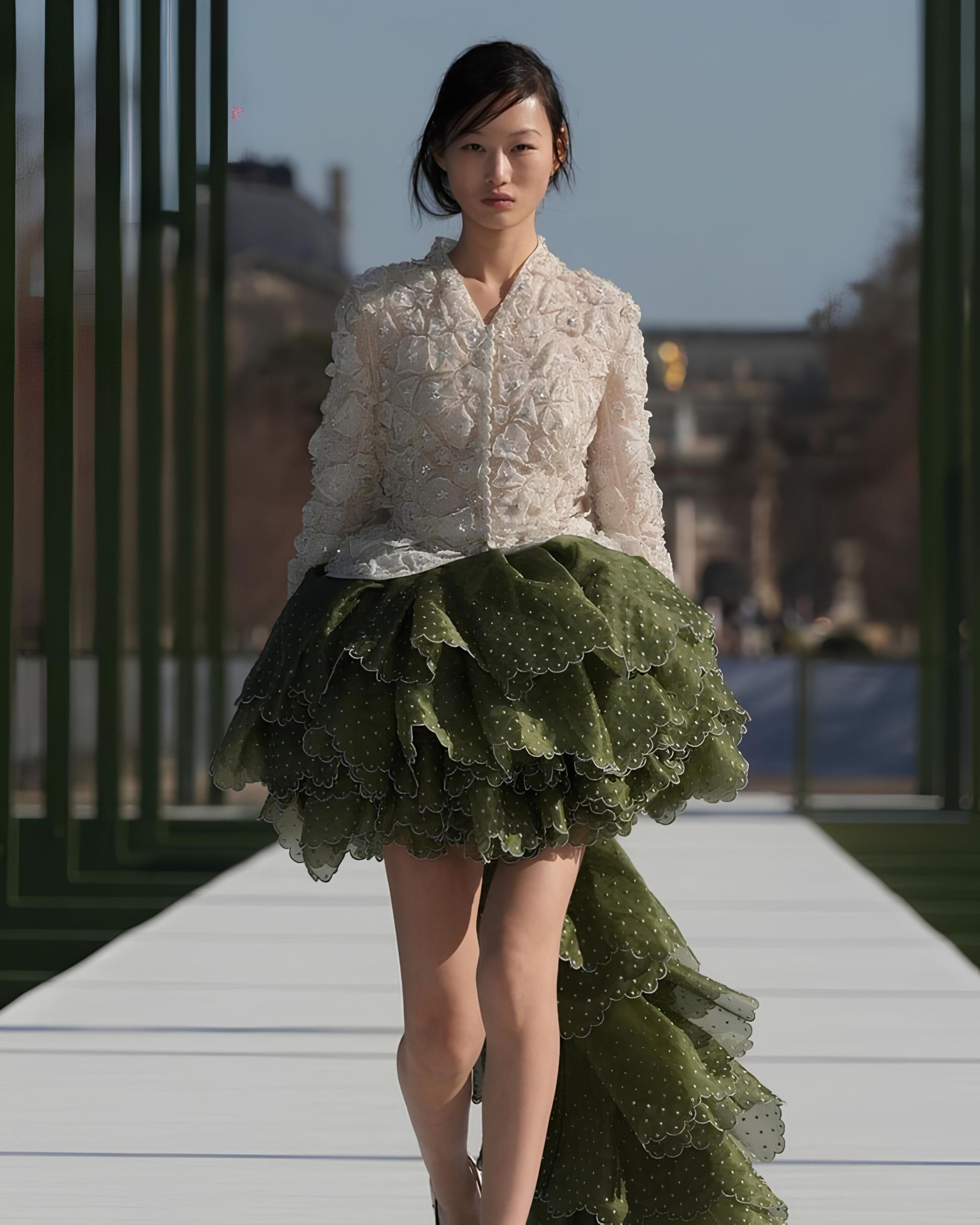
In the garden of earthly delights with Dior's FW26 collection Jonathan Anderson designs the most focused and clean-cut collection for the Maison to date
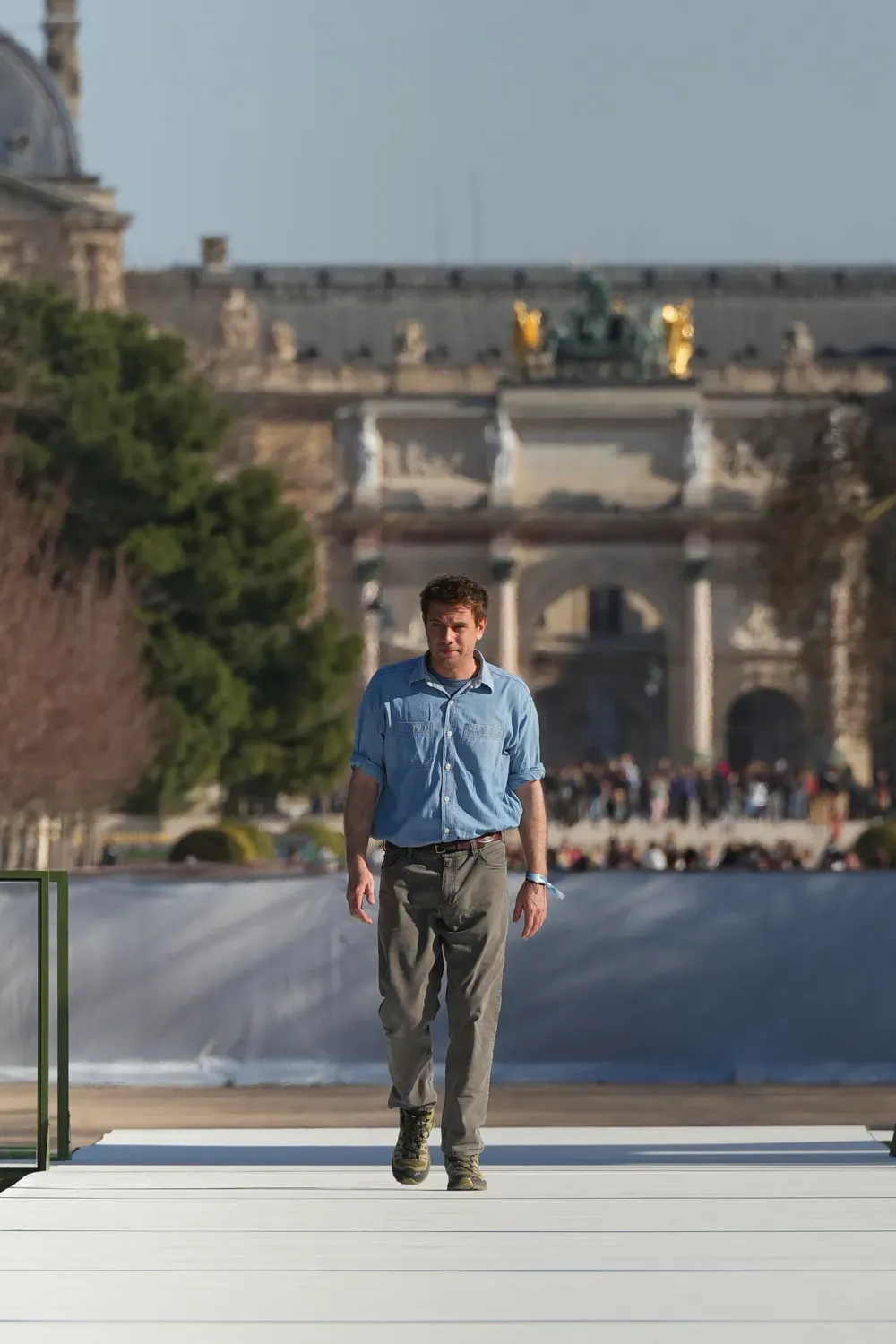
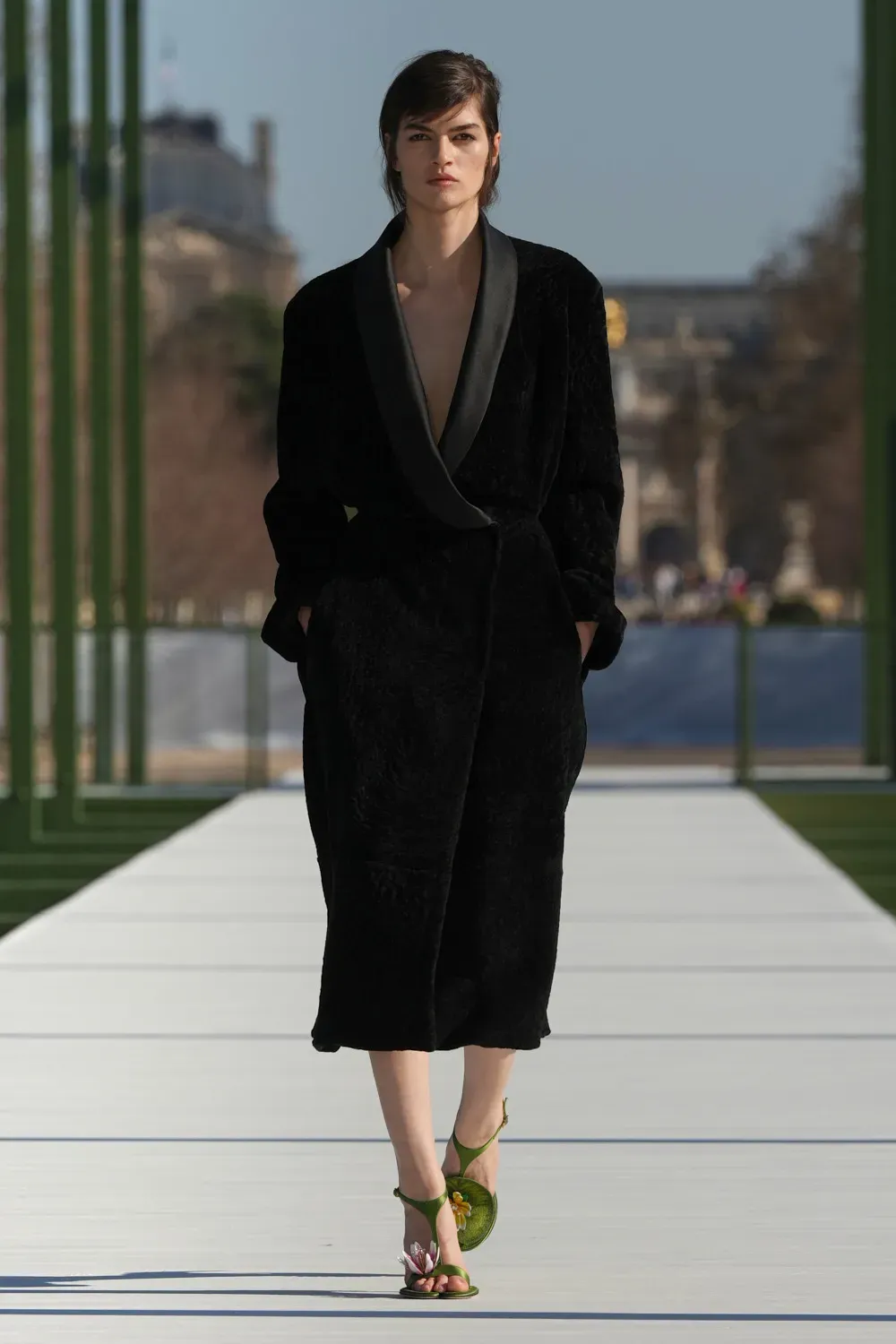
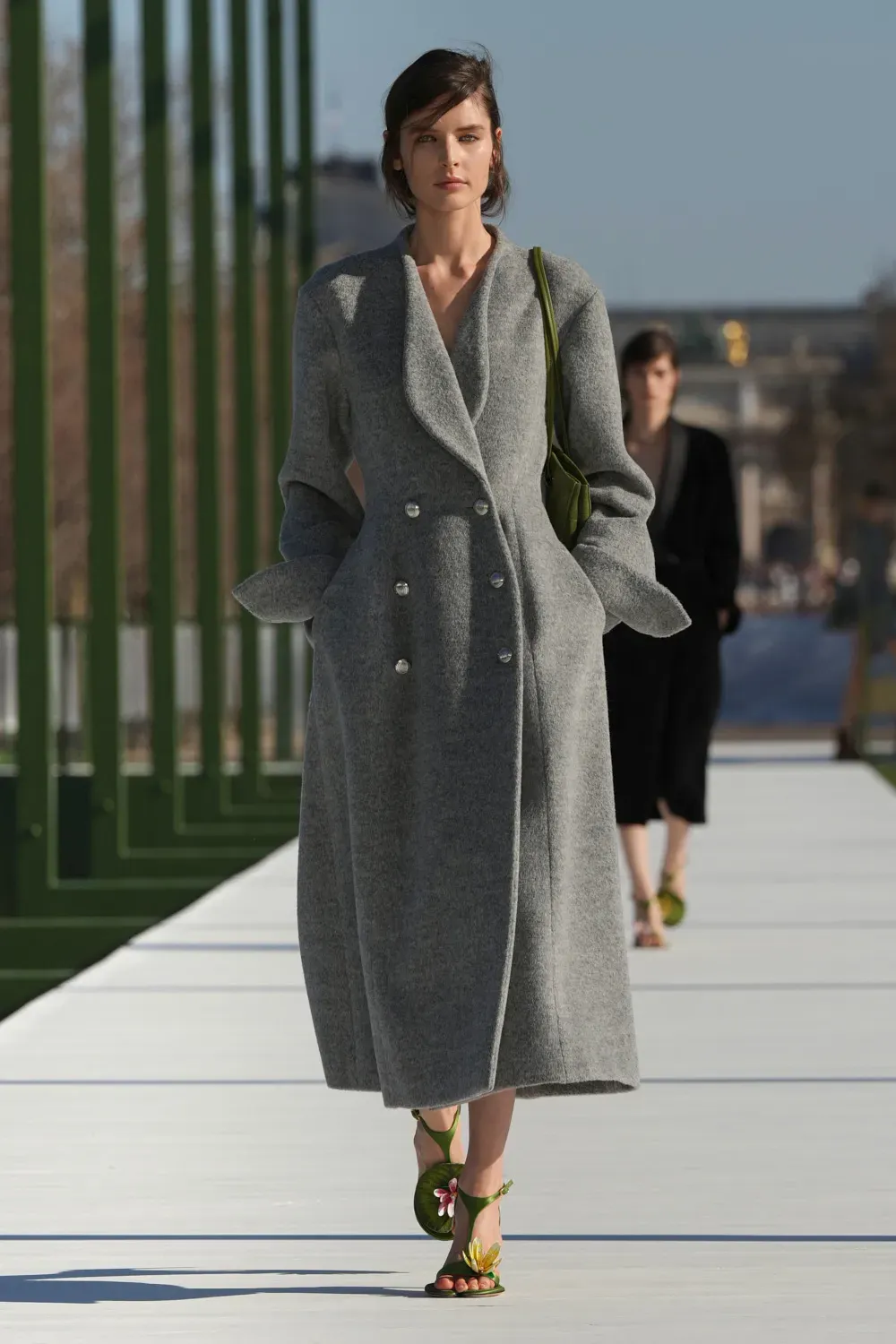
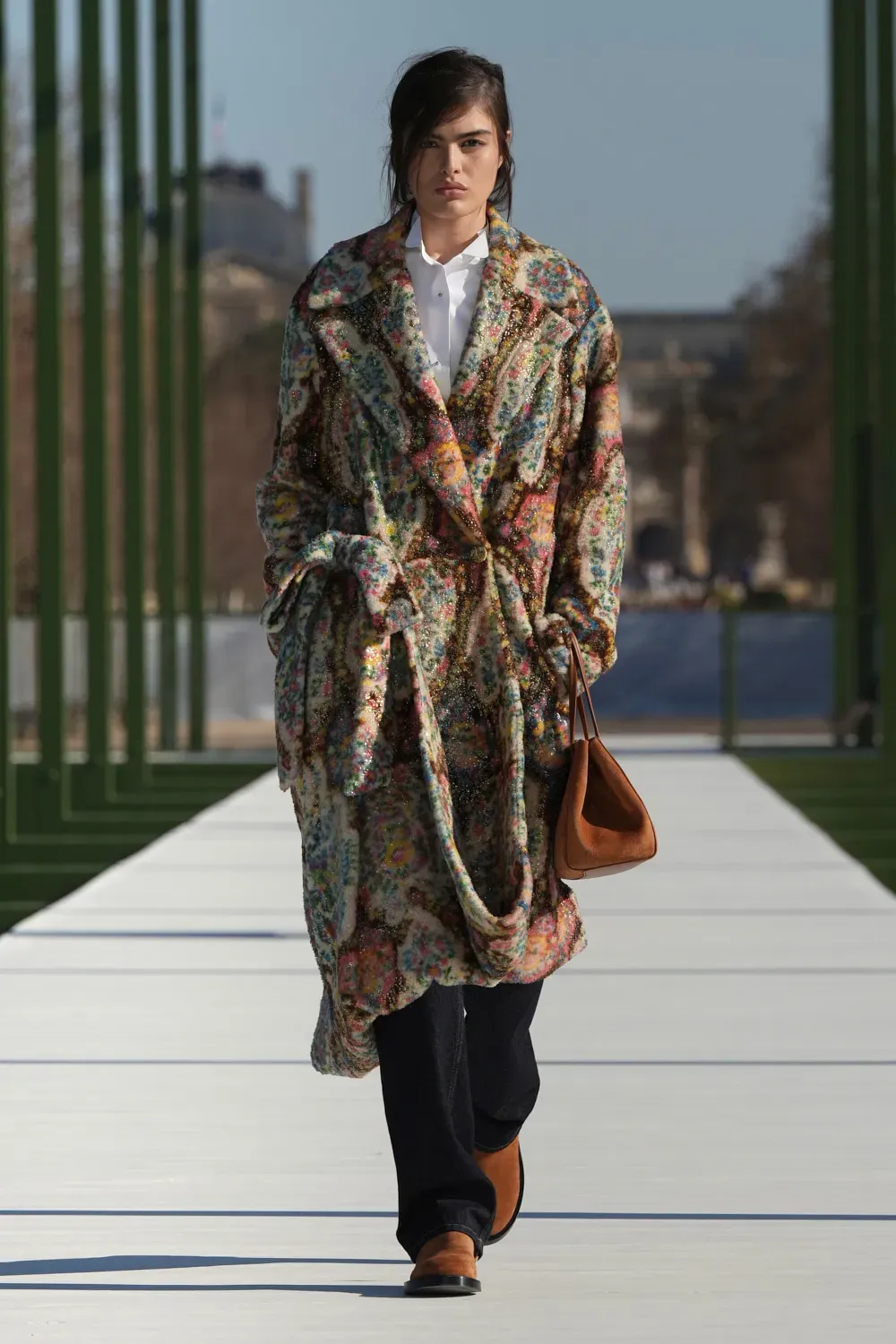
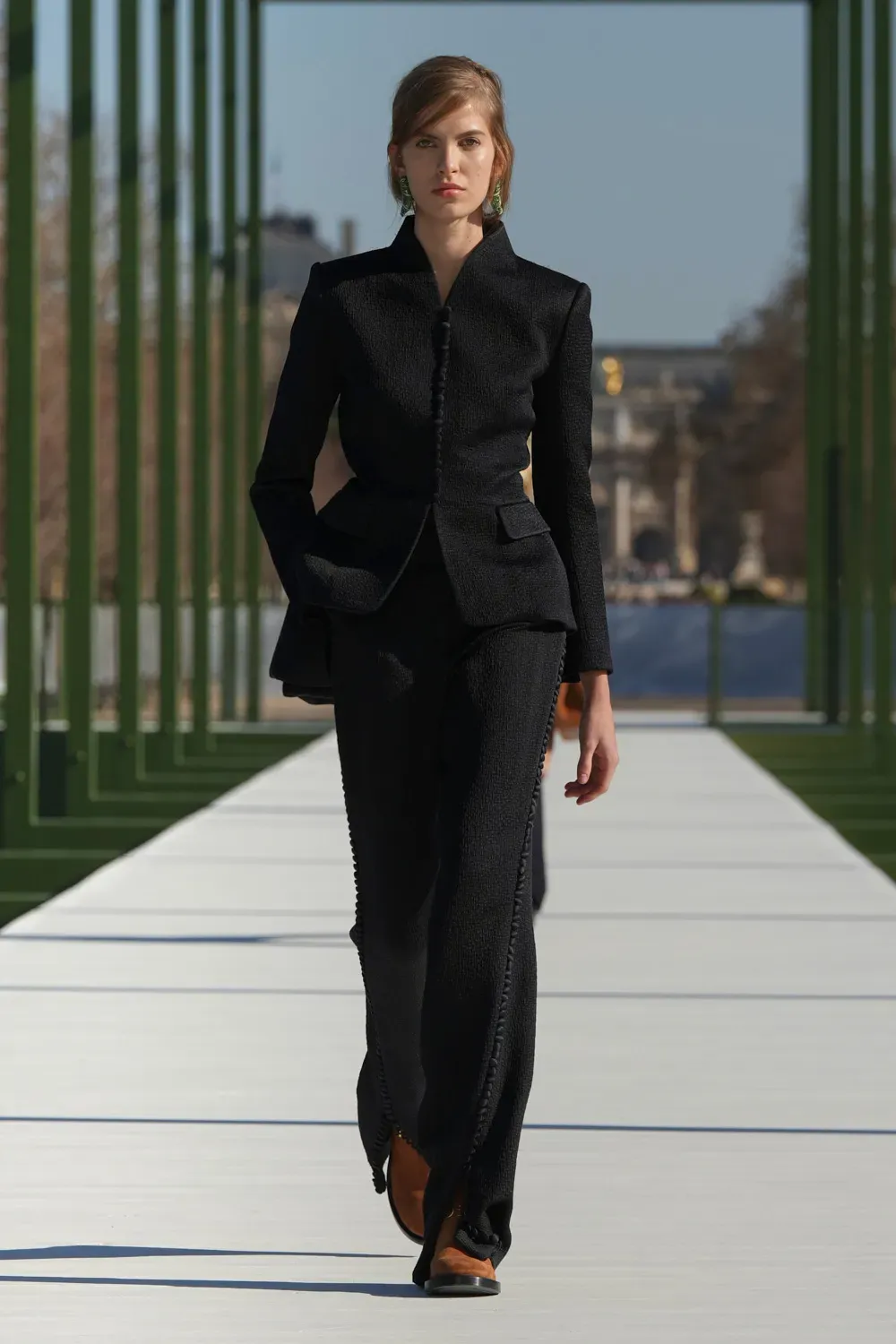
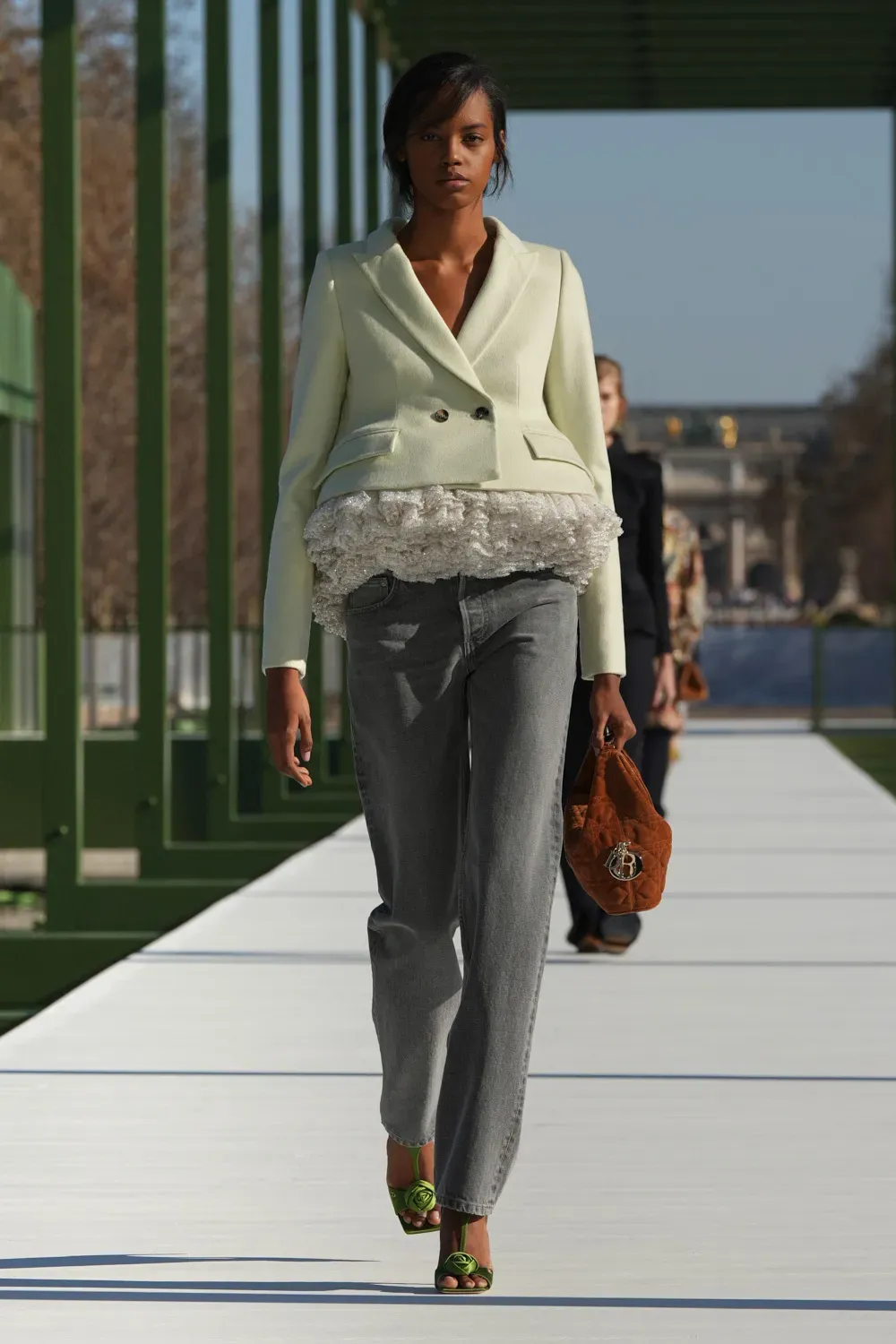
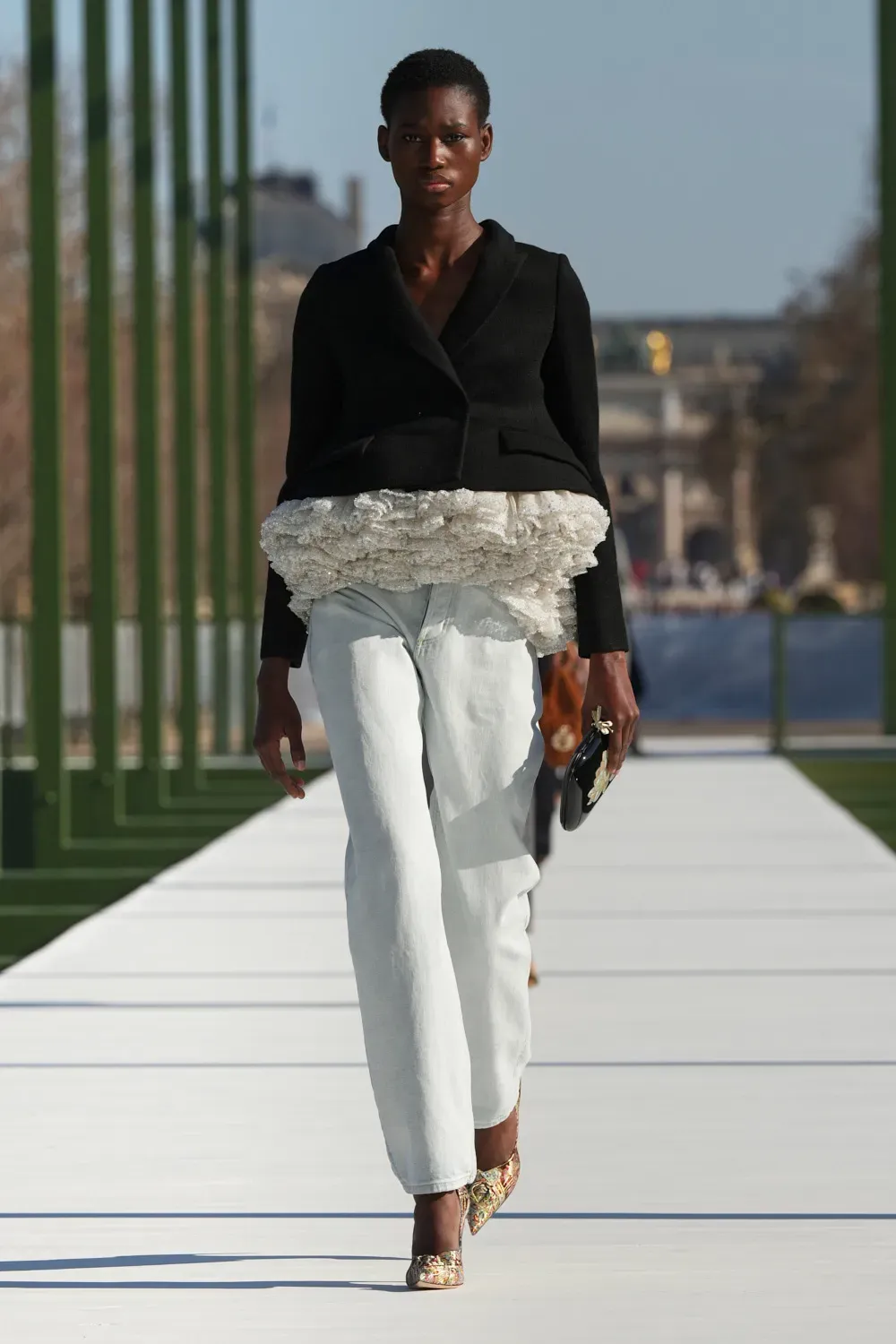
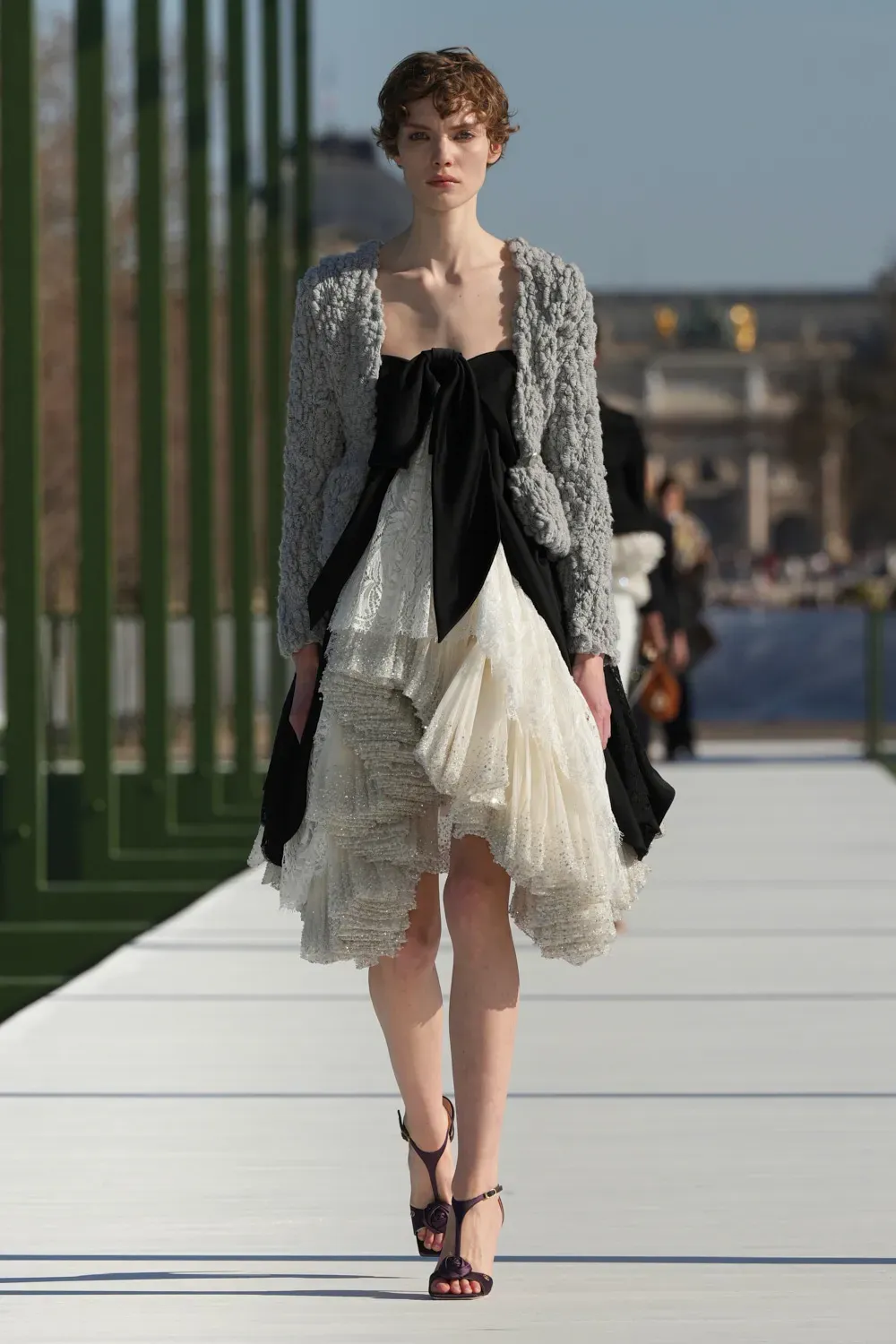
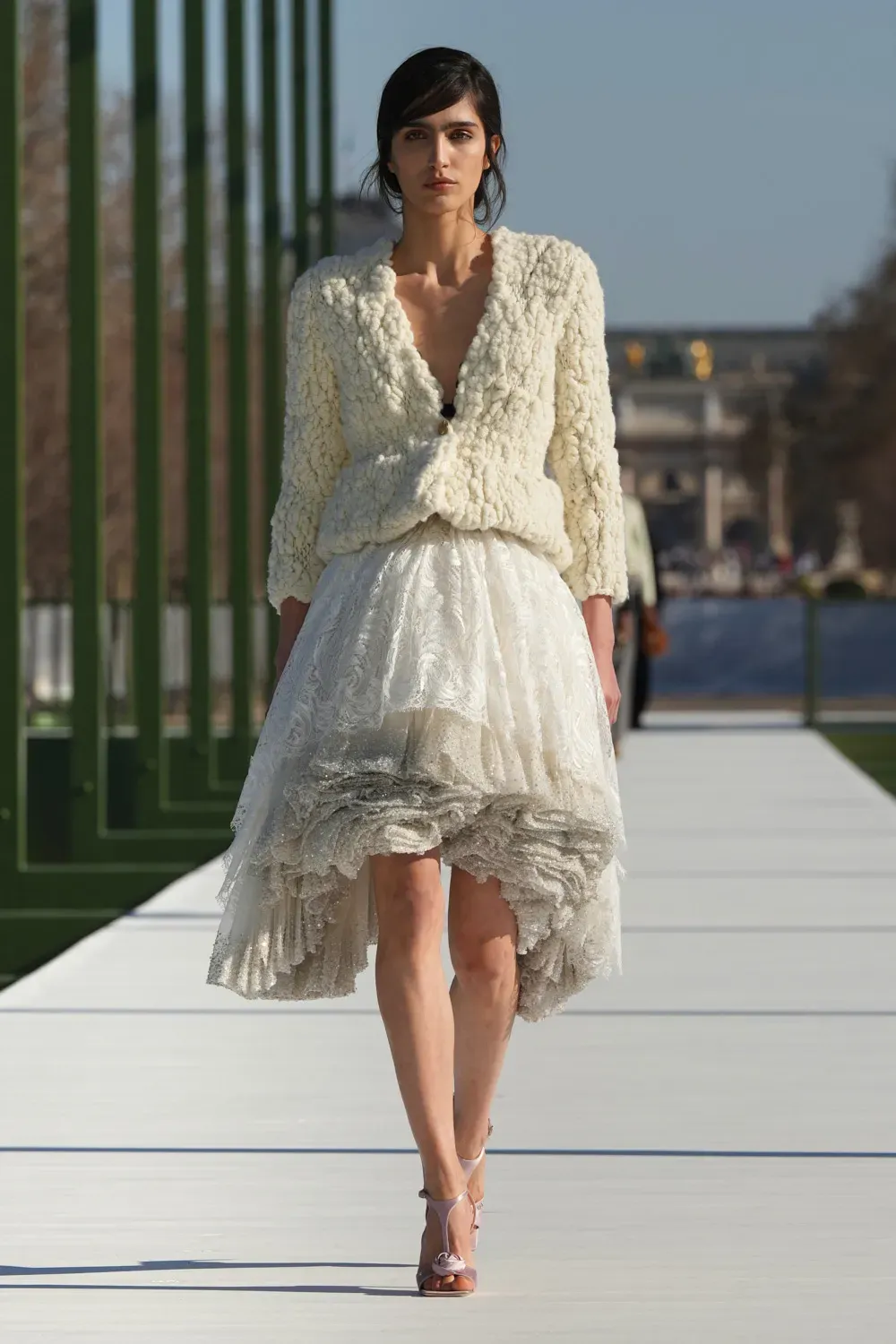
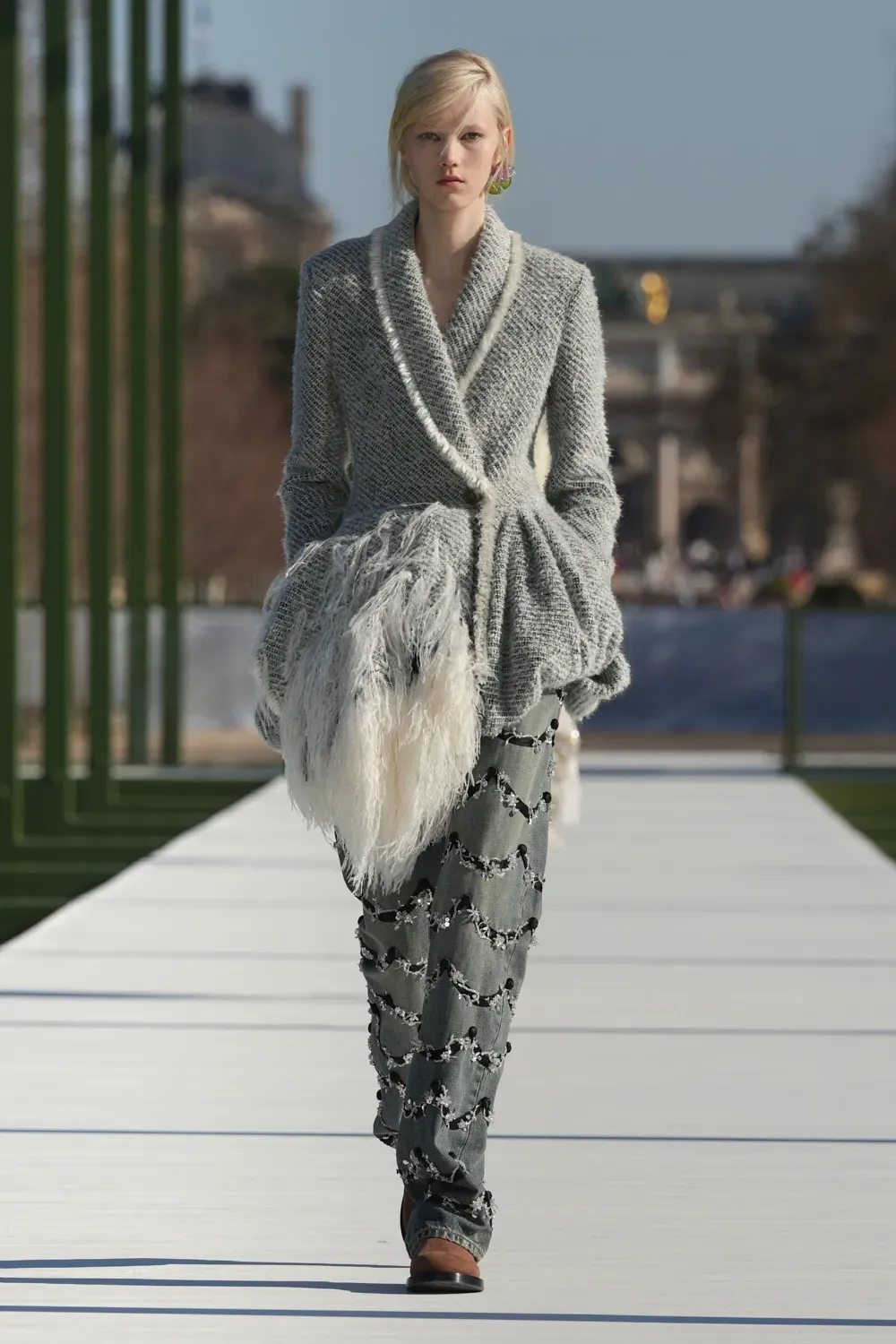
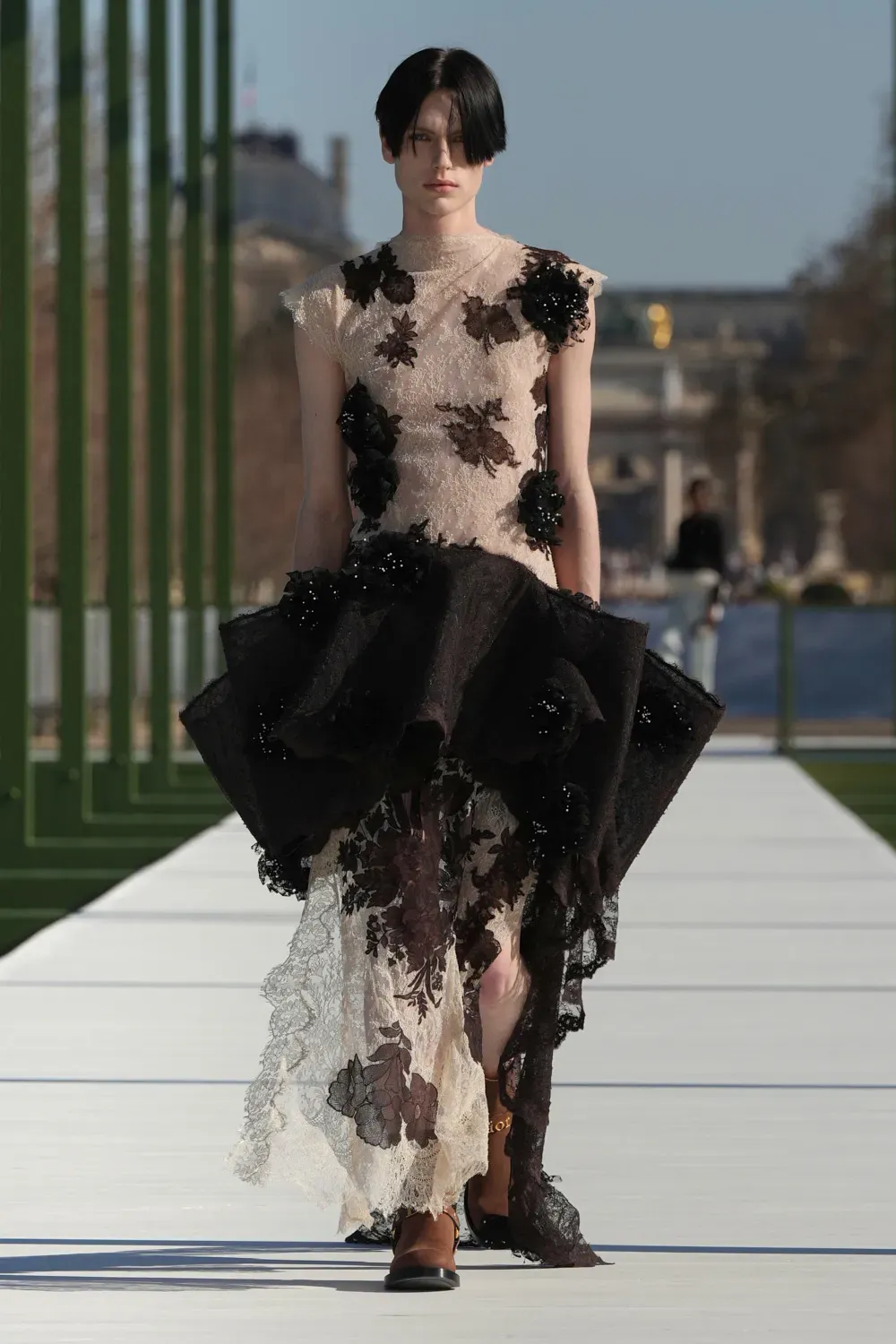
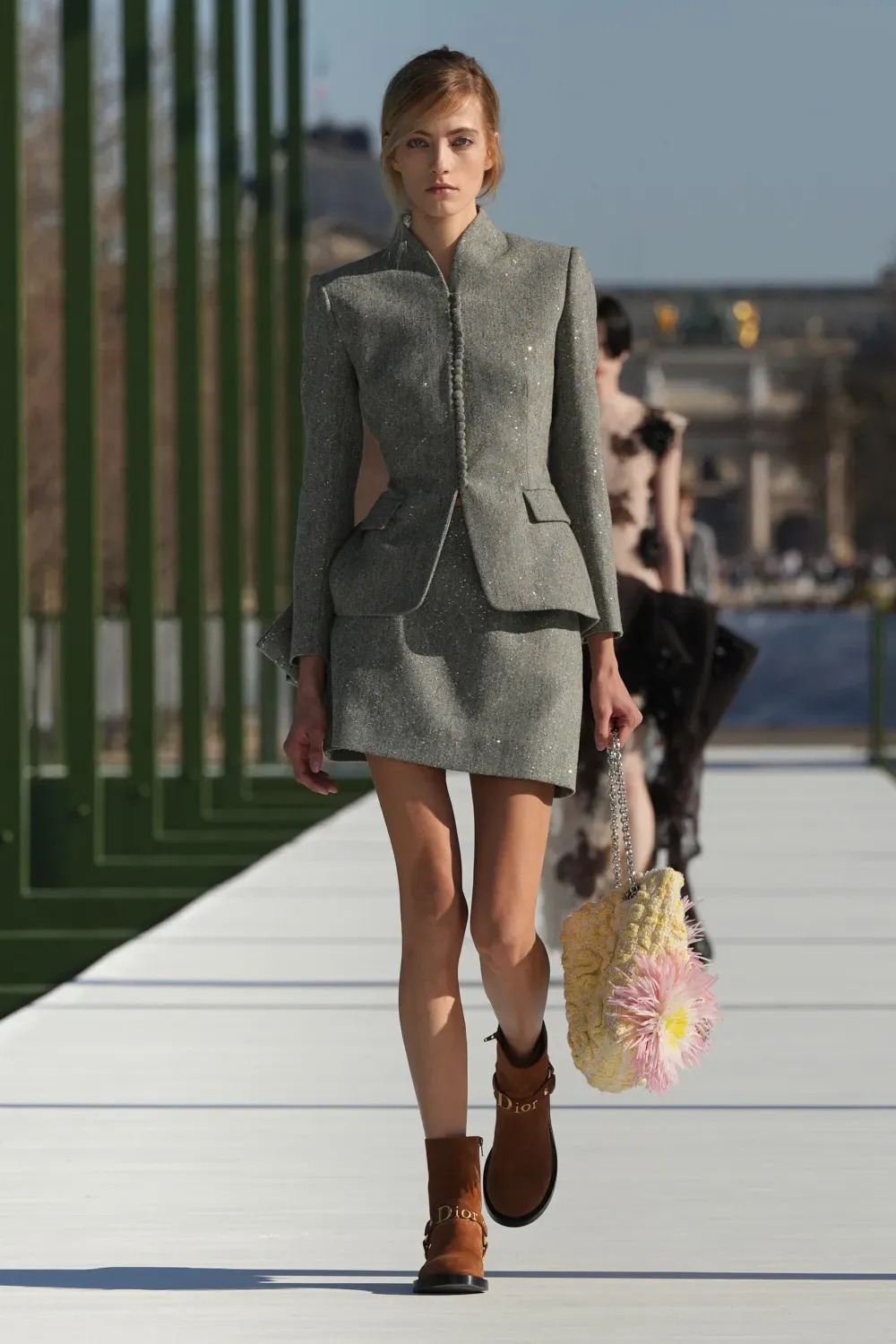
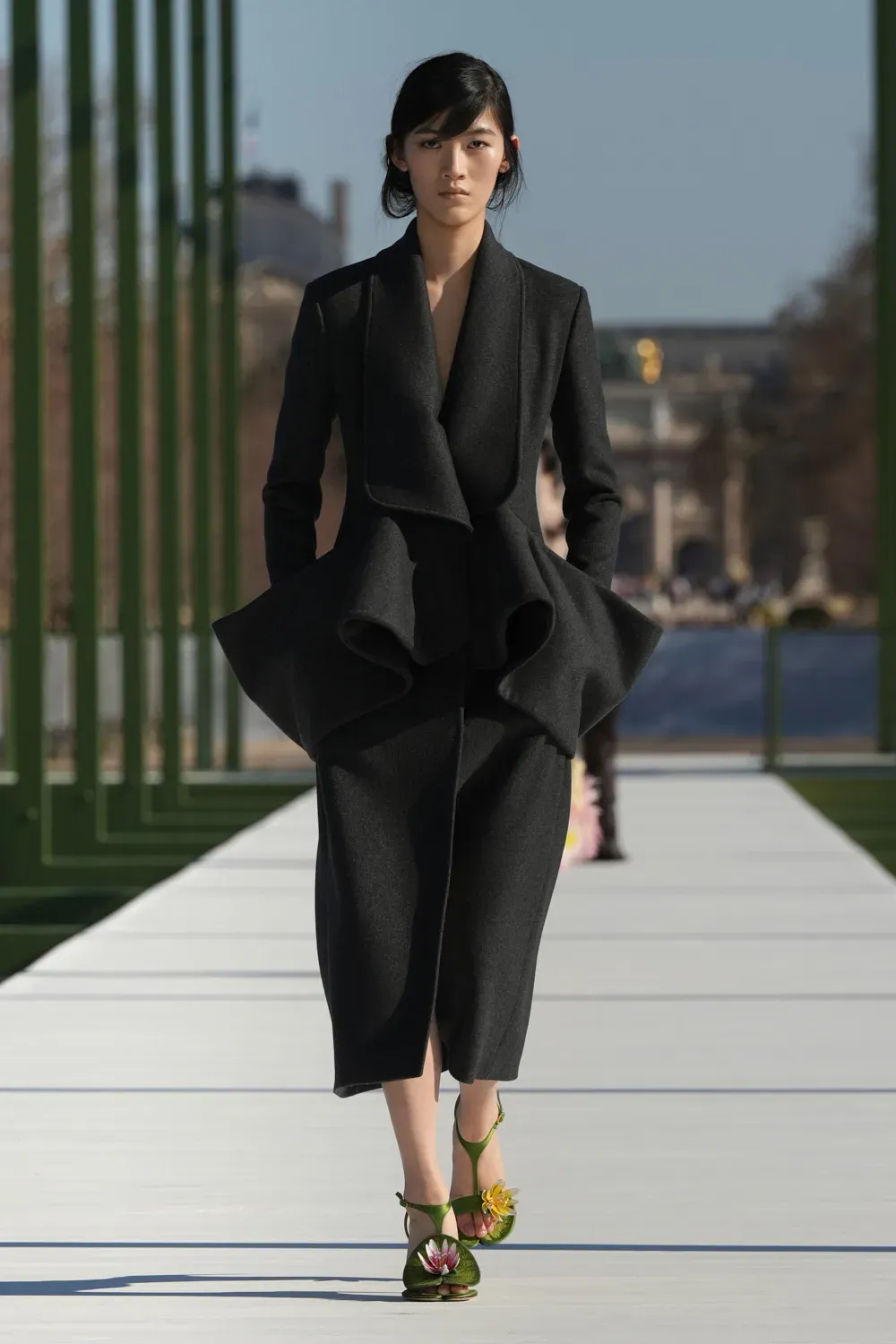
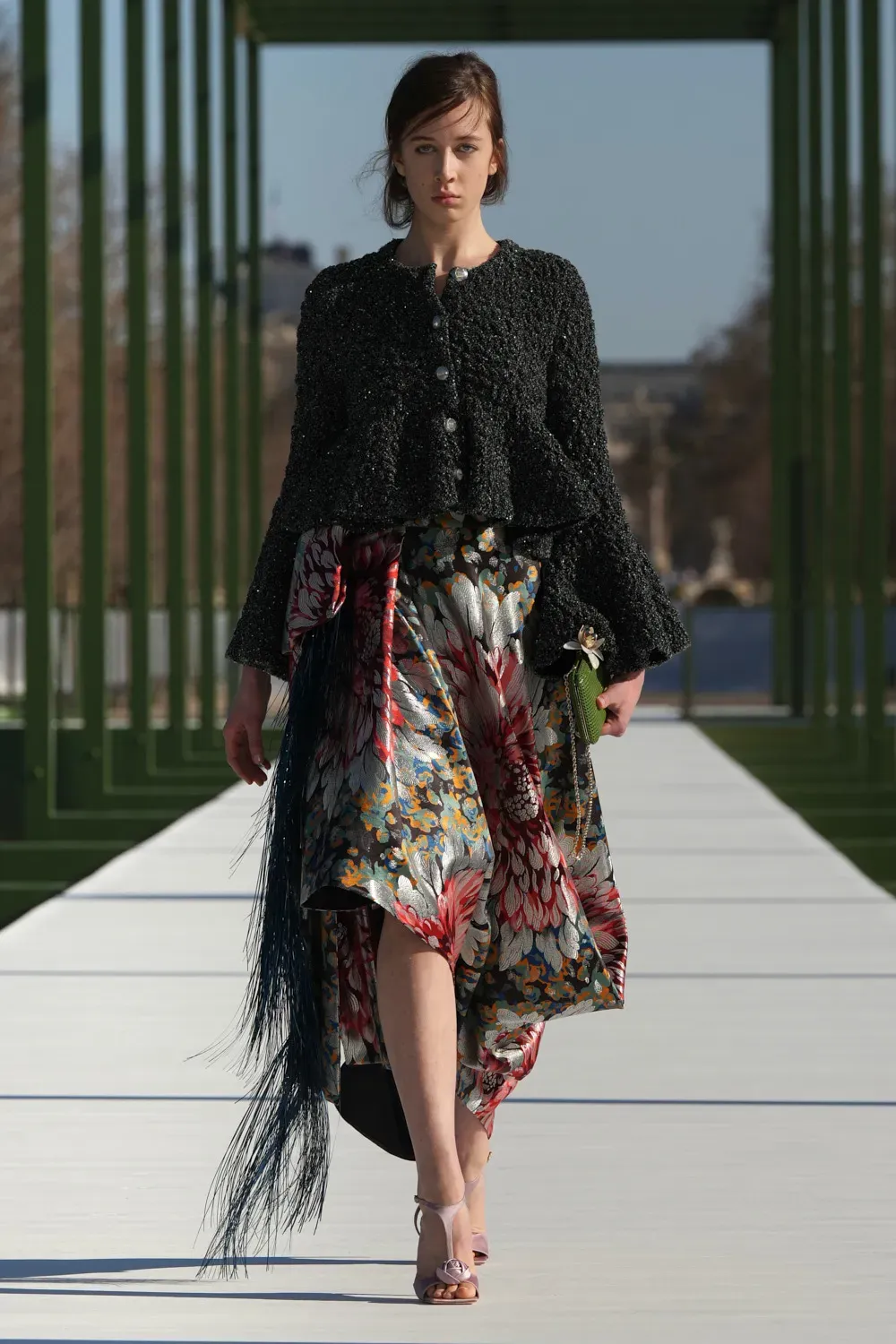
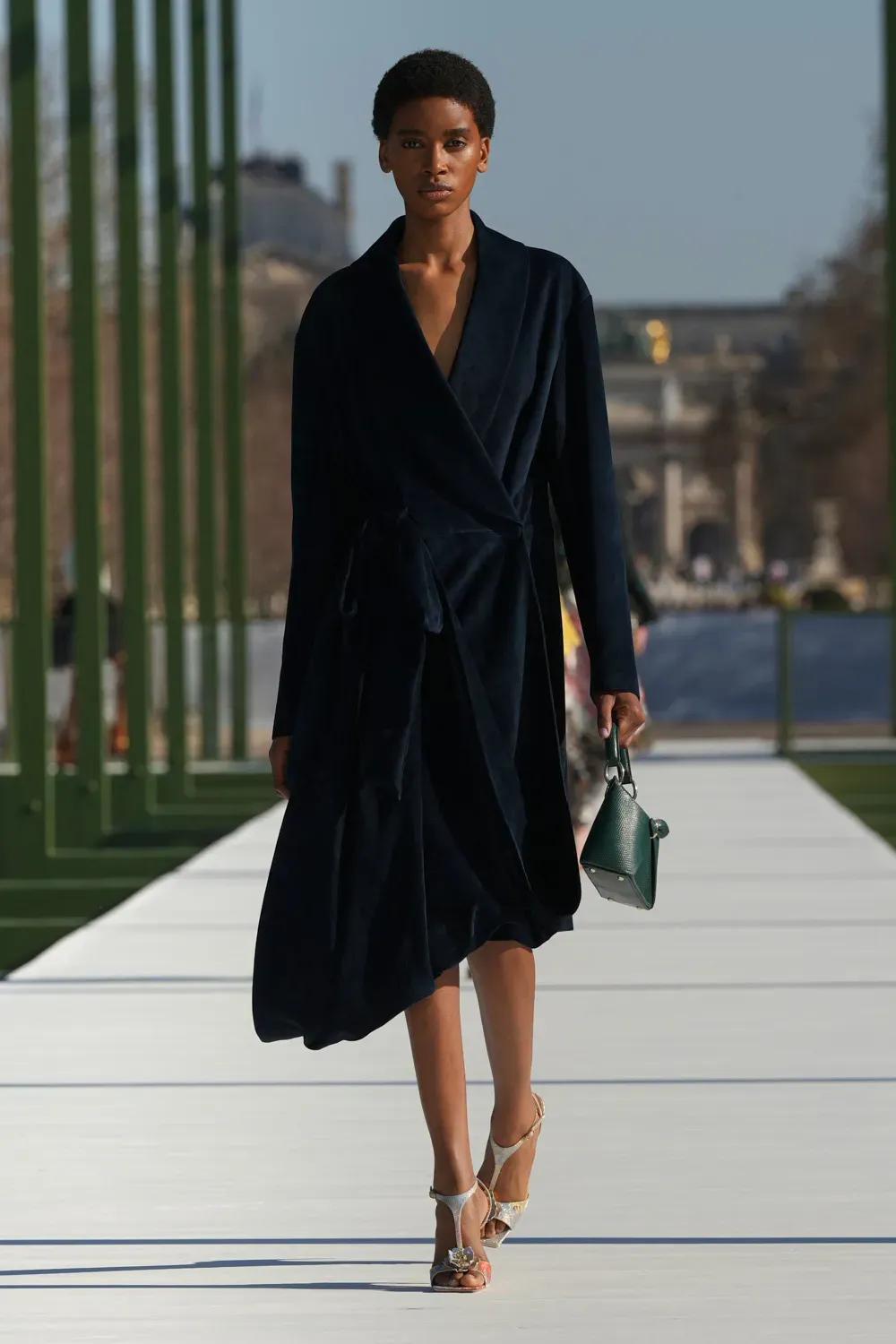
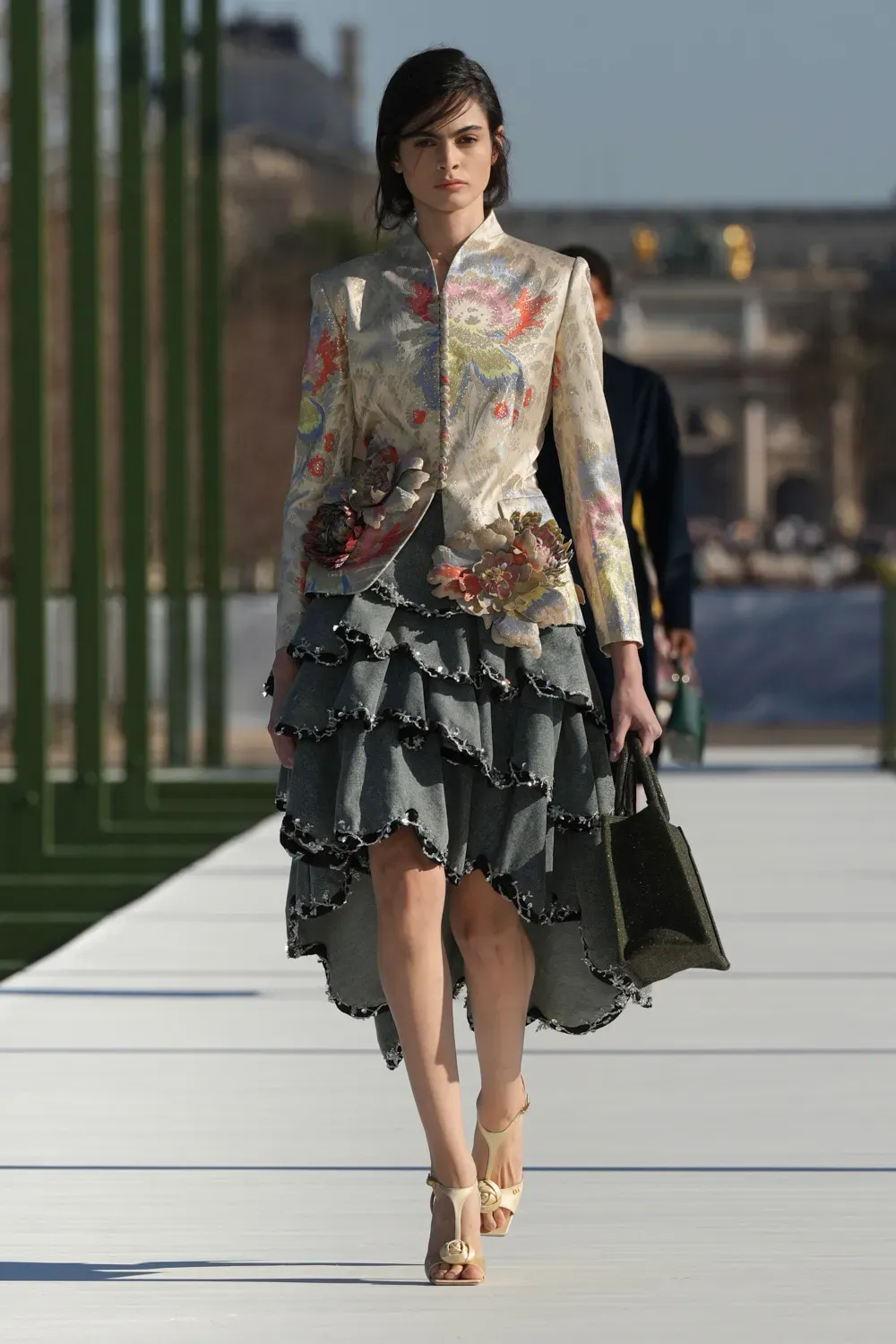
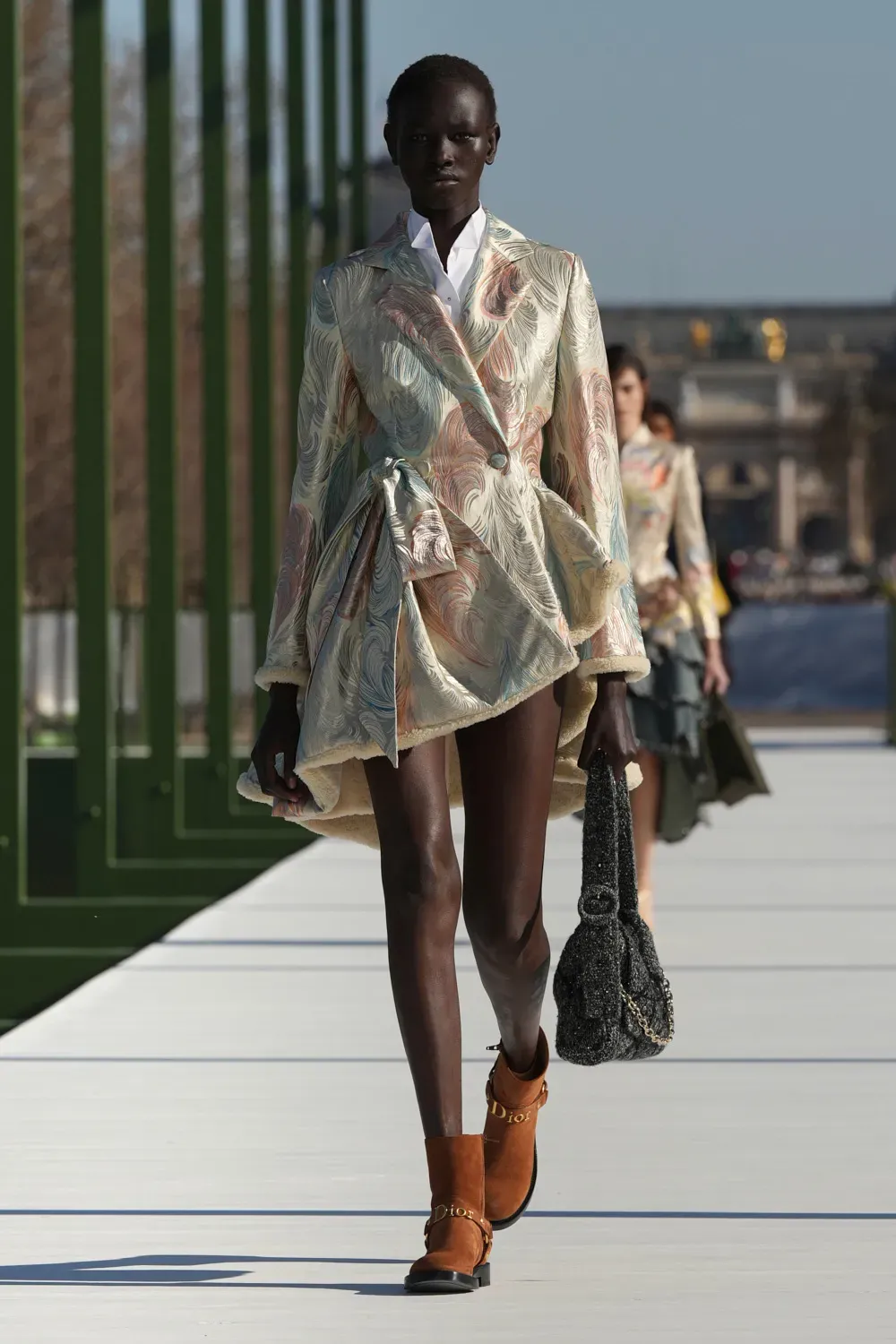
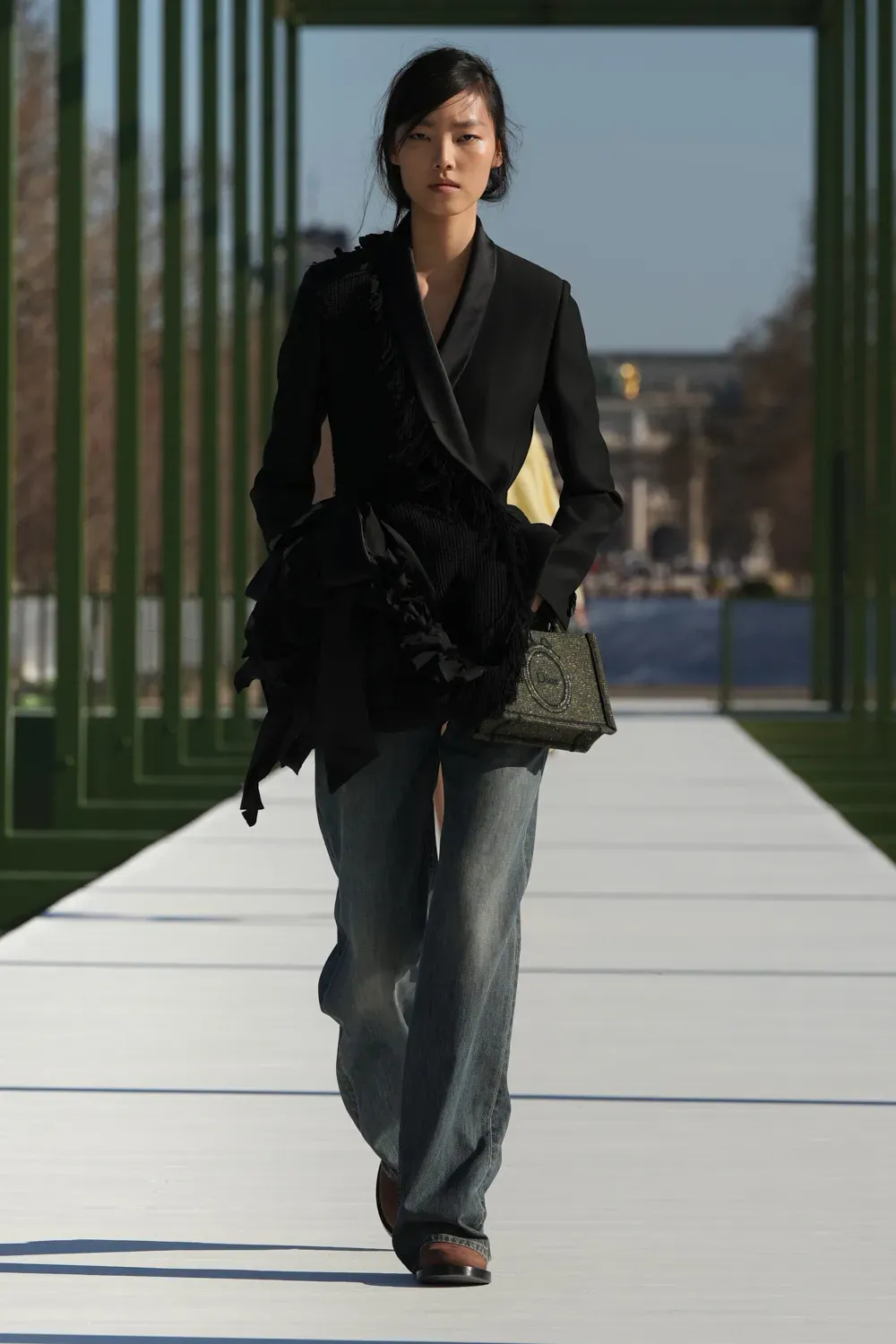
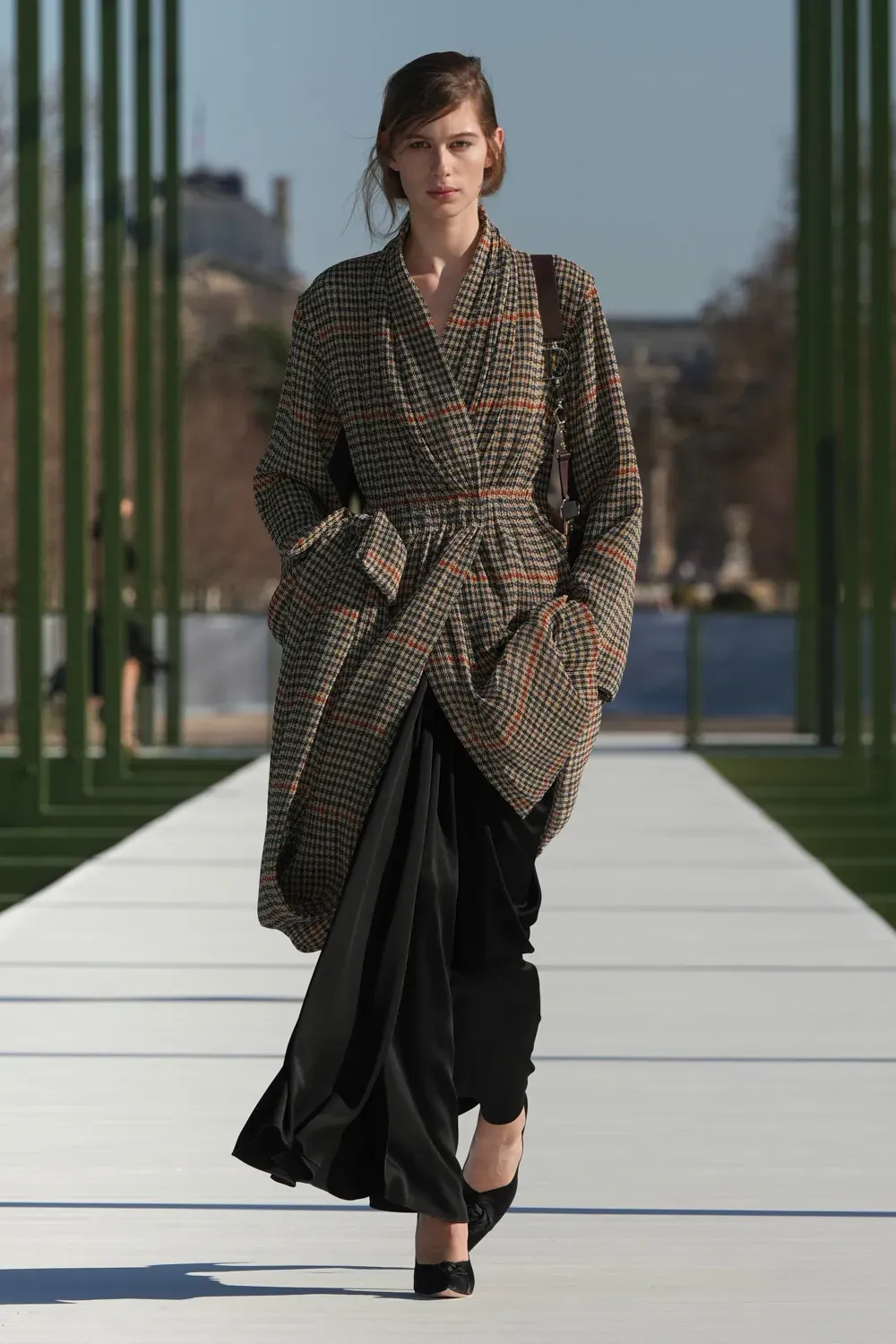
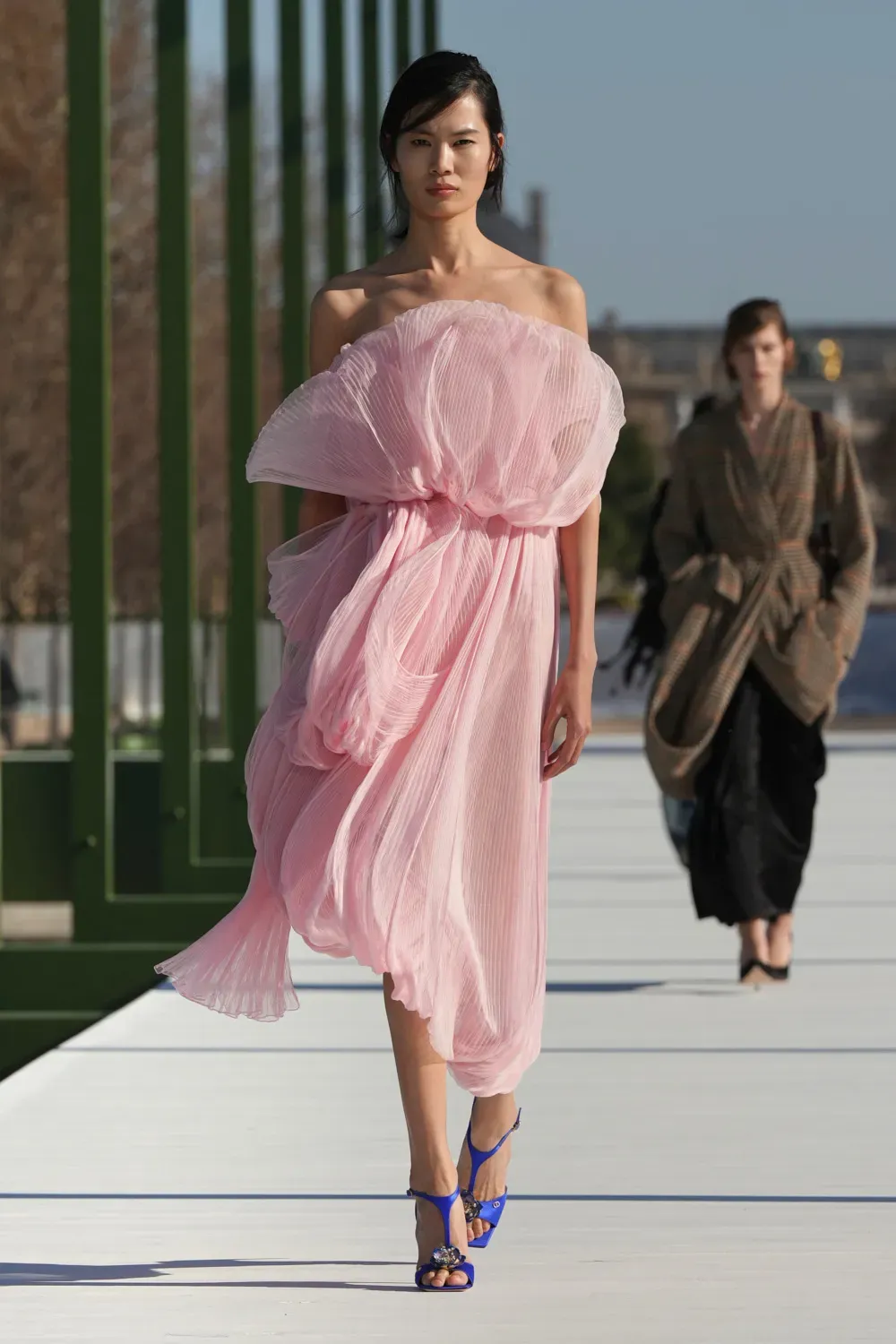
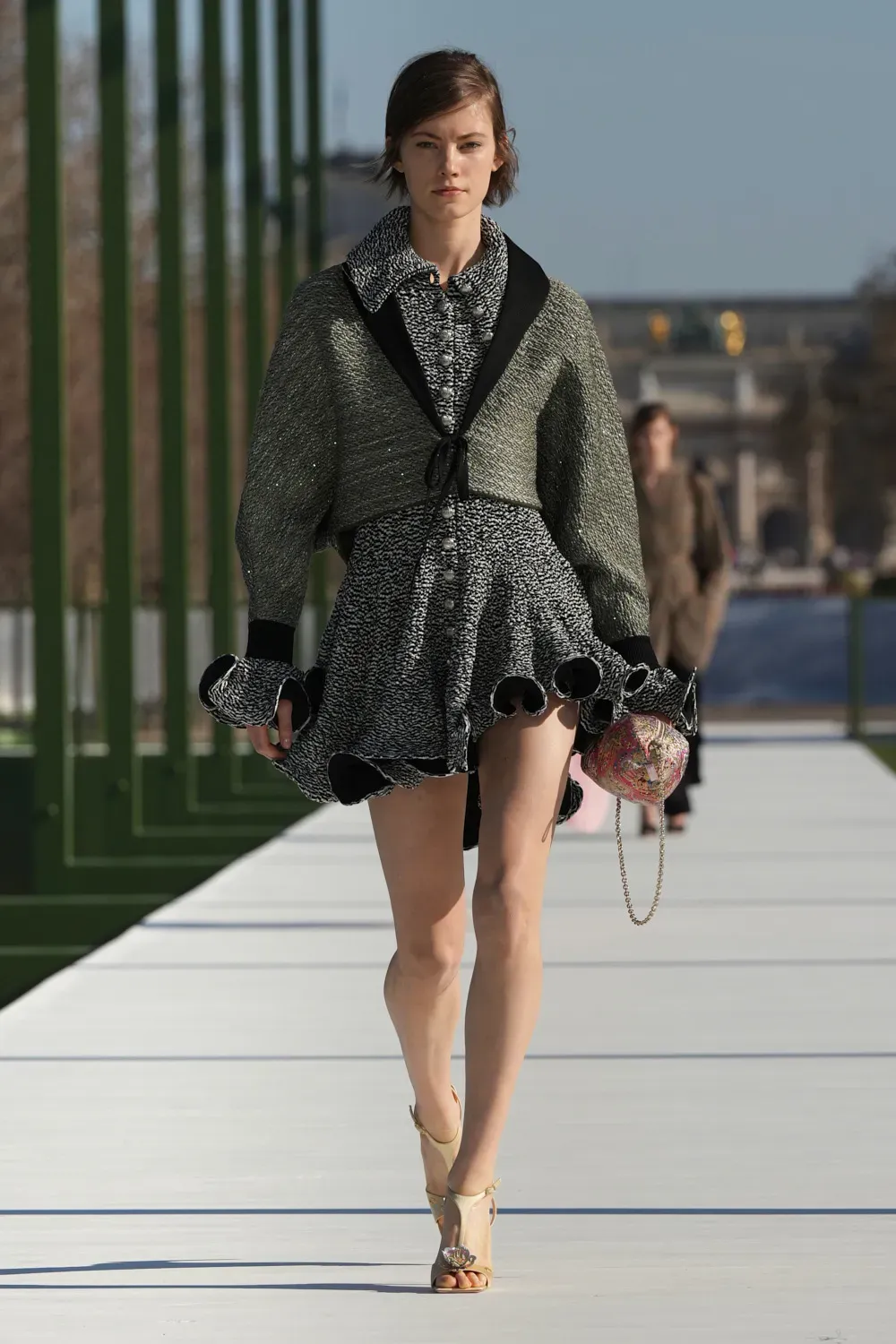
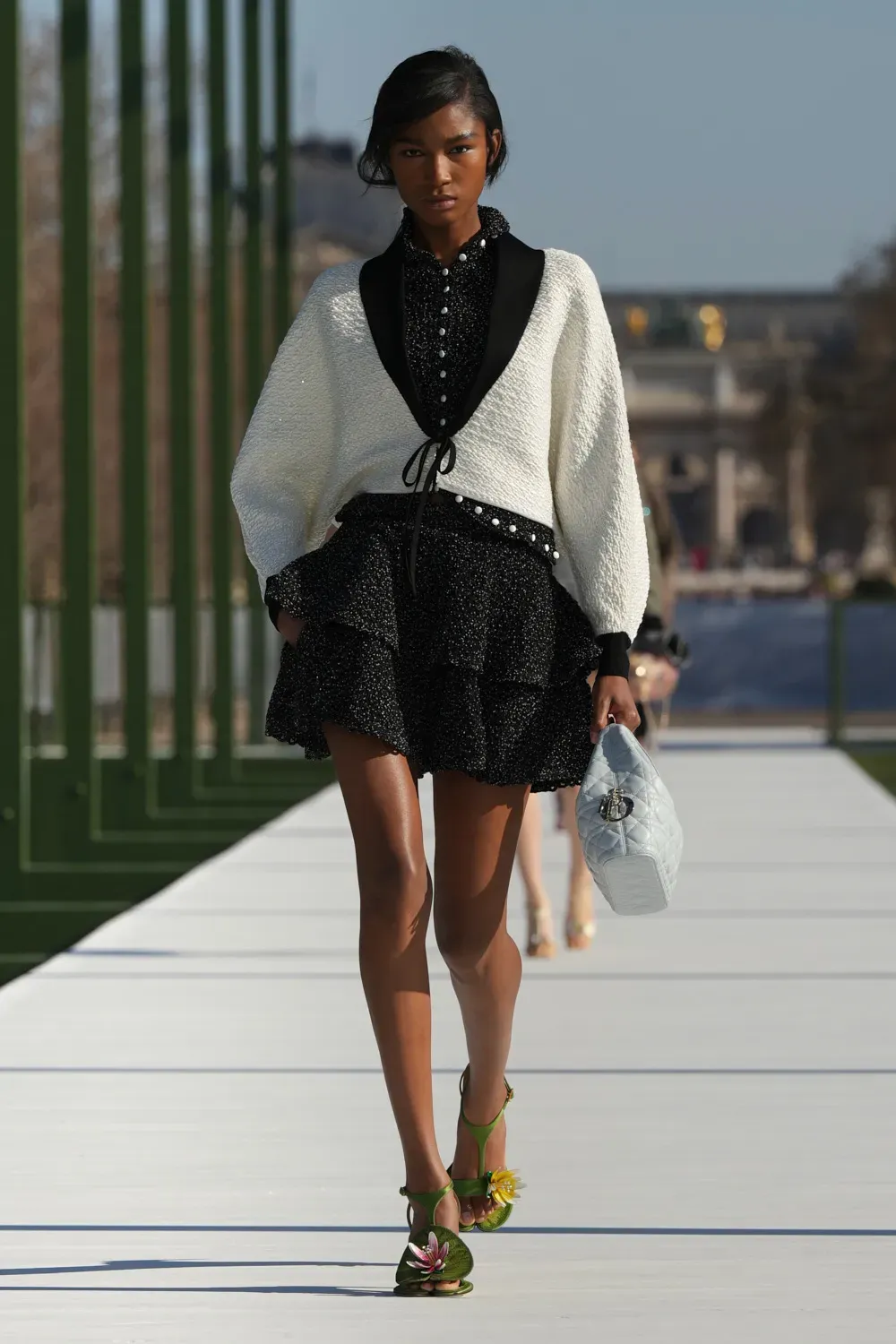
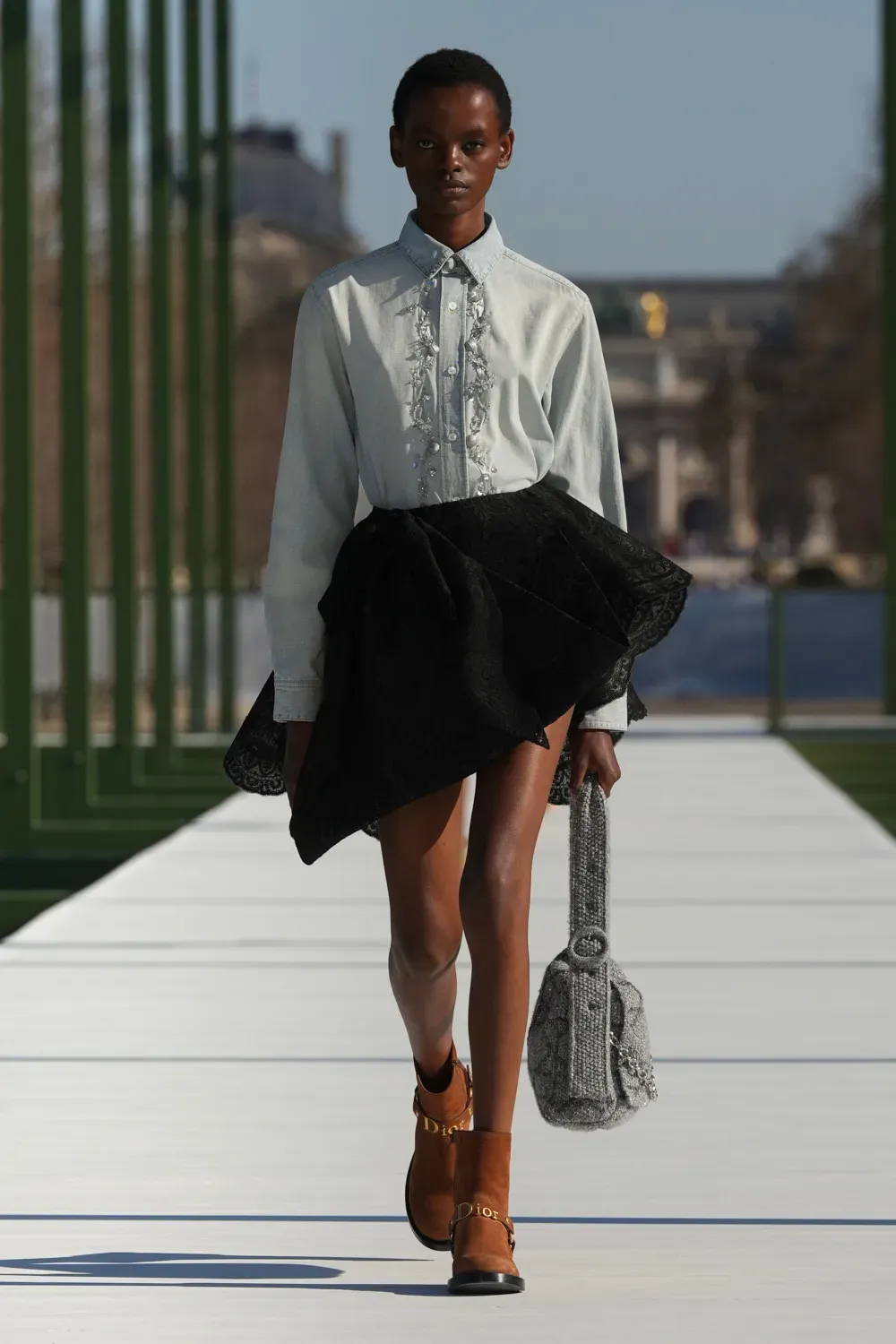
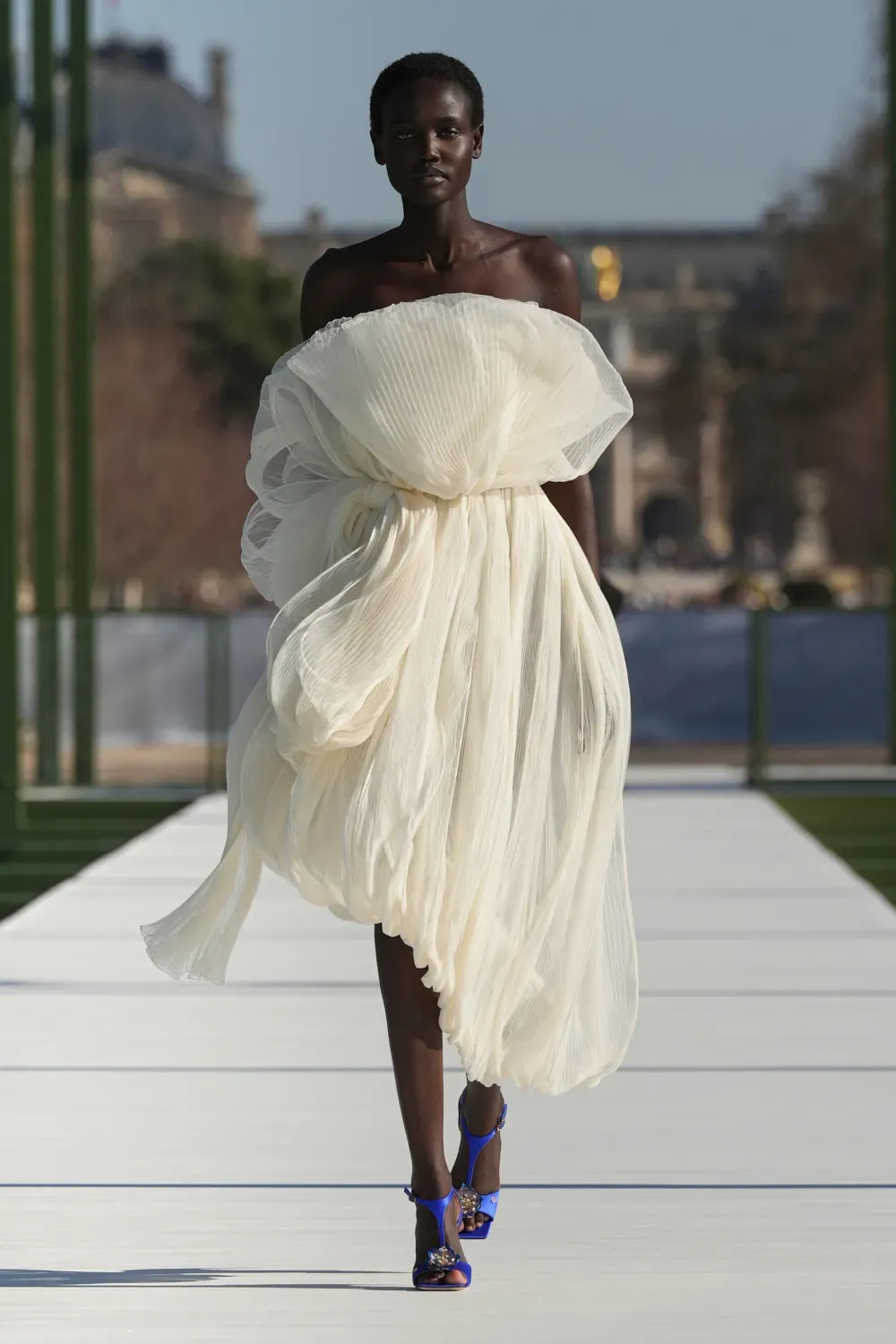
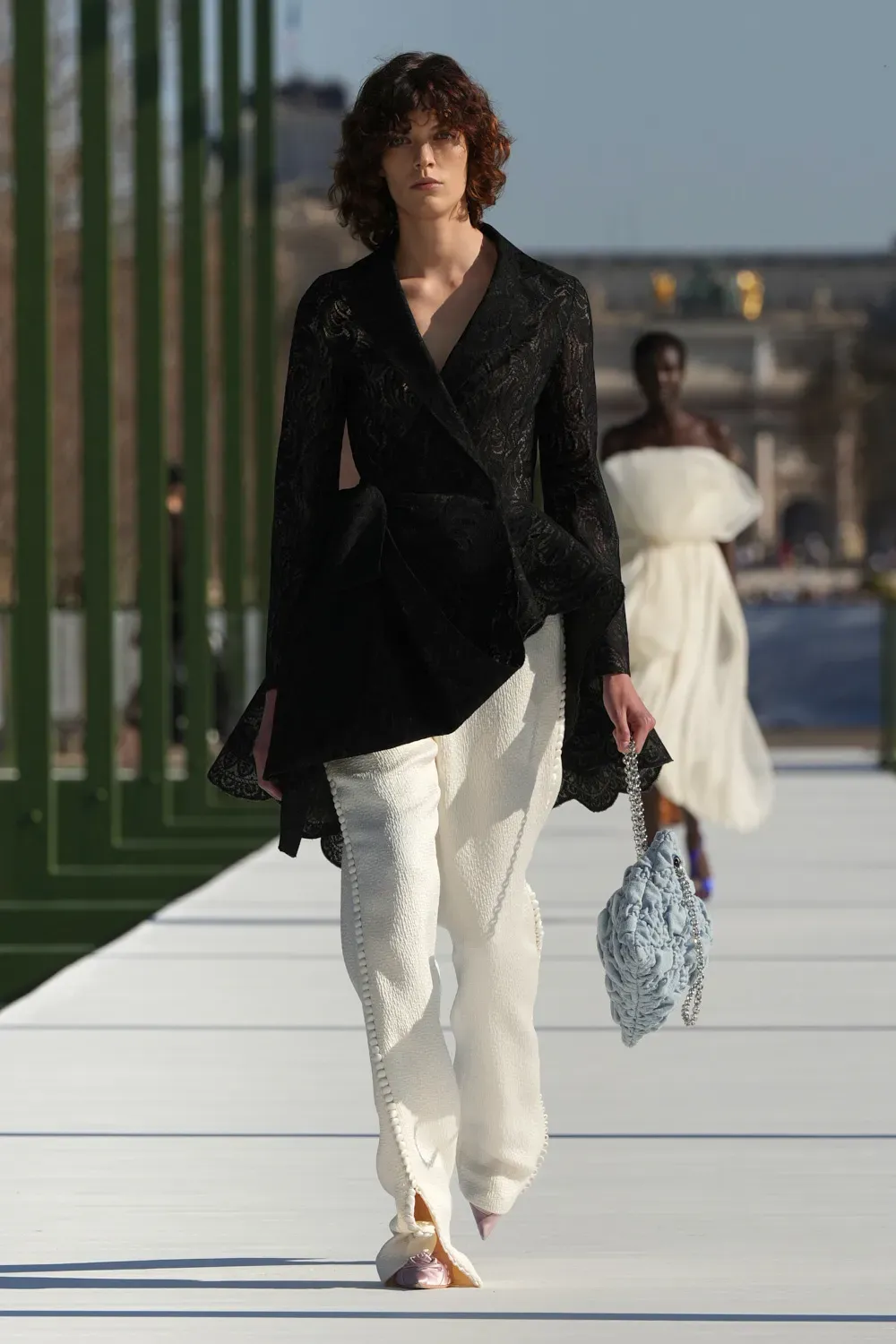
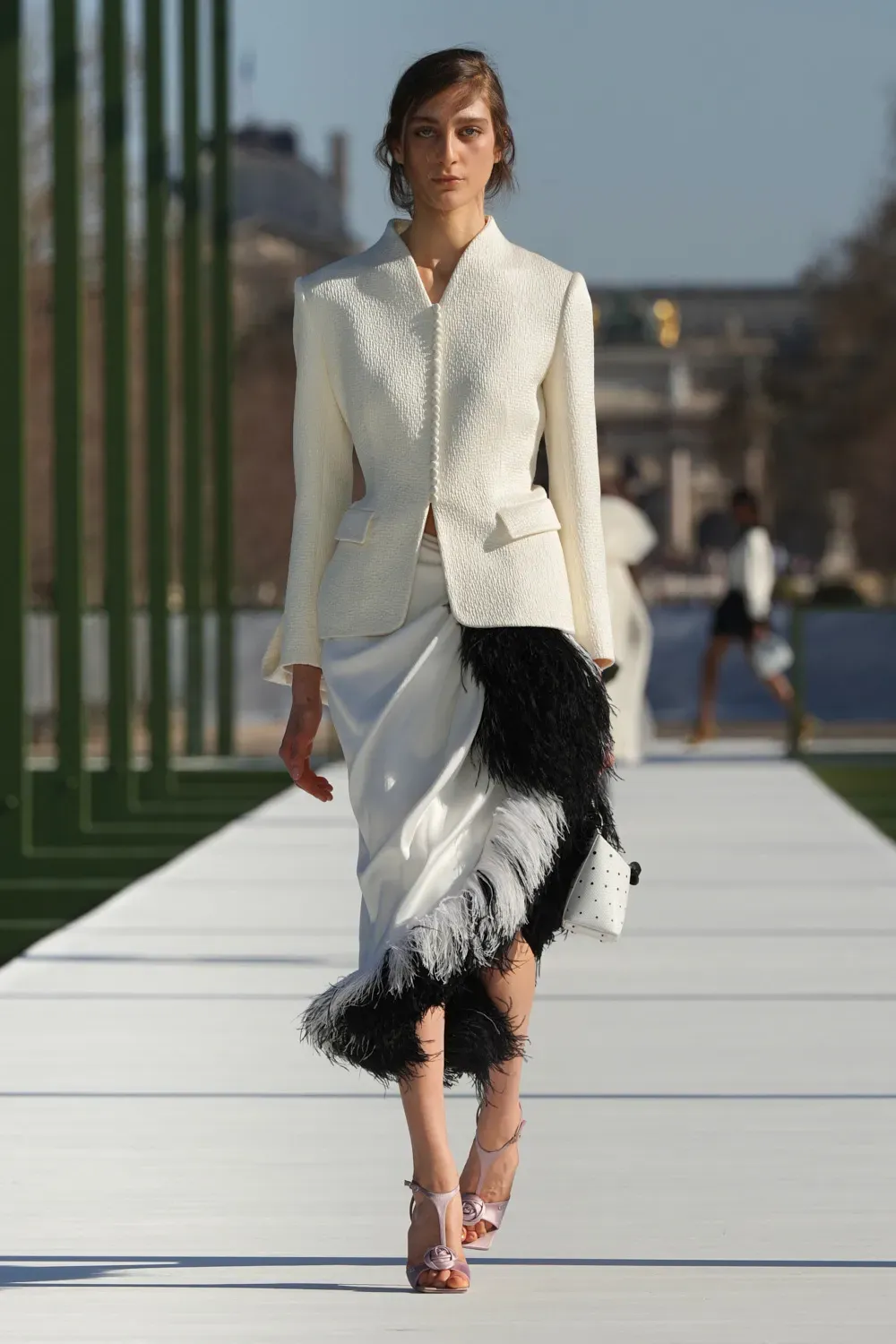
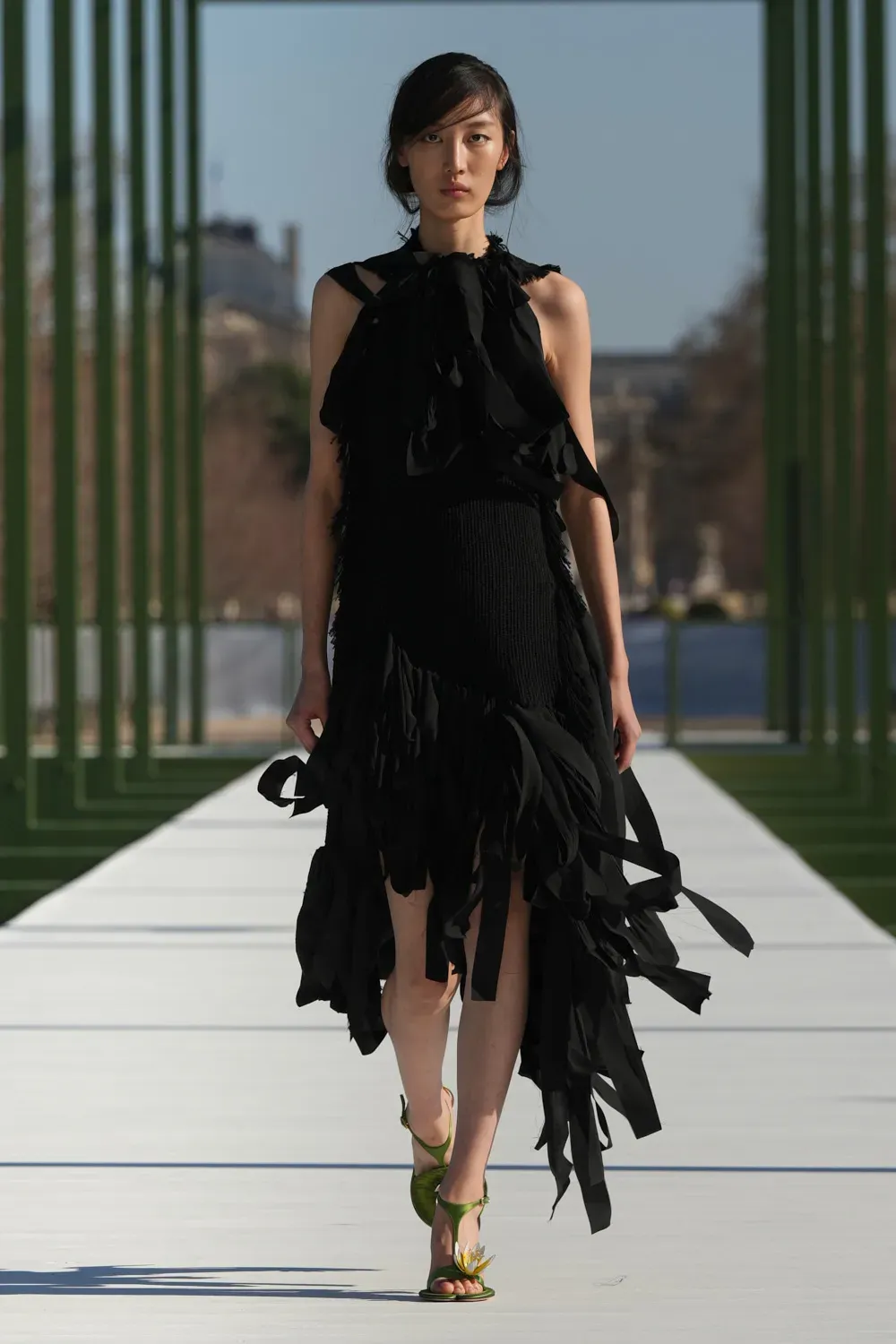
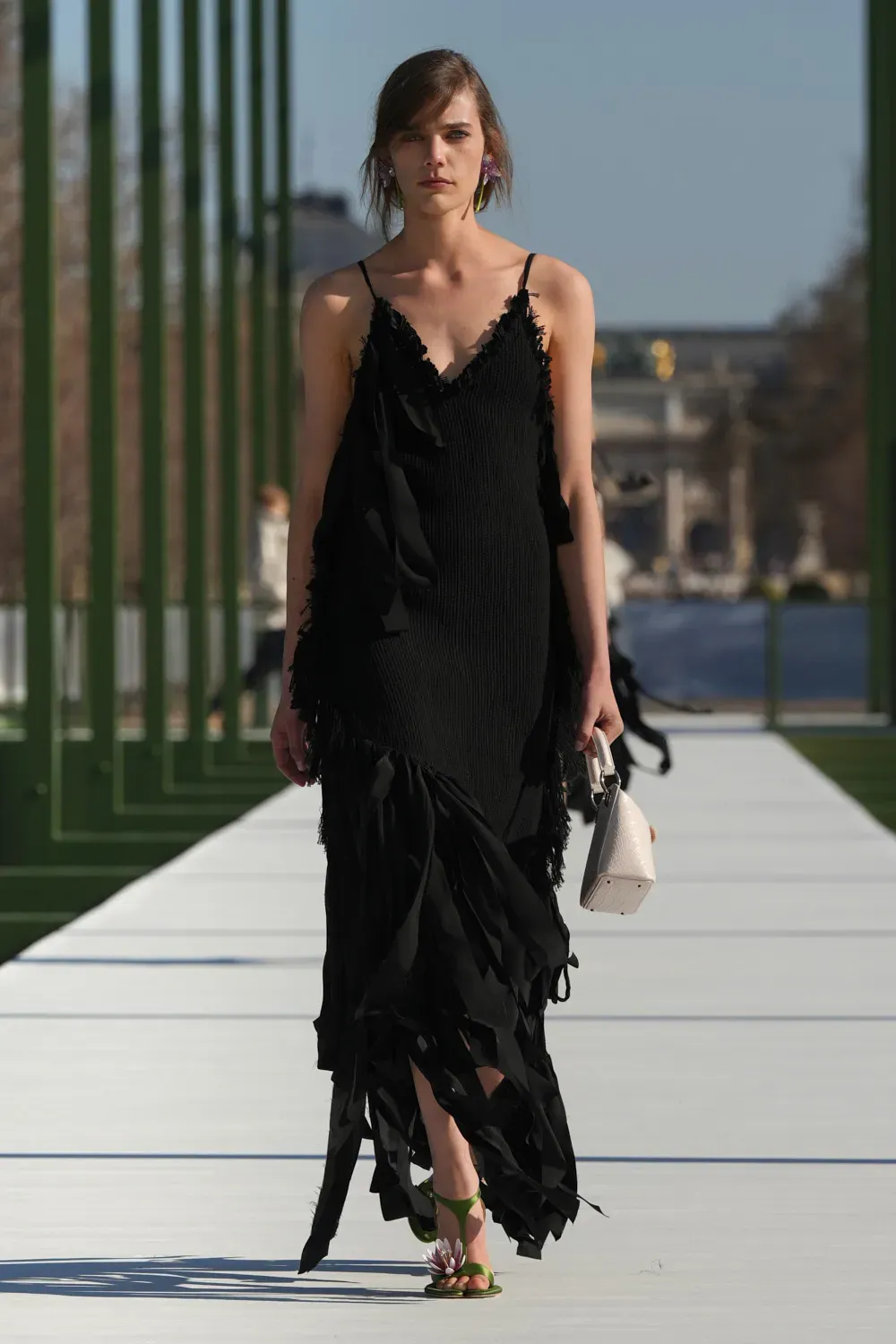
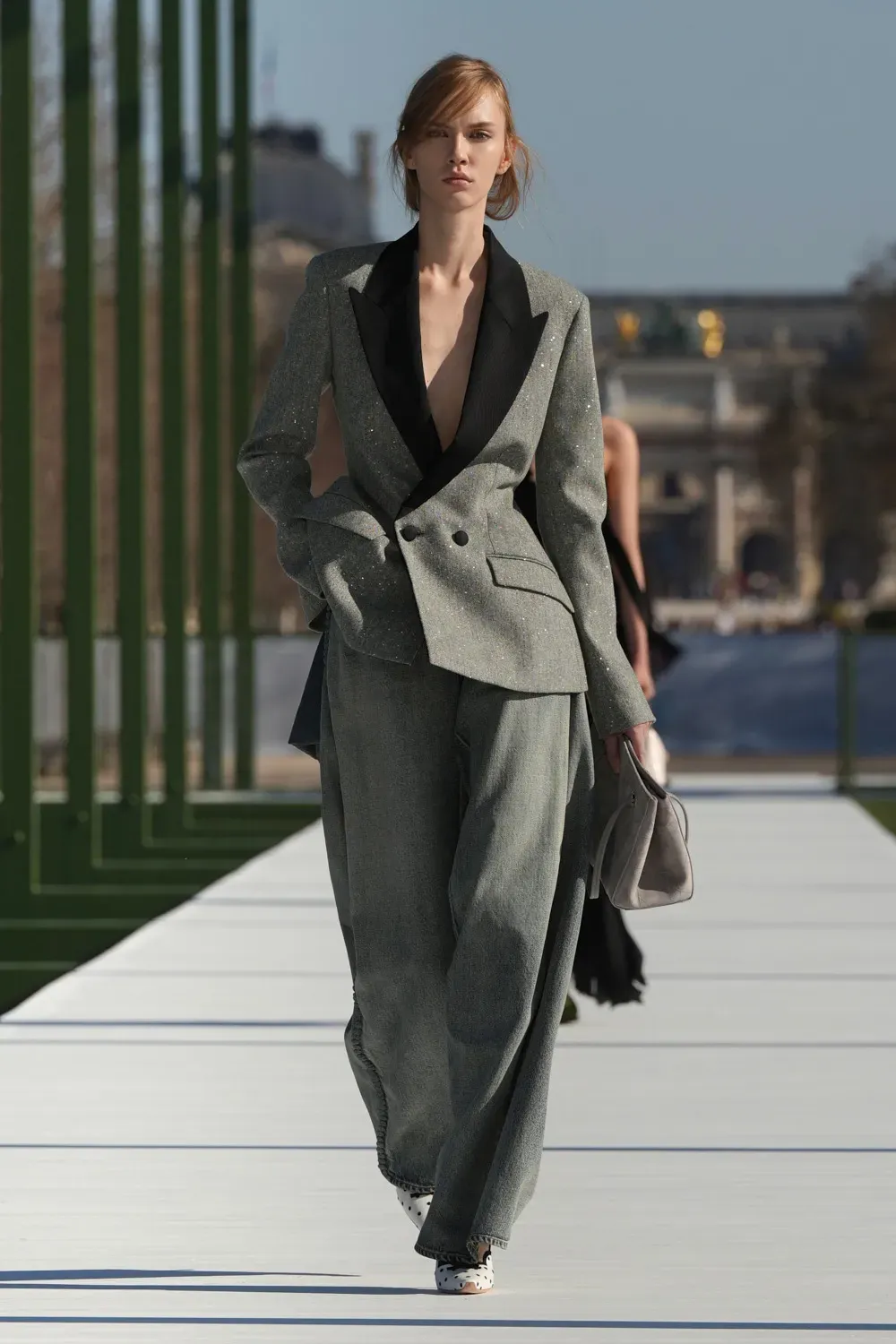
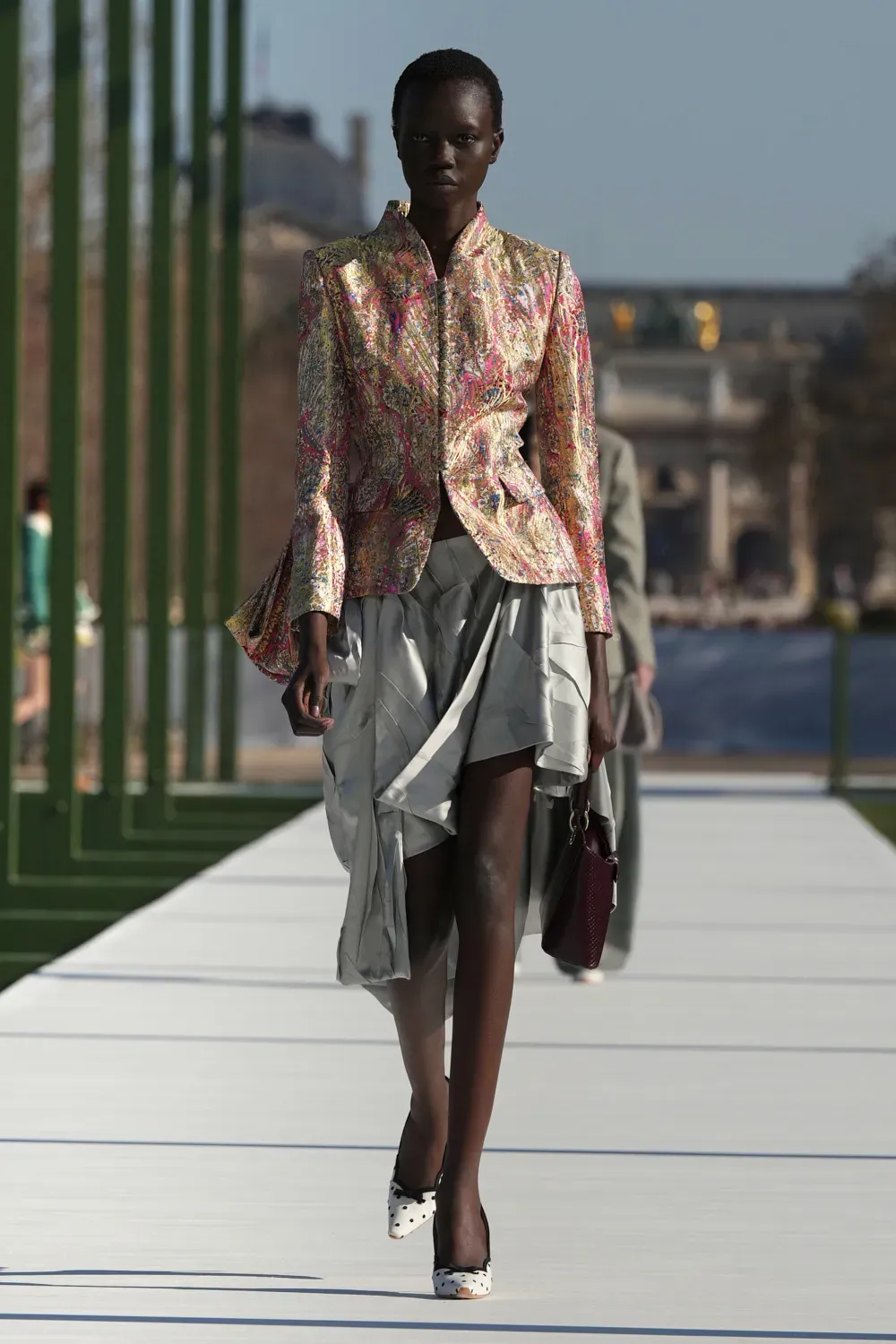
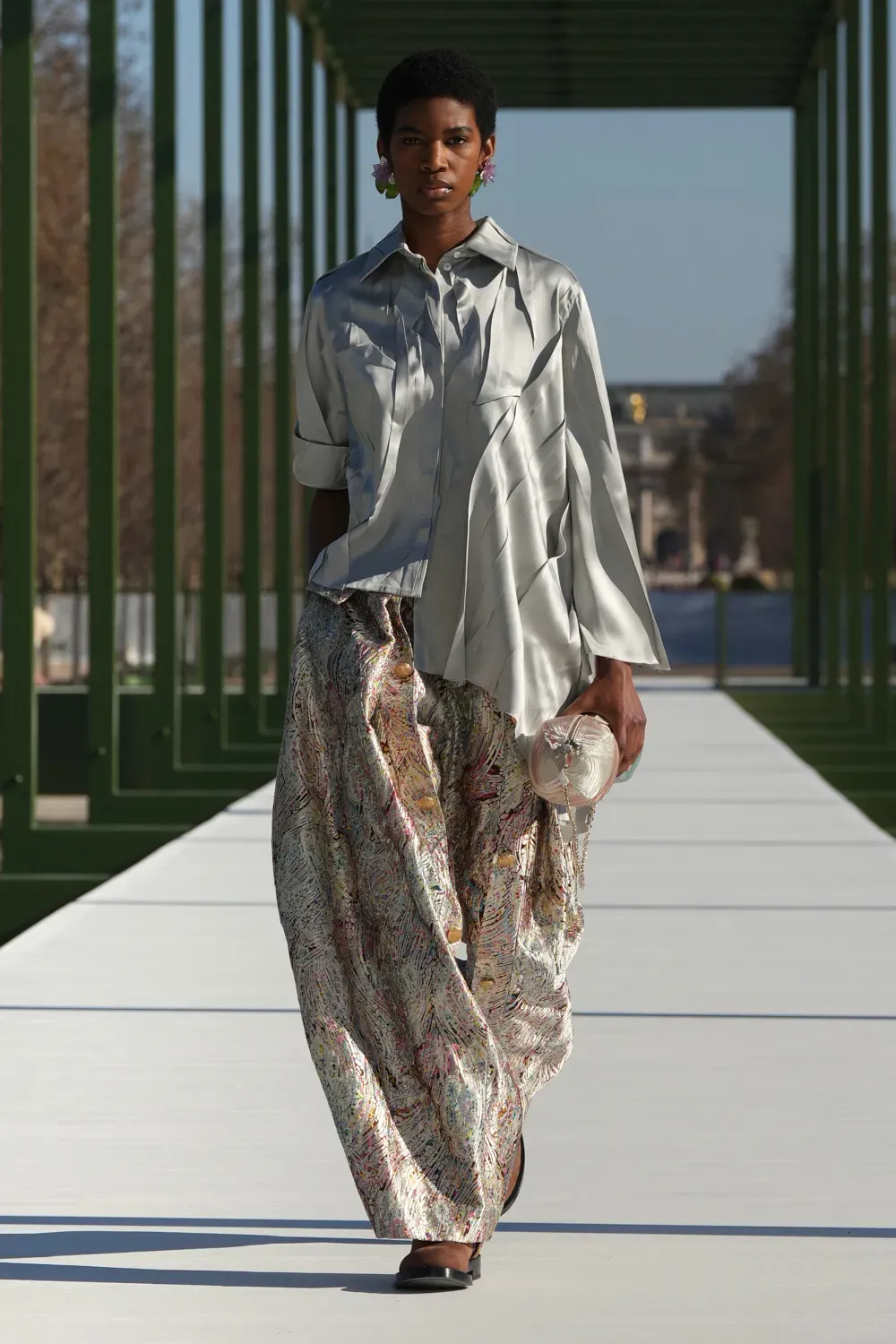
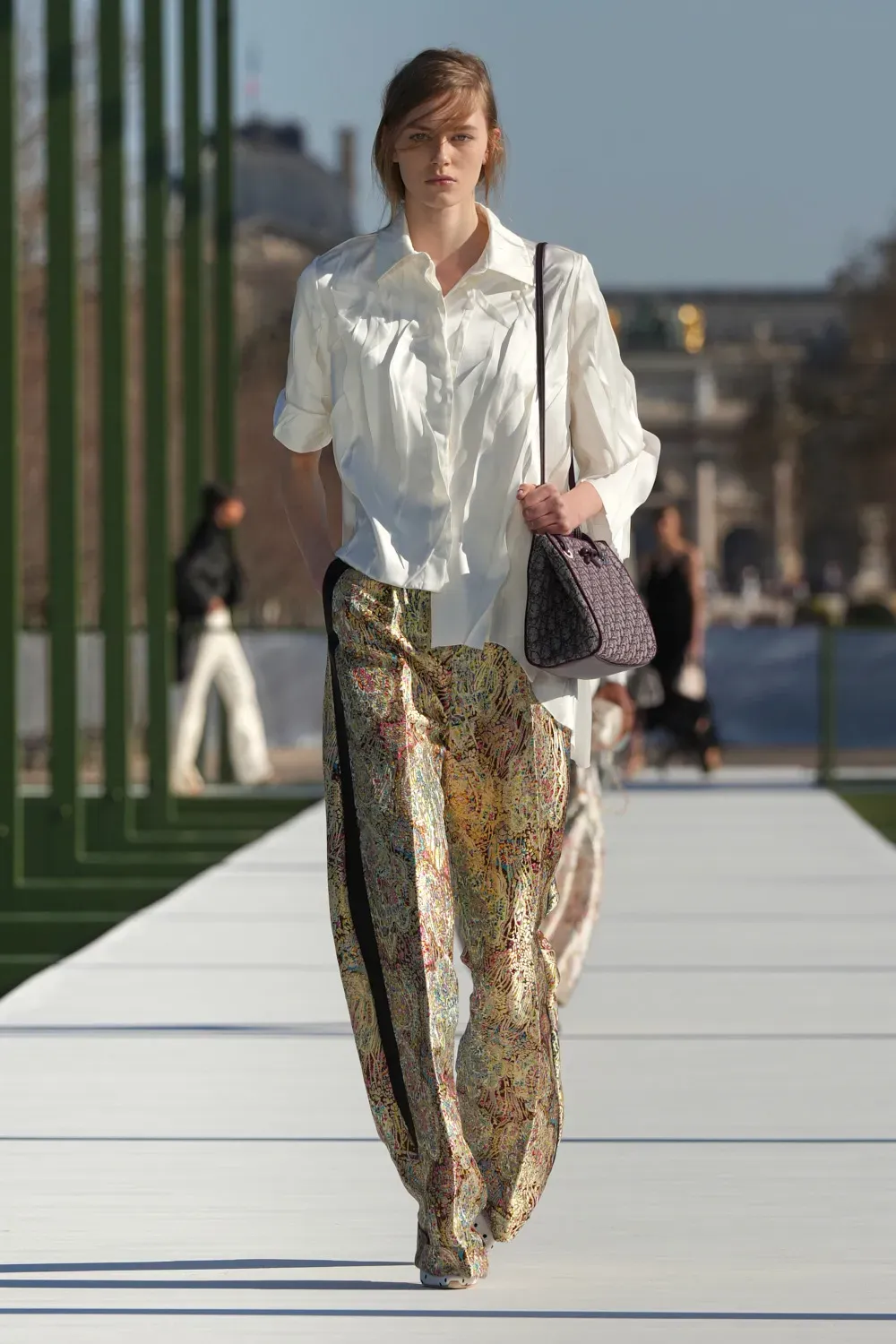
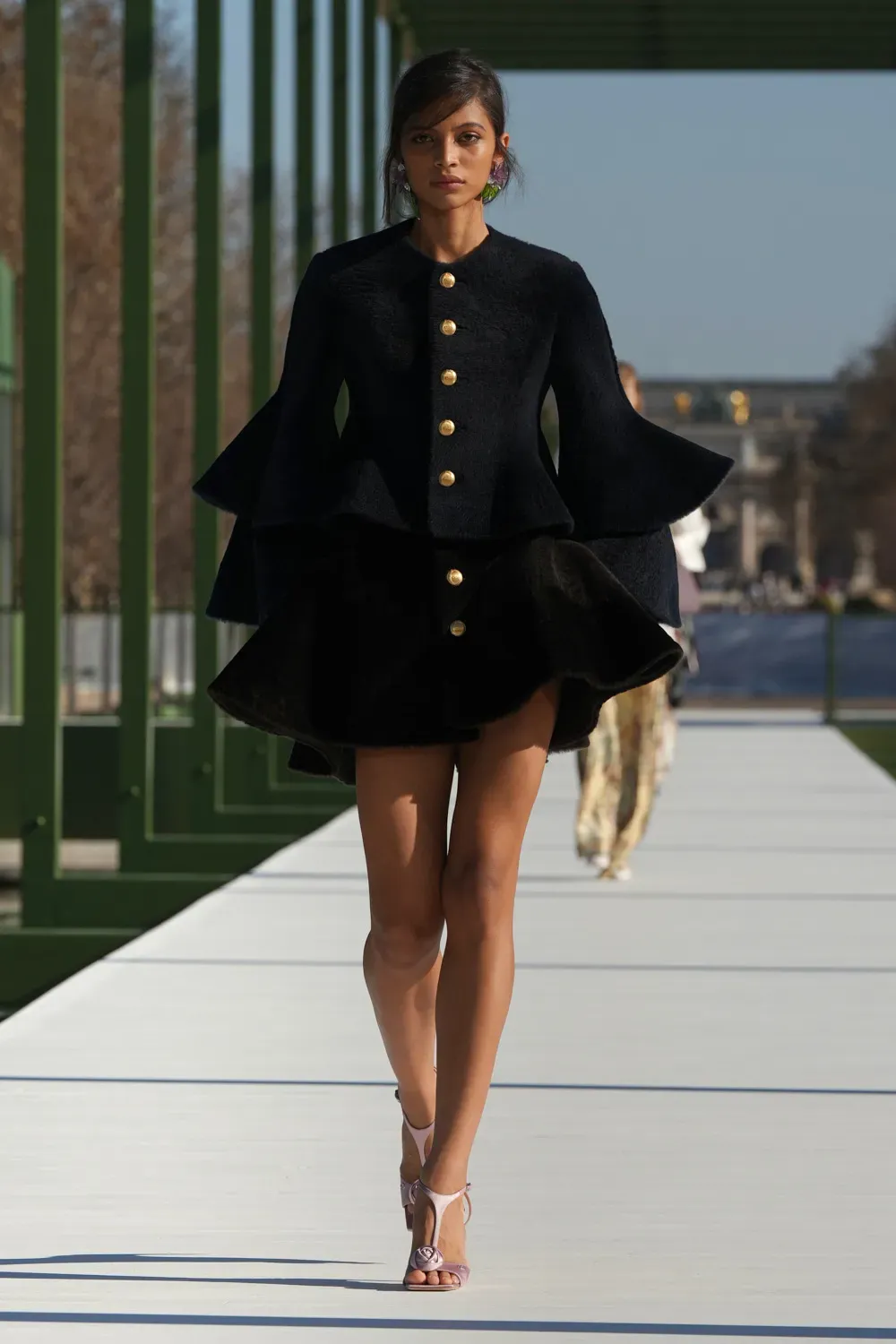
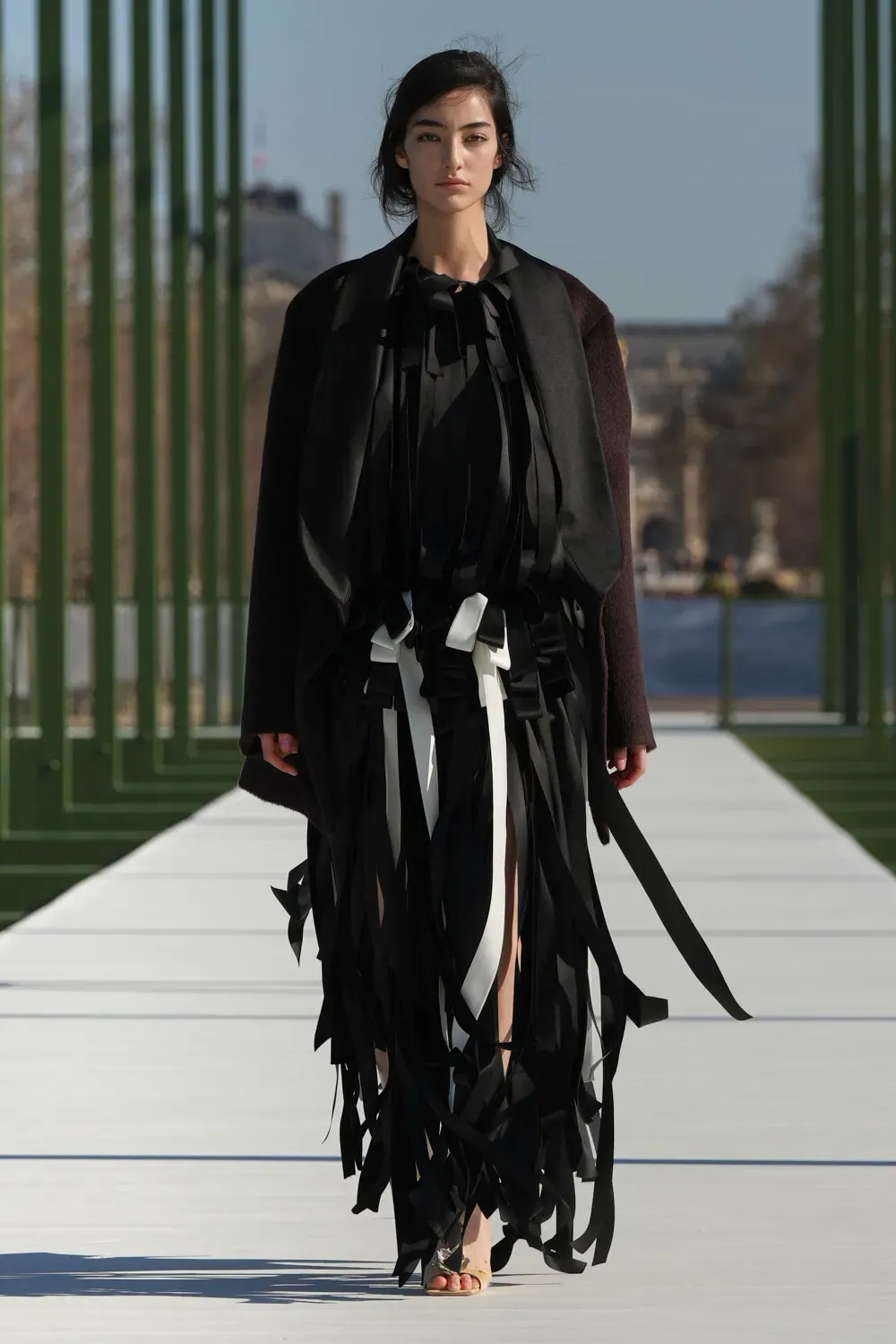
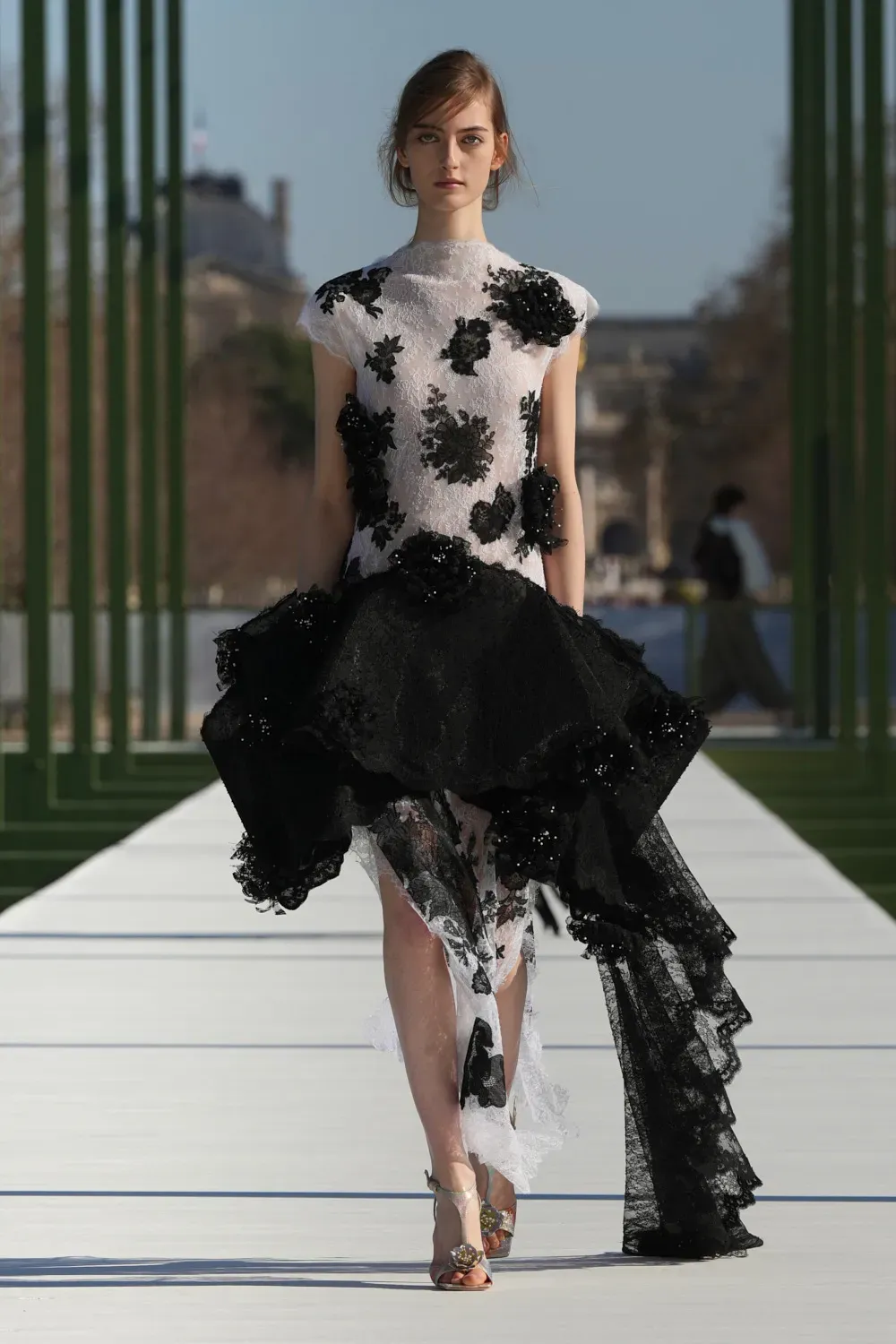
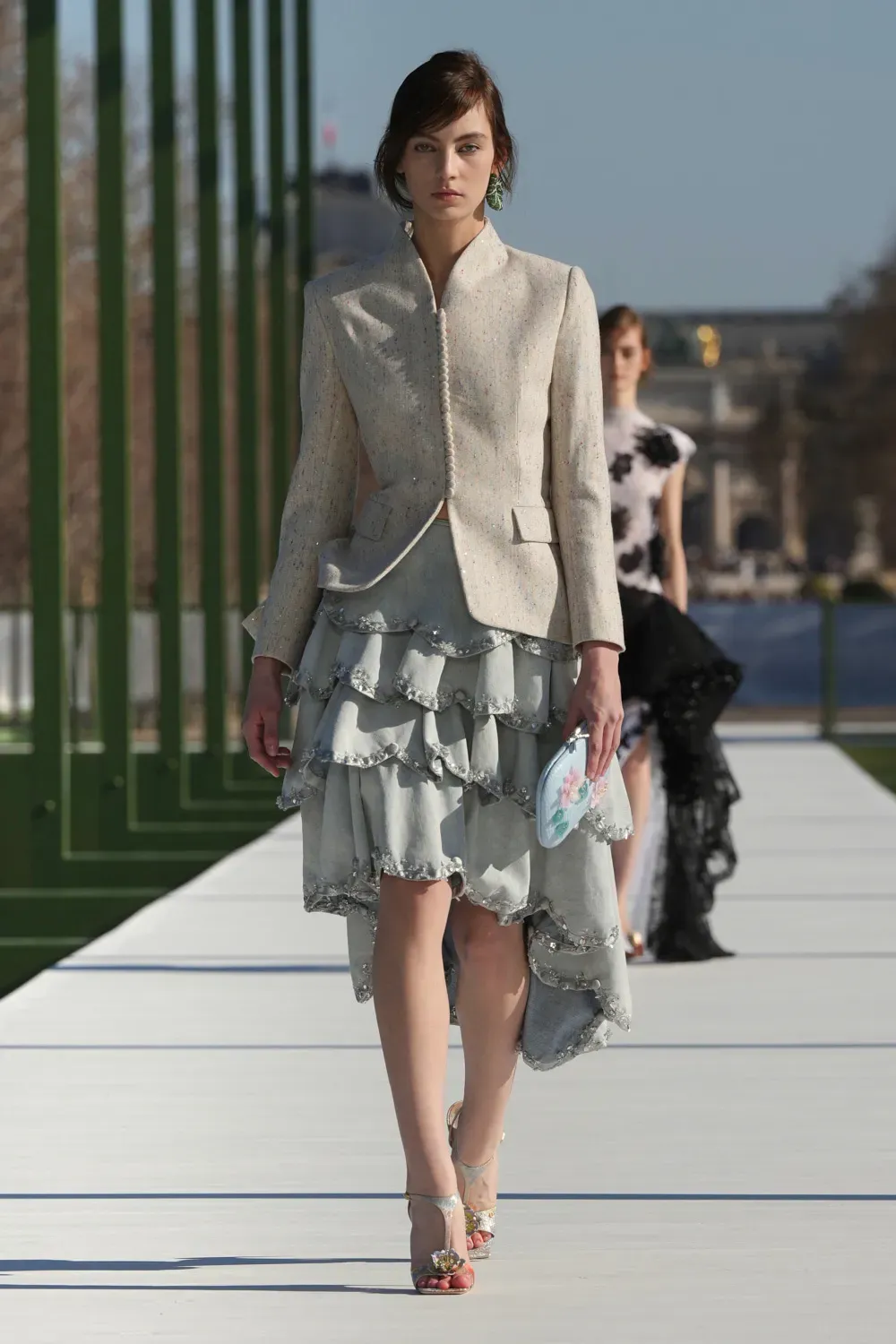
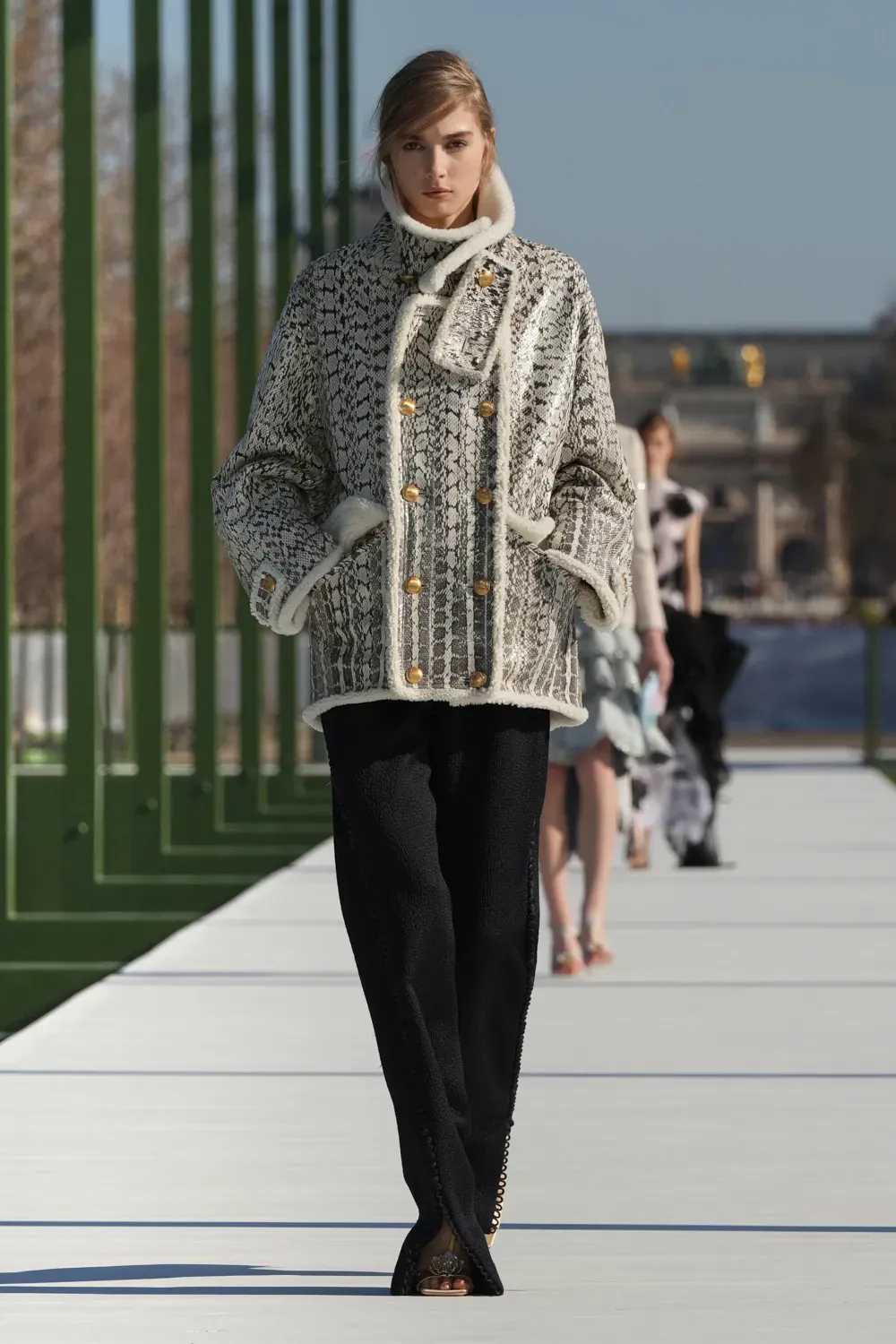
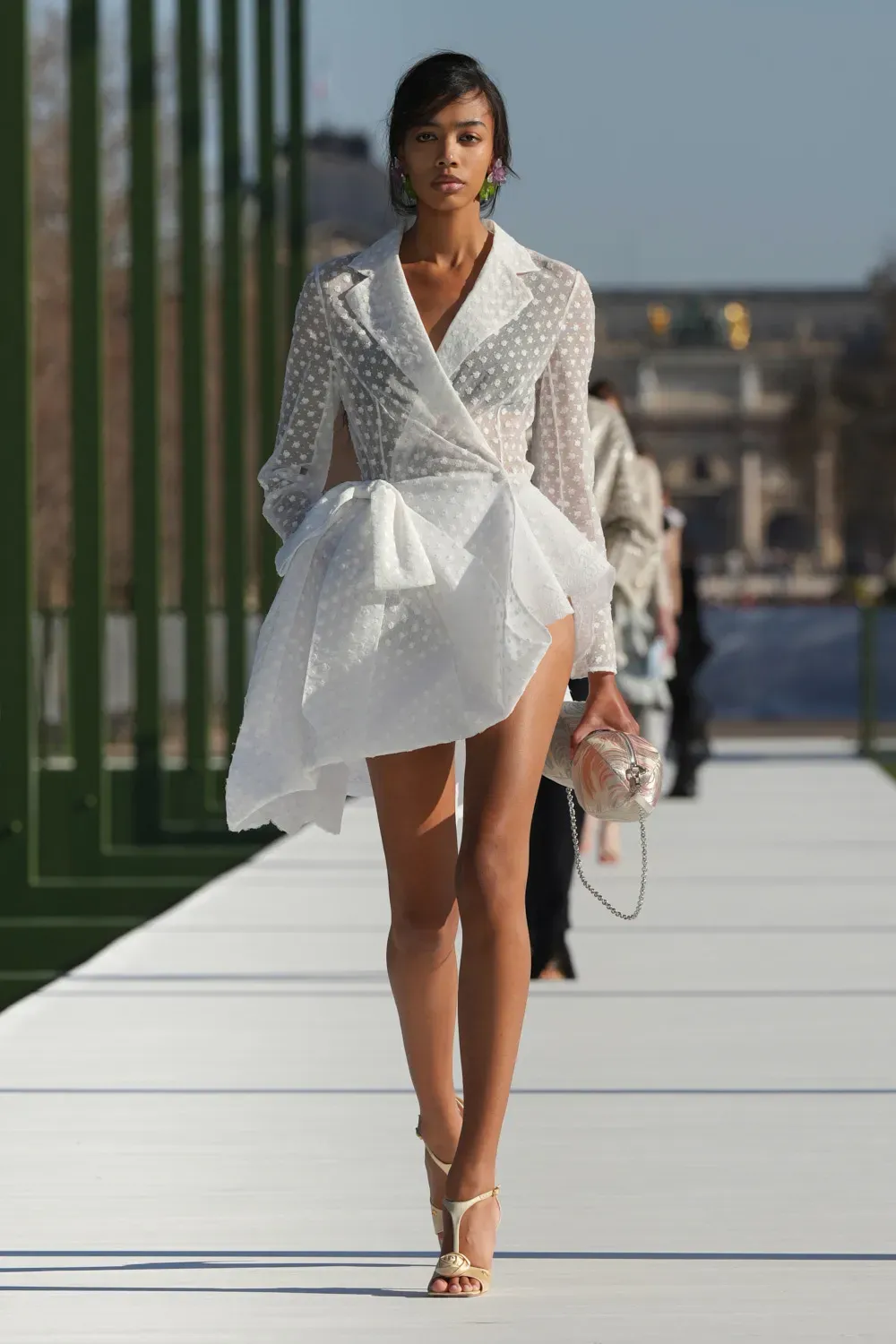
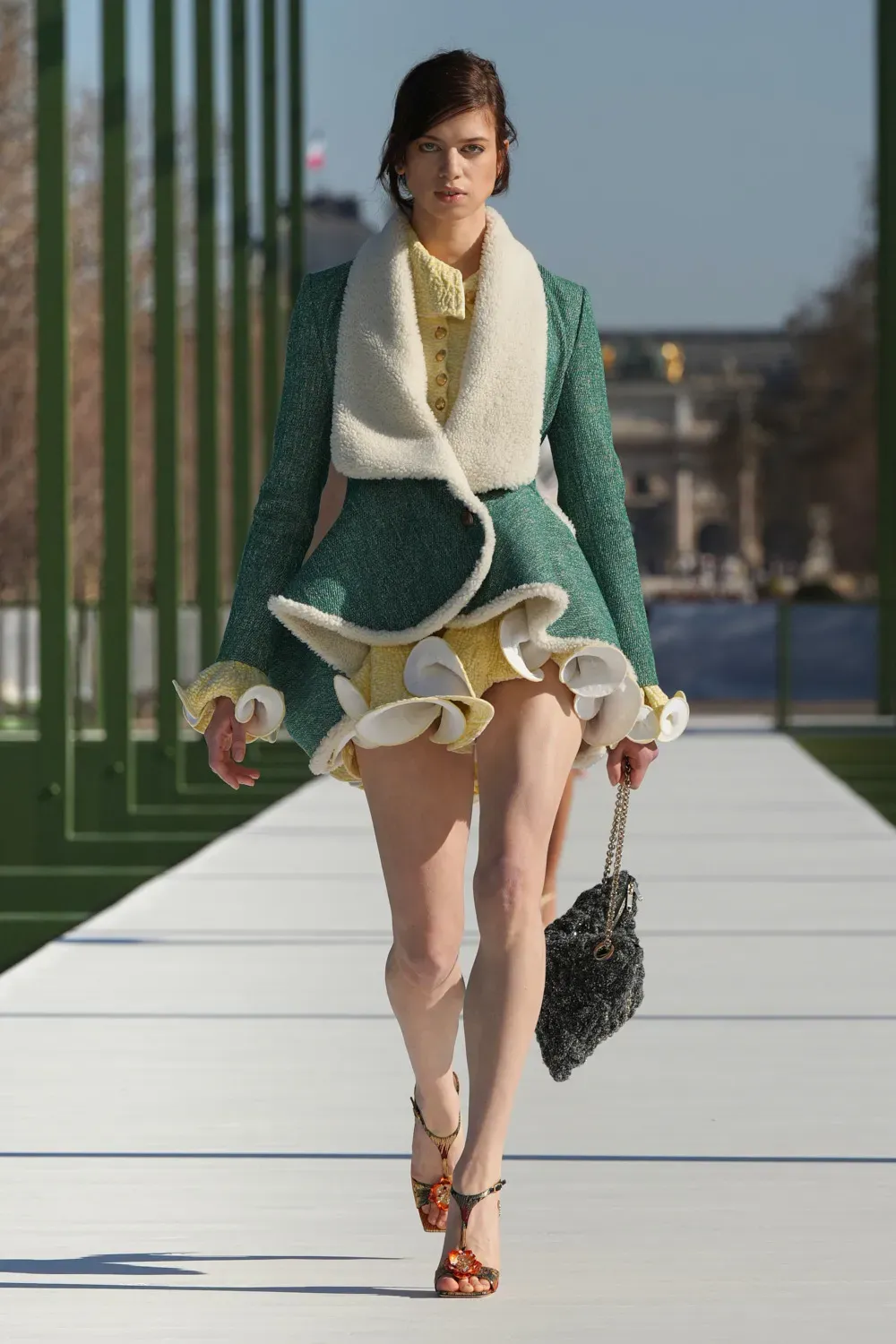
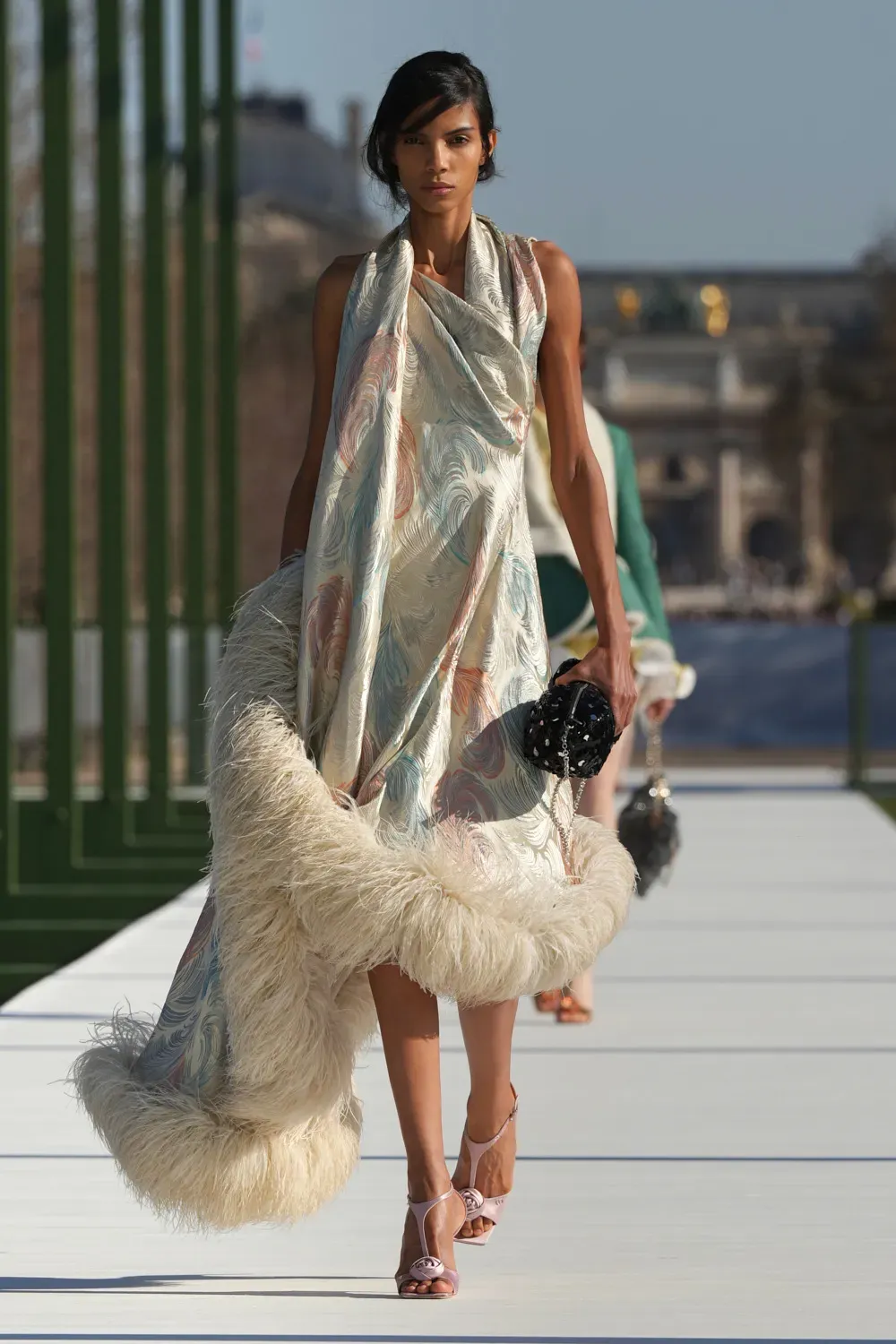
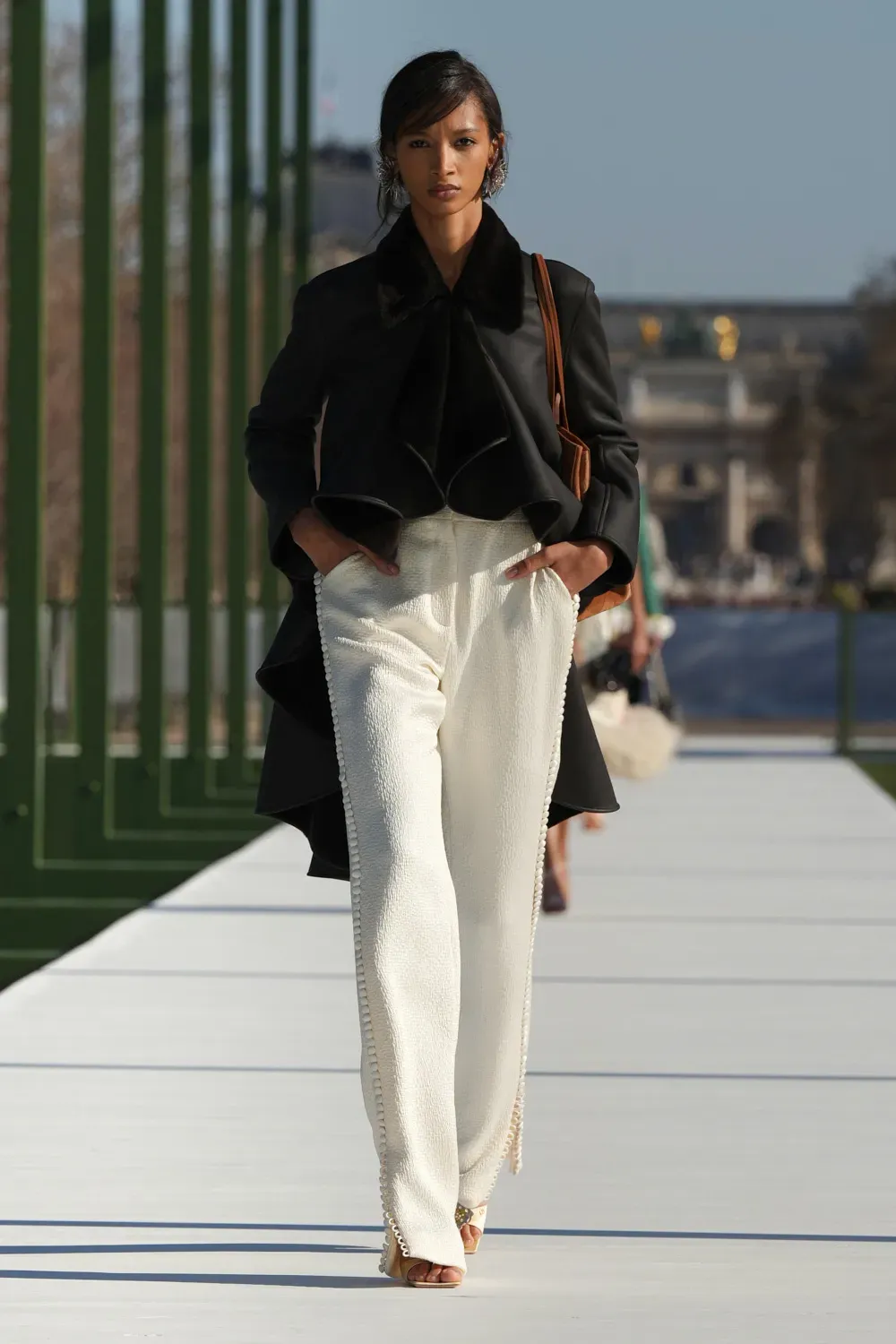
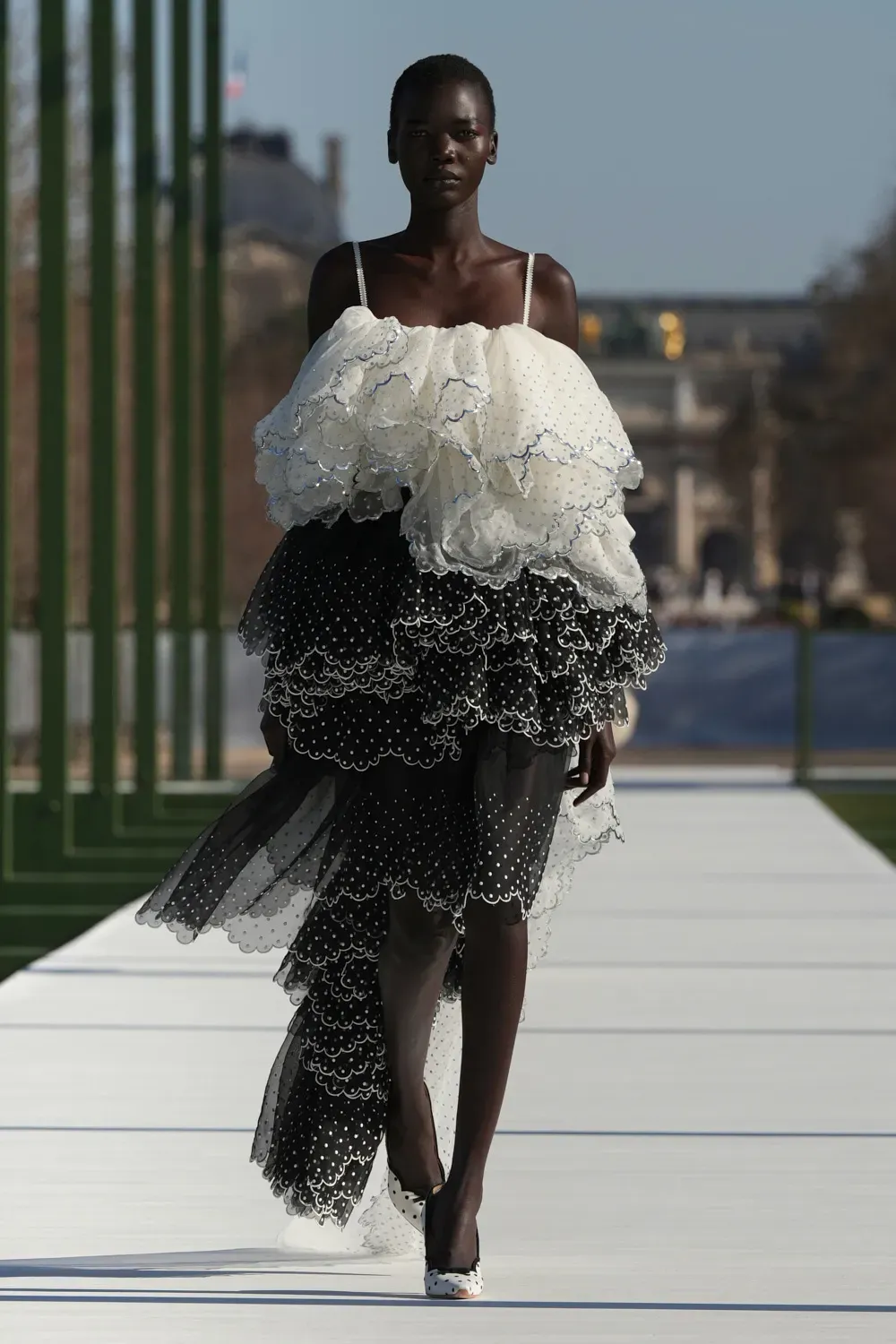
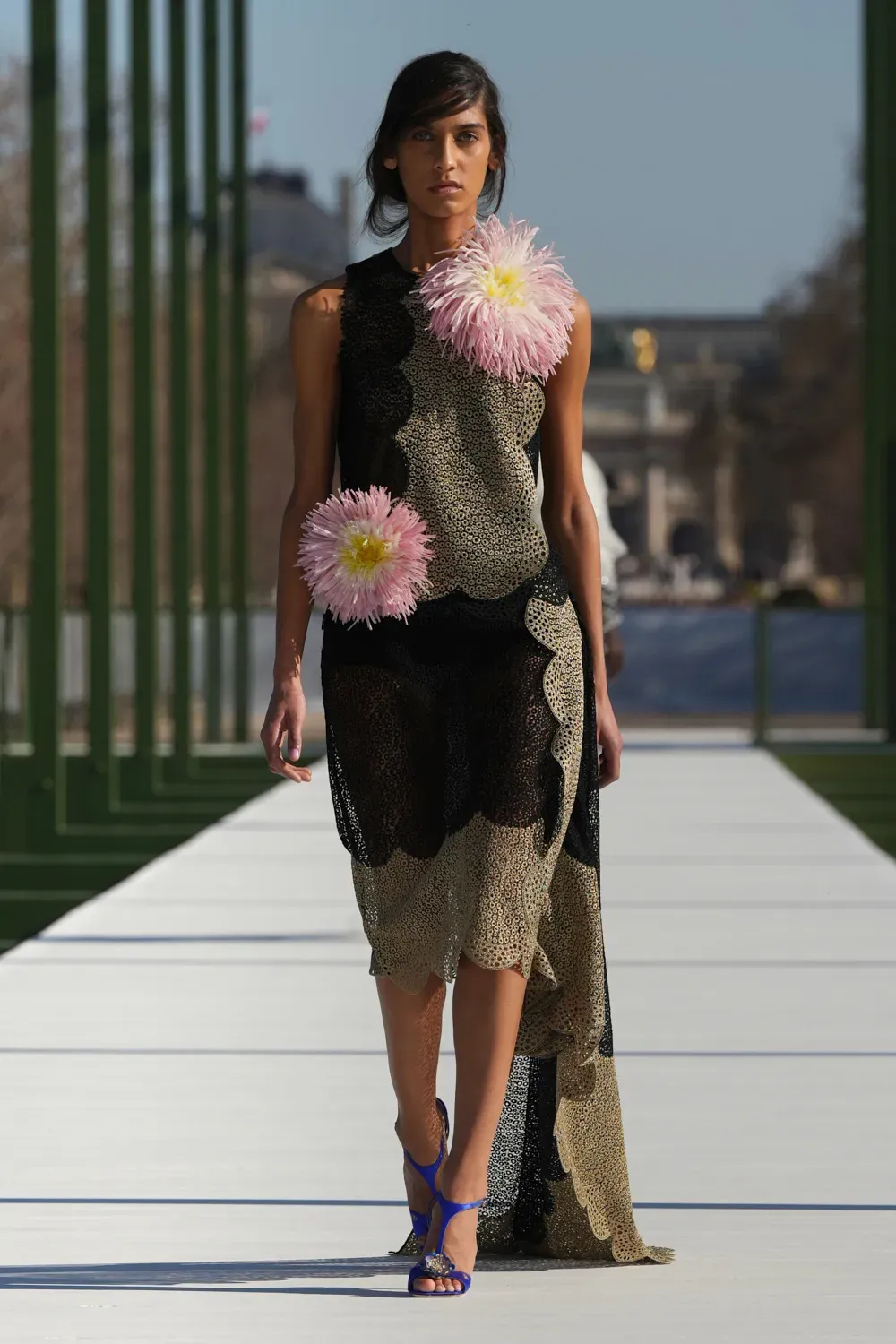
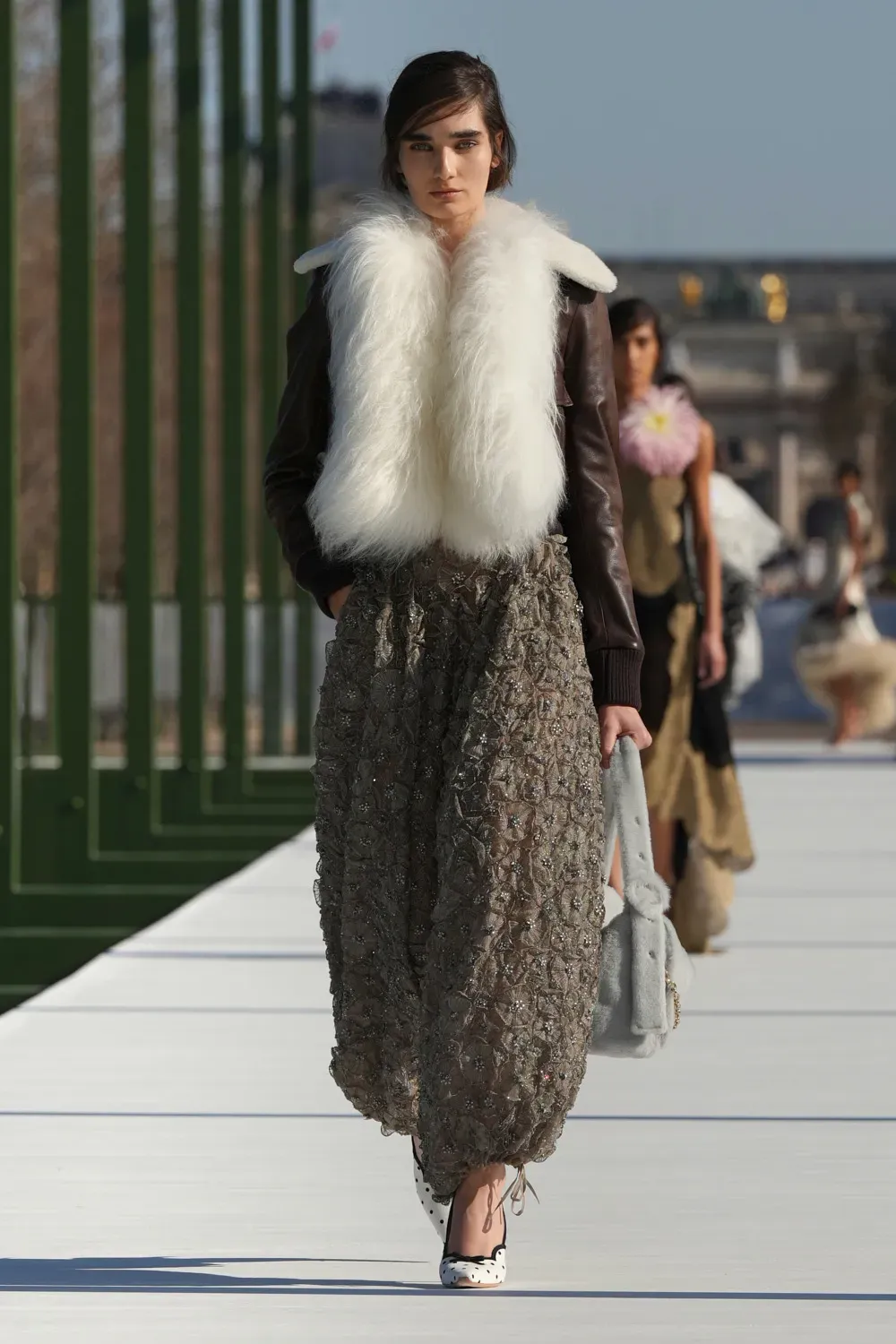
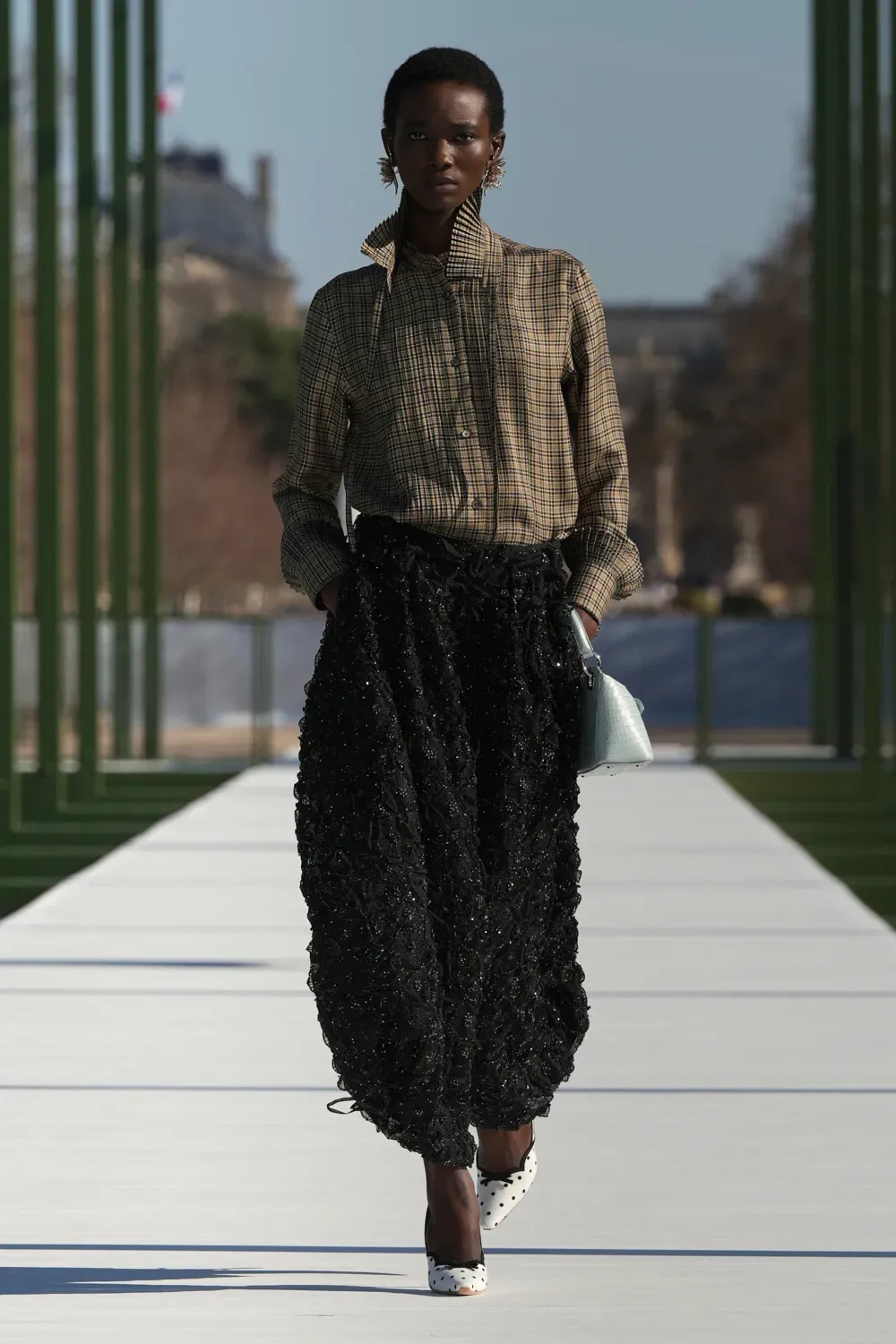
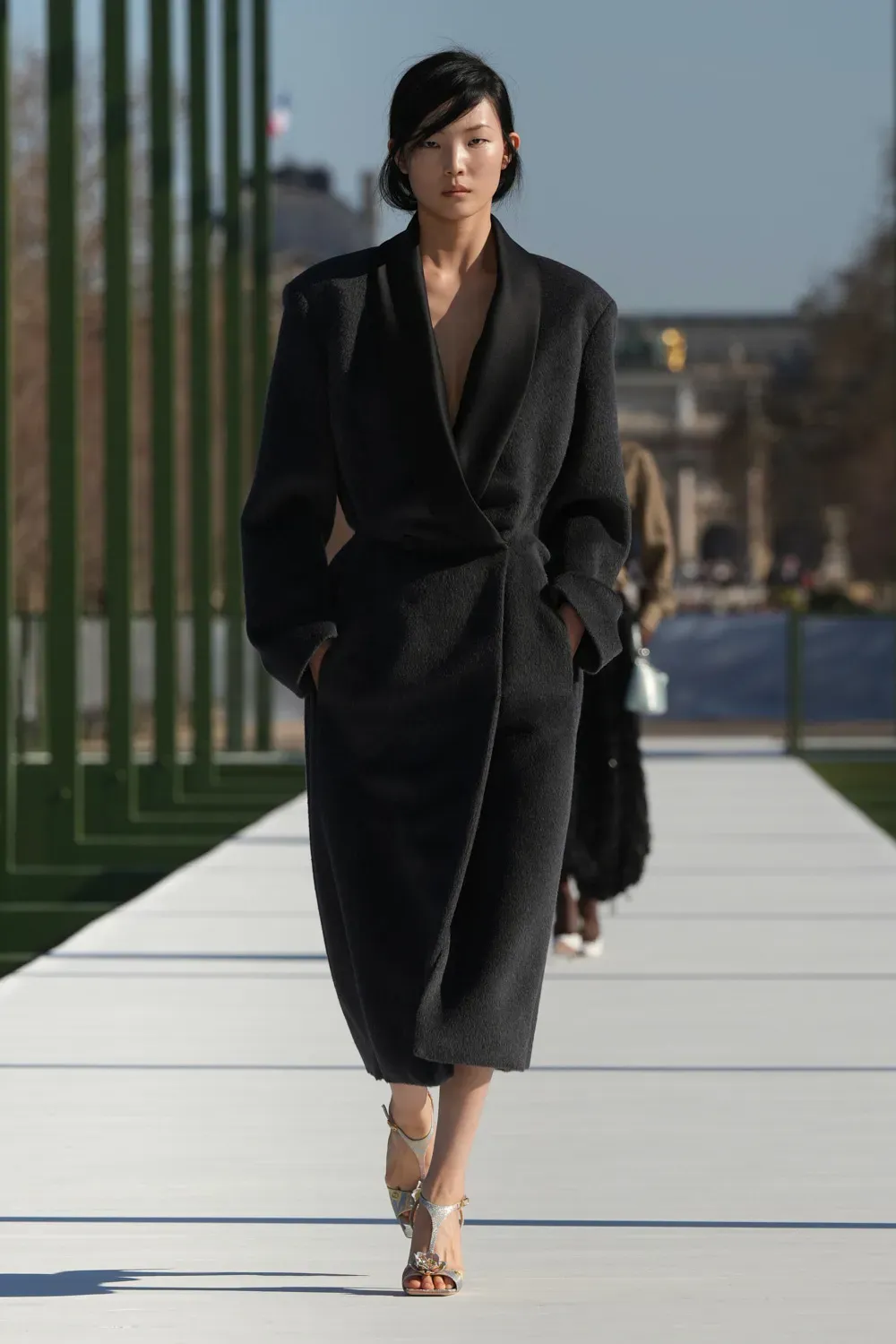
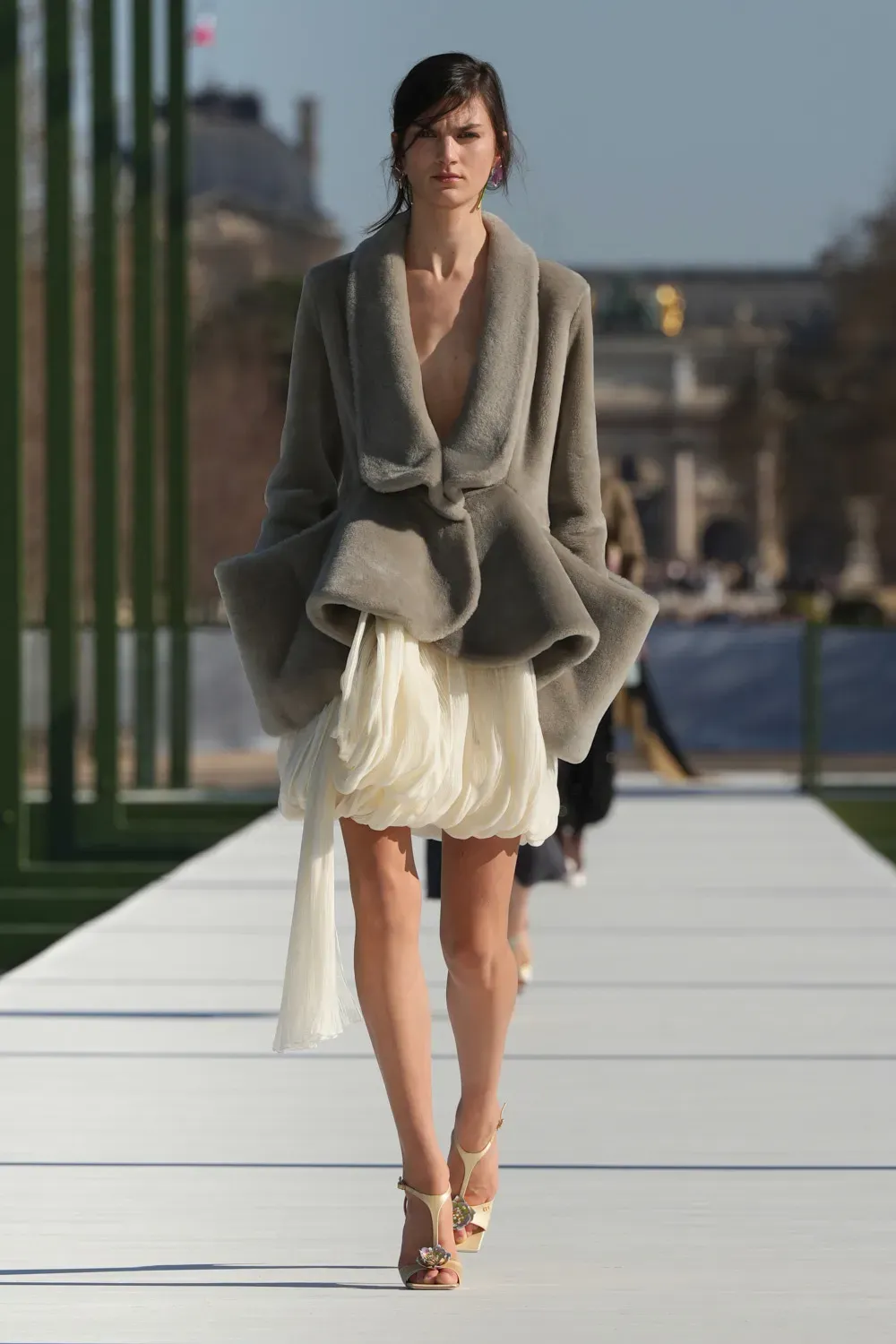
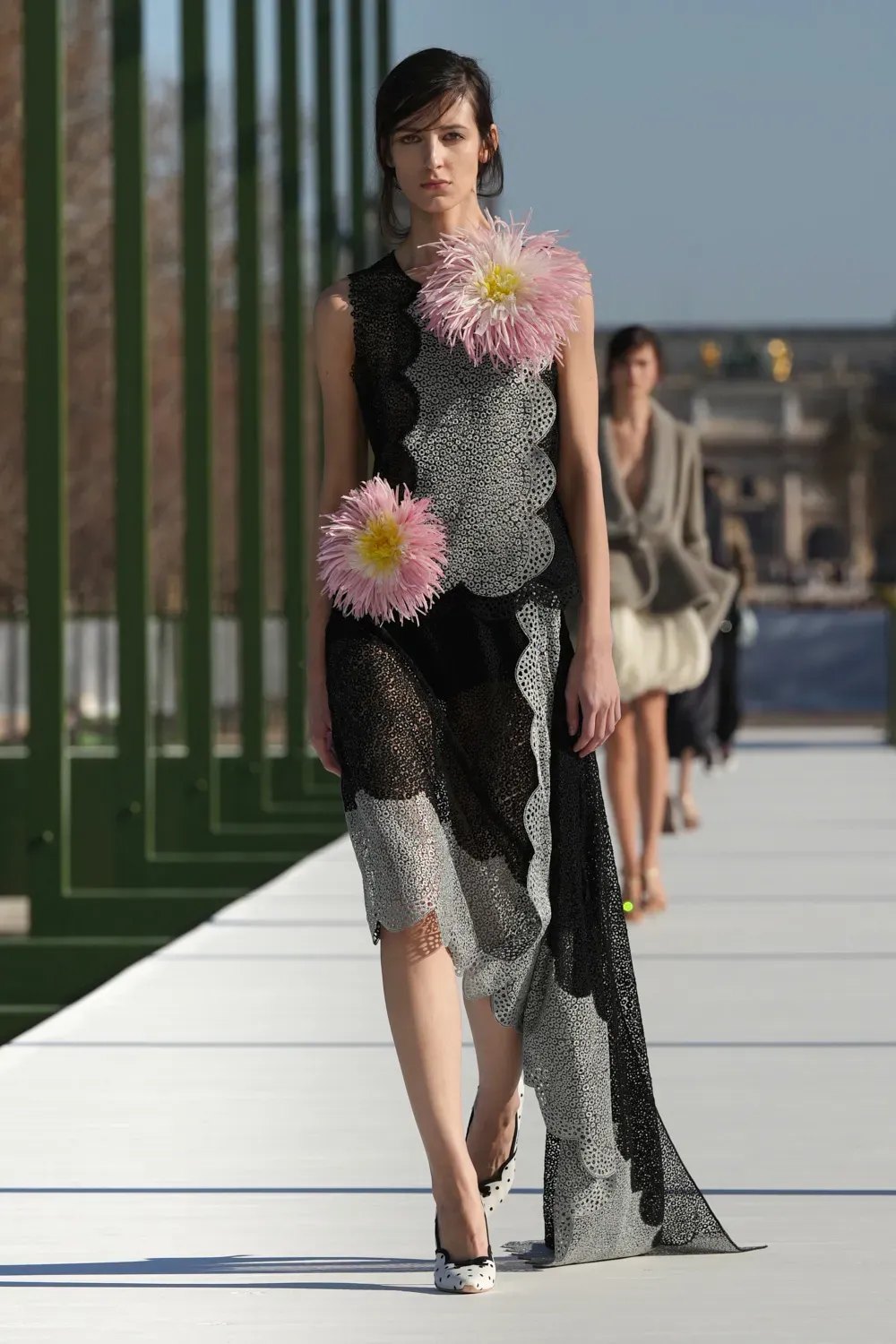
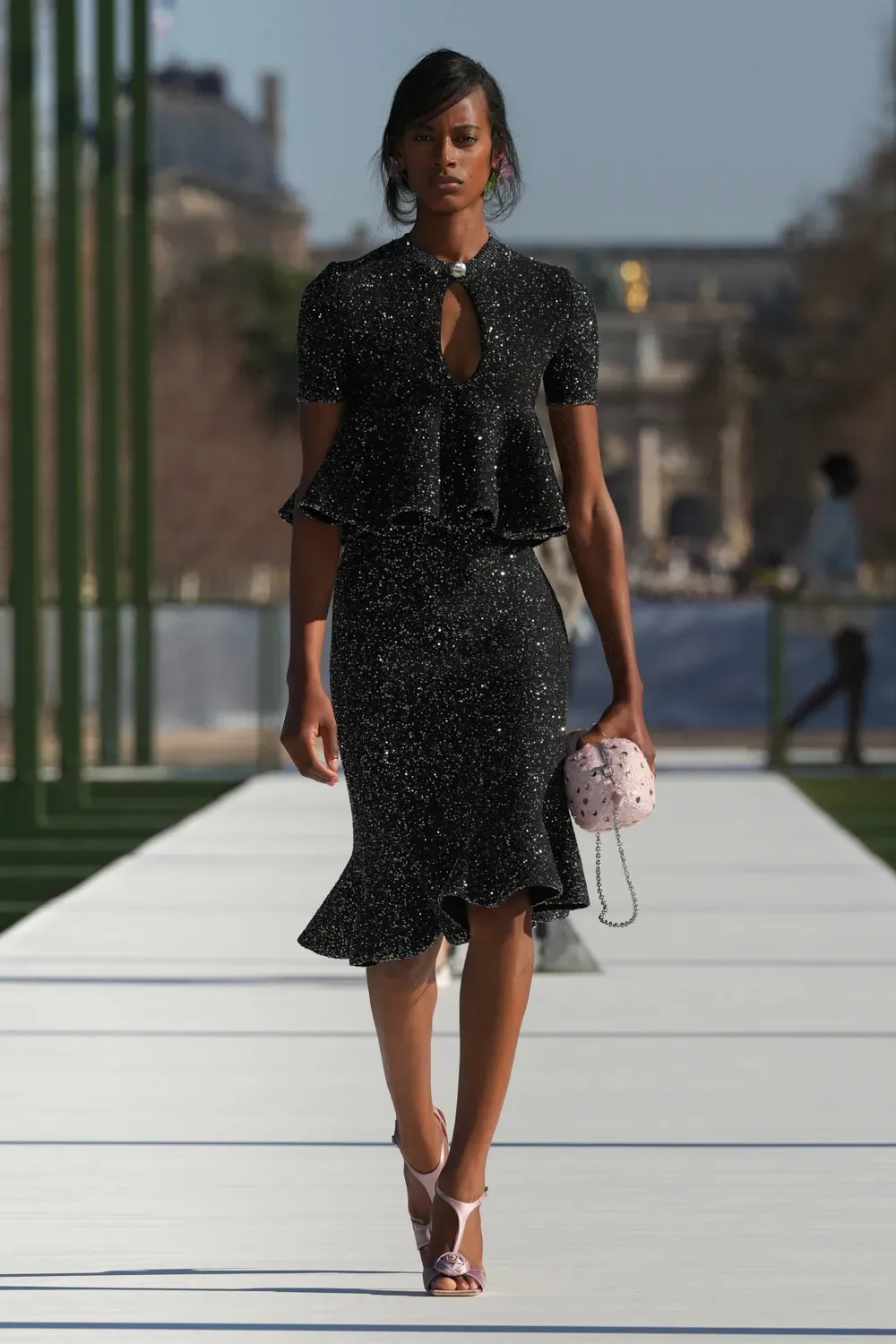
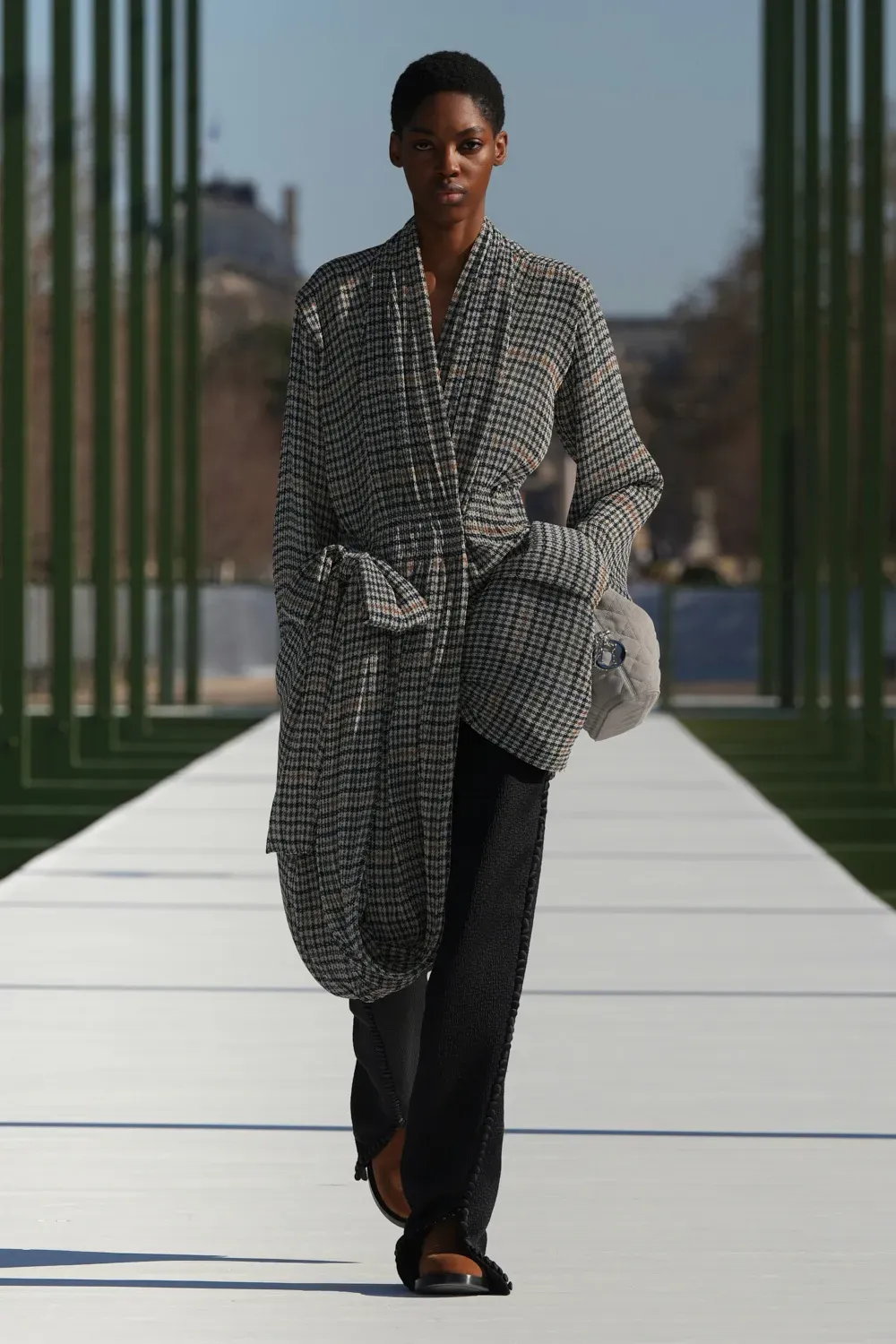
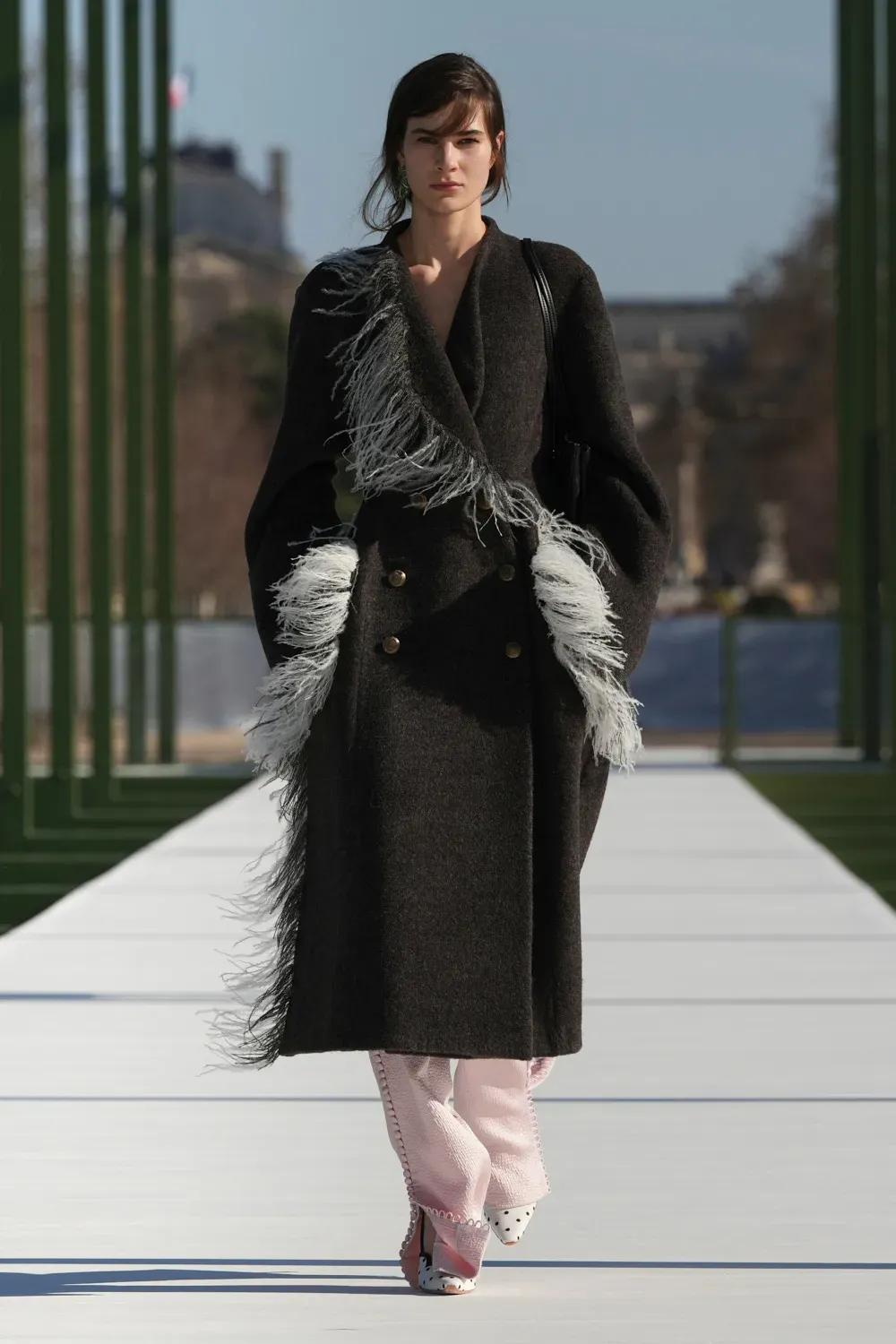
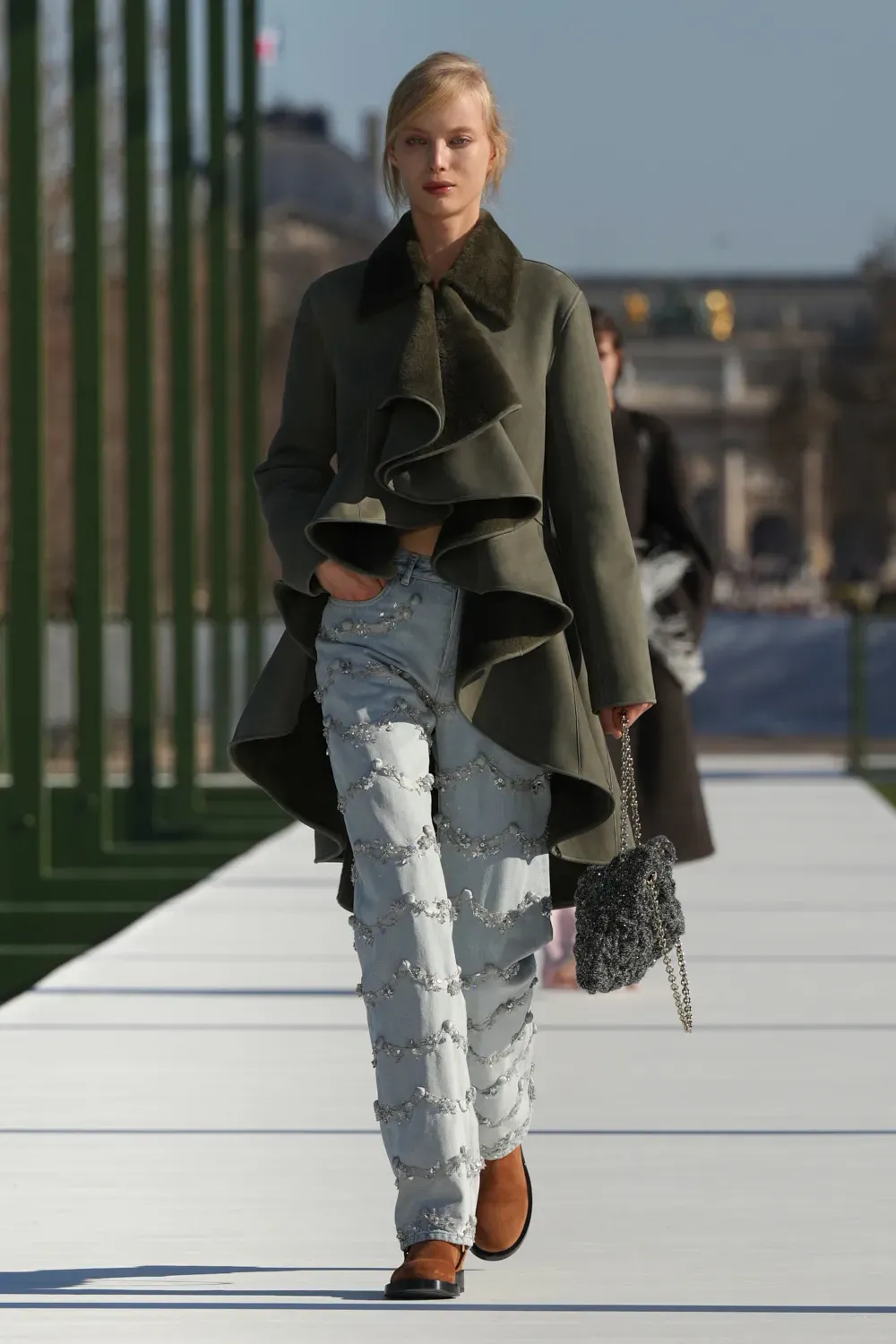
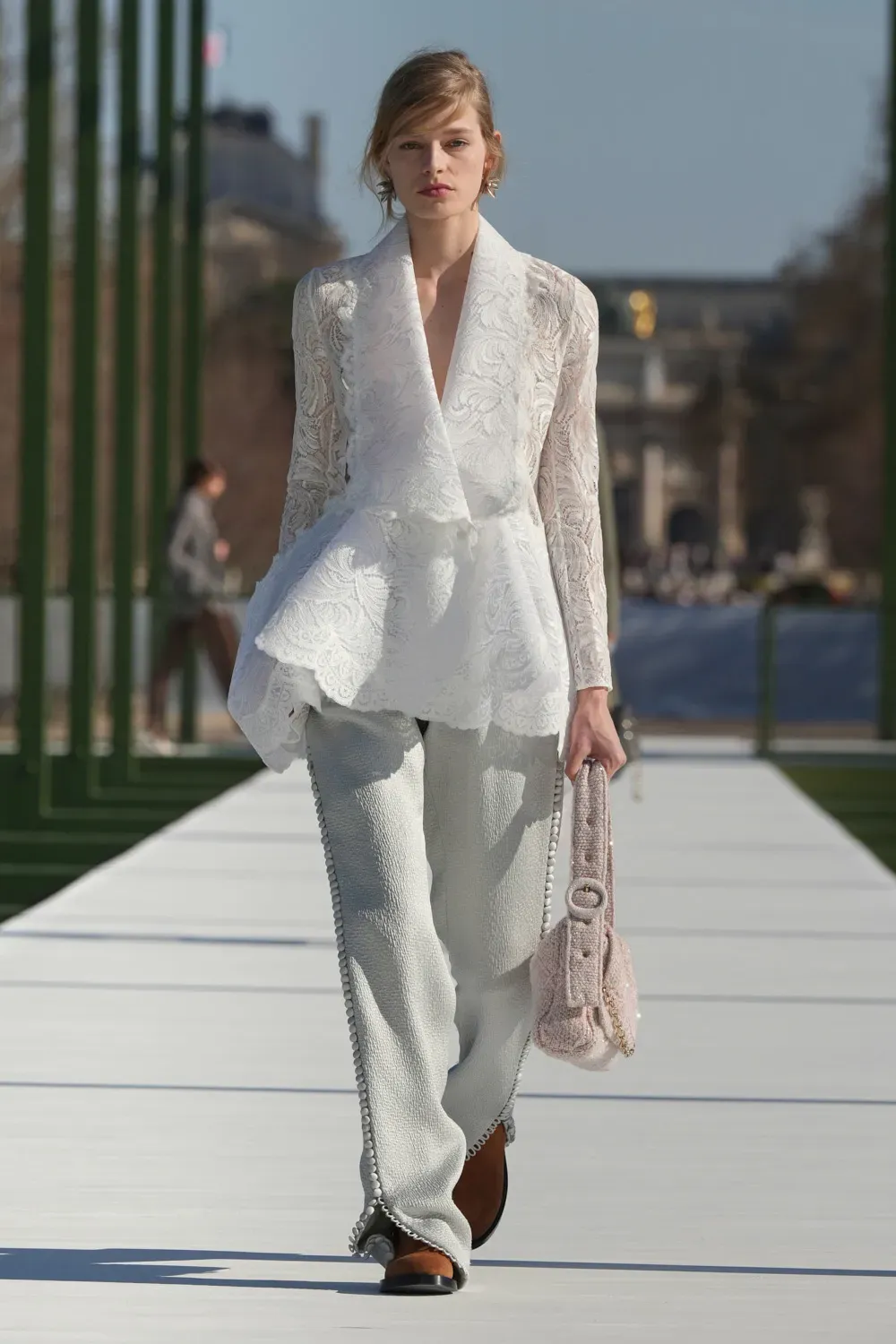
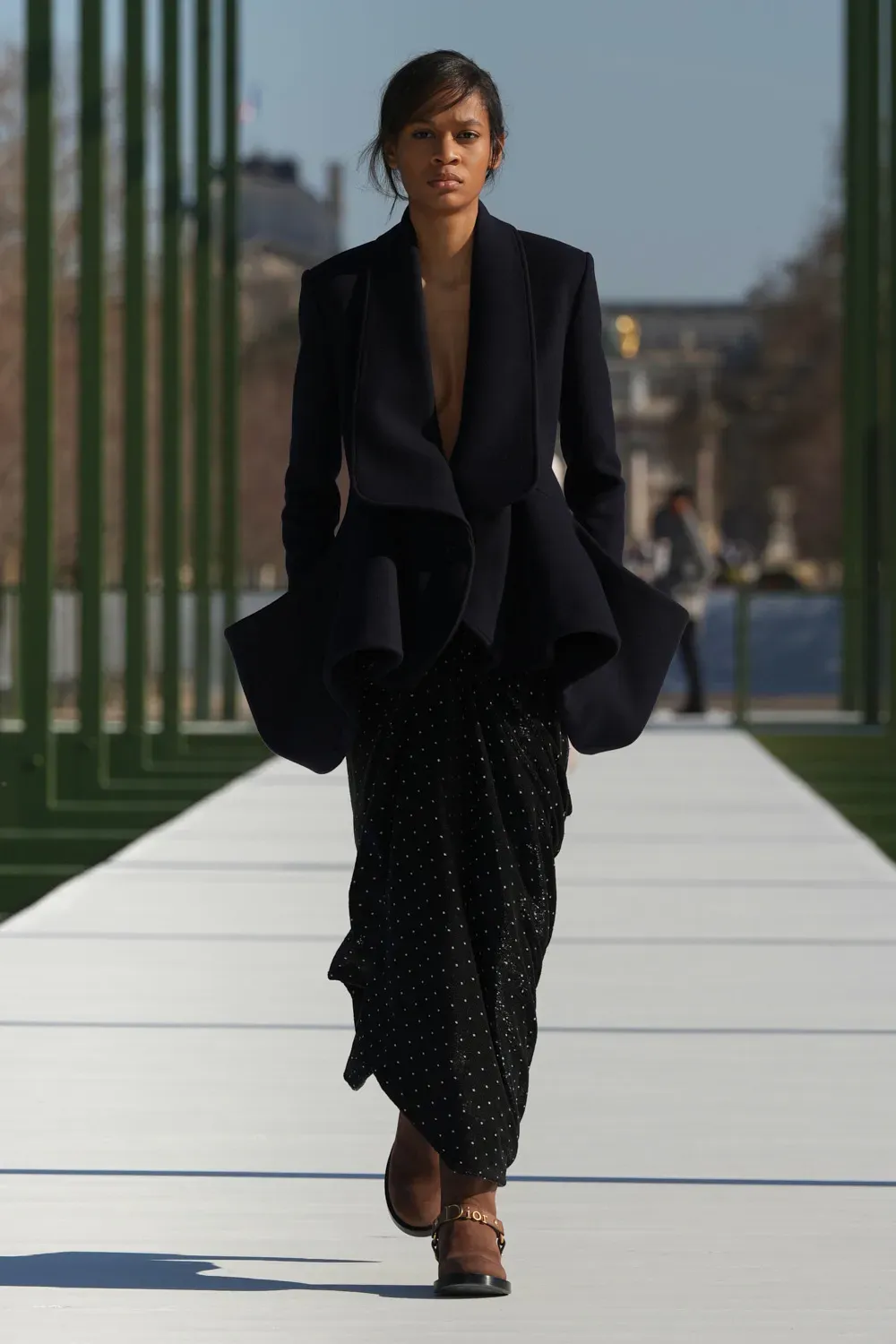
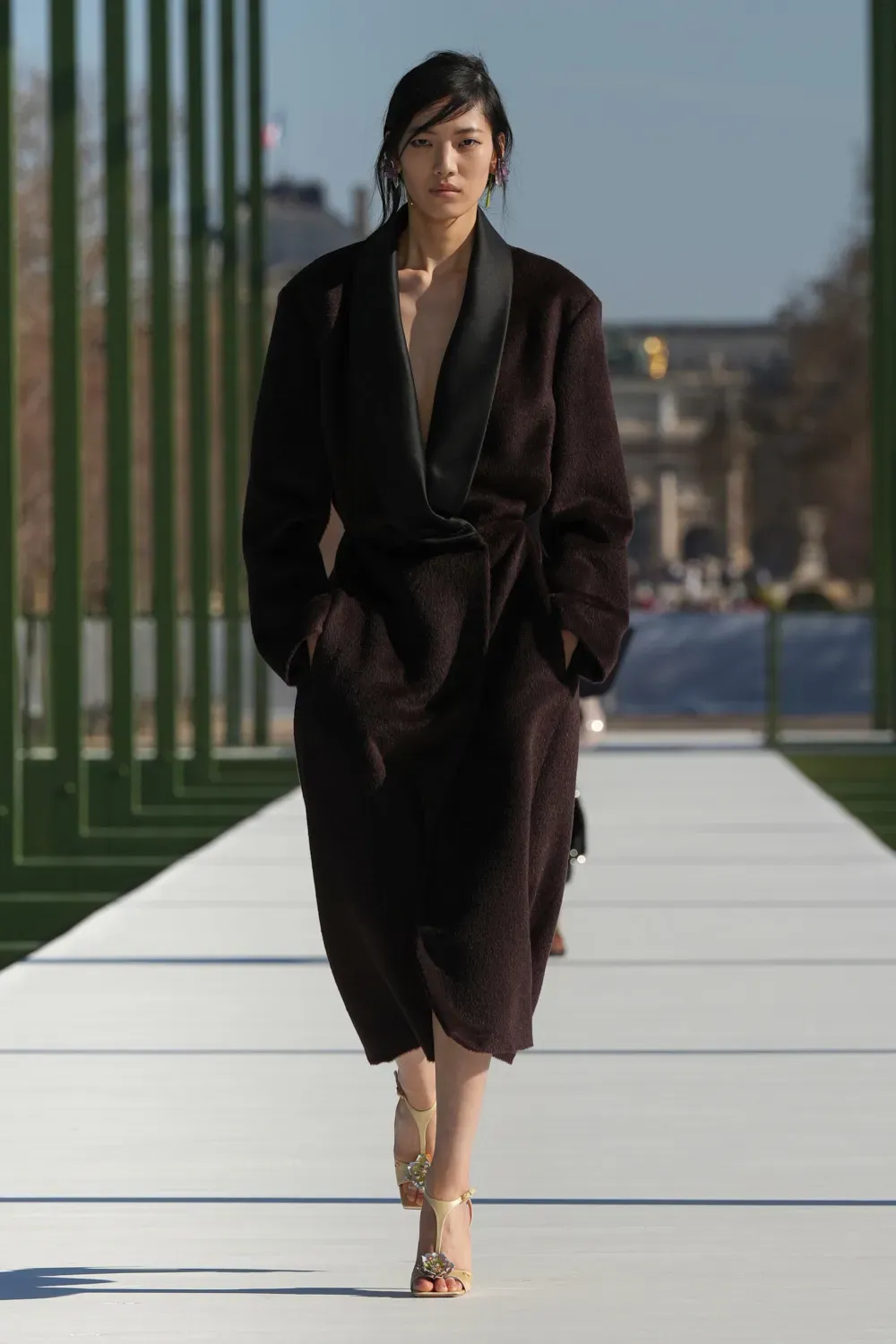
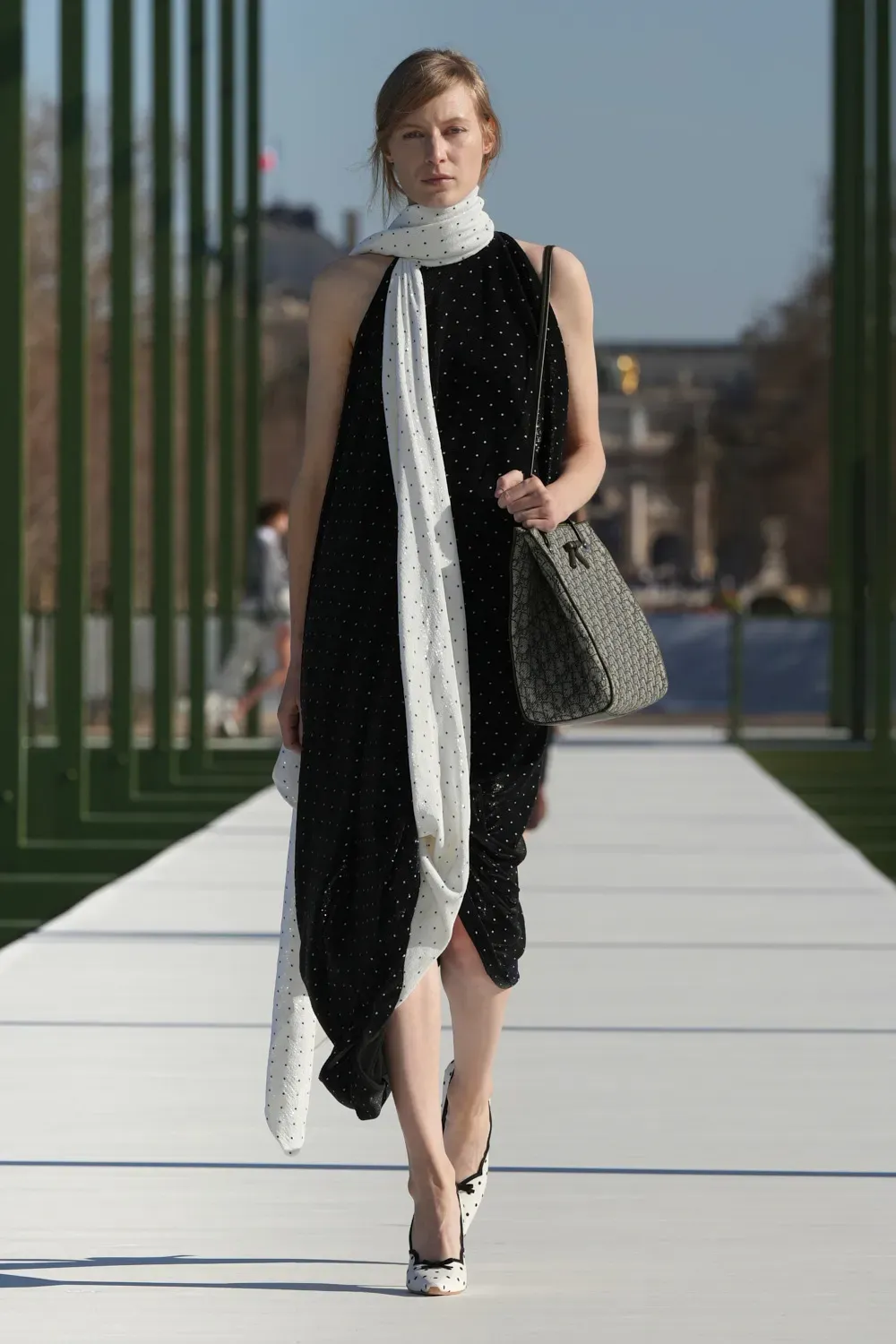
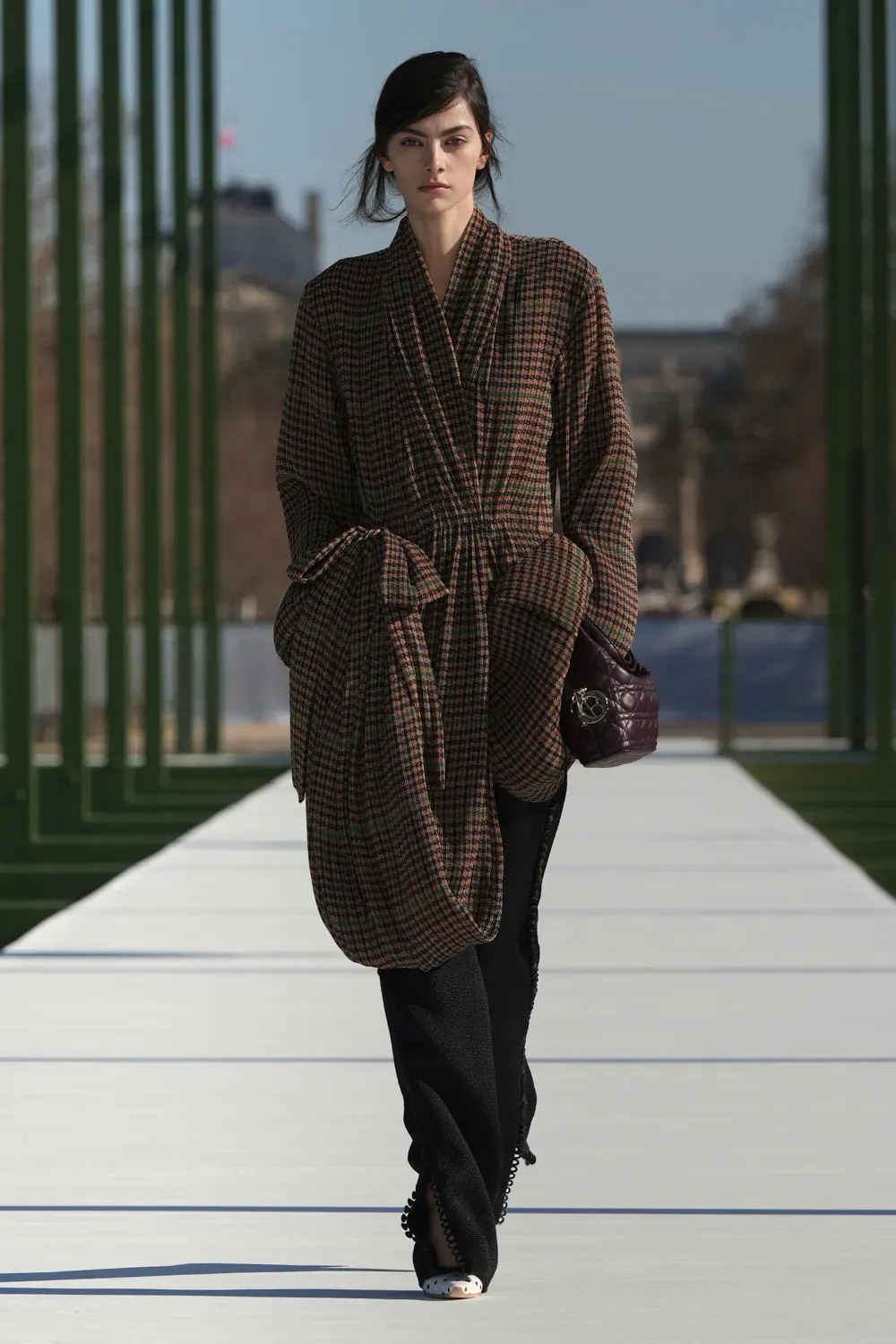
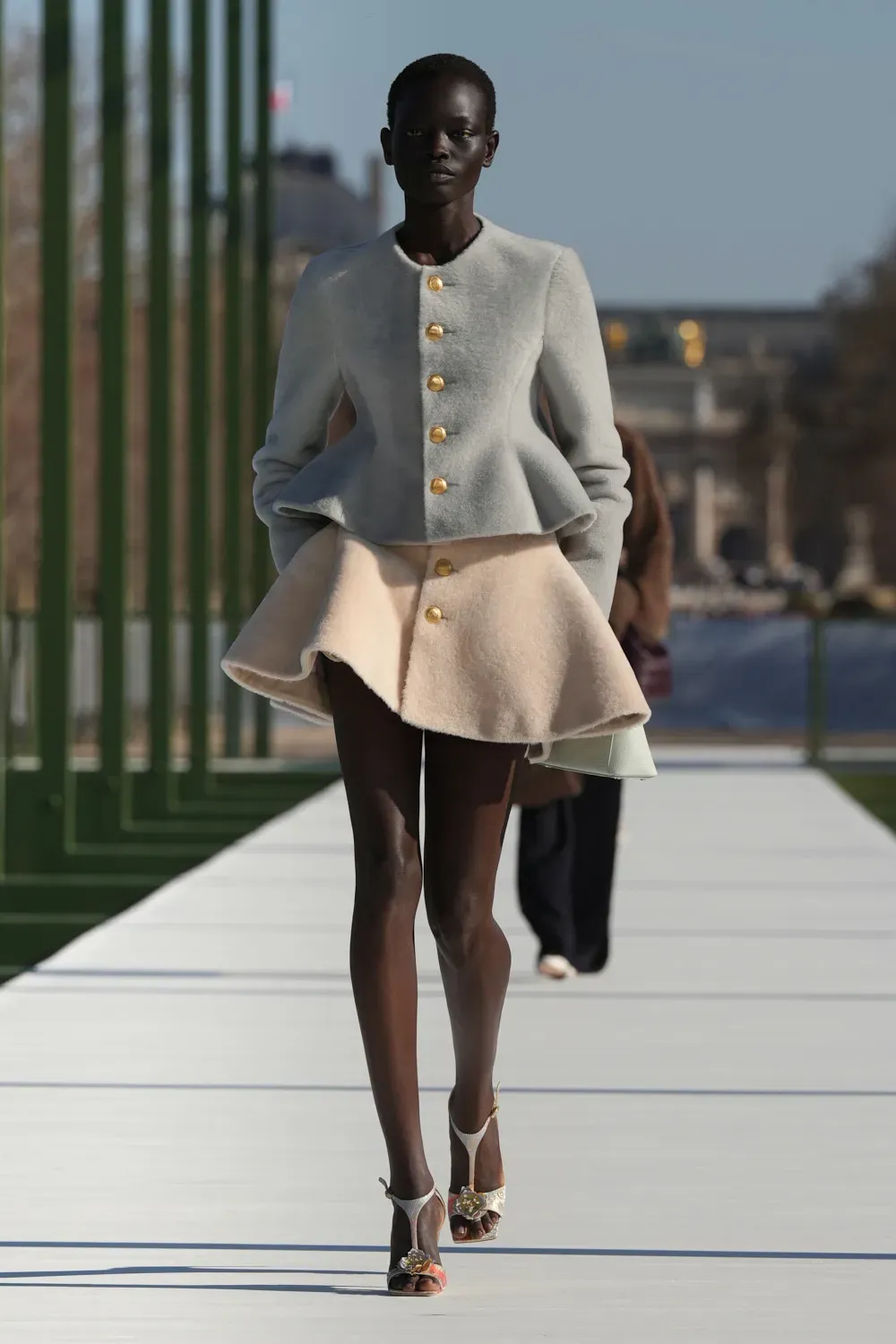
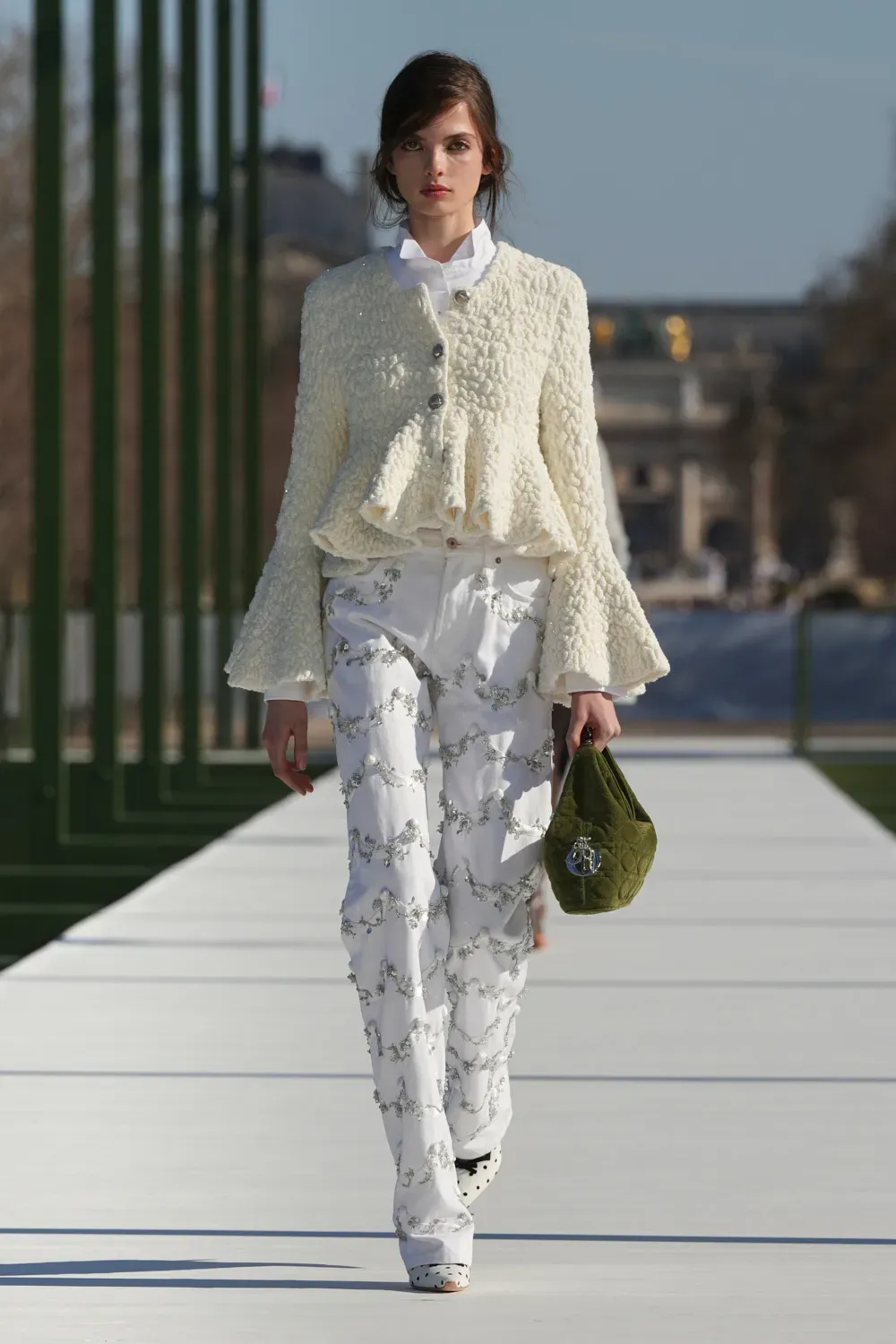
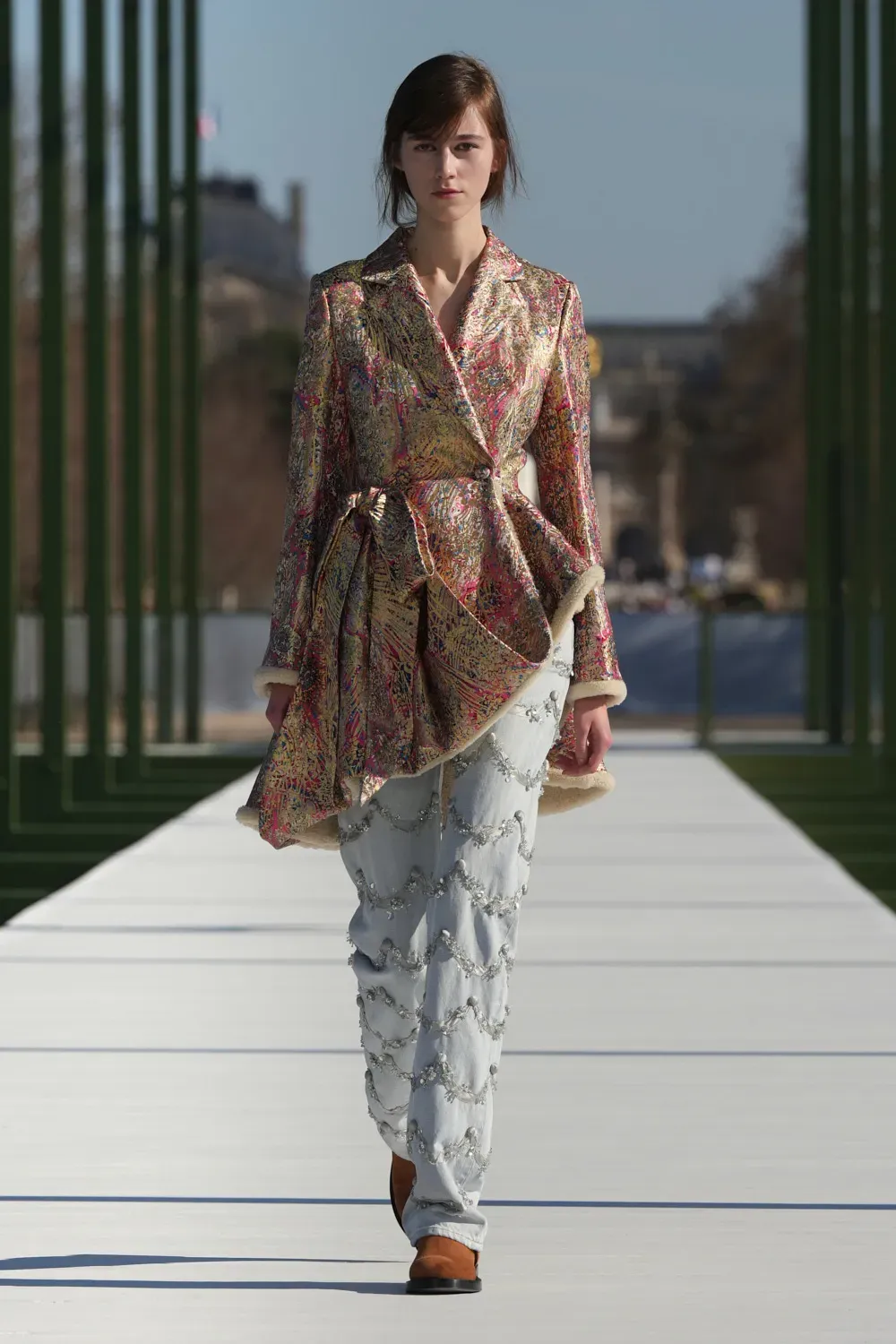
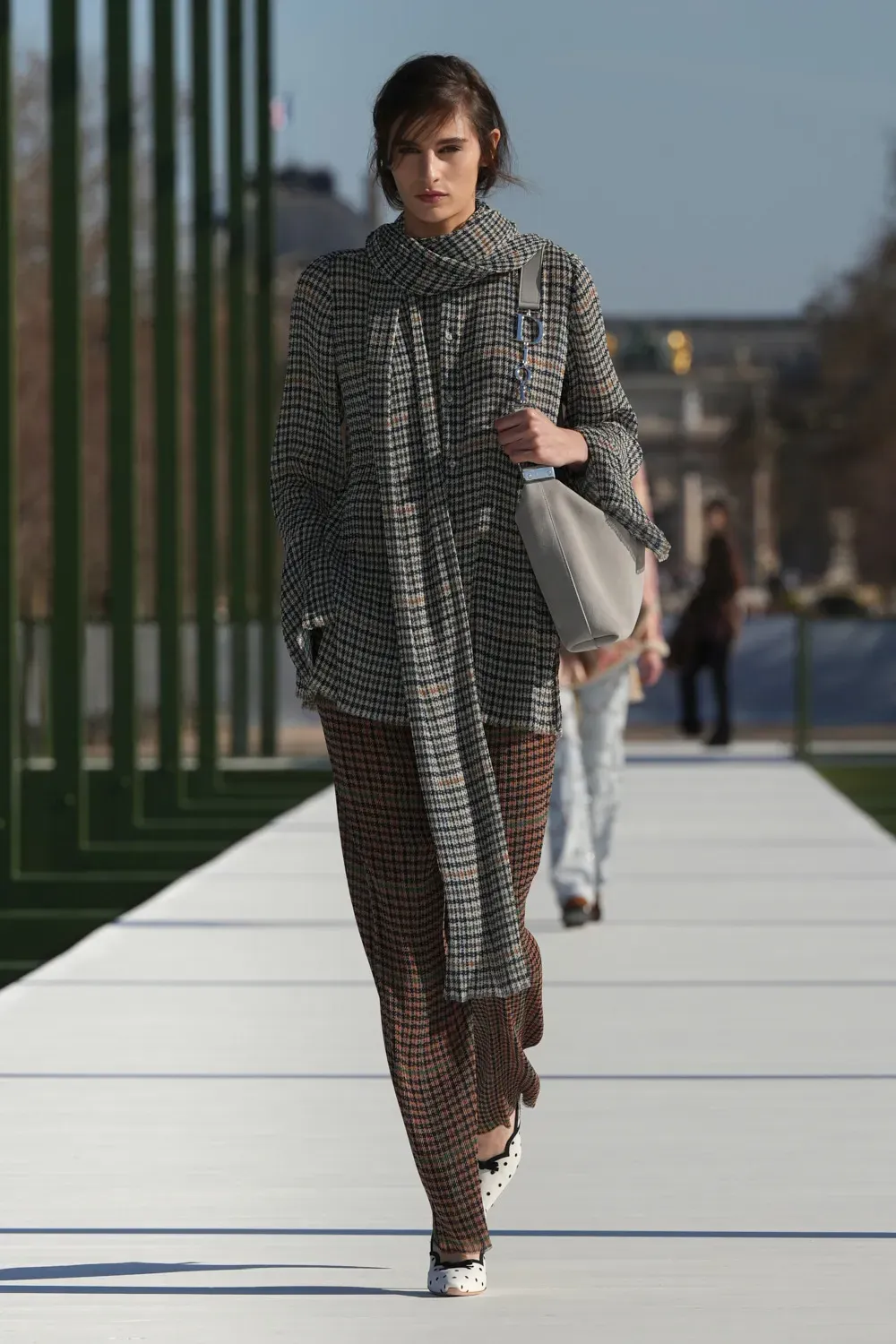
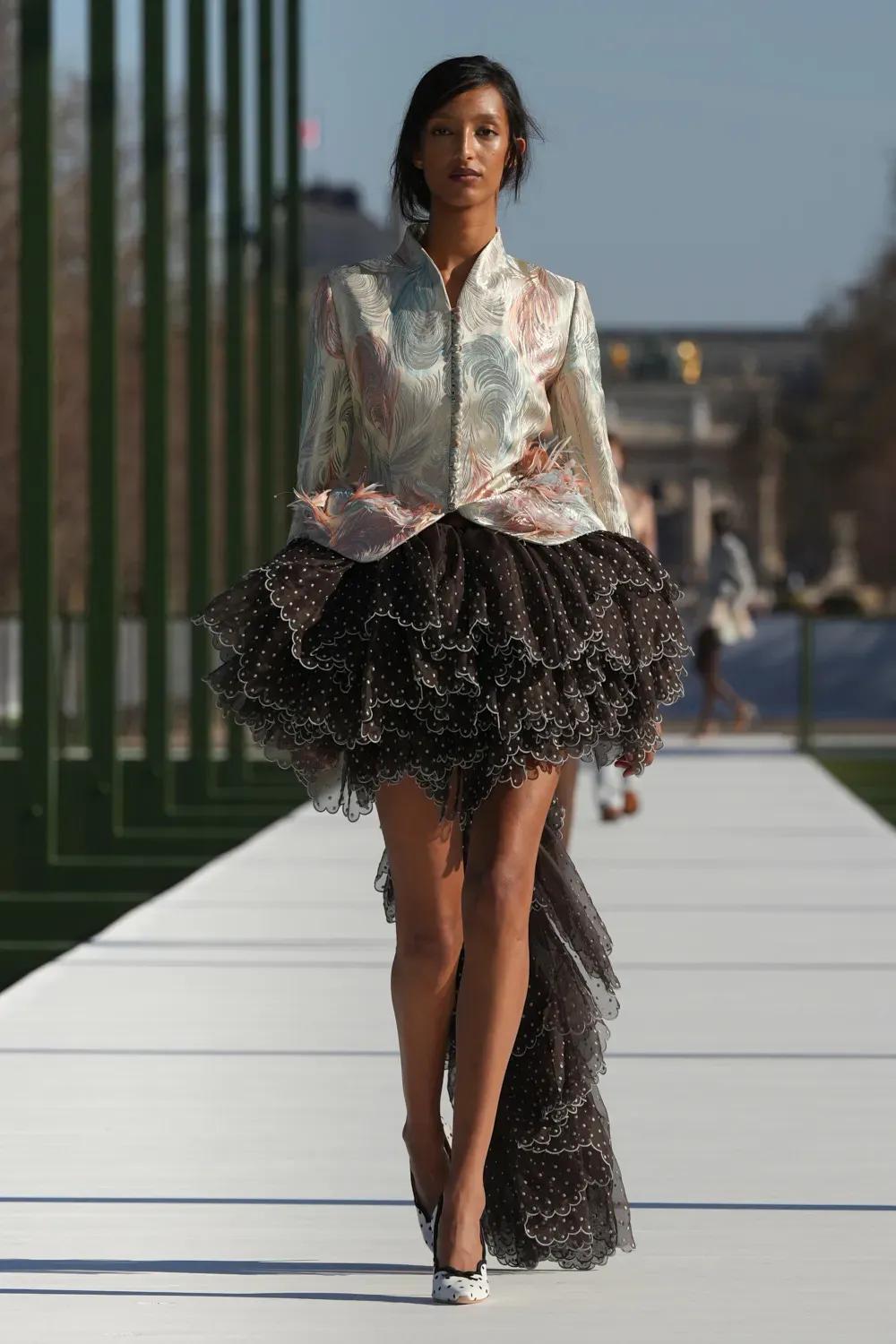
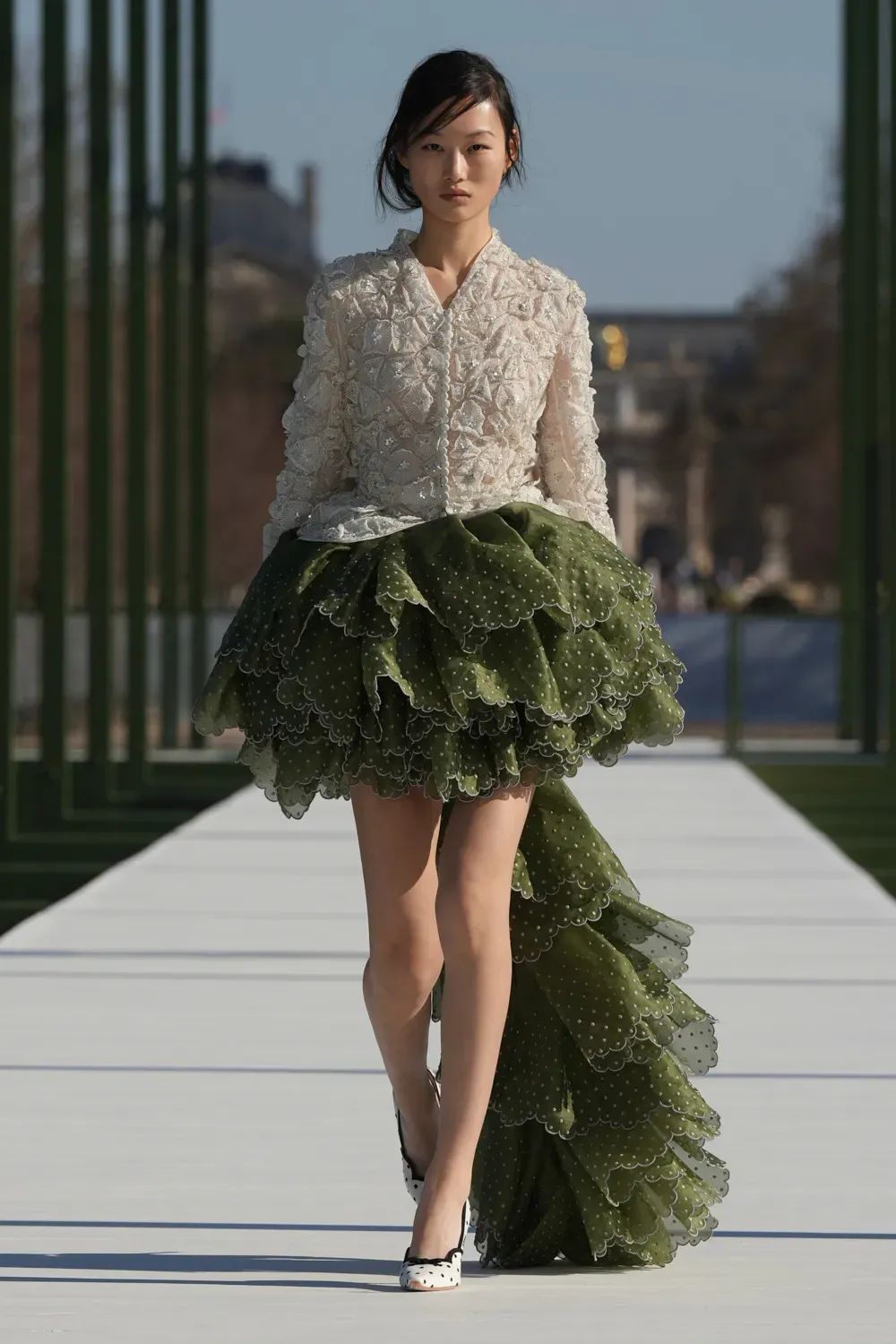
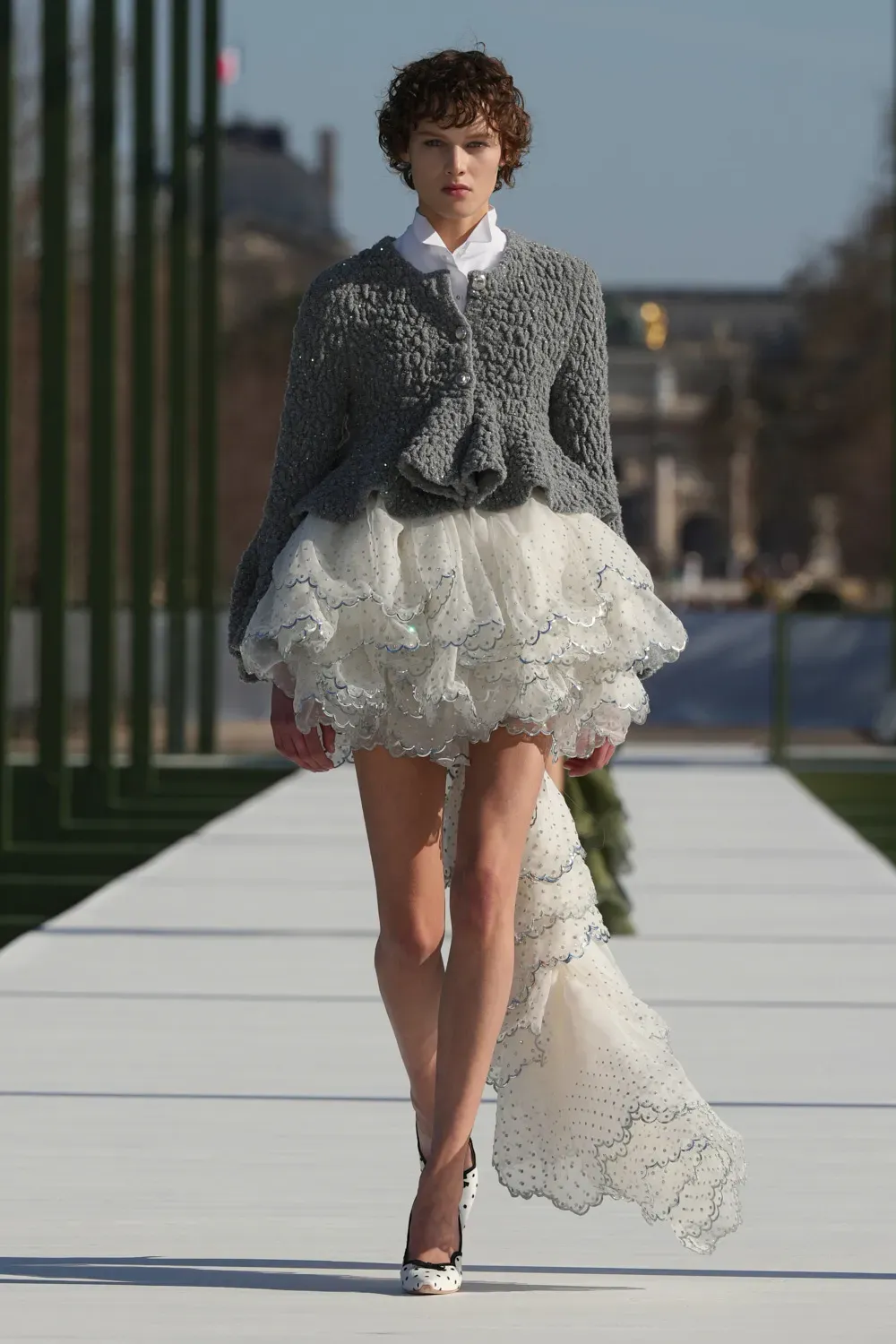
Jonathan Anderson had already told LVMH executives, when accepting the Dior role, that he would need four or five collections to nail the brand’s identity and express it at its best. Today, having effectively reached his fifth collection for the brand (the seventh if we also count the lookbooks), the promise appears fulfilled. Presented in a large pavilion suspended over water in the Jardins des Tuileries, the show for Dior Women’s FW26 collection was precise, perfectly focused, and quite inventive in presenting a series of highly wearable designs that still carried the playful and avant-garde sensibility we have come to expect from Anderson over the last decade.
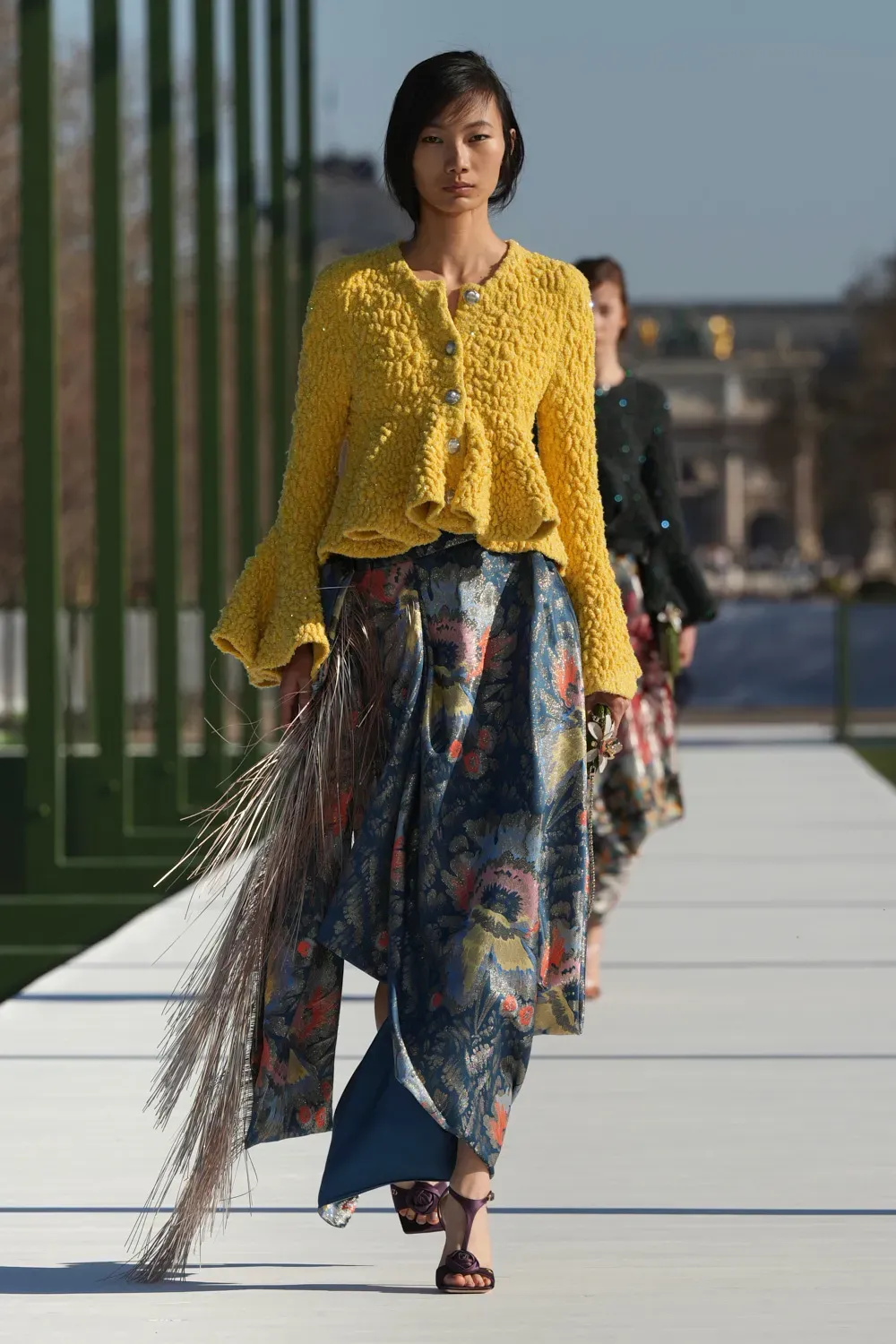
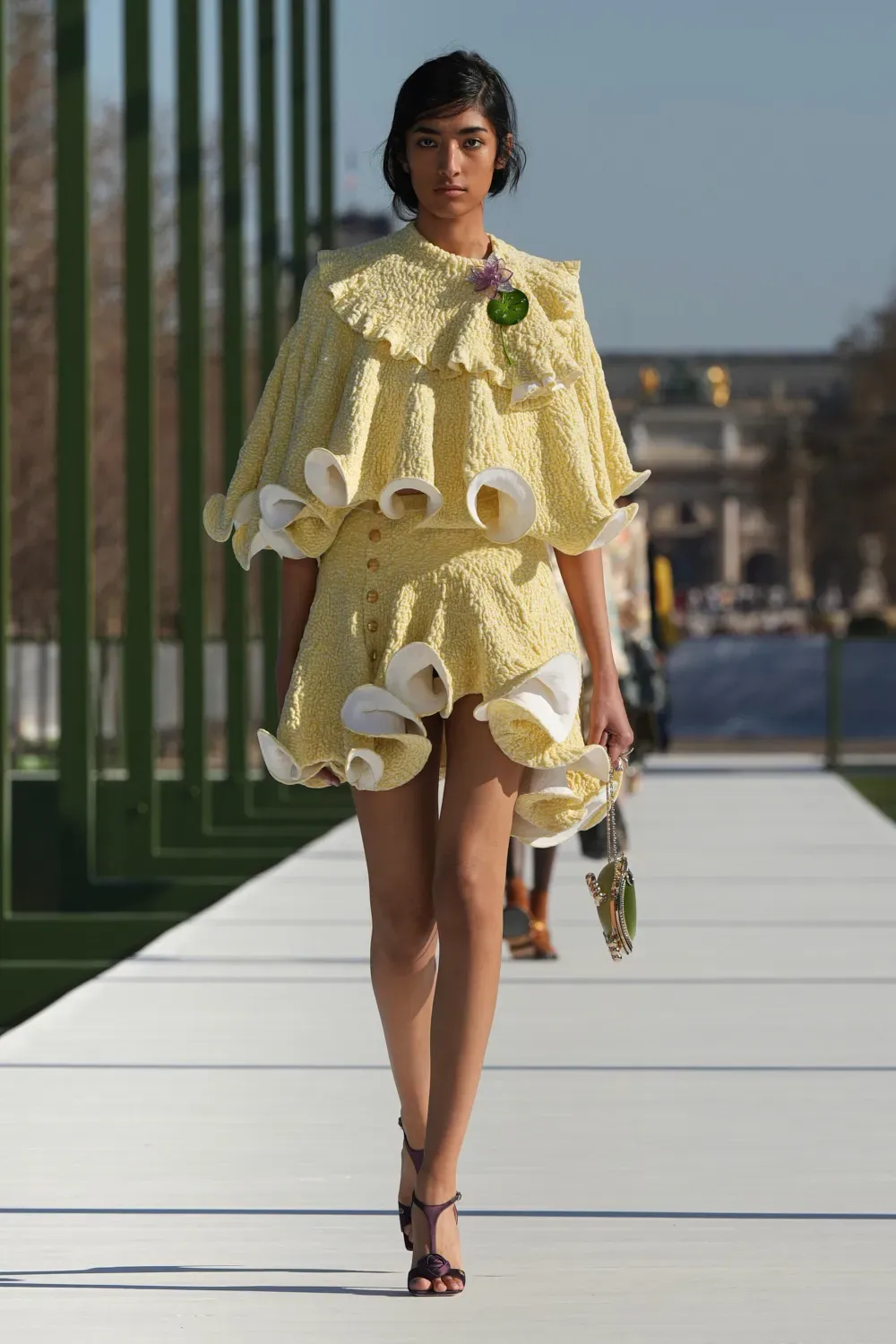
The theme of the show was floral, as is often the case at Dior. Lily of the valley, calla lilies, angel’s trumpets, lotuses, and water lilies: if the runway had been a meadow, the models would have been these flowers. Yet this practically omnipresent botanical theme—even the crystal decorations on the jeans recalled laurel wreaths—was developed in a conceptual and far from obvious way. It was the silhouettes and the fabric effects that evoked the structure of flowers: for example, among many others, the opening “crinkled” fabric cardigan-jackets clearly showed how both the jacket’s silhouette recalled the corolla of a flower and the textured effect on the fabric suggested an accumulation of petals.
The silhouette was truly the strongest point of the collection. If in his first women’s show we had seen very varied and exaggerated shapes, in today’s collection their variety felt far more coherent. There was undoubtedly a push toward more wearable pieces, as mentioned earlier, but overall the range of silhouettes appeared much more disciplined and concise. Of course there was the new Bar Jacket, narrowed and with a very high waist; but also the rounded, elongated shapes of trousers and certain outerwear and dressing gowns that created a kind of cocoon. Skirts and dresses asymmetrically fastened, as well as jackets whose back structure reproduced the swell of a nineteenth-century tournure.
Beyond the individual pieces and their more or less unconventional construction, another element far more focused in this collection than in the previous ones is the archetype of this new Dior woman. Far from being dressed in crinolines like a lady from another era, she has a wardrobe very much conceived for contemporary life, even if it is not devoid of certain nostalgic seductions drawn from ancient French aristocracy. She is undoubtedly elegant, she appreciates her exquisite jackets, her opulent silk shirts, and she has a simple sense of dressing in clothes that are nonetheless complicated. It is precisely in the gap between the simplicity of the conception and the sophistication of the construction that one can measure both the originality of spirit and the elegance of this woman.
Precisely the decision to focus on a more harmonious range of silhouettes, on a carefully chosen color palette without overly abrupt shifts, and on a more poised and reassuring sense of elegance, allowed the cerebral quality of the designs (even in the most surreal cases, such as the yellow look or the dresses decorated with large flowers) to reach the viewer in a more direct and purer way. With this show, Anderson not only demonstrated that he has understood the Dior woman but also that he has understood how to dress her with the exquisite eccentricity we have come to expect from him.
What to read next

Now Phoebe Philo Wants You to Dress Avant-Garde
With Collection F, the designer plays with silhouettes in an entirely new way
LVMH's fashion division keeps getting worse
Third-quarter results showed a -5% decline driven by the Chinese market
5 key trends from Paris Fashion Week SS27 Women's
What we'll be wearing next summer, according to the fashion of the Ville Lumière