























The rich are bidding for dinosaurs Gus the T. Rex could be the next $20 million investment
If in the past auctions were events dominated by unattainable objects, with the occasional appearance of Hermès bags in exotic leathers covered in diamonds and sold for staggering figures, today, dinosaur fossils have entered the private collectibles market, attracting the interest of individuals with extremely high net worths. As a result, some dinosaur skeletons have become multi-million-dollar assets and, in certain cases, genuine status symbols.
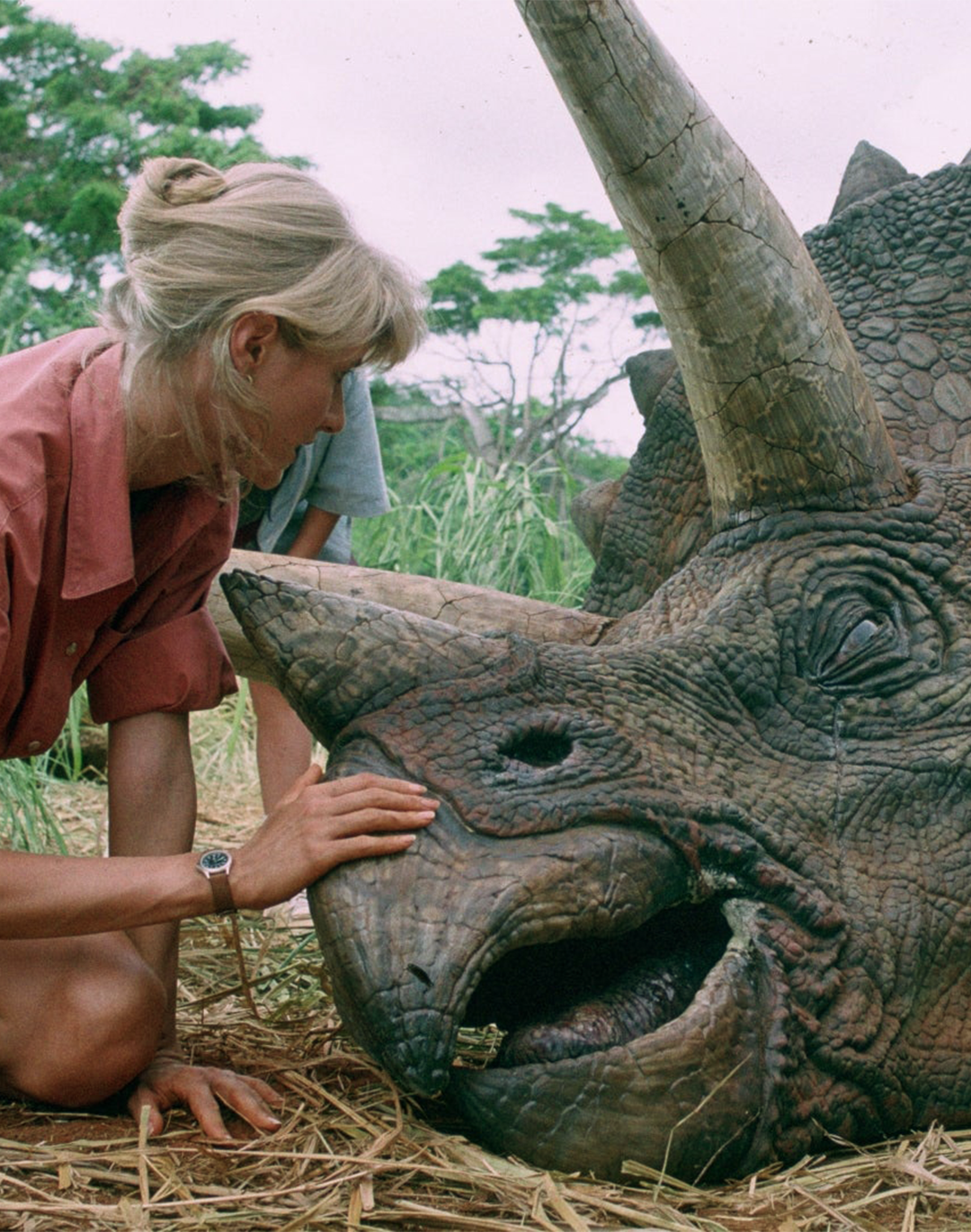
A striking example is that of a 66-million-year-old Triceratops, estimated between 4.5 and 5.5 million dollars, suggesting a clear paradigm shift. Its owner, collector Chaw Wei Yang, appears to be redefining not only the dynamics of auction houses, but also the very nature of UHNW investments (Ultra High Net Worth Individuals). This market shift materialized on JOOPITER, the online auction platform founded by Pharrell Williams in 2022. It is precisely within this space that we can observe the latest bizarre investments of the ultra-wealthy.
The wealthy are investing in prehistory
The Triceratops skeleton named Trey was discovered in 1993 near Wyoming, in the United States, within one of the world’s most important areas for the discovery and study of dinosaur fossils. In the same geological formation, remains of highly renowned species have also been found, including the Tyrannosaurus Rex. Following its recovery, Trey was restored and later displayed publicly for approximately thirty years at the Wyoming Dinosaur Center – fossils that eventually enter the market often come from a long museum trajectory, which guarantees their state of preservation.
Chaw Wei Yang has in fact stated that, among all the alternative assets he has encountered, dinosaurs represent the most unexplored investment territory. And he is not alone in thinking so: there was also Apex, the Stegosaurus sold for 44.6 million dollars by Sotheby’s New York in July 2024, surpassing the previous record of 31.8 million set in 2020 by Stan, the T. Rex. Furthermore, next July 14, Sotheby’s will auction in New York another T. Rex specimen named Gus, whose estimated value exceeds 20 million dollars. Auction houses have transformed large dinosaurs into “true assets of the international market,” as Il Giornale dell'Arte writes on the matter. “Following the record-breaking results achieved in 2024 with the stegosaurus Apex, sold for 45 million dollars, and in 2025 with a Ceratosaurus [...], the arrival of Gus on the market confirms collectors’ growing interest in major prehistoric specimens.”
The hidden value of fossils
The most complete fossils have acquired a value that goes beyond their scientific significance. Dinosaur skeletons, in fact, attract the interest of extremely wealthy collectors because, unlike other luxury goods, they are inherently unique. When you think about it, dinosaurs became extinct around 65 million years ago, yet they still exert a profound fascination today, especially larger species. This combination of rarity, scale and historical relevance significantly increases their appeal on the market. In this scenario, Asian buyers are emerging as an increasingly decisive force for several reasons.
Art collecting, particularly at the highest levels, requires significant cultural and relational capital, which is why purchasing a dinosaur fossil becomes a way of demonstrating access to an object that only a handful of people in the world can aspire to own. Fossils, on the other hand, are free from this kind of superstructure and generate interest because they represent an appealing form of investment for a new generation of collectors who construct their imaginary by moving across diverse and unusual categories, rather than inhabiting a single one.
How dinosaur research is changing
The growing interest in dinosaurs is also connected to the progress of paleontology over recent decades. Discoveries have multiplied and researchers now regularly describe species that were unknown until very recently. For this reason, recent years have been described as a sort of “golden age” for dinosaur studies. Many researchers also believe that a significant portion of dinosaur-era biodiversity has yet to emerge from the fossil record, even though more than one thousand species have already been identified.
Recent research has shown that many dinosaur species were small, agile and adapted to different environments. Furthermore, fossils discovered especially in China, where paleontological research had long remained limited, confirmed that many dinosaurs possessed feathers and that some likely displayed colors very different from those imagined in the past.
A bizarre market shift
In this context, JOOPITER does not simply function as a digital platform for finalizing auctions, but rather as a curatorial device and an indicator of a broader market transformation. The objects are changing, but above all, so are the logics that determine their value. For brand executives and investors attentive to the movements of UHNW capital, the signal is clear: the very same criteria guiding the valuation of fossils – provenance, institutional credibility and absolute scarcity – are the same principles regulating collectible luxury.
When an asset category begins operating according to the rules of luxury, it happens because the same buyers have started moving within that space. Trey was on loan for nearly thirty years at the Wyoming Dinosaur Center, where it was viewed by more than one million visitors before returning to private hands. This museum history is not a marginal detail: it is what transforms the fossil from a simple curiosity into a luxury object, elevating it even to the status of a status symbol.
What to read next
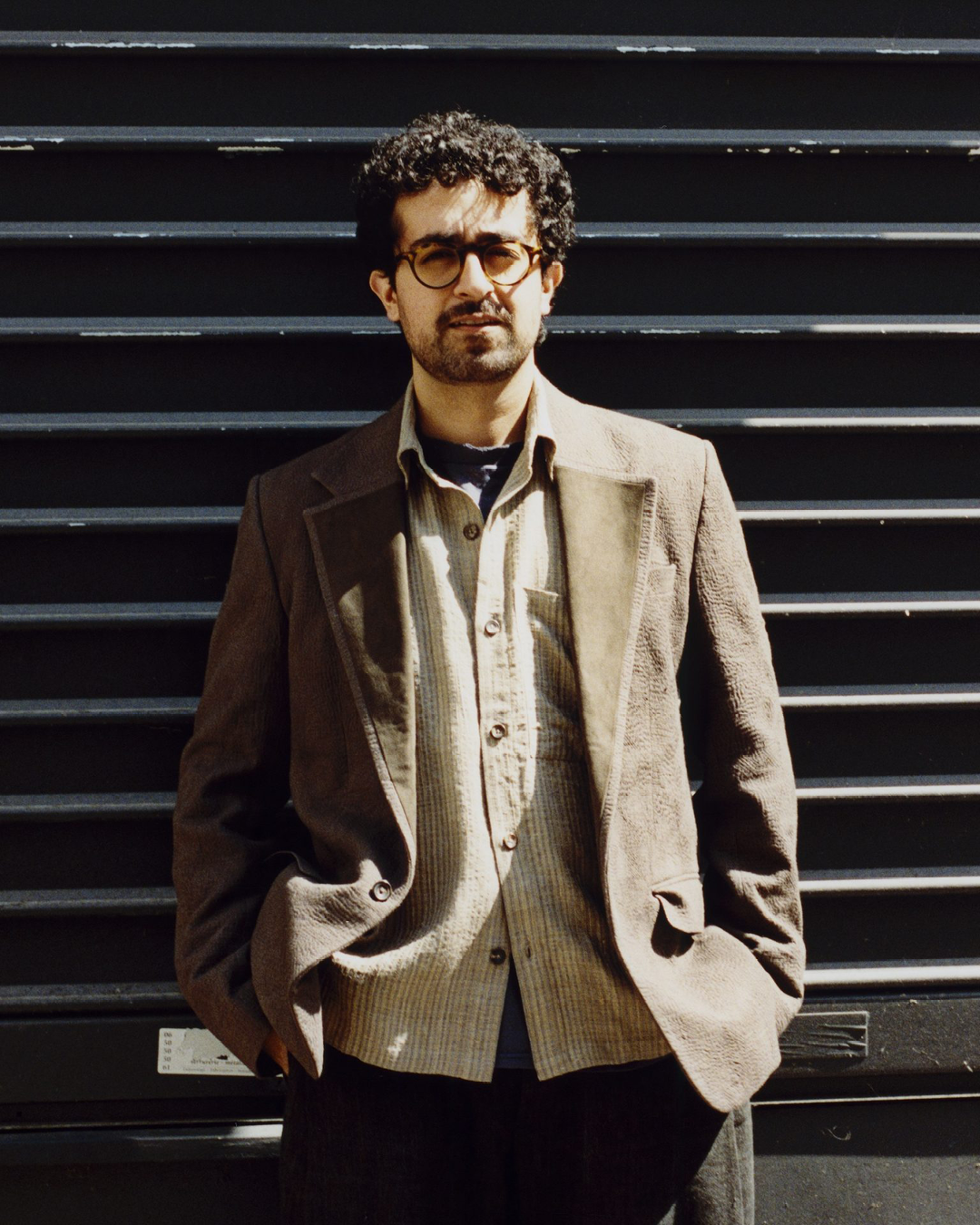
Kartik Kumra is the second guest designer of Pitti Uomo 111
Indian craftsmanship and modernity come together for the next edition of the event
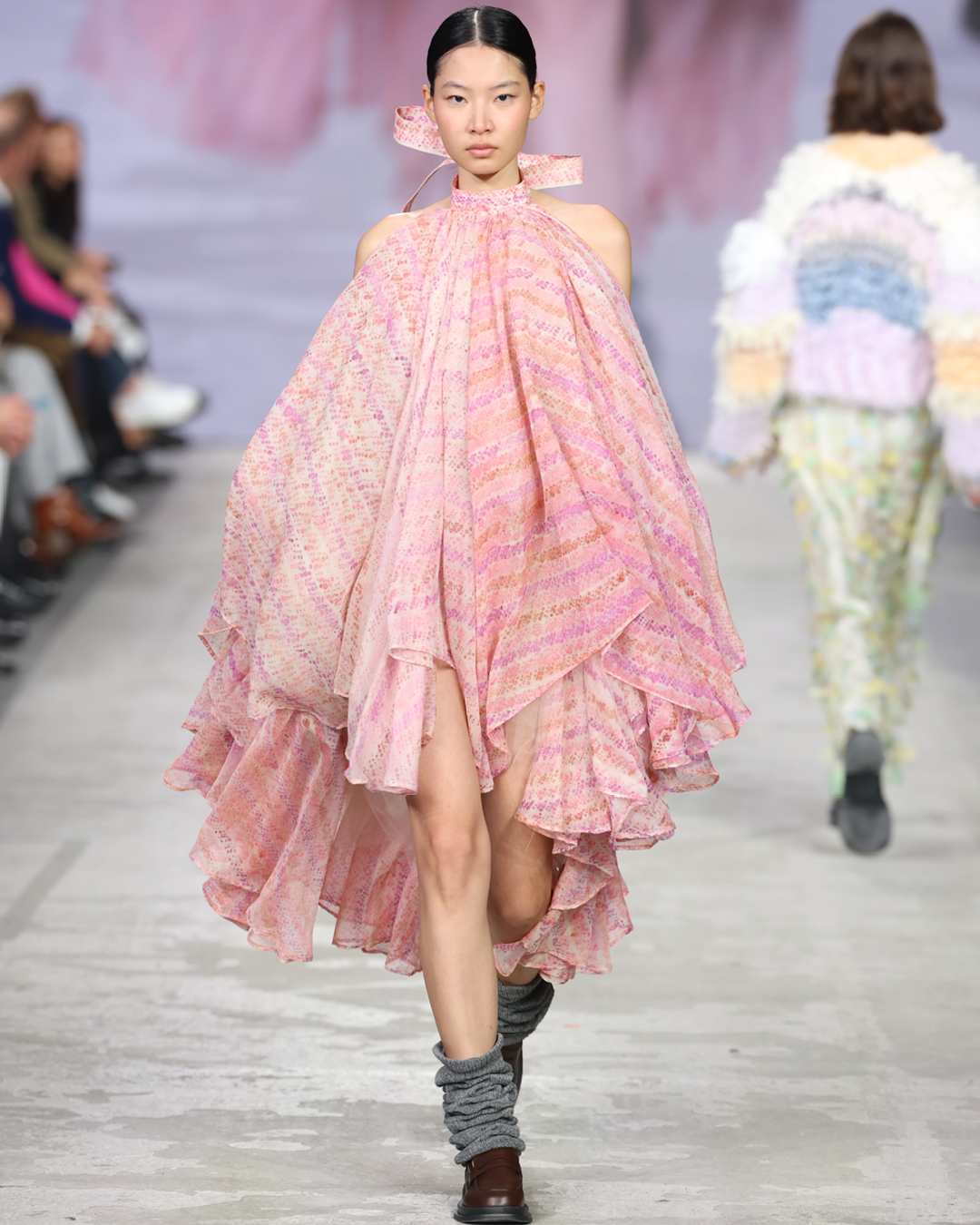
Fashion Graduate Italia presents “Speak Up”
A new edition dedicated to young future professionals in the fashion world
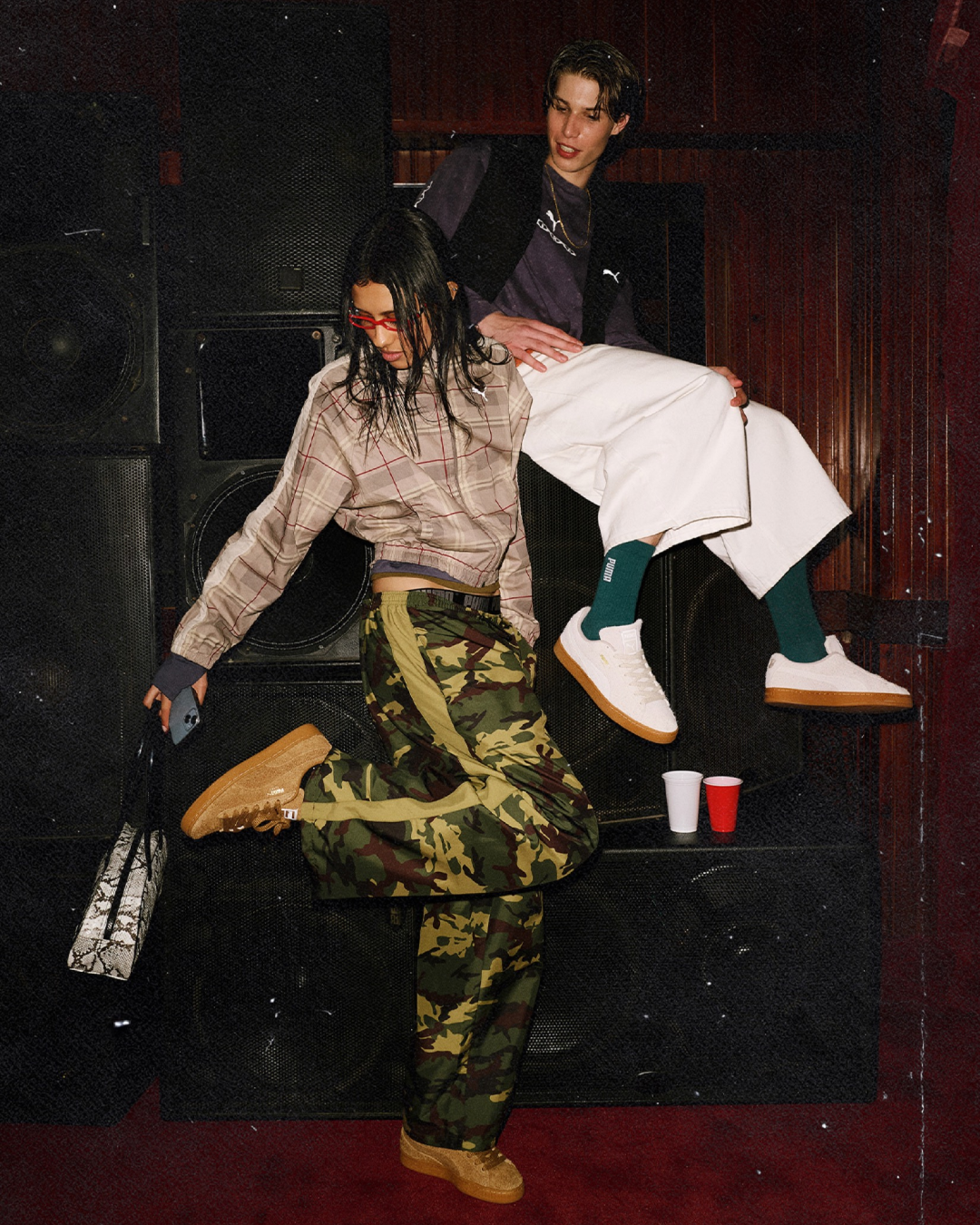
The PUMA Suede Forever proves that classics never go out of style
Three new colorways and a silhouette spanning nearly sixty years of history — the latest chapter of Never Not Suede goes back to its roots