





















Architects you need to know: Rem Koolhaas The designer who read the city before it became an algorithm
This article is part of the series Architects You Need to Know. Previous chapters explore the work of Carlo Mollino, Samuel Ross, Lina Bo Bardi, Gaetano Pesce, Patricia Urquiola and Carlo Scarpa.
There is a feeling we all know, even without having a name for it. Walking into an airport, a shopping mall, an international hotel or a train station and no longer really knowing where we are. The lighting looks the same, the materials repeat themselves, the shops all speak the same language, the escalators carry you from one floor to the next as if space were an endless flow. We could be in Milan, Dubai, Singapore, London or New York and, for a few minutes, the difference would seem to almost disappear.
Rem Koolhaas had given this feeling a name before it became normal. He called it Junkspace the space produced by modernization when everything works, everything circulates, everything sells and everything ends up looking alike. More than a critique of airports or shopping malls, it was a diagnosis of the world we were building. A world in which public space was becoming consumption, the city was becoming experience, and architecture was beginning to look more and more like an operating system.
Delirious New York and the City as Laboratory
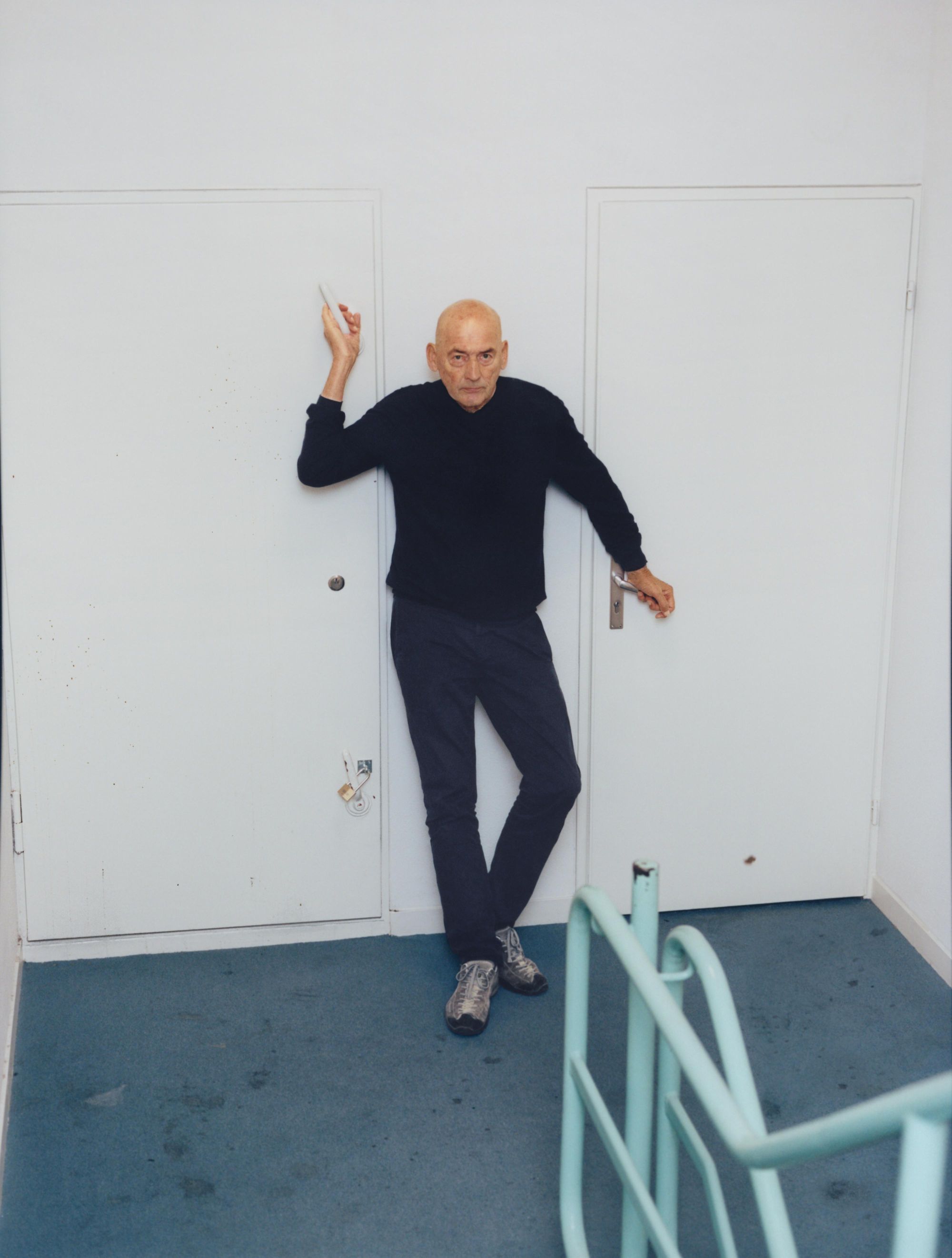
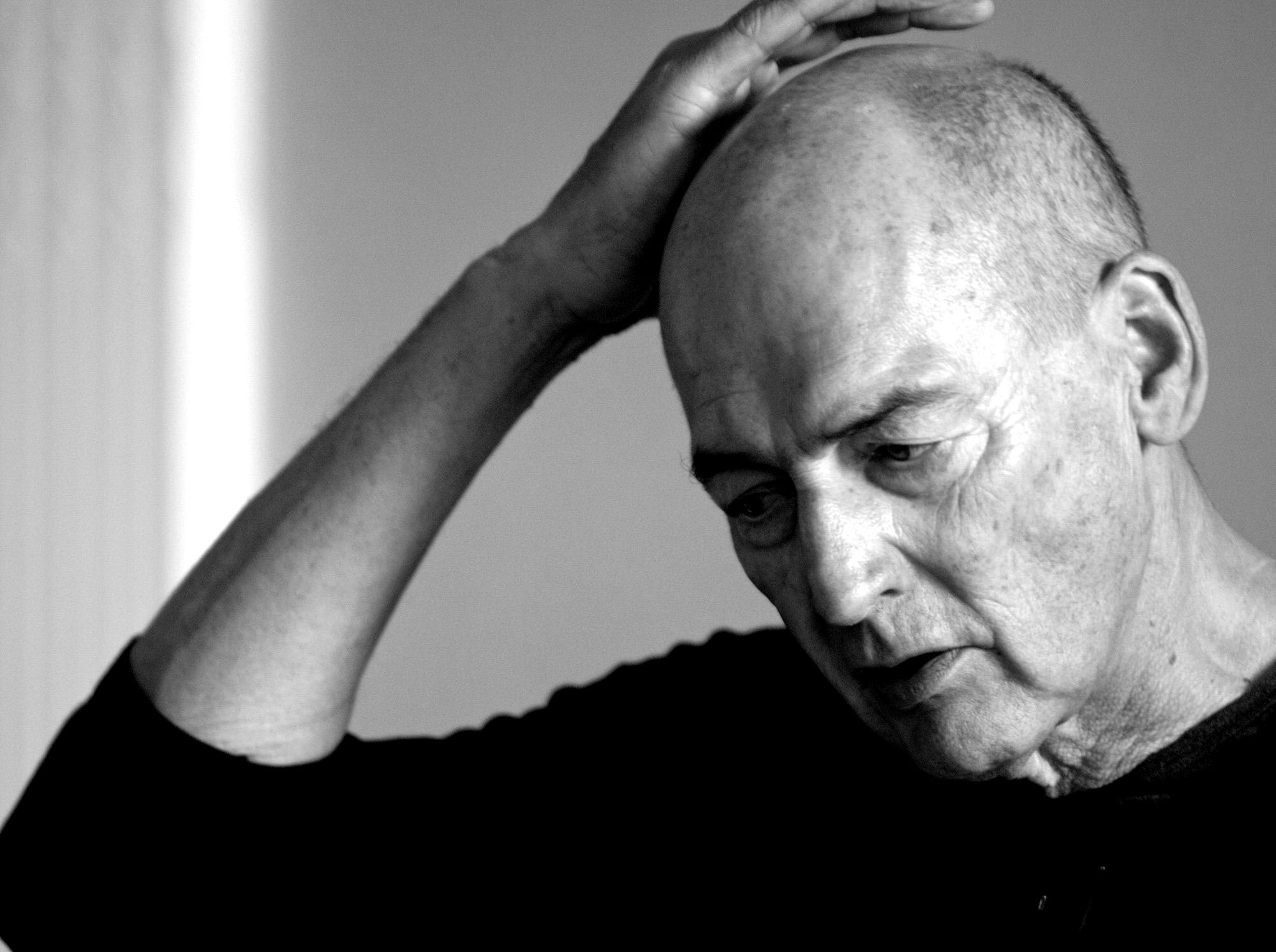
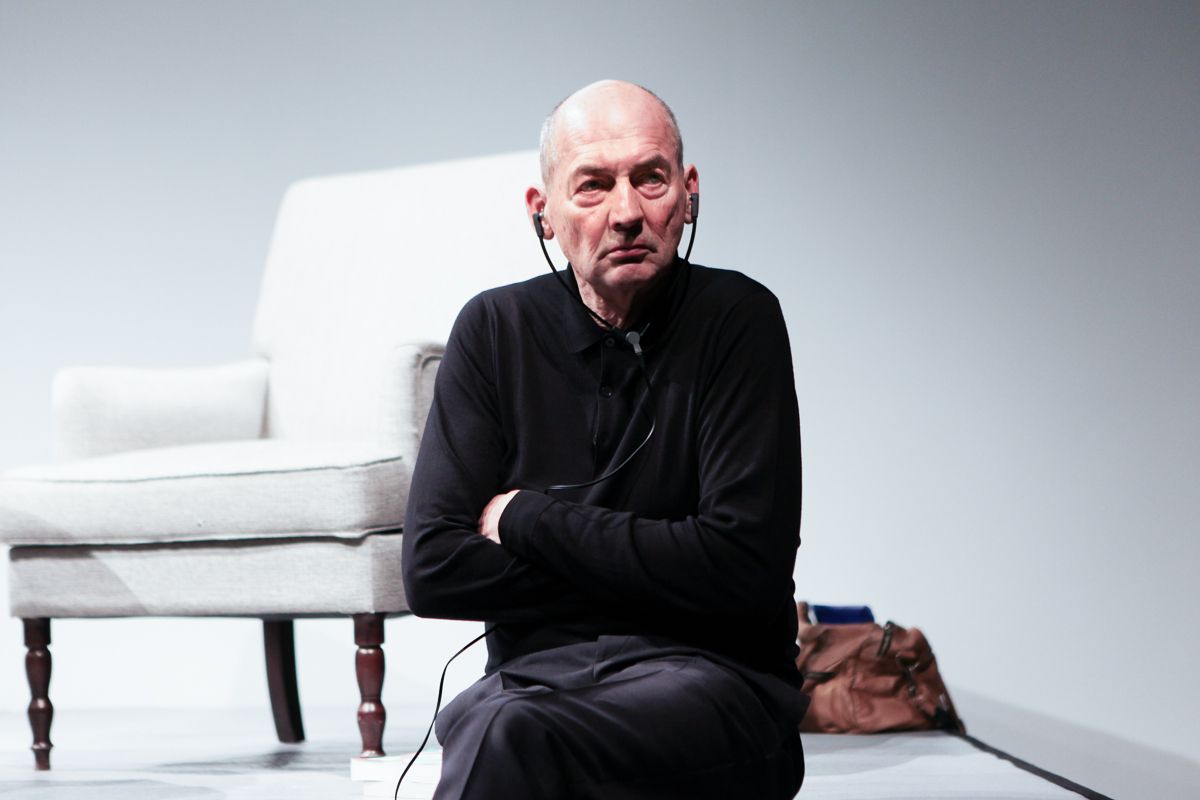
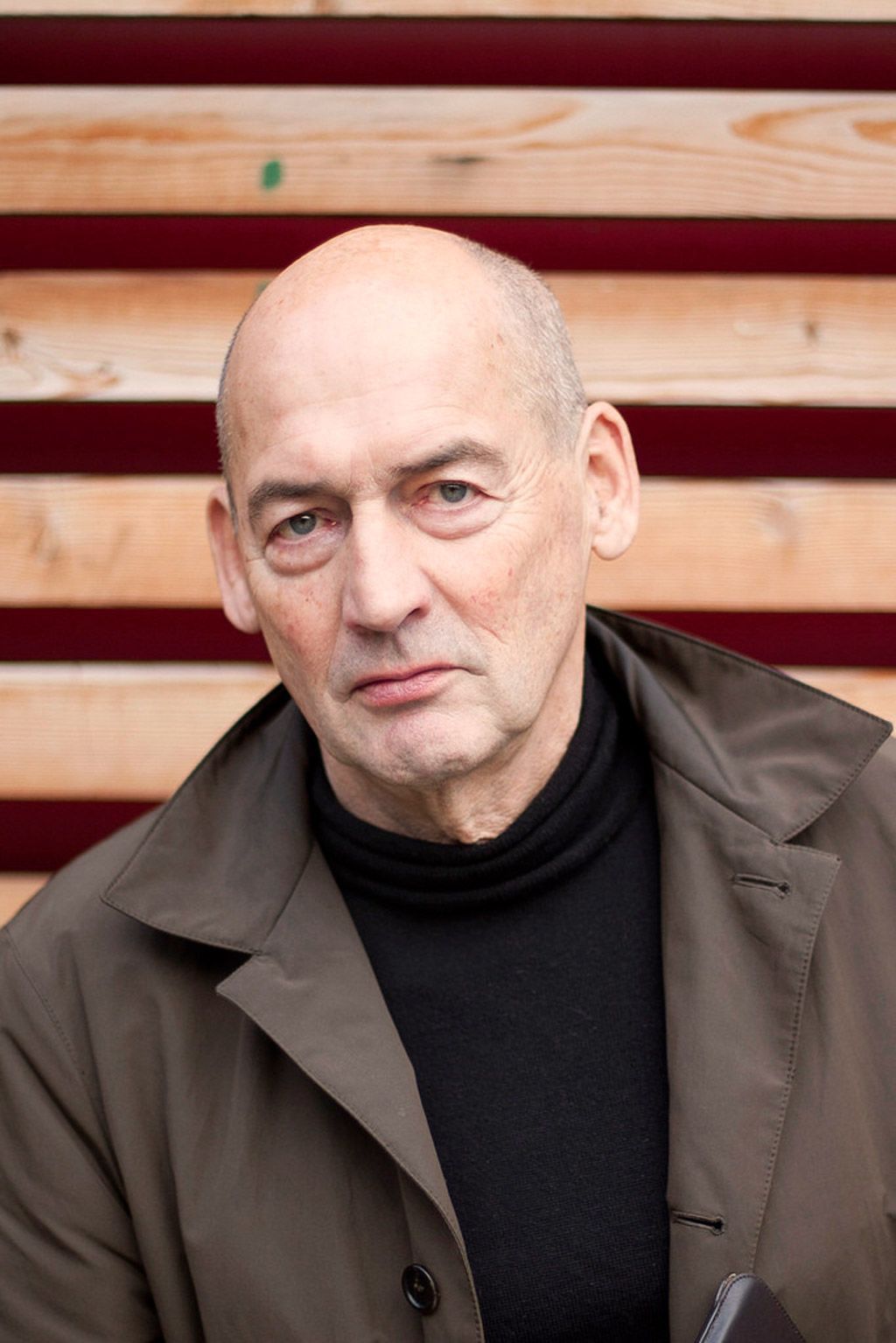
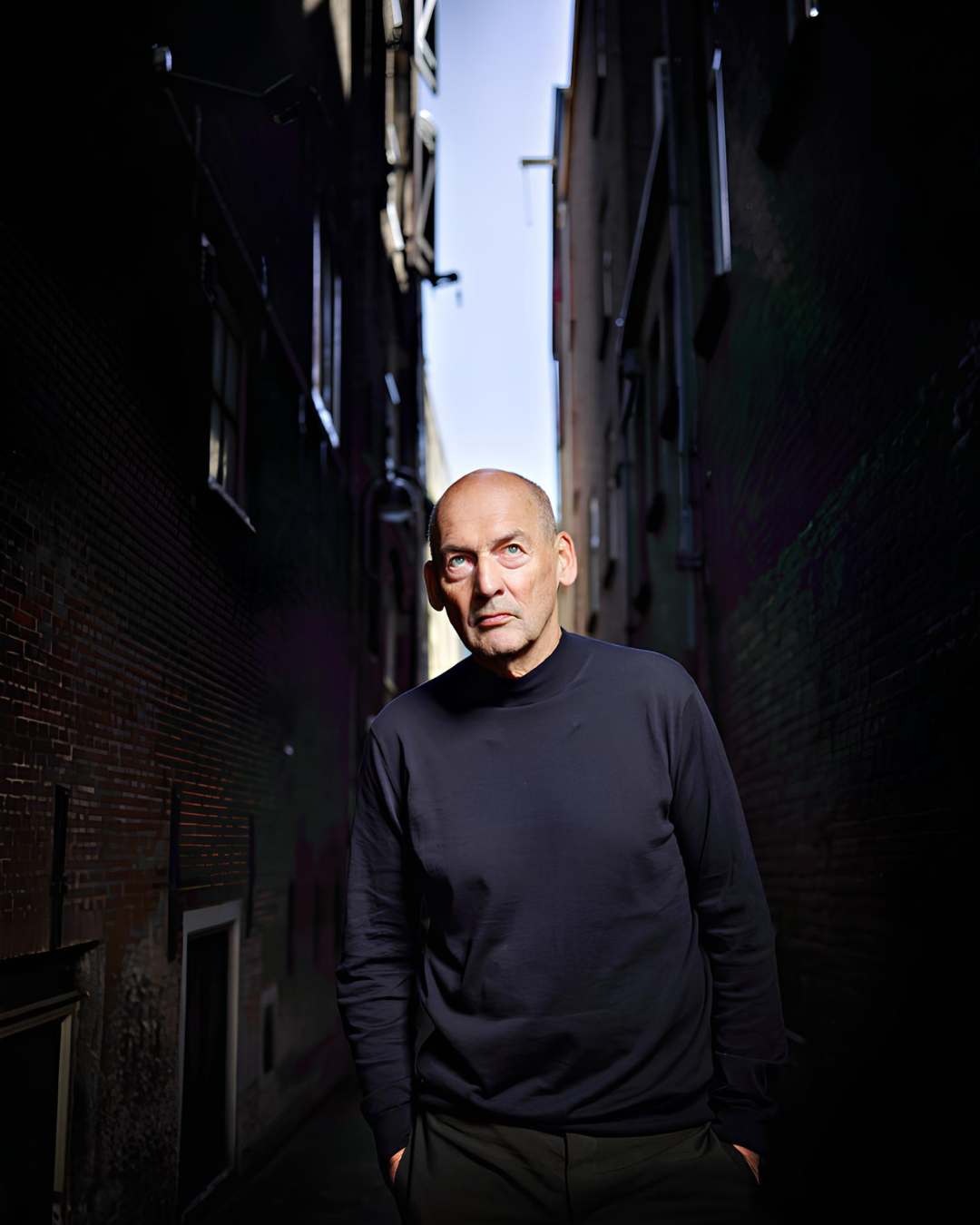
Koolhaas was born in Rotterdam in 1944 and founded OMA in 1975 together with Elia Zenghelis, Zoe Zenghelis and Madelon Vriesendorp. In 1978 he published Delirious New York, a retroactive manifesto on Manhattan, and since then has built a persona that is difficult to separate into architect, theorist, writer, urbanist and observer of global transformations. His importance lies in the way he taught us to read the spaces we inhabit.
Koolhaas has always looked at the city without nostalgia. He observed it as an unstable organism, full of desire, commerce, density, entertainment, power and chaos. In Delirious New York, Manhattan becomes the laboratory of congestion — a city where verticality, crowds and technology produce an entirely new way of living. The modern city, for Koolhaas, must be understood through the energies that run through it.
This is why his work speaks so powerfully to the present. Today we live inside cities built from continuous flows, both physical and digital. We move between subways, feeds, flexible offices, flagship stores, platforms, maps, airports, notifications and spaces that constantly demand attention. Koolhaas had begun studying this condition long before it became our everyday landscape. He was trying to understand what was happening to space as urban culture went global.
Prada Epicenter: the Shop as Theatre
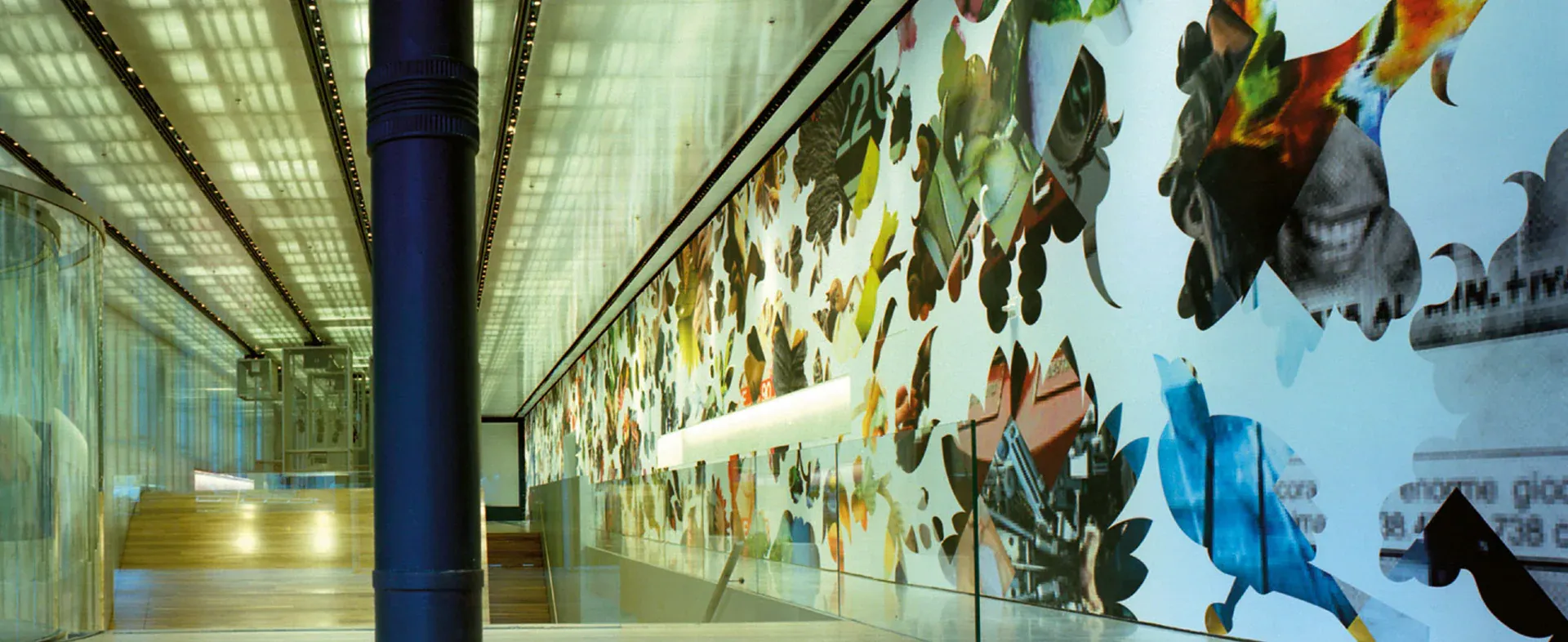
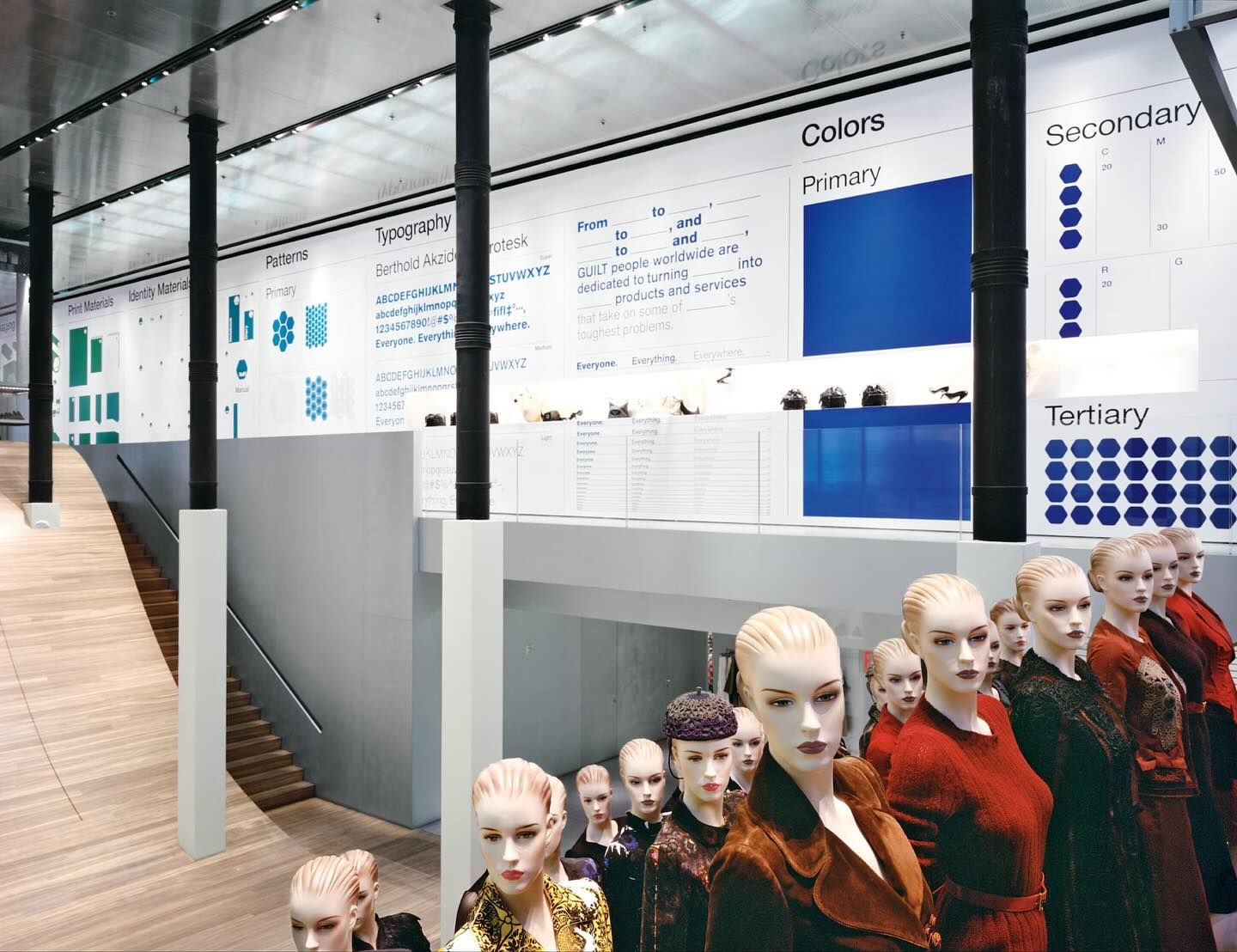
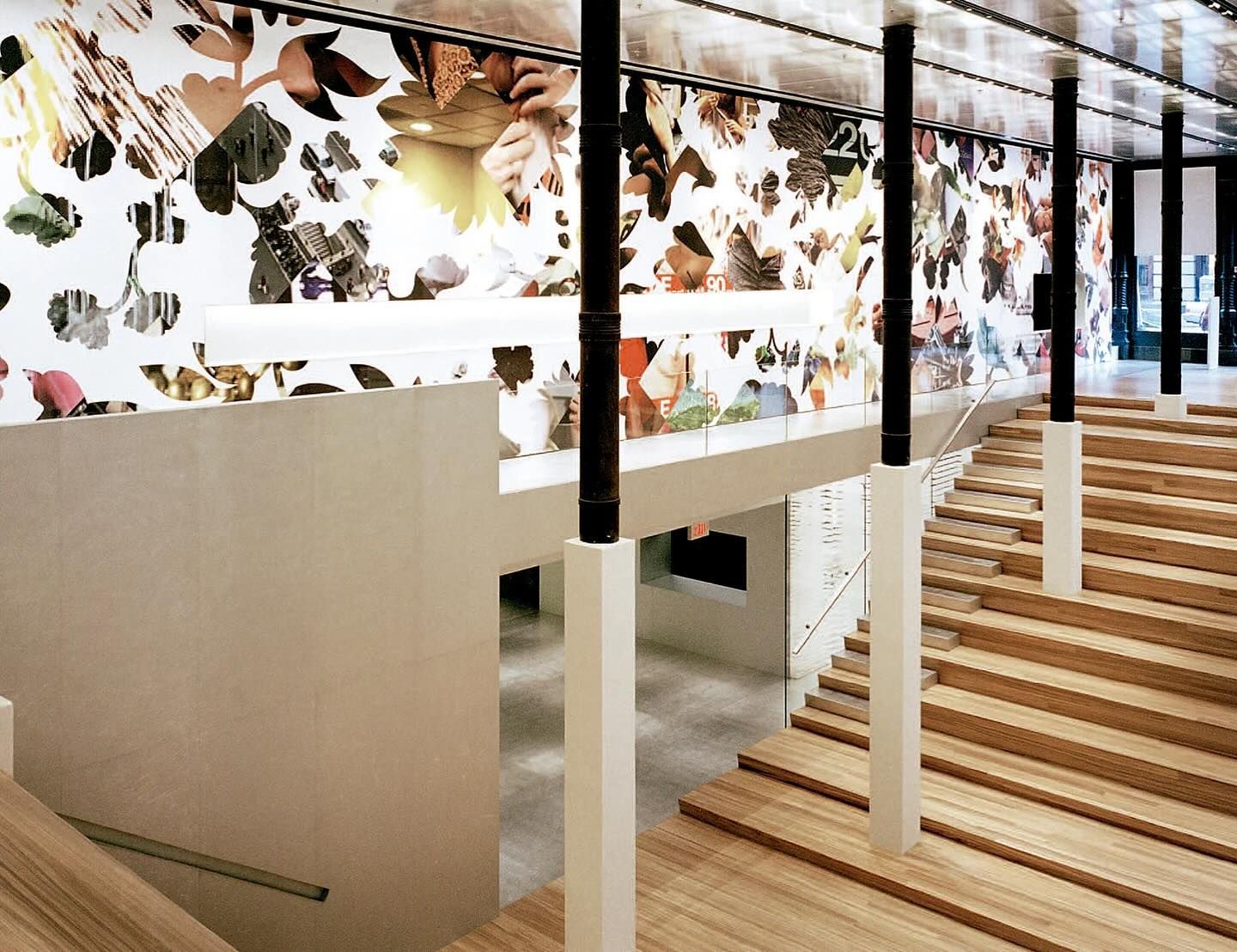
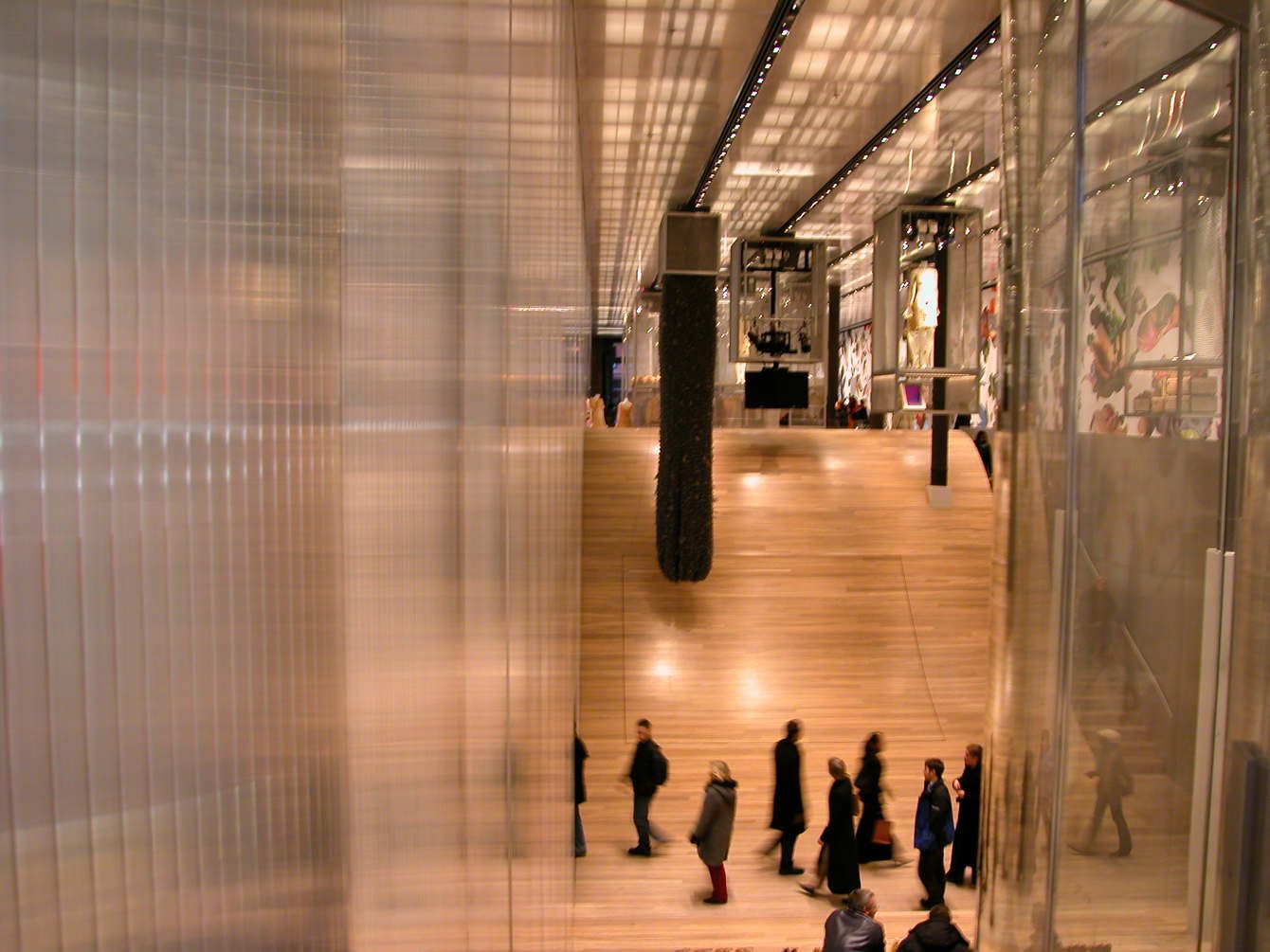
The Prada Epicenter in New York, completed between 2000 and 2001, illustrates this capacity well. OMA describes it as boutique, public space, gallery, performance venue and laboratory part of a research into shopping as one of the last remaining forms of public activity. That is a statement that today seems almost obvious, but at the start of the 2000s it carried enormous force. Koolhaas understood that the shop was becoming far more than a place to buy something. It was becoming a theatre, a medium, an environment in which the brand constructed experience.
Today this insight is everywhere. Every flagship store wants to be an exhibition, every pop-up wants to feel like an event, every retail space must generate images, content and lasting impressions. Koolhaas read this transformation with rare clarity and translated it into architecture. For him, shopping was one of the most visible ways in which consumption was rewriting public space.
This capacity to take seriously what others considered minor runs through all his research. The library, the museum, the television headquarters, the shop, the countryside, the shopping mall all become places in which to understand the present. Koolhaas builds devices that reveal how a society works.
Seattle: Knowledge as Movement
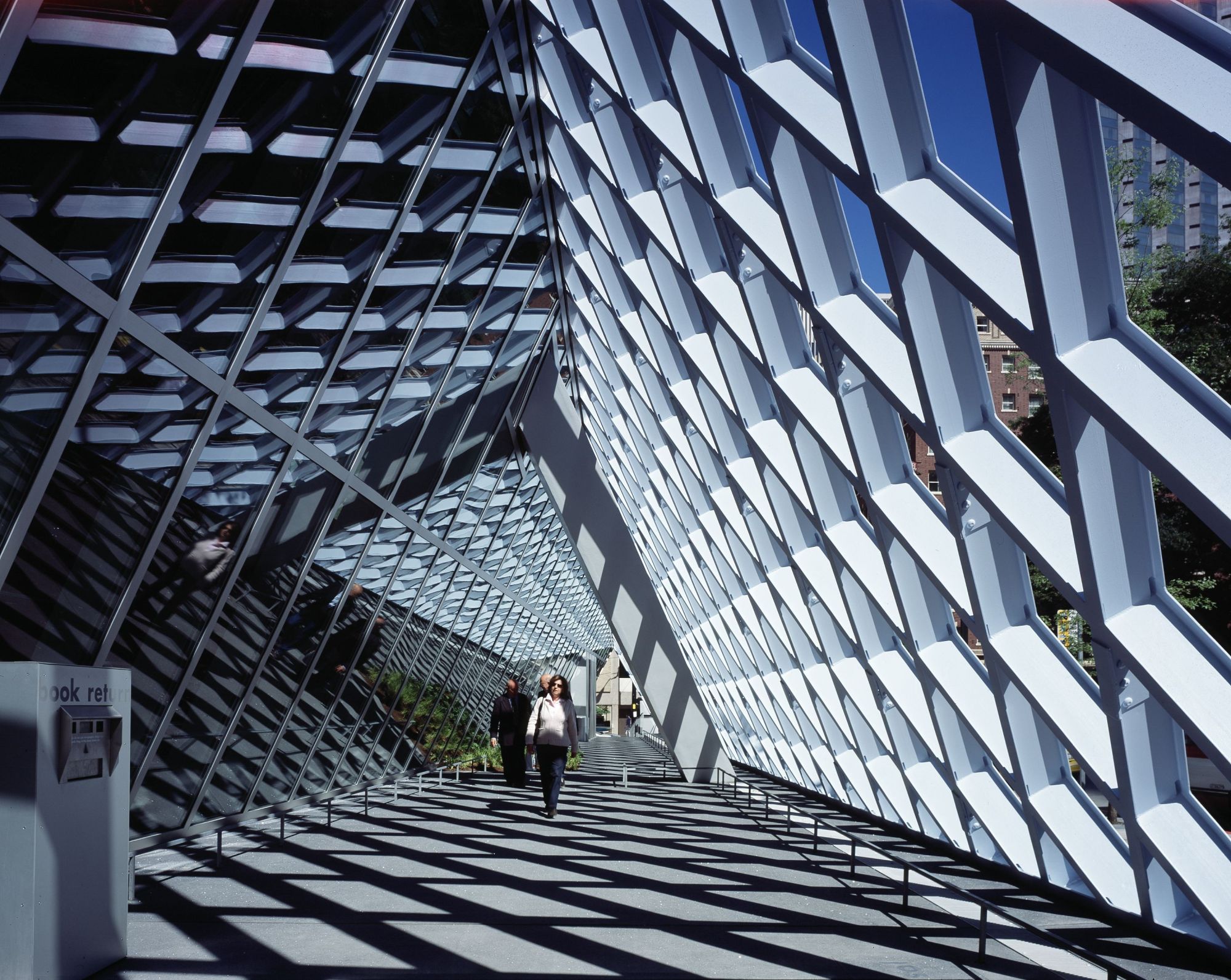
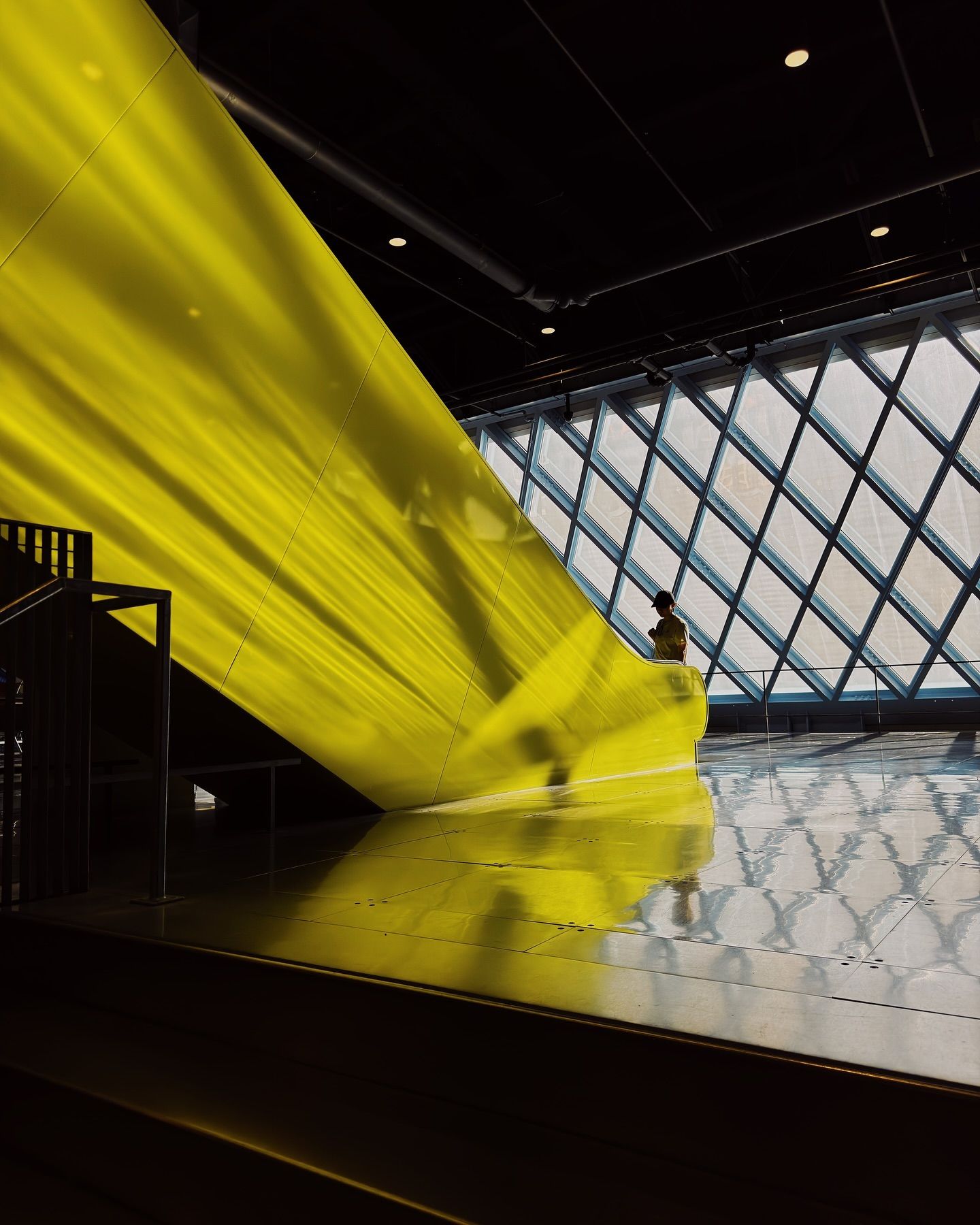
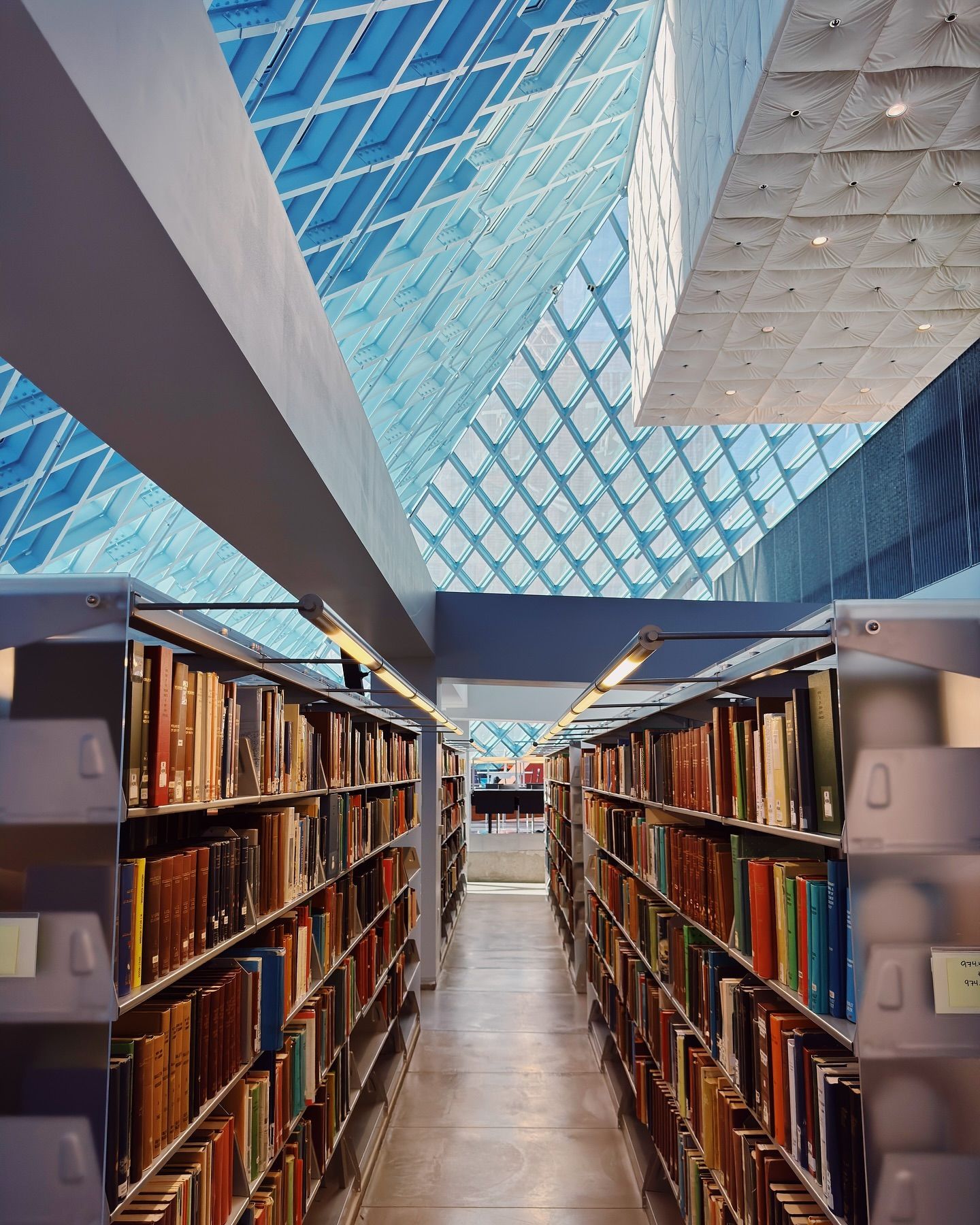
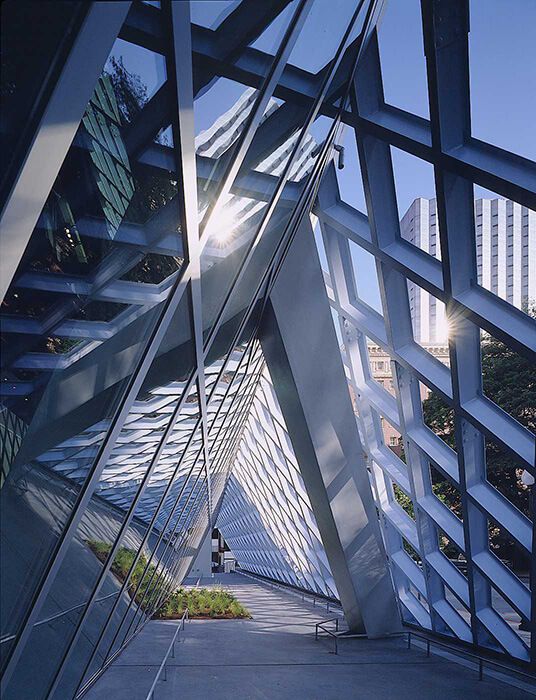
The Seattle Central Library, completed in 2004, was conceived at a moment when libraries seemed threatened by two opposing forces the shrinking of public space and digitalization. OMA designed it as a civic space for the circulation of knowledge across all media, organizing programmes and collections through platforms and fluid floors. The result feels like a public machine for navigating information far removed from the image of the traditional library, silent and linear.
It is a highly relevant project at a time when knowledge seems to be everywhere and yet is increasingly difficult to grasp. Koolhaas's library treats knowledge as a system of movement. Books, people, media and pathways coexist within the same organism. Space becomes a tool for organizing complexity without oversimplifying it.
From Beijing to Milan: Giving Form to Invisible Systems
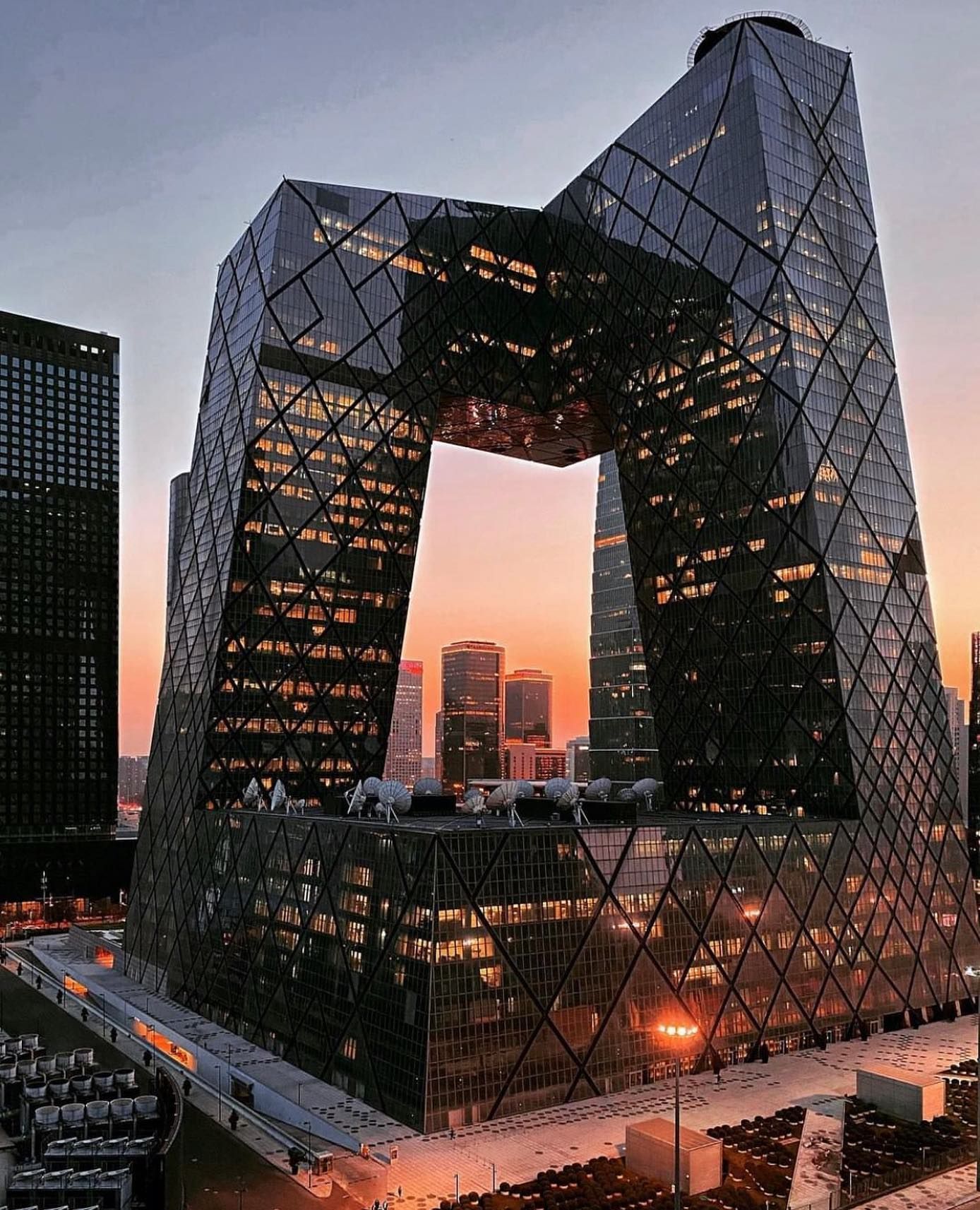
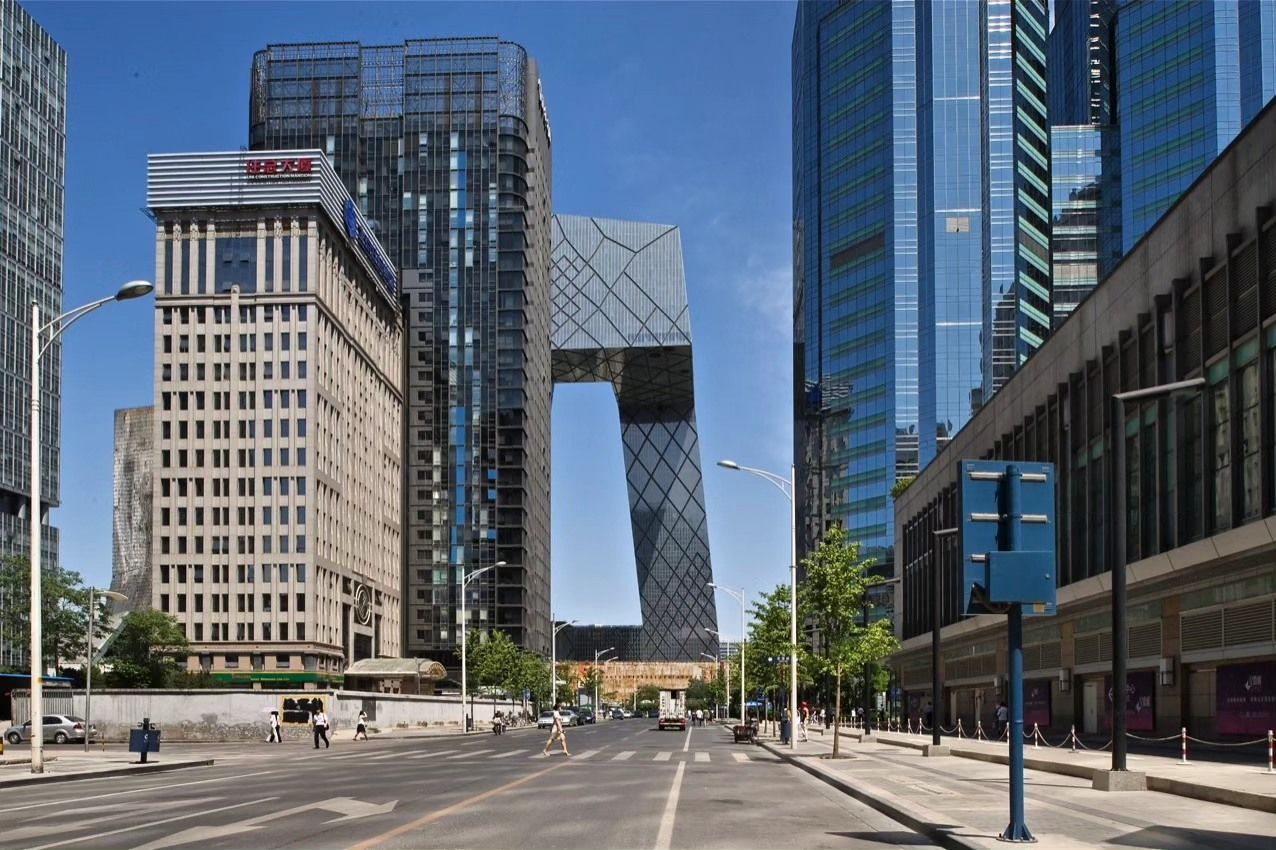
The CCTV Headquarters in Beijing, completed in 2012, works along similar lines. Rather than following the classic typology of the vertical skyscraper, OMA designed a large three-dimensional loop — a circuit that bends back on itself, with a suspended cantilever of 75 metres. The building closes in on itself, connects, looks at itself. It is almost the physical form of a media system — an architecture that contains production, control, circulation and image within a single gesture.
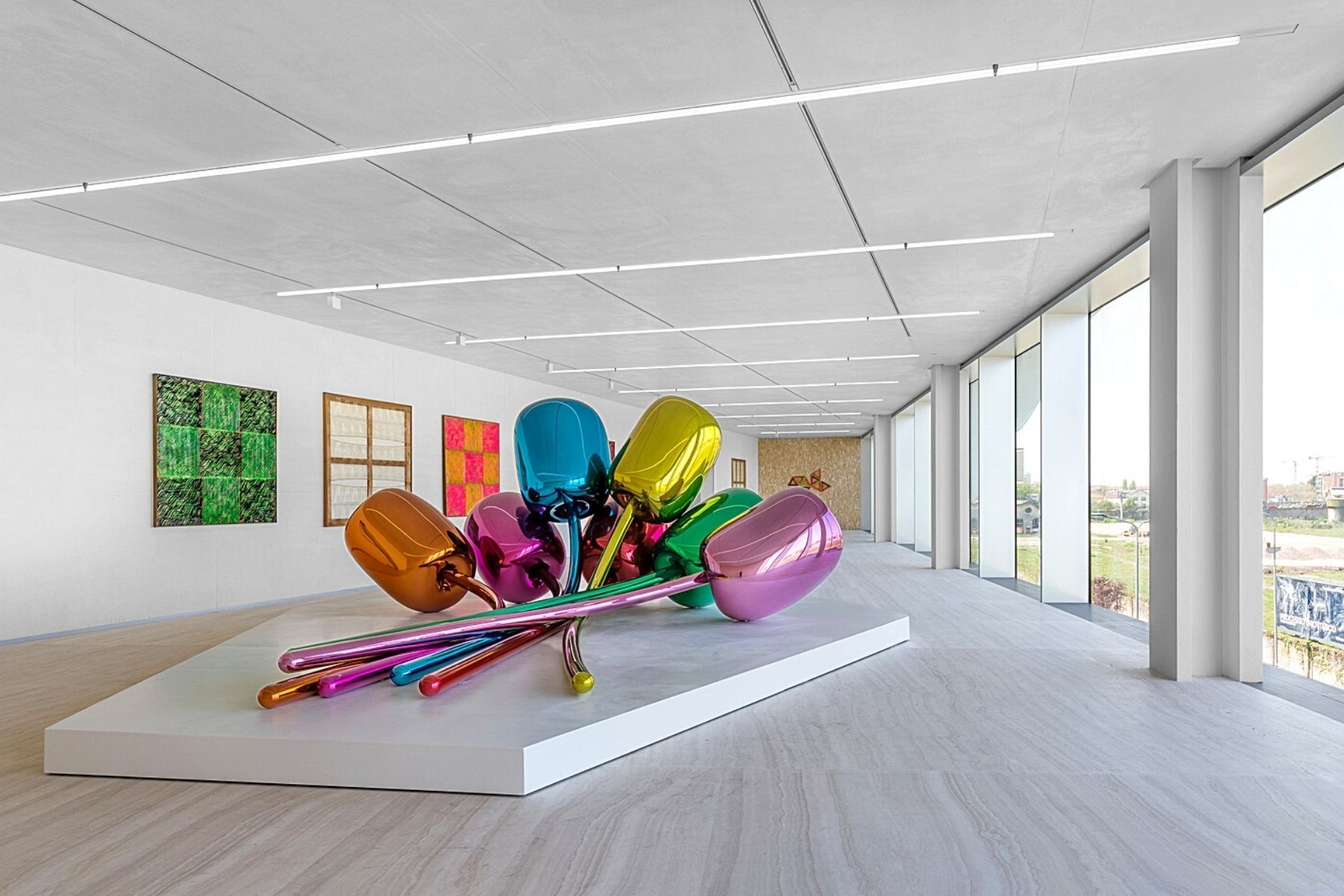
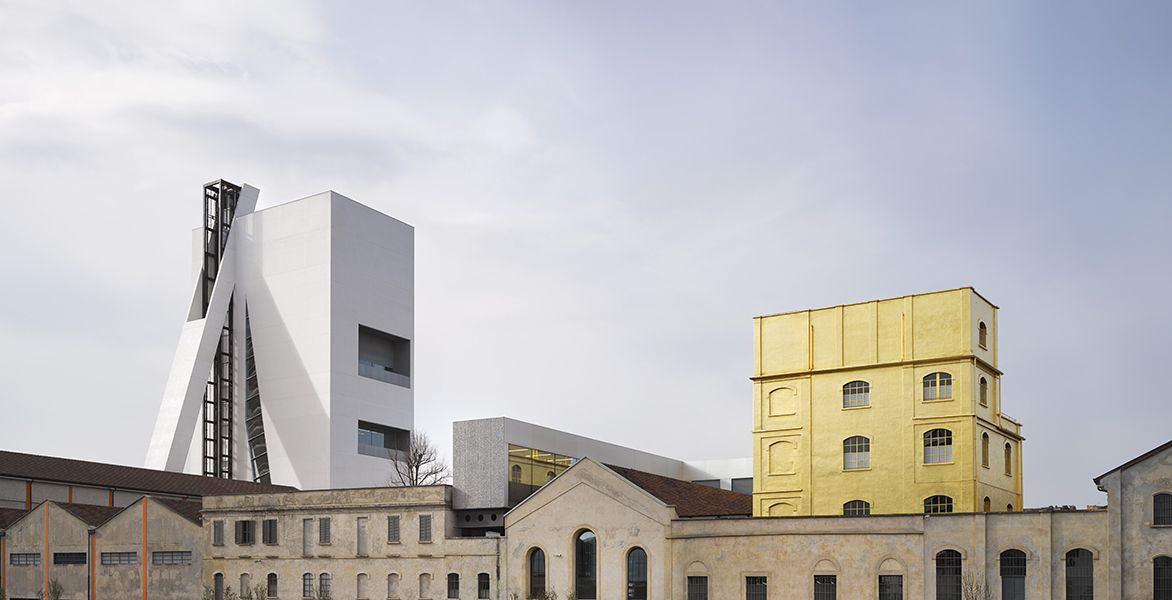
Koolhaas is compelling because he consistently manages to give recognizable form to systems that usually remain invisible. The library becomes the infrastructure of knowledge. The shop becomes commercial public space. The television headquarters becomes a circuit. Fondazione Prada in Milan transforms a former 1910 distillery into a coexistence of regenerated buildings and new constructions warehouses, laboratories, silos and new volumes gathered around a large courtyard. Once again, the value lies in the way different eras, functions and imaginaries are brought into relation, without offering reassuring answers.
Countryside: Beyond the Myth of the City
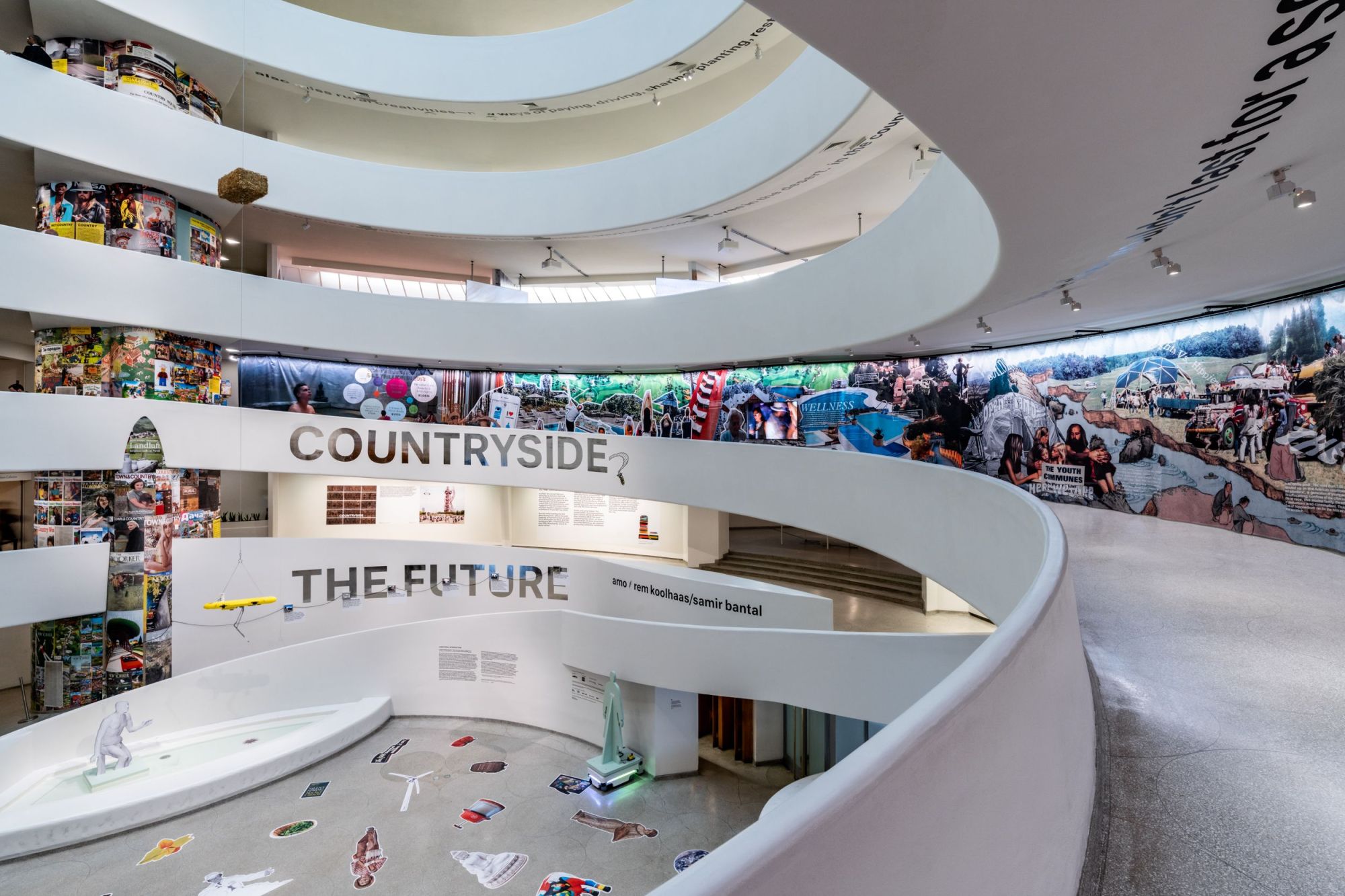
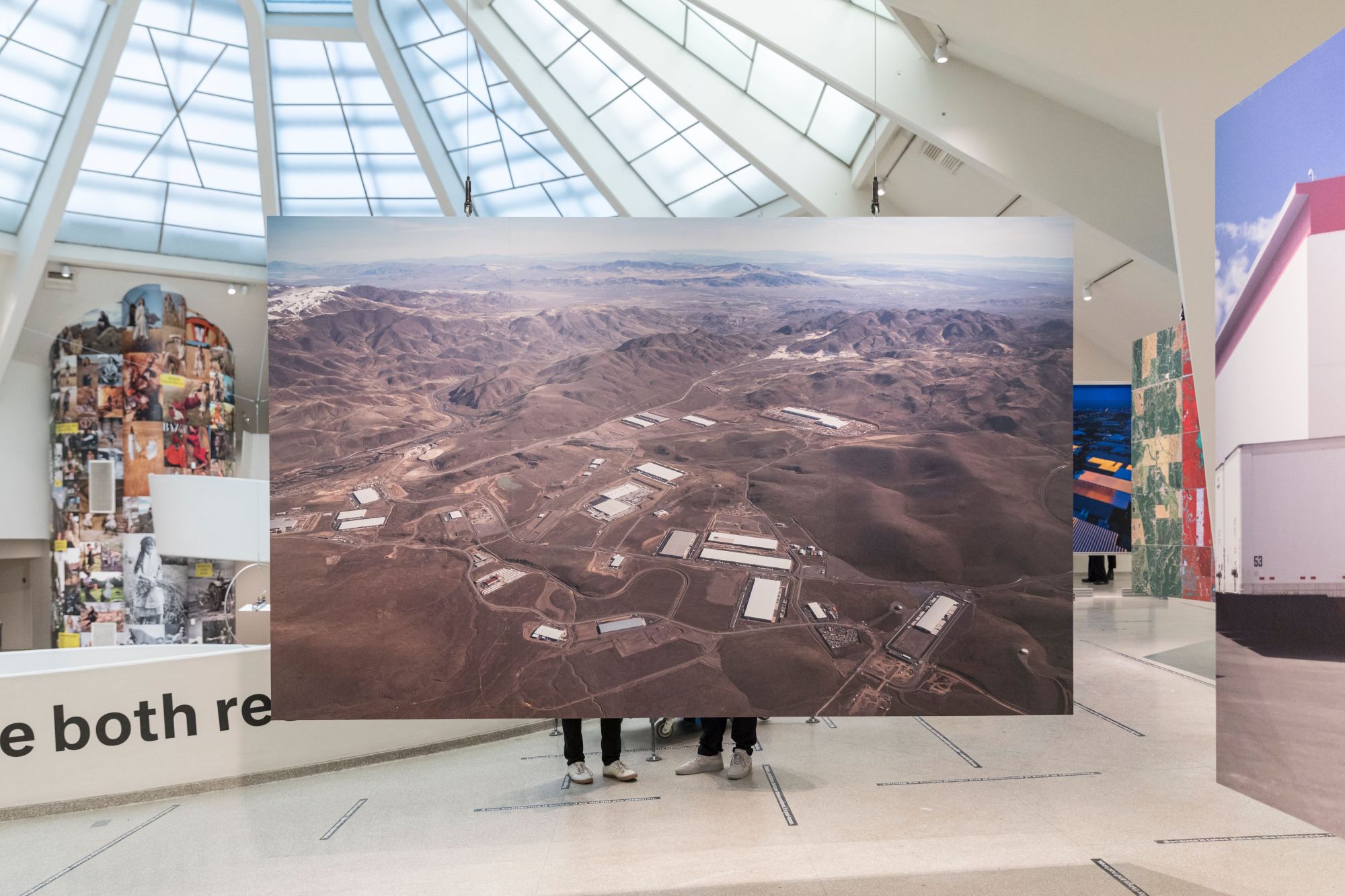
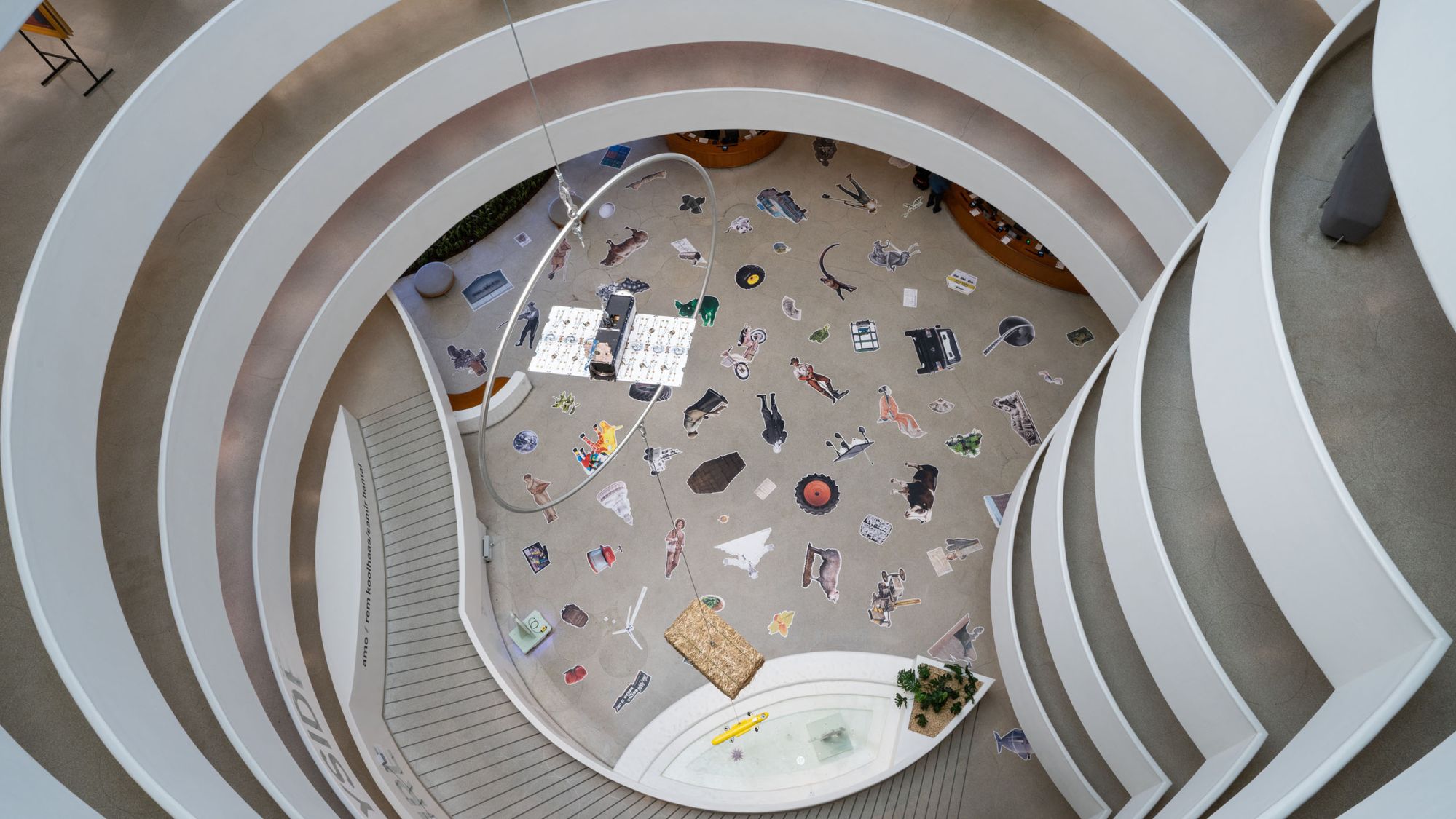
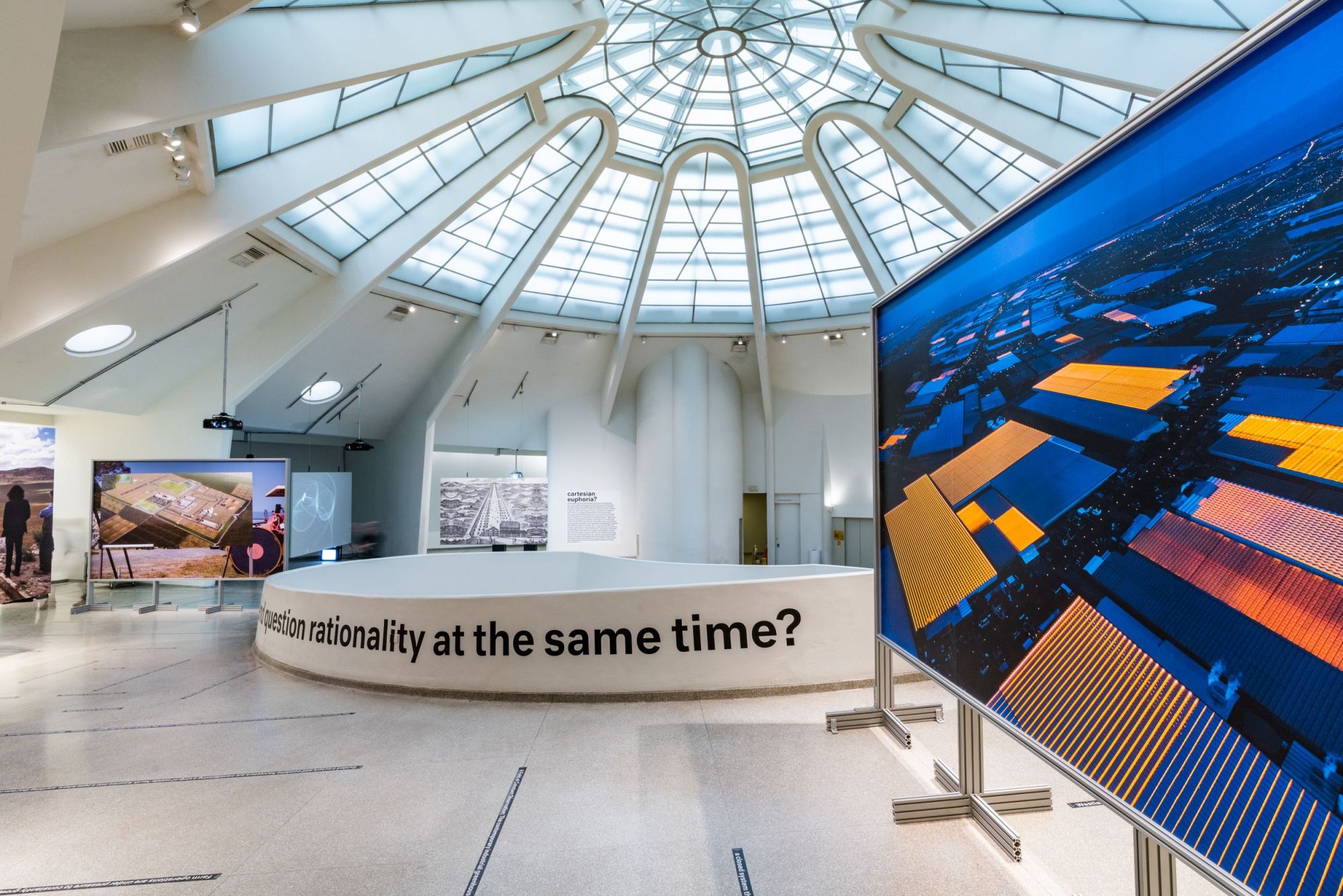
In recent years this capacity to shift perspective has become even more apparent with Countryside, The Future, the exhibition curated with AMO at the Guggenheim in New York. After a lifetime spent studying metropolises, density and urban transformations, Koolhaas turned his attention to the countryside, examining data centres, fulfilment centres, automation, artificial intelligence, agriculture, migration and climate change. The future, this research suggests, is also being built in the places that cities tend to forget.
This is a significant shift, because it shows how Koolhaas has managed to move beyond the myth of the metropolis. He understood that the urban world depends on vast territories often invisible that feed it, archive it and sustain it. The countryside emerges as its hidden infrastructure. Here too his gesture is unmistakable: look where others are not looking. He has transformed environments we pass through every day into objects of thought.
Reading the City Before the Algorithm
His architecture is born at the point where market, culture, technology, power and desire begin to occupy the same space. It is a practice that seeks precision in reading what is happening. Koolhaas has designed buildings, certainly. He has built libraries, museums, television headquarters, shops and foundations. But above all he has designed a way of observing contemporary chaos without reducing it to noise.
Rem Koolhaas read the city before it became an algorithm because he understood that space organizes behaviours, desires, routes, consumption, images and possibilities. Every time we enter a place and feel we are inside a system larger than ourselves, we are moving through a question that Koolhaas had already begun to ask. His work remains so difficult to ignore because it does not simply tell us how architecture is made. It shows us how the world that produced it works.
What to read next
5 Style Lessons We Can Learn from Jeff Goldblum
How to put together a look inspired by the iconic actor
Kartik Kumra is the second guest designer of Pitti Uomo 111
Indian craftsmanship and modernity come together for the next edition of the event
Fashion Graduate Italia presents “Speak Up”
A new edition dedicated to young future professionals in the fashion world