





























With the "Odyssey" Christopher Nolan has rewritten the myth It was necessary for Ulysses' journey to look at the present
The question most often asked about myth is where it comes from, when the question one should be asking is: why? It is the same with religion. Ancient peoples sought to explain the phenomena that surrounded them, trying to give those phenomena a name. But names are not always enough if one does not know where they come from, and so stories grow up around them.
The observation of the world by the women and men of the past translated into a need to find a reason for environmental events and for everything transcendental that occurred, in an attempt to make sense of existence — an attempt that could also employ fantastical solutions, from polytheistic religions to the veneration of a single God. Therefore, anyone today who wished to draw on myth should look around to see what is happening in the world and render it back through whatever medium they prefer — which is precisely what director and screenwriter Christopher Nolan has done with his Odyssey.
Myth adapts, by nature
@odysseymovie A film by Christopher Nolan shot entirely with IMAX film cameras. Watch The Odyssey trailer and experience the film in theaters 7 17 26.
original sound - The Odyssey Movie
In this year 2026 — the year of Emerald Fennell's Wuthering Heights — there has been much discussion about adaptations and how they should (or should not) make the journey from the page to the big and small screen. Whether it is better to trust one's instincts, follow one's own personality, whether it is right or wrong to remain faithful to the printed text, or whether one may take liberties, revisiting it to bring it closer to the current author, seeking to give the text new life in a new form.
If the same might apply to myth, there is one note that is impossible to ignore: the didactic and educational nature that belongs to it, foundational to its very being. Nolan has taken this on board, drawing inspiration from the hero's journey as told by the orator and writer Homer — whether he existed or not — and revisiting the myth of Ulysses.
The narrative follows his desire and need to make the story of the wandering king of Ithaca relevant today, along with the experience both inside and outside the walls of Troy. After watching the film, it becomes even clearer how all the controversy that arose before its release was entirely in vain. It does not matter what accent, what ethnicity, or what background his characters have — what matters is what they have to tell us.
War as Ouroboros
comunque le critiche fatte ad Odissea completamente inutili perché è un film fantastico, rivisitato come qualsiasi film di questo genere, la fotografia è fantastica, la recitazione anche e tre ore di film non pesano per niente
— house of the dragon !! (@evrrmxry) July 16, 2026
A version of Ulysses as a veteran with post-traumatic stress disorder, stripped of the truly cunning spark of the mythological character — which is perhaps the only genuine criticism one can level at Christopher Nolan. The protagonist, played by Matt Damon, reflects on the war that brought about the imminent fall of Mycenaean civilisation during the Bronze Age, broadening its scope and making it reverberate all the way to us.
The experience of war, the barbaric nature of his men, and the questionable bent of their murderous actions prompt reflection on the meaning that conflicts hold within the broader sweep of history. As if the Trojan War were the seed of the plunderings, the raids, the offences that have crossed the centuries and reached us, still so often incapable of respecting others' boundaries, overstepping them and stripping them bare.
Ulysses' expedition and his men can be likened to the many conflicts that modernity has lived through — whether we speak of the world wars, the Vietnam War, the escalation in Afghanistan, or the most recent humanitarian disaster unfolding in the Gaza Strip. The work is Nolan's way of observing how the historical cycle of rise and fall is unceasing: a civilisation that collapses and one that must rise again, "Chasing the fleeing sun," in an ouroboros without end, even as the men of his Odyssey — or at least his Ulysses — wish to put a stop to it.
Not fate, consequence
What the soldiers call fate or coincidence, Nolan is careful not to strip of men's free will, preferring to call things by their proper name: consequences. Not draining the classical Odyssey of its epic quality out of disrespect, but seeking a closer connection with the contemporary world.
It is no longer honour on the battlefield that men today must concern themselves with, but their own conduct. It is no longer by recounting their deeds as virtuous examples that oral tradition sustains itself in this new century of ours, but rather on the value of respect, of remembrance, and on how memory has always been the fabric that holds humanity together.
Military pride is replaced in Nolan's Odyssey by the guilt that simultaneously drives and keeps Ulysses from home. The reinterpretation of the myth does not occur because the myth itself has lost its original weight, but because Nolan knows that to have an effect — to be as useful as myths were in the past — it must be relatable to the reality in which it is disseminated, so that it may take root in society.
Göransson, the new bard
Is it too early to put Ludwig Göransson in goat talks because holy shit The Odyssey score is insane
— JP (@jpmovies24) July 16, 2026
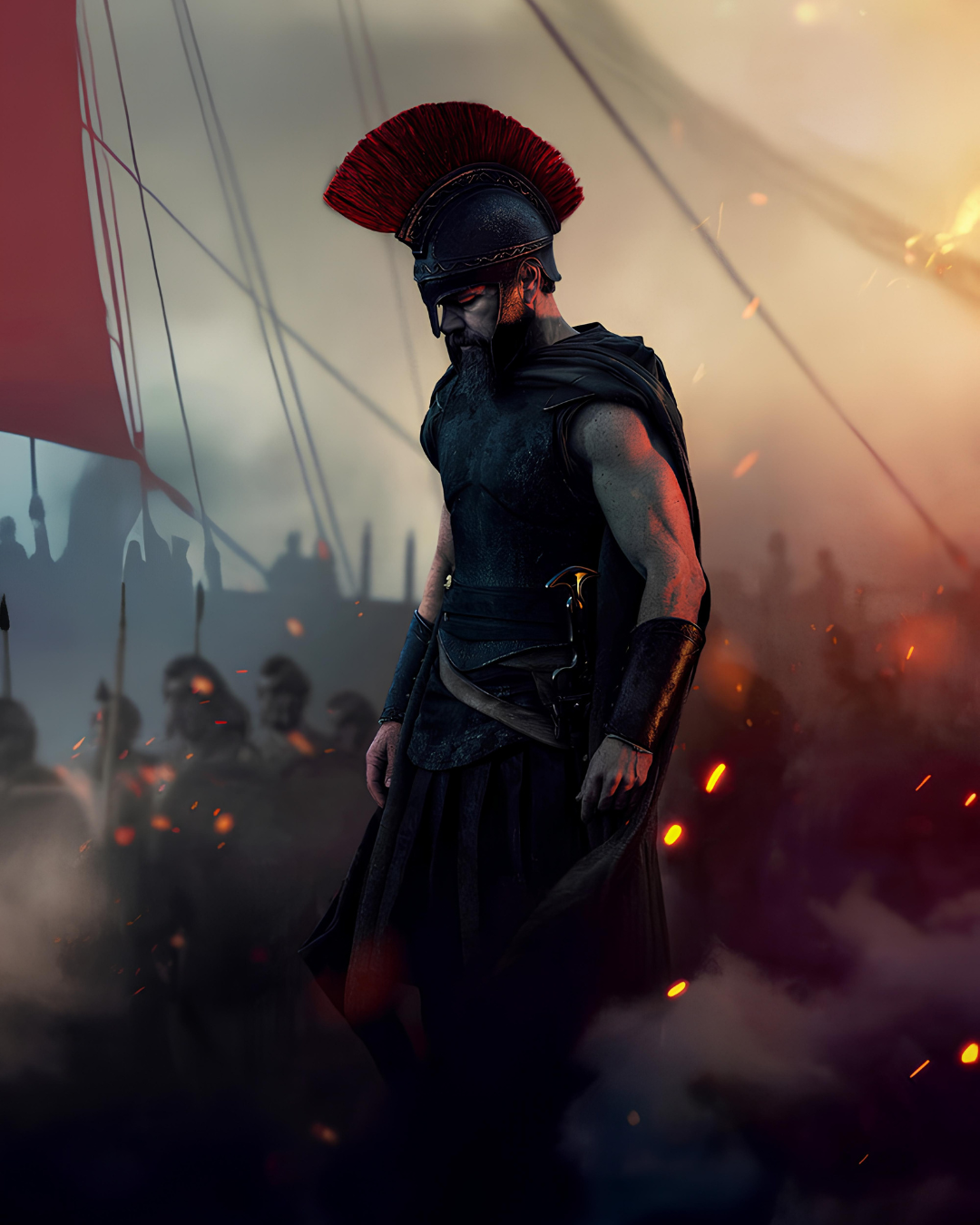
The epos, then, the director places within the cinematic adventure itself. In the imposing presence of the armour, with warriors resembling ancient Batmen. In the work on the sound design, which unleashes its full power with the cry of pain caused by the blinding of the Cyclops Polyphemus. Thanks to the editing of Jennifer Lame — an Academy Award winner for Oppenheimer — whose methodology she echoes in crafting a narrative that is simultaneously present and past, fragments of what is happening and what is remembered, a line that is never linear.
And, of course, in the collaboration with one of the most talented film composers working today, Ludwig Göransson, who sets the melodic and martial backbone of this poem. A trusted collaborator, a sonic storyteller in the way that Homer was with words and Nolan is with the camera. The Odyssey thus becomes an object made for the largest possible screen — one capable of filling the eyes with cinema (best of all in IMAX or 70mm) and the mind with awareness.
What to read next
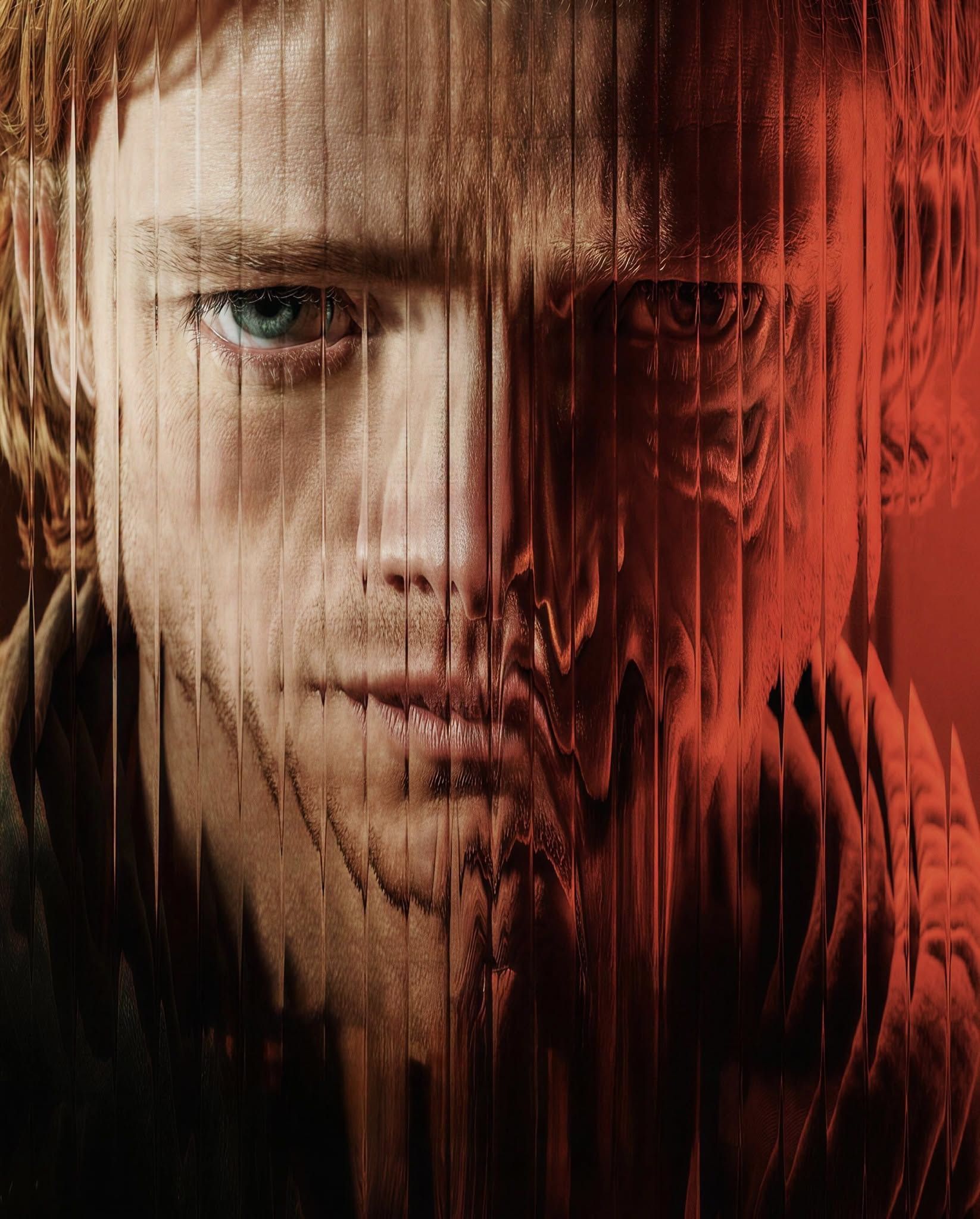
Clayface is the first truly horror superhero film
The lead is Tom Rhys Harries, and the story concept comes from Mike Flanagan of "The Haunting"
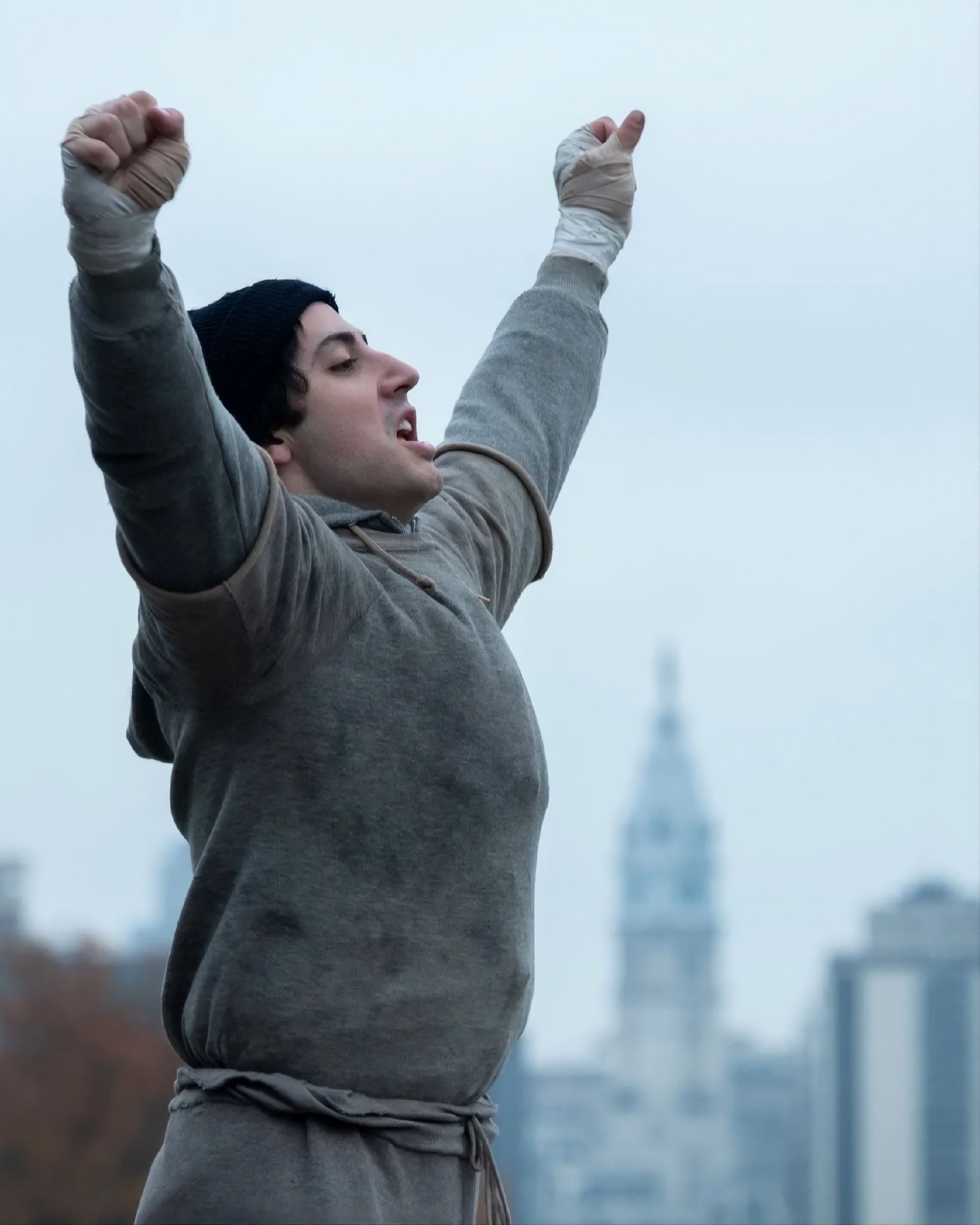
"I Play Rocky" is more than just a film about Sylvester Stallone
Peter Farrelly's work had its premiere at the Rome Film Festival and will be in cinemas from December 31
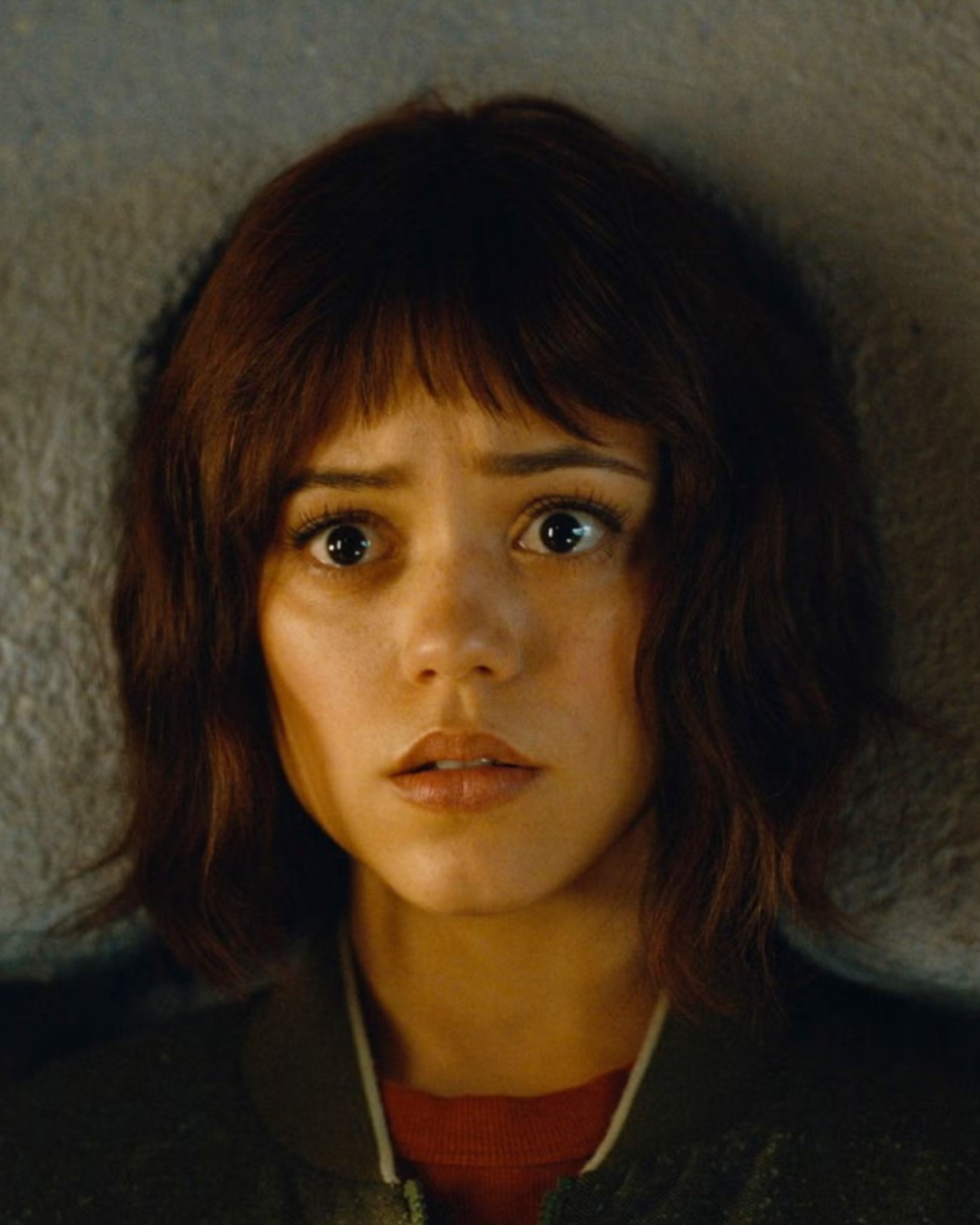
"Klara and the Sun" by Taika Waititi is a complete misfire
The film starring Jenna Ortega had its premiere at the Rome Film Fest and is in cinemas from October 22