
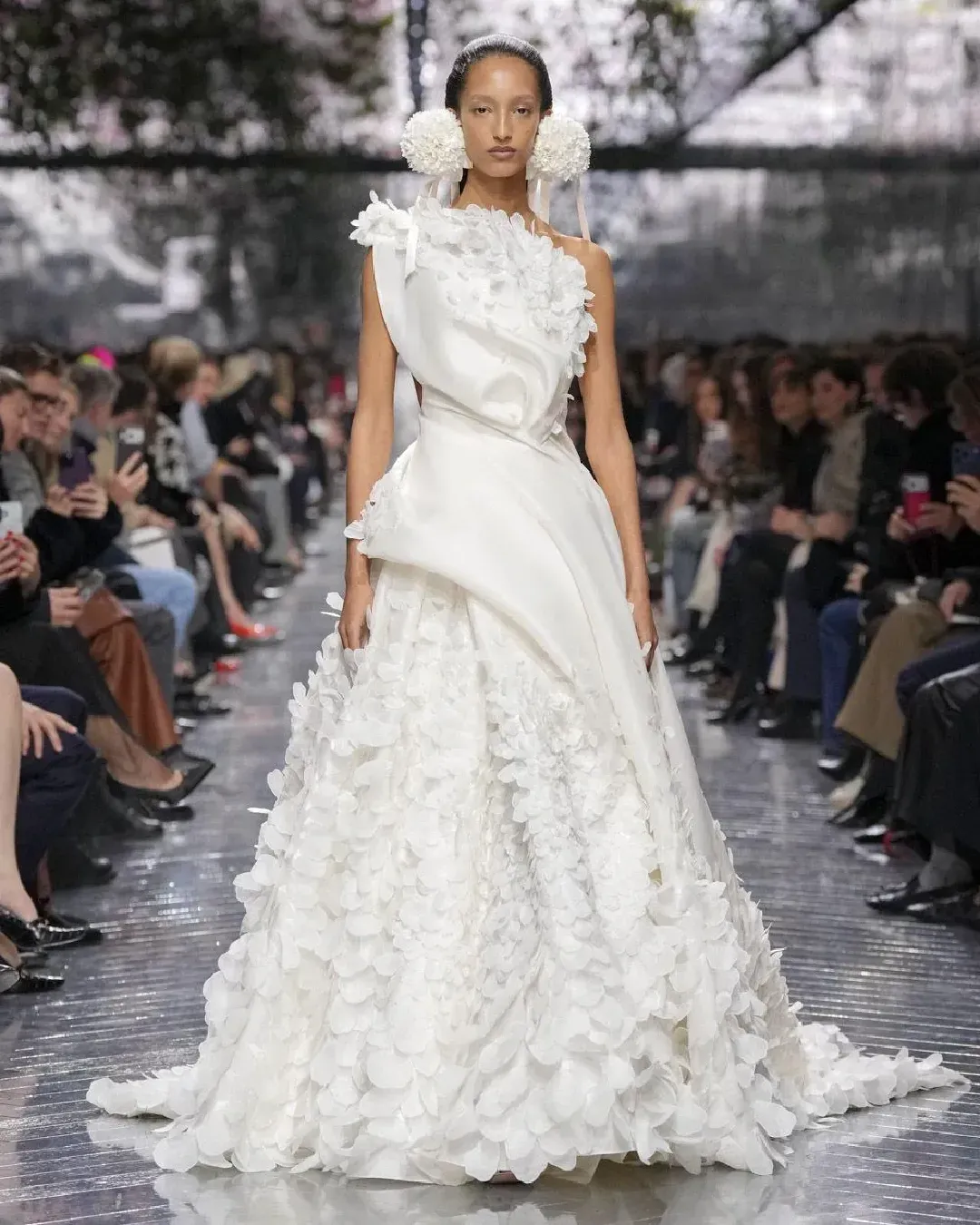
Jonathan Anderson's garden of heroes for Dior's Haute Couture SS26 The designer paid tribute to the founder of the Maison, John Galliano, and nature
At Jonathan Anderson’s first Dior Couture collection, John Galliano was seated in the front row, for the first time since 2011, as journalist Vanessa Friedman wrote on X. Months earlier, the designer recalled, for his debut at the maison the former creative director had brought him an elegant small bouquet of pink cyclamens wrapped with a black ribbon. A bouquet of modest size that nevertheless had an enormous impact on the newcomer’s work, ultimately inspiring not only a Couture collection, but his entire debut.
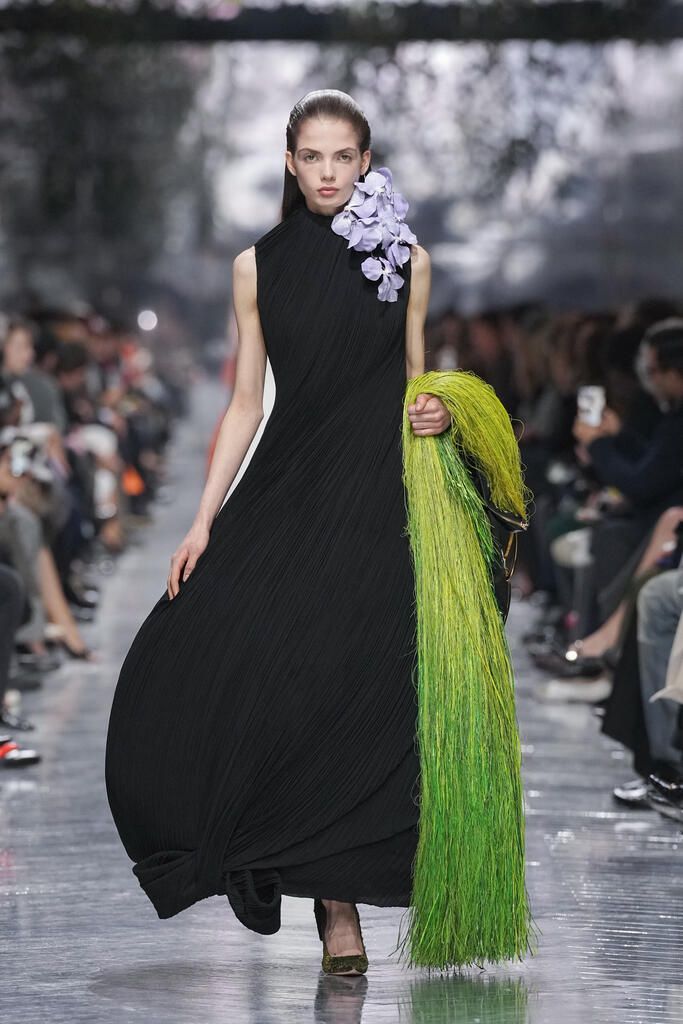
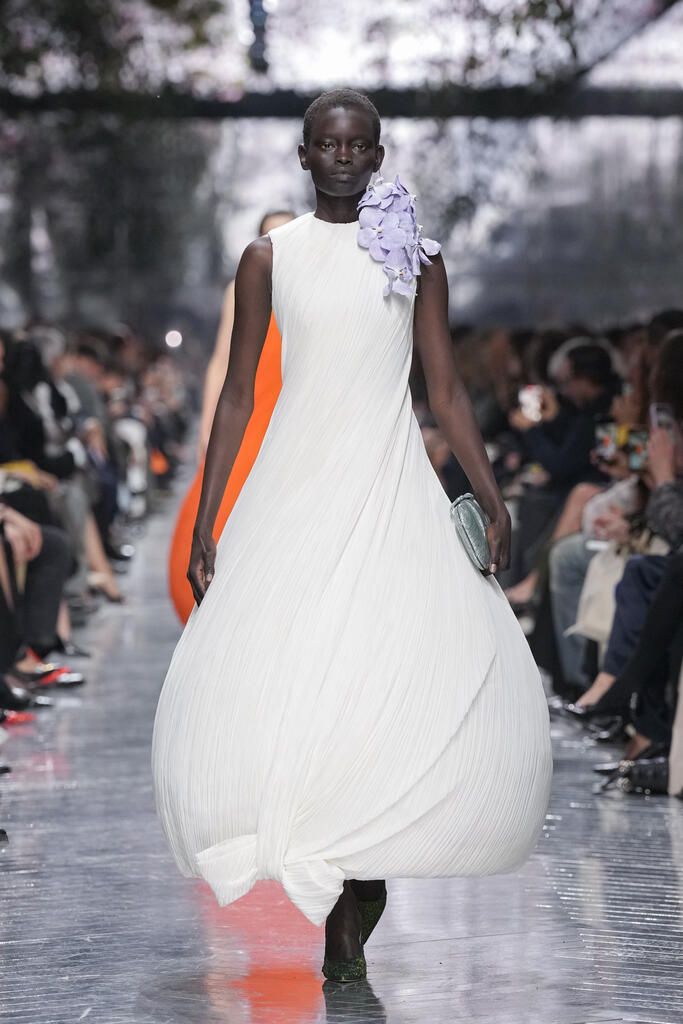
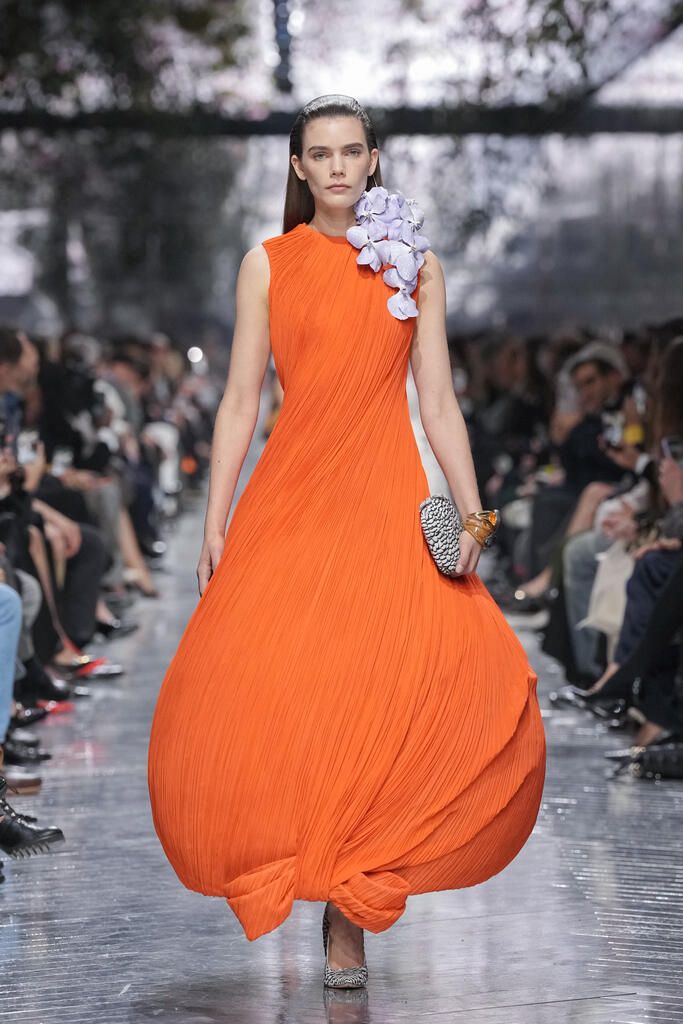
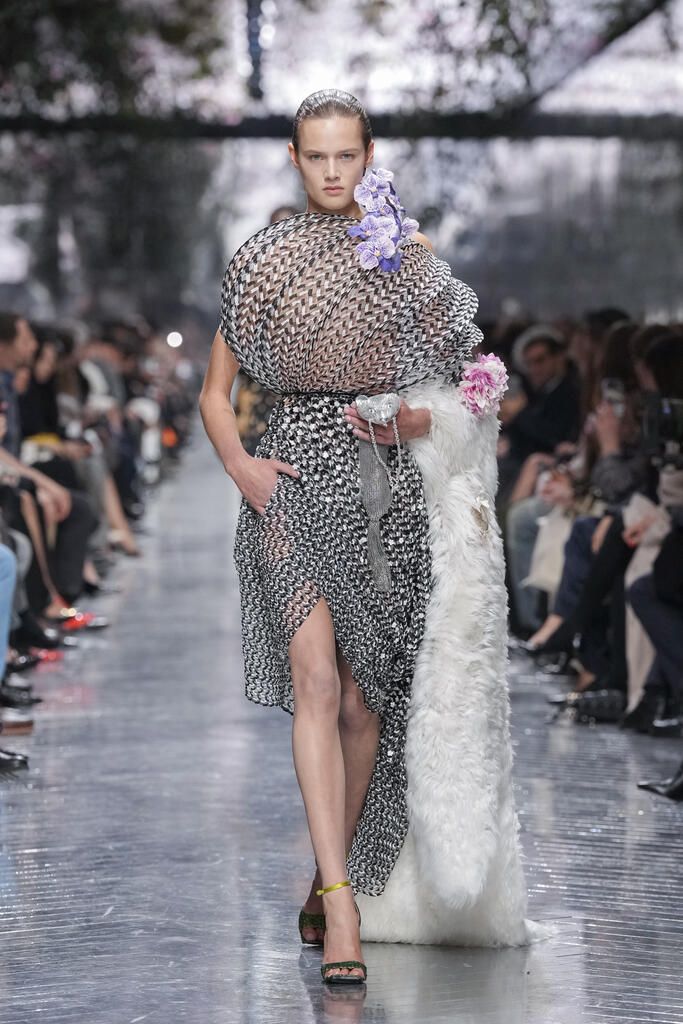
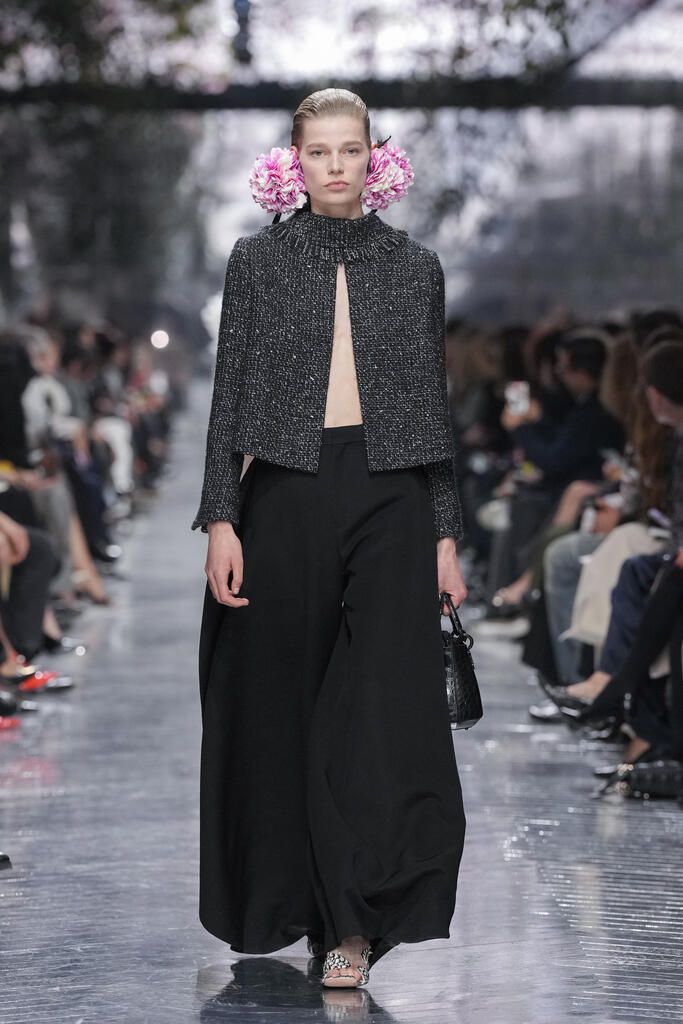
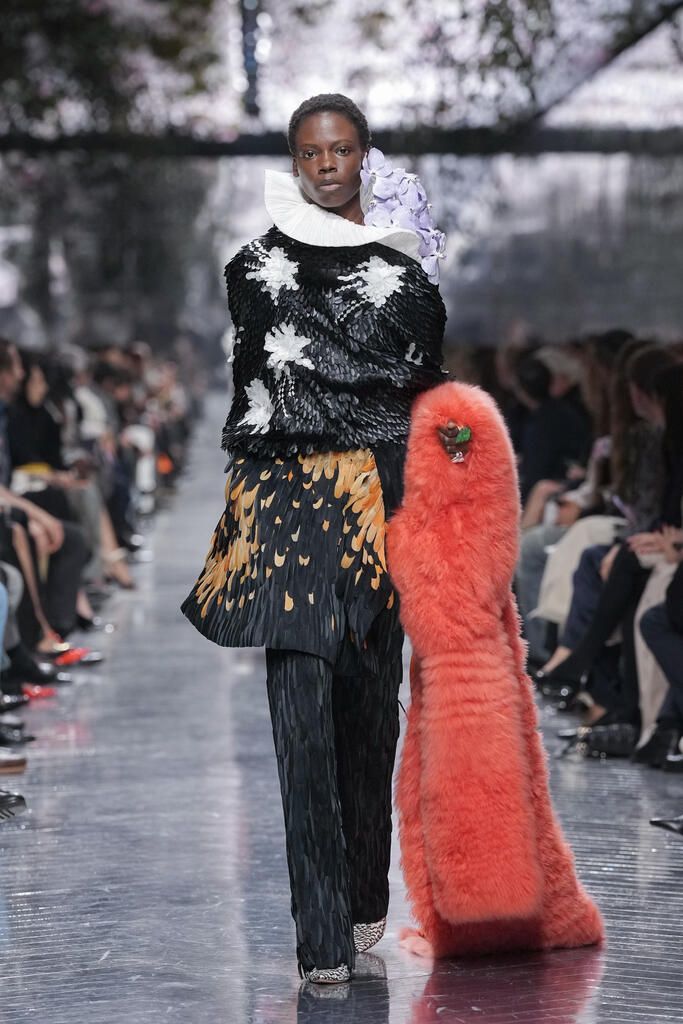
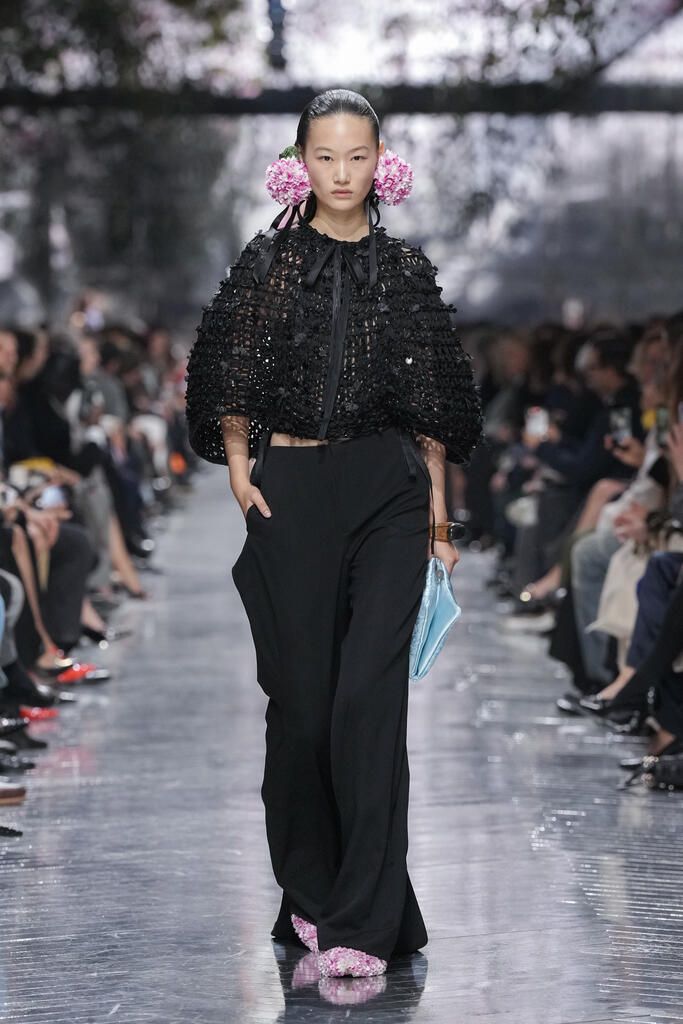
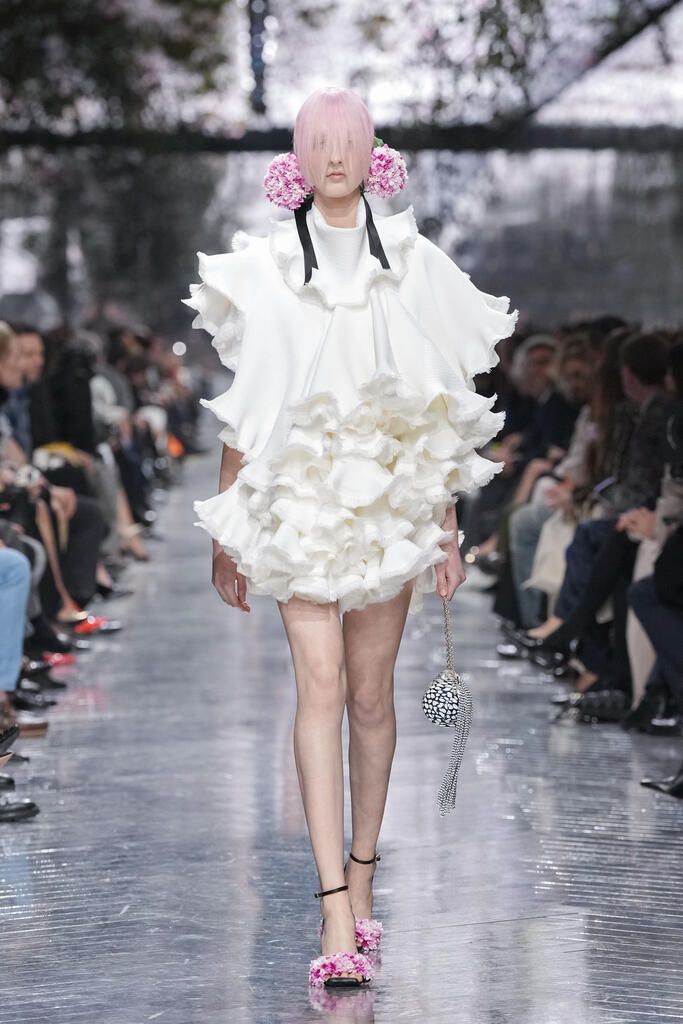
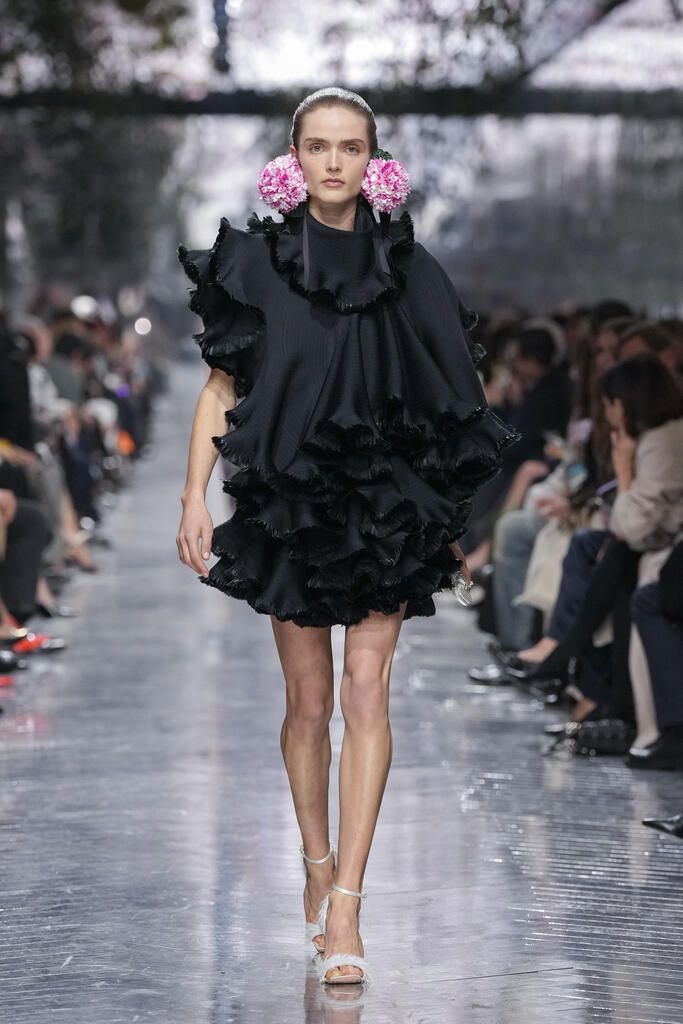
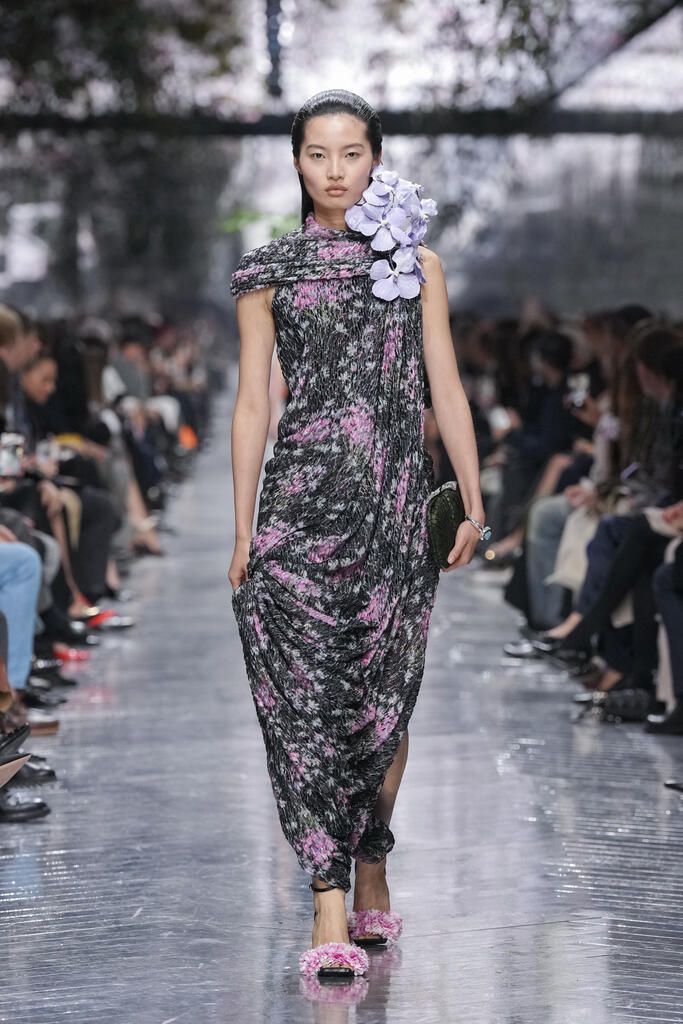
Anderson was determined that Galliano see every single look before it went down the runway. Both to hear his opinion and perhaps make adjustments accordingly, and because the work of Galliano, who led Dior’s collections from 1997 to 2011, had been a guiding light for him since his years of study at the London College of Fashion. Presenting his first Dior collection to him in private, before it reached the media and the rest of the fashion industry, must have felt a bit like an exam for Anderson. One he passed with flying colors, one might add.
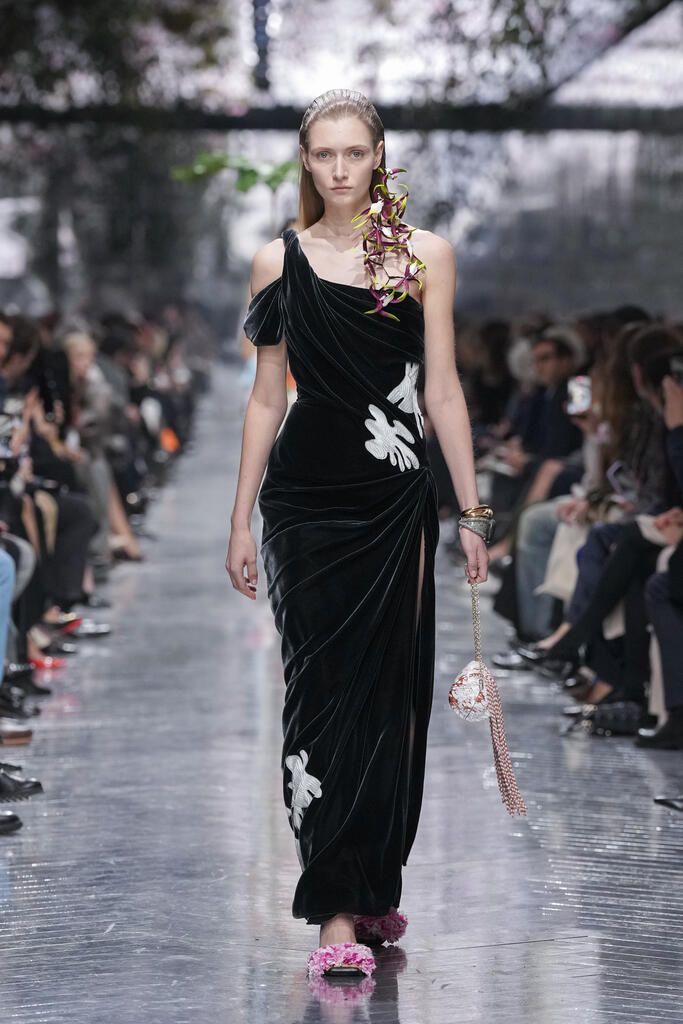
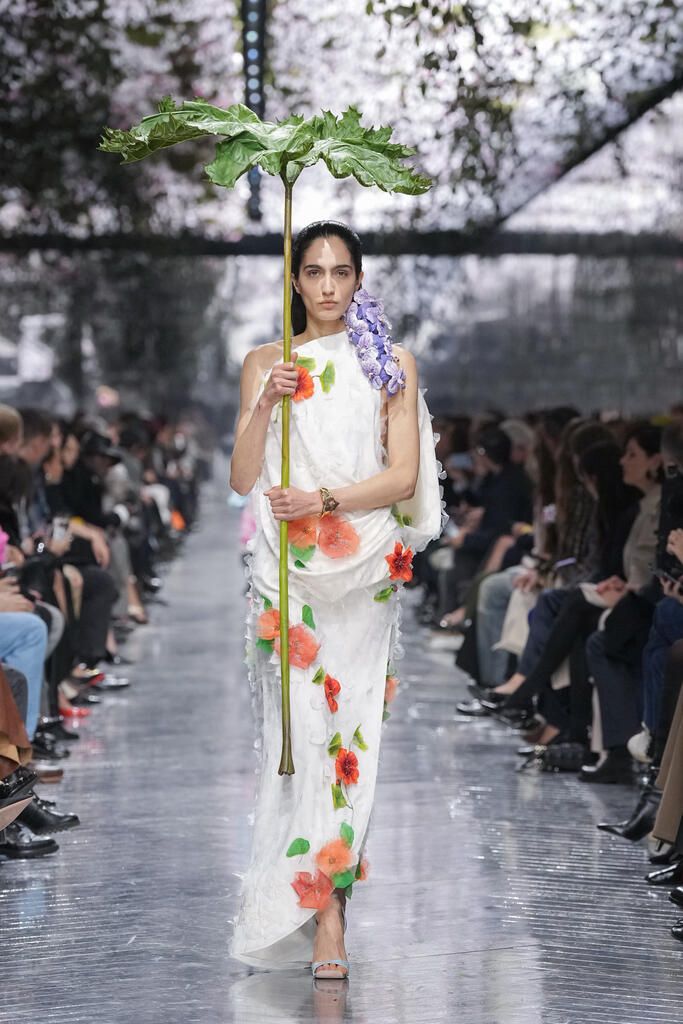
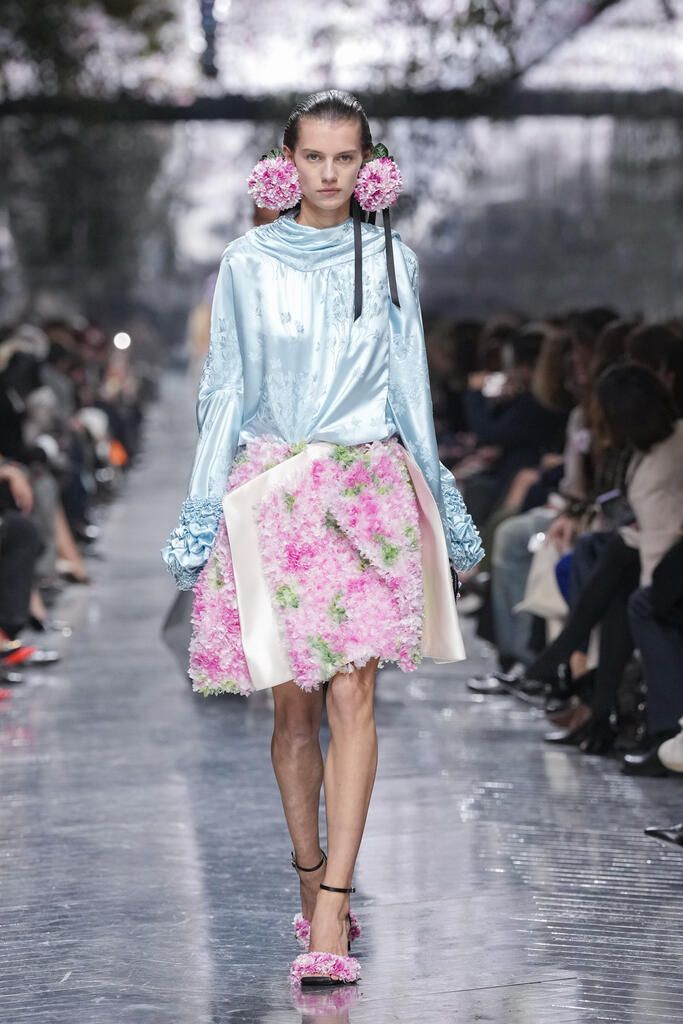
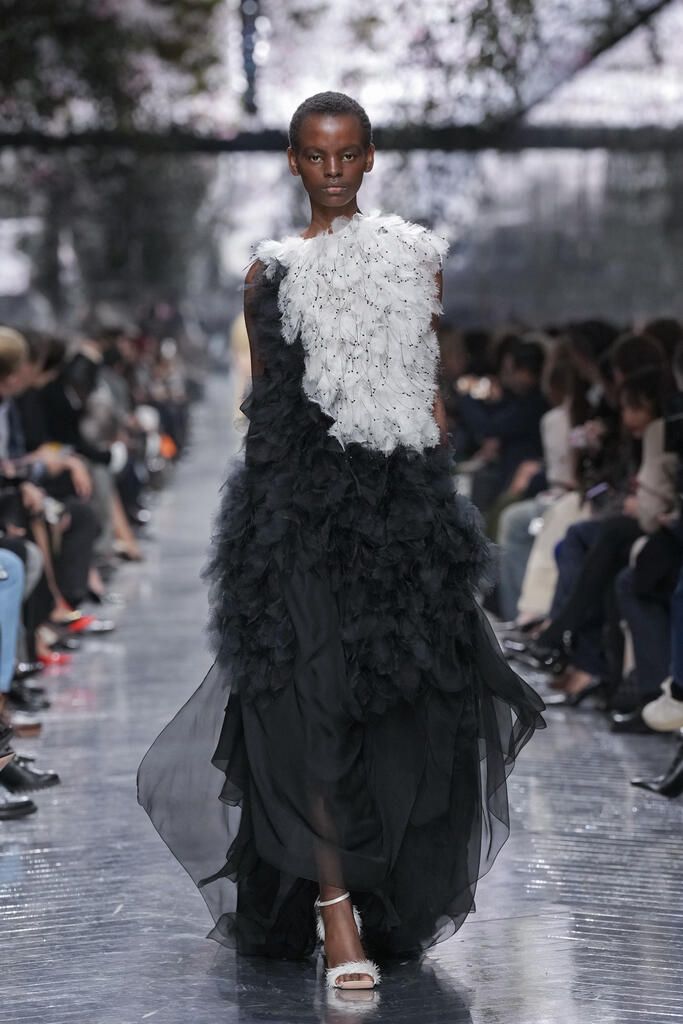
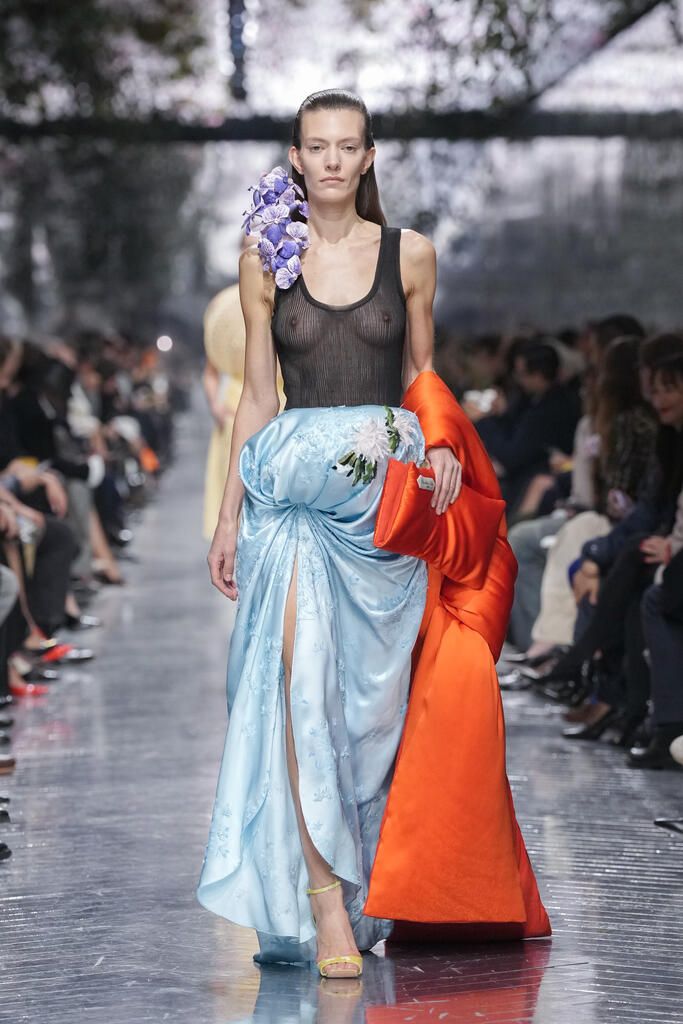
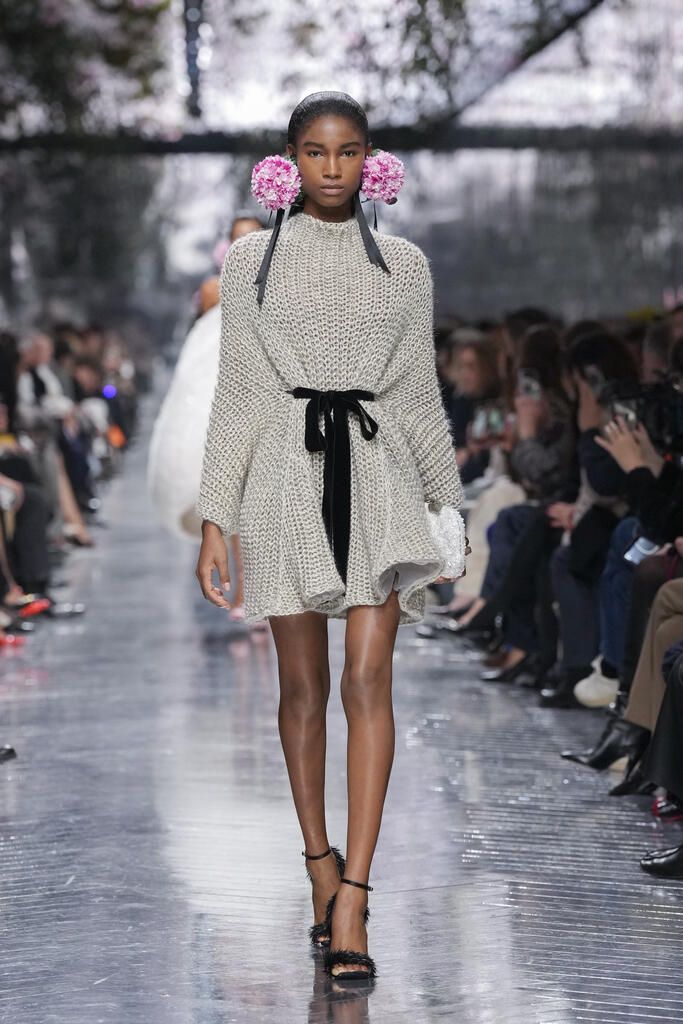
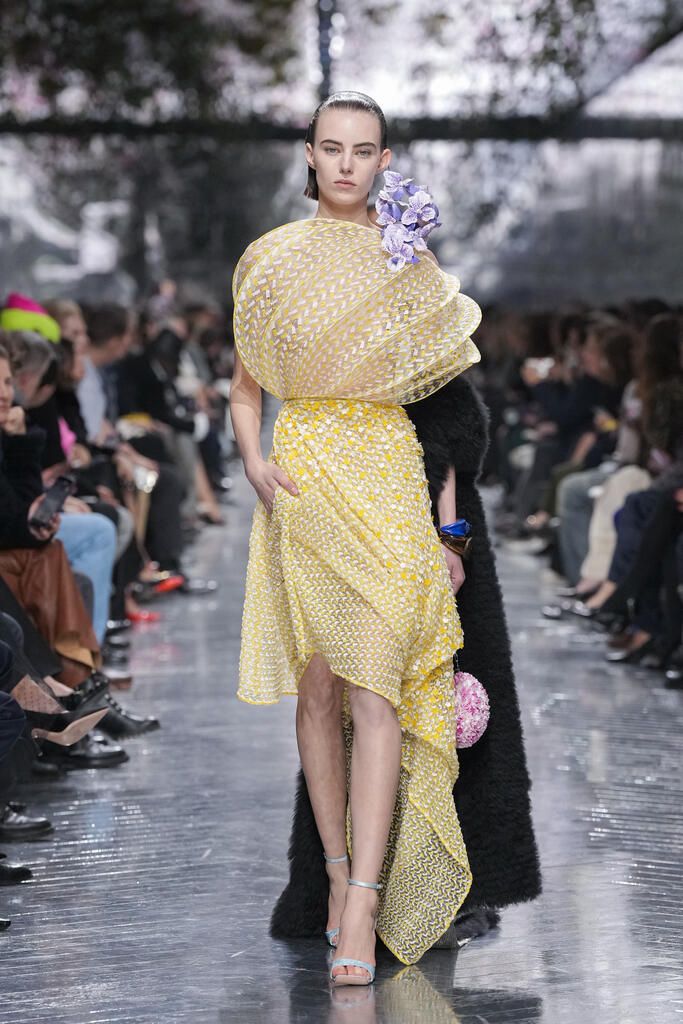
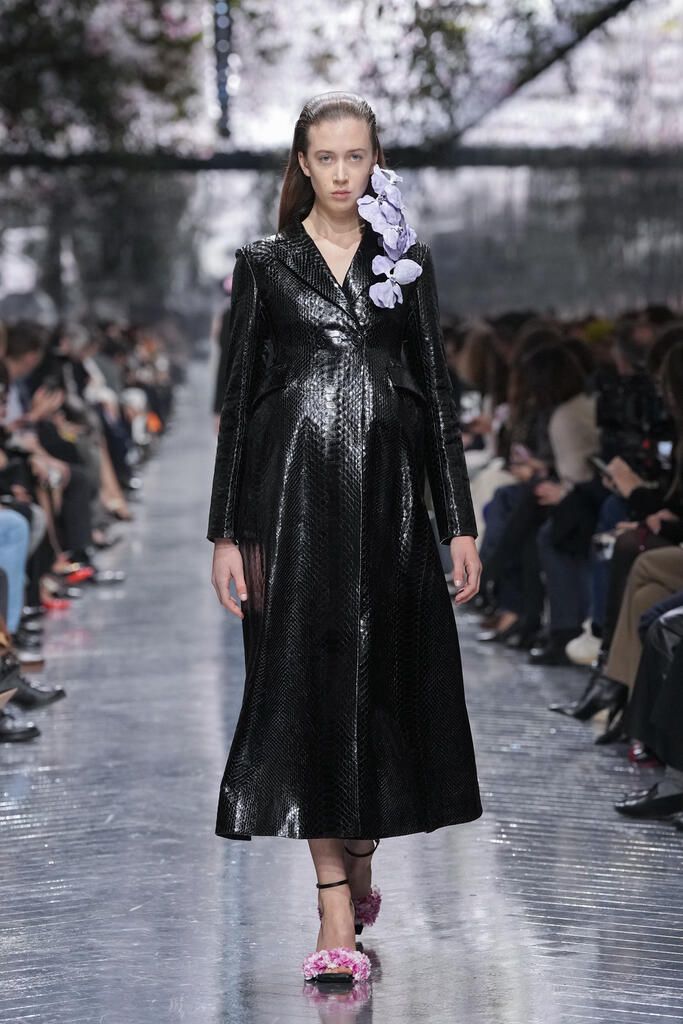
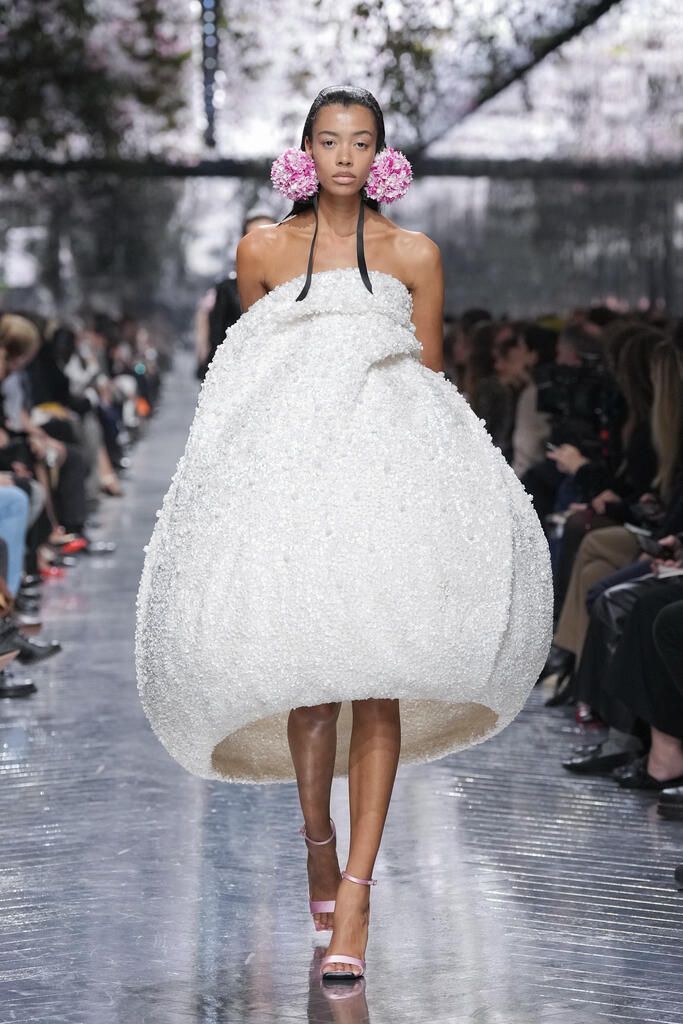
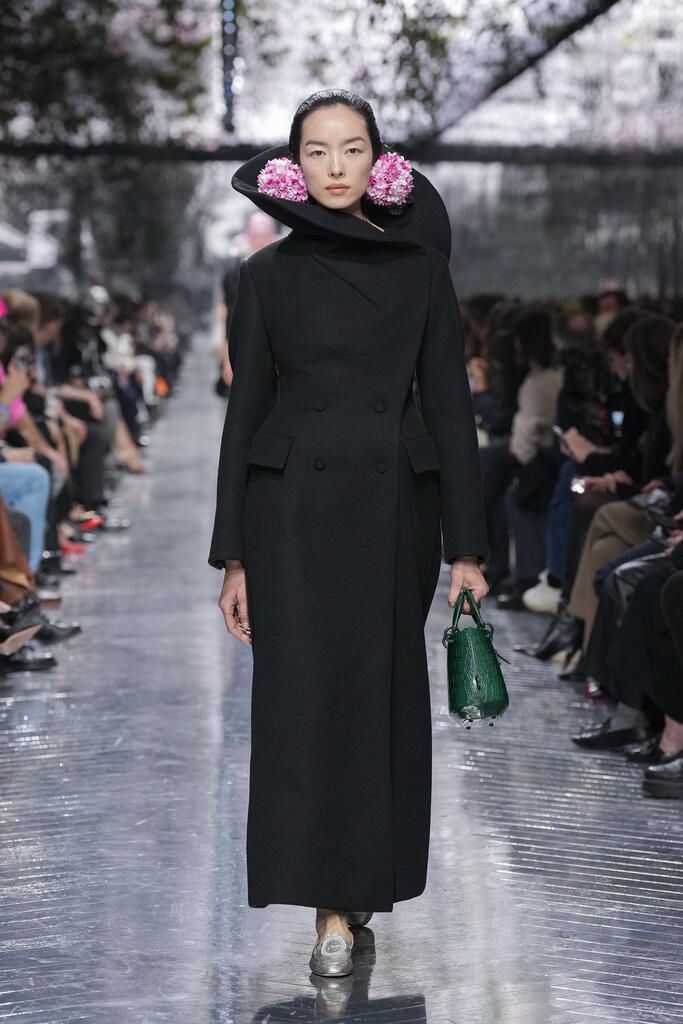
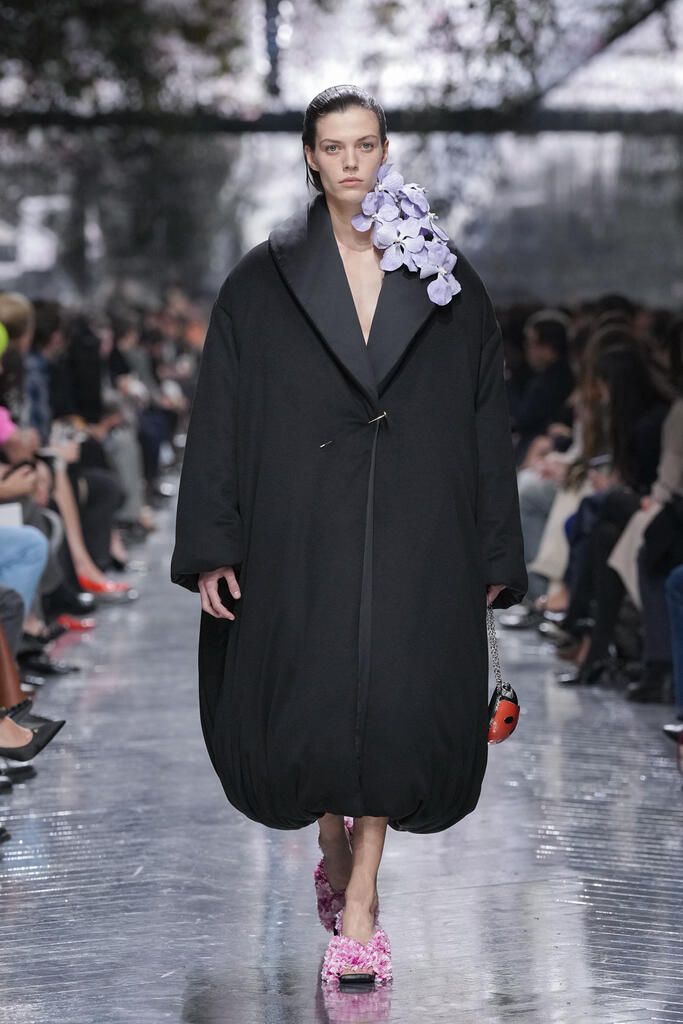
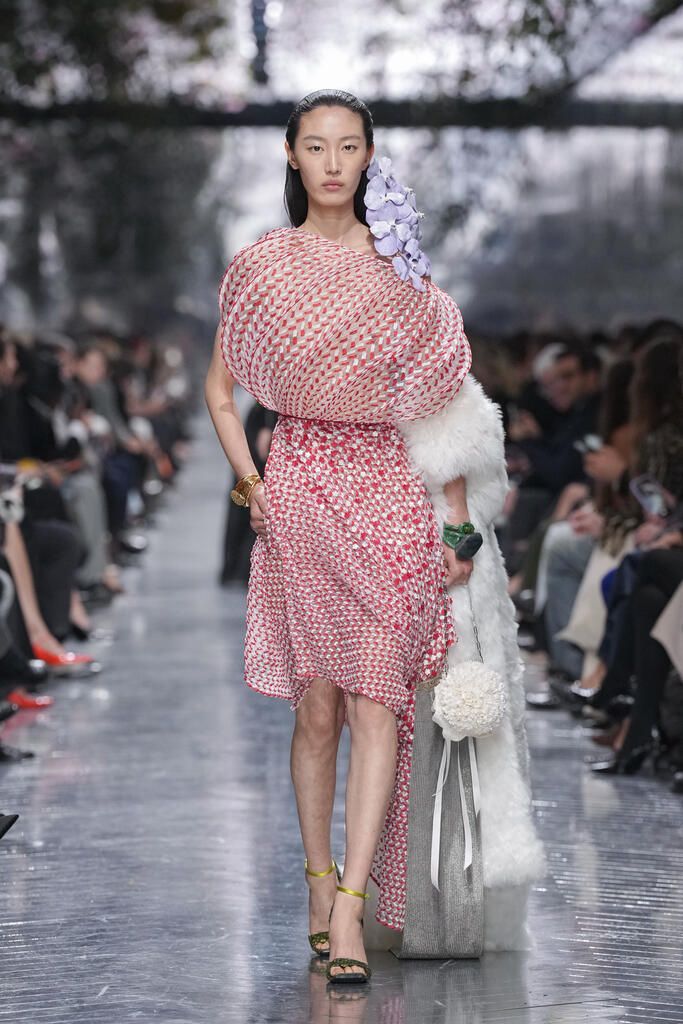
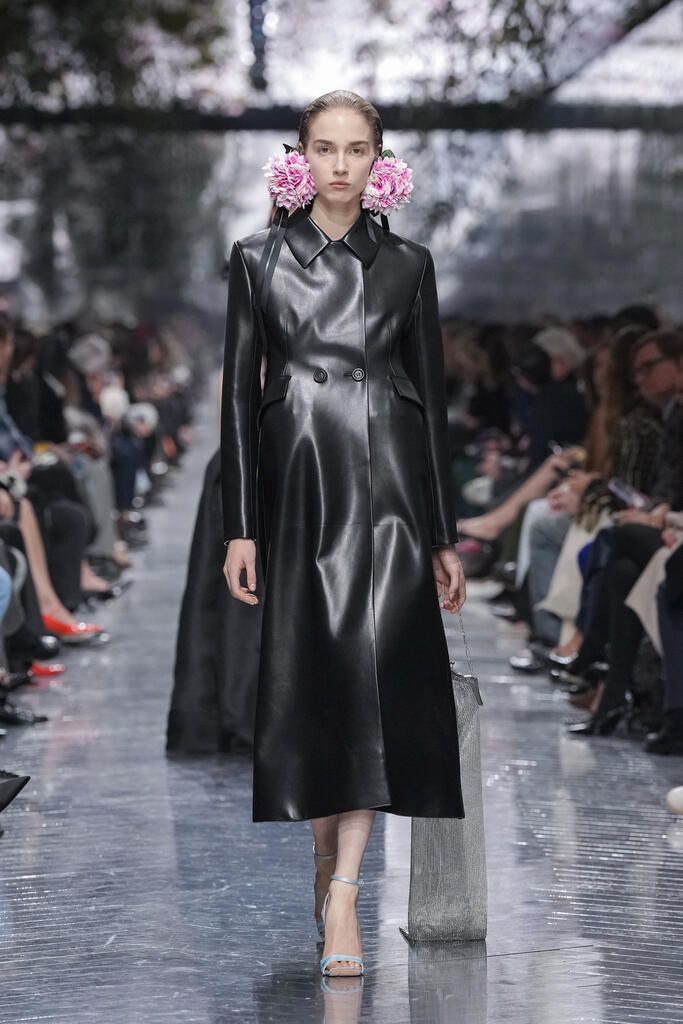
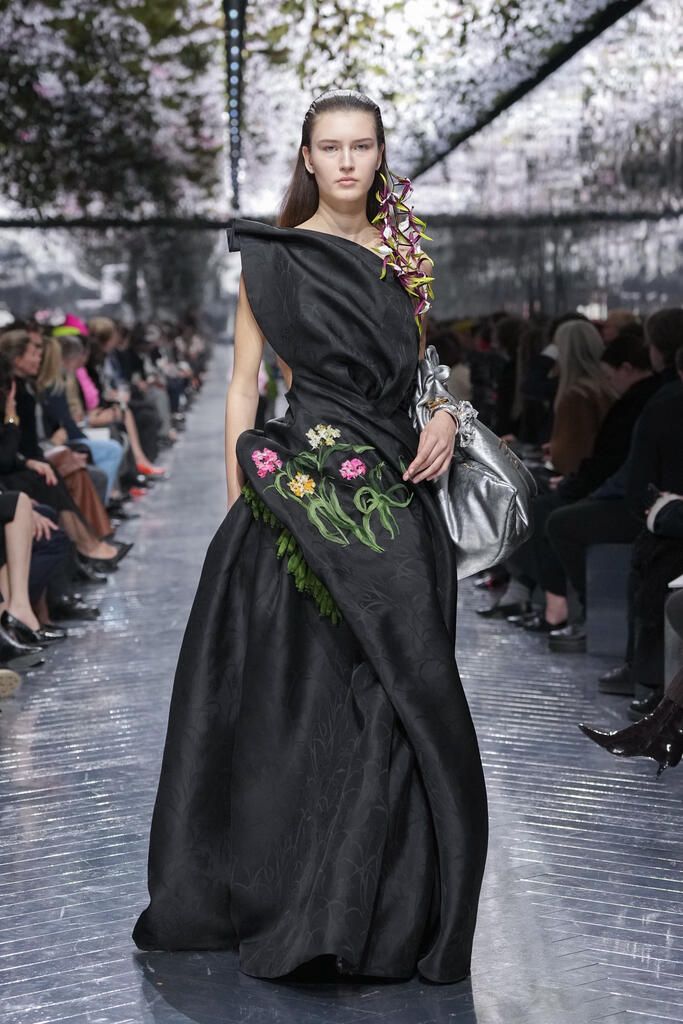
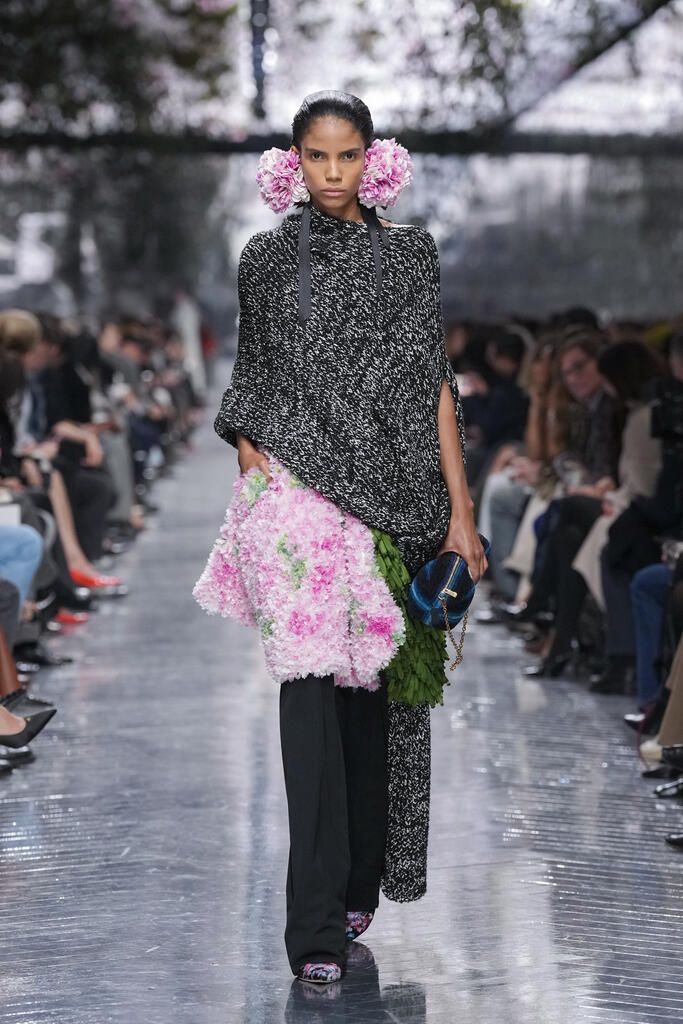
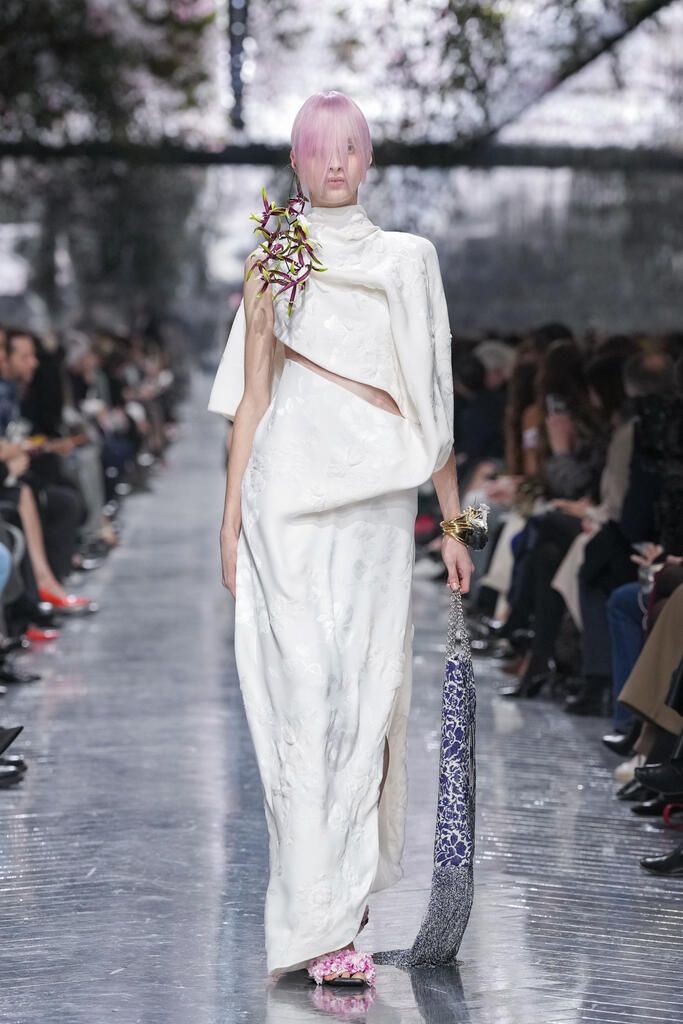
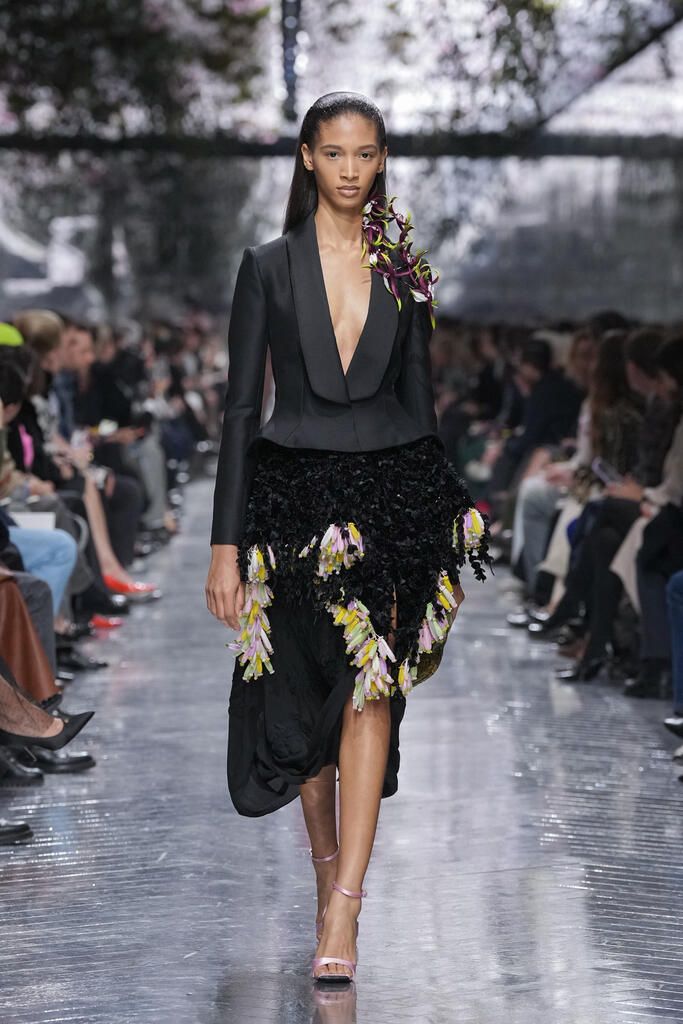
Jonathan Anderson’s Dior Couture Spring Summer 2026 show unfolded beneath a sky of moss and cyclamens, the same flowers featured on the show invitation and used to decorate evening dresses and jewelry. Among wide, airy hourglass silhouettes that somewhat recalled the petal-like shapes Anderson loved to create at Loewe, flowers (not just cyclamens) were the true stars. Orchids of every kind rested on the models’ shoulders, falling in cascades from the earlobe to the chest, while voluminous draping echoed Christian Dior’s historic elongated, diagonal silhouette, sometimes taking on the slender shape of a calla lily, other times the rounded form of a dahlia or a peony.
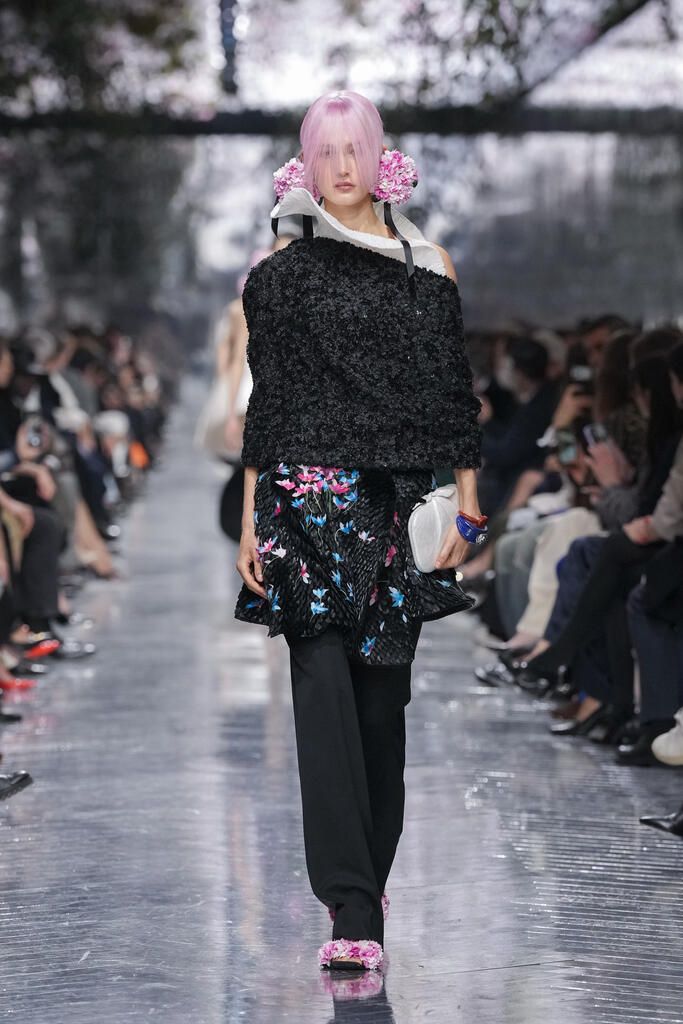
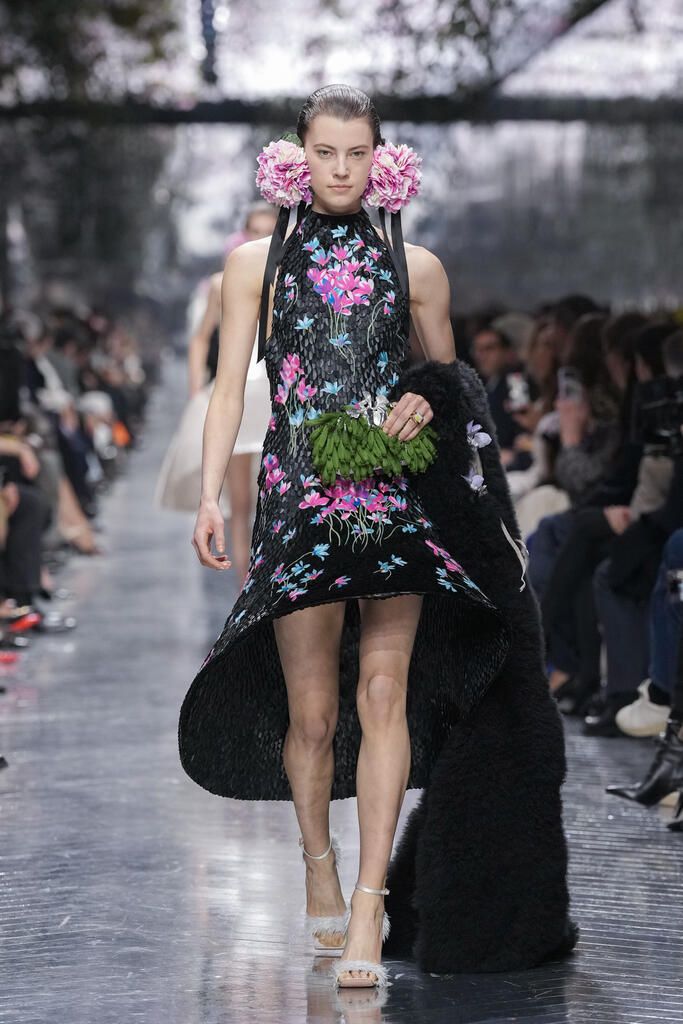
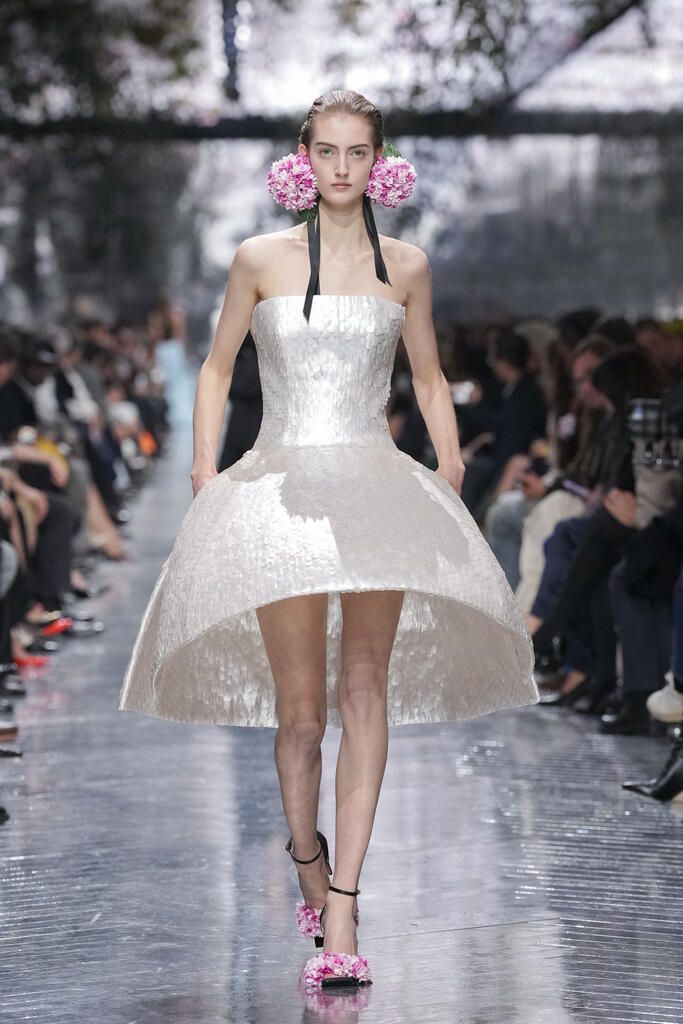
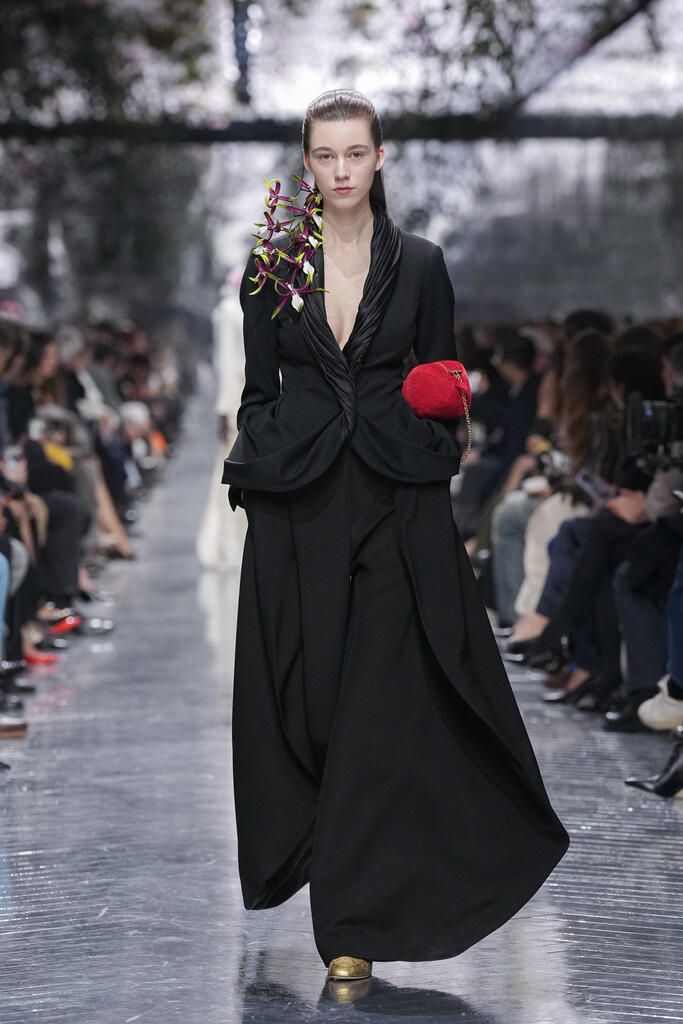
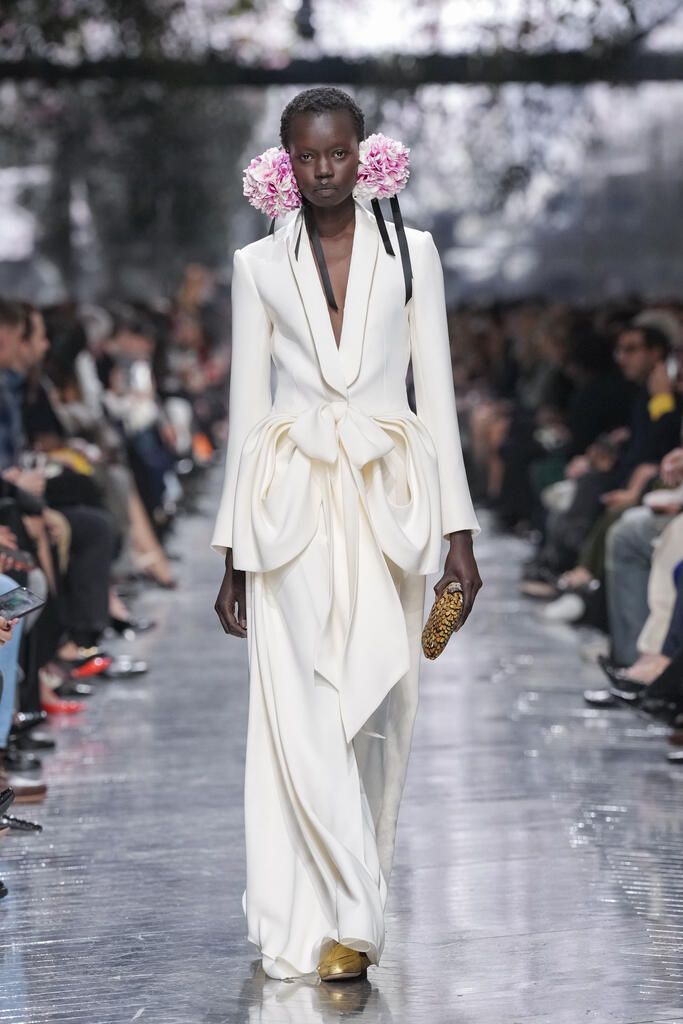
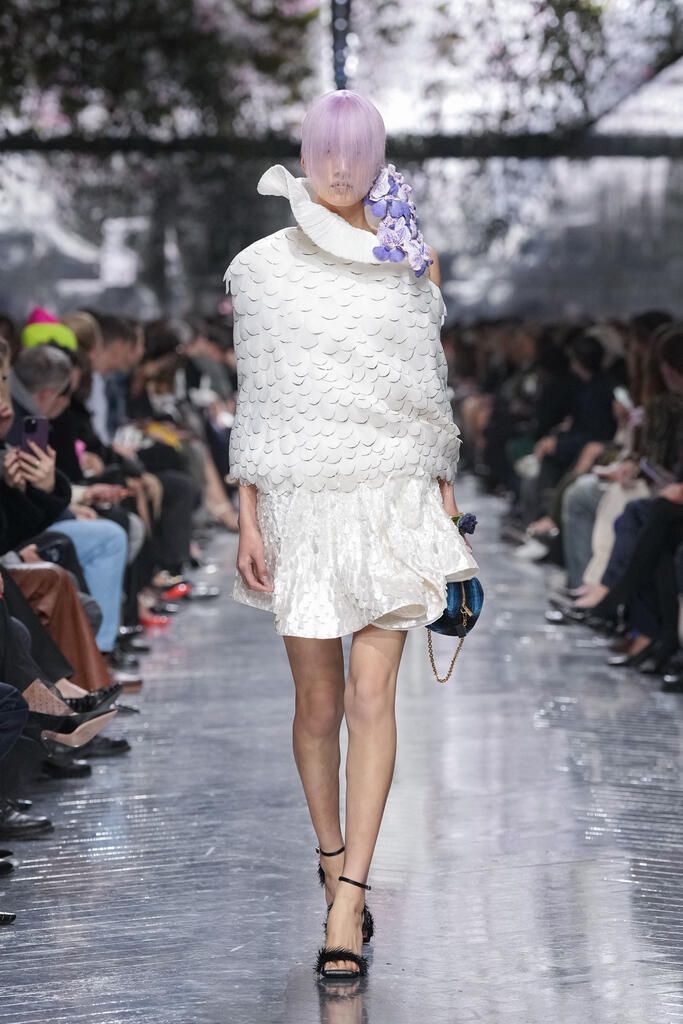
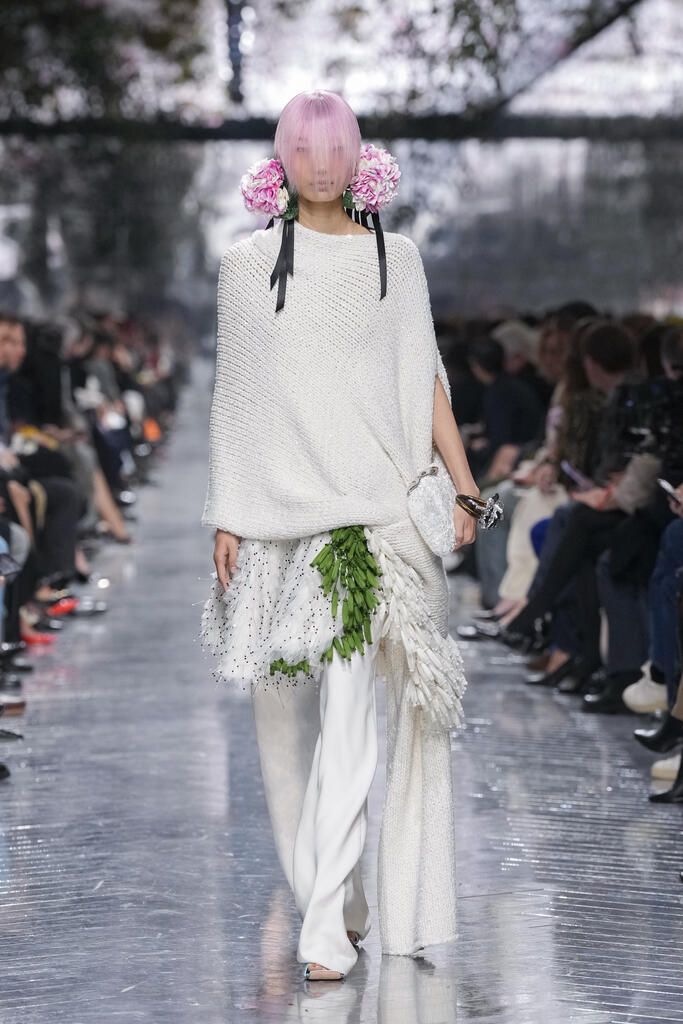
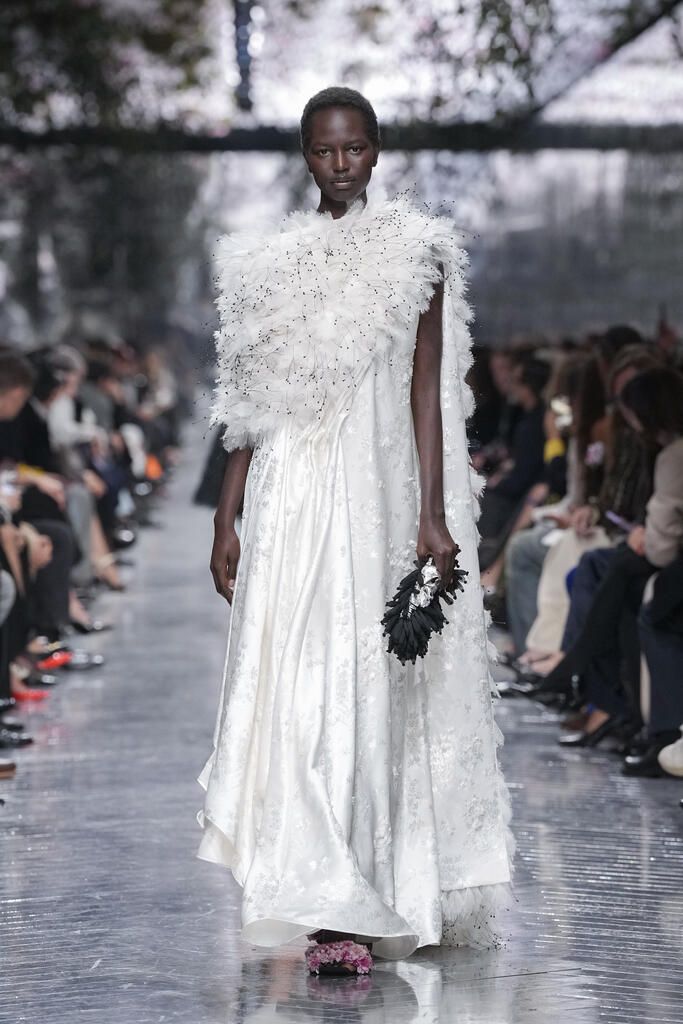
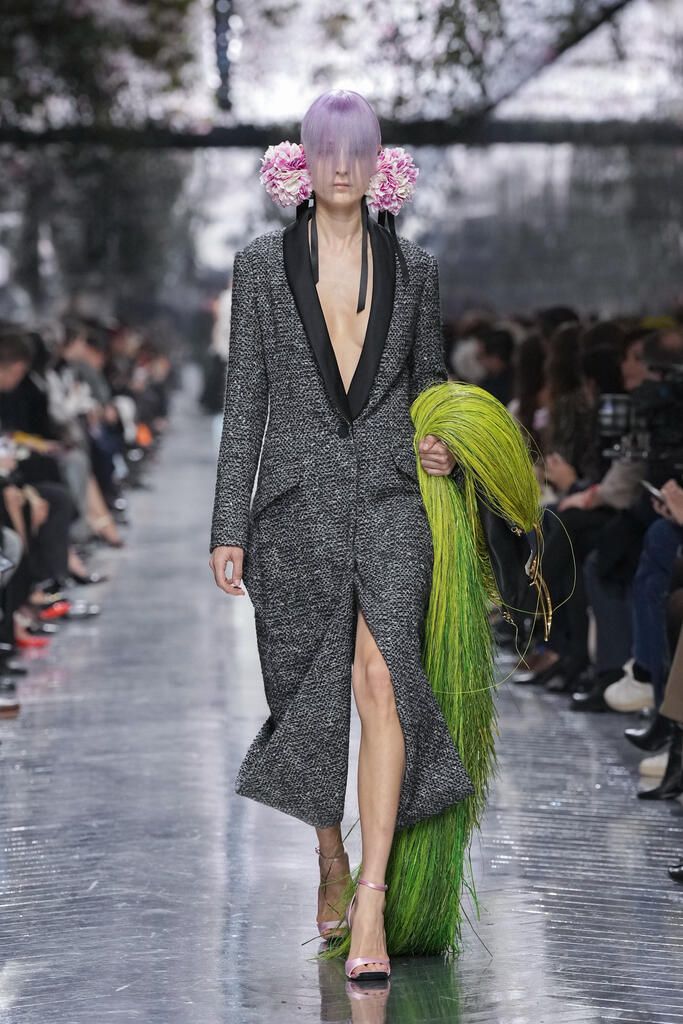
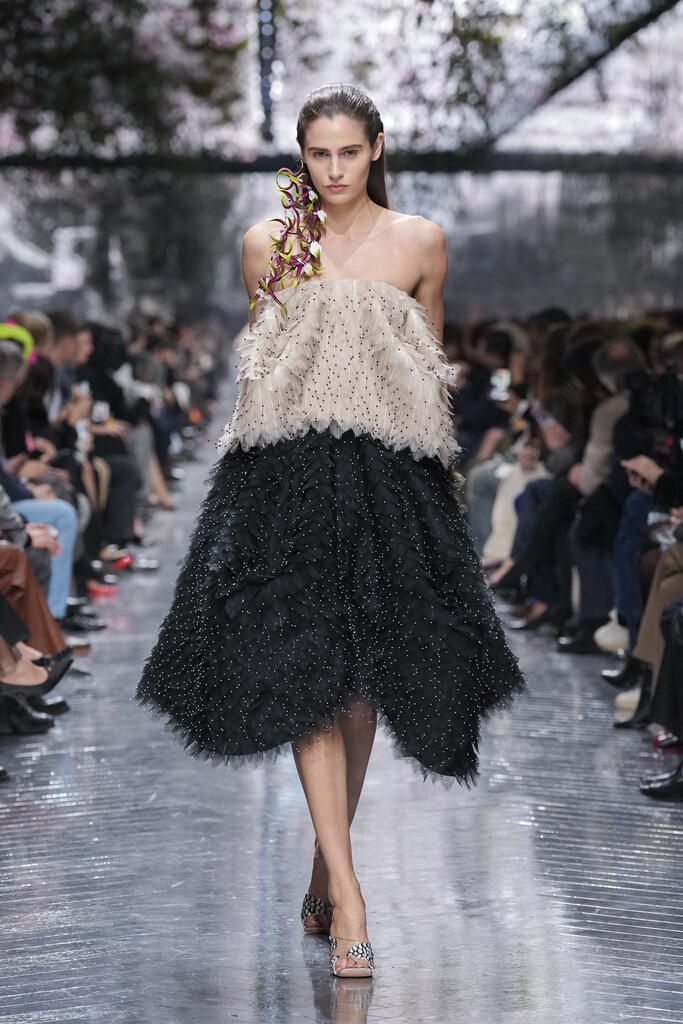
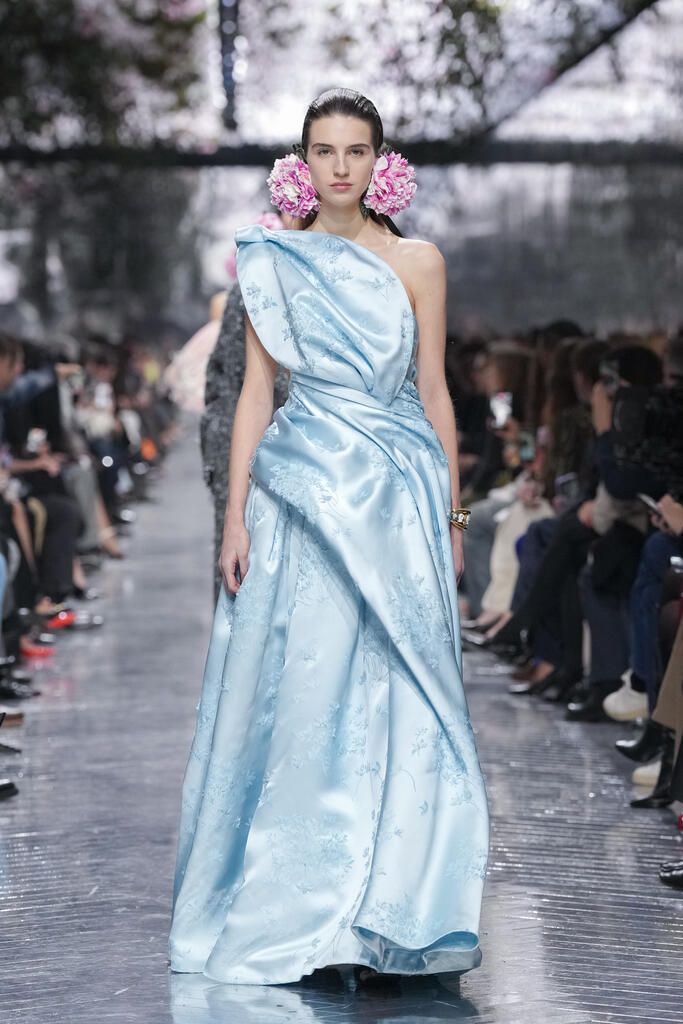
Despite the clear nod to Galliano, hinted at as well in the silk tailored suits, the collection abounds with references to the maison’s founder. Cyclamens bloomed as oversized earrings too, while other petals paid tribute to Dior and his favorite forms. The bows, stitched into the hems of the dresses, revive a clear signature code of the Maison, as well as a detail Anderson had already experimented with in the Ready-To-Wear. And although most of the garments were stiff like flower stems, some embraced the softness and roundness the founder favored, at times even gathering at the ankles as the dresses designed by Yves Saint Laurent in the 1960s once did.
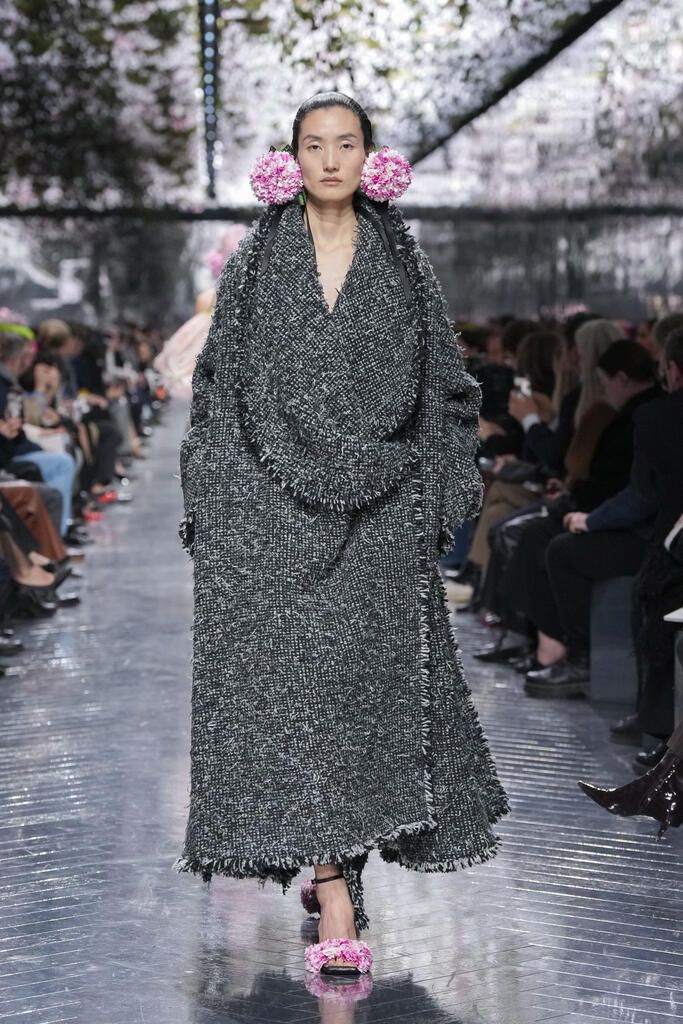
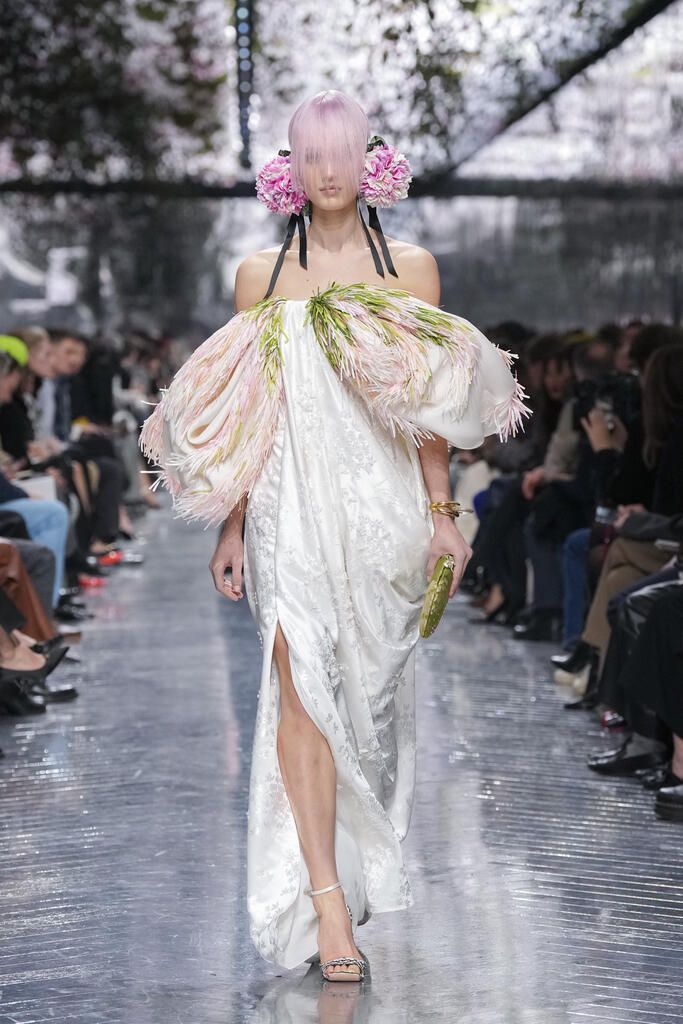
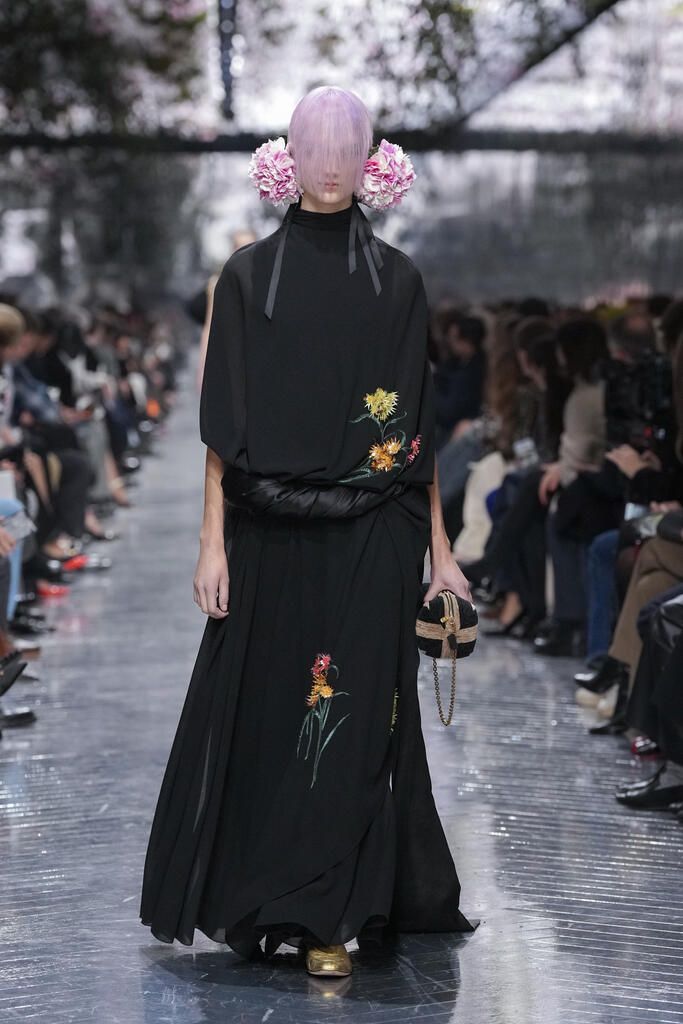
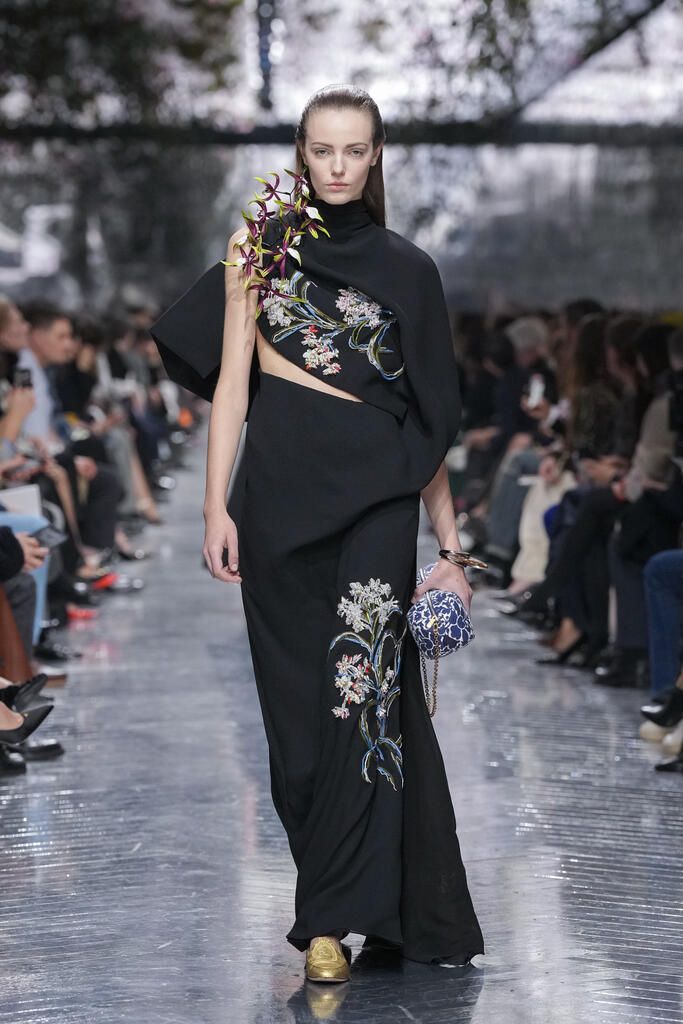
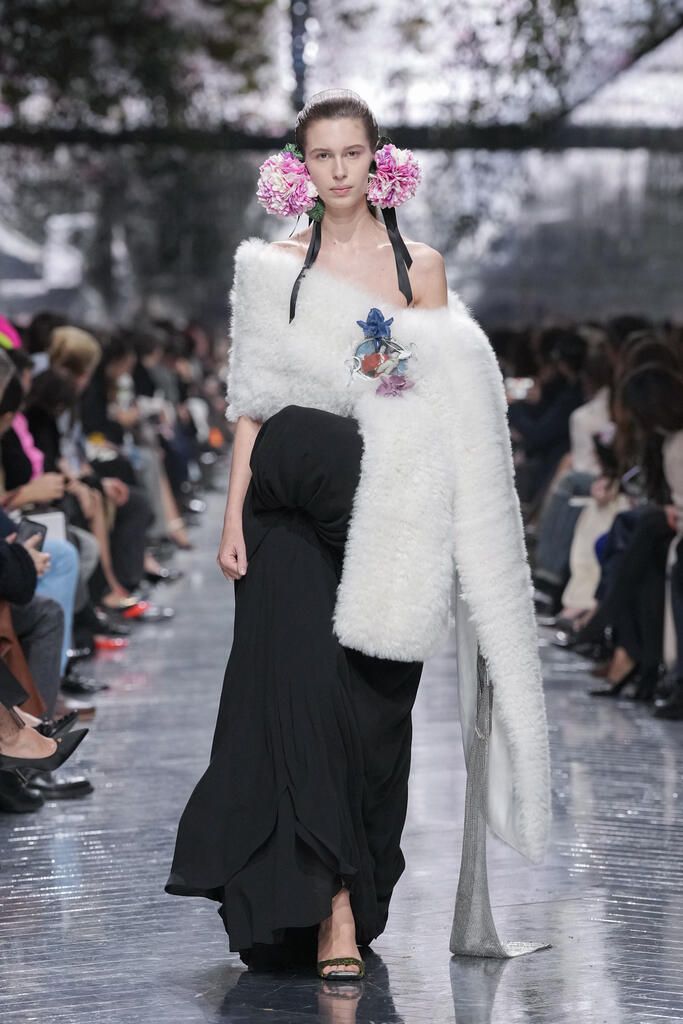
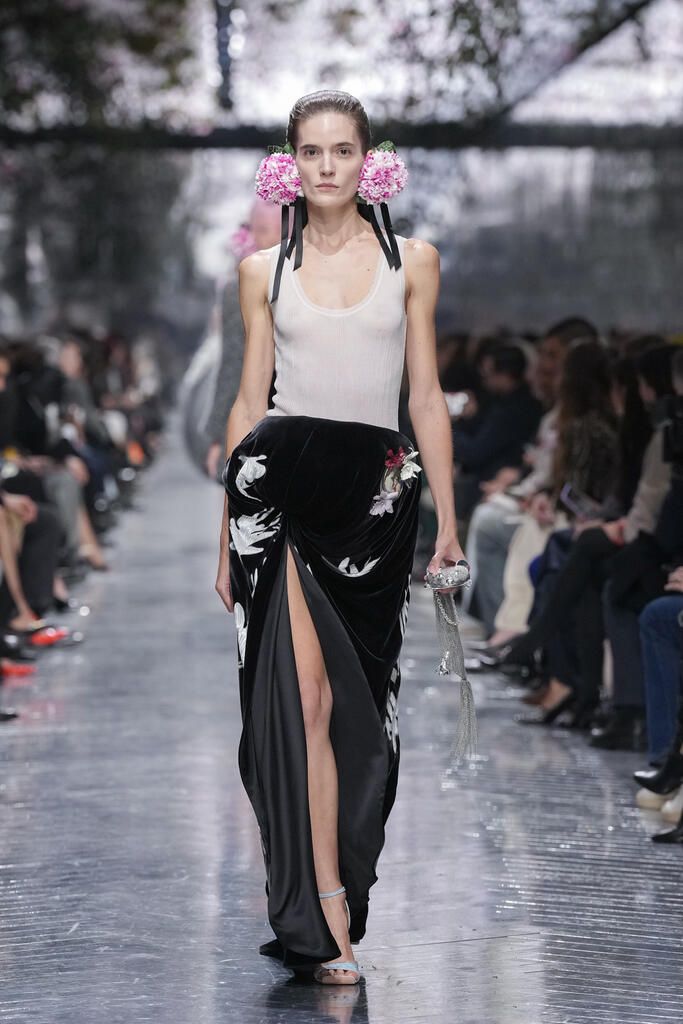
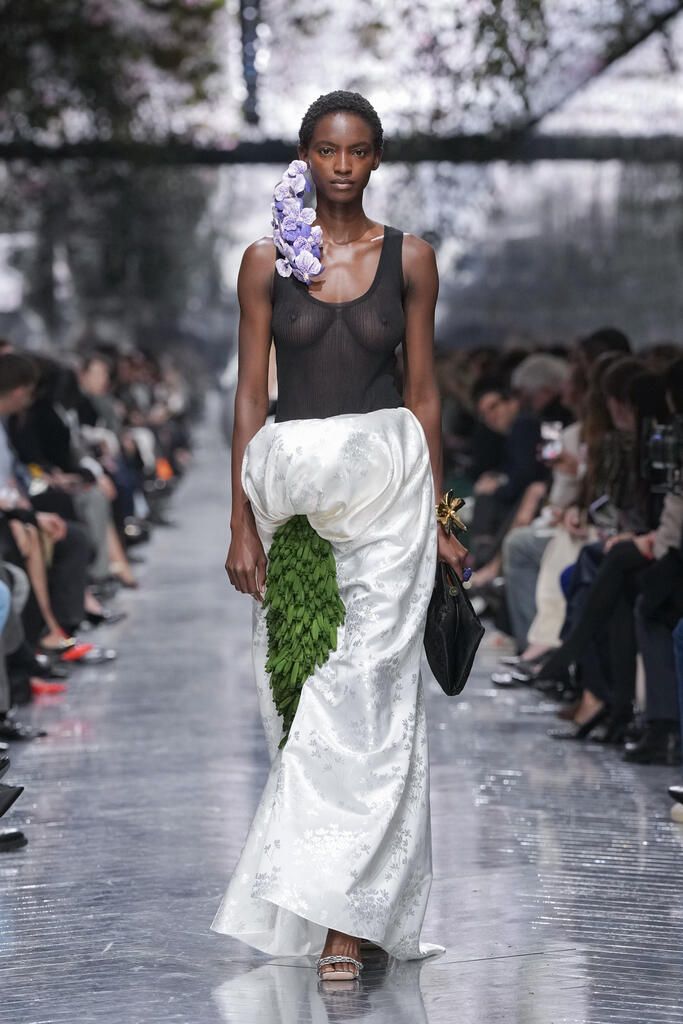
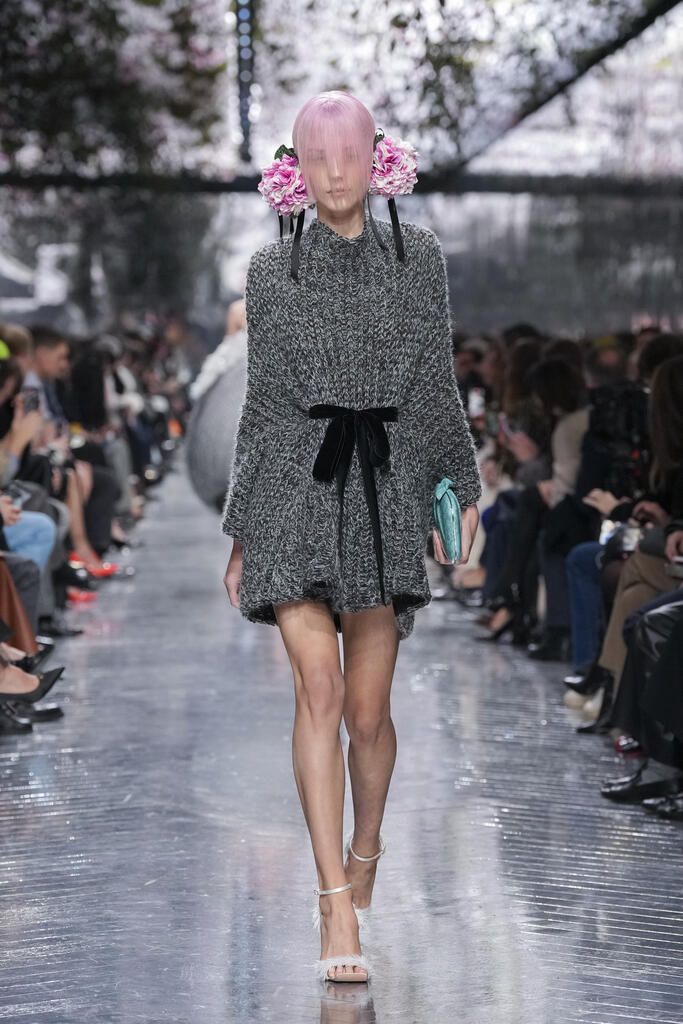
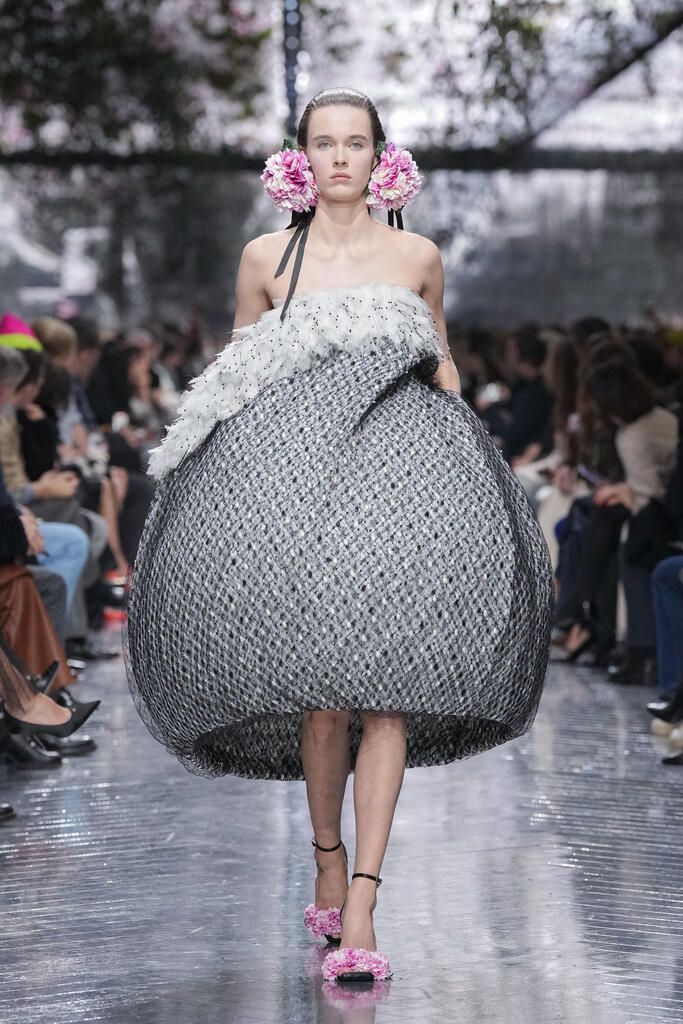
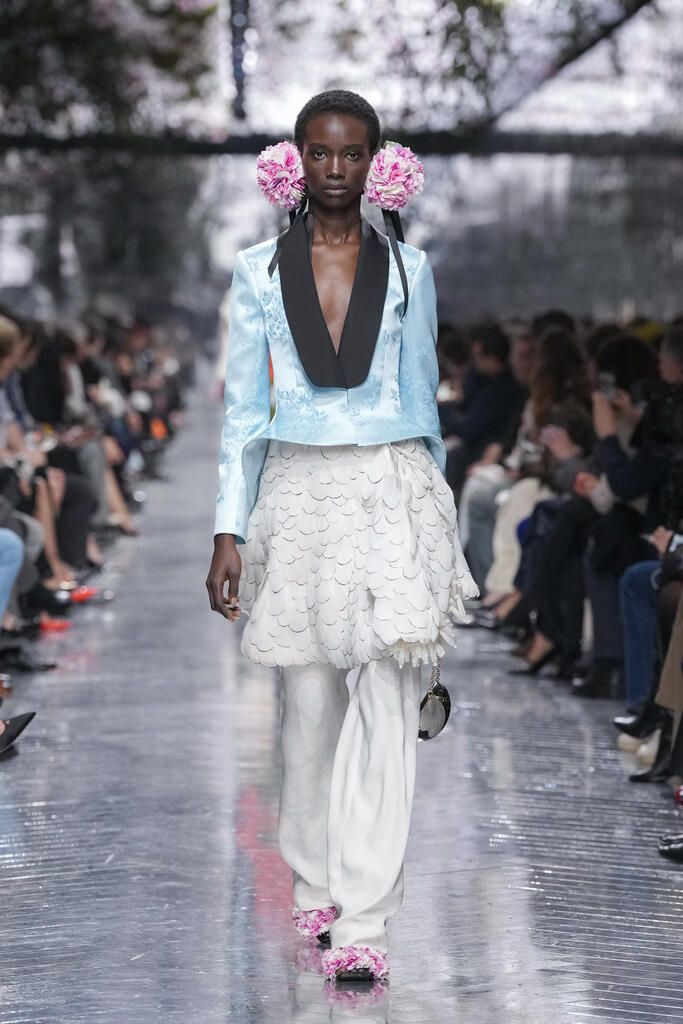
If the way Galliano used flowers and embroidery for Dior was theatrical and dramatic, oftentimes so inspired by East-Asian culture that today it could easily be accused of appropriation, Anderson looks to the work of one of his predecessors and approaches the natural world without risking missteps. After Maria Grazia Chiuri’s warriors, Anderson has chosen for Dior a creative direction that is simply one of sublime, unquestionable elegance. Surrounding the garments were accessories that were not only adorable but highly covetable, from pillow-like clutches to those adorned with colorful stones, from bags covered in very long bundles of grass to jewel-like straps shaped like bees and ladybugs, as well as bracelets inspired by the work of Kenyan ceramicist Magdalene Odundo.
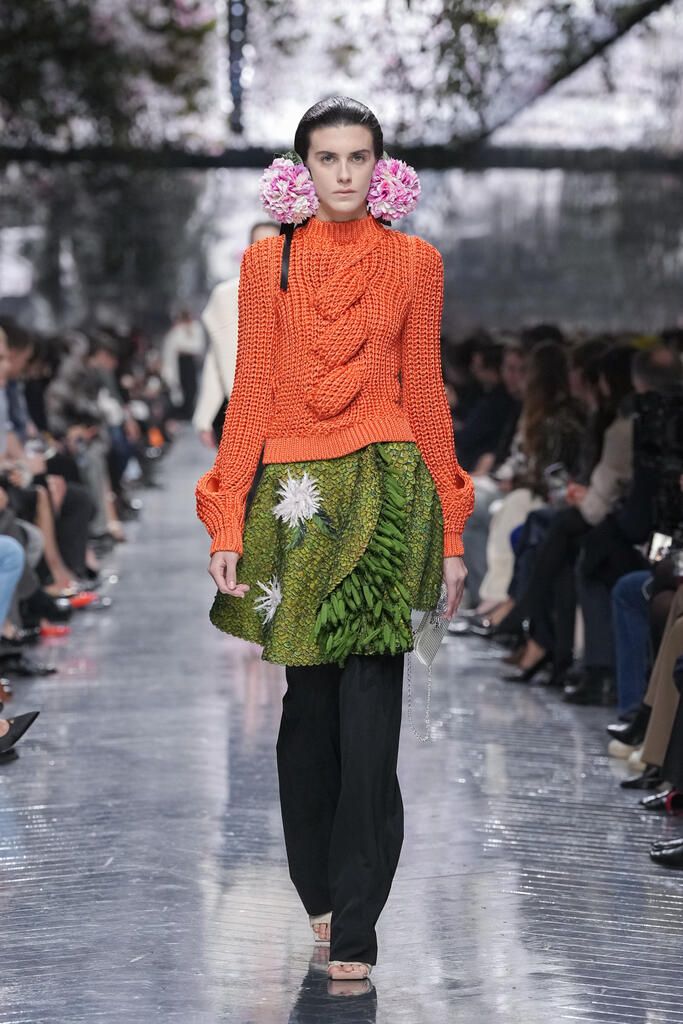
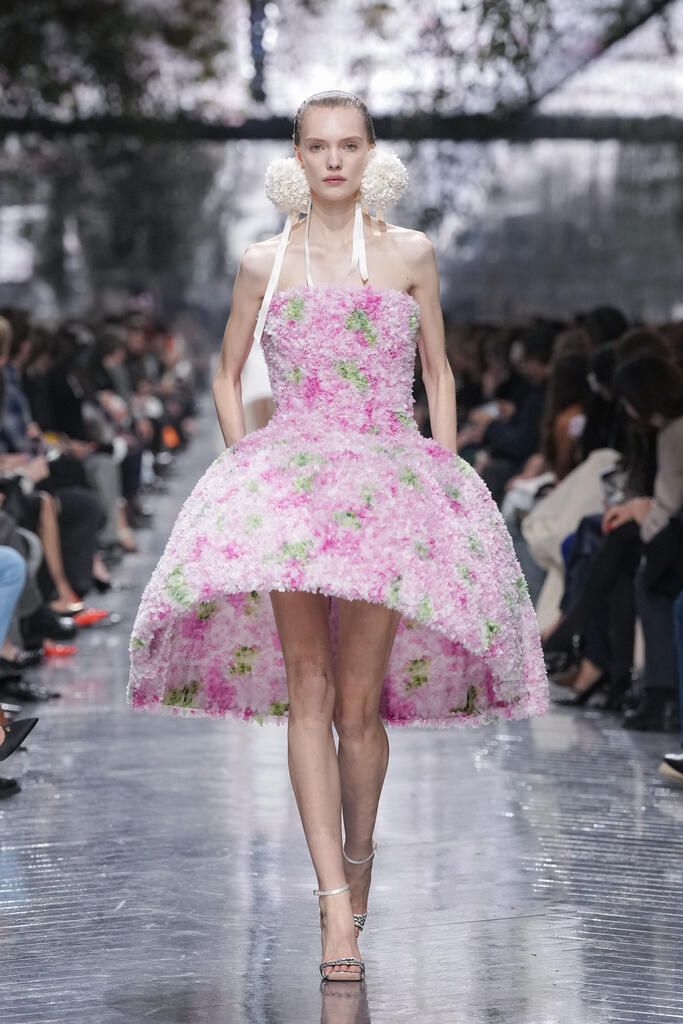
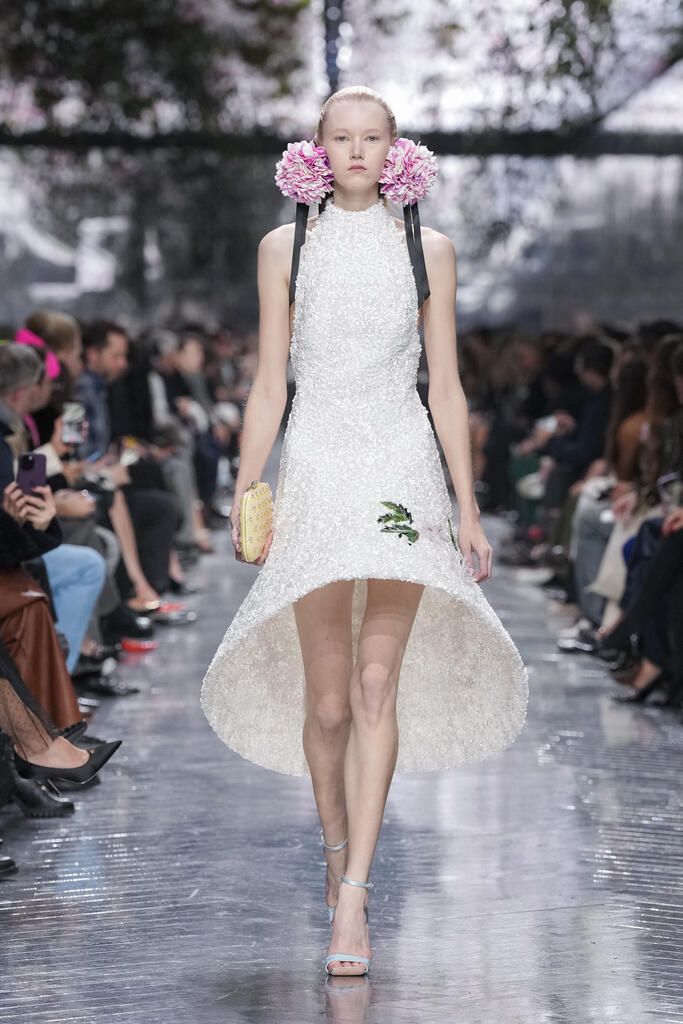
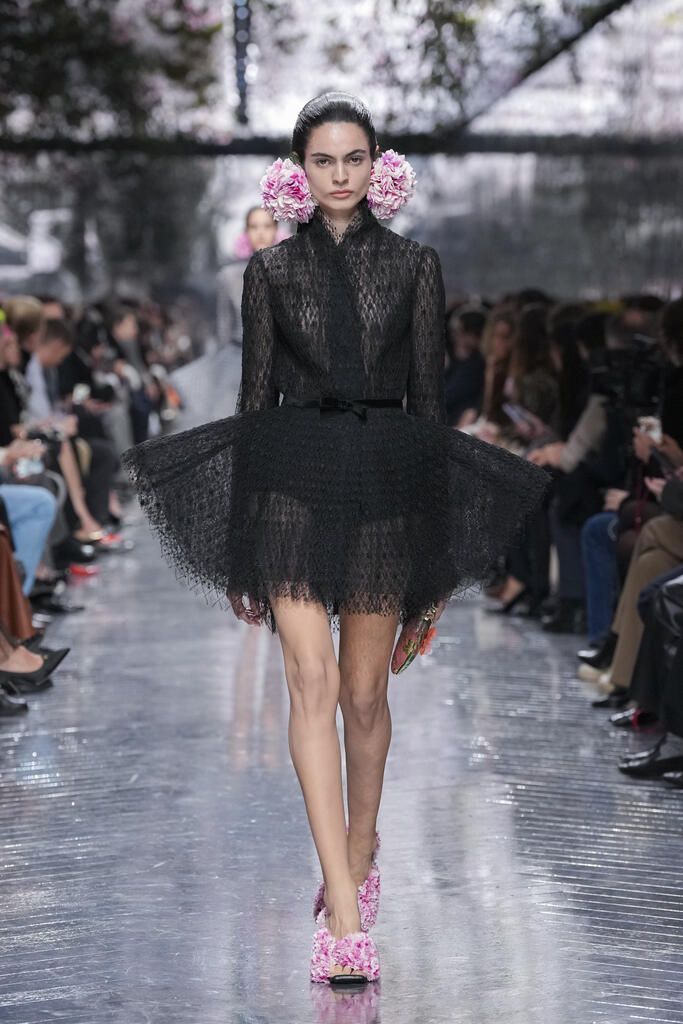
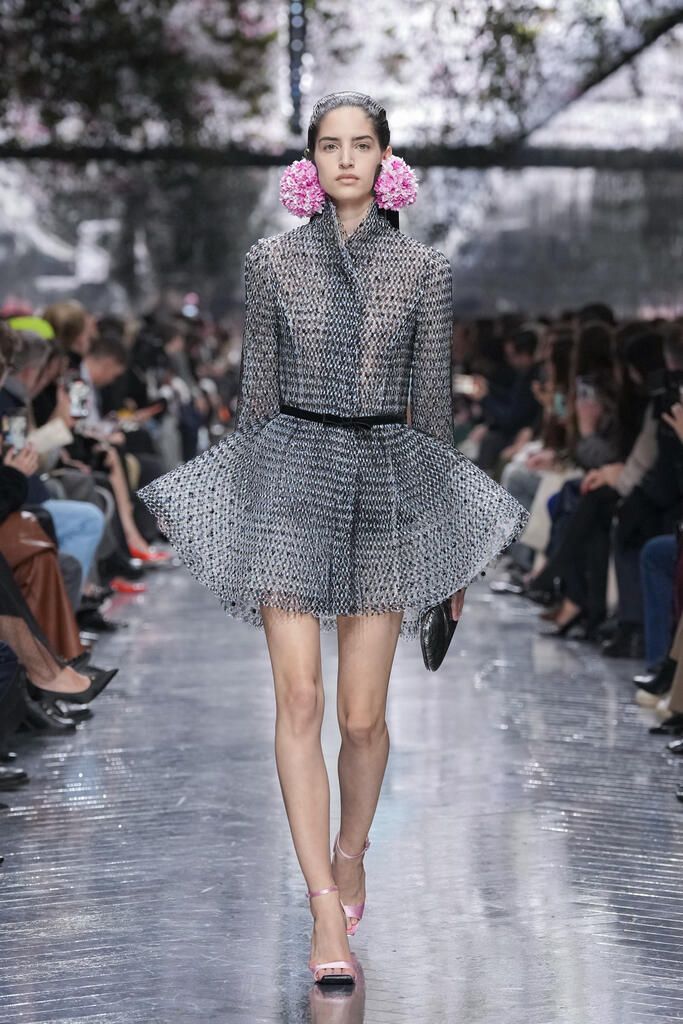
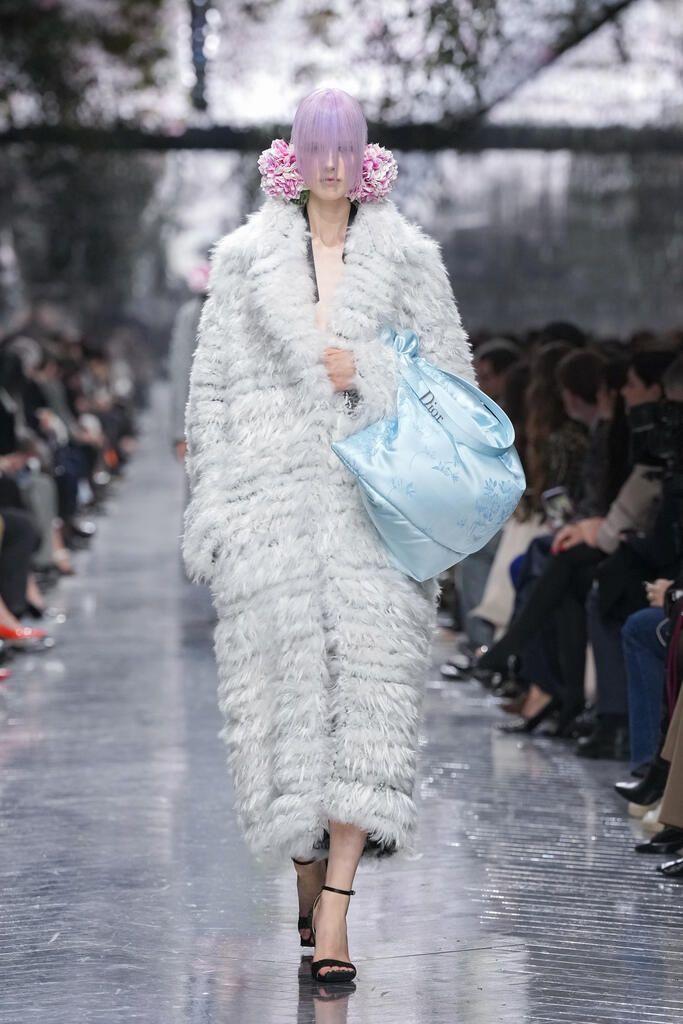
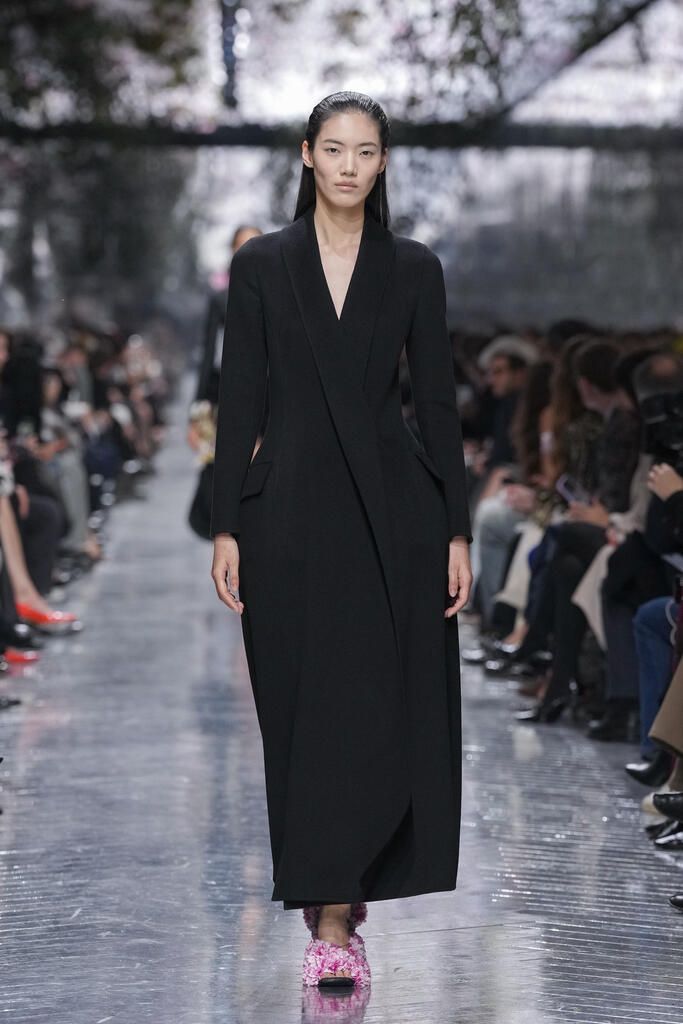
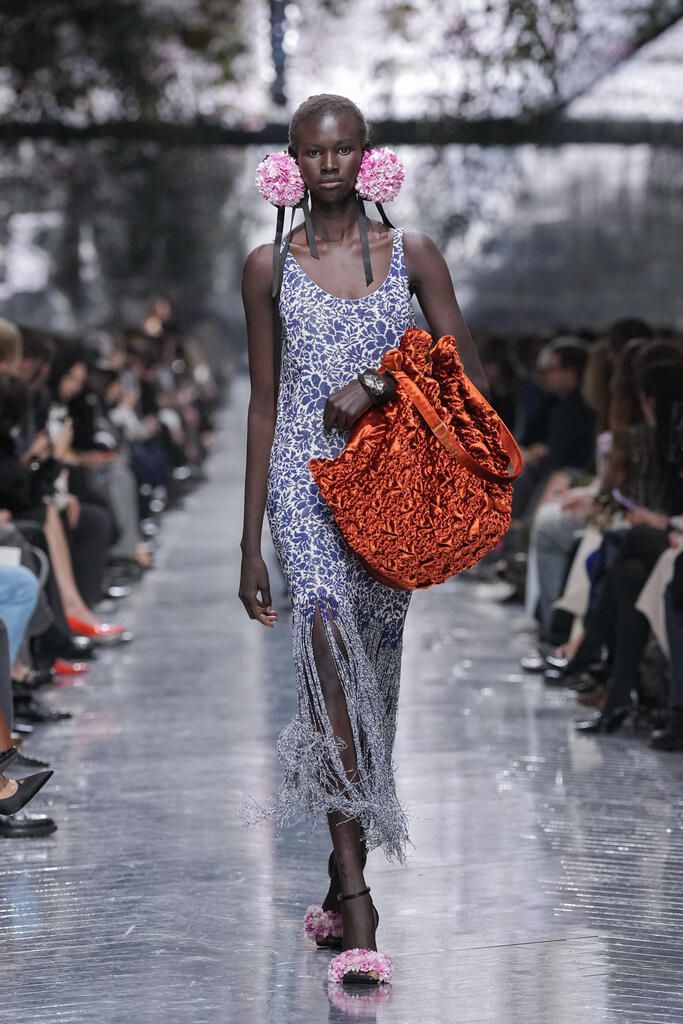
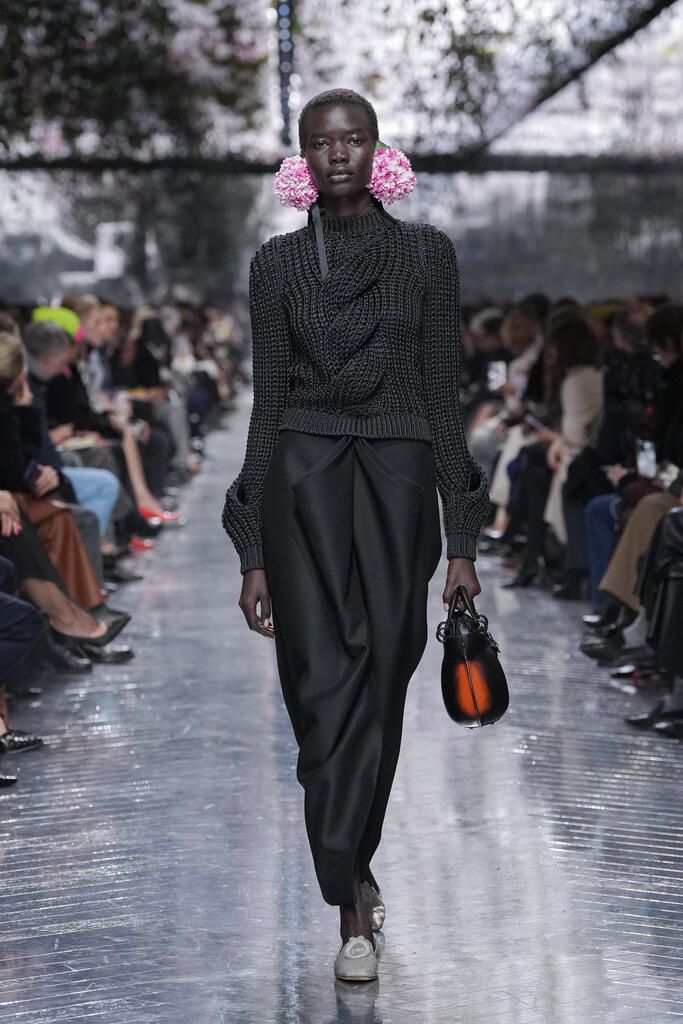
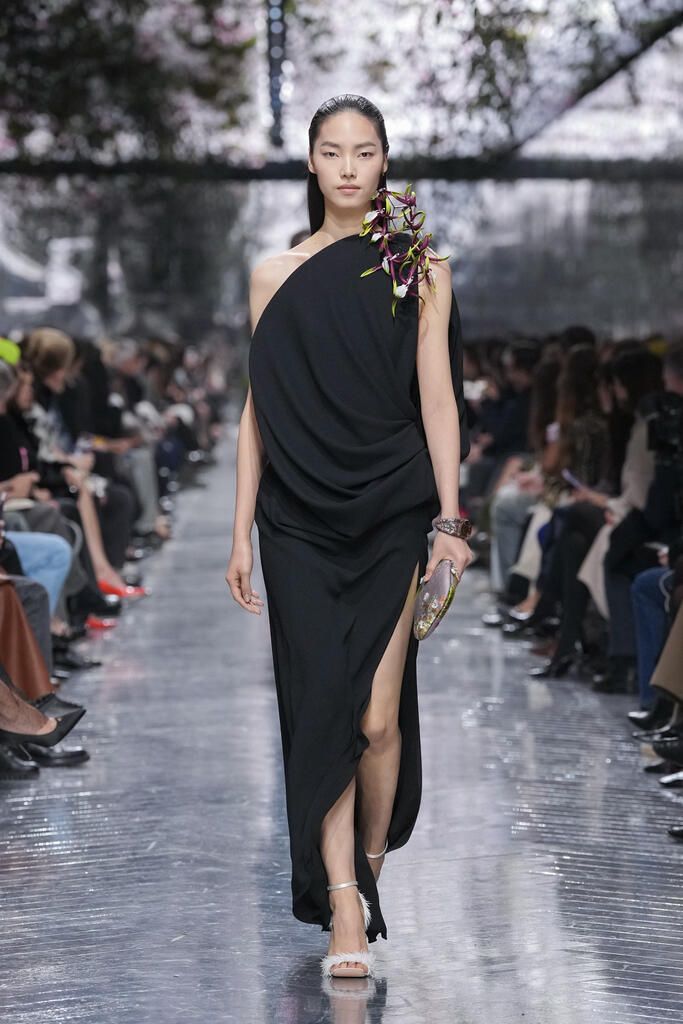
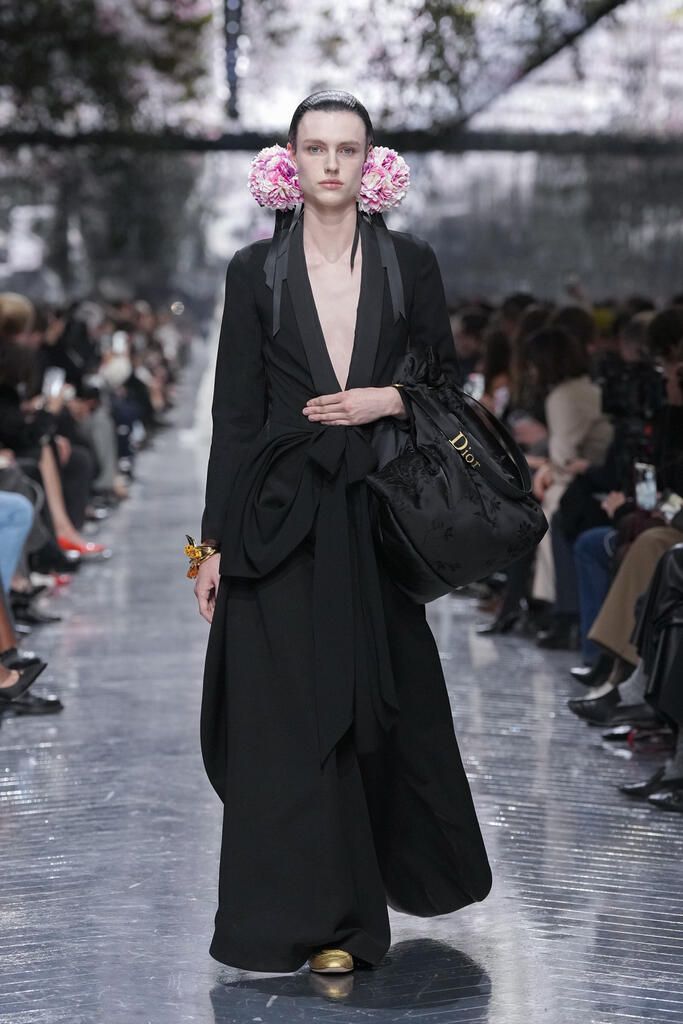
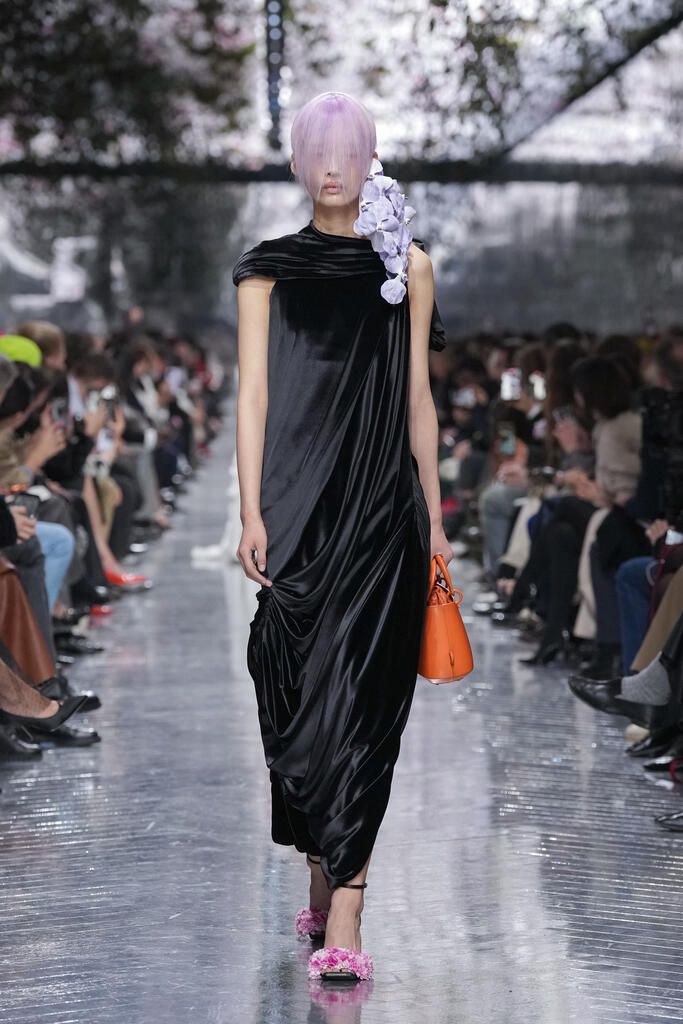
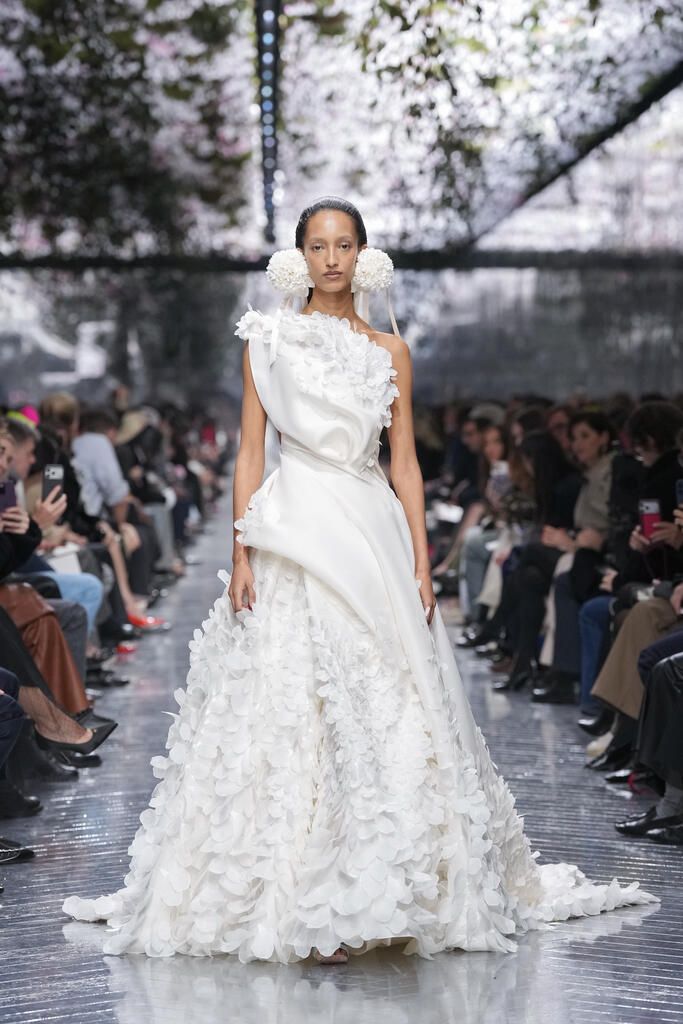
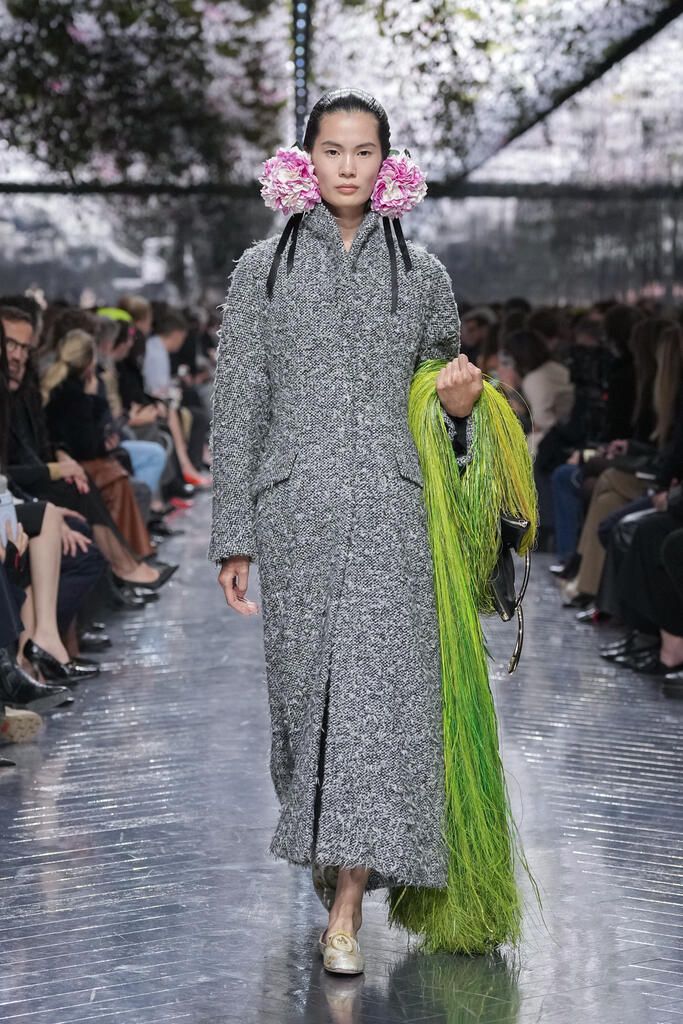
Jonathan Anderson thus chose to draw inspiration from his greatest heroes for this Couture collection. John Galliano, Christian Dior, and nature intertwine in this show within a fragile yet exceptional botanical display. The purpose of this work, according to the show notes, is precisely to transform through preservation. Unlike the static nature of objects in a museum, here the flowers are ready to bloom, before the eyes of a fashion industry that leapt to its feet in a standing ovation.