.gif 2000w)
























From Zegna and Prada, two contrasting visions of the past When reflecting on time gone by does not become pure nostalgia
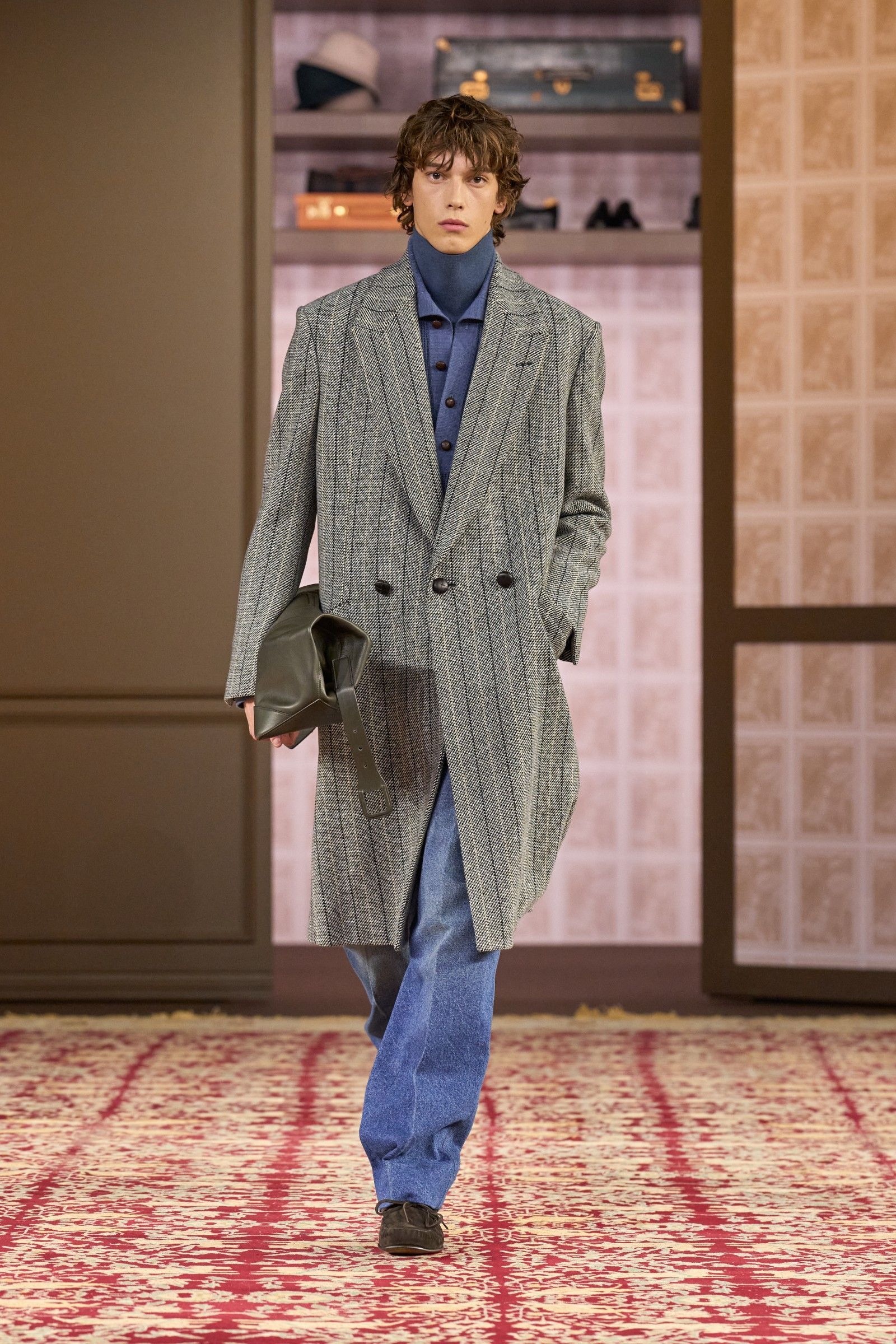
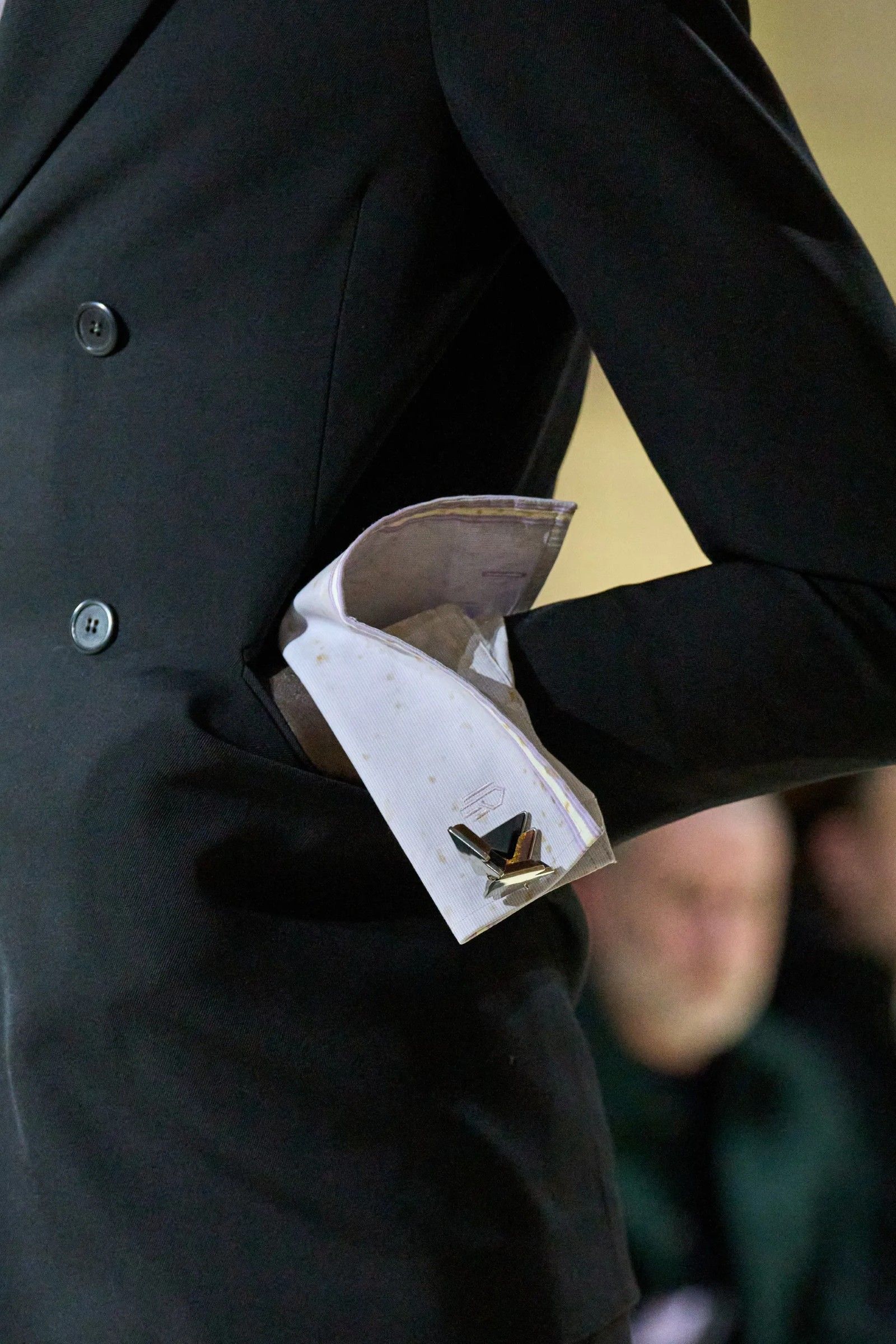
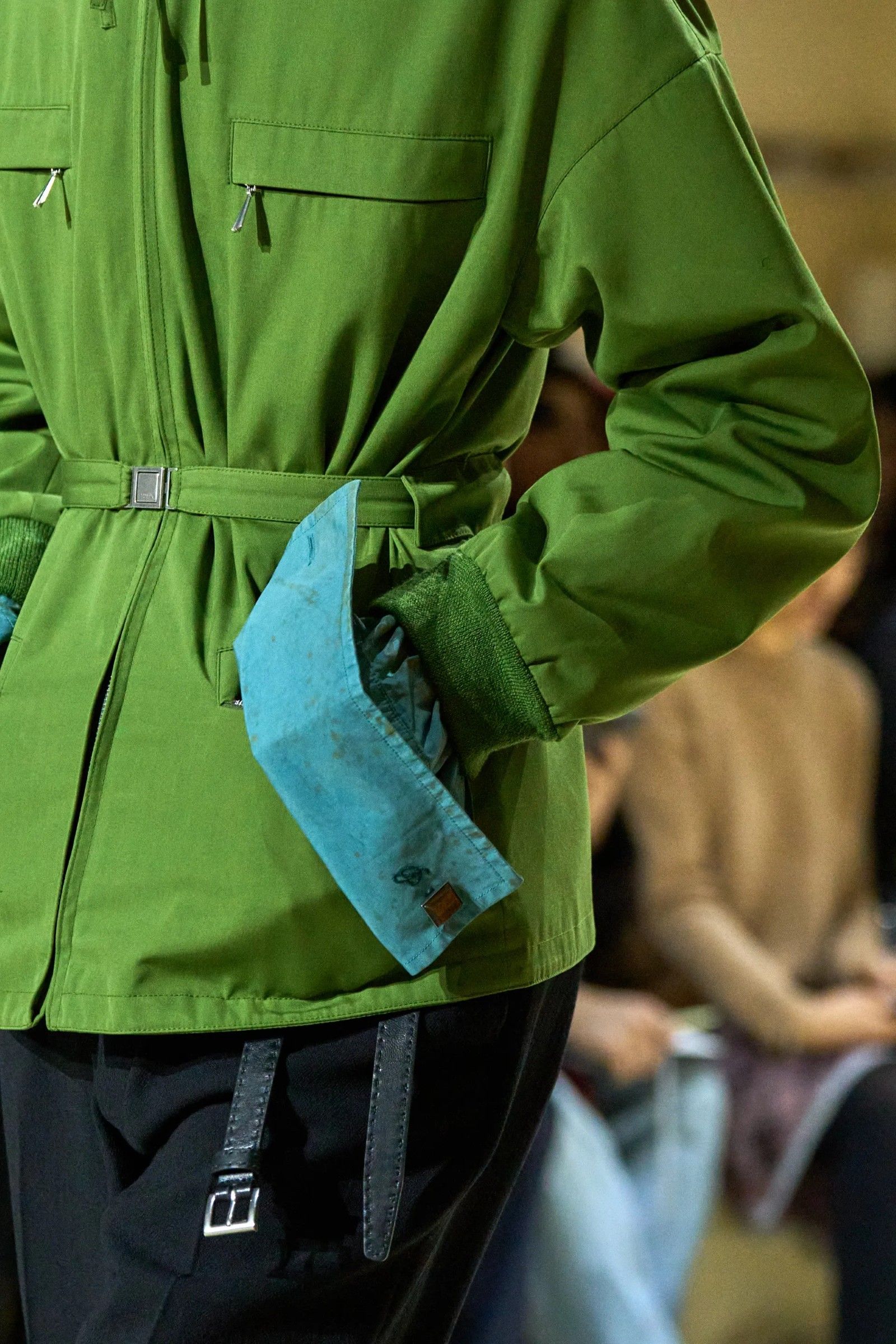
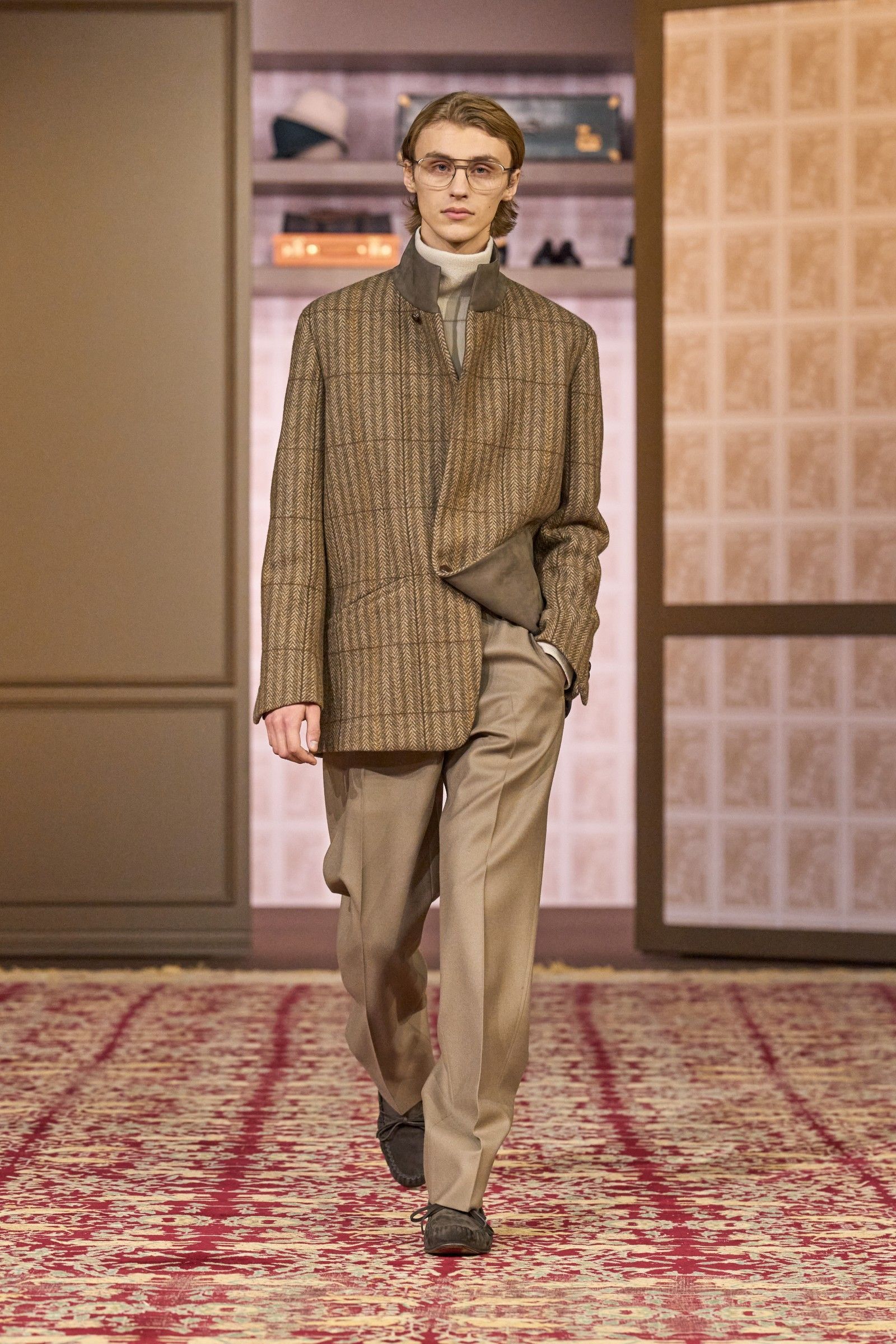
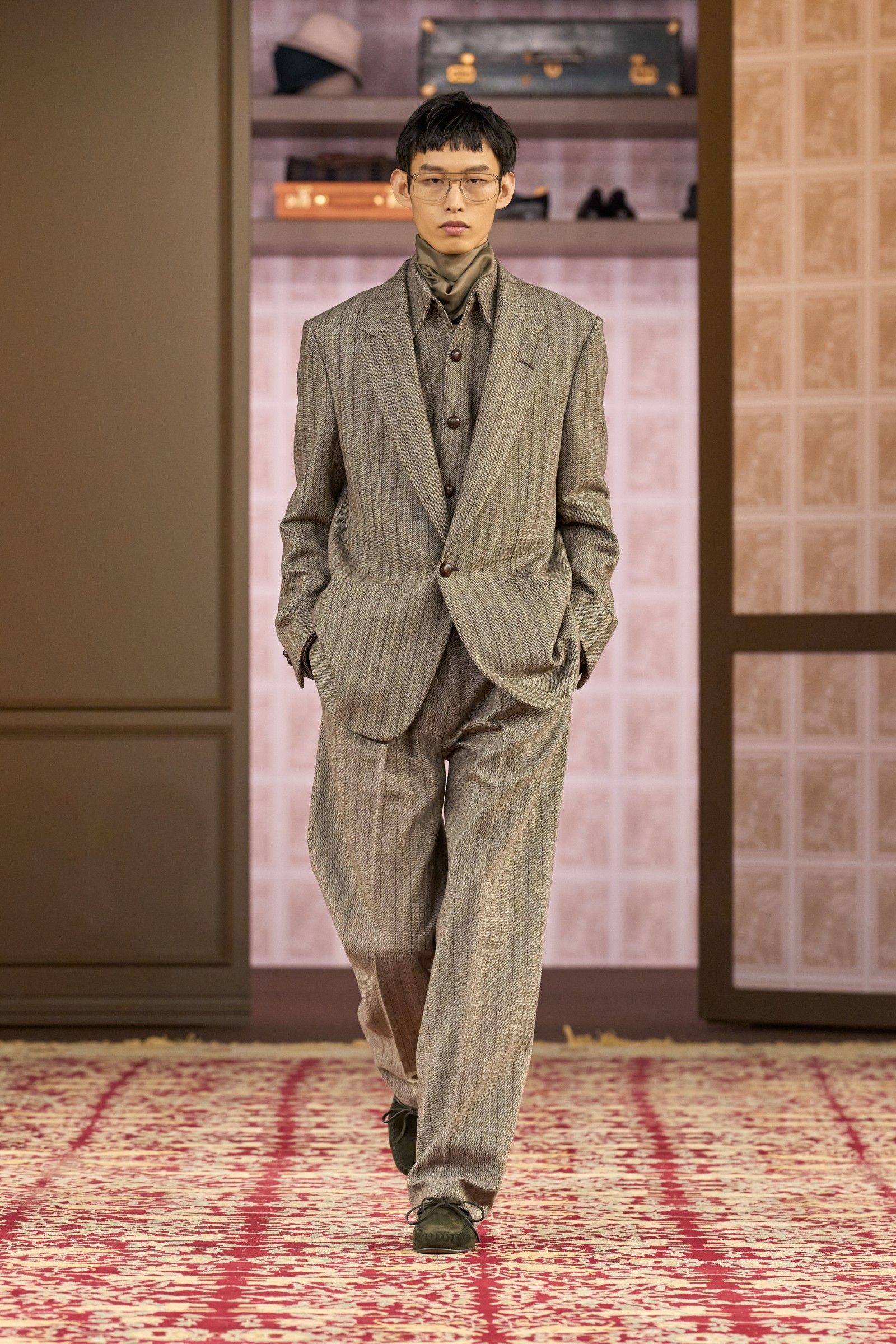
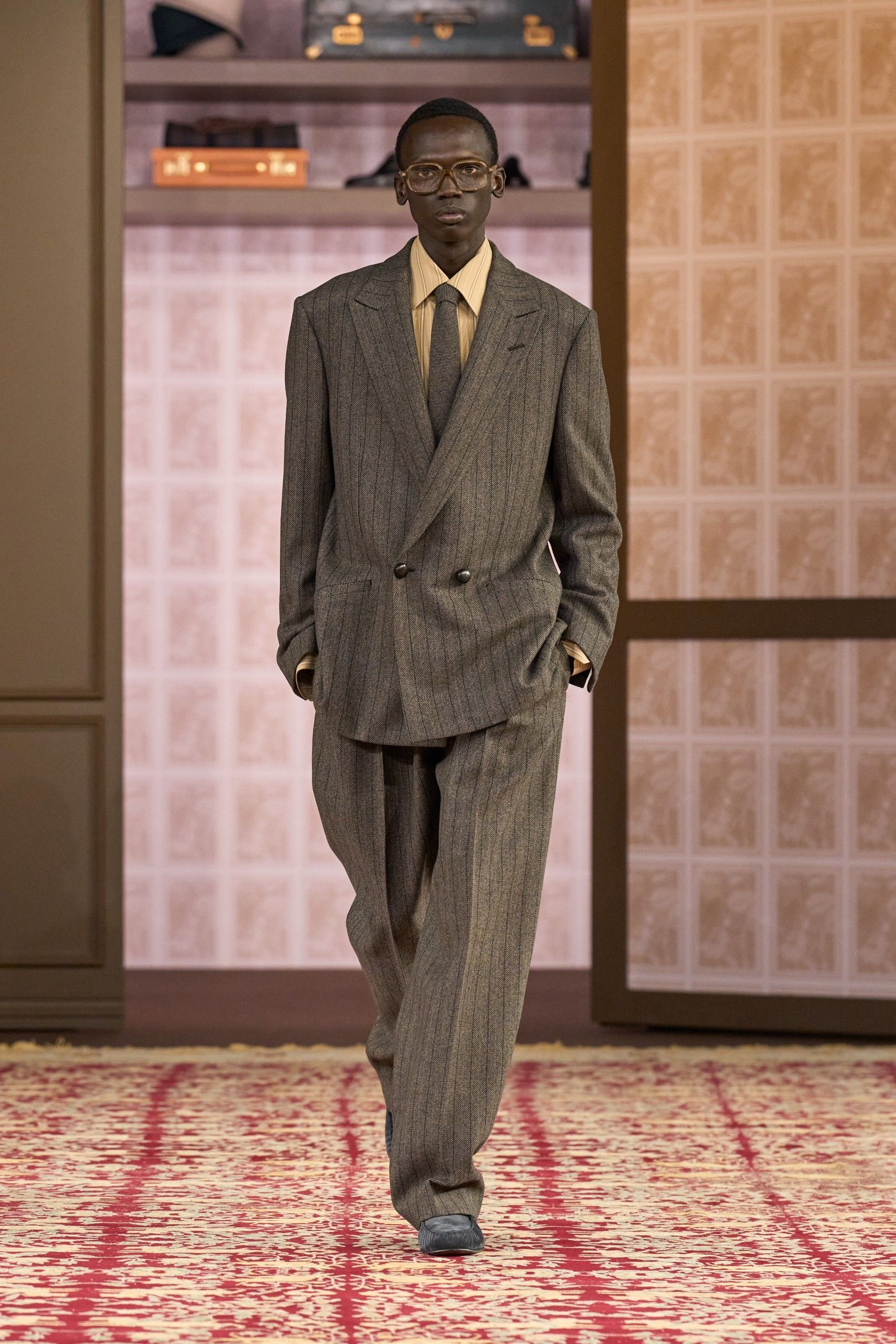
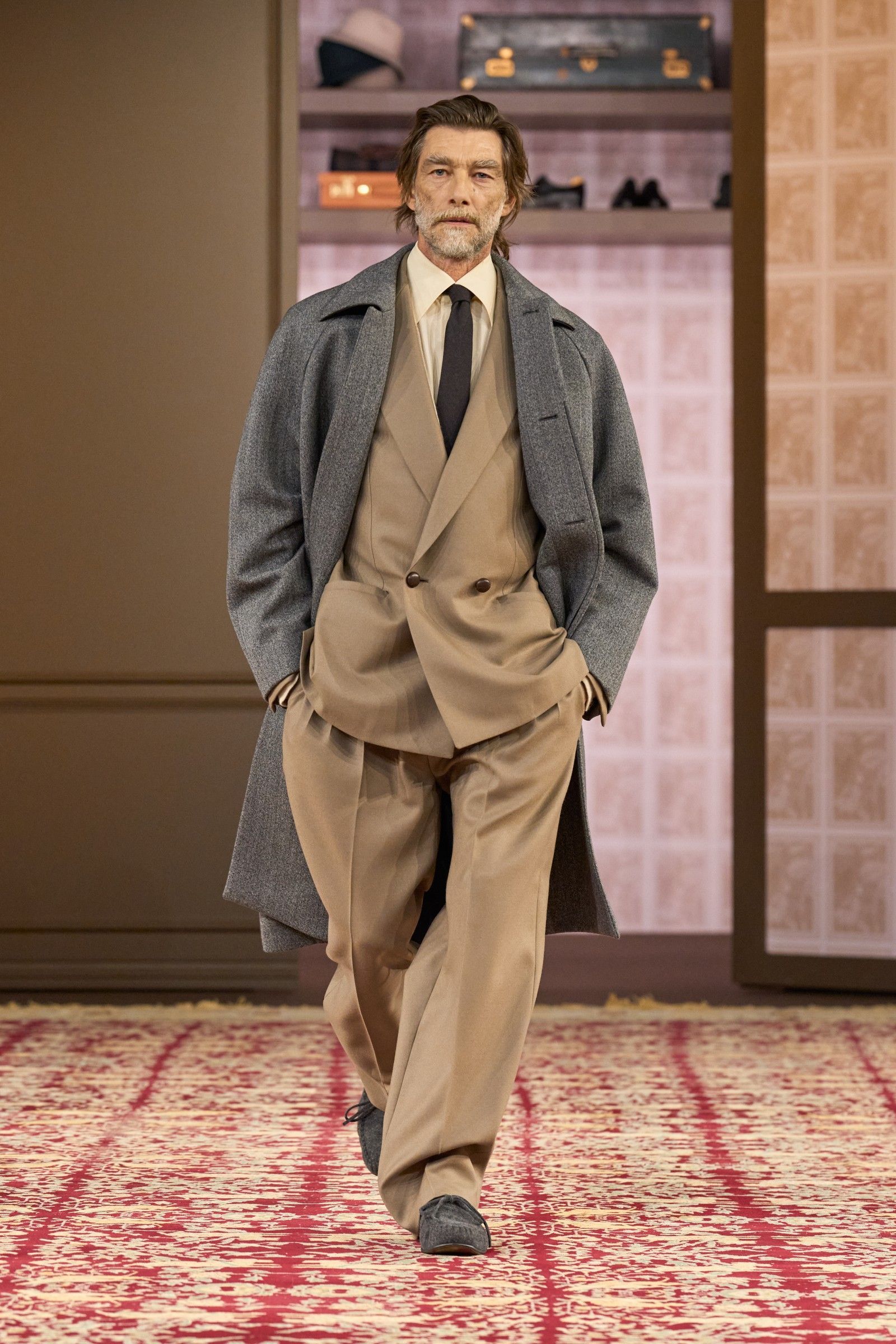
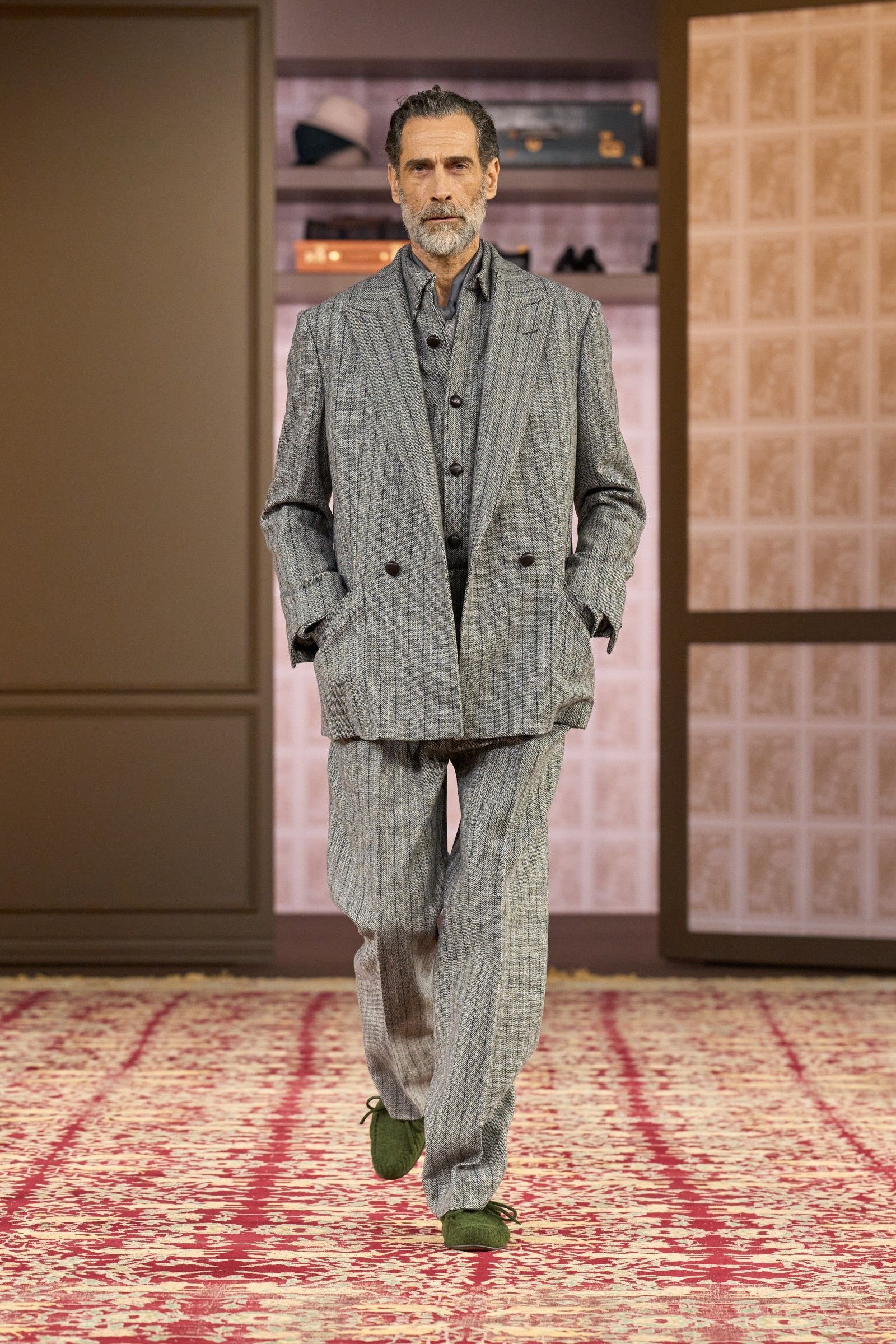
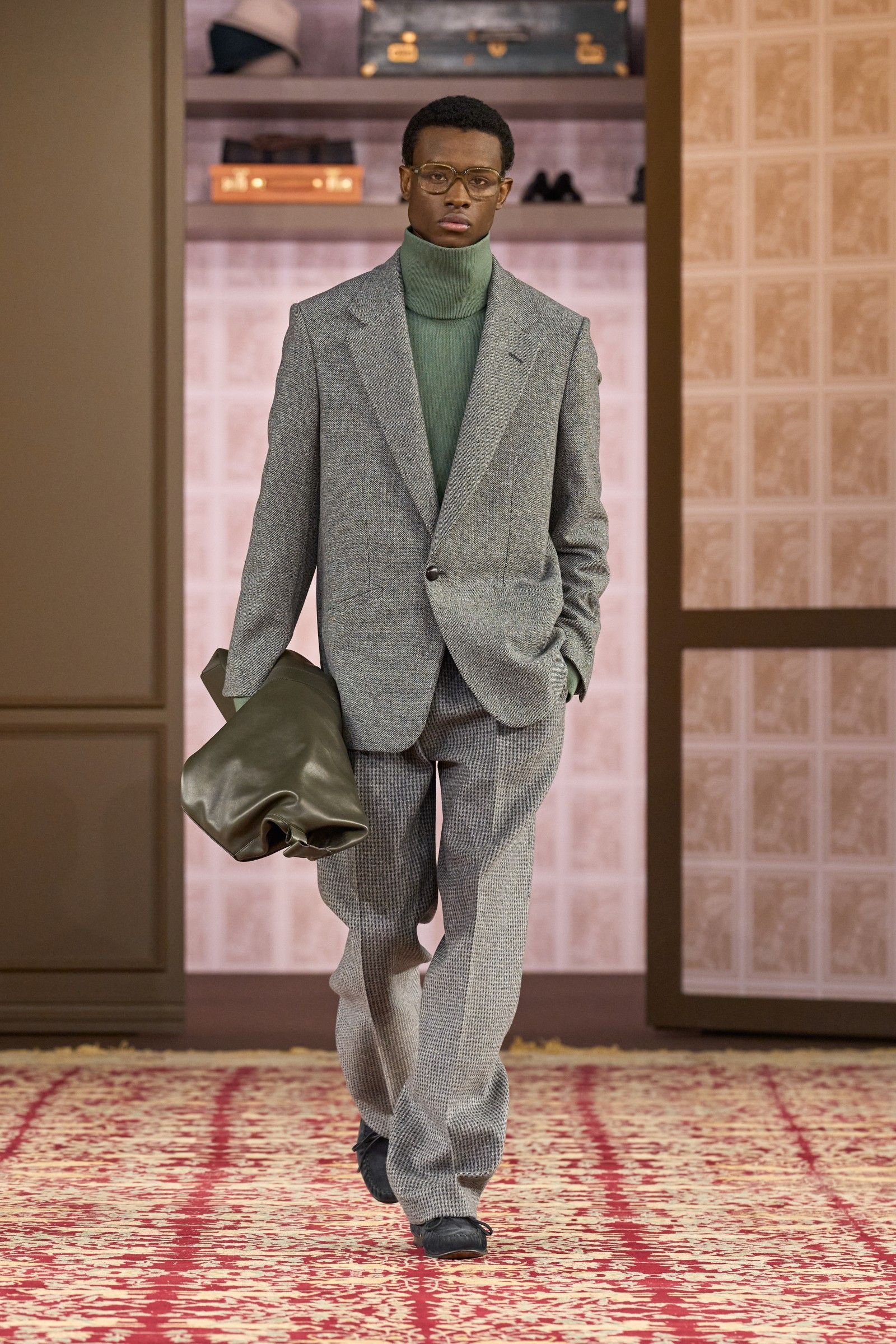
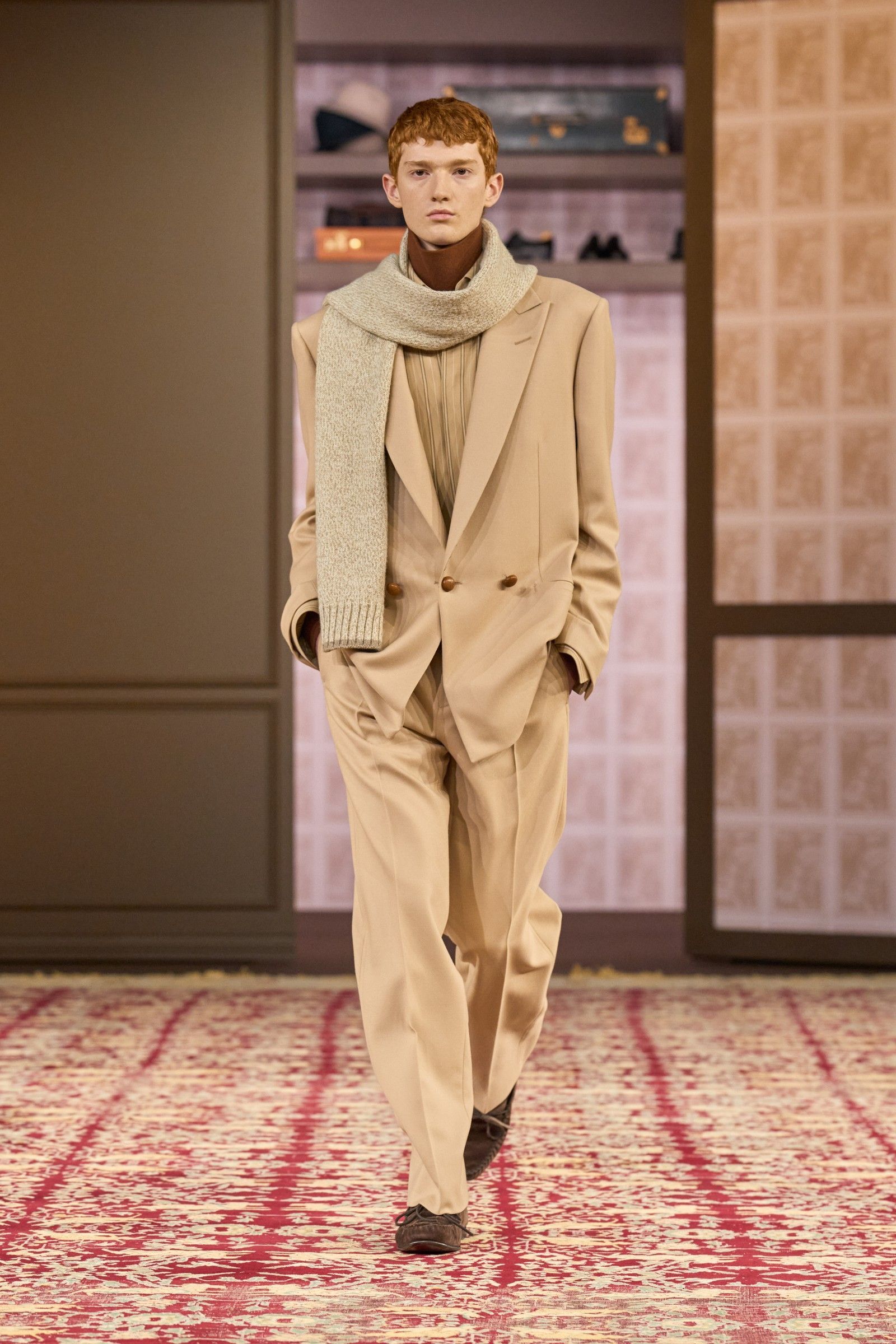
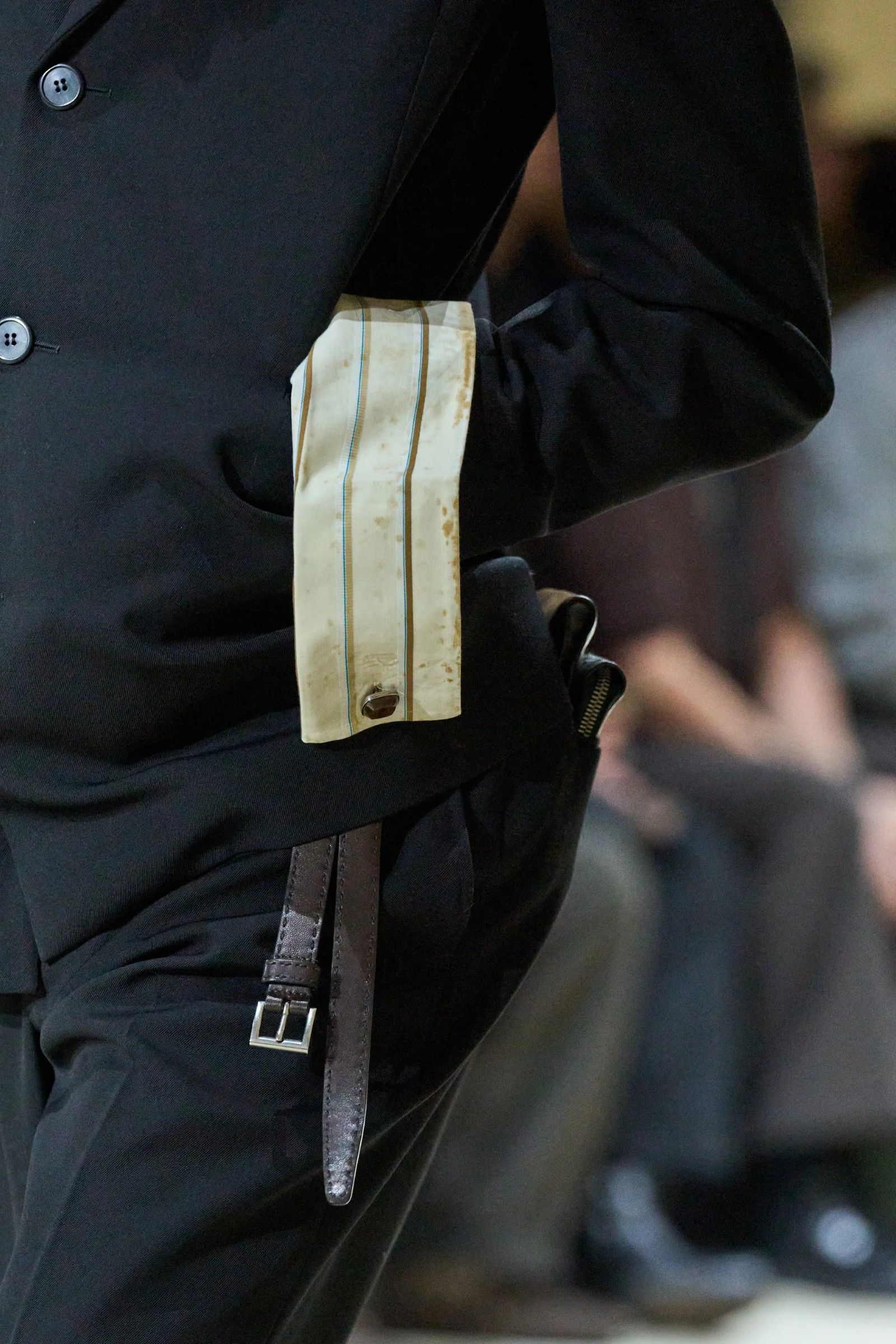
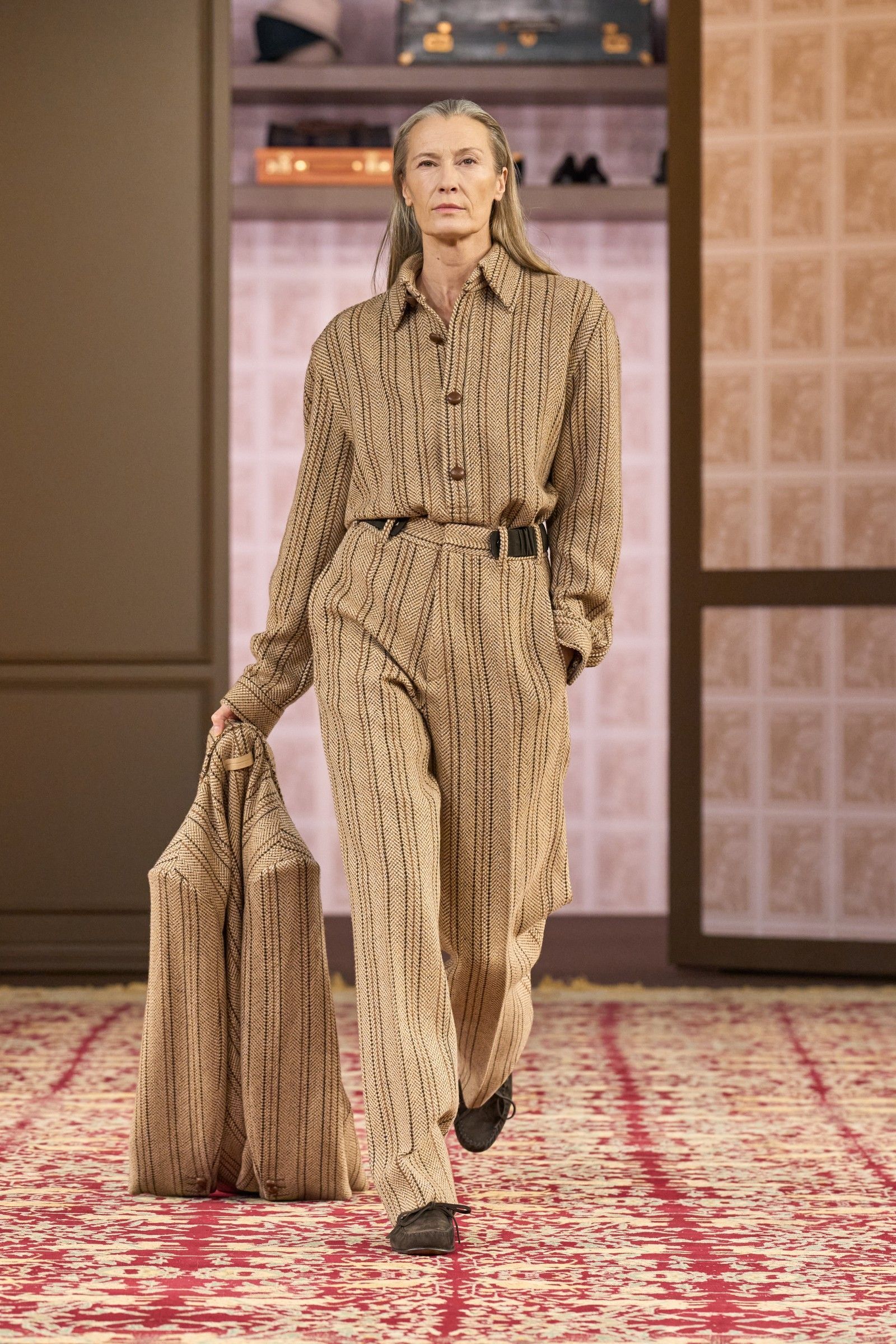
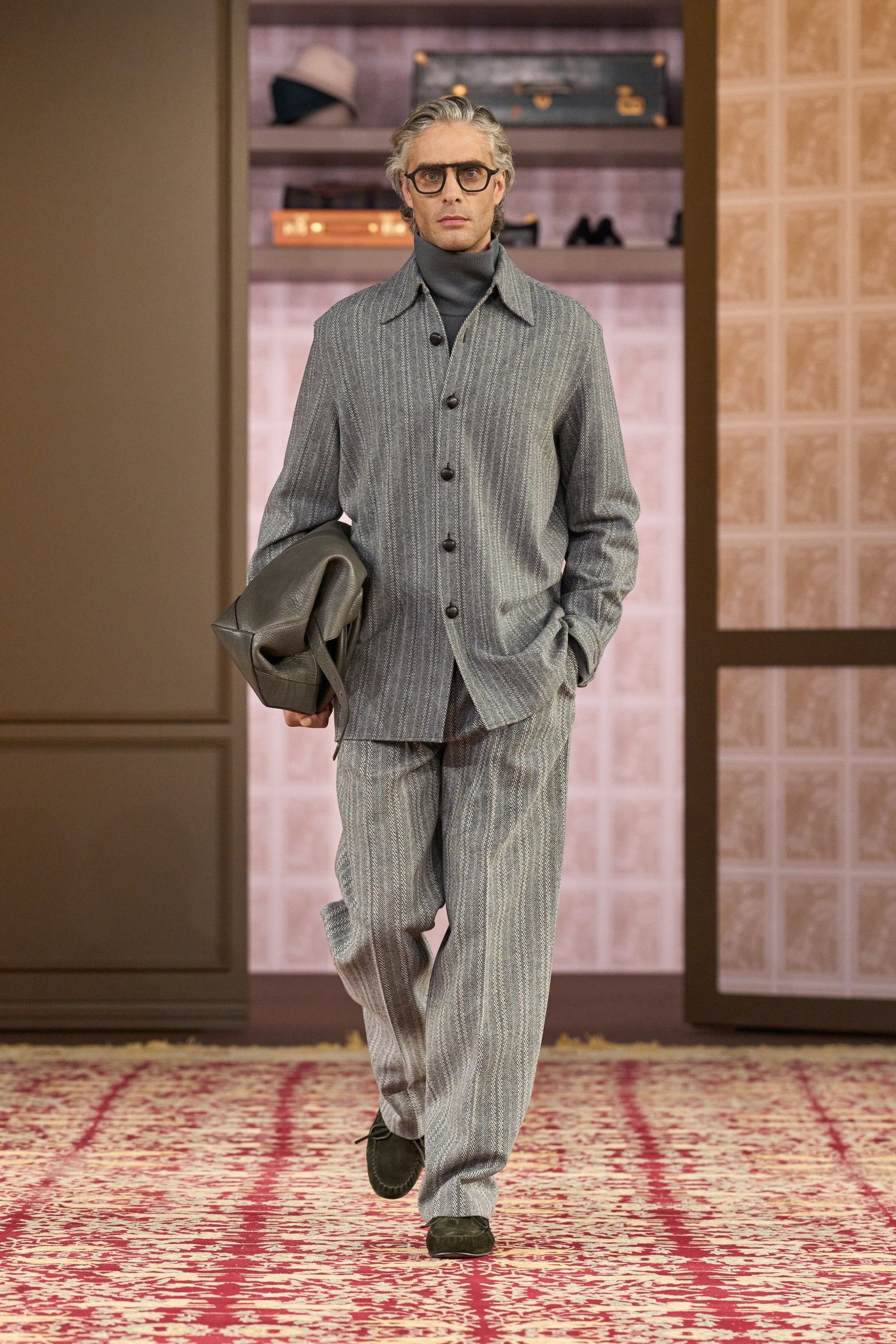
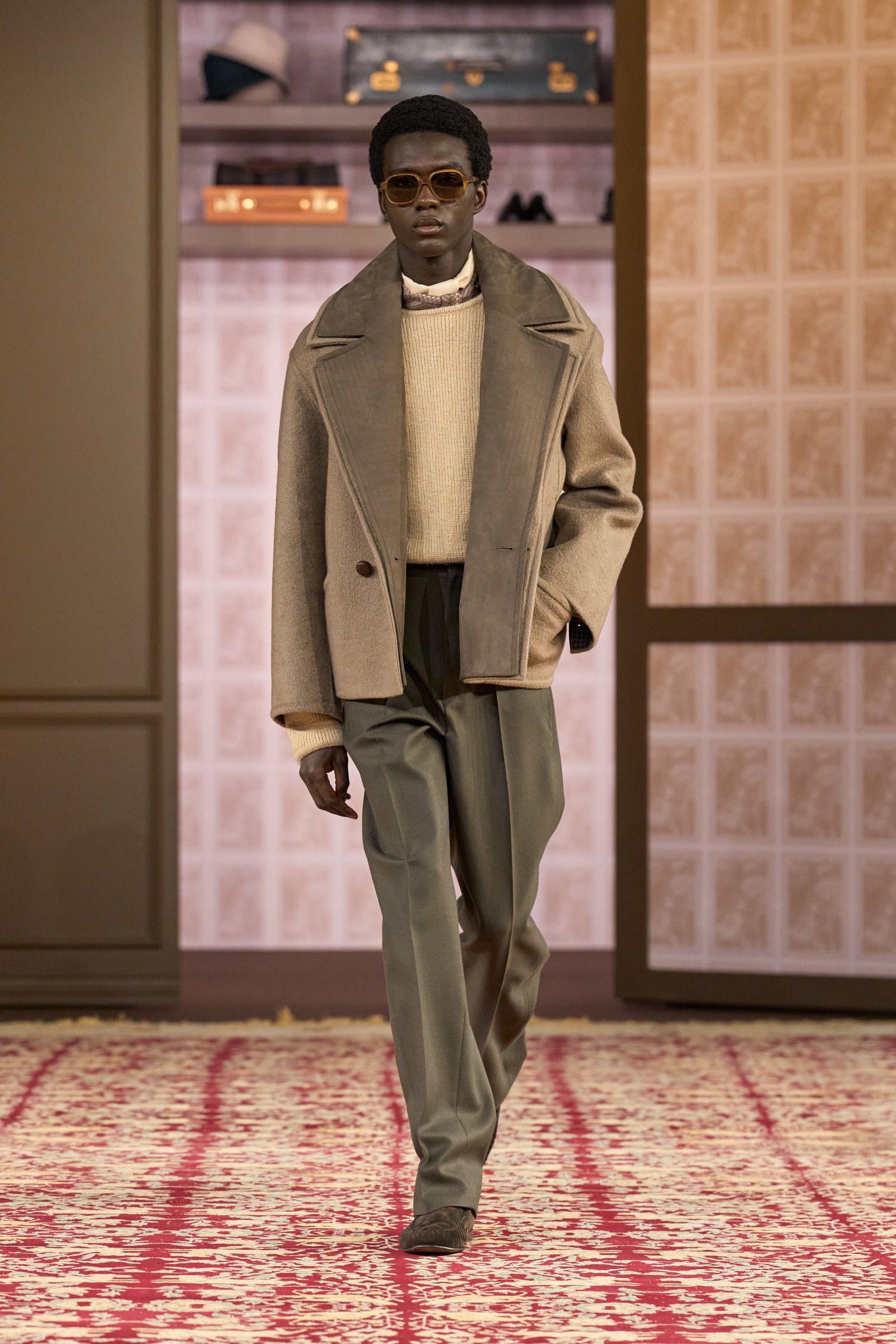
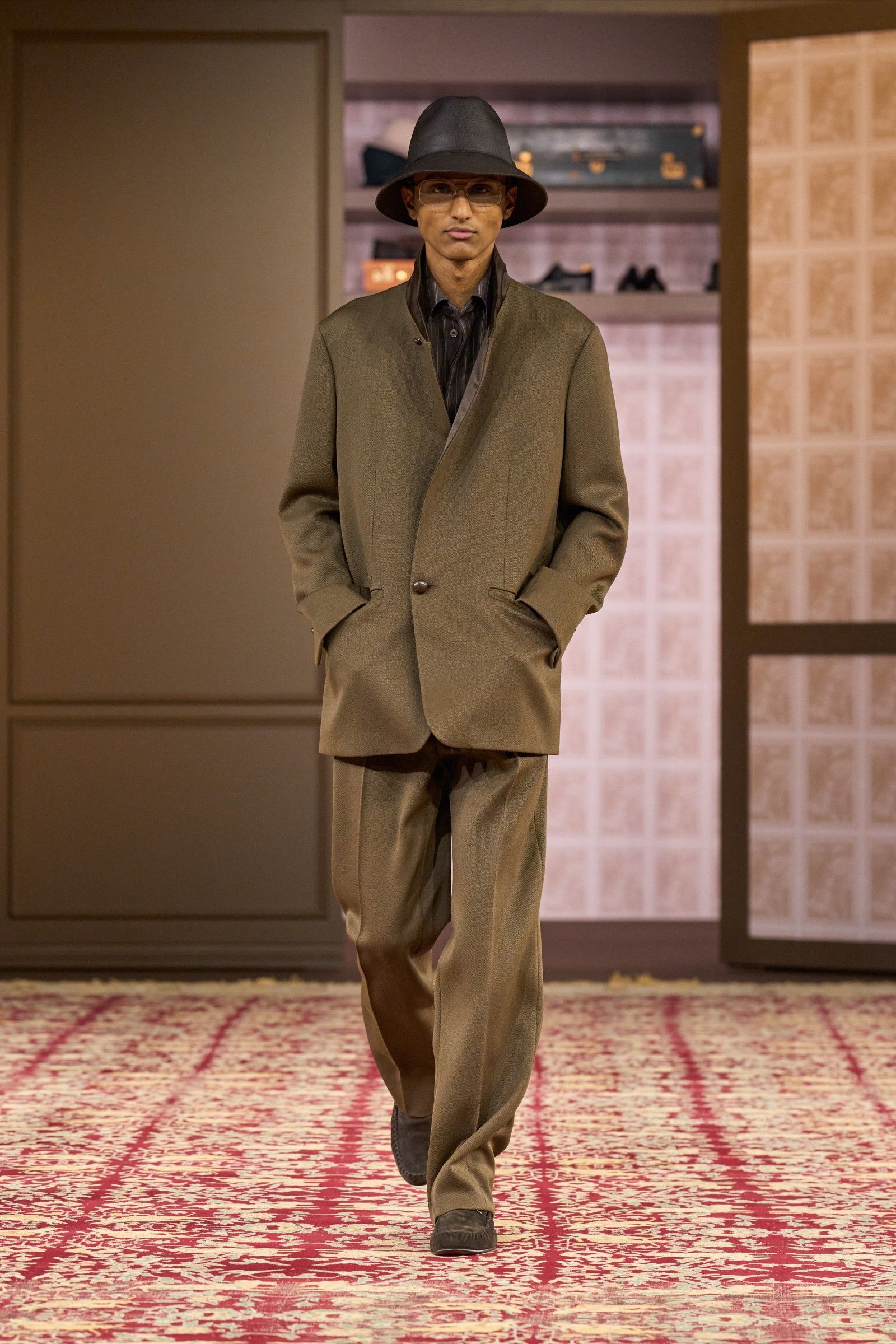
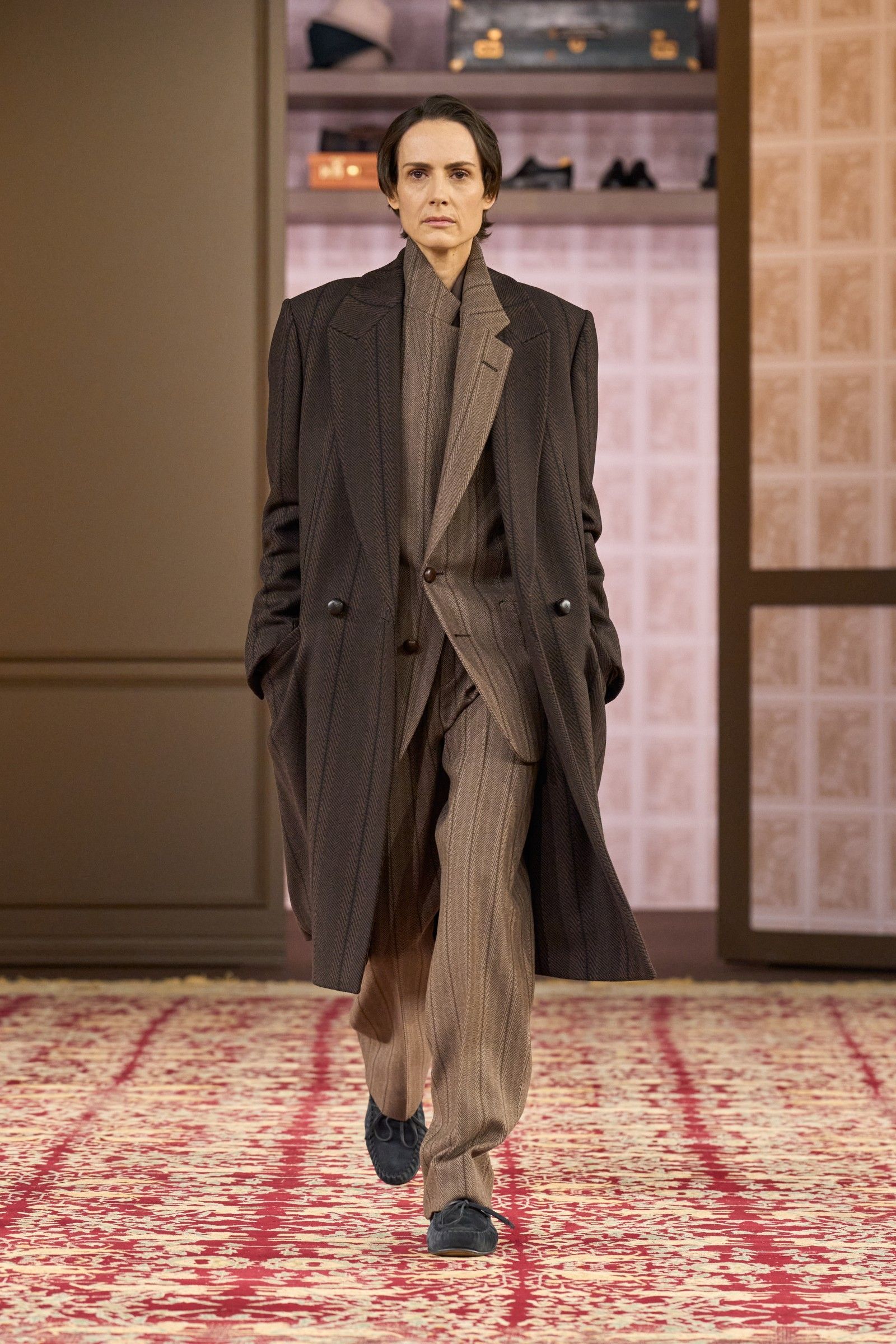
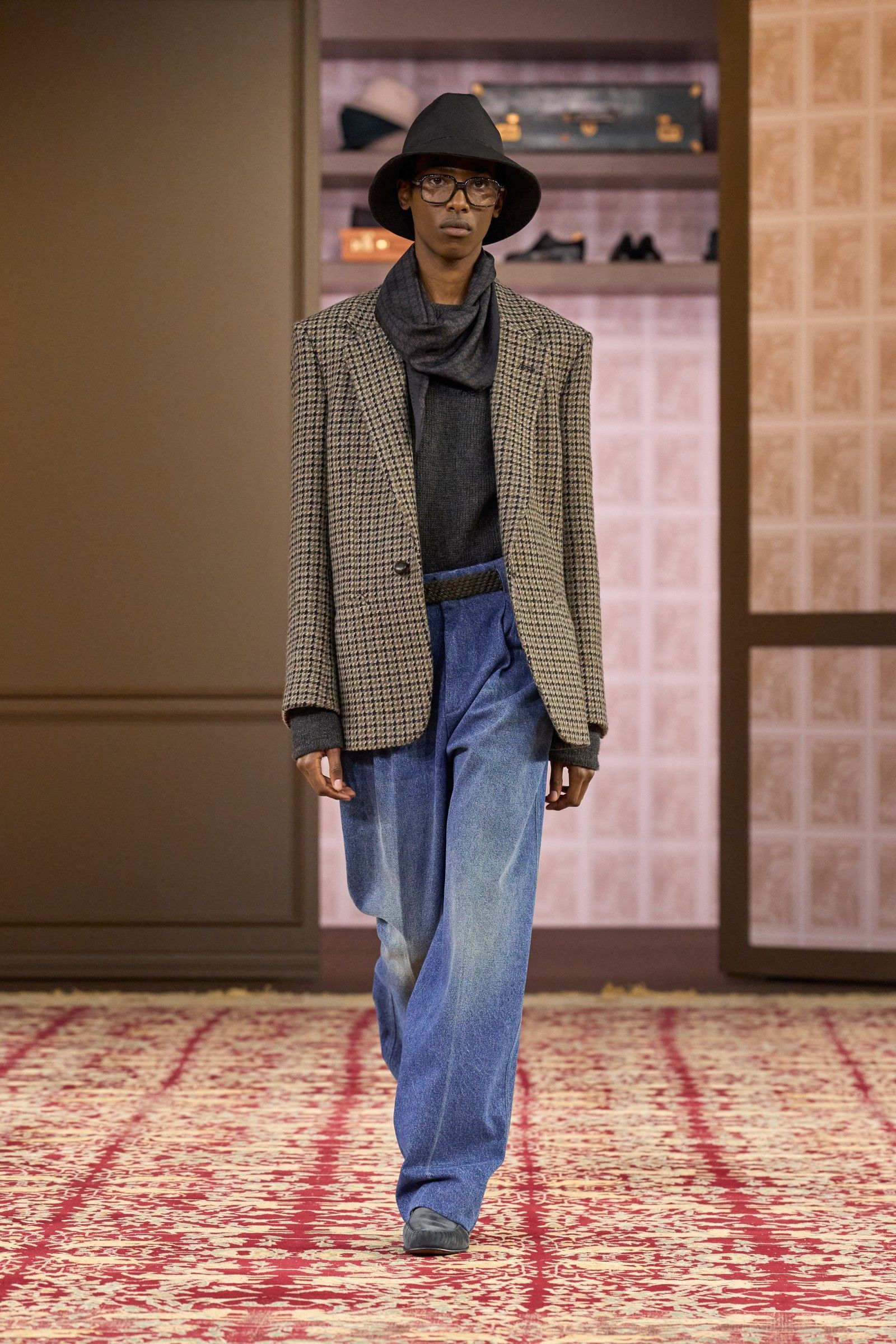
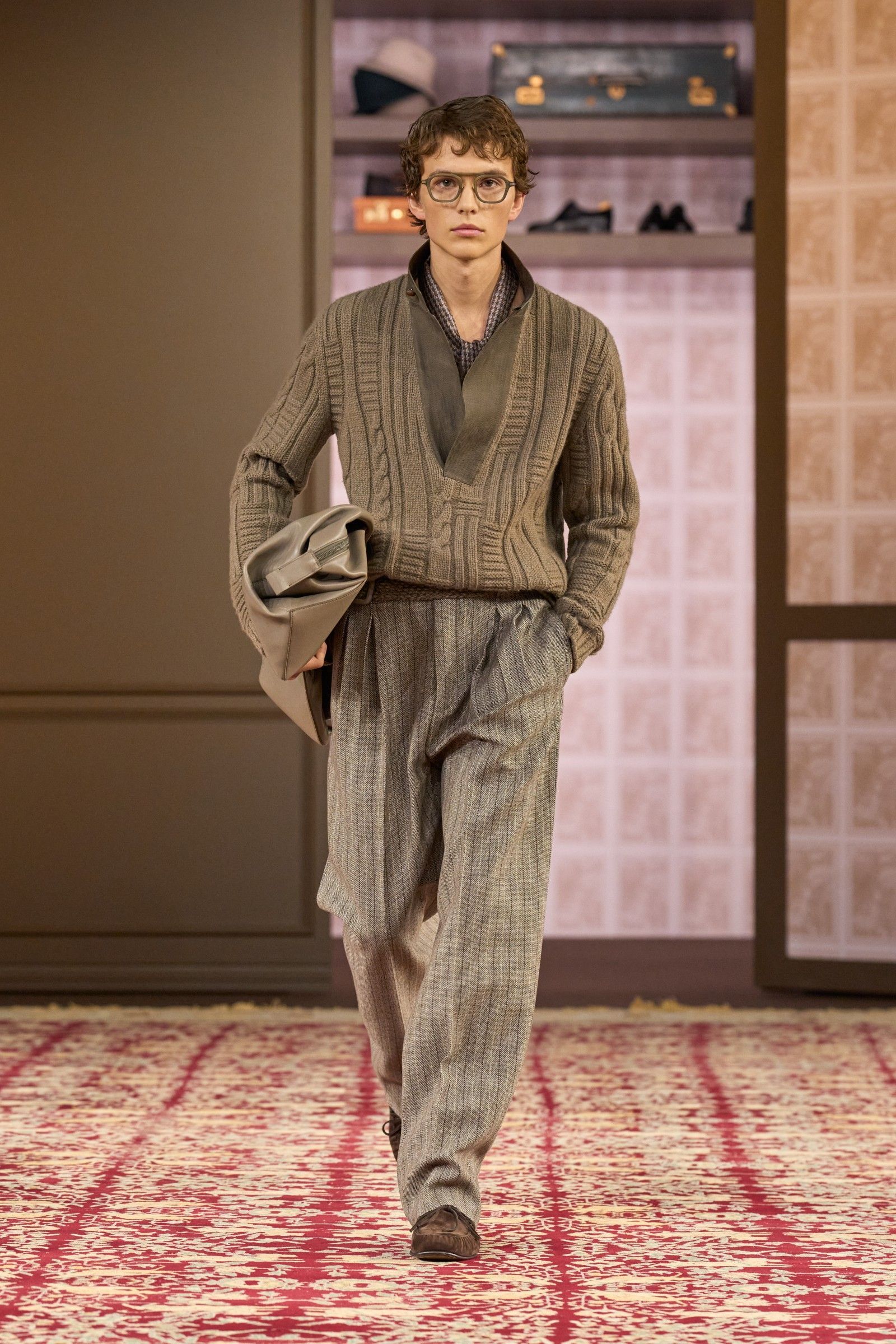
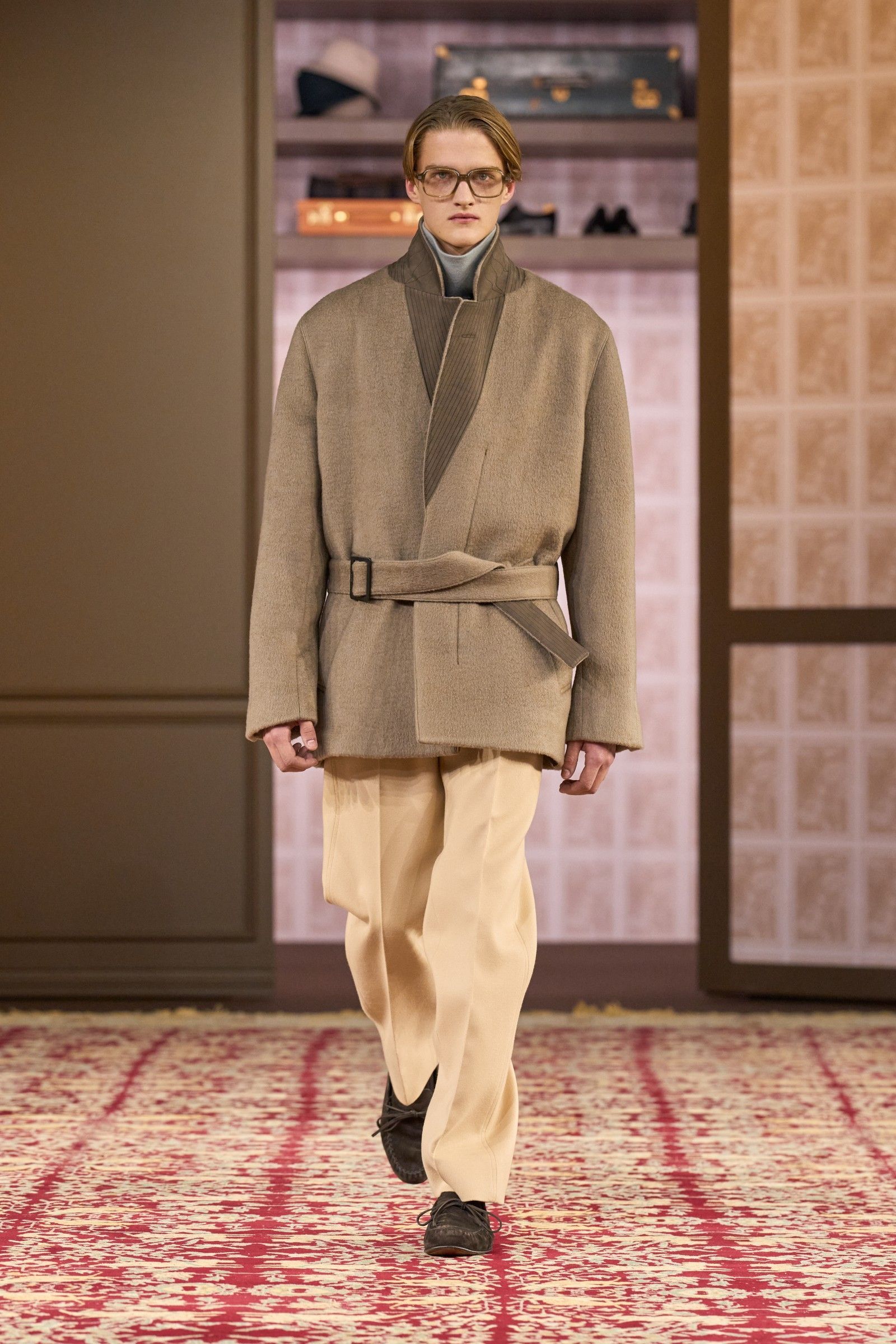
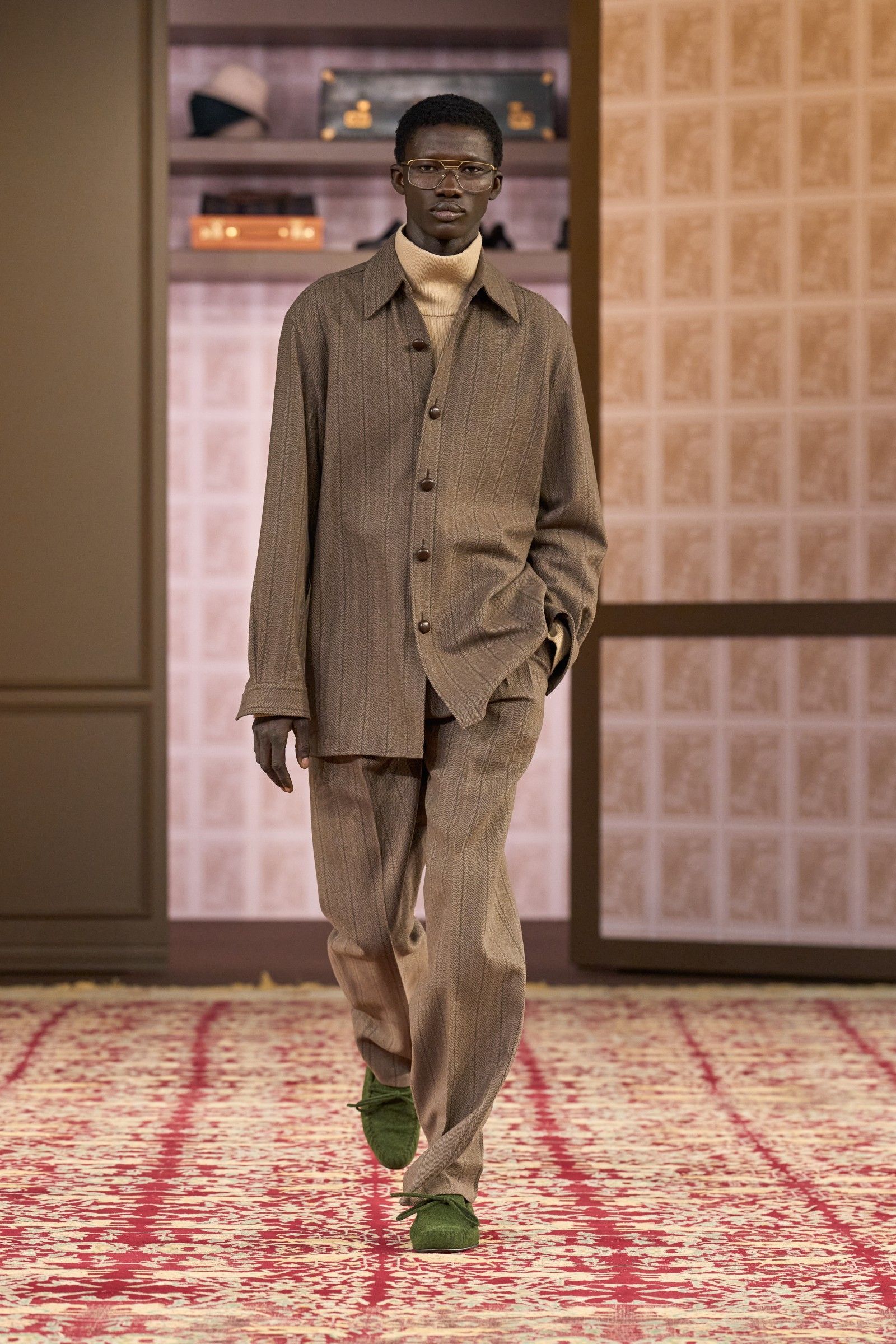
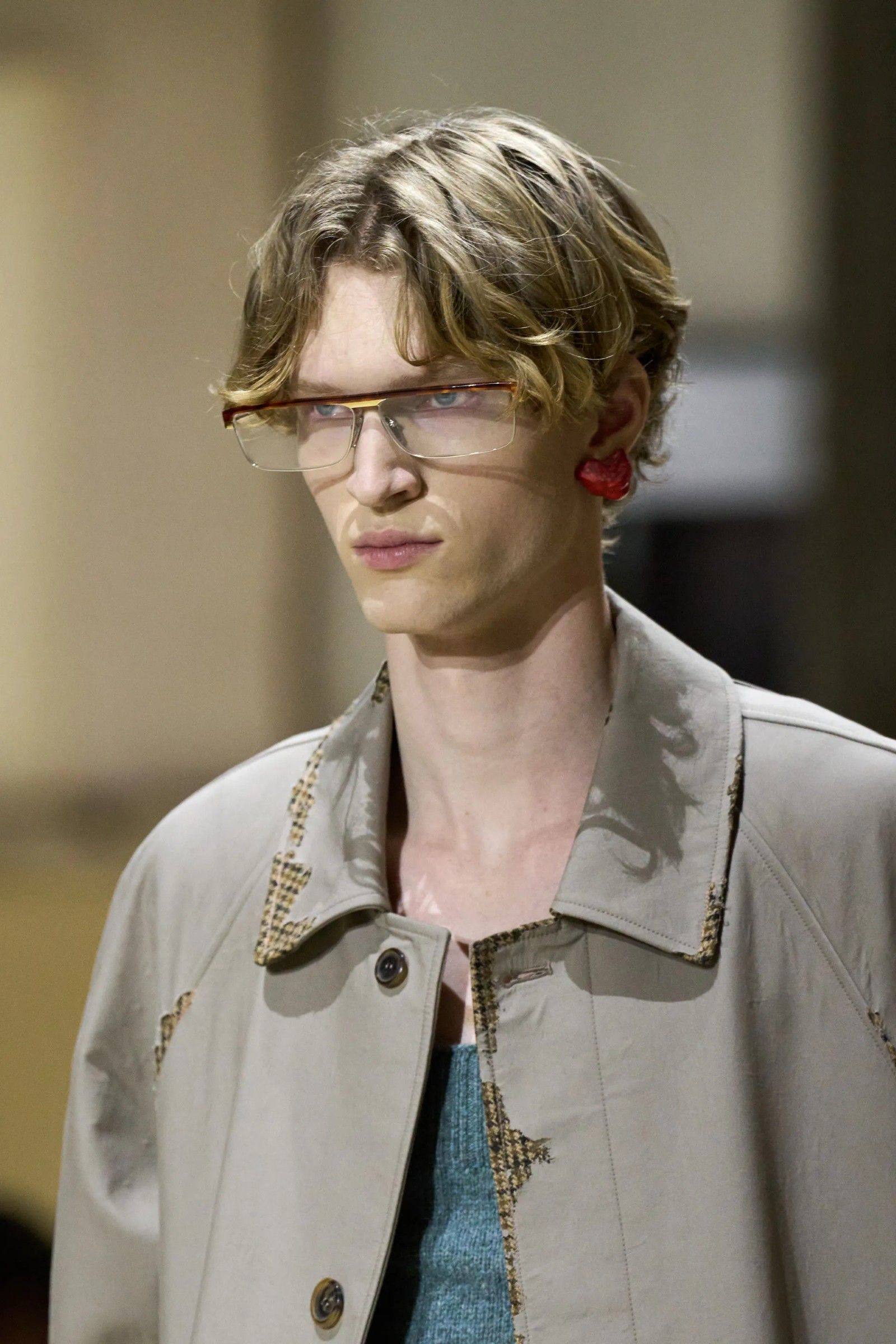
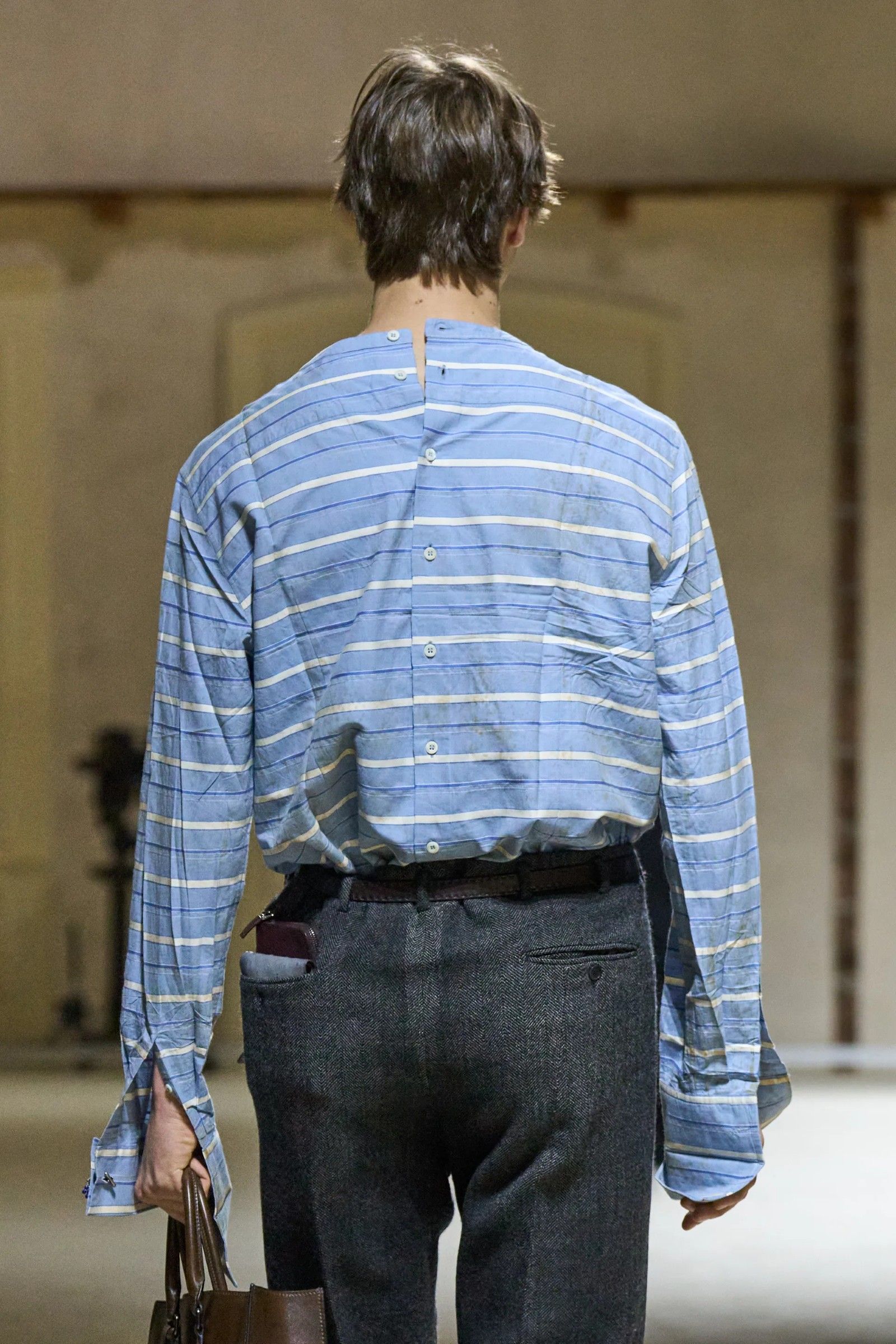
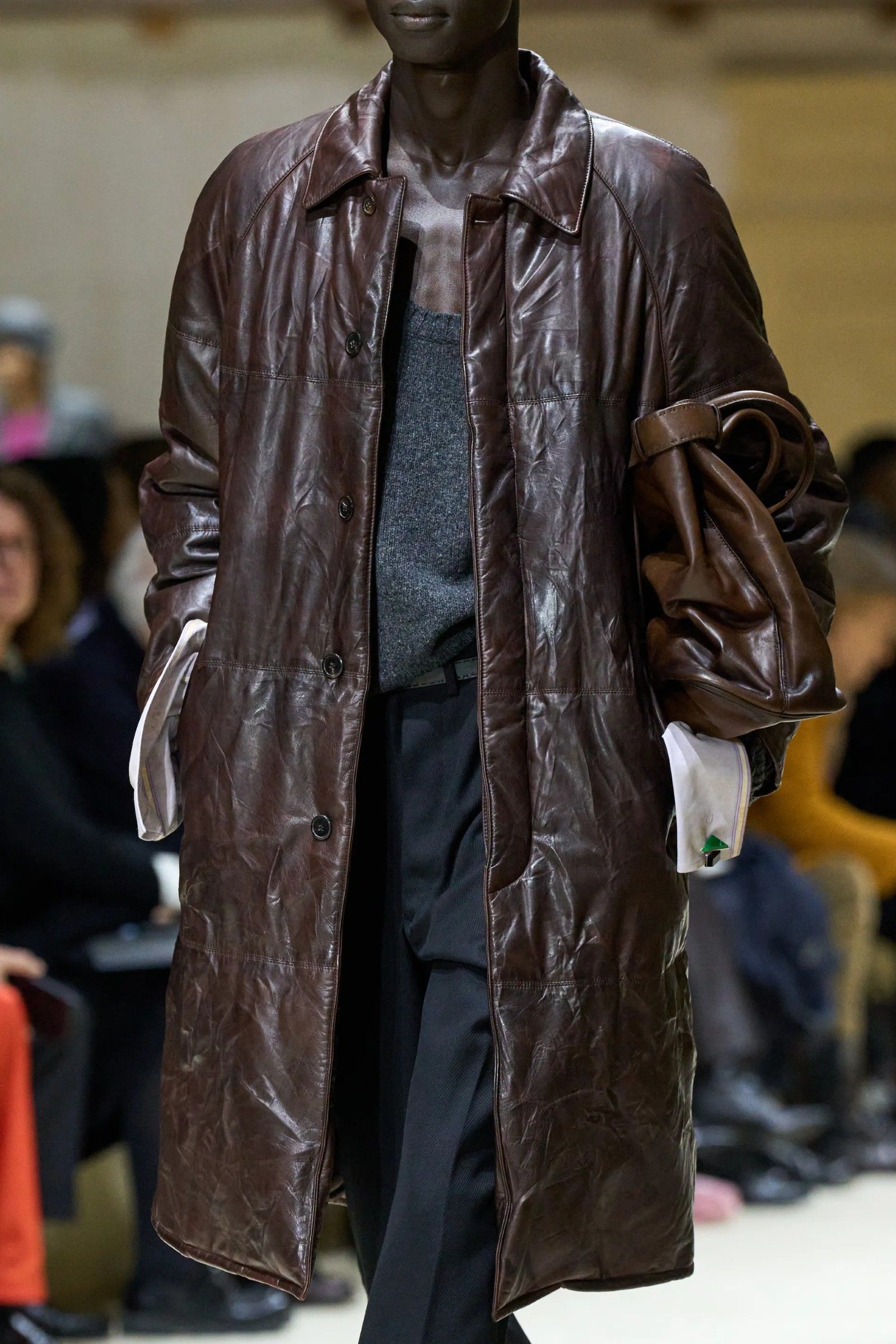
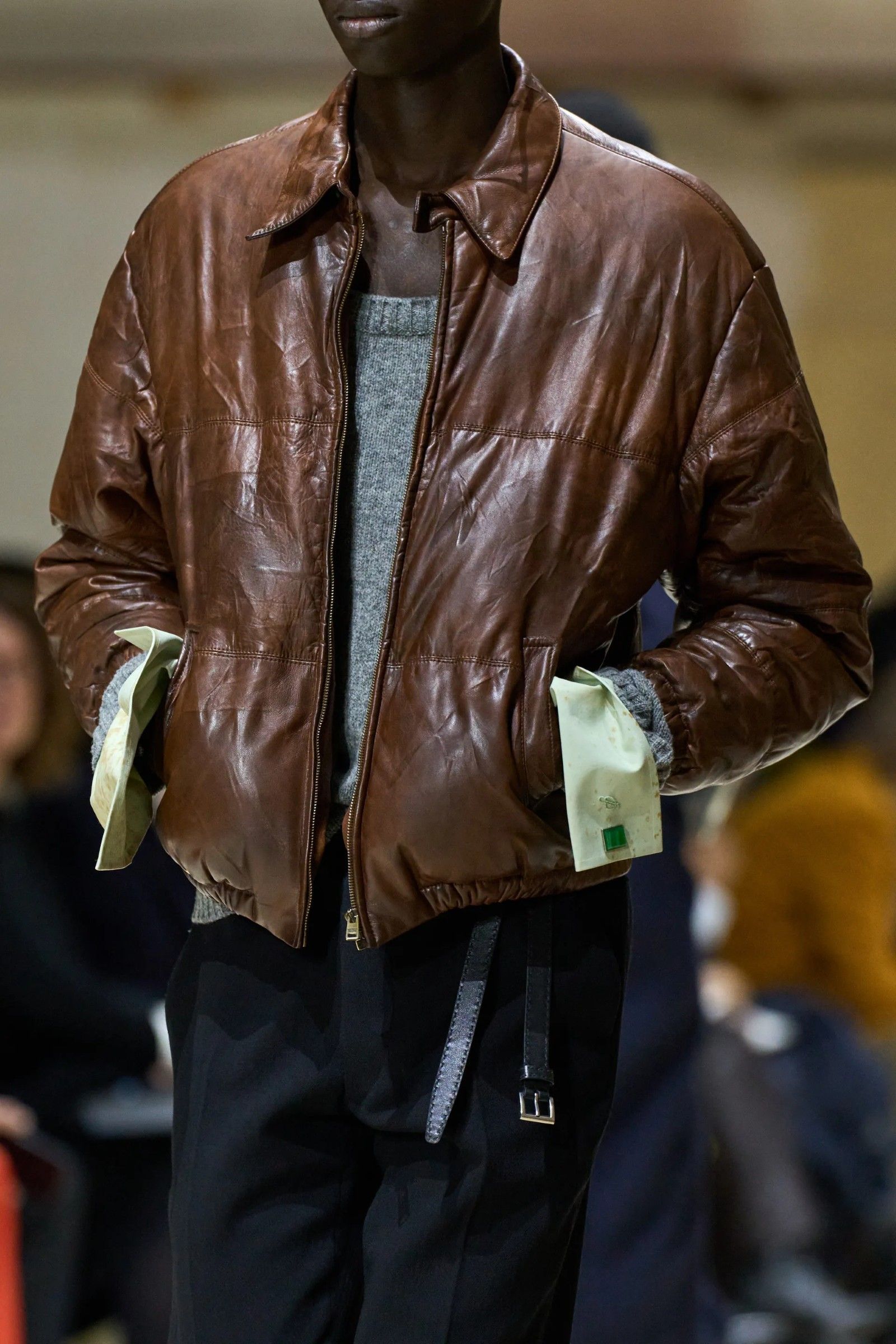
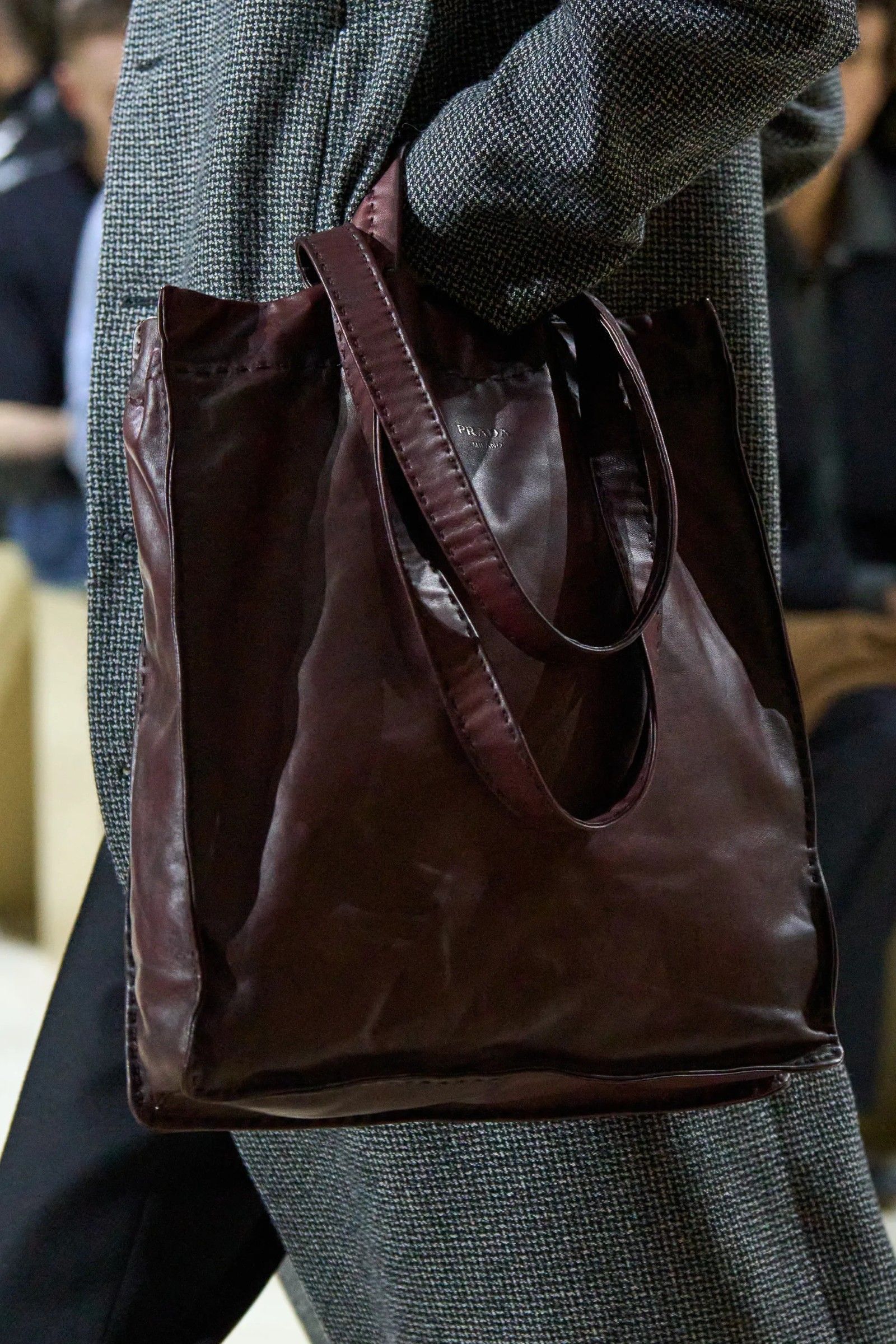
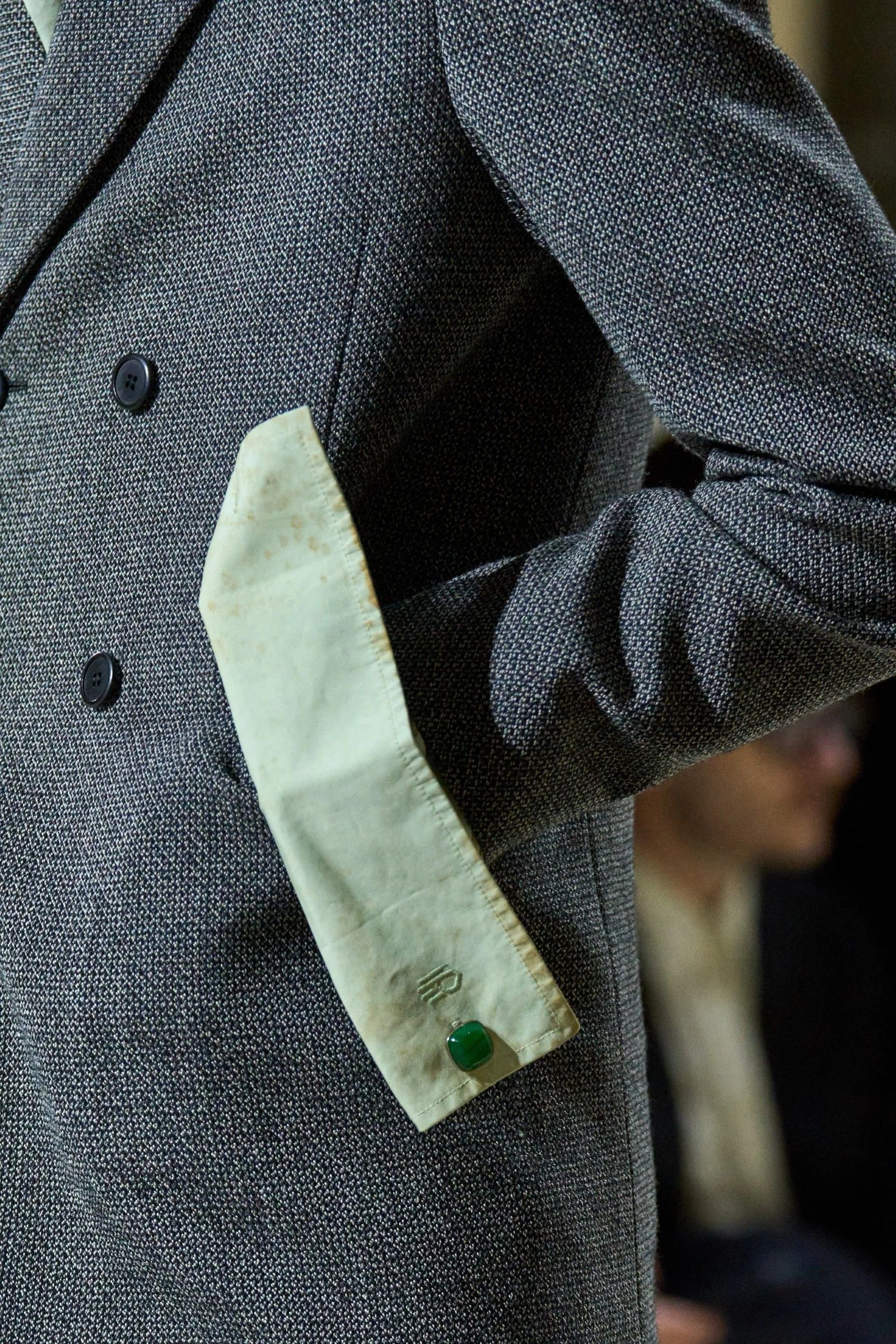
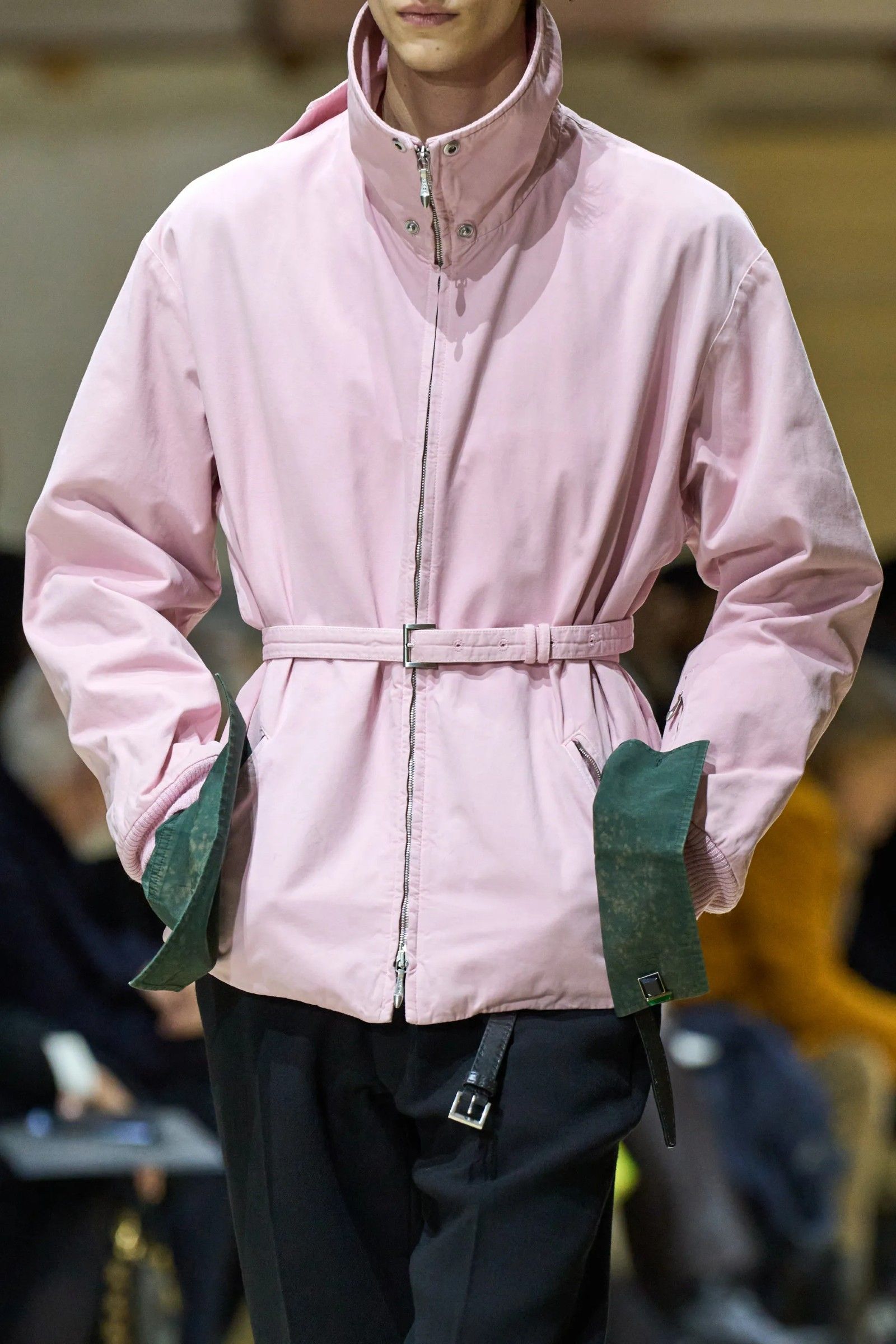
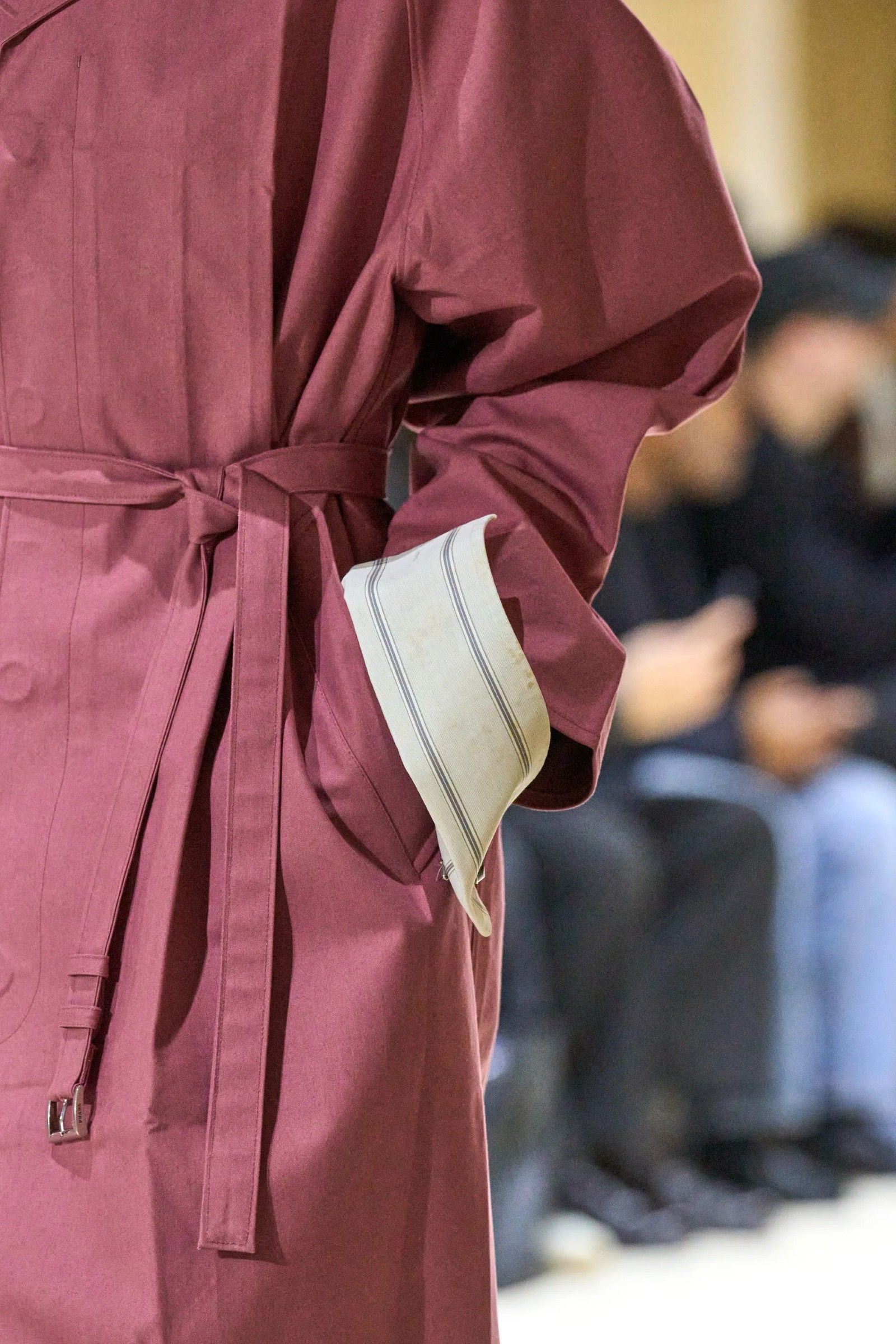
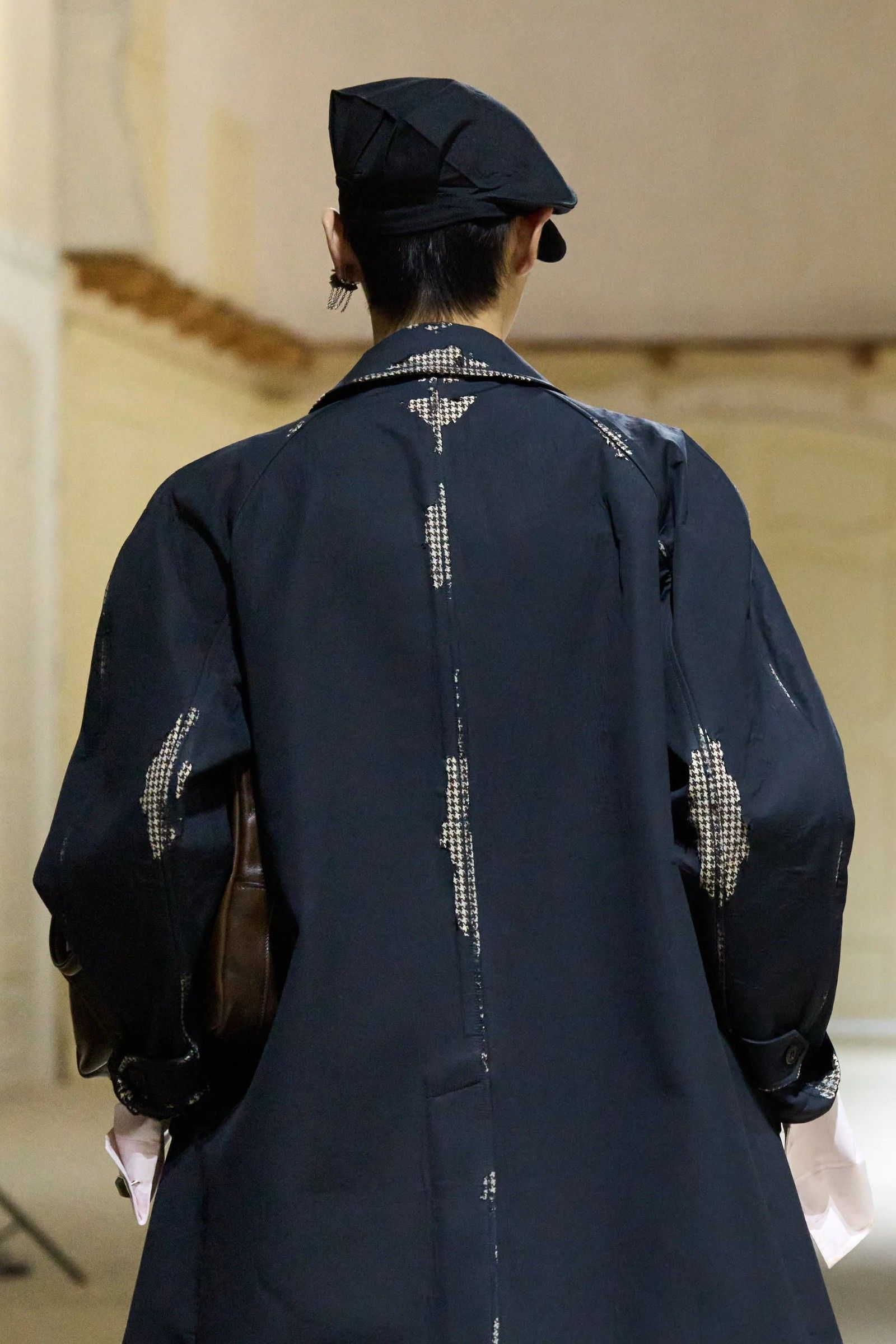
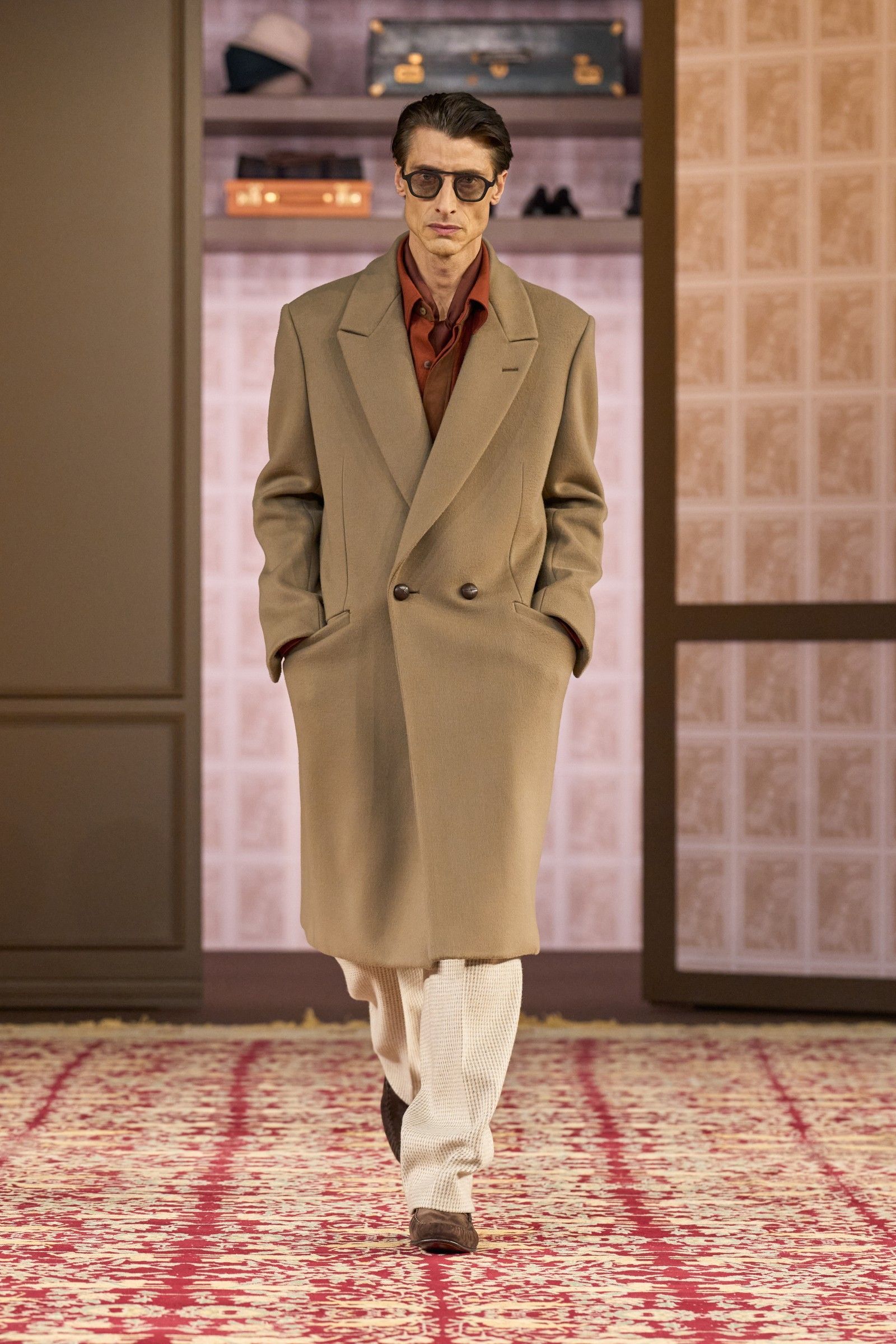
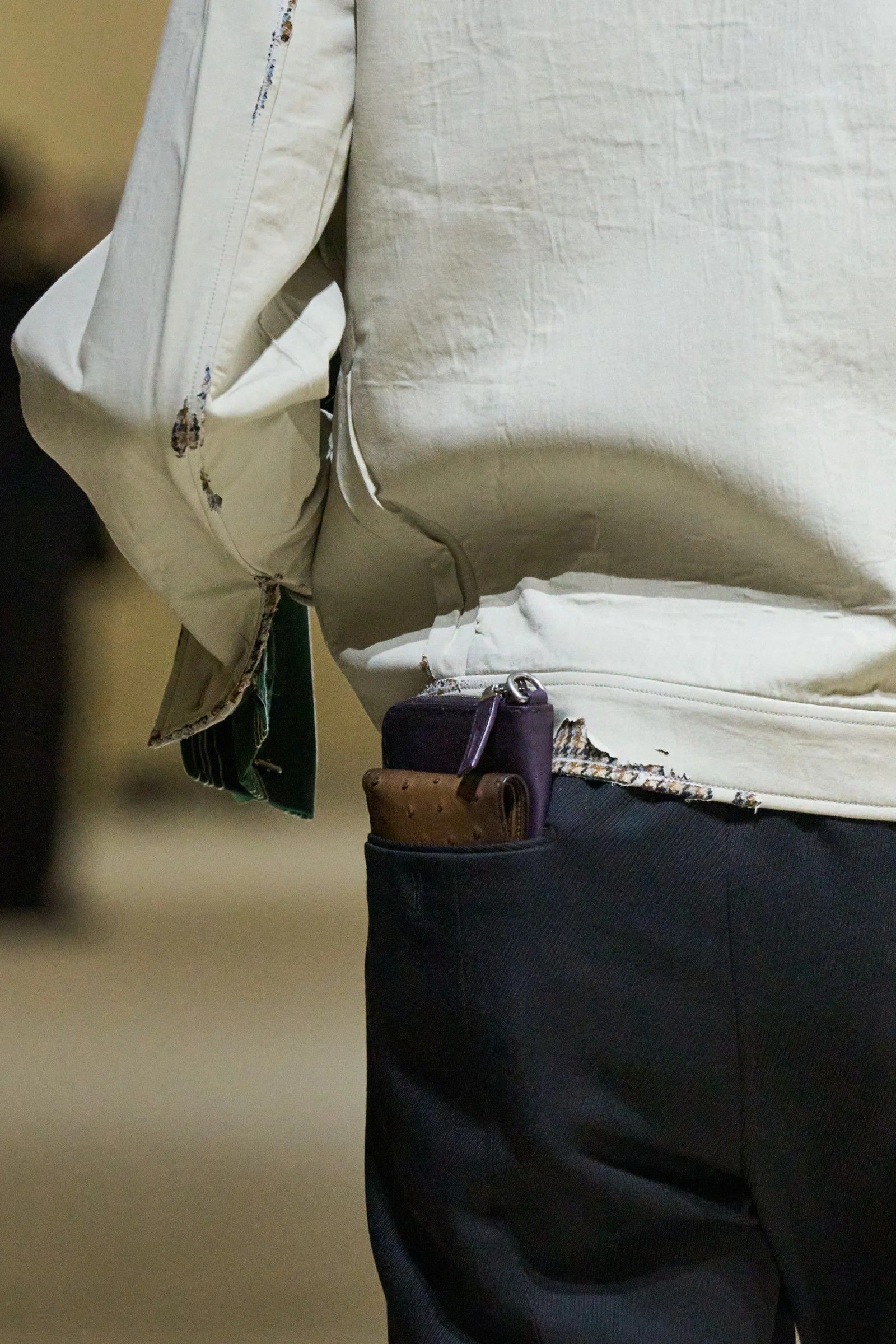
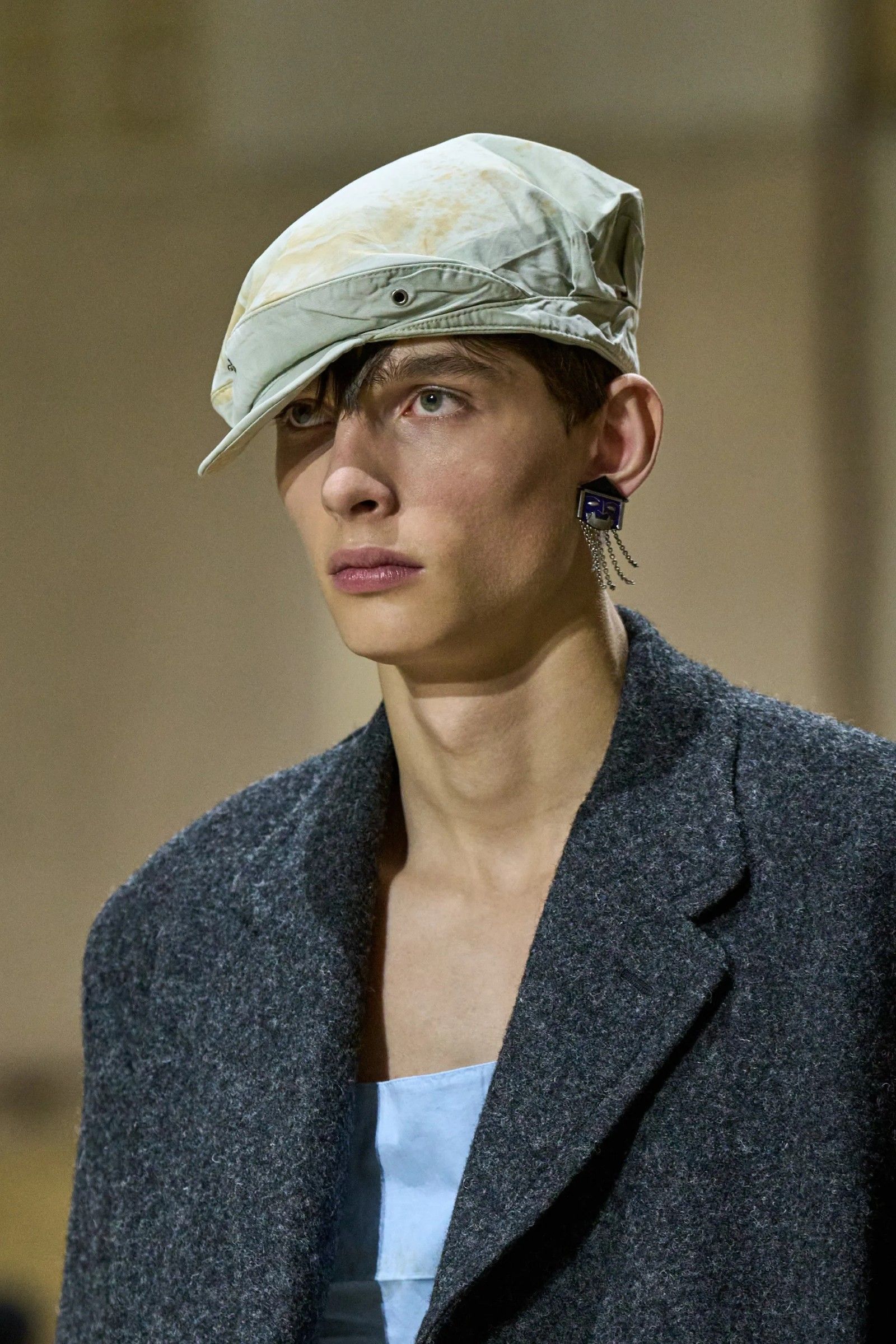
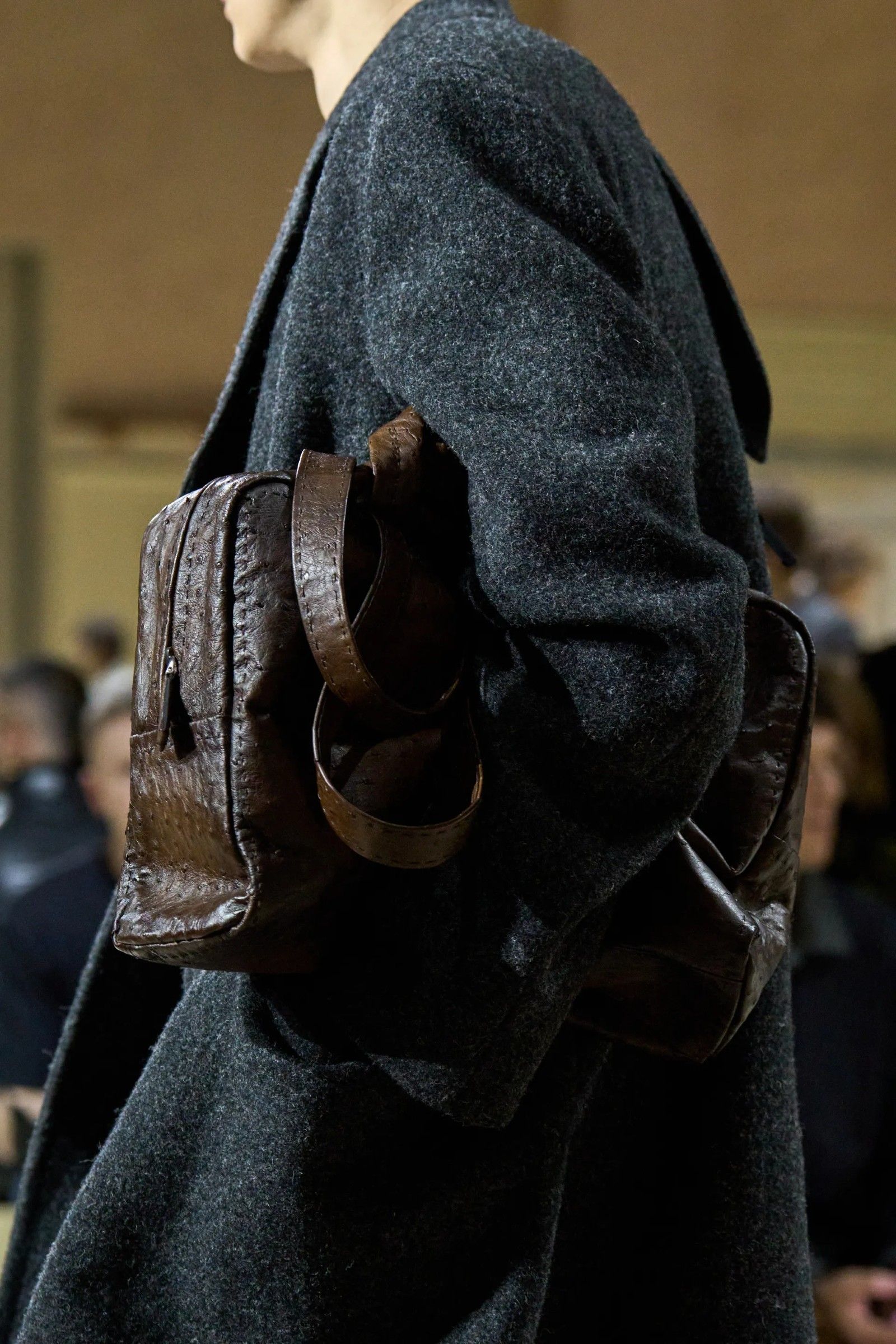
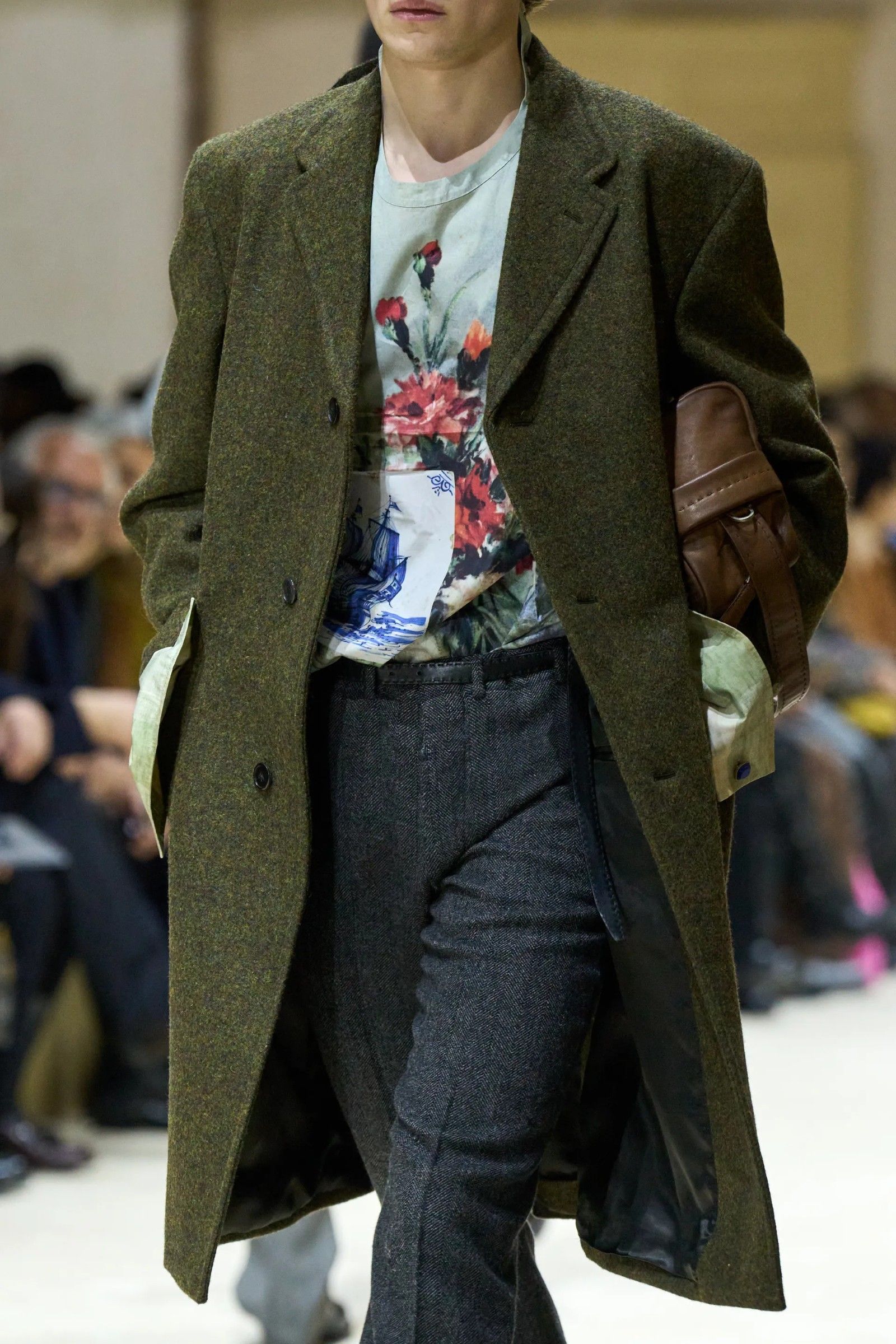
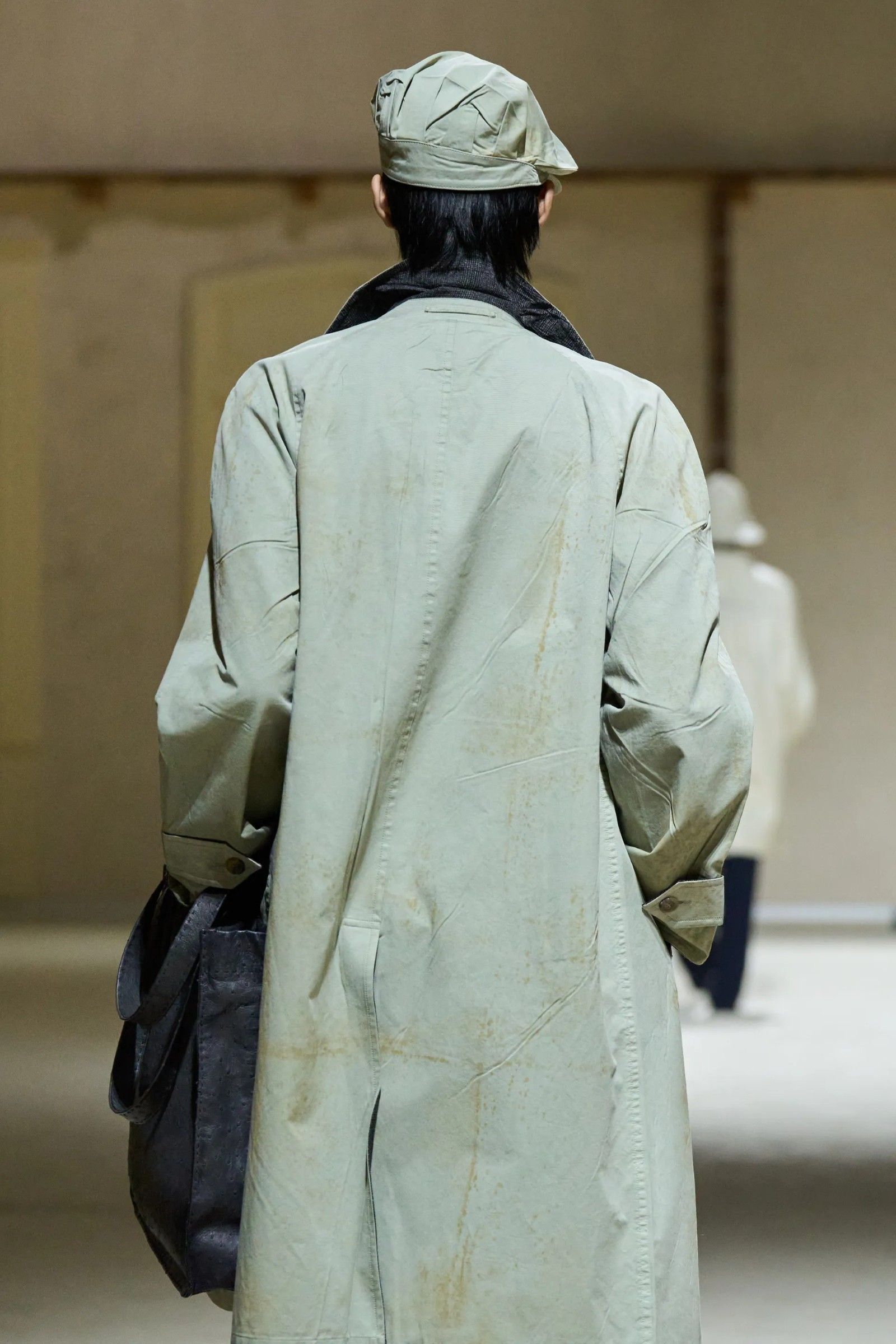
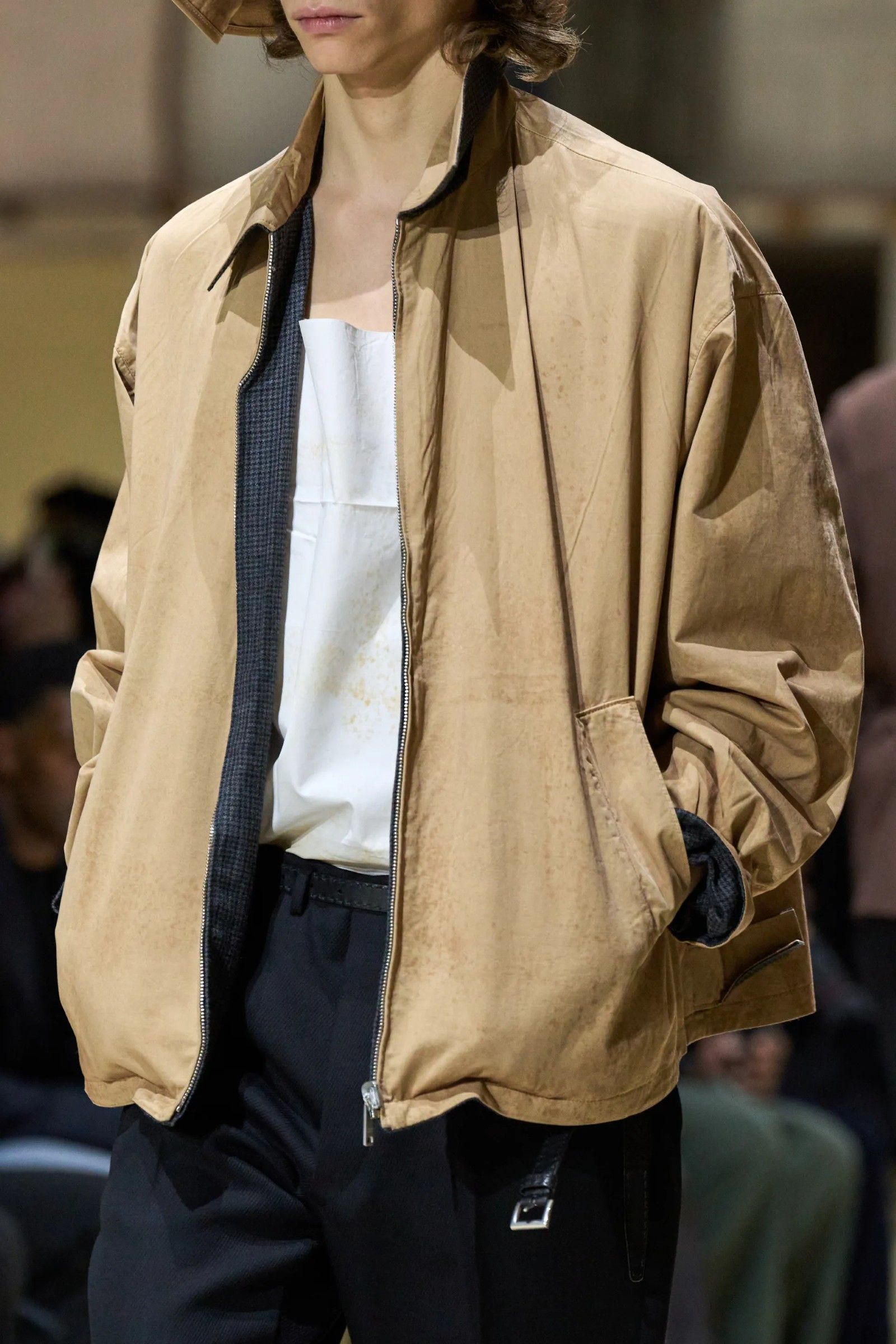
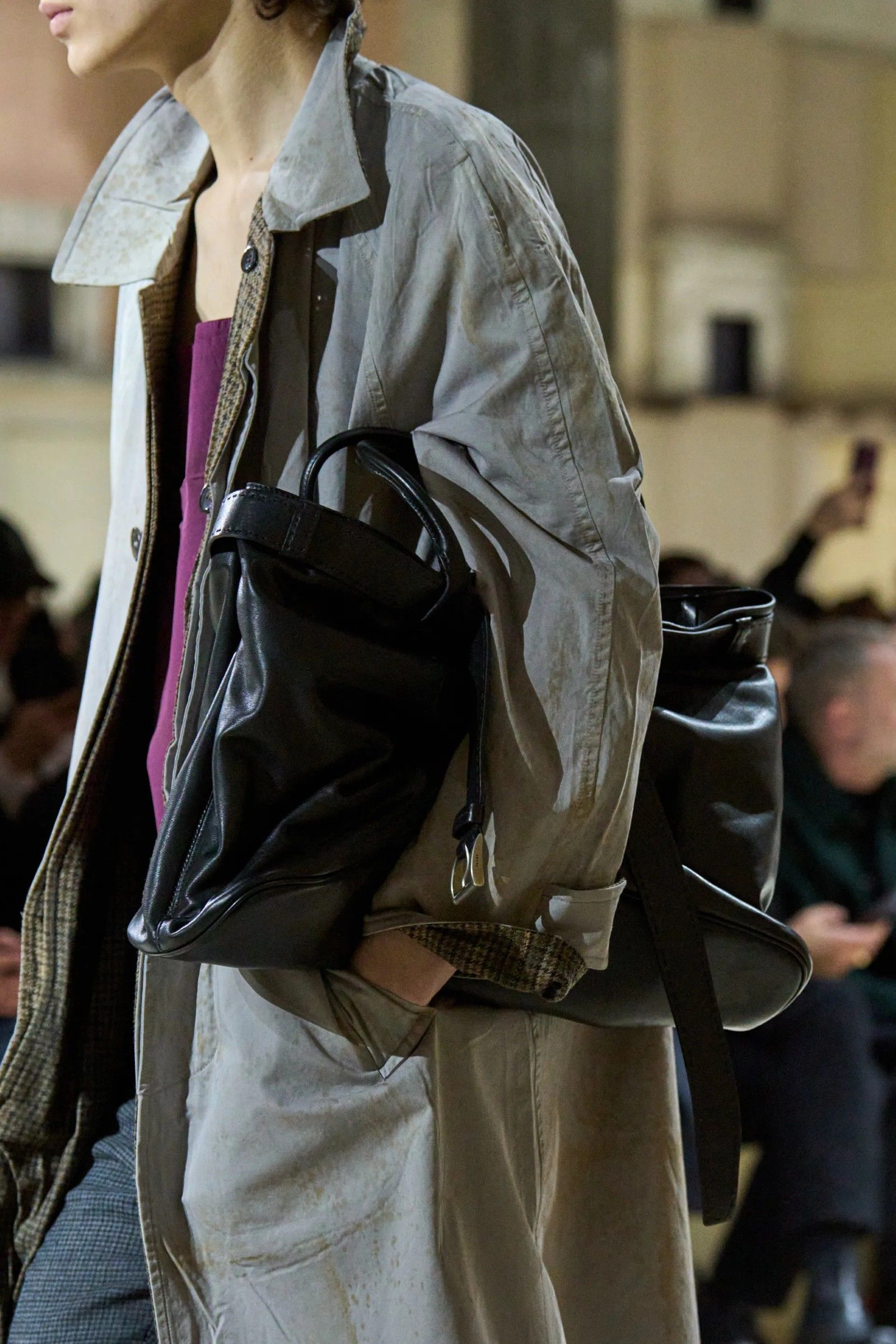
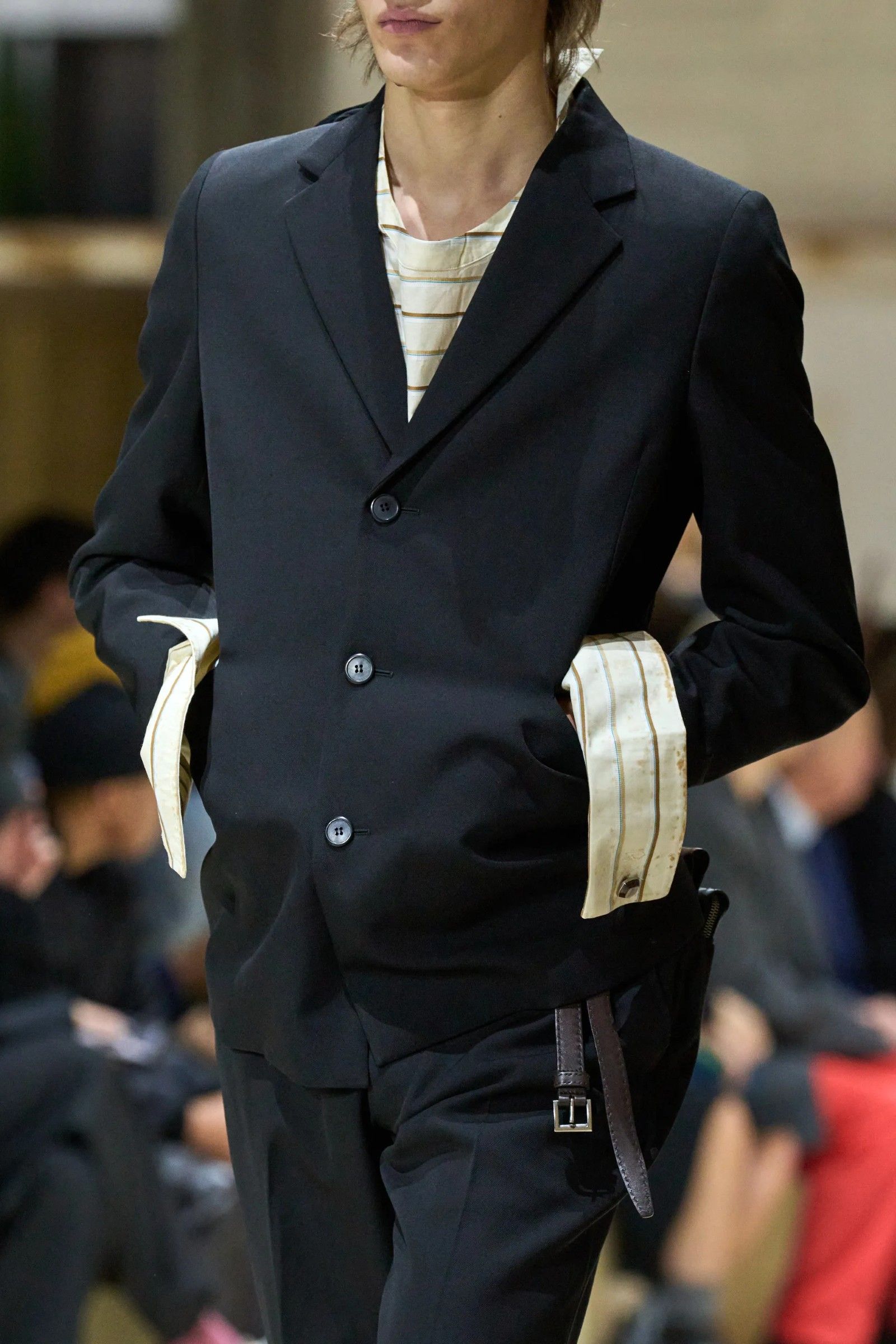
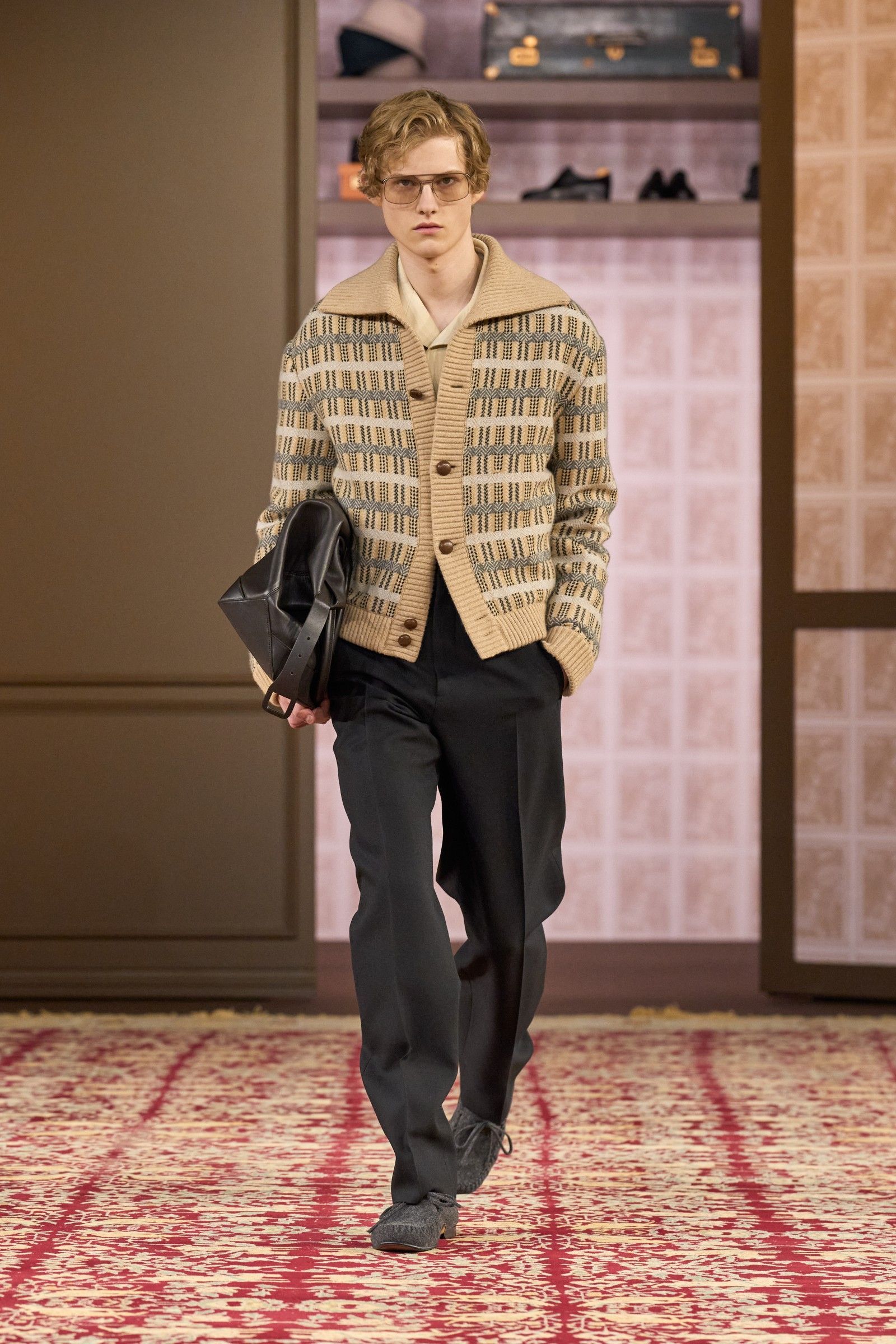
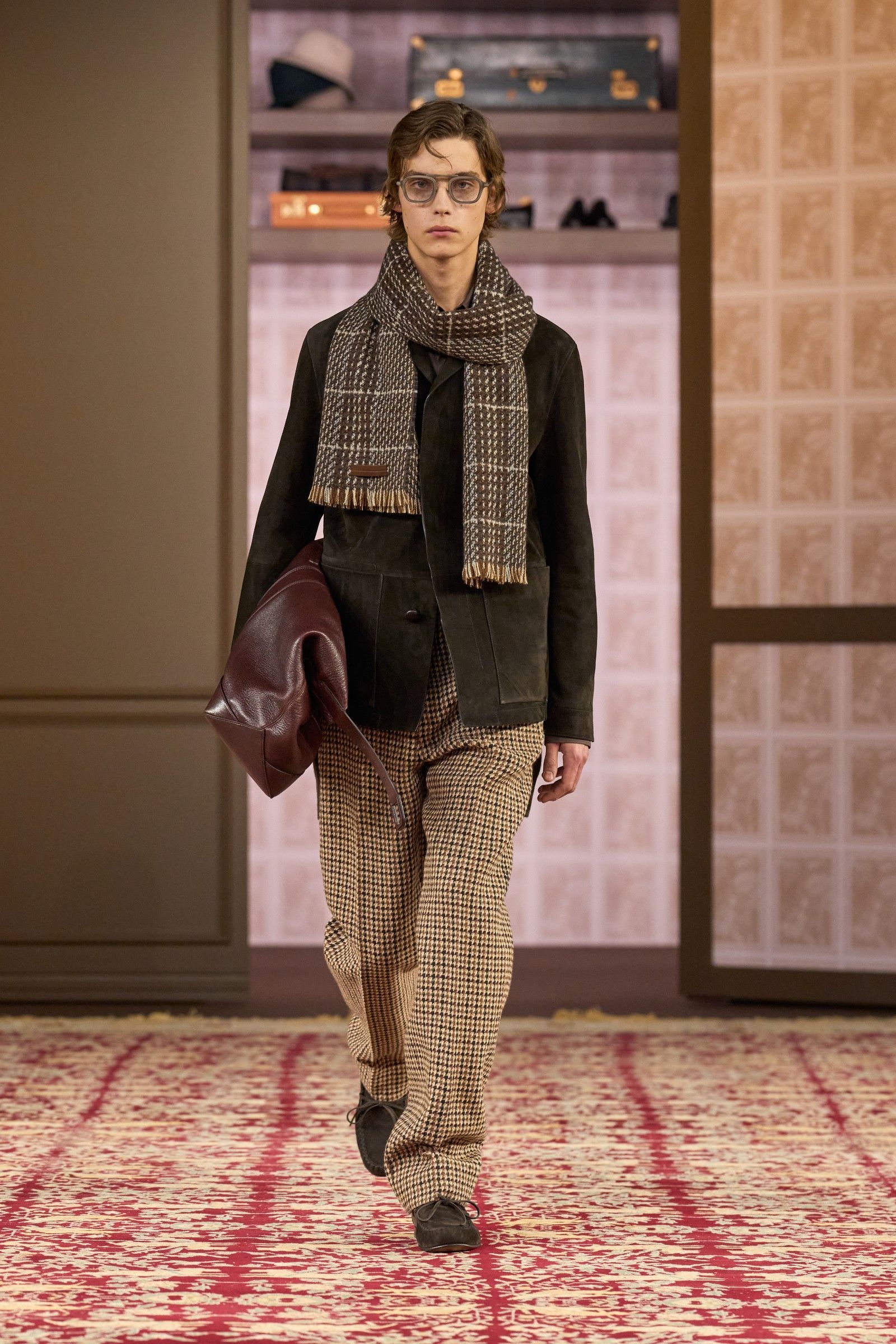
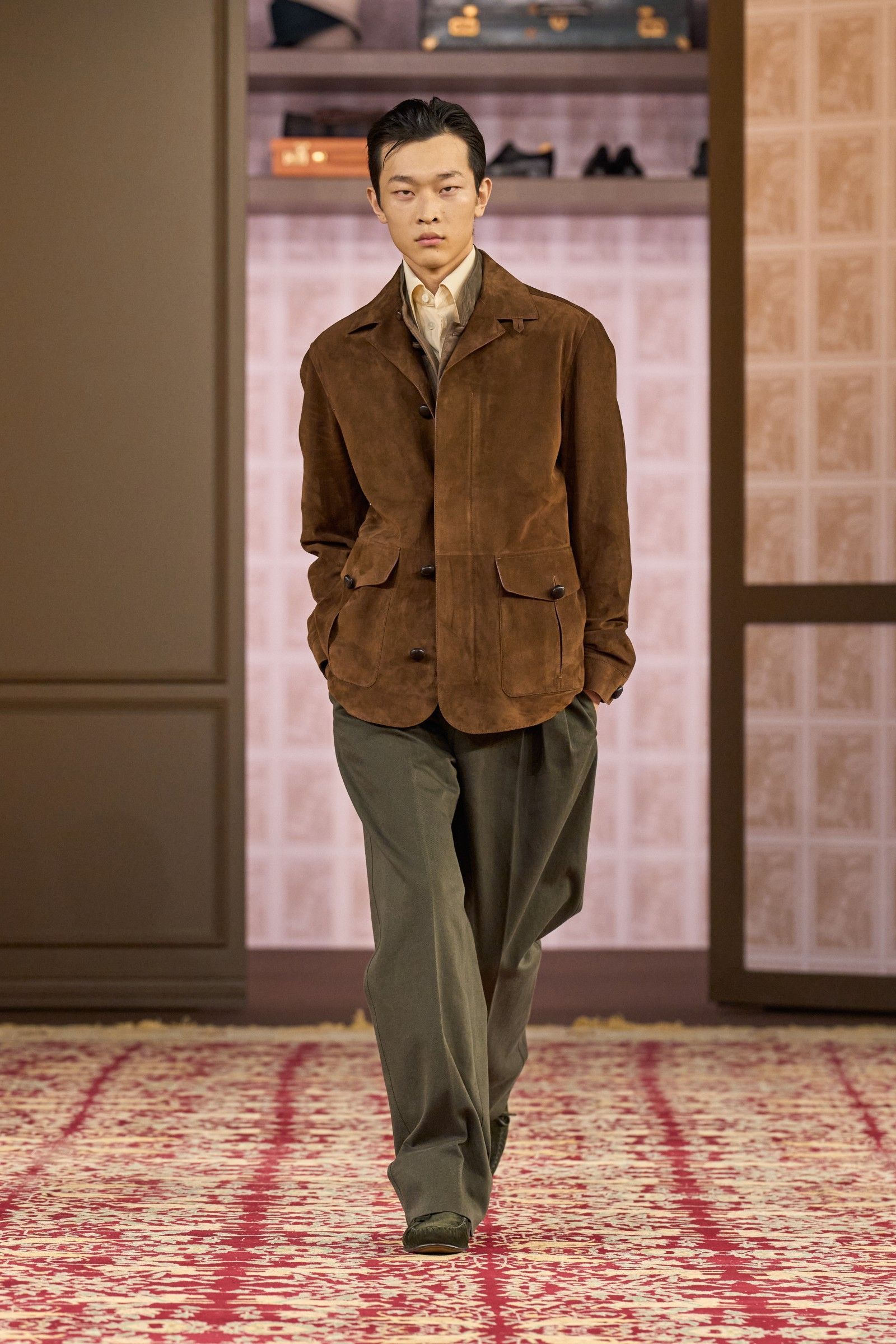
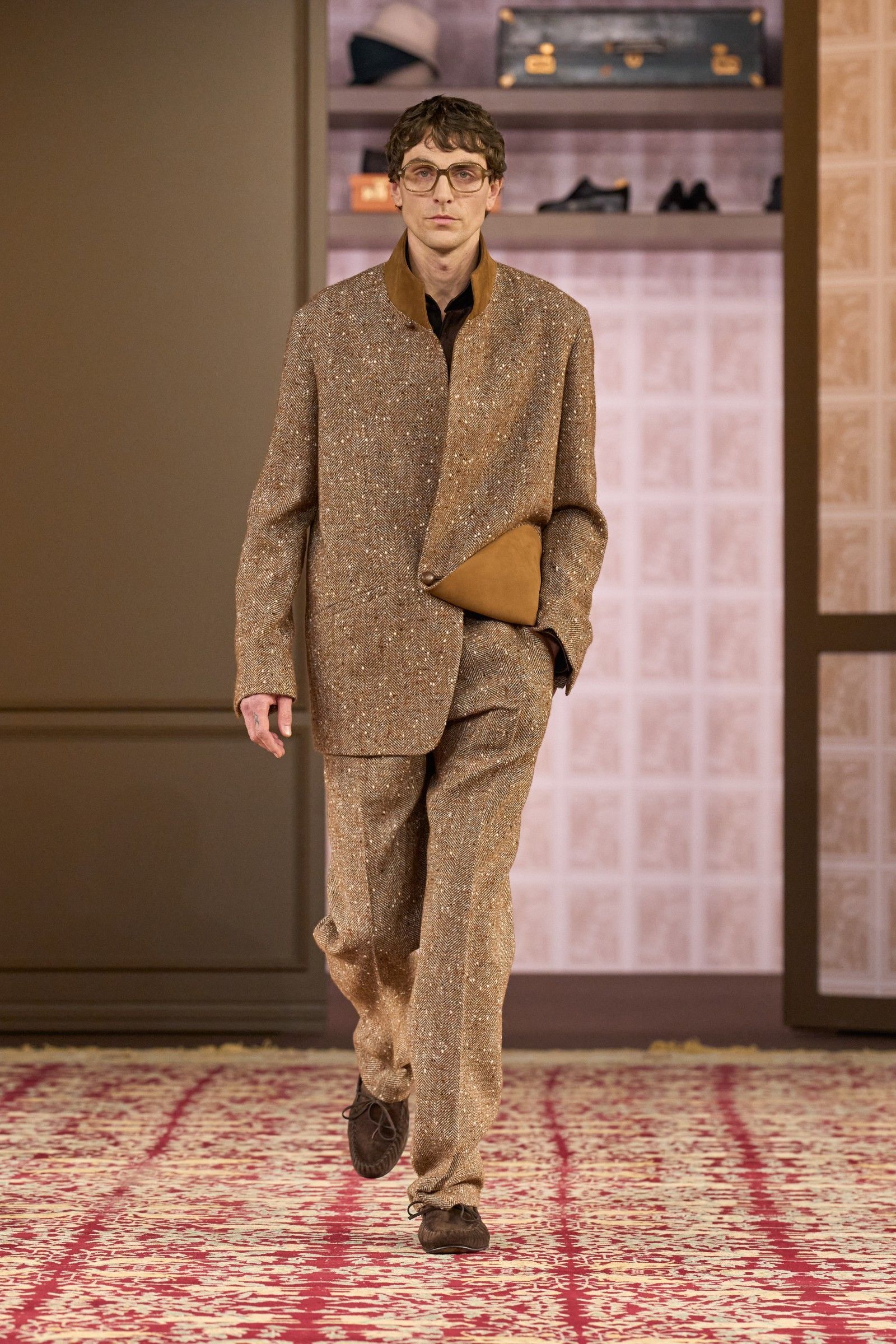
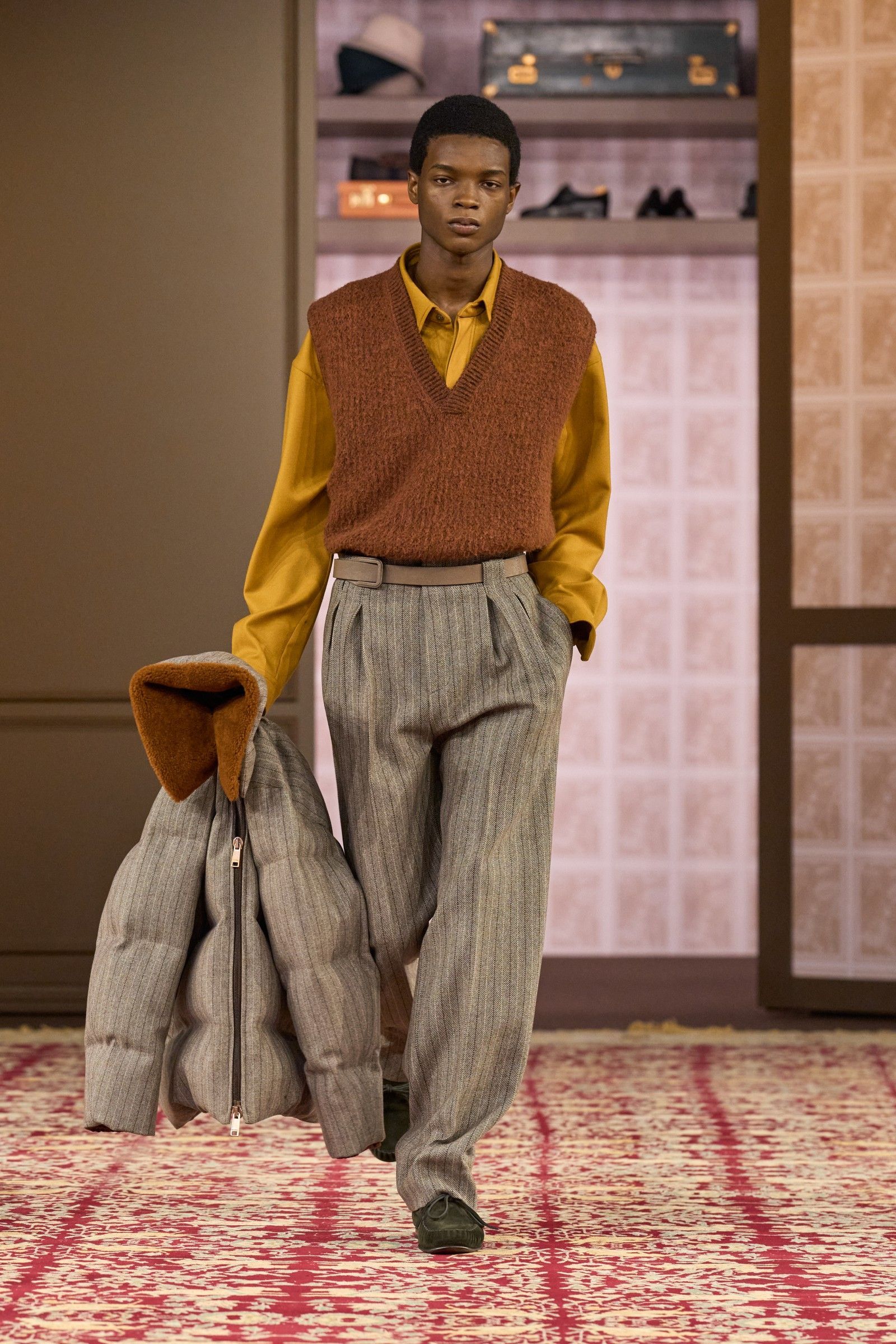
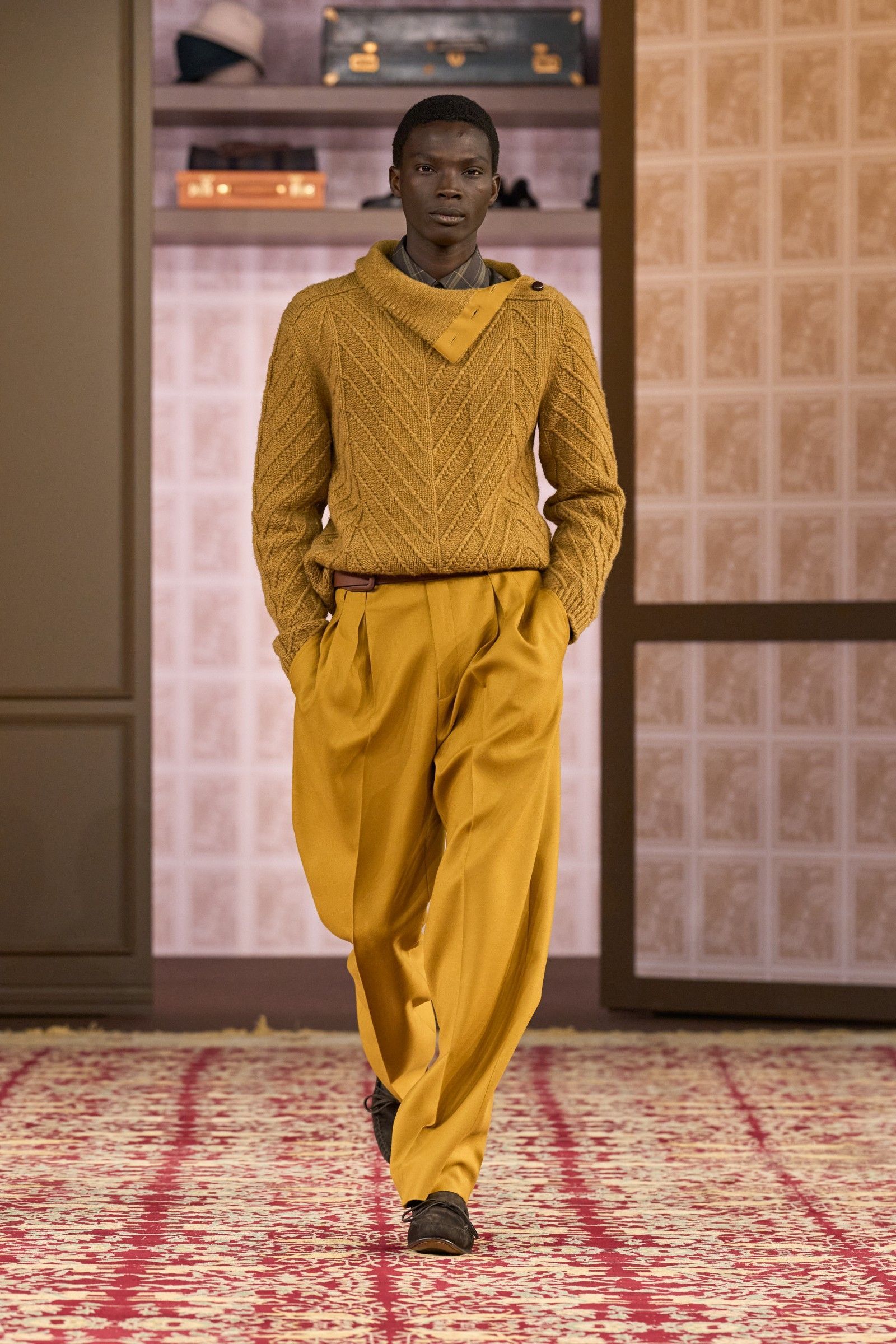
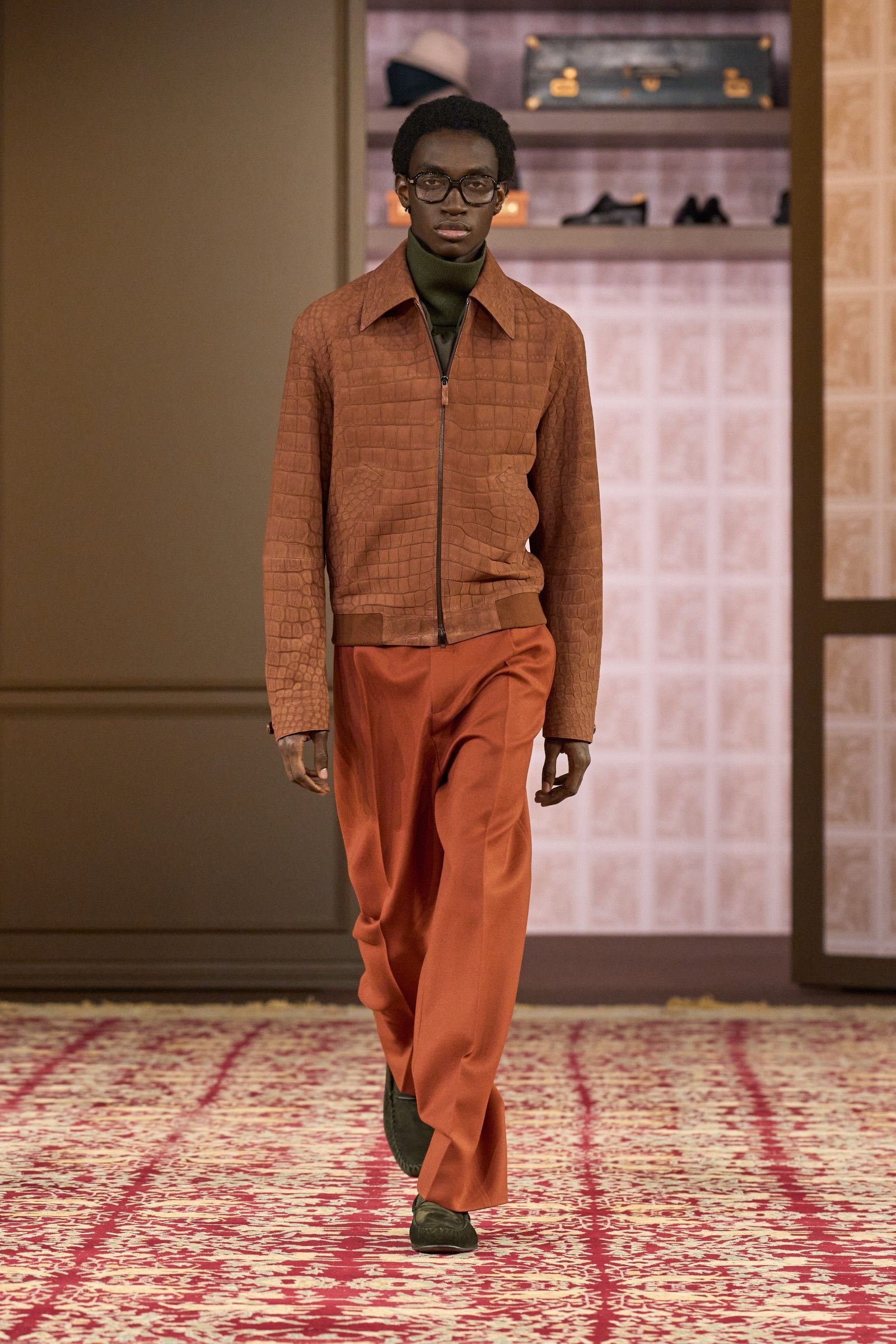
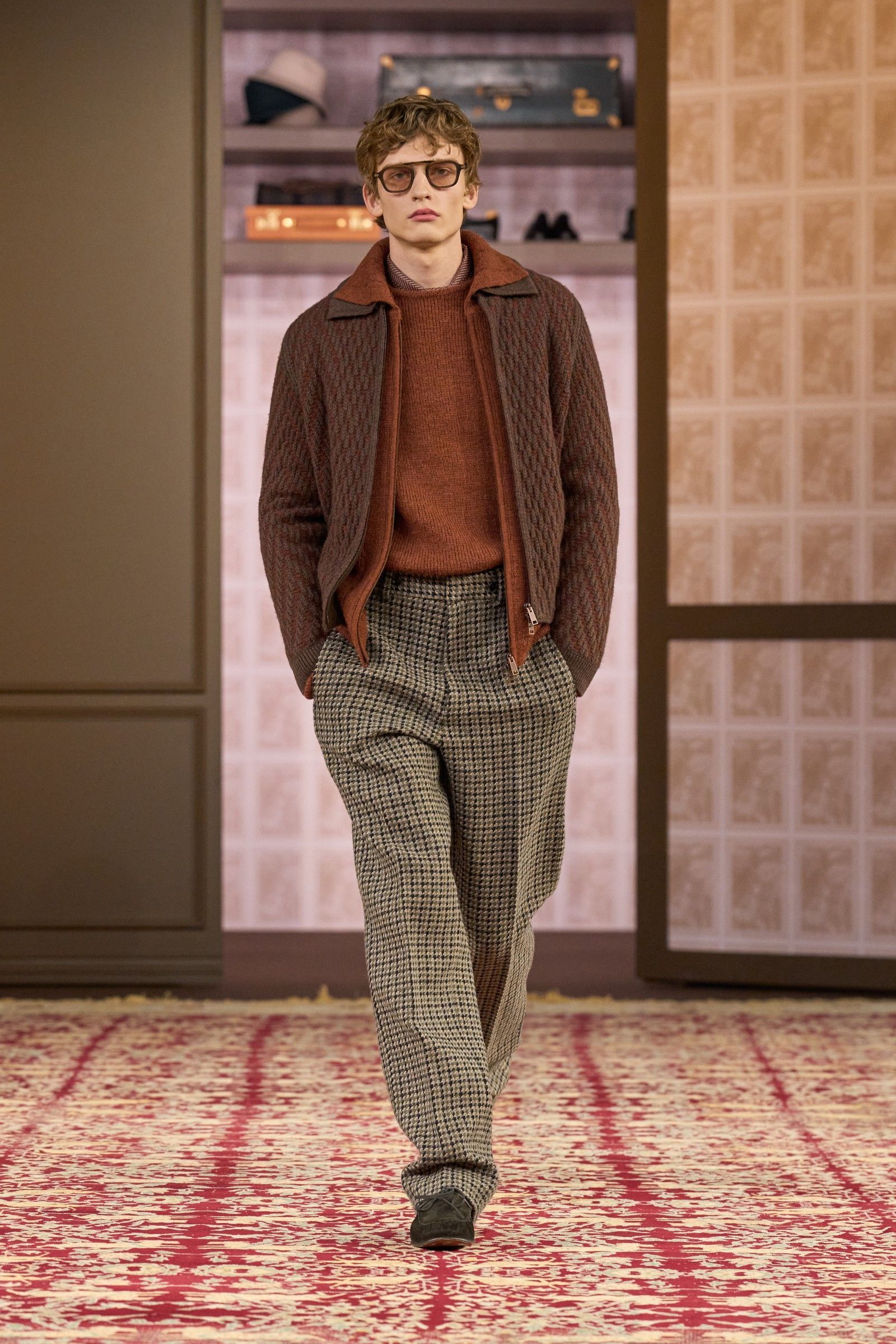
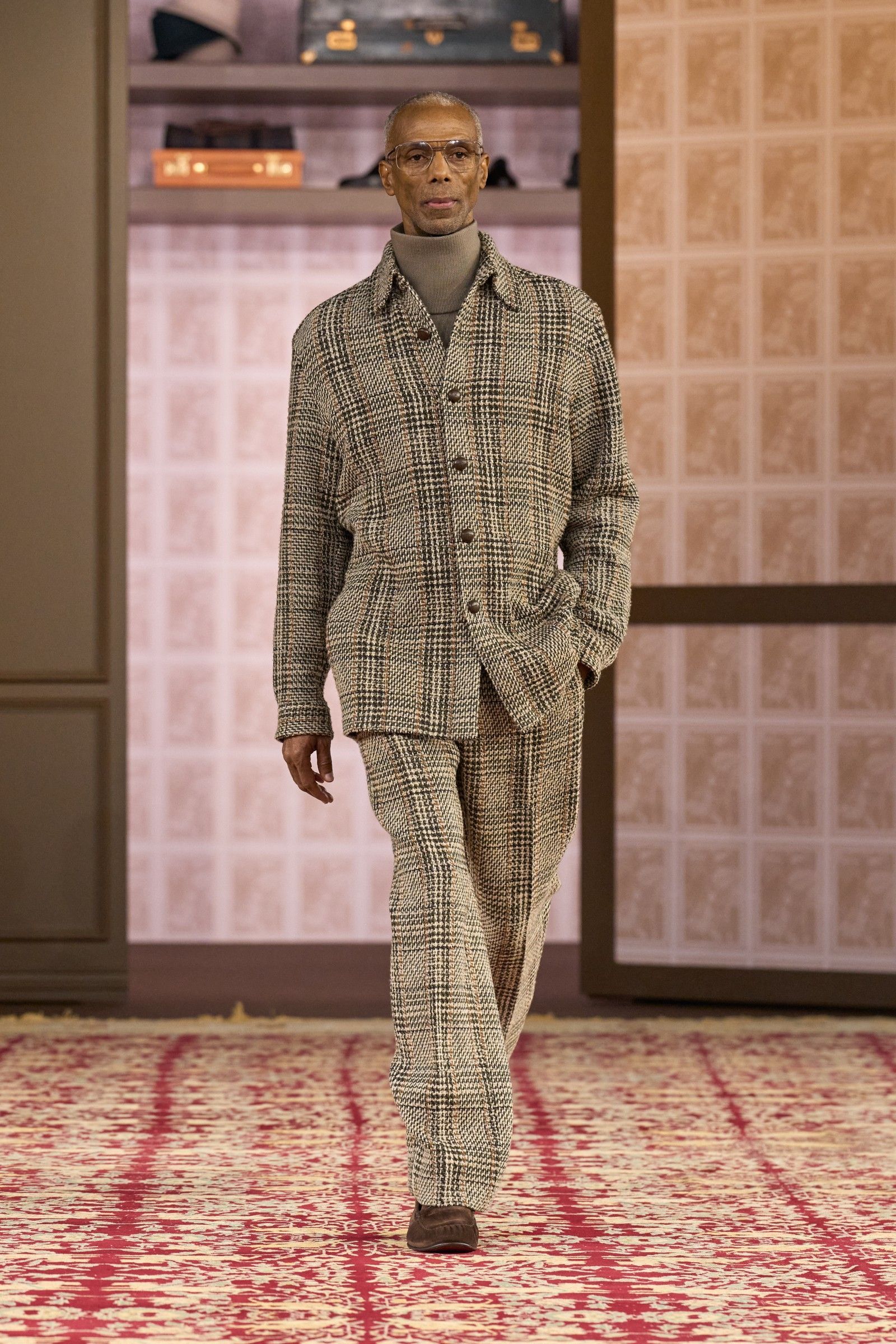
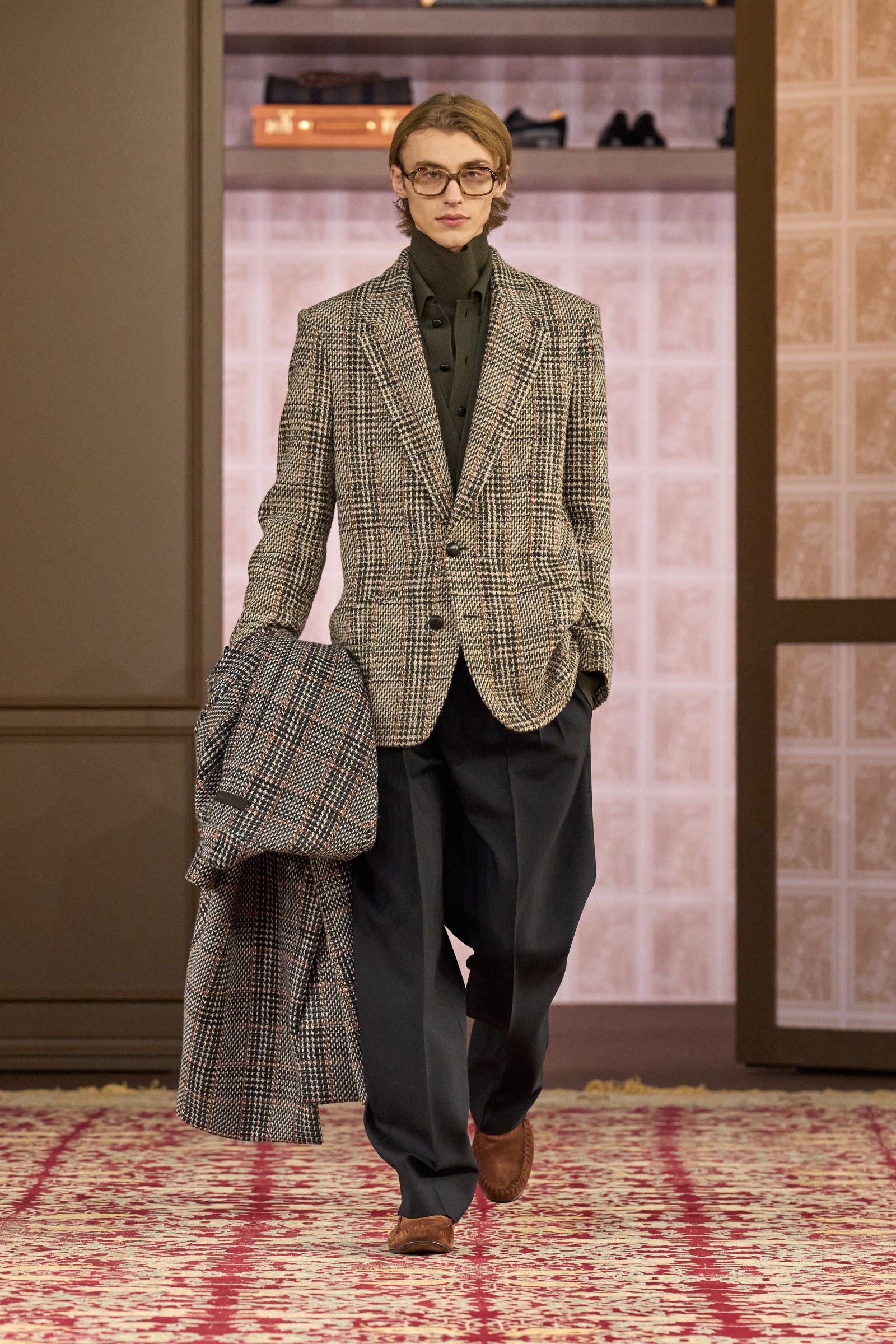
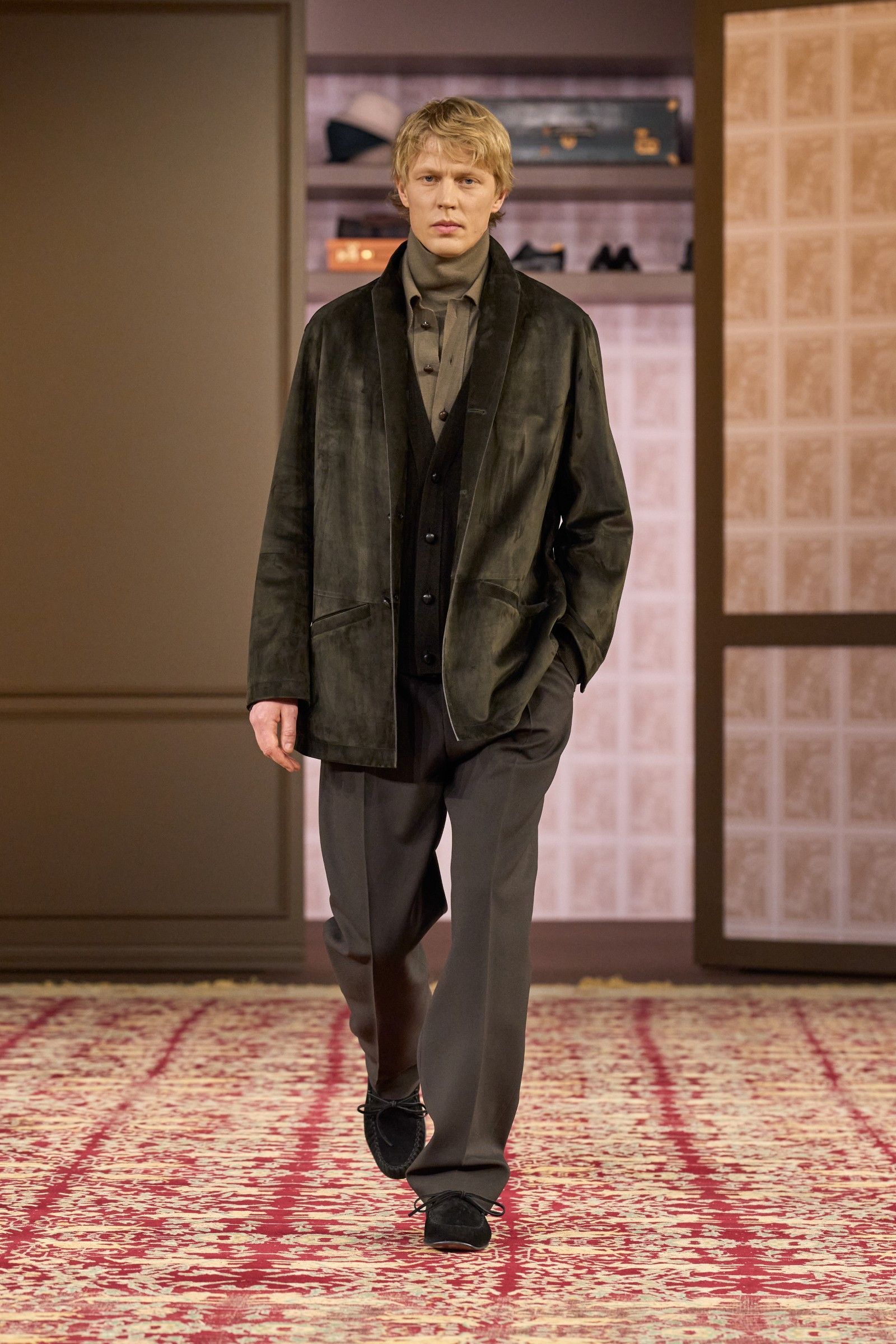
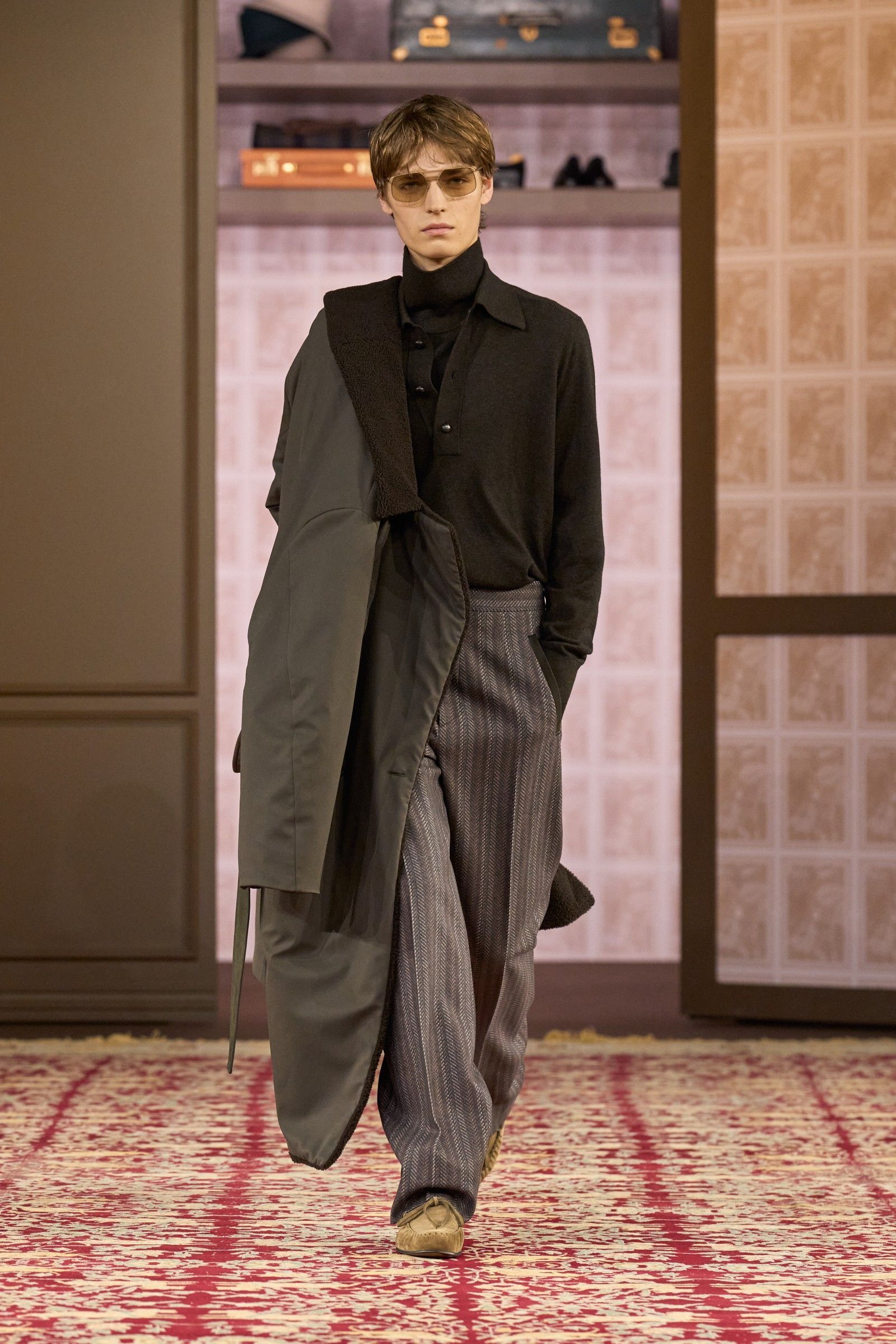
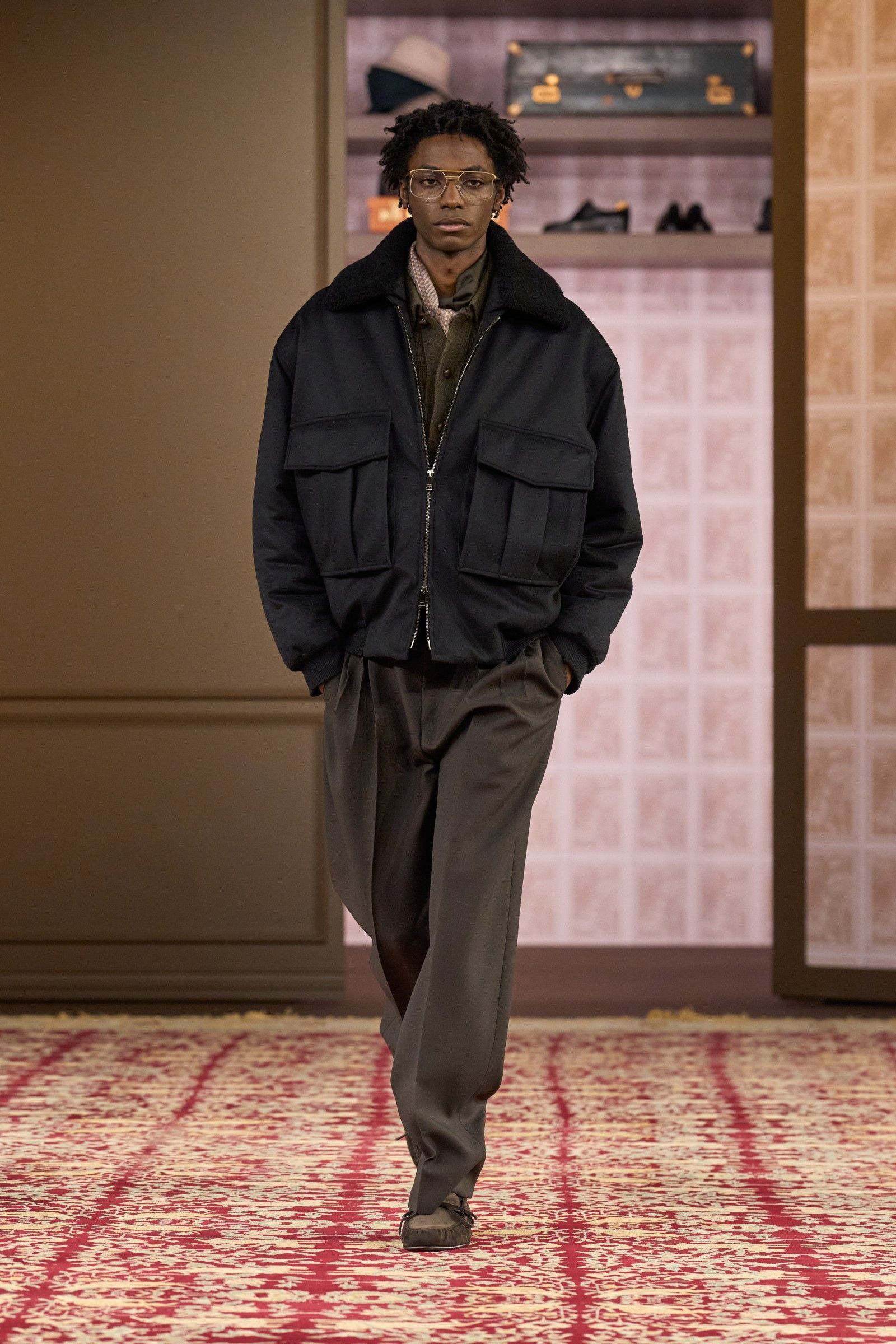
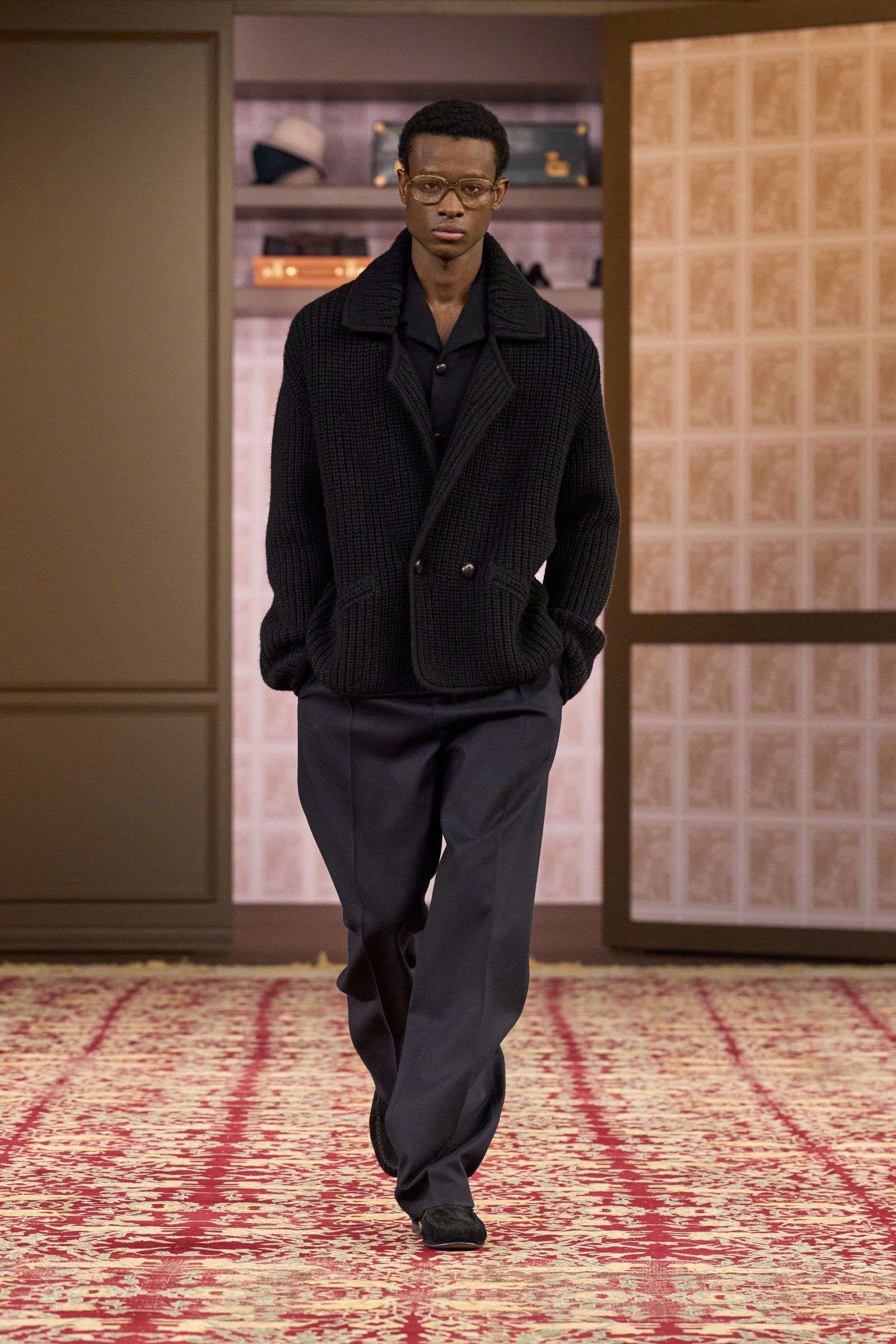
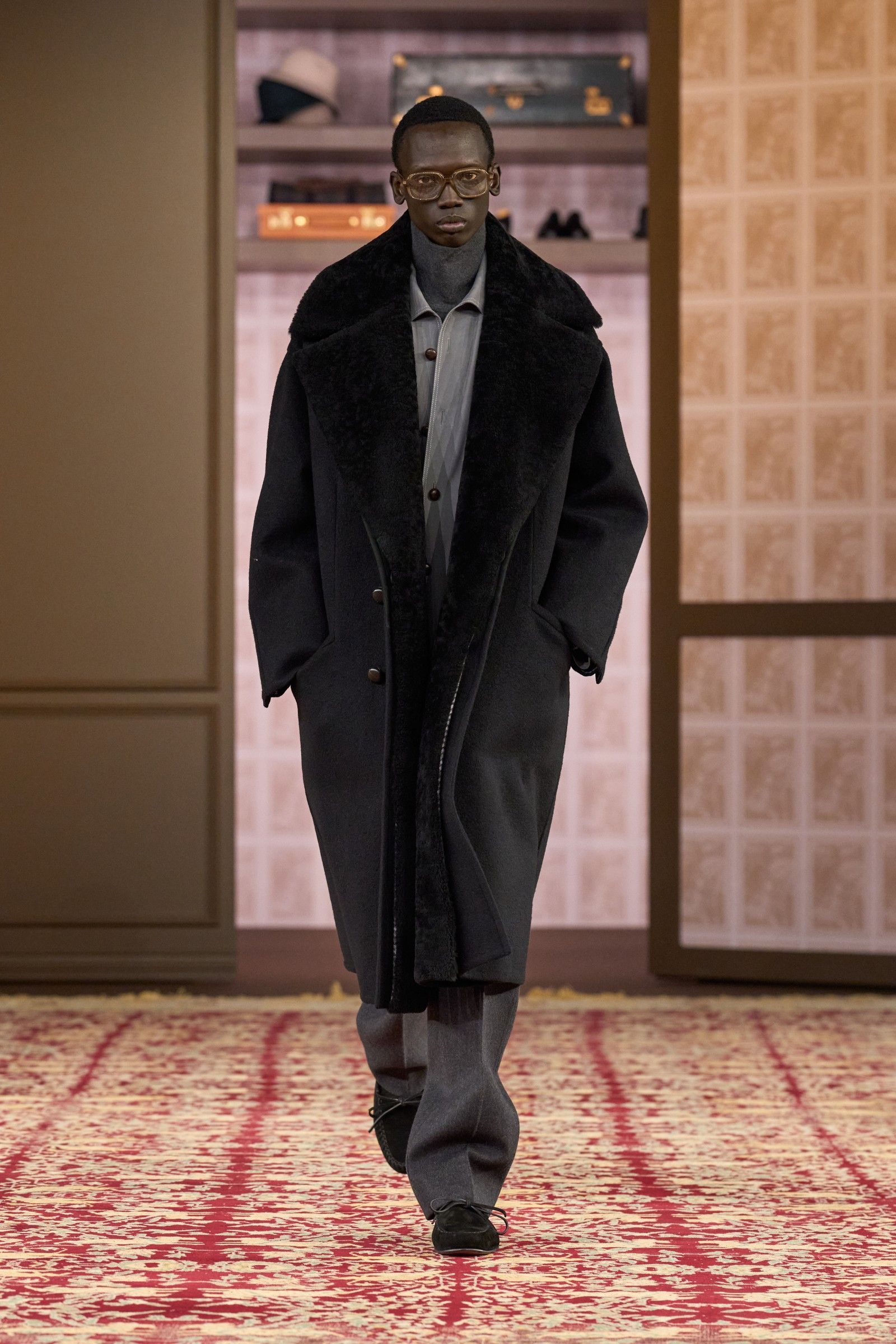
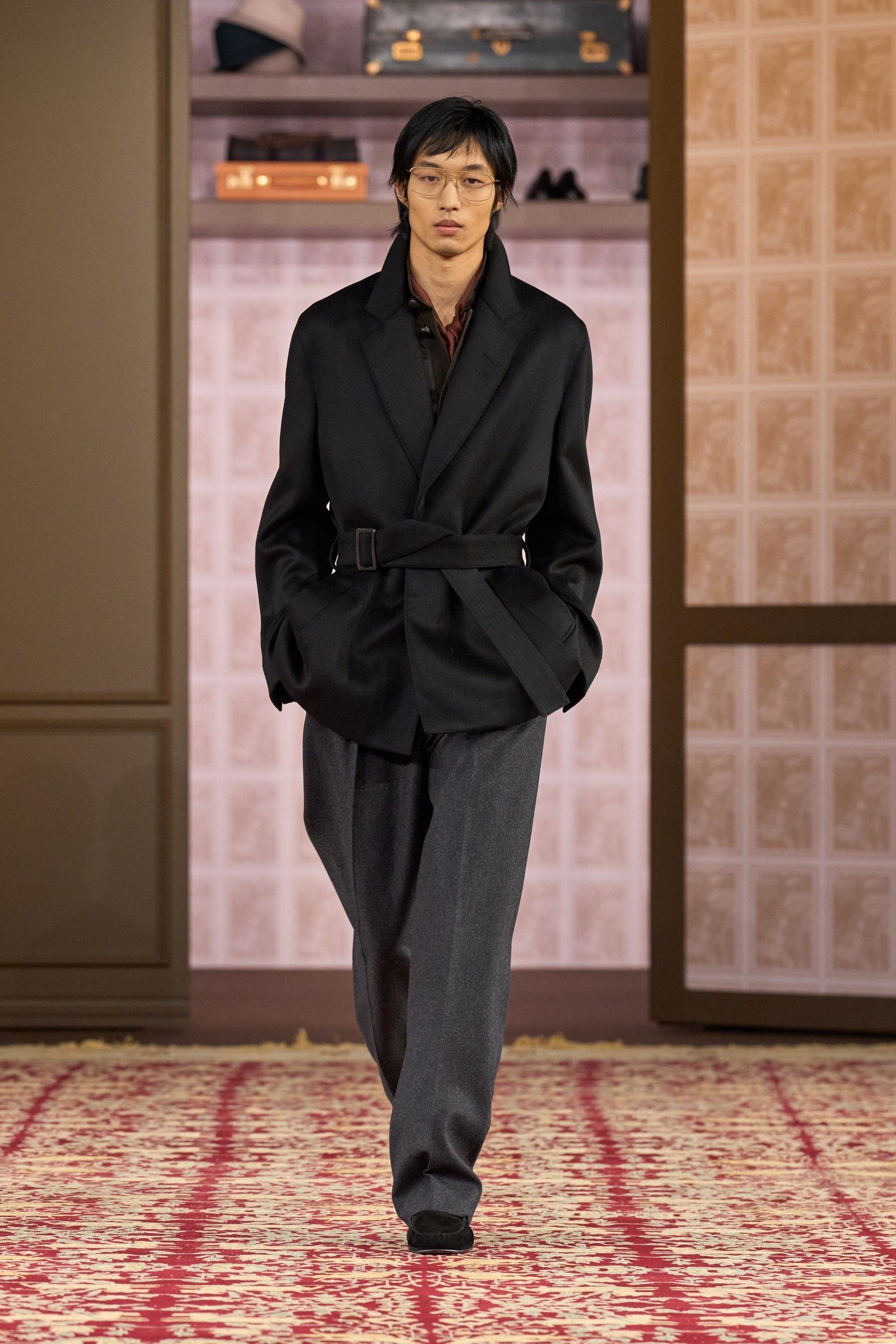
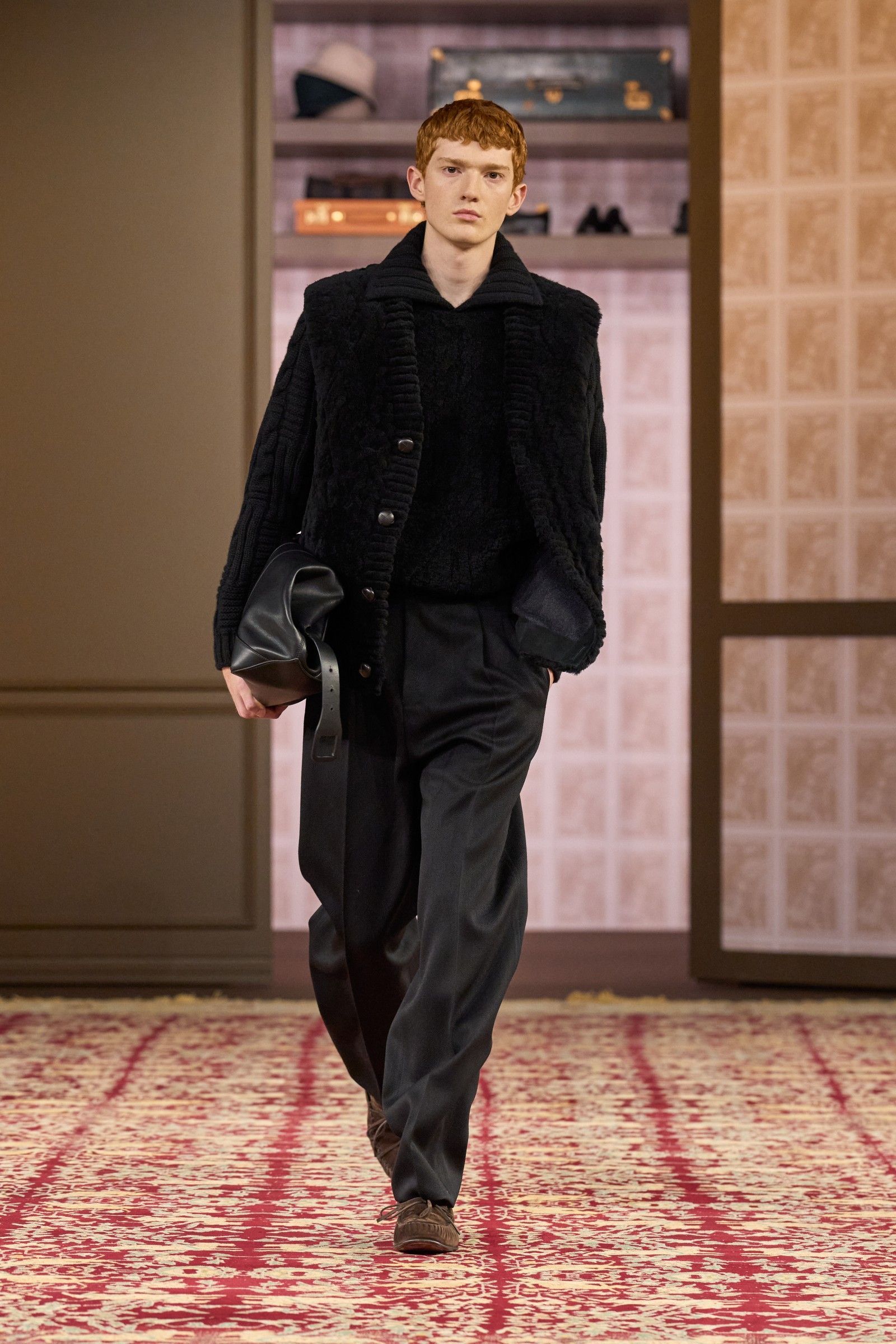
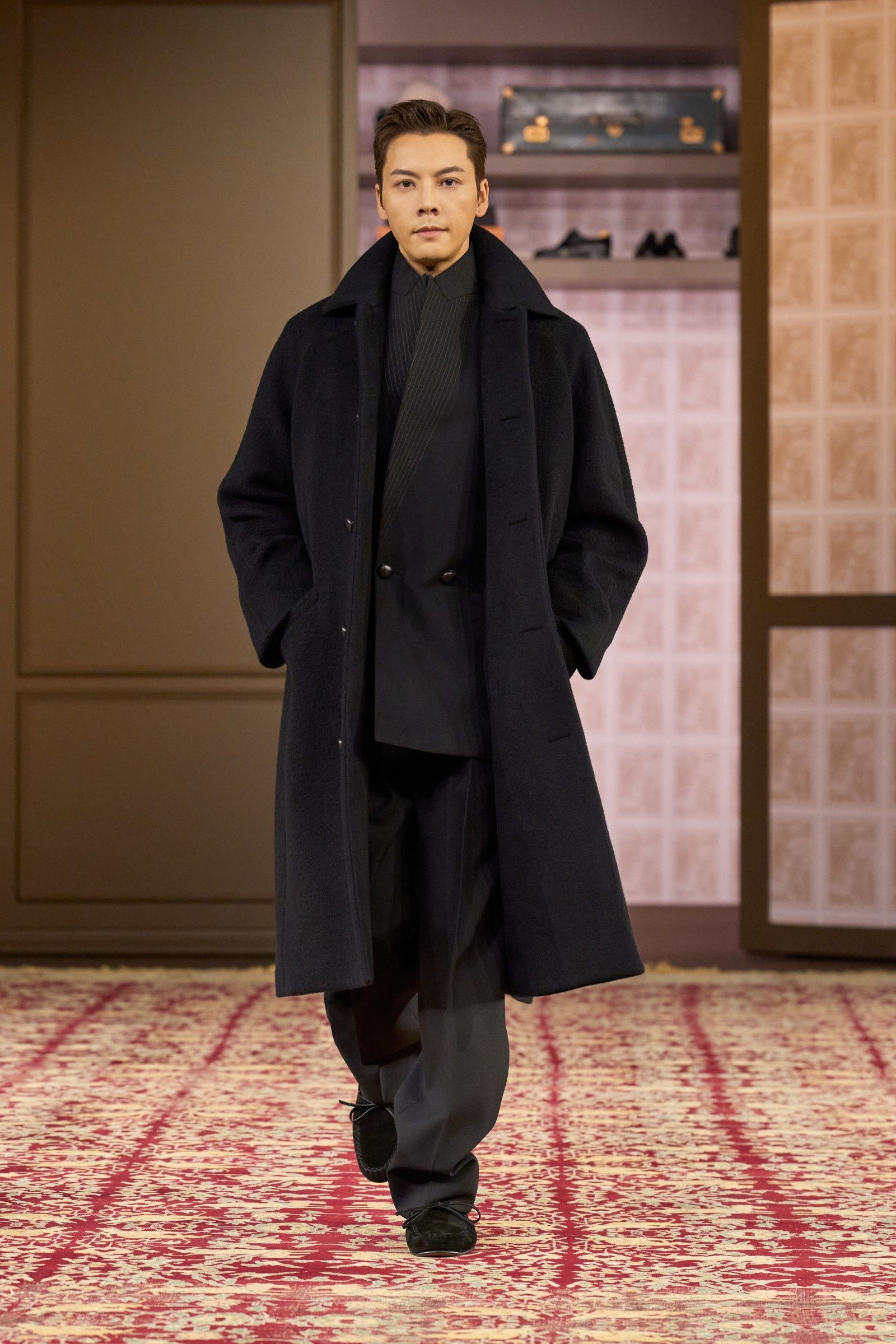
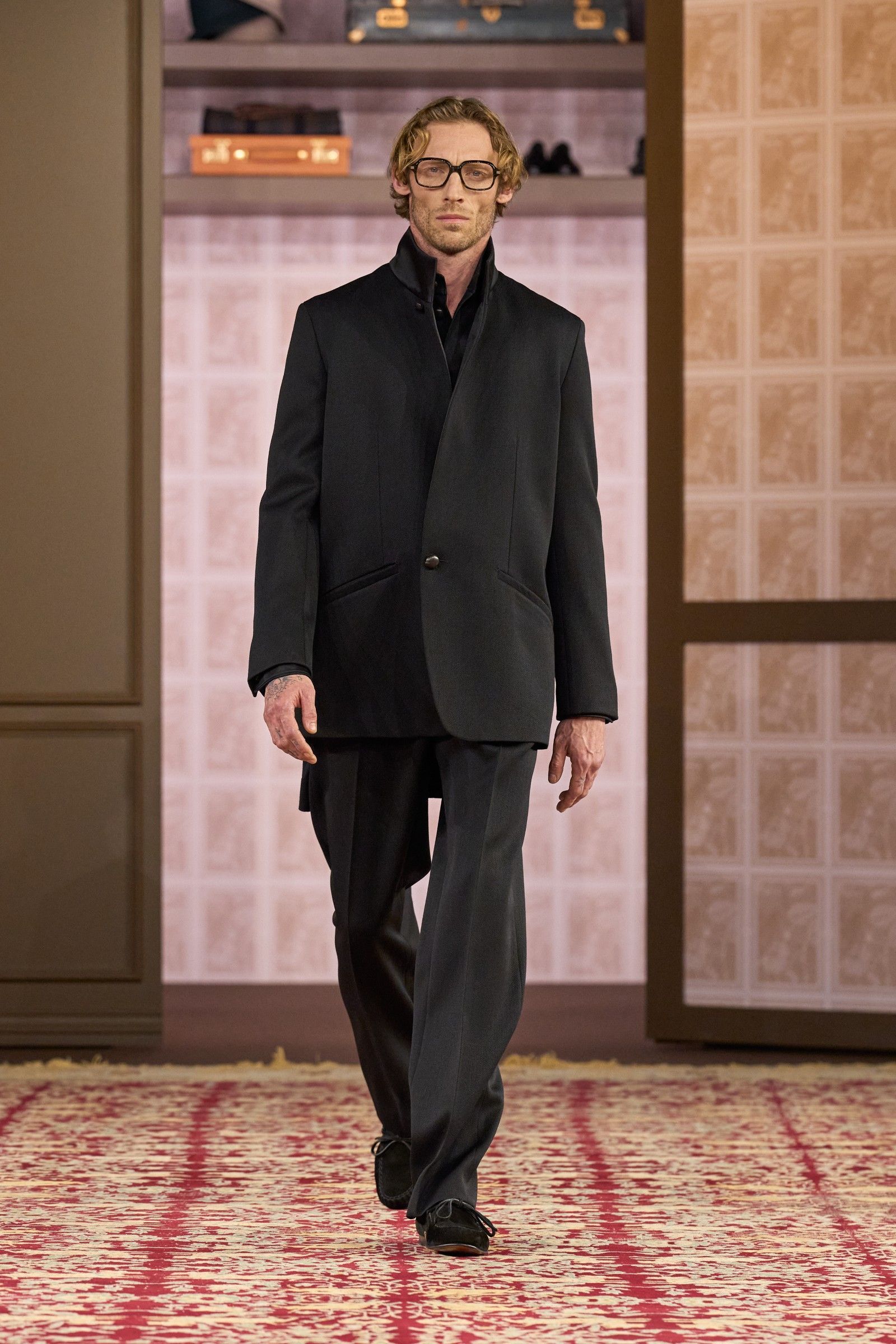
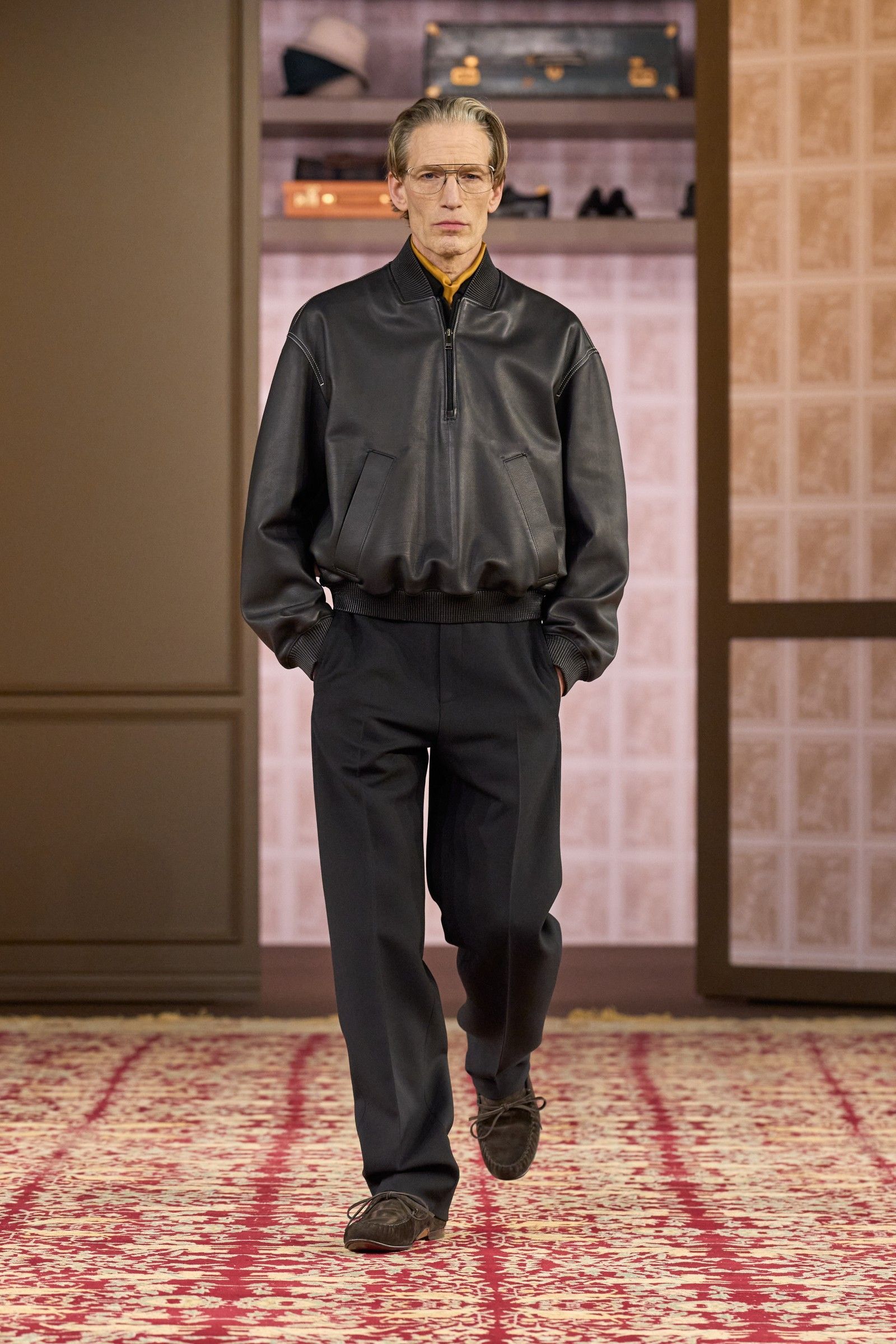
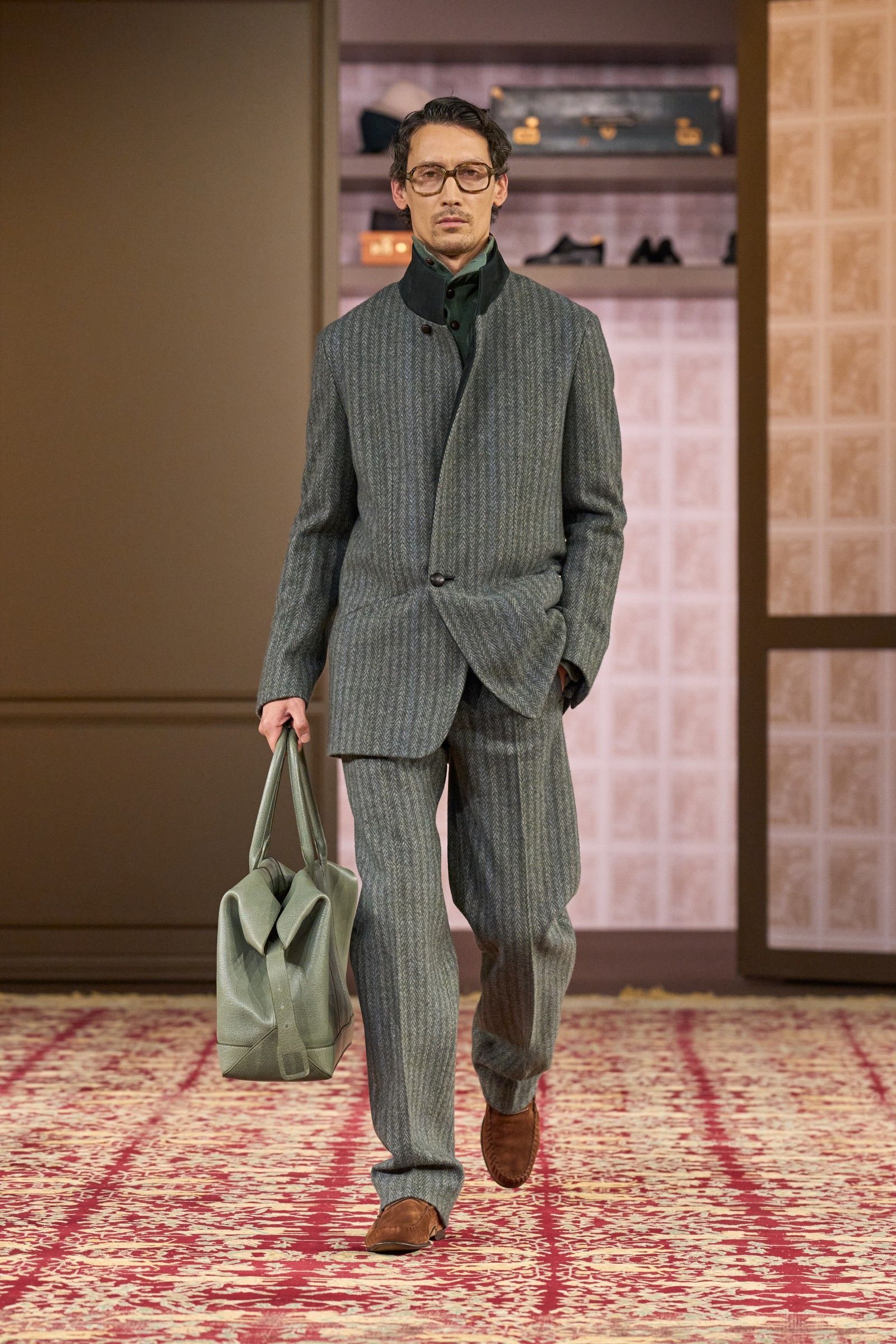
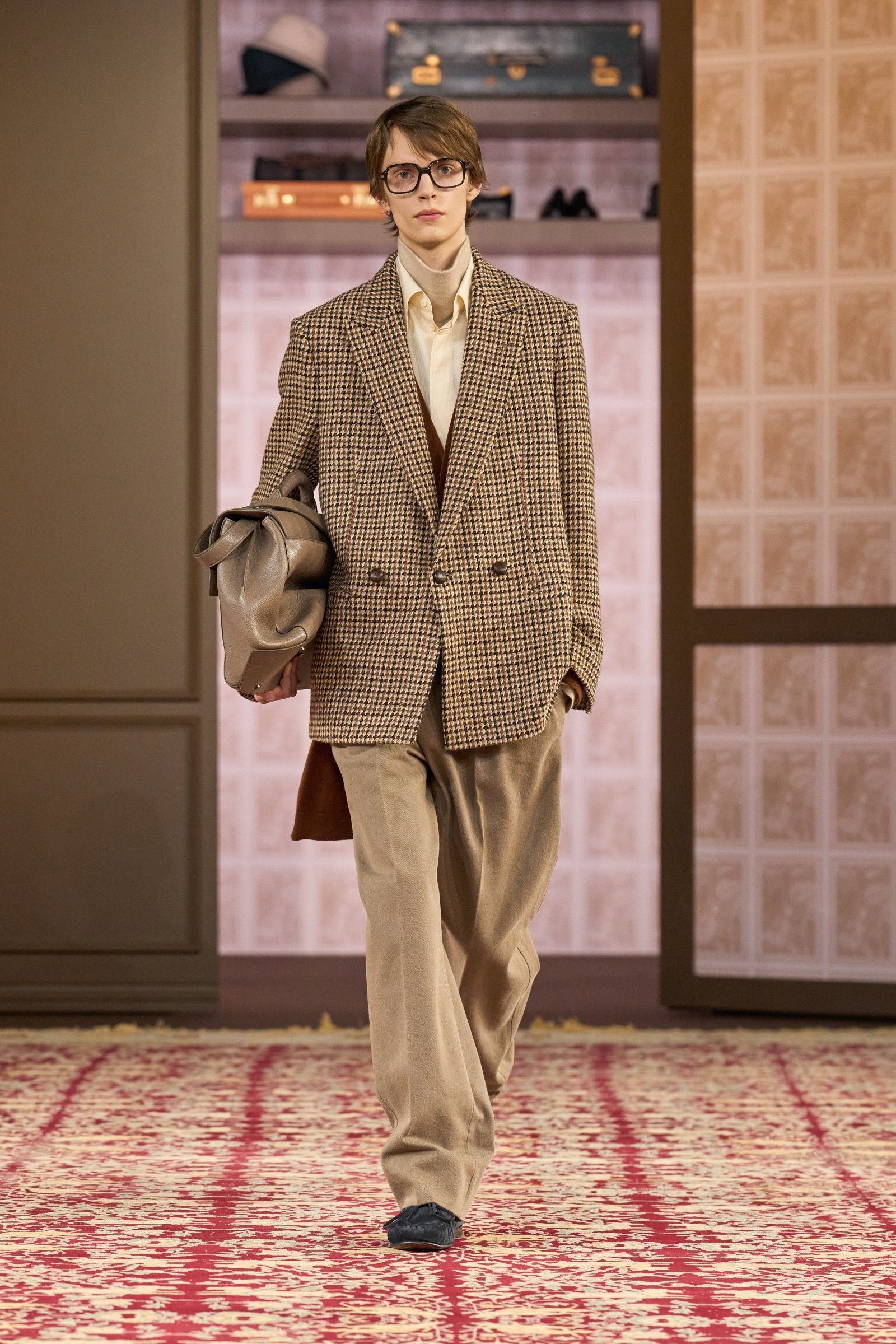
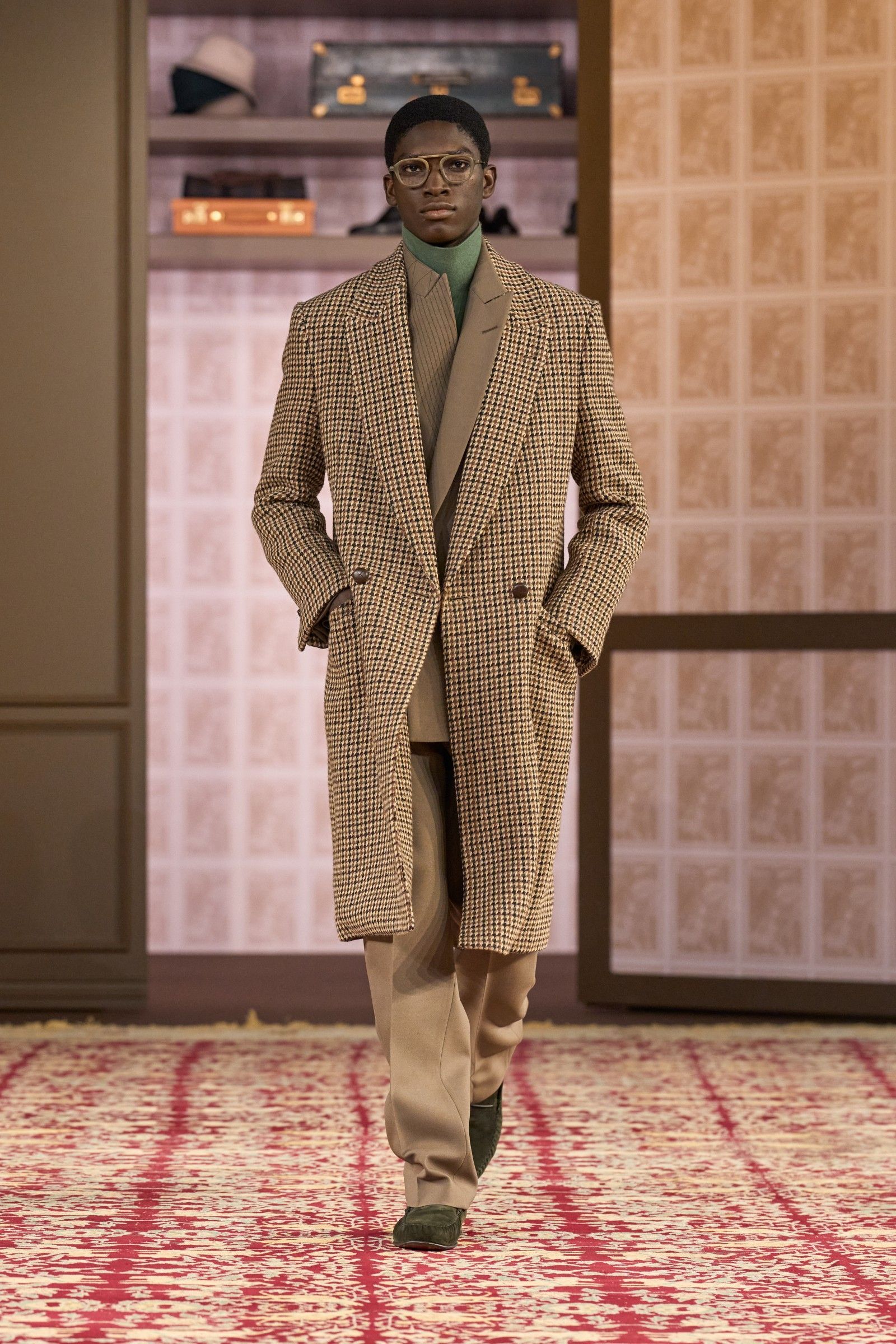
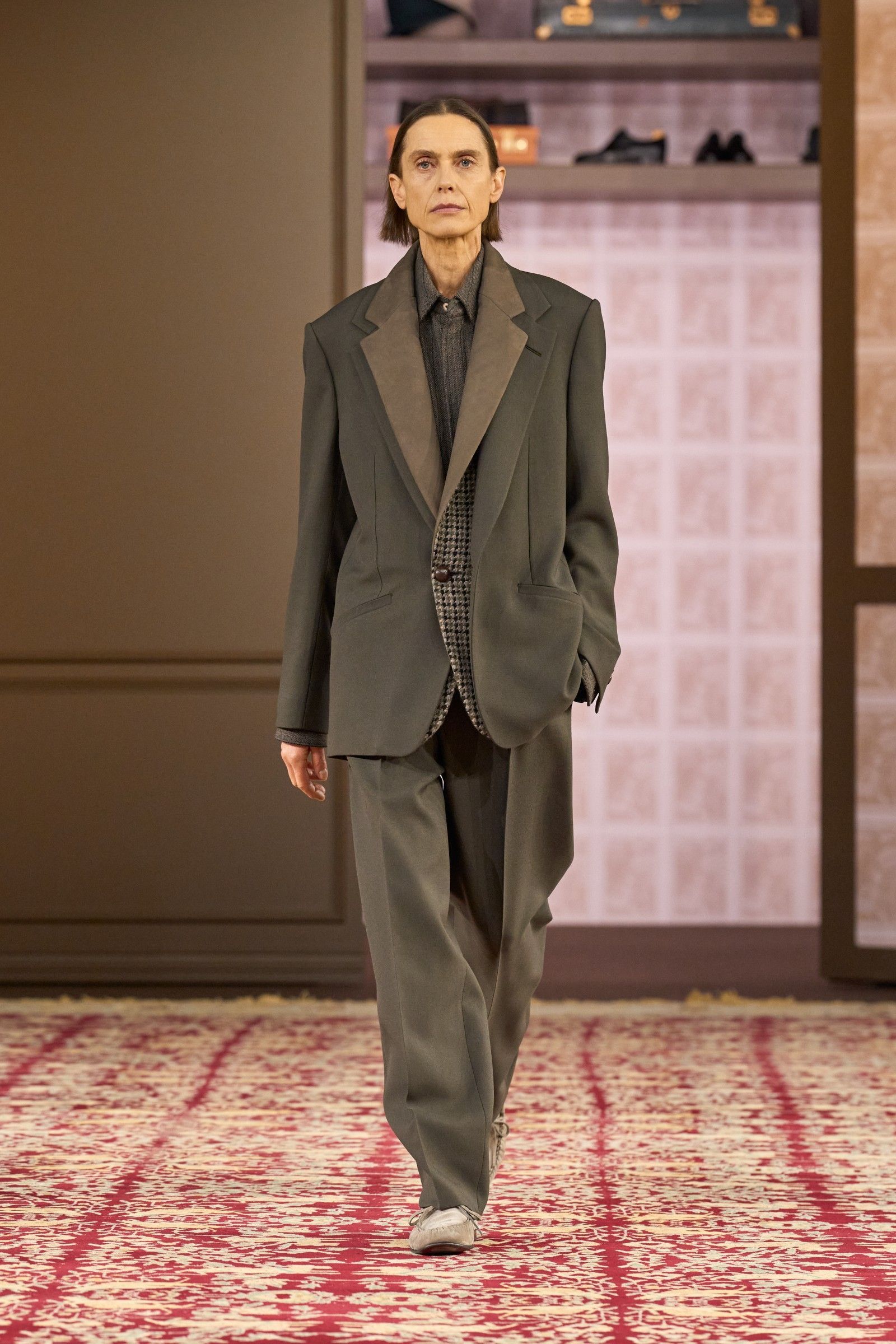
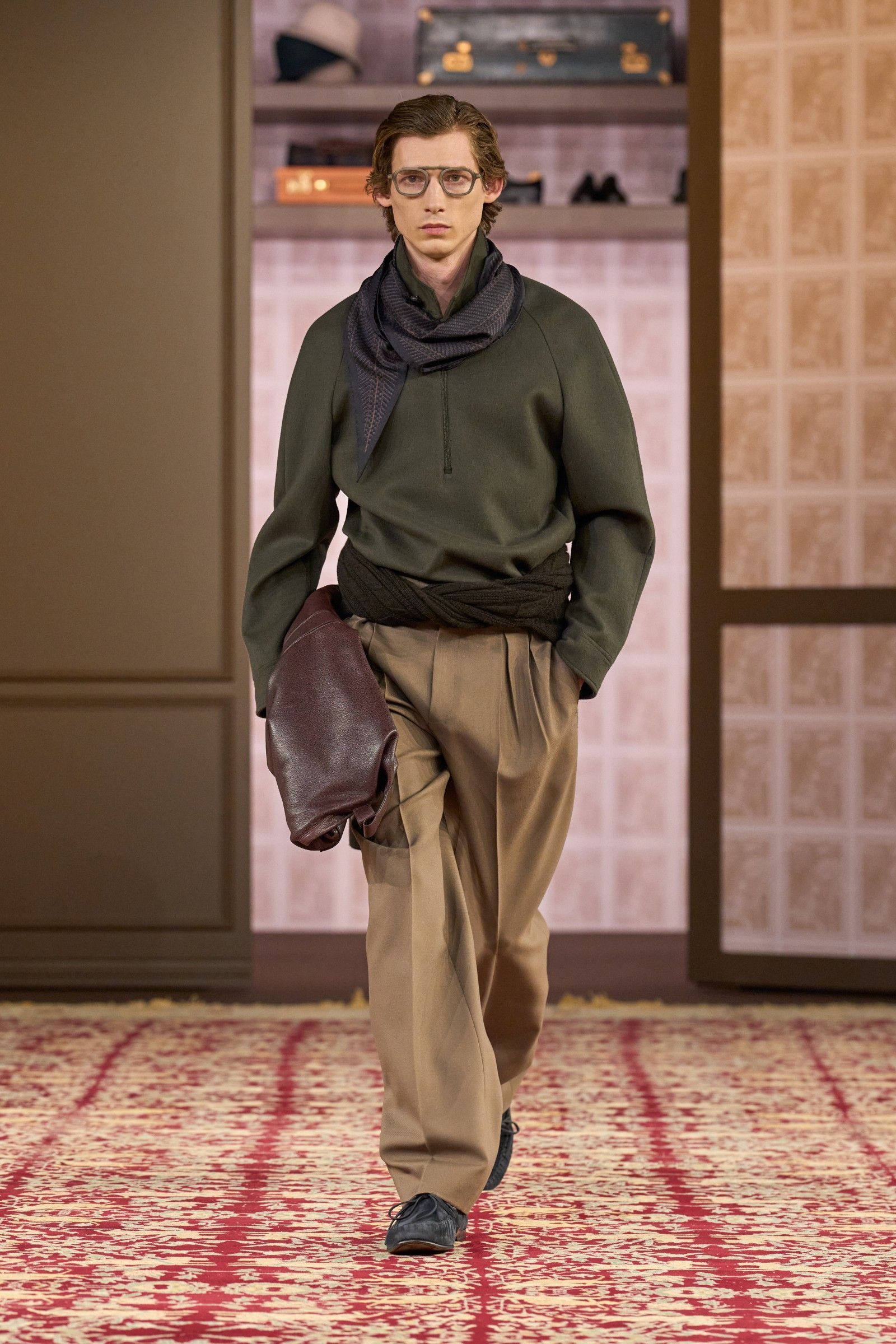
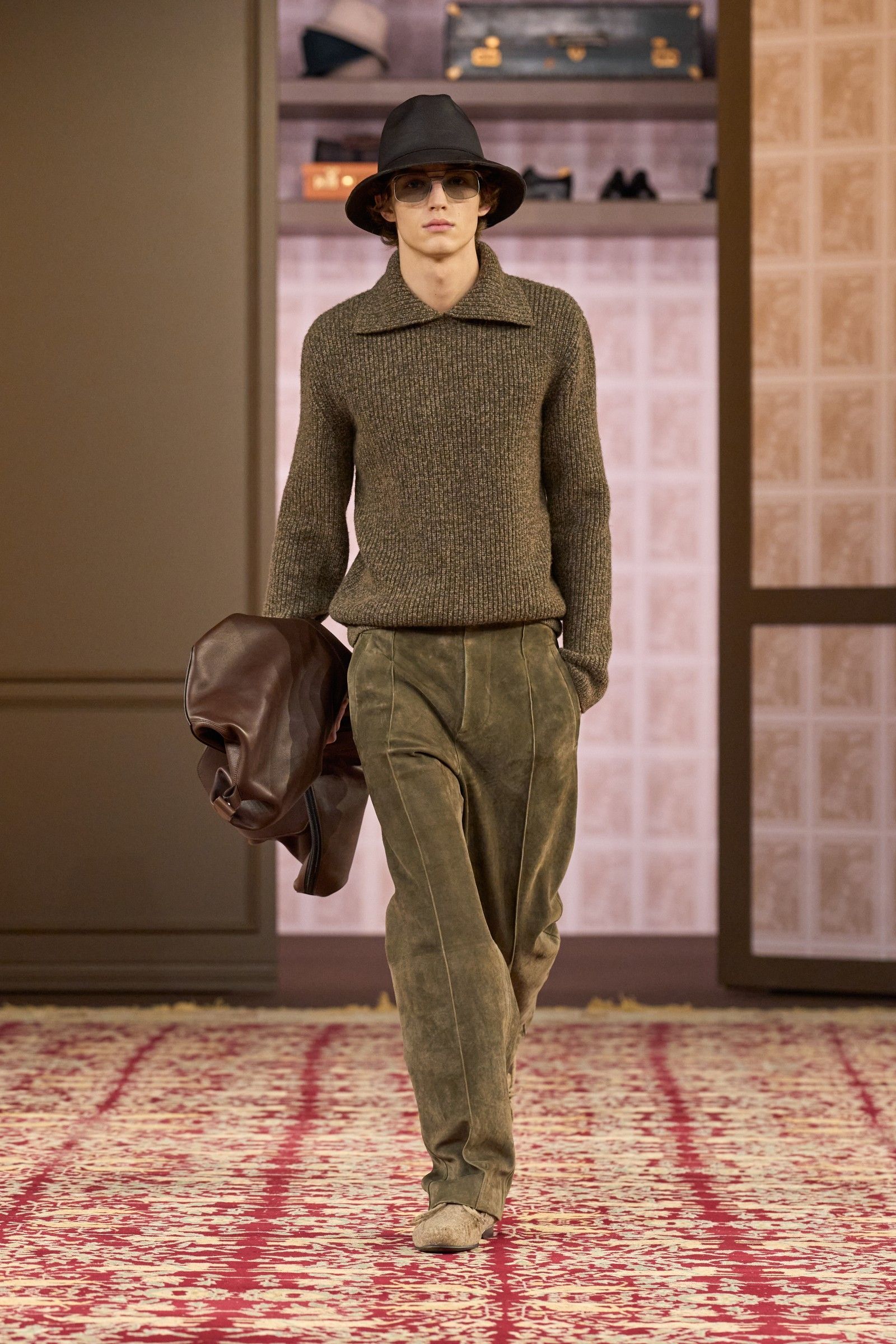
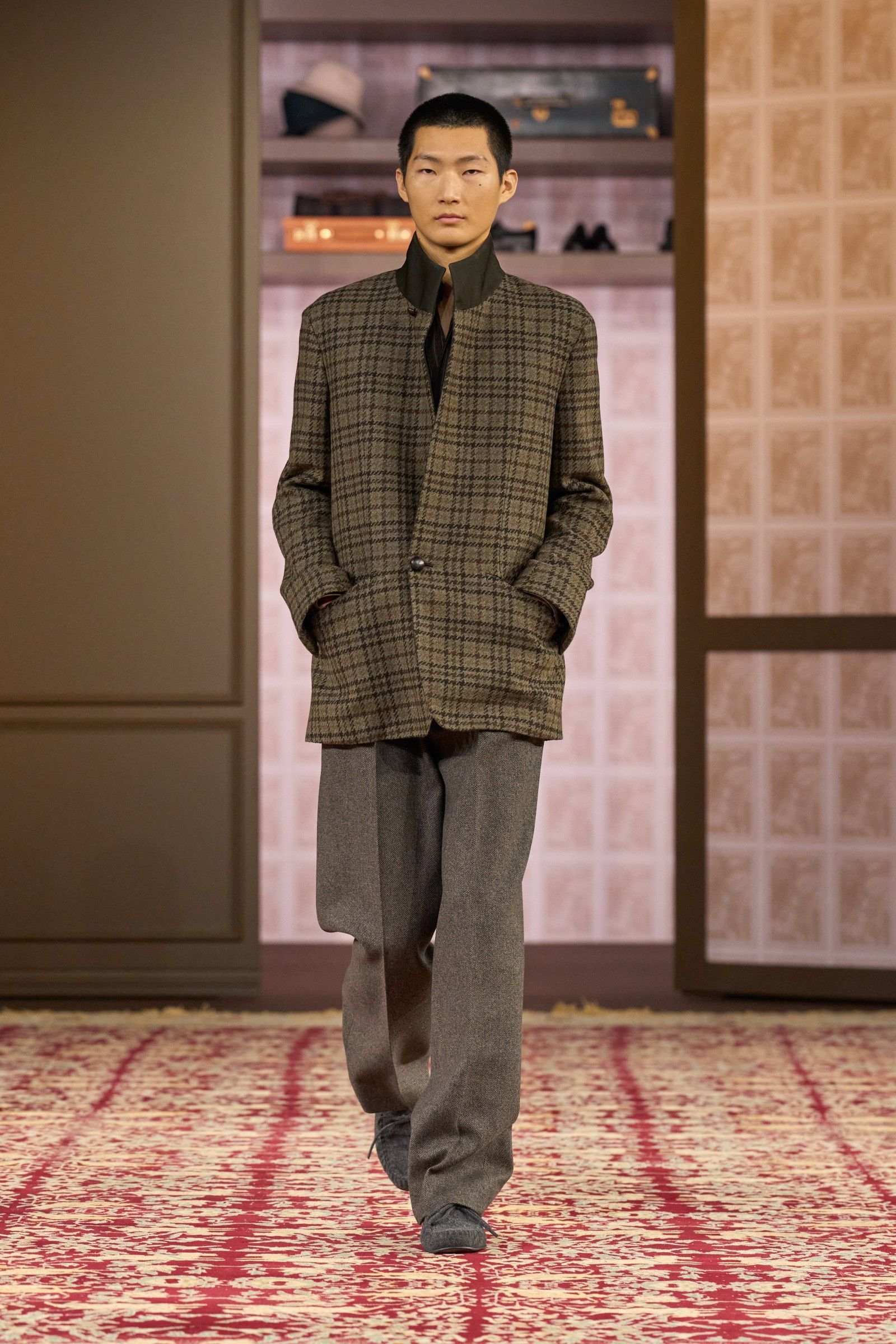
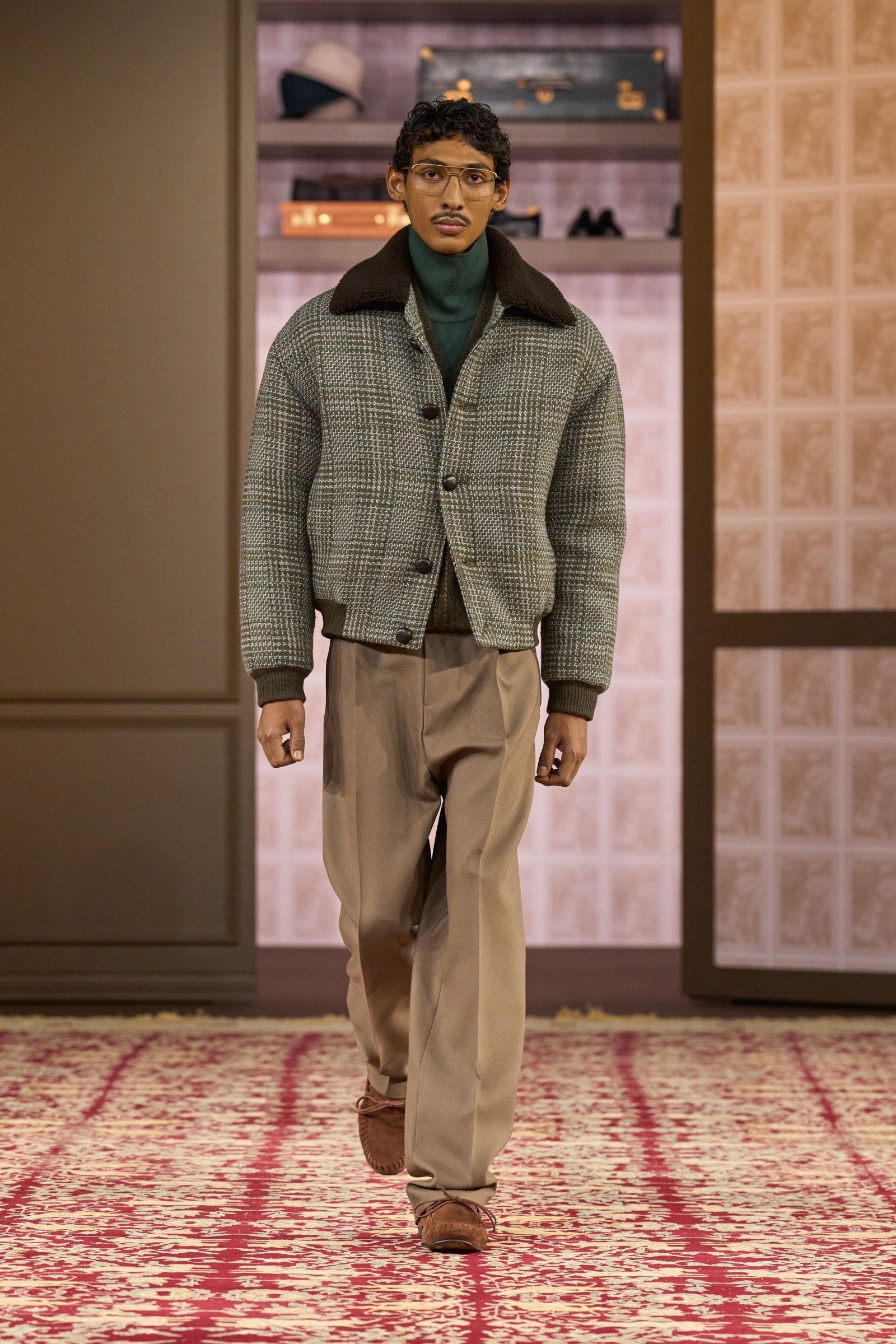
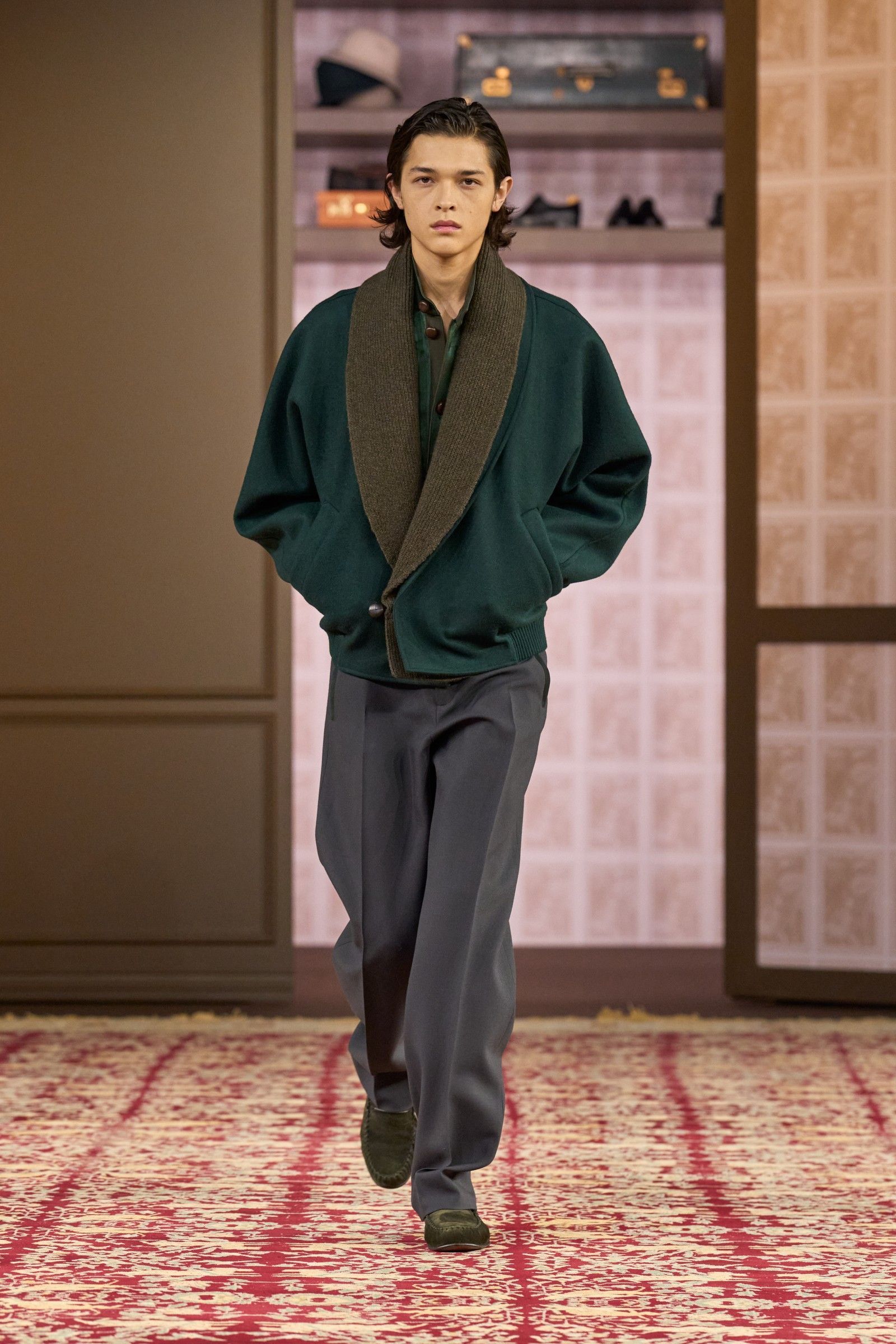
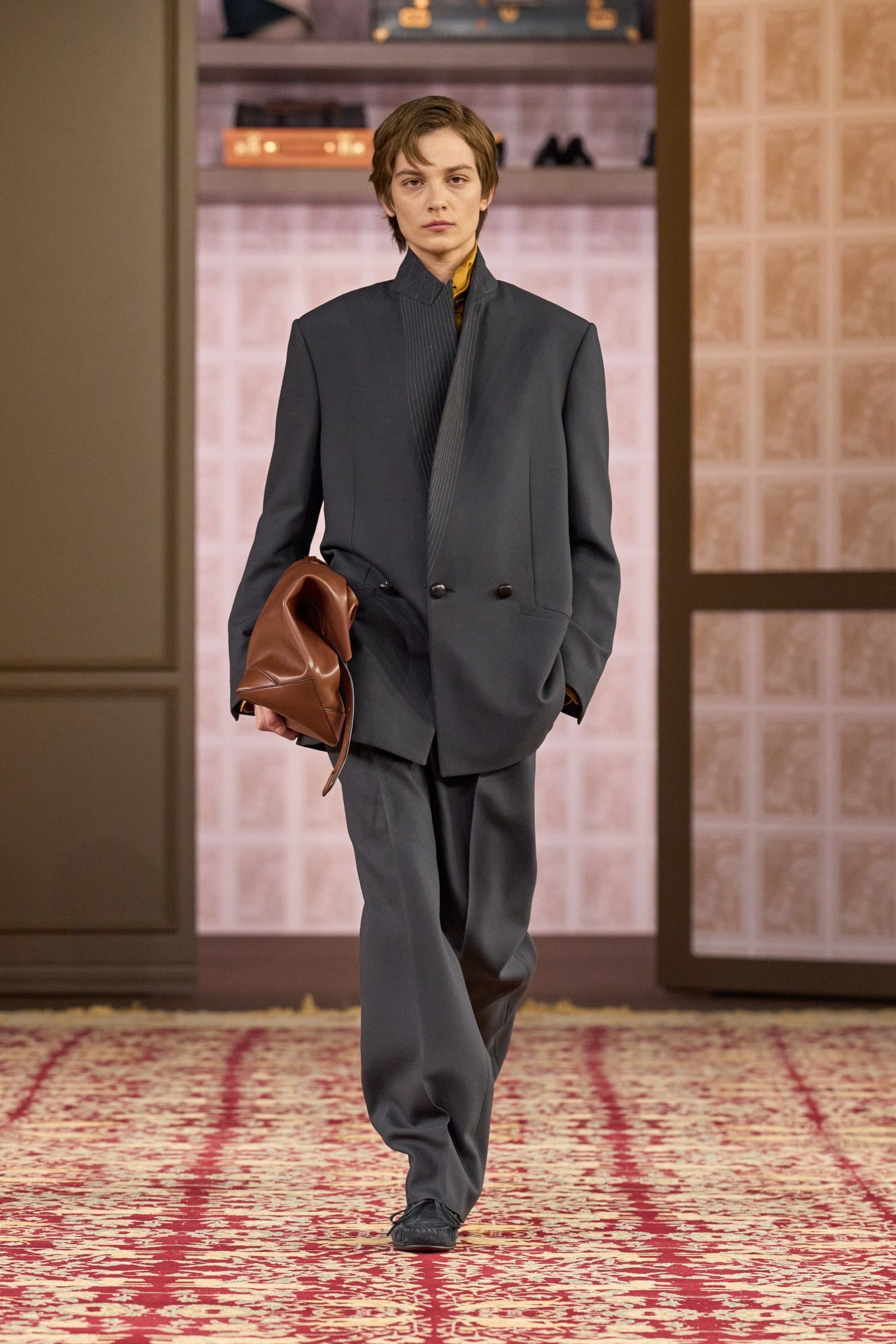
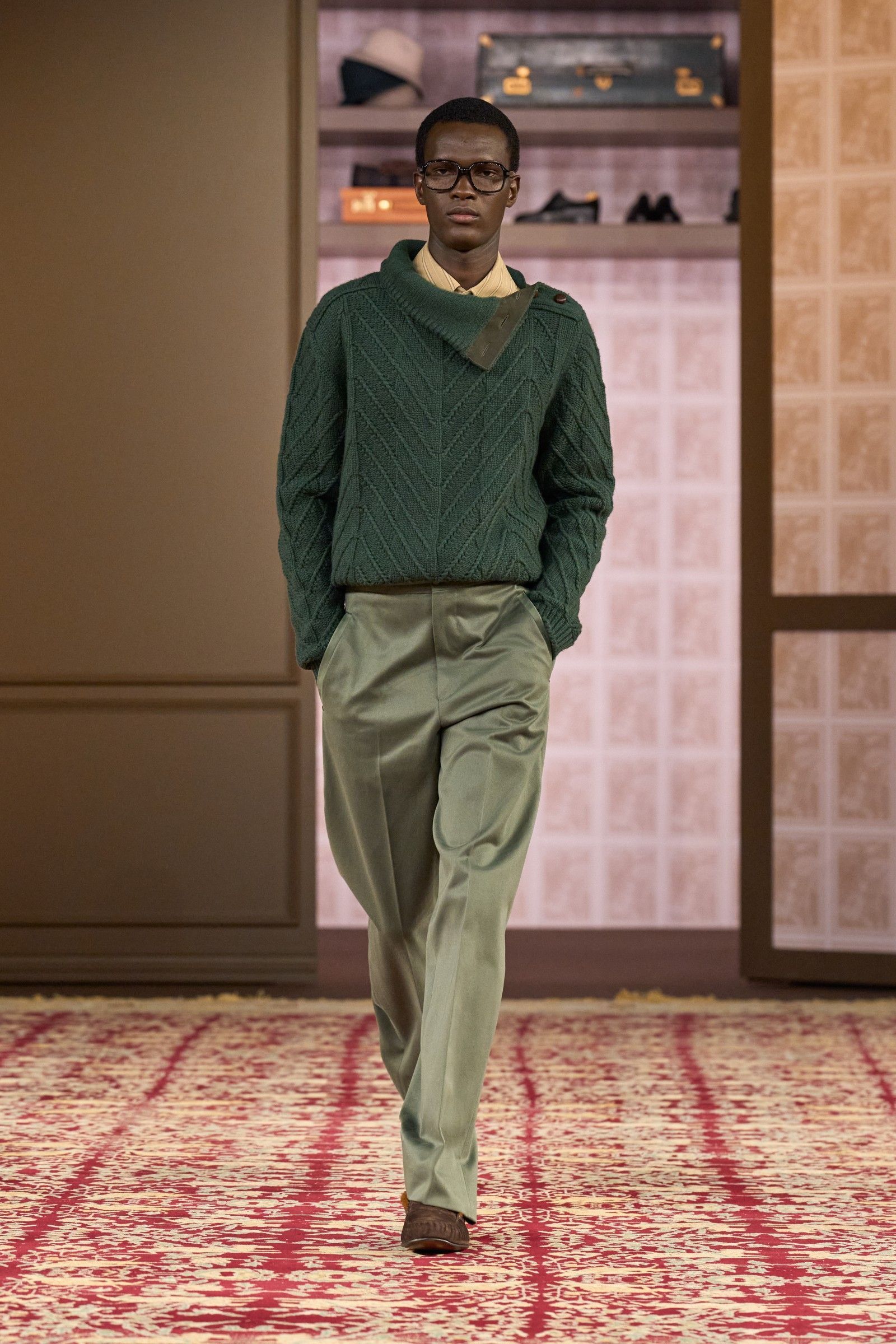
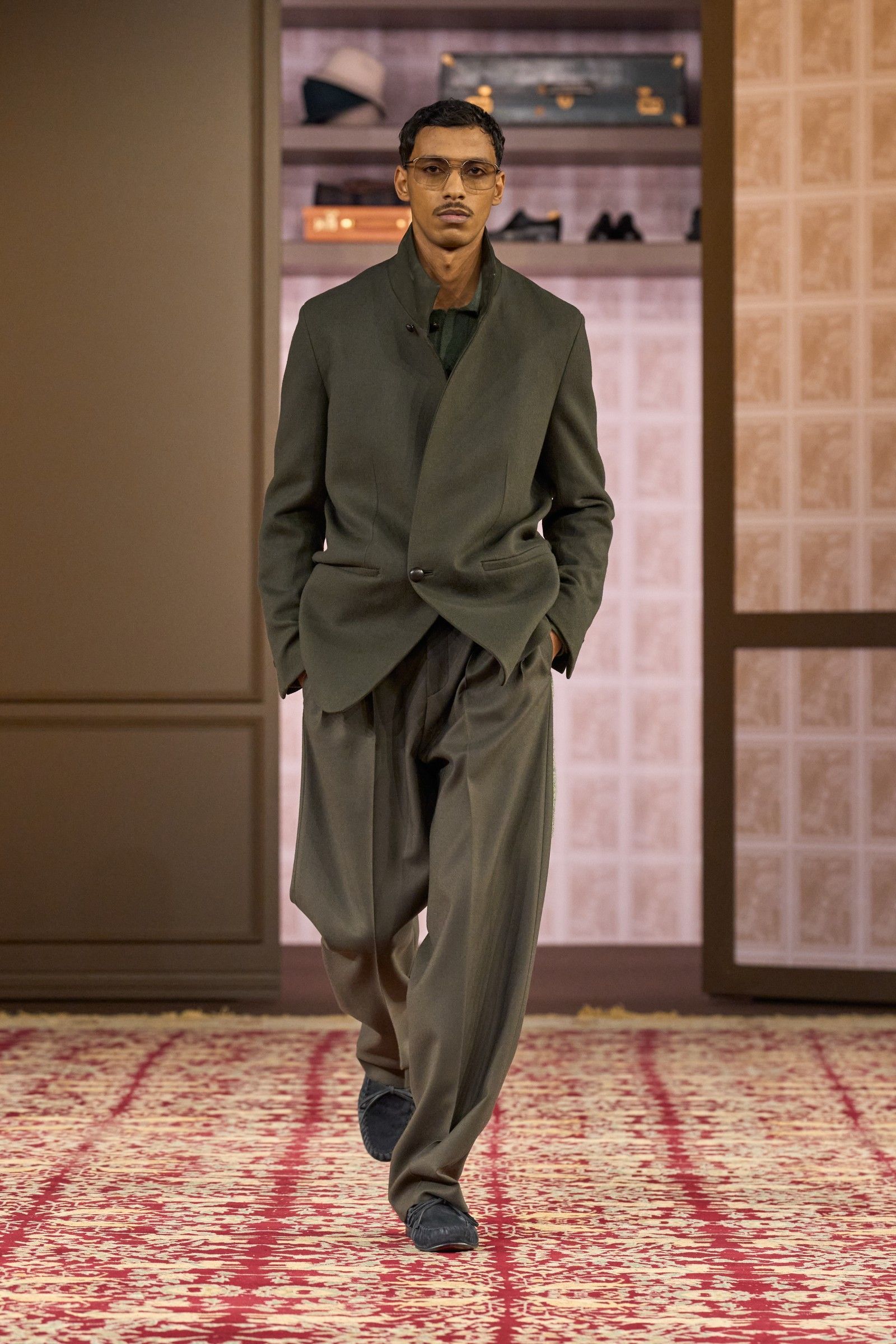
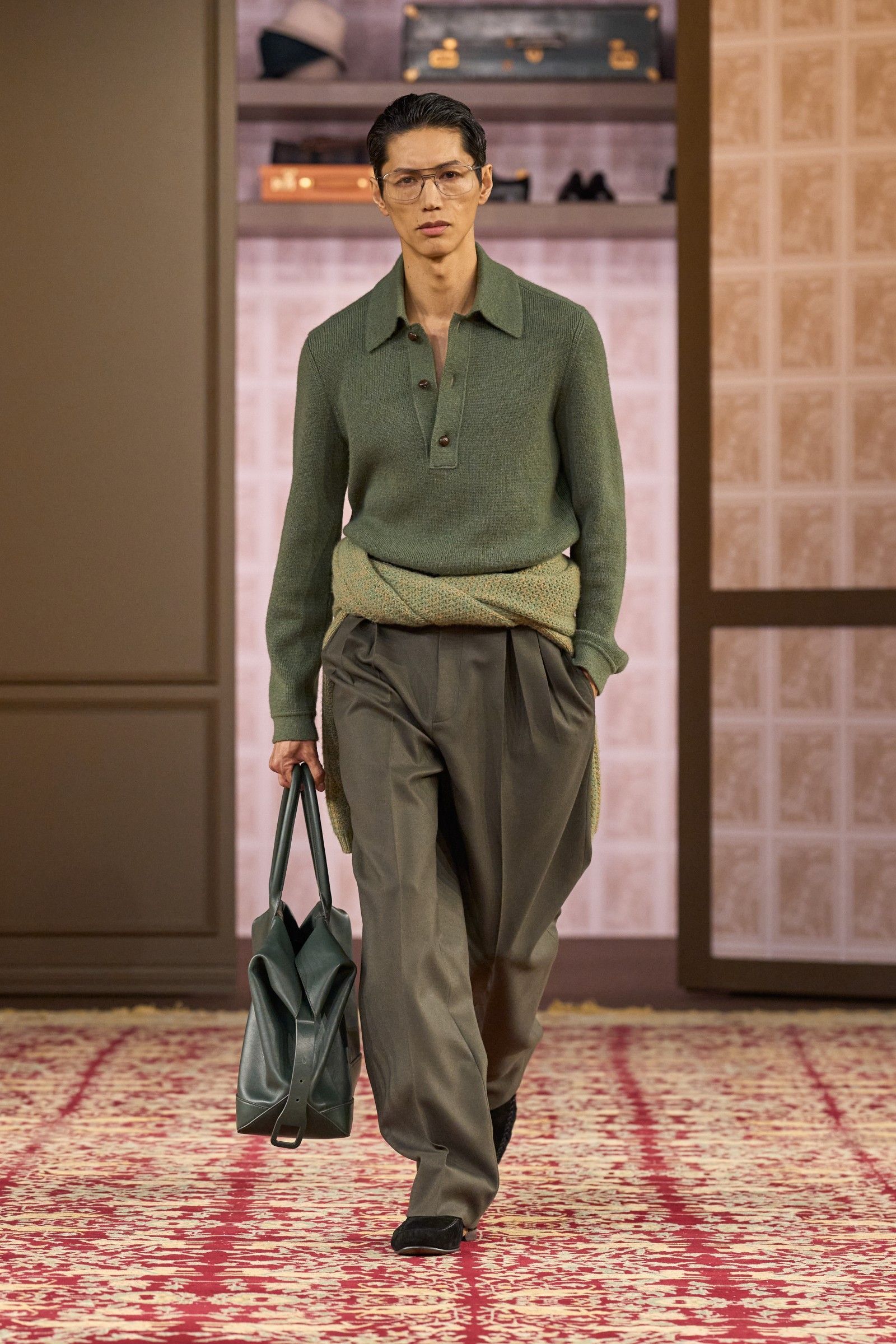
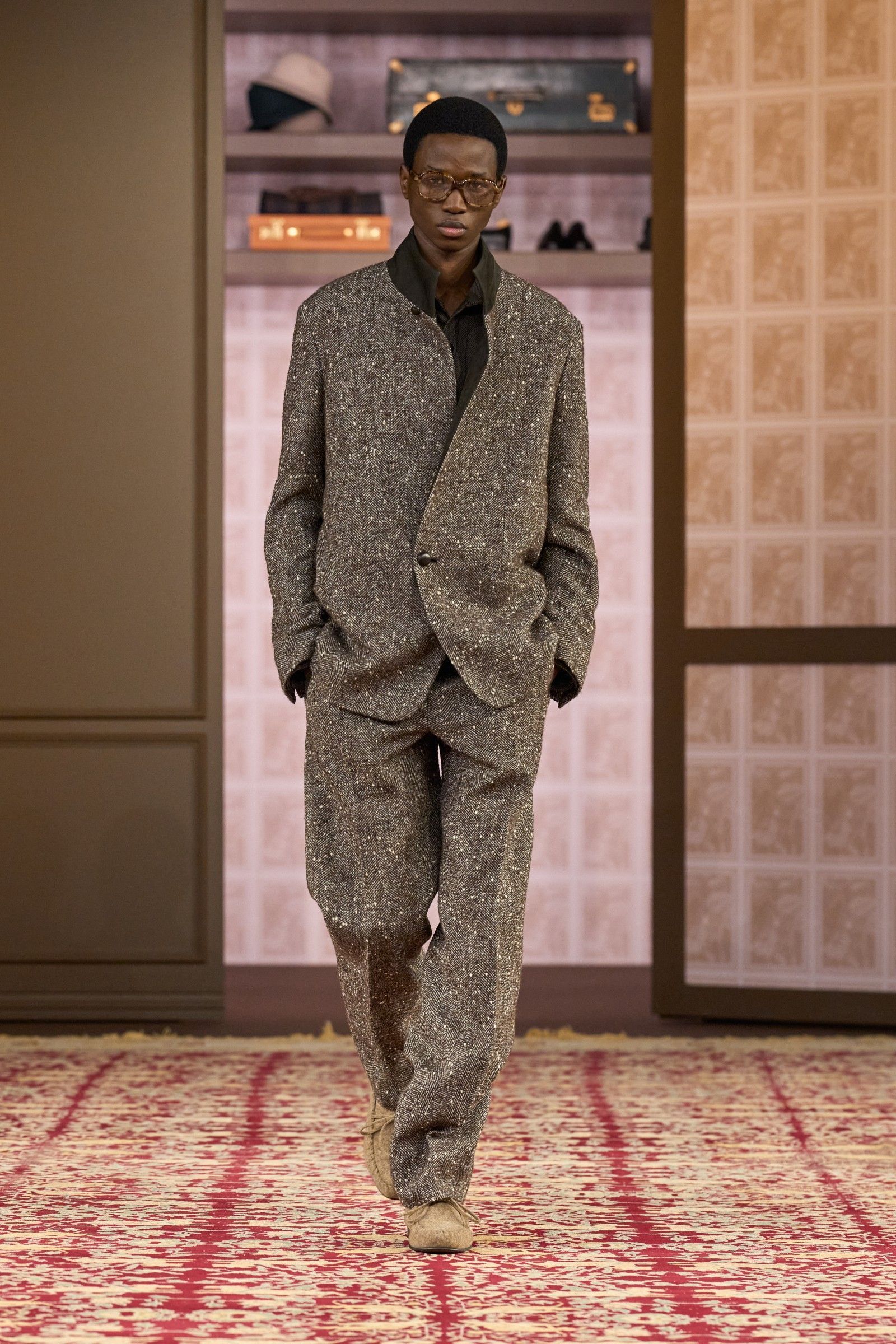
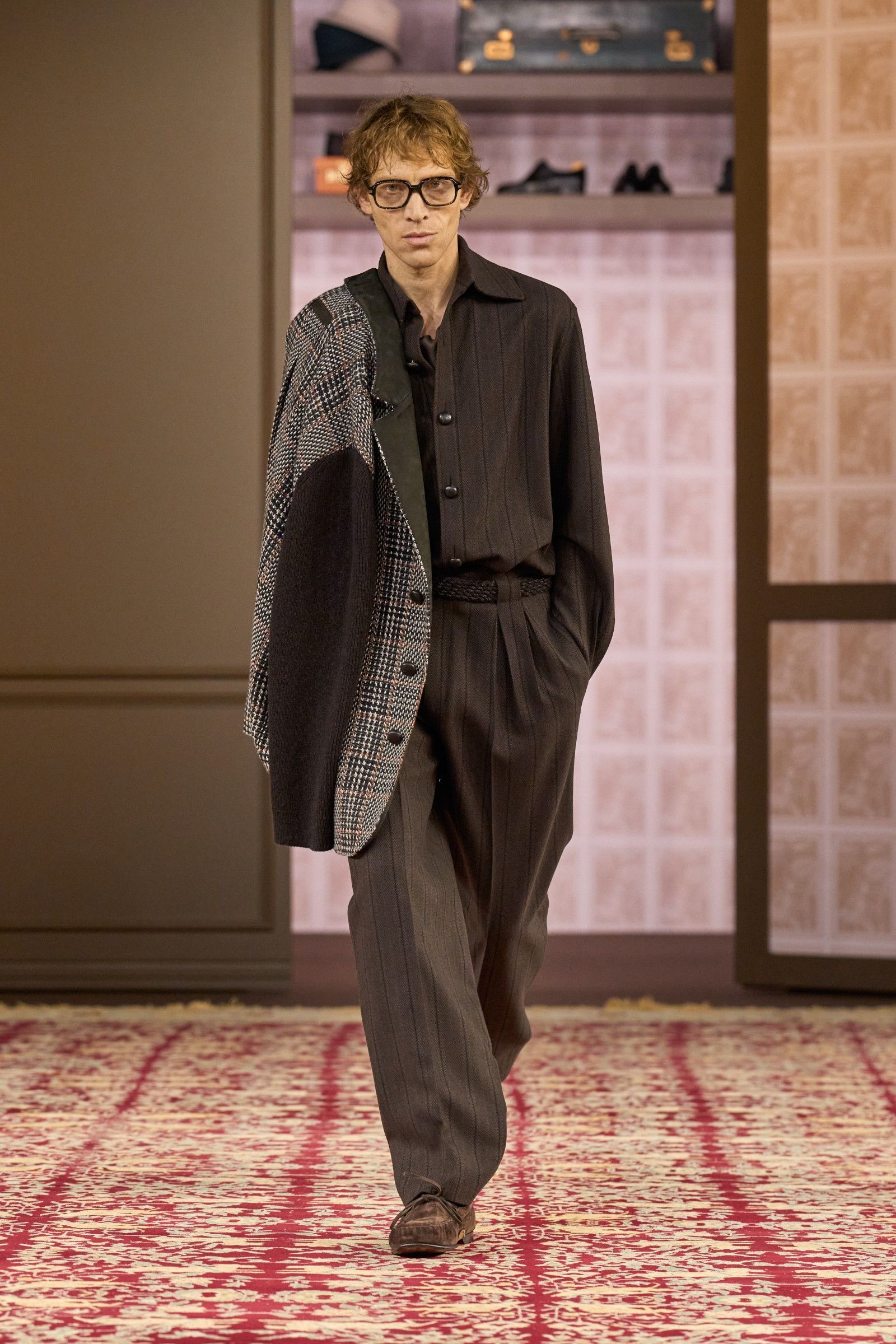
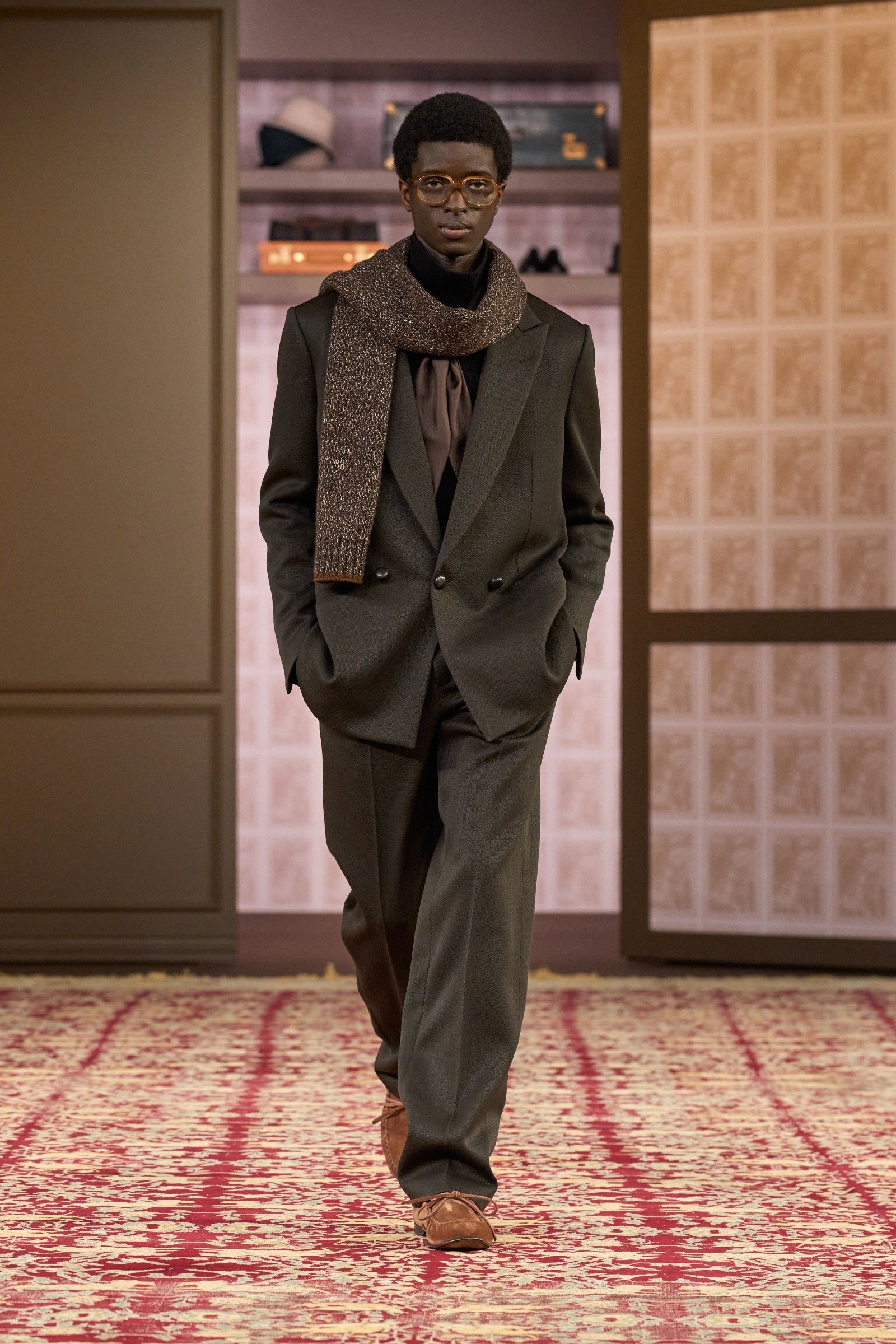
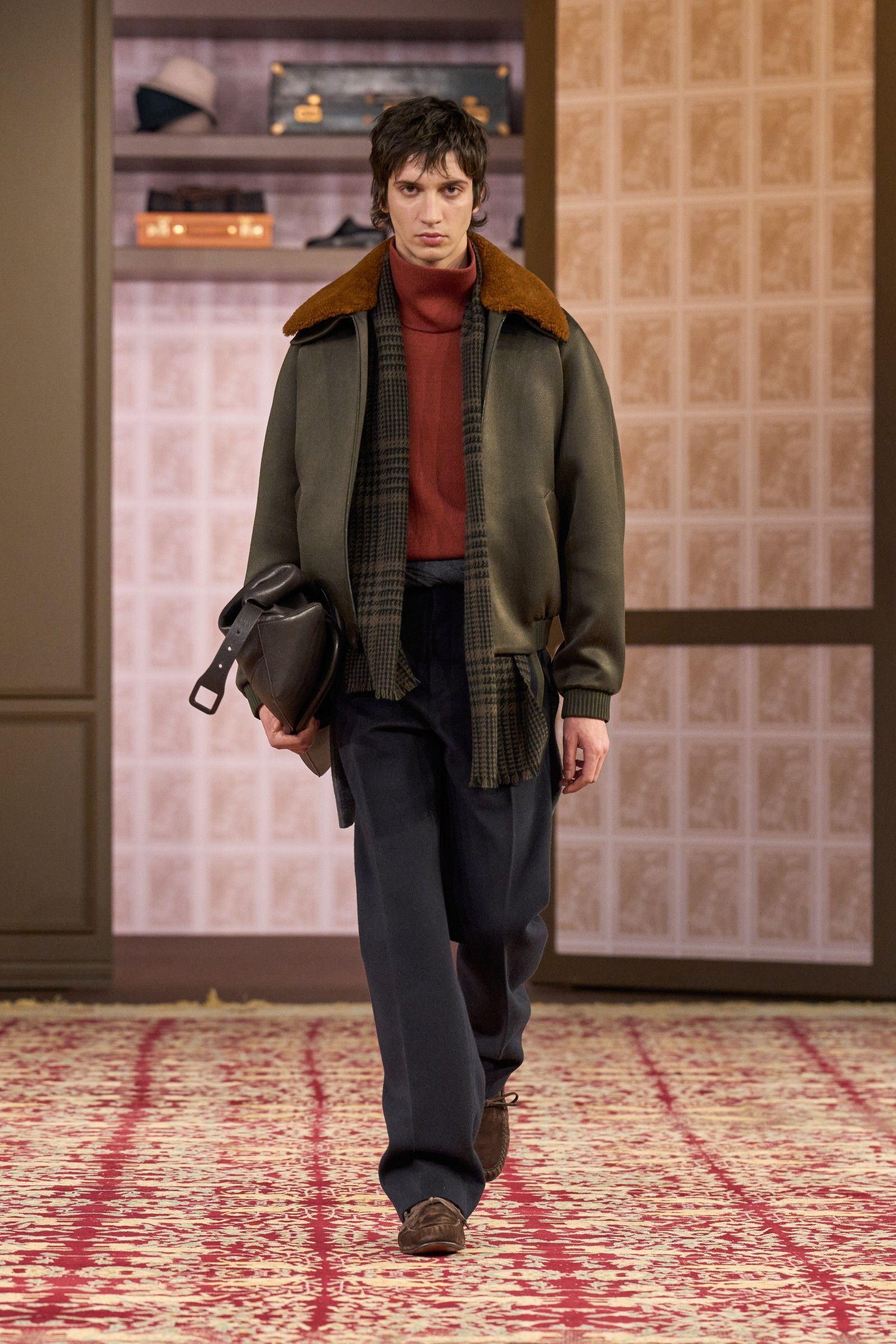
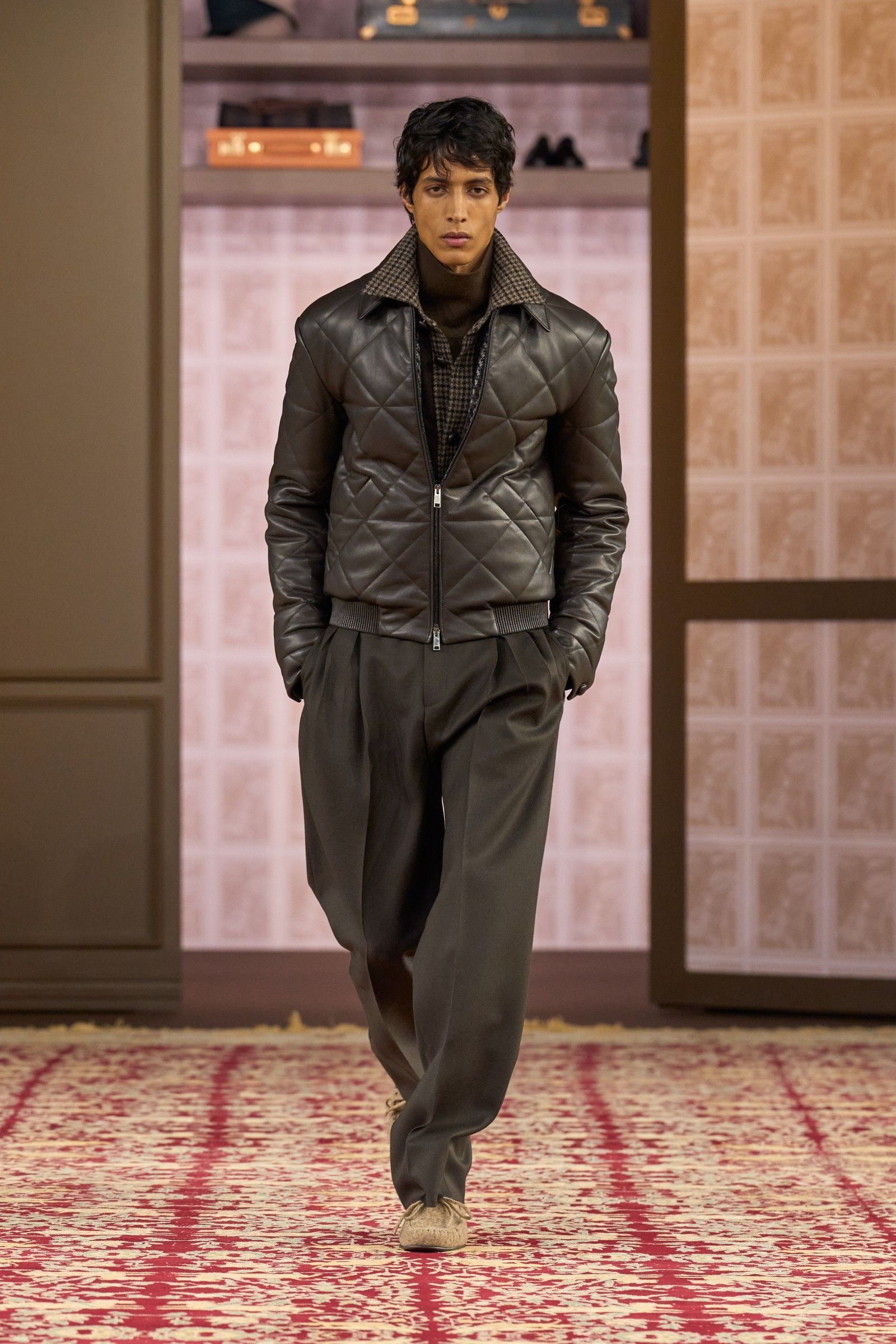
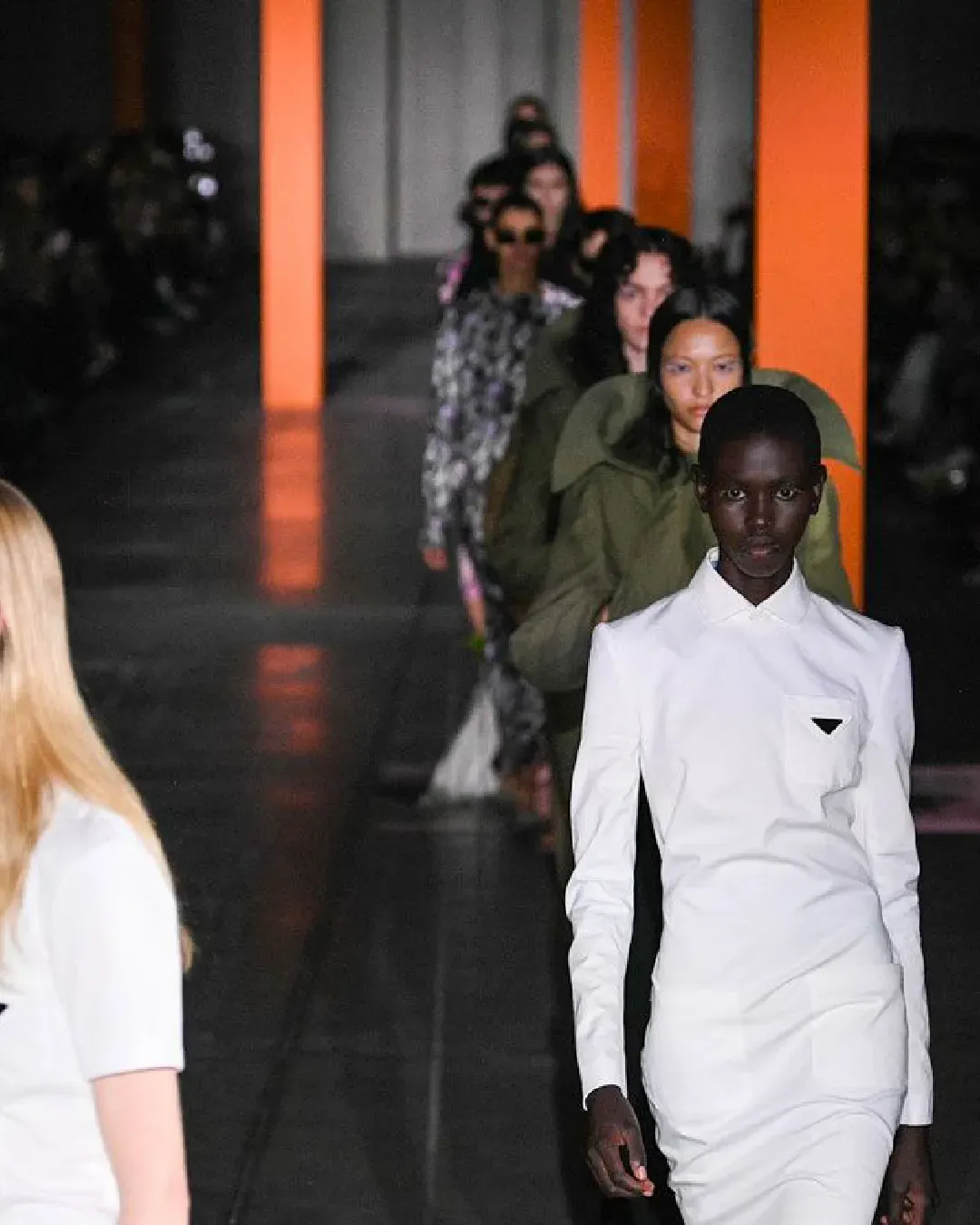
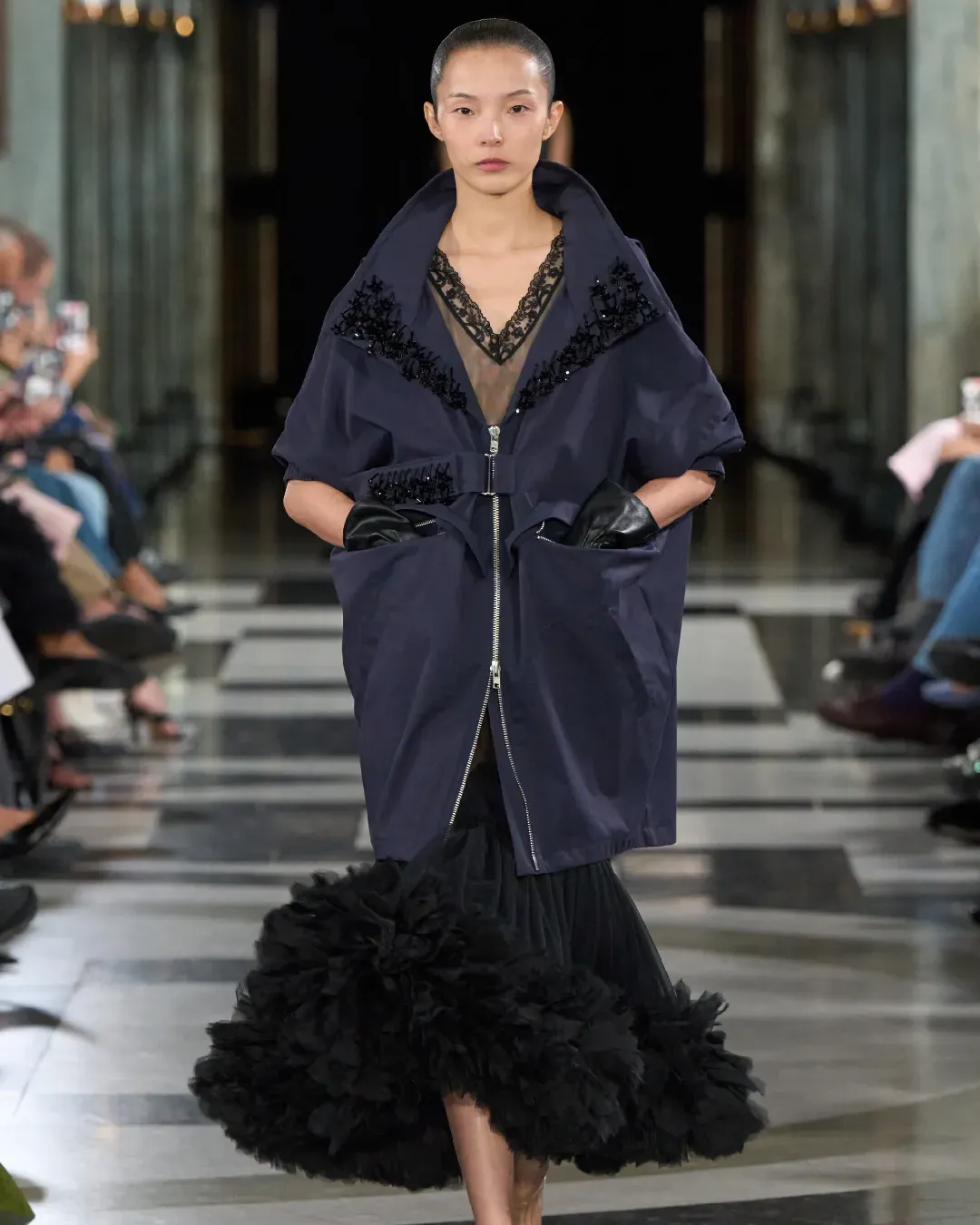
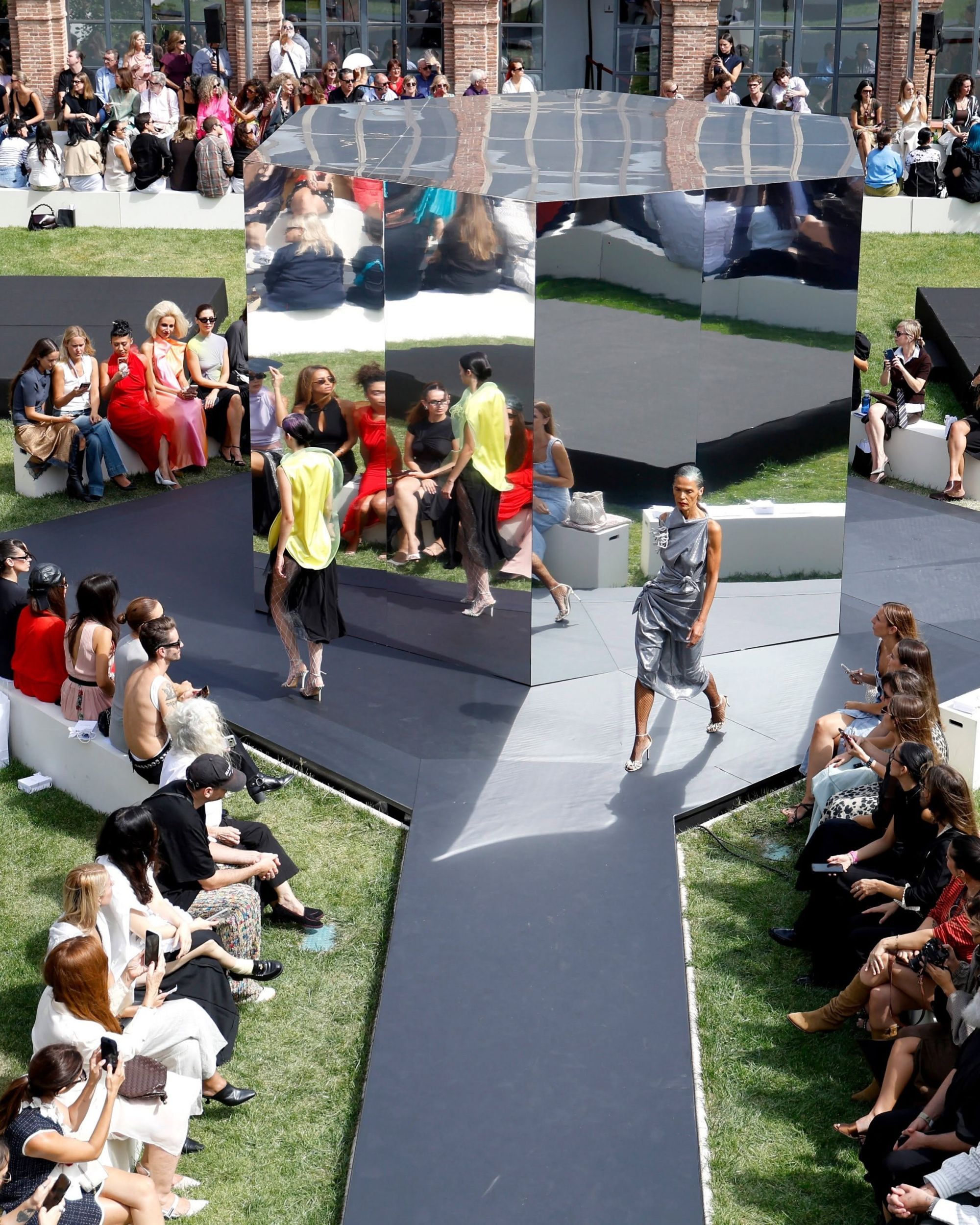
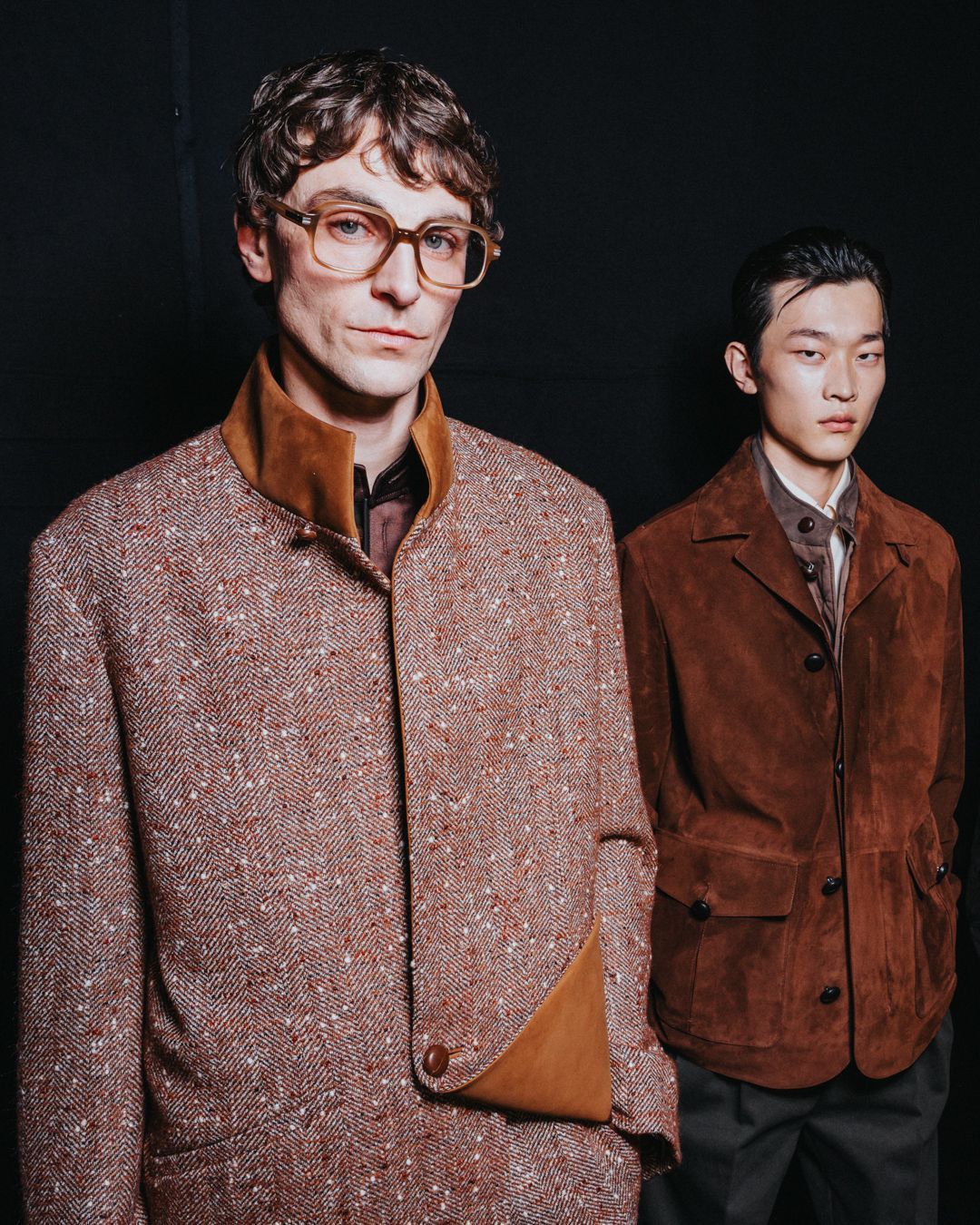
Among the many shows seen at Milan Fashion Week in recent days, those of Zegna and Prada shared a common concept: the past. But it was very interesting to see how Alessandro Sartori on one side and Raf and Miuccia on the other developed it according to completely opposite angles of interpretation. At Zegna, the show imagined exploring the wardrobe of the founding family, starting from the very first jacket of Count Ermenegildo Zegna up to the personal clothes of the four subsequent generations, with the idea that clothes must come from far away to go far, loved and cared for infinitely; at Prada, instead, the complexity of the present comes from the juxtaposition of pasts and previous lives, which add up and accumulate in the garments in the form of wear, mold stains, signs of repairs and a feeling that aestheticizes decay.
Why opposite visions?
Two brands, two different souls and two different conceptions of dressing. Zegna is a brand that, as the show notes themselves say, «is born from a deep love for weaving and wearing» and already possesses in its long history a very positivistic sense of dressing, a constructive drive toward excellence. Zegna's clothes, and especially those of this collection, communicate no other philosophy beyond that of a tailoring so charged and so dense with value in the materials and their assembly as to become a cross-generational legacy.
It is a vision that privileges and exalts the practical and positive aspect of dressing and that, coming from practically a century of history, necessarily ends up creating innovation: Sartori himself told the press that the patent for the very interesting jacket with three horizontal buttons presented on the runway, whose fastening can be altered by turning a button, had been filed the morning before the show. But this love for the manipulation of matter and for making also translated into yarns composed of wool, cashmere, and paper; into sweaters with such high and compact necks that they spill into conceptual modernism; into that leather bomber with three-quarter zip and jackets with doubled lapels.
For Miuccia Prada and Raf Simons instead dressing is an intellectual statement, a cultural gesture that, in its cerebrality, turns the clothes we are used to into new and strange forms. And so, to ask themselves «What are we able to create starting from what we already know?» the two creative directors transform raincoats into clerical mozzettas, dramatically lengthen the cuffs of shirts stained with damp or mold, coats and hats are wrinkled and crushed, they erode leather coats with fake wear, simulate moth-eaten hems by applying inserts of different fabrics on outerwear to represent an underlying fabric revealed by the breakage of the one above.
Being in the past or reflecting on the past?
In Zegna's notes, it is then explained very explicitly that these clothes are «protected from neglect», while at Prada neglect is instead simulated, the clothes are «bearers of impressions of life». What unites the two opposite explorations is an attempt at synthesis: Prada creates a collection «by juxtaposing layers of meaning and references to different eras» creating quick flashes of the past starting from modern details, and thus synthesizes by overlapping; Zegna synthesizes by leaping forward, turning a wardrobe full of clothes from the past into a place where «their memory is preserved to then evoke it» and also «a legacy that continues to grow» through progressive accumulation.
Reflecting on the past is not synonymous with remaining in the past: neither at Zegna nor at Prada were there even too many traces of nostalgia for remote times. The former evokes it as respect and advancement of tradition, in the latter there is only the possibility of associations that however took place in the mind of the observer. The concept that emerges, however, is that today fashion and more generally culture finds itself shouldering such an accumulation of years and seasons that its creators cannot avoid relating to it in some way.
Nostalgia is the keyword
Which leads us, on one hand, to think that the industry as a whole is getting closer and closer to reaching some kind of cultural critical mass beyond whose edge the future opens up like an abyss, full of reinventions we do not expect; and on the other to reflect on how this “past” is not just a philosophical concept but a culturally and physically increasingly concrete and inescapable presence represented by all the clothes that fill archives, wardrobes, secondhand platforms, and vintage markets.
In fact, at all levels of income and clientele, every individual in the world at some point has found themselves faced with a second-hand garment, an inherited wardrobe, or a beloved garment on which the patina of time has accumulated. If once fashion spoke of a need for renewal, it is very indicative of our times that today contemporary dressing is conceived as a synthesis of the present and all the past that preceded it. Thus a short circuit is created between the three states of time: we find ourselves in the present, we wear the past but think about the future. We no longer proceed by thesis and antithesis but there is only pure synthesis.
Takeaways
- At Milan Fashion Week, the Zegna and Prada shows shared the theme of the past, but interpreted it in radically opposite ways: Zegna celebrated family heritage and the infinite care of garments, while Prada explored decay and the accumulation of time's traces on clothing.
- Alessandro Sartori imagined the Zegna family wardrobe as a source of garments that “have come from far away to go far,” valuing precious materials, excellent tailoring, and practical innovation, such as the jacket with three rotating buttons that he patented shortly before the show.
- Conversely, Miuccia Prada and Raf Simons transformed dressing into an intellectual reflection, aestheticized wear, mold, repairs, and decay, created garments that mixed different eras, and simulated neglect to question what could be created starting from what is already known.
- Zegna protected the garments from neglect and saw them as a growing legacy, while Prada simulated neglect to bring out “impressions of life,” synthesized the past through the superimposition of meanings and modern details.
- Both visions avoided pure nostalgia: Zegna advanced by respecting and renewing tradition, Prada used the past as material for mental associations in the present, without regrets for distant eras.
- A parallelism that shows how contemporary fashion has had to reckon with an inevitable accumulation of history and objects, conceiving dressing no longer as continuous renewal, but as a permanent synthesis between present, past, and future.