





















The scorching iciness of Tom Ford's FW26 collection Haider Ackermann breathes new life into the concept of “cold sensuality”
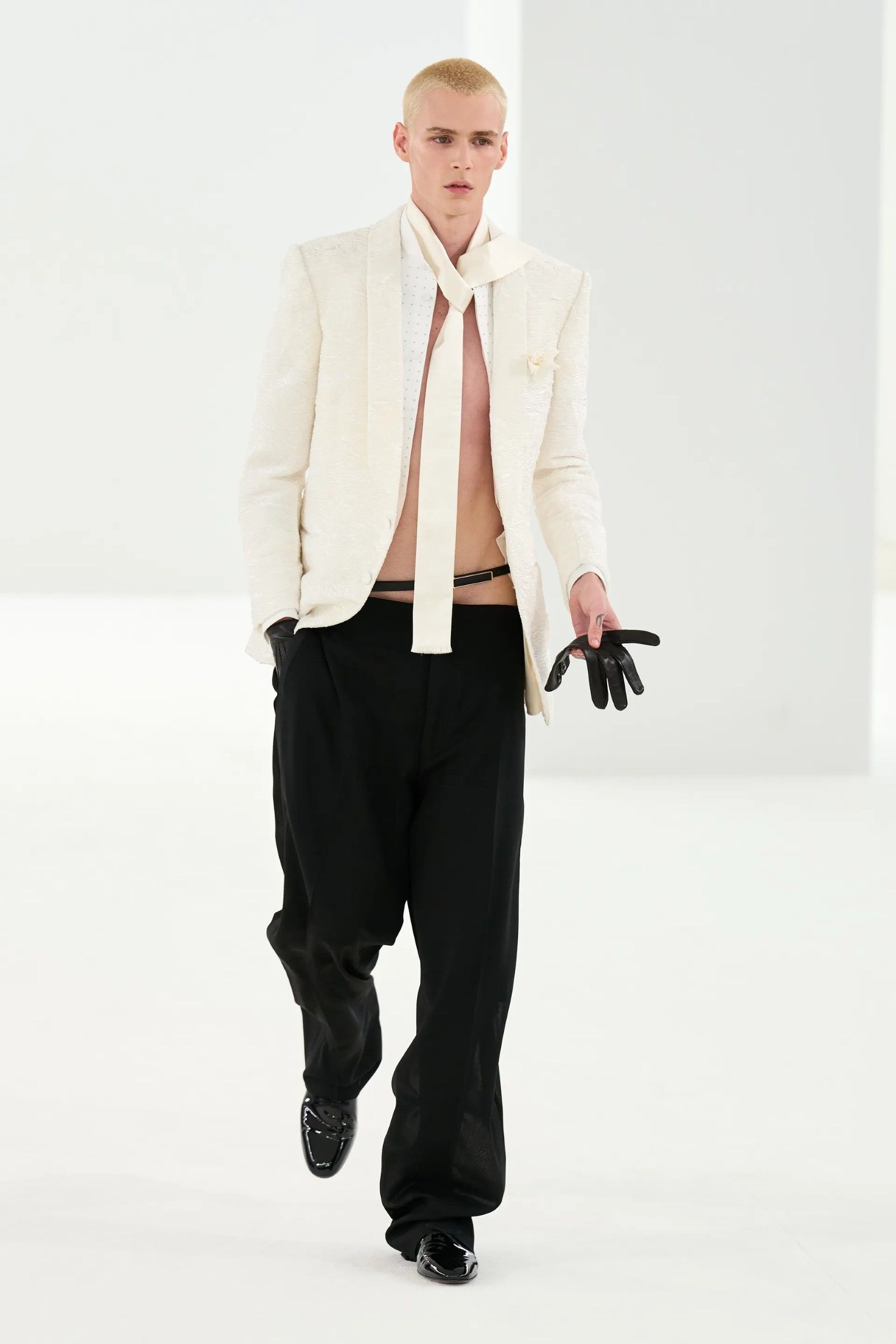
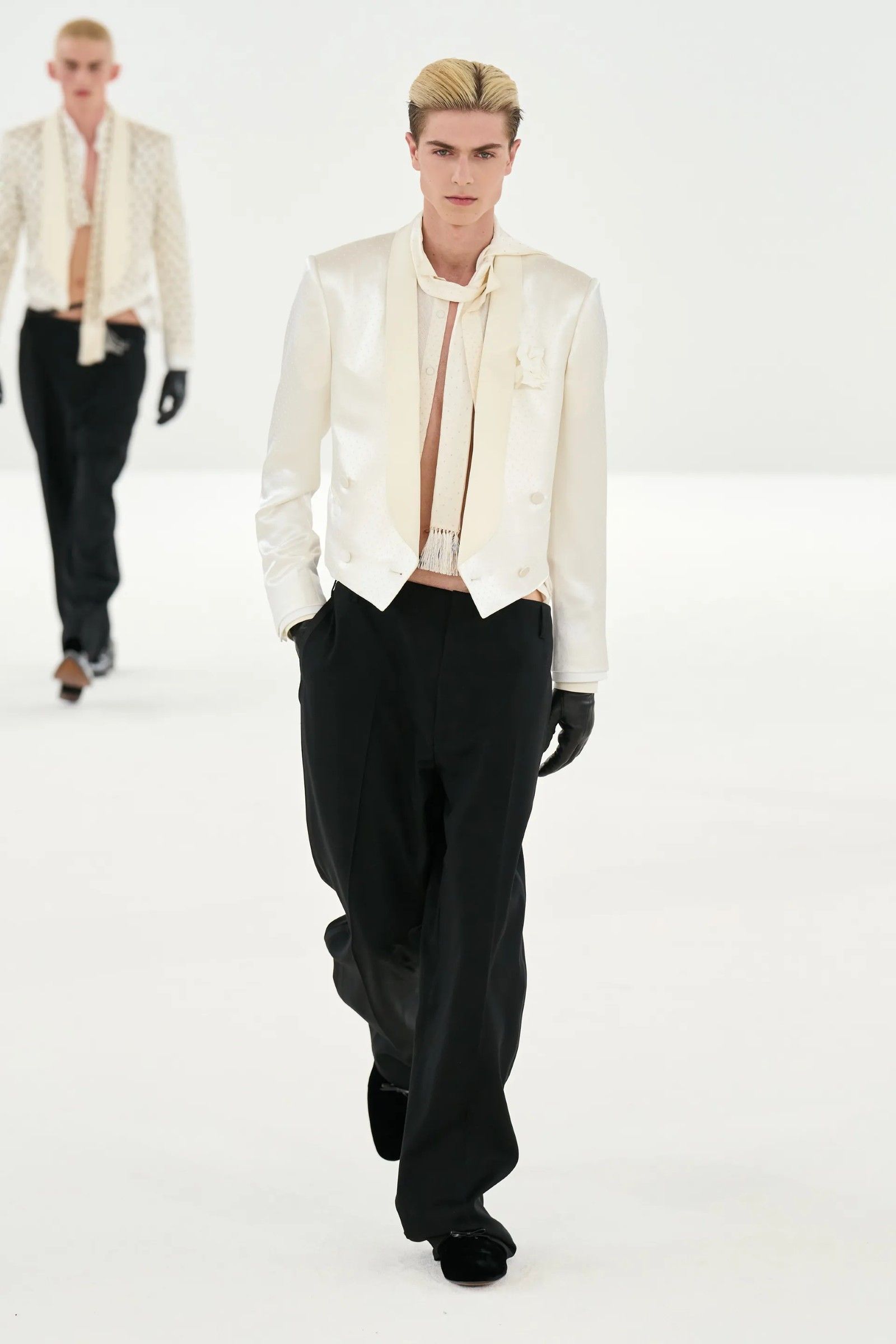
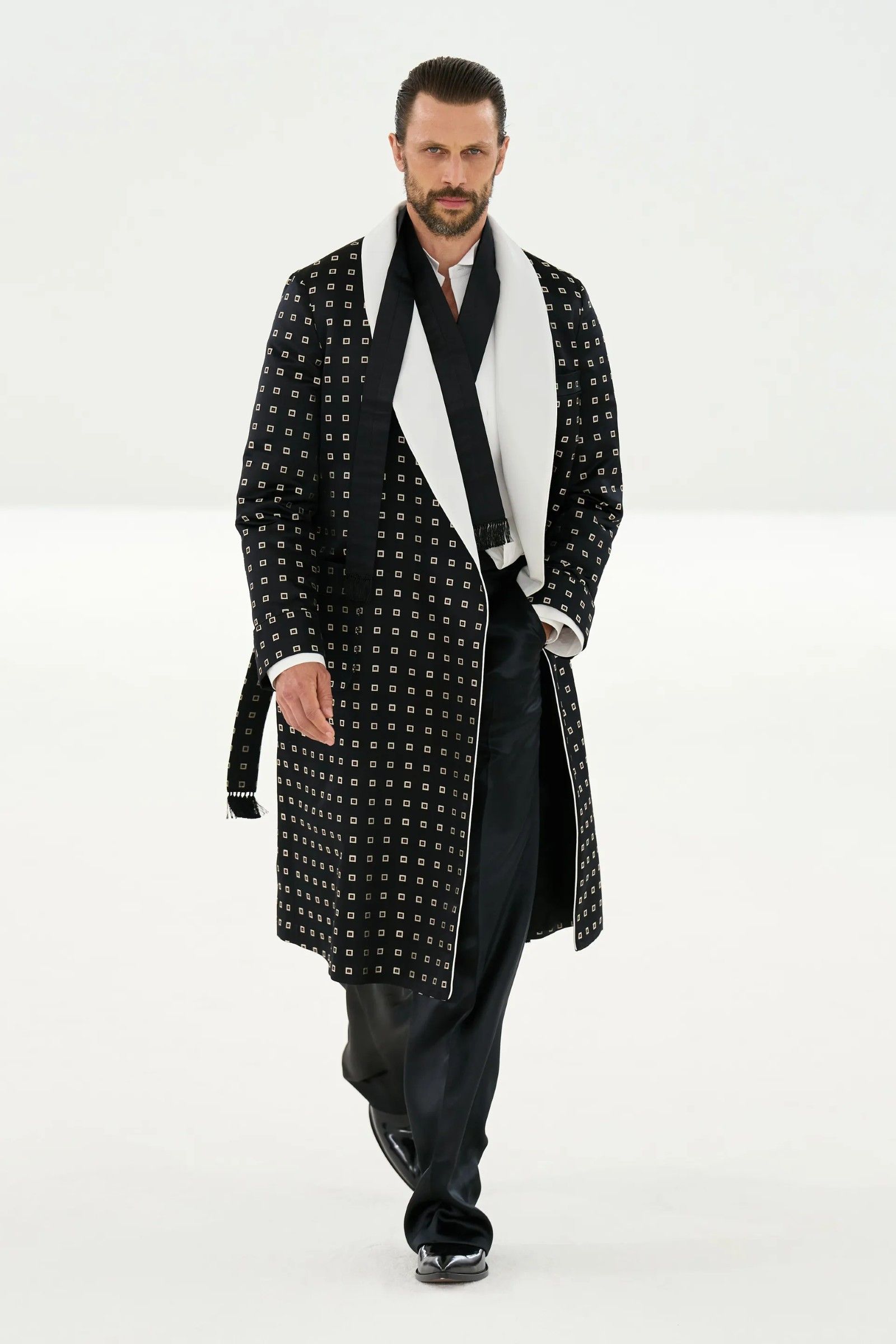
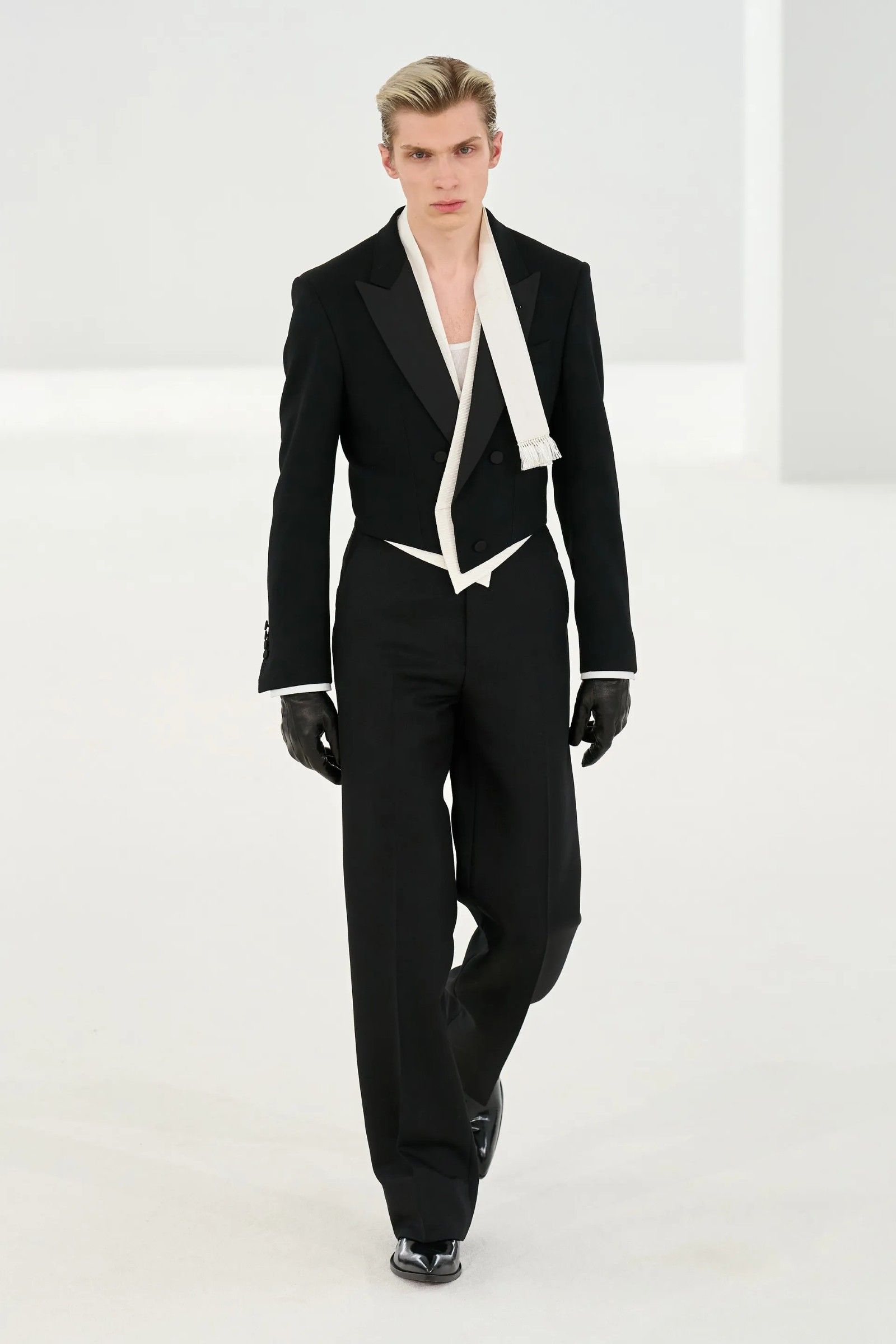
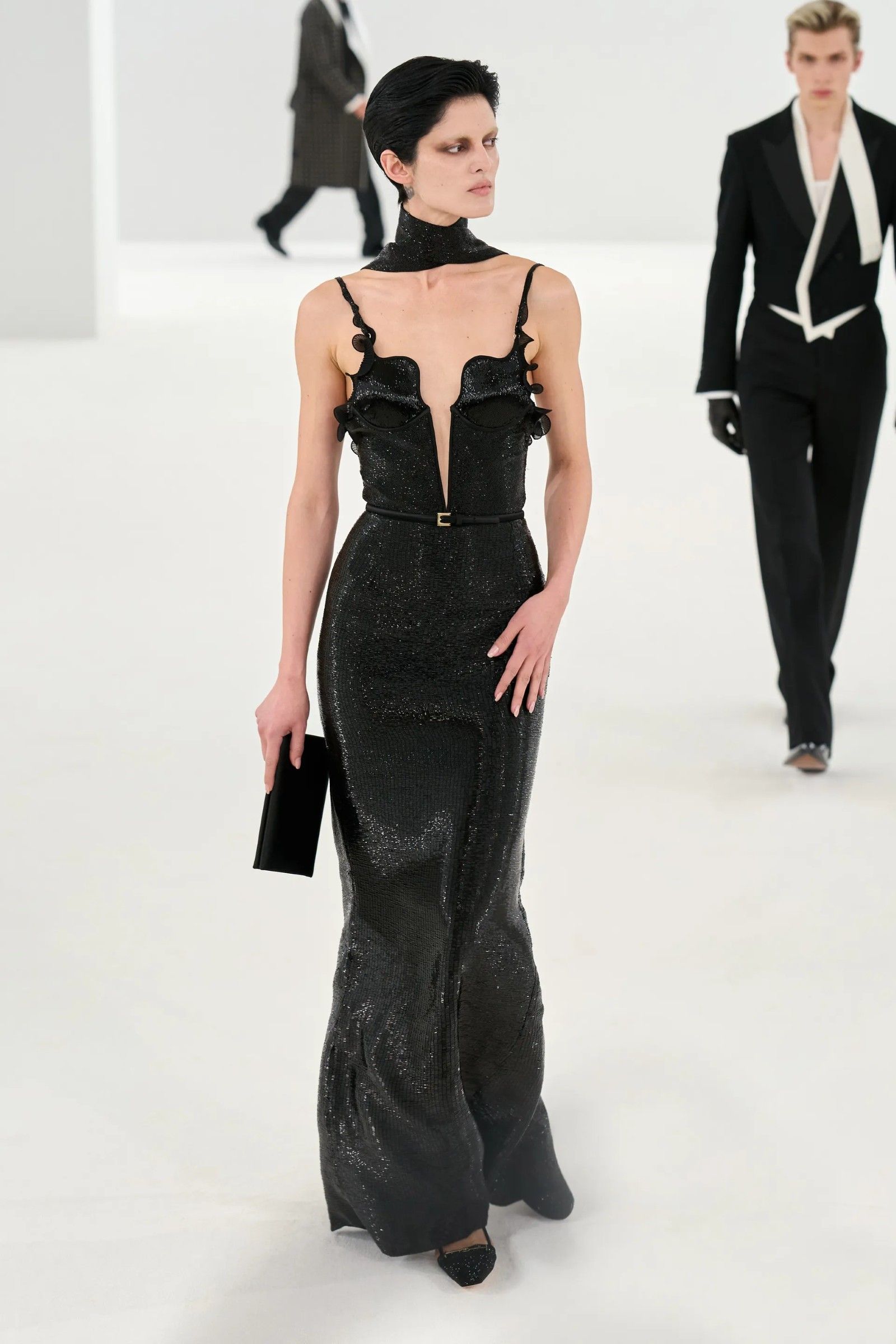
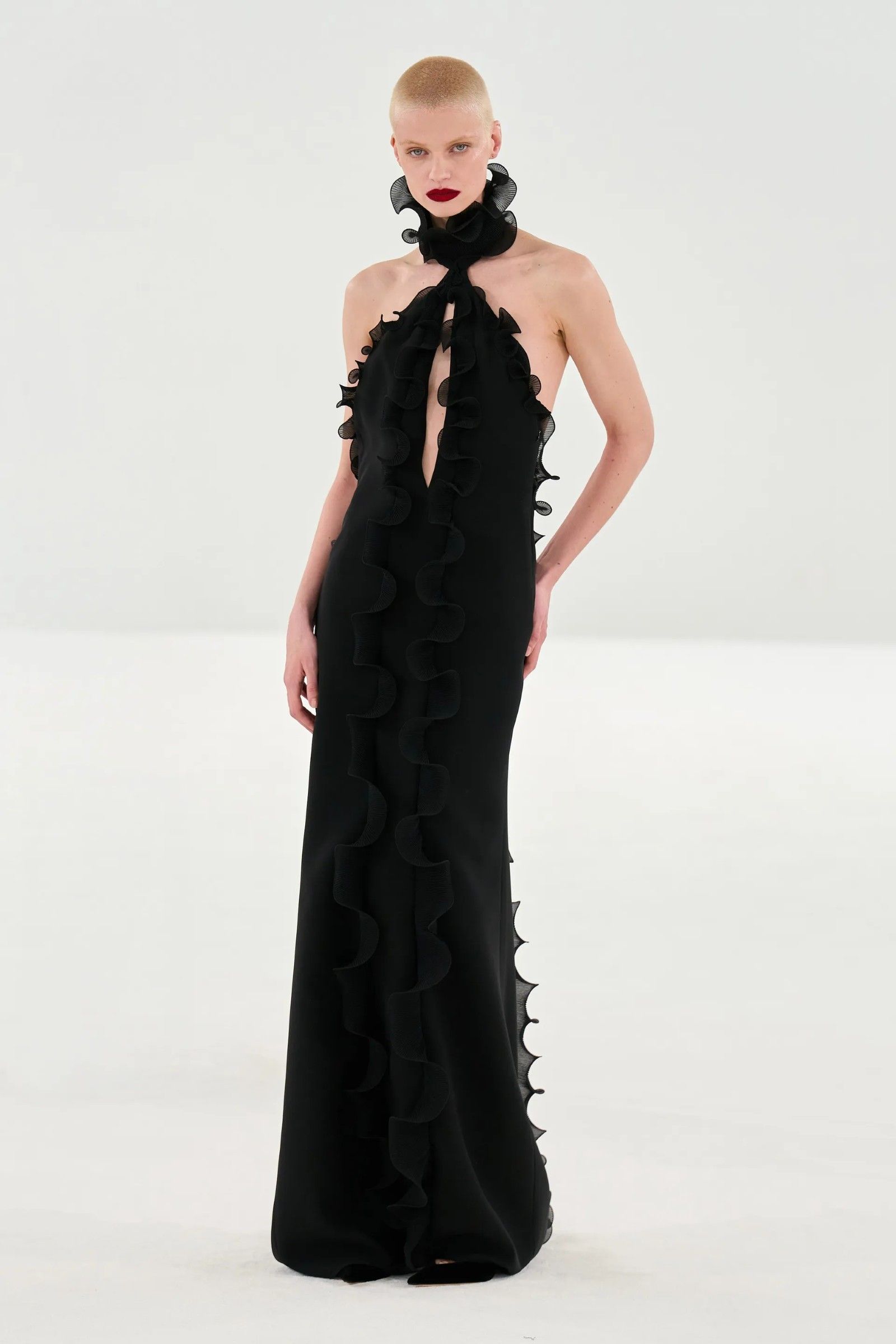
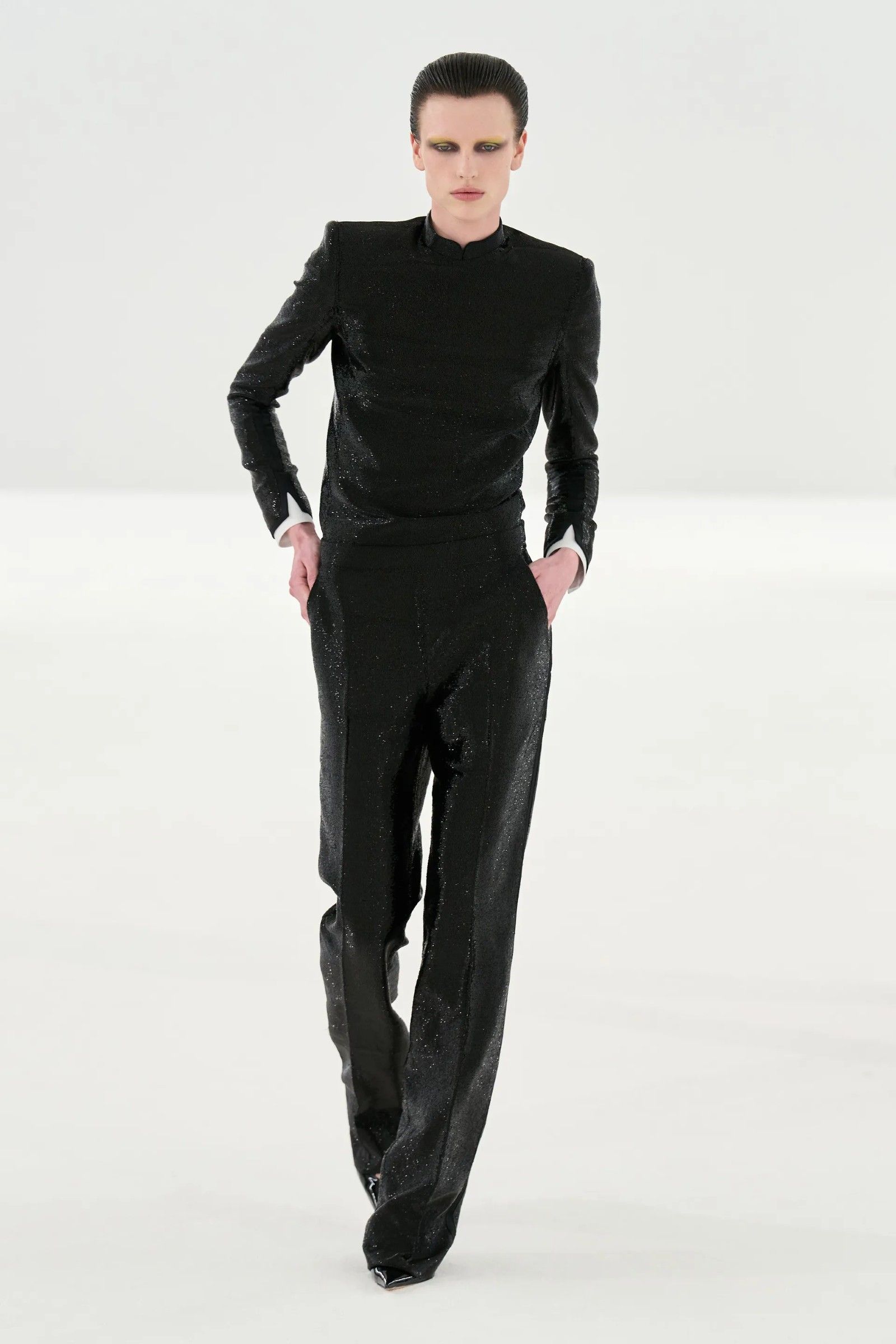
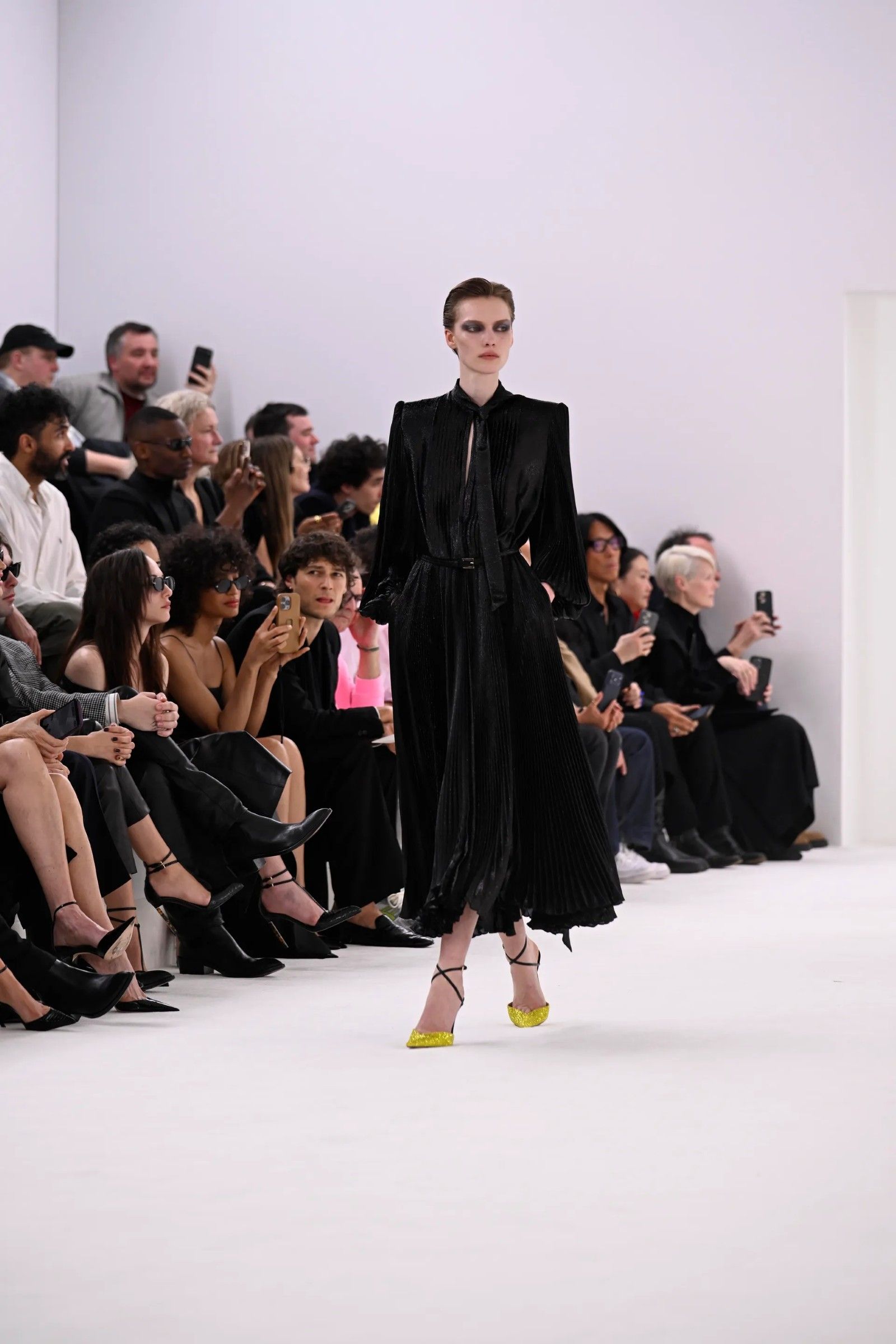
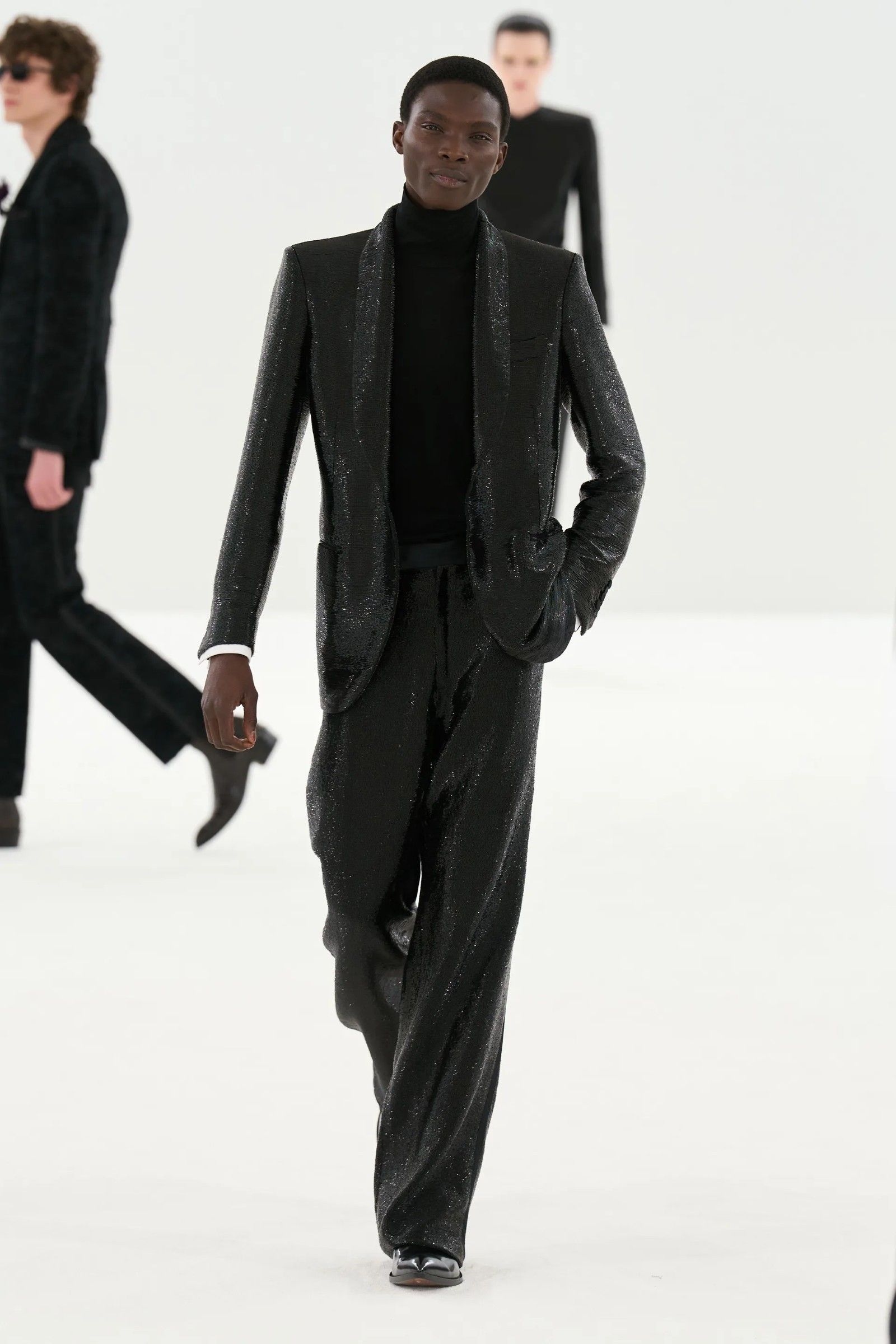
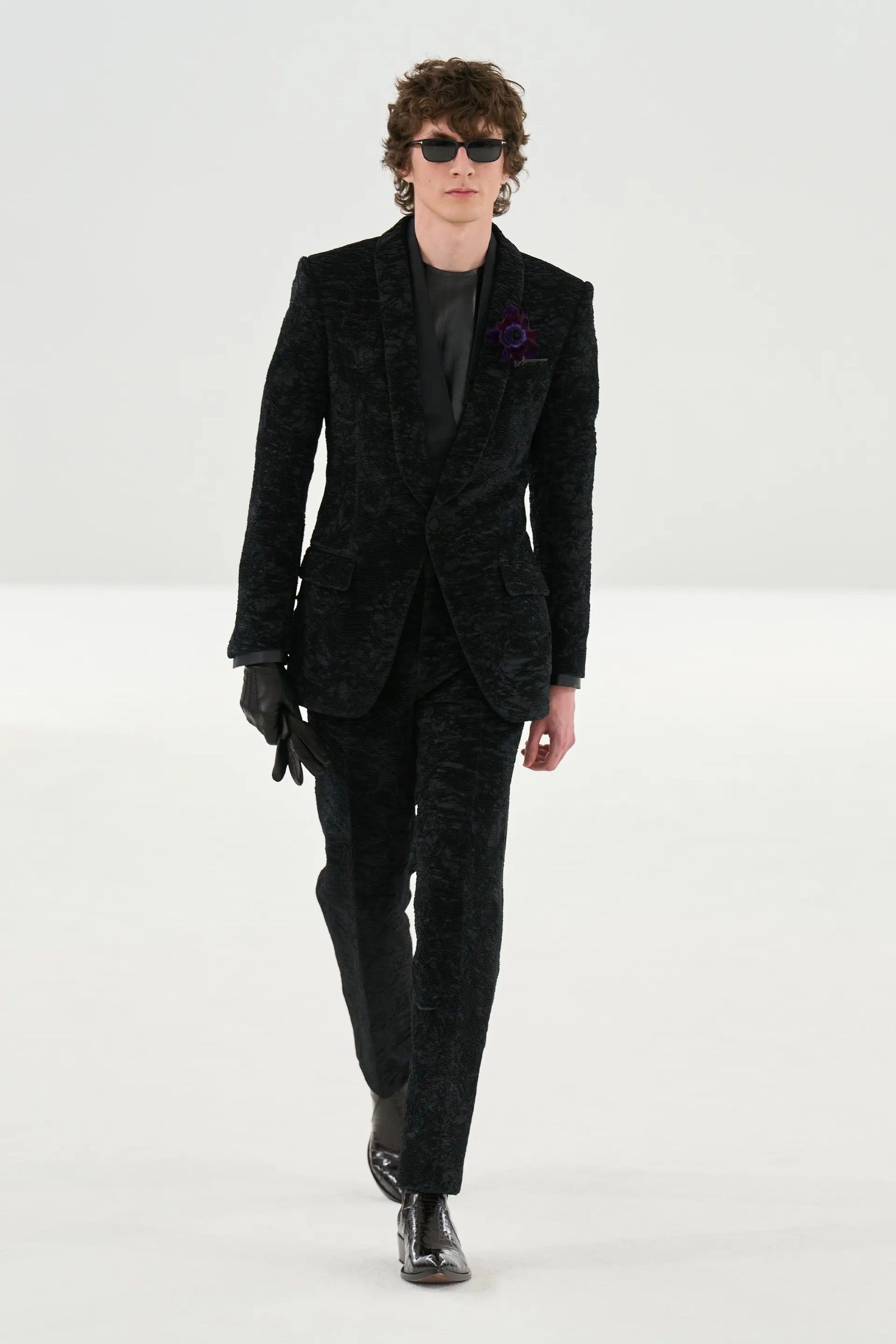
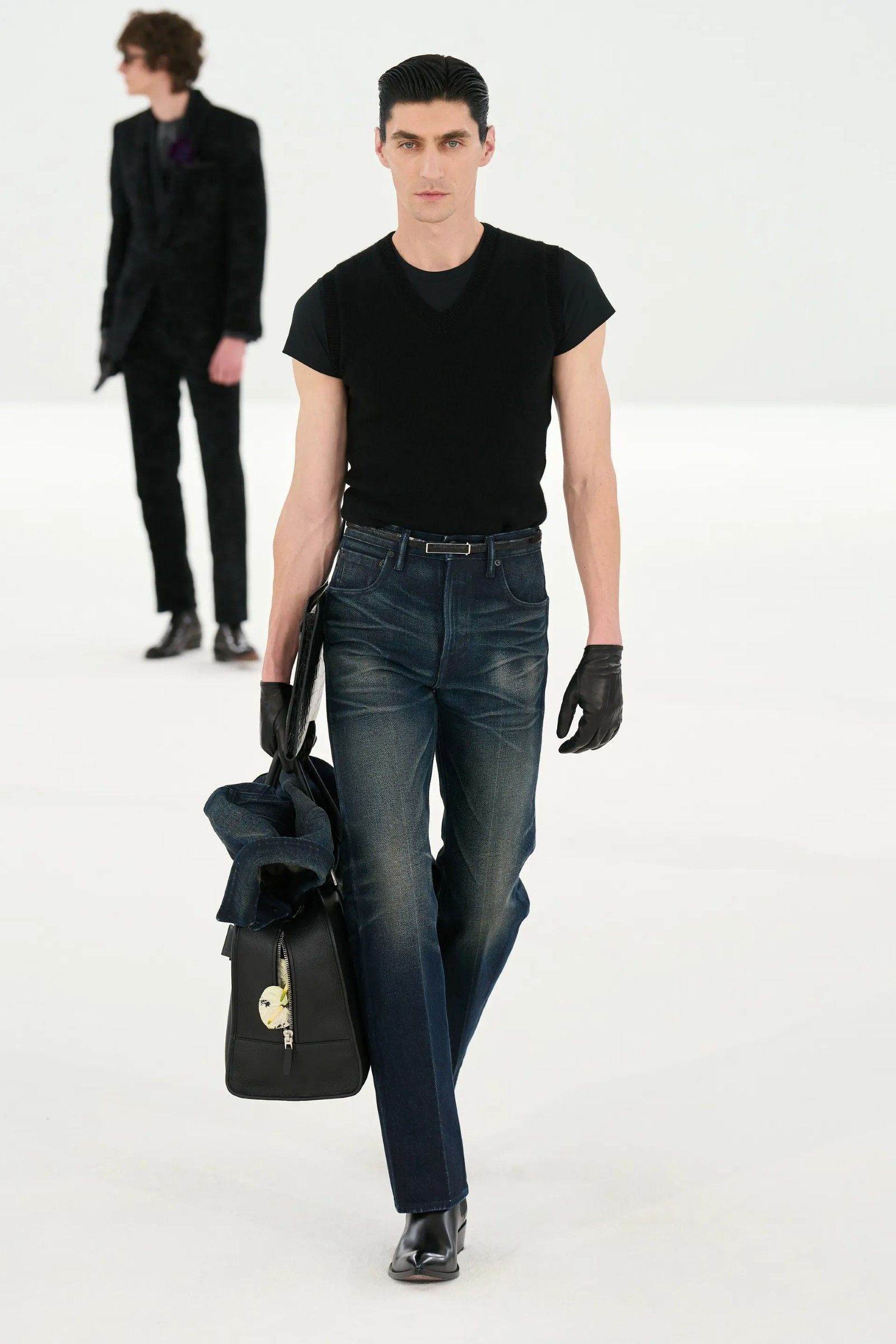
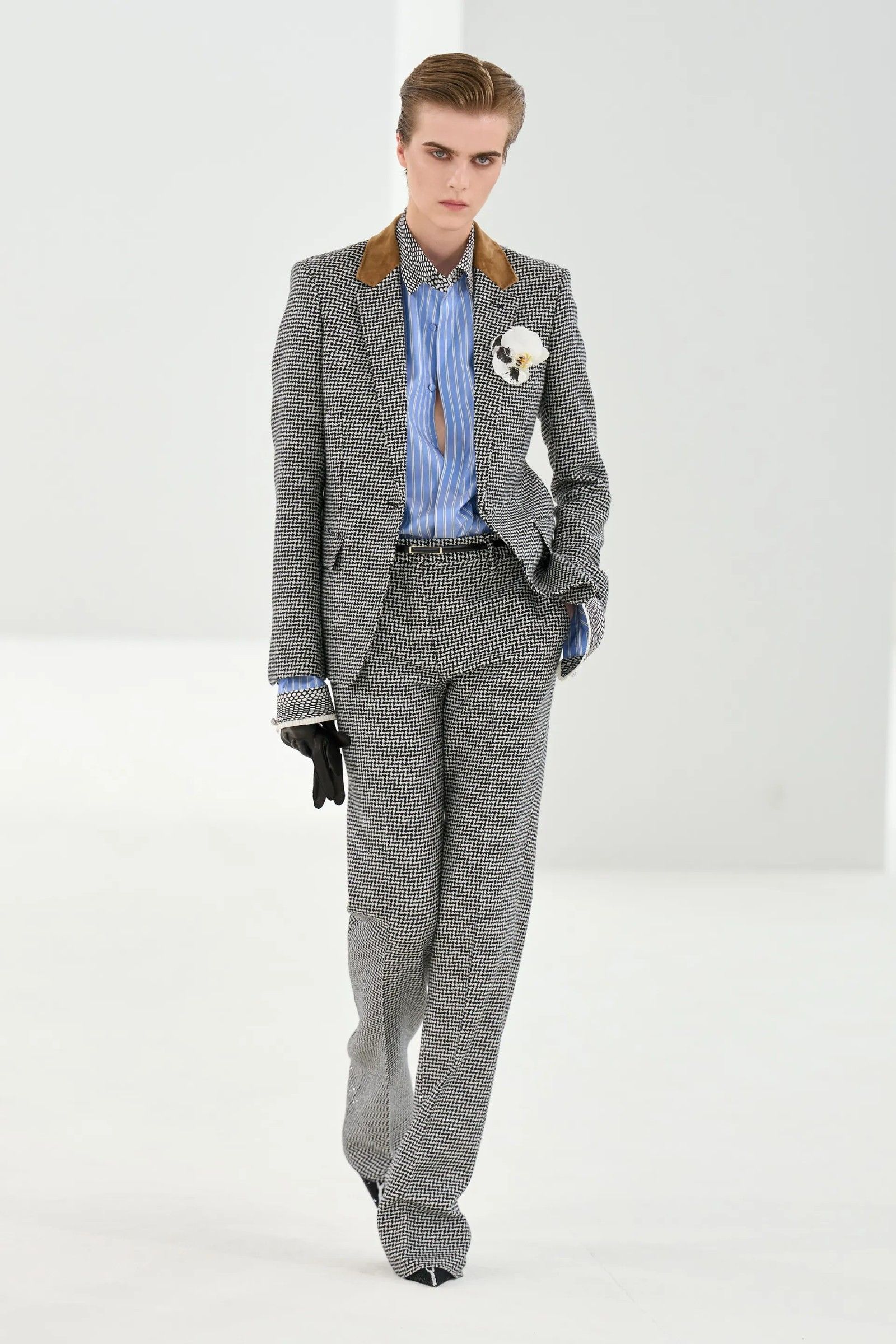
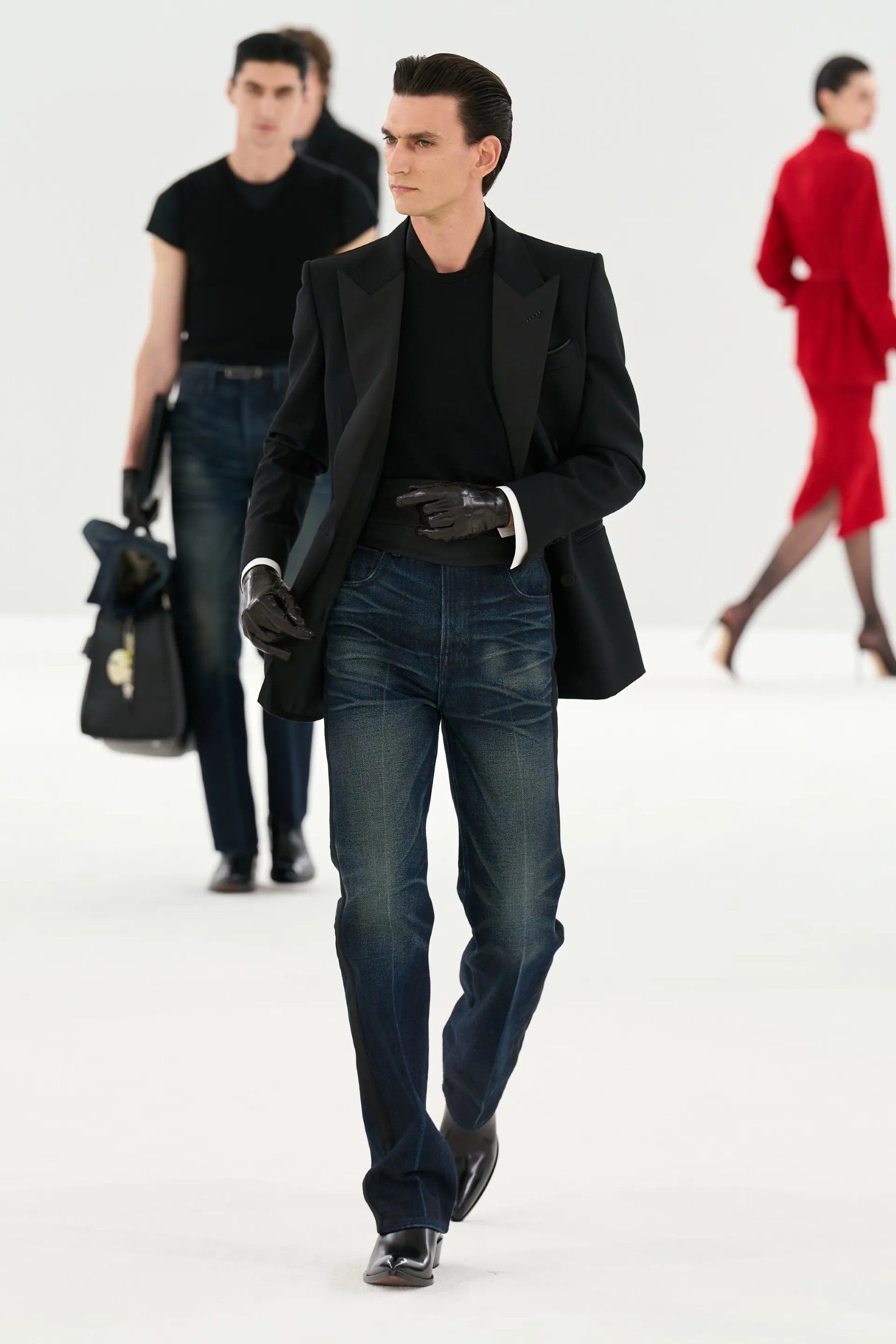
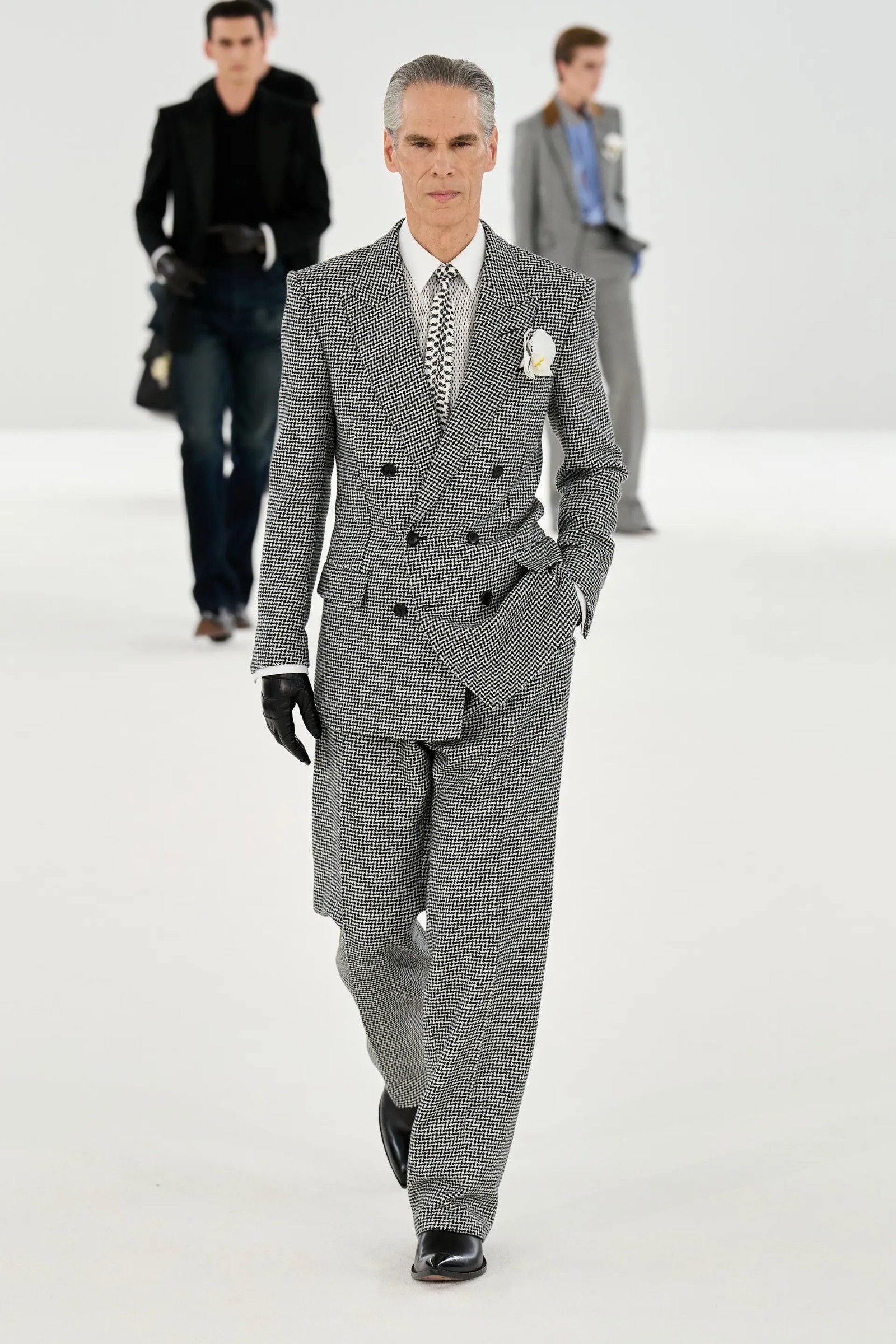
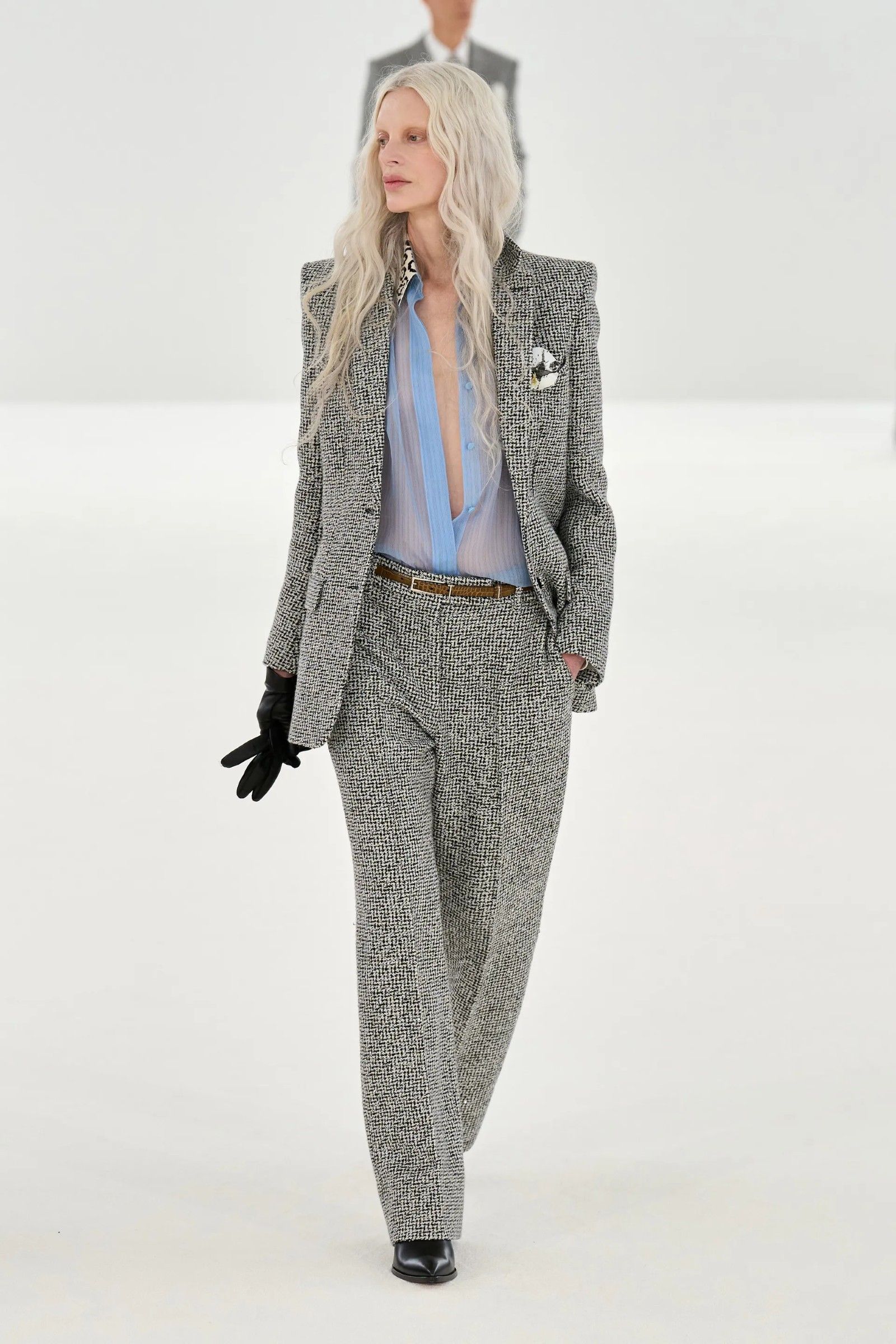
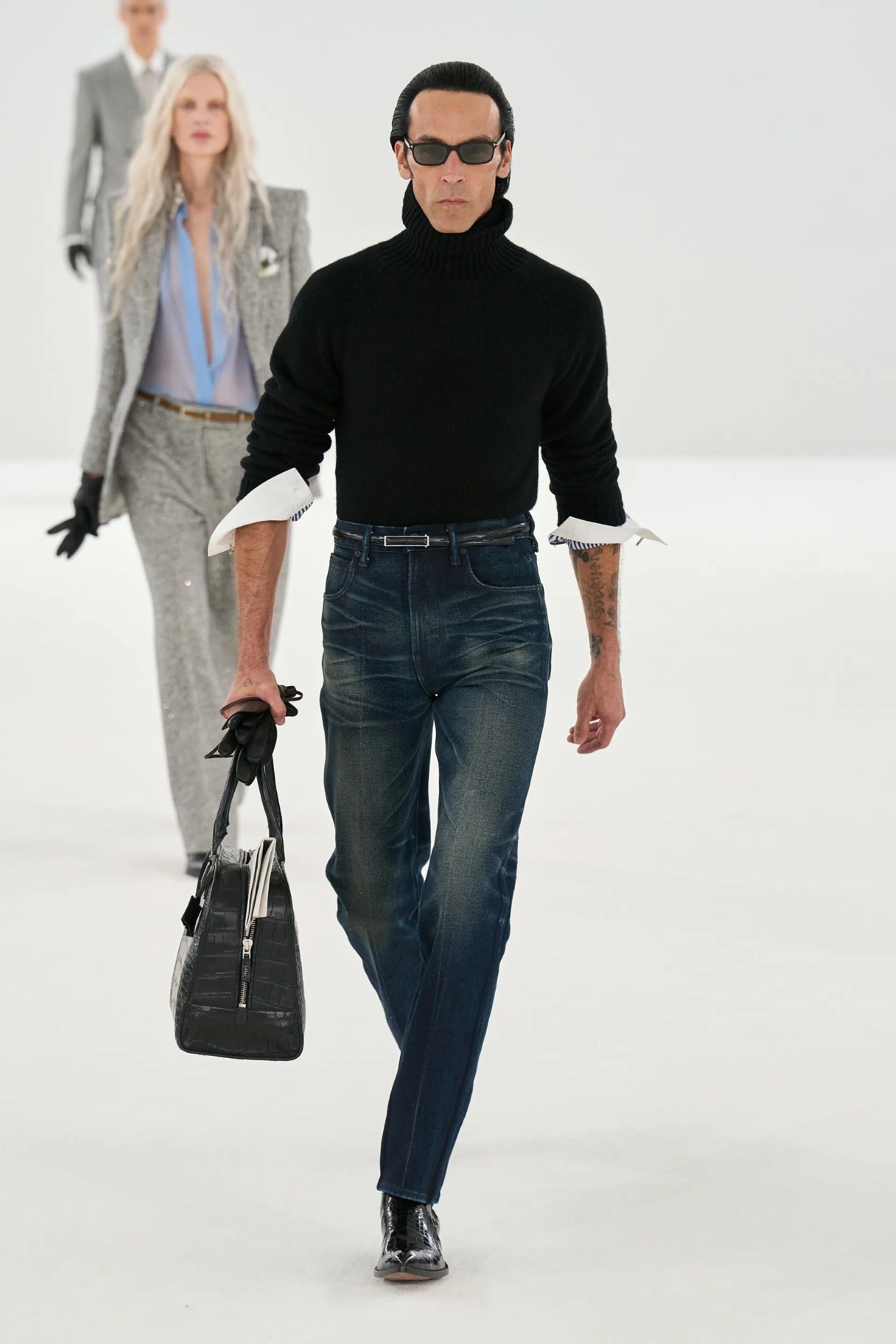
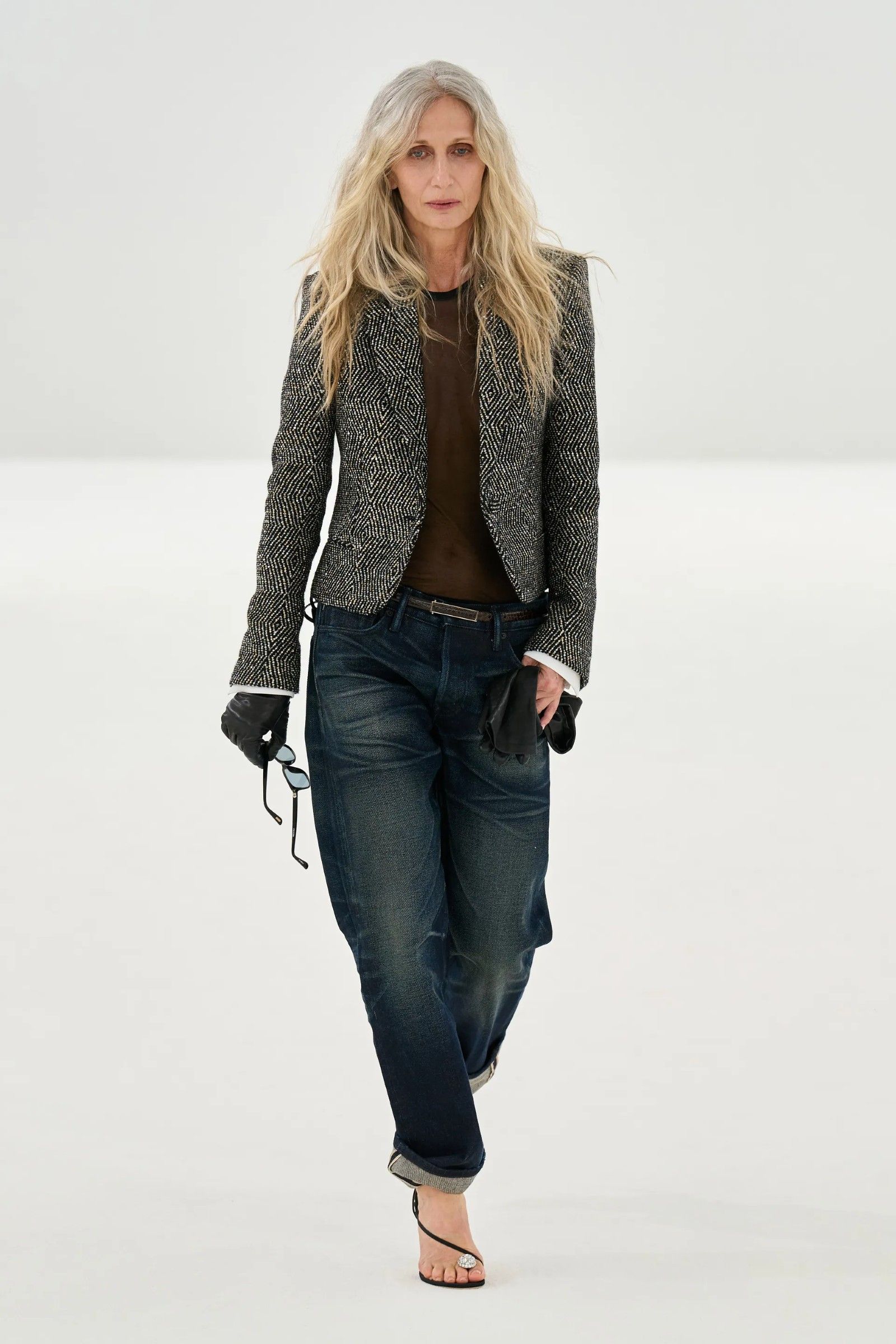
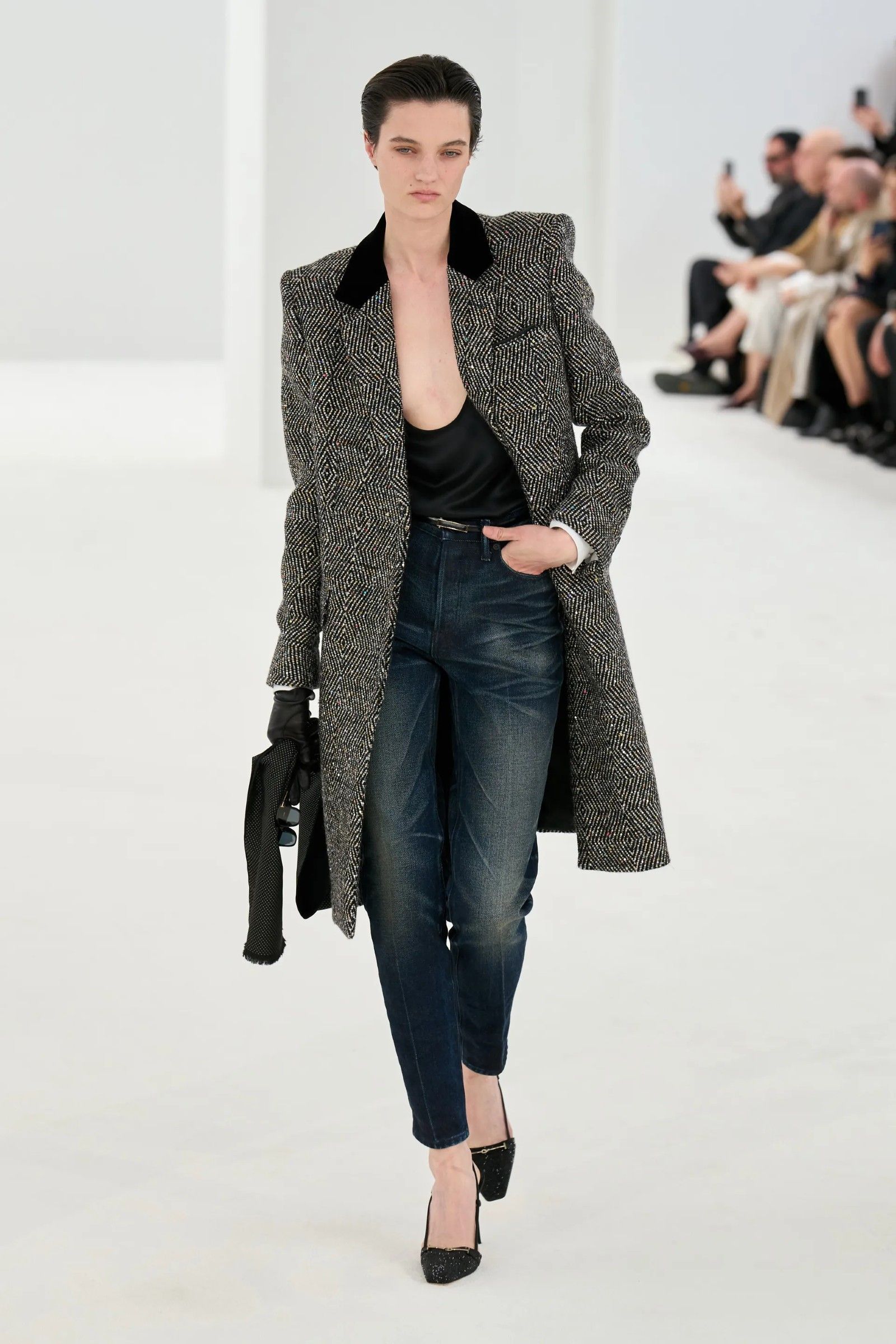
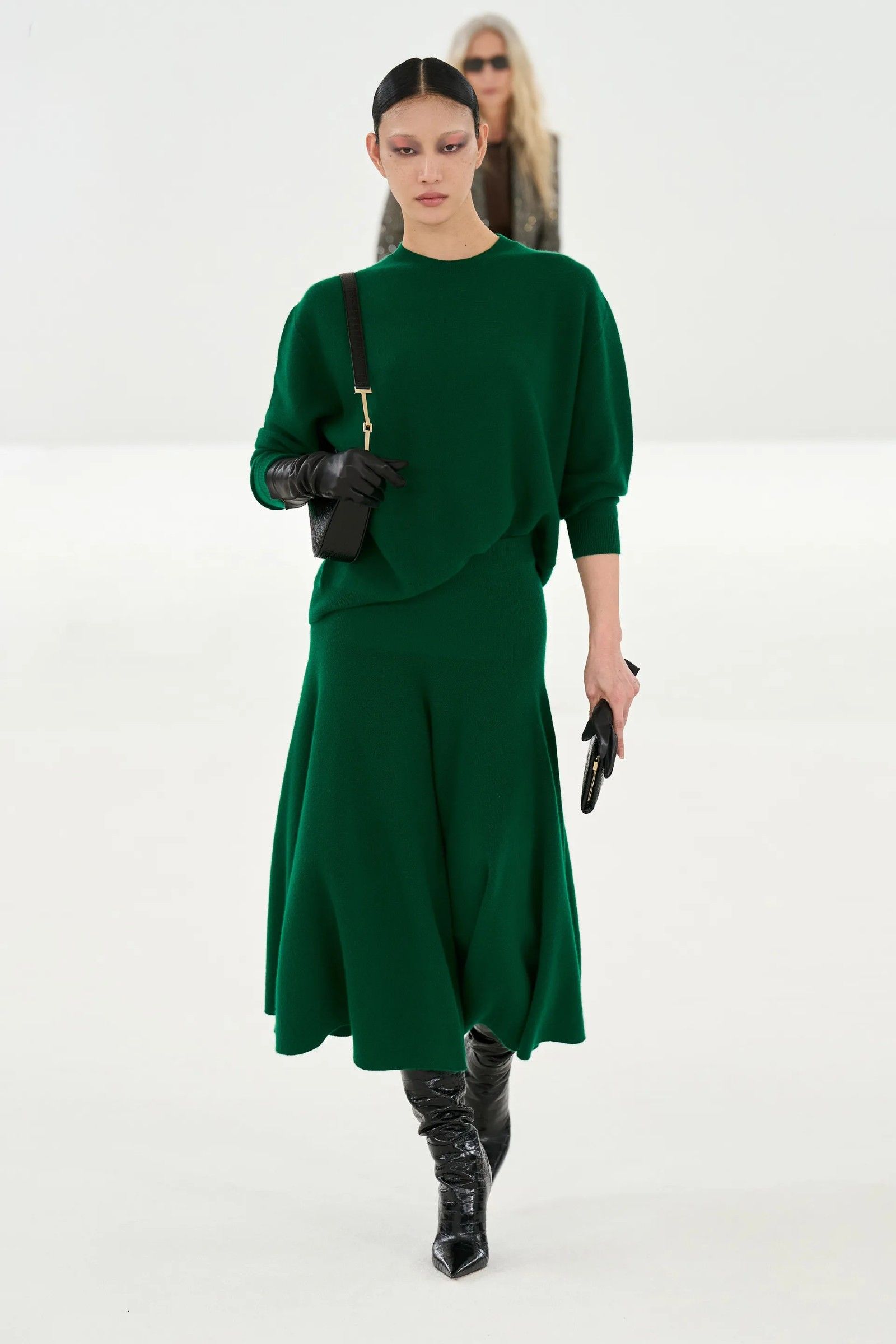
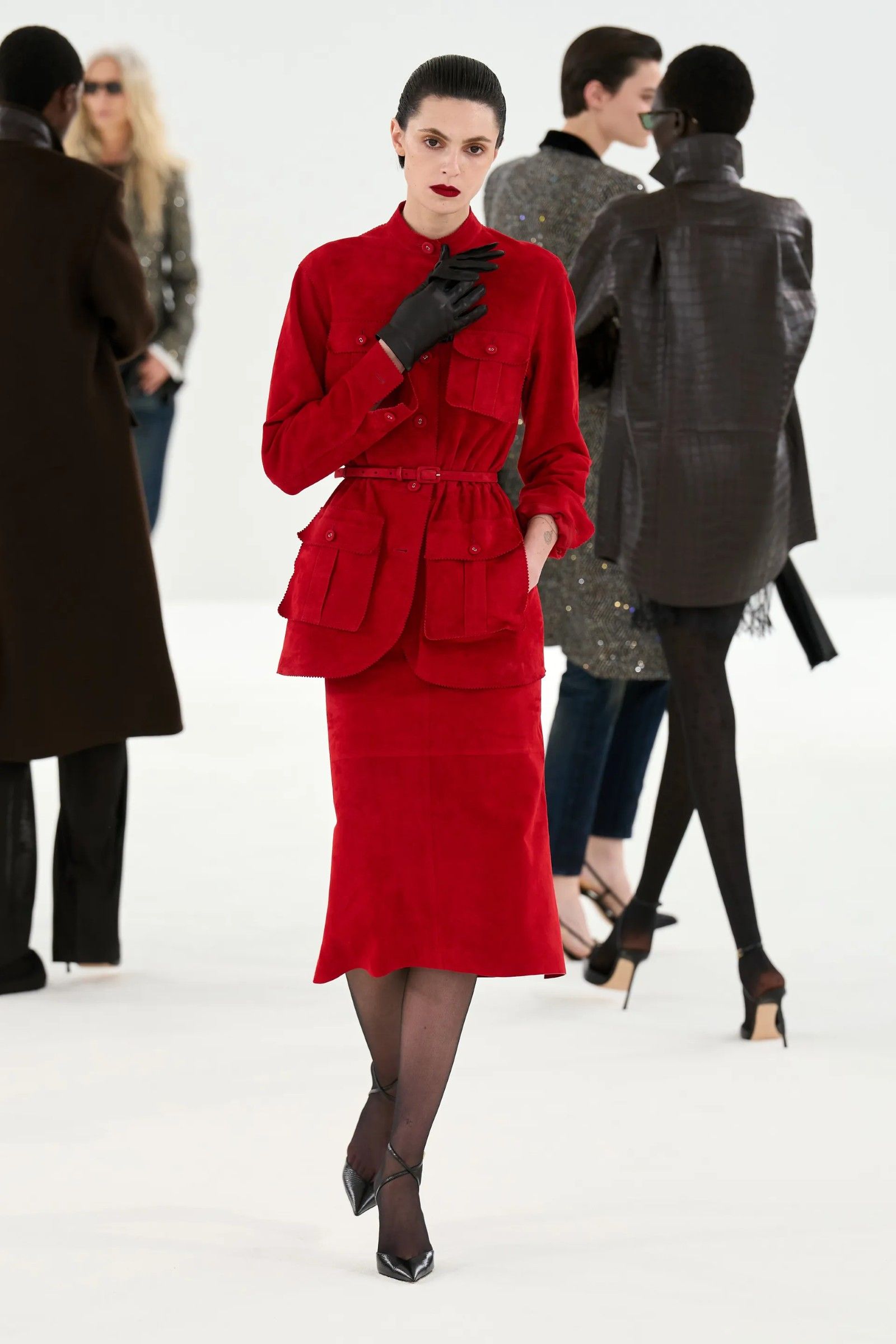
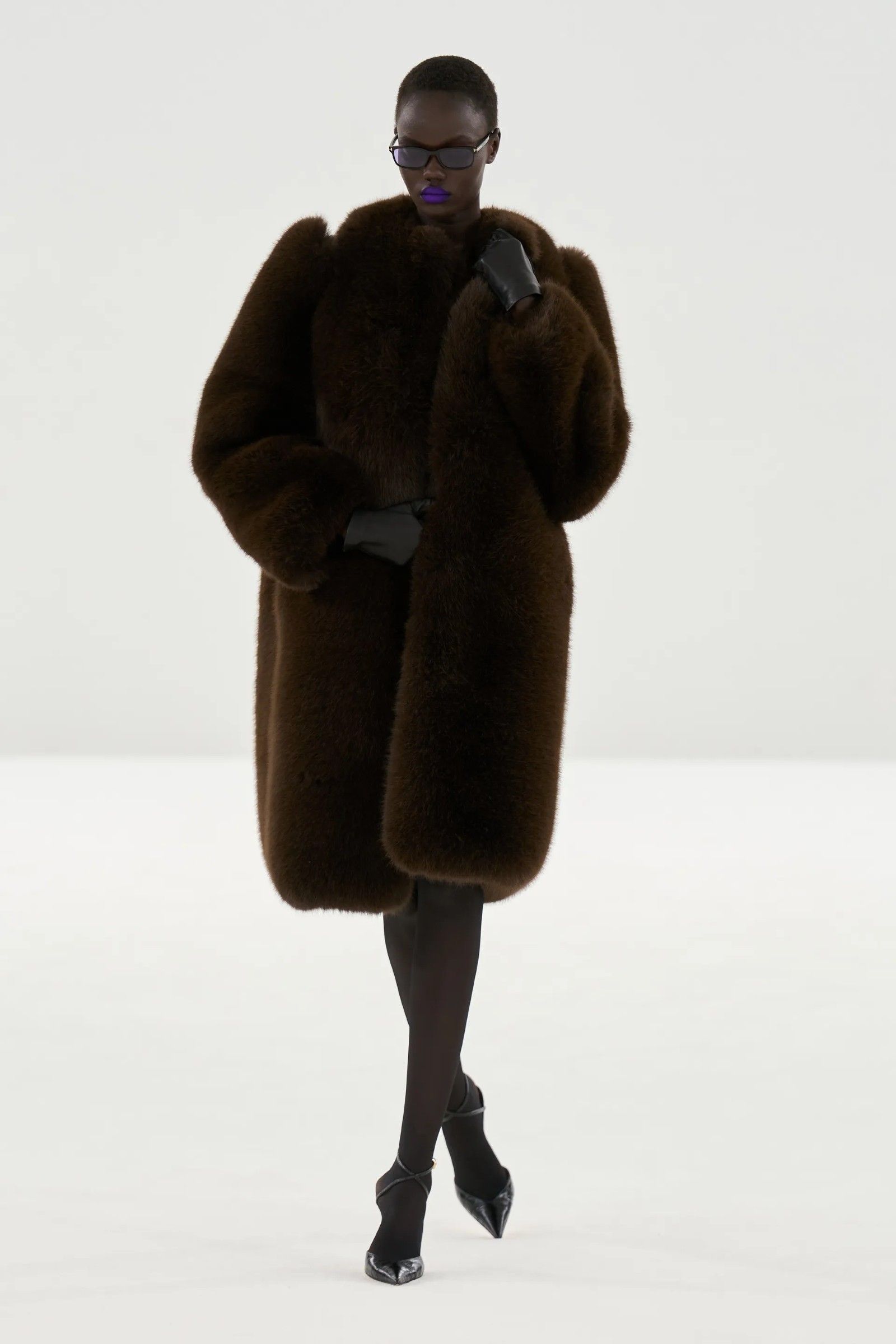
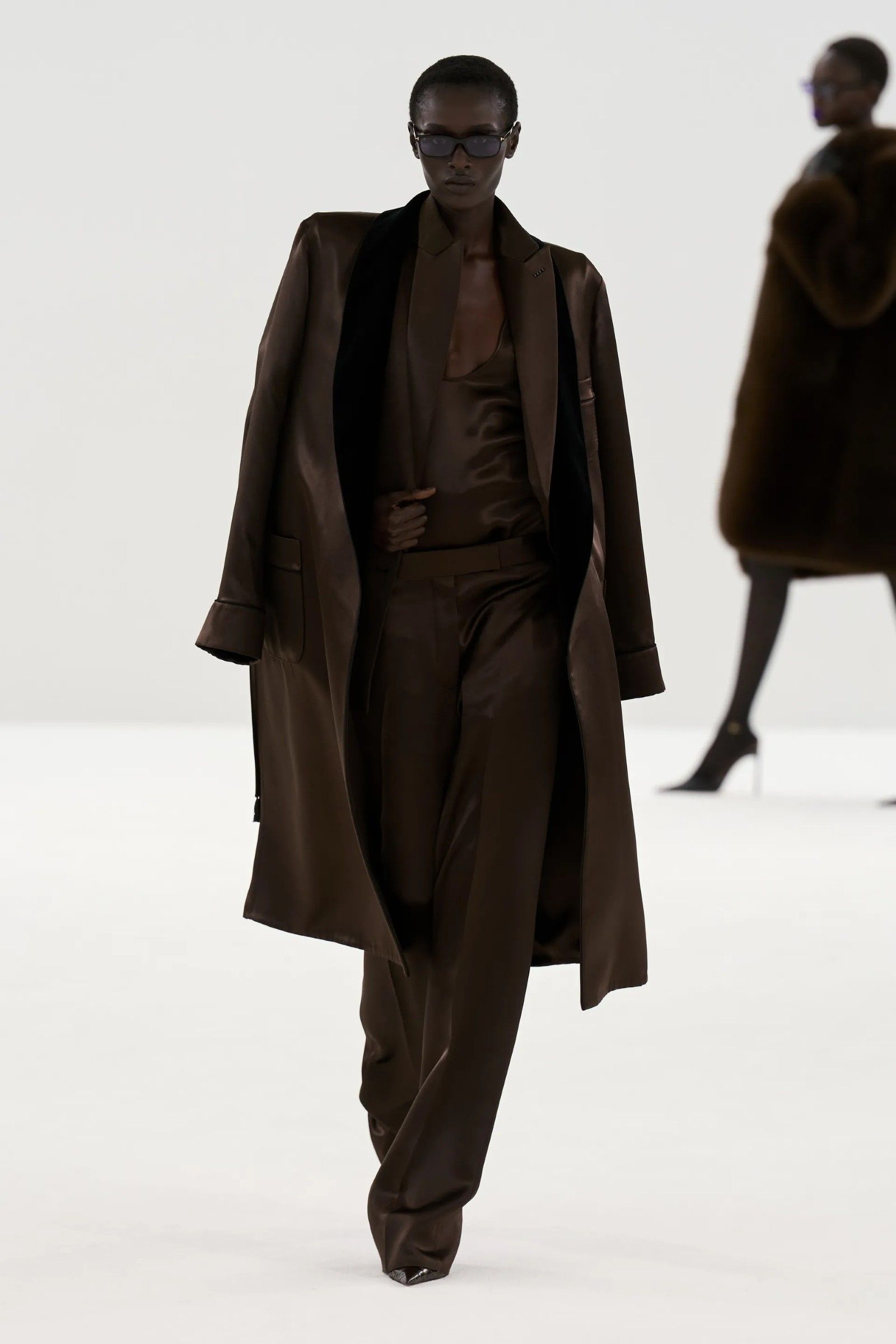
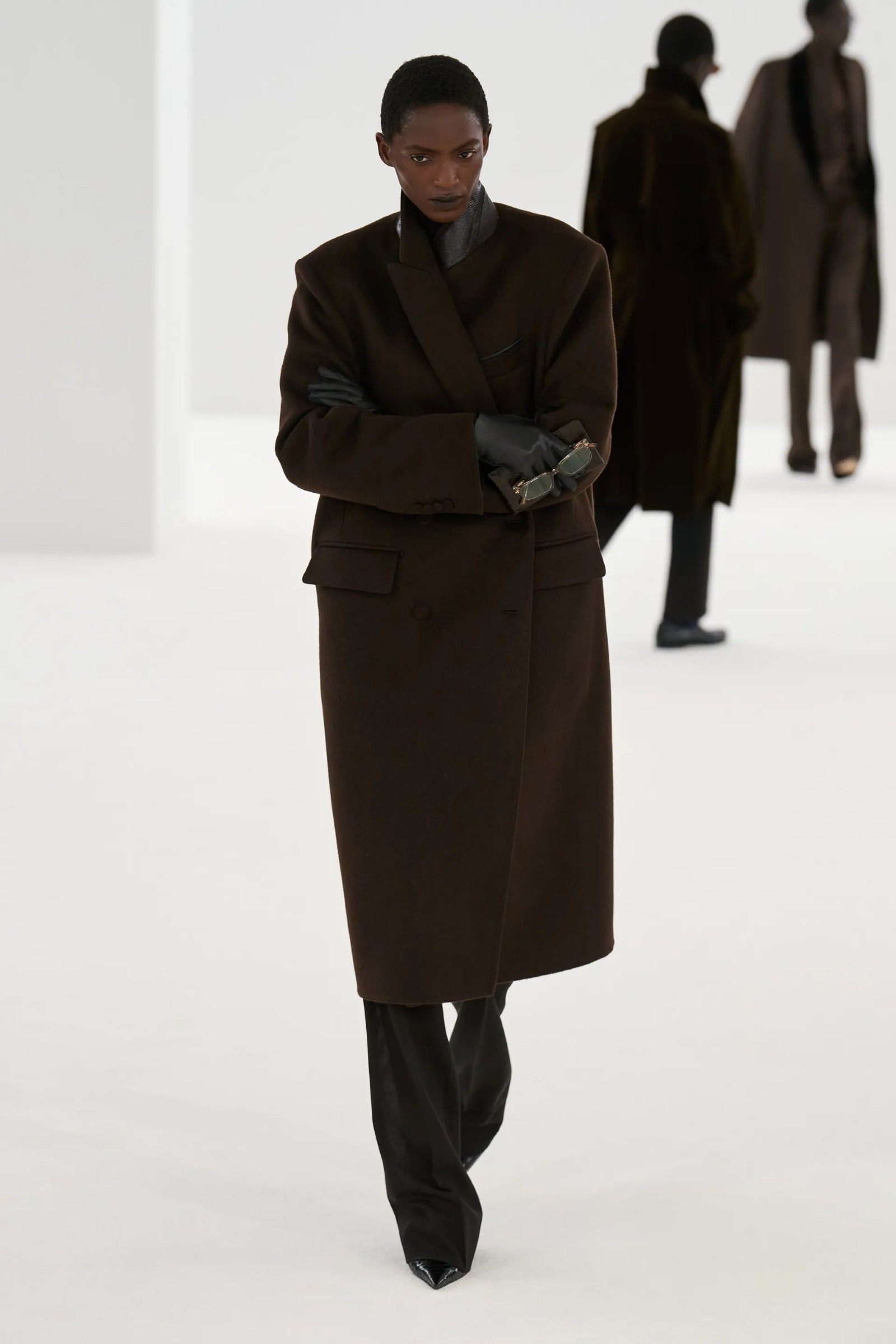
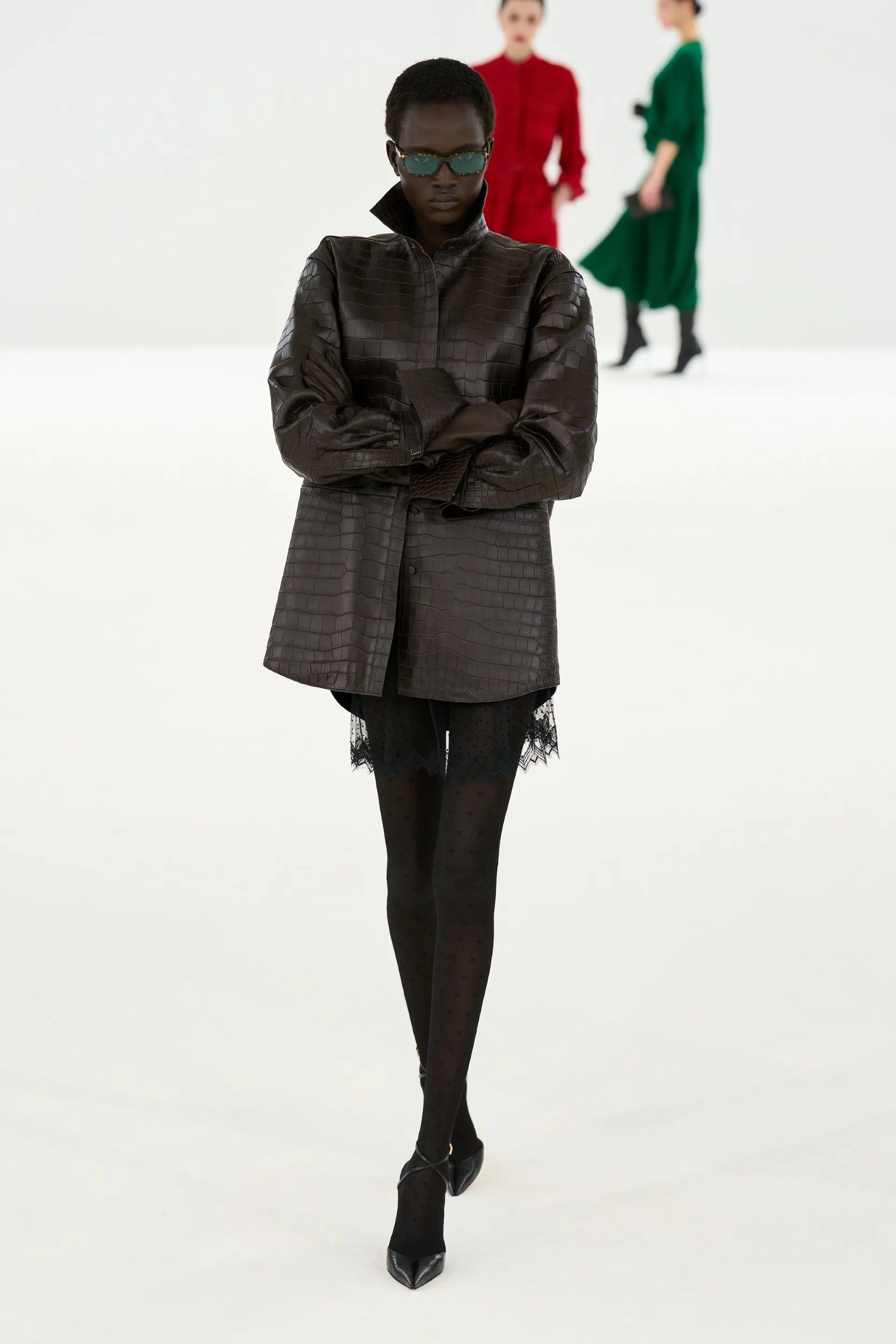
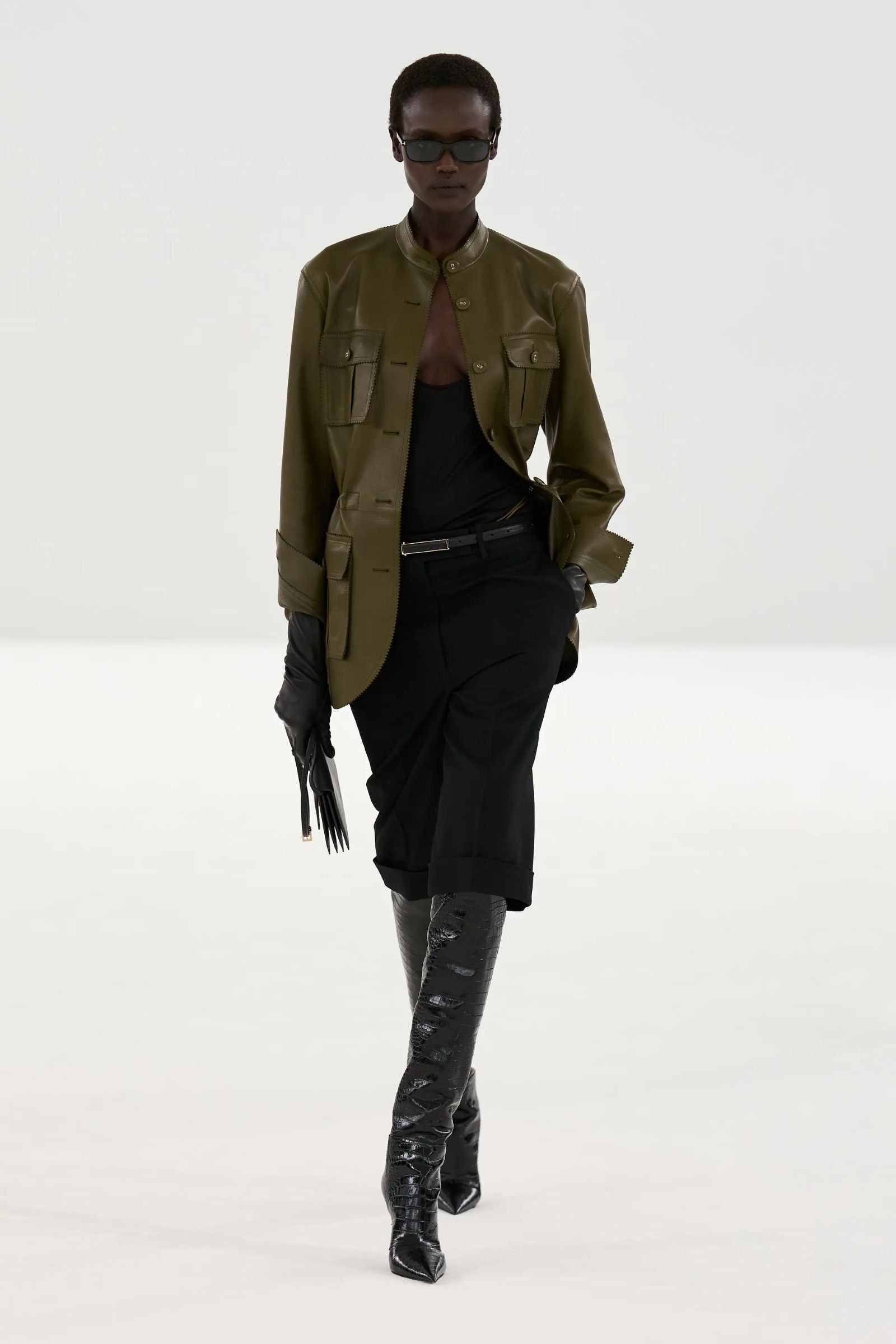
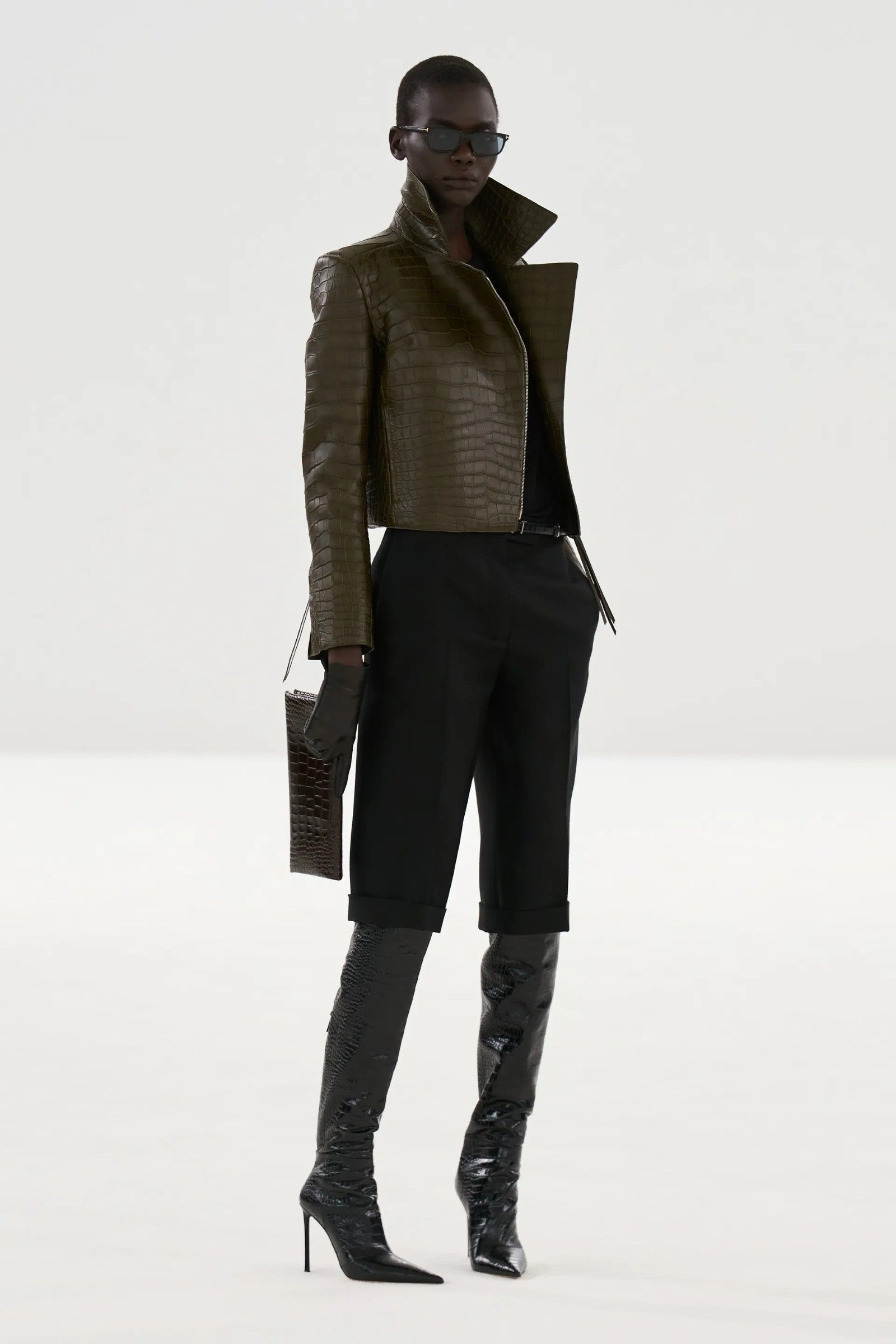
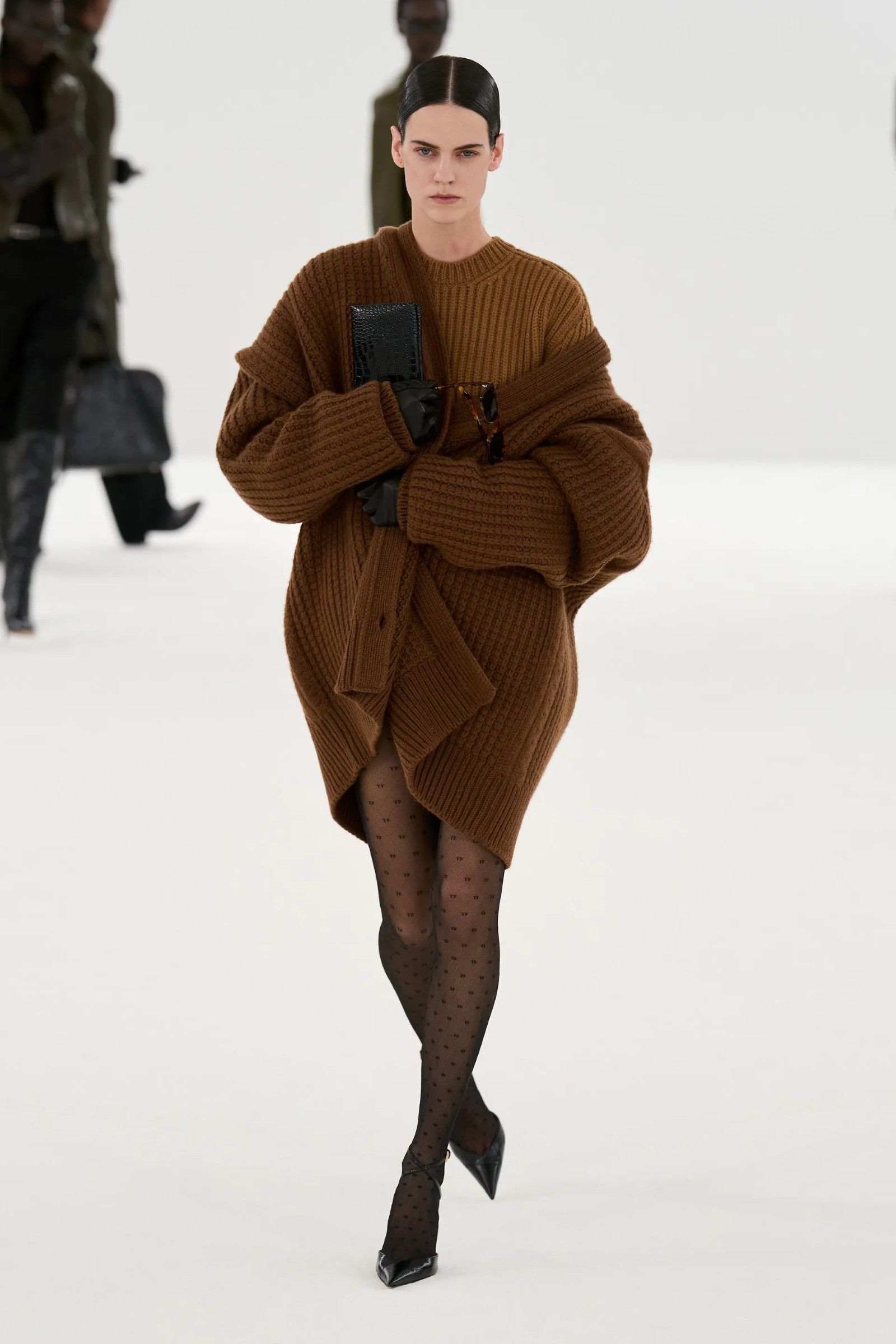
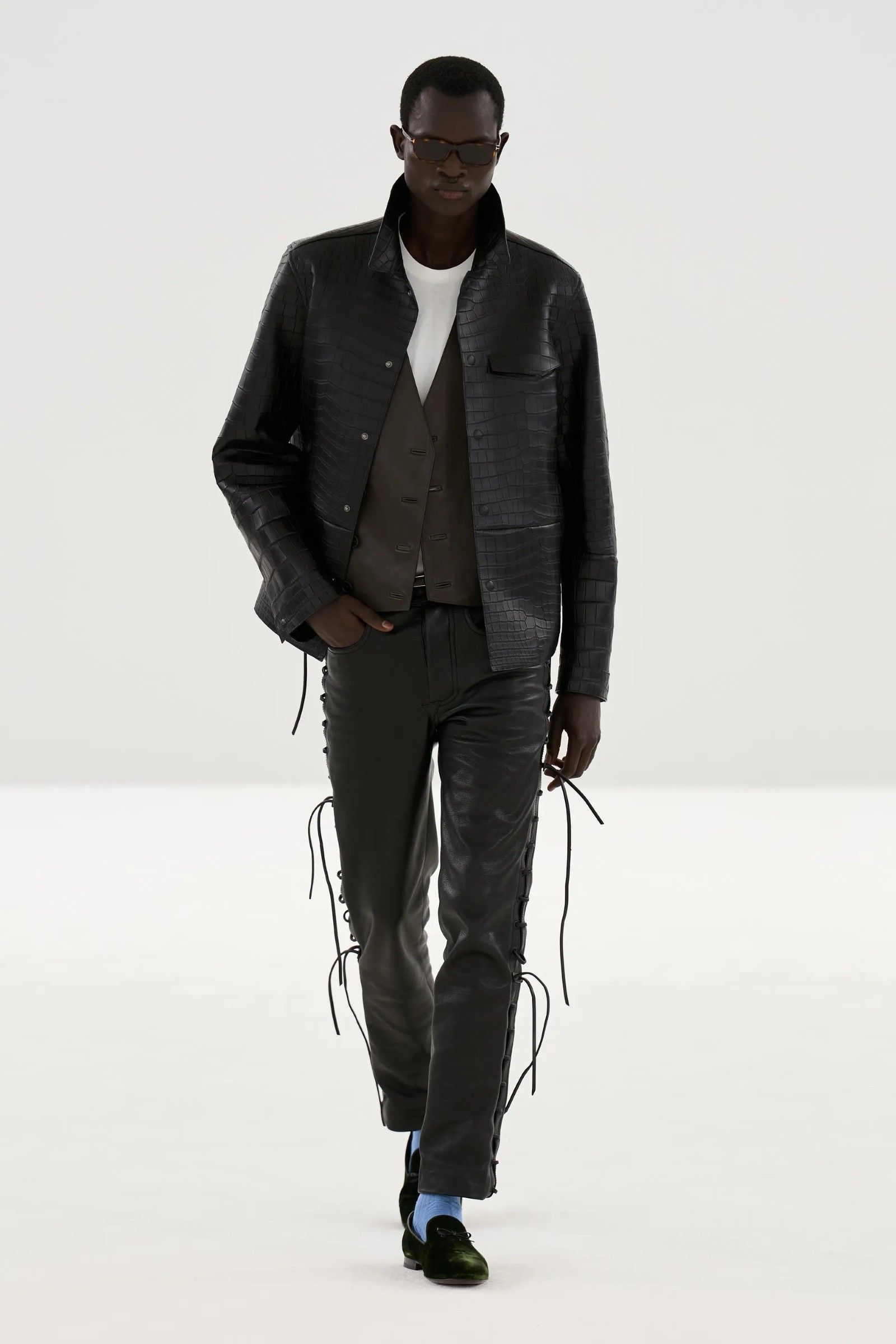
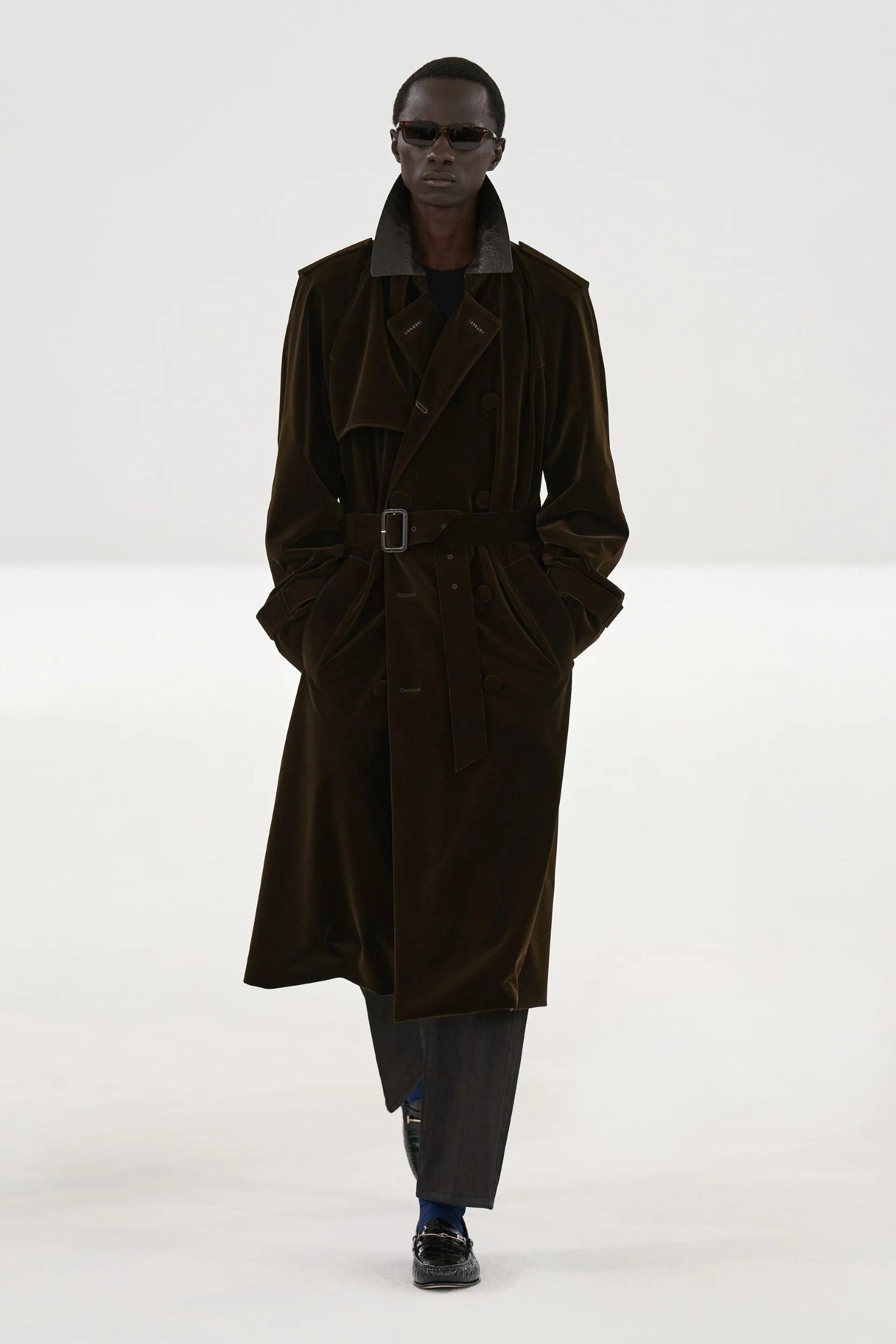
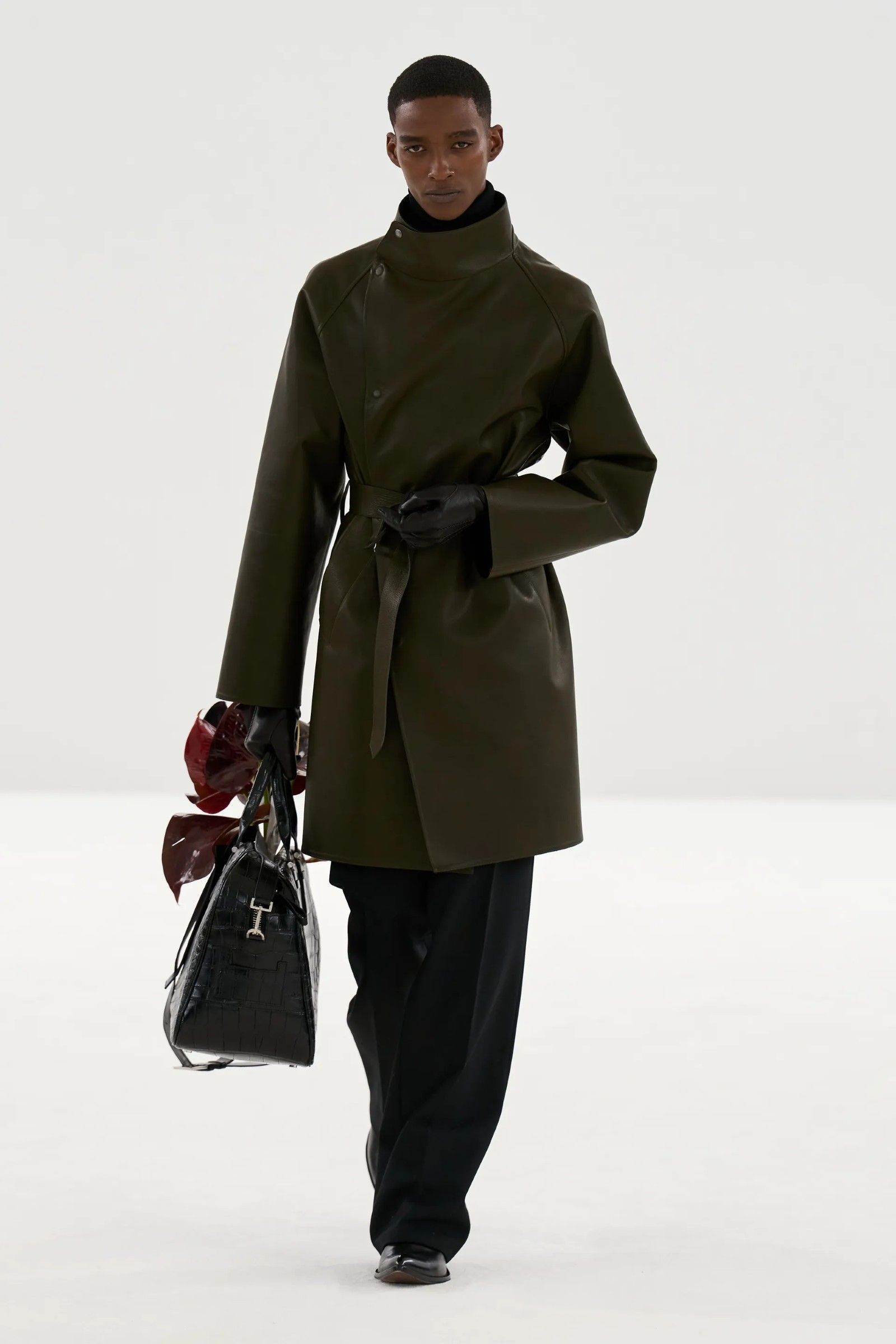
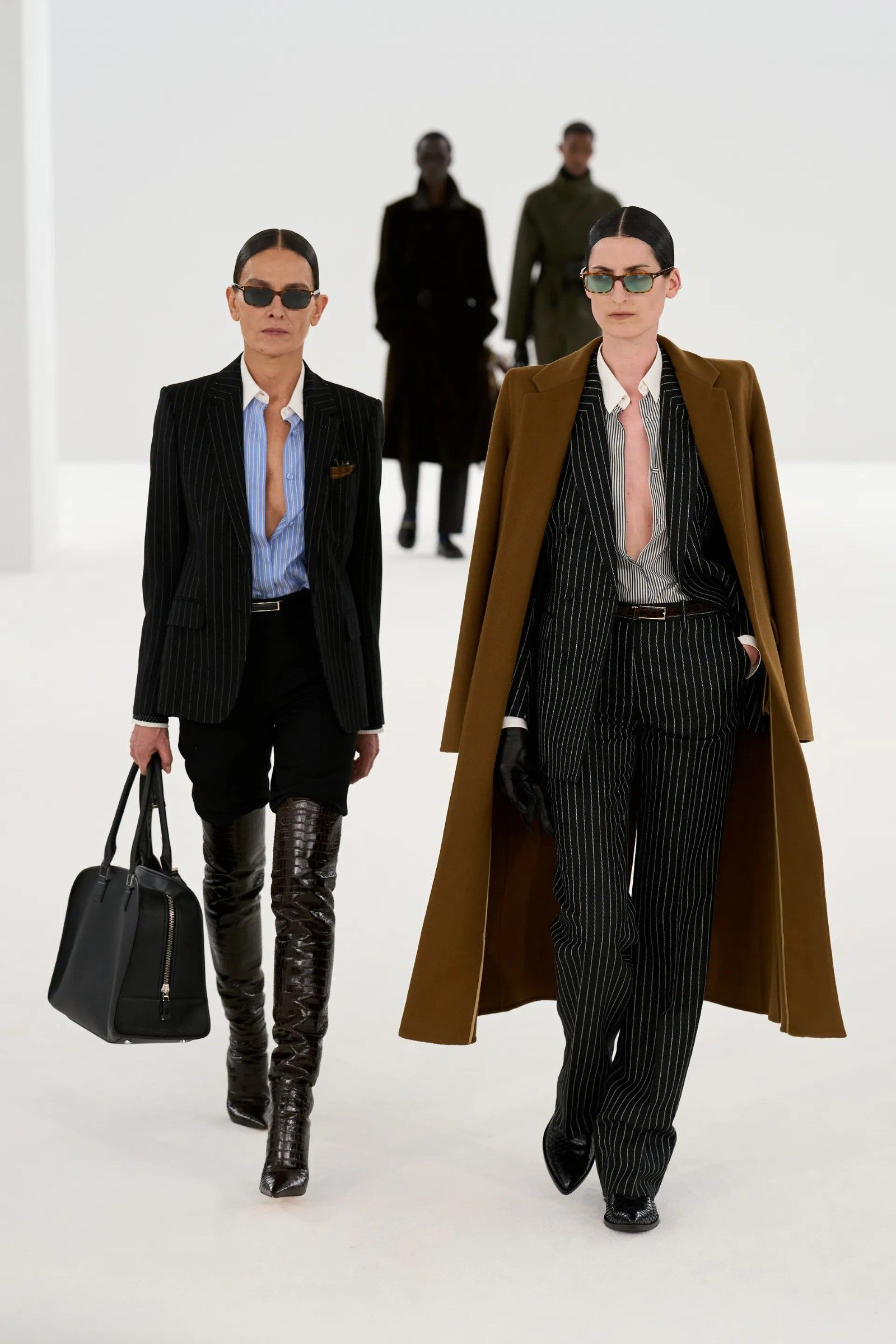
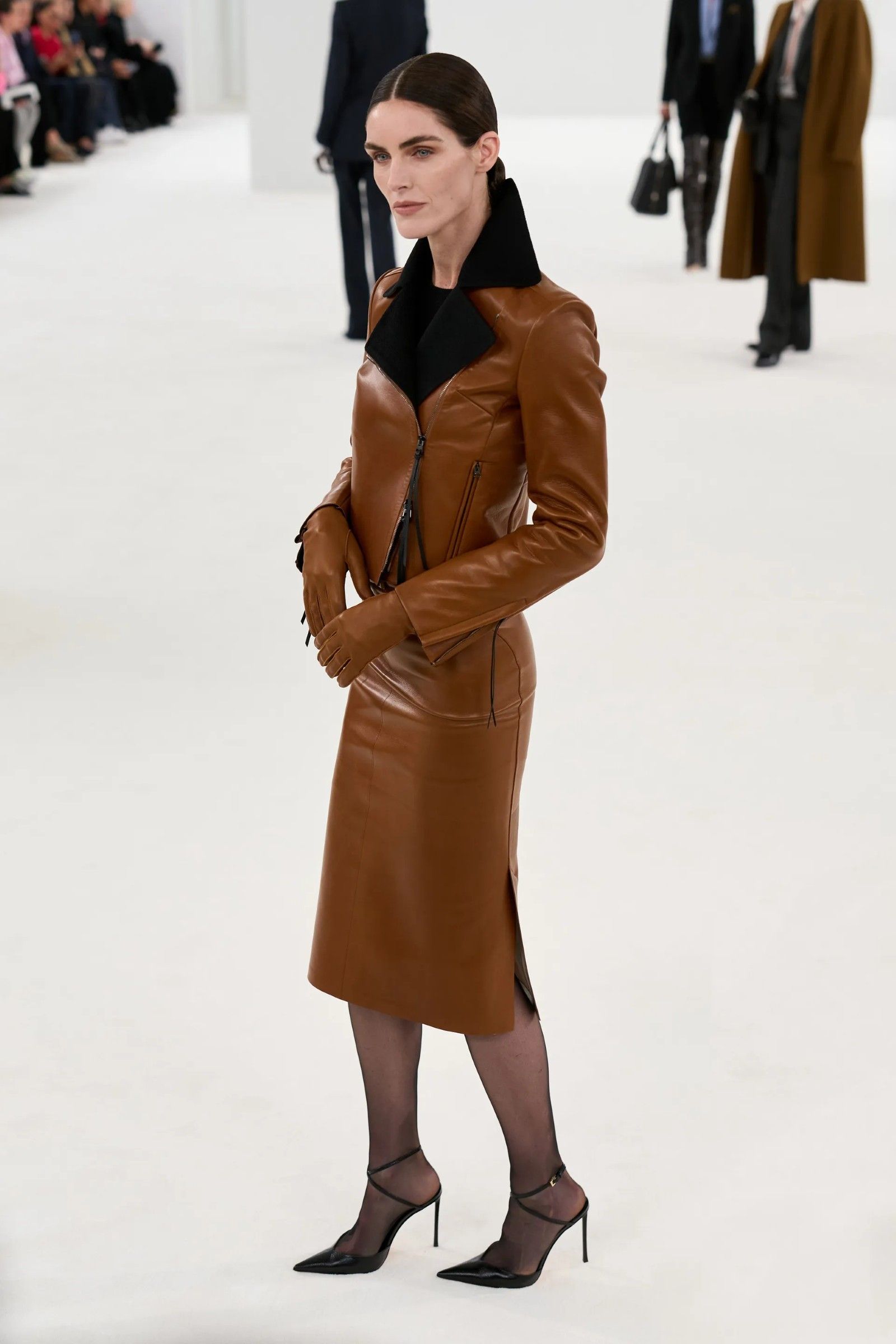
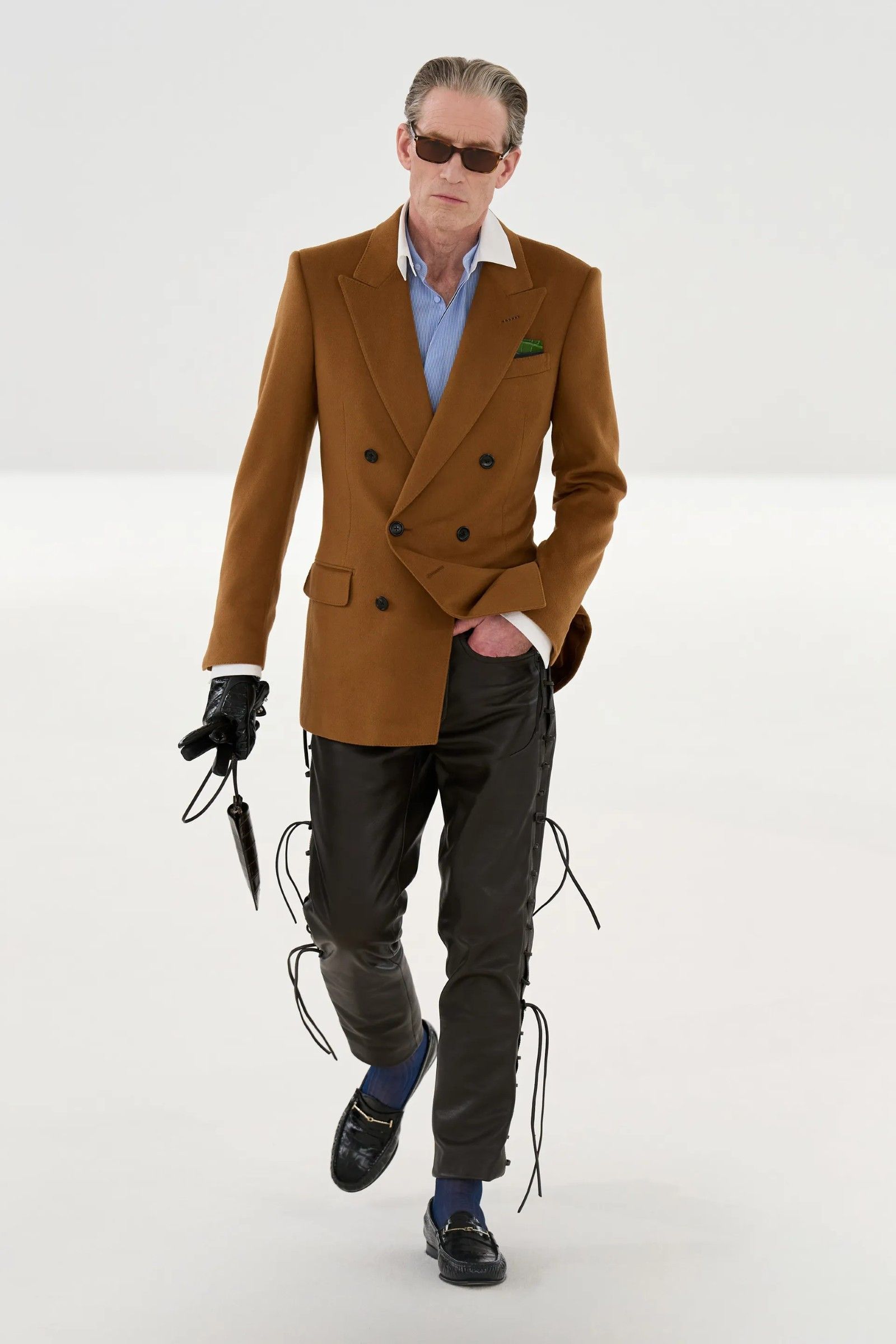
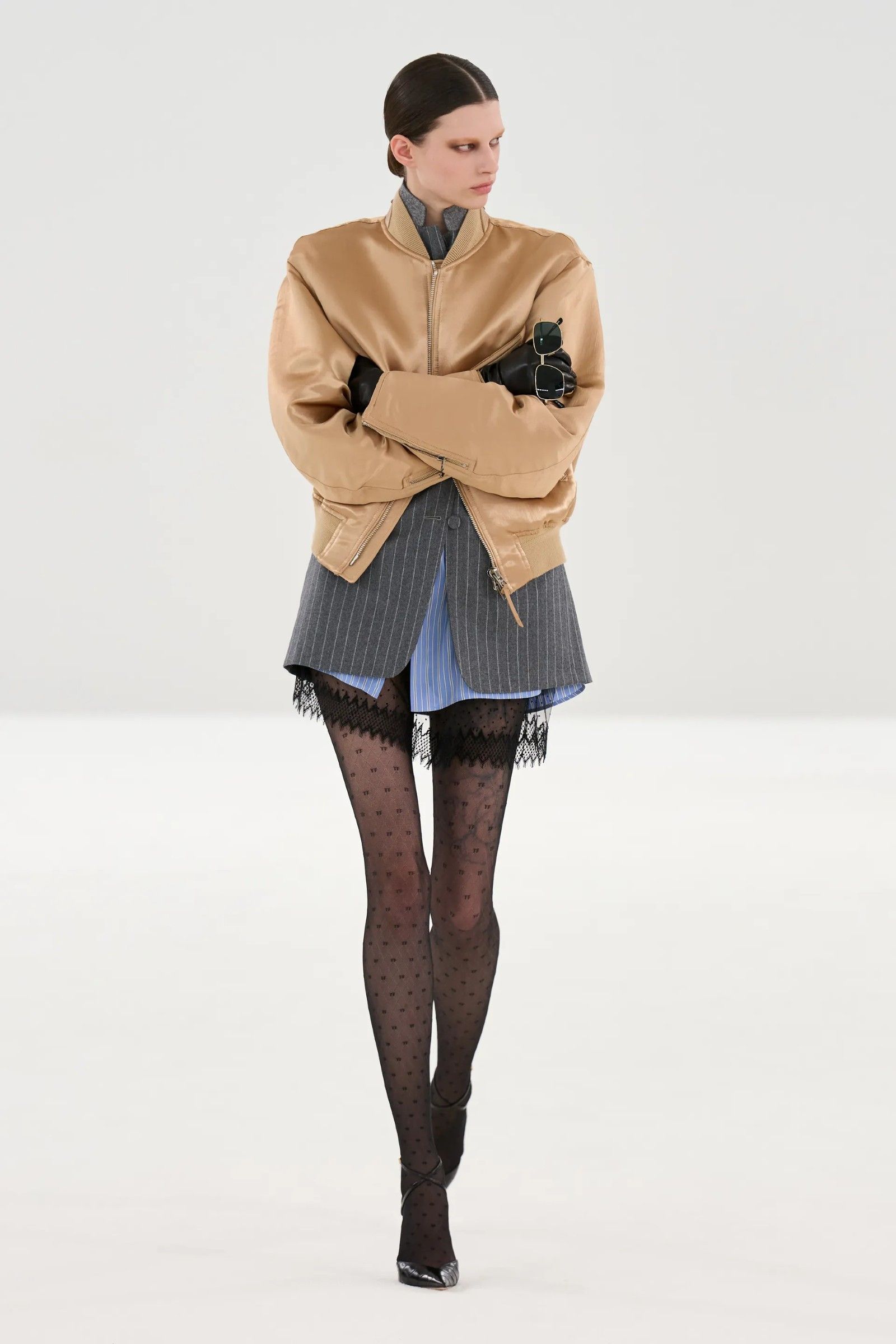
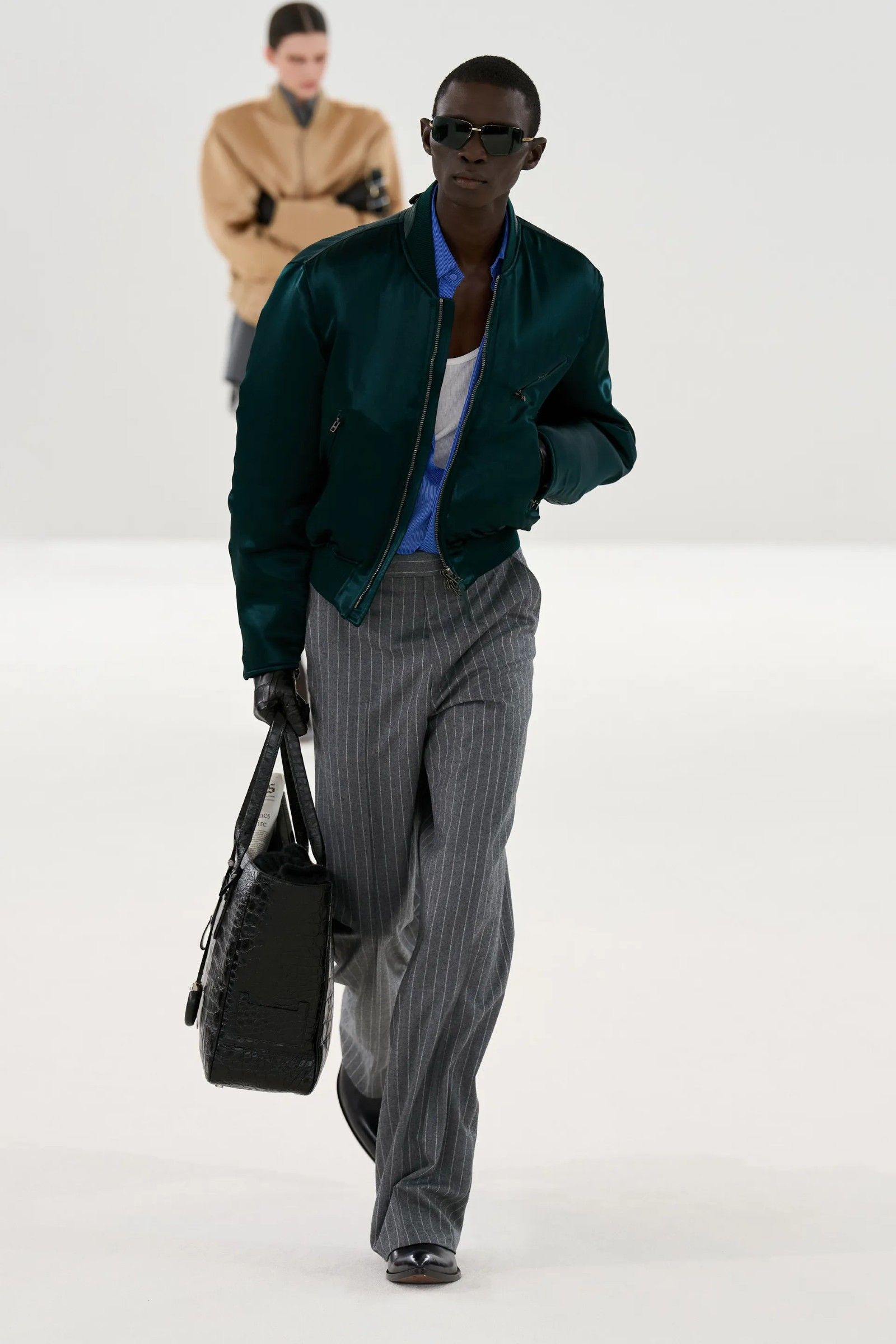
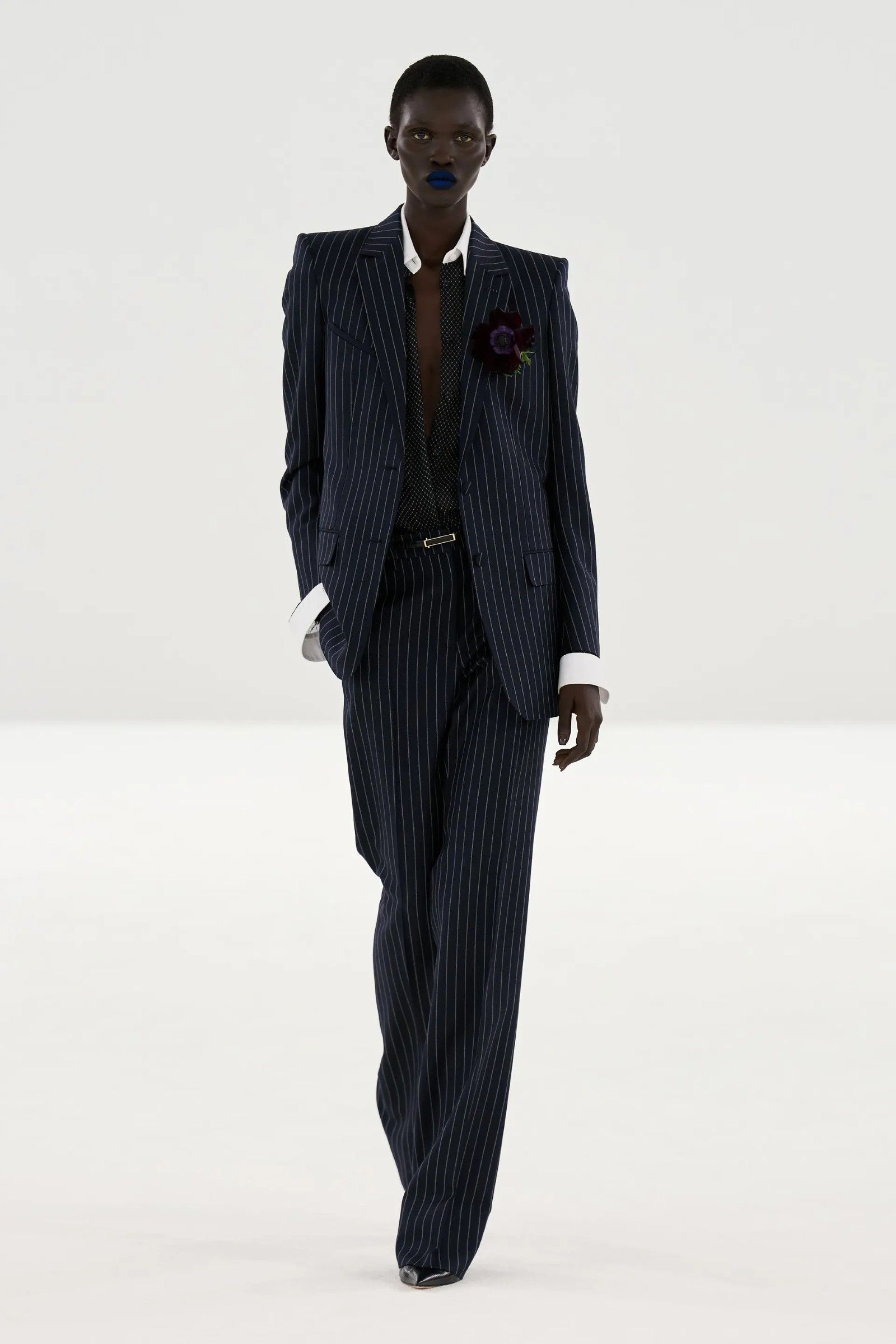
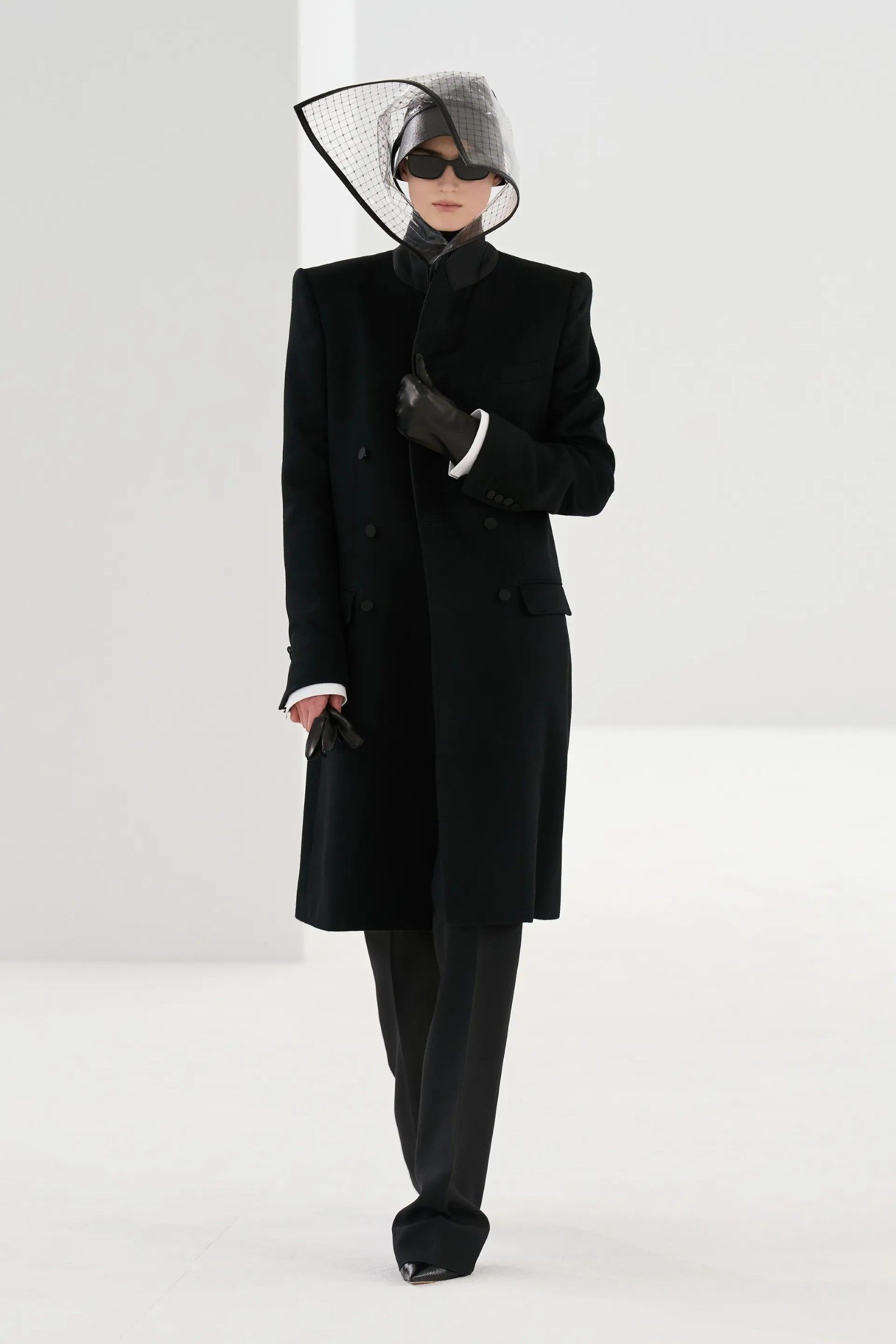
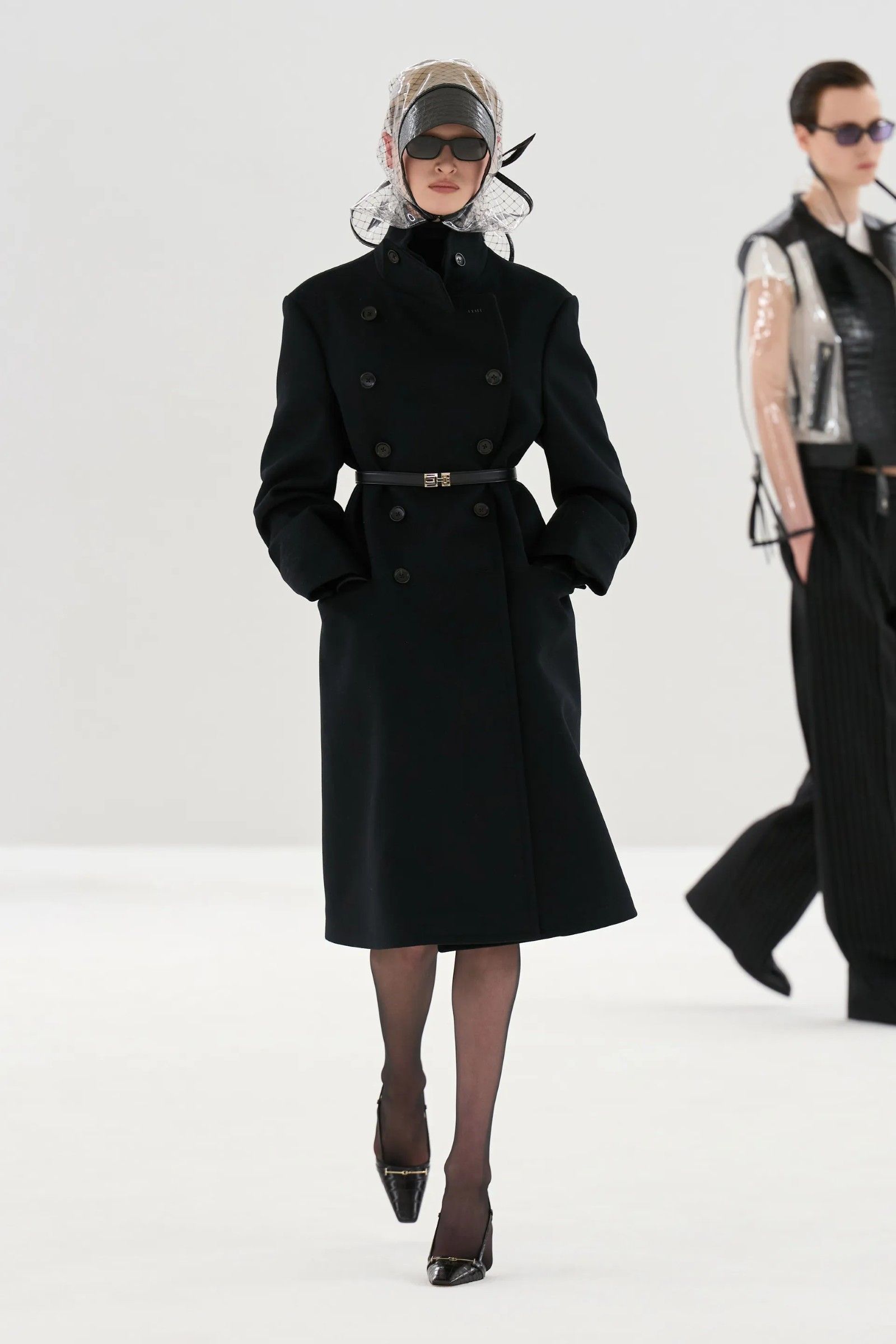
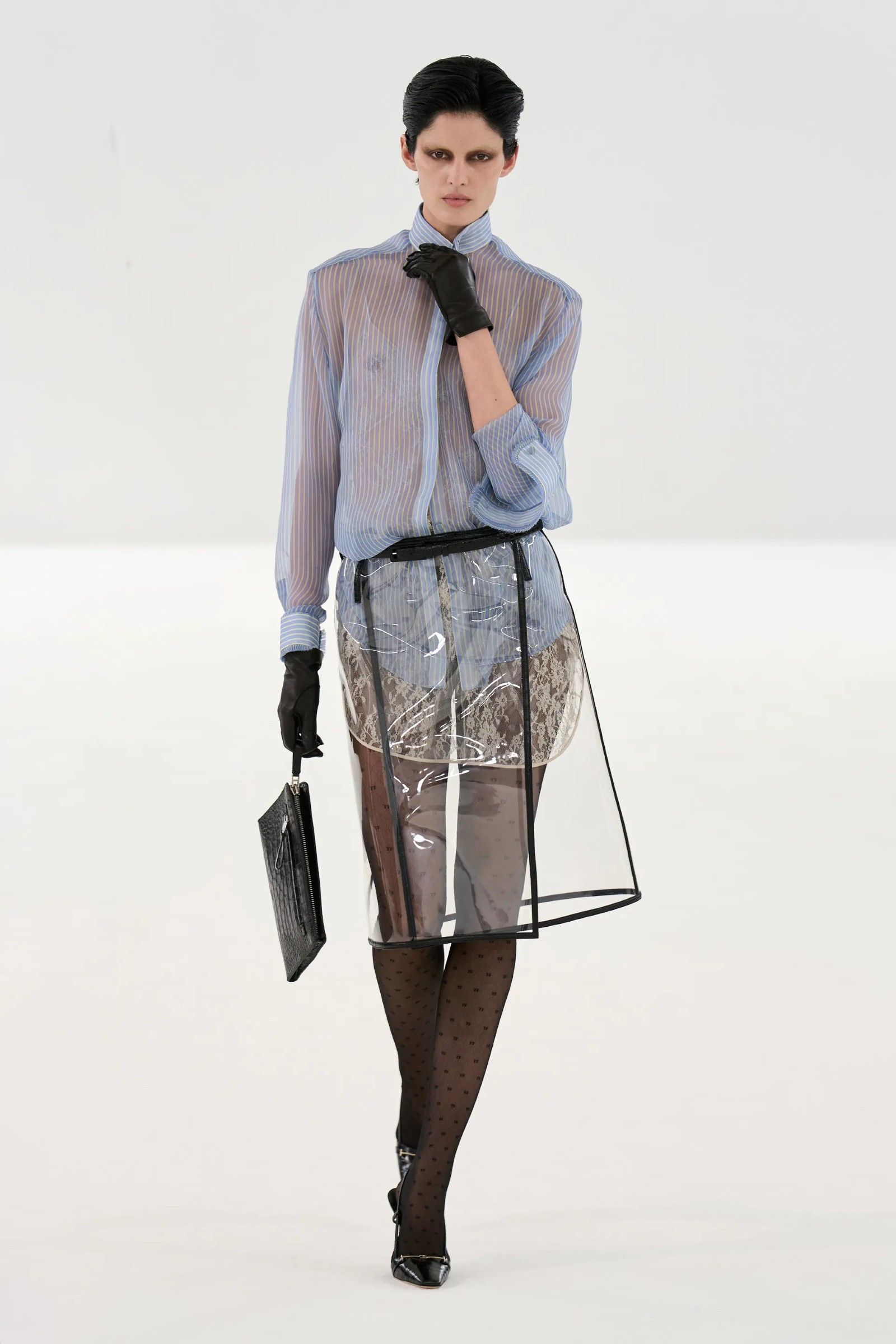
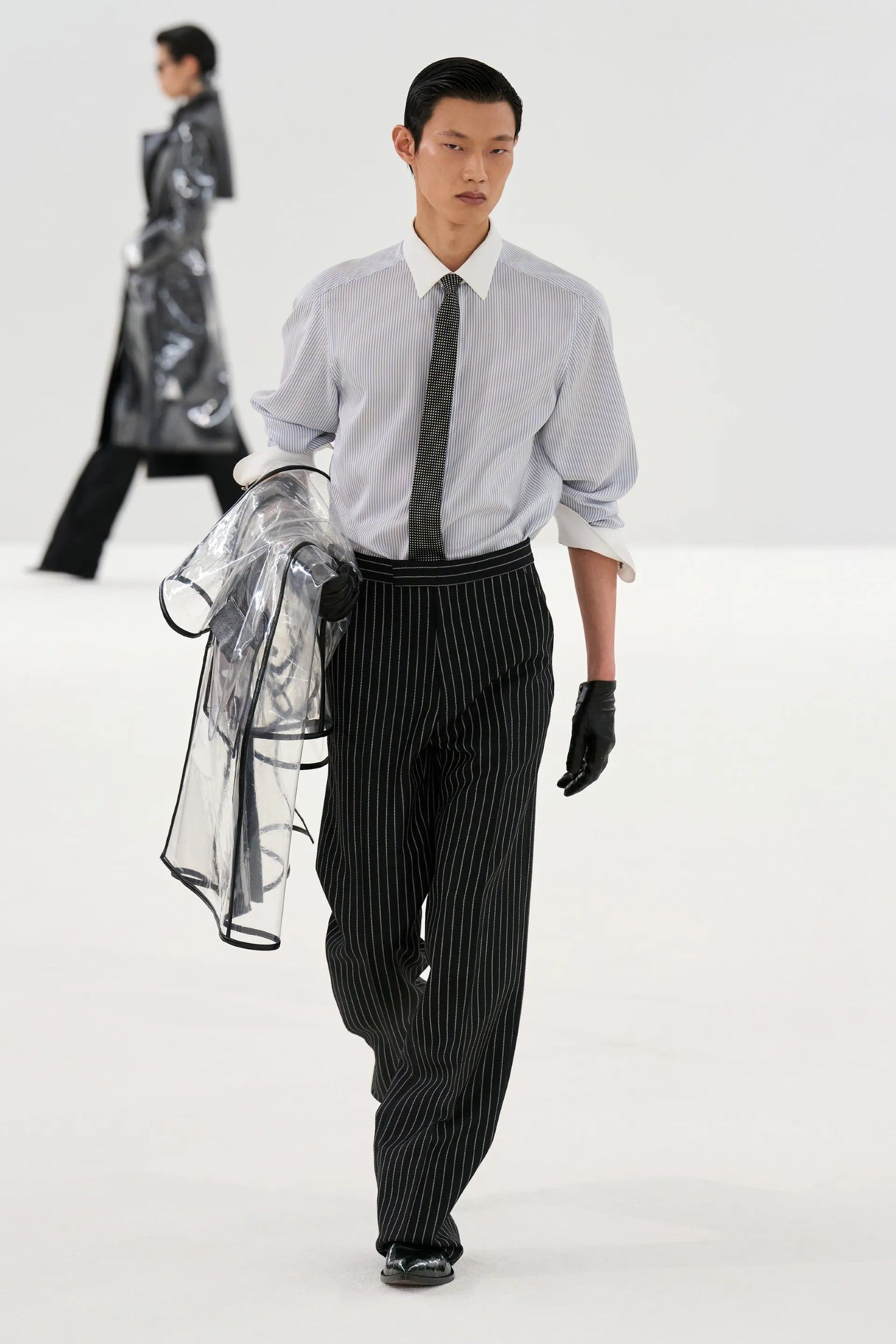
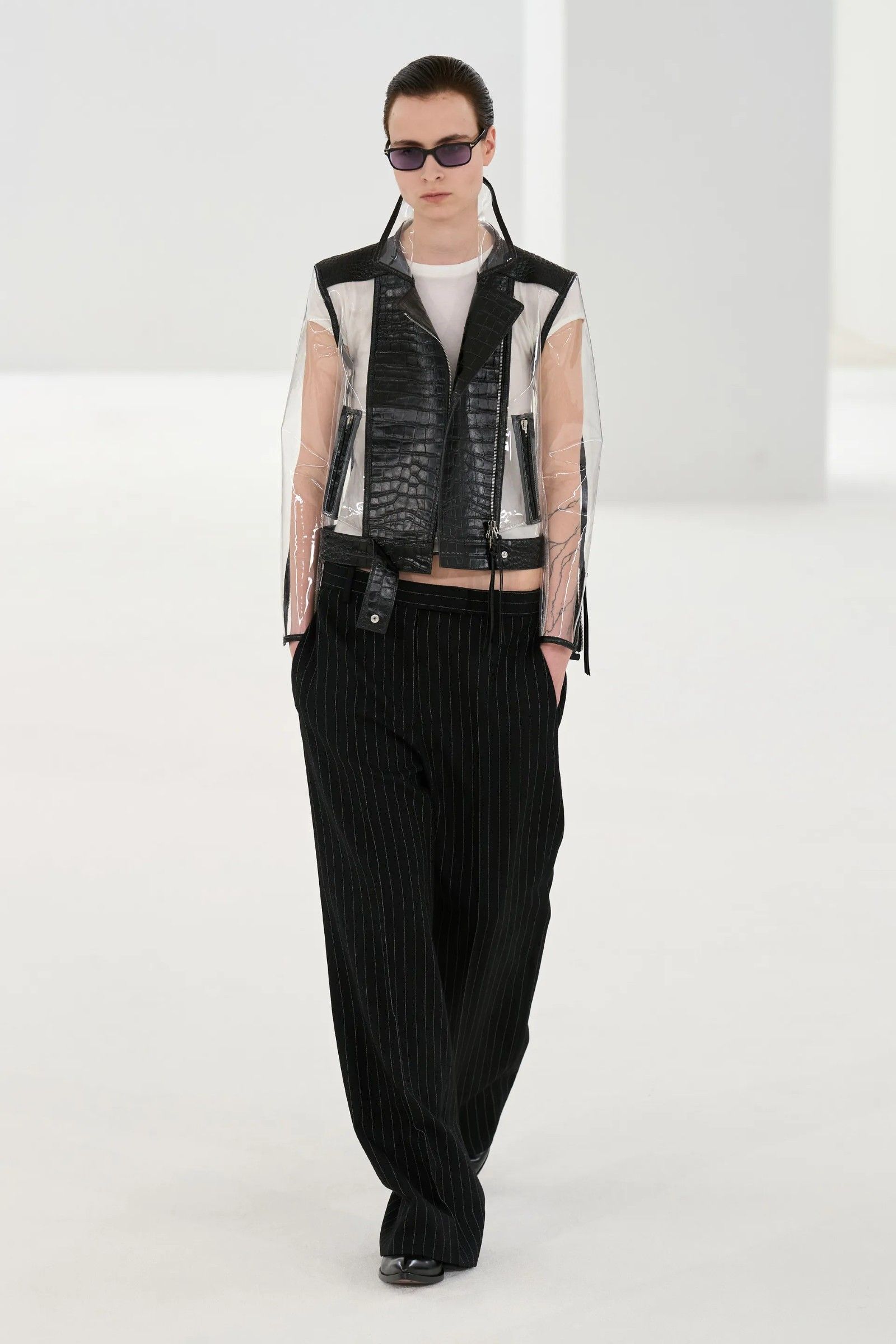
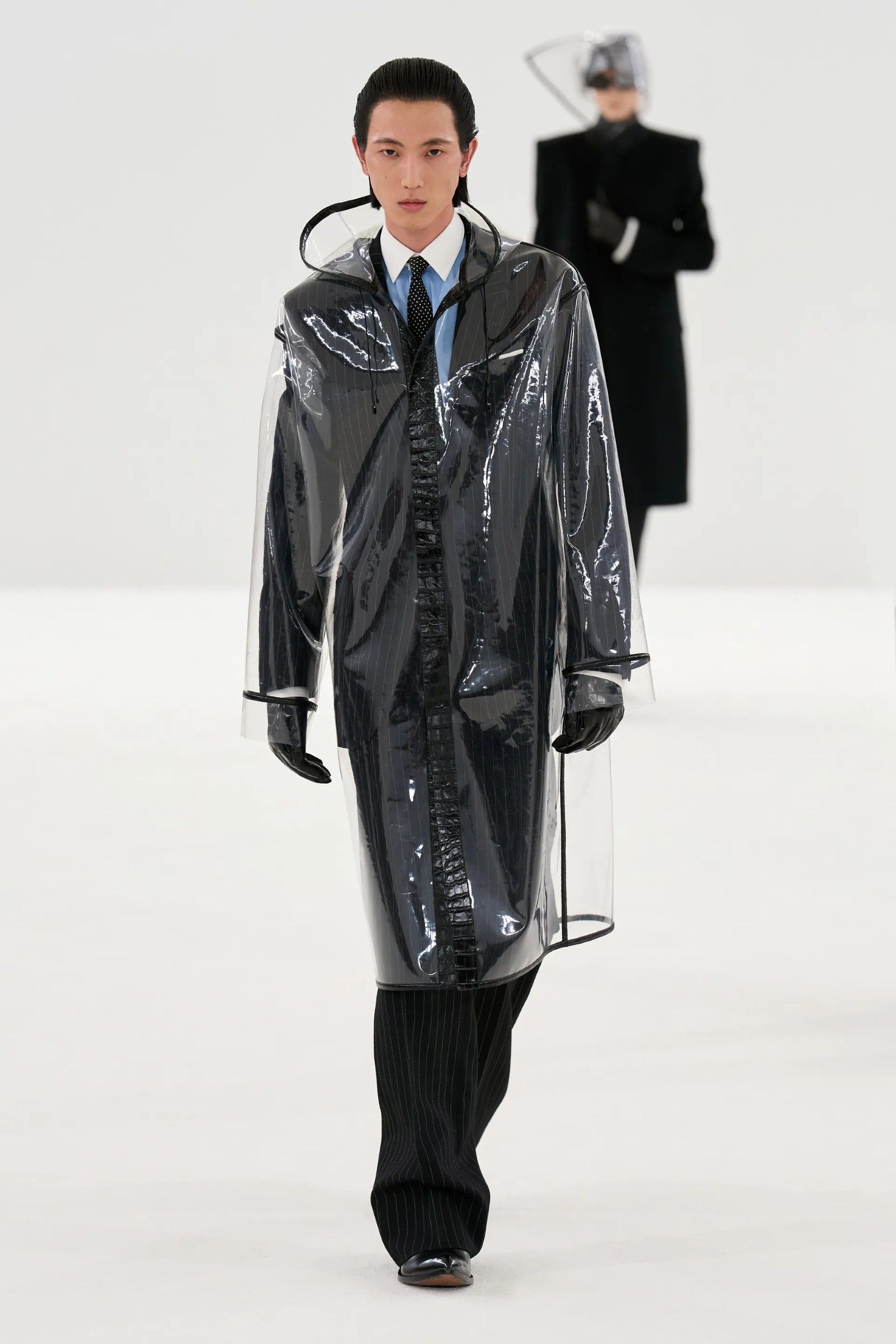
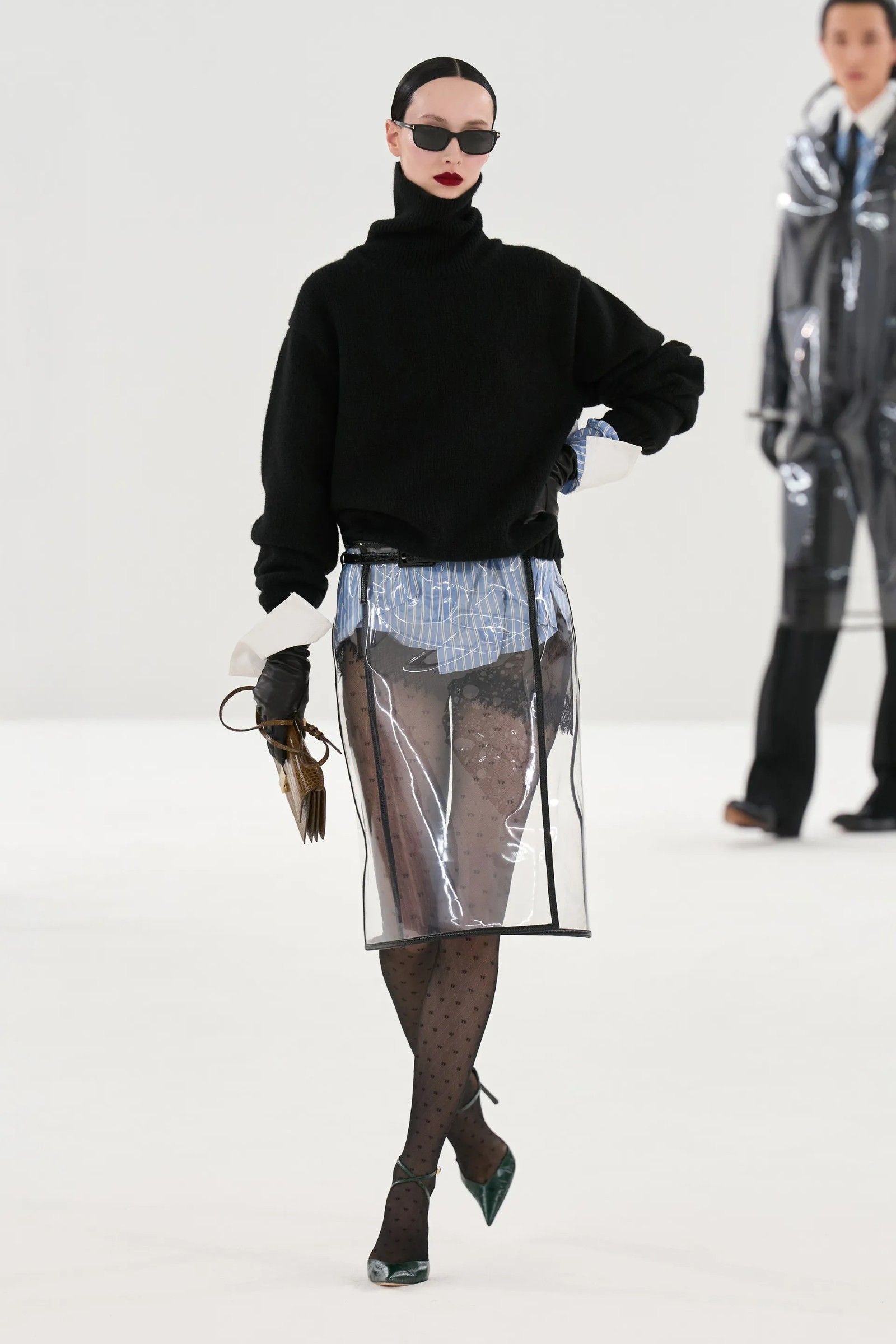
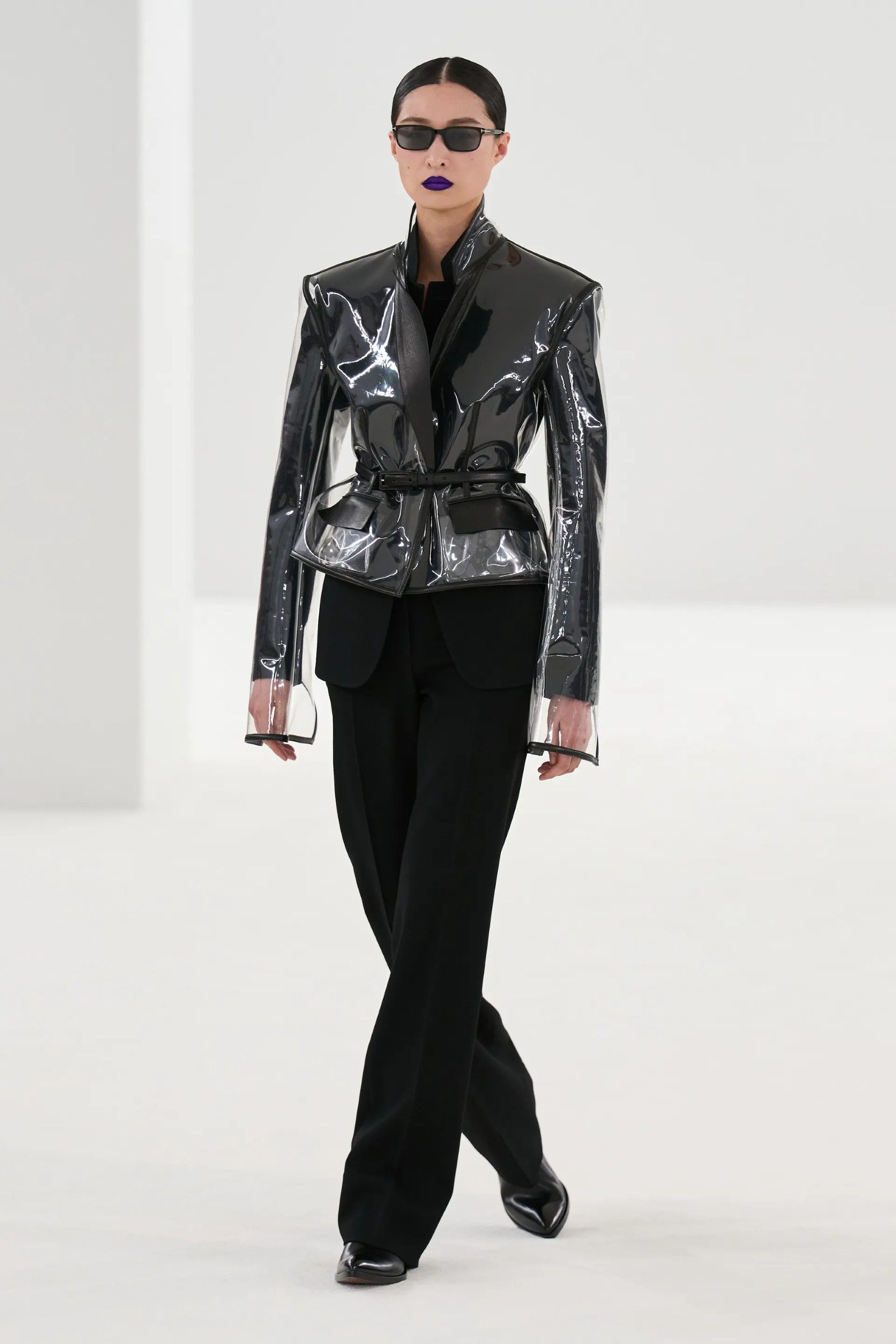
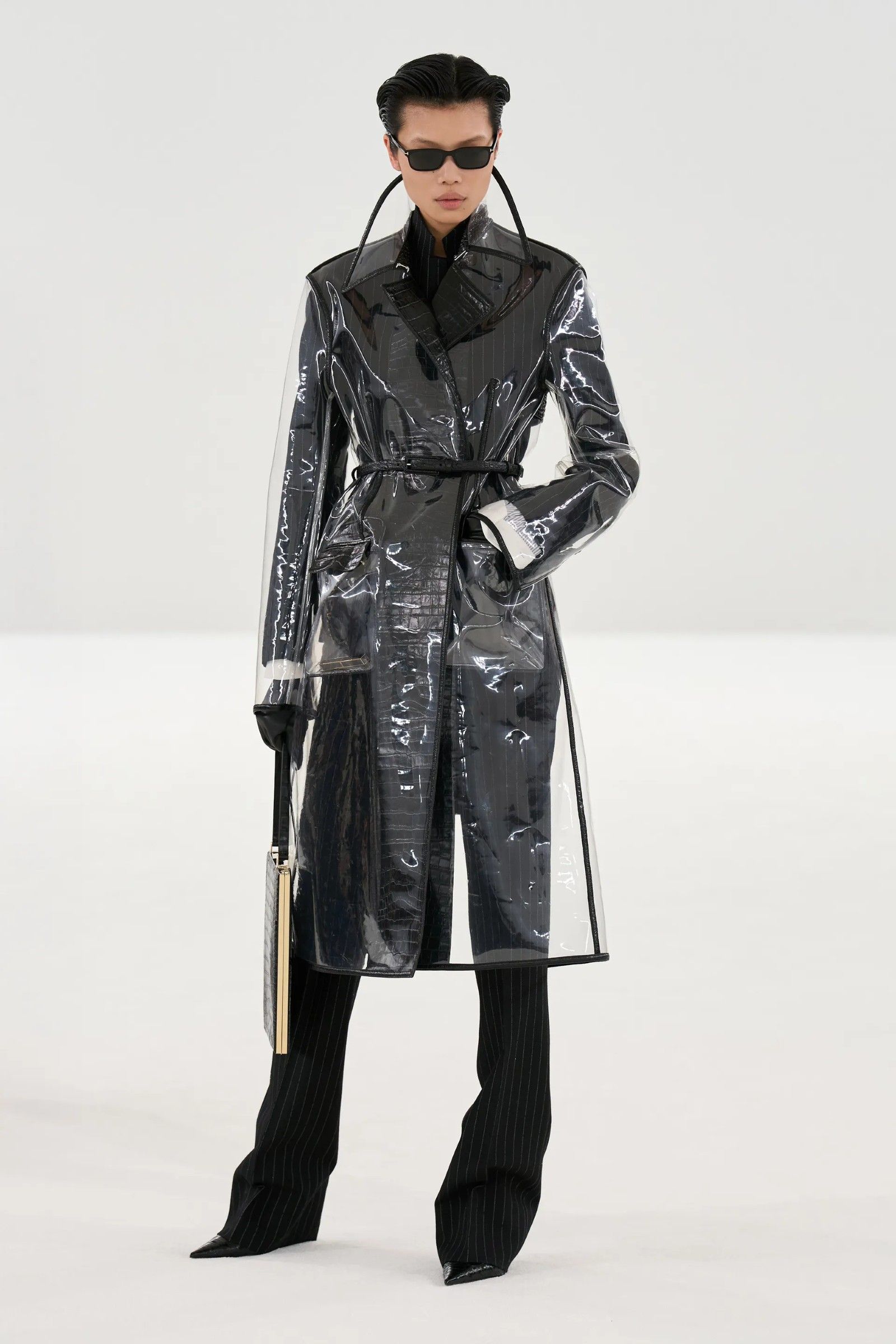
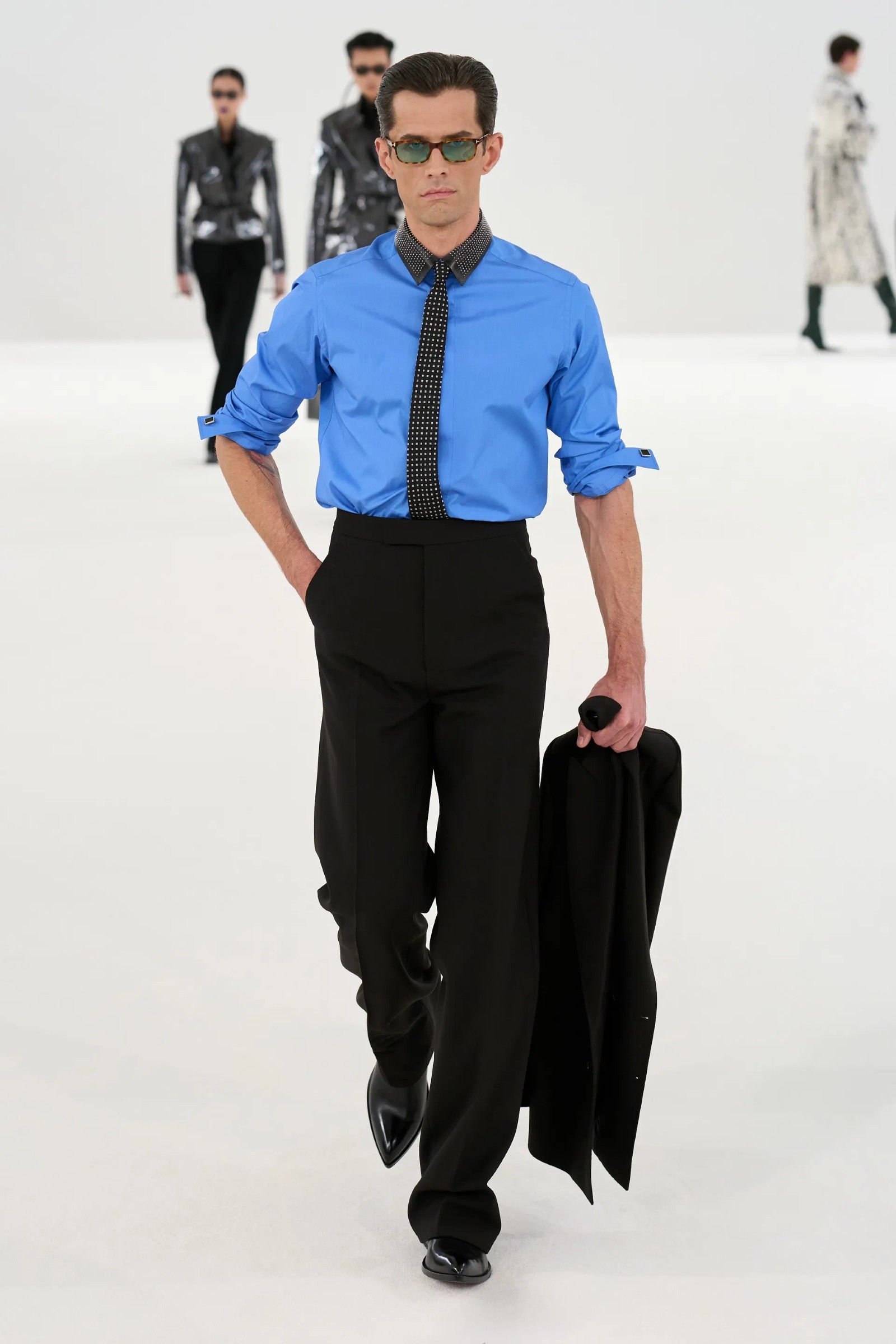
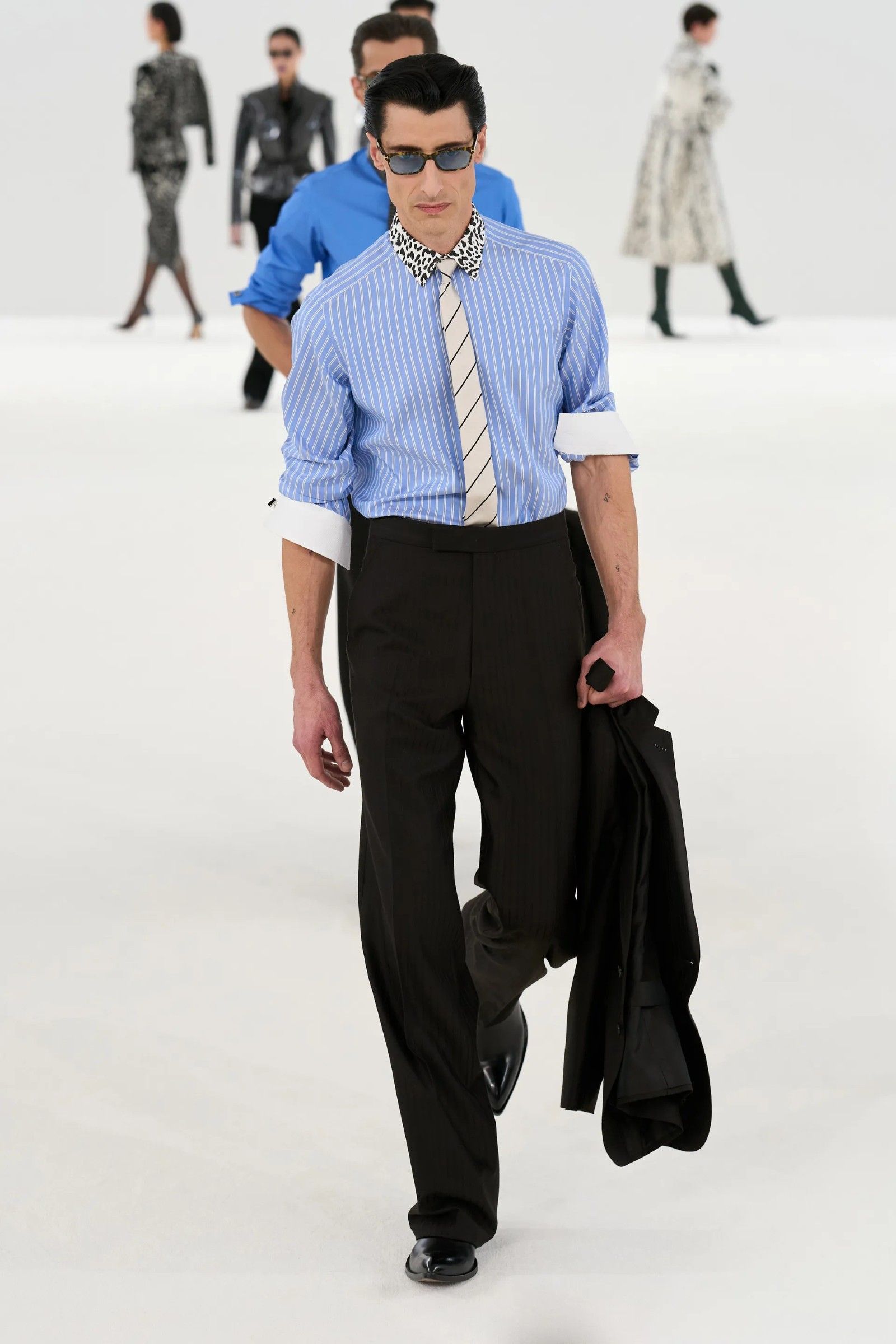
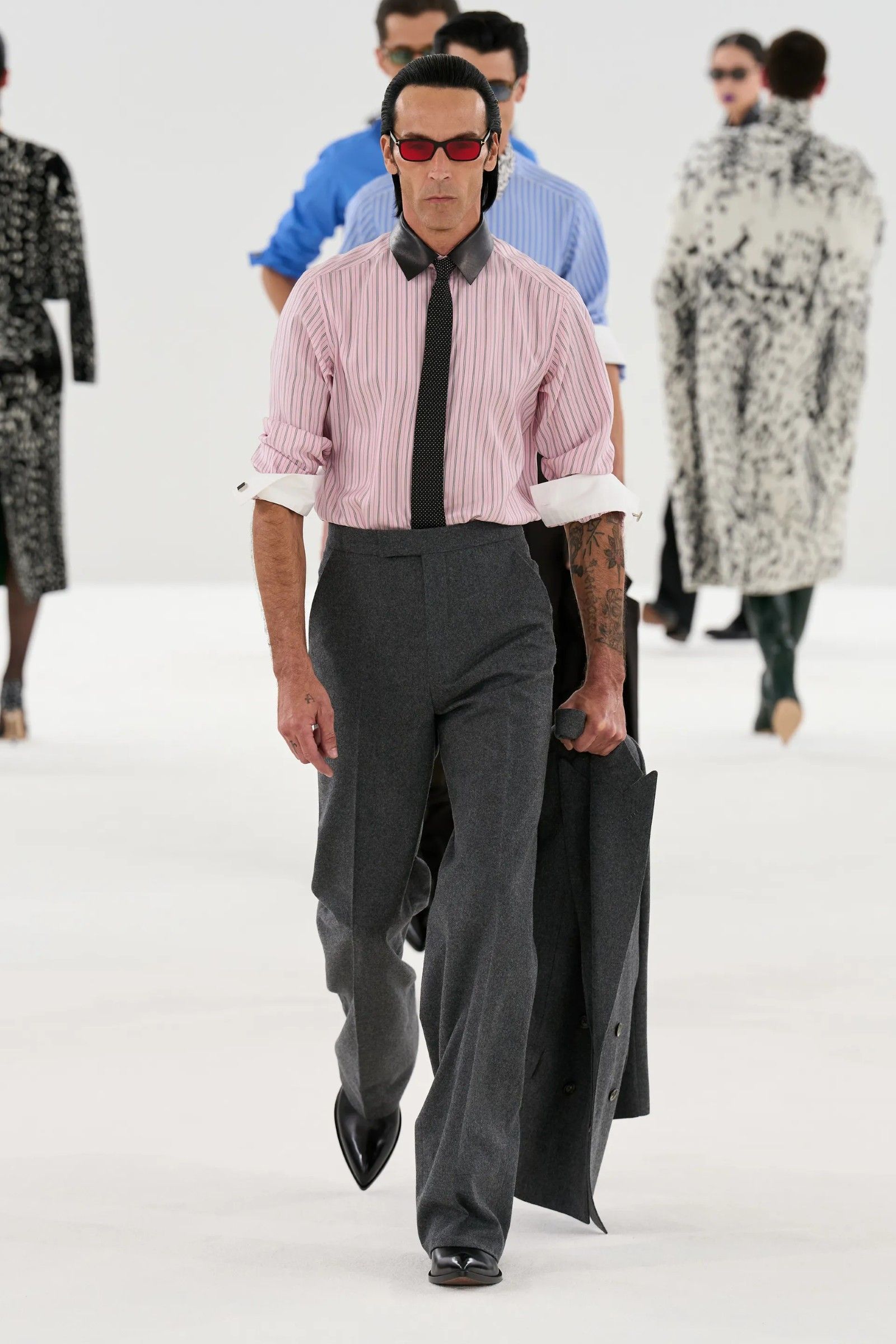
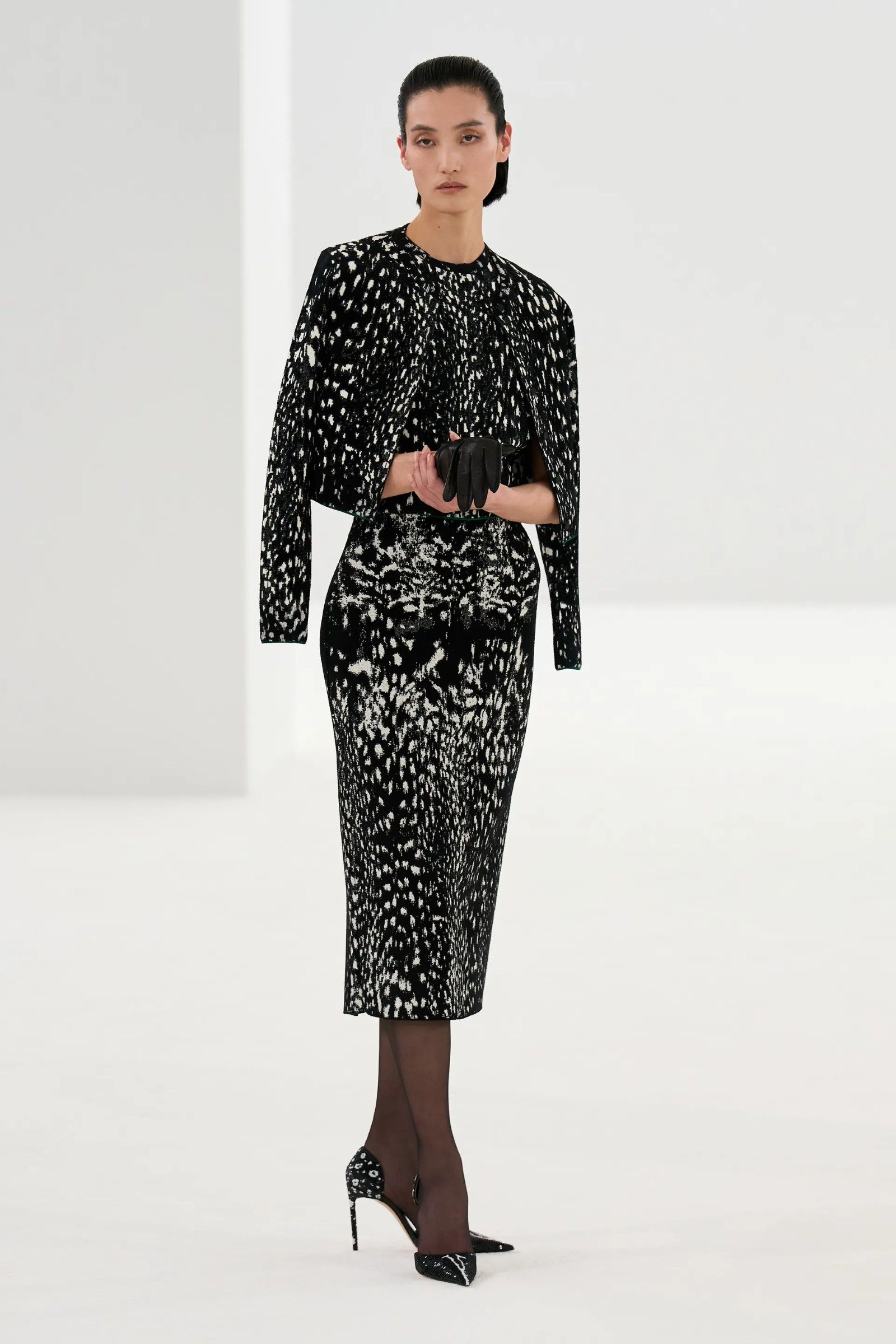
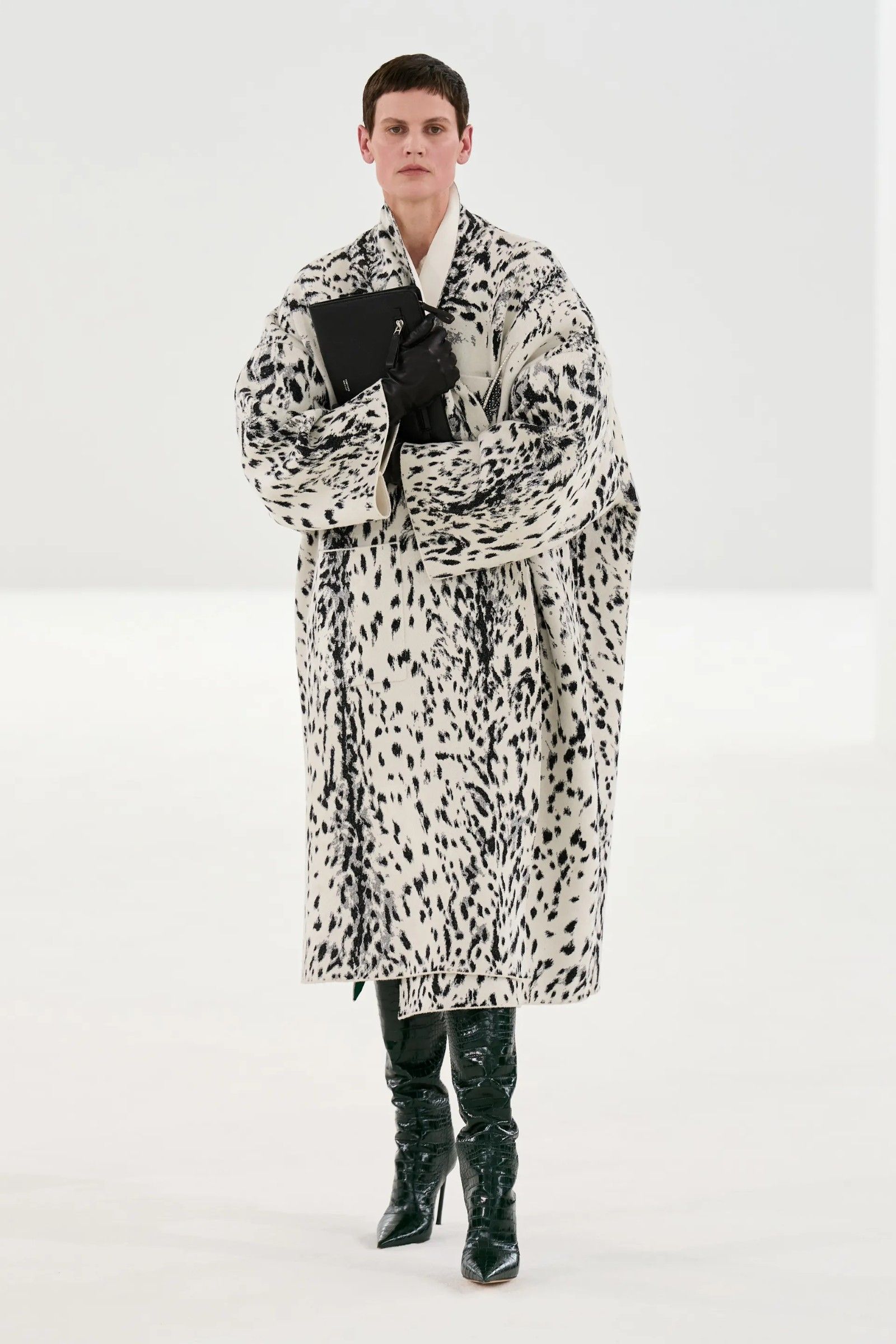
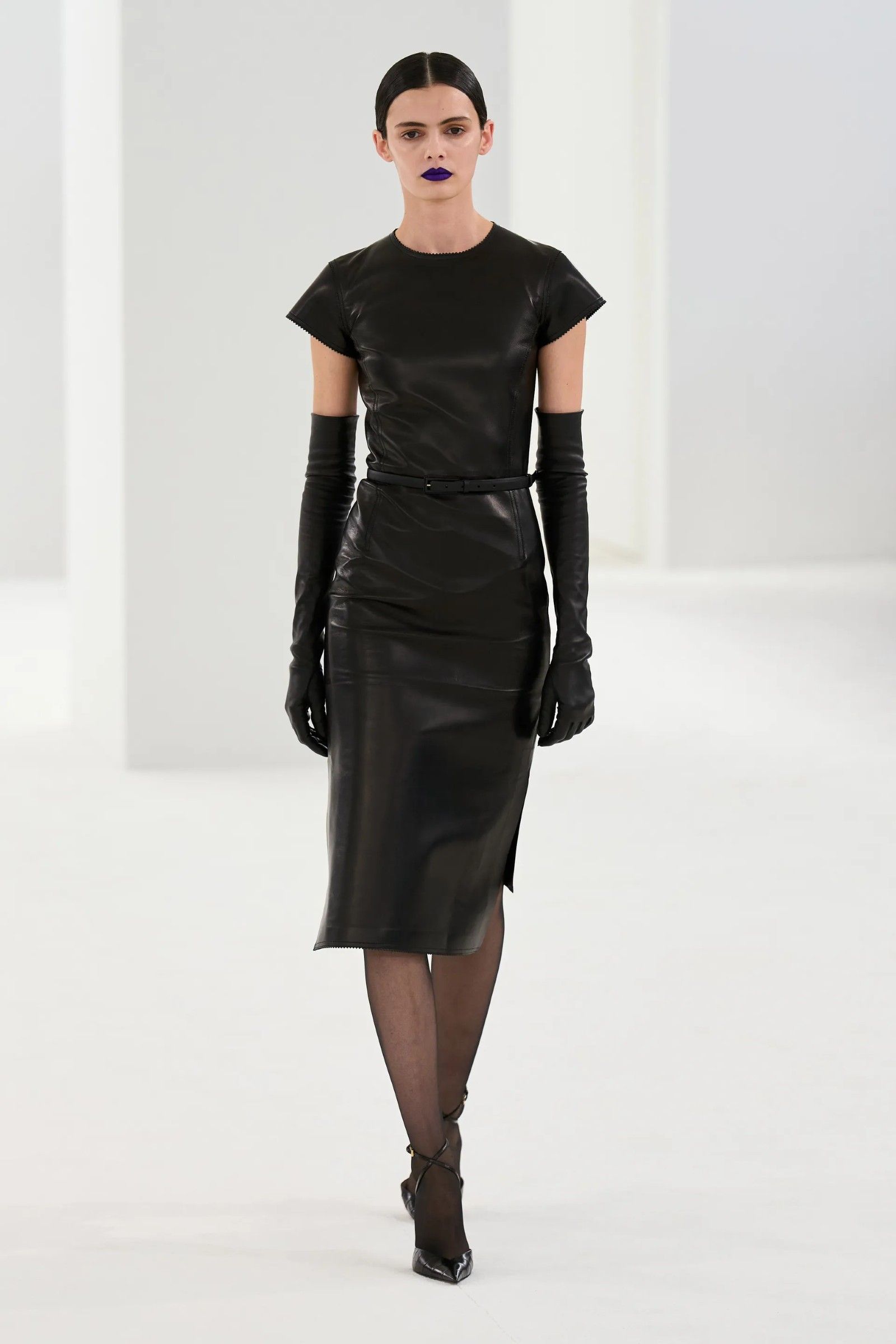
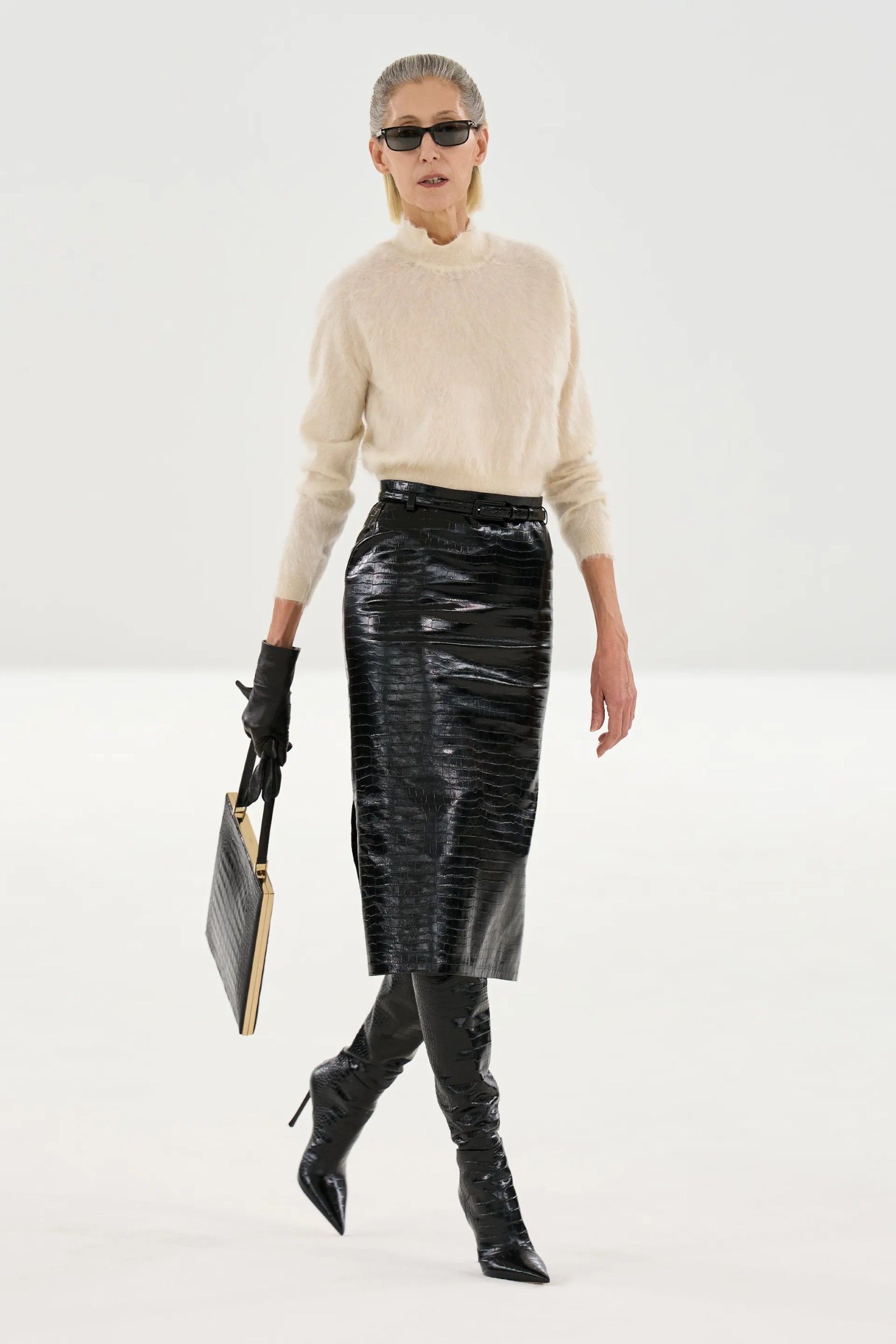
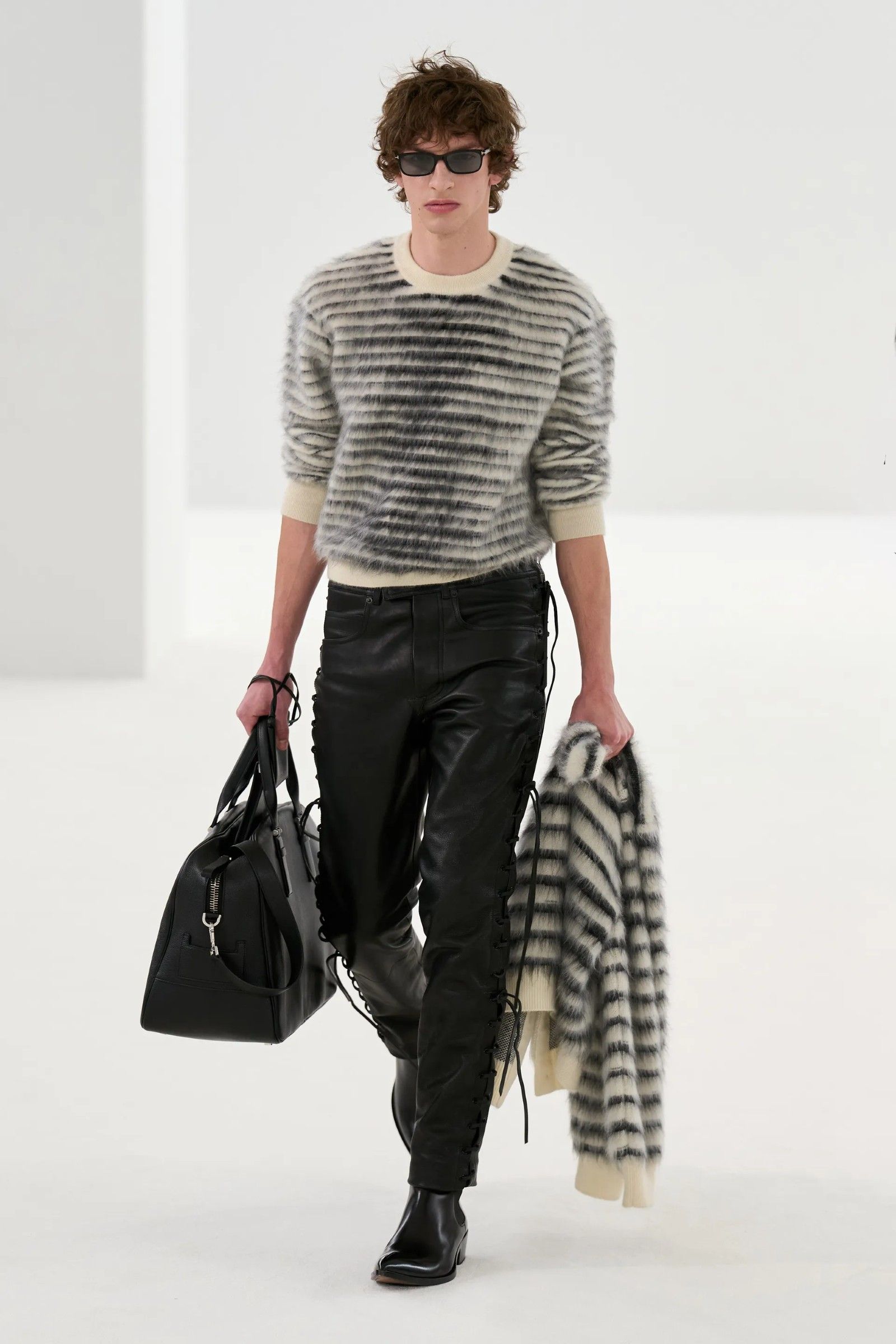
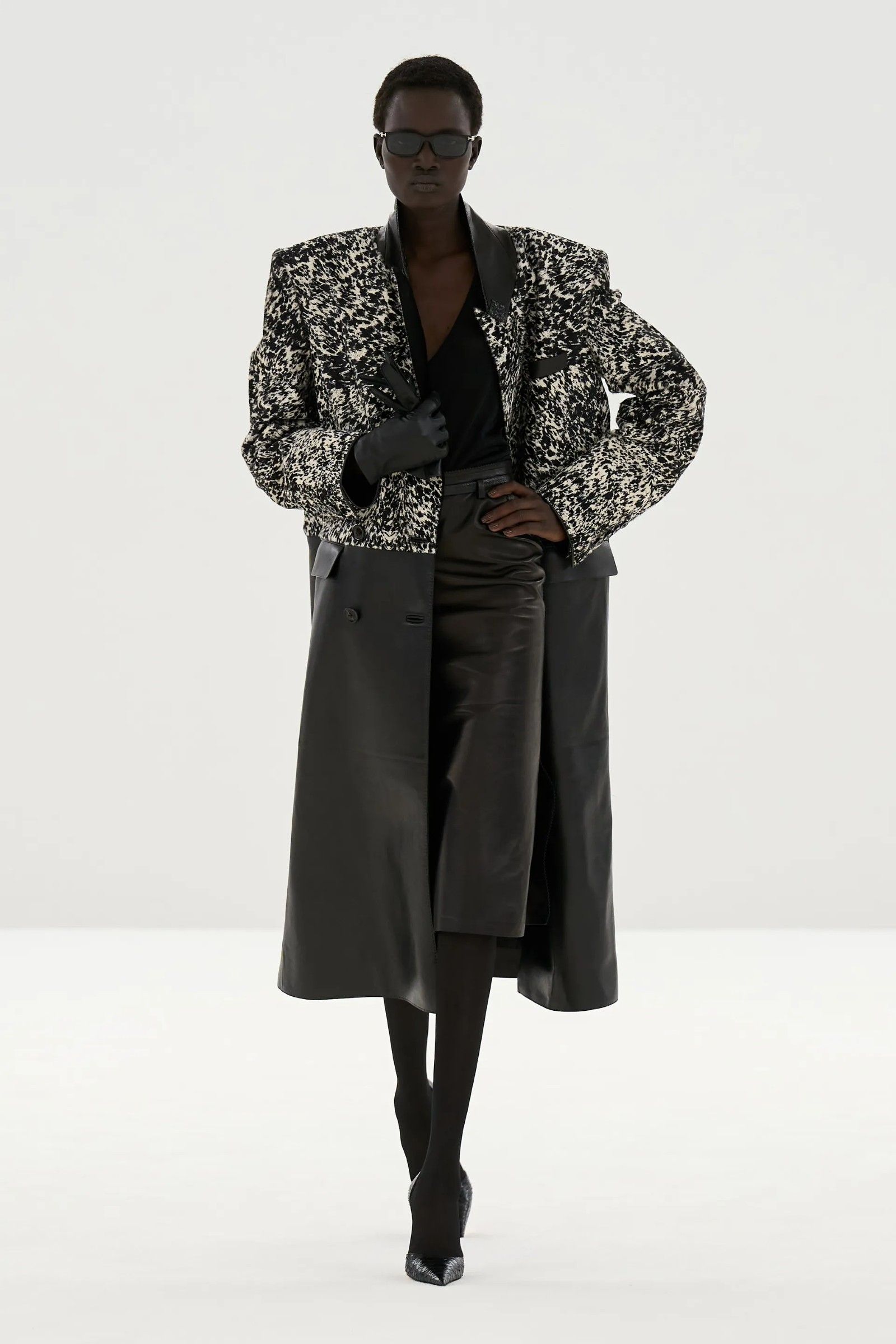
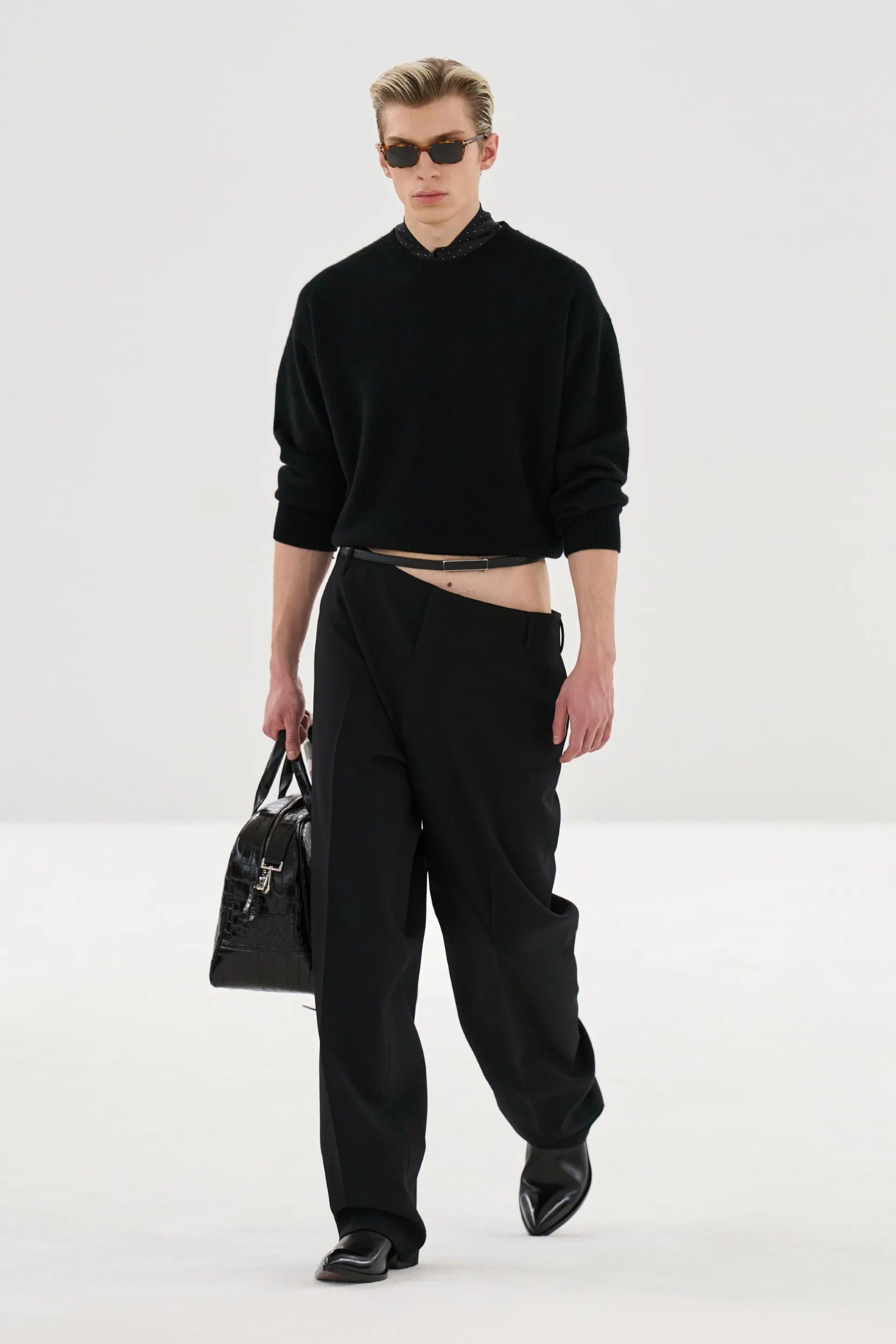
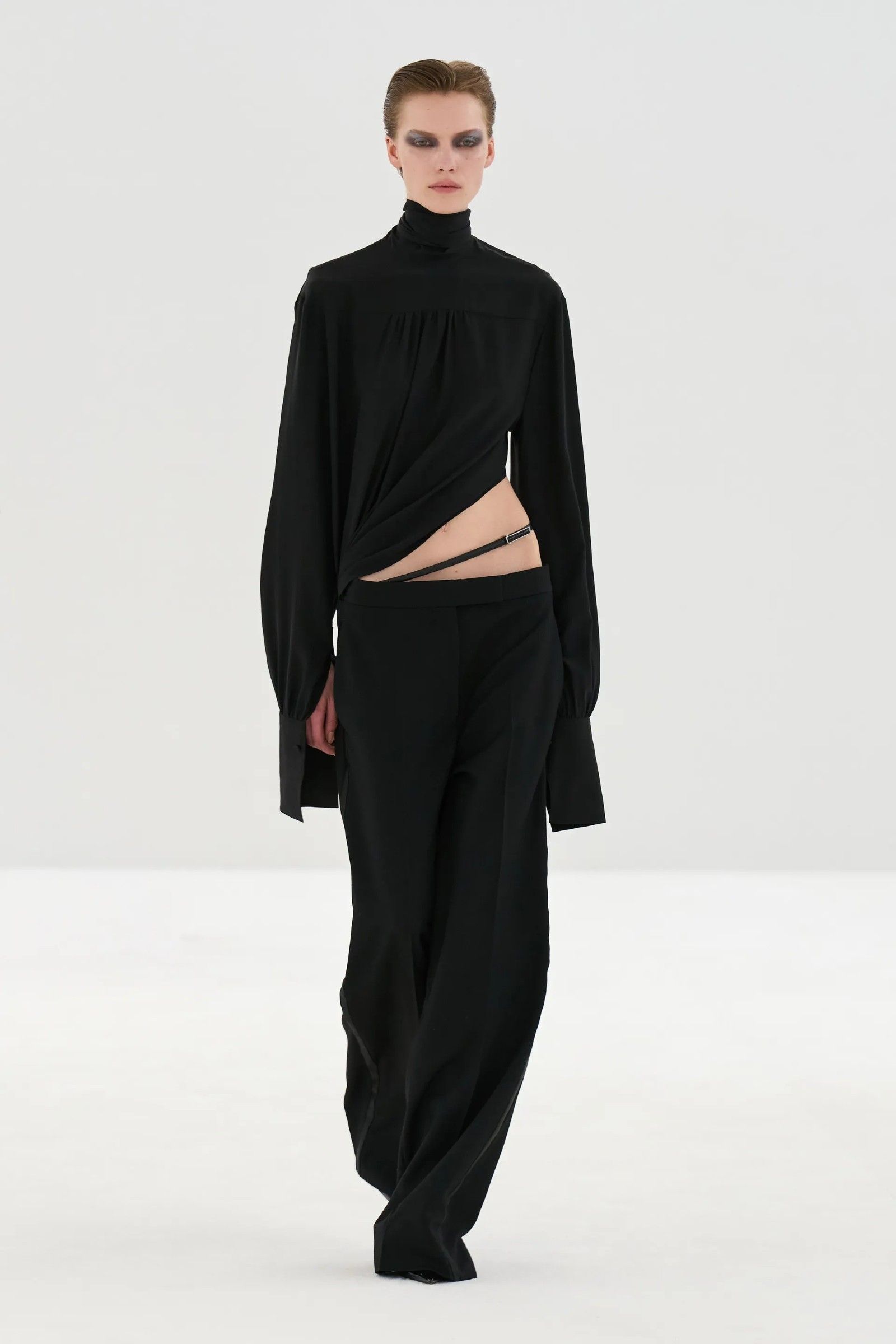
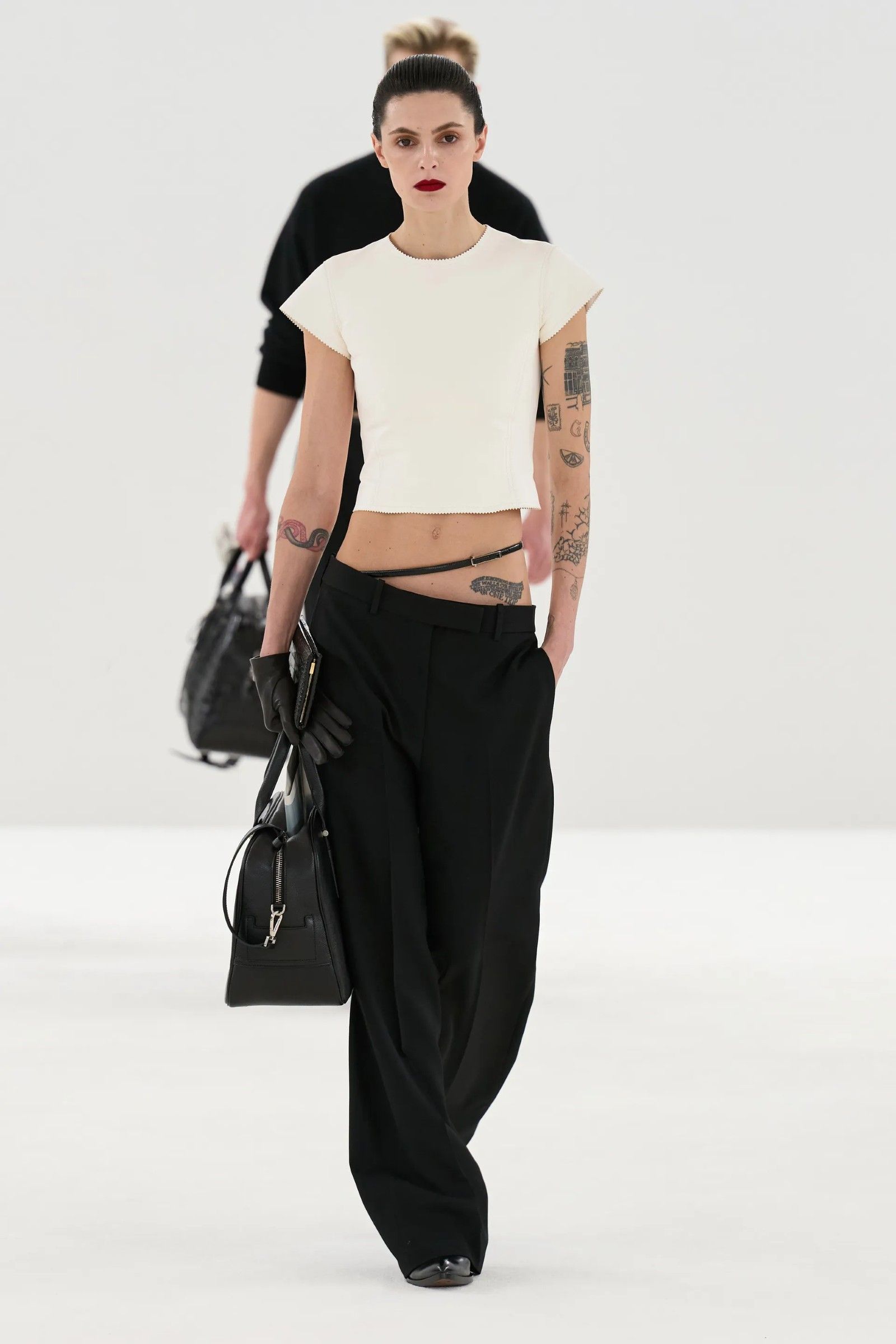
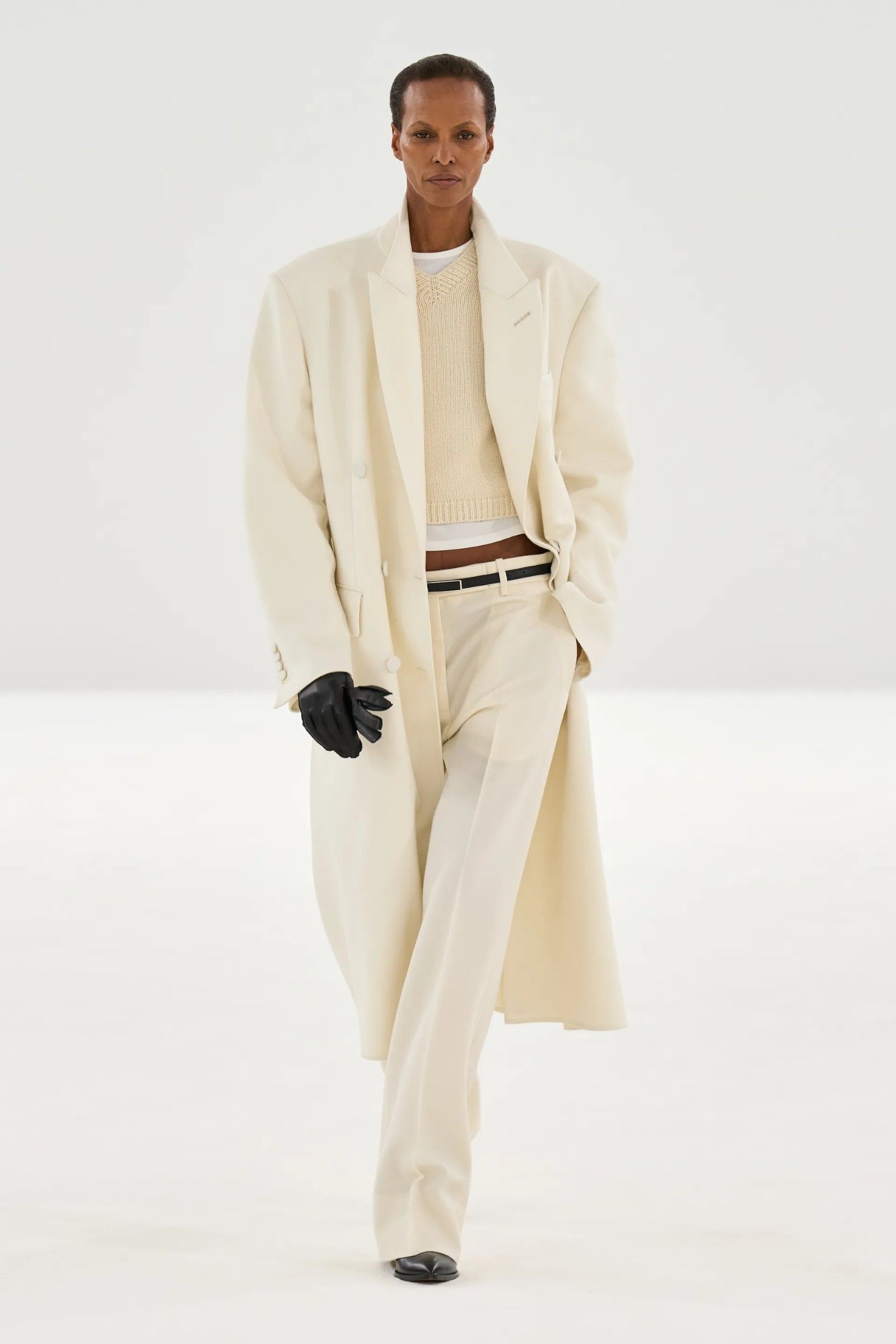
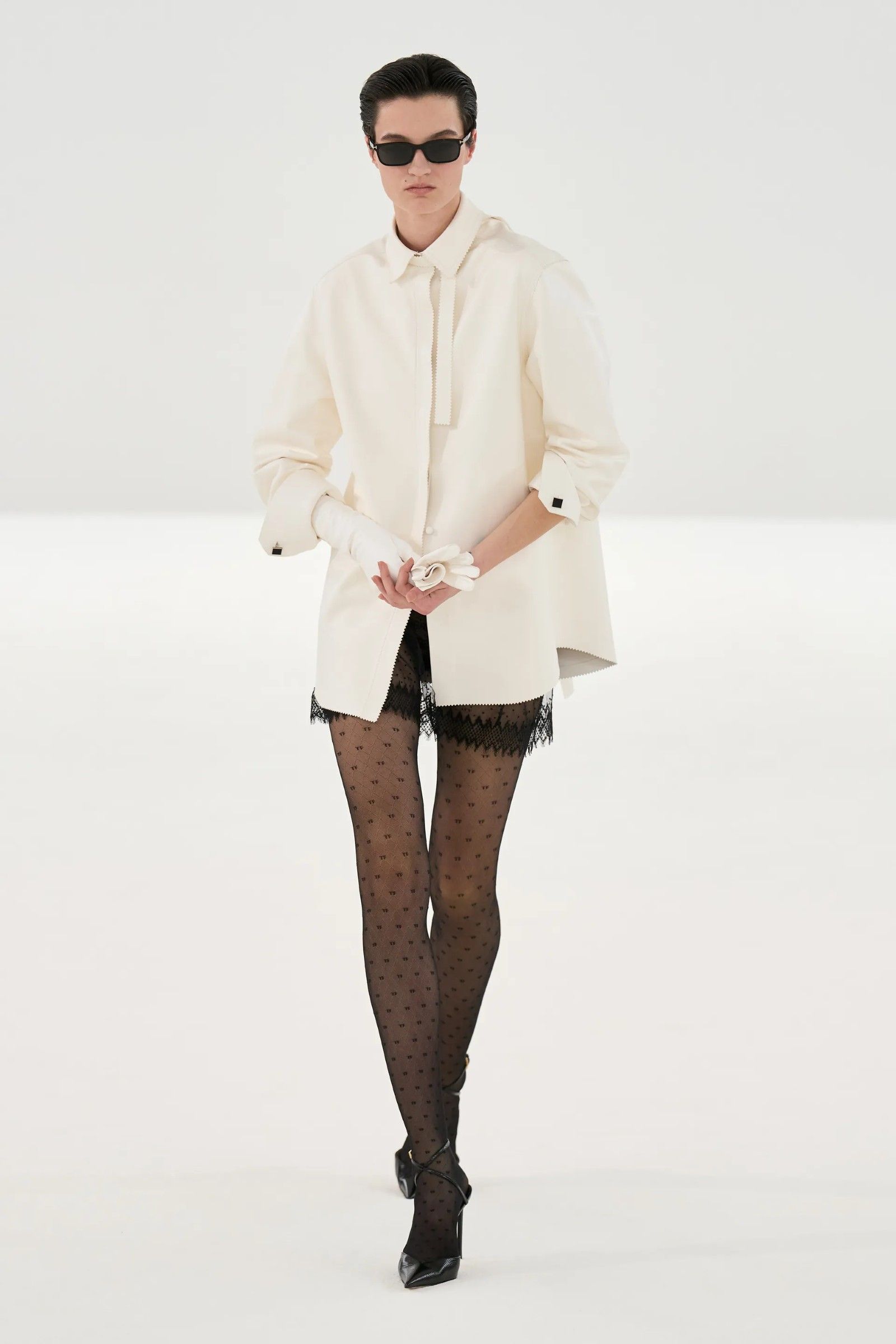
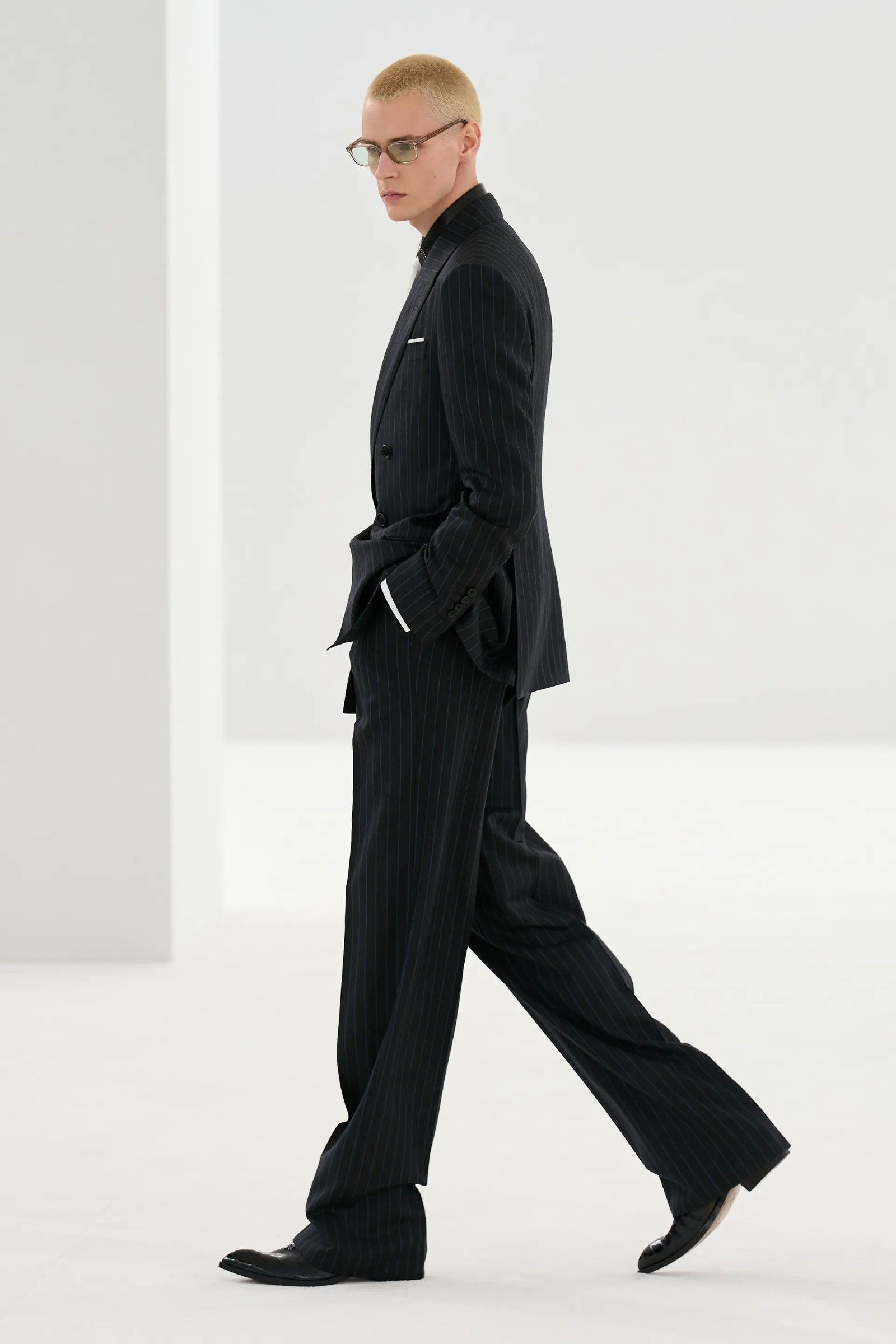
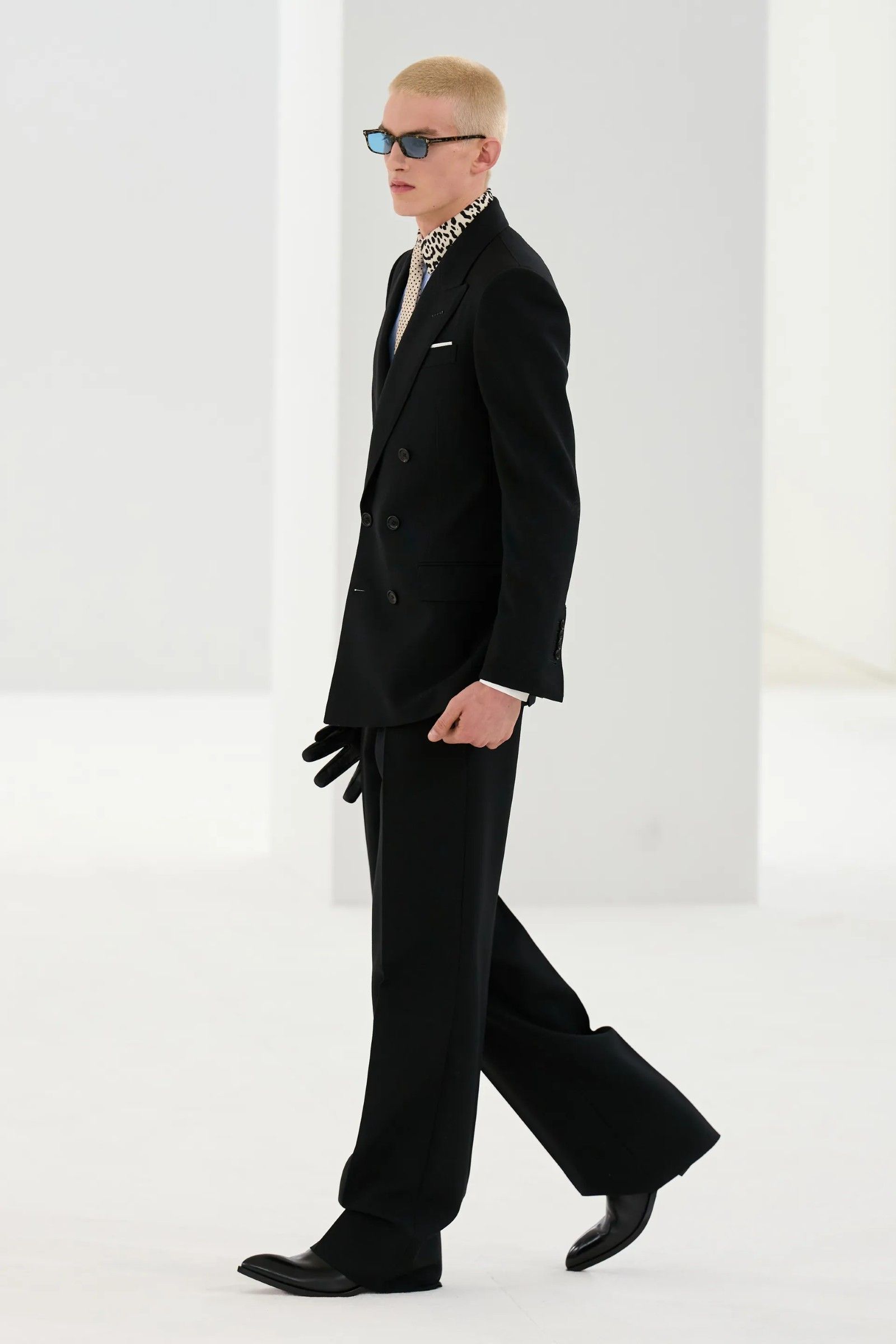
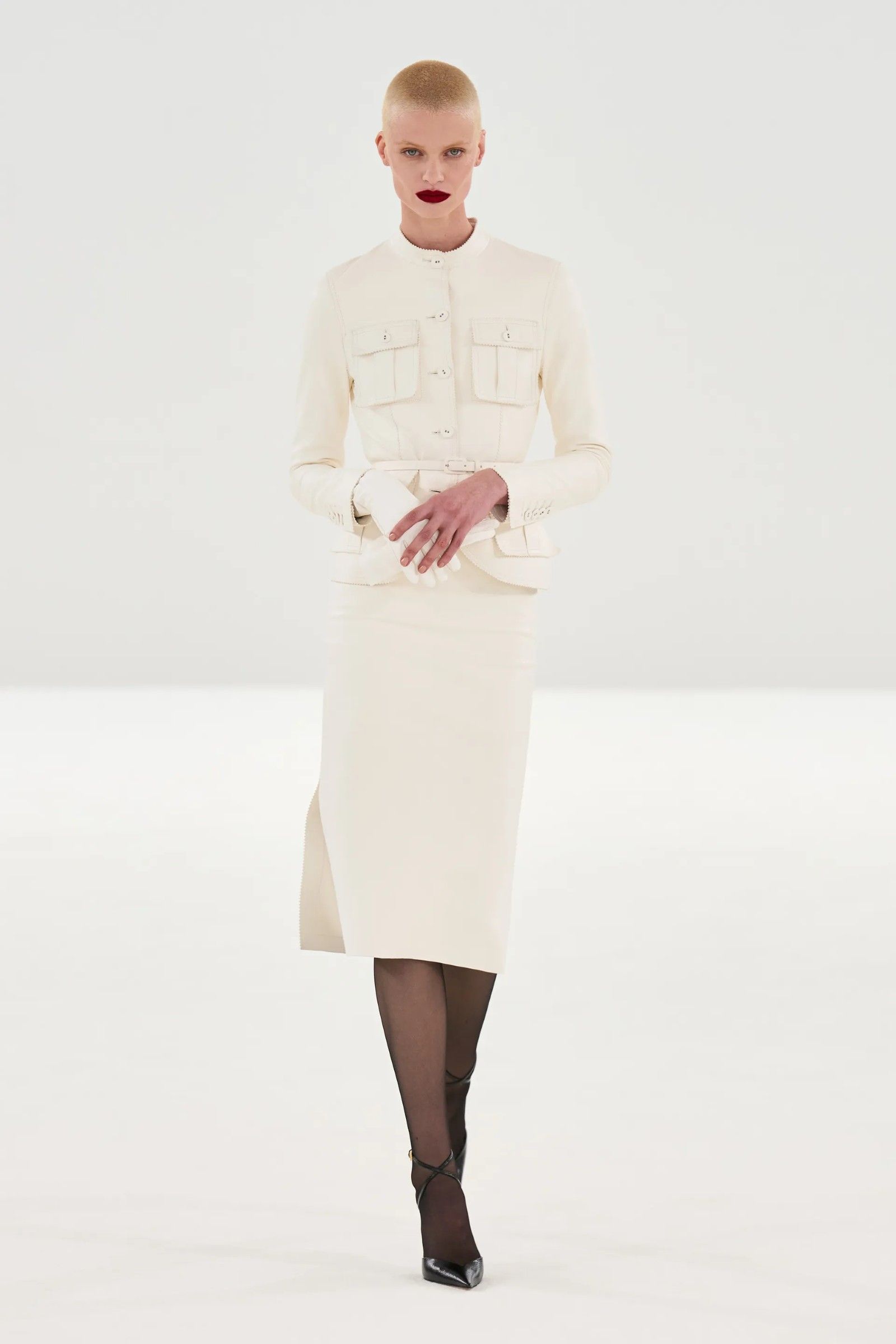
It’s impossible to look at any of the collections that Haider Ackermann has designed for Tom Ford over the past year or so and not think of the looks and their models as so many characters in a film. But what film could Tom Ford’s FW26 collection, shown yesterday in Paris, have been? Perhaps Tony Scott’s The Hunger, perhaps the 1970s cult classic Daughters of Darkness, perhaps Paul Verhoeven’s overlooked masterpiece The Fourth Man. All films whose protagonists are beautiful and fatal women, cold and hard as steel as well as animated by a dark, calculating sensuality.
What is certain is that Ackermann stages his shows like theatrical performances. Not because they have a plot, but rather because his models walk alone or in groups down the runway, look at each other, acknowledge the audience, pose and, in short, seem more like characters in a story than physical supports for commercially promoted clothes. They are characters devoid of any tenderness: elegant, impeccable, perhaps at times melancholic, undoubtedly superb and remote as immortals, inhuman in their composure. This is the extremely powerful form of seduction that Ackermann has deployed once again this season, perhaps less decadent than the previous one, but certainly no less sensual.
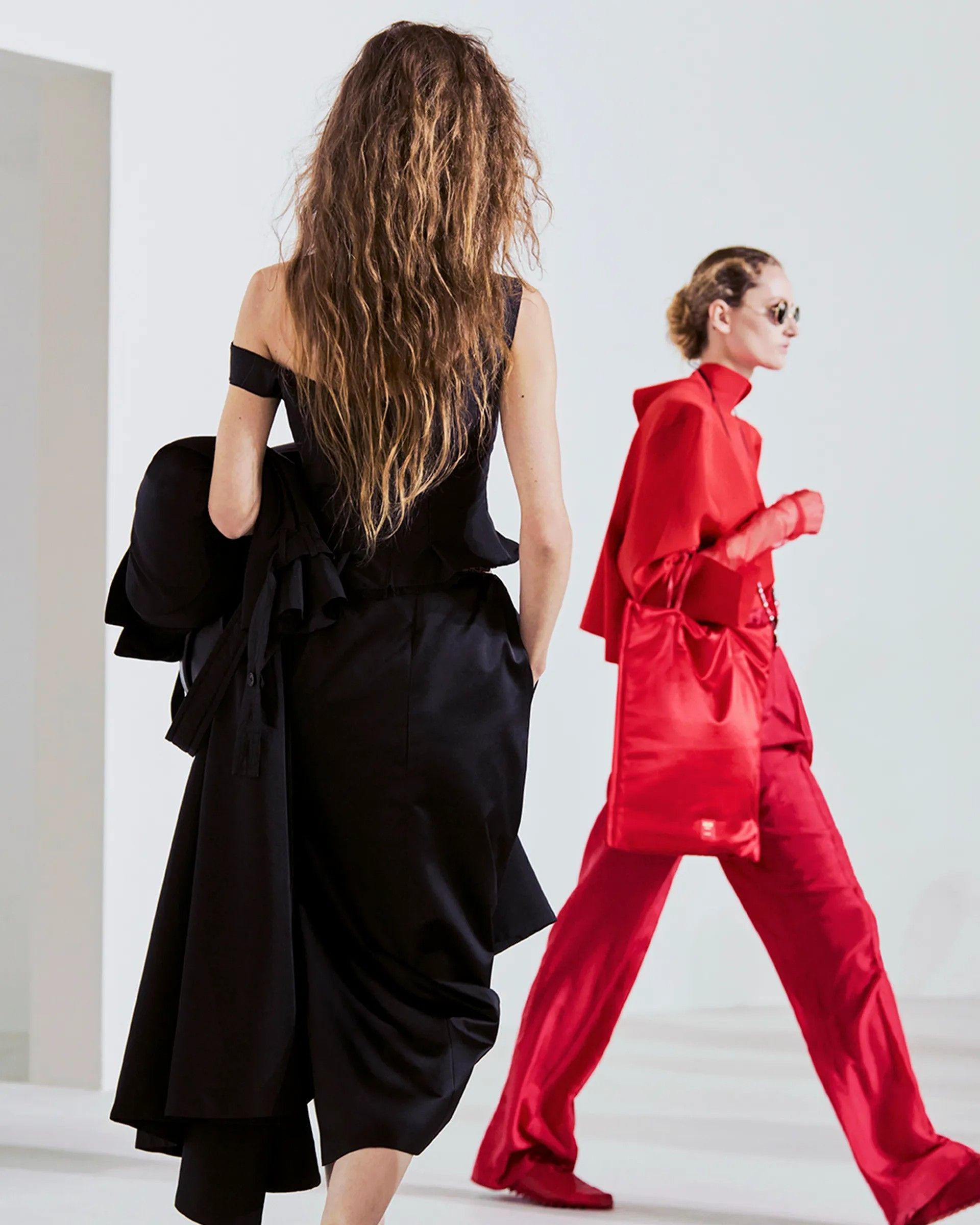
If last season the setting was nocturnal, with low lights and pale figures emerging swaying from the darkness, only to end in a sea of fog; this season everything was blinding optical white. A chromatic transition that, to return to the cinematic comparisons, recalls the time when Dario Argento, tired of being associated with darkness and the expressionistic colors of Suspiria and Inferno, set the film Tenebrae during the day and in the whitest, most luminous sets possible. This extremely intense but not harsh light, so similar to the pristine white bounce of photographic backdrops, was the perfect frame for the collection that took the stage.
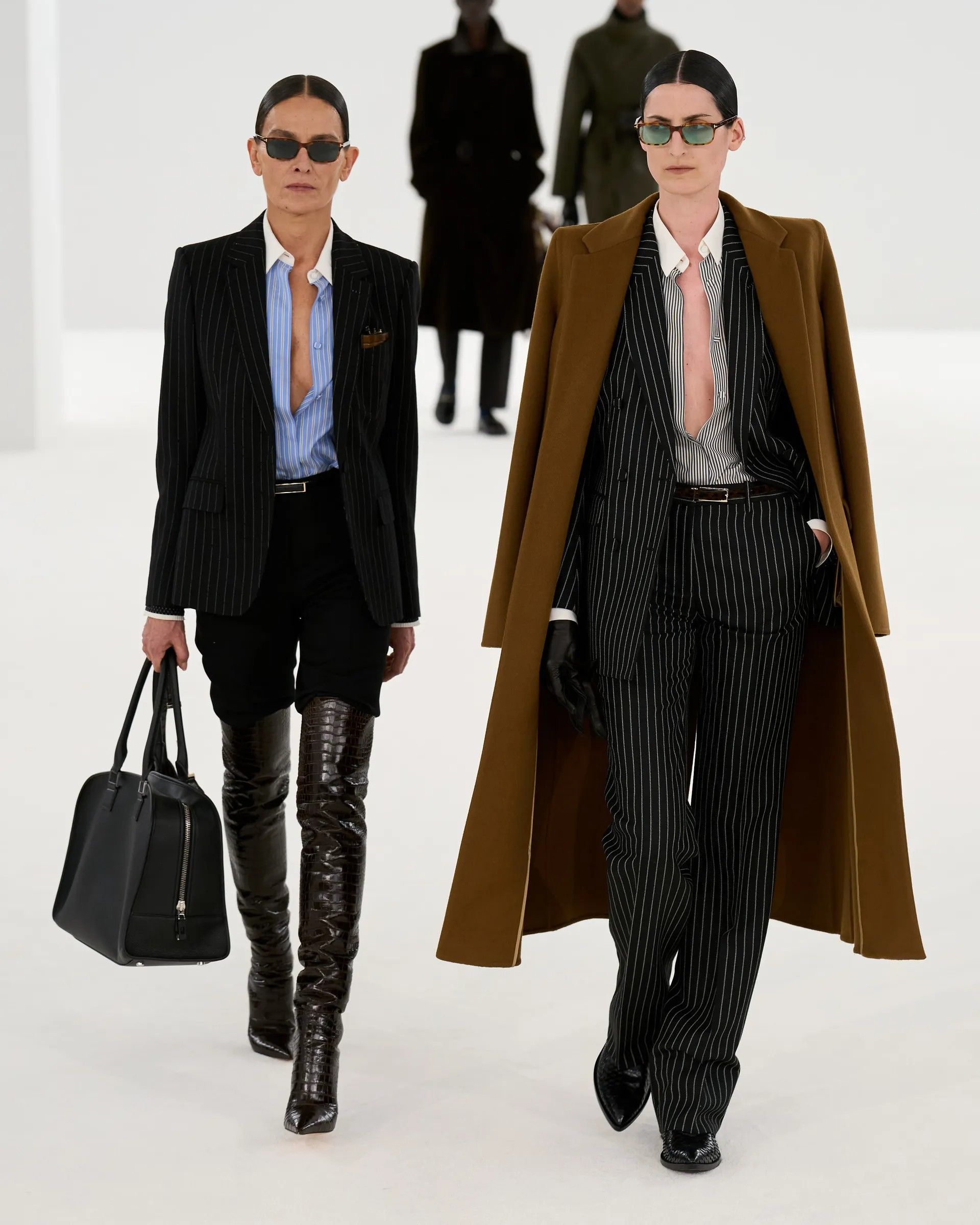
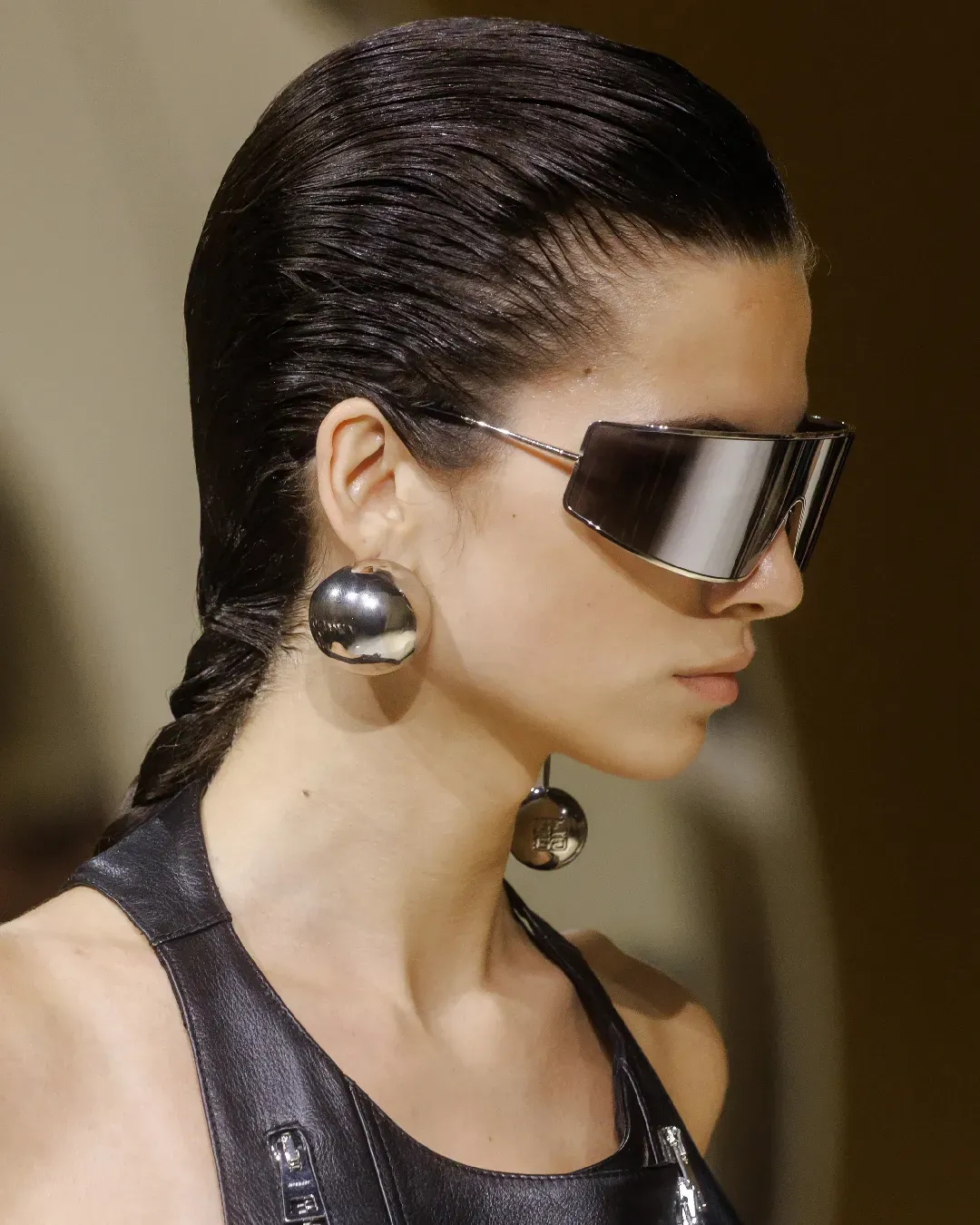
More suited to daytime than evening, and more wearable in the city than in the boudoir, the collection signed by Ackermann has given up exposing too much of the body in order to enclose it in razor-sharp tailored suits, shirts open down to the navel whose neckline seemed to invite the gaze, leather trousers and crocodile skirts. All of it in a palette of colors that from the icy alternation of whites and blacks opened up to blues and tobacco tones with just two touches of green and red.
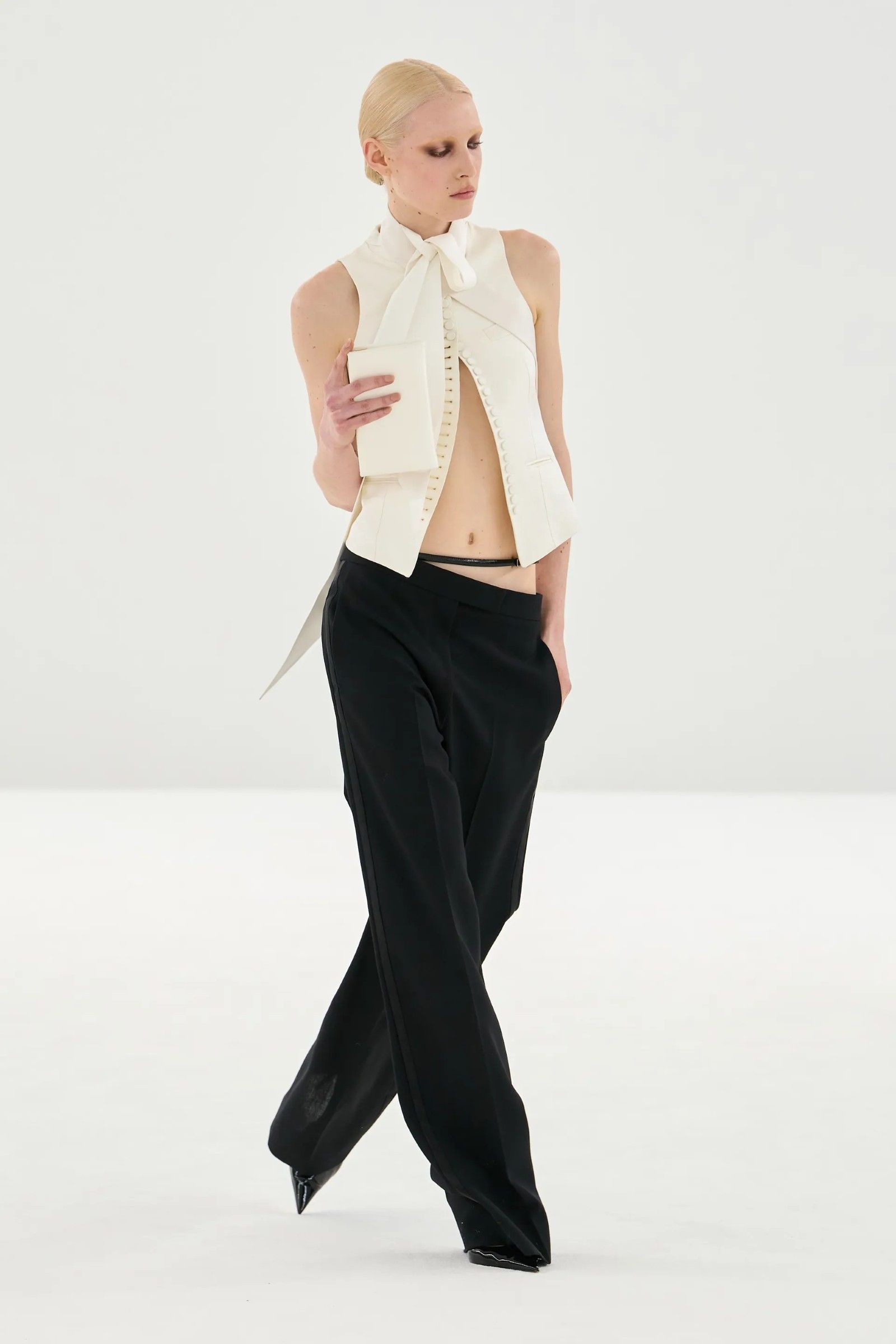
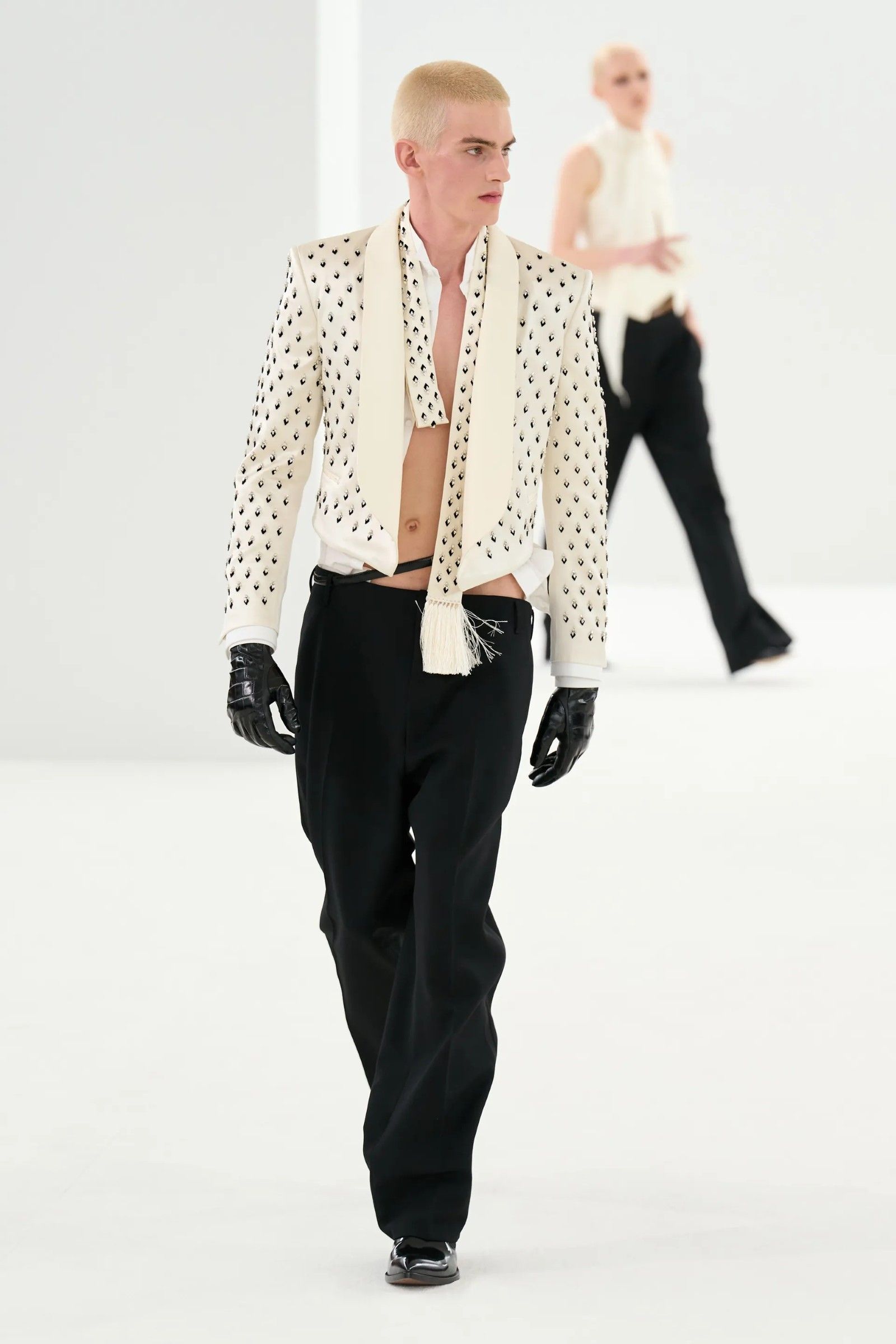
Obviously, some disturbing and suggestive elements could not be missing: at the opening three looks appeared where a very thin belt clung to a hip falling diagonally across the bare skin of the hips; halfway through the show instead came a series of layered looks with transparent plastic dresses that brought to mind both the famous murder suit from American Psycho or Hannibal as well as certain fetish atmospheres very much at home in Tom Ford’s elegant yet worldly universe. Even the large number of black leather gloves, present throughout the entire collection, was deeply suggestive, if not subtly perverse.
There were also more virtuosic pieces. A wool coat that, from the waist down, became leather matching the other leather skirt worn by the model. Three men’s looks whose shirt, with contrast collar, matched the material or pattern of the tie. Ensembles of heavy black sweaters paired with transparent plastic skirts. A women’s suit whose trouser legs disappeared into extremely high, glossy cuissardes. And of course the deconstructed tuxedos of the finale, absurdly sensual on both men and women.
Ackermann is an extremely seductive designer, with a lucid vision. Unlike other illustrious colleagues for whom eroticism is a kind of parody of itself, and whose collections always include some rather wishful element, his Tom Ford never overextends itself. Desire is suggested and evoked and is part of formally extremely rigorous garments. But above all, far from proposing designs to be “justified” with post-modern ironies or forced mental gymnastics, his proposal is a style, a taste executed with a sure hand and without smudges. Just like what can be glimpsed in the styling of scarves and foulards, which seem an emanation of those Ackermann himself wears in off-duty moments. Perhaps, in fact, there is nothing more seductive than possessing a personality of one’s own.
What to read next
Now Phoebe Philo Wants You to Dress Avant-Garde
With Collection F, the designer plays with silhouettes in an entirely new way
The New FW26 Campaign by Snow Goose by Canada Goose
Haider Ackermann Explores Resilience with
5 key trends from Paris Fashion Week SS27 Women's
What we'll be wearing next summer, according to the fashion of the Ville Lumière