
































Everyone should watch "Half Man" Richard Gadd reunites with Jamie Bell in a new HBO series
Richard Gadd has done it again, only this time we didn’t know how far he would go. With Baby Reindeer, the phenomenon series that exploded on Netflix in 2024 and made him widely known to the general public, the comedian laid himself bare by telling the story of his stalker and how she affected him, along with a past marked by trauma and abuse that led to a series of personal and professional anxieties. This time, for HBO, Gadd creates and writes Half Man, a six-episode series centered on the morbid and violent relationship between two brothers born from different parents, whose lives became intertwined, leading to extreme consequences.
The plot
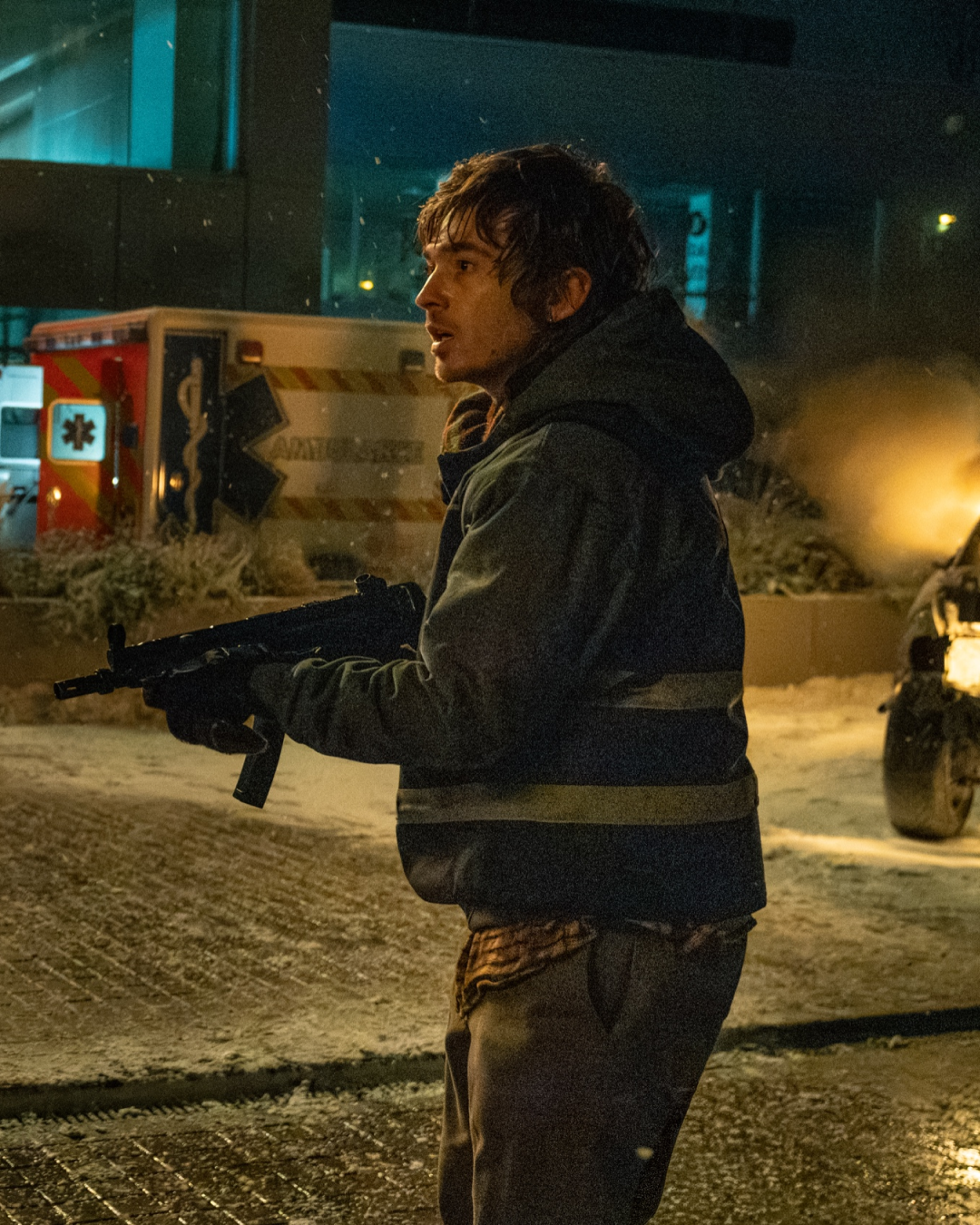
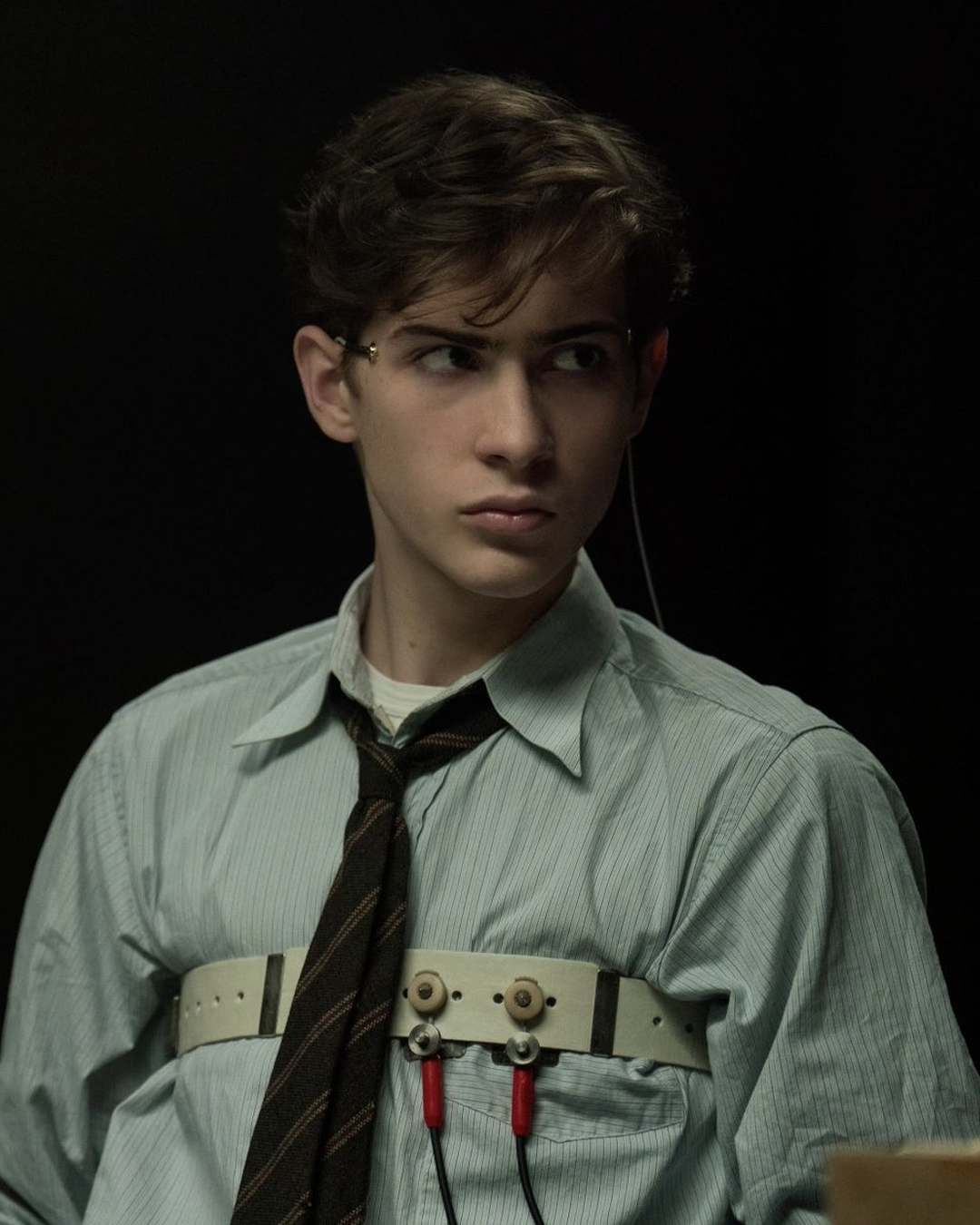
Gadd plays the adult version of the character Ruben Pallister, while his school-age counterpart is portrayed by Stuart Campbell. Supporting him is Jamie Bell from Billy Elliot and Nymphomaniac, whose younger counterpart is played by actor Mitchell Robertson. Two halves of the same rotten, counterfeit, corrupted apple. Protagonists who perhaps, even together, cannot understand their nature as men. But in reality, that is precisely the question: what is it that makes a person a real man?
The figure of masculinity is placed under scrutiny in the show, dissected, torn apart, and reassembled to understand the indelible scratches on the bodies (and souls) of the characters. Two men who feel like halves, because they believe there is a way to be fully masculine, and therefore they revel in the pain generated by nothing other than their own perception. The protagonists are so insecure that they never show their weaknesses, causing more damage than they could have ever imagined. All because of the mistaken idea that there is a correct way to be a man.
Masculinity as metaphor
Silence becomes a narrative tool
The inability to communicate is what drives the writing of the series and, conversely, immobilizes the protagonists. In Niall it turns into a sick resentment that will influence the decisions of his future life, while for Ruben it translates into an inability to control the beast that resides uncontrollably within him. There is an ancestral rage that runs between the characters, relating to their relationship but also part of a broader framework in which “men” must comply with social pressures.
Worries are silenced to the point of causing unhealable wounds in the characters, fueling their twisted relationship. The instabilities of two suburban boys become each other’s catastrophe, shaping the decisions they will make as adults, and all simply because they were unable to speak to each other. Because that is what real men do: they do not talk. They do not talk, they do not cry, they do not love. Above all, they do not love other men.
Gadd confirms himself as a playwright who digs into the darkest recesses of the human condition, but he does not neglect the power that creativity can have, its refinement and its transformation into staging. While Niall and Ruben cannot use words, so much so that Gadd’s character replaces them with physical violence, for the screenwriter they are the tool through which to delve deeper into the inner lives of his protagonists, causing even more pain than a possible punch. And that is how he leaves the series: without accommodating, without yielding to benevolence.
Half Man stuns with the brutal truths it examines, showing their toxicity and how we cannot escape it. It is a story that draws from fiction, but what it deals with is profoundly real. It is real for all the men who should watch it, and it is real for a Richard Gadd who continues to search for a balm for his traumas, hoping it might also work on those of others.