
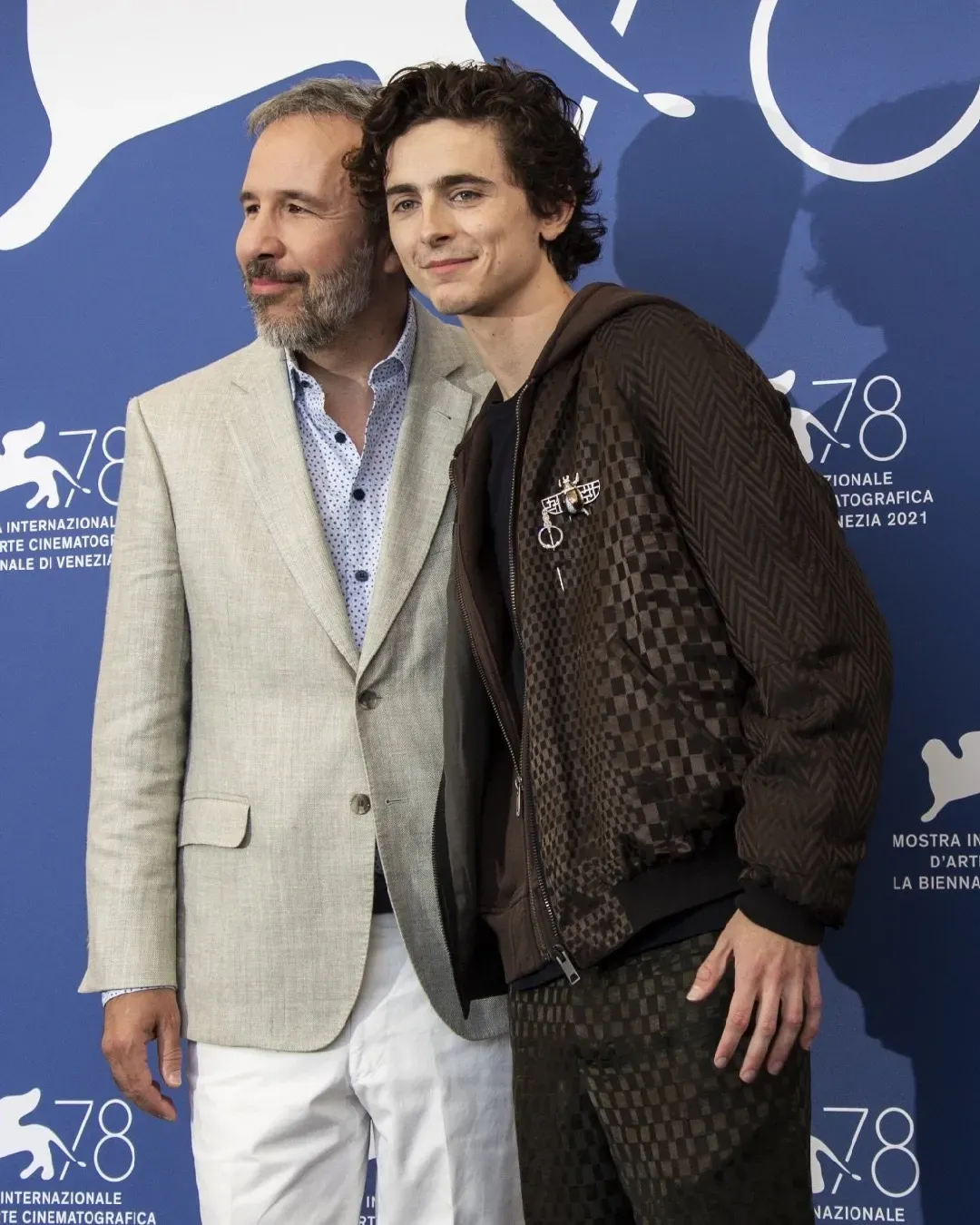
More than a thousand Hollywood stars are opposing the merger between Paramount and Warner Bros The list includes Denis Villeneuve, Joaquin Phoenix, Kristen Stewart and Yorgos Lanthimos
The American film industry continues to oppose the biggest deal of the century. More than a thousand Hollywood professionals yesterday published an open letter opposing Paramount Skydance’s acquisition of Warner Bros. Discovery. Last December, criticism had already been raised by stars such as James Cameron and Jane Fonda regarding the agreement between Netflix and Warner, while now the list of actors, directors, and other industry figures has grown to include Joaquin Phoenix, Ben Stiller, Kristen Stewart, Denis Villeneuve, Yorgos Lanthimos, Emma Thompson, Glenn Close, Mark Ruffalo and many others.
The open letter
According to what is stated in the open letter, the acquisition of Warner Bros. Discovery - the group that owns networks such as HBO, HBO Max, Food Network, and CNN - would only support the interests of «a small group of powerful stakeholders over the broader public good». Published on Block The Merger, the letter reads: «The integrity, independence and diversity of our industry would be grievously compromised. Competition is essential for a healthy economy and a healthy democracy. So is thoughtful regulation and enforcement.»
The letter concludes on a positive note, thanking the California government, which is working to ensure that the acquisition will only take place if it brings concrete benefits to the industry: «California Attorney General Rob Bonta and his colleagues in other states are reportedly scrutinizing the merger and considering legal action to block it». It ends with: «We are grateful for their leadership, and stand ready to support all efforts to preserve competition, protect jobs, and ensure a vibrant future for our industry, for American culture, and for our single most significant export.»
Paramount’s response
Paramount Skydance had made its acquisition plan for Warner public last February, a $111 billion transaction that would have surpassed Netflix’s offer. After learning of the open letter, the company behind Paramount Global and Skydance Media said in a long statement that it understands the concerns of the Hollywood creative community and respects their commitment, but added: «Importantly, as creators we know firsthand that this is also a moment when the industry has been facing significant disruption - and the need for strong, creative-first and well-capitalized companies that can continue to invest in storytelling has never been greater.»
Paramount added that its goals are always to increase the production of feature films each year and to preserve the company’s most important brands «under independent creative leadership, ensuring creators more opportunities for their work». Citing the effects of COVID, the growth of American Big Tech companies, and changes in consumer behavior, the company ultimately promised to continue supporting American talent: «This merger strengthens both consumer choice and competition, creating greater opportunities for creators, audiences and the communities they live and work in.»
Not just a matter of creativity
Now awaiting approval from California authorities, who have publicly stated they will handle the case with strict scrutiny, the deal would not only lead to the merger of the two companies but also to the launch of a single streaming platform containing their respective film libraries, Paramount+ and HBO Max. This would result not only in a decline in creative quality, as emphasized by the creatives opposing the acquisition, but also in a reduction of jobs.
To these observations is added the fact that at the latest Oscars, Warner Bros. won as many as eleven statuettes (especially for Sinners and One Battle After Another), while Paramount received zero nominations. Moreover, David Ellison, CEO of Paramount Skydance, is the son of billionaire Larry Ellison, entrepreneur and former CEO of the tech company Oracle as well as a long-time supporter of Donald Trump. Considering the Ellison family’s position, it is possible that among the 30 films Paramount promises to produce each year, socio-political themed projects may not be included - a concern for creative, independent, and anti-Republican Hollywood.
What to read next

Clayface is the first truly horror superhero film
The lead is Tom Rhys Harries, and the story concept comes from Mike Flanagan of "The Haunting"
"I Play Rocky" is more than just a film about Sylvester Stallone
Peter Farrelly's work had its premiere at the Rome Film Festival and will be in cinemas from December 31
"Klara and the Sun" by Taika Waititi is a complete misfire
The film starring Jenna Ortega had its premiere at the Rome Film Fest and is in cinemas from October 22