






























Will ‘Backrooms’ work in theaters? An internet legend is now on the big screen
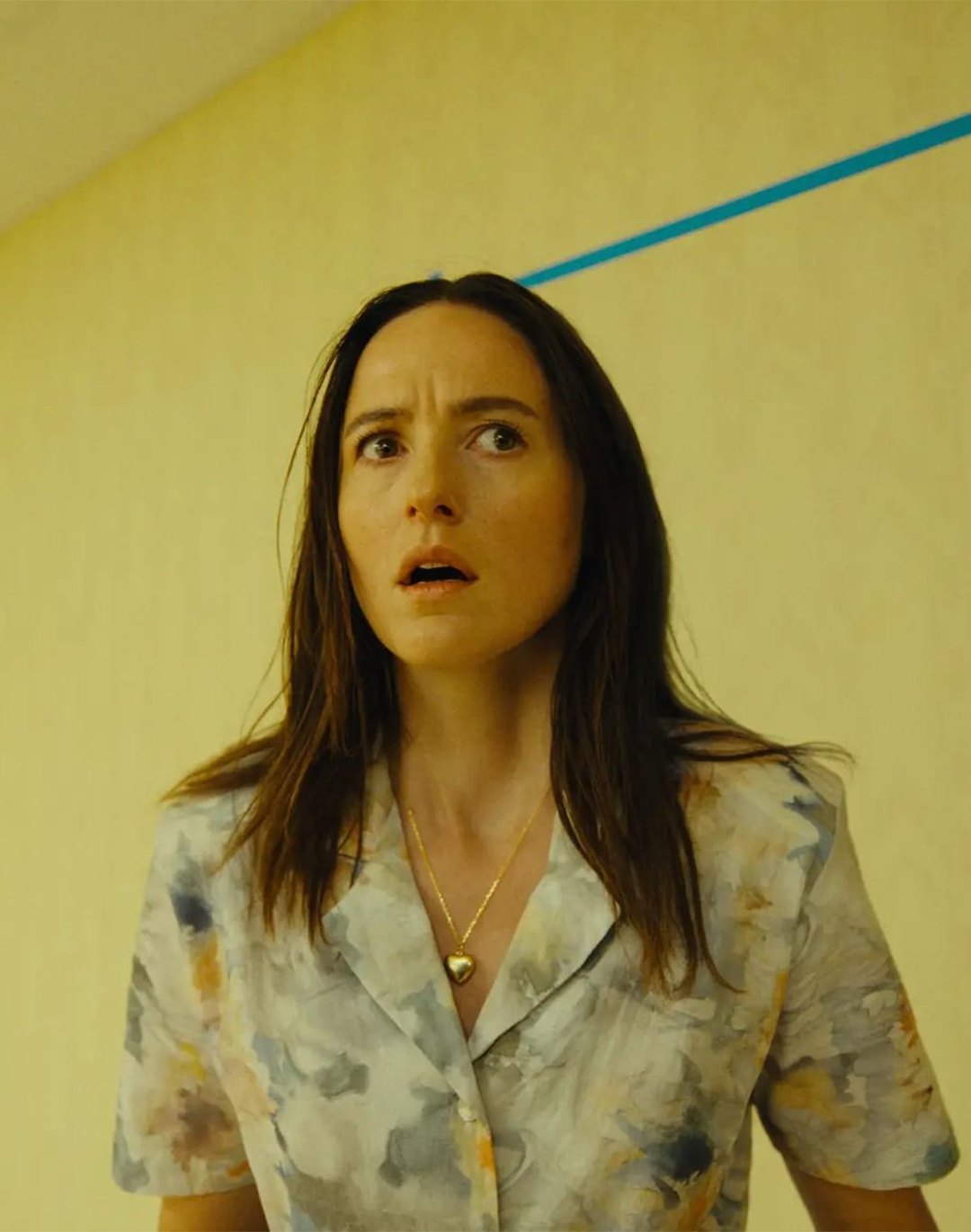
Hollywood has arrived in the backrooms. The web phenomenon born around 2019 has been acquired by the film industry, as has sometimes already happened with creepypasta stories (horror tales rooted in internet culture, such as Slender Man, which became a film in 2018), cleansing it of the grime and analog quality that defined those liminal spaces one could get lost in, whose greatest exponent at the time was the then seventeen-year-old Kane Parsons. After launching a series of videos on his YouTube channel in 2022, the young creator reached millions of people and, starting from that very first image of a yellow room with carpeted floors, generated a lore of which he became the main point of reference.
A true digital narrative made up of short videos arranged to compose a broader and terrifying picture. Getting lost in those uncanny spaces where one has never been and yet somehow feels familiar, spaces that have now been appropriated by productions such as A24, Chernin Entertainment, Atomic Monster by James Wan, and 21 Laps Entertainment by Shawn Levy. The latter two, Wan and Levy, are representatives of a certain kind of cinema aimed at mass entertainment, whether horror-oriented (Saw, Insidious, The Conjuring) or fantastical/science-fiction (Stranger Things), who invested in a cultural movement that, from the web to its cinematic adaptation, inevitably had to lose some of its original coordinates while generating new ones, even with a relatively contained budget of around $10 million.
Emptying Out a Niche
Among all the changes, there is first and foremost the shift in medium itself, moving the project from the screen of a phone or computer to the much larger screen of a movie theater. Secondly, there is the visceral intimacy created by wandering through the depths of the internet, something that deeply shaped the experience of viewers who truly got lost in the online backrooms, unlike the polished version now proposed for cinema.
While the film retains the core idea of wandering through places suspended between reality and the unknown, its restless and unsettling dimension has been replaced by the possibility of reaching the widest audience possible. The act of emptying out a niche and transforming it into material for mass audiences is not inherently negative, especially considering the opportunities that arise from adapting emblematic media phenomena, yet at the same time it is disheartening to see them drained of the very essence that made them unique, recognizable, and fundamental for the emergence of new forms of storytelling, especially in relation to a medium like the internet and its legends.
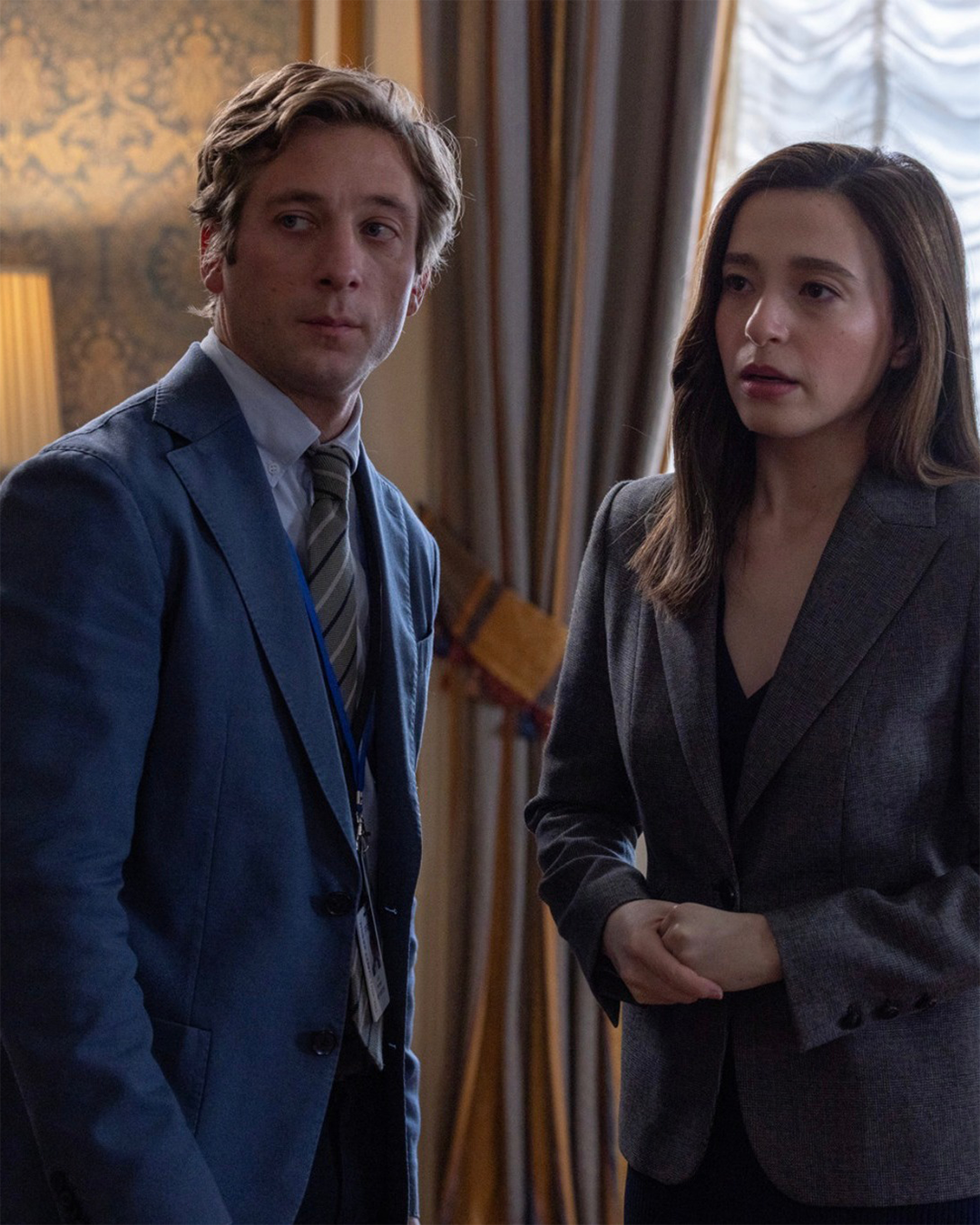
The feature film Backrooms, directed by Kane Parsons, is therefore a revised and reimagined version of his web-based work, adapted to speak to an audience less immersed in the mysteries of the internet’s endless rooms and more interested in spending an evening of horror in a place they know very little about, which is precisely why they may end up both frightened and fascinated by it. It is the backrooms experience for those who never truly lived the web backrooms or knew very little about them, complete with a sort of reinterpretation of the lore Parsons had originally built around his video portfolio on the subject, perhaps revisiting it from scratch or perhaps simply approaching it from another angle. The question remains open, especially considering the evident possibility left by the screenplay for a future sequel and the expansion of the franchise.
A generalization of a web-born myth that must adapt itself to the cinematic container, already reshaped in terms of perspective and, unlike the YouTube videos where only digital cameras were used as recording tools, now alternating with high-definition imagery and consequently with a loss of suggestion. This becomes even more evident when the story attempts to provide explanations that begin with promising intentions but eventually lose themselves just as the characters do within the endless rooms adjacent to an old furniture store, not too far from the HobbyTown chain shop where the first backrooms photo was allegedly taken before being uploaded online and giving birth to the phenomenon.
A Well-Constructed Narrative Architecture
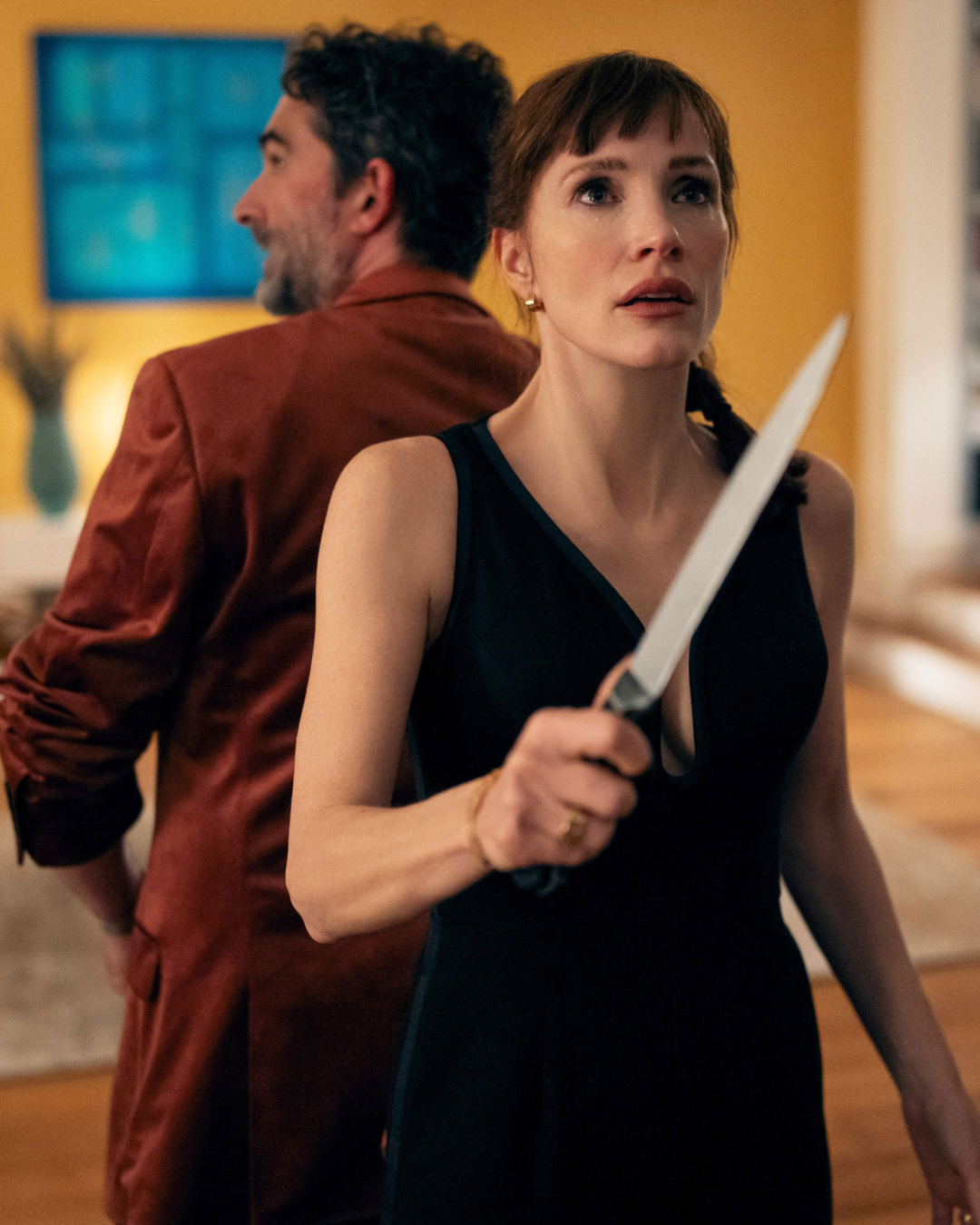
At the same time, it must be said that in terms of writing Parsons takes a step back, entrusting the screenplay to Will Soodik, who cleverly connects the narrative surrounding spaces and perception to the professions of the characters played by Chiwetel Ejiofor and Renate Reinsve. He is a frustrated architect, she a psychologist carrying a traumatic past, and the professions assigned to the protagonists are perhaps the most fitting for the construction of backrooms that come to represent floor plans of the mind in which one can remain trapped. The man discovers them through the noclip technique, the ability to pass through surfaces and even through the fabric of reality itself, entirely by chance.
Recurring patterns that we construct and within which we remain imprisoned, generating resonances inside the film’s backrooms that become spaces more psychic than belonging to another world. It is an intelligent intuition, though one that somewhat strips the legend of its aura, grounding it in more conventional territory compared to how these “rooms in the back” had previously managed to stand apart, both in relation to the internet from which they originated and to certain audiovisual works inspired by them, such as the film Skinamarink or the series Severance.
Not a banalization of the concept, but certainly a way of imposing direction upon spaces that, by their very nature, resist direction. Places where orientation exists, but only in order to be lost. A cinematic adaptation perhaps inevitably conditioned by the larger scale of the theater experience, granting greater breadth to something that, within the hidden corners of the internet, feels far more suffocating and claustrophobic. An experiment that lives through echoes, both in the film’s craftsmanship and in its narrative, echoes that have now reached the cinema. Yet its true nature still belongs to those concealed places, to those spaces we feel we know and yet cannot describe; places that, this time, cannot be reached simply by entering a movie theater, but instead require nothing more than their inevitable noclip.