

























Who really wants fashion brand watches? The answer is nobody
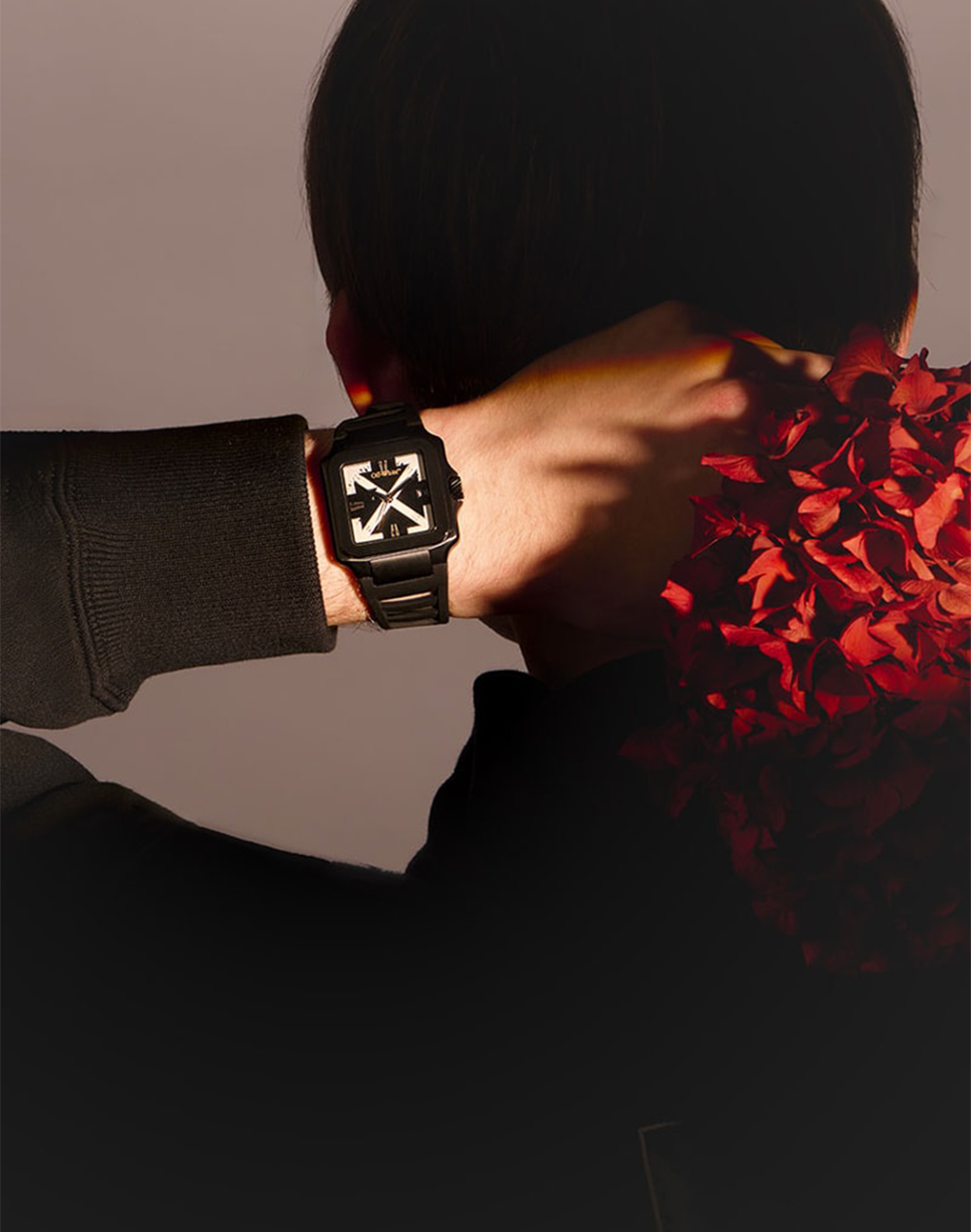
If you thought fashion's obsession - or rather, mid-range brands' obsession - with the manic branding of luxury objects was over, you were sorely mistaken. Some brands, whose clothing offer no longer seems sufficient to sustain an ever more novelty-hungry market, are channeling their ambitions into the world of watchmaking. Because if dupes and superfakes of iconic models like Rolex and Audemars Piguet weren't enough, today GCDS and Off-White™ are ready to offer us yet another branded object, turning the watch into the new fetish of the aspirational average consumer.
But does it really make sense to produce a watch that clumsily emulates the aesthetic of a vintage Cartier Santos, whose only distinguishing feature is a logo applied to the dial? When branding becomes the sole added value of an object that is otherwise nothing more than a poorly executed copy, there can be only one answer: no.
The fine watchmaking market
@nssmagazine Today the collaboration between Swatch and Audemars Piguet drops in stores, and this is the line right now at one of the two Swatch flagship stores in Milan. Are you guys in line too, and will you try to buy it? #swatch #audemarspiguet #swatchxaudemarspiguet #campout #milan original sound - Ferminlopezenthusiast
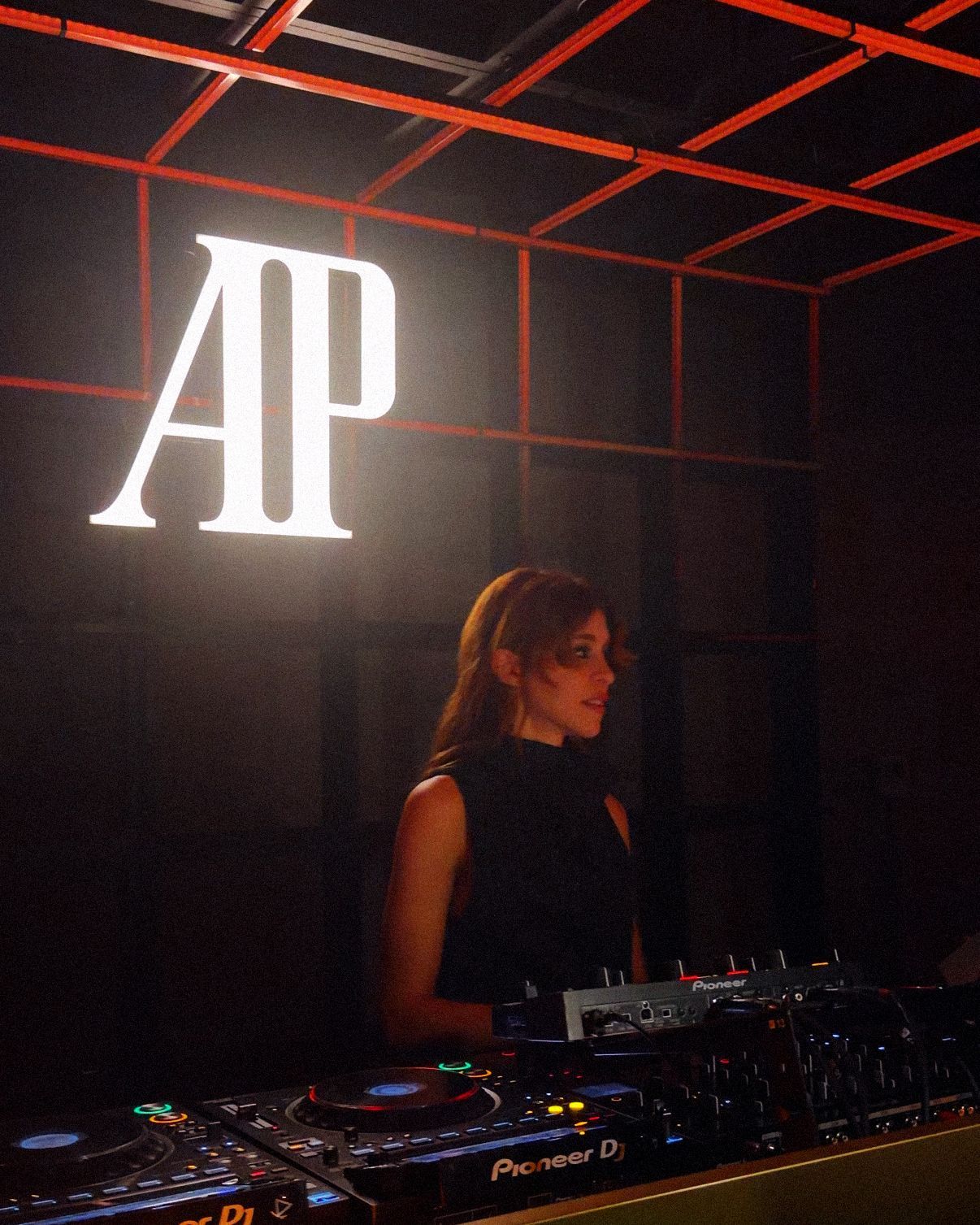
The current state of the luxury watch market is a veritable Pandora's box. Most people observe only its most visible effects: the fluctuations in the secondary market for certain iconic models, such as the Rolex Submariner, the collapse in the value of many timepieces purchased during the post-pandemic boom, or the increasingly debated collaborations between brands from seemingly irreconcilable worlds. The latest, between Swatch and Audemars Piguet, sparked debate not only for the product itself but also for the unusual nature of the collaboration — an operation that received an unexpected response, manifesting in mile-long queues outside the Milan store and scuffles to get hold of the most hyped object of the moment.
The numbers tell a precise story: after the surge recorded between 2020 and 2022, the secondary market for luxury watches underwent a significant correction. According to the Bloomberg Subdial Watch Index, average prices have fallen by more than 35% from the peaks reached in 2022. At the same time, the pre-owned watch market continues to grow structurally and is estimated to surpass 35 billion dollars by 2030, driven above all by younger generations, who are far more interested in vintage than in new.
Hermès and Chanel are also investing in watchmaking
There is nothing wrong with a fashion brand making watches, especially when it possesses a heritage capable of justifying the endeavor. In fact, some examples demonstrate precisely the opposite. Hermès has been collaborating with Swiss manufacturers since 1928 and today directly controls a large part of its own watch production — so much so that in 2023 the Hermès Horloger division recorded revenues of over 600 million euros, with growth of around 23%, reaching sixteenth place among Swiss watch producers, ahead of historic maisons such as Tudor and Panerai.
Chanel's watches, while not generally considered investments, are the result of design research that goes far beyond aesthetics — a testament to an approach to watchmaking that many other luxury brands would struggle to replicate. Models such as the J12, introduced in 2000 and now recognized as one of the few contemporary watches to have become a design icon, or the Monsieur de Chanel, developed in collaboration with Romain Gauthier and marking the maison's entry into men's fine watchmaking, were not mere branding exercises but coherent extensions of its heritage. A component that is conspicuously absent in younger brands grappling with a sector in crisis.
Are watches the new jewelry?
@girlsoclock The @Bvlgari Manchette (inspired by one from 1974!) released this Jan in Milan #bvlgari #dualipa Black Beauty - Lana Del Rey
Like it or not, a watch is an accessory just as much as a piece of jewelry. And in 2026, fewer and fewer people can actually tell the time from an analog dial — it is estimated that as many as 1 in 2 young people between the ages of 18 and 30 have serious difficulty doing so or cannot do so at all, relying entirely on digital screens. The fact remains that owning a Cartier, an Audemars Piguet, a Patek Philippe, or a Rolex continues to represent a luxury. The watch communicates belonging, taste, success, and cultural and economic capital — and it is precisely in the desperate attempt to chase the status symbol of the object that many brands lose their way.
Furthermore, the value of a watch is as precious as it is fragile. Consider the extreme customization operations known as frosting — the addition of diamonds to cases not intended for such treatment by the original manufacturer. Despite the often enormous cost of these modifications, the market tends to view interventions that compromise the integrity of the object unfavorably. In most cases, the watch's monetary value drops dramatically, to the point where it is perceived almost as a defective piece. Imagine, then, what happens when a mid-range brand ventures into creating a watch of dubious form, perhaps decorated with pop illustrations — rendering the object's value virtually nil.
When a product's value is built exclusively around its popularity, it becomes impossible to compete with maisons like Hermès or Chanel, whose cultural patrimony is the result of decades of manufacturing research. At times, one even wonders whether the founders or creative directors of certain contemporary brands would wear their own products for any reason other than as a purely promotional gesture. And younger generations appear to have grasped this distinction.
The vintage watch market is unstoppable
@charmacie Reverso fans geather here #budapest #watches #vintage #swisswatches #viral Originalton - Silent Frames
More and more consumers are turning to the secondhand market for watches, and the data backs this up. This trend emerges from Deloitte’s latest survey of the Swiss luxury watch market, conducted among a sample of senior executives. Compared to 2020, the number of consumers interested in the sector has increased by 50%, a new segment of buyers who, according to the study, appreciate the authentic and aspirational value of these items.
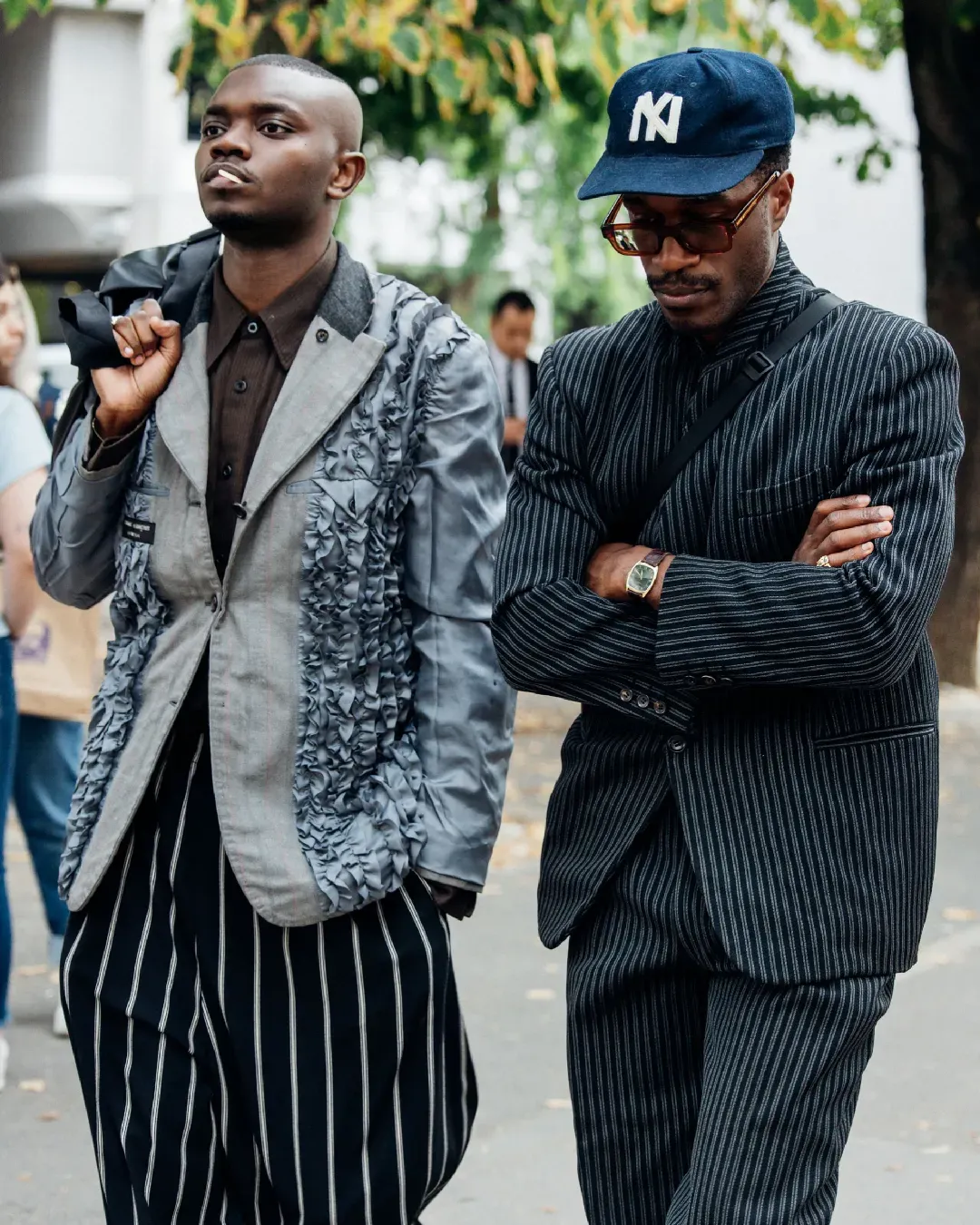
Sport, fashion, design, and even music continue to portray the watch as a cultural symbol. Many brands present their timepieces as true works of craftsmanship, often closer to fine jewelry than to manufacturing industry. In the same way, figures such as Pharrell Williams, Jay-Z, and Tyler, the Creator have transformed their vintage watch collections into an extension of their own aesthetic identity, much as happens with jewelry.
The watch continues to represent far more than a simple accessory: it is a status symbol, but also a marker of cultural and economic capital. In this context, what appear to be simplified versions or imitations of the great classics end up feeling unnecessary in an already saturated market. If the consumer is seeking authenticity and value, they are unlikely to be drawn to products that seem to renounce the very qualities that make a watch desirable.