


























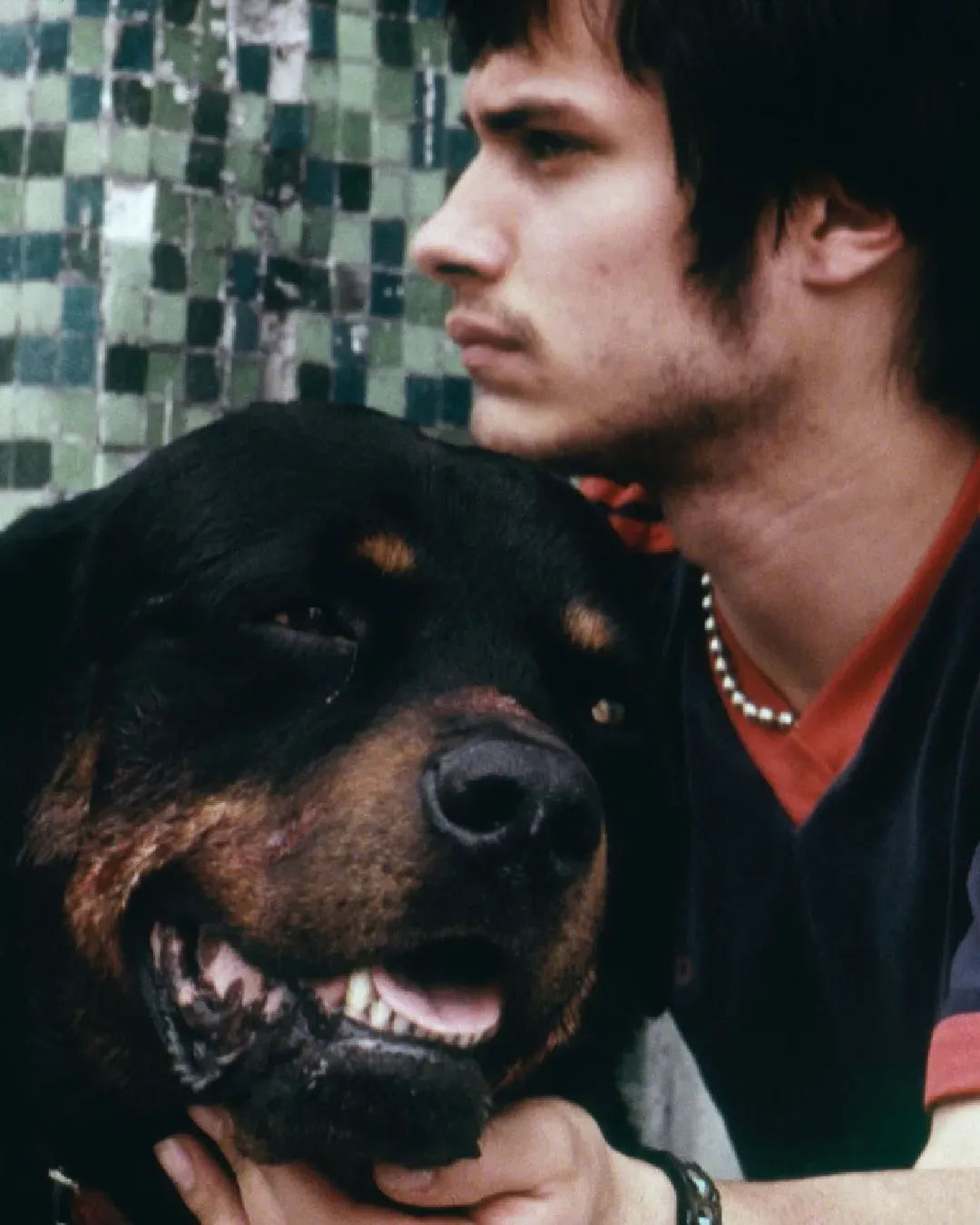
Gael García Bernal remembers the premiere of "Amores Perros" very well A clear and moving account from the actor and director marking the film's arrival on Mubi Italia
Twenty-six years ago, Alejandro González Iñárritu and Gael García Bernal sat side by side in a darkened theater at the Cannes Film Festival, witnessing the moment that would change their lives and careers forever. Amores Perros, the debut film for both the Mexican director and screenwriter and his fellow actor, had its premiere in the Semaine de la Critique section, which it would go on to win thanks to the jury's decision — a jury presided over in 2000 by none other than Bernardo Bertolucci.
It is a moment still vivid in the mind of its lead actor, who was extremely young at the time — just twenty-two years old — and one of the protagonists of the ensemble work that wove together three distinct stories connected by a single accident. So indelible, in fact, that more than twenty years later the actor recalls it with analytical and moving clarity, on the occasion of the film's arrival on the Mubi Italia platform, retracing that day and reliving the very same emotions he felt as he watched, before his very eyes, the moment when everything would be different.
"I remember that day well, because I hadn't seen any of the footage beforehand," says Gael García Bernal:
"Amores Perros was the second film to be screened during the Semaine de la Critique. I spotted Alejandro from a distance — I didn't know what to expect — but we embraced and I could feel that we were experiencing the same thing. When we went in, before the screening, he gave a speech about how a path had opened up for us and for the film. The theater was half full and half empty. After the introduction, Alejandro sat down and life stood still for a moment. Looking back, I can say it was a moment of pure transcendence. It was as if I were watching myself from the outside: I could see where I was, who I was, and where I might be headed, letting myself be carried along by the energy and poetry of the story. When the film ended, I felt a kind of catharsis. I was young — I was twenty — but I thought, 'Wow.' I couldn't explain what had happened, but I know I hugged everyone, and in that gesture I tried to put everything I wanted to say. It was an unrepeatable moment. Amores Perros then won as best film, and I have a vivid memory of that moment too — of the theater filling up and erupting."
"I'm jealous of Gael's experience," Iñárritu jokes, having listened in silence to his actor's anecdote. With a background in music, the filmmaker was older than his lead when he made his debut at thirty-seven. An age that, he is keen to point out, was right for his own journey — and one he hopes will stand as proof that there is no right time to find one's calling, especially at a moment as vibrant as this for cinema, which has seen very young directors under thirty rise to prominence (from Kane Parsons, born in 2005, director of Backrooms, to Curry Barker, born in '99, director of Obsession). Of that day, Iñárritu recalls:
"I was very anxious — I smoked an entire pack of cigarettes. While watching the film, I kept noticing people getting up and leaving before the end, and I thought it hadn't gone over well. After the screening, and after all those cigarettes, I had to rush because Bernardo Bertolucci, who was jury president, wanted to meet me. We were at the Miramar cinema where the Semaine screenings are held, and I had to run to reach him. I arrived drenched in sweat and he asked why I was late. 'There was the premiere of my film,' I told him. He replied: 'I'm jealous. After the first film, everything gets worse and worse.' He believed that people's expectations grew after a debut, and he was right. But from that experience I learned that it is wonderful to be fragile in front of others, because you hope they will truly see you for who you are. Being vulnerable is a beautiful thing."
Twenty-six years on, the beauty of vulnerability — at times violent, at times purifying — arrives on streaming, following an exhibition that brought fragments of the film to audiences through Sueño Perros, which came to Italy with an installation at Fondazione Prada in Milan. It is accompanied by an official book that represents the coming together of the many realities that contributed to the making of the project. A volume that is neither intellectualist nor formulaic, but as pulsating as the fragments of story told in the first film of the death trilogy that Alejandro González Iñárritu would go on to complete with 21 Grams and Babel. A film, Amores Perros, that is considered one of the trailblazers of the 2000s for an international cinema that did not come solely from the usual circuits, broadening the vision of the world and of filmmaking beyond the boundaries of language.
What to read next
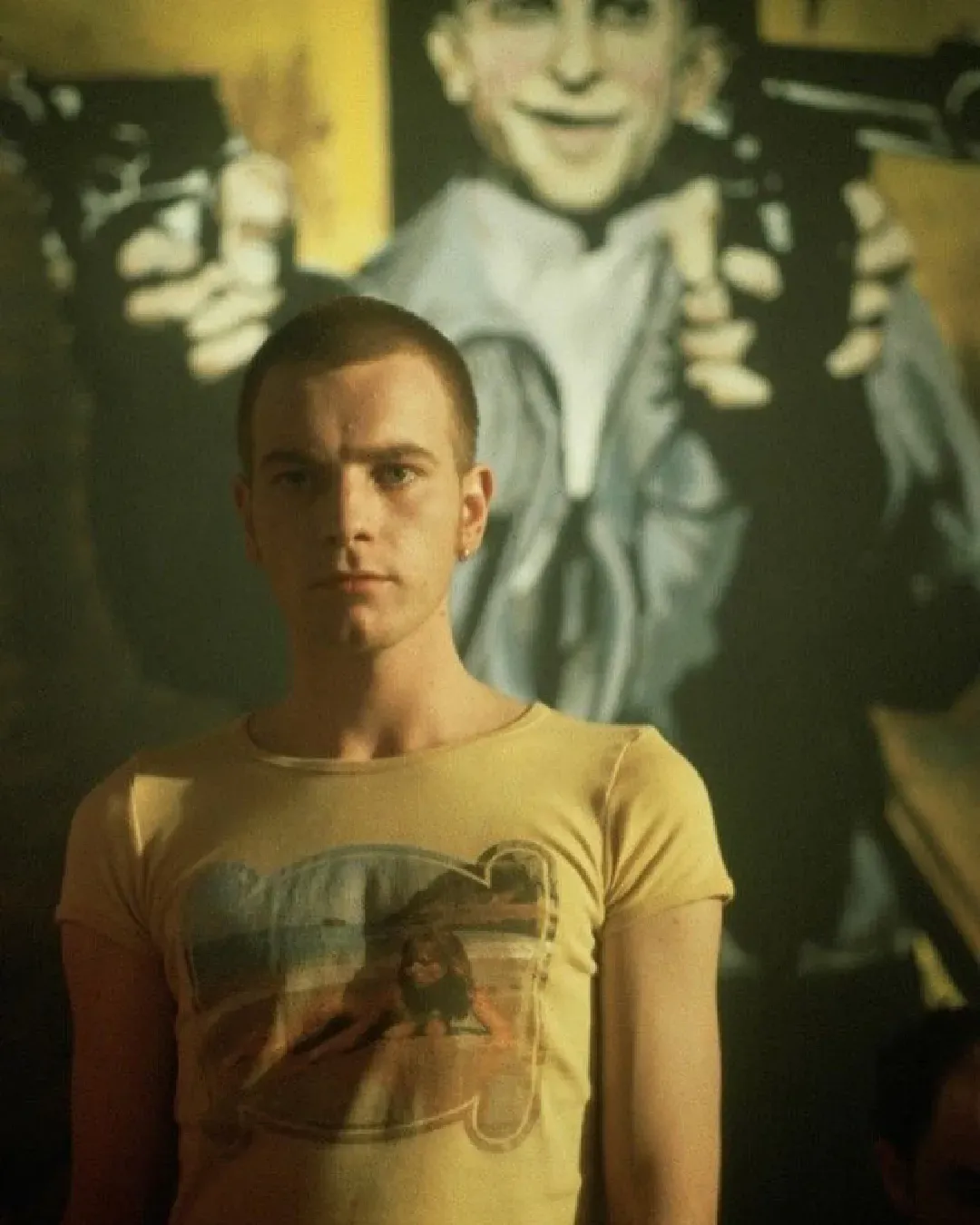
5 trends that Trainspotting anticipated Back in 1996
There is much more to the film than the famous Helmut Lang tank top
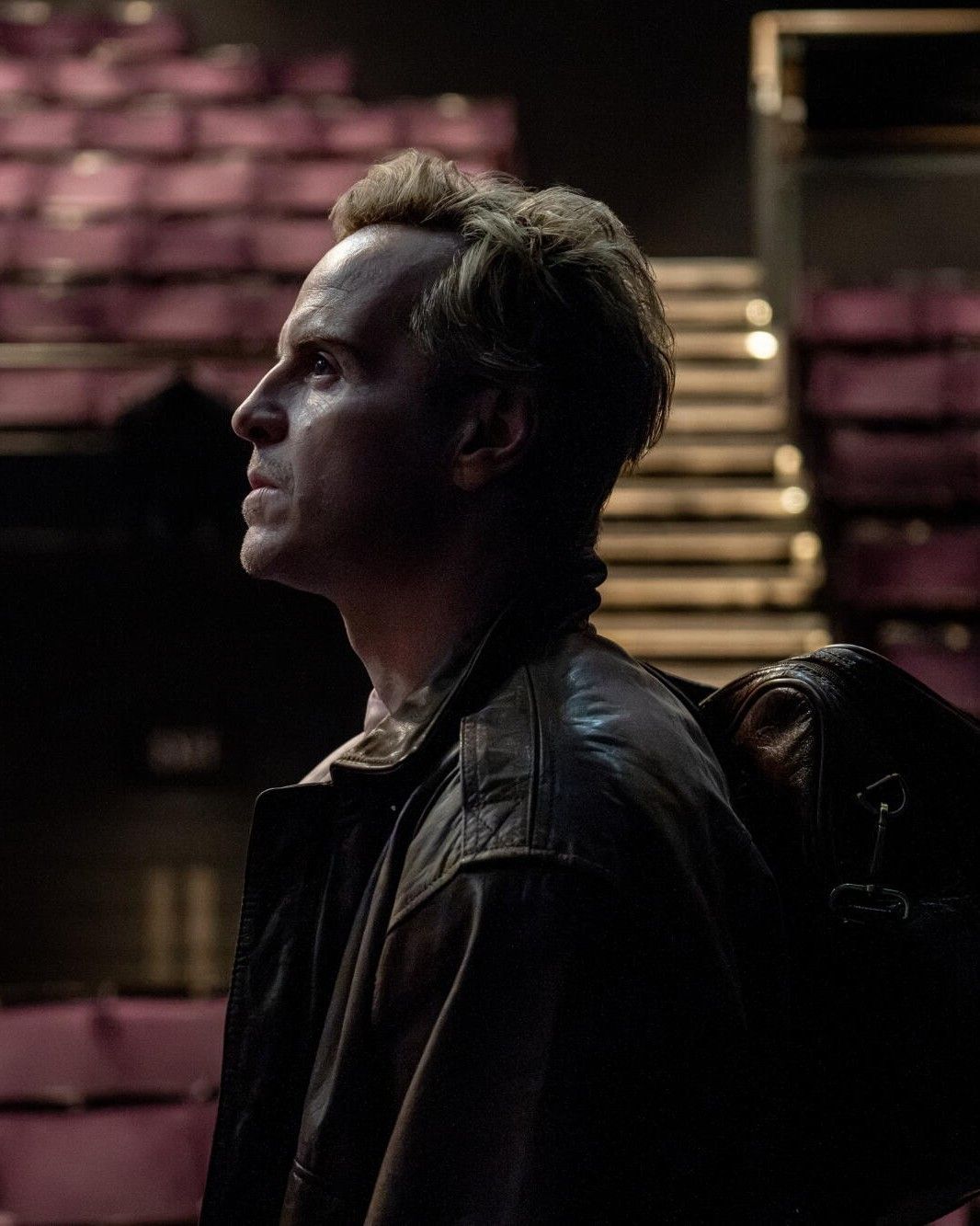
Andrew Scott gives the best performance of his career in "Elsinore"
Simon Stone's film tells the true story of actor Ian Charleson and his production of "Hamlet"
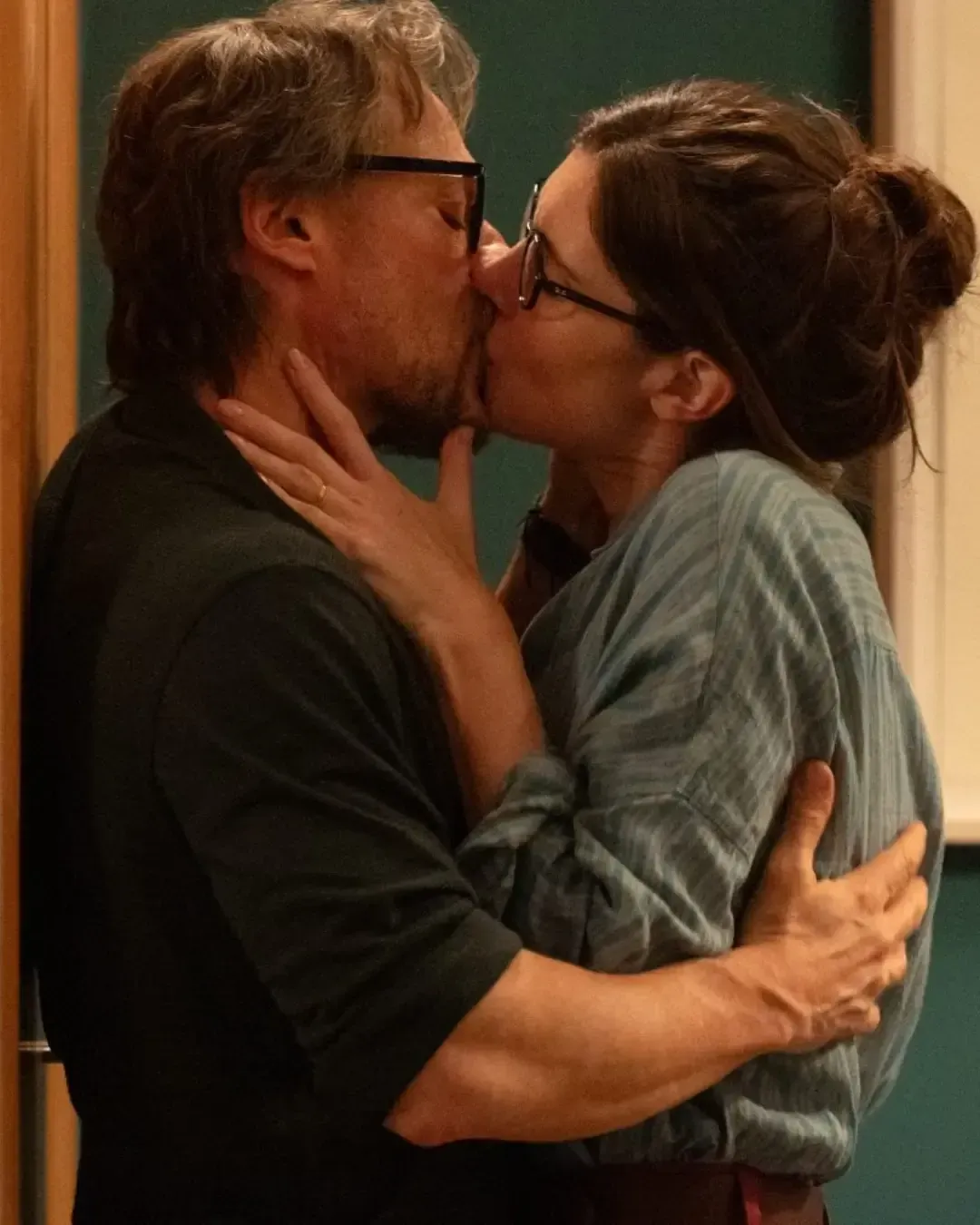
"Il rumore delle cose" by Paolo Genovese opens the 2026 Rome Film Festival
The film, adapted from Genovese's novel of the same name, is nonetheless the usual Italian drama