























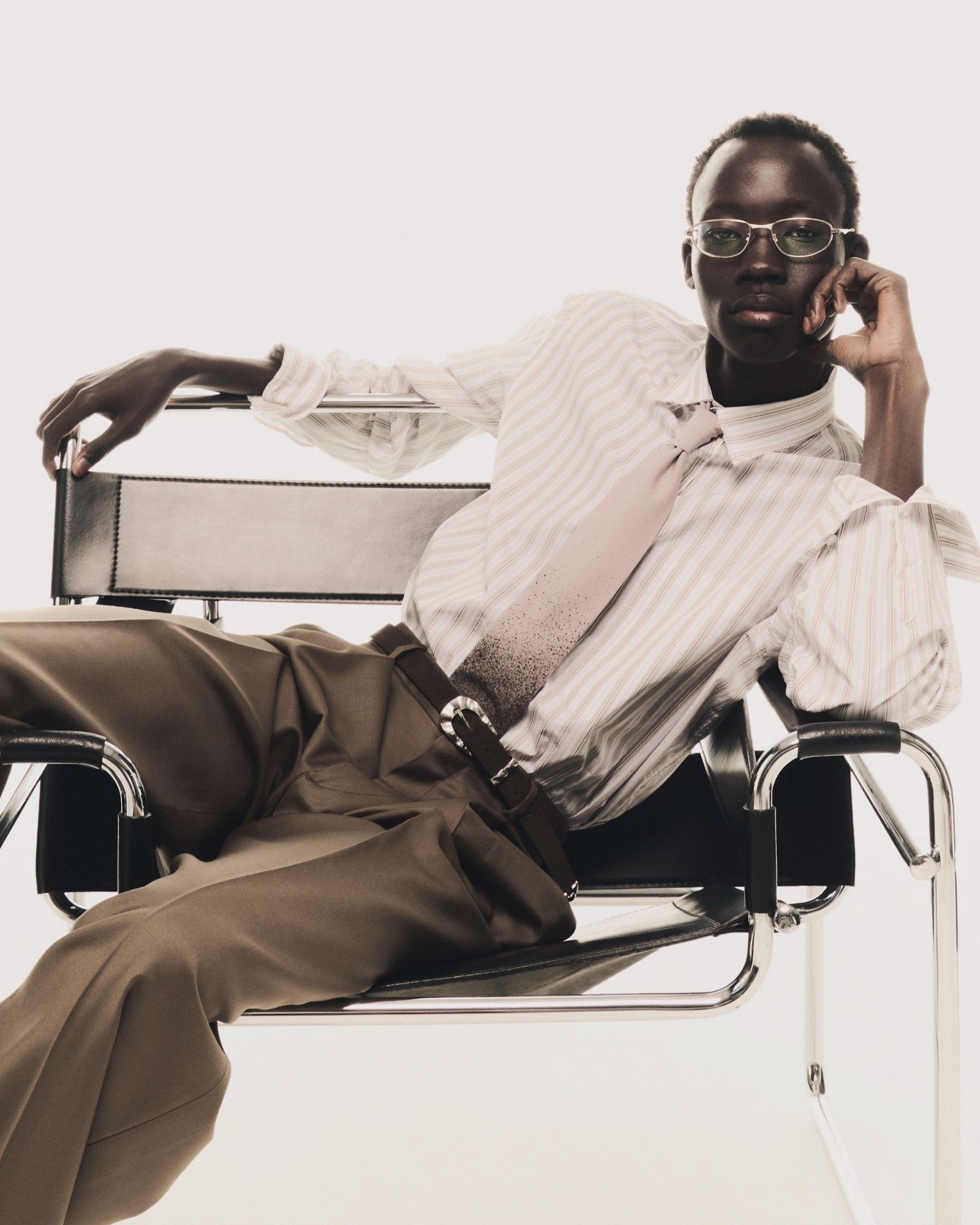
What if Italy's historic Made in Italy companies supported indie Italian fashion? We asked Diletta Paoloni and Danilo Paura
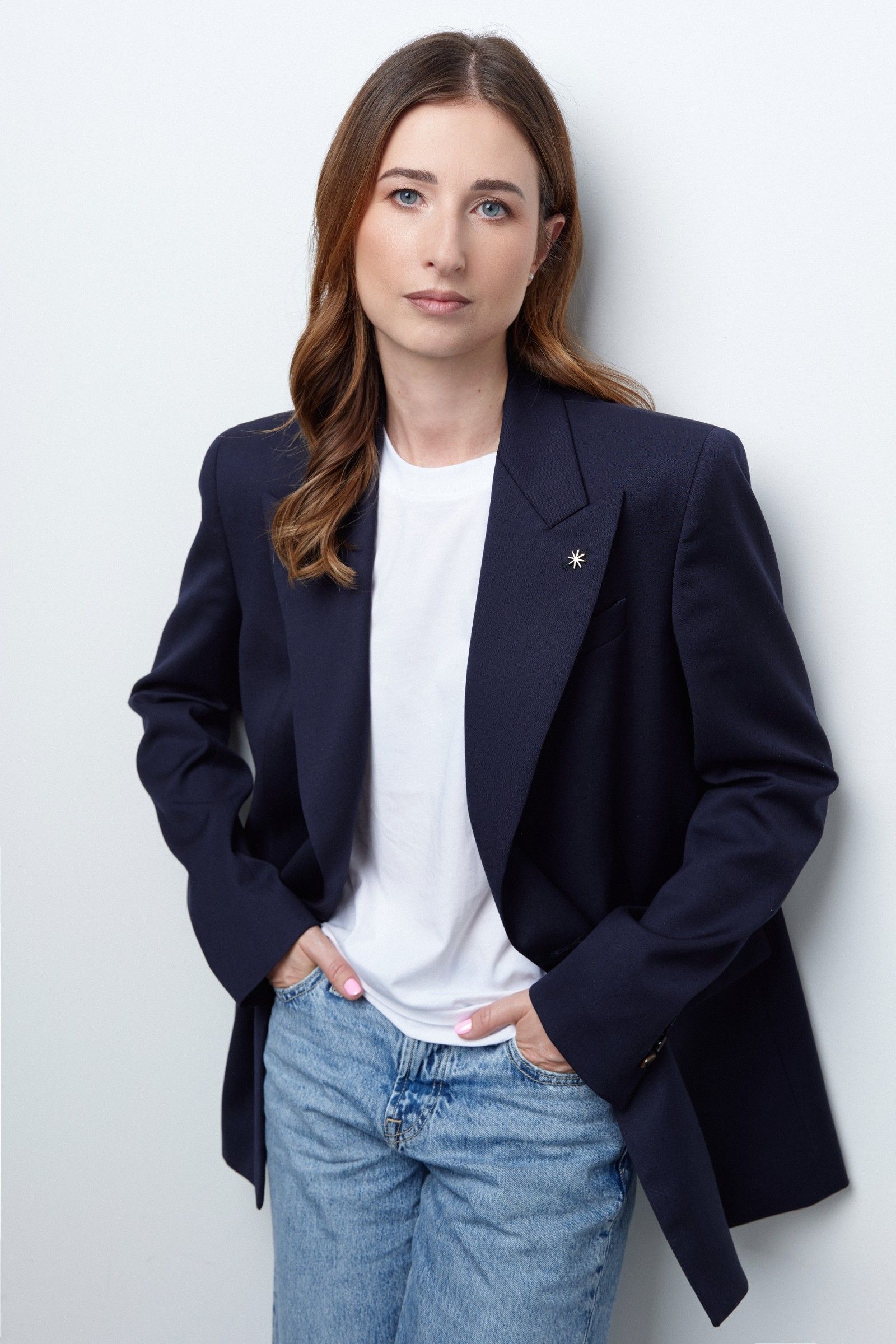
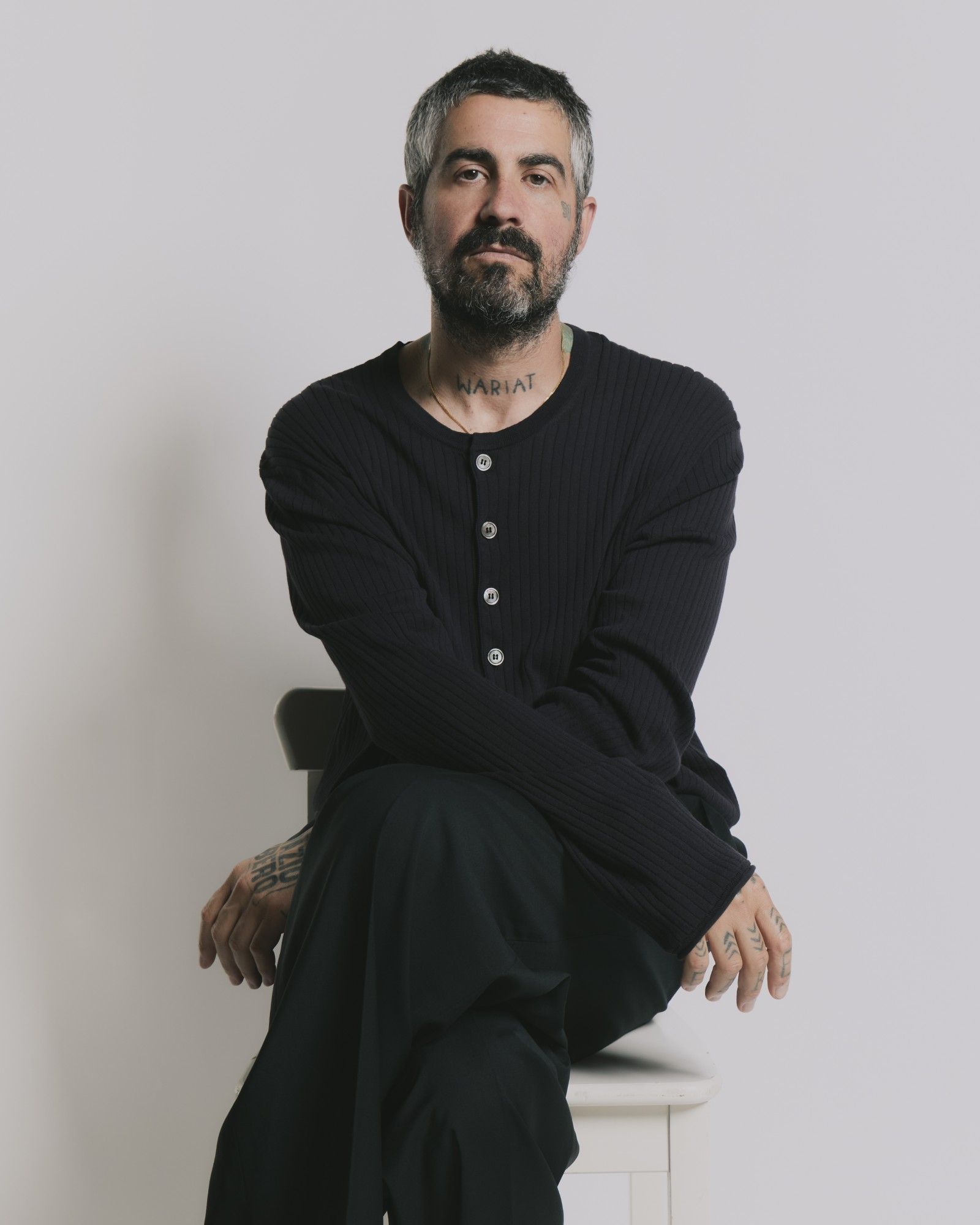
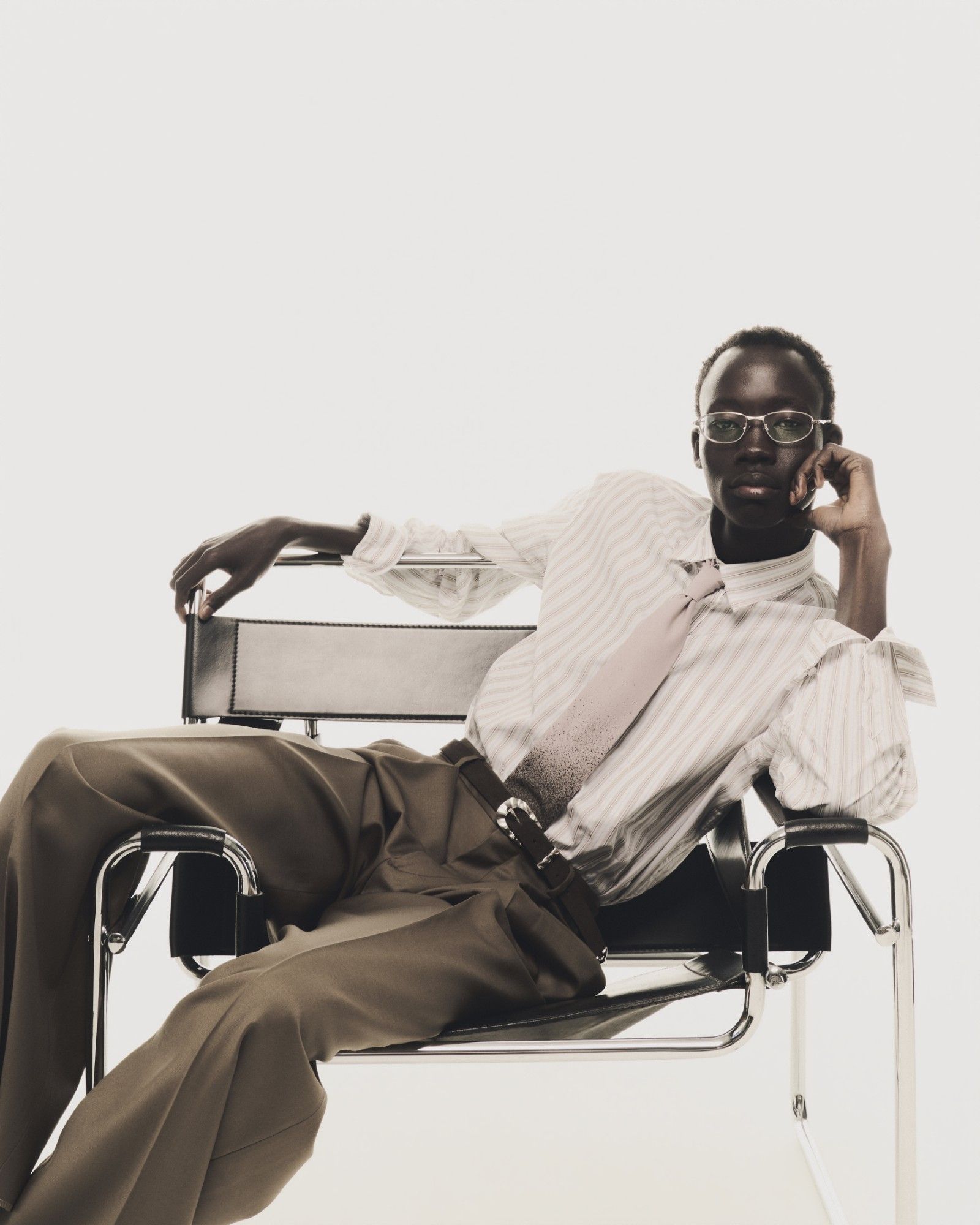
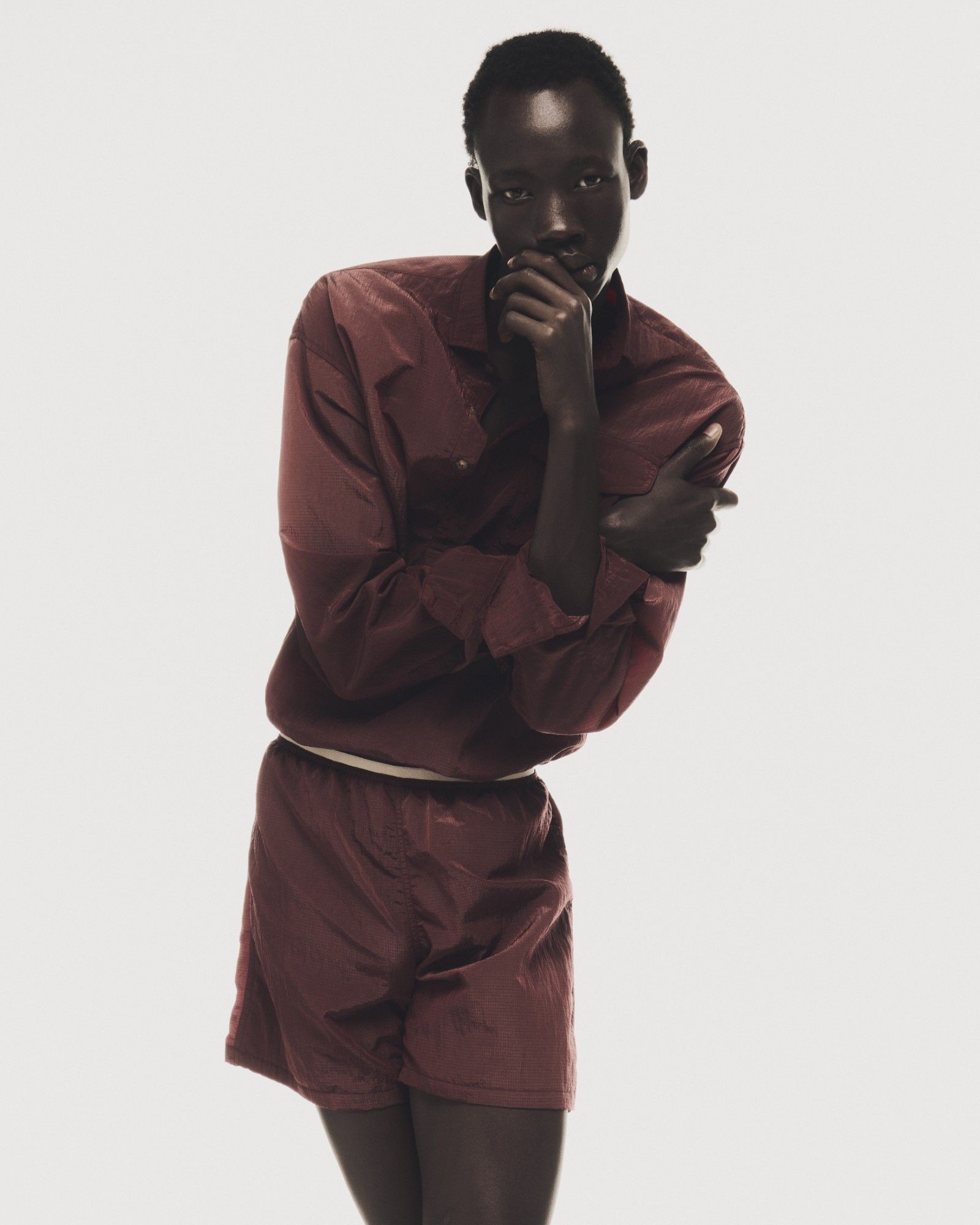

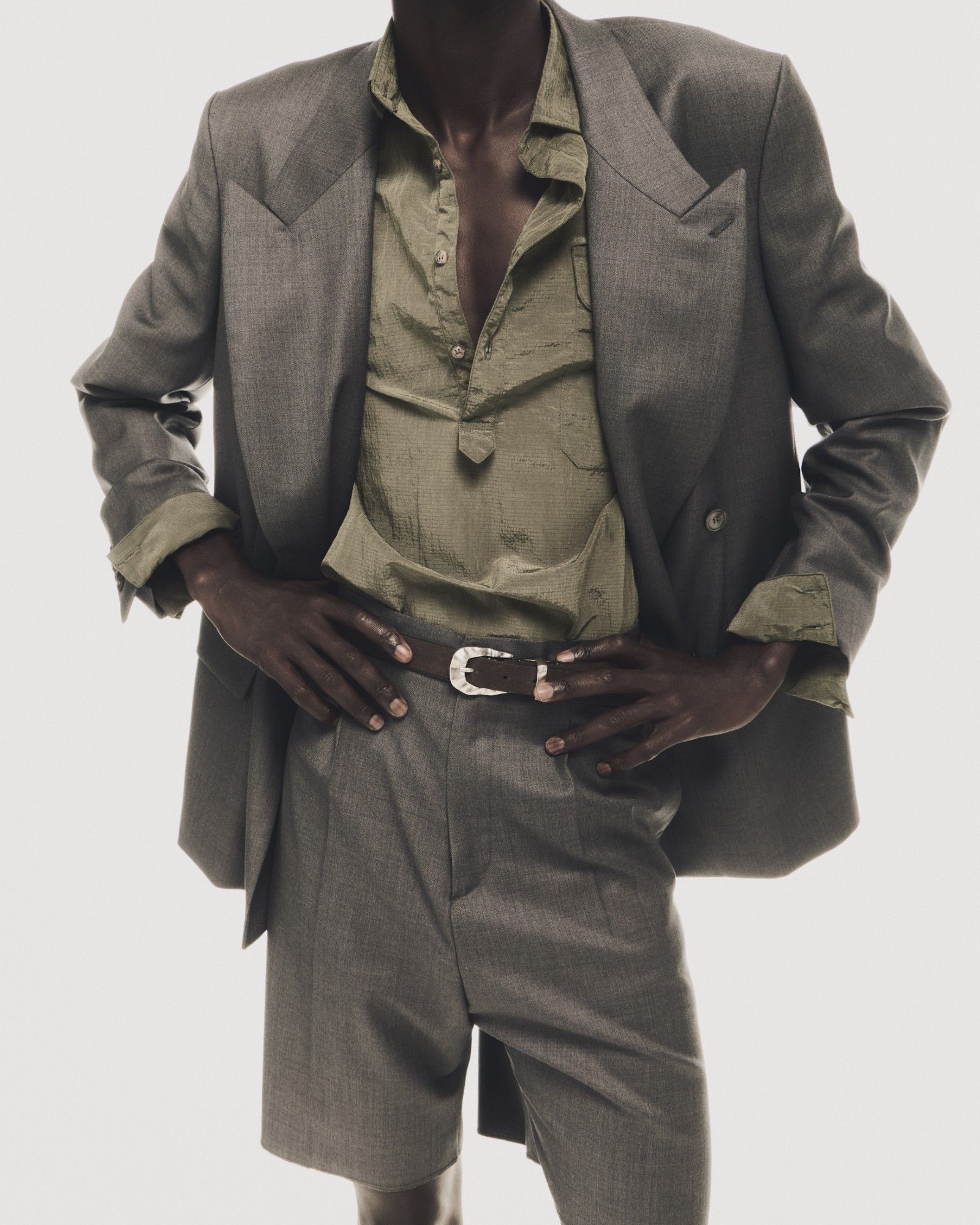
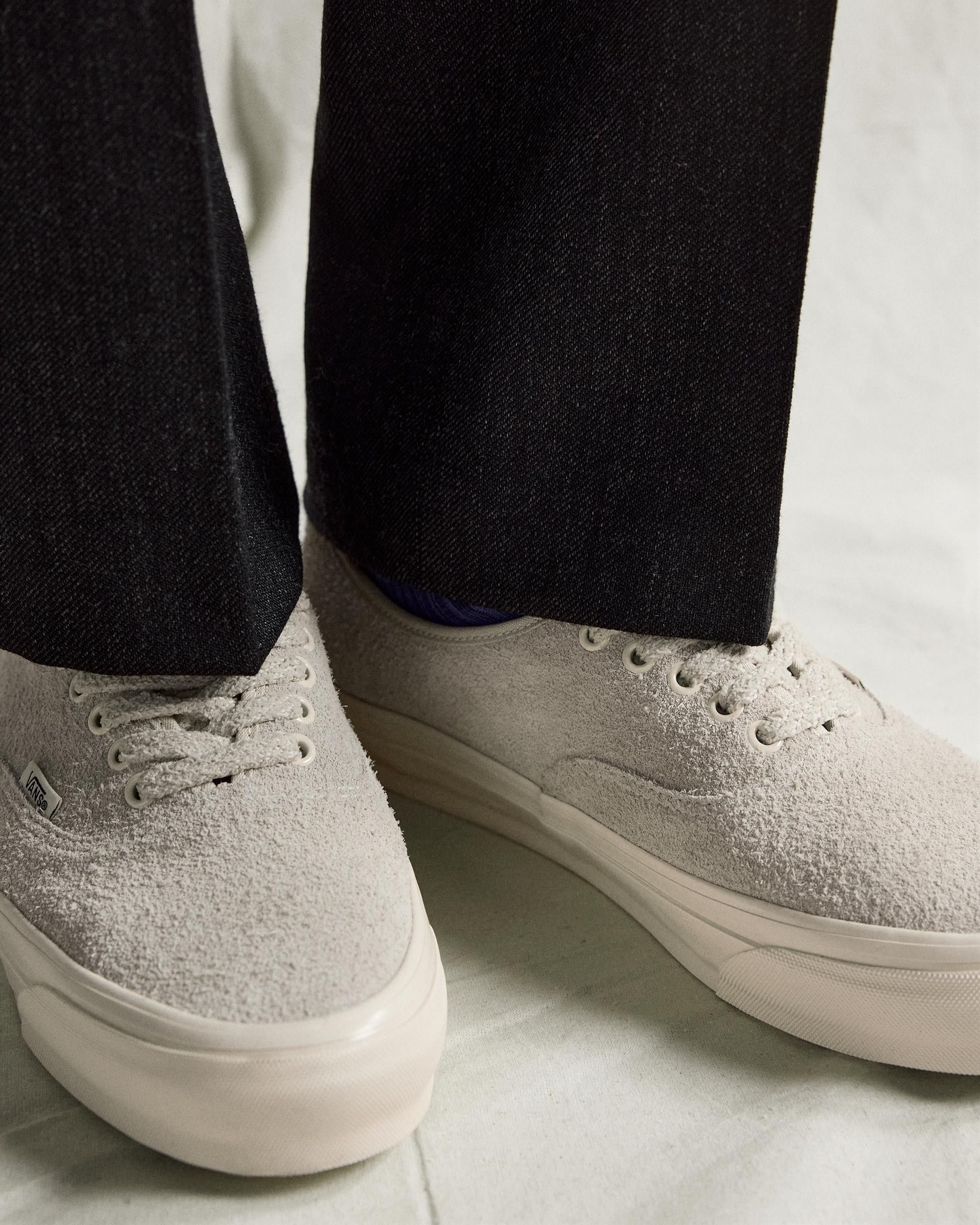
Danilo Paura is one of the leading figures in the Italian streetwear scene. Having emerged in 2015, his eponymous brand has navigated ten years of change in Italian fashion culture. But it has done so on its own terms. Decentralized relative to Milan, where he showed between 2019 and 2021, and eager to establish himself within real youth communities rather than just fashion editorials, Paura built his project with a hands-on approach grounded in product, community, and a remarkable series of high-profile collaborations, the most recent of which was with Vans.
For eleven years the brand remained independent, spreading beyond luxury fashion circles and consistently choosing to bring its own vision of contemporary excellence into the everyday reality of younger generations. In 2026, however, it was announced that Gruppo Paoloni, the founder of both the Paoloni brand and Manuel Ritz, had acquired Paura. An interesting move on both sides: Paura joined a platform with decades of history behind it, one that is very different from the typical international fashion conglomerate; Gruppo Paoloni, long active in developing the contemporary market, welcomed an outside brand into the fold, thereby extending its reach.
The case is interesting because it invites questions about the future: now that luxury groups are divesting rather than acquiring; now that 50 million consumers have stepped off the luxury train and flooded into the mid-market segment, could there be an opportunity for new Italian conglomerates to emerge — ones rooted in manufacturing, like Gruppo Paoloni, that find new energy by supporting brands conceived not for elites but for the fashion and design enthusiasts of everyday life?
To better understand these dynamics, we spoke with Diletta Paoloni, brand coordinator and member of the Board of Directors of Paoloni, and with Danilo Paura. Here is what they told us.
How did the acquisition of Danilo Paura come about, and what does it represent for the group and for the brand itself?
Diletta Paoloni: Word reached us that Danilo was looking for a partner, and we have always kept a close eye on the independent brand landscape. When the opportunity arose, it felt natural to seize it, and from the very beginning a great rapport developed with Danilo. His arrival adds a streetwear dimension to the portfolio that had been missing.
Danilo Paura: Anyone in my line of work can't help but know companies like Paoloni. I had known Michele for a long time, but I never imagined I'd be able to shape a project this significant. I owe a great deal to the people who accompanied me on this journey. I placed my trust in a strategic development firm, e:noi, with whom I undertook a deep process of analysis and future-building. I met with Roberto and Lucia on multiple occasions. They got to know me, listened to my needs, and came to understand my vision.
Together we mapped out a path that included identifying a partner with the characteristics of Gruppo Manifattura Paoloni. With Roberto and Lucia, a strong sense of connection formed right away. We worked first on me and on the project; then, once we felt ready, the moment came for the meeting. It was a special moment because, despite the significance of the occasion, from the very first instant I had the feeling I was in the right place — almost at home. From there, everything evolved naturally.
How do brands with such different aesthetic codes coexist within the group, avoiding overlap while bringing out the best in each?
Diletta Paoloni: Each brand has its own DNA, so differentiation comes fairly naturally. Paoloni is our most formal brand, designed for a mature man; Manuel Ritz is also formal but aimed at a younger man; with Danilo, an entirely different segment has come in — more streetwear. The working method, however, remains the same across all of them: we produce collections, samples are released, we go into sales following the same process, even if each DNA then has its own internal dynamics. Our experience, backed by an eclectic approach, helps us manage this variety without much difficulty.
In what ways does being part of a group change a designer's day-to-day work?
Danilo Paura: It's definitely a relief. When you represent an independent brand, one person often has to handle too many things at once, and that inevitably comes at the expense of quality. Being able to draw on the group's know-how, while still retaining room for my own vision, finally allows me to do the right things for the brand rather than the things I was forced to do. What excites me most is finally being able to say no — that's a luxury only those with a solid structure can afford.
Is the crisis at the top end of luxury helping the contemporary segment and independent brands to emerge? How do you read the current market?
Diletta Paoloni: Consumers are more discerning; they've started looking around and making conscious choices about what to buy. We convey reliability and have always tried to maintain a consistent quality-to-price ratio, delivering exactly what we are truly capable of. And it is that authenticity that the market is rewarding.
Danilo Paura: It would be foolish to deny that the market is congested. For us, selling a product is not the most important thing — it's more about nurturing something larger. My vision is holistic, made up of art, music, culture, events, and collaborations, and that is what allows me to engage directly with my audience. In recent years, consumers have begun to break down the institutional wall around brands; they want to feel increasingly close to them.
Do you think this growth phase in the mid-market segment could lead to an expansion or an elevation of the group's offering?
Diletta Paoloni: We're not ruling anything out. For many years we focused on our two heritage brands, but a desire arose — on my part as well — to propose to my father that we open up to someone else who could take us into worlds where we weren't yet present. It's a challenge we absolutely want to take on. Following a brand like Danilo's requires attention and time, so right now we're focused on doing well what we know how to do, with the ambition that it becomes an exemplary case.
How important is it for a group like yours to remain a family-run company, and do you consider it a model that is still competitive against the multinationals?
Diletta Paoloni: This is a company with an important history, built by real people: in the business there's me, my father, and my uncle — there are no senior managers to answer to. It's a positive message that comes through naturally, and it's a factor that works in our favour, with the goal of carrying it forward into the next generations. Today I can say that this model works, and the acquisition of Danilo Paura proves it: it's a brand far removed from our traditional world, yet we believe in it and want to take it forward. For us it is definitely a winning model, even if that's not necessarily true for everyone.
Do you receive requests from independent designers or brands wanting to join the group?
Diletta Paoloni: Yes, they come in almost every day — it's clear that independent designers genuinely feel the need to rely on a solid structure. We take the luxury of being selective, though, and we proceed one step at a time.
Looking ahead, what are the goals and milestones you have set for yourselves, both for the group and for the Danilo Paura brand?
Diletta Paoloni: The idea, right from when we started with Danilo, was to grow the brand to the point where everyone, sooner or later, would say: "They really did a great job."
Danilo Paura: The first step will be consolidation — getting a clear picture of our strengths and identifying the choices we shouldn't repeat. On an aspirational level I don't want to set limits; I'm very ambitious. But the first few months will be a settling-in period. If we really want to compete, we have to play in the big leagues. I believe this is an opportunity to prove that a brand built on ideas can make its mark in one of the most fascinating markets there is. I invested in retail before it was fashionable, and it's a channel that will continue to grow significantly; we're also looking at the international market, which I'm confident will bring further expansion.
What is the state of health of the independent creative scene today, according to Danilo Paura, and what approach does a brand need in order to grow in the right way?
Danilo Paura: Hunger fuels creativity; what's needed are real stories, authentic communities, artists who genuinely feel the urge to express their vision. The market is struggling at every level, but what I see is a force rising from the ground up and growing, carrying passion and ideals along with it.
What does it take to turn an independent brand into something bigger — first on its own, and then within a group?
Danilo Paura: Growing is above all a matter of time and maturity: understanding when the moment is right allows the brand to engage with the right distribution. A few years ago it was the showroom that defined a brand's quality and determined its distribution strategy; today it is the brand itself that builds its own identity, with an approach in which everything must fit together without force or shortcuts.
Before seeking out a market, you have to find your own, letting the brand find its path autonomously; a group that works alongside a brand at a specific stage of its development must protect its core assets, supporting its decisions and building a coherent strategy together. To sell, you must not be obsessed with selling: in the early phase you need to give, without expectations — doing something consistently every day, like watering a plant, neither too much nor too little. You have to be obsessed with care, not recognition; pay attention to detail and behave honestly toward the market and, even before that, toward the brand's own values. A serious group stands beside the brand, takes it by the hand, and guides its growth while respecting its pace.
What to read next
Will the new EU regulations on unsold goods really help independent brands?
Yes, but there's a catch
Why was Giorgia Meloni at the Milan Fashion Week gala?
A gesture of closeness to the industry, as meaningful as it is symbolic