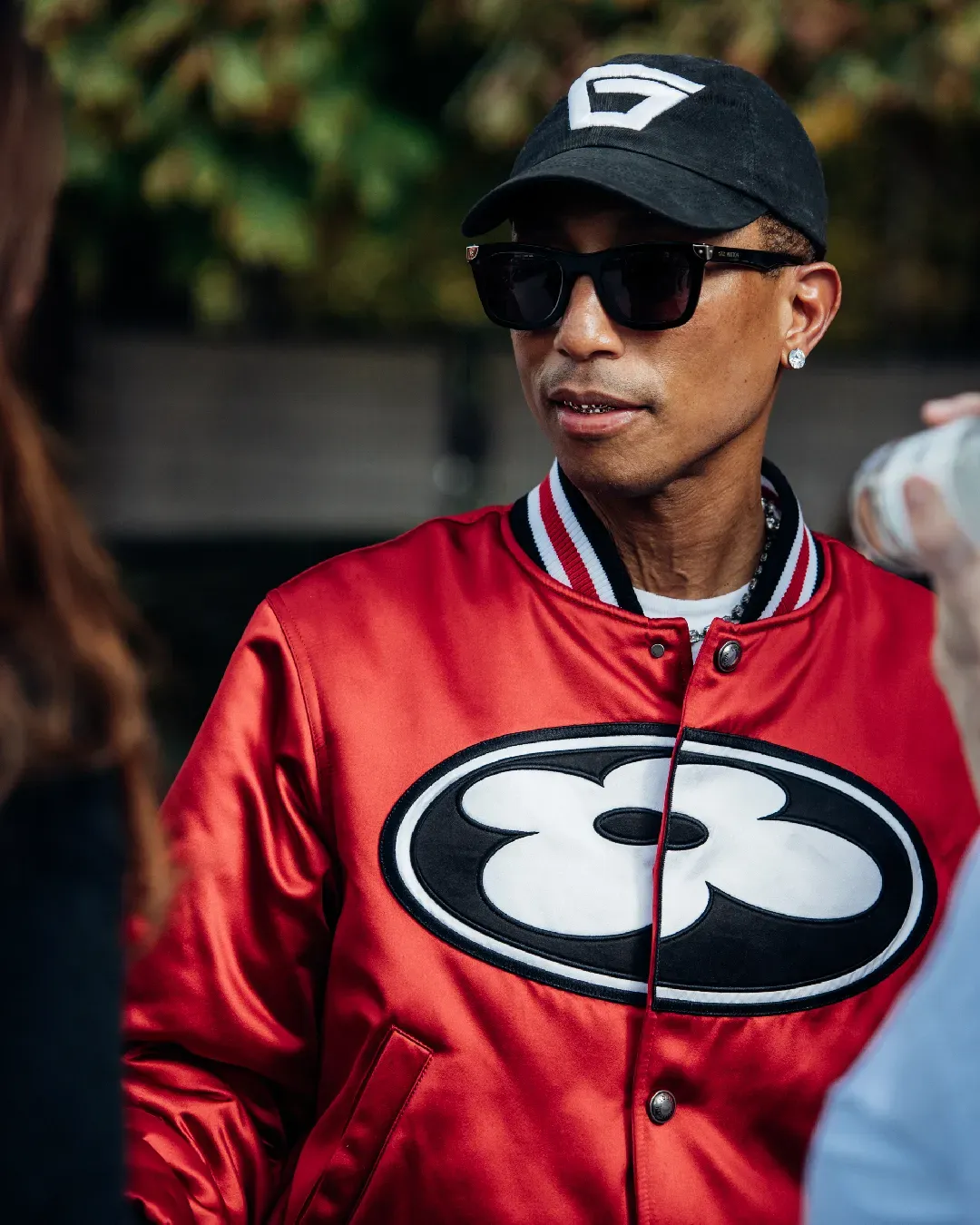





















Balenciaga's new couture is beautiful, but is that enough? In an oversaturated fashion landscape, the absence of a narrative is a weakness
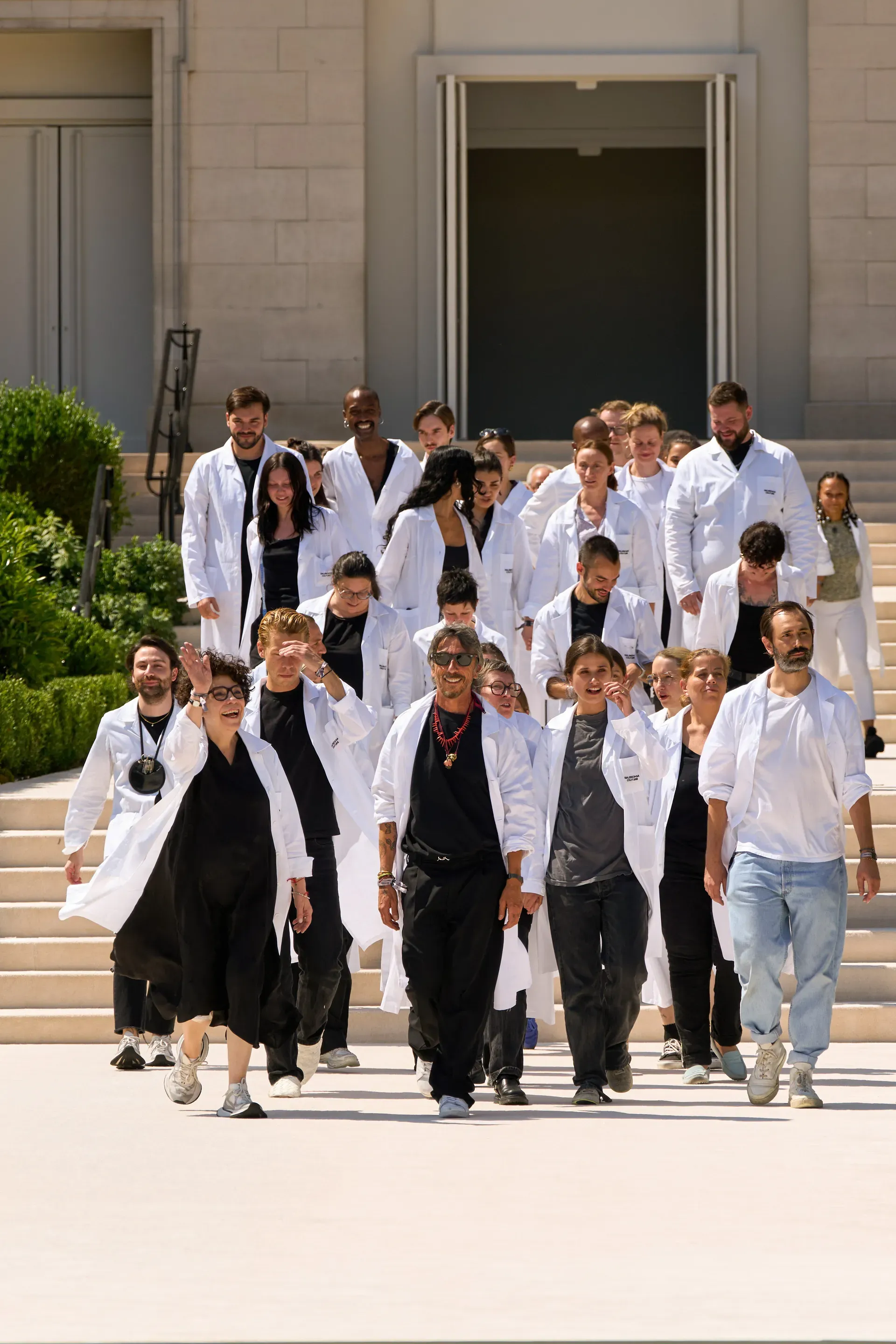
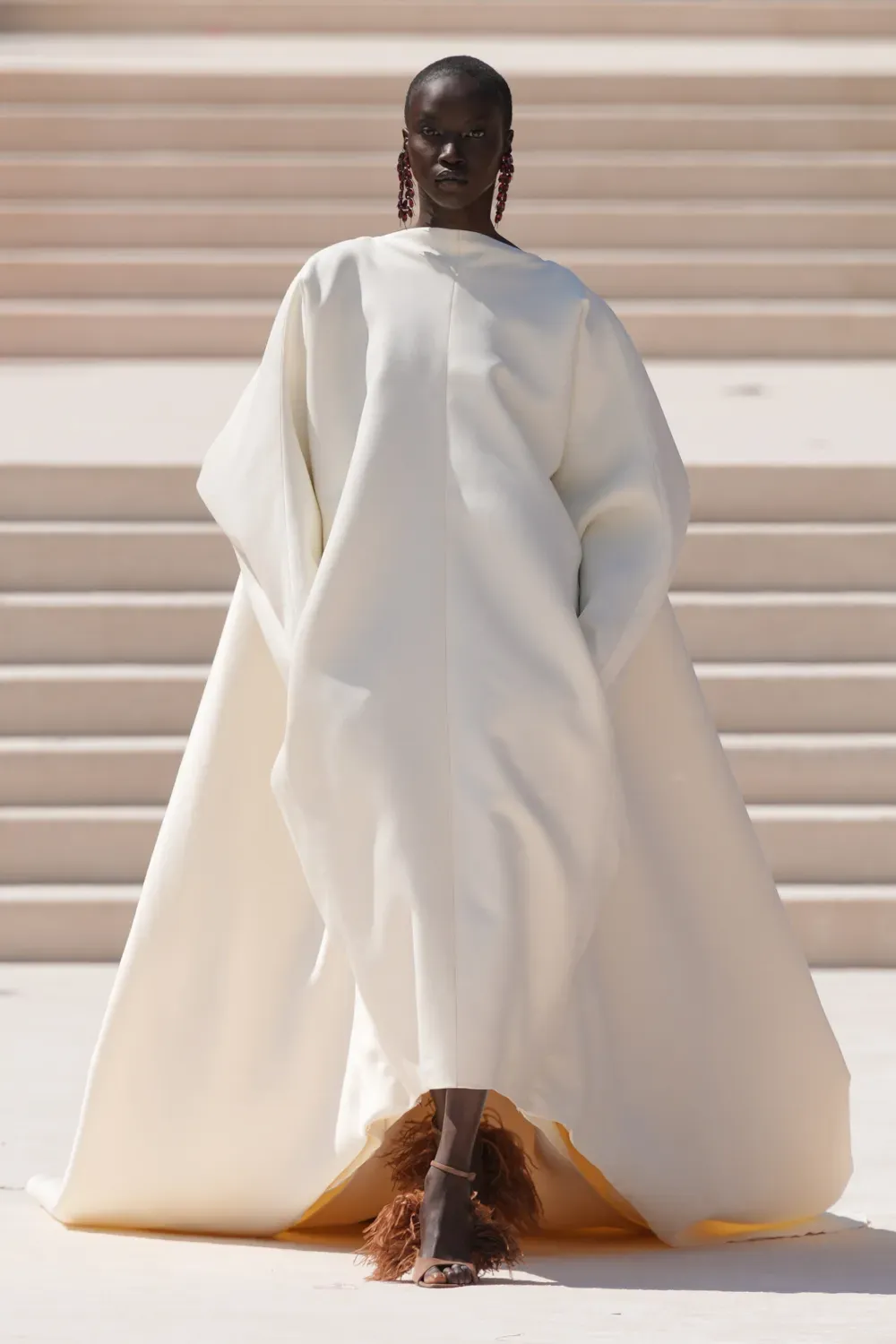
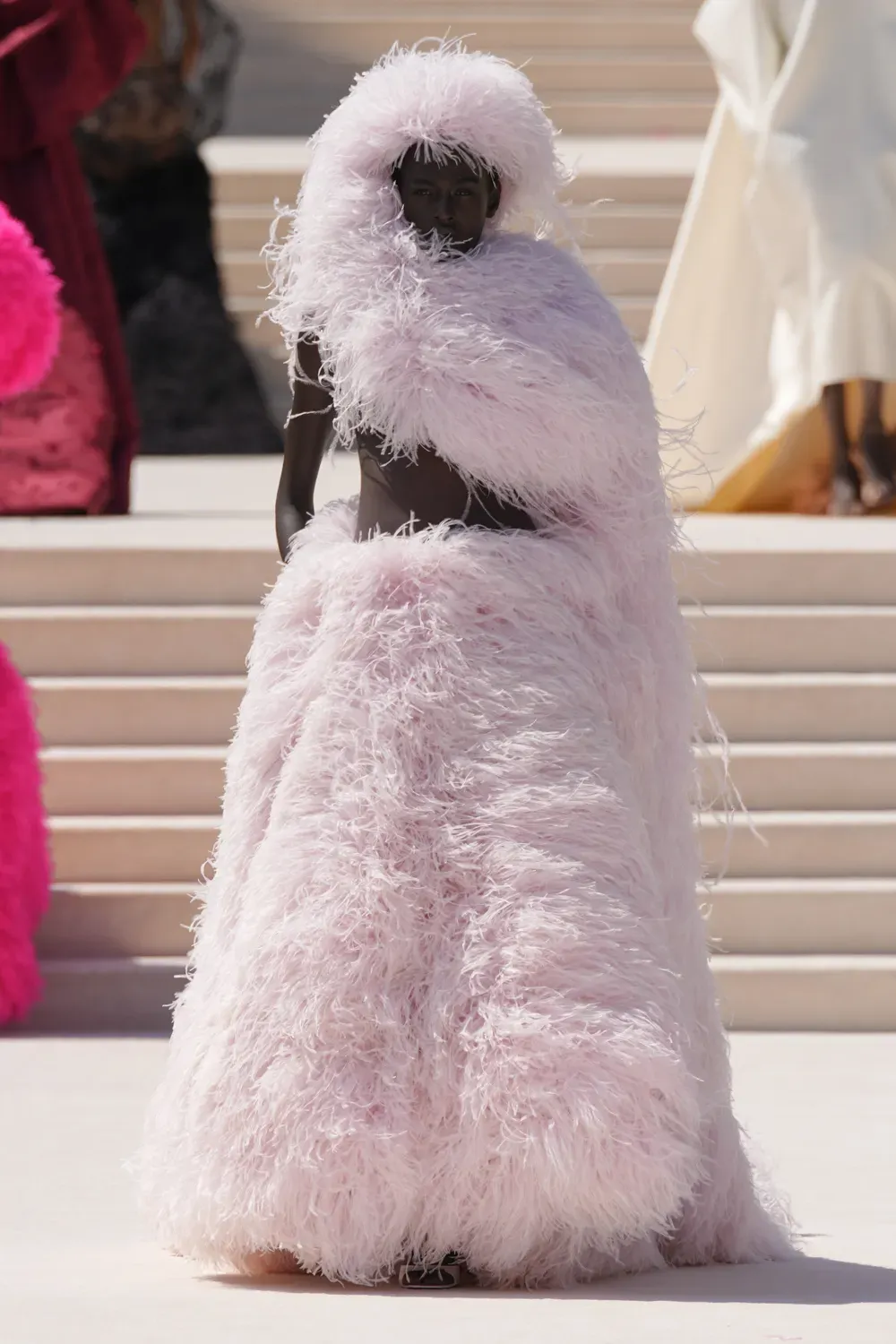
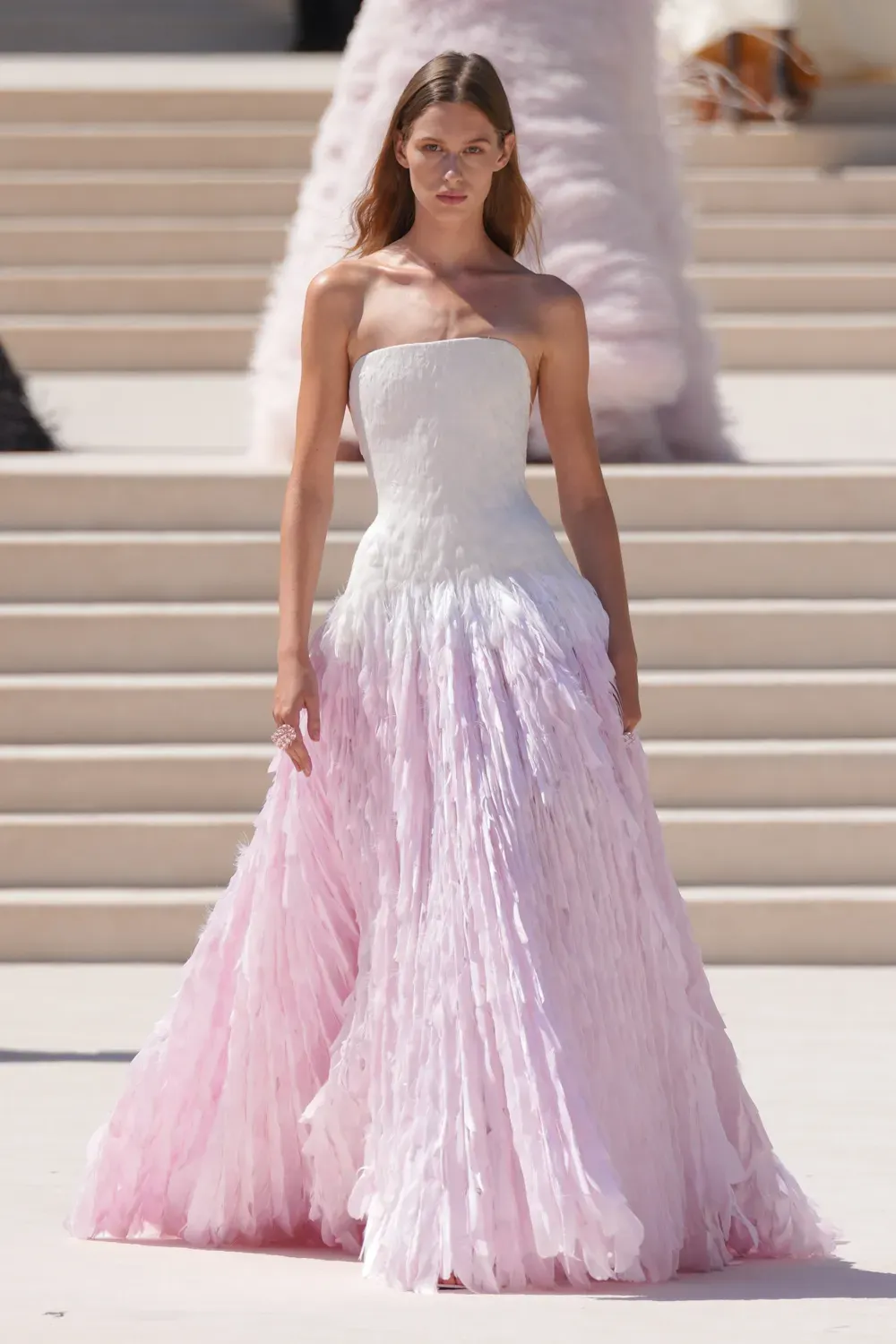
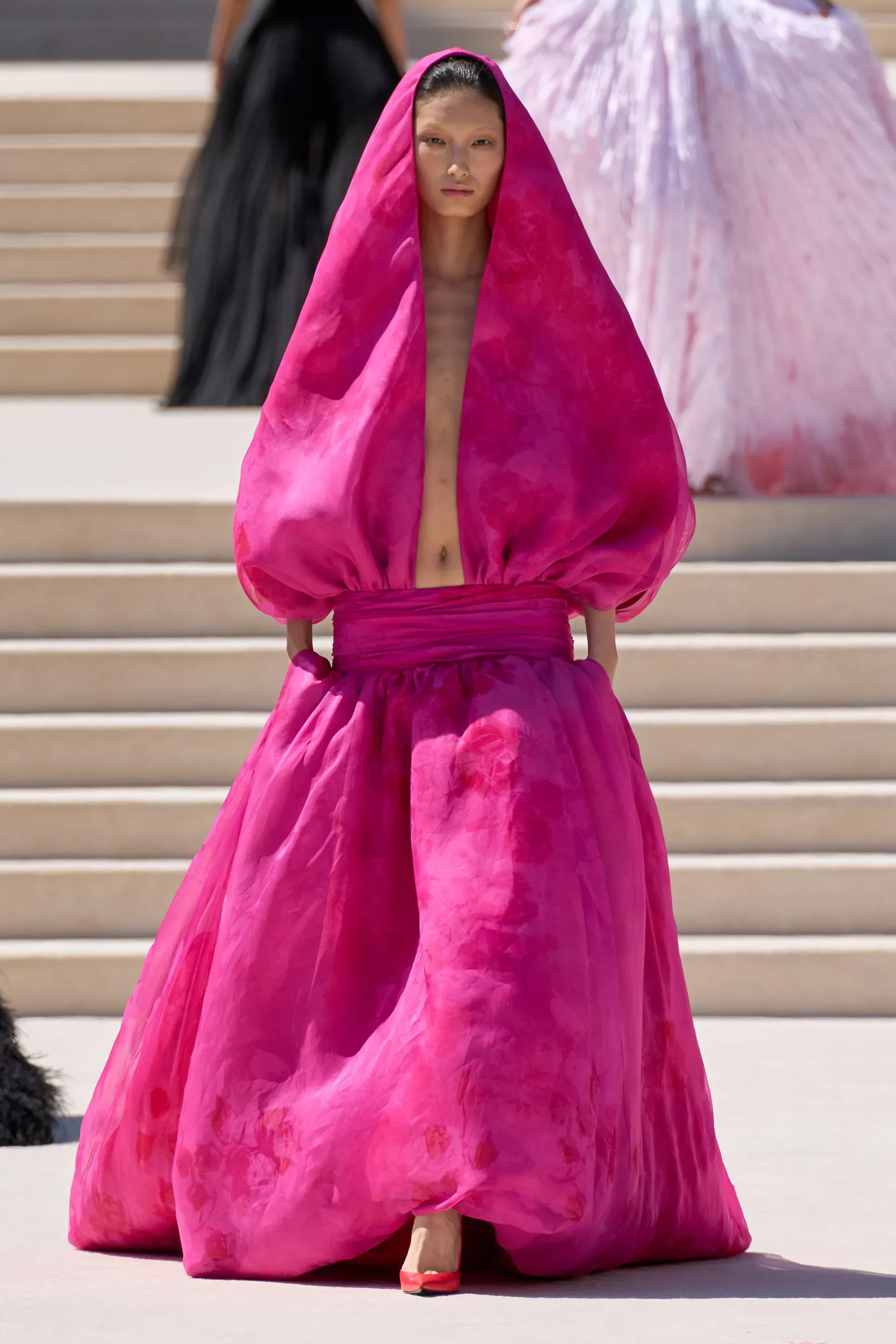
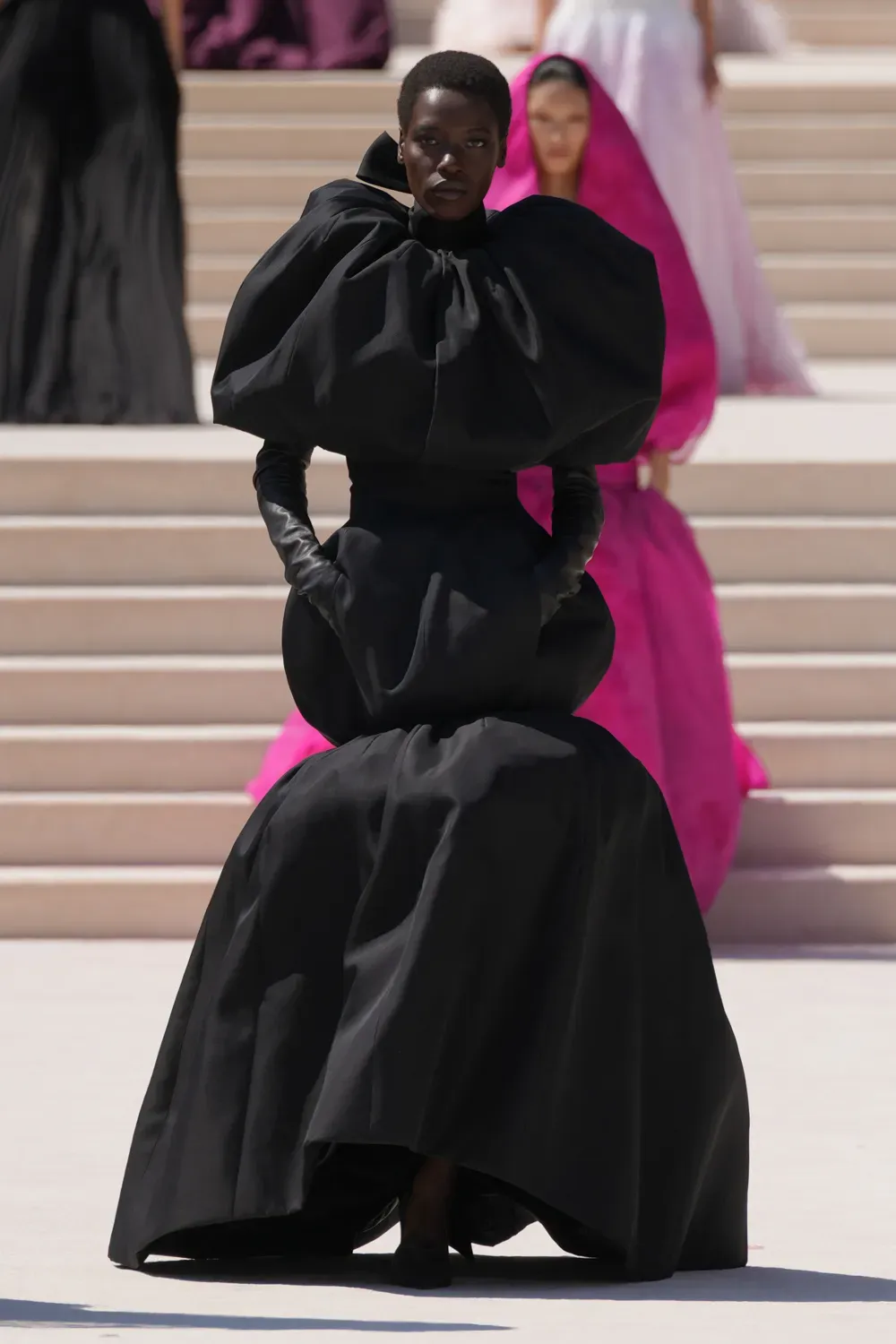
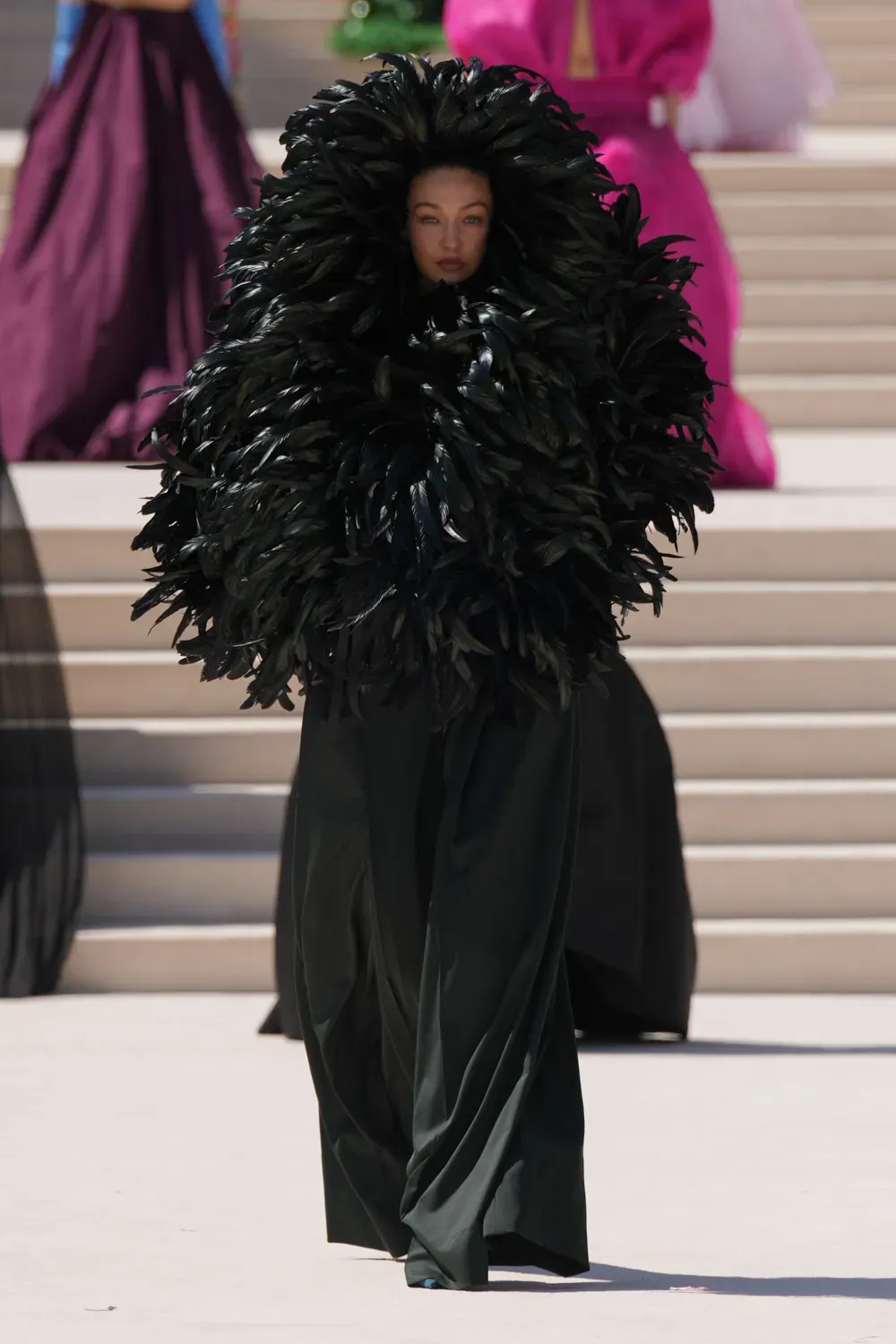
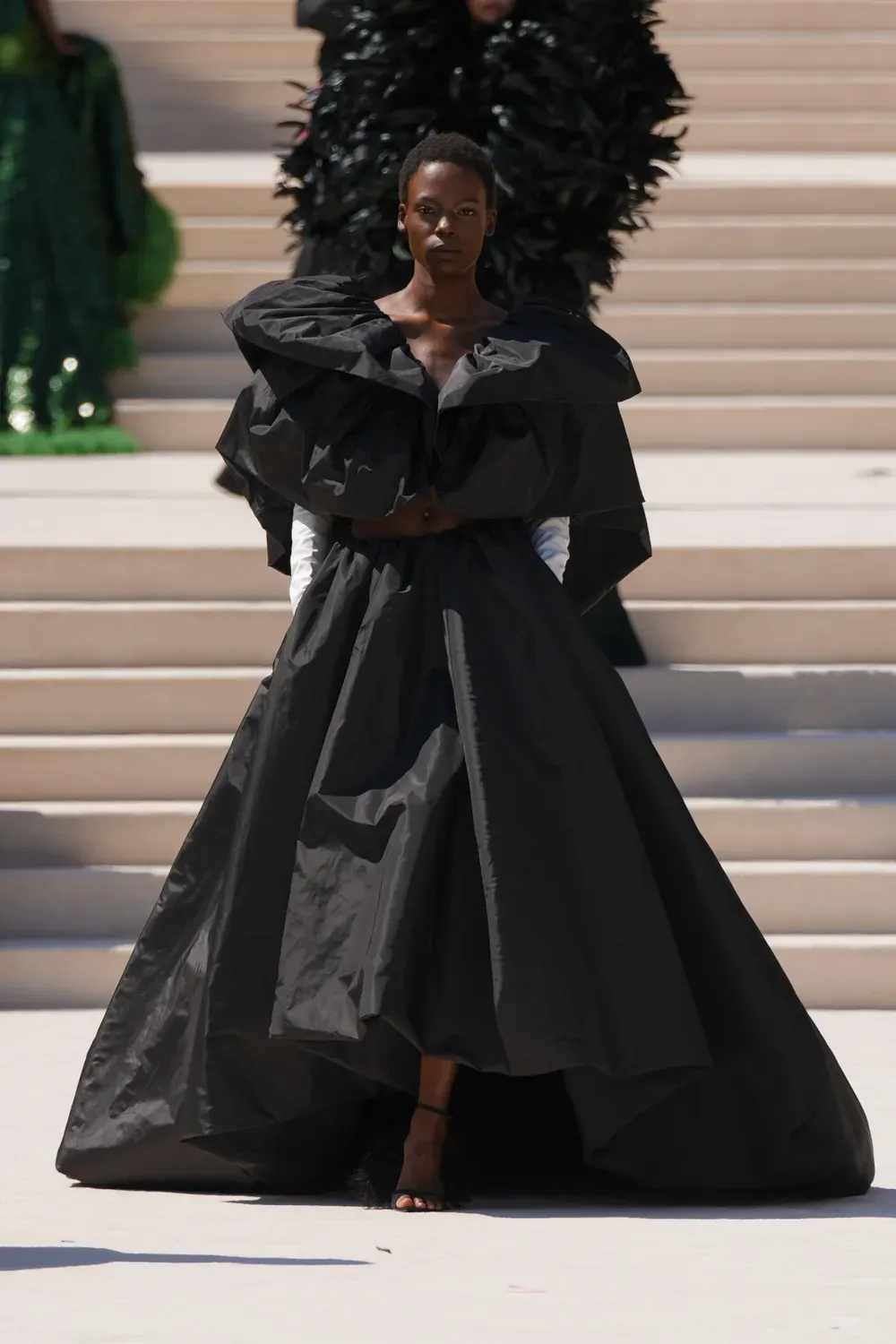
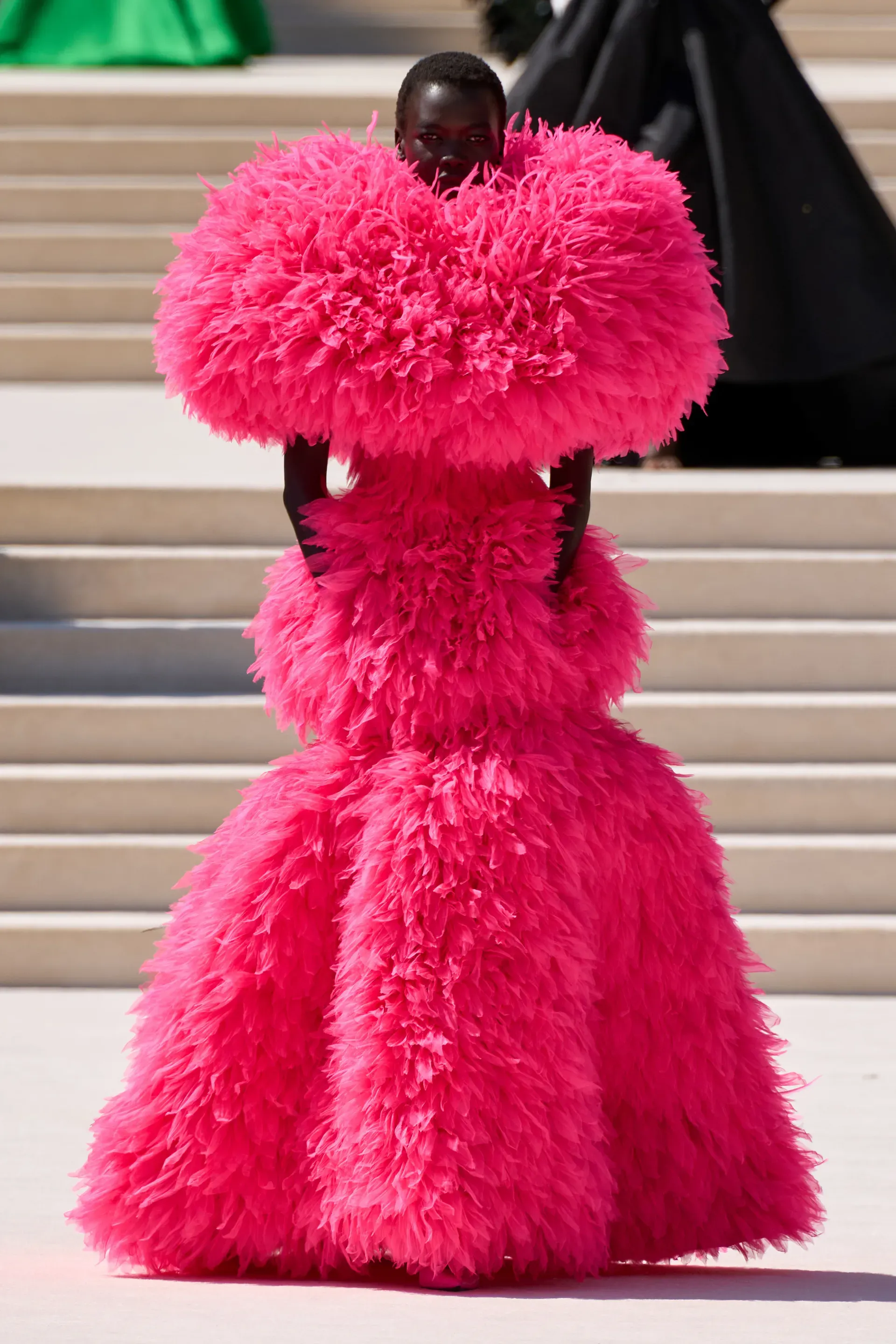
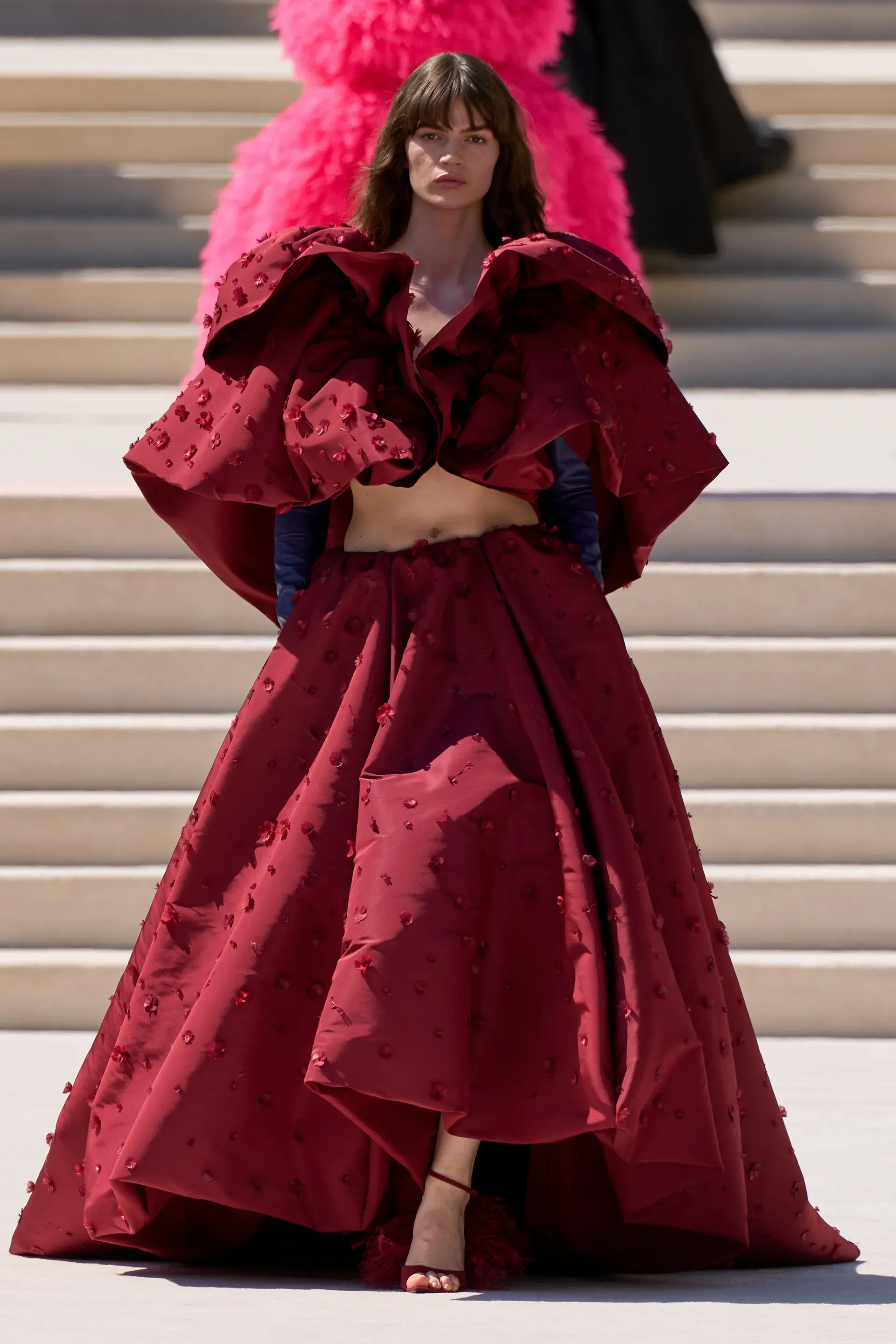
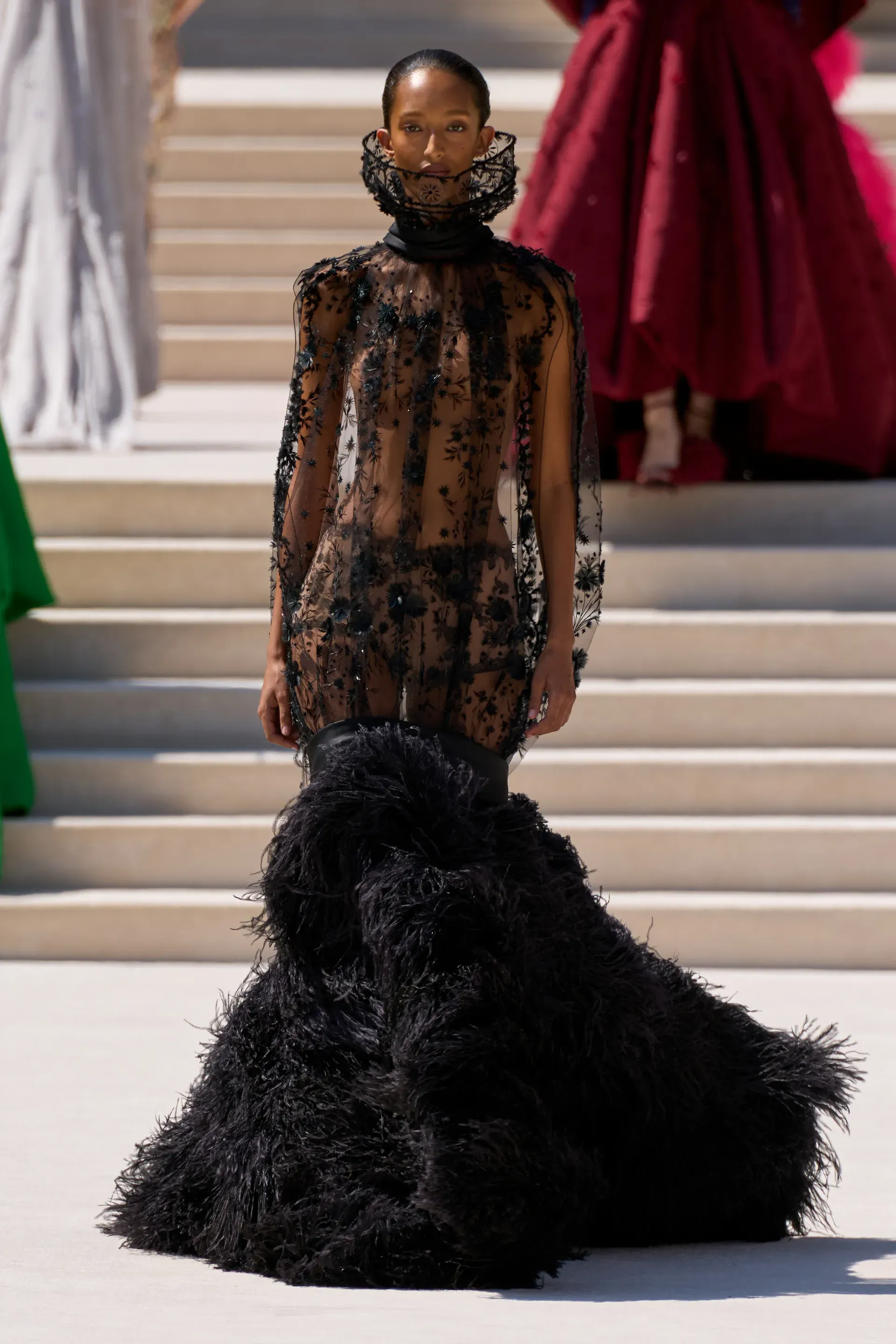
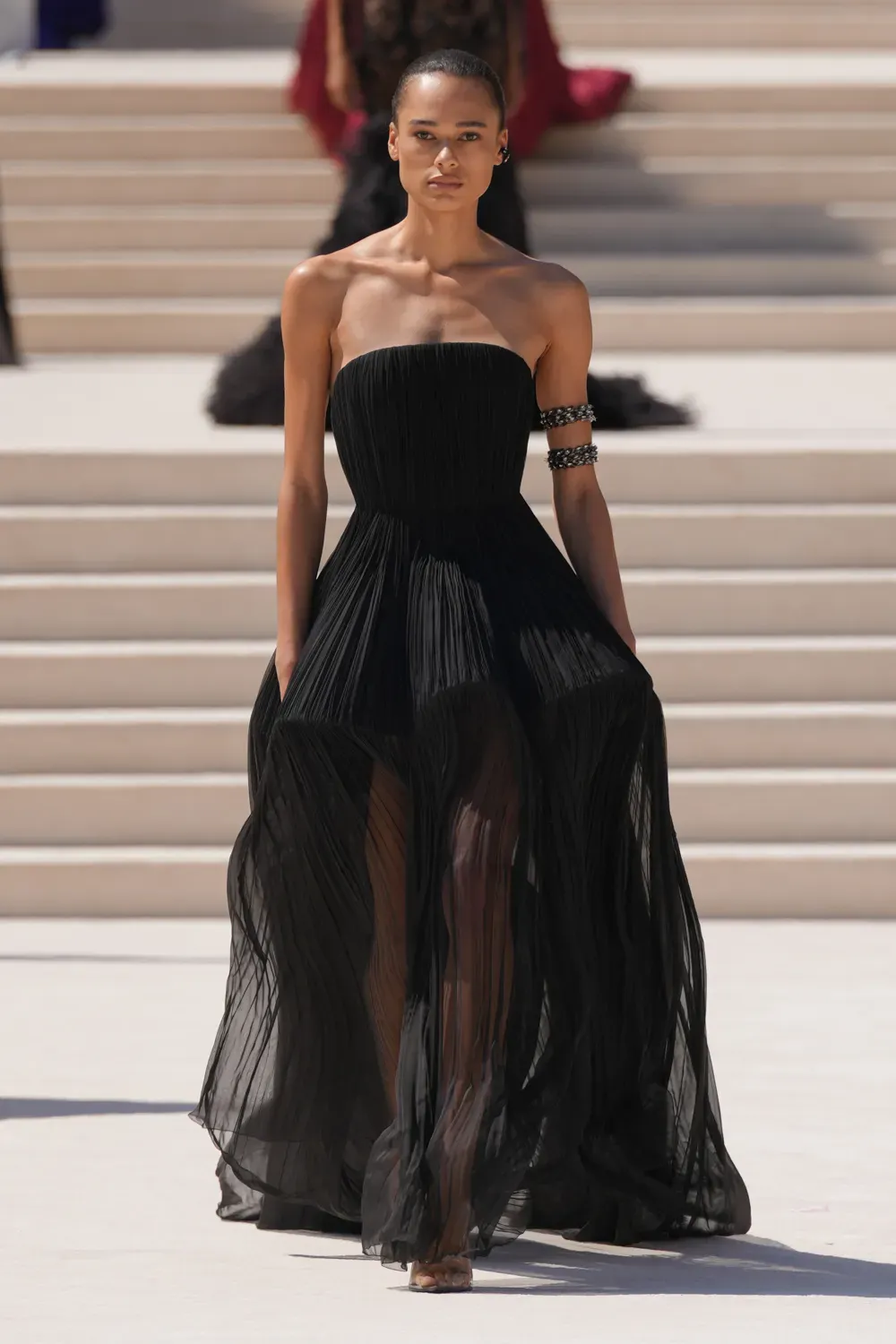
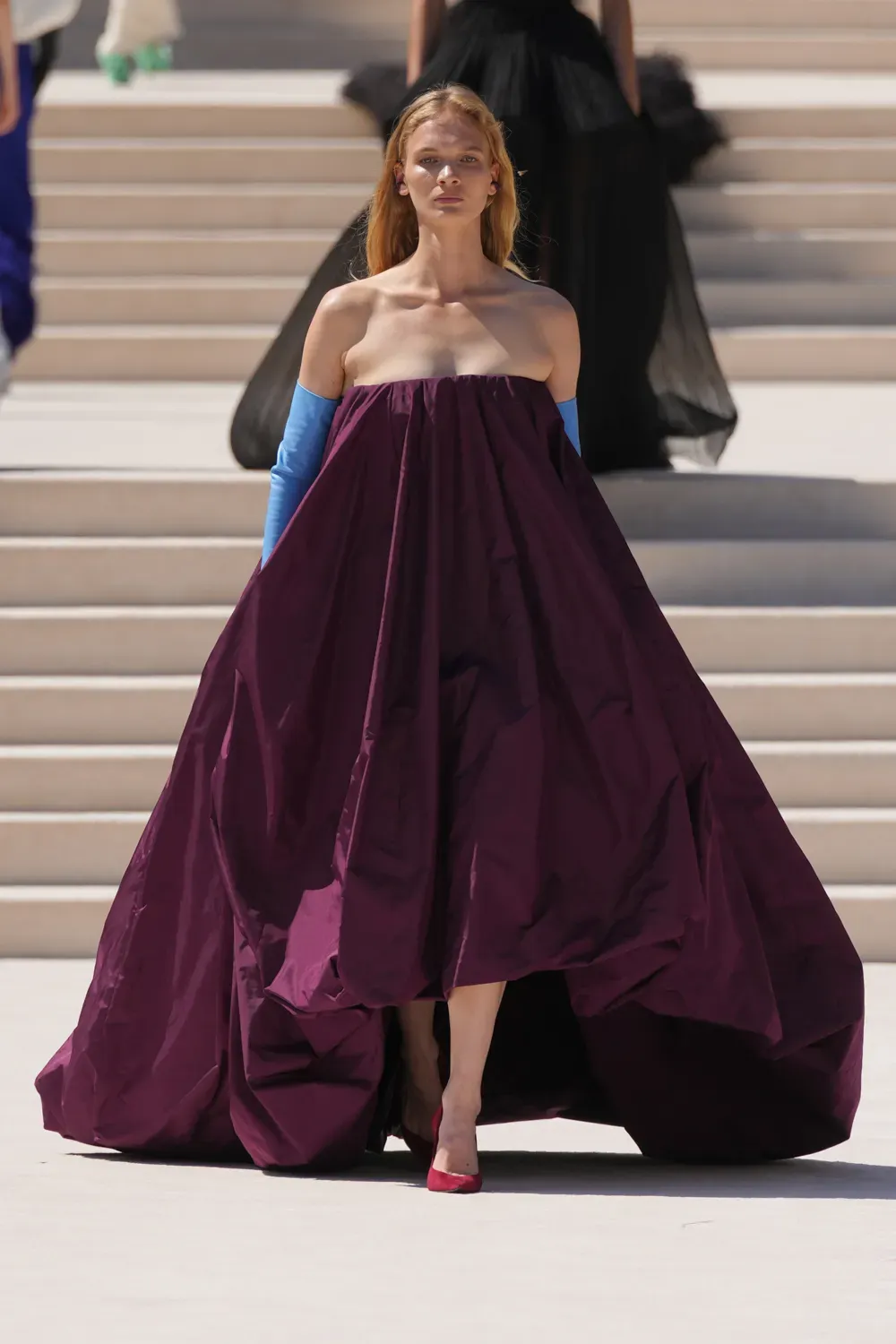
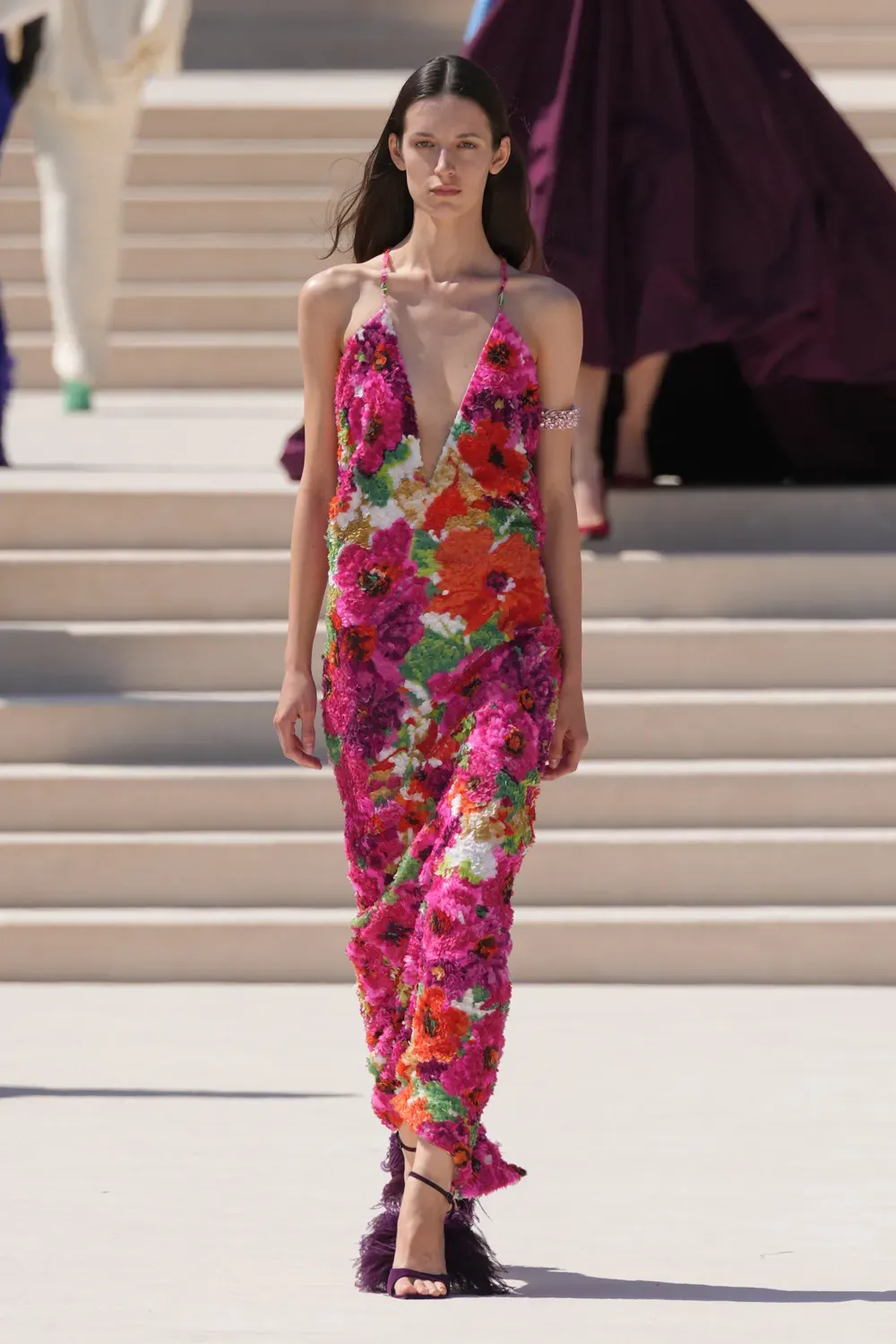
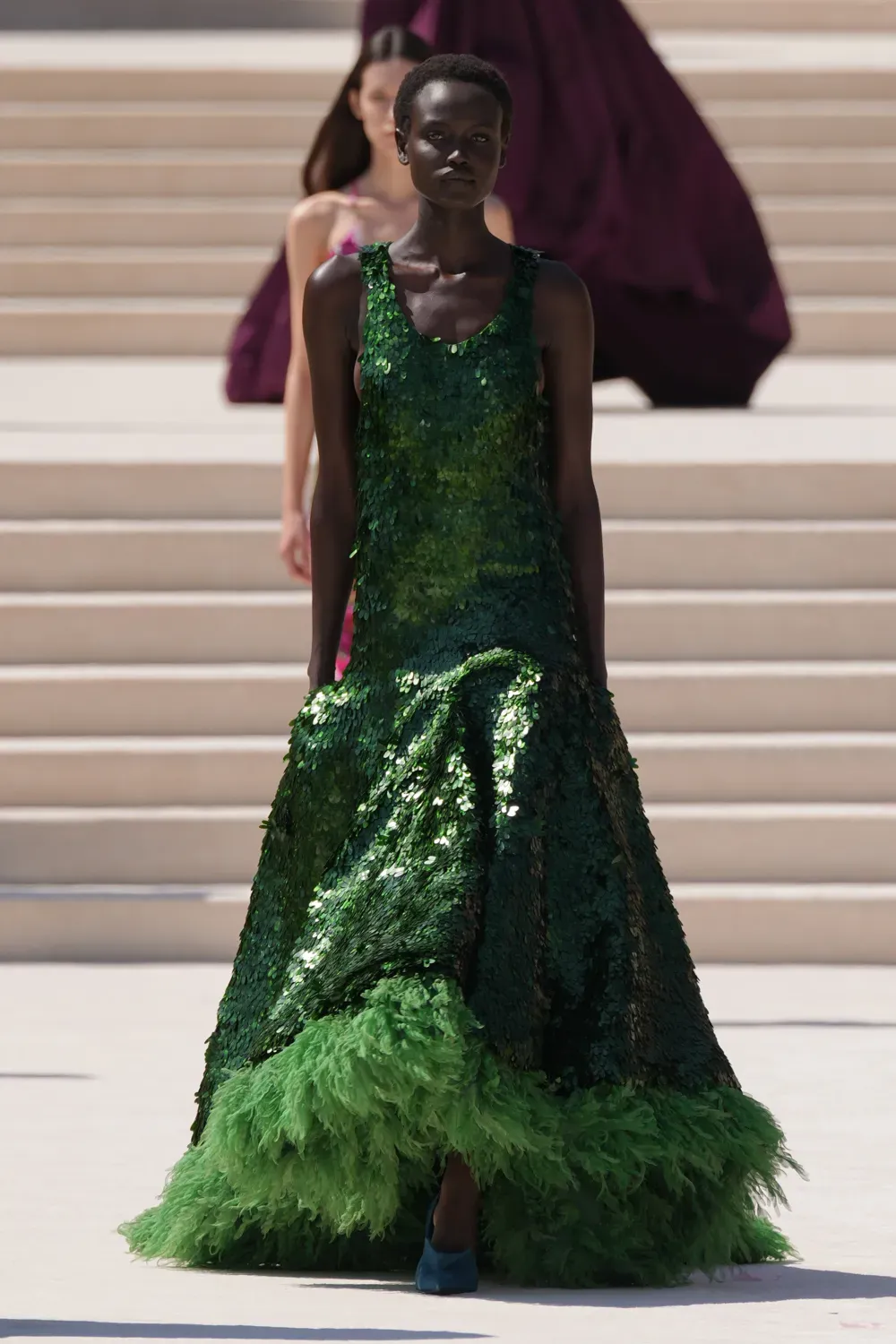
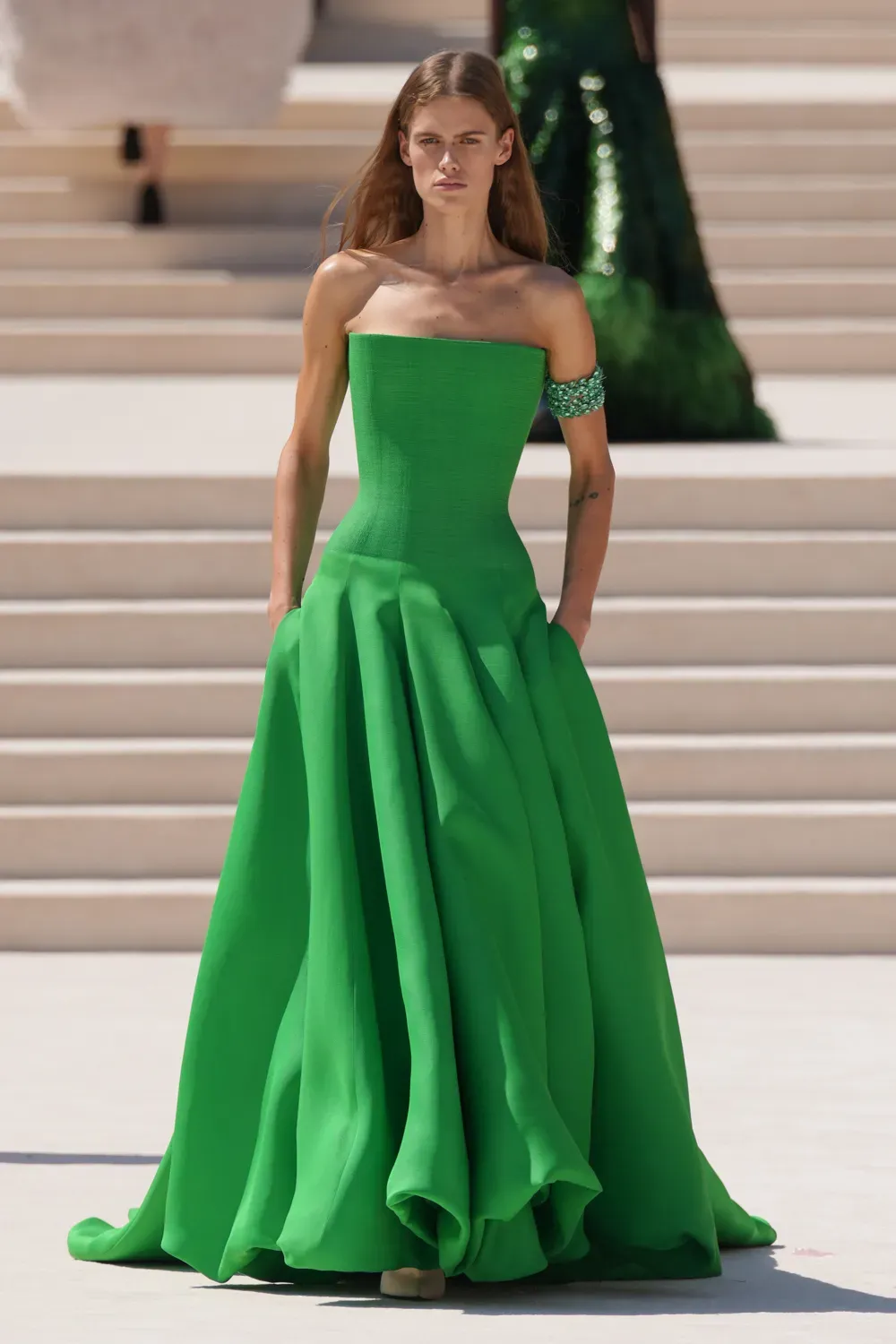
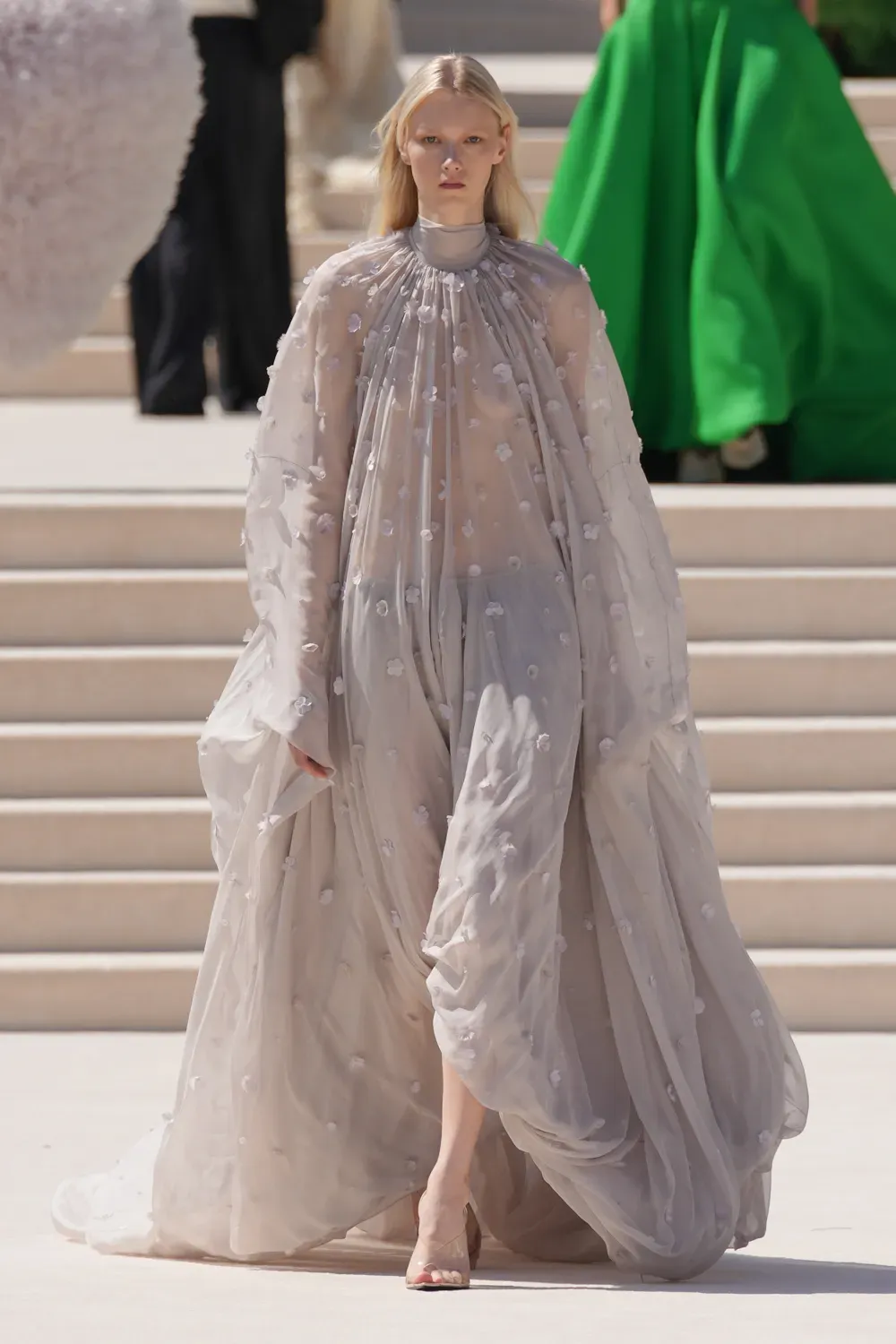
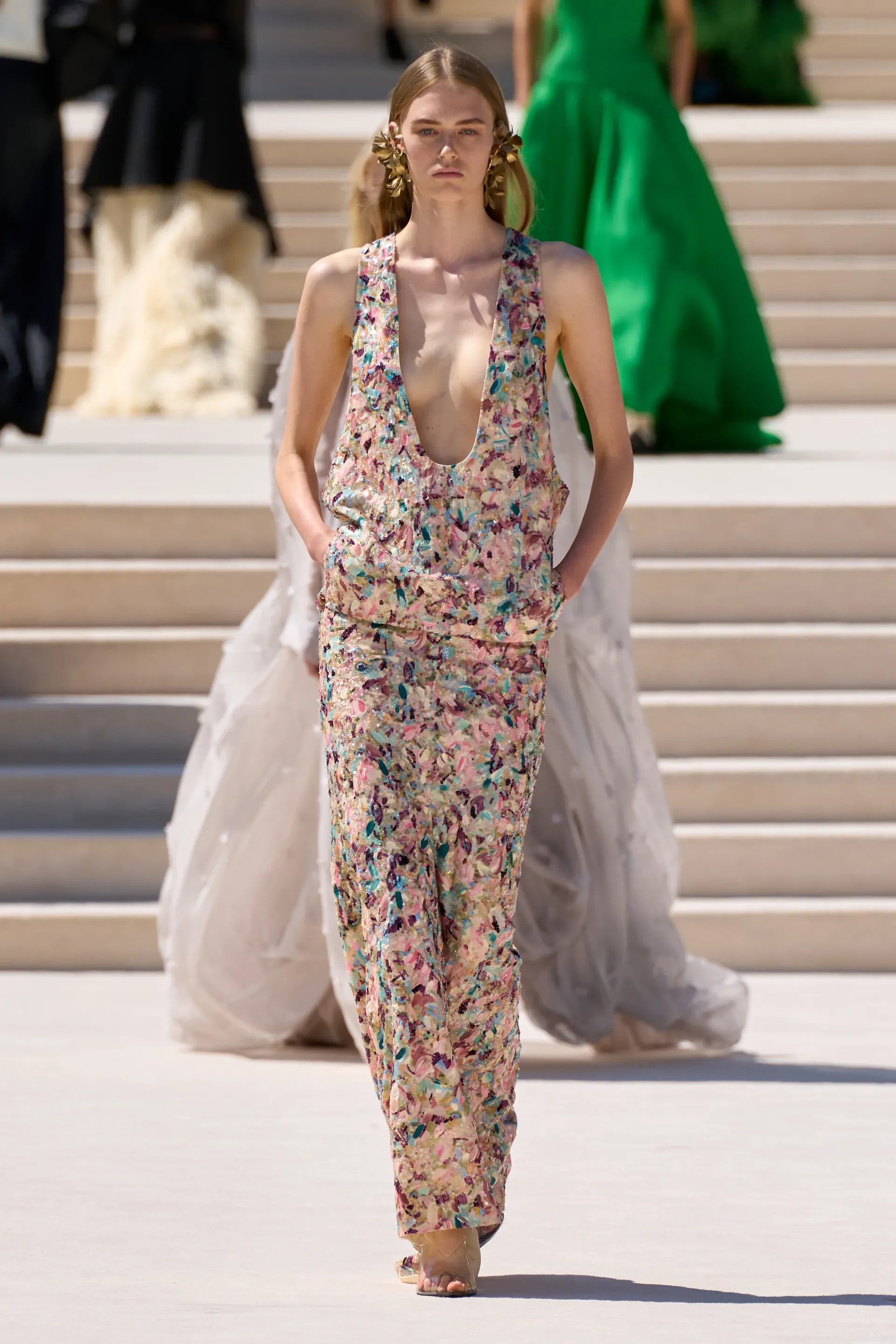
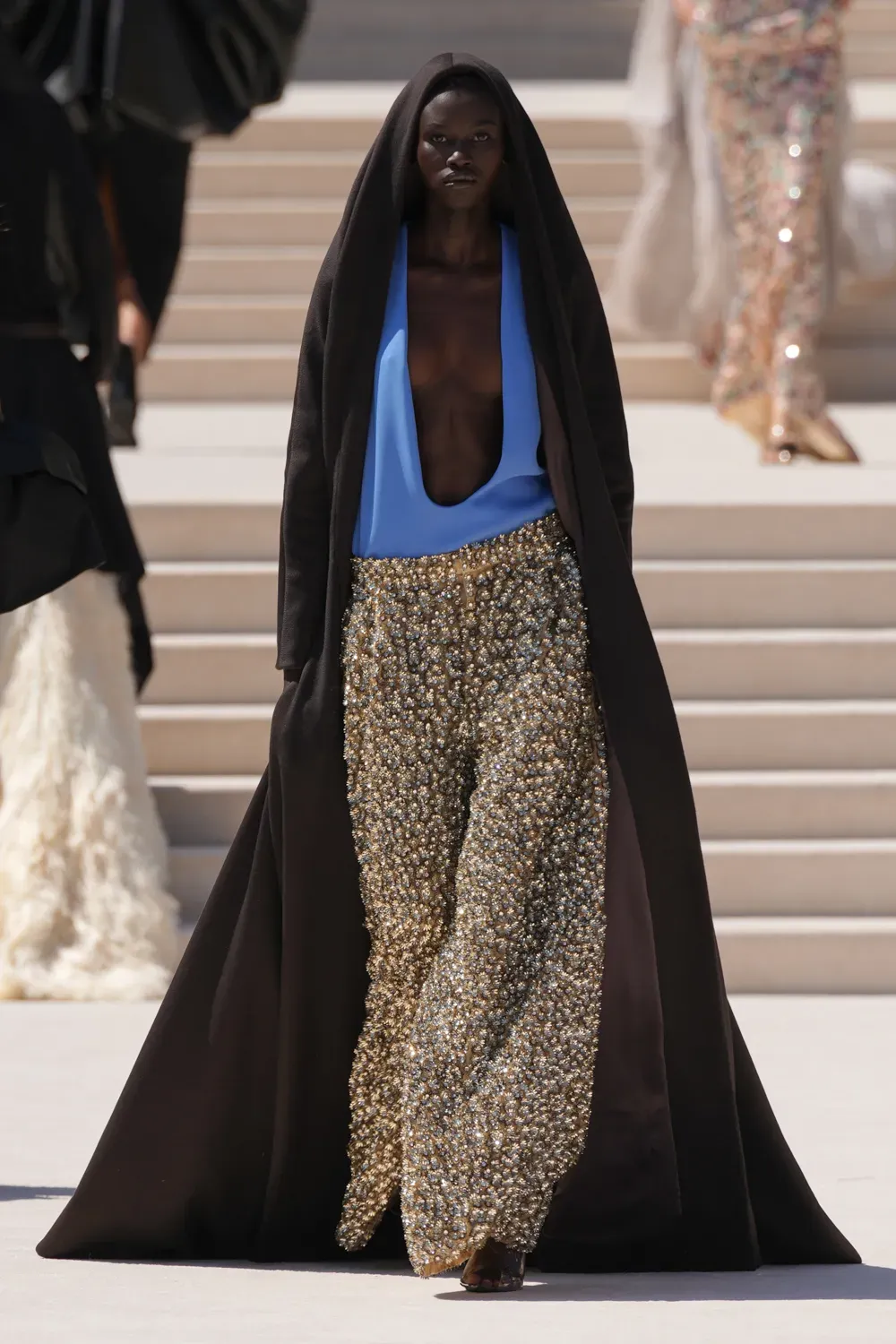
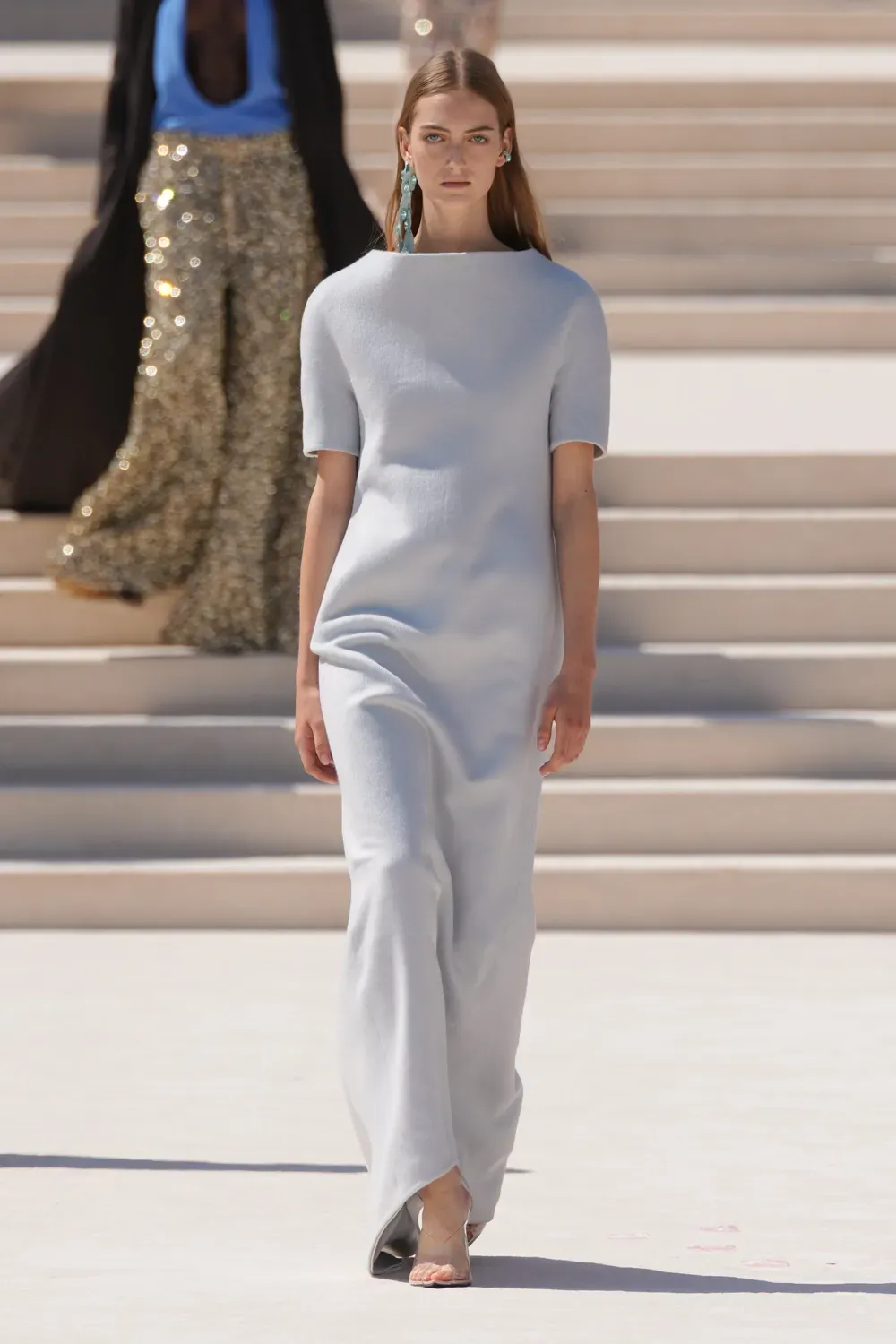
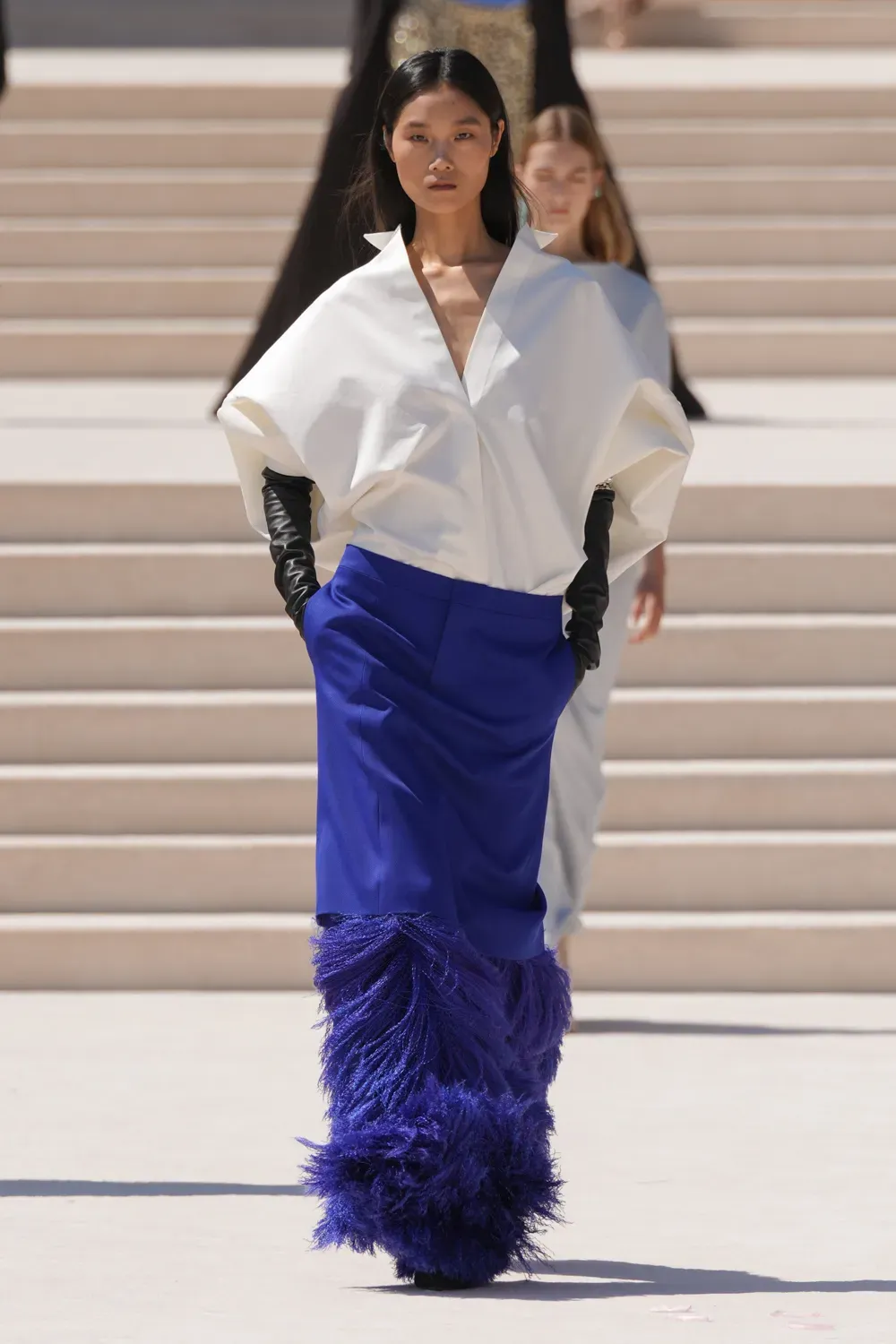
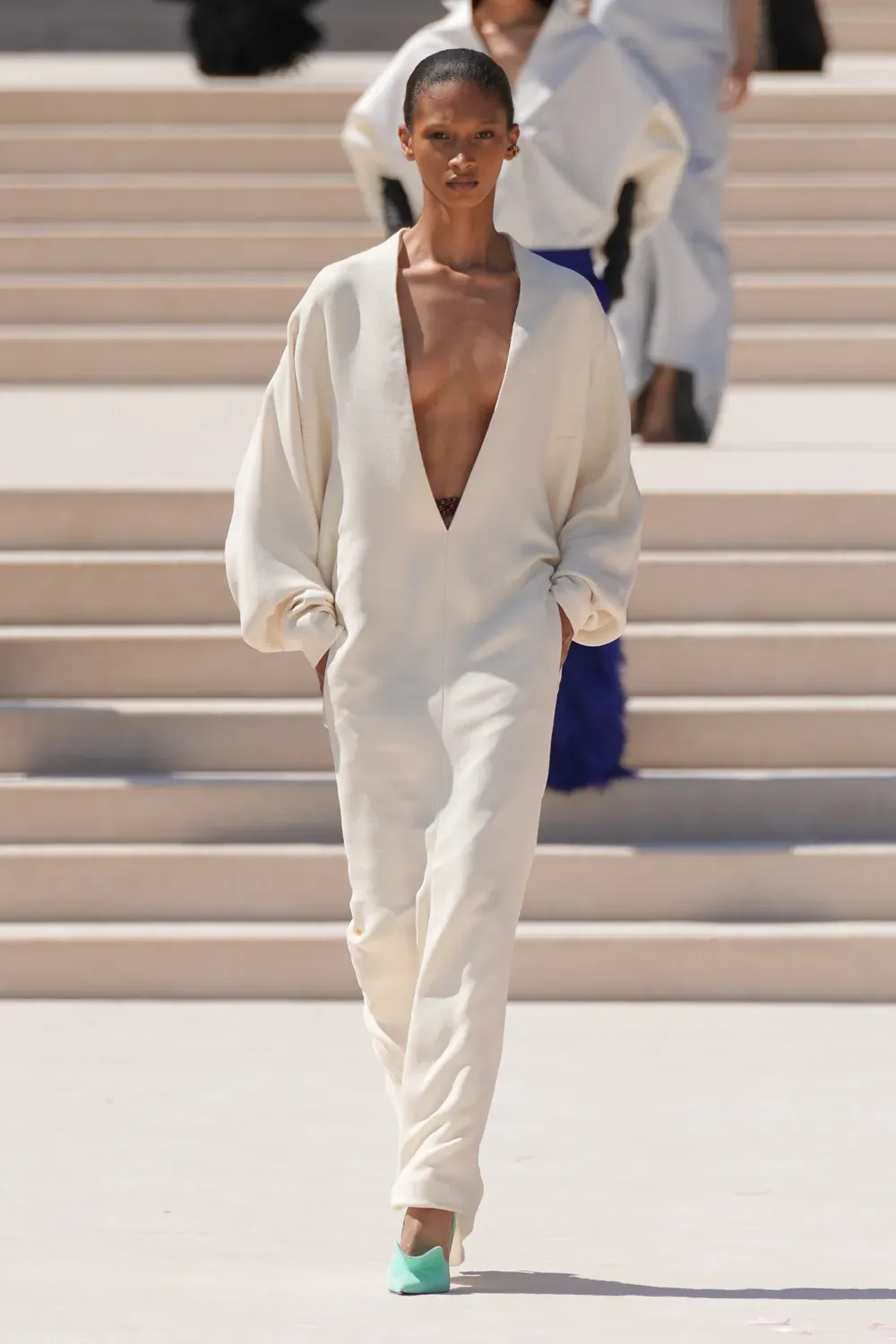
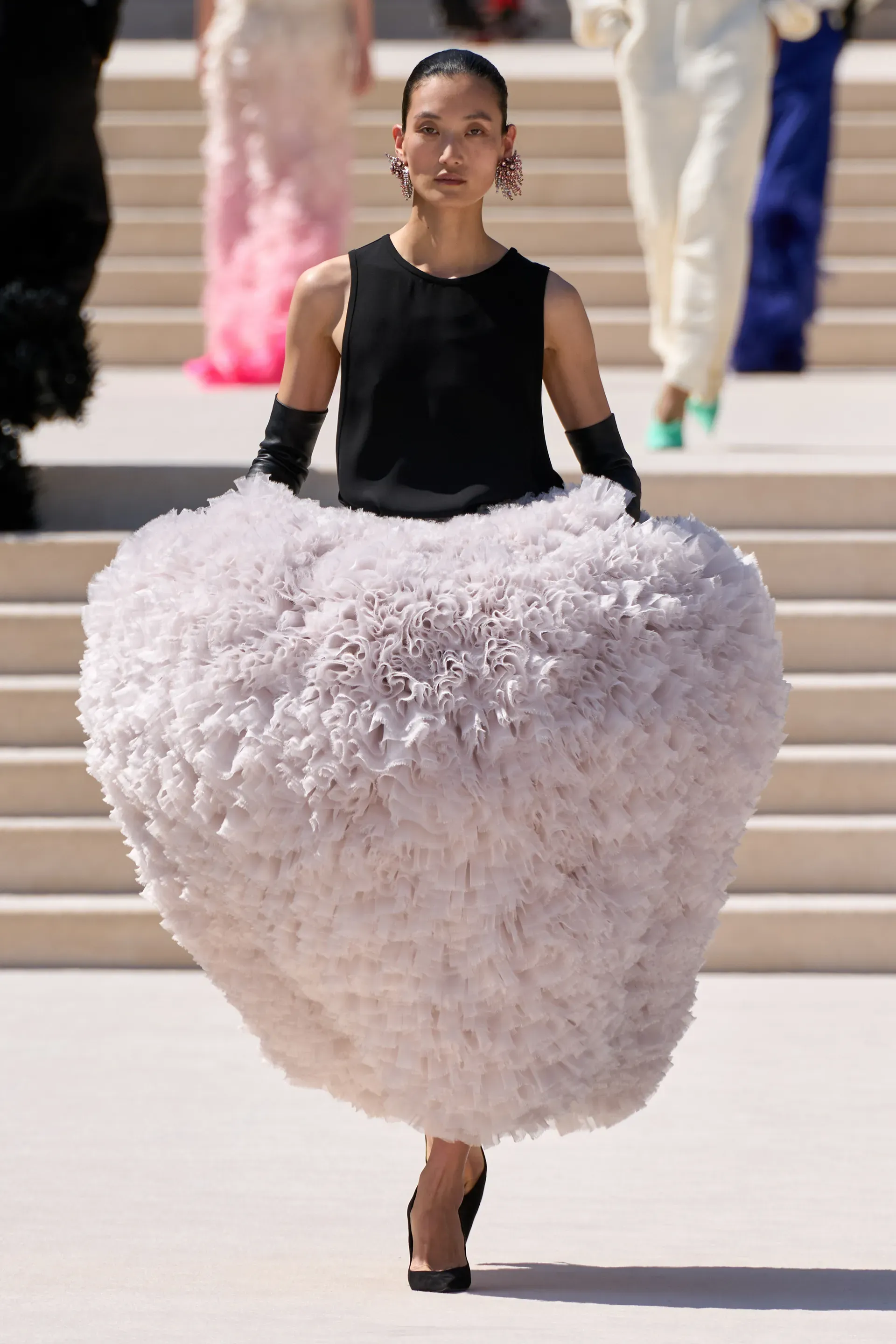
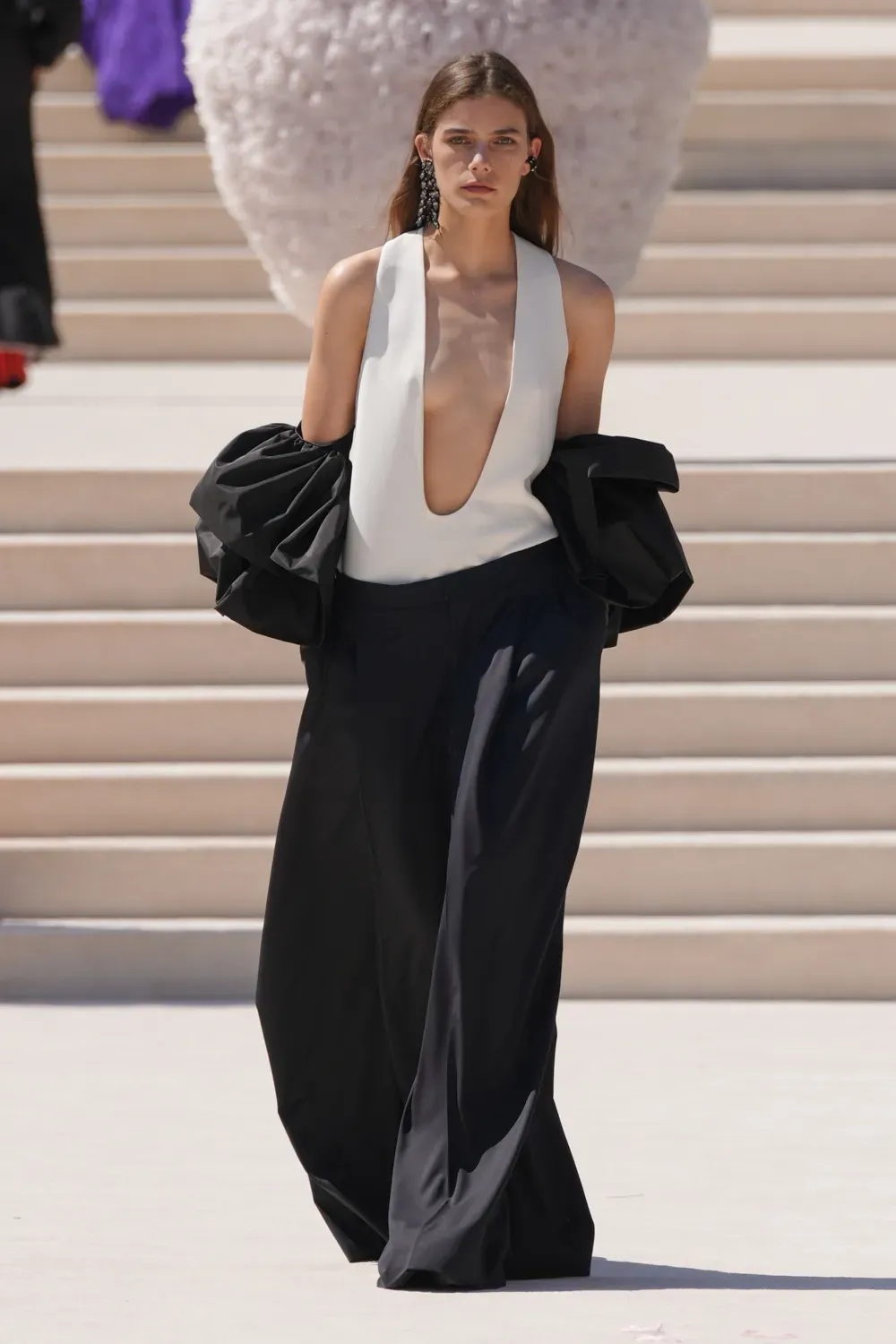
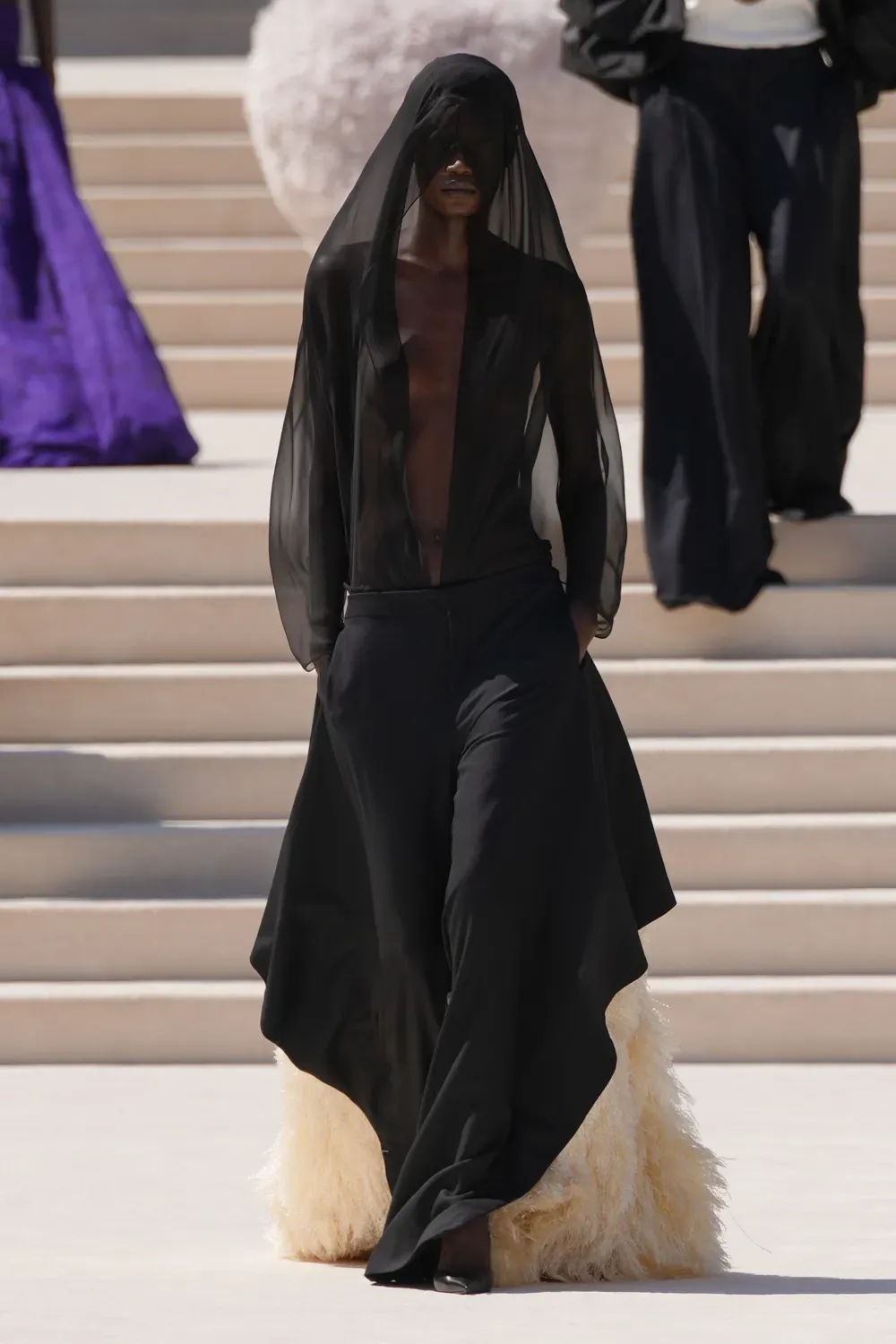
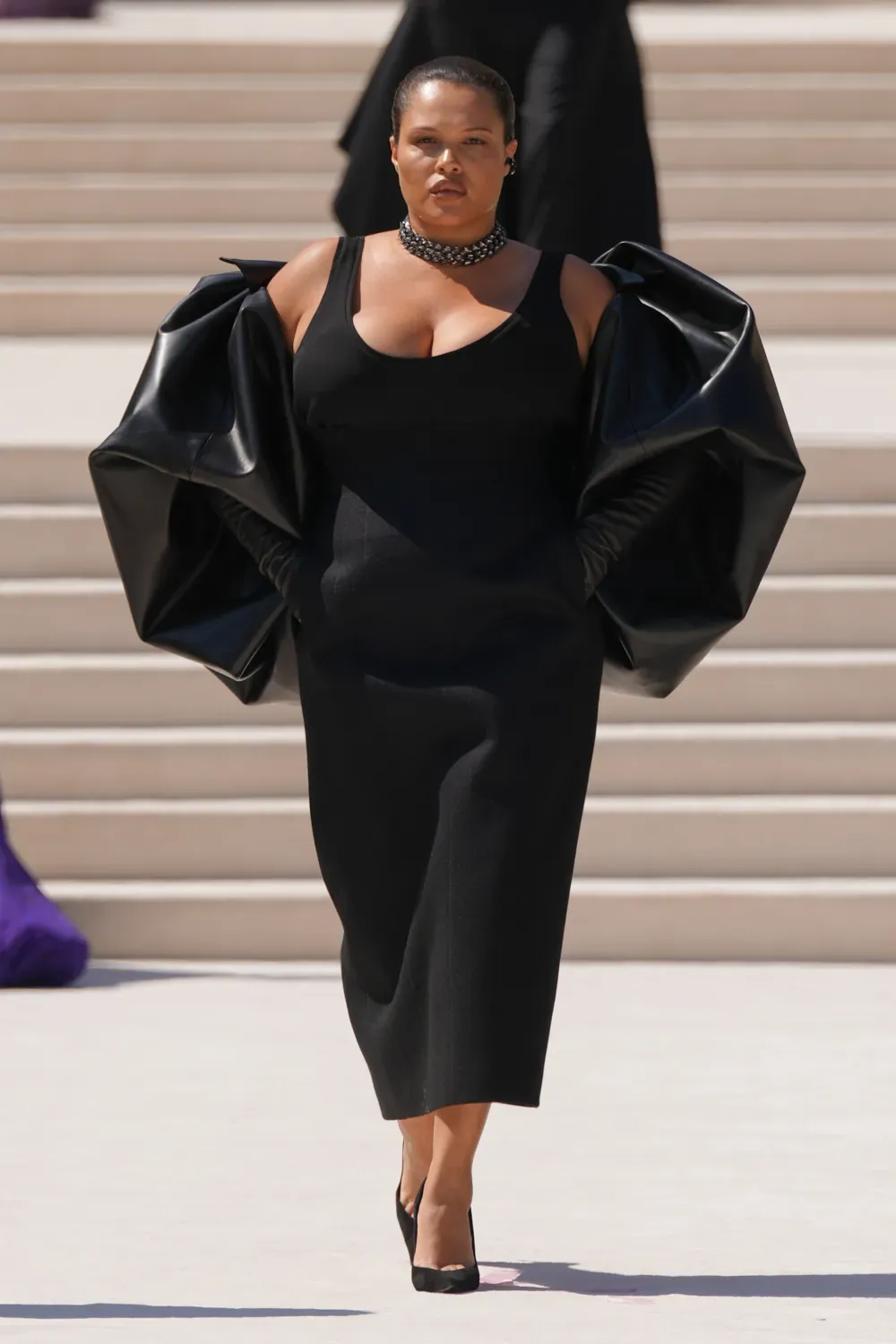
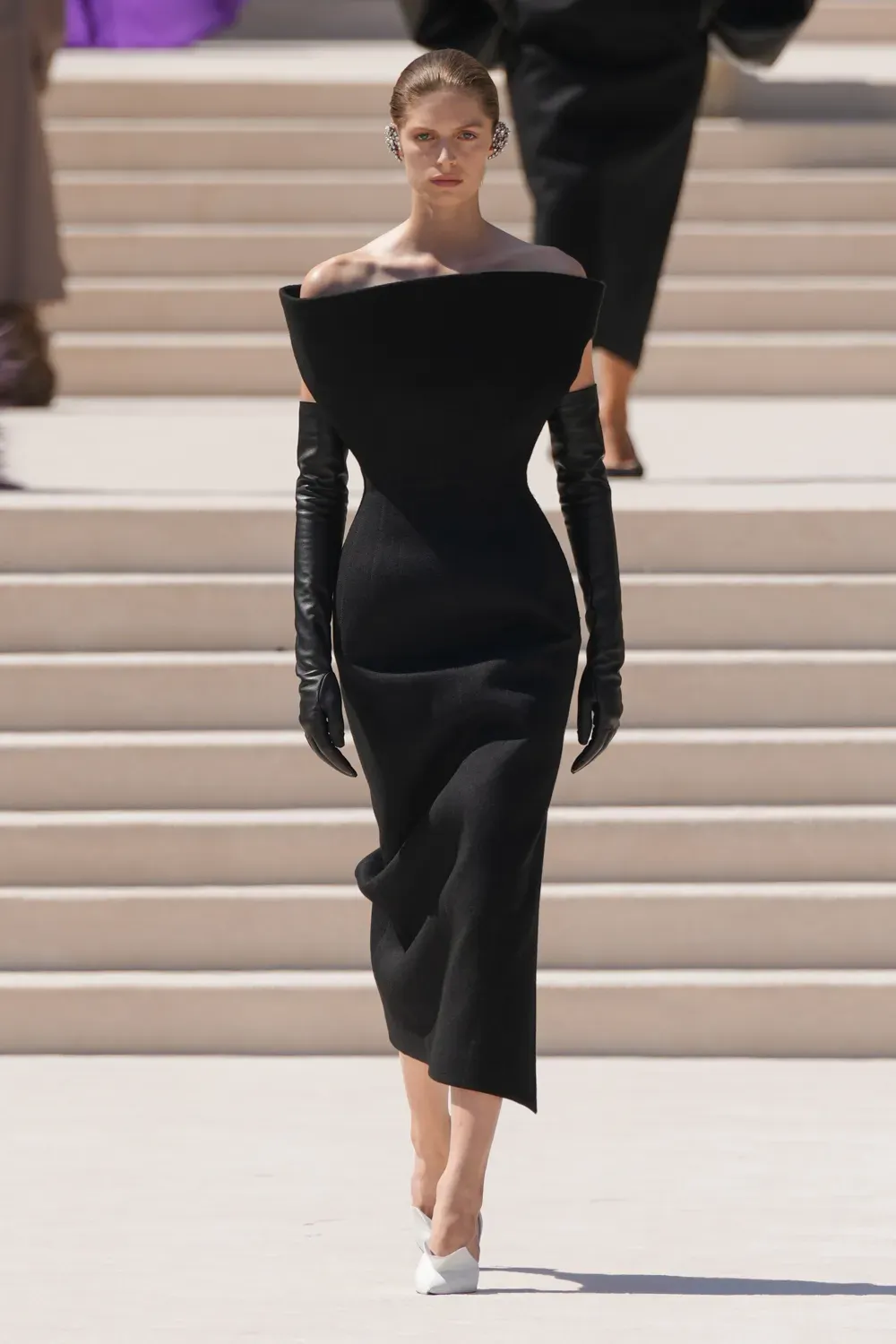
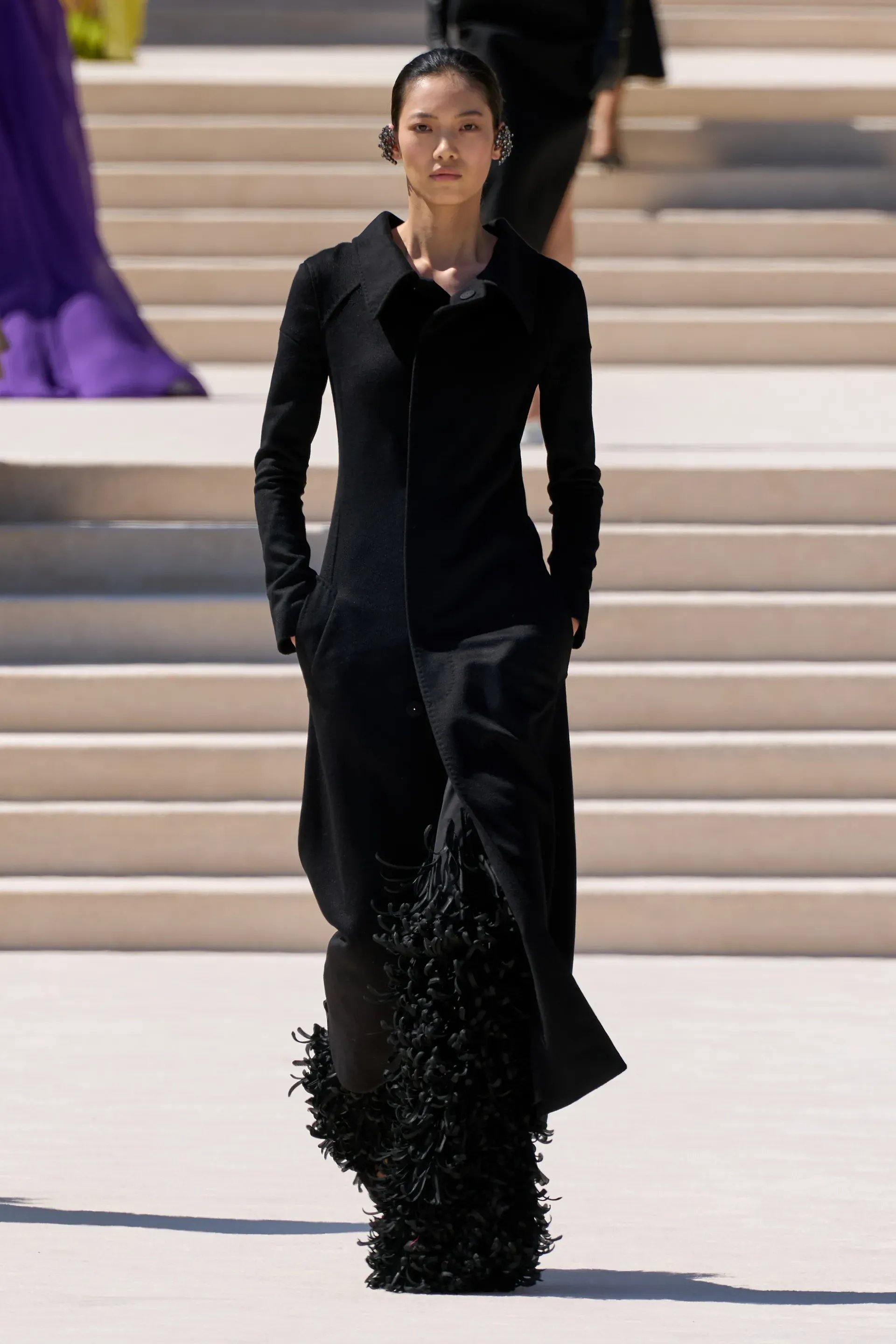
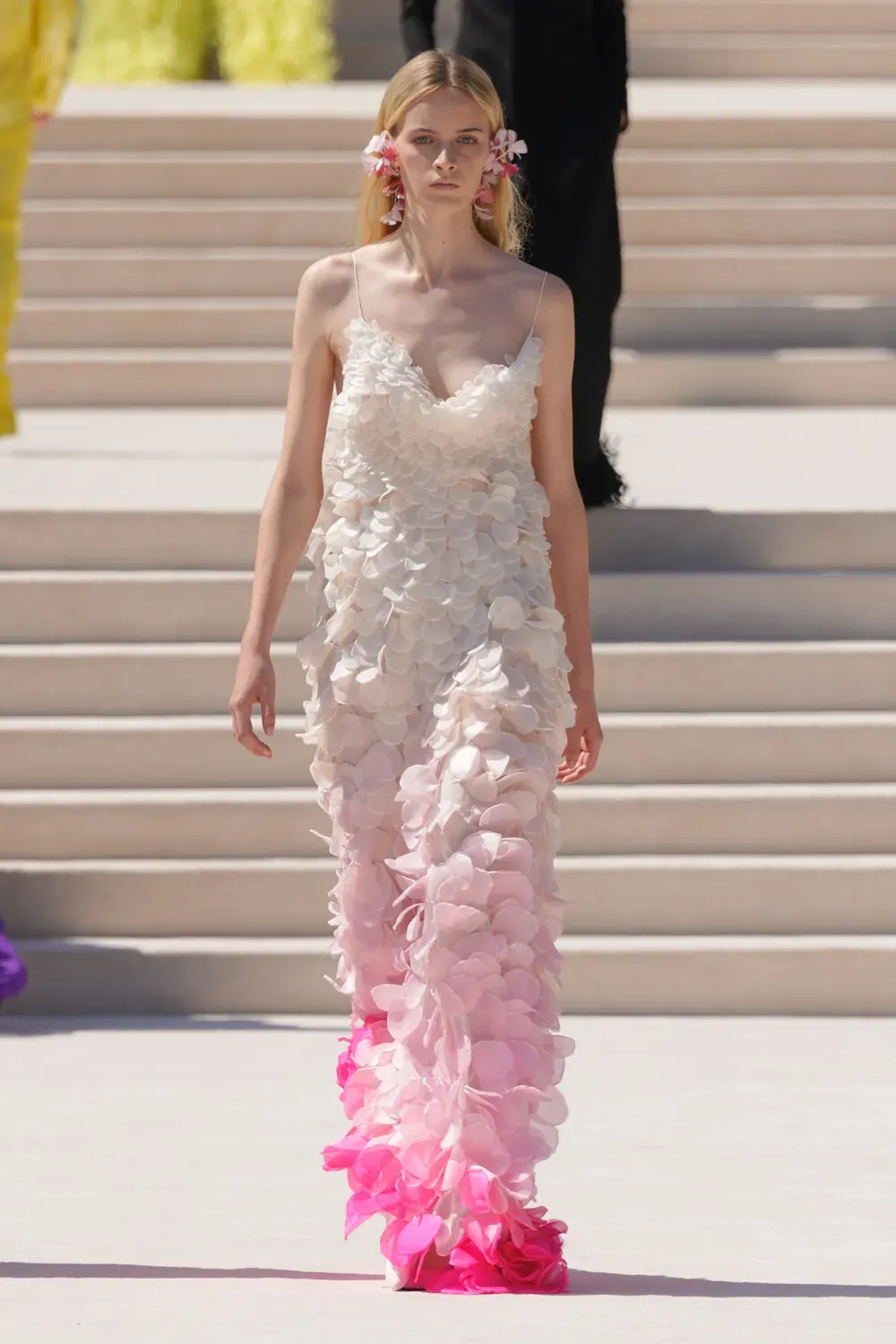
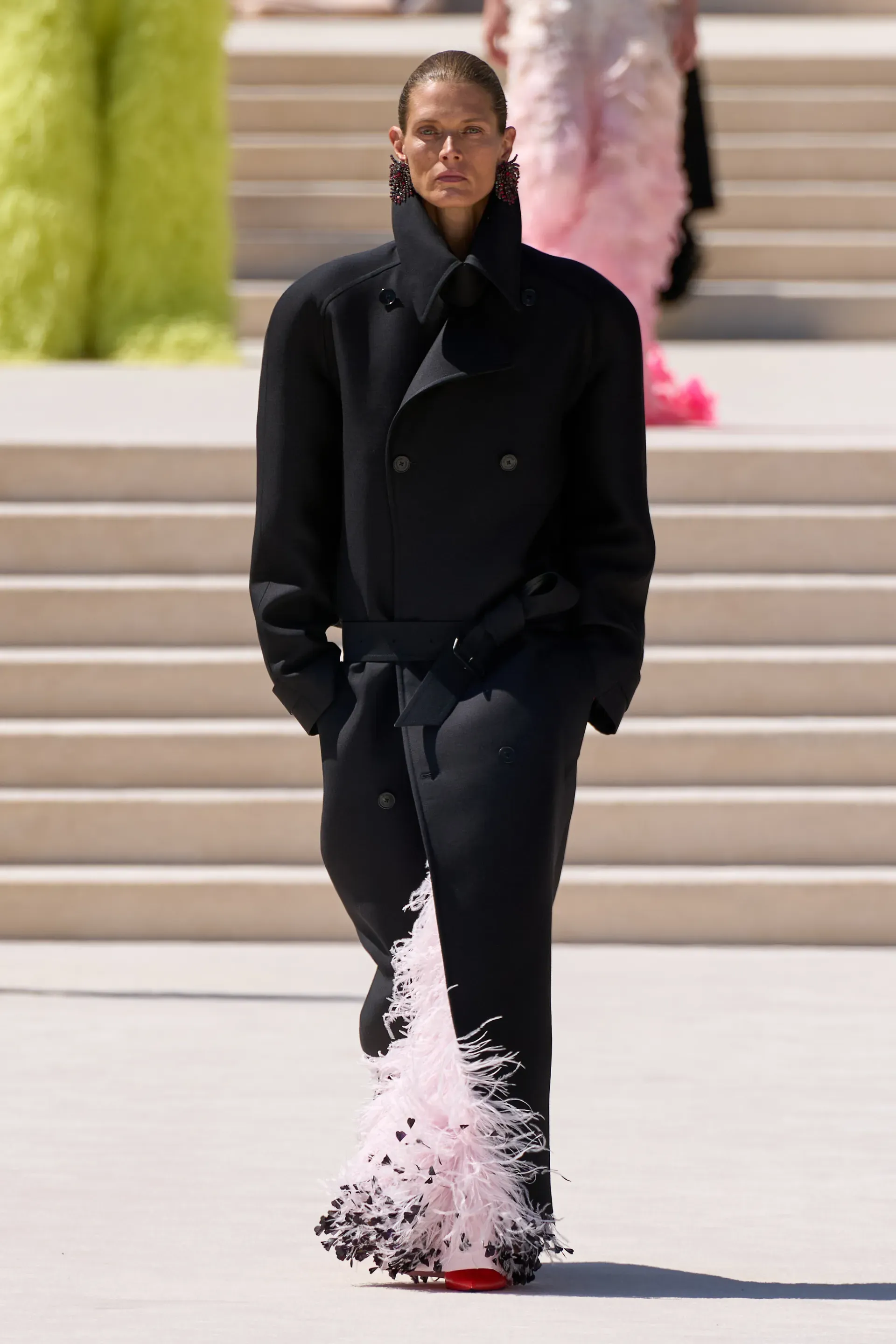
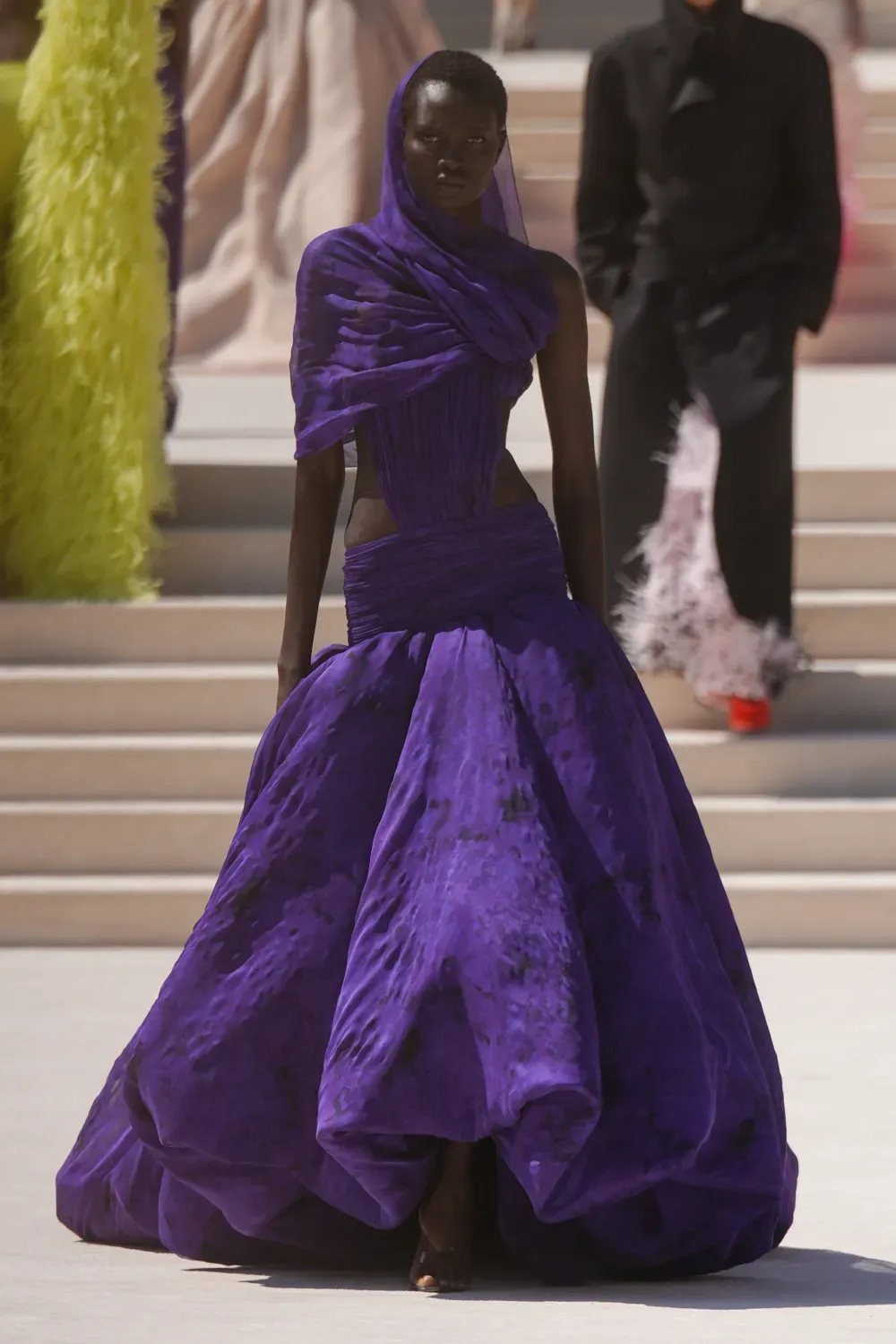
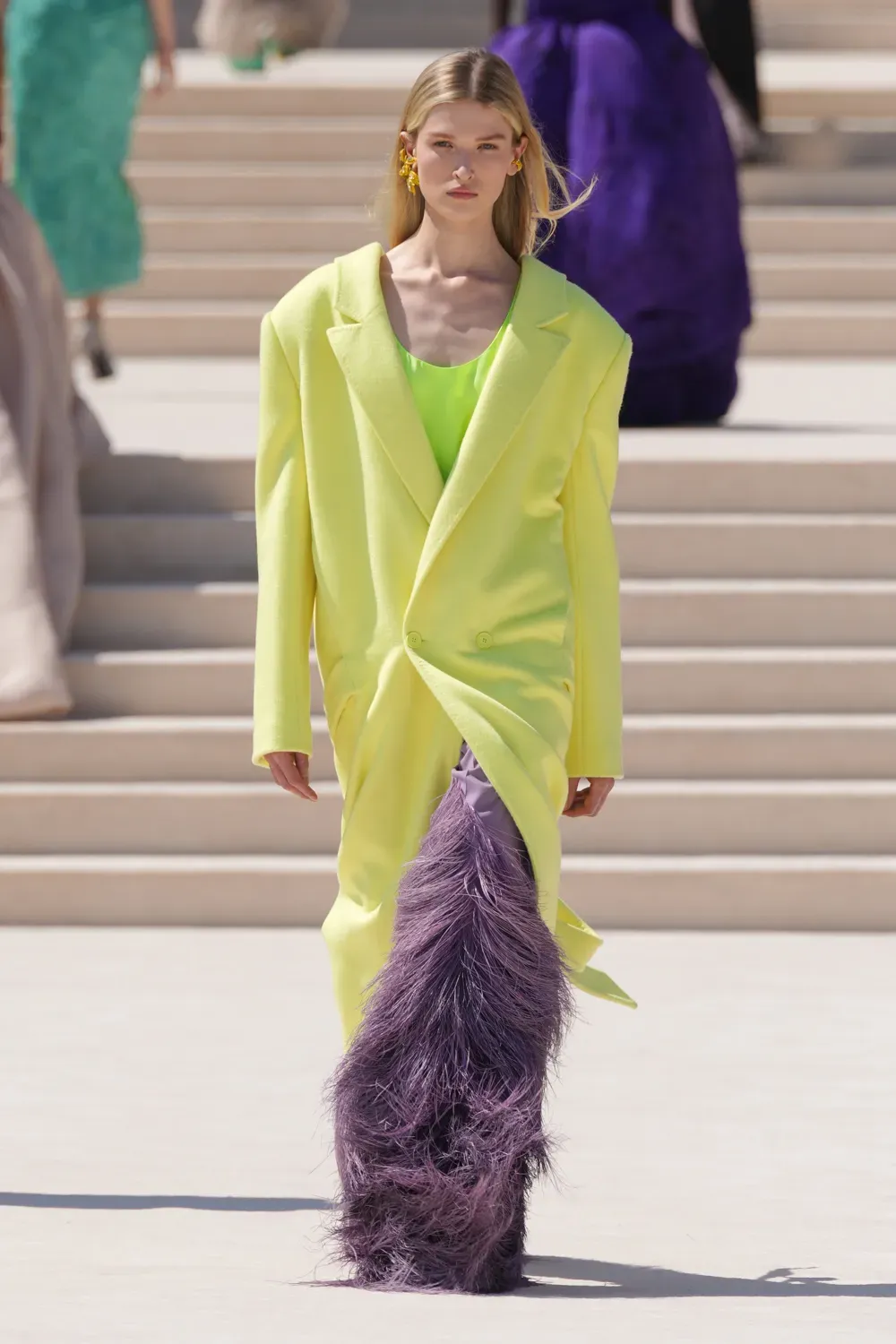
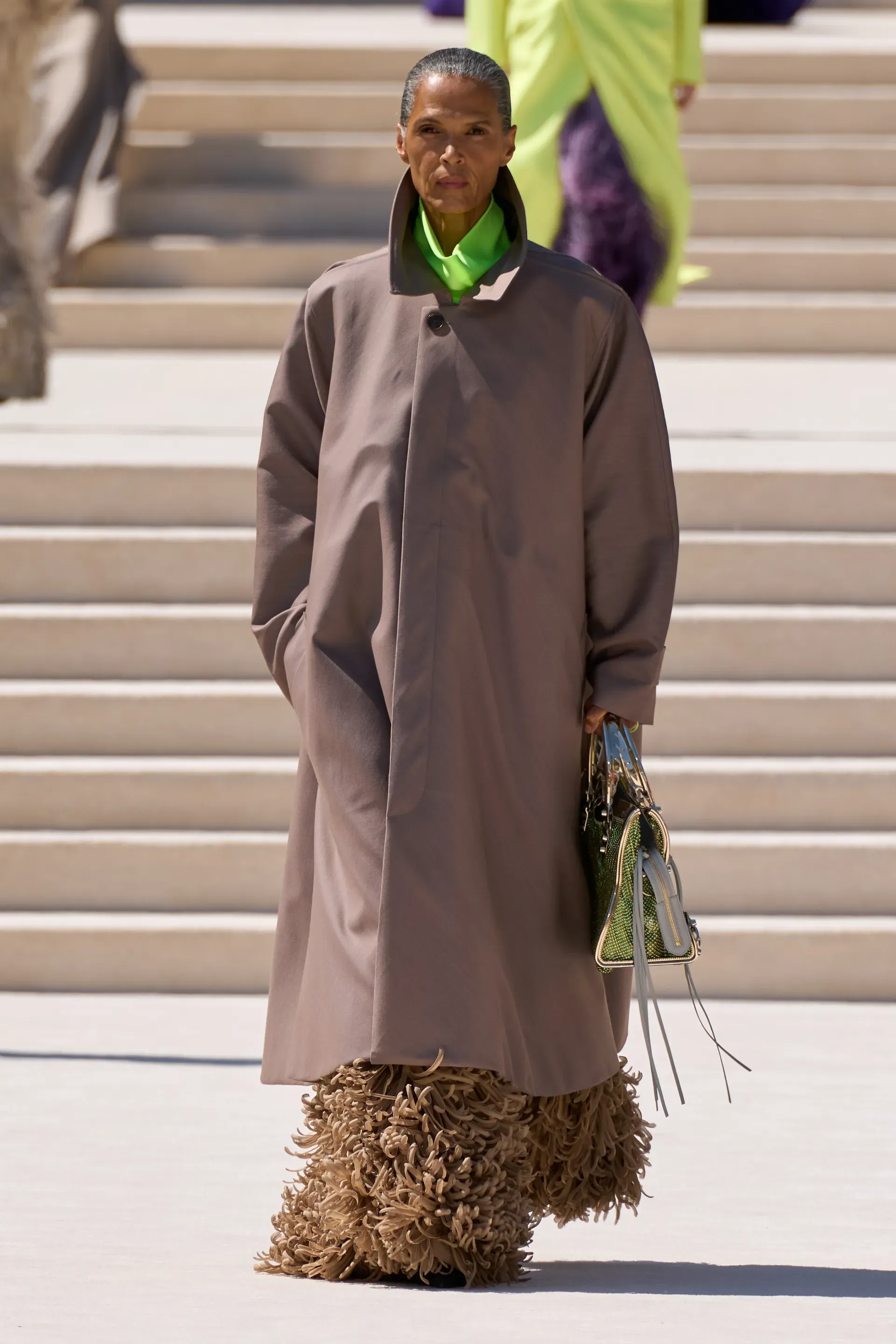
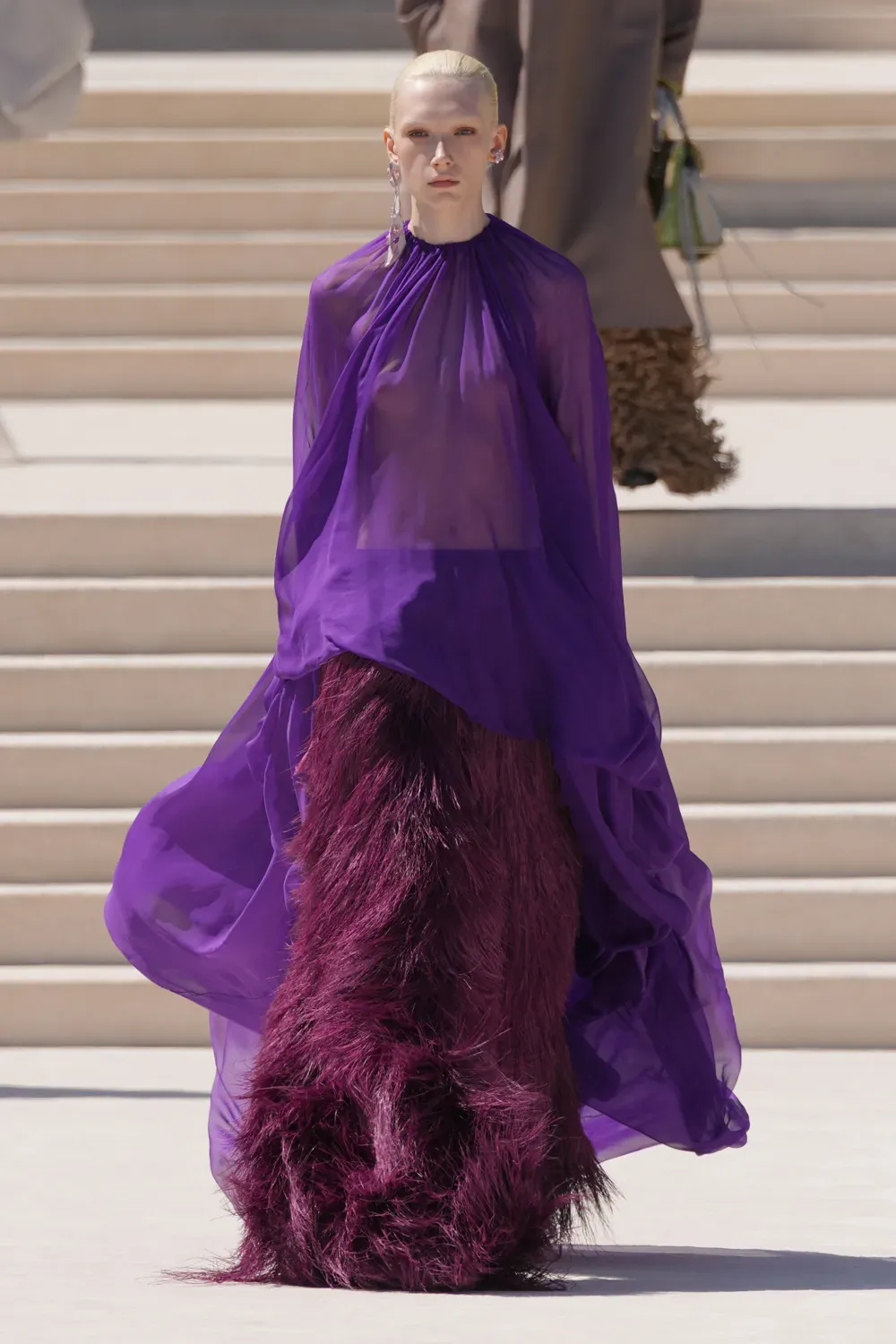
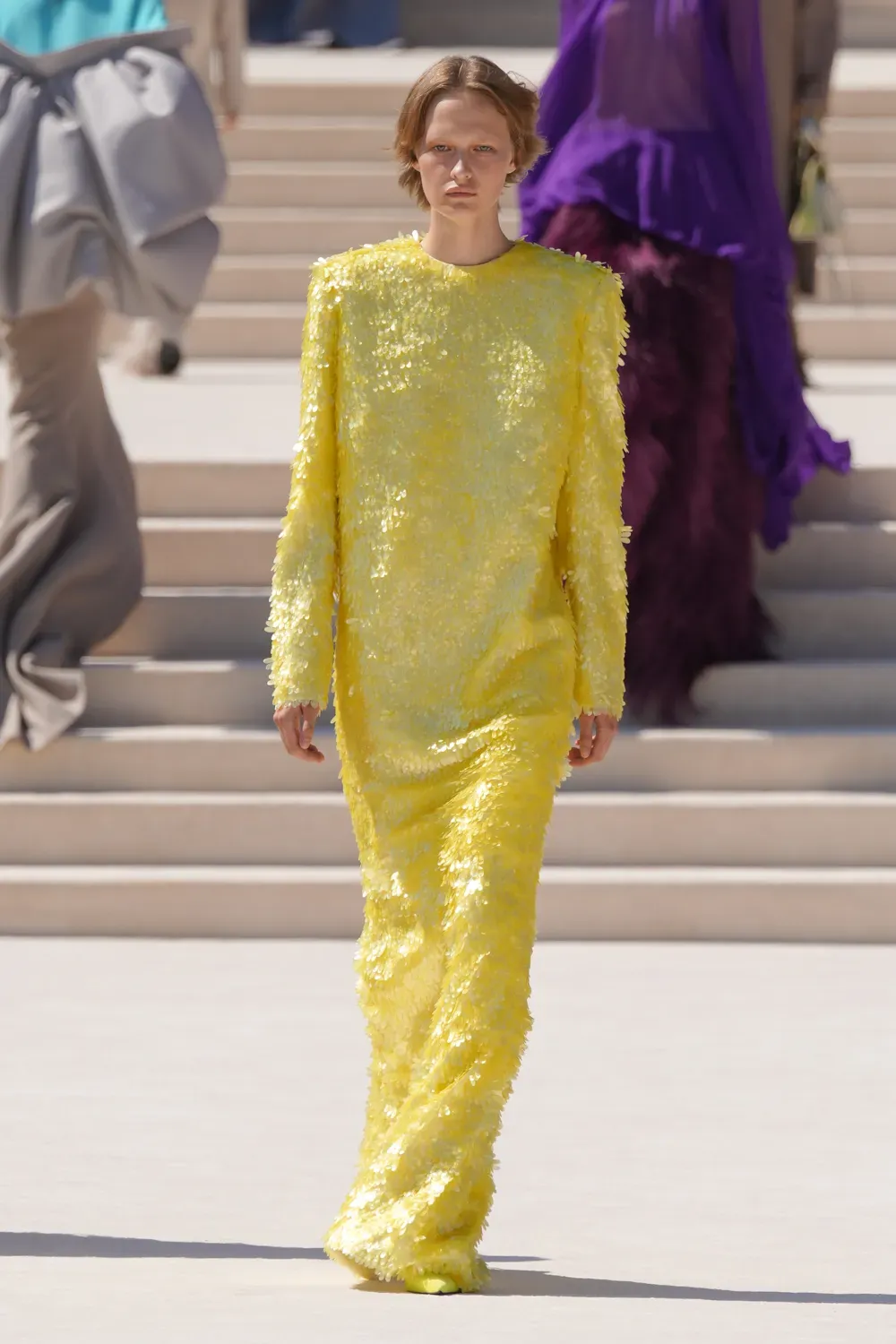
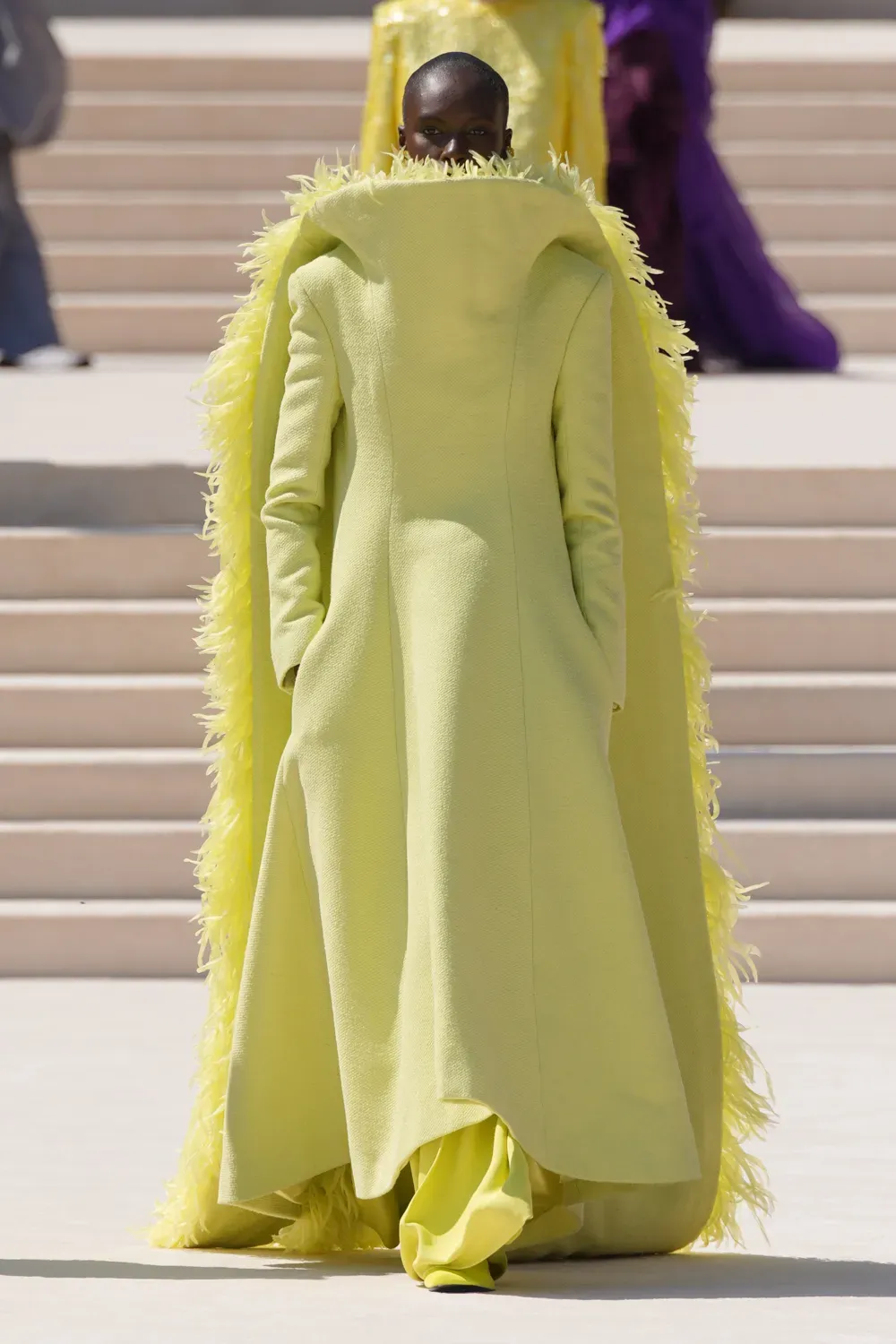
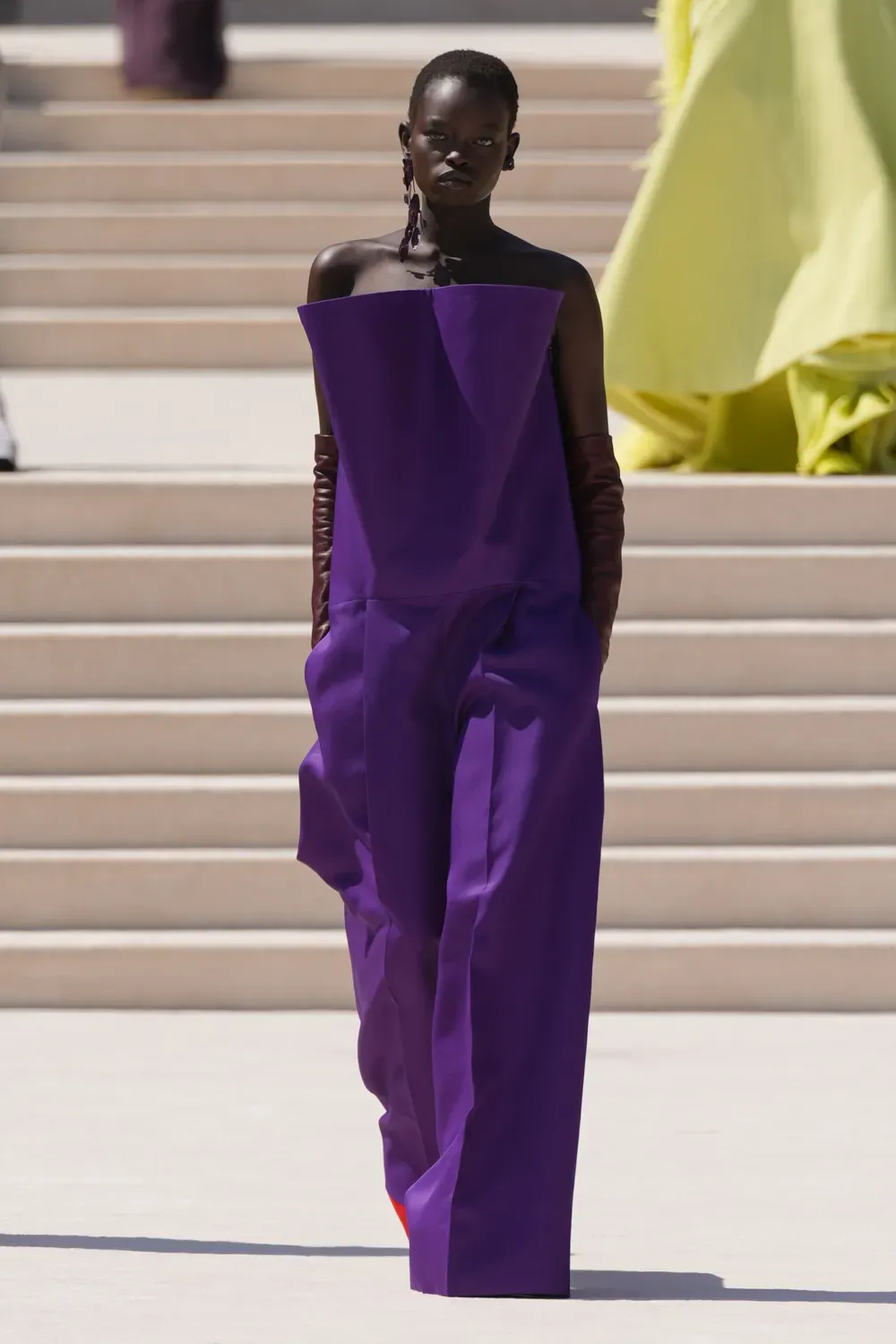
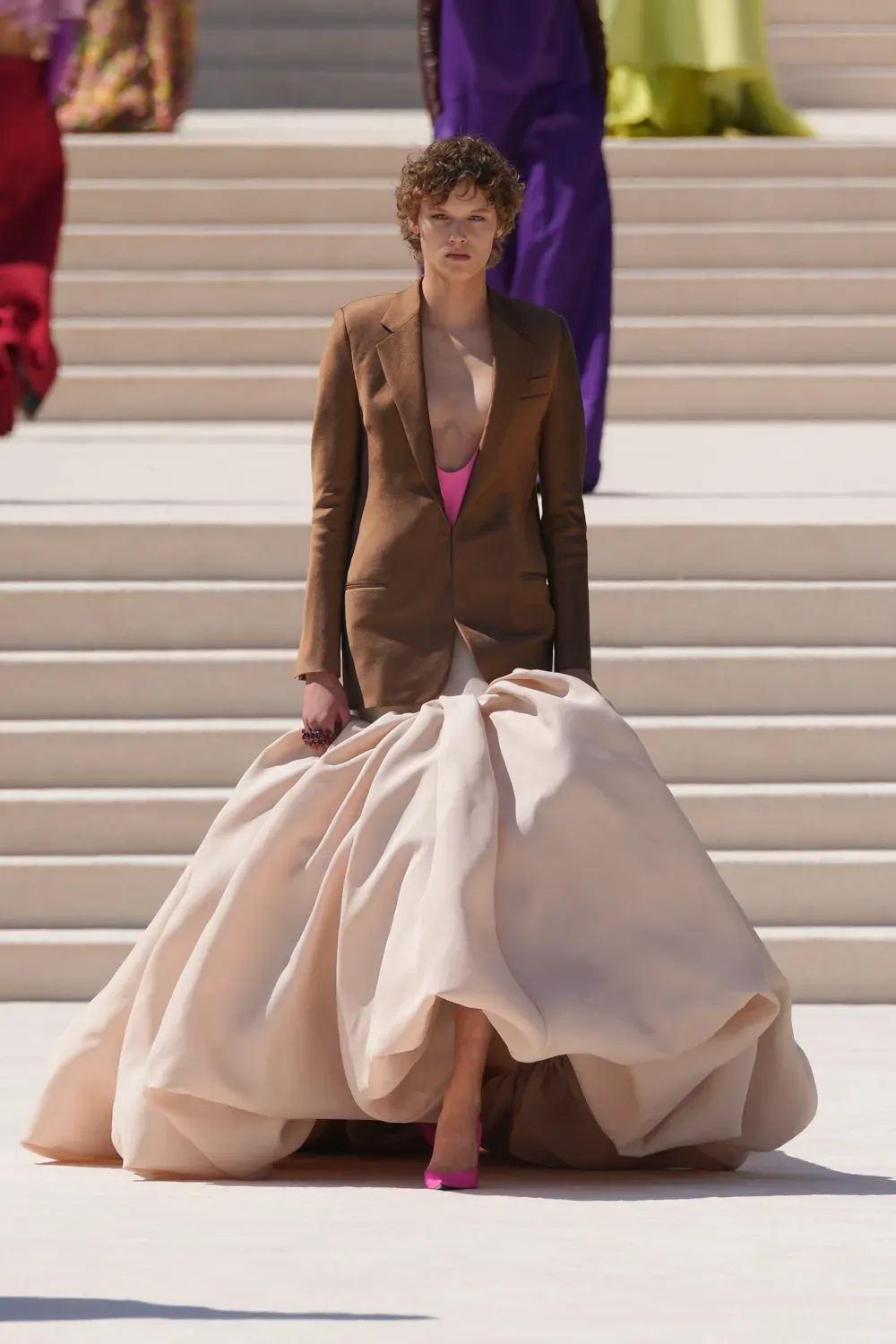
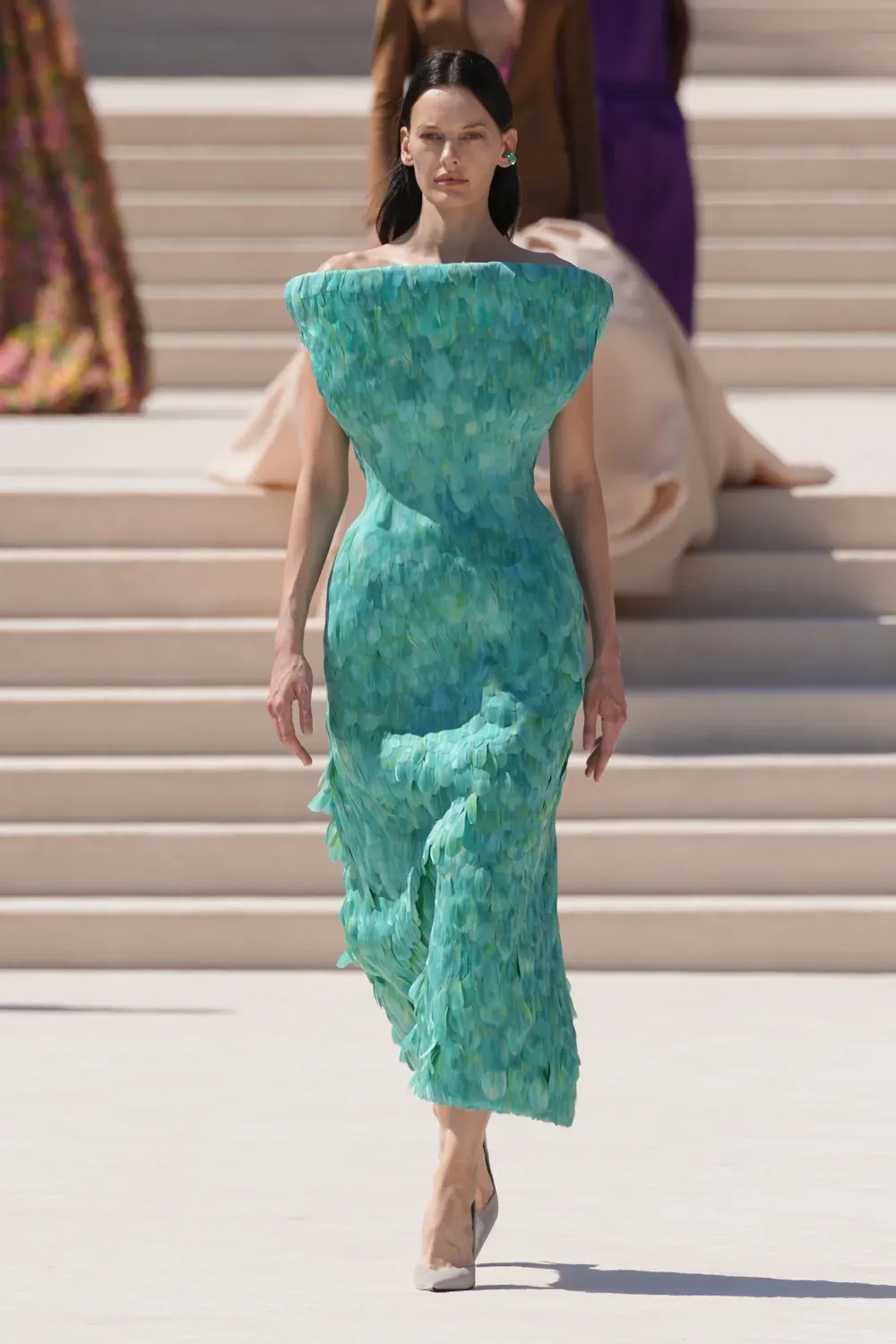
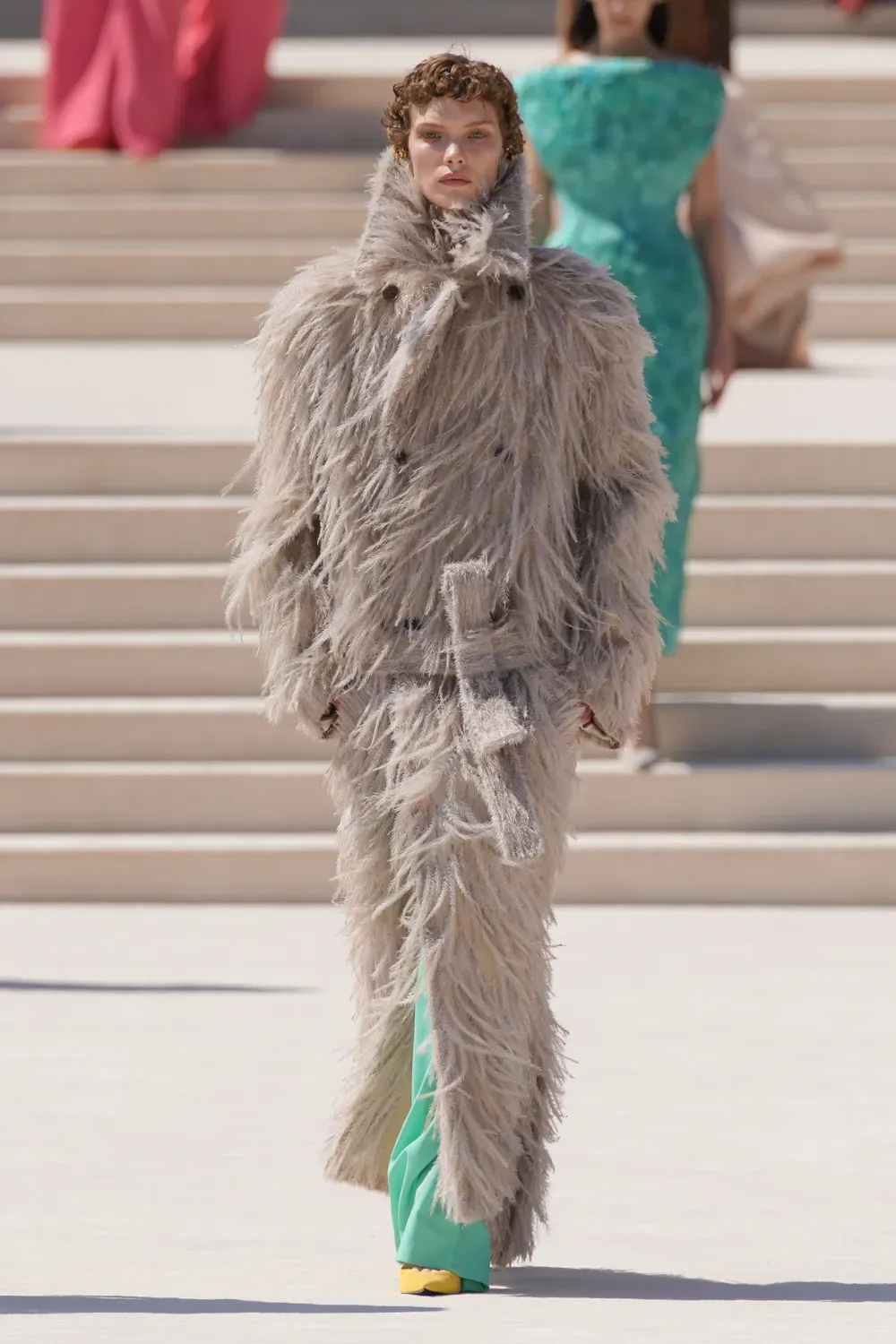
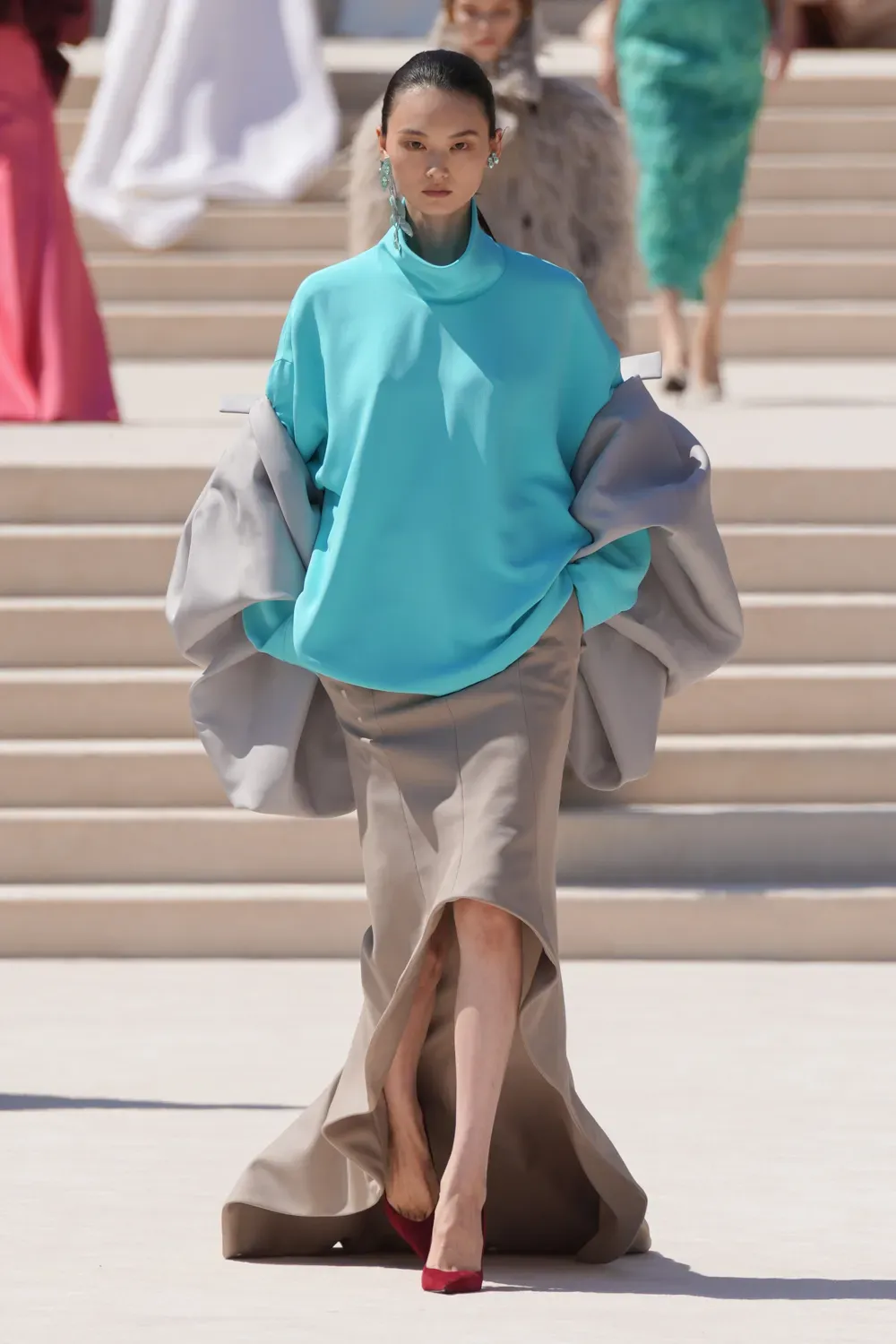
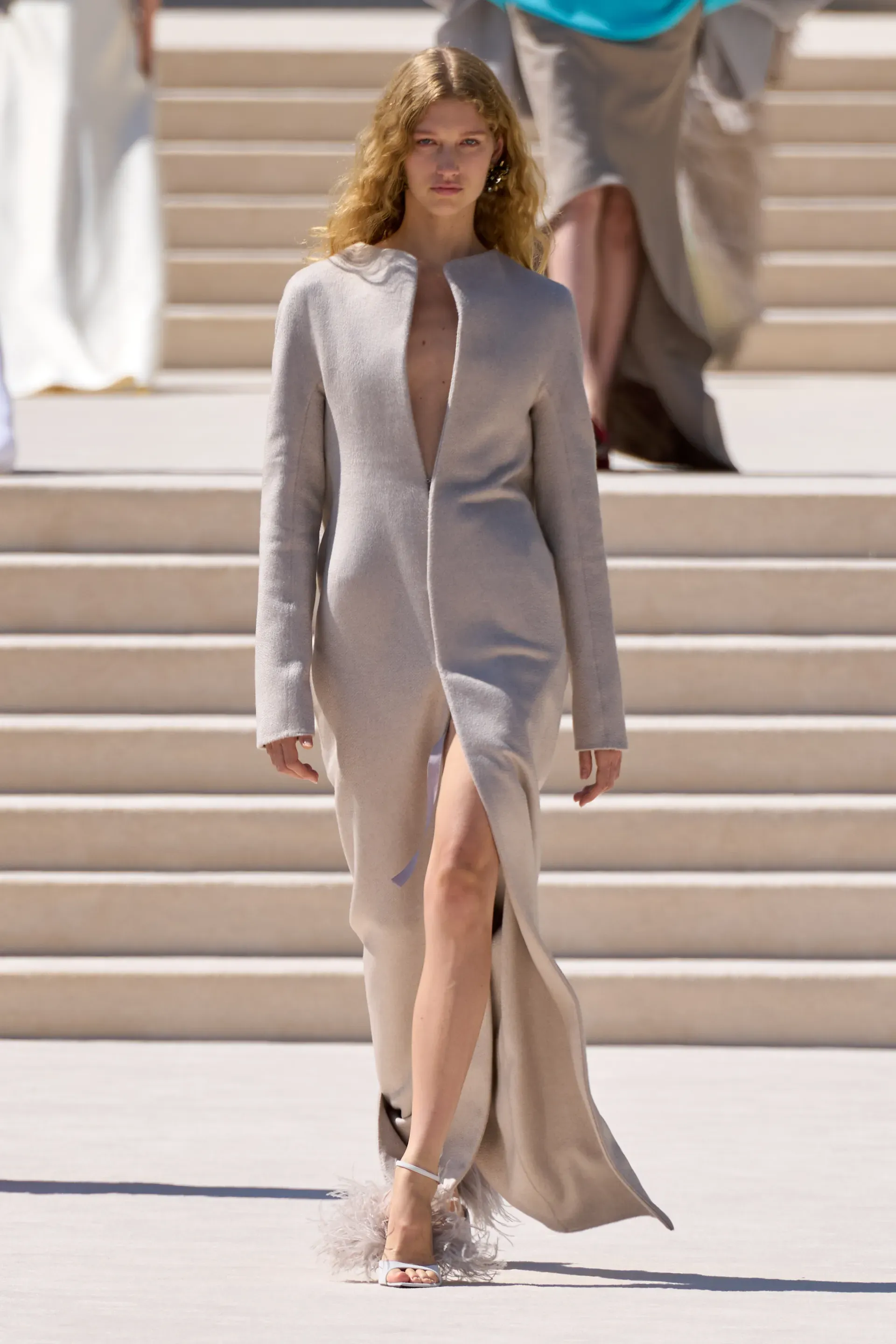
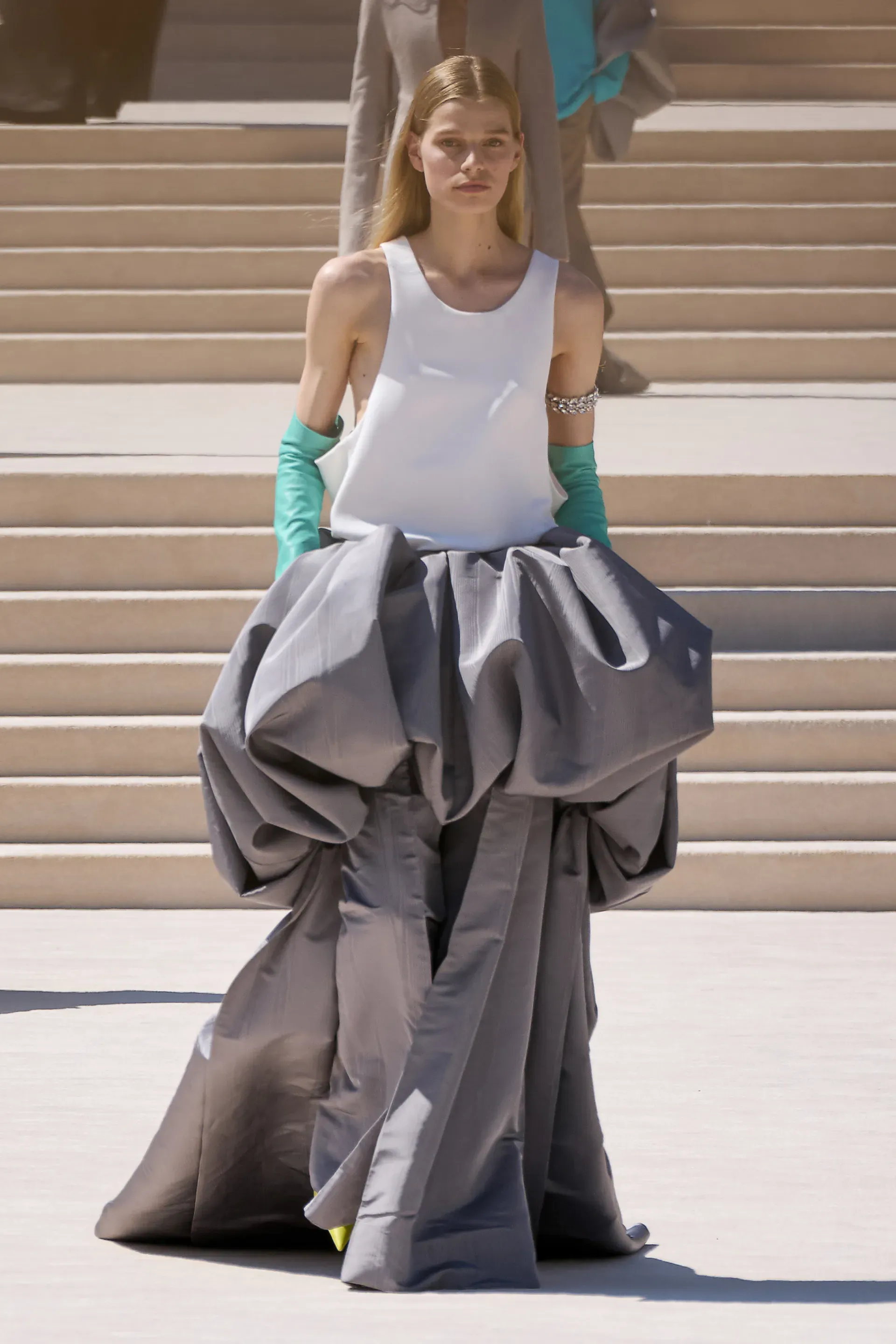
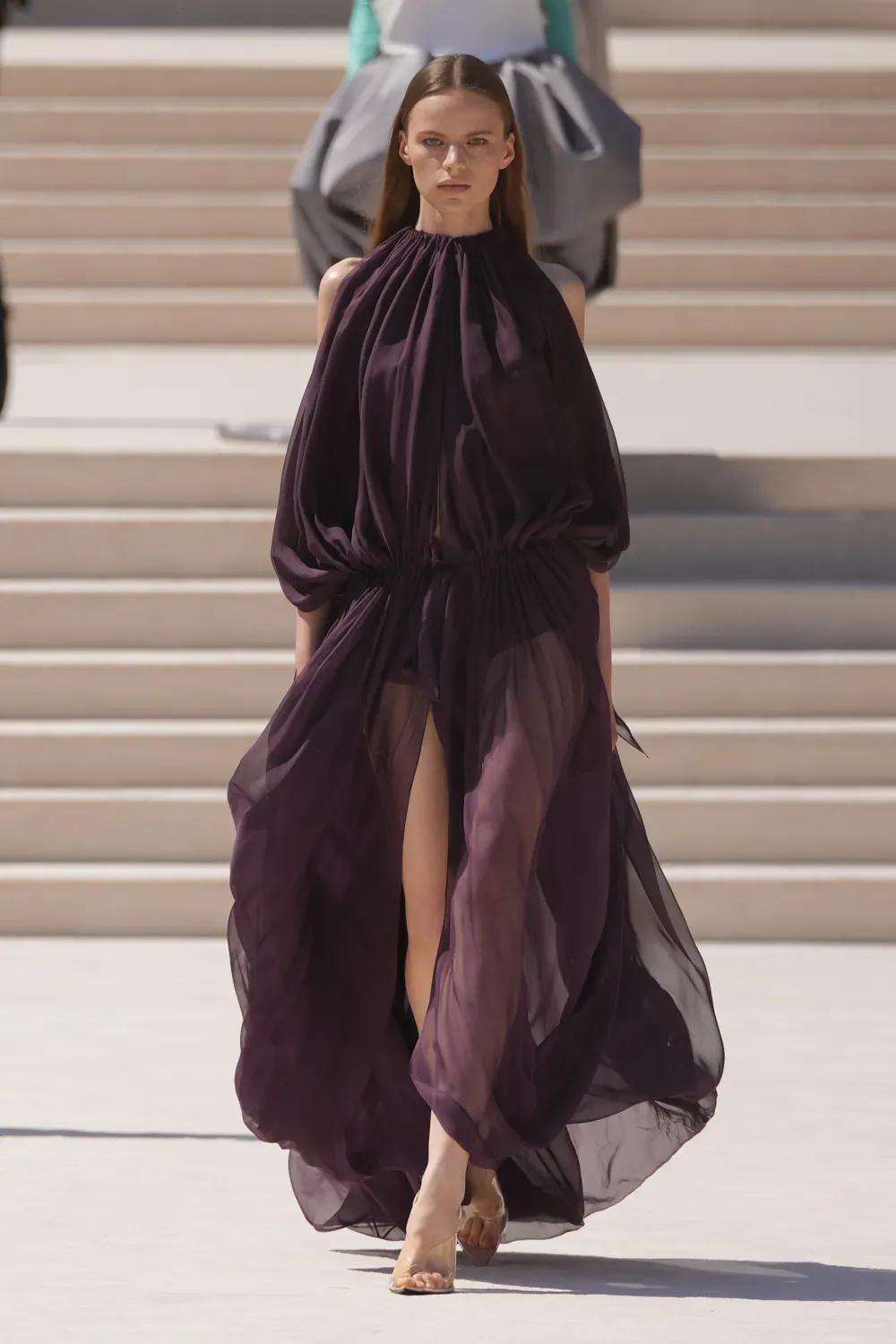
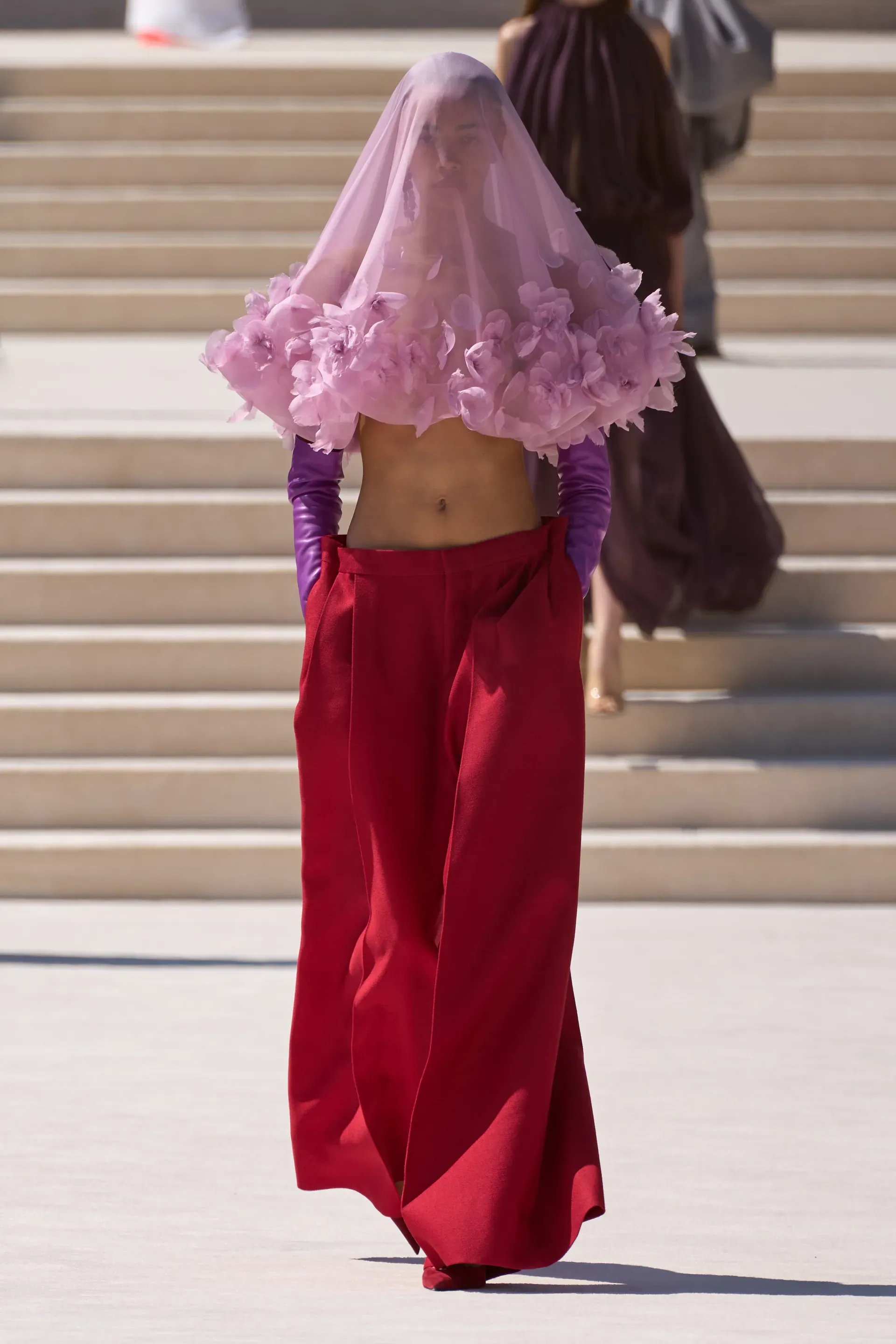
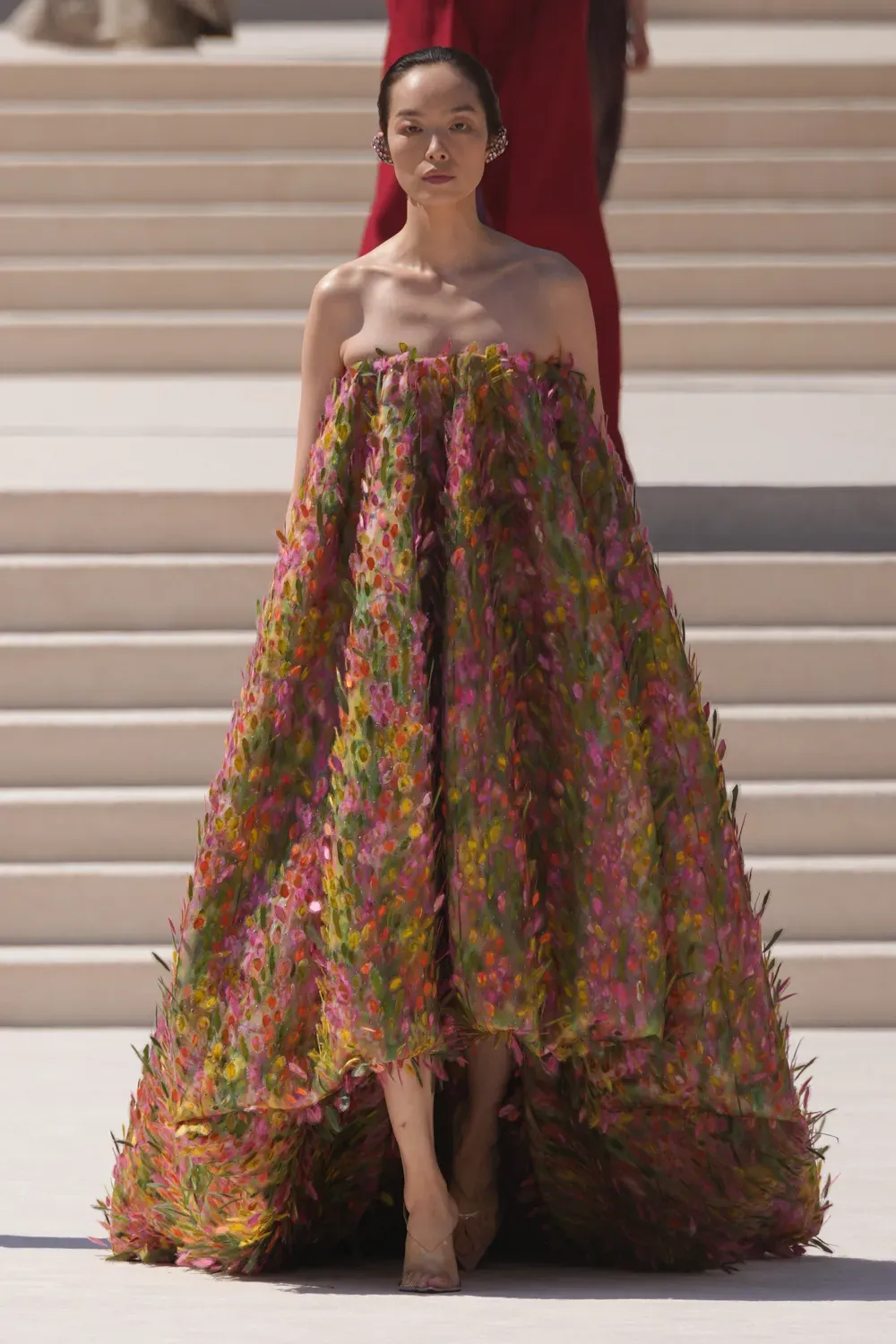
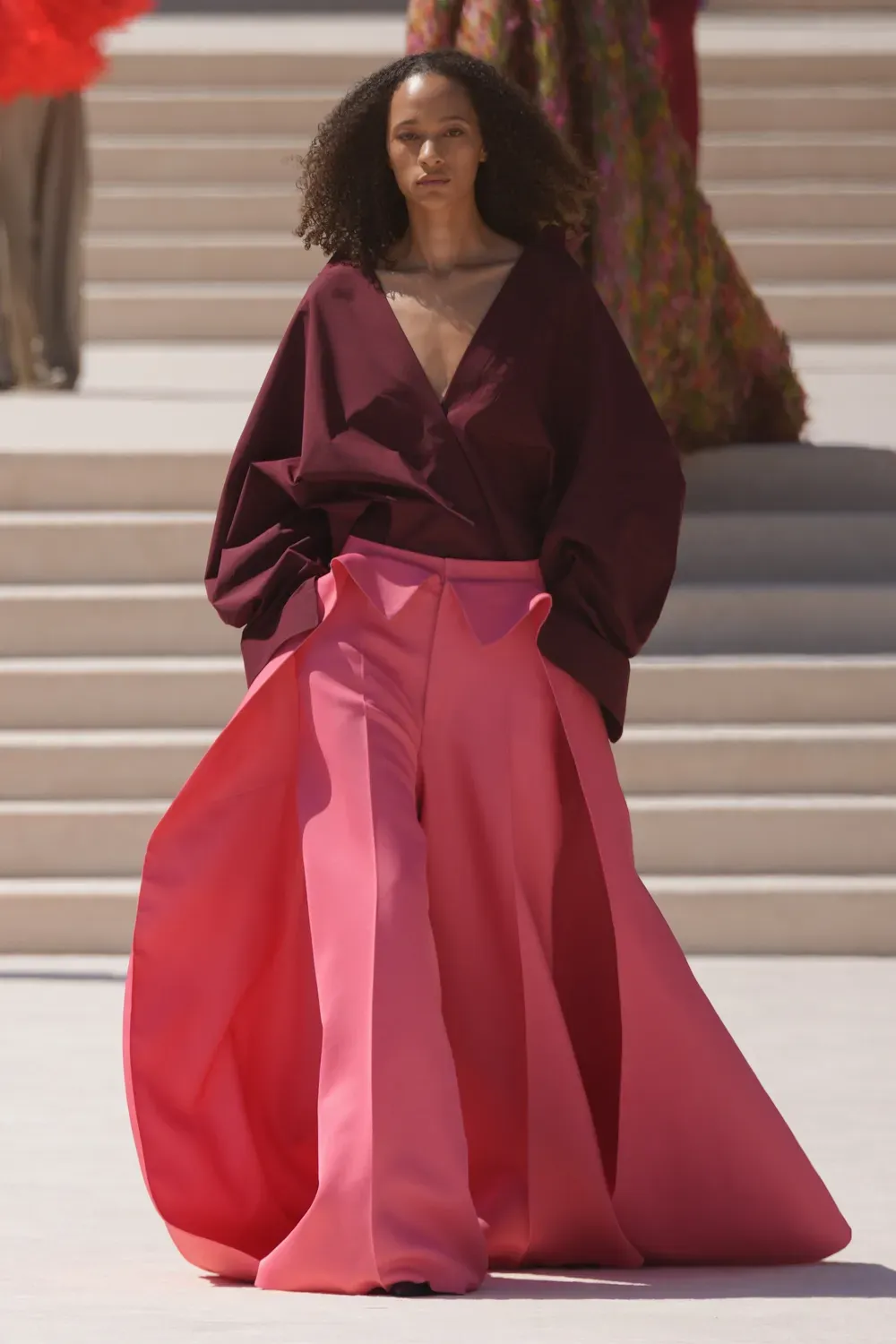
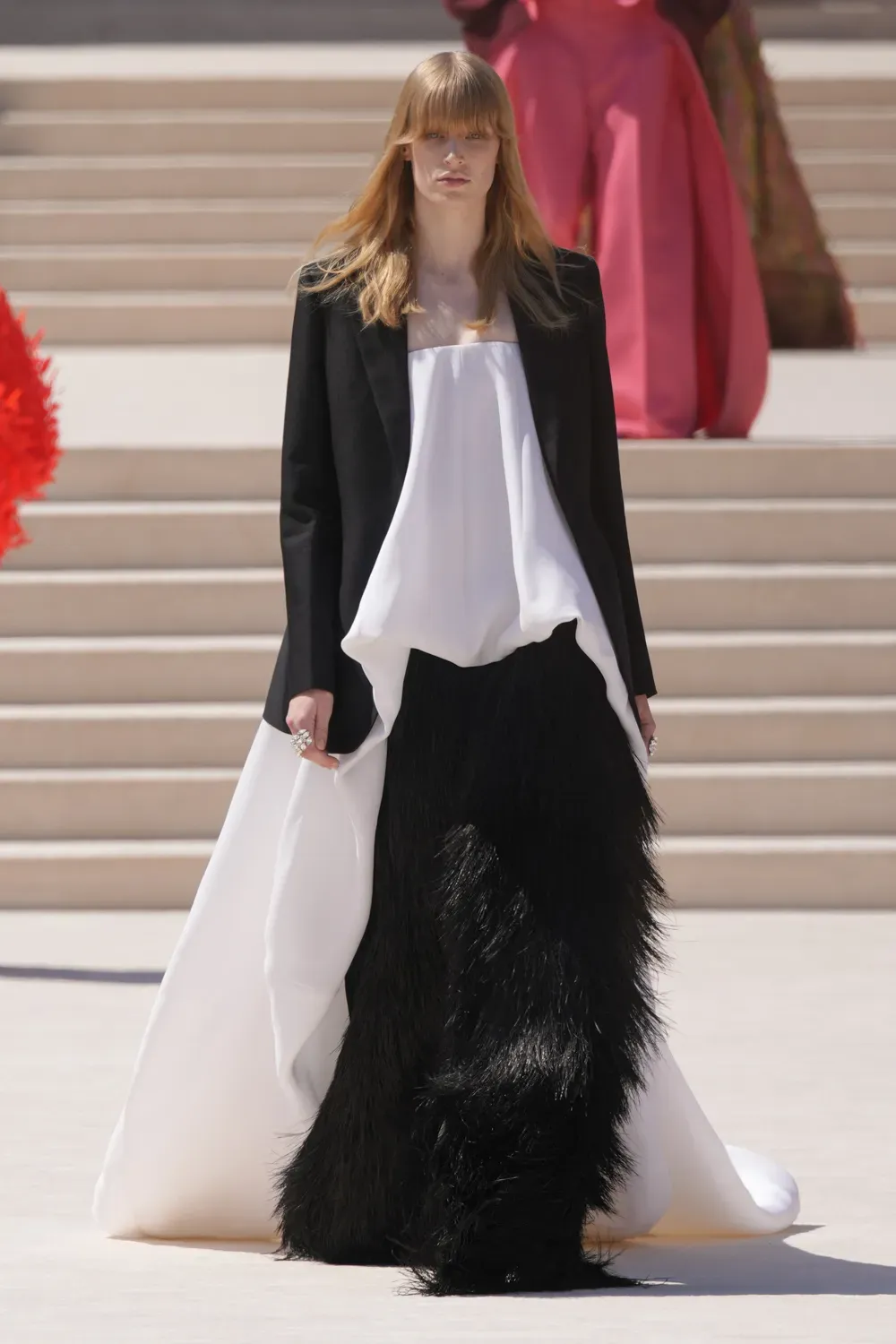
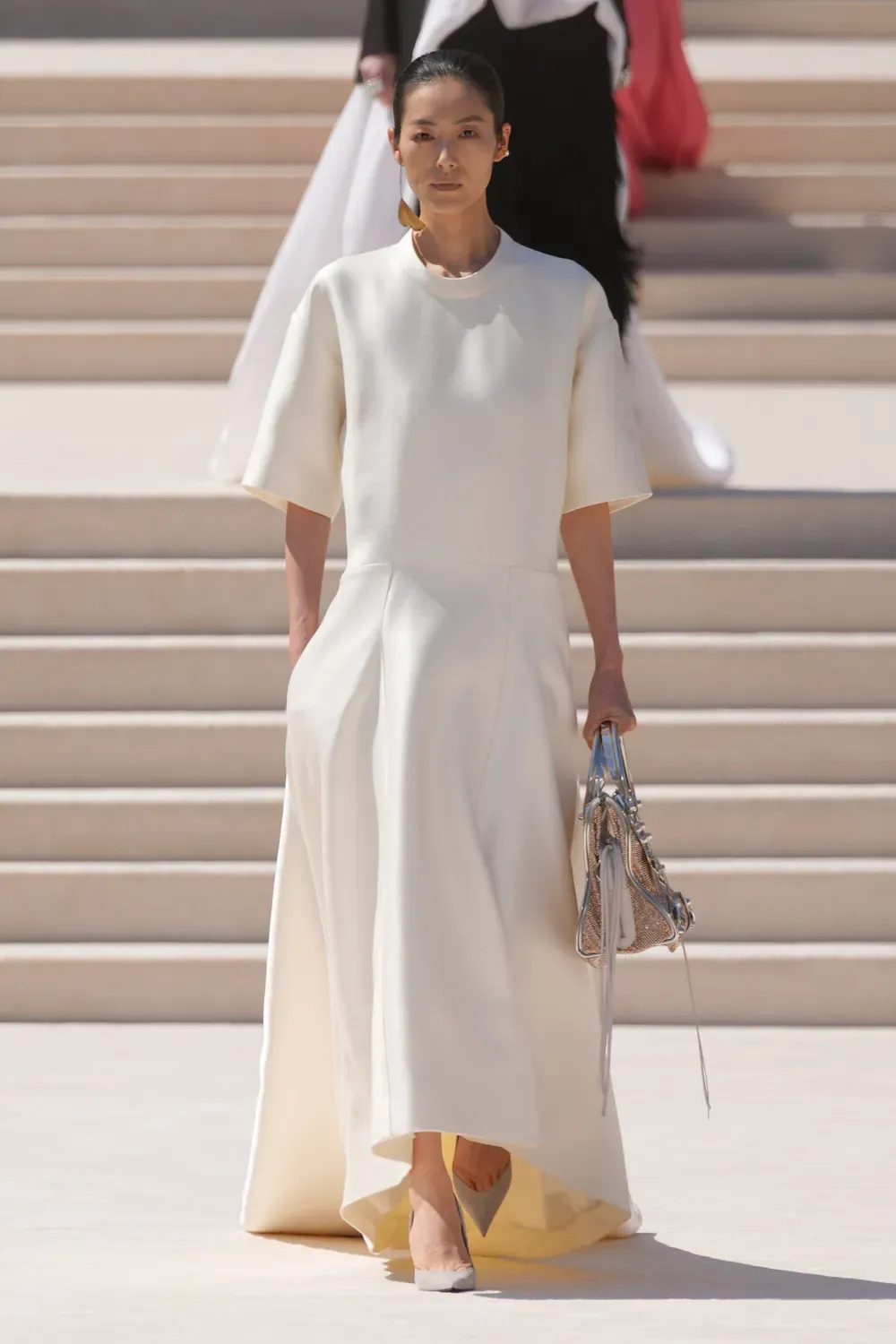
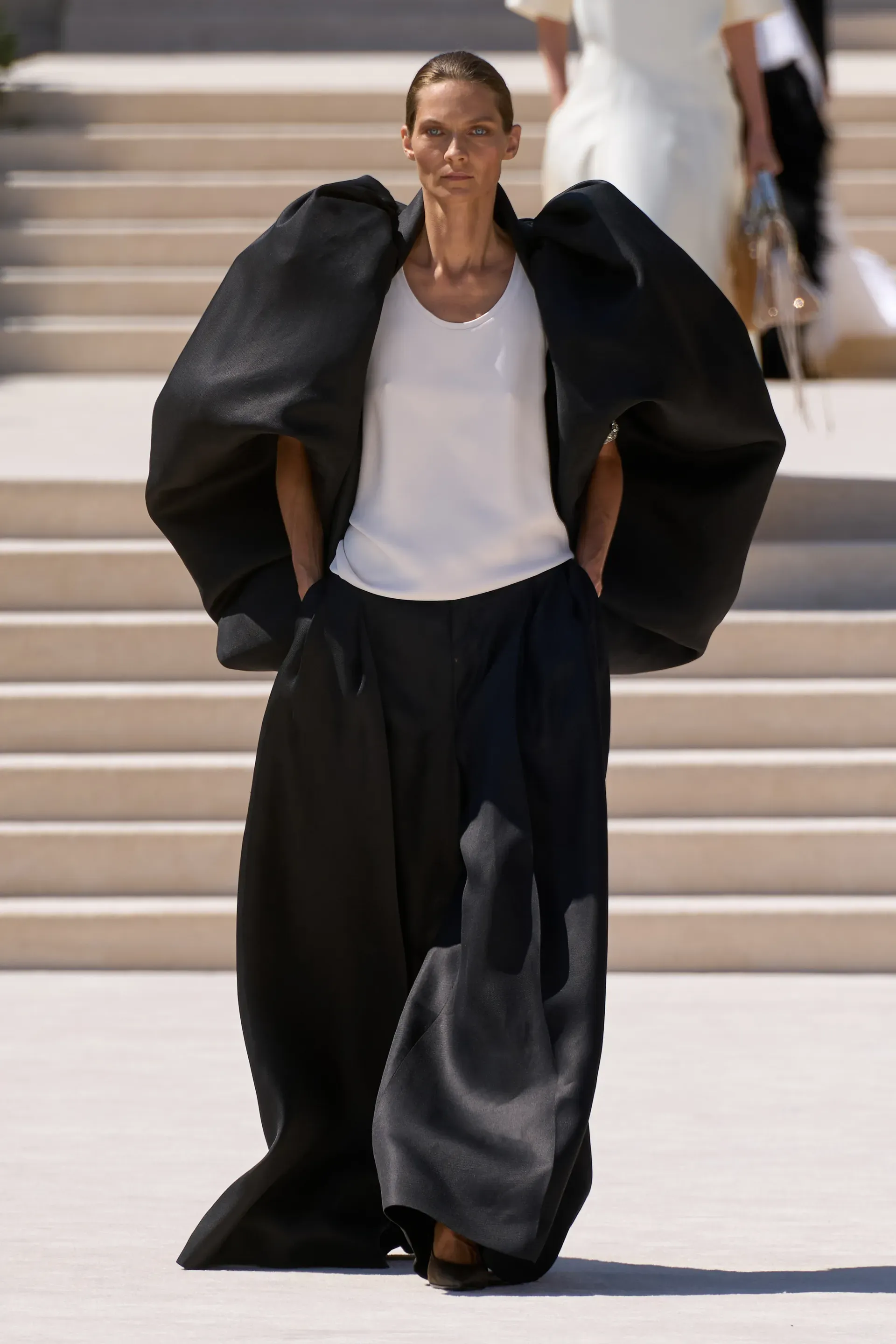
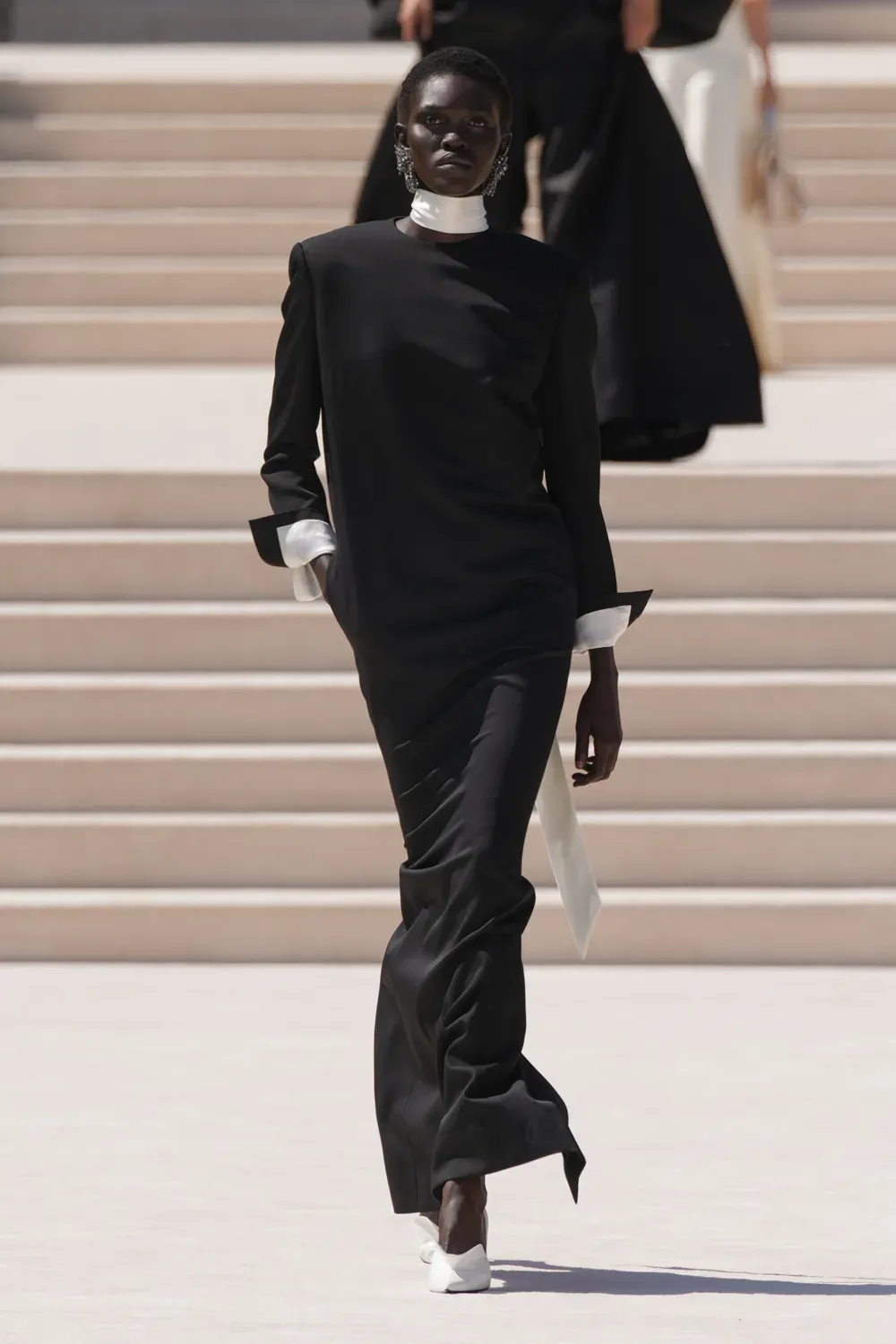
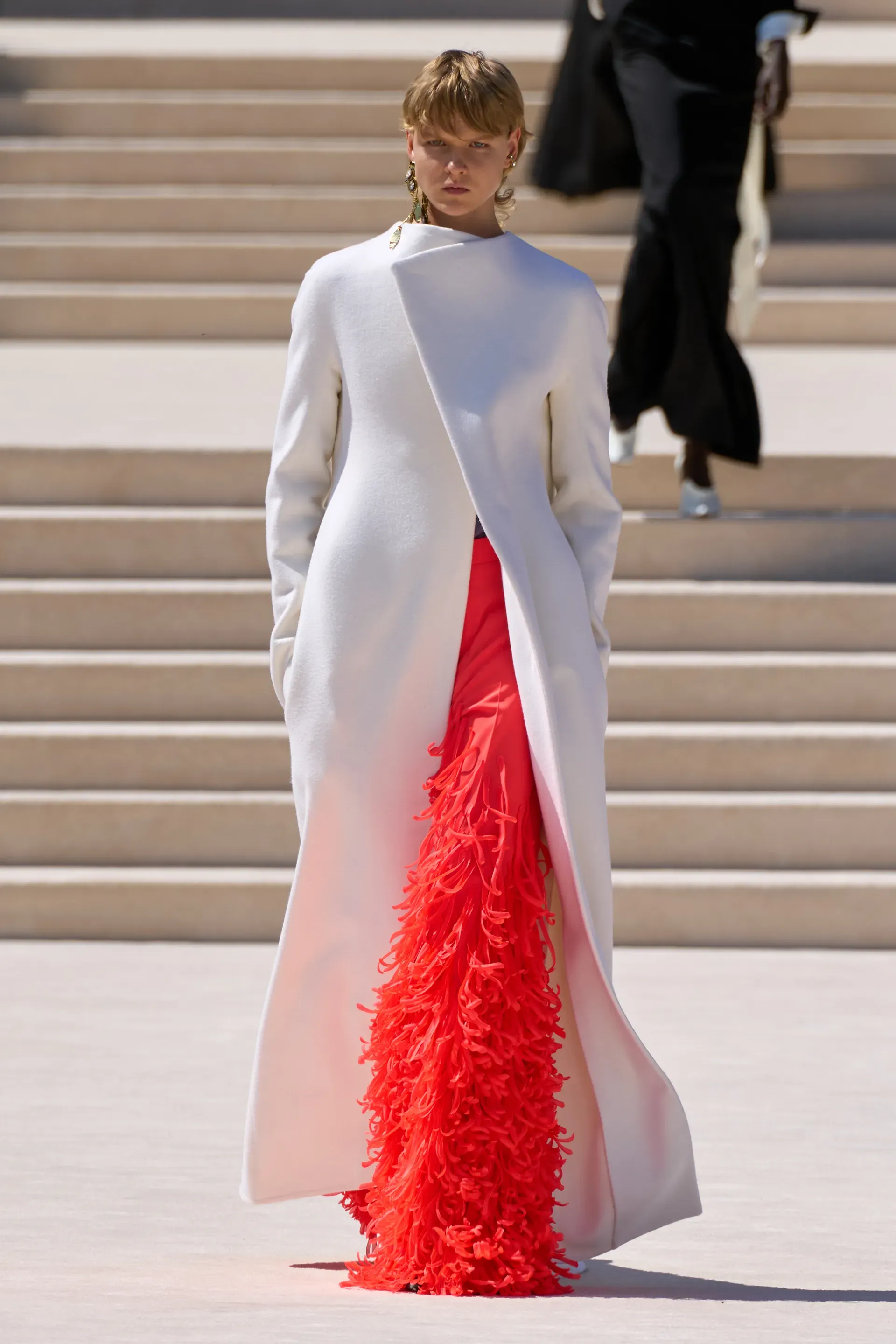
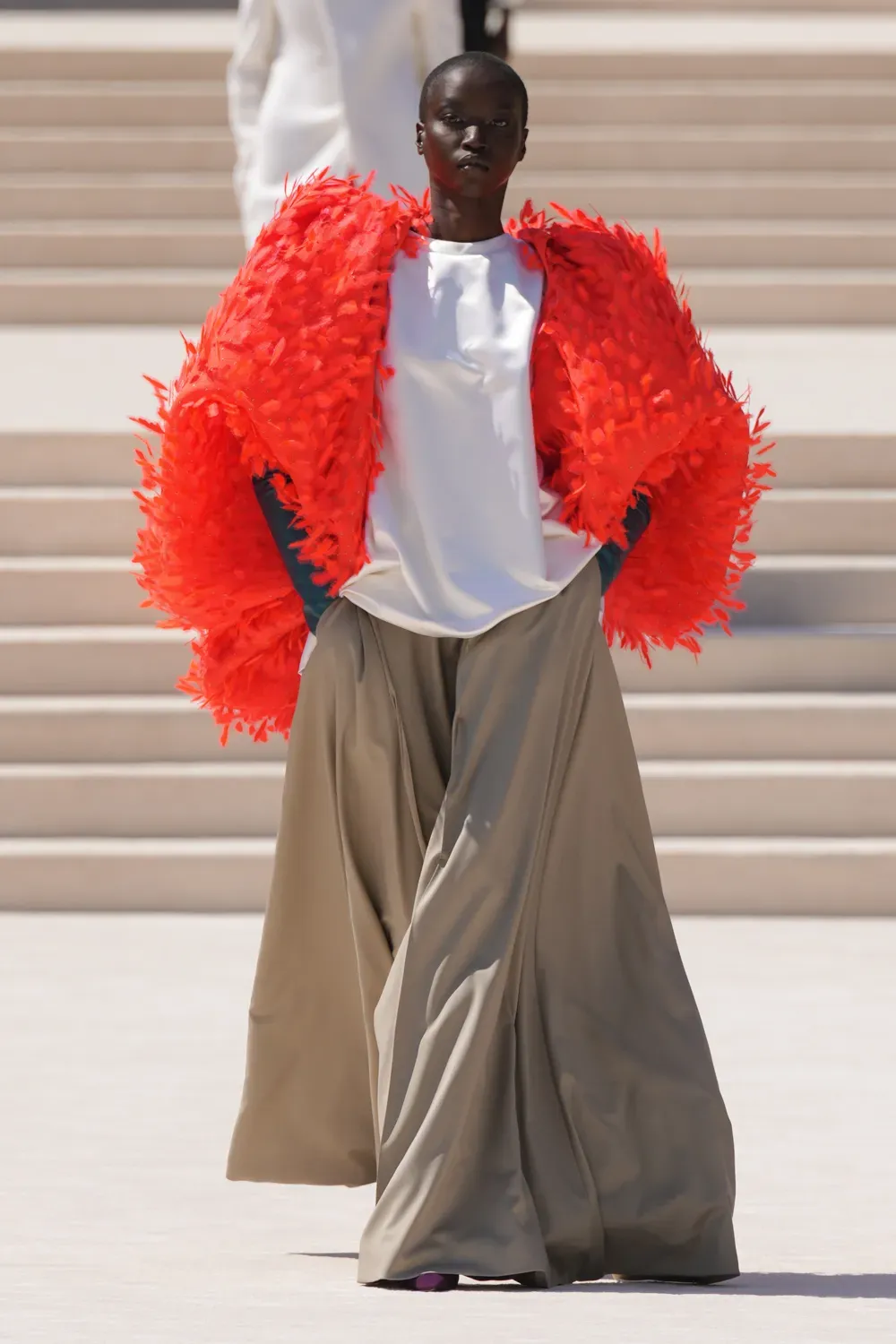
One can be too pure for one's own good. When Pierpaolo Piccioli left Valentino, the general consensus was that his Couture was perfect but had, over the years, become predictable. The clothes were beautiful, yet it was sometimes difficult to tell one season from another, both because Piccioli never positioned himself as a storyteller, and because the same stylistic hallmarks kept recurring with increasing frequency. Caprice and folly, two fundamental elements of the kind of Couture that makes headlines, had been fading ever since the exceptional shows of the 2020–2022 autumn seasons. And in a fashion calendar as crowded with old, new, and recycled voices as today's, you can only stand out with an overbearing personality. The same holds true for Balenciaga's new Haute Couture.
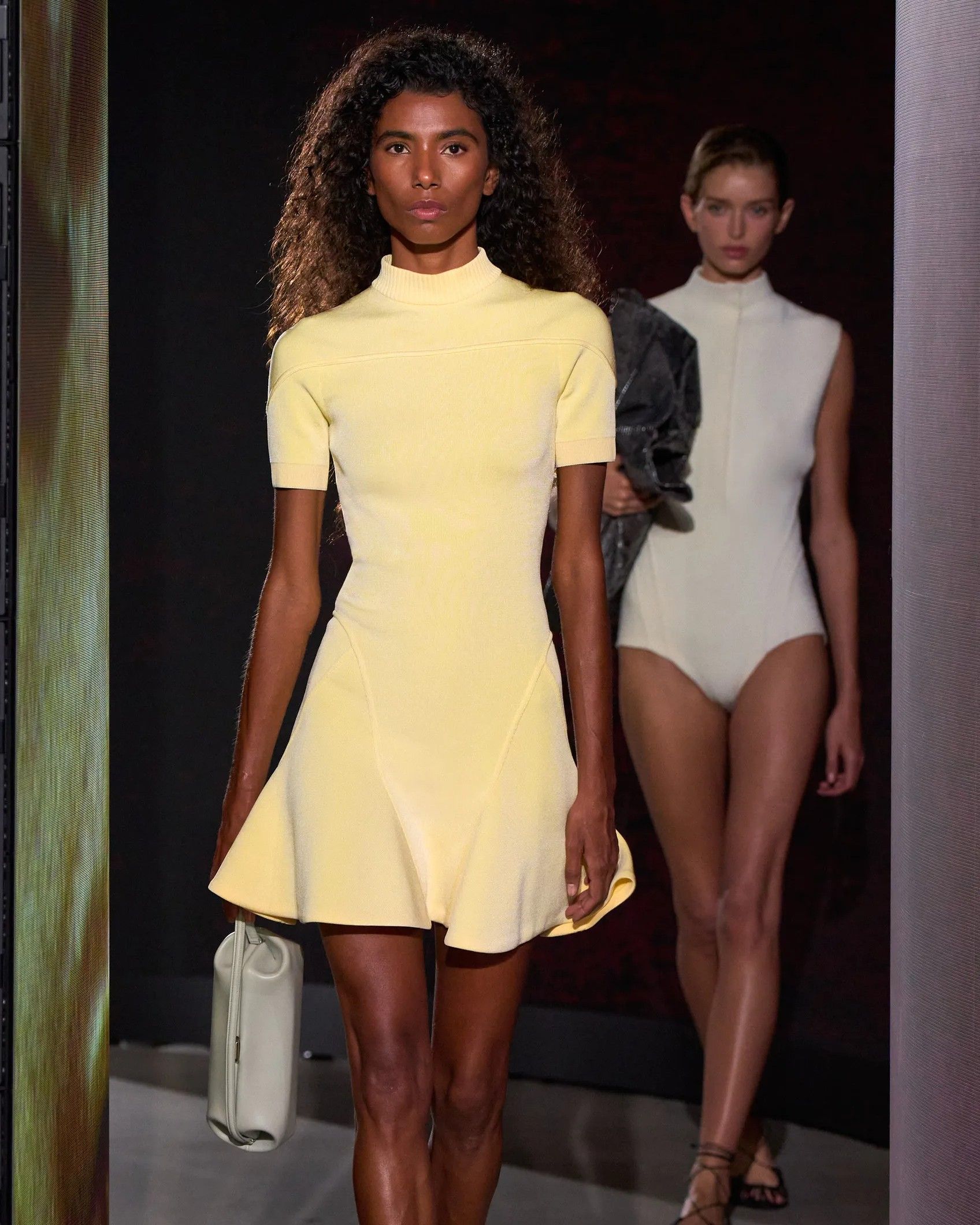
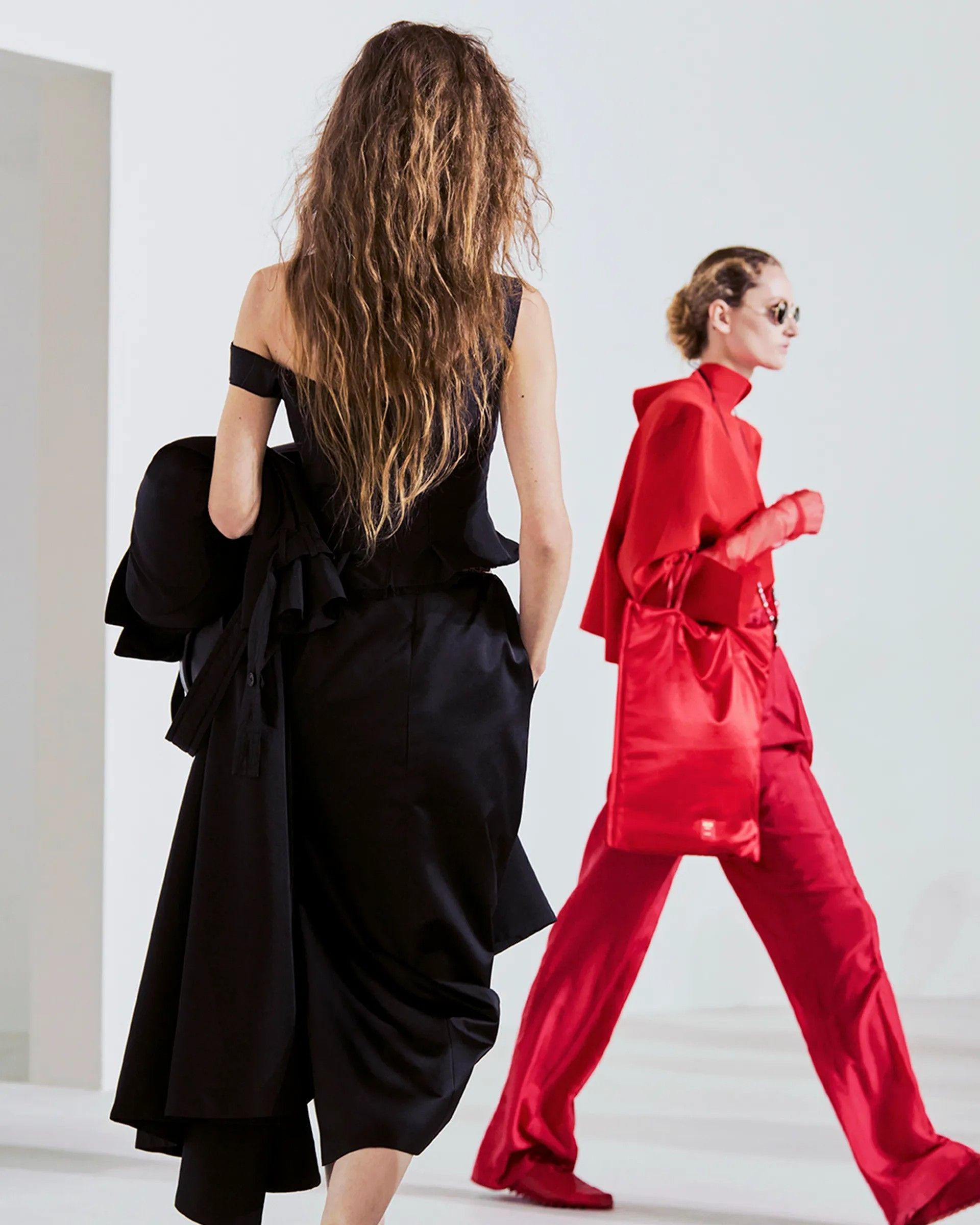
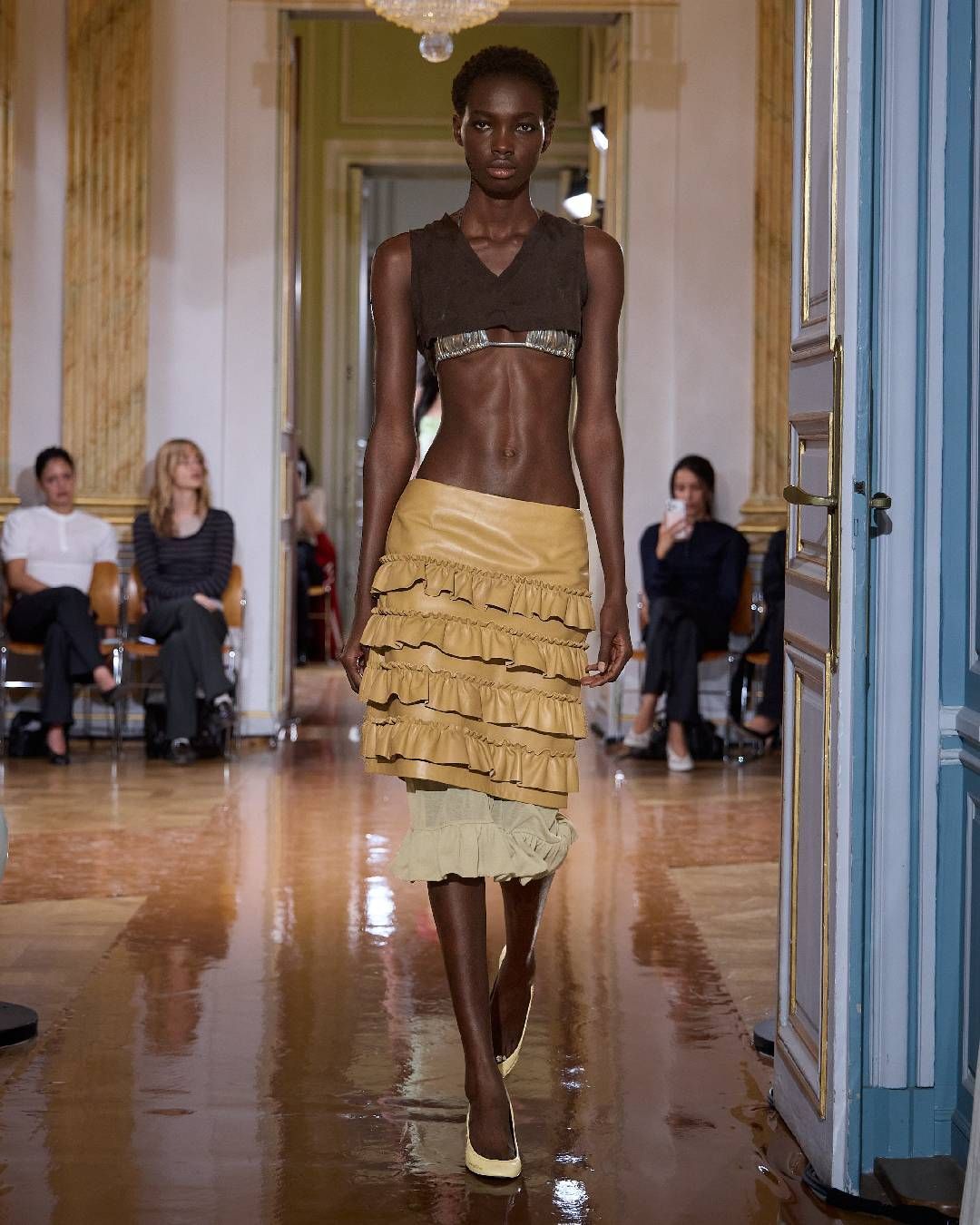
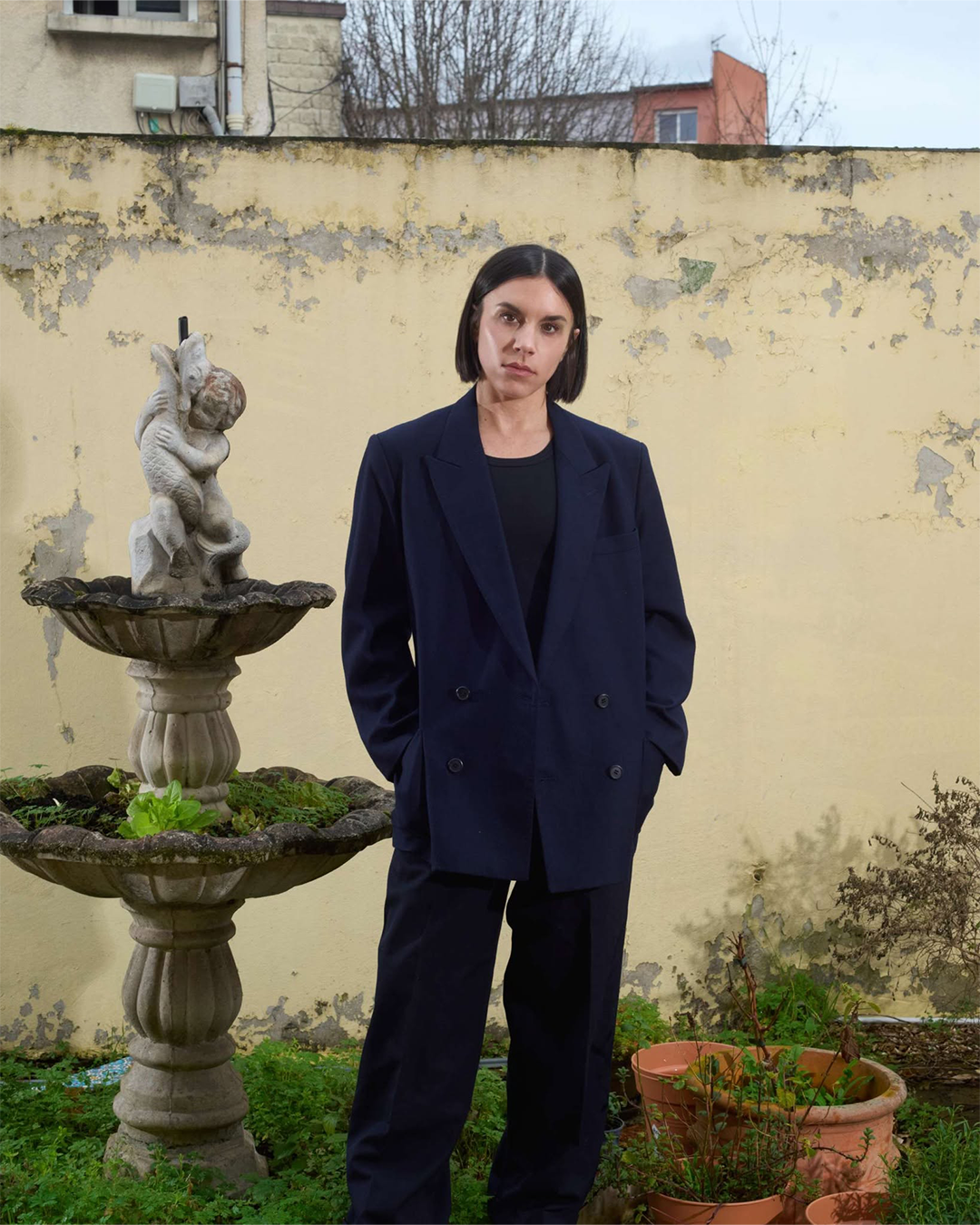
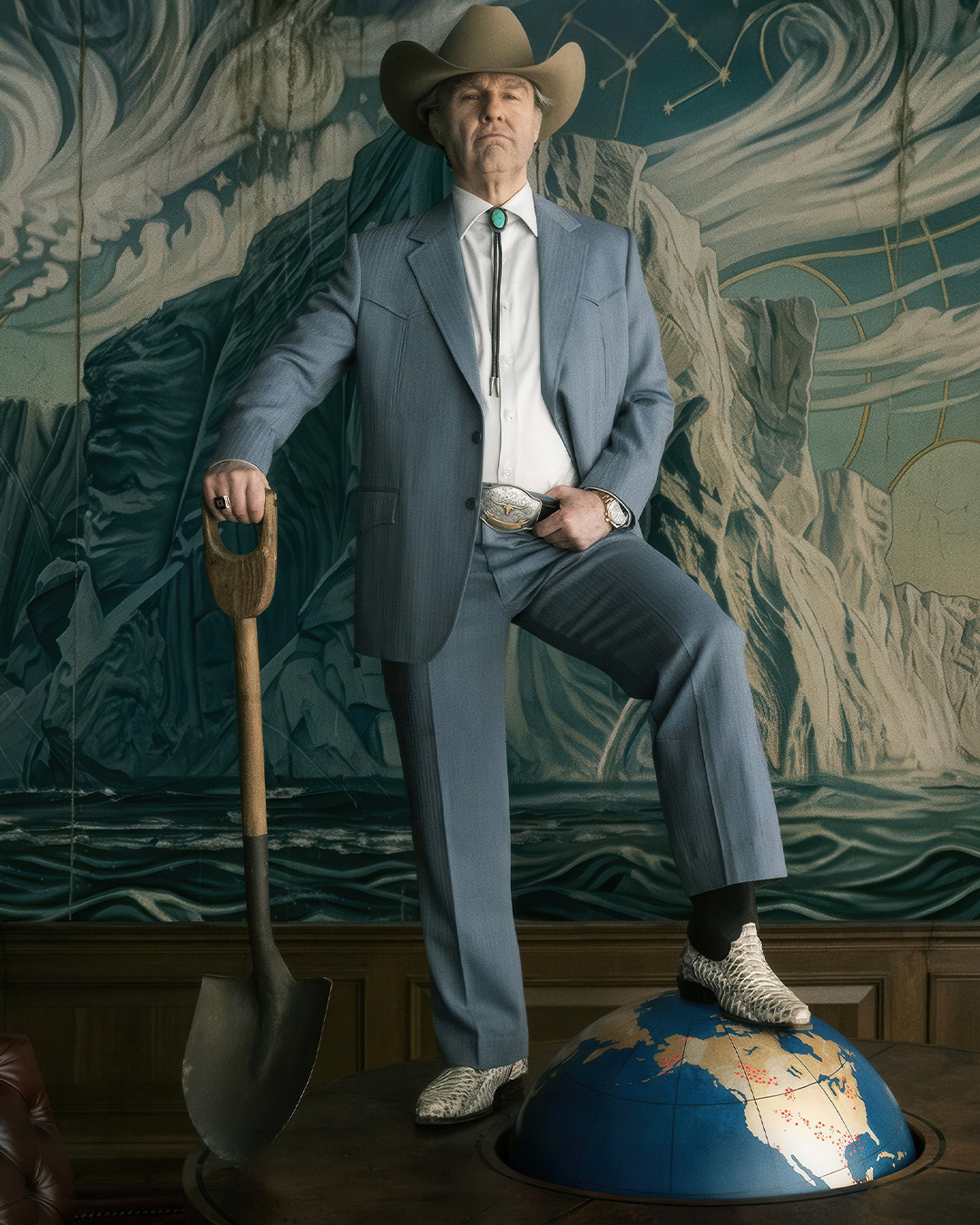
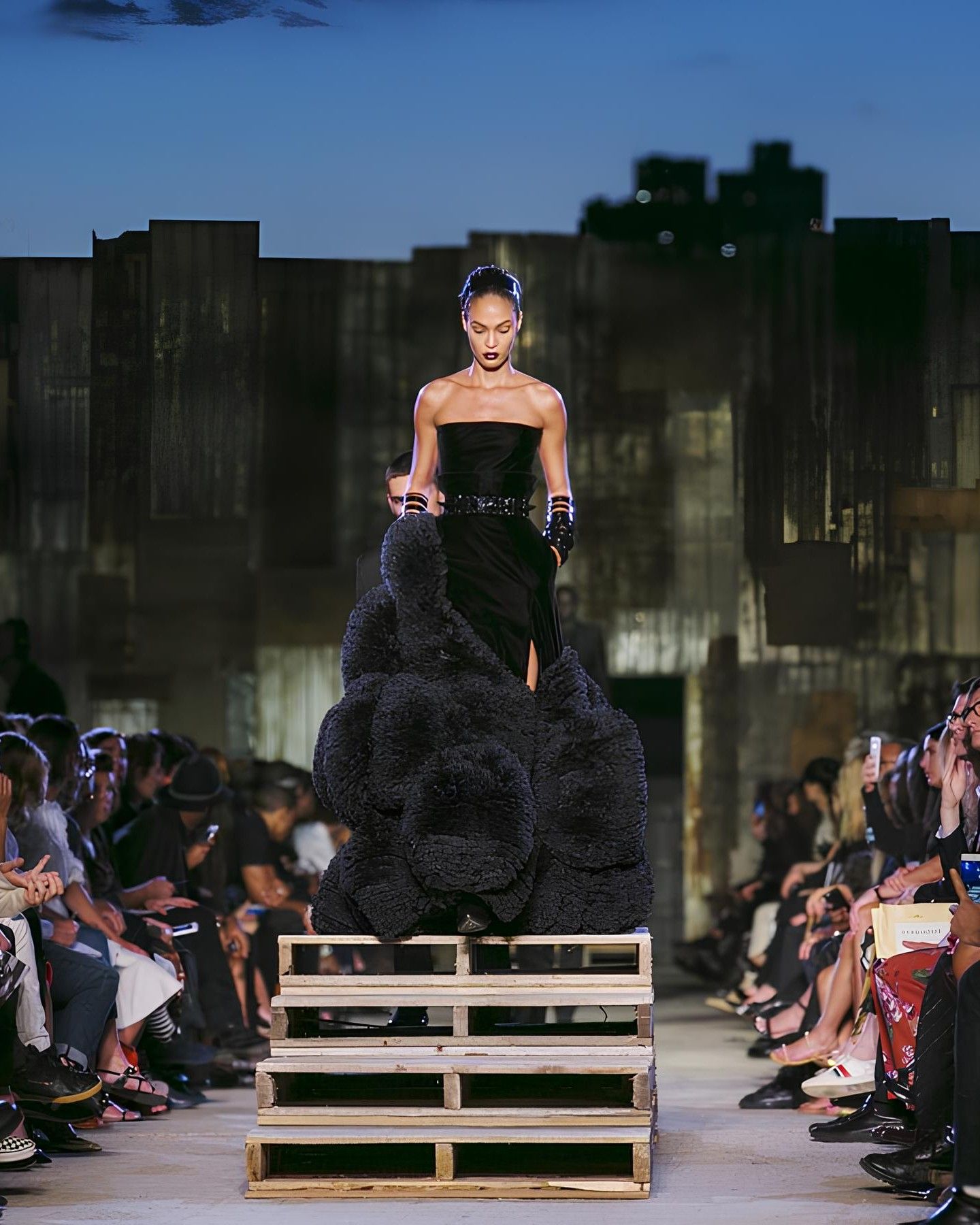
While it is true that under Demna the brand's Haute Couture had ended up dwelling far too insistently on the same themes of the banal revisited (particularly that combination of jeans and a white T-shirt which, after the first time, began to feel creatively lazy) Piccioli's technicist-romantic approach has brought to the runway stunning, elegant, magnificent garments whose personality, however, is entirely exhausted in their execution. The show notes speak of «the notion of couture, the nature of couture, entirely reconsidered for our contemporaneity» and of «couture as information». A pragmatism that would feel less clinical if it took creative risks or attempted to brush up against the sublime.
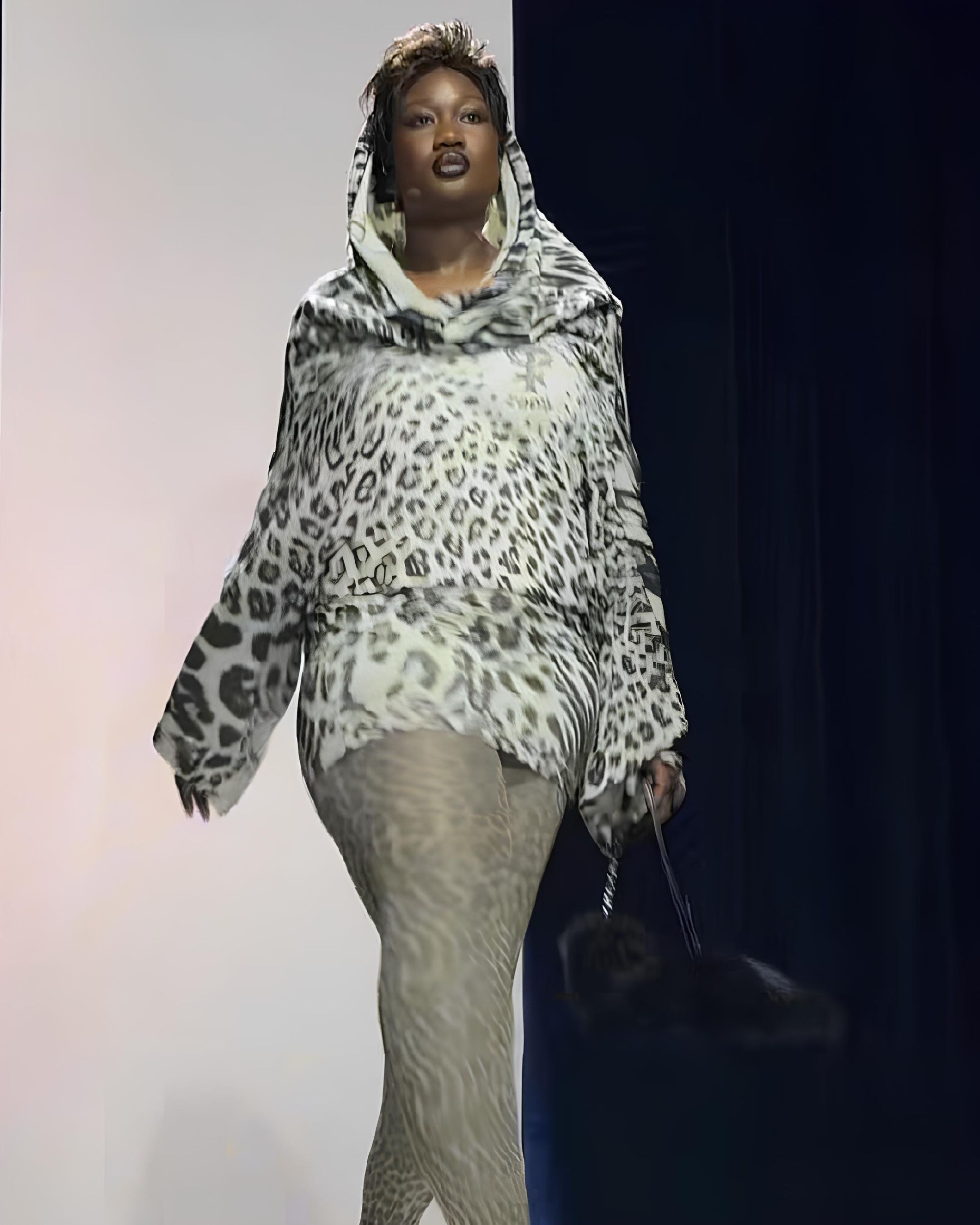
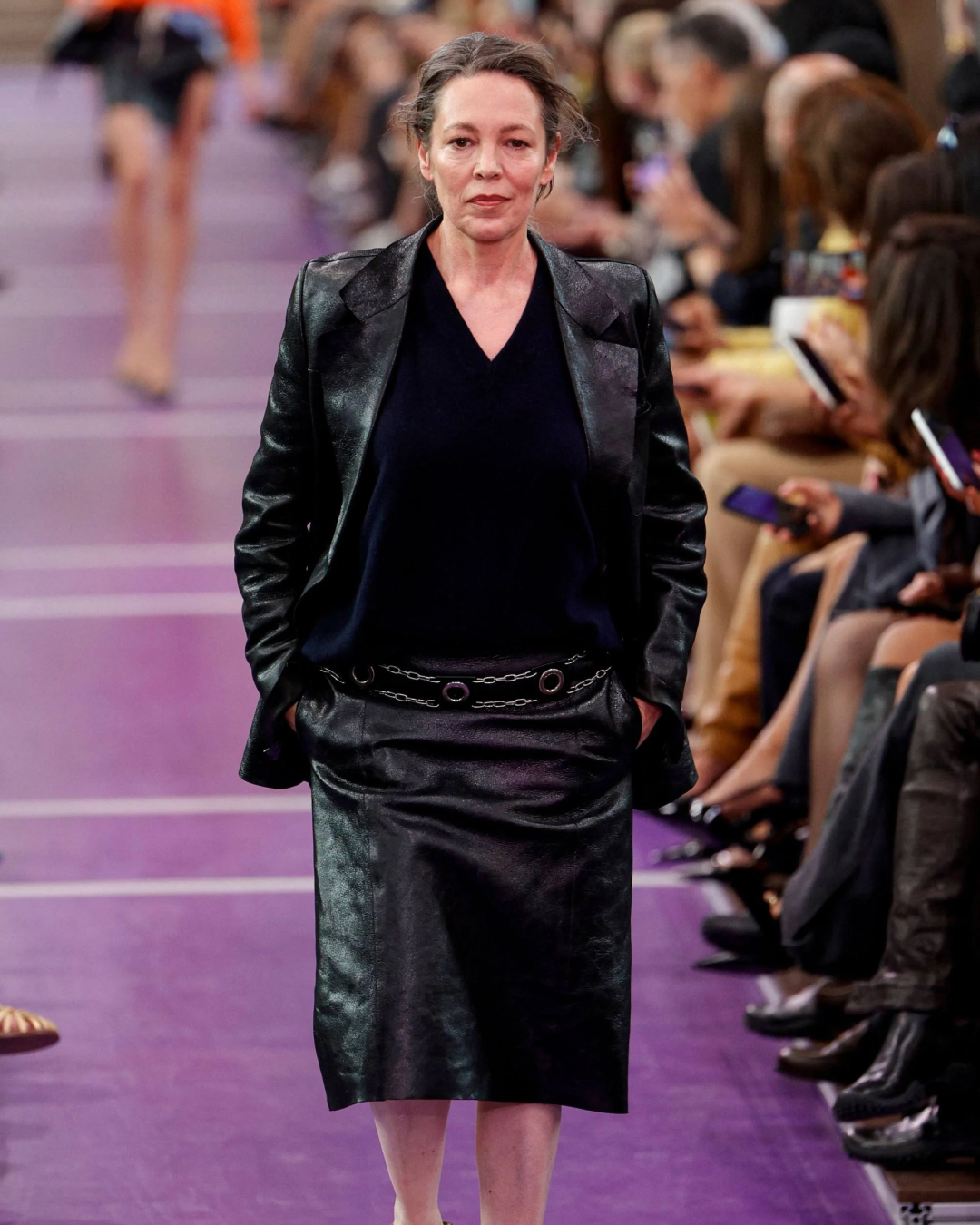
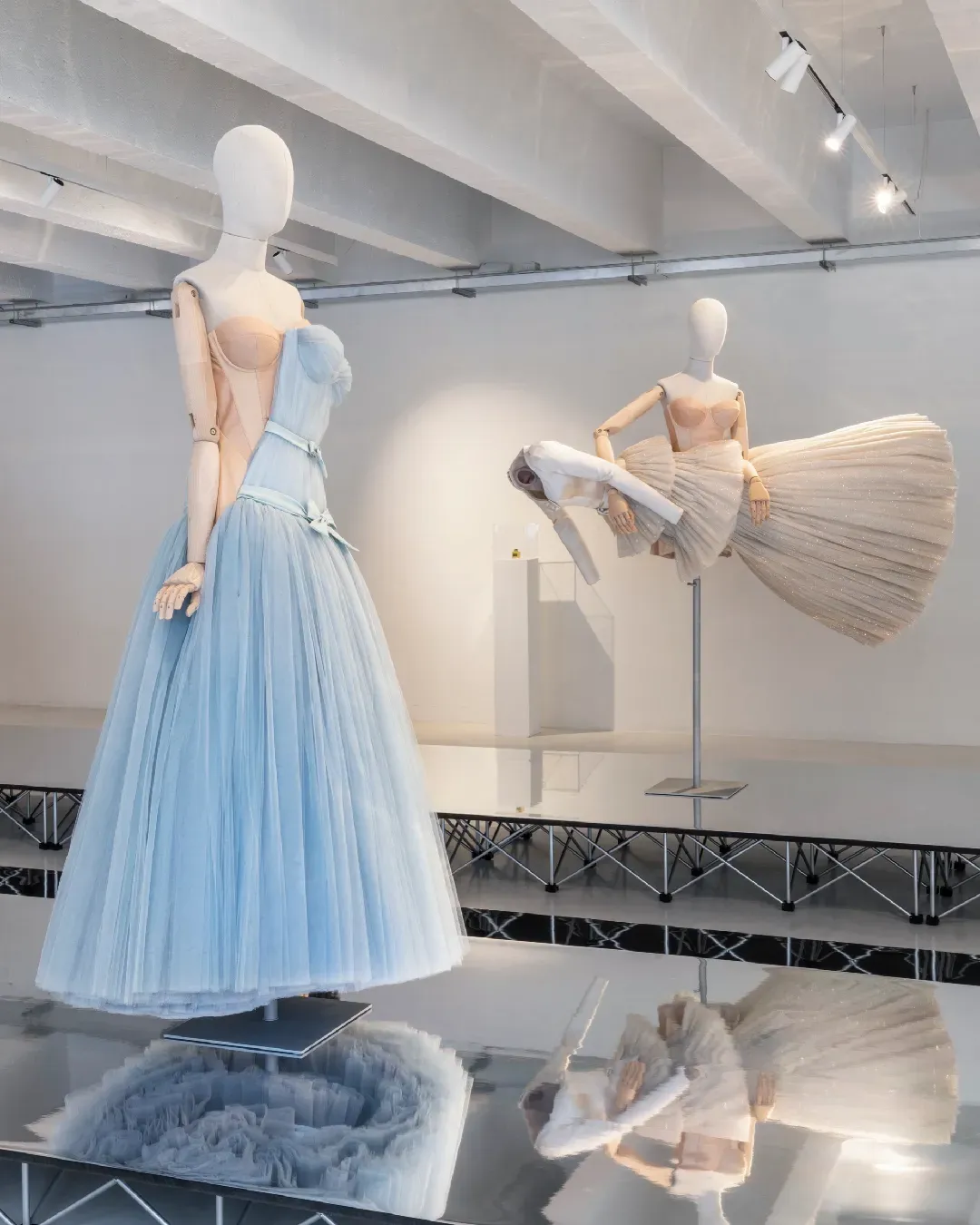
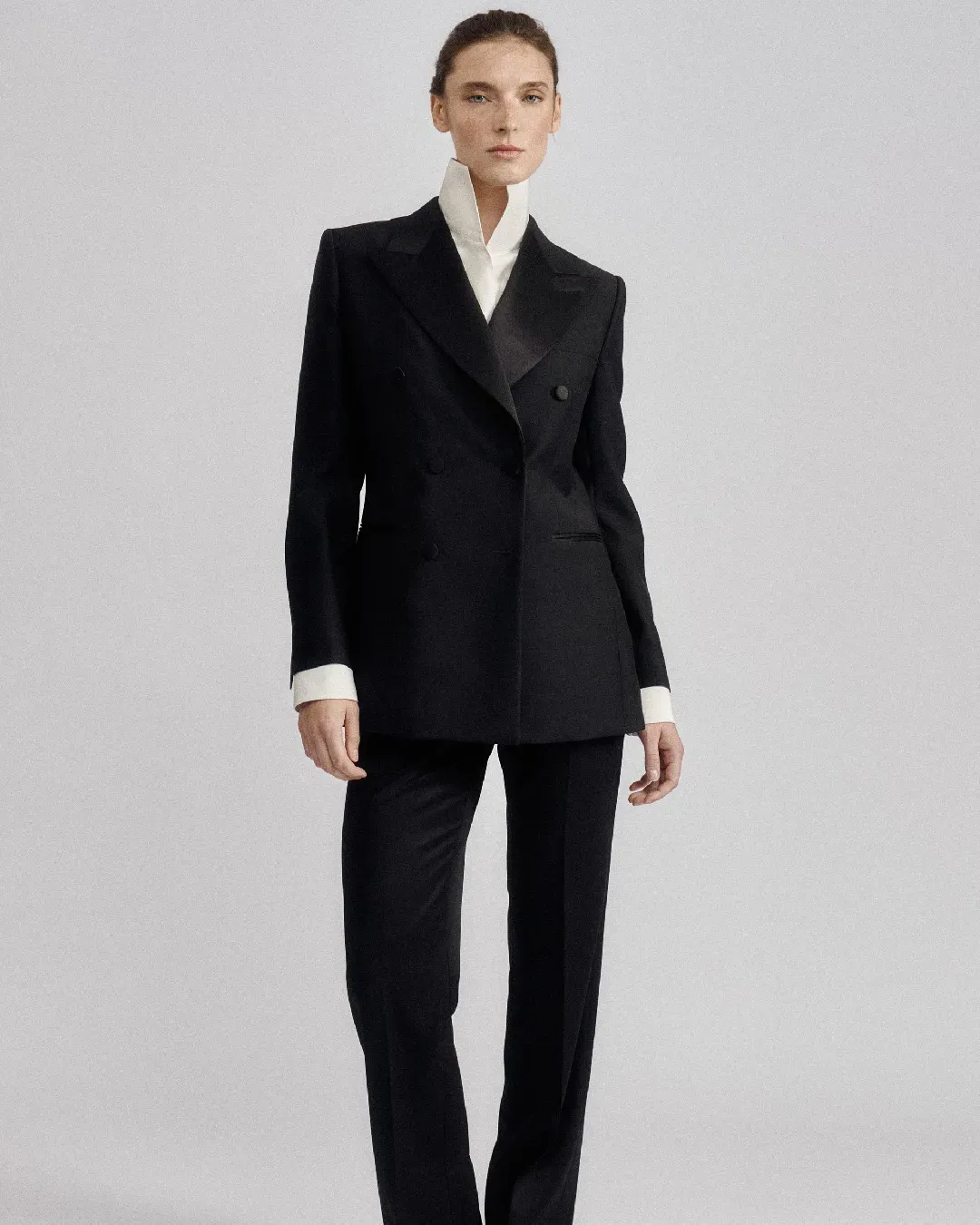
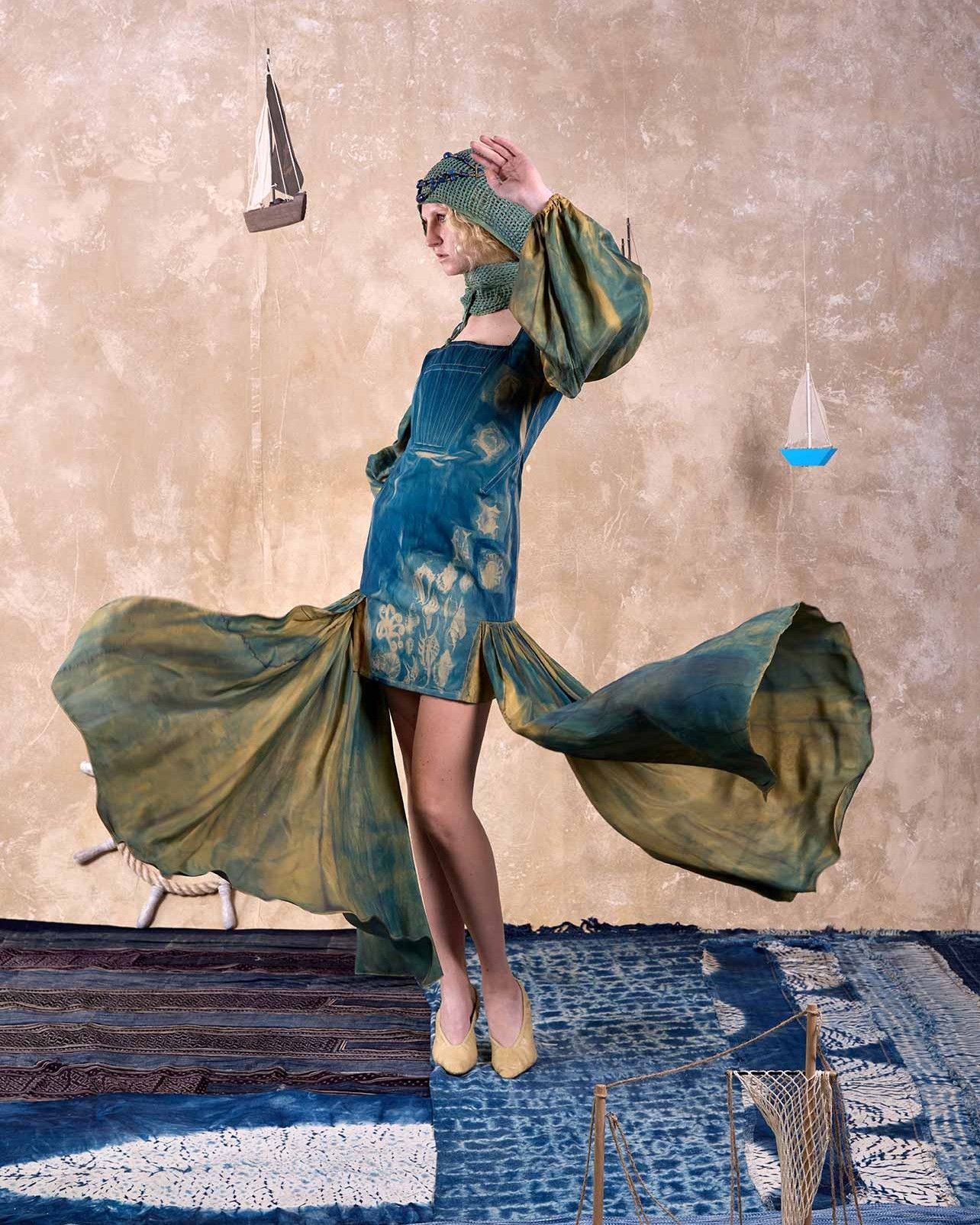
On a constructional level, there is nothing to fault. «A sequence of tailored coats and cashmere garments», the notes explain, «is based on a three-dimensional digital scan of individuals, capturing their attitudes in poses that then become the foundation for shaping the skin like inner carapaces». Elsewhere, mention is made of the introduction of Amsilk fabric «an advanced bioengineered silk alternative for couture» and of «shapes that must be seen from 360 degrees to be truly understood». But beyond being supremely elegant, who is the woman who wears these clothes? Does she have passions, obsessions, quirks? Even the soundtrack, dominated by the mournful voice of Anohni Hegarty, was all languor and little vigour.
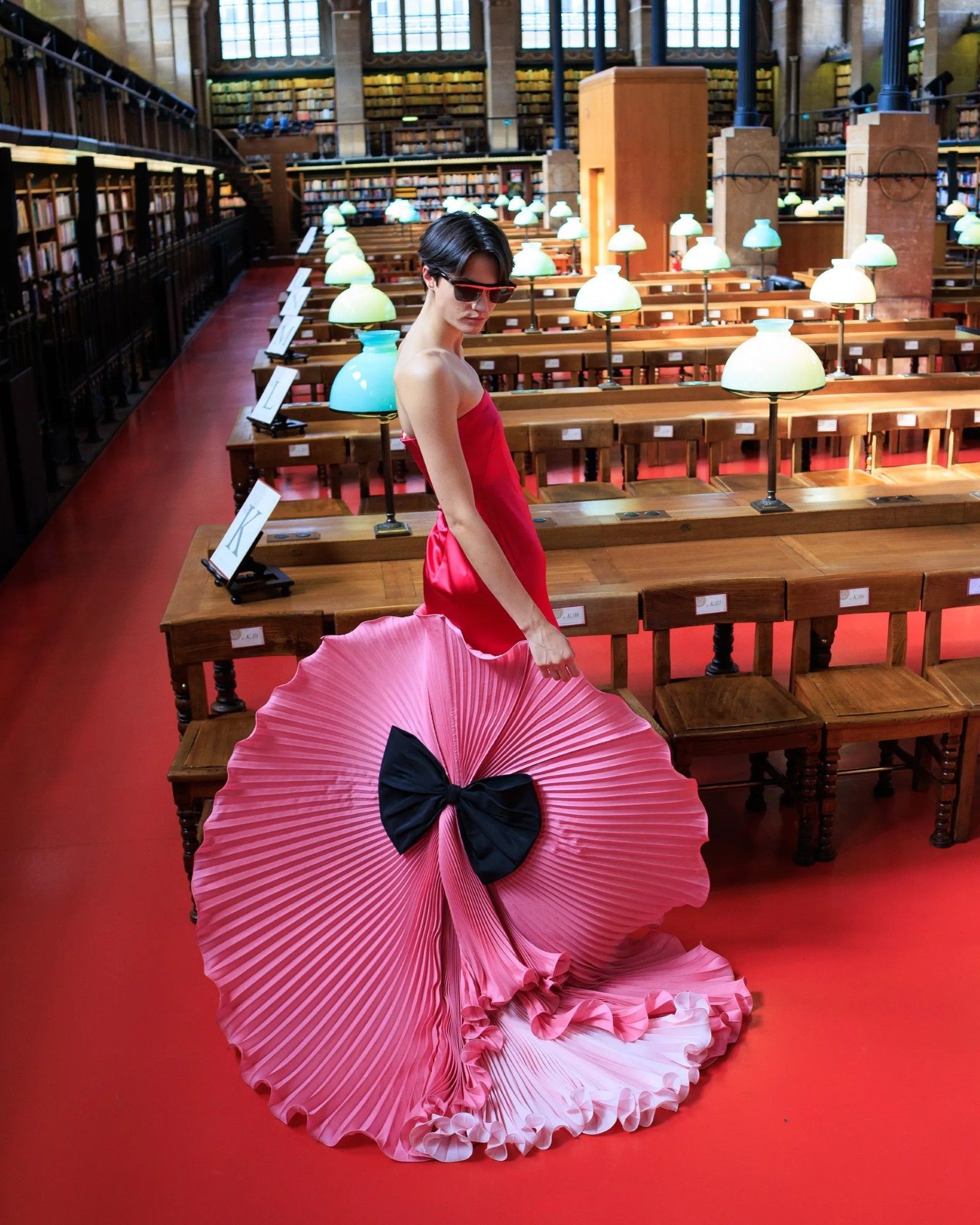
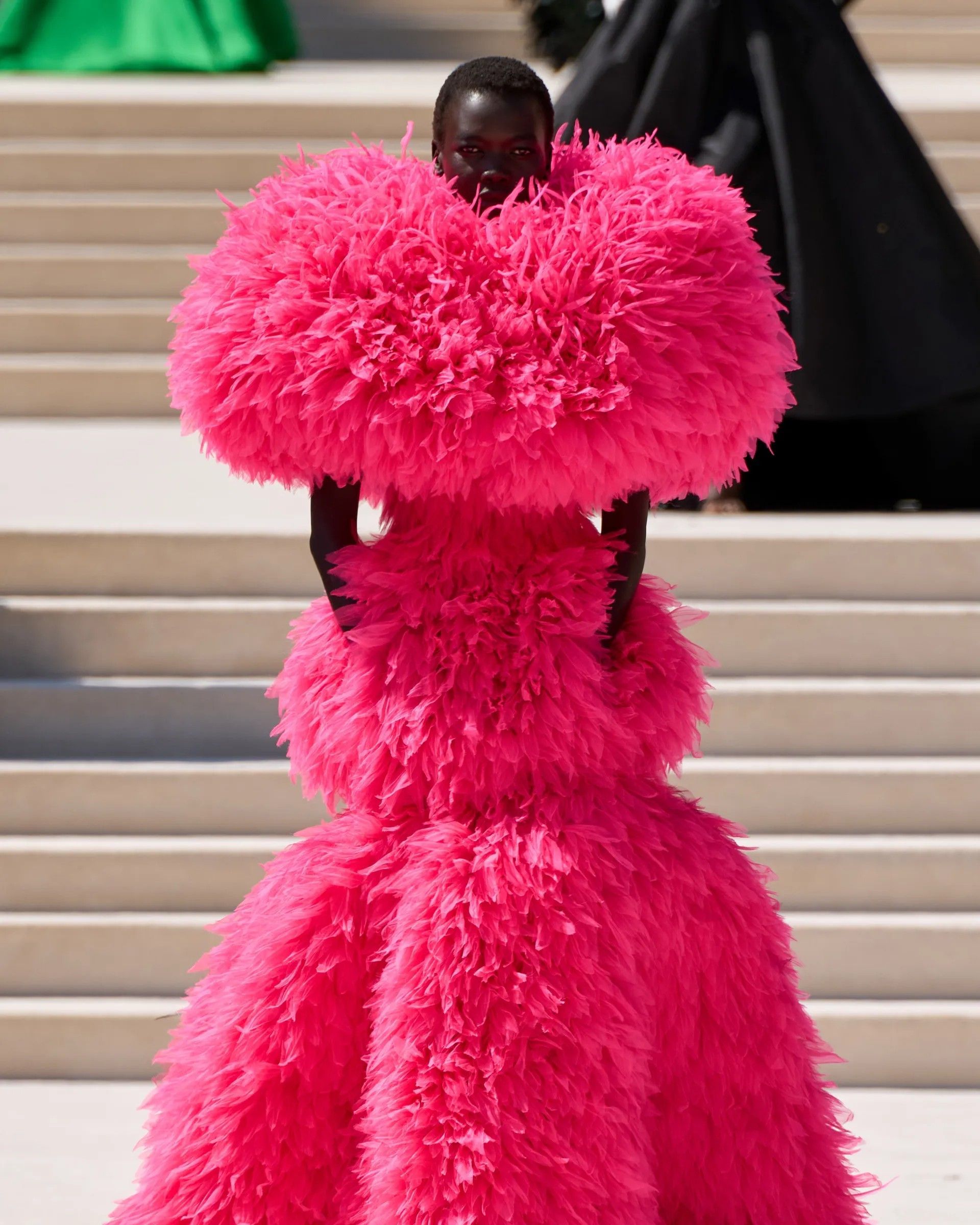
The problem with this and other shows is that beyond self-celebrating their own heritage, engineering prowess, and constructional mastery, many of the past few seasons' presentations lack a story: they are intellectual extrapolations, pedantic references to artists who may be celebrated yet are unknown to anyone who doesn't frequent the Barbican in London, or collections full of hidden details buried in jacket linings, buttons, and hems that you need a magnifying glass to find. Only Robert Wun and Rahul Mishra, this season, seemed to believe that a Couture garment should astonish, spark the imagination, carry a touch of drama. We all love hidden surprises, but in the real world, they usually arrive wrapped in far more entertaining packaging.
It is absolutely true that Balenciaga is currently undergoing a delicate metamorphosis, and yet perhaps this is precisely the moment to throw caution to the wind. The brand's nature and identity are still taking shape, the Demna era is over (or has relocated elsewhere), and we already know that Couture represents the highest degree of technical and formal perfection that fashion should aspire to reach. Balenciaga has some of the finest ateliers on the planet. The point is that, starting from these premises, and given that Couture is the realm of dreams and fantasy, it can also be fun, tell a story, and need not be merely an exercise in solemn seriousness. The clothes are there, but where are the thrills?