
































Inditex is now worth as much as Hermès Inditex reaches a market cap of 177 billion, fast fashion now valued on a par with luxury
The stock market capitalization reached today by Inditex is on a par with that of Hermès. The Spanish group's share price, which hovered around €20 per share in the spring of 2022, has surpassed €56, bringing the company founded by Amancio Ortega close to one of the most exclusive luxury maisons, overtaking Kering and Prada and remaining within striking distance of LVMH. A milestone achieved while also holding its ground on the other front of the market — that of Shein and Temu — which, despite moving enormous volumes, remain stuck at margins of between 3% and 5%, well below Inditex's 15%.
The Strategy
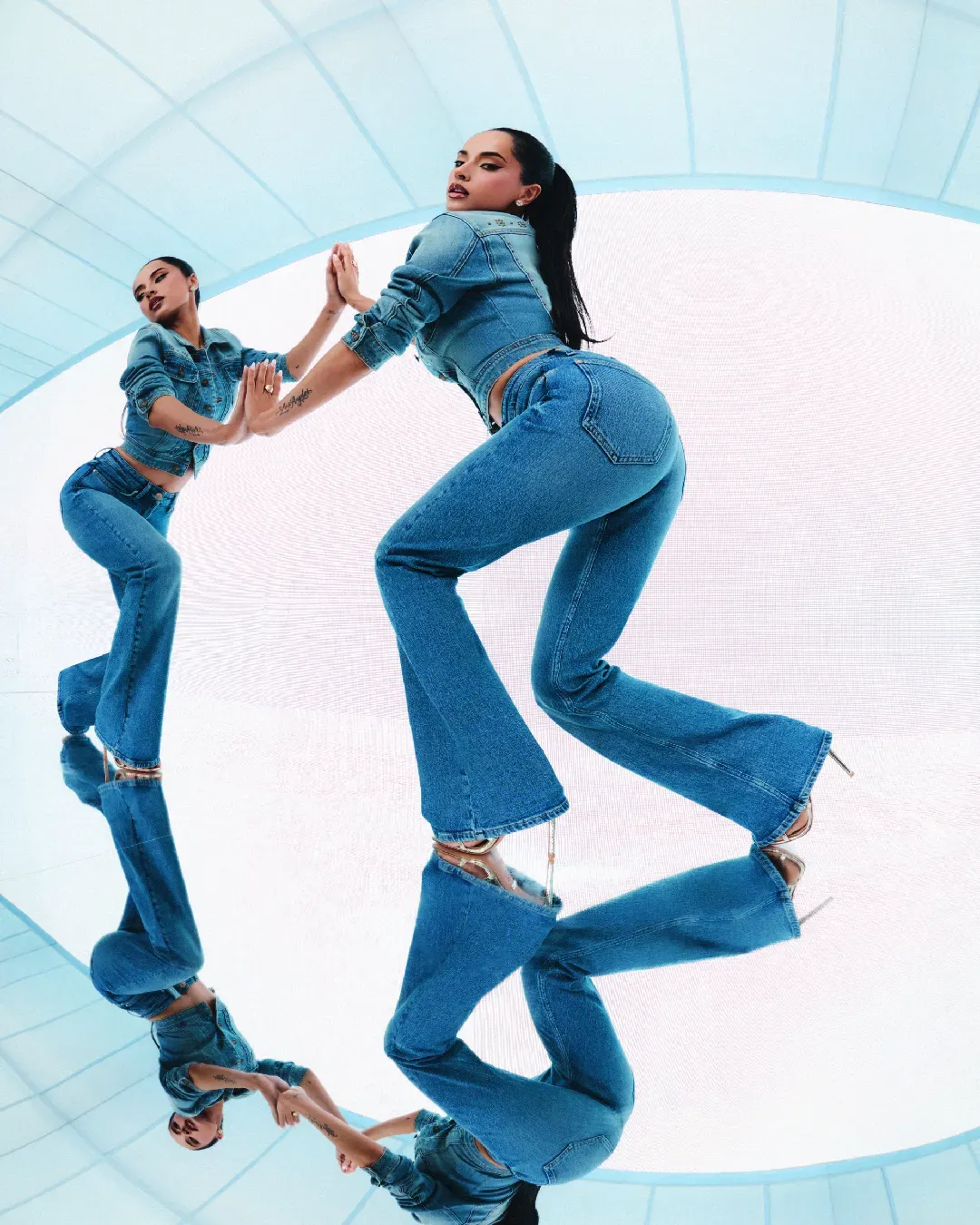
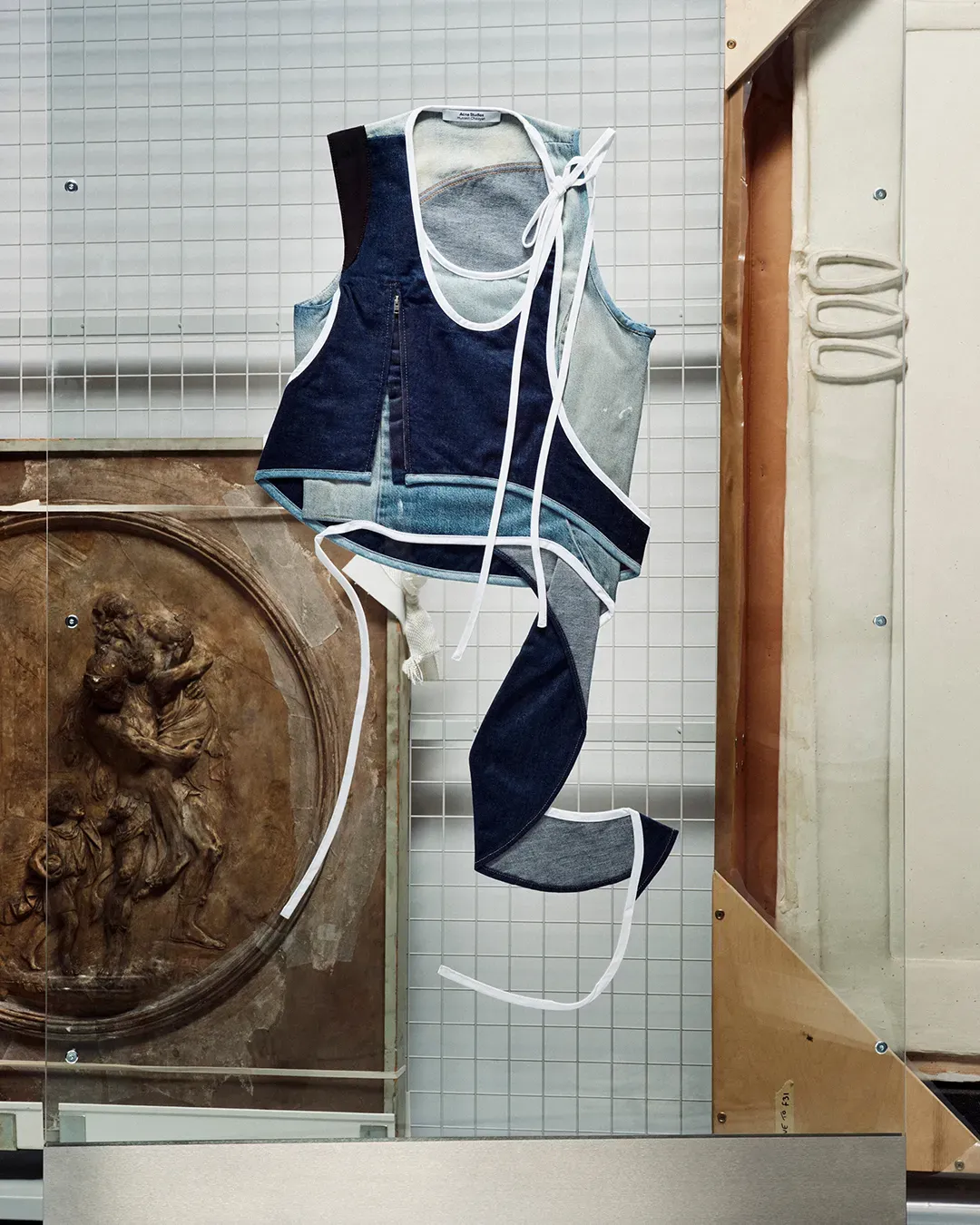
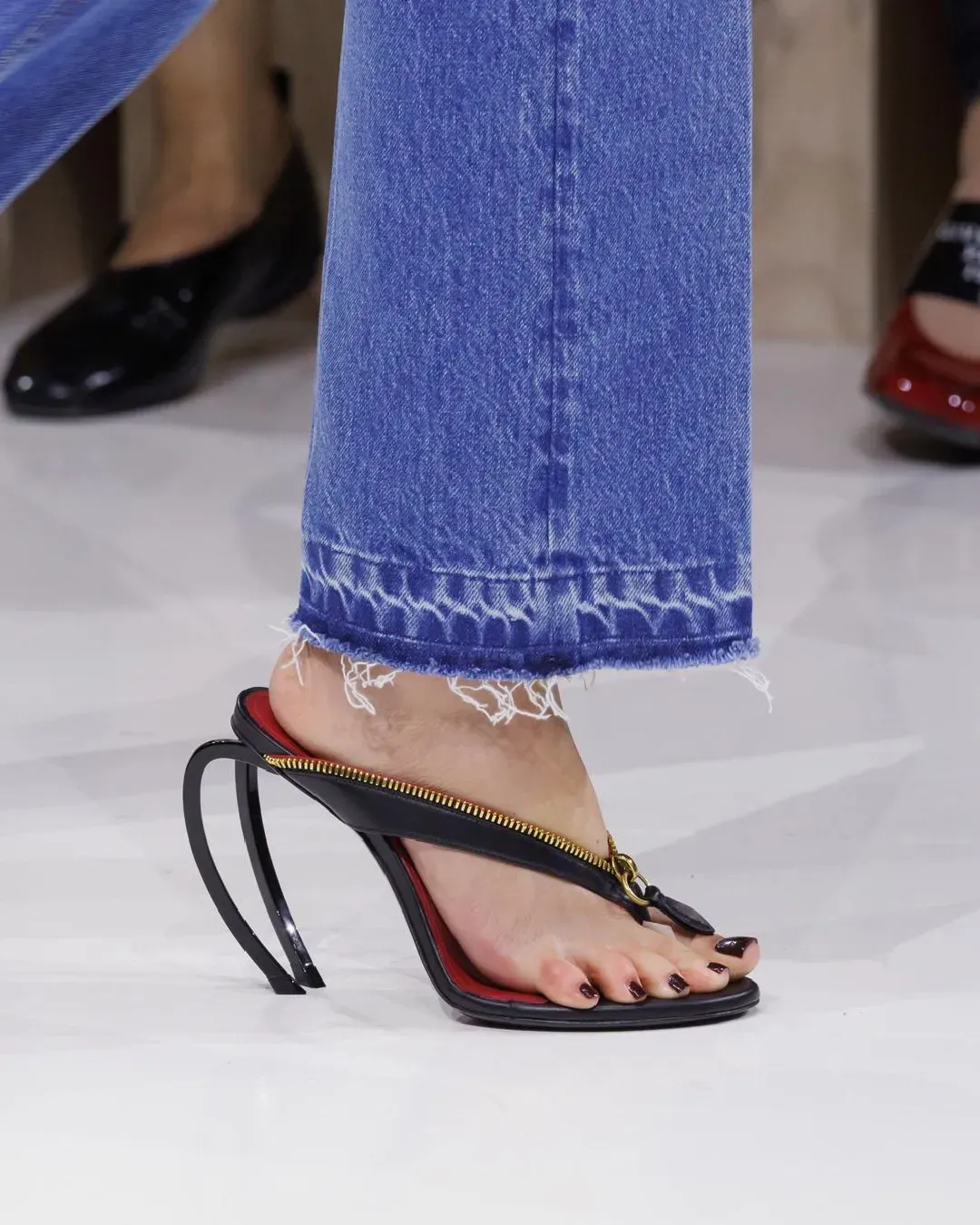
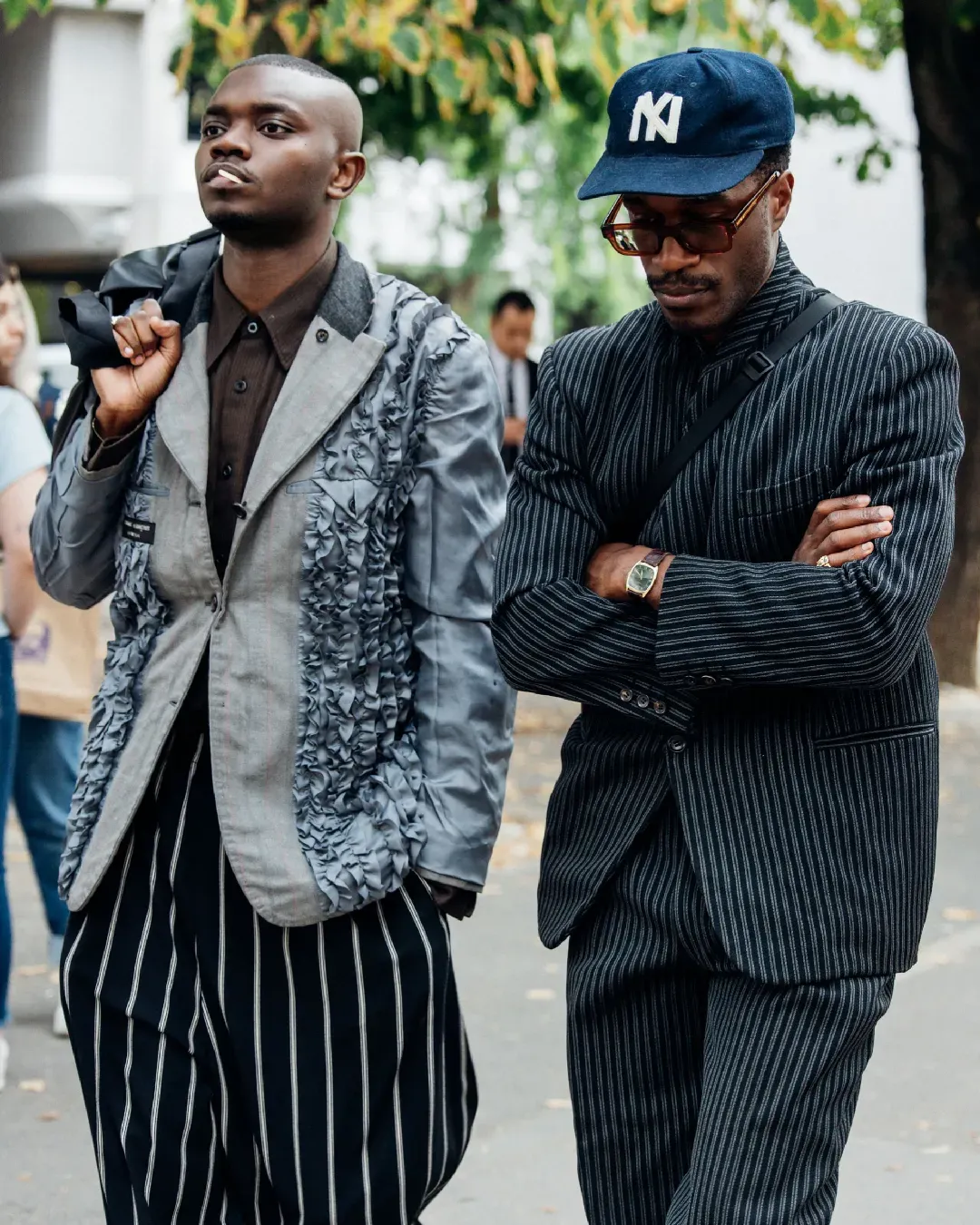
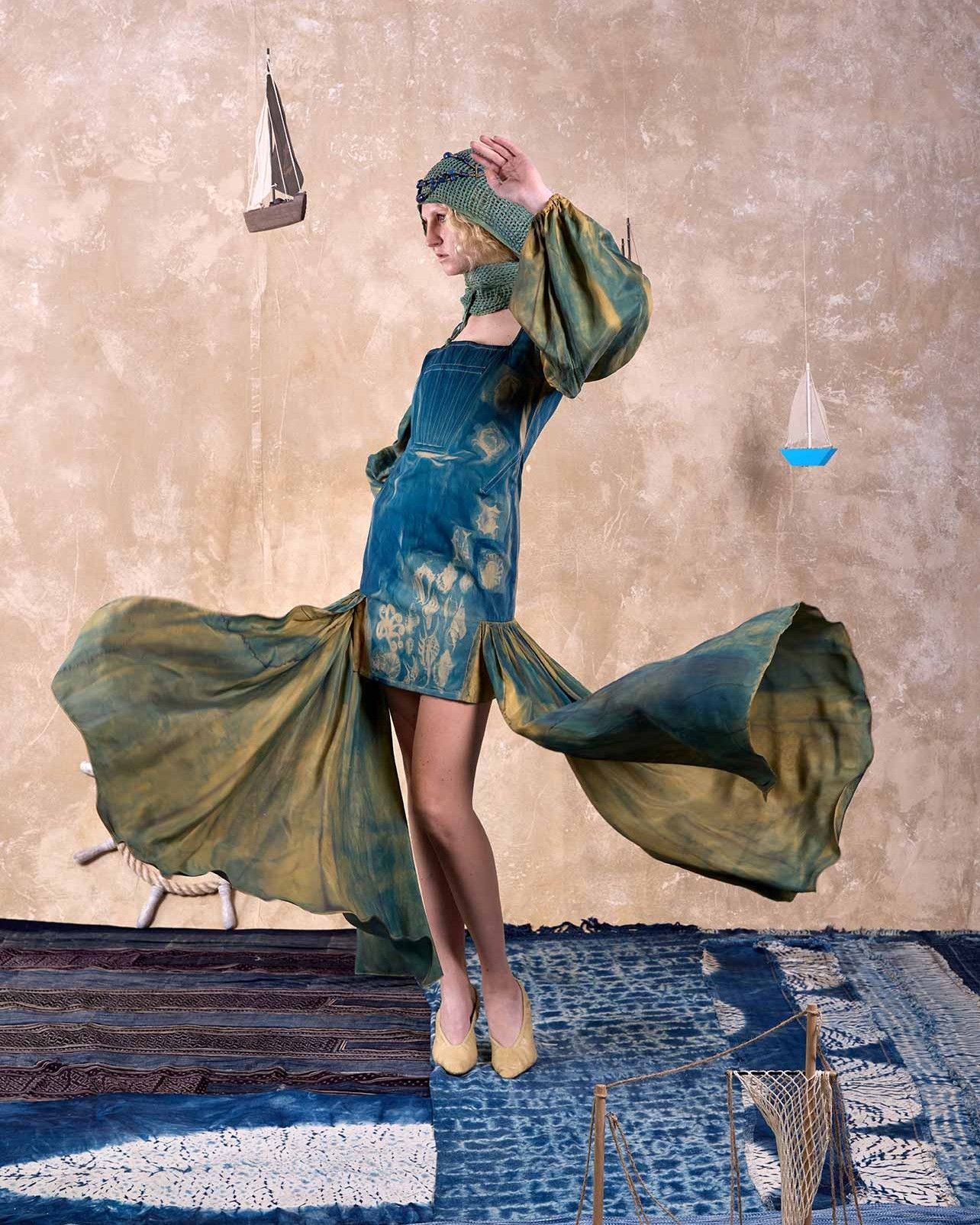
This milestone comes at the end of a path the group has been pursuing for some time. Since the spring of 2022, when Marta Ortega took over as chairwoman alongside CEO Óscar García Maceiras, Inditex has worked to achieve an intermediate market positioning while keeping intact the volume structure that guarantees its profitability. The primary tool for carrying out this operation is a calendar of collaborations that has accelerated considerably in recent times, from Stefano Pilati to Kate Moss, from Samuel Ross to the Hungarian brand Nanushka, through to the most recent project with Willy Chavarria.
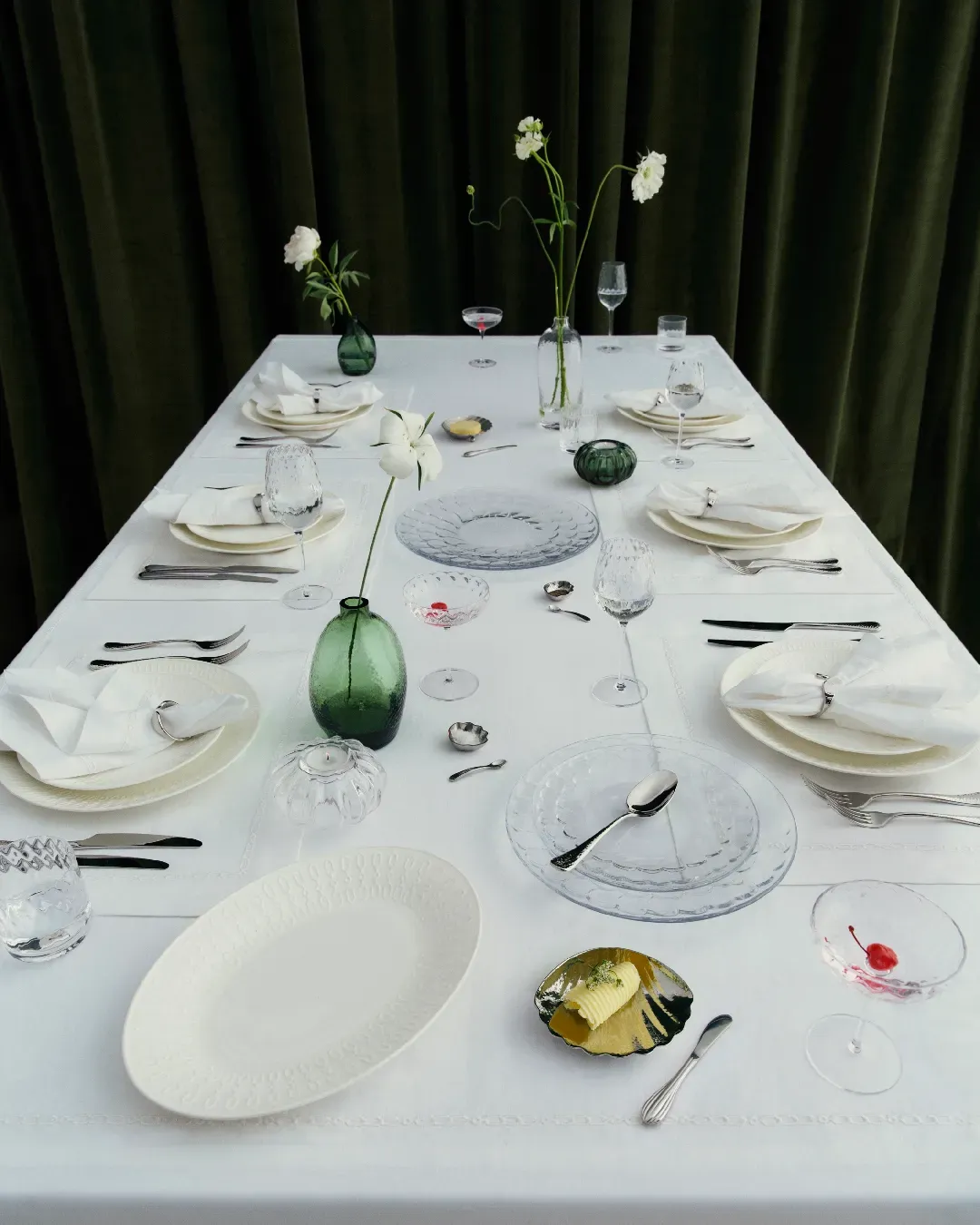
This goes well beyond clothing, as demonstrated by the collection designed by Vincent Van Duysen for Zara Home, which is positioning the brand increasingly as a direct alternative to high-end furniture labels. The group has multiplied its projects with names that the public associates with luxury or high fashion, transferring onto itself, at least in part, that creative credibility.
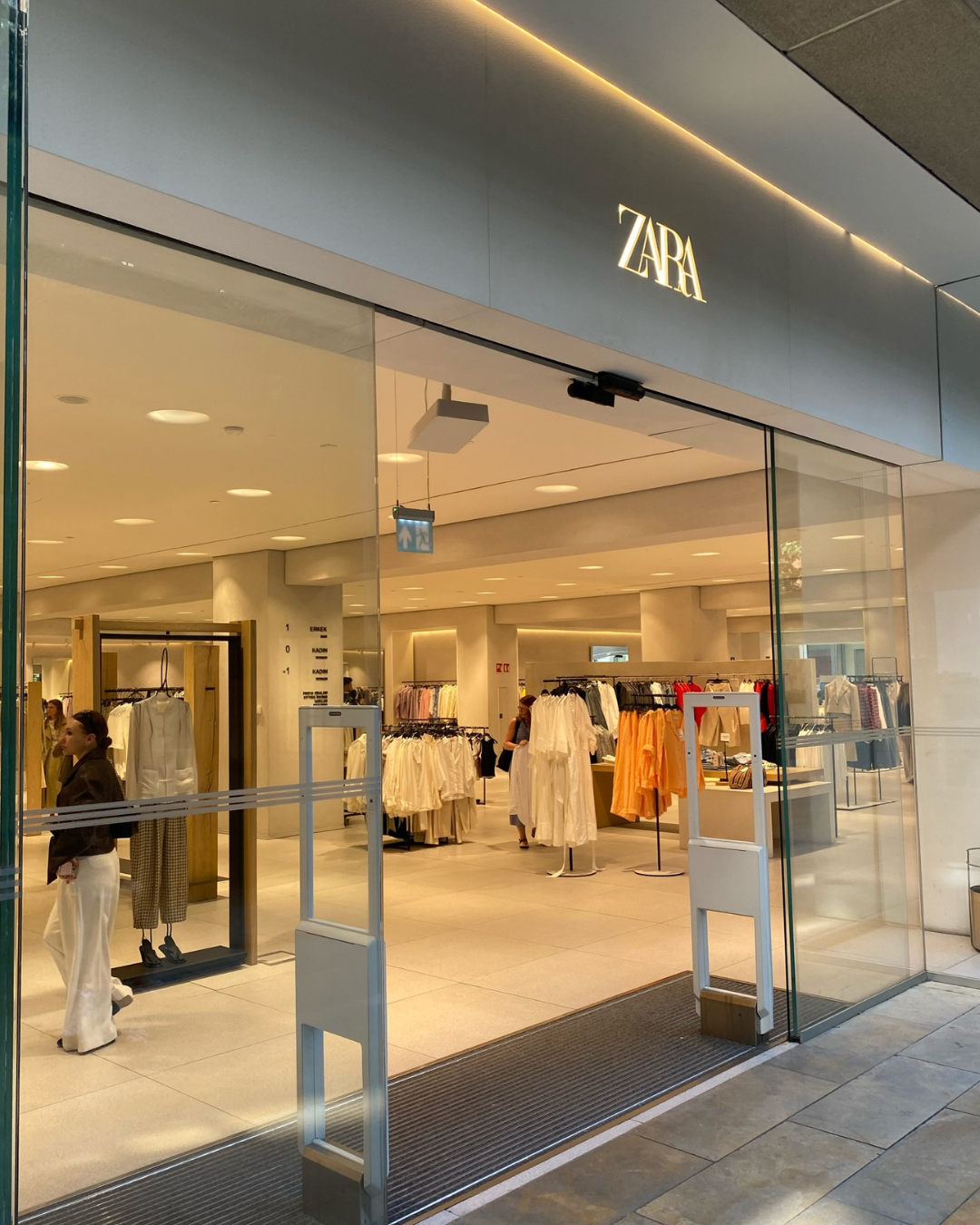
Inditex has a further advantage. A supply chain capable of taking an idea to the shelf with a speed that luxury houses and competitors cannot replicate, thanks to centralised production and an investment of €900 million earmarked specifically for logistics over the 2024–2025 period. It has also reduced the number of smaller stores to focus on large-format locations, refurbished to resemble high-fashion boutiques rather than fast fashion chains, with minimal window displays and an aesthetic refined down to the last detail.
Added to this is the fact that traditional luxury, grappling with ever-rising price tags, tends to repeat the same codes season after season, while Inditex constantly refreshes its offer thanks to that very production speed, managing to translate in real time what circulates on runways and social media into new proposals, without being tied to a single fixed aesthetic. It thus has both the opportunity and the ability to reinvent itself season after season, catching the trends of the moment and always offering something new to discover.
What the stock market today appears to reward is precisely this combination: an image increasingly close to luxury, underpinned by an operational efficiency and a capacity for renewal that luxury itself cannot guarantee, capable of reaching an audience that desires the language of luxury but cannot, or does not wish to, bear its prices.
What Happens Now?
@_hannnahhhh Dropped a pretty one at Zara #milan #italy #fyp #zarahaul Girl, so confusing featuring lorde - Charli xcx & Lorde
Behind the share price growth lie concrete figures. Inditex's revenue is approaching €40 billion, compared with €27 billion in 2021, with a gross operating margin of €11.3 billion and a net profit above €6.2 billion, equal to 15% of sales — profitability levels that leave H&M far behind, with its revenue roughly half the size and a margin of just 5%. Zara still accounts for 70% of the group's revenues, which also includes Bershka, Stradivarius, Oysho, Pull&Bear, Massimo Dutti, Zara Home and Lefties, with net equity above €20 billion and liquidity reserves exceeding €5 billion.
The next growth frontier is geographical. While in Spain and Portugal Inditex already controls 22% and 19% of the market respectively, in the United States its share stands at just 1.7%, and that is where the group will concentrate its investments in the coming years. In Italy, meanwhile, Inditex has already overtaken OVS, Shein and H&M, reaching a 4% share of the local market.
Estimates from S&P Global Market Intelligence point to revenues of €42.6 billion for the current year and a net profit close to €6.8 billion — figures that today justify a multiple of more than four times revenue and close to thirty times earnings, parameters previously reserved for luxury players. The culmination of this partnership strategy will come with the John Galliano collection expected in September, of which we got a preview at this year's Met Gala.