






































Even PlayStation has decided that physical media must disappear But will consumers have the right to own the media they purchase?
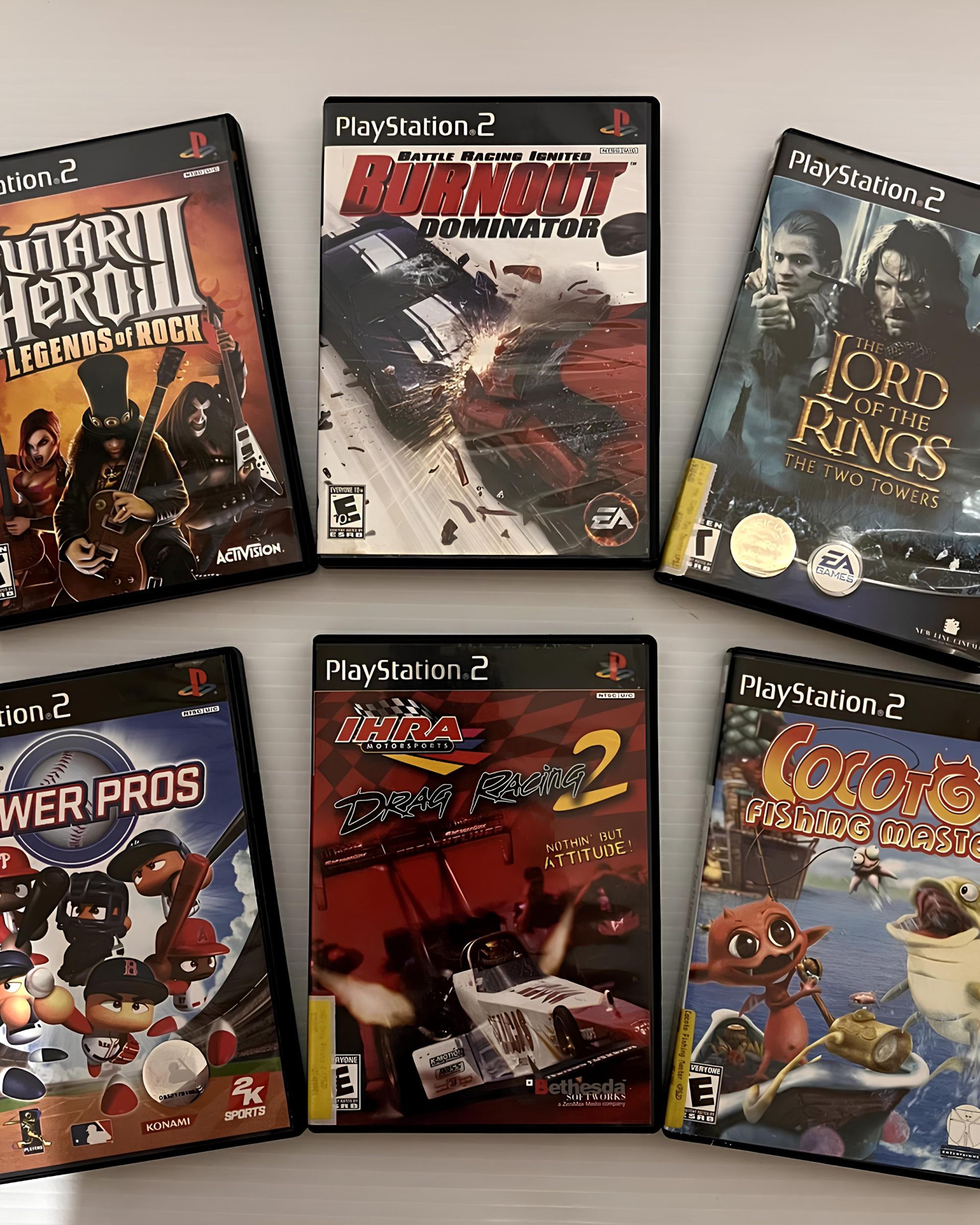
Yesterday, Sony announced that starting in January 2028 it will cease production of physical discs for all new PlayStation games. New releases will be digital only, available through the PlayStation Store and retailers as downloads. On the same day, Sony also revealed plans to shut down the PlayStation Store on PS3 by 2027 and on PS Vita, ending new digital purchases for those legacy systems, even though previously purchased content will remain downloadable for the foreseeable future.
The company described this new policy as an adaptation to consumer preferences, noting that physical sales have shrunk to a small fraction of total revenue. Yet, taken together, these moves seem to herald the end of "ownership" in gaming, and indeed across all other branches of media, along with the progressive dismantling of the legal and practical protections that physical media once provided.
License vs. Ownership
This is LAME as hell, Sony! What are we supposed to do if a game is only available on your store and is either pulled off or the store is shut down and won’t be on the next console?
— Hydro (@HydroGecko) July 1, 2026
You are not only killing actual ownership, preservation, and collectibility of these games, but… https://t.co/wNwMGI0ImF
Physical ownership of games, but also of music, films, or books, is obviously different from a digital purchase. A disc is a tangible object protected by the first-sale doctrine in many legal systems: whoever buys it, owns it. A 1994 PlayStation game, just like a music CD or vinyl record, a book or a Blu-ray, still works on the right player for decades, regardless of server status, the distributor's corporate policies, or future decisions on licenses and rights.
Digital content is quite different. When you buy it, you are buying a revocable, non-transferable license. This license depends on the publisher's platforms, account systems, and the goodwill of the various parties involved. And indeed, in the world of digital media, especially gaming, we have seen games removed from online stores, delisted titles that are now inaccessible, and services shut down entirely. Even refunds cannot restore the experience if servers or licenses disappear.
As noted, this pattern is not unique to gaming. In music, physical albums and CDs have given way to downloads and then streaming, whose providers (such as Spotify or YouTube, for example) can alter track availability, remove content due to licensing disputes, or change algorithms. The same applies to film streaming, with certain titles becoming pay-to-watch, others being removed under often opaque rights policies, and films simply vanishing into thin air. And when it comes to books, we have seen eBook editions censored and altered, or rendered unreadable on certain devices.
The dilemma that the digital entertainment ecosystem poses, then, is between the convenience of intangible digital media (which reduces costs for companies, though not always for users) and consumer autonomy — since the consumer effectively becomes nothing more than a "tenant." There is obviously an economic dimension here, given that physical games can be lent, passed down, resold, gifted, and traded, whereas in an all-digital scenario new releases risk remaining at full premium prices for longer.
But the loss is also aesthetic and social: the rituals of unboxing, artistic cover art, and the world of collecting on one hand; the social bonds built around the games themselves on the other. There is also a question of impermanence: physical copies survive corporate bankruptcies, delistings, and server shutdowns, and digital libraries too risk becoming inaccessible relics if platforms evolve or discontinue support. In short, do we really want to entrust gaming culture — and the culture of film, books, and music — to a remote server that could break down tomorrow, taking all its content with it?
The Problem of the Dematerialization of Ownership
@protracta if you don’t invest in physical media then you’re at risk of losing access to your favorite tv shows and movies forever because they’re in corporate limbo from streamers #letterboxd #media #physicalmedia #tvshow #criterion original sound - .
Sony's decision fits into the great modern debate over "access vs. ownership". A model that benefits companies by giving them tighter control over products and data collection, and creates a subscription-like economy, but diminishes individual autonomy since access depends on corporate infrastructure. This raises broader questions about centralized control over culture, the potential for censorship, and even, if one wishes to go that far, how this erosion of the concept of ownership is one of many factors marking the crisis of the middle class worldwide. The decline of physical media rewrites the way we relate to art and entertainment by making it, fundamentally, ephemeral.
This is why Sony's announcement should prompt reflection across the entire industry and among consumers. Gaming, music, film, and literature thrive when audiences have genuine ownership and choice. Inserting a disc into a console once symbolized control over one's own entertainment. In an entirely digital future, that control increasingly belongs to someone else. The debate is therefore about consumer independence and how far it is acceptable to control them. The distinction between physical ownership and digital licensing is not merely a technical or legal matter — it concerns the meaning of "owning" a cultural work.
The digital world transforms a purchase into a temporary, conditional permission. As demonstrated by the rapid withdrawal of titles like Concord or the disappearance of entire libraries of films and games for licensing reasons, what you buy can be removed at any moment with no recourse for the user: there is a physical bond with art, in all its forms, that an impersonal file on a remote server can never replicate. In this sense, Sony's move accelerates a broader dematerialization of analogue culture — already well underway in music, film, and books — that reduces consumers from owners to mere users dependent on the goodwill and infrastructure of major platforms.
