






Can OnlyFans make fashion exciting again? The platform is seducing more and more indie brands, even at Paris Fashion Week
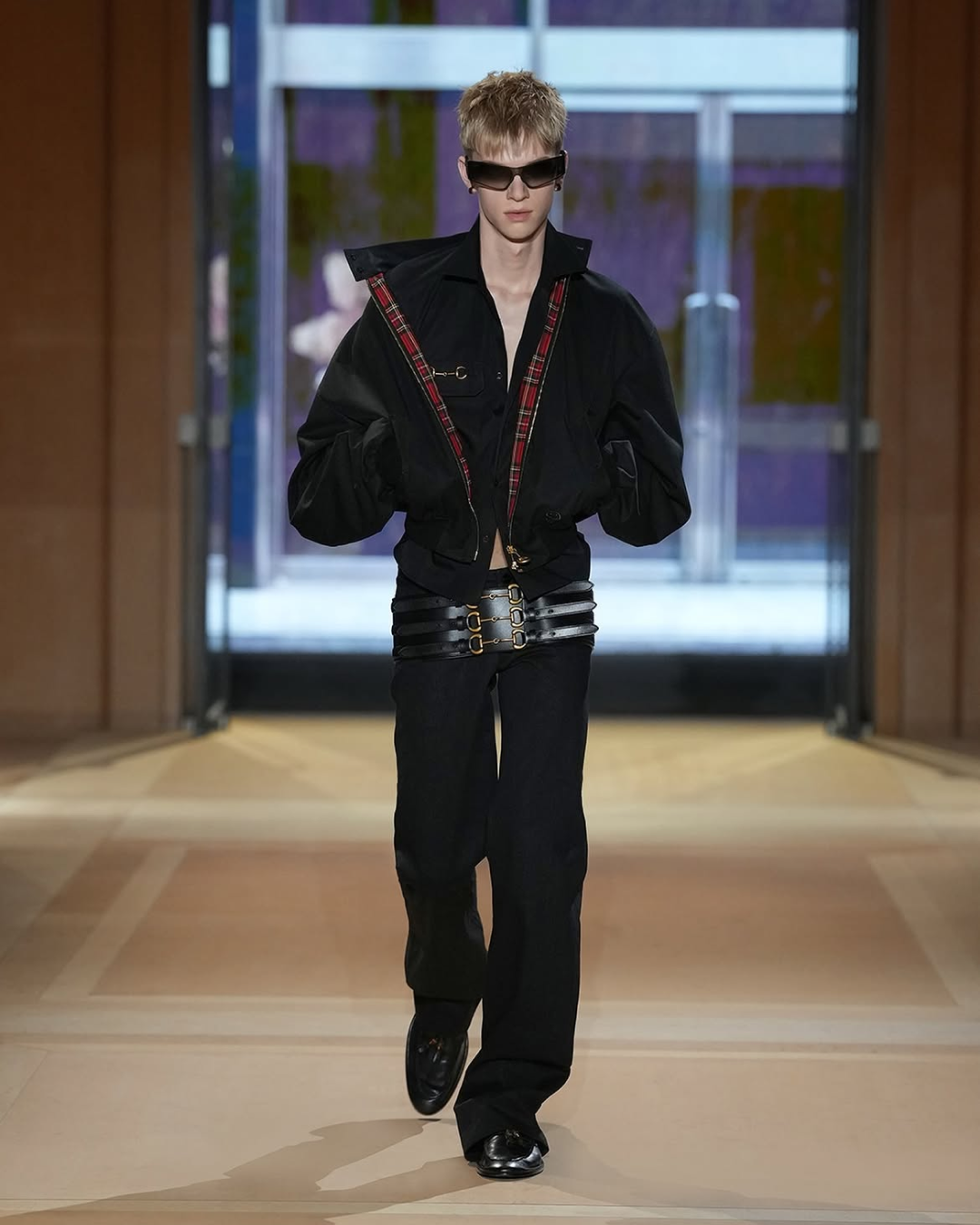
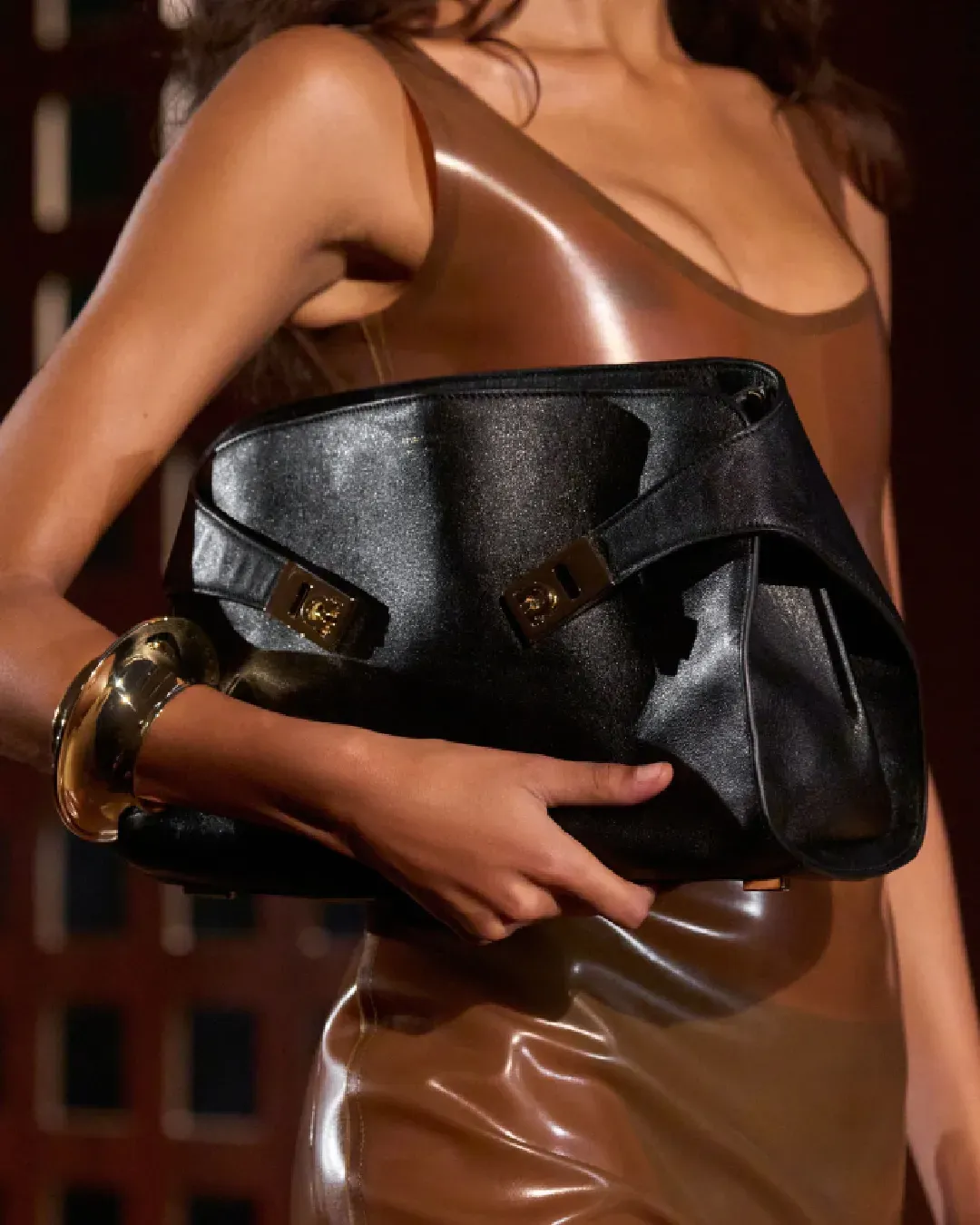
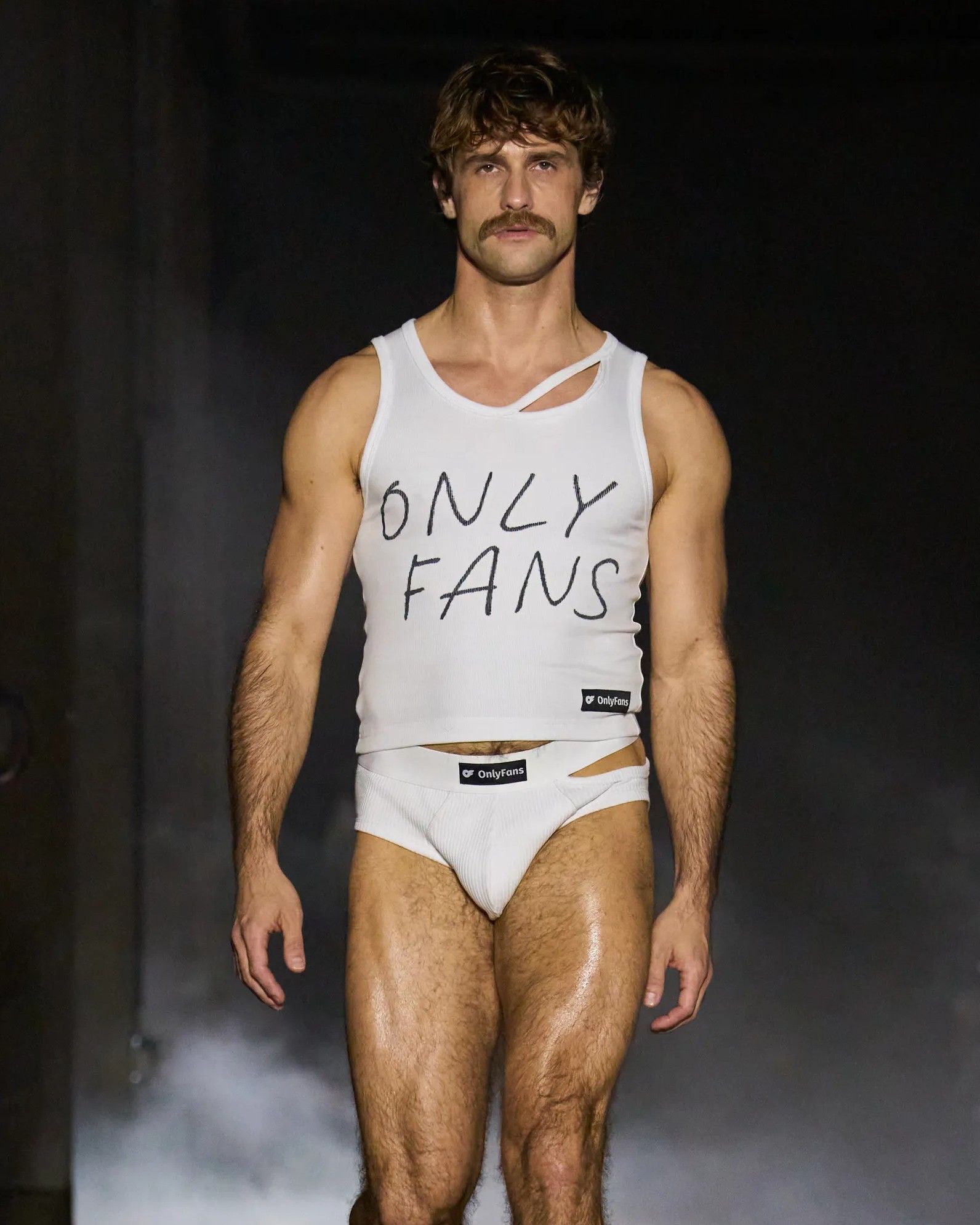
At the last Paris Fashion Week, the boundaries of media began to shift. While over the past year various OnlyFans creators with massive followings have started appearing on brand guest lists, this season the brands themselves began collaborating with the platform that Bloomberg once described as «a billion-dollar media giant hiding in plain sight». Both LGN – Louis Gabriel Nouchi and Pleasures presented co-branded capsule collections with OnlyFans, while in the preceding weeks Poster Girl had also unveiled a series of latex pieces born from the same collaboration.
Where once a brand or designer collaborating with OnlyFans had something seedy about it, today the platform has become a global phenomenon on a par with Vinted, has rewritten the way we approach and discuss our preferences, and has brought a level of sex positivity into public discourse not seen since the late 1990s. Just as Vinted and Vestiaire Collective represent the new frontiers of fashion shopping, can OnlyFans also become a new frontier of communication?
Sex sells, and so does fashion
As mentioned, OnlyFans initially had (and still retains, to be honest) a tinge of the sordid and the forbidden. The first designer to overcome this impression arrived relatively early, however. In February 2021, American designer Rebecca Minkoff became the first prominent fashion figure to open a profile in order to livestream her show, share behind-the-scenes content, and offer paid chat sessions. That same year, Berlin-based multibrand retailer Voo Store also began producing fashion content with more or less risqué, queer-themed art direction for OnlyFans after Instagram's censorship became too heavy-handed.
All moves that made headlines but remained marginal. Yet at this point OnlyFans was looking to shed its reputation as a pornographic portal and instead position itself as a potential platform where any fan could interact at closer range with their celebrity of choice, whether creatives, athletes, famous actors, singers, and so on. In 2021, OnlyFans launched the Creative Fund dedicated to music; in 2022, the one dedicated to fashion, which involved Minkoff herself. Over time, this Creative Fund evolved into something resembling a TV channel, and Creative Fund: Fashion Edition too became a reality show whose most recent edition featured Law Roach as a star judge.
Things remained relatively quiet for a while: OnlyFans quickly normalised and no longer caused a stir. In 2025, however, a boom in activity arrived. In April, New York-based designer Elena Velez brought a streetwear capsule to the platform — featuring sweatshirts and T-shirts decorated with printed corsets — presented during fashion week. A few months later, Rick Owens also launched a profile, with all proceeds donated to a foundation supporting young transgender people. In September, Hillary Taymour, founder of Collina Strada, brought a masterclass on the fashion and merch business to the platform.
Which brings us to 2026. In conjunction with his FW26 show in January, Louis-Gabriel Nouchi opened a channel featuring exclusive films, behind-the-scenes content, ASMR experiments and artistic collaborations, even appearing on OFTV, the platform's free streaming channel, to discuss his creative process. The capsule collection born from the collaboration between the two is the one presented at the just-concluded fashion week. Between April and June, meanwhile, Poster Girl launched its latex capsule accompanied by a creator profile dedicated to studio shots, before arriving, in July, at the collaboration with Pleasures, presented on a boat on the Seine during Paris Fashion Week. But what accounts for this surge in activity?
Better than classic Instagram?
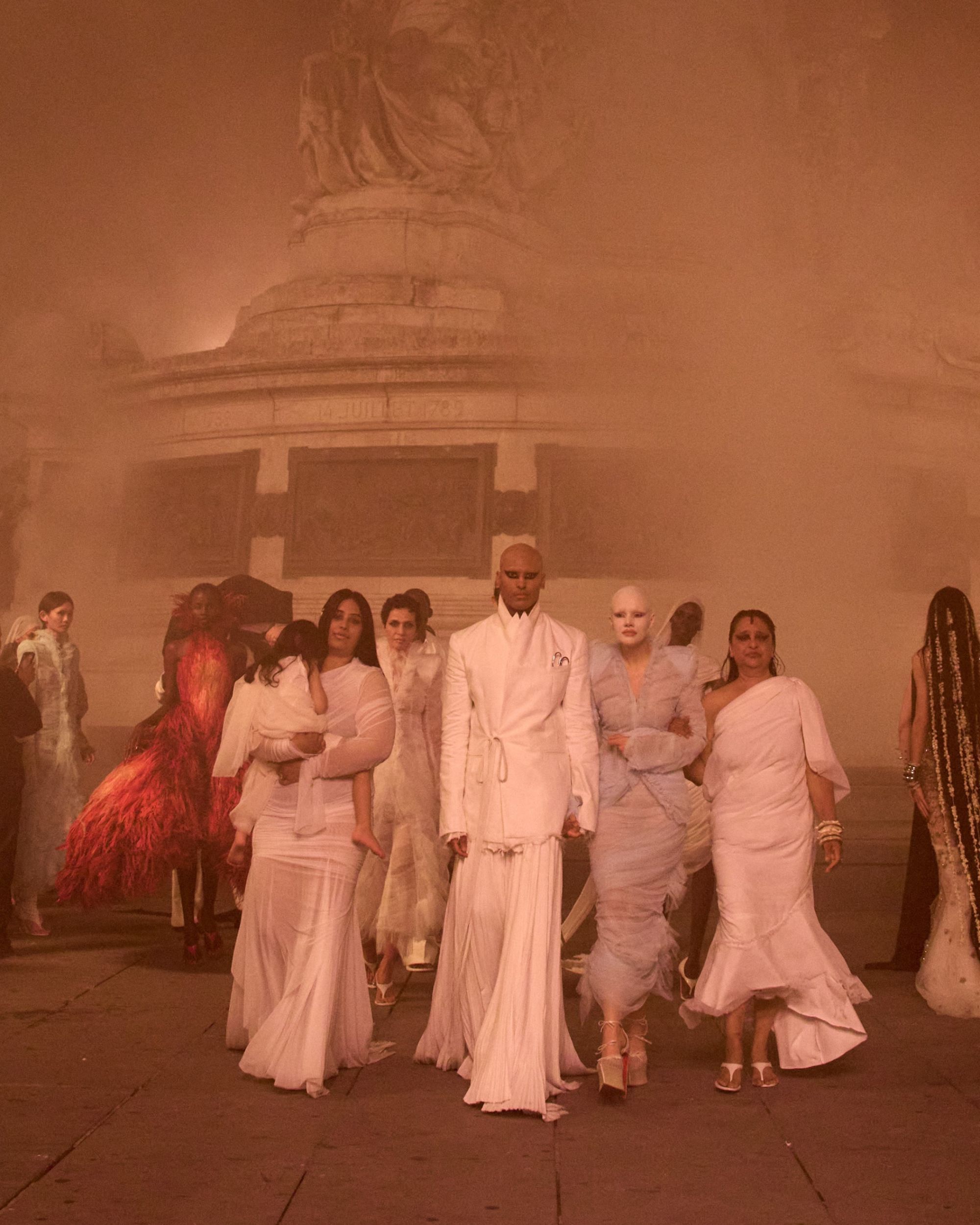
@bkcase_official LGN ×ONLY FANS Fashion week in Paris @LGN Louis-Gabriel Nouchi Louis Gabriel Nouchi's Alien collection brought childhood nightmares to life in an underground car park in Le Marais. With pounding techno, dim lights, and a diverse cast of models, the runway felt like stepping into a sci fi horror movie. Braided hair face huggers, elasticated veils, vampiric coats, space-crew jumpsuits, and body-hugging dresses with subtle ruching created a mix of cosmic eroticism and futuristic style. The show wasn't just about shock value it explored alienation and identity, reflecting on how the word "alien" is used to dehumanize people, while celebrating diversity and self-expression. Nouchi also added playful touches inspired by OnlyFans and Sigourney Weaver's iconic looks, blending provocation with wearability. This collection proves that fashion can be subversive, inclusive, and effortlessly cool, turning fear into fascination and nightmares into runway magic. Every piece feels bold, sensual, and utterly unforgettable. Thank you for the invitation! #LouisGabrielNouchi #AlienCollection#viral #fashiontiktok #foryourepage 原創音樂 - BK CASE
Behind the acceleration in the relationship between fashion and OnlyFans over recent months lies not only brands' curiosity about a new channel, but also a now-evident crisis in traditional social media. As Puck reported this week (and as nss magazine noted exactly a year ago), Instagram engagement for luxury brands has dropped considerably in recent years, despite them continuing to post with the same frequency as before. Many factors are at play, all summed up by the observation that fashion brands on Instagram are terribly boring — they post nothing but advertising, nothing engaging, and come across as distant and corporate. This is why they lean on unofficial fan pages like @newbottega and @versaceeventi.
Beyond the growing institutionalisation of brand profiles, there are also algorithms that reward sponsored content over organic posts, pushing companies to spend ever more simply to maintain visibility rather than grow it, as well as the issue of toxic audiences that expose designers and retailers to every kind of cyberbullying. All of this belligerent landscape becomes far more manageable and serene on OnlyFans.
Not being advertising-funded, OnlyFans does not need to optimise content to hold attention within an endless scroll, but instead opens a direct relationship between creators and those who consciously choose to subscribe. It is a logic of voluntary access that filters the audience, and leads those who sign up to do so with a relatively open mind — there are no trolls or mysterious bots. This allows designers both to maintain greater control over their content and to avoid "speaking into the void" across dispersive social feeds, while also freeing them from compliance with restrictive moderation policies around themes related to the body and sensuality — themes that have always been central to the language of fashion.
More broadly, the disorienting vastness of the web is leading creators and brands to move digitally within ecosystems that are not so much "closed" as more open to those who are genuinely interested — such as Substack newsletters, but also YouTube channels where video essays proliferate, and Twitch and Discord chats. In short, small defined spaces where one can focus on whatever topic is of interest without being exposed to the chaos, the algorithms, the trolls, and the pitfalls of an Internet that is growing ever more murky and bewildering.