
How Toni Servillo's style transforms costume into identity Between Italian tailoring, decadence and great beauty, the wardrobe of Toni Servillo's characters
In Italian cinema, clothing has never been a mere aesthetic element, but a true narrative tool capable of telling characters, eras and identities. From the bourgeois modernity of La dolce vita by Federico Fellini to the protagonists of Paolo Sorrentino, fashion on the big screen has helped define a precise idea of Italian elegance: made of restraint, quality materials and attention to detail.
It is precisely within this tradition that the cinematic style of Toni Servillo, takes shape, where costume becomes an integral part of the characters' psychology. Over the course of his career, the actor has brought to life very different characters, united however by a recurring element: an extremely precise relationship with clothing.
A jacket, a tie, a coat or a pair of glasses often say more than a long explanation. Servillo is one of the most representative figures of Italian cinema, capable of combining interpretative rigour and a strong scenic identity. The appeal of Toni Servillo's style stems precisely from this tension between surface and depth. His characters use elegance as a form of control: wearing a suit means holding a position, building a distance and protecting oneself from the outside world.
Jep Gambardella and the wardrobe of The Great Beauty
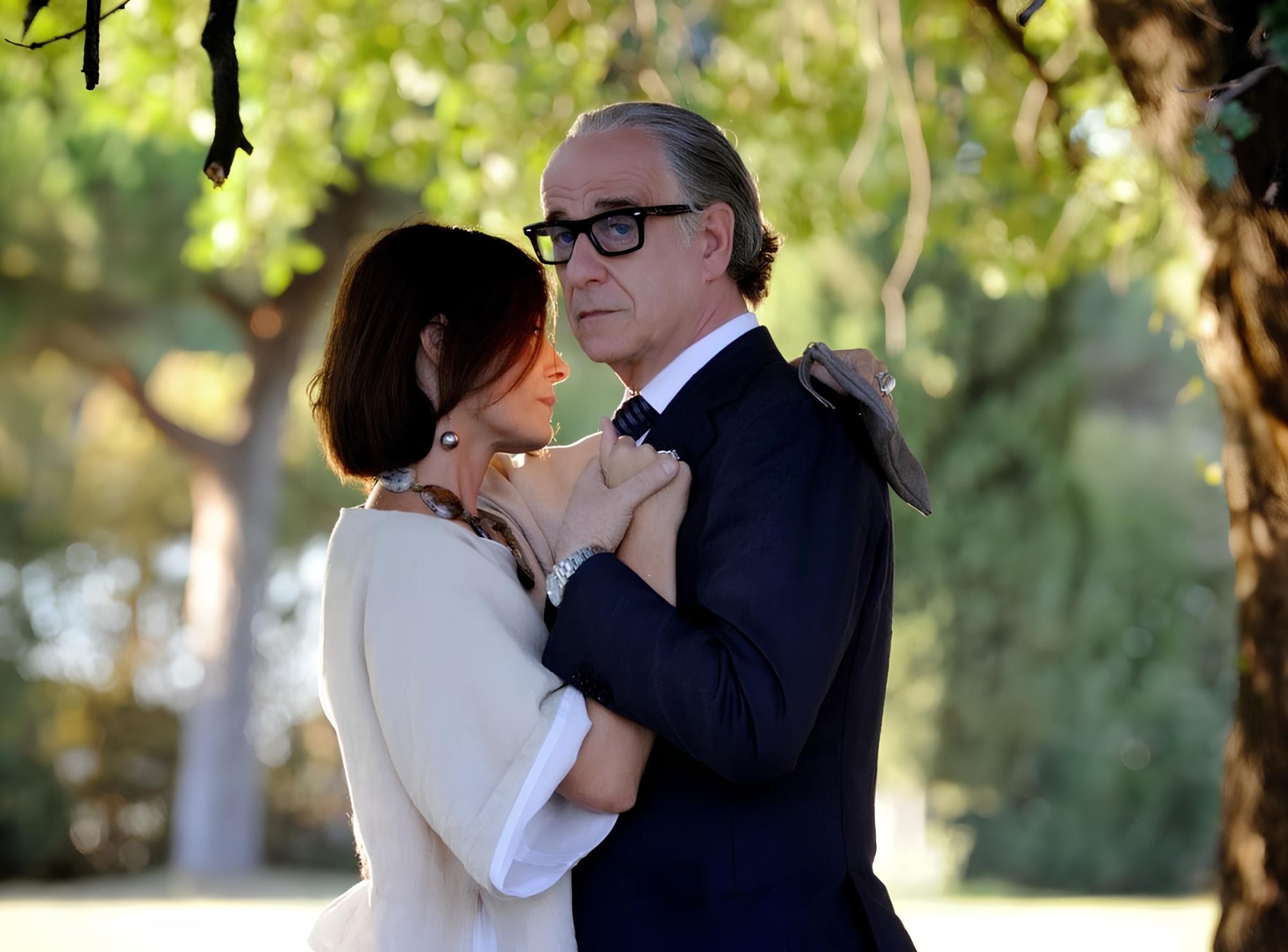
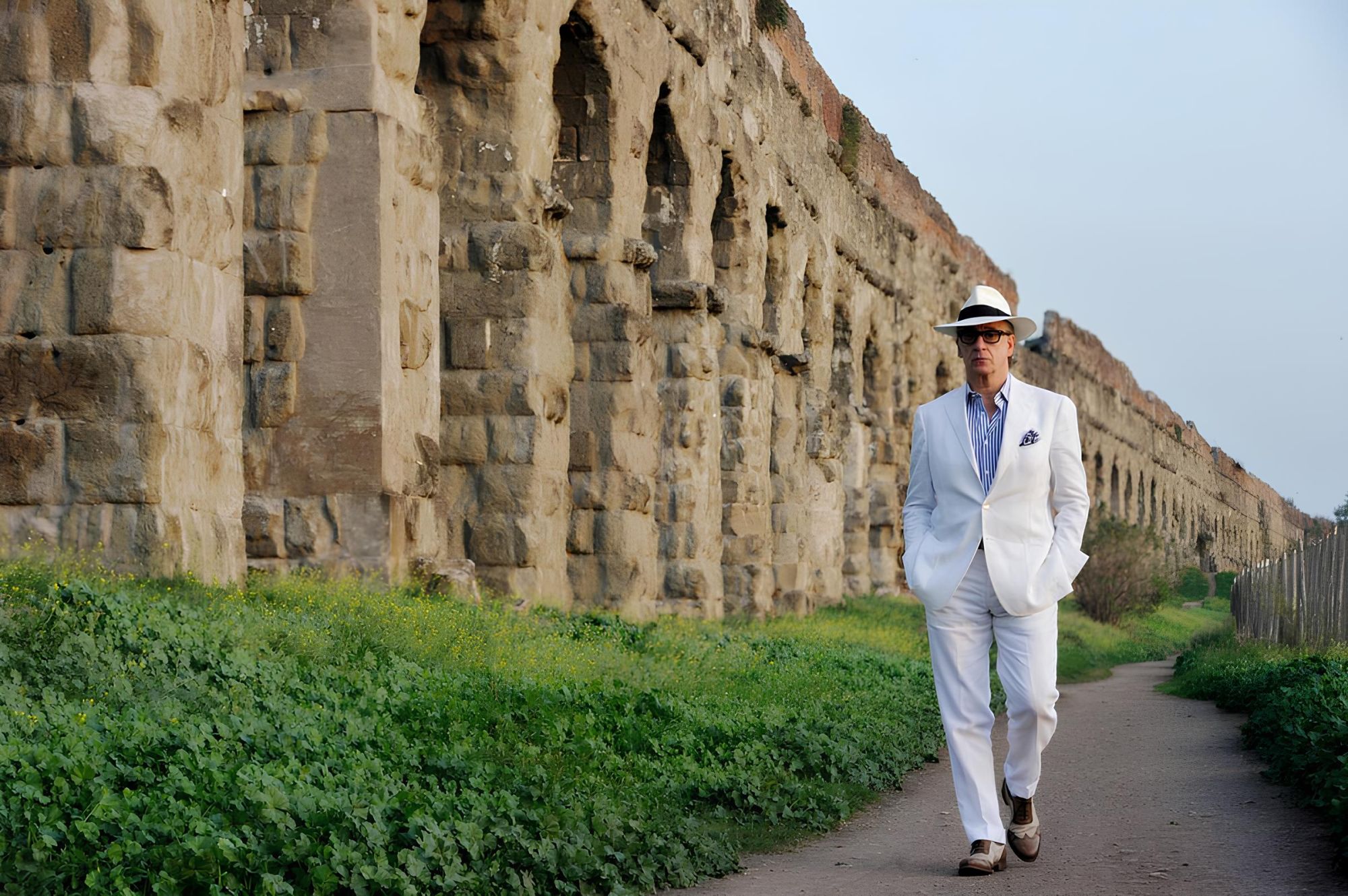
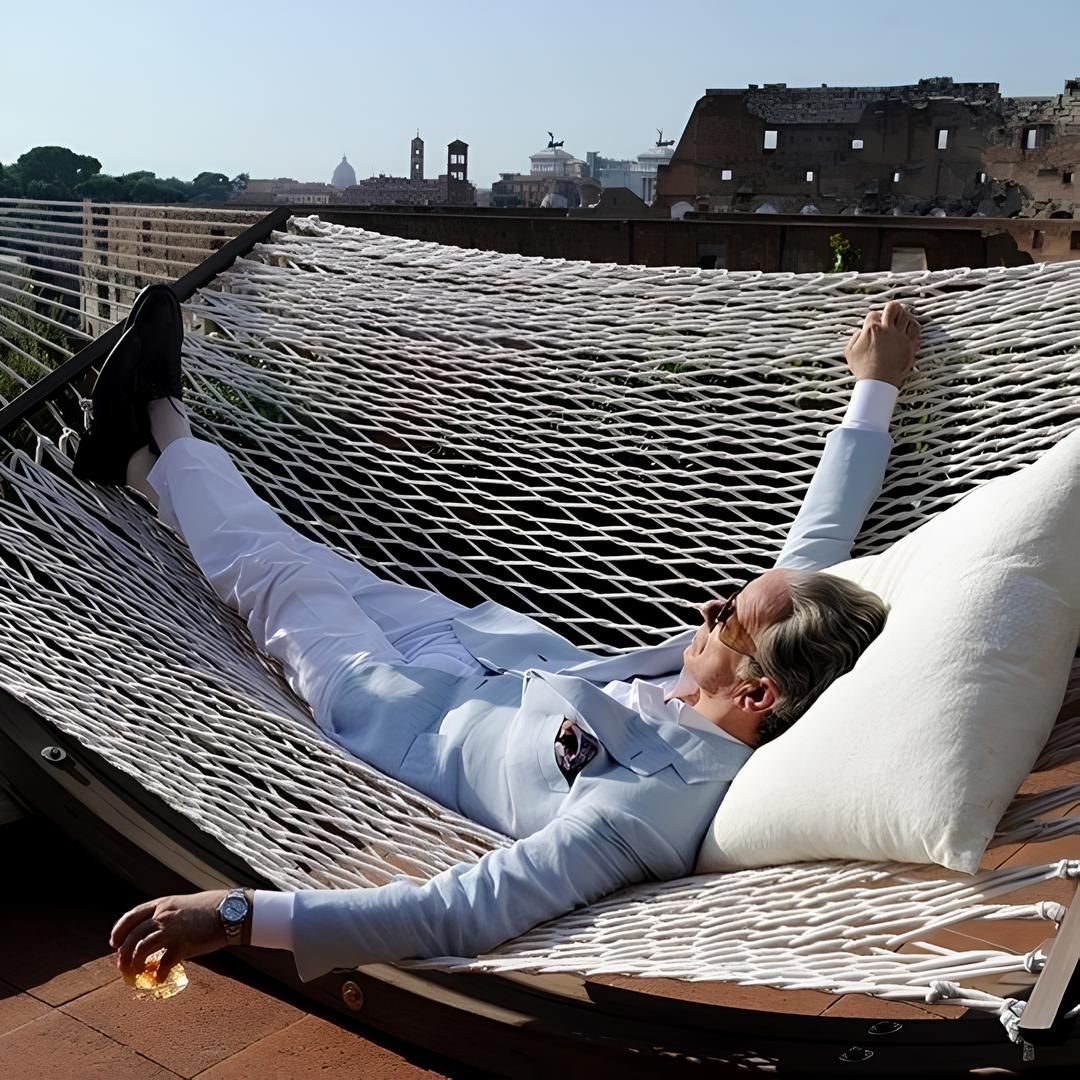
Among all his roles, it is probably Jep Gambardella, the protagonist of The Great Beauty (2013), who represents the highest expression of this aesthetic. The character created by Paolo Sorrentino has become one of the most recognisable male figures in contemporary cinema thanks to the fusion of performance, direction and costume. The film, winner of the Oscar for best international film in 2014, established a visual imagery that continues to influence cinema and fashion to this day.
When he appears on screen, Jep Gambardella seems to belong to a world outside of time. A writer, an intellectual and a protagonist of Roman high society, his style is built through a combination of classic elements. Jep's wardrobe is founded mainly on Italian tailoring and was created by costume designer Daniela Ciancio, who for the men's suits also turned to the Neapolitan tailoring house Cesare Attolini, a symbol of artisanal elegance based on precise proportions and quality materials.
His suits feature clean lines and a construction capable of conveying elegance without excessive rigidity. The choice of colours is significant: midnight blue, black, white and neutral tones dominate his wardrobe, creating a direct dialogue with the film's cinematography.
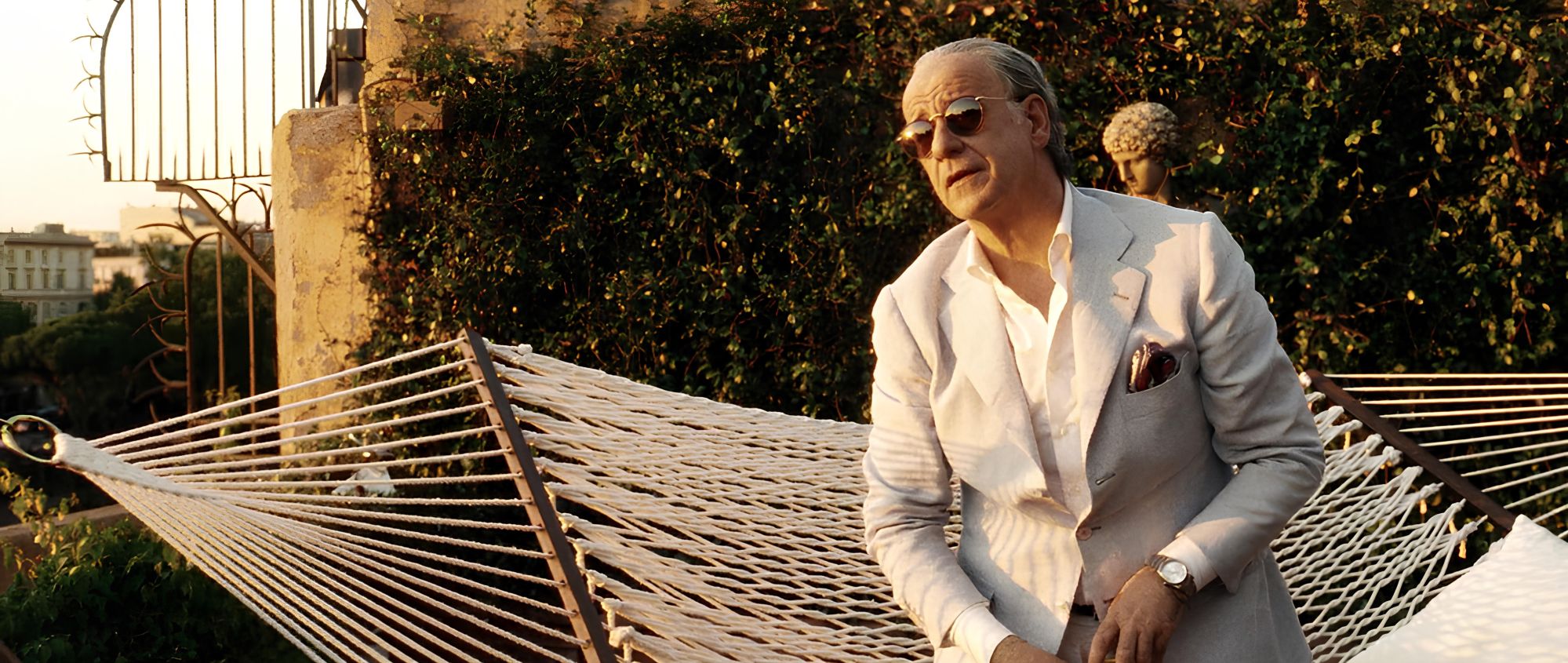
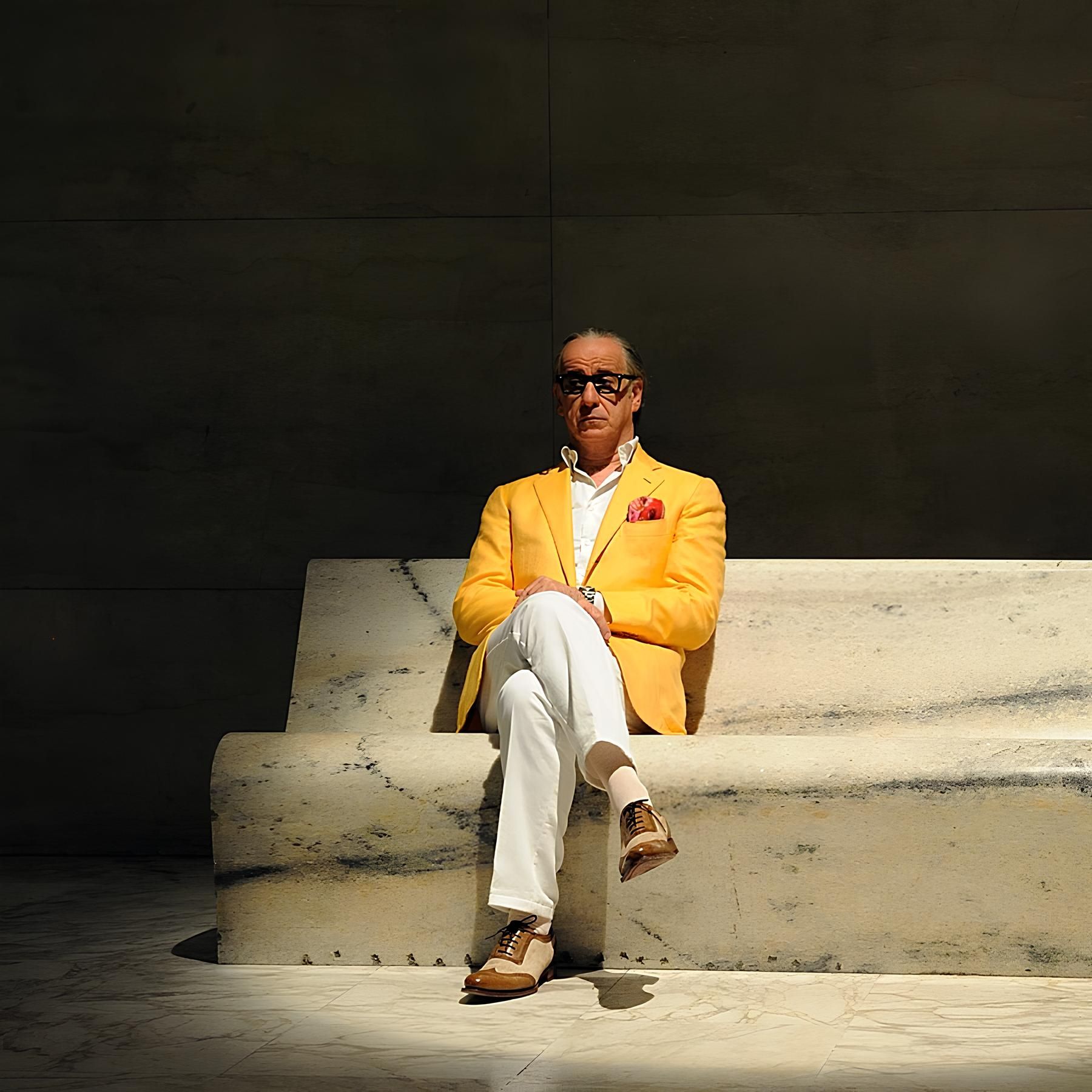
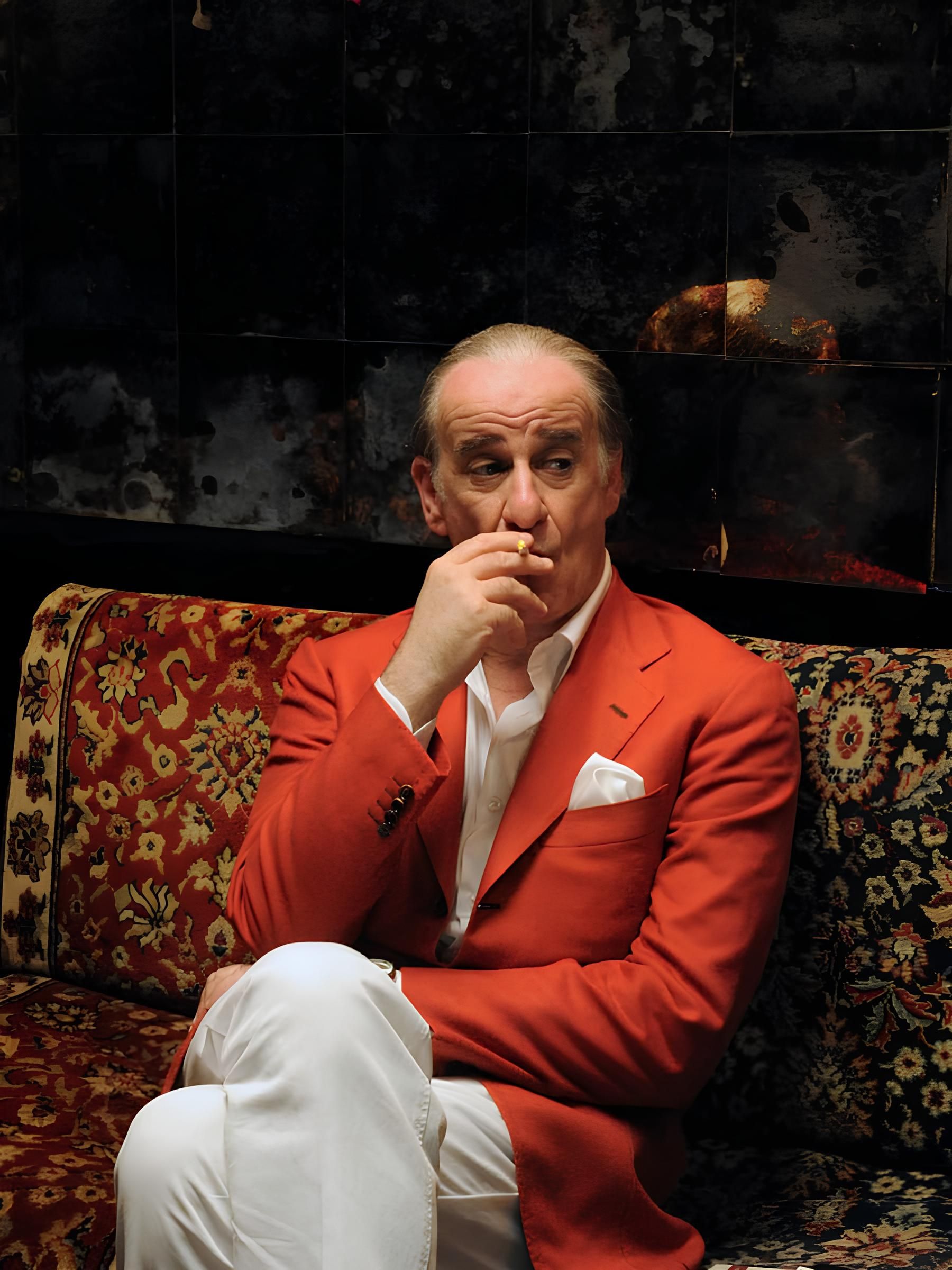
Rome, in Sorrentino's images, is a luminous yet melancholic city: aristocratic terraces, historic palaces and monumental views. Daniela Ciancio herself explained that the more extreme colours of Jep's jackets stem from precise research into shades and fabrics, designed to represent a man who lives social life as a performance.
Among the most recognisable elements are the thick-framed sunglasses, made by Luxottica, which become a cinematic quotation: the model deliberately recalls the glasses worn by Marcello Mastroianni in Federico Fellini's 8½, creating a direct link with tradition. More than ten years after the film's release, the style of Jep Gambardella remains surprisingly relevant.
The Consequences of Love: the silent luxury of subtraction
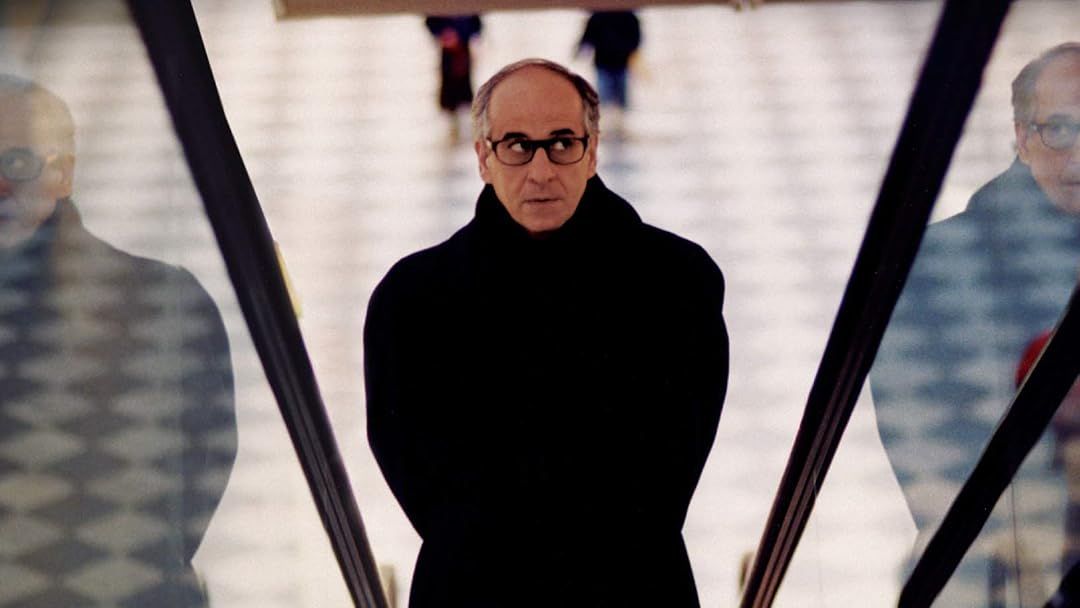
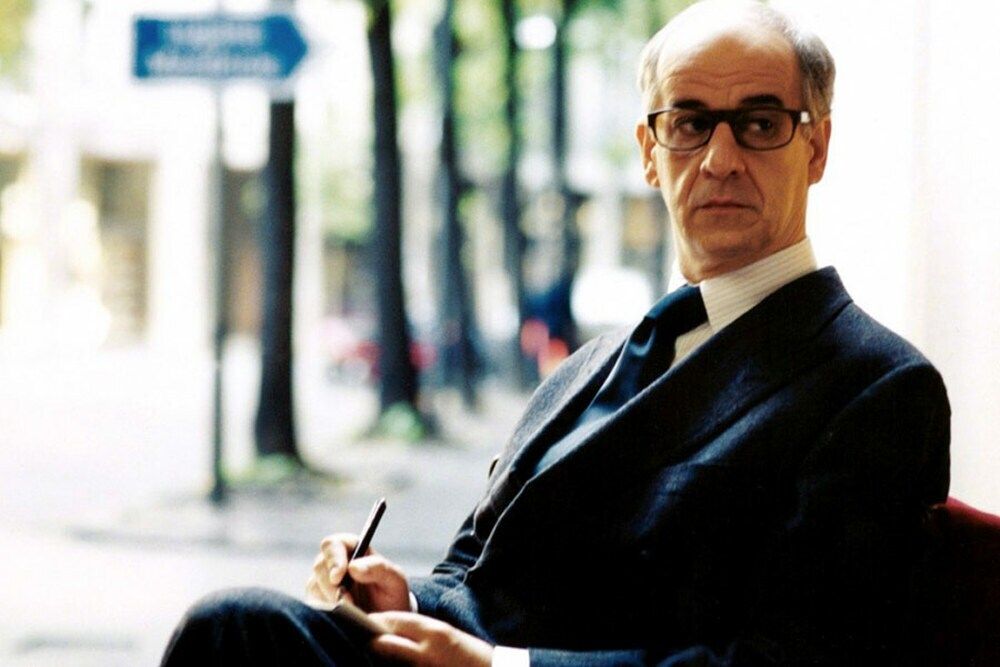
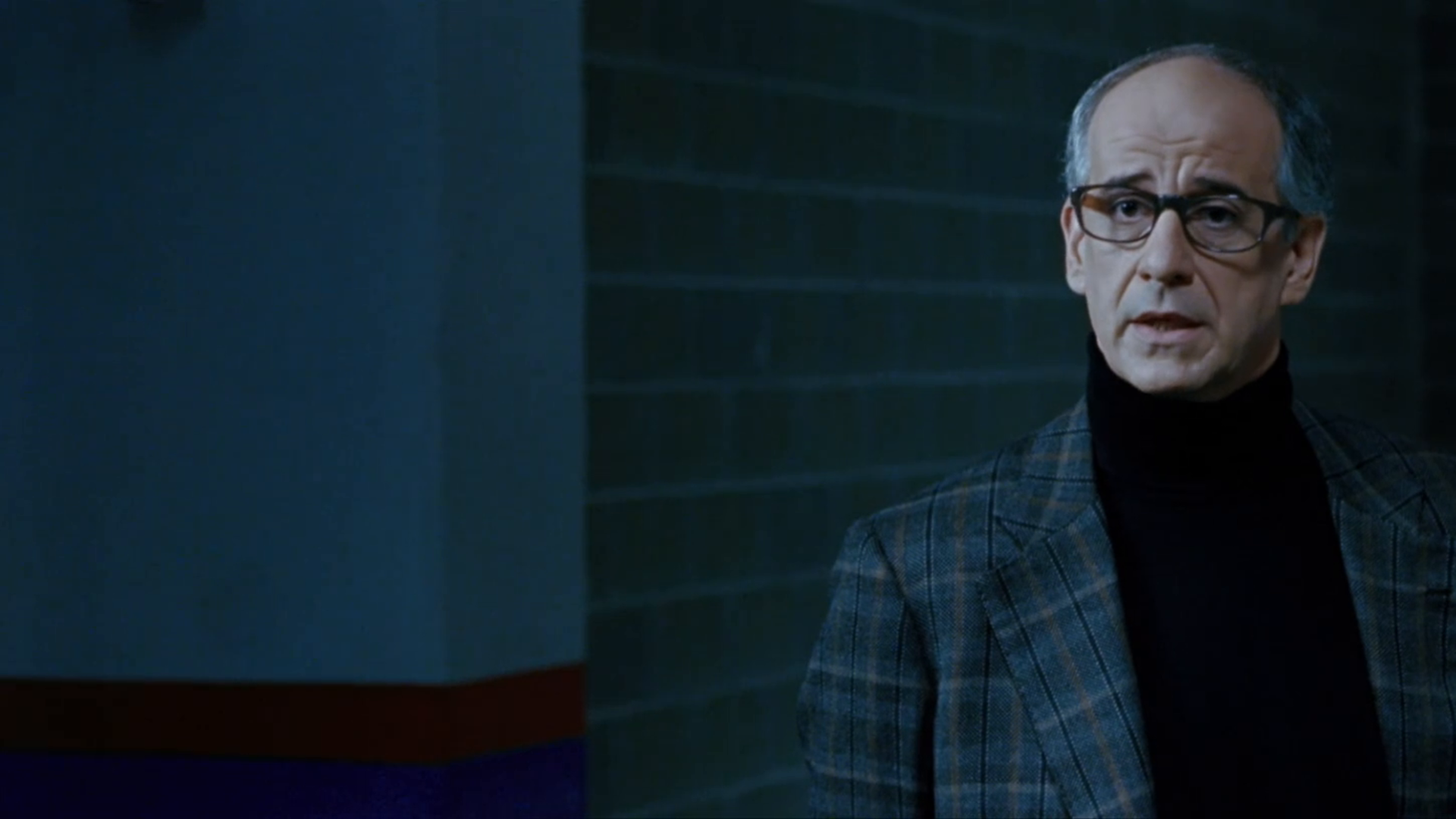
Even before becoming the symbol of Jep Gambardella's worldly elegance, Toni Servillo had already shown just how decisive costume could be in the construction of a character. In The Consequences of Love (2004), also directed by Paolo Sorrentino, the style of Titta Di Girolamo represents almost the opposite of the theatricality of The Great Beauty; he appears passive, a man who endures life and the events that cyclically present themselves: the card games with his hotel neighbours, the ritual arrival of a suitcase, the weekly dose of heroin and the annual blood cleansing.
If Jep uses clothing as a form of presence, Titta Di Girolamo uses it as a form of invisibility. His wardrobe, made up of dark suits, long coats and rigorous shirts, reflects a man locked in control and in distance from the world. The character's luxury does not come from opulence, but from precision: every element is reduced to the essential, anticipating that pursuit of discretion which characterises contemporary menswear today. The grey suit thus becomes the symbol of a life where clothing serves not to show but to hide.
La Grazia: institutional rigour and the wardrobe of memory
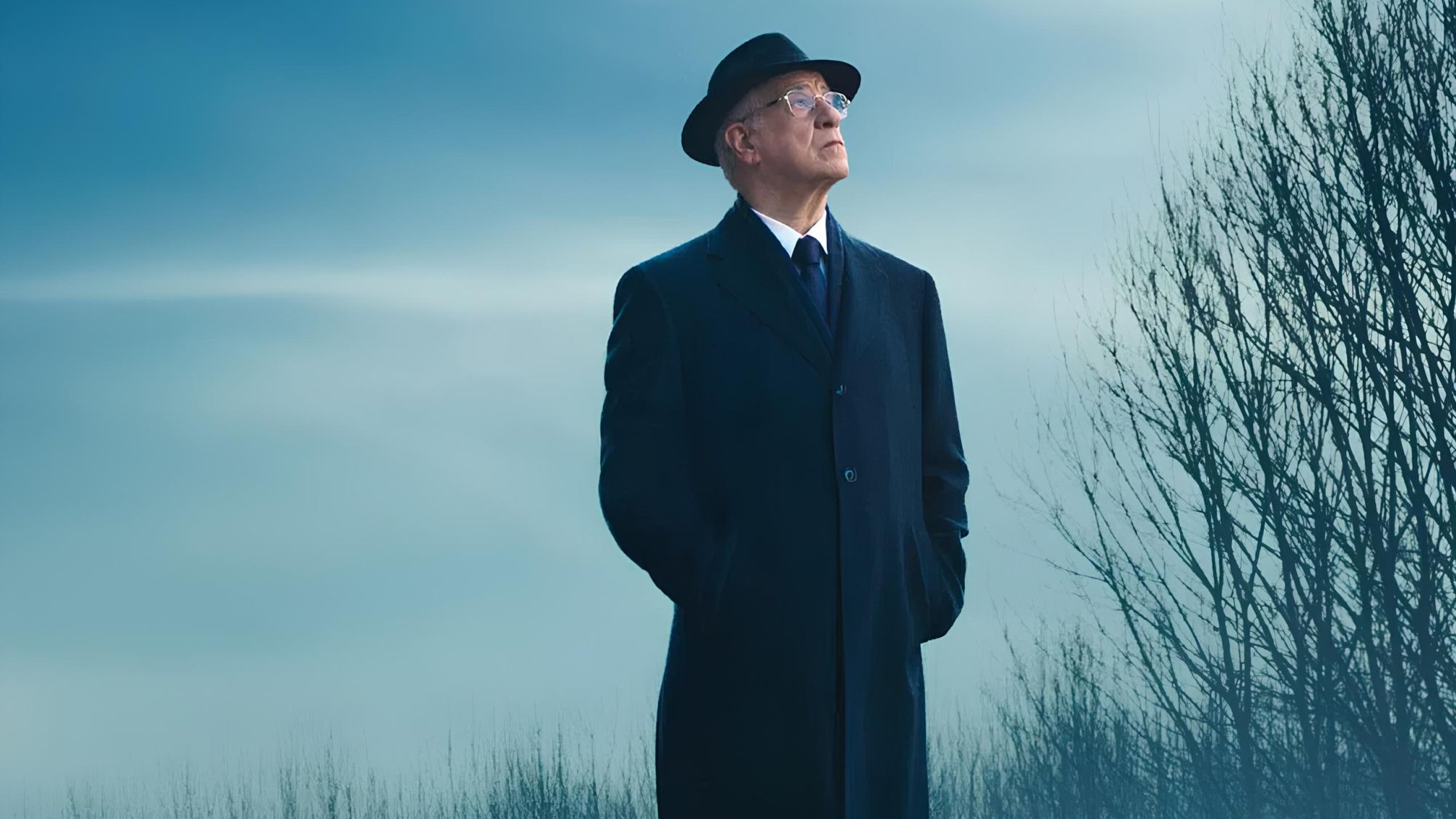
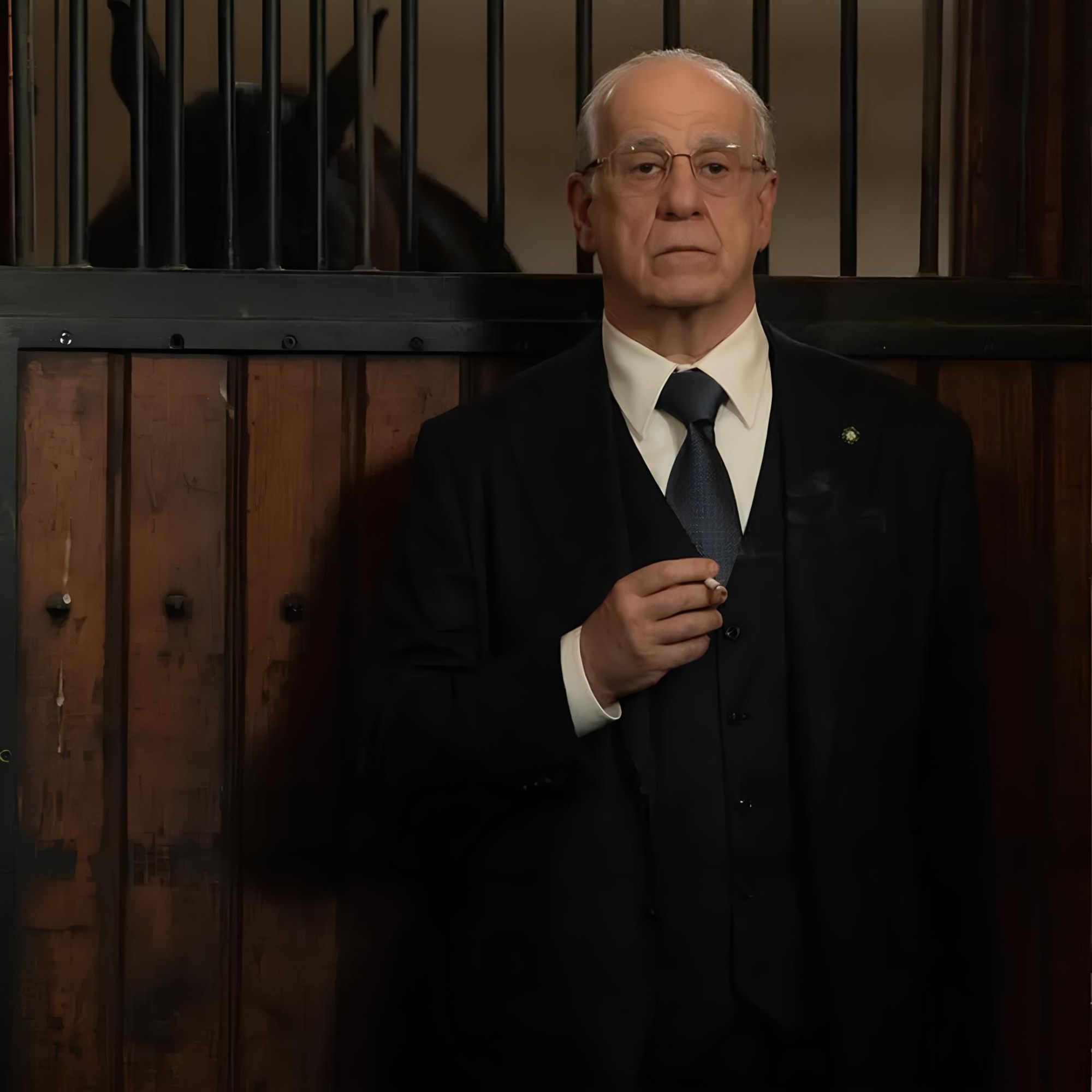
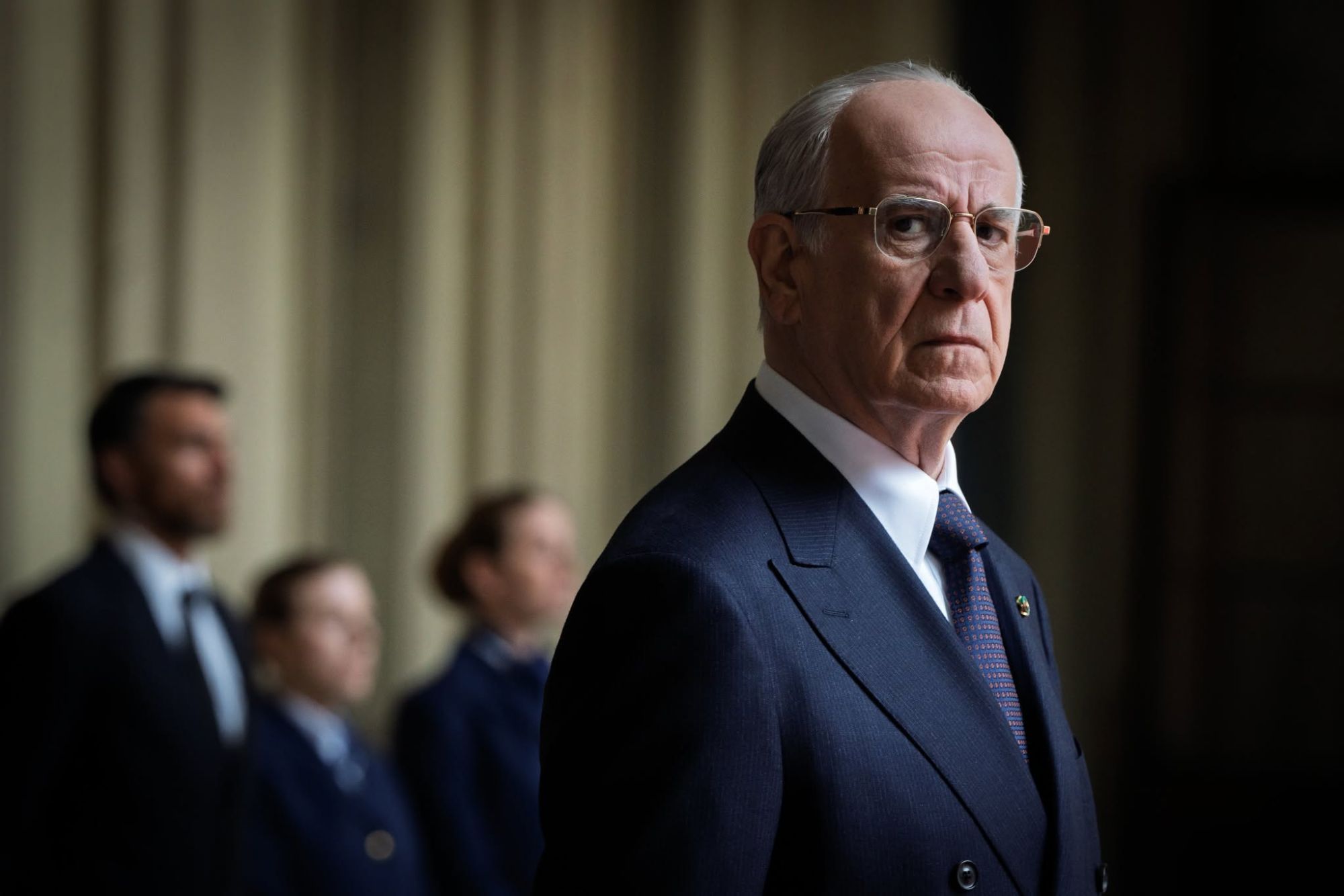
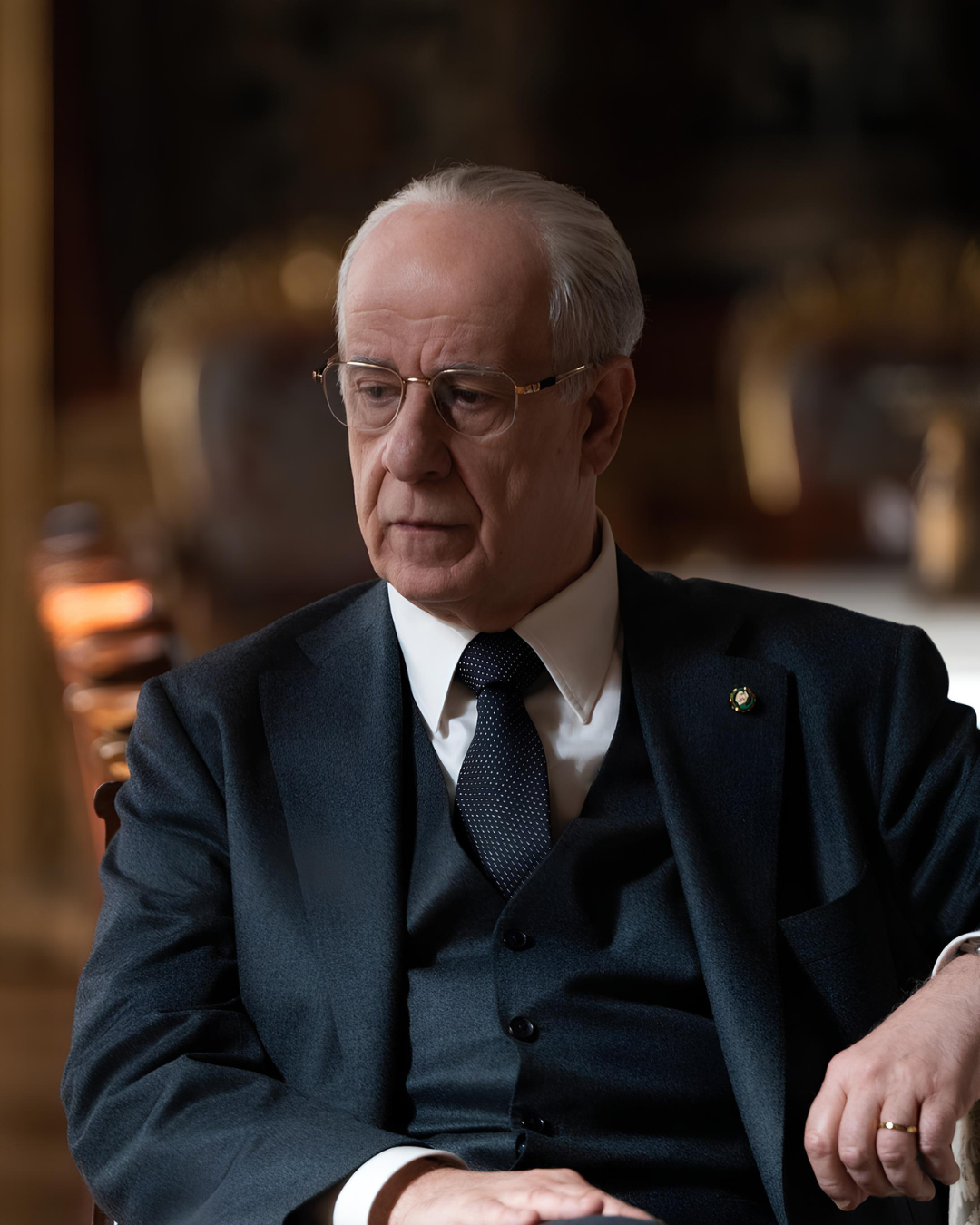
With La Grazia (2026), Paolo Sorrentino leads Toni Servillo towards a new form of elegance: the institutional, silent one of Mariano De Santis, President of the Republic in the final days of his mandate. Jep Gambardella experiences clothing as a declaration of presence and Titta Di Girolamo as armour against the world, while Mariano uses the suit as an extension of his role.
Formal suits and classic lines build the image of a man who seems to belong to an earlier time. Sorrentino's aesthetic choice works precisely on subtraction. Mariano's elegance is born from the absence of any superfluous element, from an anonymous tailoring that reflects the character, described by the film itself as rigorous, methodical and apparently "boring".
It is precisely this idea of normality that becomes one of the most interesting aspects of the relationship between the character and the costume. In a conversation linked to the presence of Vogue in the film, Mariano is confronted with a universe apparently very distant from his own: that of fashion. The magazine becomes the symbol of a world of change, to which the protagonist initially seems a stranger. Sorrentino's choice, however, is a narrative reversal: behind a man apparently distant from aesthetics lies a profound ability to observe beauty.
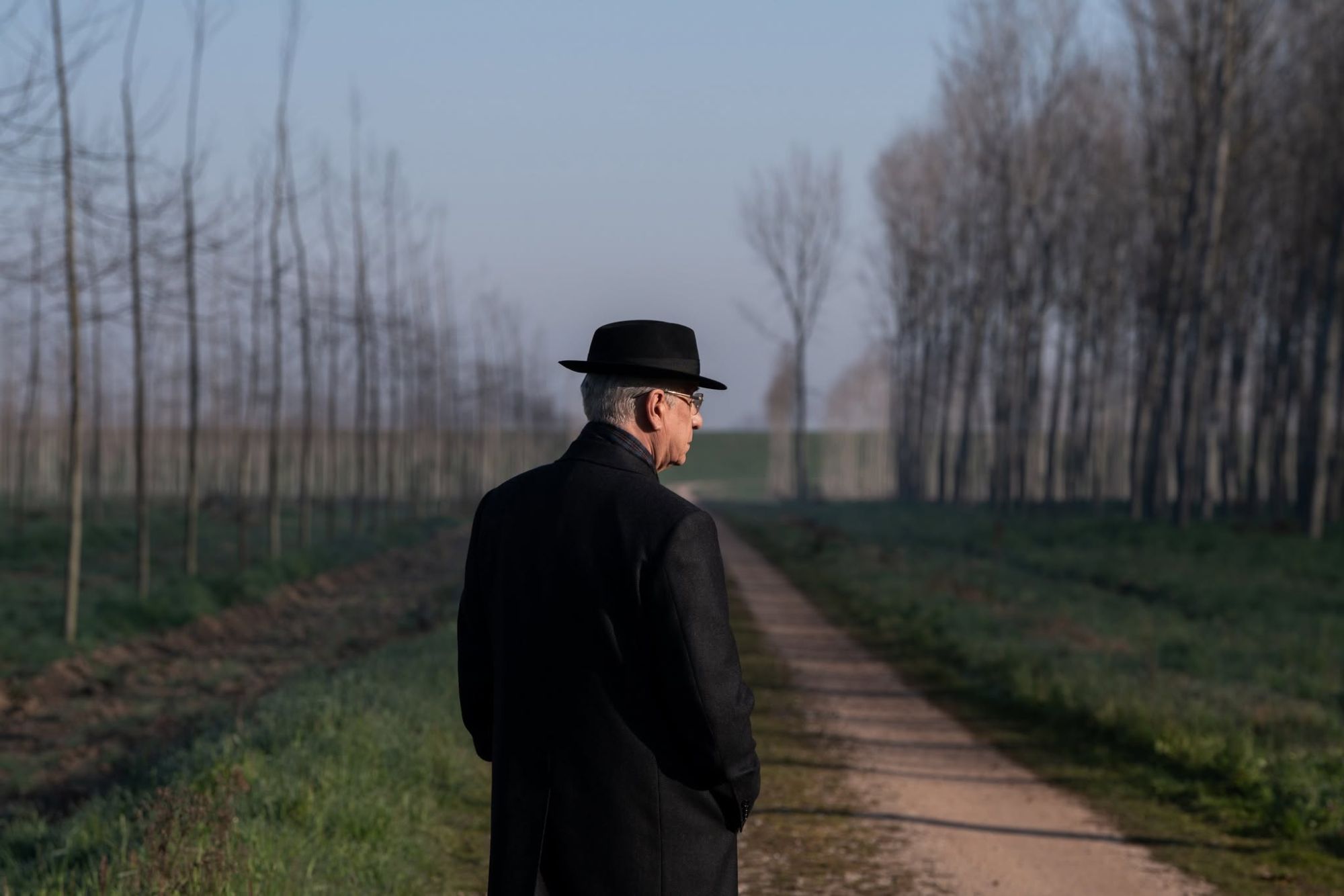
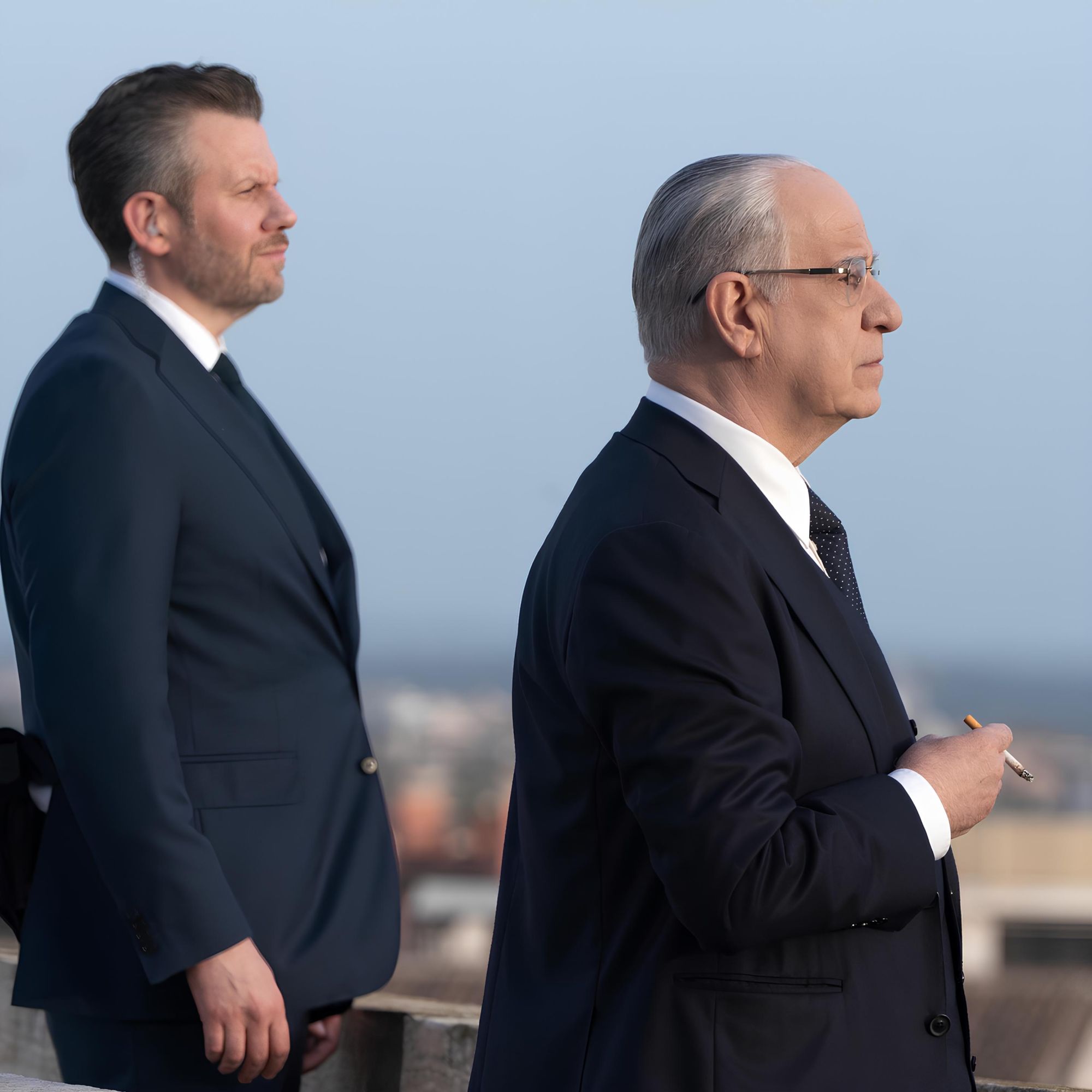
The most powerful dimension of the costume emerges in the relationship with his wife Aurora. If Mariano appears almost erased by his own clothes, his wife's figure lives instead through a memory made of colour and presence. In the finale, during the confessional phone call with the editor of Vogue, the protagonist remembers the dresses of the woman he loved, dwelling on the colours and details of her wardrobe. Those clothes left in the wardrobe become the true portrait of a person: not mere objects, but emotional traces of a shared life. In La Grazia, clothing is no longer a symbol of power or social life, but becomes memory, absence and feeling.
Toni Servillo reminds us that cinema is still capable of creating figures able to leave a mark also through style, without needing to display fashion in an obvious way. The appeal of his characters comes from the balance between clothing and storytelling, between what a suit communicates at first glance and what it manages to suggest without saying anything. It is precisely this ability to make tailoring an integral part of the story, an element capable of conveying character, emotions and contradictions, that has helped make his roles among the most recognisable and unforgettable in Italian cinema of recent years.