























In 2026 we love to monitor everything and a lot How smart accessories are changing our relationship with privacy and mental health
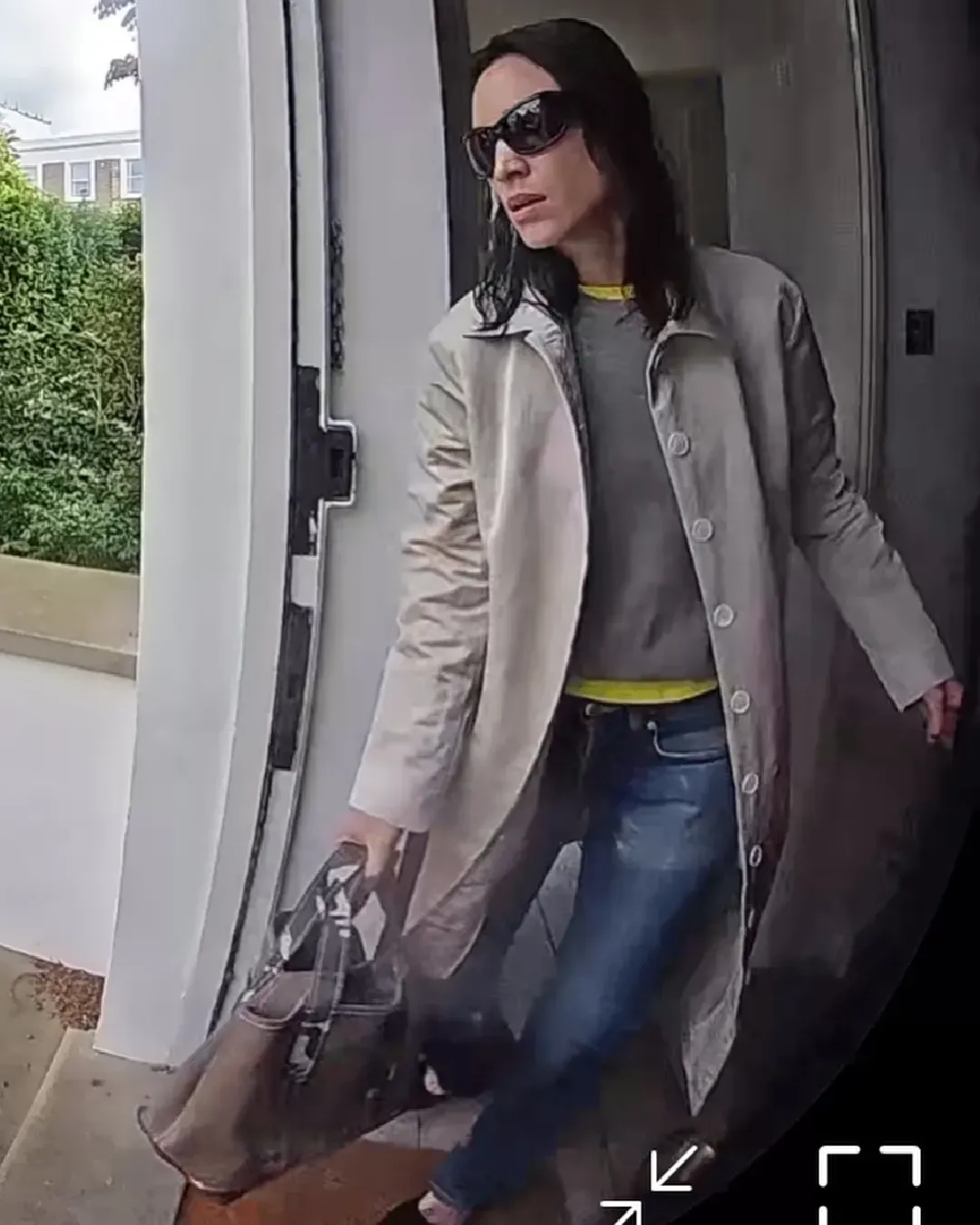
Late May. Exterior, daytime. Alexa Chung, wearing a trench coat, cigarette-leg jeans and a large pair of dark sunglasses, steps out her front door, captured by a security camera. However mundane a moment it may be in the not-so-mundane life of London's favourite it-girl, the image made the rounds on Instagram, TikTok and Twitter, with fans and commentators alike heaping praise on Chung for the originality of her fit check.
Late June. Exterior, daytime. Alexa Chung again, in a knee-length skirt, a crumpled t-shirt and the same dark sunglasses as before, slipping her key into her front door while balancing a tote bag on her shoulder, a copy of the Observer poking out of the top. Once again, the outfitcam carousel received a flood of digital applause, even though the post was clearly staged, what with the newspaper title prominently on display and the bags left casually open in every look.
«The new visual language as the surveillance state has become the norm», one user commented on X. «Instagram will continue pushing content like this in the algorithm to normalize the surveillance state and make meta glasses seem normal in everyday life», another added in the comments. Whether this amounts to a conspiracy theory or not is hard to say, but the fact remains that romanticising even the most mundane moment of our day (like coming home), capturing it through a second point of view (the security camera) and turning it into digital currency has become a new social media trend.
Instagram aside, it really does seem that 2026 is the year of monitoring.
Health and safety anxiety
Finally caved and bought an Oura ring and it feels like having a Tamagotchi except I’m the Tamagotchi
— Circe (@vocalcry) August 24, 2024
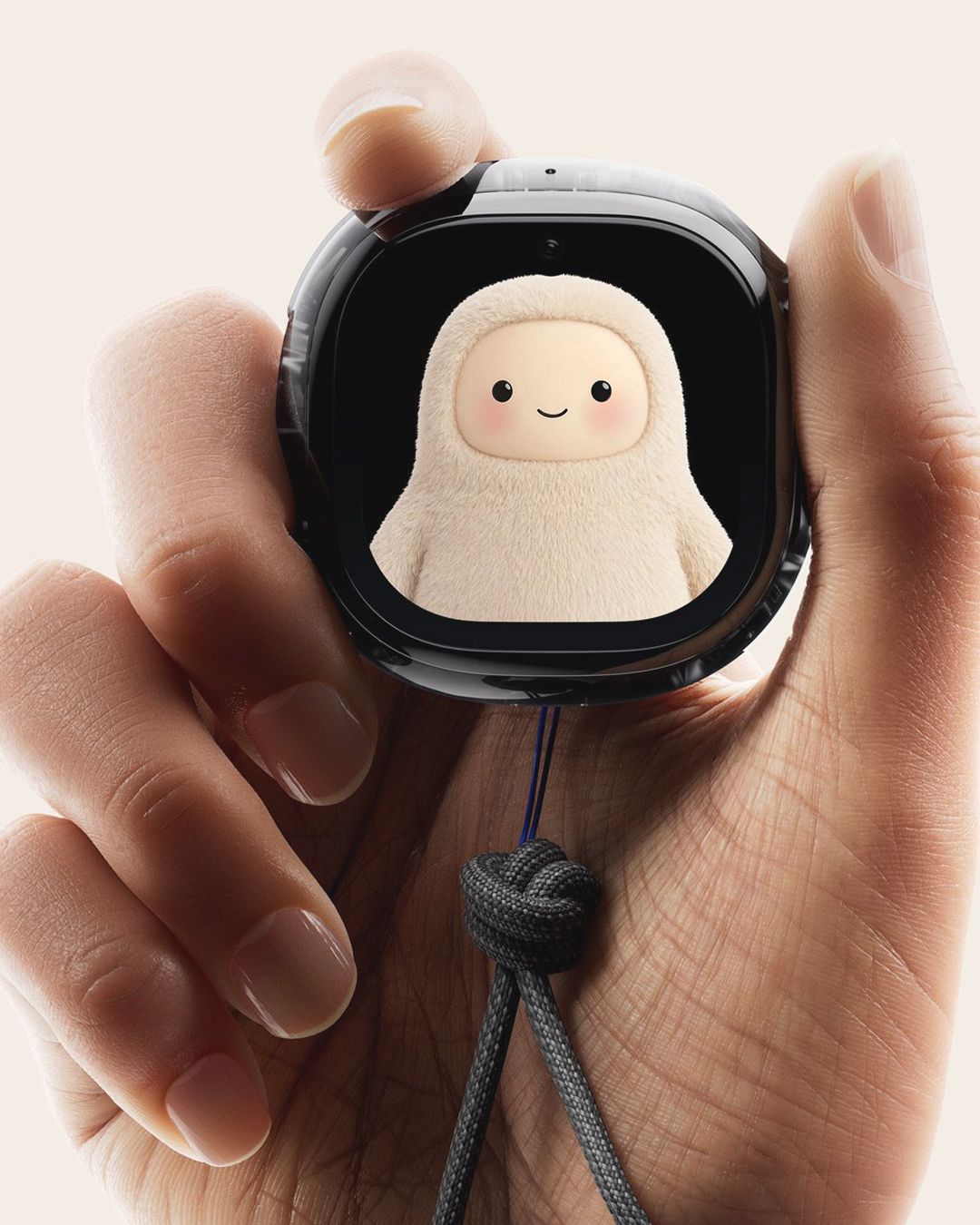
First came the AirTags, the small Apple devices you attach to luggage and other personal items to keep track of them while travelling; then the Oura Ring, rings made by Finnish company Oura Health (valued at $11 billion last October) capable of monitoring parameters such as heart rate, sleep stages and physical activity. Over the past year, it truly seems as though every kind of tracking device has reached peak popularity, and not just in the world of sport.
While on social media the output of all these data-tracking accessories has become practically a meme, from Strava times to security camera photos as in the case of Alexa Chung and creator Scottie Butler, in private life, the focus on health and safety metrics has tipped into paranoia. According to data reported by Sector Alarm, over the course of 2025 the security sector grew by 28% compared to the previous year, while the Italian smart home market (homes with connected systems and appliances that can be managed remotely) reached a value of 1 billion euros.
It is no coincidence that the rise of security and personal monitoring devices has come at a time when health and safety anxiety levels are higher than ever. What's more, while some studies suggest that, during times of crisis and war, people tend to spend more time on their phones as a distraction, other reports show that the ability to constantly check bodily health parameters and security can seriously worsen the very anxiety that prompted people to buy these devices in the first place. A classic case of chasing your own tail.
The downside of documenting everything, always
@glass__museum On meta glasses, pickup artists, and possession #feminism #theory #photography #sociology #masculinity original sound - glassmuseum
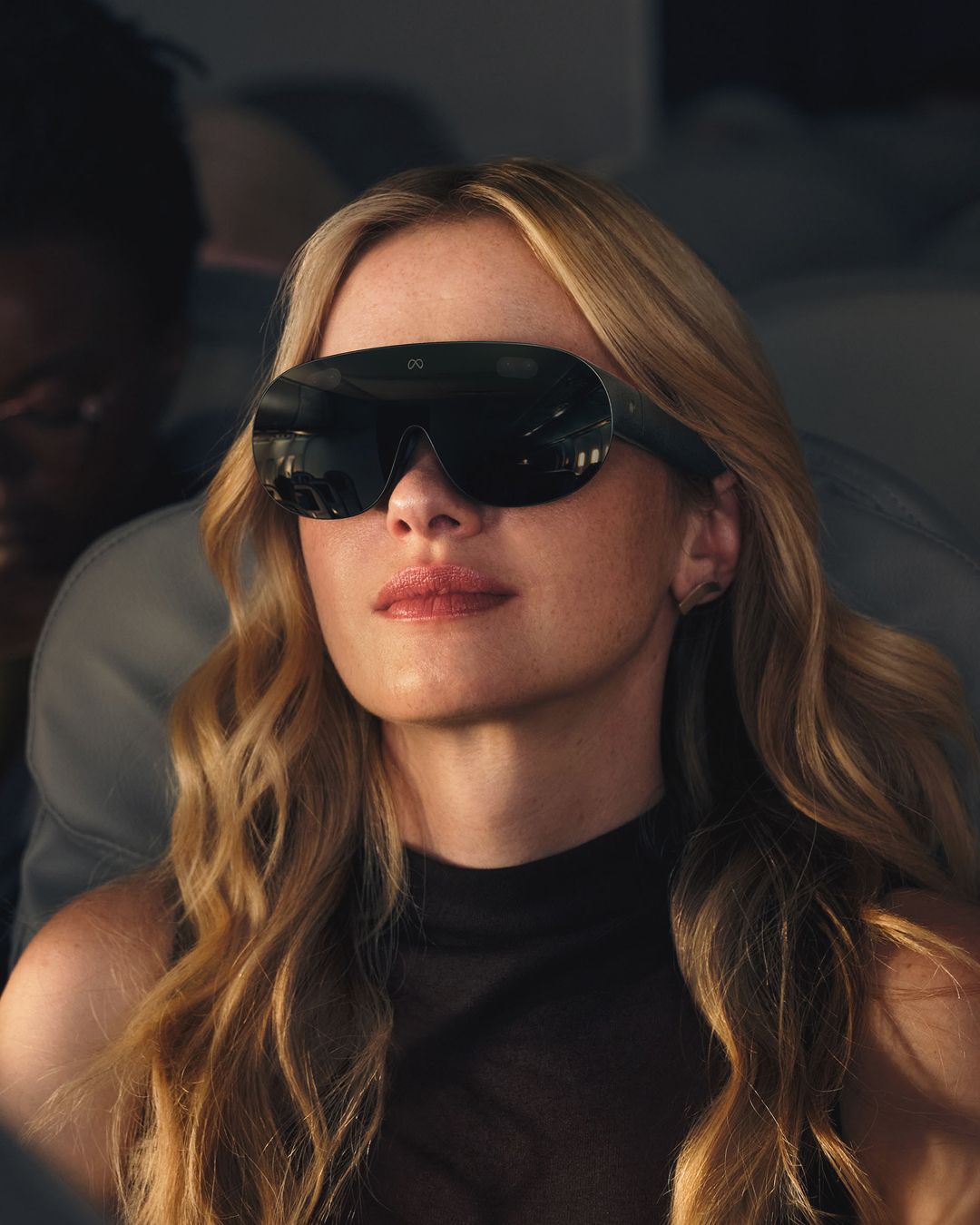
Between the Oura Ring, monitors that can tell how worn down your running shoes are, and adhesive patches that calculate electrolyte levels in your body, we've rather lost our bearings. So much so that Meta Glasses, innovative and high-tech as they are, thanks to the tiny built-in camera that lets you instantly post whatever you're experiencing to social media, are now known as Pervert Glasses. And Strava, which has nearly 200 million users, has become a security risk for heads of state around the world.
have you logged that book on goodreads? did you make sure to hit record when you went for your run on strava? is your letterboxd review up for the movie you watched yesterday?
— A$AP $ocks (@smritosis) April 3, 2026
It is against this backdrop that content turning digital voyeurism into a trend becomes a mirror of a reality far more complex than a simple Instagram fit check. In an age when anyone can have their 15 minutes of fame, even without knowing it, thanks to users filming strangers with Meta glasses, privacy has become the most precious luxury of all. And perhaps, between one cyberattack and a bout of anxiety triggered by whatever our ring is telling us, the healthiest choice of all is simply to monitor nothing whatsoever.