

























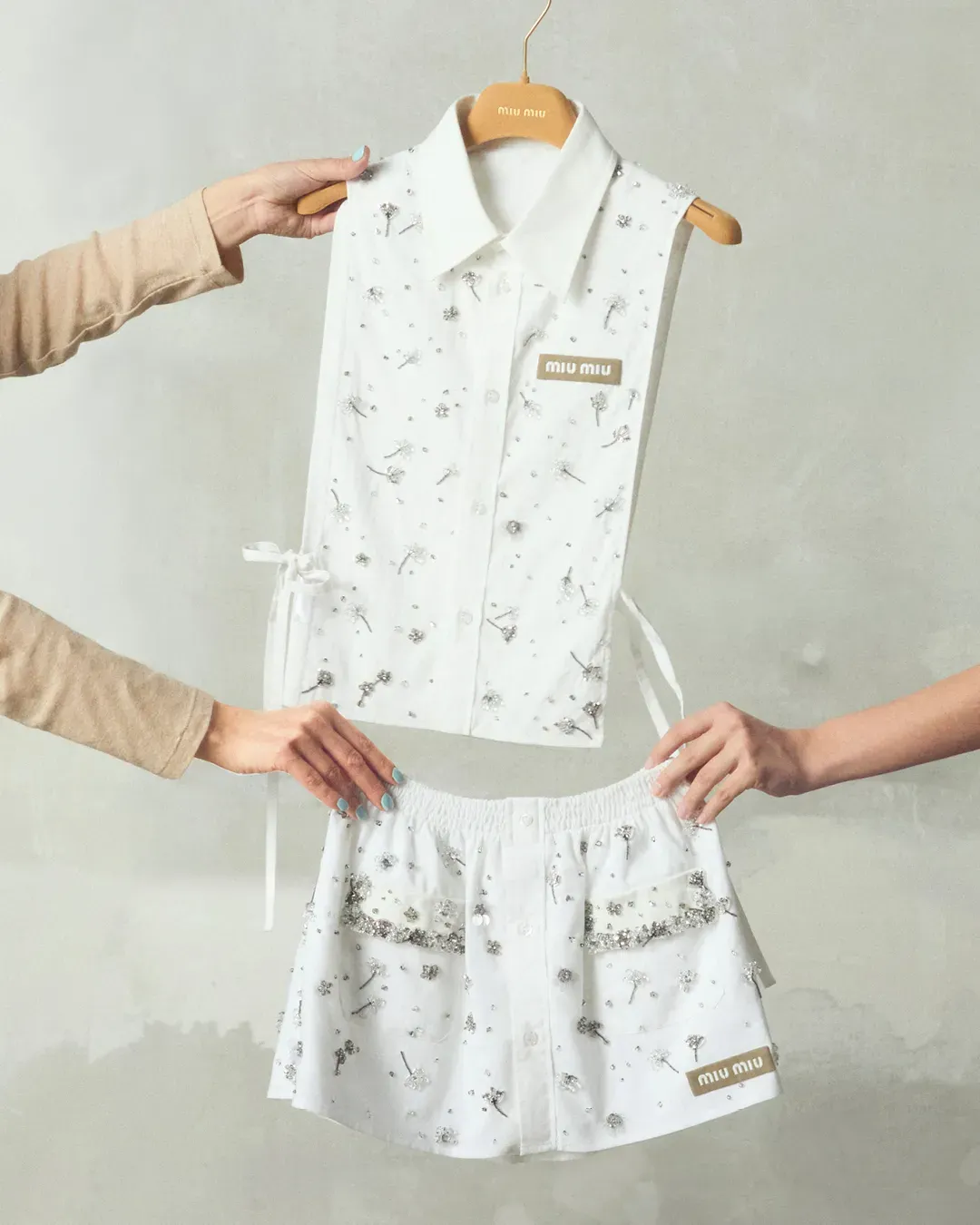
Brands are now flexing not using AI in their campaigns Craftsmanship has never been so hyped
In fashion, craftsmanship is gaining more and more value, a result of the power of AI and the hatred people feel toward new technologies when they come into contact with a country's tradition and cultural capital. The maisons that in recent months have released AI-generated campaigns are numerous, and all have received strong criticism from consumers. The first was in December, when an advertisement by Valentino featuring models with unusual looks shook the brand's community; then Gucci, which presented artificially generated images during Milan Fashion Week, and H&M and Guess, which replaced real models with digital twins - i.e., computer-generated lookalikes.
The consumers' response to the overt use of new technologies in fashion advertising has convinced just as many brands to boast, in their campaigns, about the authenticity of their advertising products. Craftsmen, factories, and the hands that operate in every stage of creation are put on display. Will it be precisely the success of AI that brings the reputation of Made in Italy back to the top?
Brands that do not use AI
One of the first examples of anti-AI advertising comes from the United States - the nation that gave rise to this technology, not coincidentally. A brand under American Eagle, Aerie, in early 2026 released a campaign with Pamela Anderson in which the final slogans emphasize how certain human expressions cannot be reproduced on command. «No AI. No retouching. 100% Aerie Real.» or also «everyone wants advice from Pamela Anderson… even AI. Real wisdom is lived, not generated.»
@miumiu An intricate process, extended across different product categories. Discover Miu Miu “Making of Old” project, showcasing the research that goes into the treatment of leather. #MiuMiu original sound - Miu Miu
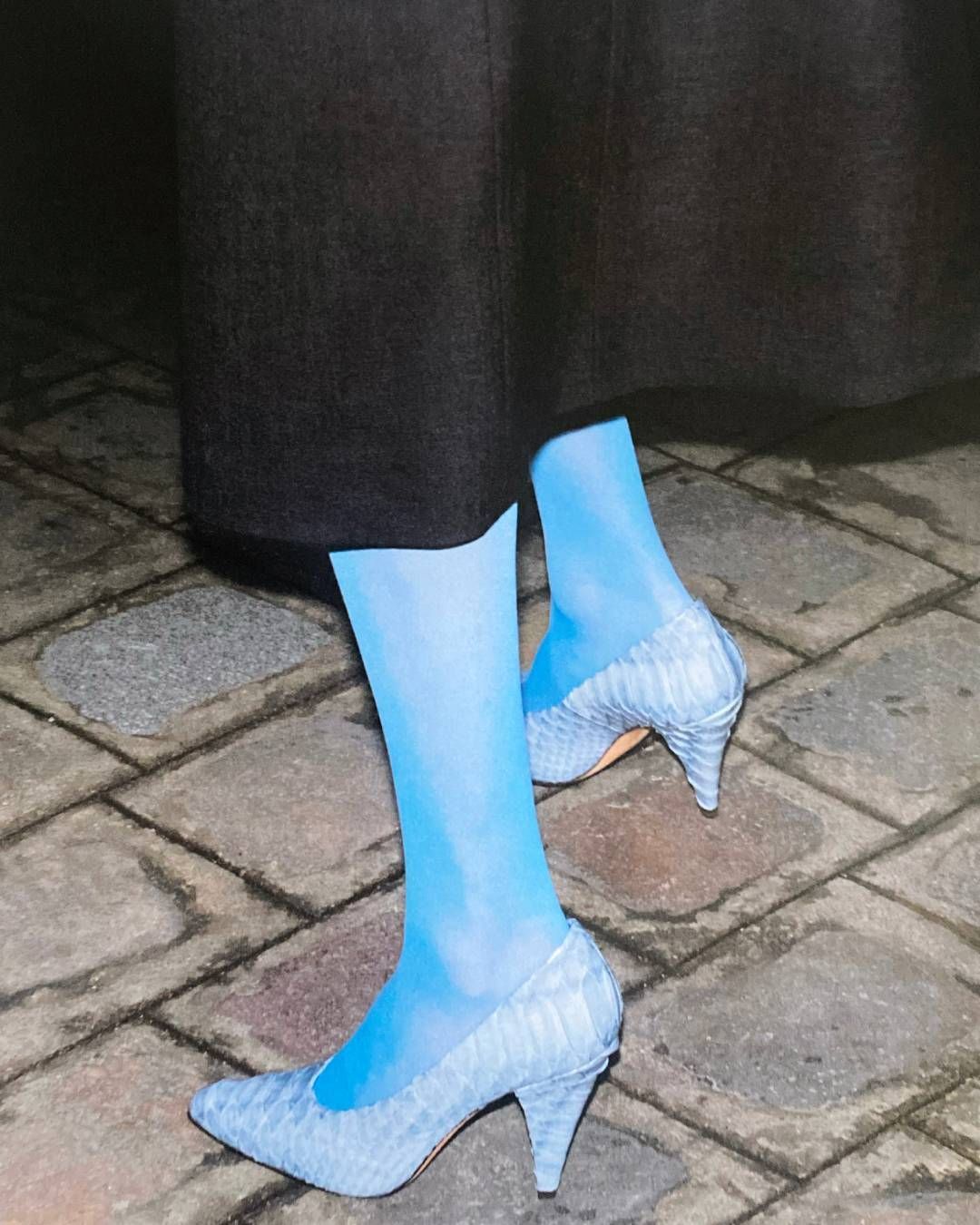
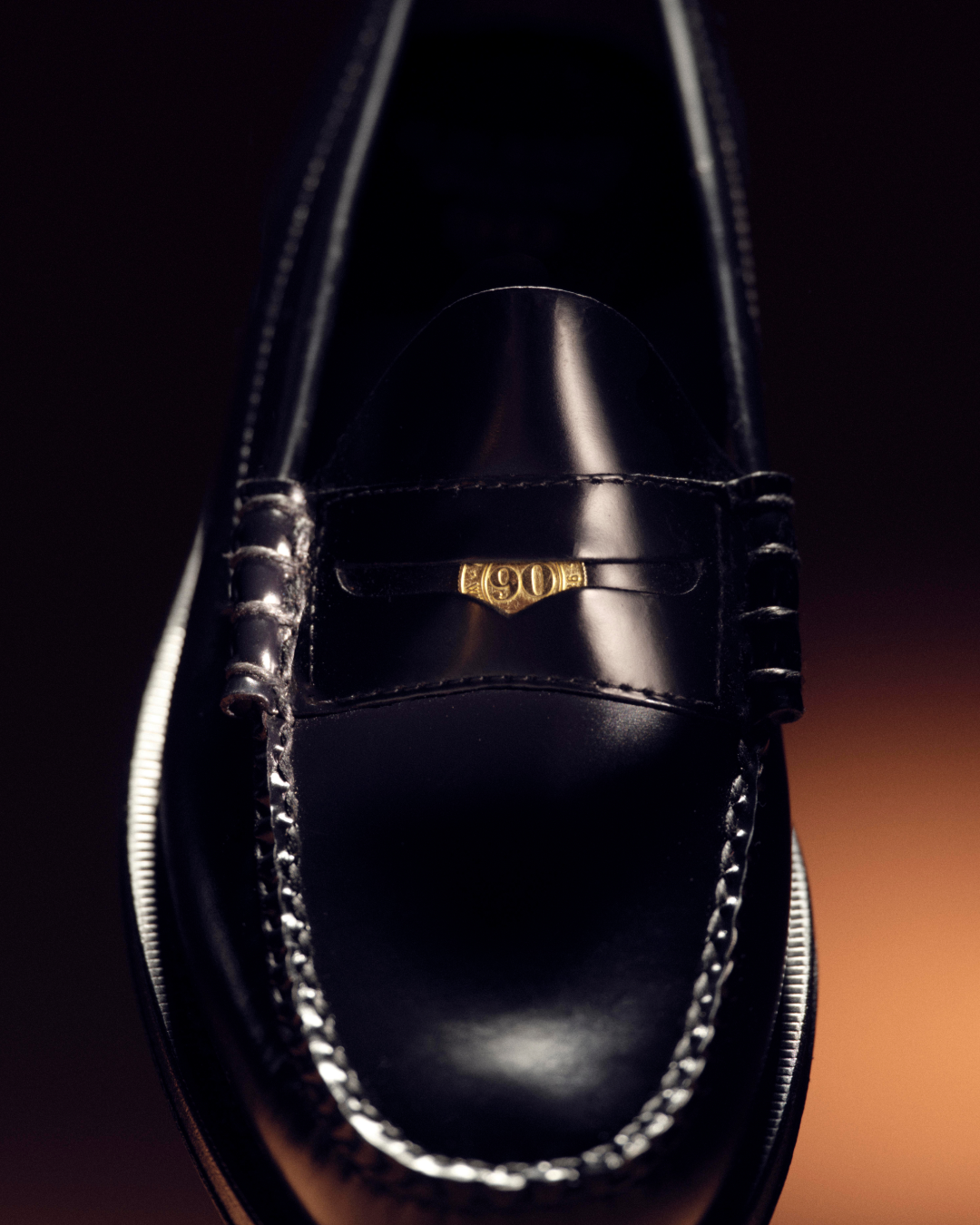
Also in early 2026, Miu Miu launched Making of Old, a series of contents that focus on the stages of leather processing used for its bags. One year earlier, Bottega Veneta had published Craft is our Language for the fiftieth anniversary of the iconic Intrecciato, with photography by Jack Davison capturing the hands of celebrities, ambassadors, and maison artisans. More recently, Le Creuset has instead highlighted, in a comment under a video posted by the brand, that it was content created without resorting to any AI.
It is no coincidence that, in fashion photography, the work of Szilveszter Makò, a Hungarian artist who uses his painterly skills to create images that blend collage and recycling, set design and chiaroscuro for an effect that places contemporary subjects (the latest Rihanna, just before Rama Duwaji, Elle Fanning, Willem Dafoe, Anya Taylor-Joy and Marina Abramović) into paintings with a lived-in look.
Not just a matter of creativity
@iamhelenthomas I’m so sick of everything being predictable. #ai #technology #boring #llm original sound - Helen Meriel Thomas
The creative industry and AI have a troubled relationship. In music, the tool is at once widely used and highly criticized, with the spread of deepfakes and Spotify now even allowing users to create artificial remixes and covers using songs published by Universal Music. Artists are divided between those who fully support the technology: Grimes last year stated that anyone could use her voice, while Taylor Swift registered it as a trademark to protect herself from deepfakes. In fashion, the issue mainly concerns the production of images and the writing of texts (such as advertising copy or press releases), but also design. For this reason, craftsmanship has never been so in hype.
Among the main concerns regarding excessive use of AI is the environmental impact of data centres (facilities that require large amounts of electricity and water resources) and copyright. To produce photos and advertisements using AI, a large amount of ready-made content is needed, often exploited without the involvement (or payment) of the creatives who produced it. This situation could negatively affect the creative economy by reducing job opportunities for industry professionals. Finally, critics of AI in fashion and music add that content produced with new technologies is almost always repetitive and bland, precisely because it reuses references and images that have already been widely used. In short, craftsmanship finally seems ready to steal the spotlight from technological innovation: it remains to be seen whether the old industry will be able to make the most of the momentum for the relaunch it needs.