.gif 2000w)

























It is time for independent brands to bet on weddings Dilara Findikoglu's new collection dresses the alternative bride
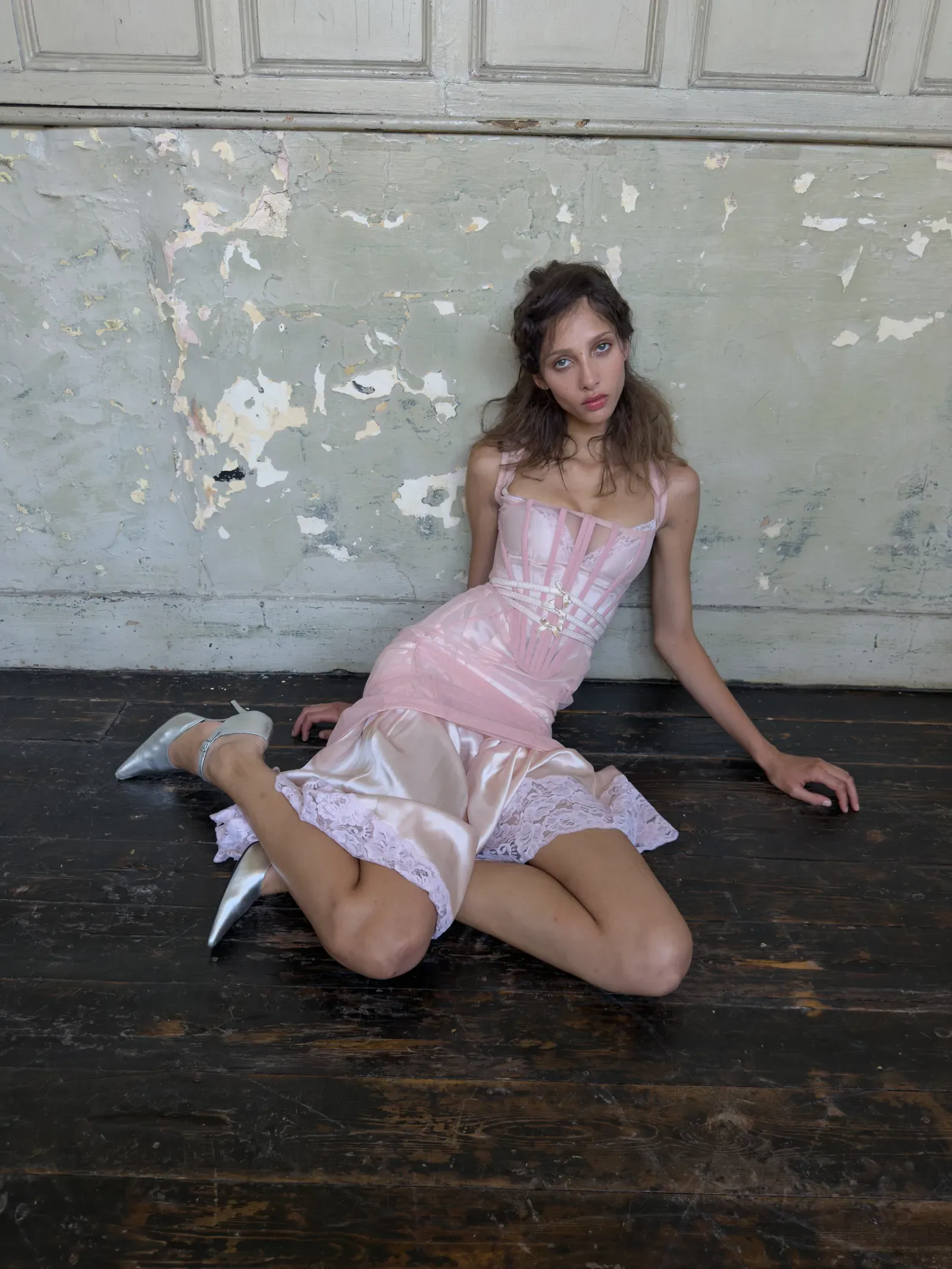
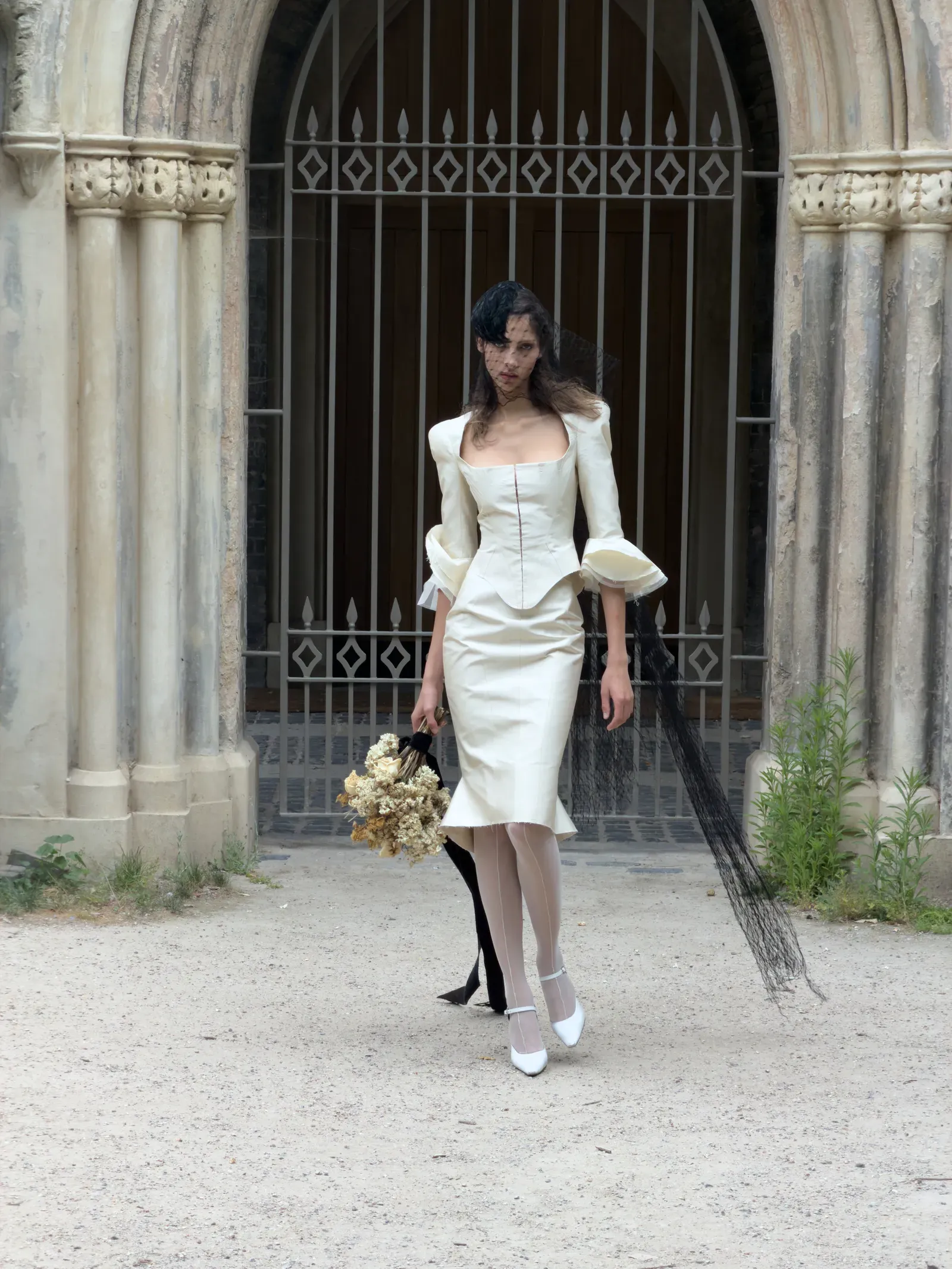
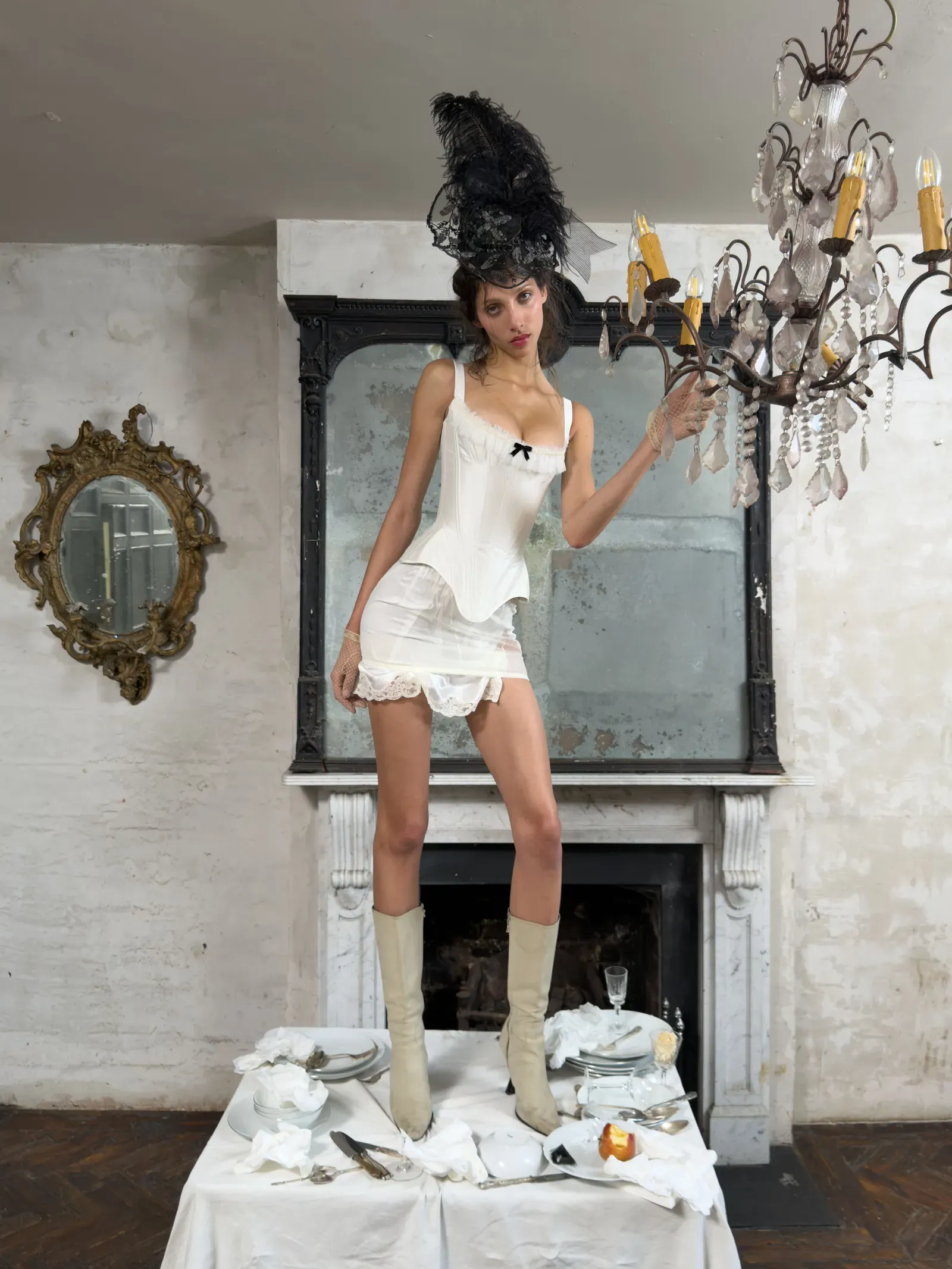
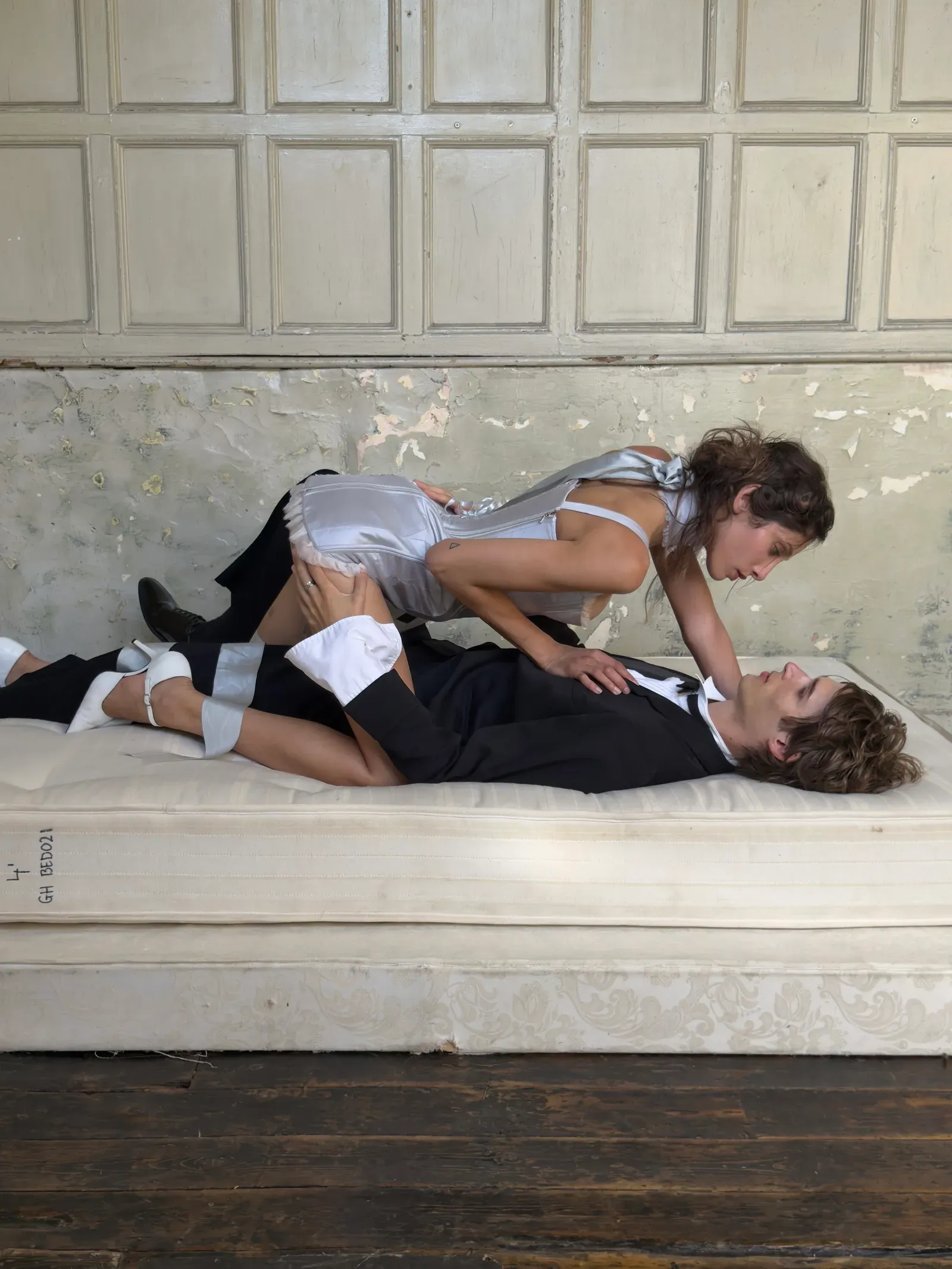
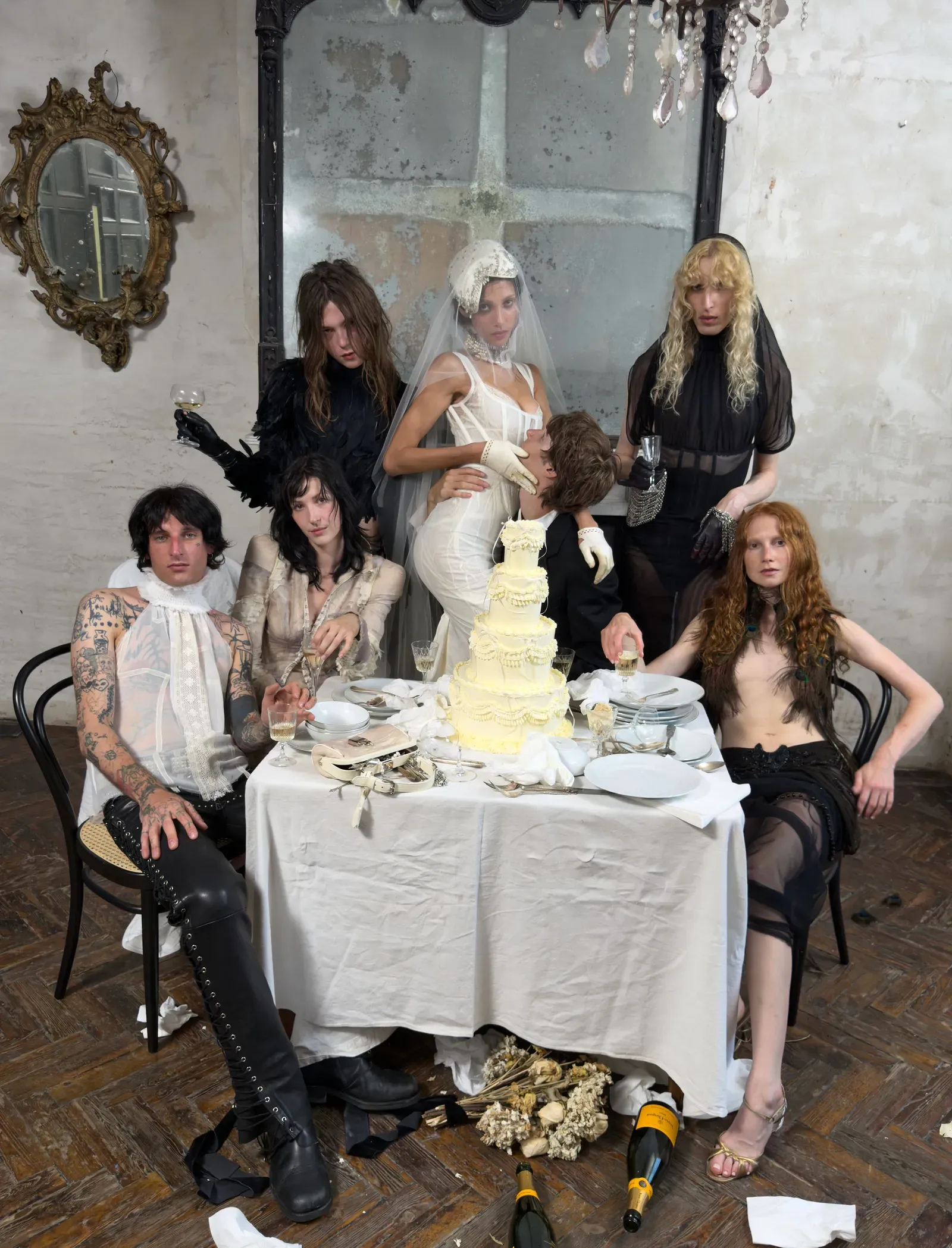
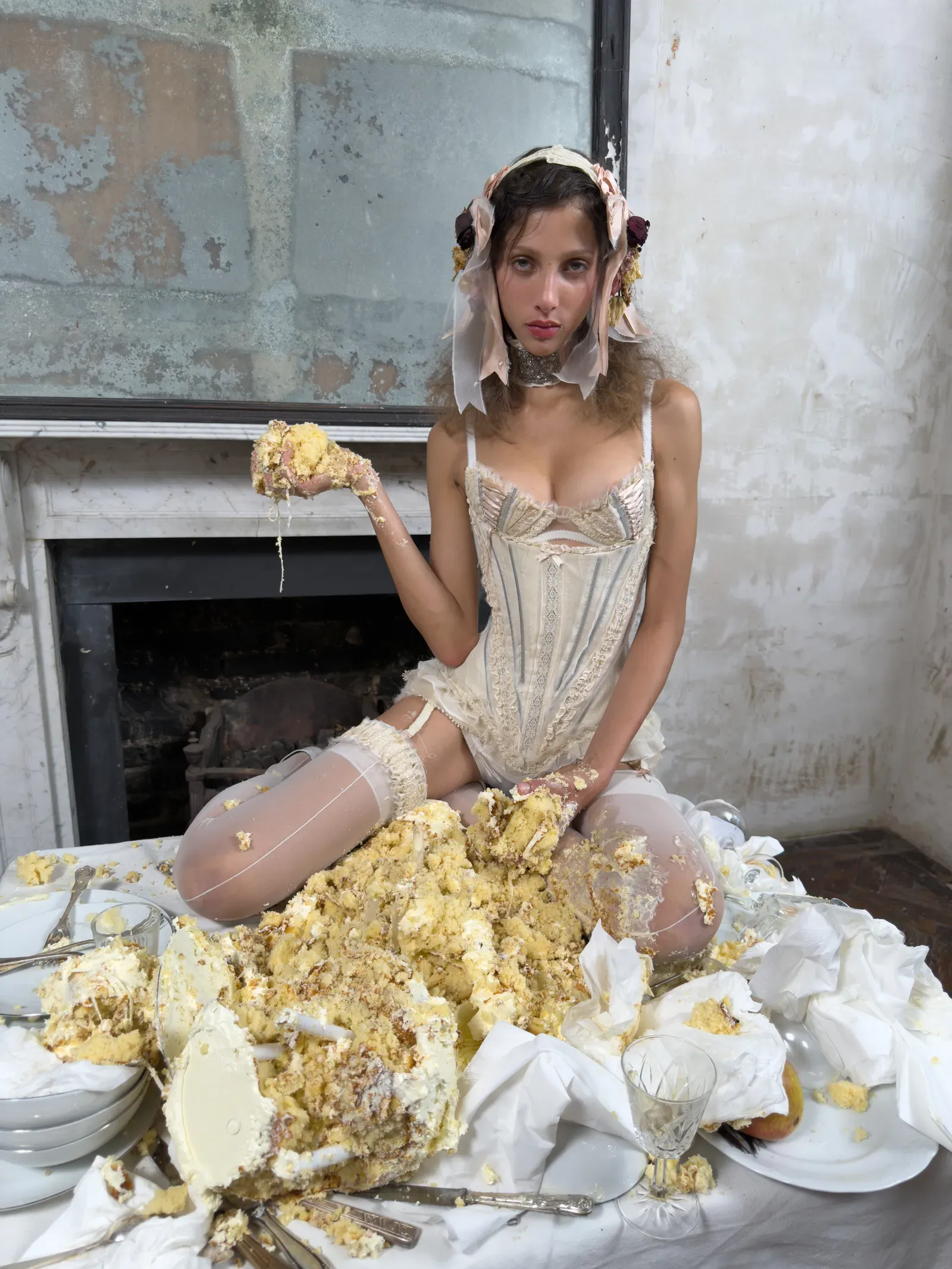
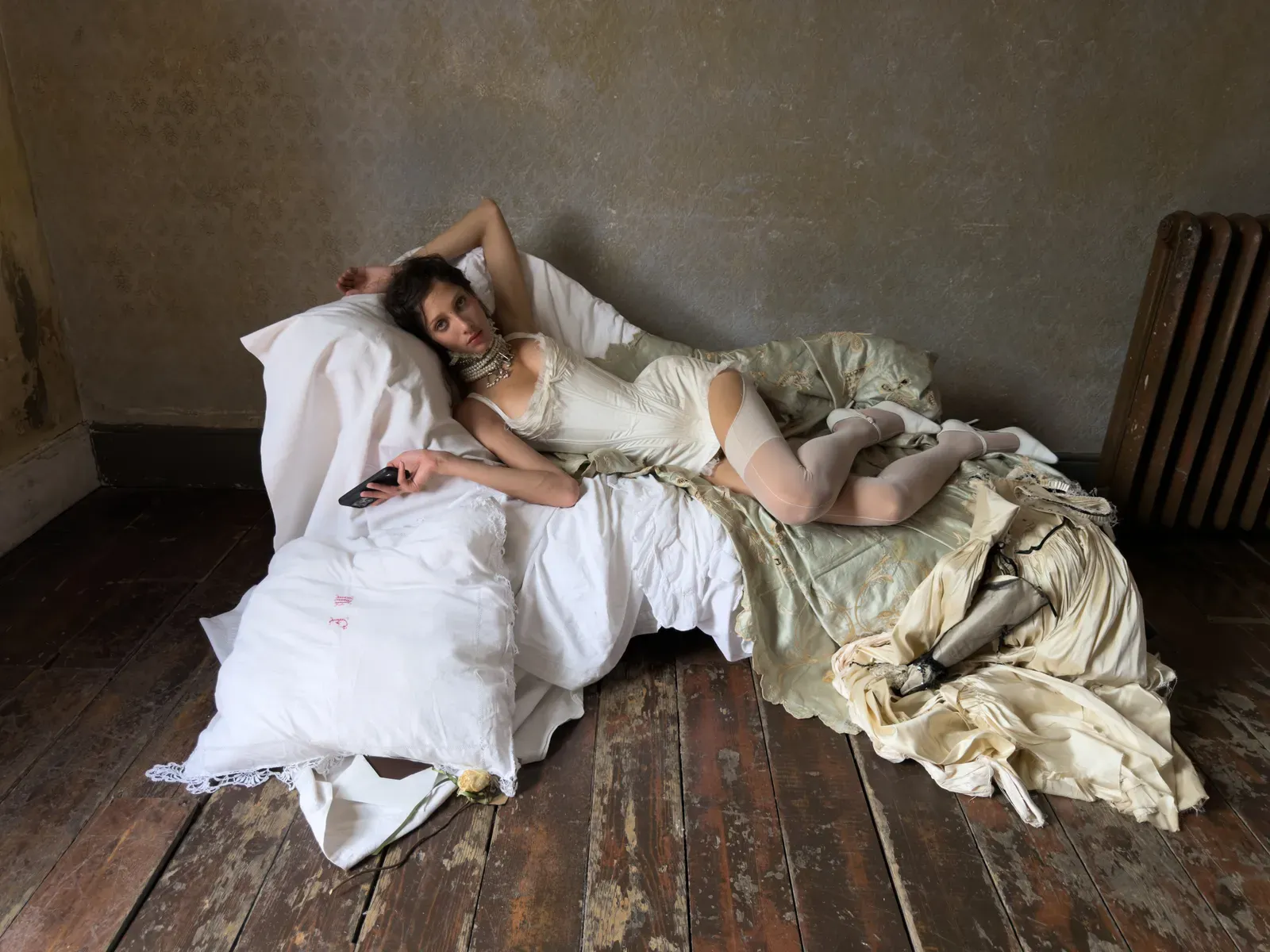
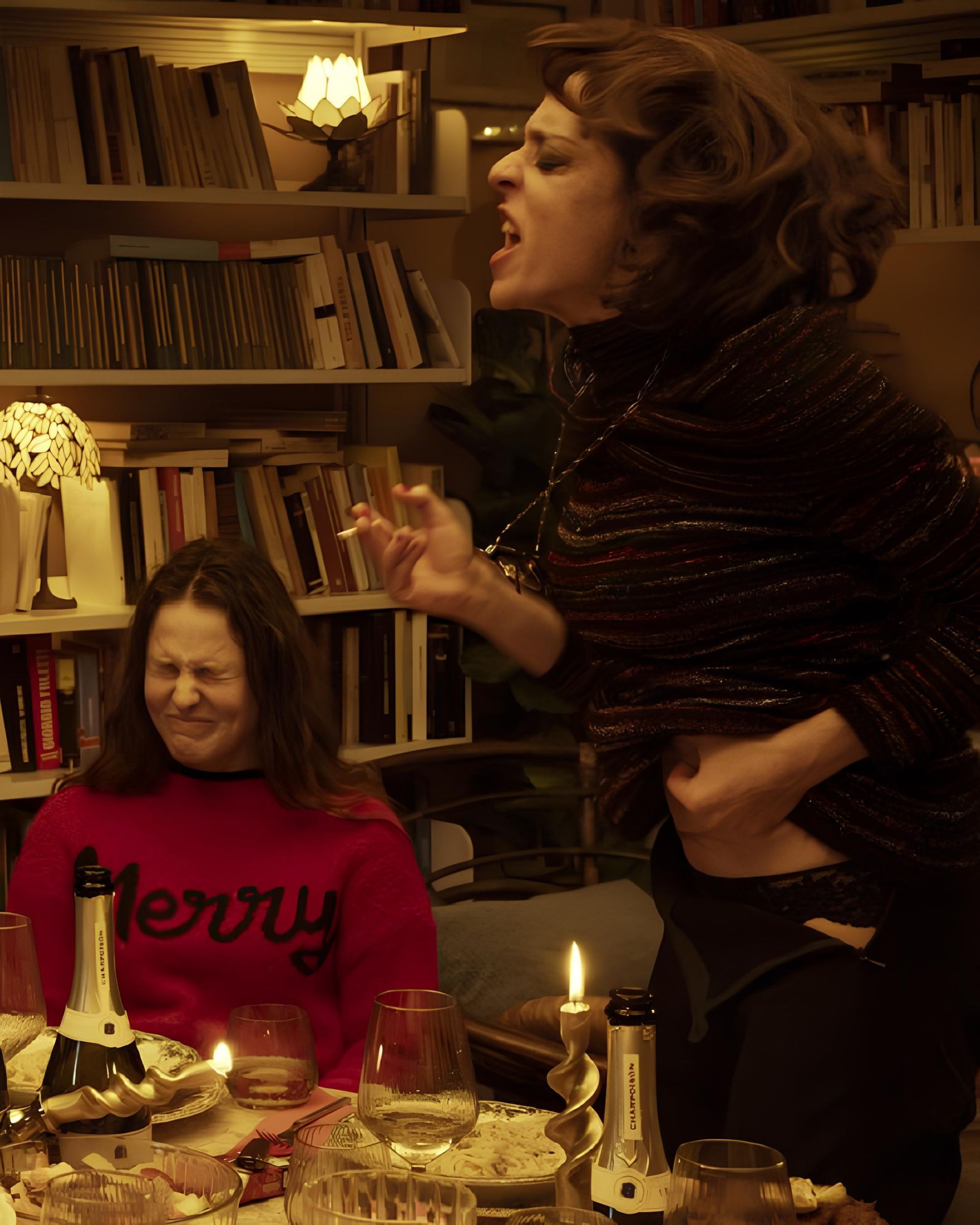
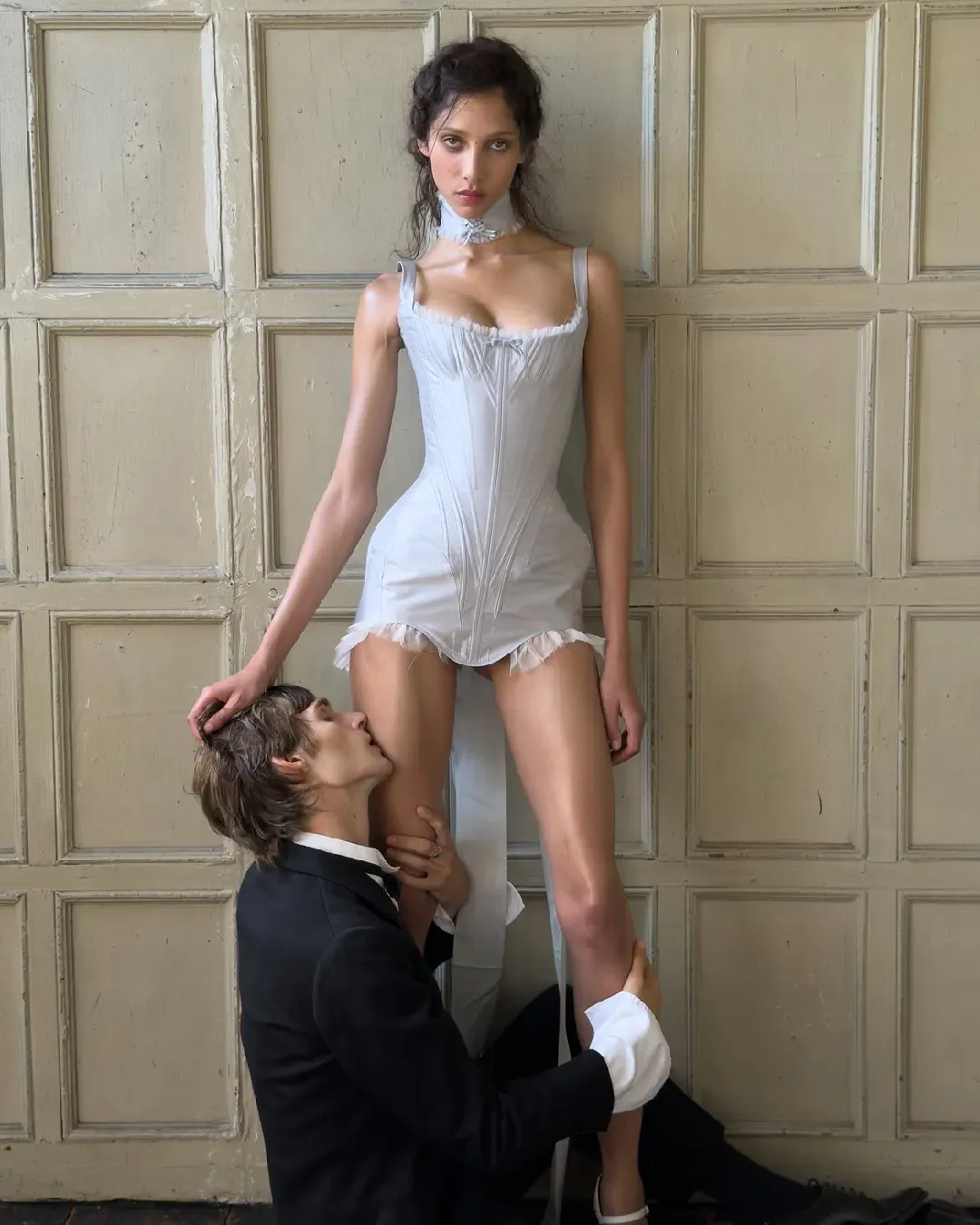
Satin and lace corsets, skirts titled Devotion, ash-blue mini dresses and an ivory Meet me at the altar suit, pencil skirts and ruffle cuffs. Dilara Findikoglu, a Turkish designer based in London known for her romantic yet transgressive collections, has launched her first bridal capsule collection, a line of eight pieces that reinterpret the brand's aesthetic in the form of dresses, suits and lingerie sets defined by an antique look that has always captivated Findikoglu's fans.
Alternative brides are making their way to the altars of high fashion. For independent brands, it is the perfect opportunity to carve out a place in this new market segment.
A new look
The launch campaign, as well as the title Bridal Party Edit, speaks directly to young brides who want their wedding dress to reflect the same alternative style they wear in their everyday lives. In shots by Pavel Golik, top model Yasmin Wijnaldum cuts the wedding cake with the guests, stands on tables, makes out with her husband on a bare mattress, or smokes a cigarette — perhaps moments before walking down the aisle.
Everything — from the cast to their attitude, from the location to the styling — the bouquet flowers are dried, the veil is black, the jewellery consists of safety pin and irregular pearl chokers — conveys a bridal image completely unlike anything we are used to. Not the quiet luxury of Nara Smith or the old money of Carolyn Bessette Kennedy, but a brand-new look drawing from grunge, punk and indie sleaze to rewrite the rules of weddings — a cause that independent brands are increasingly championing.
Gabbriette and Matières Fécales
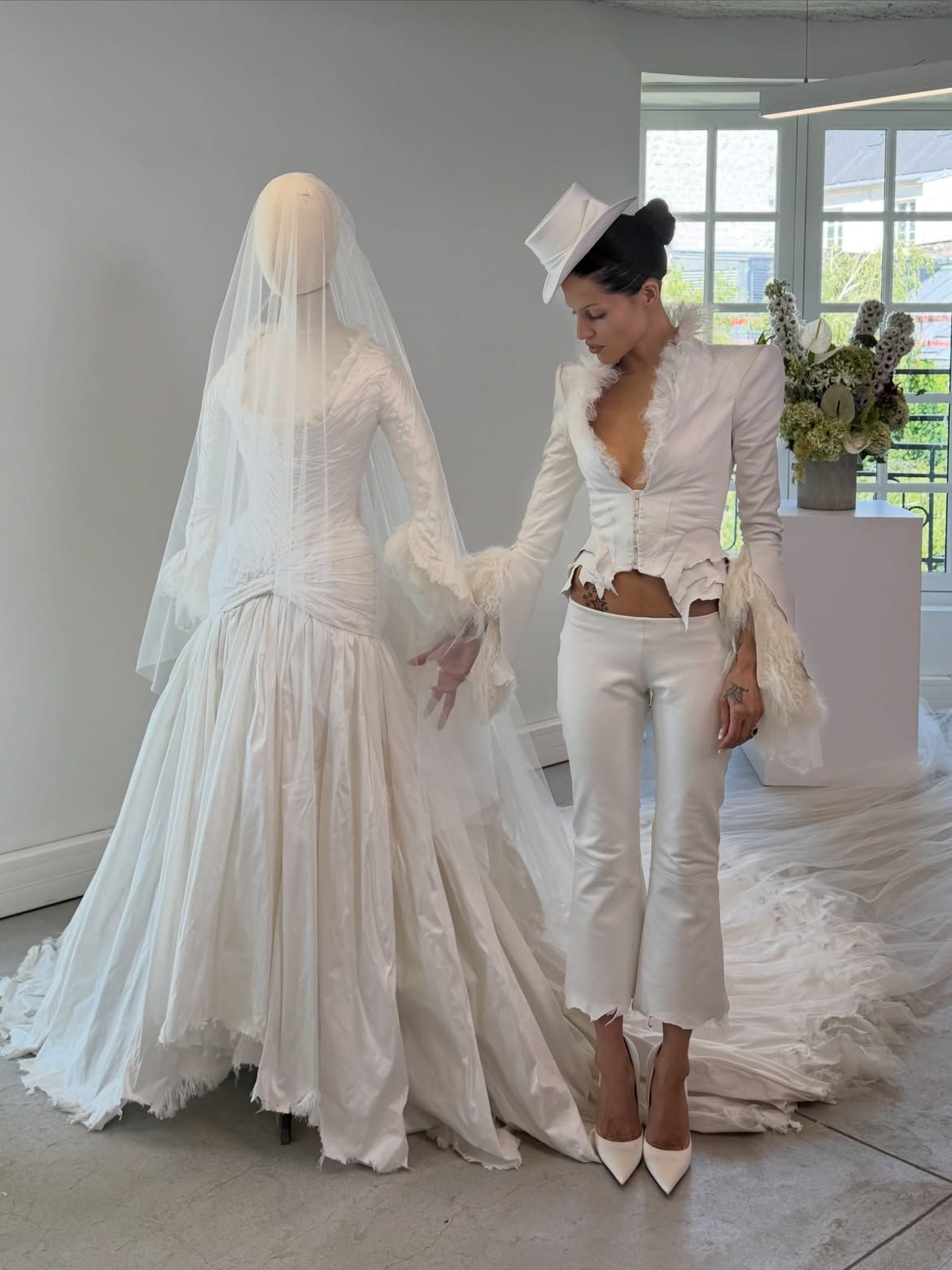
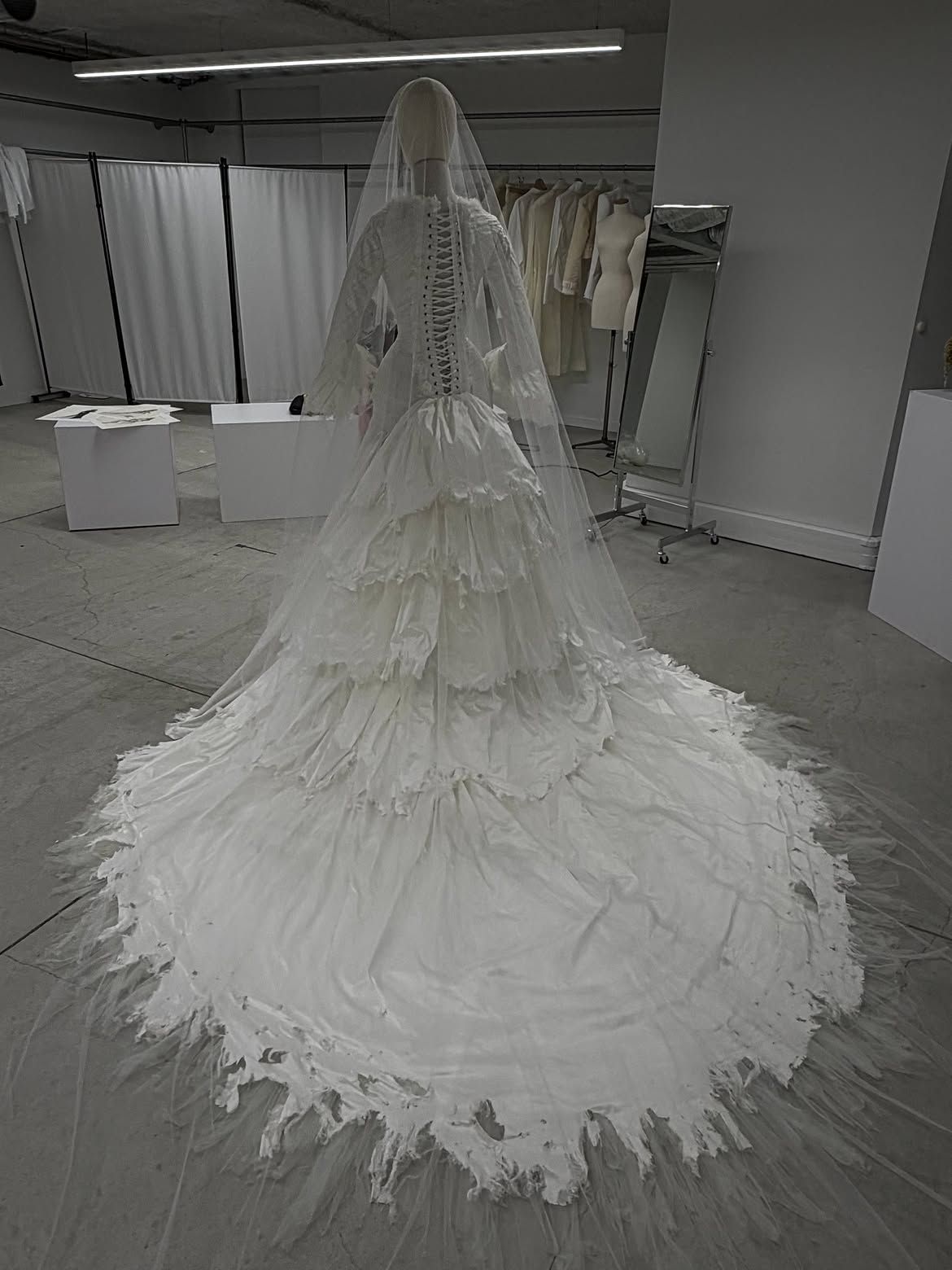
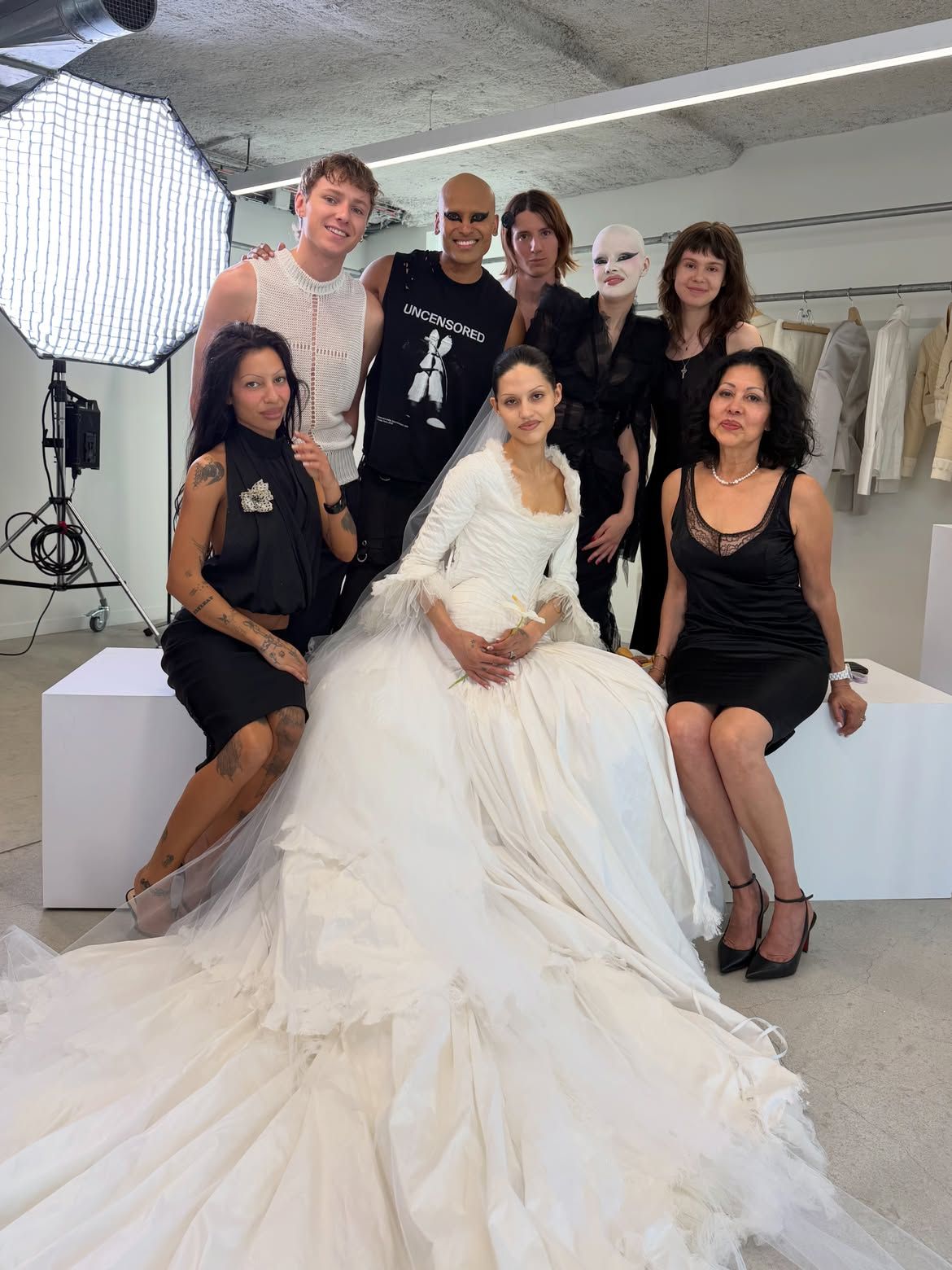
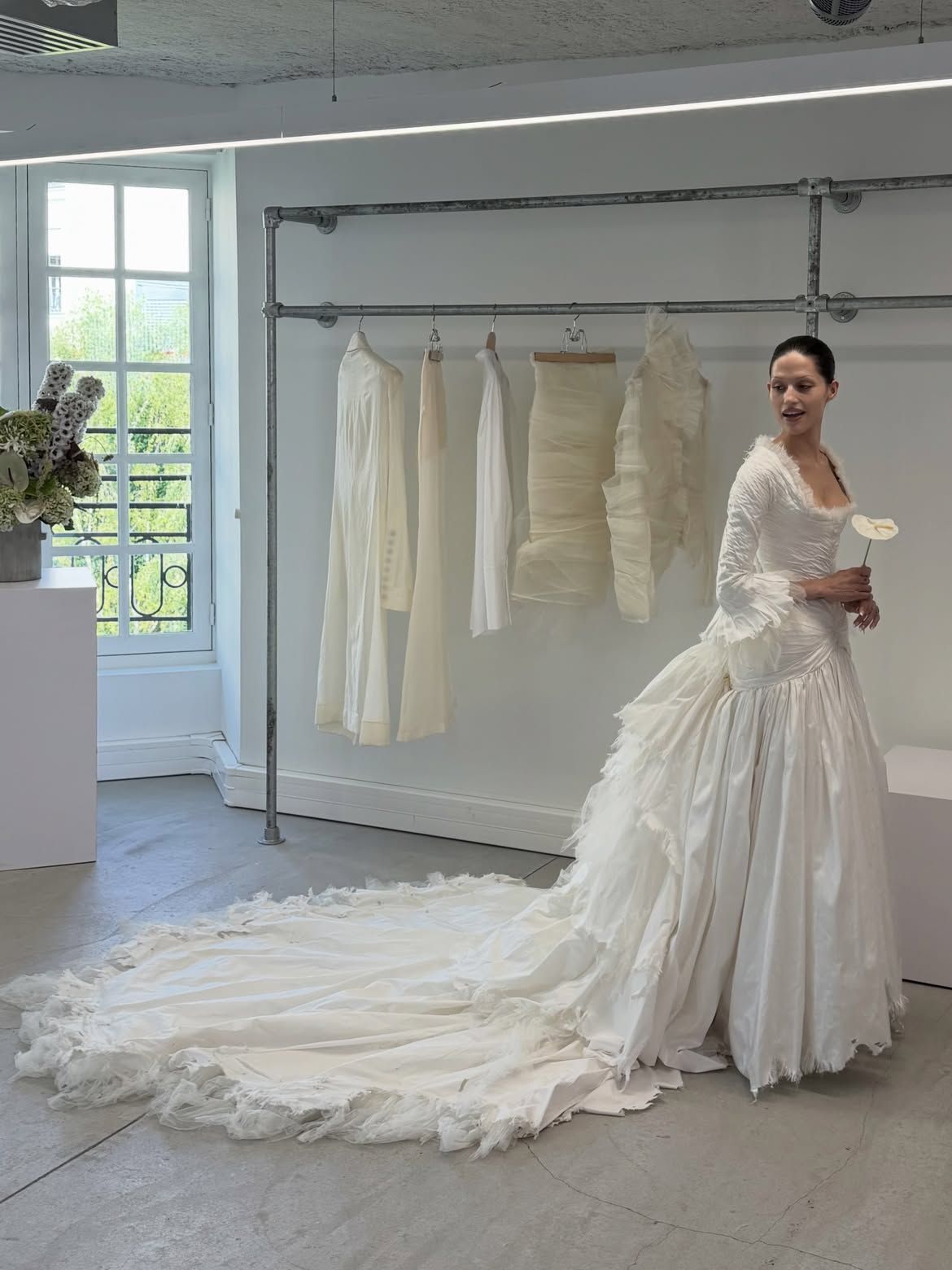
Findikoglu is not the only independent designer to have recently created a bridal look. Matières Fécales, the Paris-based brand founded by Hannah Rose Dalton and Steven Raj Bhaskaran, recently created three bespoke looks for Gabbriette, the American it-girl who last week married Matty Healy, frontman of the British band The 1975.
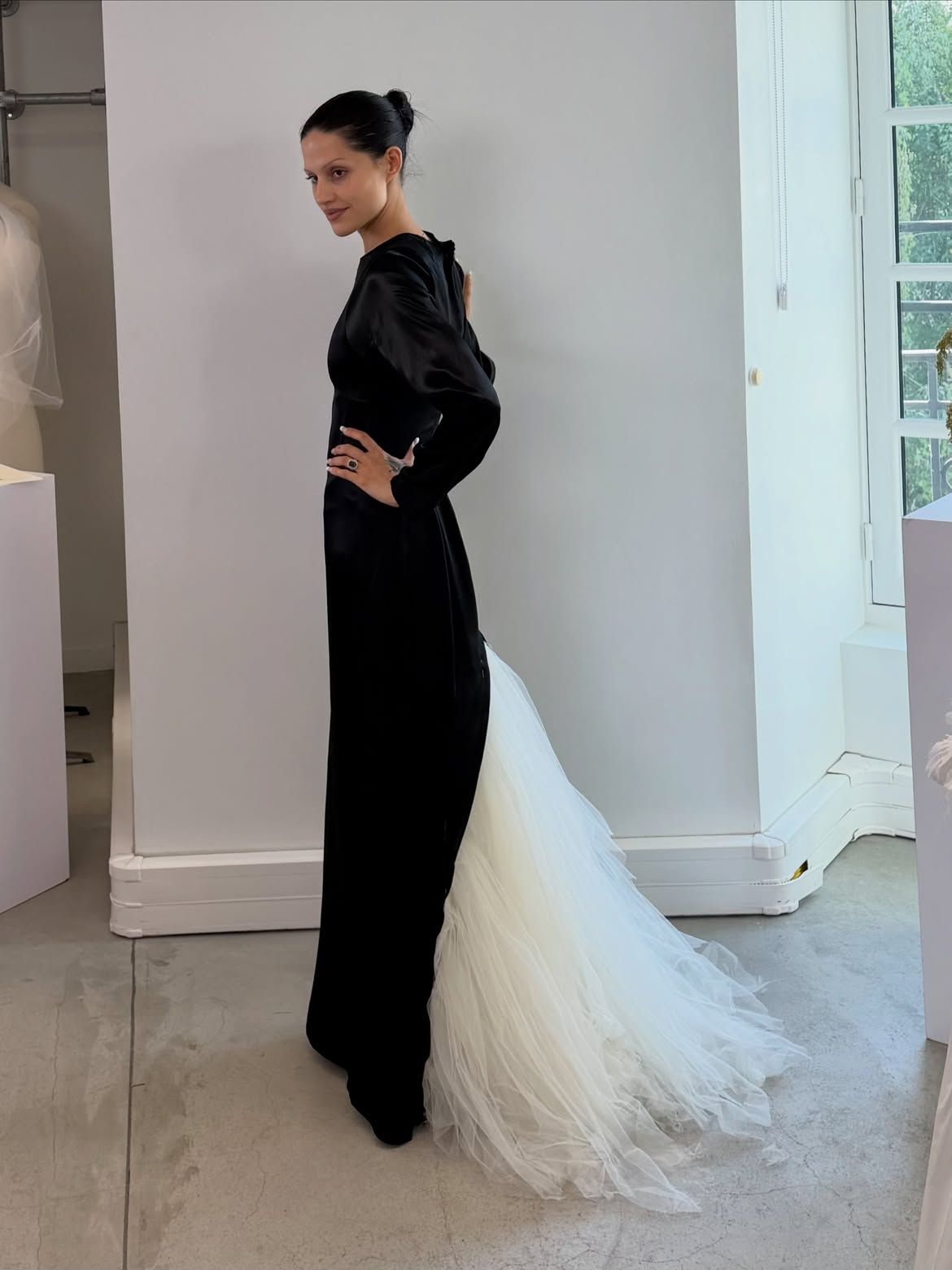
For Gabbriette, the Matières Fécales team created: a Victorian-style wedding dress in silk taffeta with a distressed effect; a rehearsal dinner look — a black dress reworked from the Margiela archive with the addition of tulle; and an afterparty outfit in lambskin, aged chiffon tulle ruffles and the square shoulders that are a hallmark of Matières Fécales.
As Vivienne Westwood and Vera Wang have shown
Evidence of just how much alternative bridal wear represents a genuinely strong market for independent or niche brands in 2026 comes from two designers who, before Dilara Findikoglu and Matières Fécales, created wedding dresses that went down in history precisely because they were unlike any other.
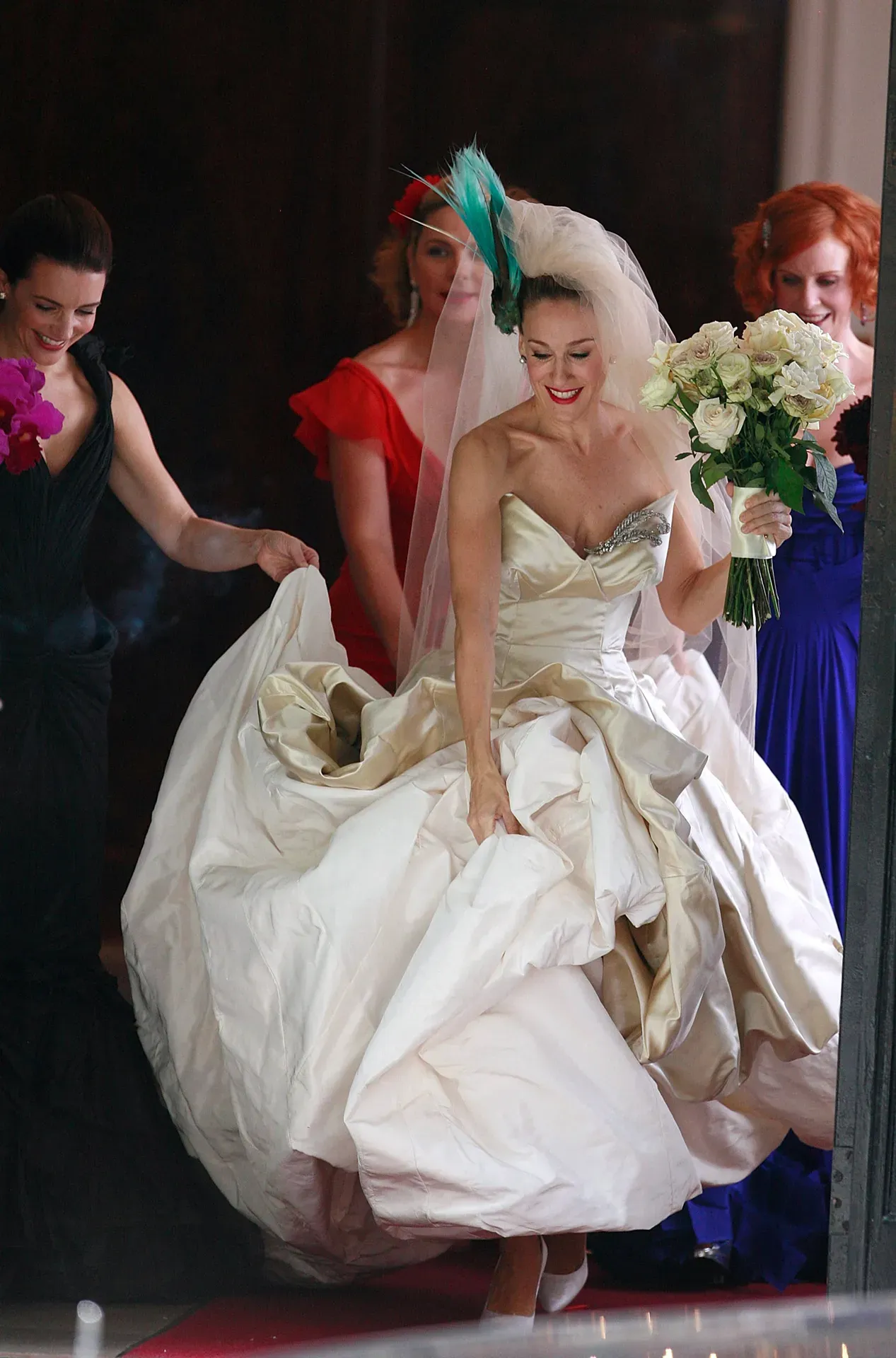
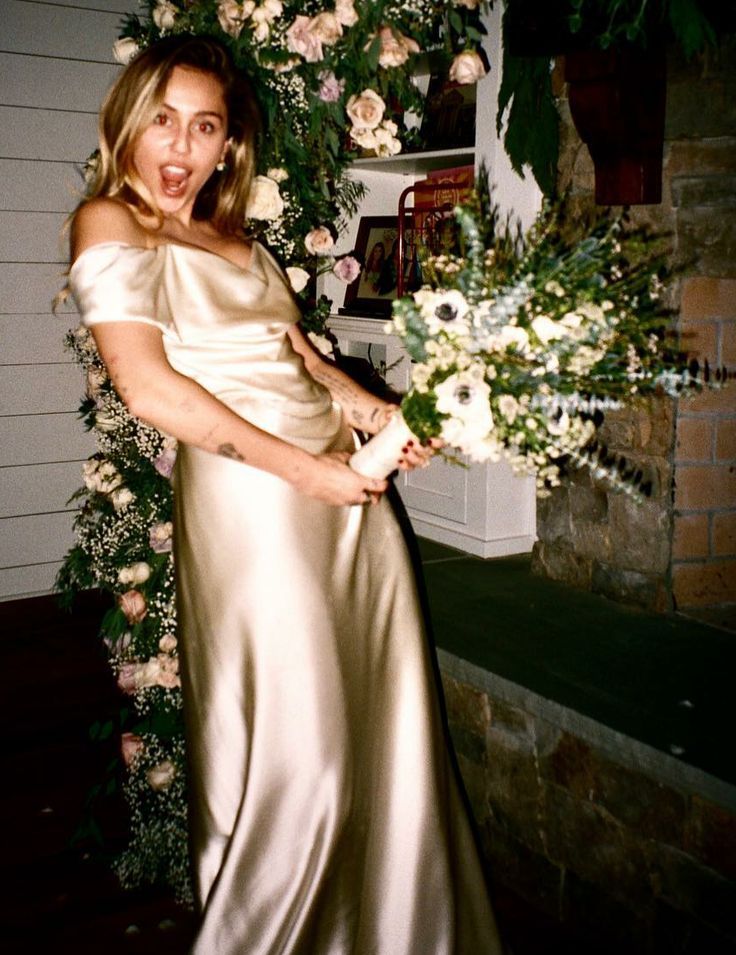
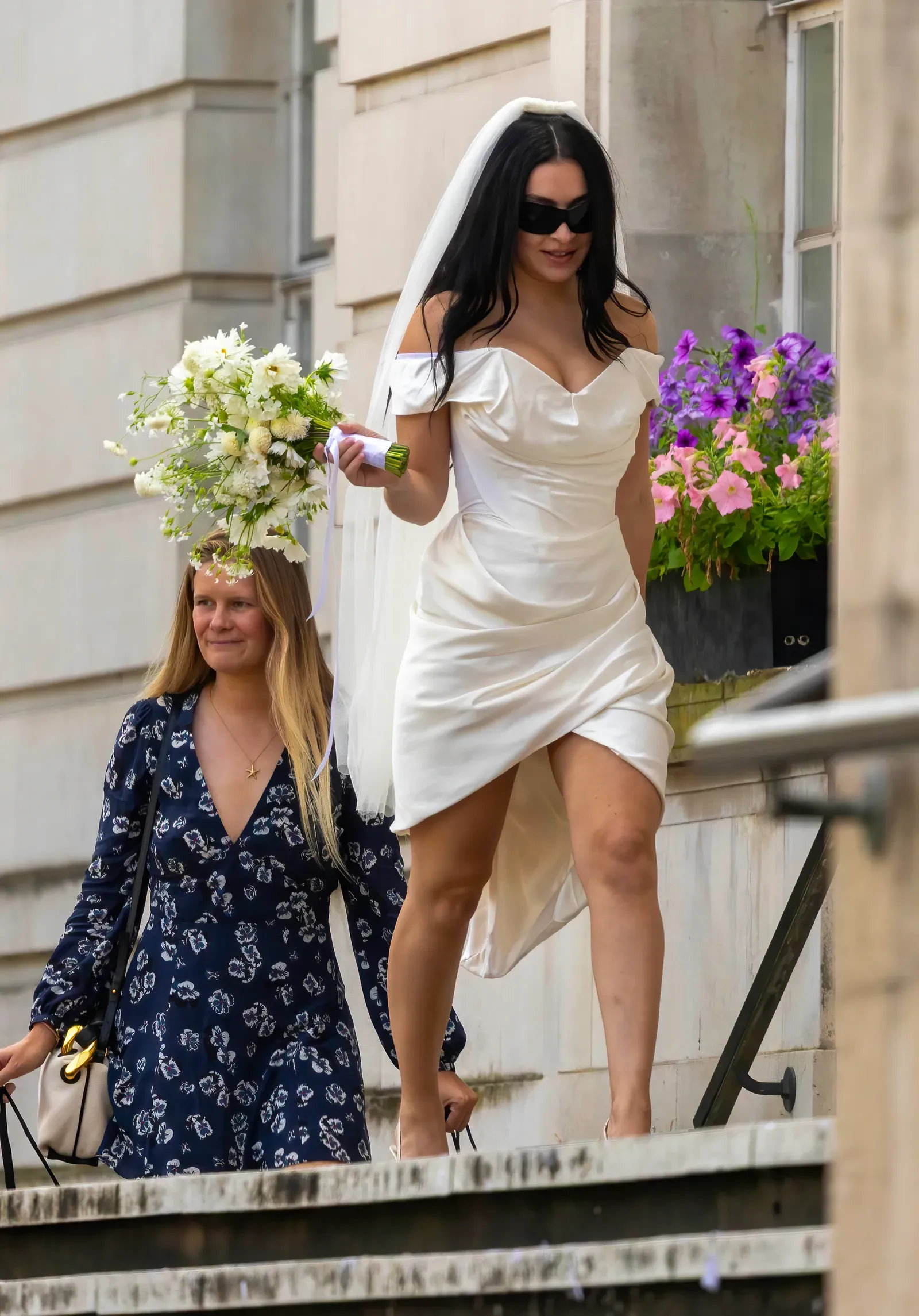
Vivienne Westwood, in addition to having designed the dress worn by Carrie Bradshaw in the 2008 Sex and the City film (the very one in which she doesn't get married), infuses every wedding dress with a certain romantic-punk sensibility. And it is precisely this that convinced Miley Cyrus, Dita Von Teese and, more recently, Charli xcx to wear the British label on their wedding days.
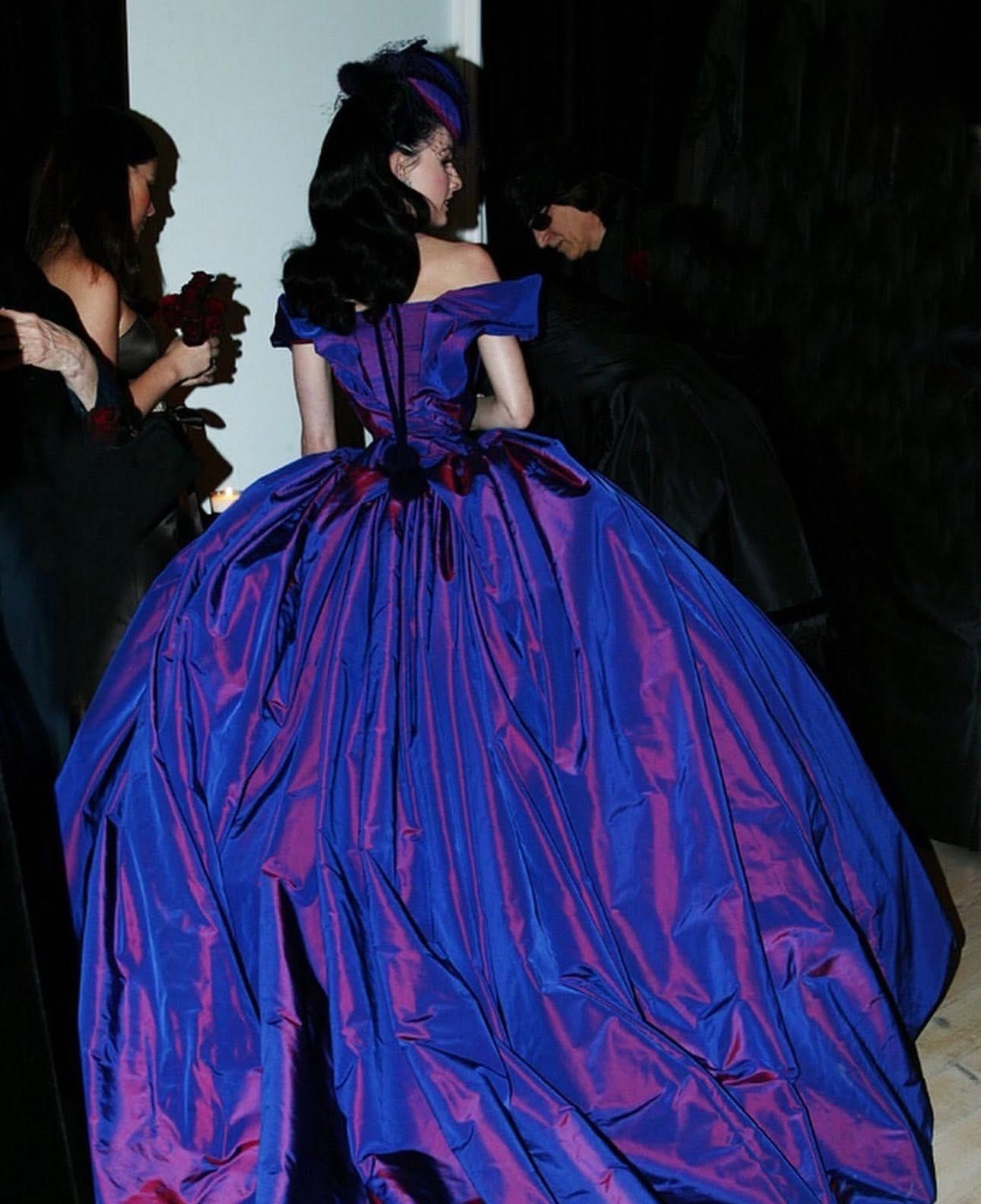
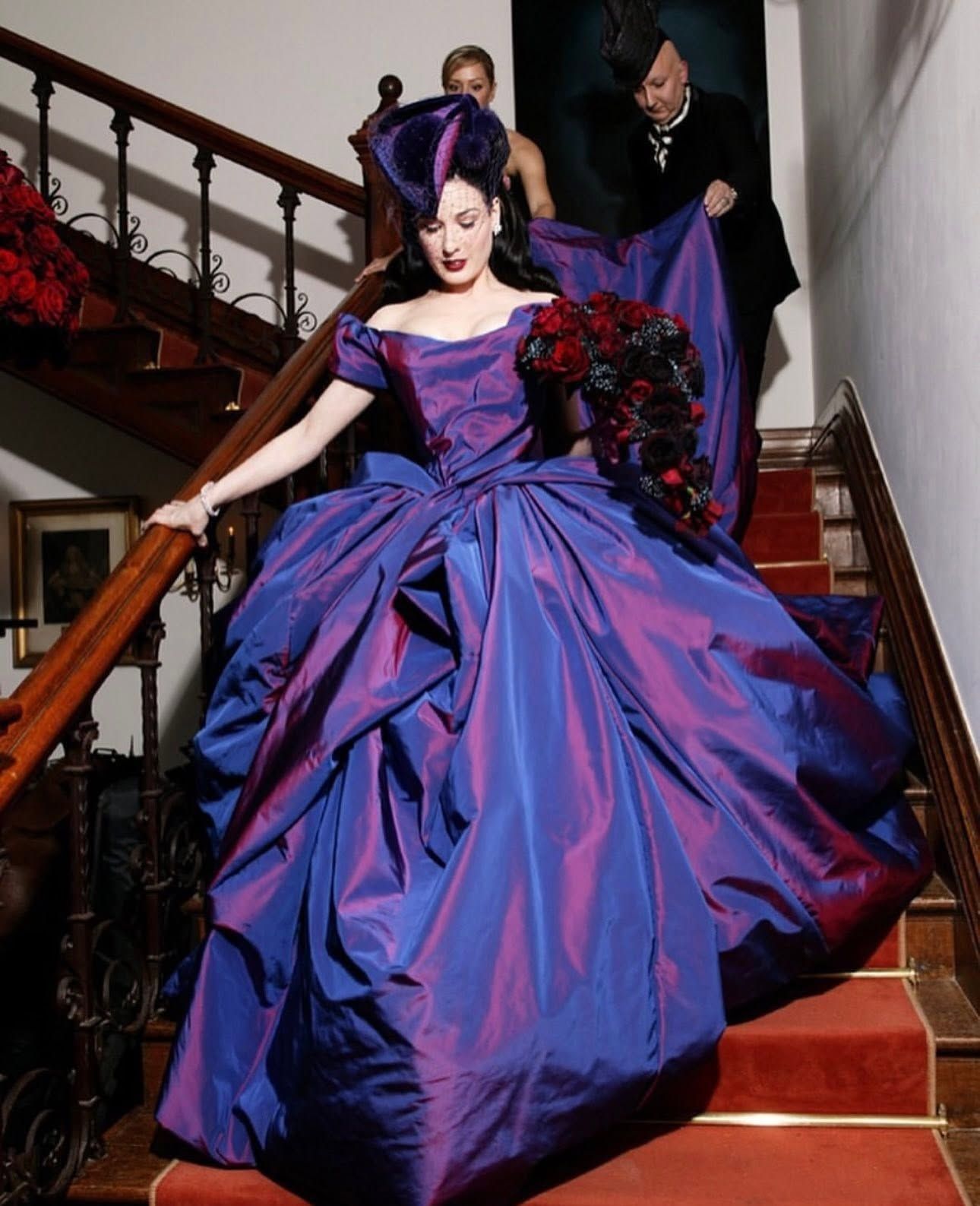
While Cyrus and the author of Brat both opted for a classic all-white look defined by Westwood's iconic corset silhouette, Von Teese chose a shimmering purple gown — now housed in the V&A museum in London — to marry Marilyn Manson in 2005.
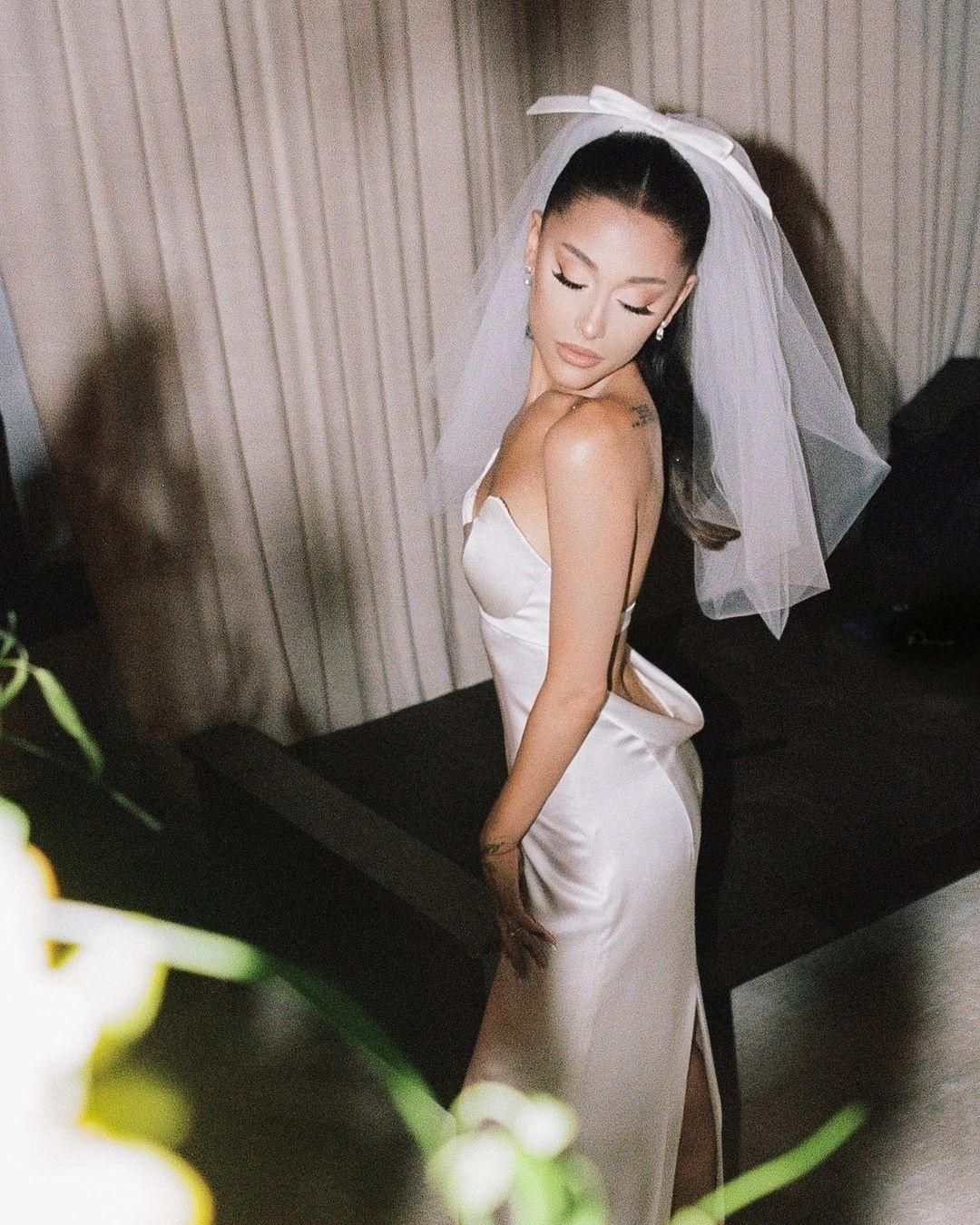
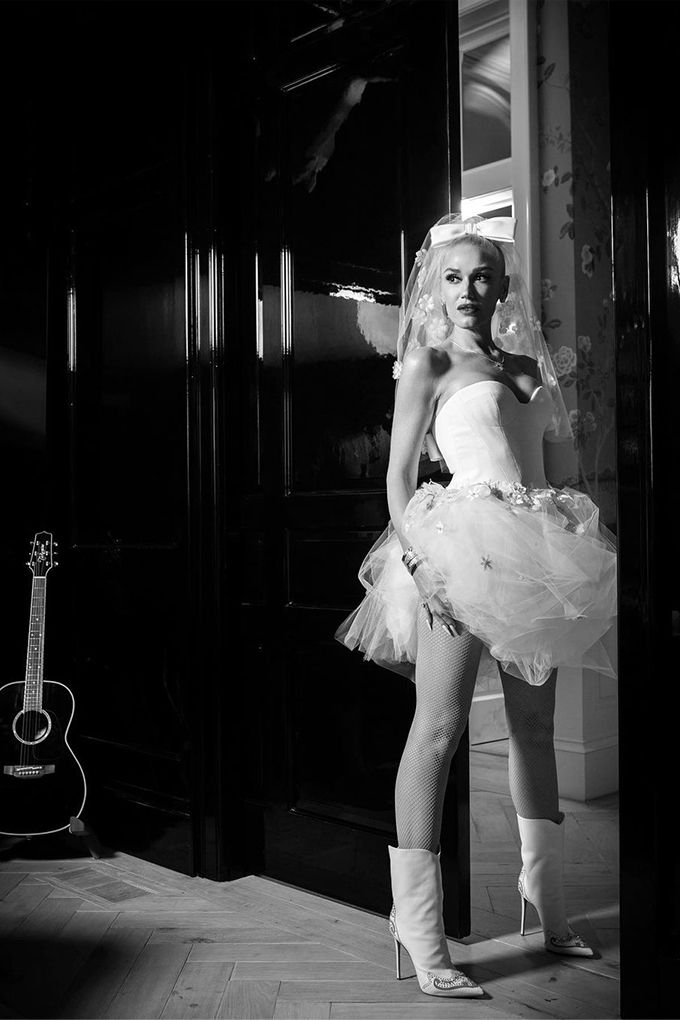
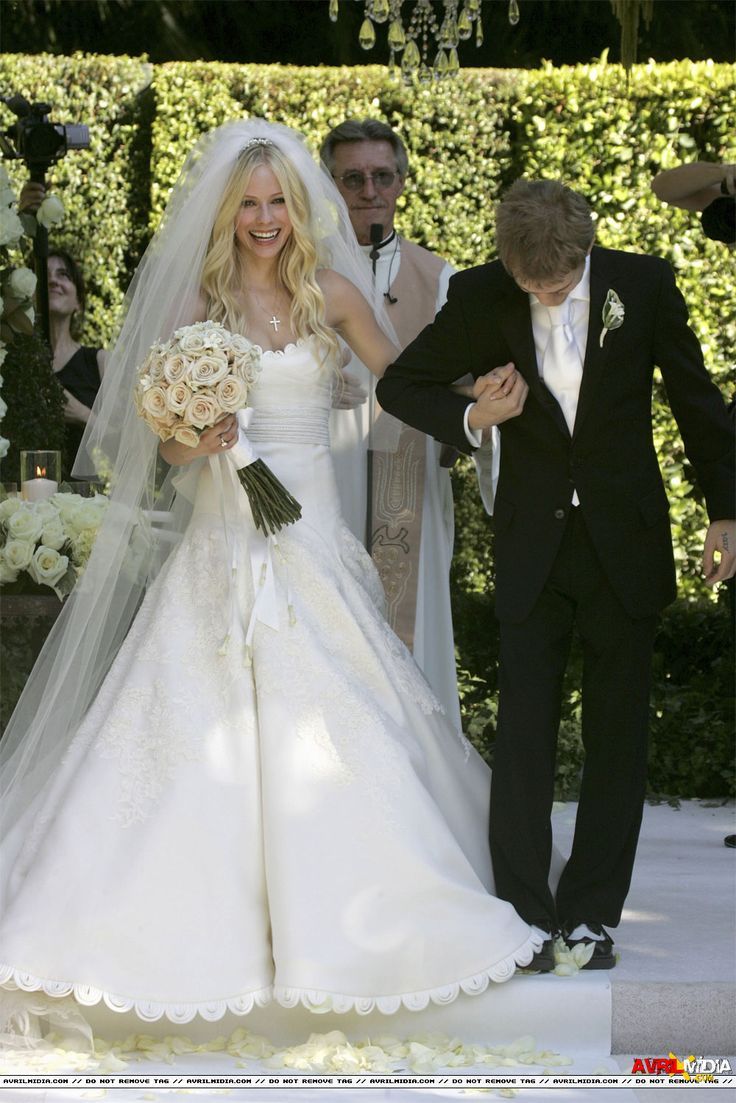
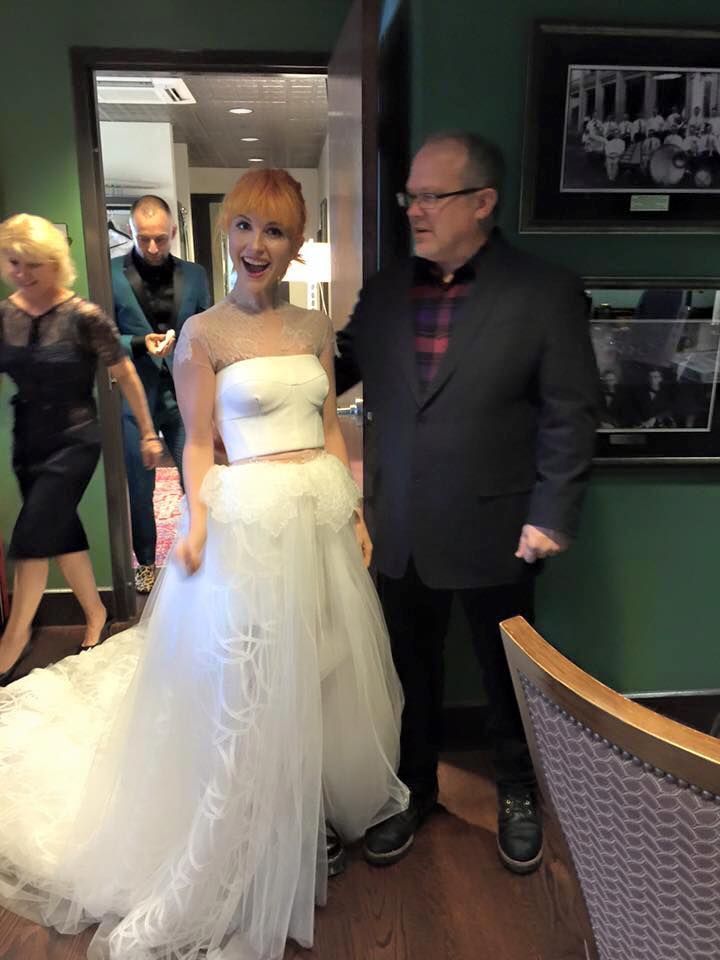
Vera Wang, born and raised in New York, unlike Vivienne Westwood — who started out on the street with her SEX boutique before making it to the runway and the big screen with her bridal designs — launched her own brand by starting with bridal wear itself. In 1990, after working for Ralph Lauren, the designer began reimagining the wedding looks of famous figures from the past. Over the years she has dressed stars including Hayley Williams, Gwen Stefani, Ariana Grande, Victoria Beckham, Avril Lavigne and even Khloé and Kim Kardashian.
The success of Vera Wang — an independent brand until its acquisition in 2025 by the WHP Global group — is undoubtedly proof of how fertile the bridal wear market is for independent labels, which through bespoke looks or capsule collections can practise high fashion far from the rigid and financially demanding structures of Paris Haute Couture Week. Whether other designers will know how to capitalise on this potential, following Dilara Findikoglu's new collection and the collaboration between Gabbriette and Matières Fécales, remains to be seen.