
























Will the new EU regulations on unsold goods really help independent brands? Yes, but there's a catch
This July, the new European rules against the destruction of unsold goods officially came into force. The primary aim of these regulations is to combat waste and overproduction in the fashion sector, promote the circular economy, and encourage the reuse and repair of products. While large companies were required to comply with these regulations by 18 July 2026, medium-sized enterprises will have until 2030.
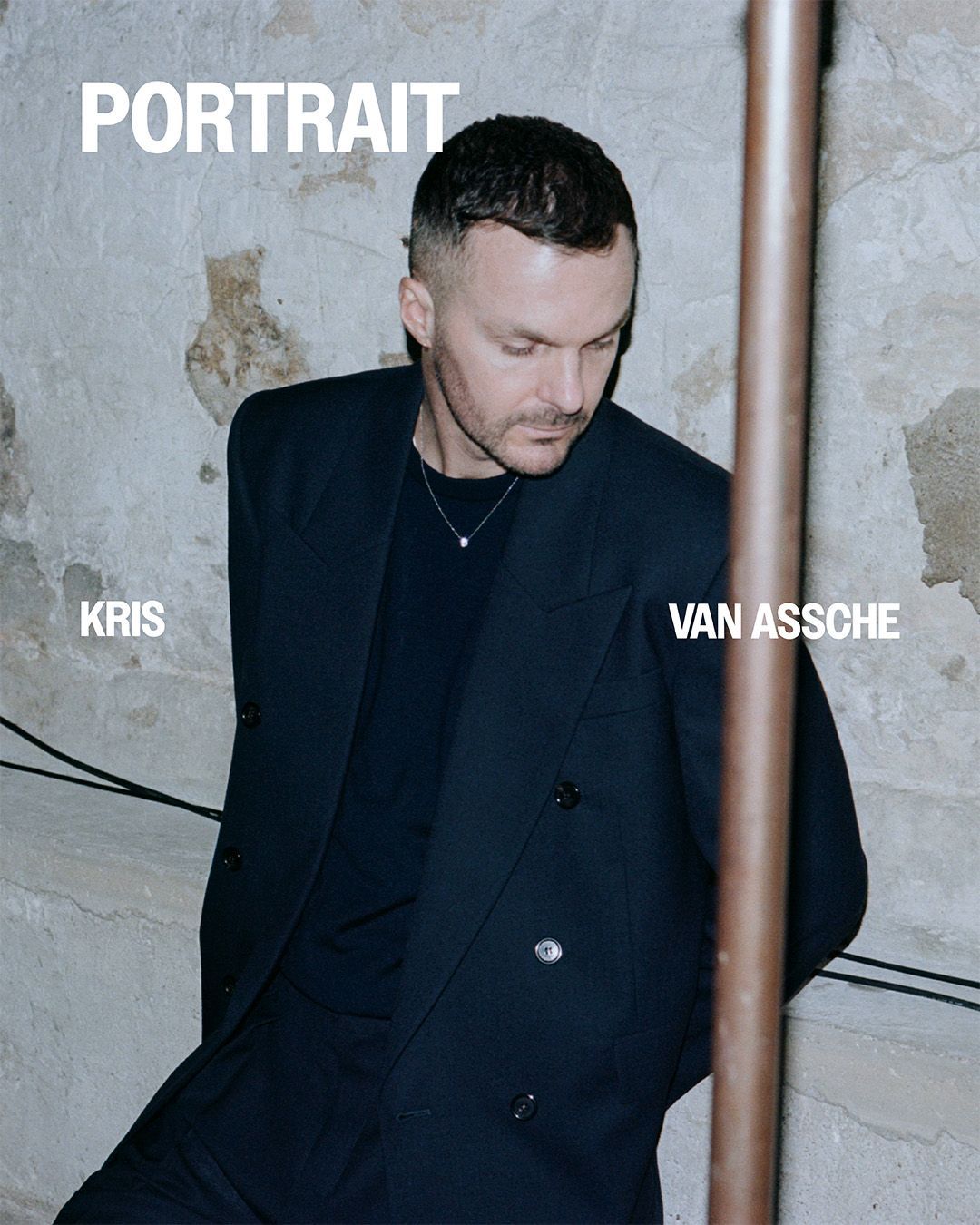
Some luxury brands have been using reclaimed materials for some time, building their business on the exclusivity of materials: Belgian designer Kris Van Assche, for example, relaunched his brand this year, eleven years after its closure, producing limited-edition pieces using deadstock fabrics; Gucci, some years ago, launched Gucci Continuum and Gucci Preloved, two initiatives aimed at circularity in both production and retail. But while sustainability programmes were once seen as a simple effort by large companies to win over more environmentally conscious consumers, the issue has now become more complex.
At this point, luxury maisons are being called upon to rethink their production strategies, while the companies that manage European deadstock are bracing themselves for a particularly demanding year. For independent brands, on the other hand, a significant opportunity is emerging: improving the quality of their collections by recovering unsold surplus from the maisons, and in doing so reducing material sourcing costs.
Zerow, an opportunity for new businesses
"Larger companies are feeling more pressure. Clients, on the other hand, are very happy: today they have far greater support in finding the materials they're looking for," explains Gabriele Rorandelli, CEO and co-founder of the start-up Zerow. Based in Scandicci, one of the most important production hubs for Italian luxury, Rorandelli's company recovers surplus luxury fabrics and leathers to give them a new life through collaborations with fashion brands.
In the past, overly stringent regulations had led to failure, as in the case of the European anti-greenwashing laws scrapped in the summer of 2025, which had pushed too many brands to scale back their environmental initiatives for fear of being penalised even for the smallest administrative error. Nevertheless, a sense of optimism seems to prevail at Zerow's offices: "New rules bring to the surface those who truly have something of value and those who operate properly," says the CEO. "It can create difficulties for those who don't know their own stock or communicated sustainability in vague terms, as happened with anti-greenwashing legislation, but those who work with data and documentation stand to gain."
With transparency set to become increasingly valuable, an important opportunity is opening up for emerging brands and young designers. Unlike established companies and international maisons, which are now being called upon to rethink outdated production systems, younger businesses can turn their age into an advantage. "Deadstock makes it possible to create small collections using quality materials at more accessible costs. Smaller players have speed and traceability," says Rorandelli, citing the example of German labels Haderlump, SF10G and Nowrubi, which work with reclaimed materials.
Is Italy doing enough?
In Italy, a growing number of emerging brands are recognising the enormous potential of the deadstock market. Among them is Bottega Bernard, founded by Annachiara Bernardi, which works with maison overproduction to create limited-quantity collections. The brand's creative direction draws its inspiration primarily from the types of materials available, Bernardi explained to us — she has taken the brand around the world since 2021, from New York to Seoul and through Italy's major cities.
Growing a business centred on circularity and sustainability in Italy has not been easy, the designer explained. The country has an extraordinary supply chain, "but for a small brand, gaining access to it while keeping costs manageable is extremely complex." While Italy offers strong support from the press, it remains commercially too cautious when it comes to small sustainable labels, Bernardi explains. "In cities like Seoul, Berlin or New York, I found interest not only in the product itself, but also in the way we work. The most noticeable difference is on the B2B side: abroad, I found showrooms and distributors more open to building a relationship with a young brand, looking first and foremost at the product, the vision and the potential of the project."
For Bernardi, initiatives do exist in Italy to support emerging designers, but more programmes are needed to facilitate the building of relationships with buyers, distributors and international markets, to guide younger brands through their full development. Rorandelli shares this view, pointing out that while companies like Zerow are giving visibility and value to Italy's textile heritage, responding to this new European model cannot rely on young people and start-ups alone. "Italy has an enormous opportunity, but in reality it is not doing enough. What's needed is a more structured collection and sorting supply chain, incentives for reuse and recycling, and common traceability standards."