
How Gen Z is changing the rules of physical retail From clubhouses to test labs, new brands are transforming stores into something that goes far beyond shopping
The future of shopping was supposed to be digital, but more and more brands that grew up on Instagram and TikTok are investing in physical stores — and the most interesting part is how they're designing them. According to a Deloitte report published in 2025, 64% of Gen Z in the United States uses social media to research products and 35% to discover new ones, yet 73% say they shop in person at least once a week. A generation that grew up with the ability to buy practically anything without getting off the couch still wants to leave the house to do it.
In 2026, a store needs to offer far more than just the chance to buy a piece of clothing, and younger brands seem to have understood this well. That's why, in the world's major capitals, hybrid spaces are multiplying: places where you can shop, but also grab a coffee, listen to music, meet friends, and even get an up-close look at how a product is made.
Chopova Lowena's new store in London
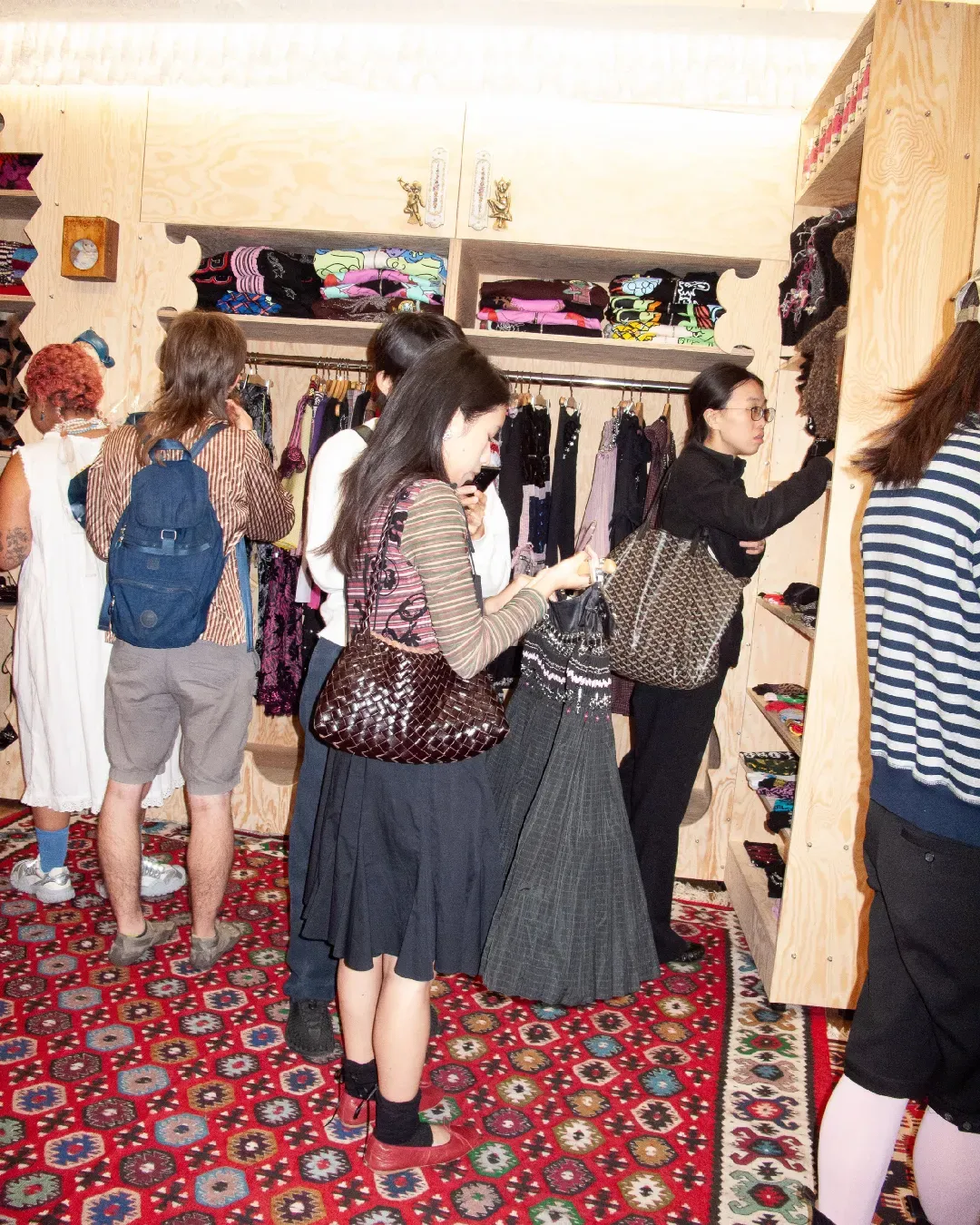
Emma Chopova and Laura Lowena-Irons have opened their first permanent physical store in Bethnal Green, London, choosing to call it a Clubhouse rather than a flagship. The store is located in the same building as the brand's HQ, with the studio on the lower floor and the atelier nearby, so the founders and team can move quickly from creating to selling. At Chopova Lowena's Clubhouse, you can have cocktails, join book clubs, attend evenings and events, and of course discover the brand's new capsule collections and limited-edition drops firsthand.
800 square metres of Paloma Wool in Barcelona
Paloma Wool is also reinventing retail in its own way. Paloma Lanna's brand launched online in 2014, at the height of the Instagram brand era, and since 2019 has used pop-ups to understand how its communities behave in different cities. The first one in New York drew an unexpected queue outside the space, and since then the model has been repeated across Los Angeles, Milan, Copenhagen, and Berlin. In October 2025, Paloma Wool opened its first flagship store in Barcelona: a space of roughly 800 square metres designed by p0 that also includes a photography studio and is set to house a gallery and a fashion-dedicated bookshop.
Kiko Kostadinov's store-gallery in Tokyo
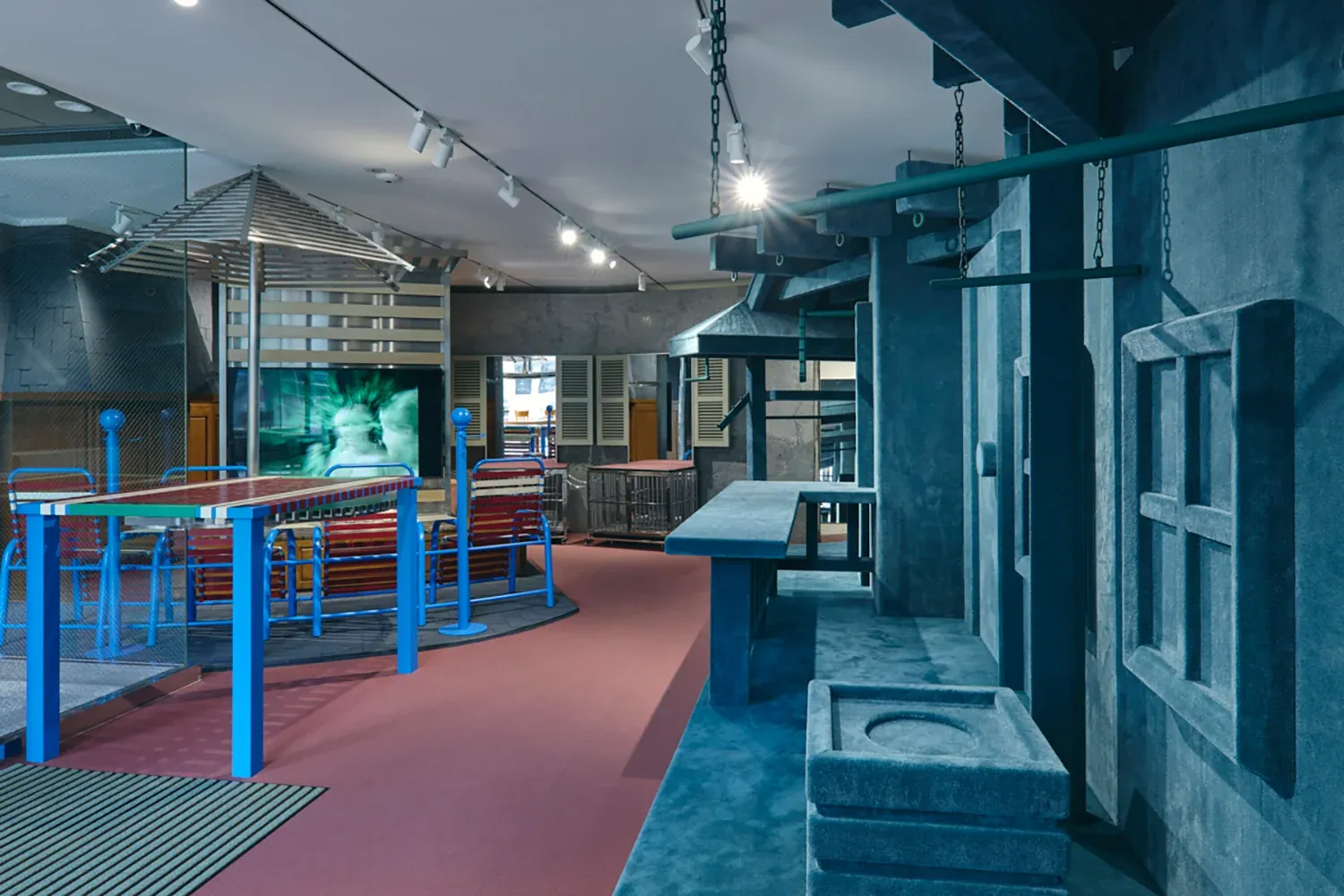
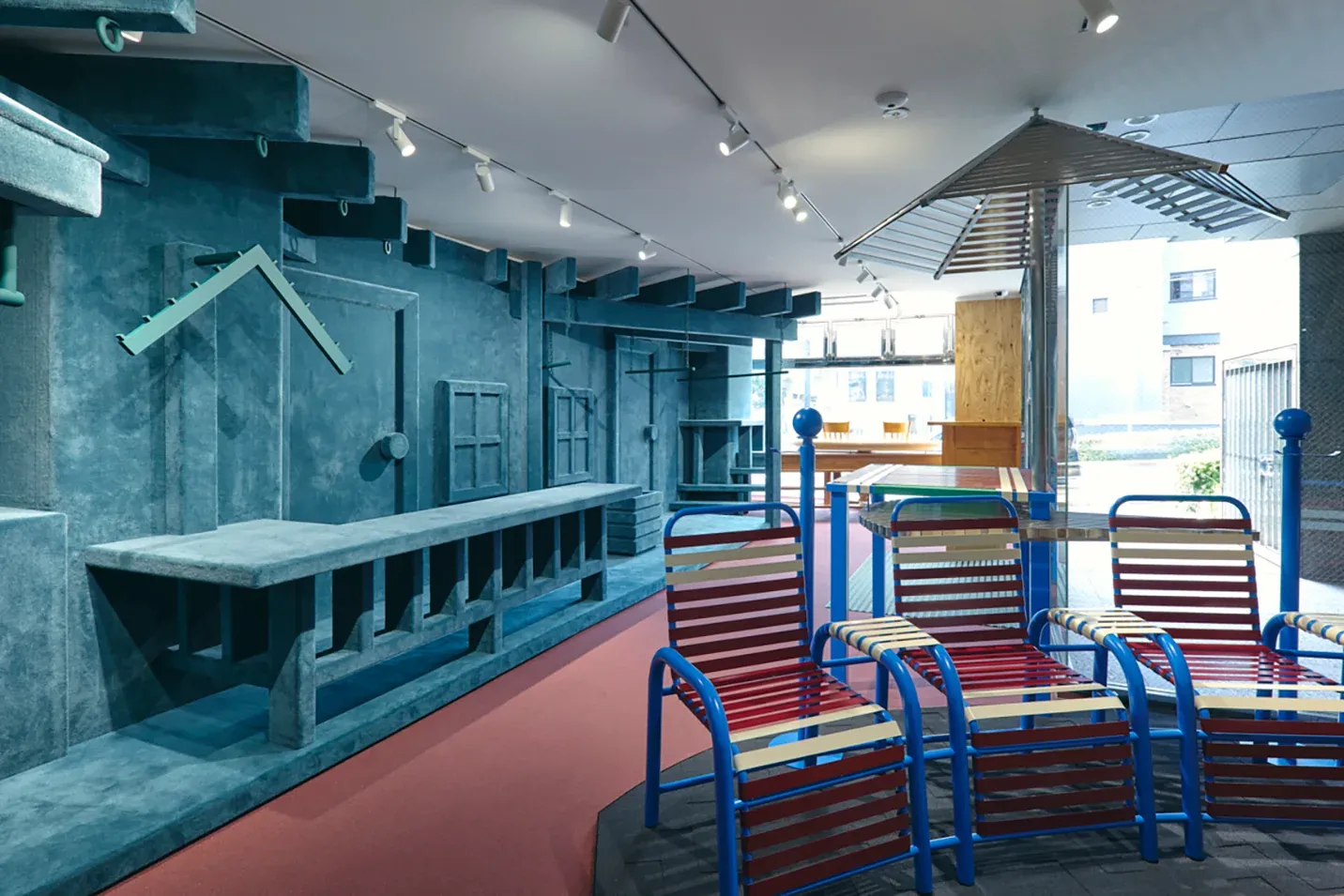
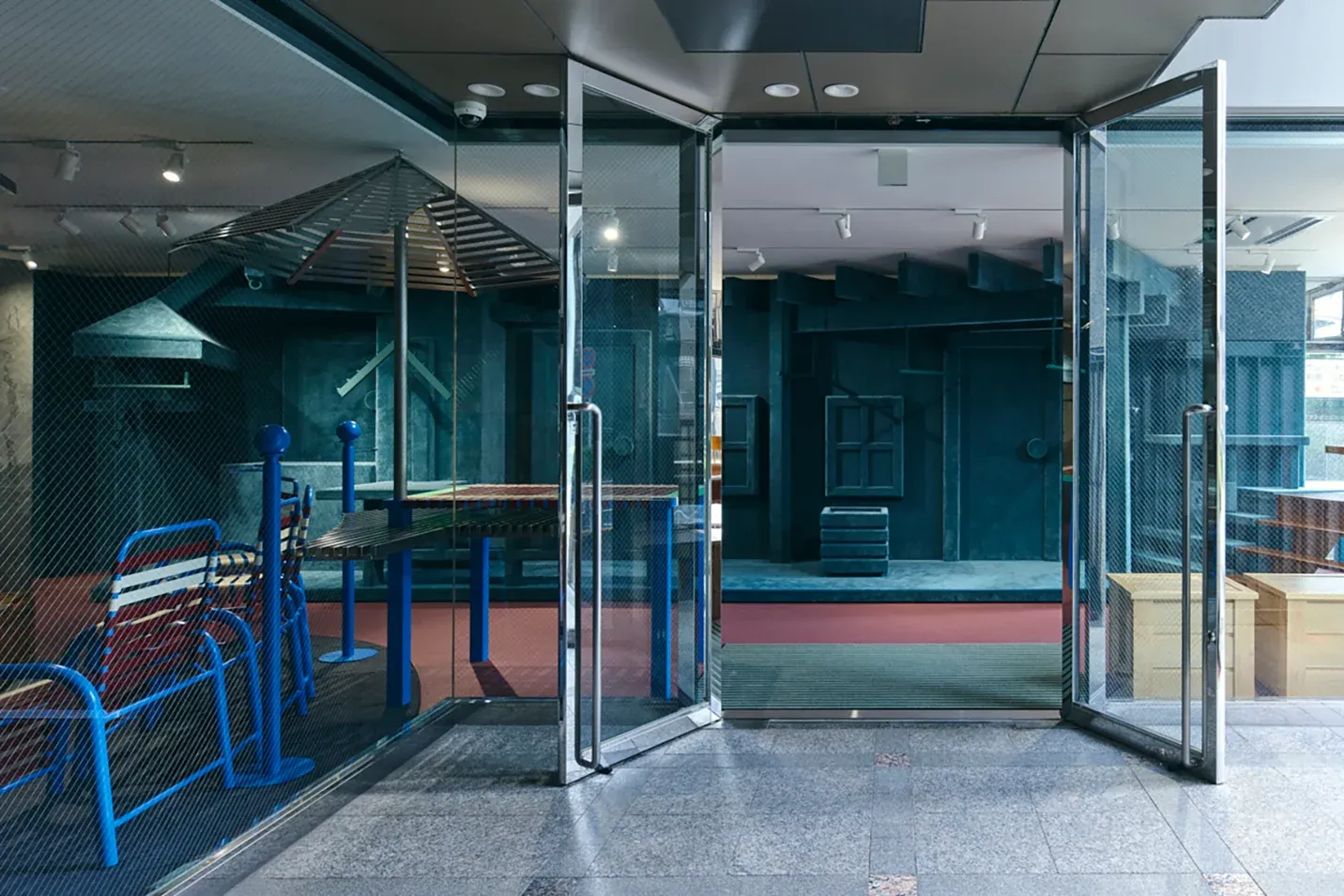
In Tokyo, Kiko Kostadinov has created a store that feels more like an art gallery. When the first permanent space opened in 2024 near Cat Street in the Harajuku neighbourhood, the idea was to build a venue capable of evolving over time. The designer worked with Yusuke Seki and artist Ryan Trecartin on an environment of concrete, white walls, metal structures, and modular installations.
EB Denim's hybrid workshop in California
In Los Angeles, the store becomes an actual design tool. Elena Bonvicini opened the first EB Denim store in Brea in September 2025, bringing together retail floor, offices, warehouse, and design studio under one roof. Bonvicini, who started selling reconstructed denim while still in high school, has built much of the brand on being deeply in tune with her audience in terms of age, taste, and habits.
At the EB Denim store, samples are displayed in the window to gauge people's reactions, while feedback from customers, stylists, and influencers can travel from the shop floor to the design studio almost instantly. Even a detail about the fit of a pair of jeans can end up influencing the next production run.
FiveFourFive's first permanent store
In Italy, a similar journey is clearly visible with FiveFourFive. From the very beginning, the brand was built around its community, but while it previously lived mainly through the internet and one-off events across Europe and beyond, this April FiveFourFive opened its first permanent store on Via Fiori Chiari in Milan. The search for a fixed physical space had begun after a pop-up in Rome, where the venue stayed packed throughout its entire run, with queues forming even in the days following the opening.
The Via Fiori Chiari project, handled by Studio Musa, starts from the idea of a 545 home. The red of the recent rebranding runs through the interiors, a travertine portal connects the two main rooms, at the centre sits a glass sofa designed by Luca Ricci, and a hi-fi system becomes an integral part of the space's identity. The store also changes how drops work: new monthly releases become available in-store from the morning, while online they continue to drop at 5:45 pm, giving a small advantage to those who visit in person.
Taken together, these five cases make the generational shift reshaping the retail world fairly clear: Chopova Lowena uses the store to meet its community directly; Paloma Wool deliberately slows down the way we shop; Kiko Kostadinov turns retail into a cultural space; EB Denim uses customers to improve its products; and FiveFourFive gives a physical home to an audience built up online over the years.
The store is taking on a different role precisely for a generation that can already do almost everything online. Discovering a brand, following it, comparing products, and buying them takes seconds. To convince someone to go out, travel to an address, and stay there for a while, a store has to offer something a screen delivers less well. People, space, time, the chance to participate, and the feeling of being inside something you had, until that moment, only ever followed.