























Is the luxury market really rebounding? Not everything that bears a logo is gold
It is time to take stock for the great luxury giants. With the publication of first-half 2026 results, LVMH, Kering, and Hermès all seem to reflect the symptoms — and the improvements — of a system that appears to be gradually recovering. LVMH returns to 1% growth, while Kering posts its first positive quarter in three years (+2%), earning a 10% gain on its share price on the Paris Stock Exchange. Hermès, meanwhile, continues to confirm its resilience with a +6.7% in the second quarter. Yet declaring the end of the luxury crisis risks being a hasty conclusion.
The open field of Gucci by Demna
The real subject under scrutiny within the Kering arena remains Gucci. The brand continues to post declining sales (-2%), but the figure nonetheless represents a significant improvement over the -8% of the first quarter and, above all, the -19% recorded in 2025, also surpassing analyst expectations and marking a glimmer of light in the storm that has been battering the market for some time. Furthermore, the relaunch strategy now runs through a profound transformation under the guidance of new chief executive Luca de Meo, alongside the new creative direction of Demna and the operational leadership of Gucci under Francesca Bellettini. At the same time, the brand is rationalising its distribution network, favouring fewer but larger boutiques, improving product quality, and reducing production lead times that in recent years had encouraged stock build-ups and discounting.
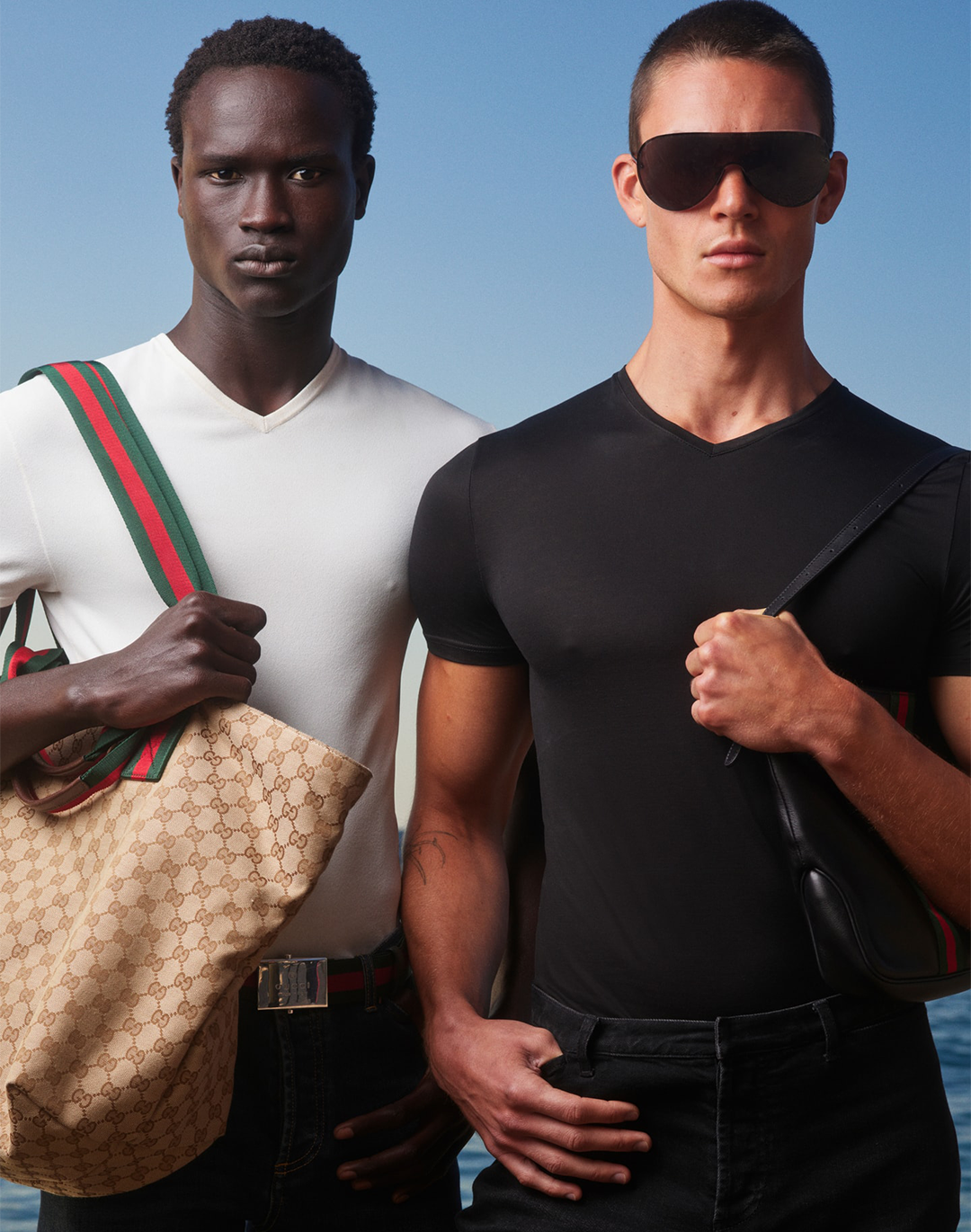
The first products of the new Demna era, presented during the February show, arrived in stores from July onwards. The initial response has been rather encouraging, particularly in the United States, where the Georgian designer's new aesthetic language appears to have found its own audience. More complex, however, is the situation in China, a market that remains a strategic priority but in which rebuilding desirability requires more time. In parallel, Gucci is investing in initiatives capable of strengthening its cultural relevance and expanding its universe: from a beach club in Monaco to the sponsorship of the Alpine Formula 1 team through the Gucci Racing project, building an ecosystem that goes beyond the product and strengthens connections with new audiences.
The resilience of Hermès
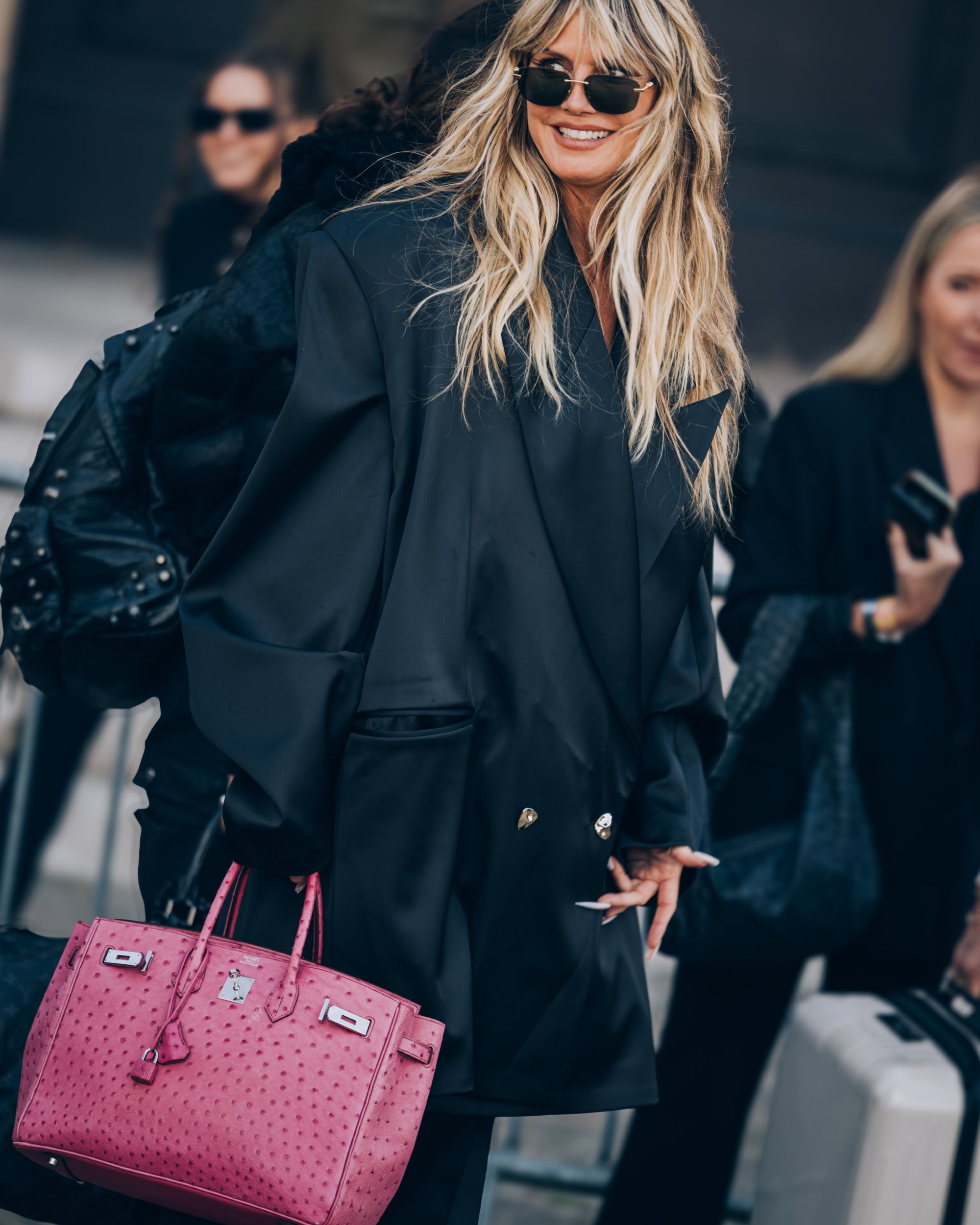
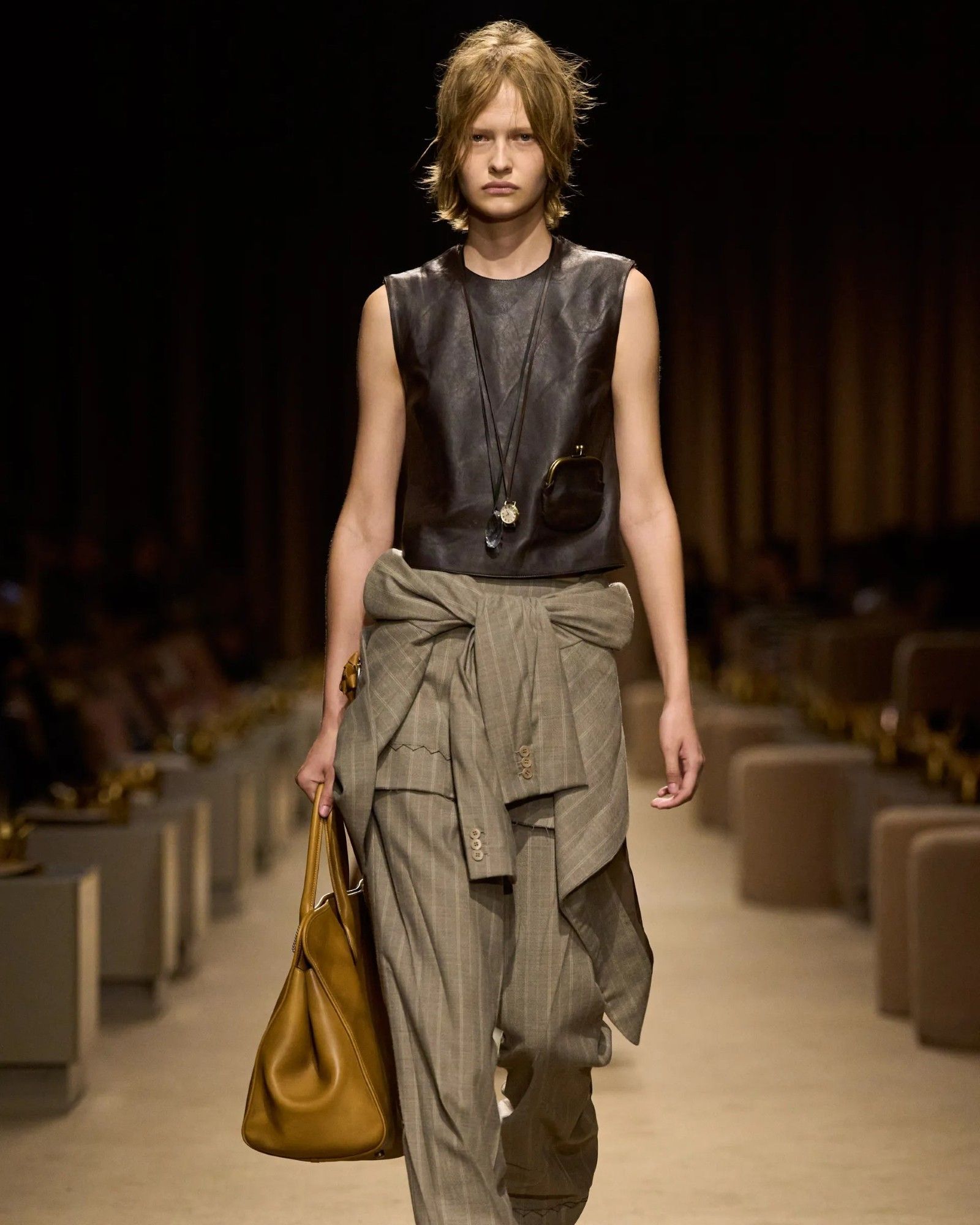
While LVMH and Kering seek reassurance, Hermès continues to demonstrate what has become a structural resilience. In the second quarter, the French group recorded growth of 6.7%, in line with expectations and slightly above the 6% of the first quarter. Results were supported above all by the return of tourism to Europe and strong demand for the brand in the United States.
After a first quarter penalised by geopolitical tensions, Parisian stores benefited from a significant recovery driven by tourist flows. Leather goods reaffirm their position as the group's crown jewel, accounting for approximately half of revenues, with 10% growth in the quarter, while revenues from Japan of 2.5% give cause for optimism.
Ultimately, the first half of 2026 paints the picture of a sector that appears to have moved past its most critical phase, yet cannot be said to be fully out of the storm. The signs of improvement are there, but they remain fragile and heavily dependent on a handful of categories and on markets that are still uneven. Rather than the beginning of a new era, the results tell the story of an industry slowly finding its equilibrium again — and perhaps, before declaring victory, it is worth waiting a little longer.