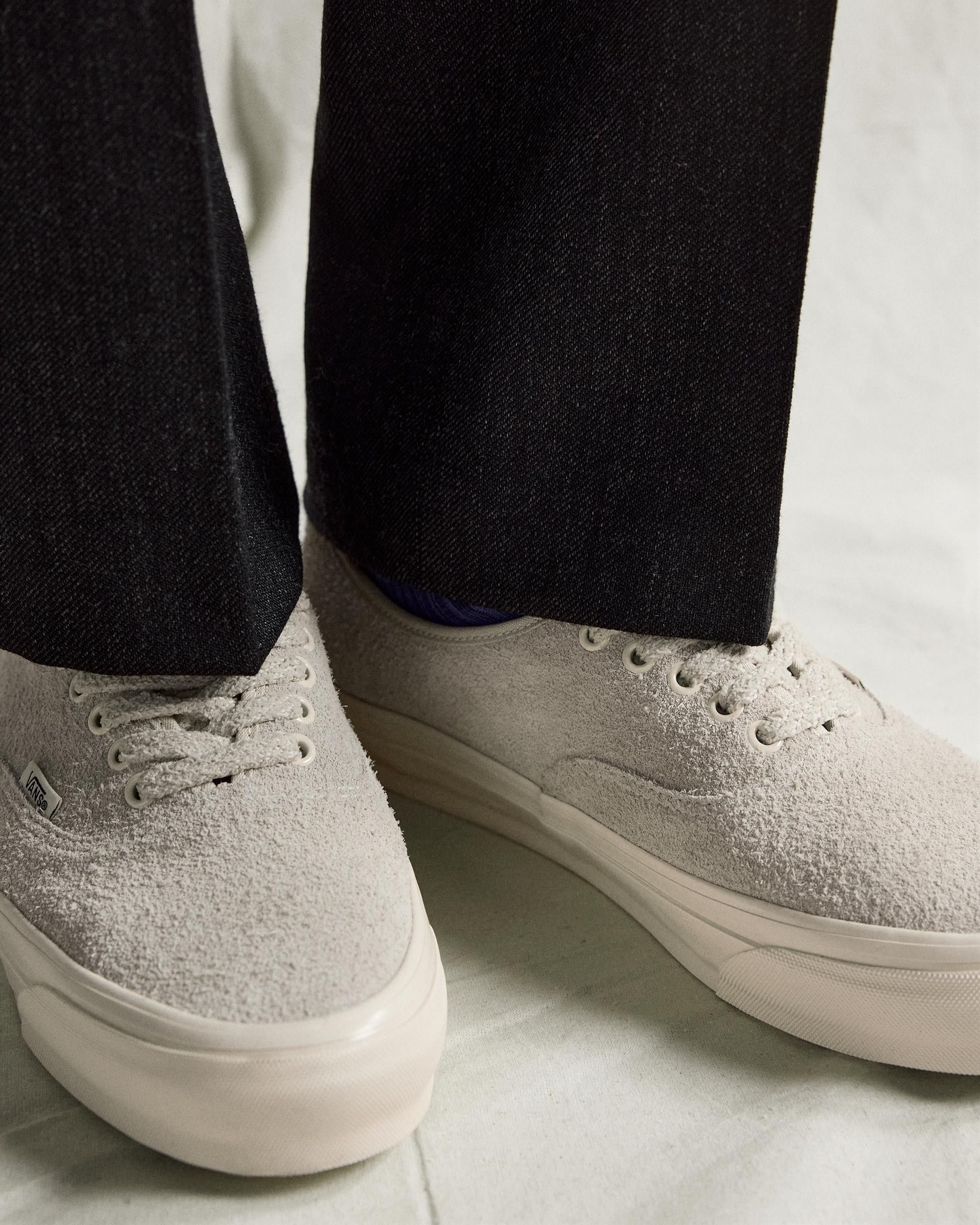
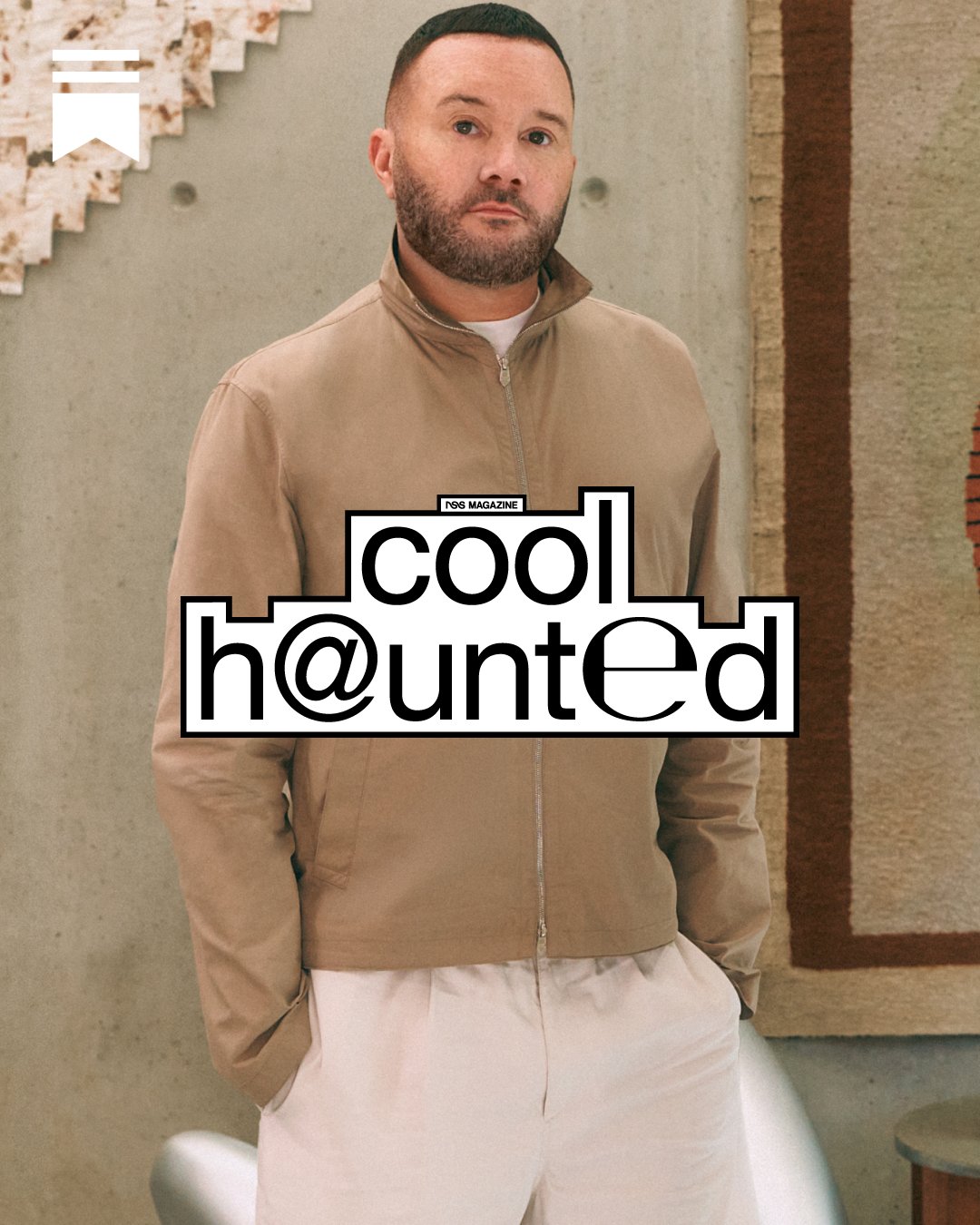





















What is going on at Aimé Leon Dore? According to an investigation by Miss Tweed, the brand is reportedly looking for new investors
Yesterday, Astrid Wendlandt of Miss Tweed reported in her latest investigation that Aimé Leon Dore is reportedly looking for new investors and has mandated JPMorgan to find a new controlling investor. The rumor, as Miss Tweed writes, is still circulating only among insiders and therefore several details have yet to be officially confirmed; moreover, data on how the brand founded by Teddy Santis — which has over time become one of the most recognizable names in the American post-streetwear landscape — is actually performing remains scarce.
While it is true that the brand's influence has been enormous in shaping the way former streetwear customers dress today, and while the brand itself has been instrumental in reviving vintage as well as influencing the way all menswear is shot, conceived and presented, its resonance has been fading over the years. Online, the news of the investor search has prompted many to criticize the brand's excessively high prices, while many others have pointed out that Aimé Leon Dore's very success taught consumers that the same look could be achieved by buying vintage clothing. But can we attempt to piece together the brand's state of health from the little we know?
Why is Aimé Leon Dore looking for new investors?
EXCLUSIVE – LVMH-backed Aimé Leon Dore looks for new investorhttps://t.co/RLu7fszfHW pic.twitter.com/FIeZLuKJ4L
— Miss Tweed Official (@TweedMiss) August 30, 2026
The last real piece of news known to the general public about Aimé Leon Dore's trajectory dates back to 2022, when LVMH, through its vehicle LVMH Luxury Ventures, acquired a minority stake for an undisclosed sum. That LVMH participation means the luxury mega-conglomerate "bet" on the brand's growth, effectively certifying its health — but also raising the bar for expected success.
If, however, it was Aimé Leon Dore itself that tasked an independent investment bank like JPMorgan with finding an investor, it is perhaps prudent to conclude that LVMH is not expanding its own investment — since in that case the conglomerate would have no need of a banking mandate to acquire additional shares. Evidently, though, it does not wish to do so, and the brand, which is looking to fund a new phase of growth, is working with the stakes it currently holds.
What does Aimé Leon Dore need?
JPMorgan's involvement, as mentioned, suggests that the funding being sought is substantial, and that the growth it aims to stimulate involves new stores, new market categories, new production agreements and, above all, new markets. The brand, in fact, has only three stores worldwide: two between New York and Los Angeles, and one in London — the LA location having opened just a few months ago. That is modest compared to rivals such as Kith, which has around twenty; Stussy has twenty-nine, Supreme eighteen. Even Palace, a smaller operation, has more than twice as many. What is needed, in short, is a business partner capable of investing not just a few million but of bringing the brand into an entirely new competitive arena.
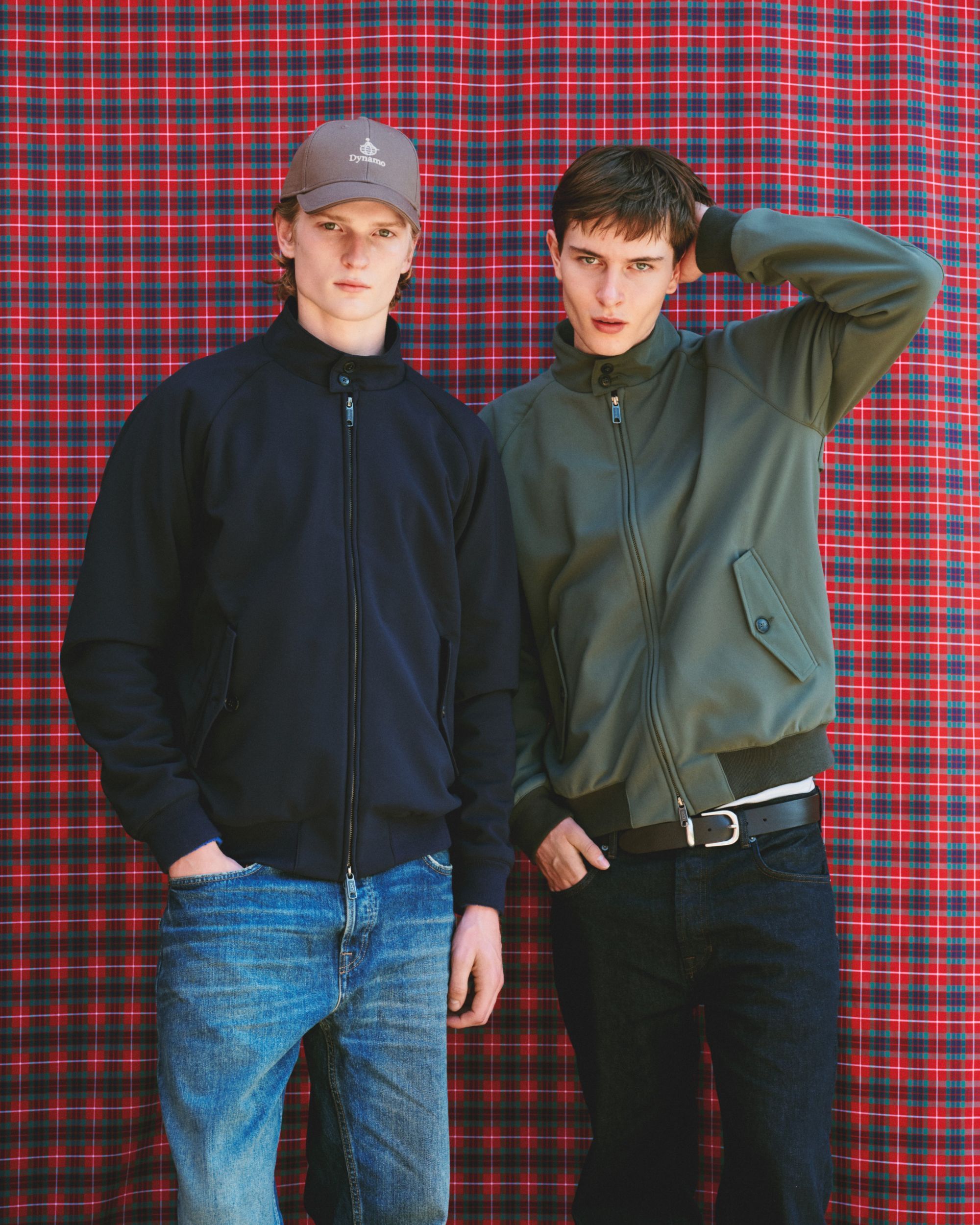
"Small" Aimé Leon Dore, in fact, casts a giant shadow: it sells worldwide, is compared to a streetwear version of Ralph Lauren — itself a brand of titanic proportions — and its influence is beyond dispute. Yet the brand now stands at a crossroads and must decide whether to remain within its niche and attempt to elevate itself, or to embrace broader distribution and a wider footprint. And given that the brand has had to contend with the growing presence of numerous imitators — even the fast-fashion chain Alcott has redesigned its stores to recreate that atmosphere — it seems likely it will opt for the costly path of international expansion.
Another factor pointing to a desire to develop the brand more proactively is that Teddy Santis has for years been the creative director of New Balance's "Made in USA" line. Simultaneously running his own brand and working for a global giant cannot be easy, and so the search for a new investor may also correspond to a search for an ally who can handle the operational side, or to whom part of the industrial and financial management can be delegated.
Popularity and unpopularity
Iconic heritage brand (1894!) just running their creative through the Mulberry Slop filter—and years too late at that. Scared and sad direction. https://t.co/WpDFVjfJNR
— R.F. Kenmore (@rfkenmore) August 21, 2026
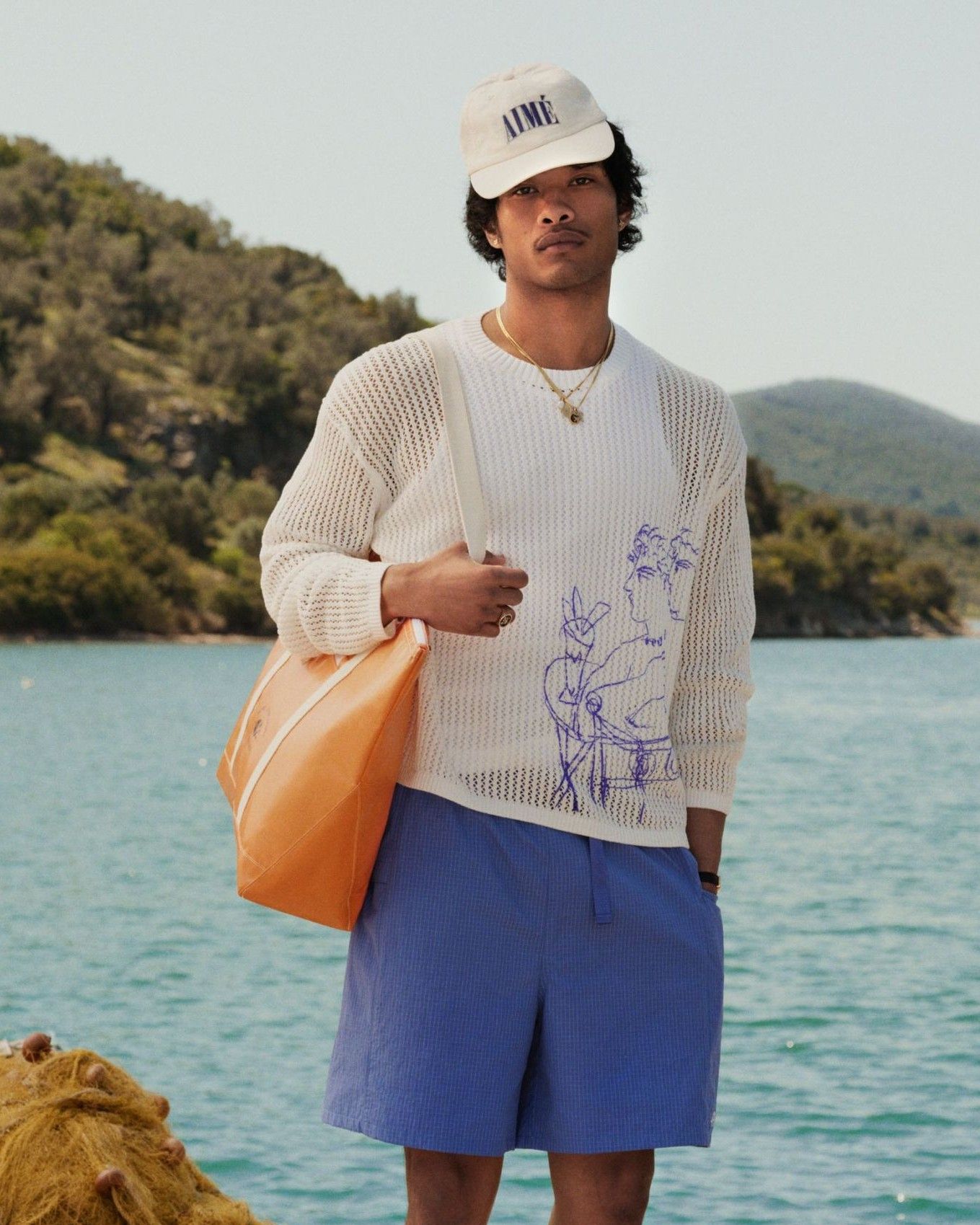
In the absence of specific commercial performance data for the brand — which has always maintained a relatively lean and manageable structure — we must look at its activity. The ongoing New Balance collaborations, for instance, indicate solid market recognition. Another collaboration was recently announced with the Knicks, while June saw an expansion into womenswear. Also noteworthy was the dual move into golf and sailing — one through a dedicated capsule collection, the other through participation in the Cyclades Cup. And there is this: the brand held a pop-up in Dubai at the end of May.
The brand appears to have entered a phase of stability, with an approach that remains highly centralized and a production logic built around limited availability. Nevertheless, scarcity-driven logic is also a constraint when it comes to revenue growth and, in terms of internal resources, may prove insufficient to support expansion into Europe or Asia. The problem facing Aimé Leon Dore, however, may be precisely its own excessive success: the blueprint it created has been so widely copied that it has lost its uniqueness.
The issue the brand must confront is what has been dubbed "Mulberry Slop" on Twitter — named after the New York street where Aimé Leon Dore, Noah, Descendant of Thieves and ONS all have stores. Today, every menswear brand, including some fast-fashion players, has copied the wood interiors, warm lighting, preppy layering, rugs and vintage sports accessories.
The point is that this dilution of identity must be met with an elevation of the product, whereas today many consumers online express disillusionment with an identity increasingly seen as derivative of Polo by Ralph Lauren — which has, in fact, reclaimed it as its own through its men's shows in Milan — and with prices so high that they have led many to recreate the same looks using vintage pieces instead. There is, in short, a conflict between a brand that presents itself as streetwear yet aspires to be luxury.
What to read next
LVMH's fashion division keeps getting worse
Third-quarter results showed a -5% decline driven by the Chinese market
LVMH expands its Parisian empire from the Bois de Boulogne to the street redevelopments of Paris
Culture and urban development become the ultimate showcases for the luxury empire