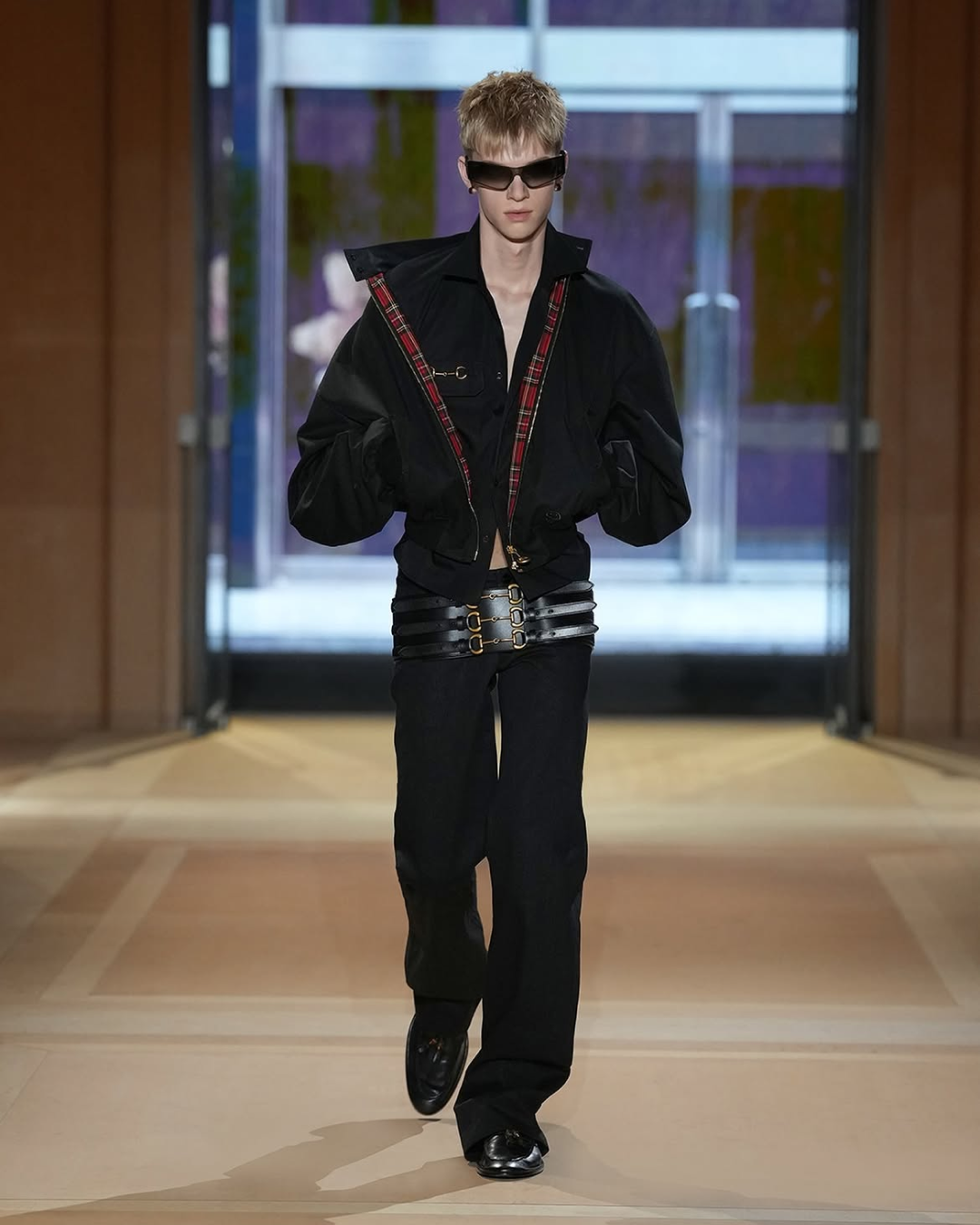

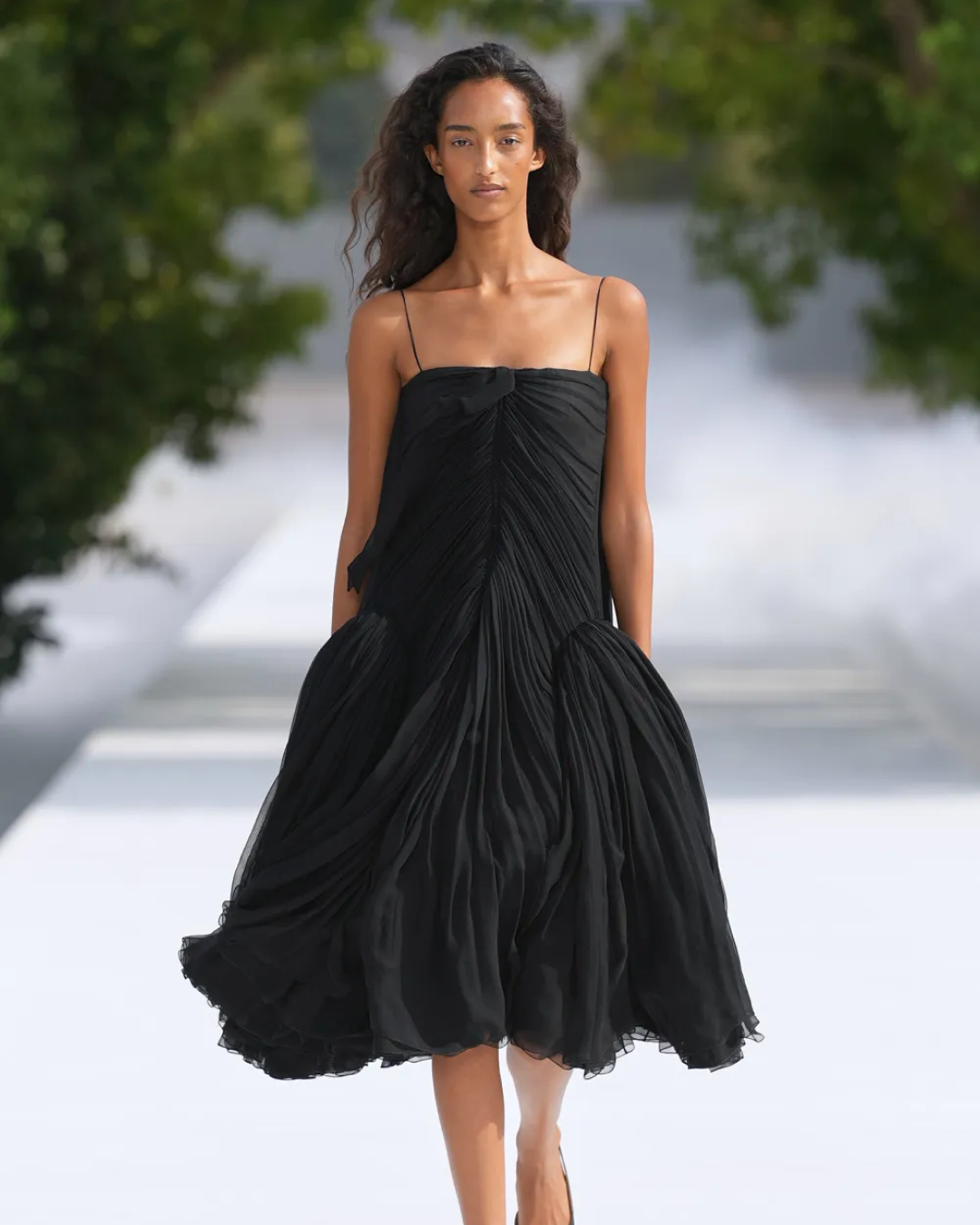
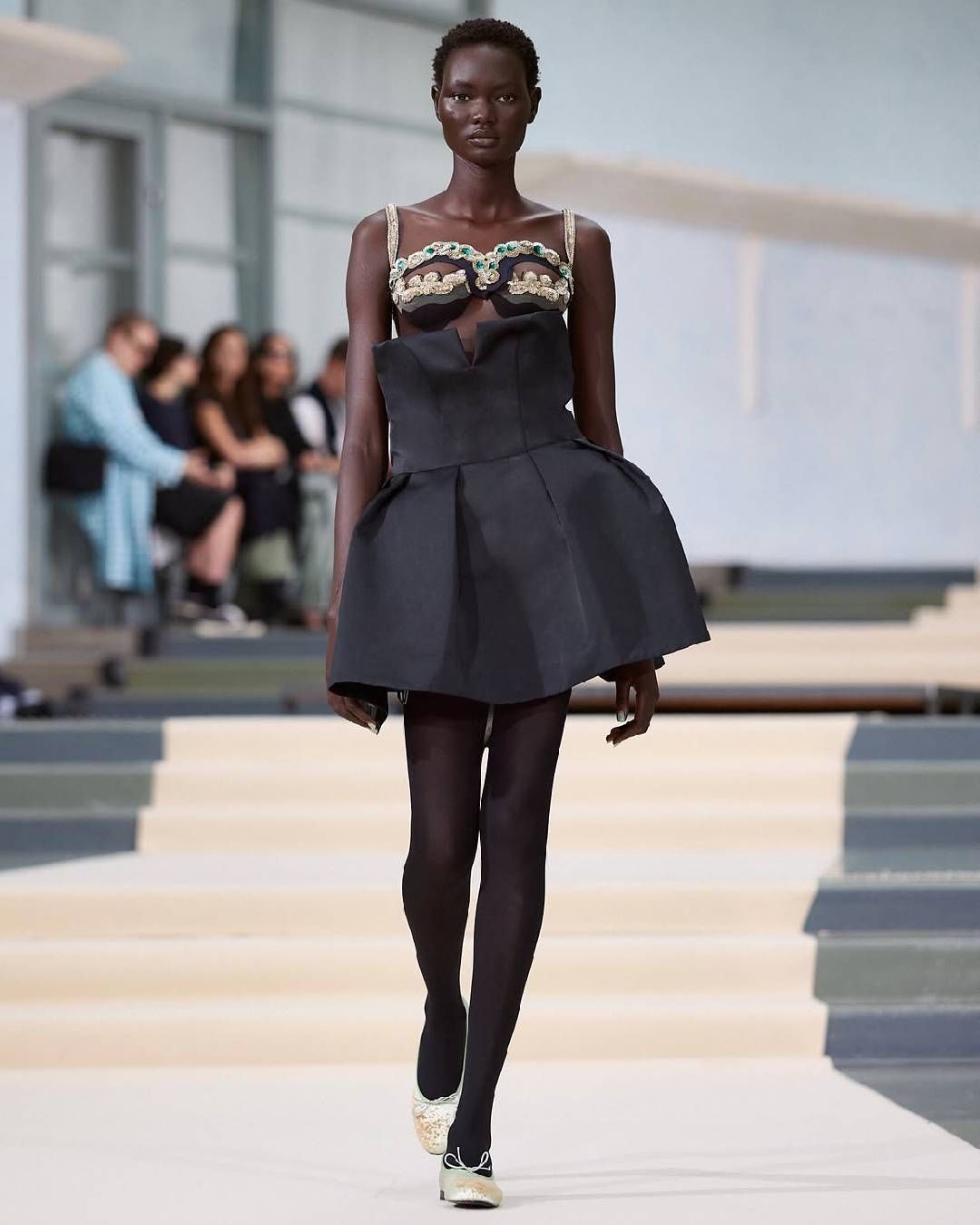

























LVMH has sold Marc Jacobs The new owners are WHP Global and G-III Apparel Group
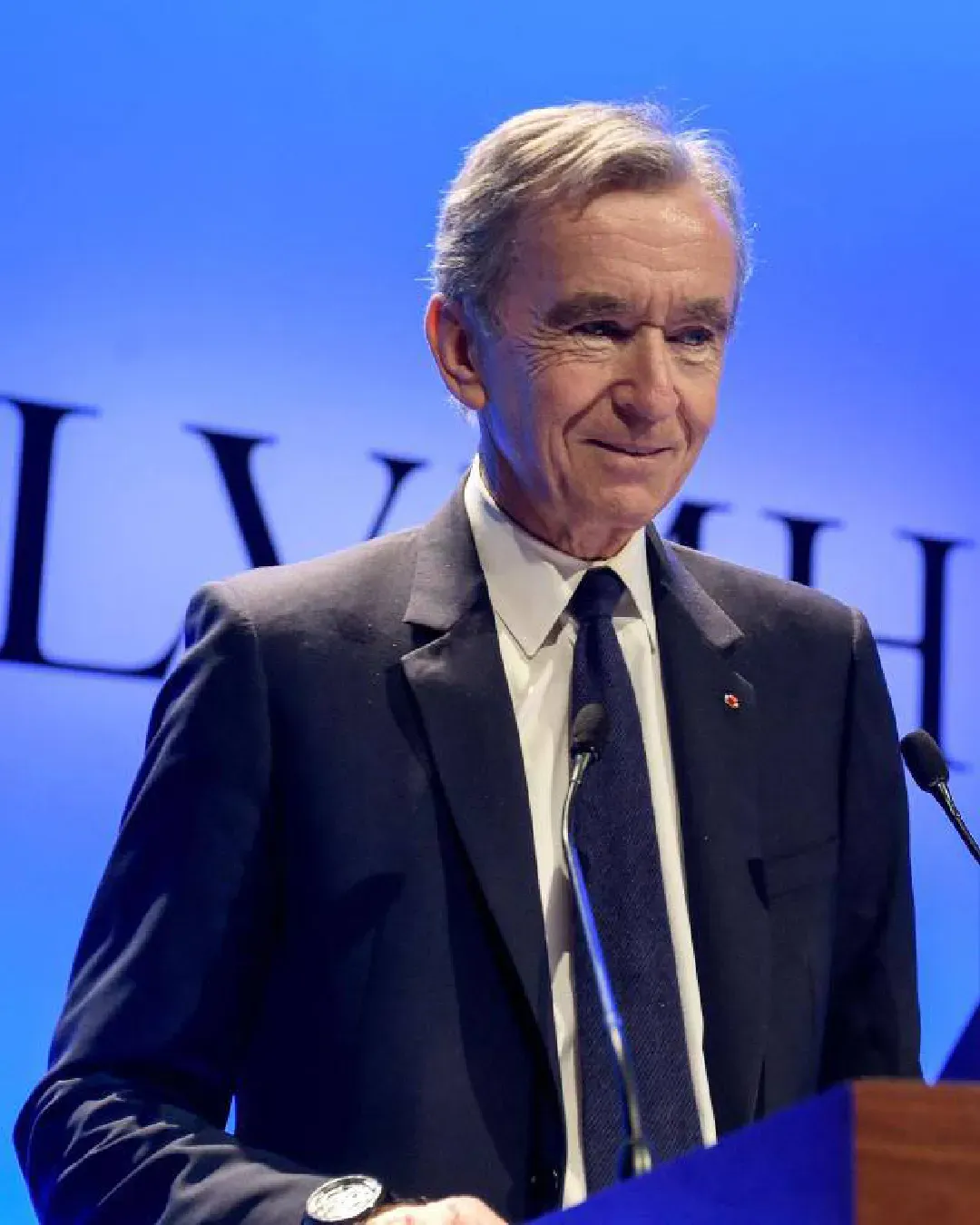
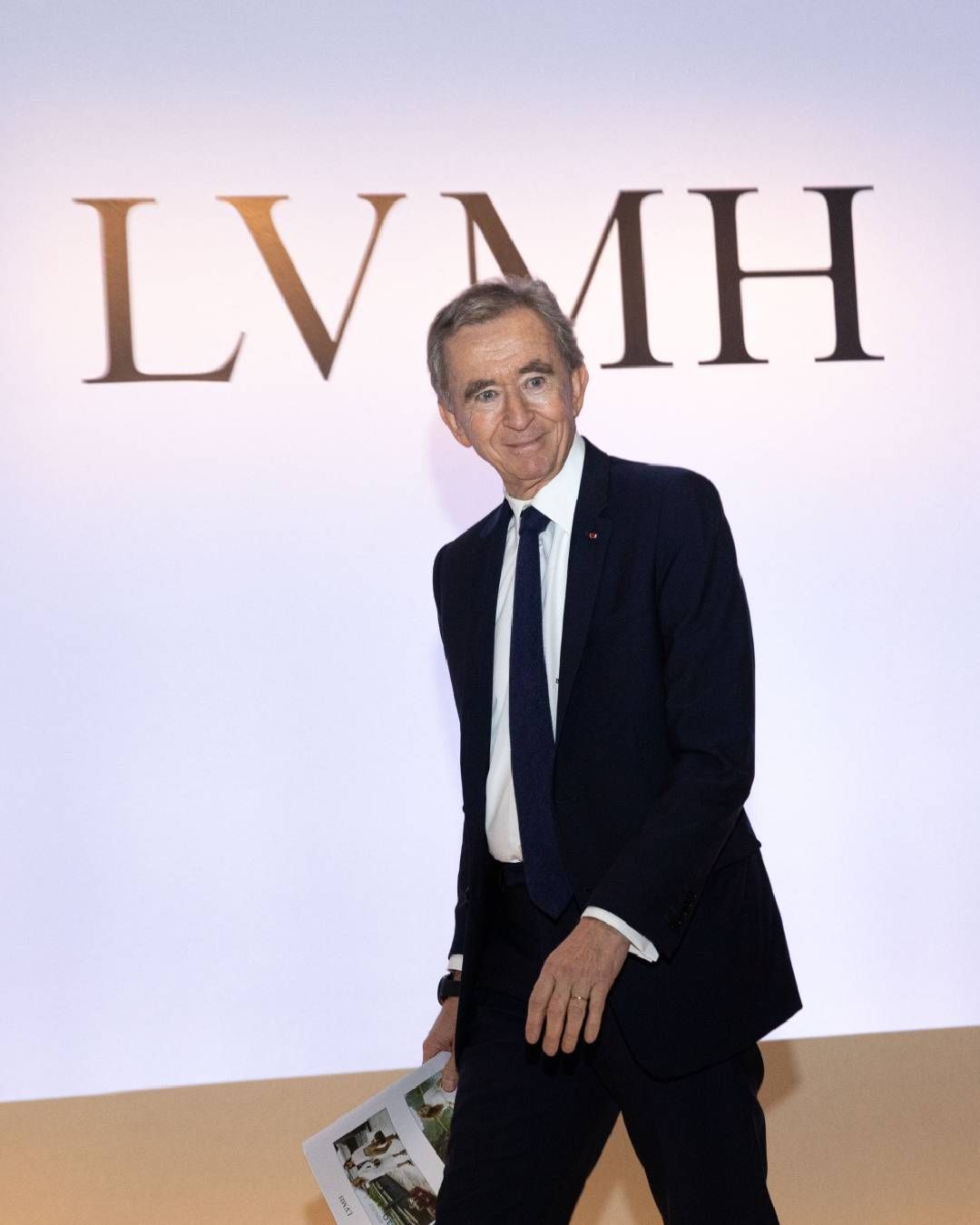
When the sea is stormy, the ballast must be thrown overboard. This is the case for LVMH which, after the rumors reported by the Financial Times, has finalized the sale of Marc Jacobs to WHP Global, the group that already owns Vera Wang, Rag & Bone and G-Star. Rumors suggested that Fenty Beauty and Joseph Phelps Vineyards would also be sold, but for now there have been no updates on these companies. While the sale of Fenty Beauty seems to have been on the cards for some time, as has that of the American vineyard which is part of a rather weak division of the group, the sale of Marc Jacobs is a more impactful decision, even if understandable.
In fact, LVMH has been toying with the idea of getting rid of the weak link in its fashion division for some time, although the rumors have always been denied, and in general Arnault does not easily relinquish brands from his portfolio. We might perhaps hypothesize that, faced with stagnant growth and a geopolitical situation that, thanks to Trump and Putin, seems increasingly unsolvable, even Arnault has decided to scale back operations. But what will happen now to Marc Jacobs?
What to expect from the brand acquisition
Marc Jacobs will remain Creative Director. This is the main certainty. But there are some aspects of the deal that deserve attention, since the sale of the brand was not so simple and clear-cut and has important future implications. LVMH has in fact sold control of Marc Jacobs to WHP Global, but the G-III Apparel Group will also participate in the operation with a 50/50 joint venture that will hold the intellectual property of the brand. G-III will also acquire the operating business and enter into a long-term licensing agreement, effectively becoming the industrial partner of the brand. The overall value of the transaction is around one billion dollars, with an investment of approximately 500 million from G-III.
After thirty years under the wing of LVMH (which acquired the majority stake in 1997, when Jacobs became Creative Director of Louis Vuitton), the brand will now go to a group that is perhaps more “suitable” for its business model which, despite the runway shows and custom pieces for celebrities, perhaps belongs more to the upper end of the premium segment than to true luxury. This is both a good thing and a bad thing, given that the brand is a small fish compared to the billion-dollar names of luxury, but could instead perform excellently in a portfolio of more accessible brands oriented toward mass retail.
For LVMH, Marc Jacobs was more of a hobby than a priority, while now it has become the crown jewel of another group that will strengthen the store network, push hard on licenses and could in general lead to a revival of the brand. A very important license will be that for perfumes and cosmetics with Coty, since even before the sale the Marc Jacobs Beauty line was expected to make a much-anticipated comeback and could prove to be a real goldmine for the brand after a five-year absence.
LVMH lightens its load with caution
@nssmagazine LVMH may sell Marc Jacobs after 28 years. The French group, which acquired the brand in 1997, is reportedly considering the sale to focus on its most profitable maisons following a 15% drop in sales. What do you think? #marcjacobs #themarcjacobs #lvmh #fashiontiktok #tiktokfashion #fashionnews Weird Fishes / Arpeggi - Radiohead
Marc Jacobs was the best-known brand in a group of underperforming companies that LVMH intends to divest. The sales of the fashion brand as well as Fenty Beauty and Joseph Phelps Vineyards would have the clear objective of raising at least three billion (Fenty is valued by JPMorgan between 1.5 and 2.5 billion euros) to reinvest in a fashion department that increasingly resembles a formidable titan that is starting to show some signs of strain. And indeed, in the last 18 months, LVMH has divested several now-burdensome assets, namely the brands Off-White and Stella McCartney, as well as the DFS chain of stores it owned in China.
It is clear that past and potential future divestitures serve the purpose of containing overall operating costs and optimizing the portfolio. Over the decades, LVMH has built a simply gigantic empire, with 75 brands spread across five or six different market categories, which may have worked perfectly in the past but today, as often happens with mature empires, is difficult to coordinate and manage. The problem is that the so-called “lion’s share” in terms of revenue comes from a Fashion Division which, between declining purchasing power and rising prices, has essentially stopped growing.
According to Financial Times calculations, from 2000 to today LVMH has carried out 206 takeover operations, including the $16 billion acquisition of Tiffany & Co. in 2020 and the €3.7 billion acquisition of Bvlgari in 2011. In the same period it has sold 122 assets, mostly smaller ones, including Donna Karan or smaller brands like Thomas Pink. An analyst interviewed by the newspaper said that «it is the first time in LVMH’s history that the group is more oriented toward downsizing than expanding its portfolio».
A strategy discussed internally
Reports of LVMH’s exit from Marc Jacobs and Fenty Beauty have been circulating since late 2025. If we zoom out from these specific deals an interesting pattern emerges.
— Drew Fallon (@drewfallon12) May 5, 2026
Since 2000, LVMH has made 206 takeovers including large deals like Tiffany for $16B and Bvlgari for $4.3B… pic.twitter.com/qSgtmjodia
Other smaller brands that could be for sale are Make Up For Ever and Fresh in beauty, the rum Eminente in the Wine & Spirits division, and even the newspaper Le Parisien, although this potential move would also involve a political aspect. Obviously LVMH does not have the same debt problems as Kering and has an impressive cash flow of 11 billion euros last year, and therefore has all the time to wait for the best buyer and extract the maximum profit from the sale of the various brands.
In the meantime, other strategies discussed internally concern a potential stake in the Armani Group, however seen as unlikely both because there are other more “accredited” candidates due to existing relationships with the group, and because it would require a series of heavy investments that would currently be too risky. And the Arnaults are in an economical mood: this year they bought hundreds of thousands of shares reaching control of approximately 50% of the capital, making LVMH the largest family business on the planet. But will it remain so for long?