
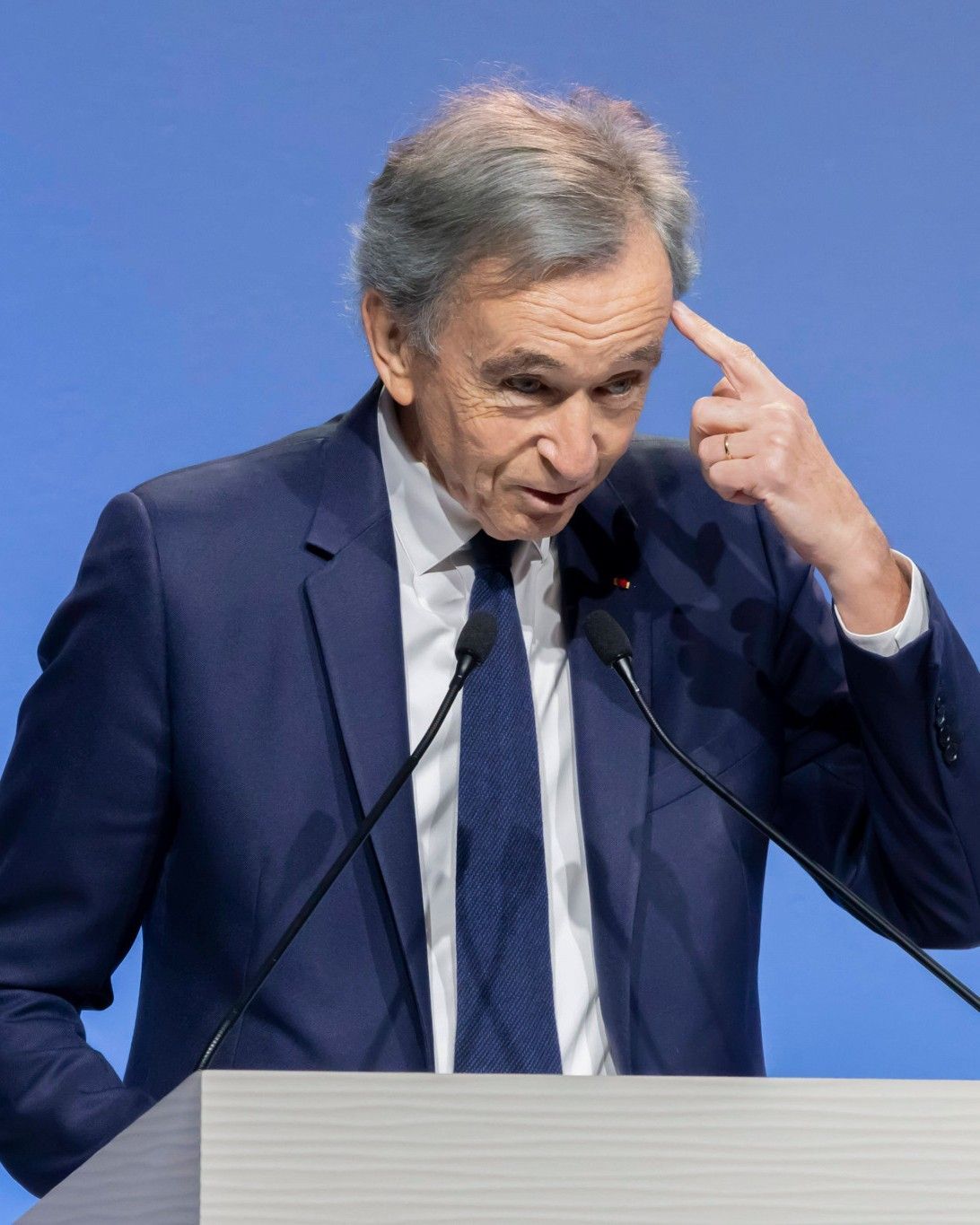
Bernard Arnault is the billionaire who has lost the most money due to the war in Iran LVMH has suffered the worst quarterly stock performance in its entire history
The crisis seemed over, then bombs started falling in the Middle East. And now LVMH has officially recorded the worst start to a year in its stock market history. In the first quarter, in fact, the group’s shares lost 28%, performing worse than during the burst of the dot-com bubble in 2001, the 2008 financial crisis and even during lockdown, according to Bloomberg. The worst part is that the initial estimate was a 25% drop, and that extra 3% shows the full severity of the situation affecting not only LVMH but also the entire global luxury industry.
On the personal wealth front, the stock market crash had a dramatic impact on Bernard Arnault’s fortune for the second time. According to the Bloomberg Billionaires Index, the CEO’s wealth decreased by 55.4 billion dollars in the first quarter, bringing it to about 152.5 billion dollars. Up to March 31stm that is the largest loss among the 500 richest individuals on the planet. A cruel irony, considering how Arnault had courted Trump in every possible way, from funding to personal visits on special occasions such as the president’s inauguration, who has now caused this problem worldwide and now wants to wash his hands of it.
The luxury thermometer drops below zero
@cnbc The Middle East has been a growth engine for the luxury goods market, but the war is putting pressure on the sector. CNBC’s Robert Frank has the details. Watch more at the #linkinbio or the link on screen. #CNBC original sound - cnbc
According to every analysis, the conflict in the Middle East and the resulting tightening on energy are weighing on consumer sentiment and global economic prospects, with direct repercussions on spending on high-end goods as well as on future production and logistics costs. Before the attacks on Iran by the USA and Israel, the Middle Eastern region accounted for about 6% of LVMH’s total revenue according to an estimate by RBC Capital Markets and was one of the fastest-growing markets. And according to every conceivable indicator, instability, higher living costs, slower economic growth, and volatile financial markets are practically poison for luxury consumption in the United States and worldwide.
But as we were saying, LVMH is a thermometer for luxury in general. Among its various competitors, the group is the most exposed to fluctuations in aspirational customer sentiment and is also partly weighed down by a wines and spirits division that has recorded negative performance for three years, mainly due to the collapse in Hennessy consumption. Among other groups, Richemont lost about 20% in Zurich in the first quarter, holding up thanks to Cartier’s resilience, while Hermès lost nearly 25% of its value, despite strong demand for bags and growing sales. But most European stock markets are struggling.
And now?
BREAKING: The Iran War has wiped out $100 billion from luxury stocks, with major ones like LVMH and Hermès both falling 15%+.
— Short Squeez (@shortsqueeznews) March 28, 2026
Analysts have warned sales in the Middle East, the fastest-growing luxury market in 2025, could drop by 50%. pic.twitter.com/P39uqItaCe
Despite the general difficulties, analysts expect that in the first quarter LVMH’s fashion and leather goods division sales will grow slightly compared to last year, and organically, meaning without accounting for currency exchange effects. The official results for this first quarter will be released by the end of the month and are highly anticipated to understand which way the wind is blowing. One factor weighing on forecasts is that the USA and China remain key markets where the much-expected growth has not yet materialized.
In the meantime, a situation has emerged where, even though LVMH’s shares have dropped significantly, growth forecasts still exist: uncertainty about the future is weighing on present results. And while in the past investors were willing to pay a higher price for those shares, now those same shares cost 20% less than those of direct competitors, yet no one wants to buy them anyway. This has never happened before. In effect, they are betting that the expected profits will not materialize, even though many analysts have pointed out that a negative start to the year does not always determine the overall performance.