






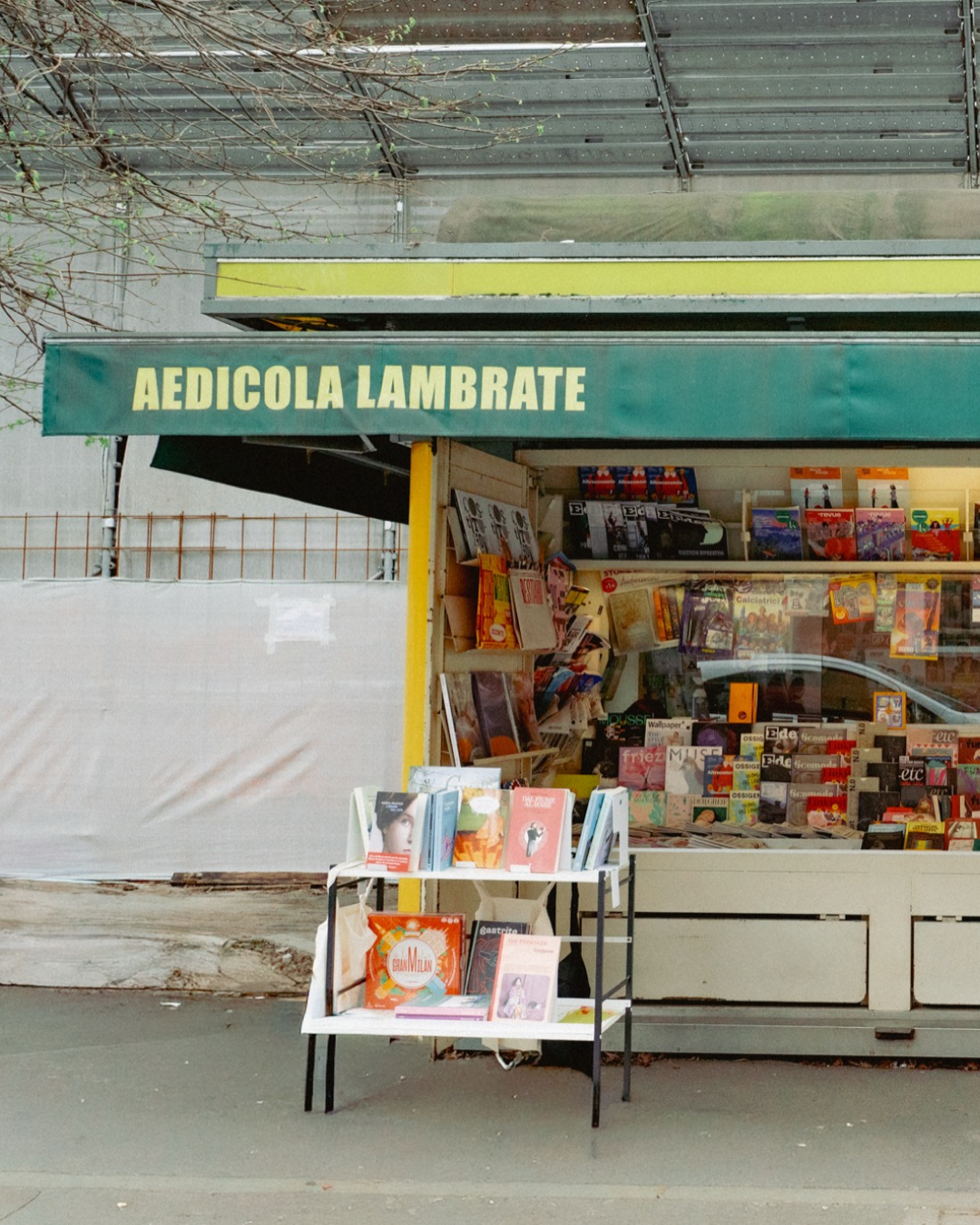
"A Double Soul": an interview with Aedicola Lambrate Excerpt from "Edicola Italiana," the first free press of nss edicola
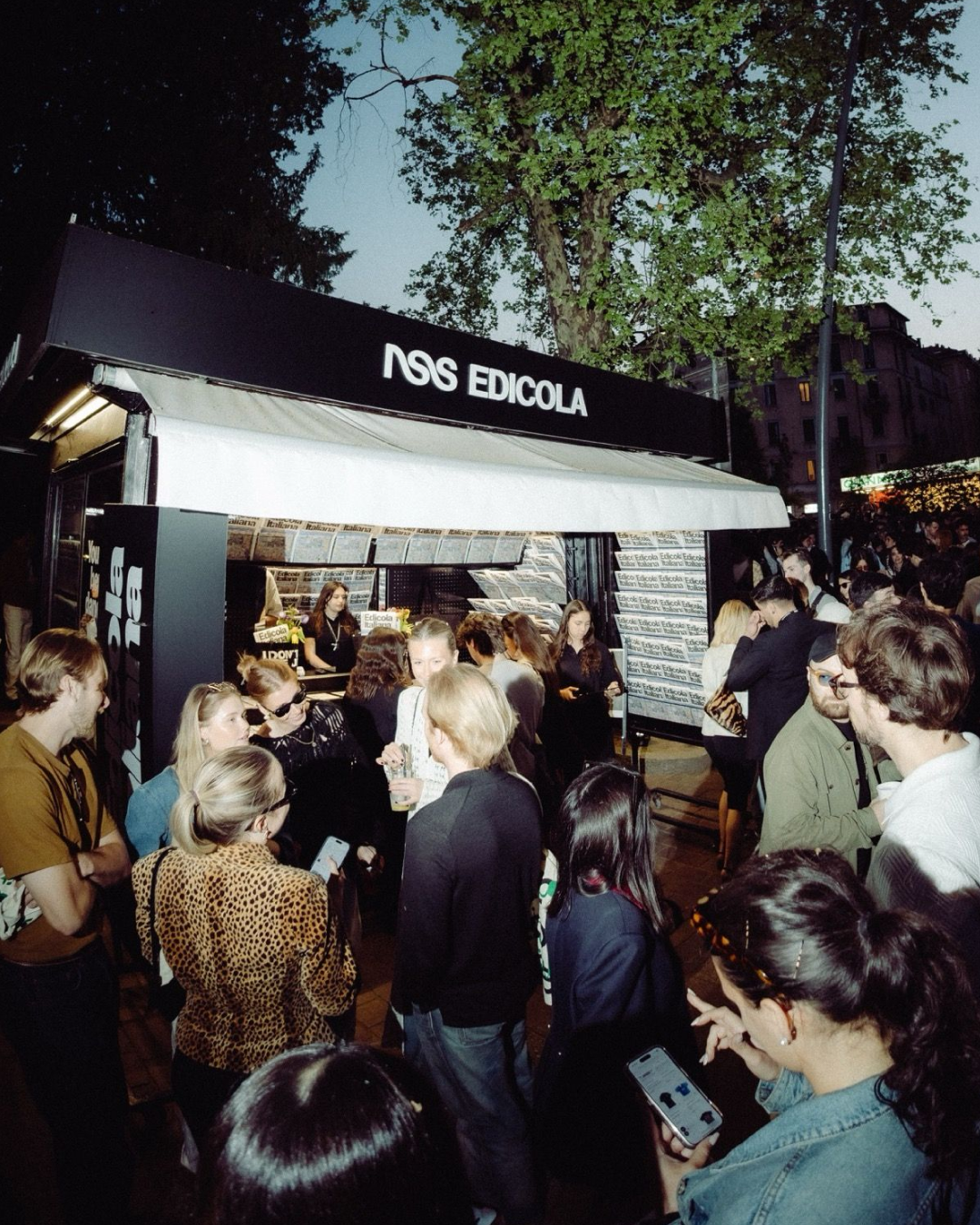
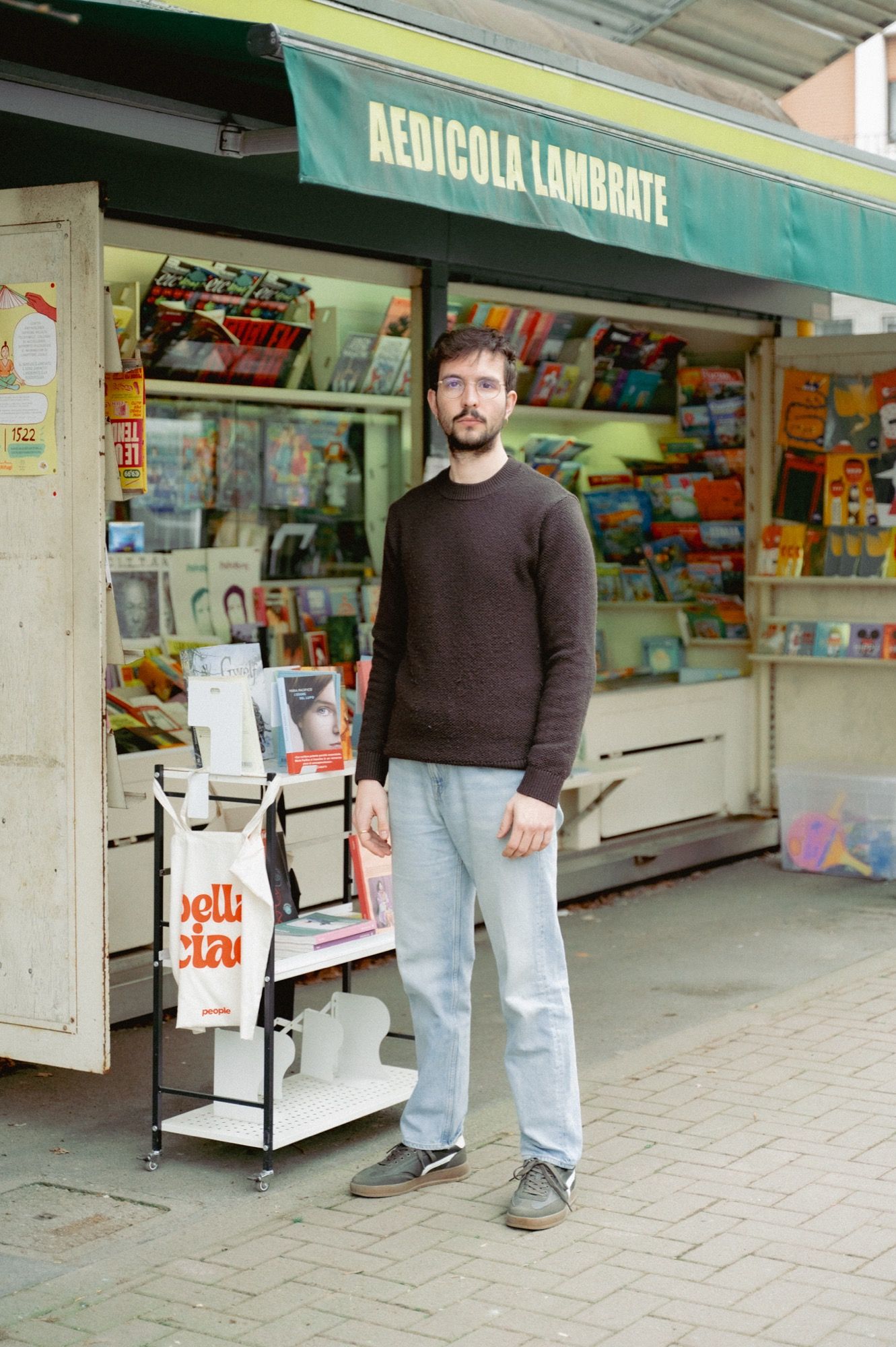
Two years ago, Alioscia Bisceglia and his wife Martina Pomponio were walking through Lambrate when they noticed that the neighborhood's historic newsstand, which had been run for decades by an old-school vendor, was closed. Martina Pomponio had the idea of reopening it. They immediately brought in Michele Lupi, another of the founding partners, and eventually also the advertising copywriter Paolo Iabichino, who joined the project at the last minute. Aedicola Lambrate was born.
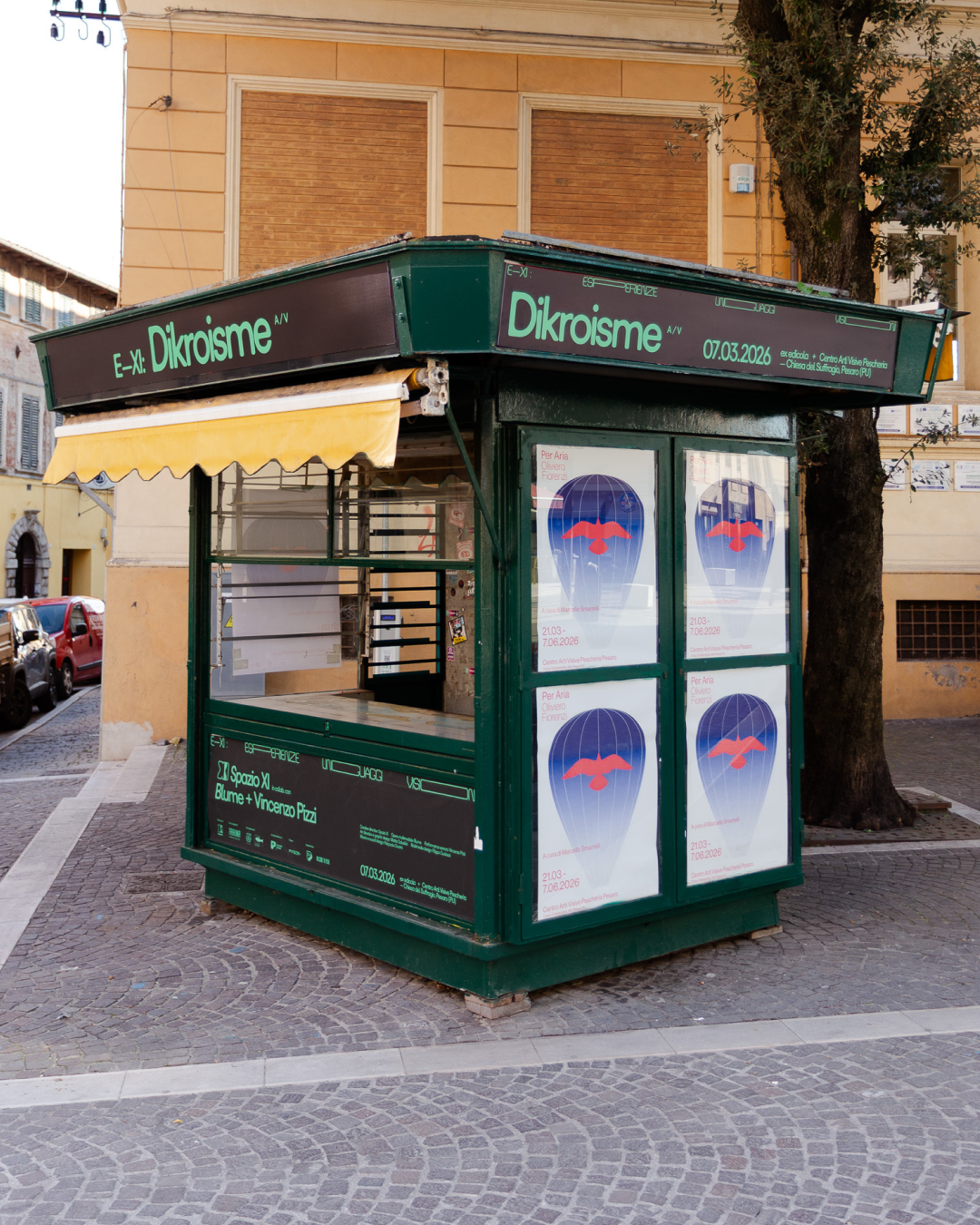
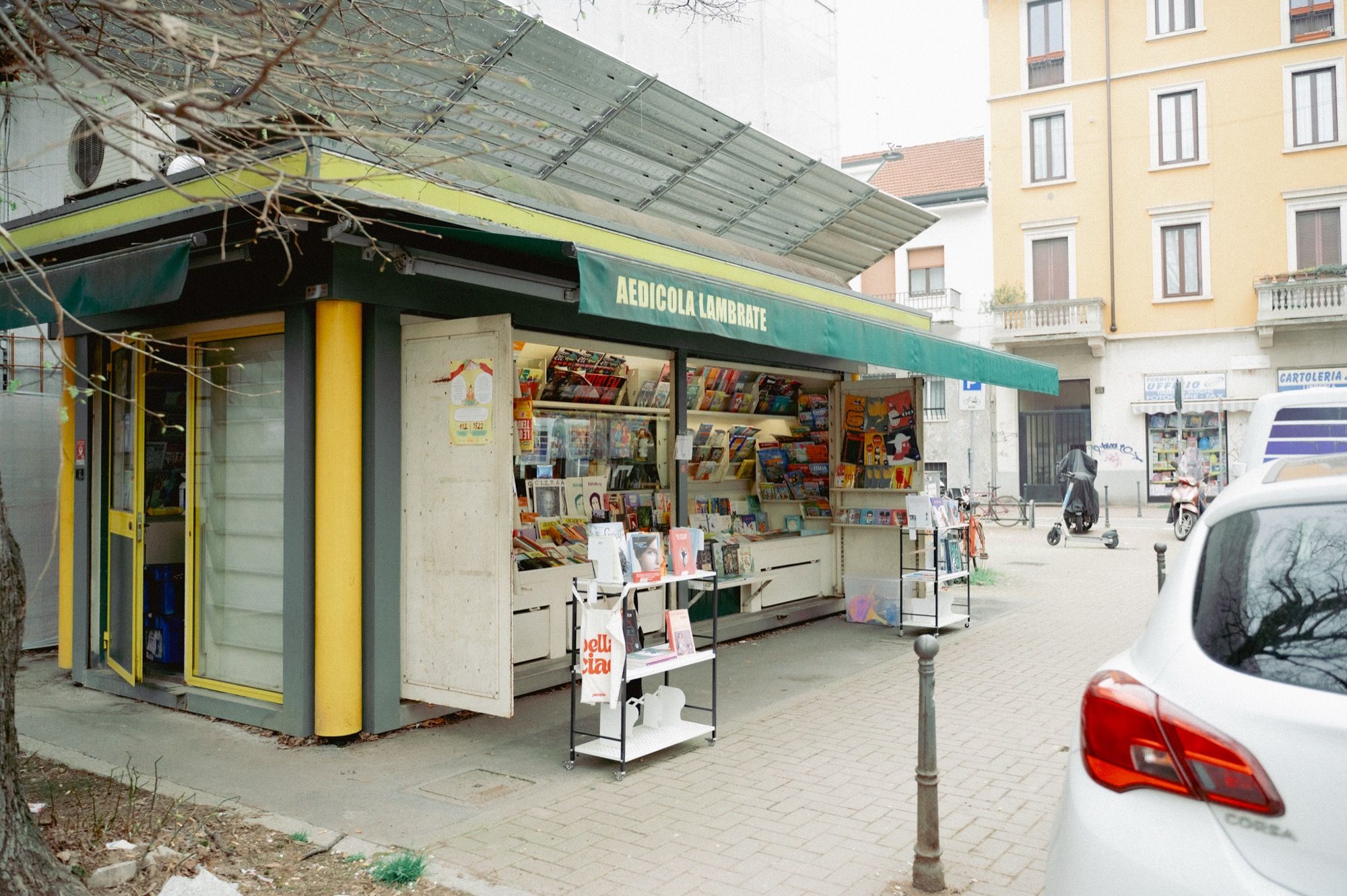
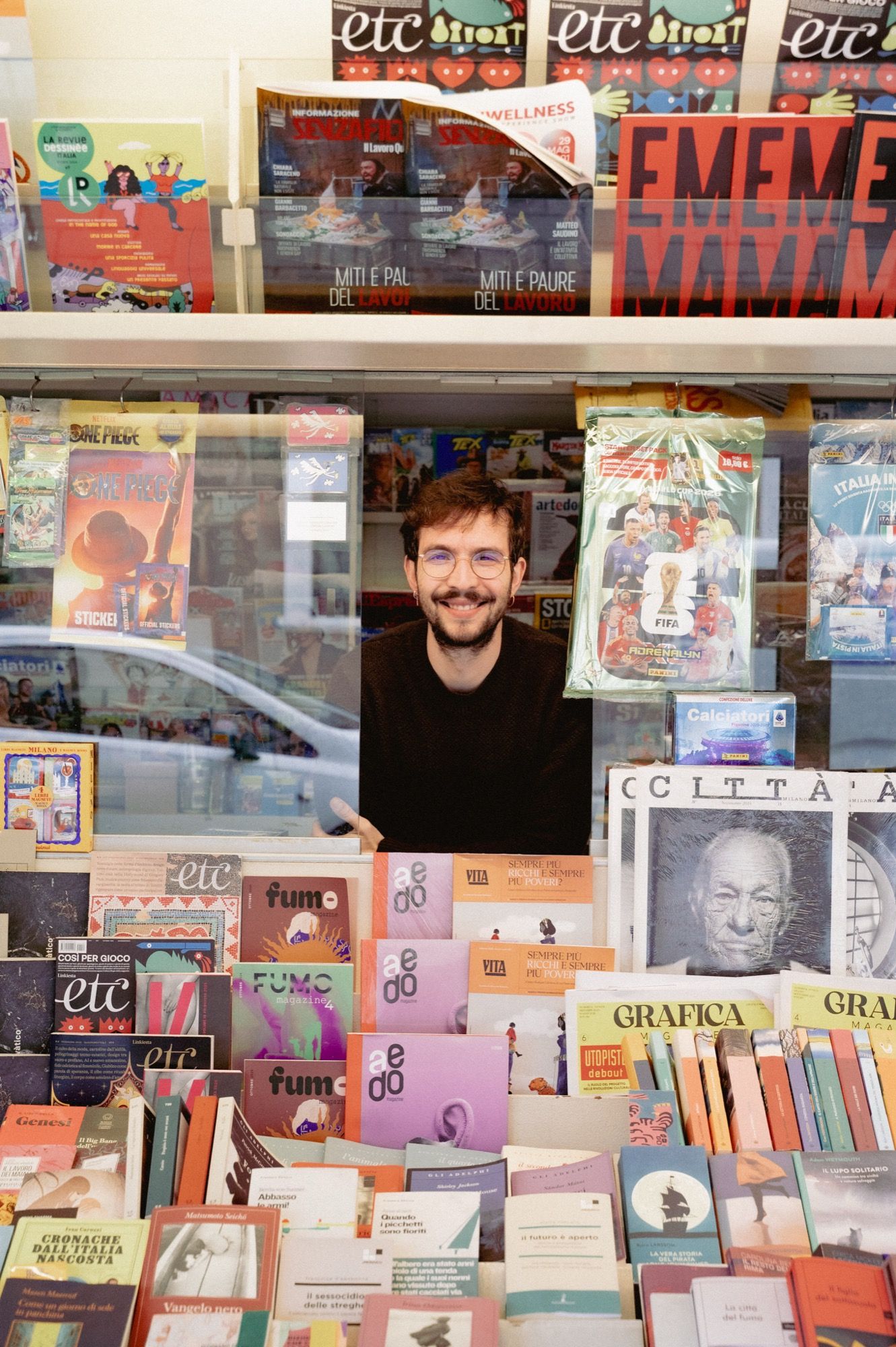
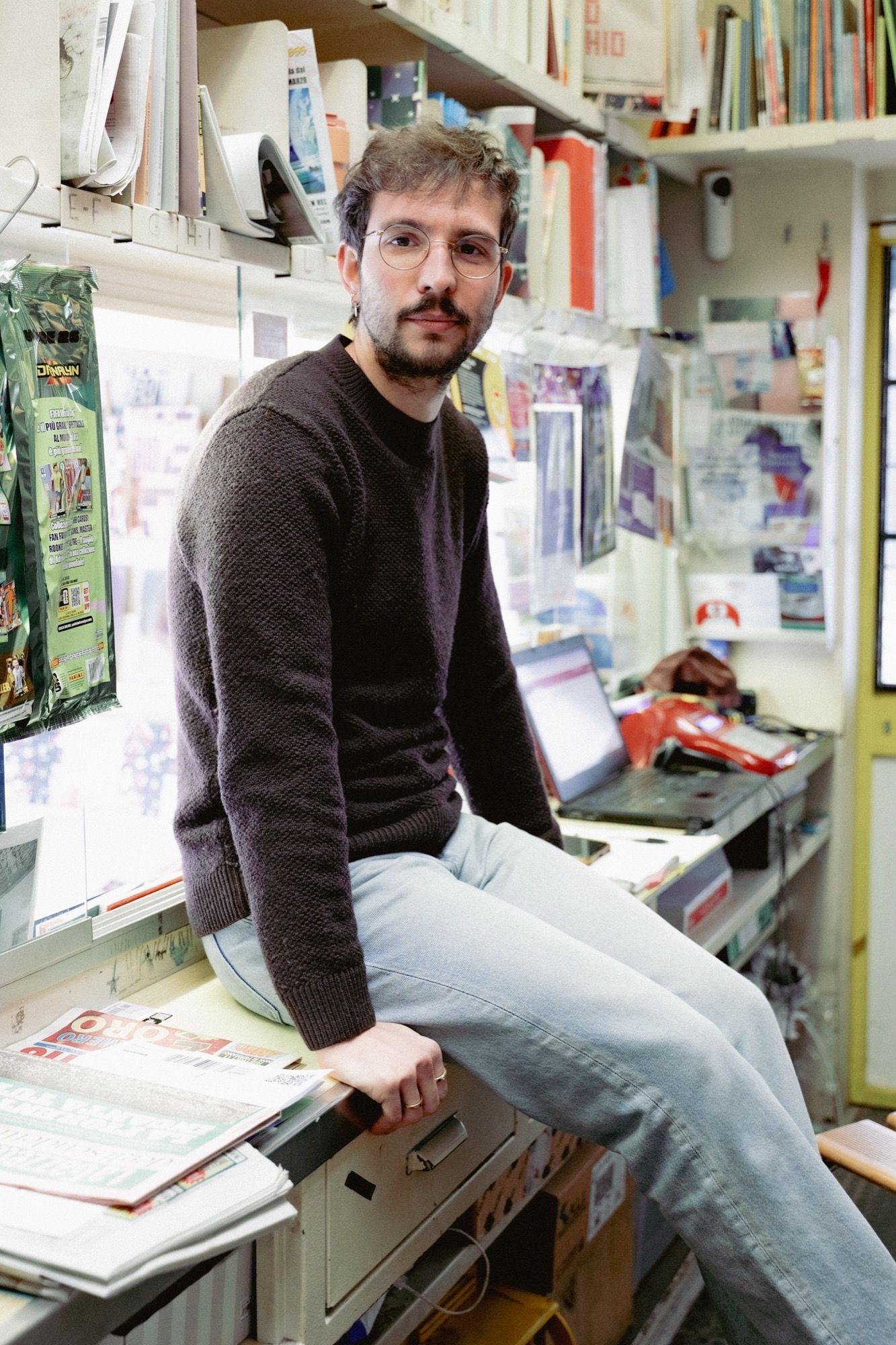
The story of Aedicola Lambrate would not be possible without Alessandro Ghidini, the final and essential piece of the project. Ghidini, a literature graduate and journalist with a background in bookselling, became the vendor and manager of Aedicola Lambrate, transforming it — through his own sensibility — first into a genuine independent bookshop whose selection he curated and continues to curate today, and then into a true open-air cultural space where author events and public discussions are held. Today Aedicola collaborates with schools, takes part in municipal grant programs, and in its own small way serves as a cultural heart for all of Lambrate — proof that a future for newsstands is possible.
But what is the philosophy behind this project, which has also been met with an excellent response from the public and the press? We asked one of the founders, Alioscia Bisceglia, and the vendor who runs it, Alessandro Ghidini.
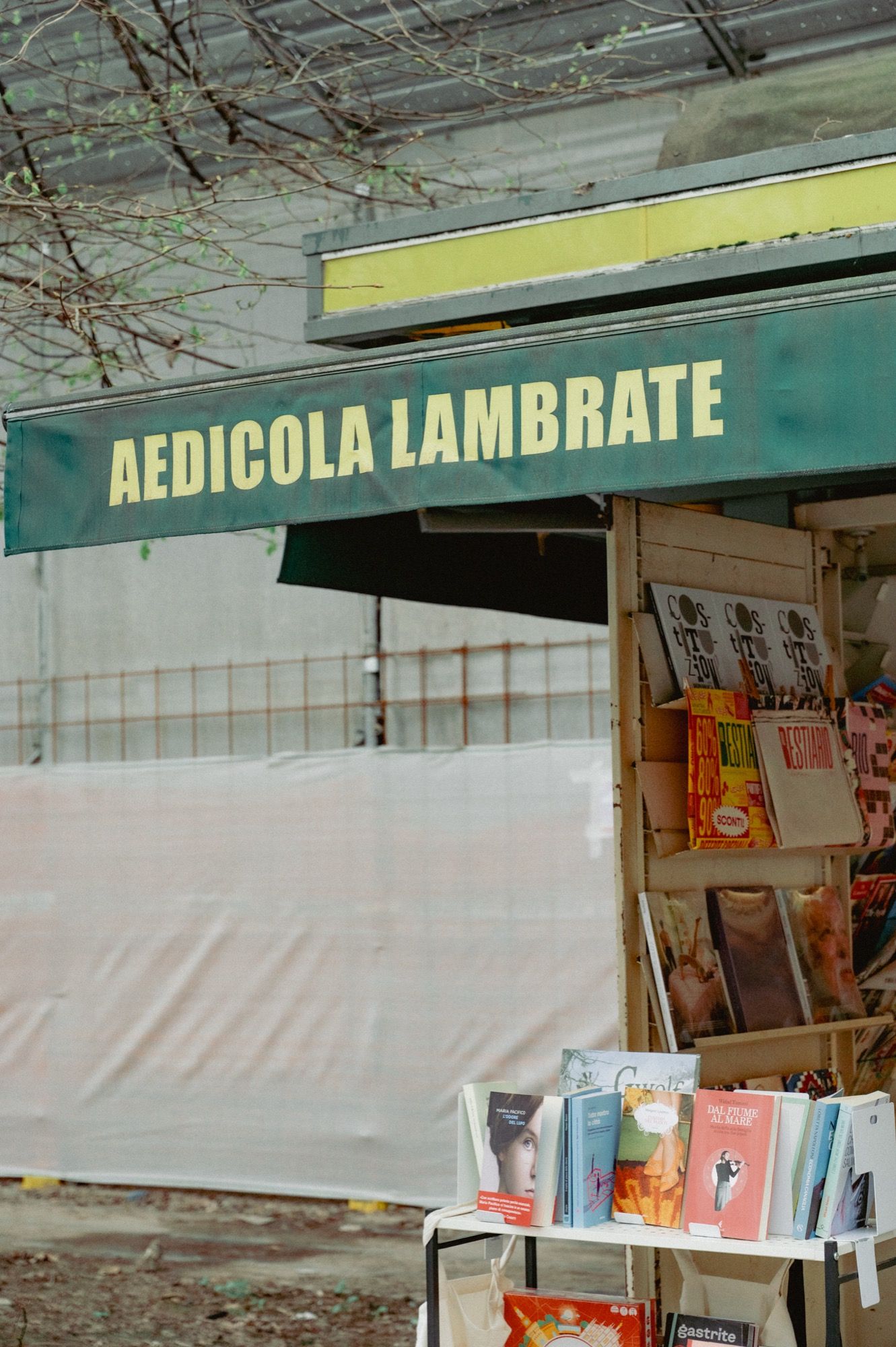
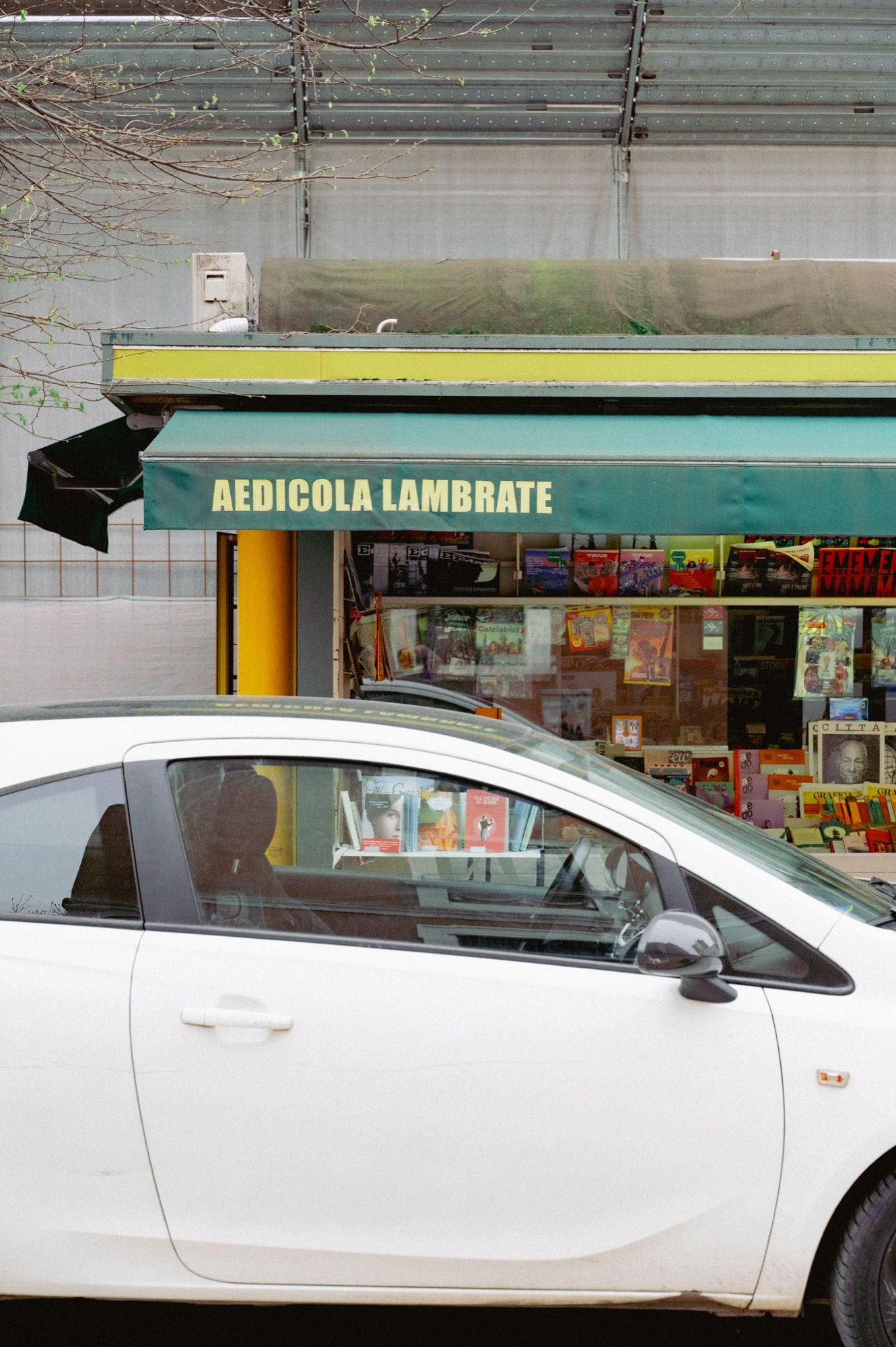
What is Aedicola's relationship with the Lambrate community?
Alioscia Bisceglia: We wanted to build a relationship with the neighborhood. There was no basis for a glossy newsstand. Lambrate is still a working-class area, but it's changing. With the newsstand, we thought we could bring people together around a gathering place, amplify a sense of community. The point was to do something for Lambrate, not to passively inhabit the neighborhood. In Milan everyone moves fast — we're trying to slow things down. It's a response to the rapid consumption of social media. Every neighborhood should have a newsstand like this. It's urban regeneration with a slightly punk attitude: a project self-managed by a community that supports it. It should also be backed by institutions, but not in a welfare-dependent way. It could even serve as a pretext for bringing minds together and creating cultural projects for the whole area.
After acquiring it, how did you figure out how to run it?
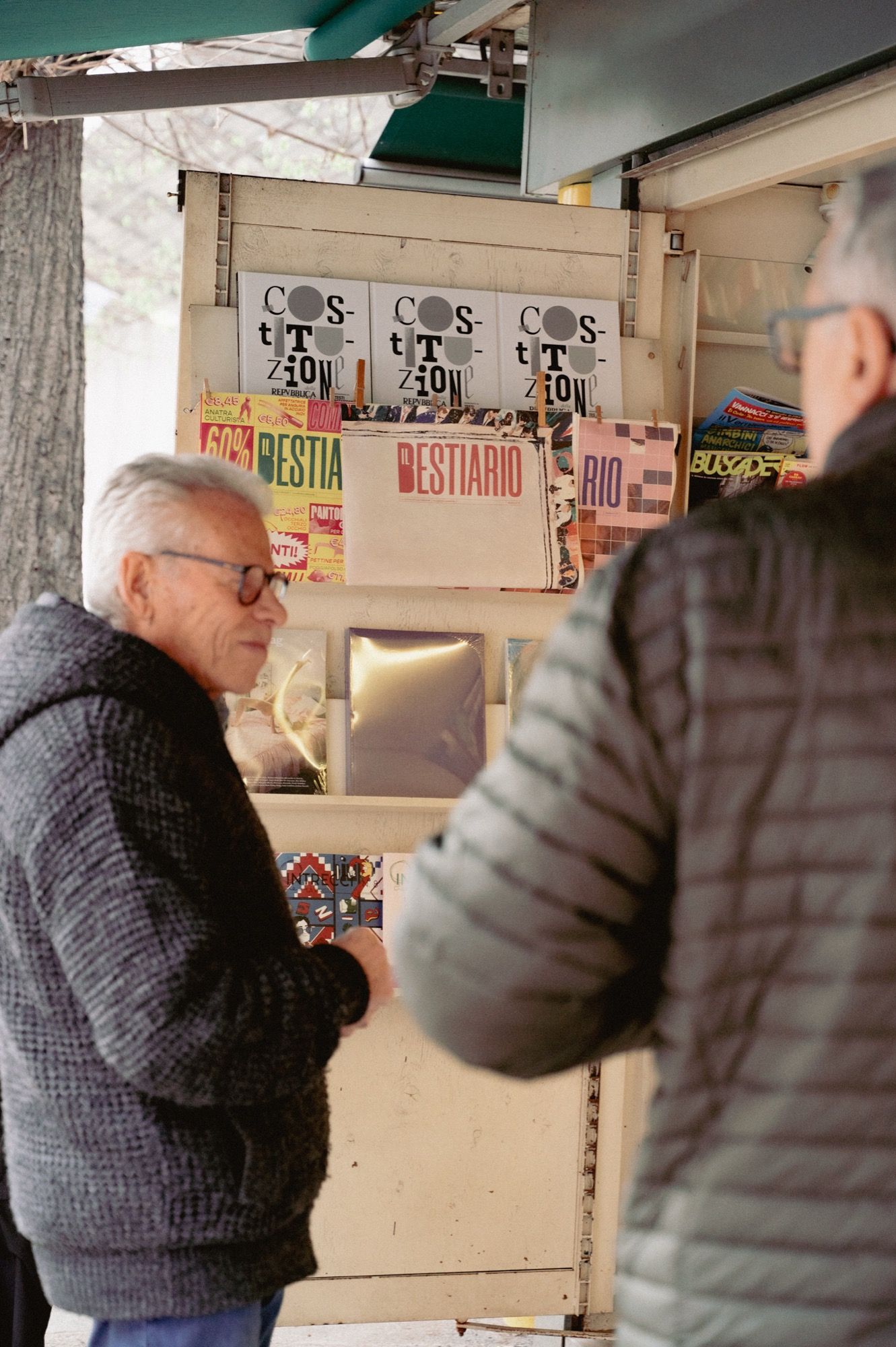
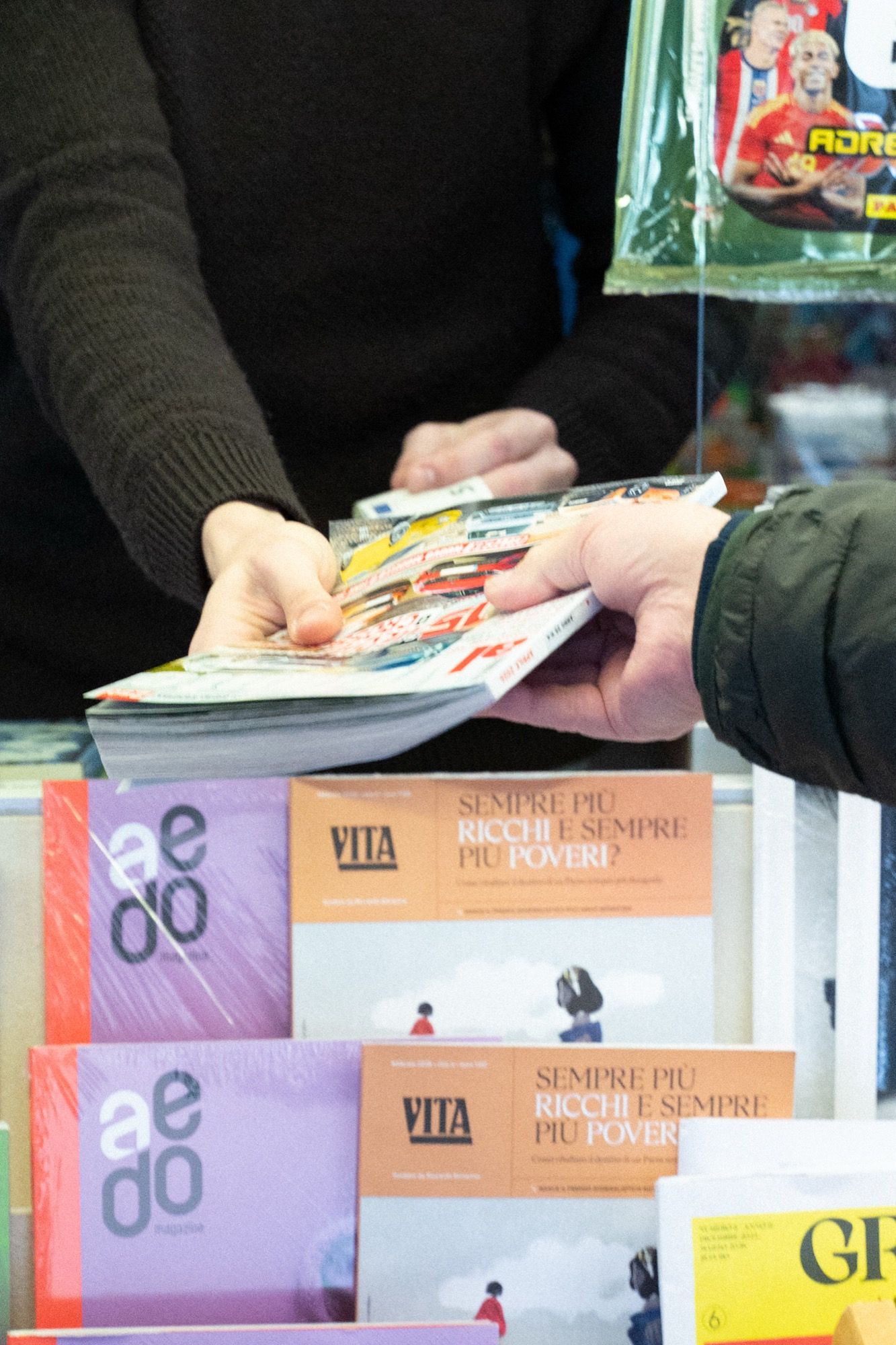
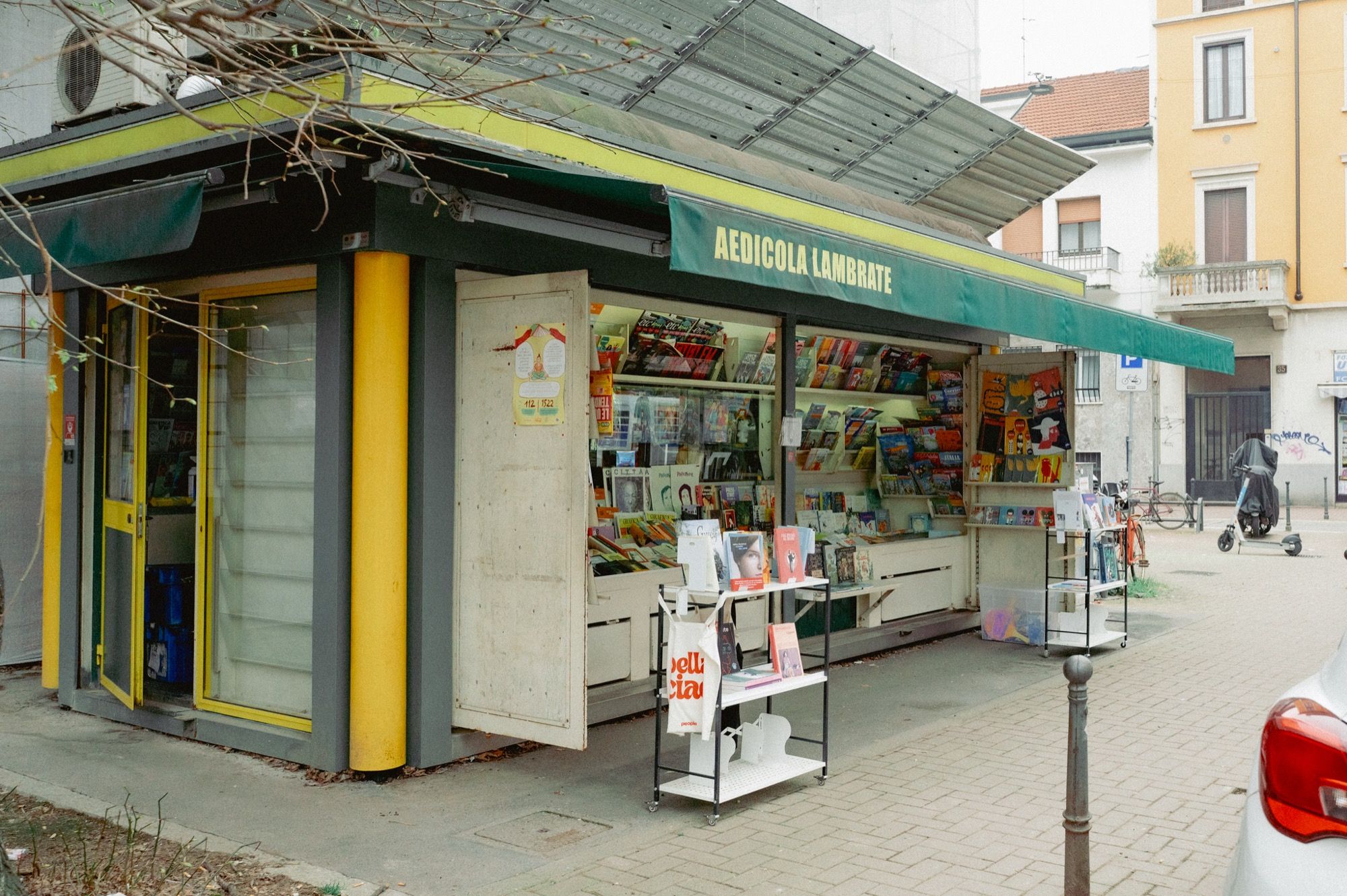
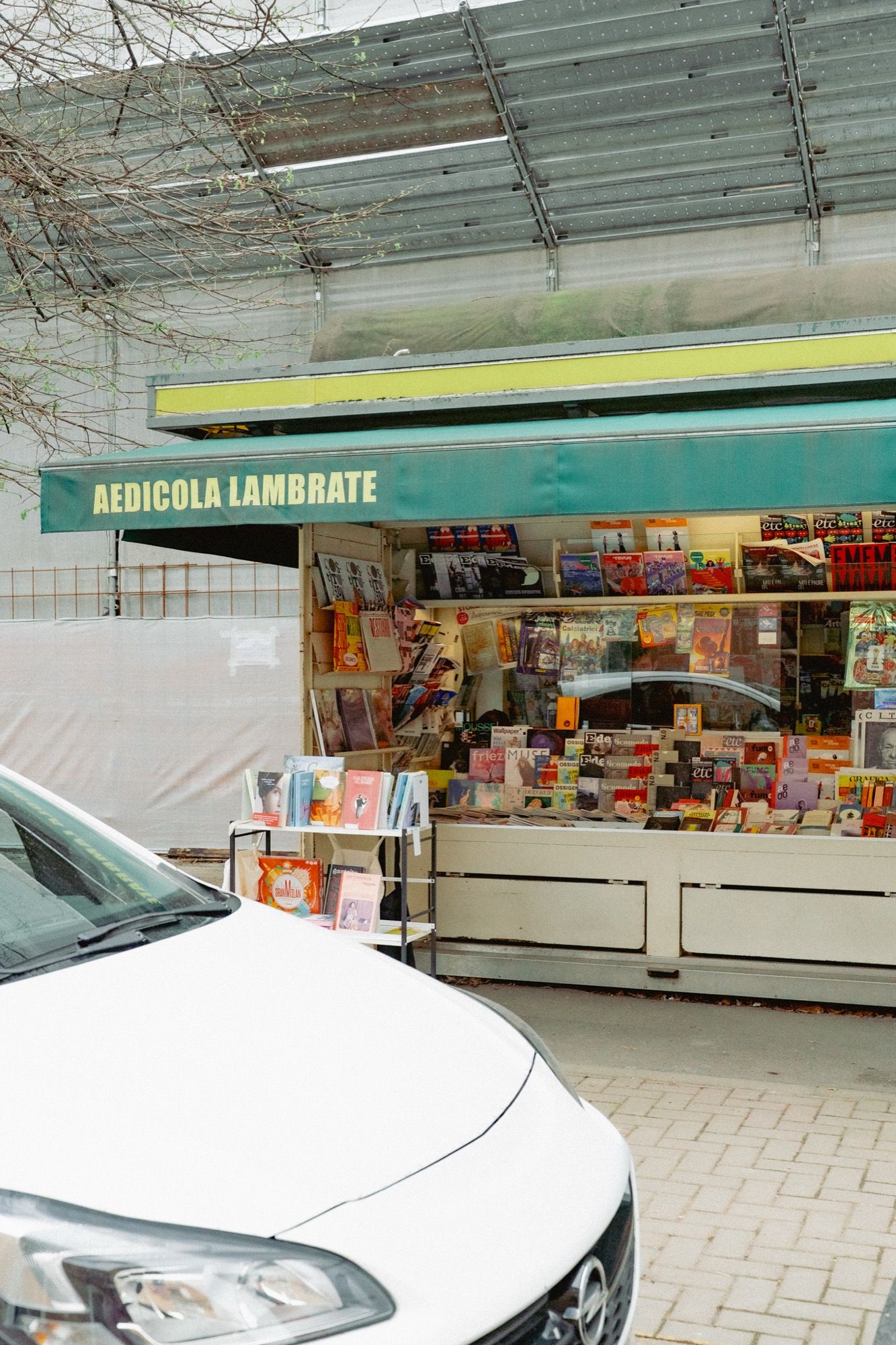
Alioscia Bisceglia: Finding someone was incredibly difficult. The idea appeals to many people, but then the hours and the pay change their minds. In the end, though, we found Alessandro. Thanks to him we have this dual identity: a classic newsstand with sticker albums, daily papers, and puzzle magazines; and then a bookshop with readings and events. Making the two coexist might seem like a nonsense, a glorious mess. The newsstand reflects both sides — ours and the neighborhood's: people who've been here for years alongside a few newcomers who arrived with the latest wave of renovations.
How have you managed this balance?
Alessandro Ghidini: From a consumer-logic standpoint, it makes more sense to stock certain products and exclude others, to invest in aesthetics and pursue hyper-specialization. From a community-service standpoint, it makes far more sense to mix things up. Keeping magazines and sticker albums, for instance, is about serving the neighborhood. We operate across these two identities. We'll always maintain the popular one, alongside the bookshop I curate and the order service. It's a proposition we're making to the neighborhood — as are the events.
And what's the idea behind your editorial offering?
Alessandro Ghidini: We carry books and magazines in direct relationships with local and national independent publishers — 80% without distributors in between. The difference that places like ours can make lies in the role of the intermediary. Chain stores have disinvested in booksellers: if people just grab things off the shelf like at a supermarket, pay, and leave, the only culture that gets consumed will be the culture with enough financial clout to dominate the shelves. The problem isn't just with readers — it's also with spaces that don't invest in their offering. And investing in these kinds of places is an act of profound democracy. People come here for exactly that reason; a relationship of trust develops, even friendship.
What have been the biggest challenges?
Alioscia Bisceglia: Definitely the financial side. But the money that comes in we use to do things, not to cover costs. For example, we applied for a grant for a restoration project for the flower bed next door — as if we'd adopted the garden. That said, we're happy. We know we've done something for the neighborhood. You can live on that kind of satisfaction too. I think it would be wonderful to turn a project like this into a replicable model for other places. The biggest challenge now is figuring out how to grow the community and bring in other voices. It would be worth having more minds thinking about planning, development, and broader impact. I'd love for it to become something more shared.
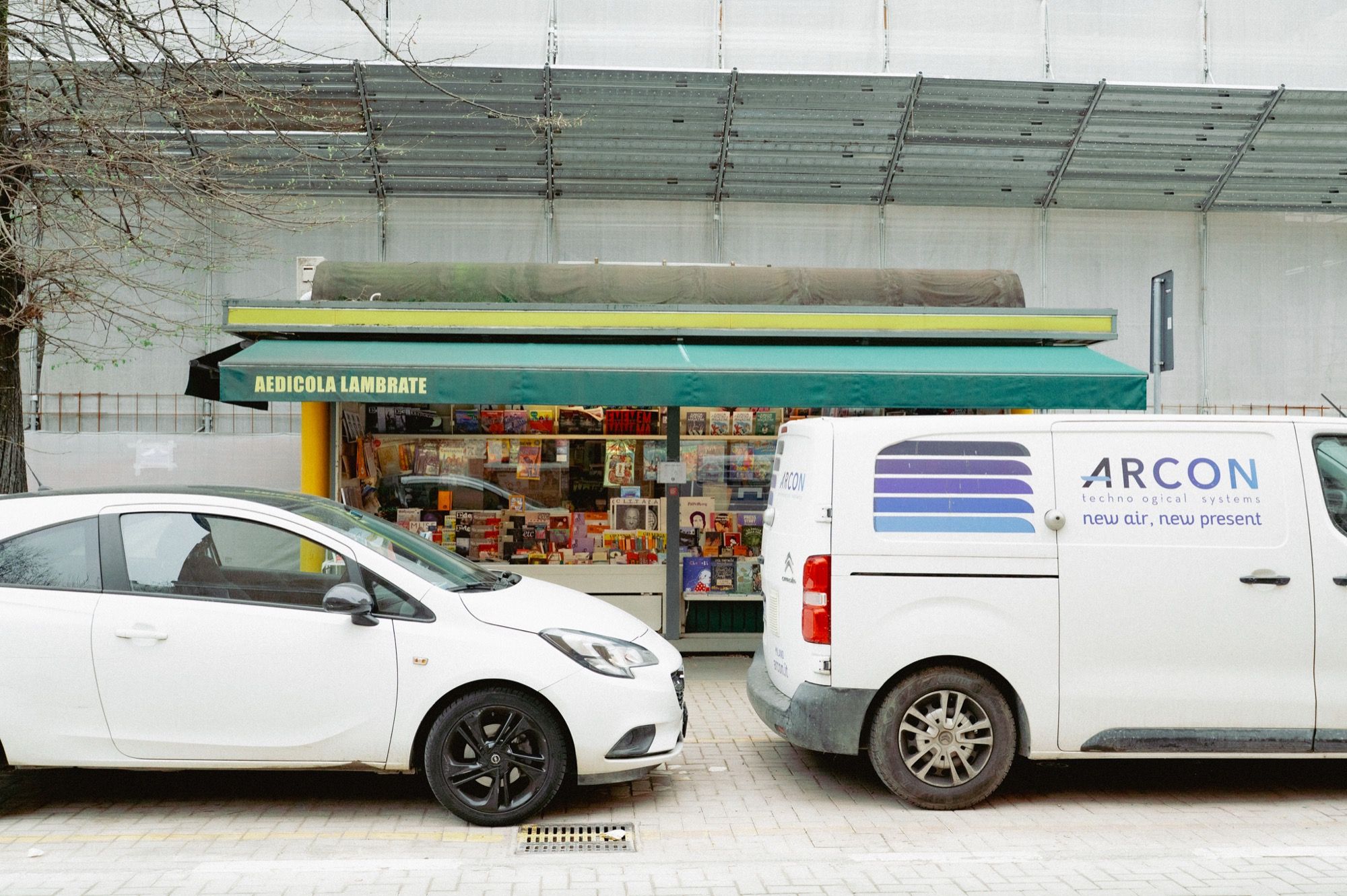
Alessandro Ghidini: Beyond seasonality — since we're outdoors — the most significant challenge is that in Milan there is only one distributor for all newsstands. When there's only one entity to deal with, and penalizing rules to comply with that badly need reforming, there isn't much room to maneuver. It's a long-term challenge that also needs to be framed in social and urban terms, because a place like this changes the geography of the neighborhood. So rather than problems, I'd call them bets.
And what's your relationship with the digital world?
Alessandro Ghidini: An important one — a coexistence: digital as a tool, not as the core of the project. Nobody demonizes it; in fact, we use it. We have Instagram, a newsletter on Substack, and a solid following. But this is a space that operates in the realm of print, which isn't the antithesis of digital but advocates a different logic. It imposes a different rhythm — one that's gradually being lost. We are beyond connected; we consume news faster and faster. We often don't read past the headlines; we have a compulsive urge to scroll that strips away our curiosity to go deeper. Print is something else entirely: you have to take time to read, to browse — it's time you invest in yourself. I'm convinced that making space for reading means making space for people. Those who read carve out their own time, which defuses all those harmful dynamics that the digital world exposes you to. So the concept of resistance that inspires our newsstand — we opened on April 25th, not by chance — is not rhetorical: it literally means creating friction. Print creates friction. Digital does not.