


































A European directive could change the future of newsstands Causing considerable concern among industry professionals
For many years, newsstands have been a point of reference for local communities in Italy, both in small towns and large cities. Today, however, many kiosks are clearly struggling. There are several reasons for this: the increasingly central role of online information compared to printed media, the declining interest in consuming news content among younger readers, the growing use of social networks as a source of information by younger generations, and the resulting crisis of print publishing – the number of copies sold daily by Italian newspapers has dropped from around 4 million in 2013 to fewer than 2 million in 2026. All of this, together with other factors, has contributed to a sharp reduction in the number of active newsstands in Italian cities.
It is estimated that at the beginning of the 2000s there were around 40,000 newsstands in the country; in 2012 there were just over 16,000, and by 2025 their number had fallen below 8,000 points of sale. On average, it is estimated that around two out of three Italian municipalities no longer have a newsstand. In Rome, over the course of twenty years, the number of newsstands has practically halved. During the same period, the economic impact generated by the sector is believed to have decreased by more than 70 percentage points.
Why the European Bolkestein Directive scares the sector so much
For many newsstand operators, difficulties have also increased with the implementation of the European Bolkestein Directive, which requires member states to assign public concessions through competitive public tenders. The regulation also applies to newsstands located on public land, which could therefore be reassigned through public calls in the future. This uncertainty makes it more difficult to invest in the business or transfer it to new operators. In an attempt to protect the sector, the City of Rome has decided to recognize many newsstands as “historic shops,” thus excluding them from the application of the directive. In addition, starting this year, these structures will no longer have to pay the fee for occupying public land.
For most local administrations, the issue is delicate. On the one hand, there is the need to comply with European directives and introduce more transparent rules in the management of public concessions; on the other hand, there is the real risk of losing businesses that, despite economic difficulties, continue to represent a point of reference for information and the social life of neighborhoods.
New opportunities for newsstands
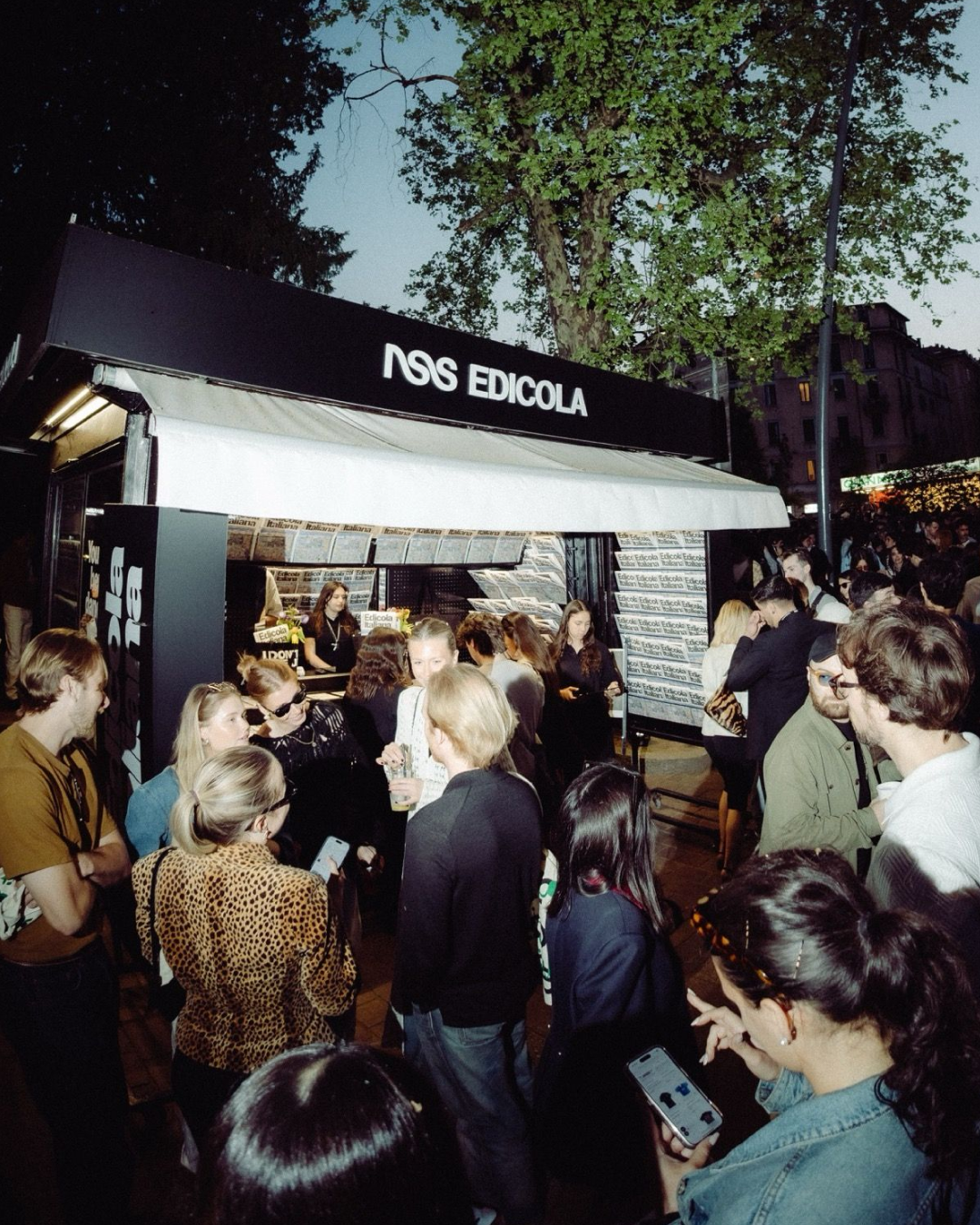
@nssmagazine Giovedì sera, per celebrare il lancio della nuova fragranza Power of You di Emporio Armani, ci siamo riuniti da nss edicola in Piazza Bruno Buozzi a Milano, che per l’occasione si è completamente trasformata. Ci siamo divertiti ballando la musica di @beamourrrrrr e @Lolla Fedolfi , e abbiamo immortalato magici momenti grazie alla Disco Cabin, un'installazione immersiva per scattare foto e condividere il proprio “power moment”, e che rimarrà attiva fino a domenica 8 marzo. E voi, c’eravate? @Armani beauty #armanifragrance #PowerOfYou #armanimakeup audio originale - nss magazine
Recently, in Milan, an initiative carried out in a kiosk in Piazza Giovine Italia, in the city center, was very successful. To promote the release of the sequel to The Devil Wears Prada, free copies of Runway, the fictional fashion magazine featured in the film, were distributed. The initiative was also replicated in New York and Paris. The temporary use of abandoned newsstands for promotional purposes mainly interests companies linked to fashion and publishing, but it is increasingly being adopted by other sectors as well, including cosmetics.
The newsstand used for the promotion of The Devil Wears Prada 2 is part of a project launched by a private company that, since 2020, has purchased and renovated eight abandoned newsstands in the Lombardy capital. Only part of these kiosks has maintained the traditional function of newspaper sales, while the others are used for collaborations with brands, which rent the space for promotional campaigns or other initiatives.
The case involving The Devil Wears Prada 2 is not an isolated one. In recent years, several companies have started investing in newsstands – especially in large cities – for promotional purposes and beyond, like in the case of nss edicola.
What to read next
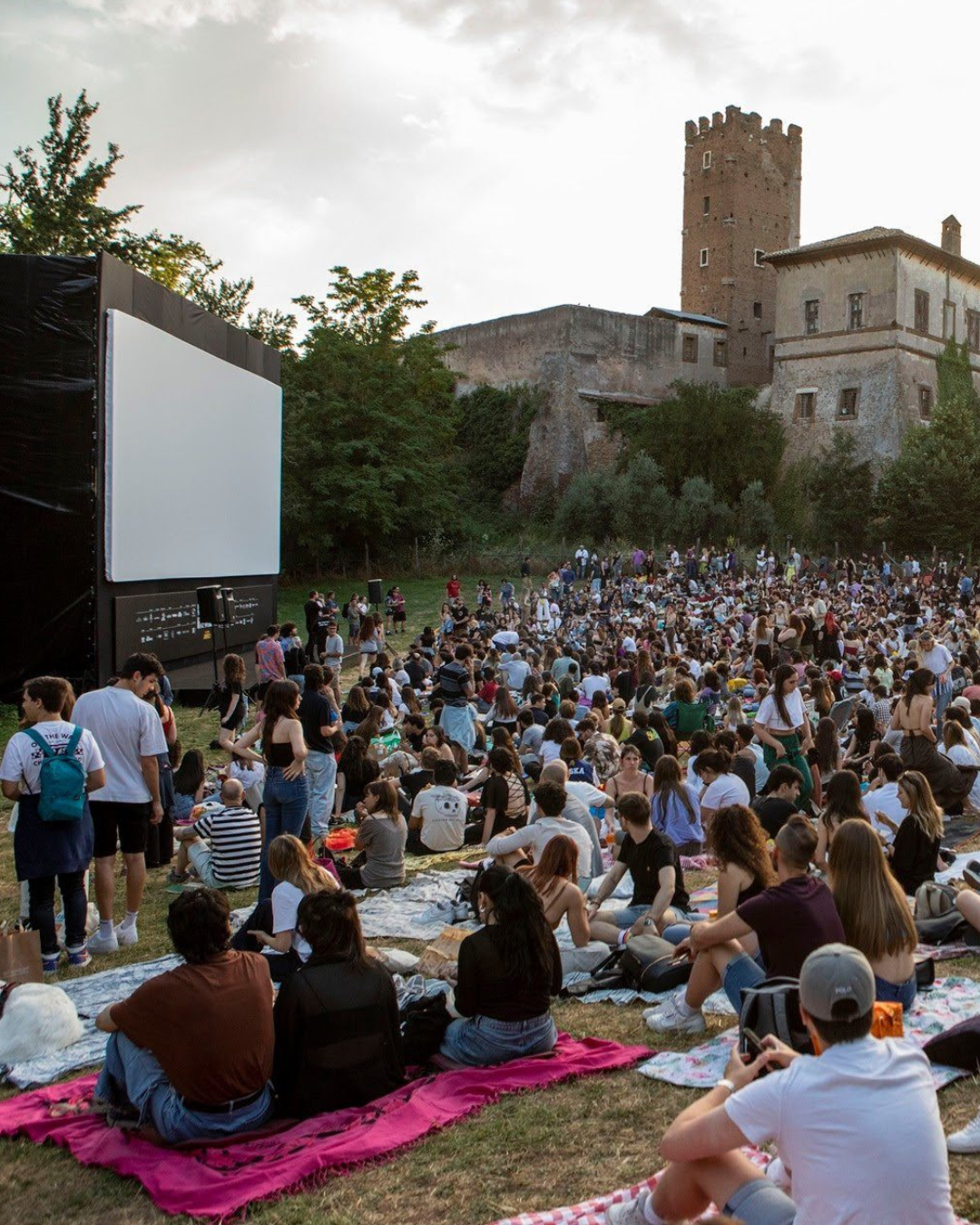
The films of "Cinema in Piazza" 2026
A summer dedicated to outdoor cinema together with Thom Yorke, Léa Seydoux, and Josh O’Connor