



























The newsstand yesterday, today and tomorrow The second article extracted from “Edicola Italiana” the first free press by nss edicola
The first issue of the «Corriere della Sera» was published in the late afternoon of 5 March 1876, in Milan. It would be natural to add that the newspaper “hit the newsstands”, but that would be an anachronism. Newsstands did not yet exist in Milan. That evening, Milanese citizens were disturbed during their evening stroll by the loud shouting of some boys, hired as “newsboys” to sell the newspaper at a price of five cents per copy. It is not surprising that even then the most attractive news for potential buyers was that of murders and executions.
Only a few years later, in 1882, Ulisse Sicola obtained permission from the Municipality of Mantua to build his neo-Gothic kiosk, made of wrought iron, wood, and glass. Anyone passing through Piazza Canossa can still admire it today, restored and perfectly preserved. Today, the newsstand in Piazza Canossa is an exhibition space and a site protected under FAI heritage conservation. It no longer sells newspapers, but thanks to its historical and architectural value it enjoys a prestige that many newsstands, forced to close in recent years, have not been granted.
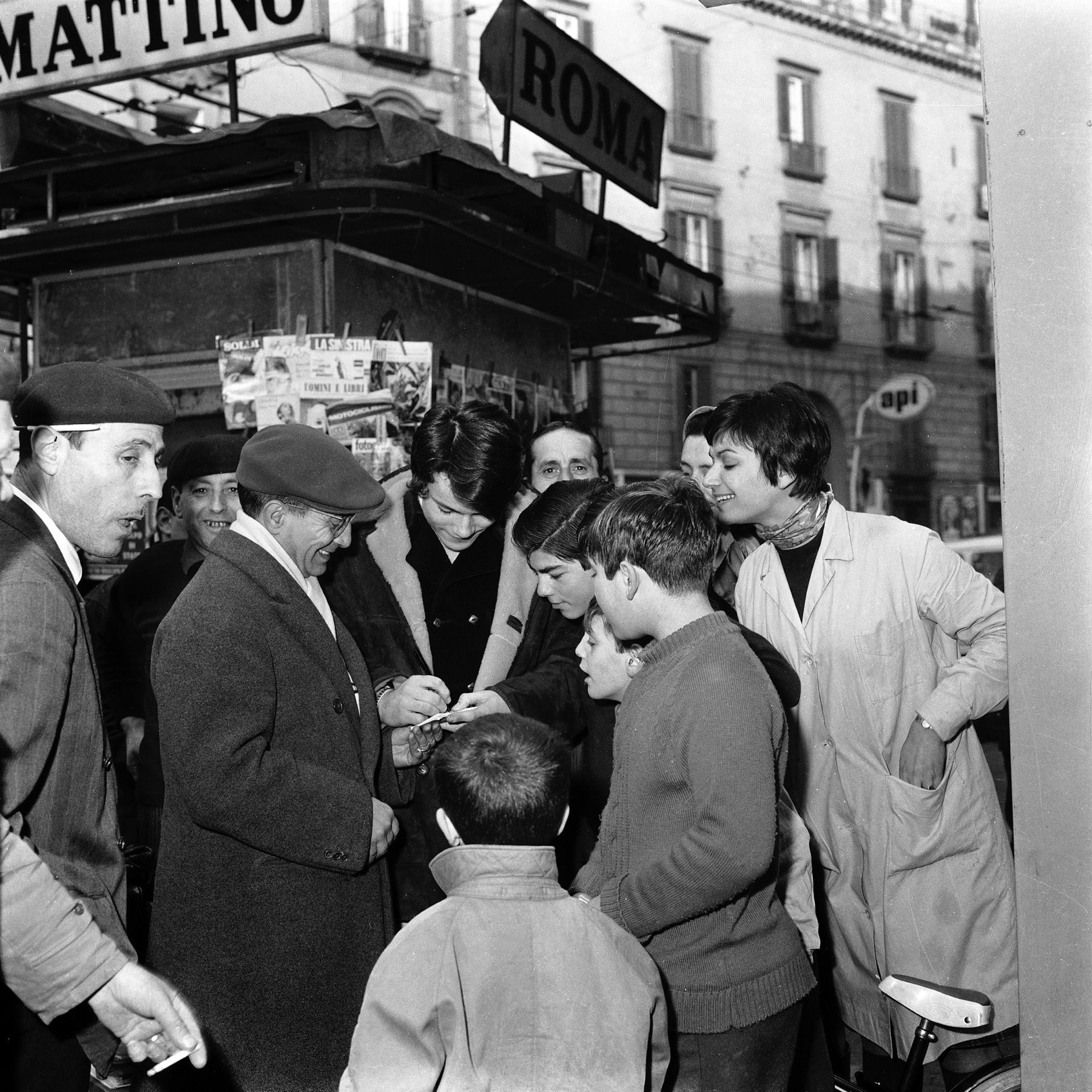
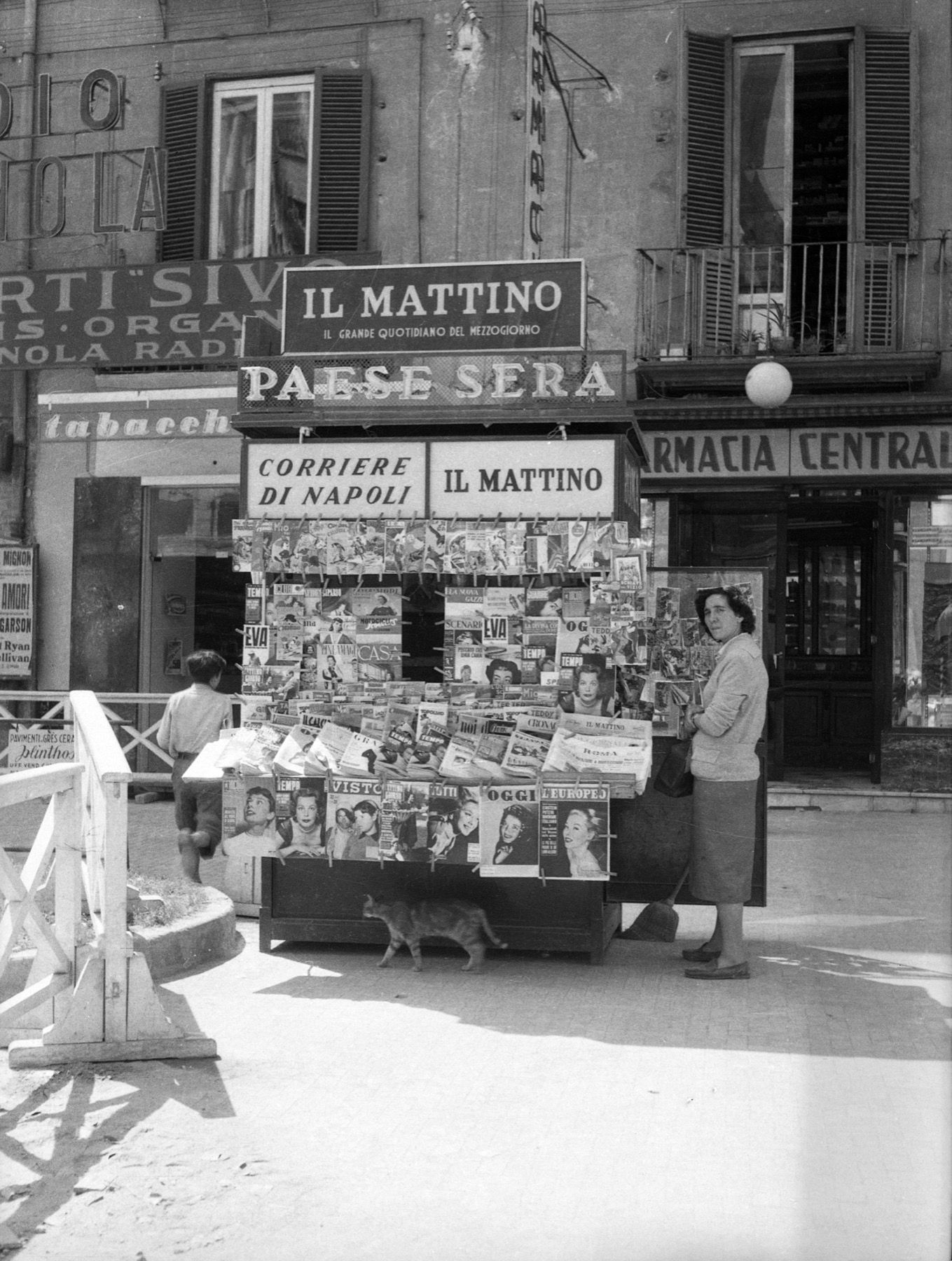
Until just a few years ago, for many people, the day still began with a pilgrimage to the neighborhood newsstand to buy a newspaper and exchange a few words with the newsagent, the quieter and less intrusive heir of the newsboy. Like a priest enclosed in his confessional, the newsagent is a torso-man, a half figure, almost always seated inside his kiosk, reassuring in his semi-immobility; like his newsstand, he is an unmistakable element of urban architecture – not by chance, when one morning Calvino’s Marcovaldo wakes up in a city made unrecognizable by snow, he wonders whether beneath that white layer there are still, along with gas stations and tram stops, the newsstands.
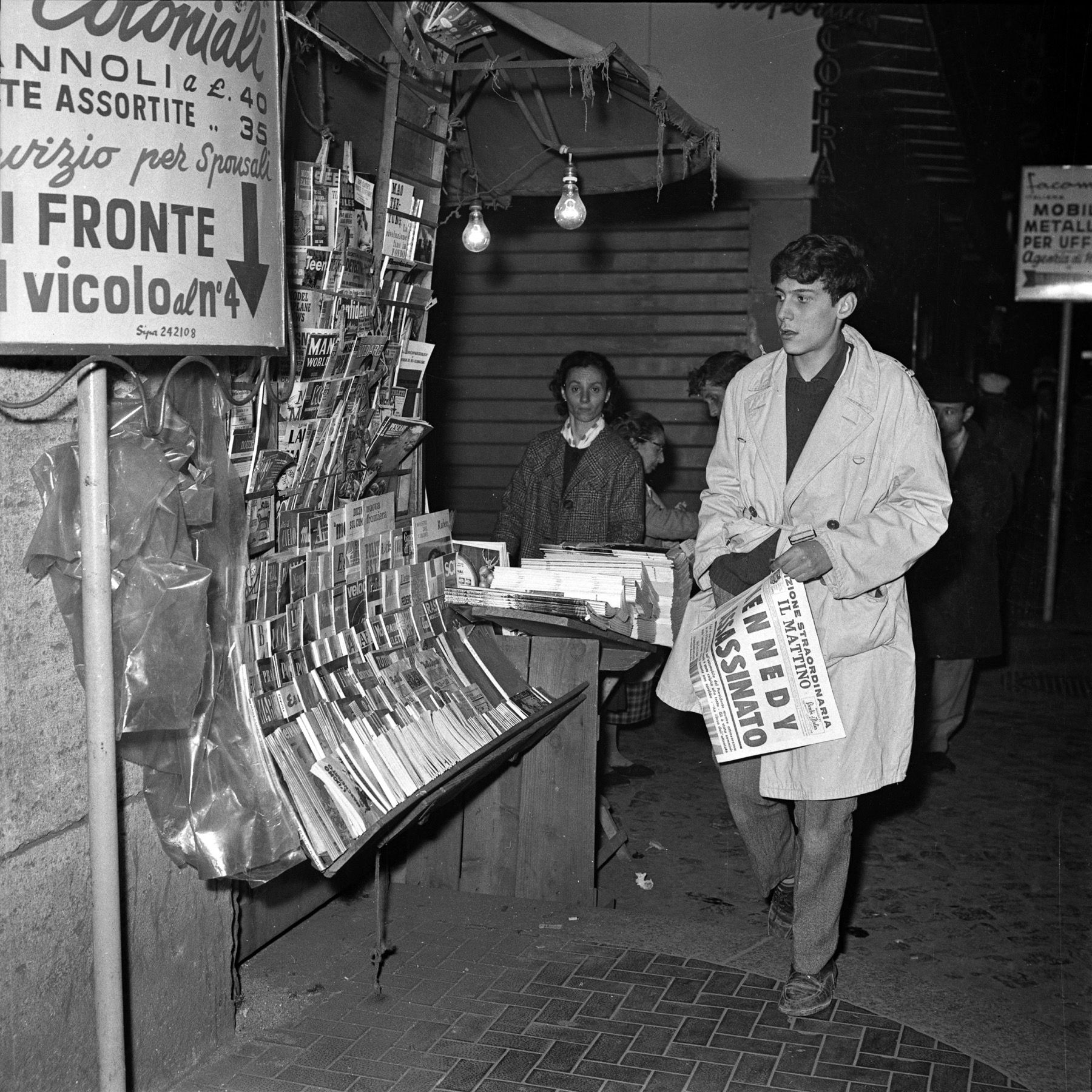
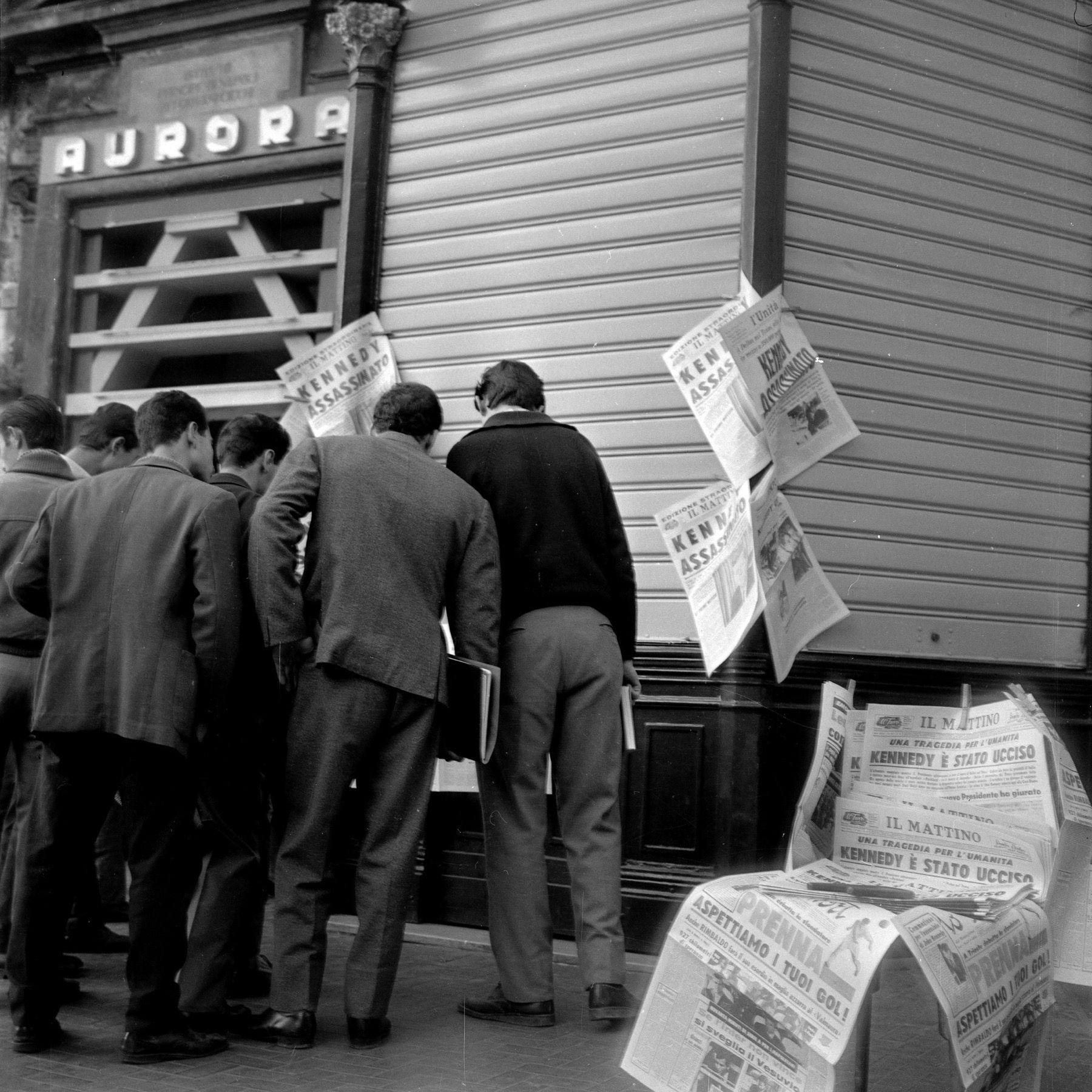
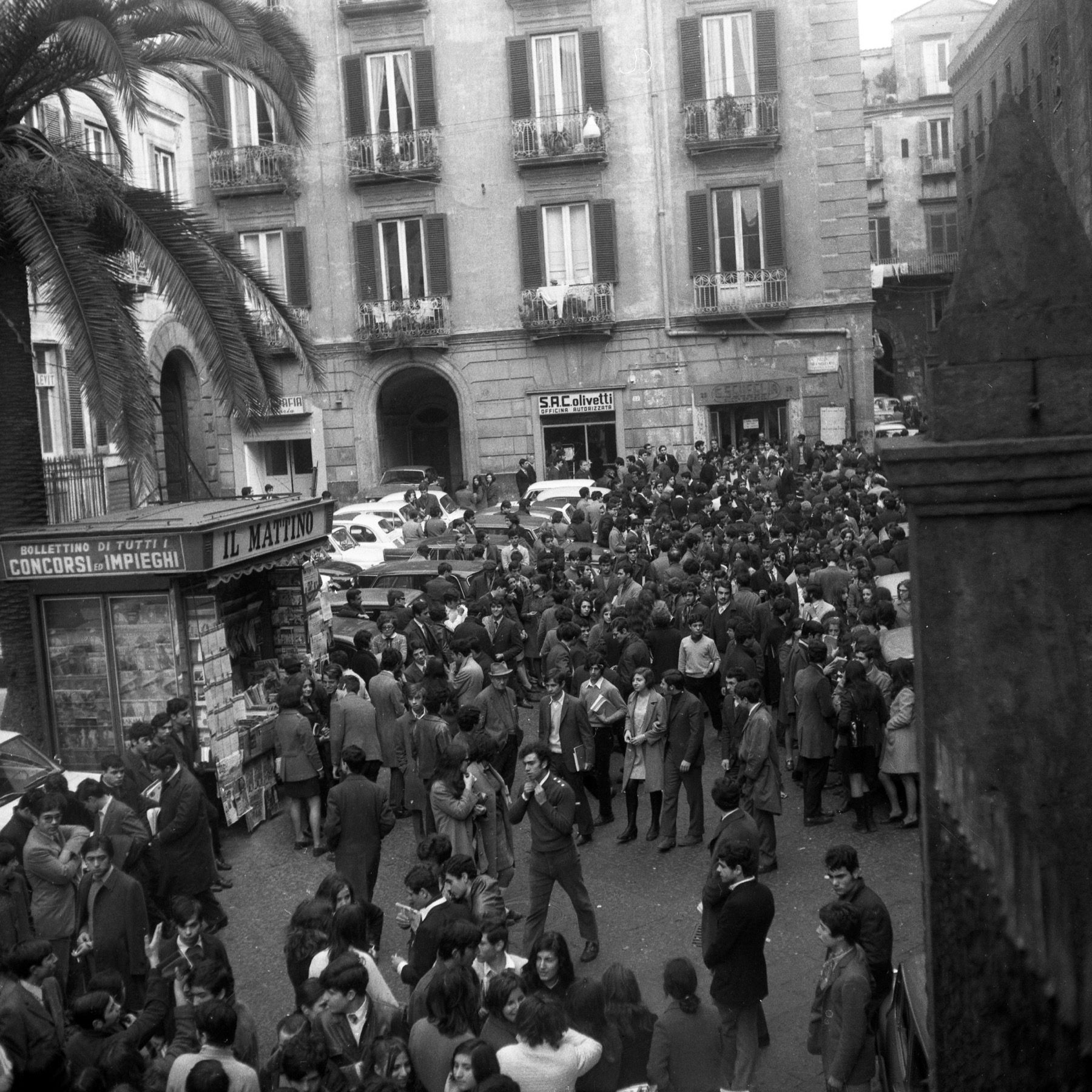
The history of newsstands coincides with the development of modernity and urban centers; in the second half of the 1800s, in Paris, Baron Haussmann’s urban plan also included newspaper kiosks. They were designed in an Art Nouveau style by Gabriel Davioud, who played a key role in that process of architectural modernization (and standardization), contributing greatly with theaters, fountains, squares, as well as street lamps and balustrades.
Green, made of cast iron, with curved roofs to protect from the weather and topped with a scalloped dome, Parisian newsstands are signs, like other Haussmannian architectures, that help even tourists navigate a city they have already experienced without visiting it. In recent years, they have been joined by more modern kiosks designed by the designer Matali Crasset, brighter, more spacious, and also green in color. But the architectural mutations of kiosks are less significant than the profound transformation they have undergone over the years. If in the second half of the twentieth century selling newspapers and magazines was a reasonable guarantee of income, today, with the constant decline of readership, newsstands must perform other functions to ensure a dignified future.
In 1973, with his usual caustic and paradoxical style, Guido Ceronetti observed that the two newsstands on Via Veneto in Rome seemed to suffer from gigantism: alongside Italian newspapers, they sold American magazines, German papers, Soviet satire, and a great deal of pornography. Above all, an influx of classics had arrived: Kant, Hegel, Kafka. Newspapers had disappeared behind piles of books.
For more than a generation, newsstands brought reading closer even to those who had little familiarity with books: through comics, illustrated weeklies, serialized novels, publishing reached a wide and varied audience. Today, newsstands also sell calendars, plastic balls, toys, T-shirts, swimsuits, flip-flops, inflatable items, pens, notebooks, umbrellas, and miscellaneous objects. Some kiosks, like the one in Piazza Canossa in Mantua, have been repurposed for other uses: hosting art exhibitions, presentations, events, vernissages, or becoming temporary shops or brand showcases. They must reinvent themselves to survive. Only the most pessimistic apocalyptic thinkers would have predicted it twenty years ago.
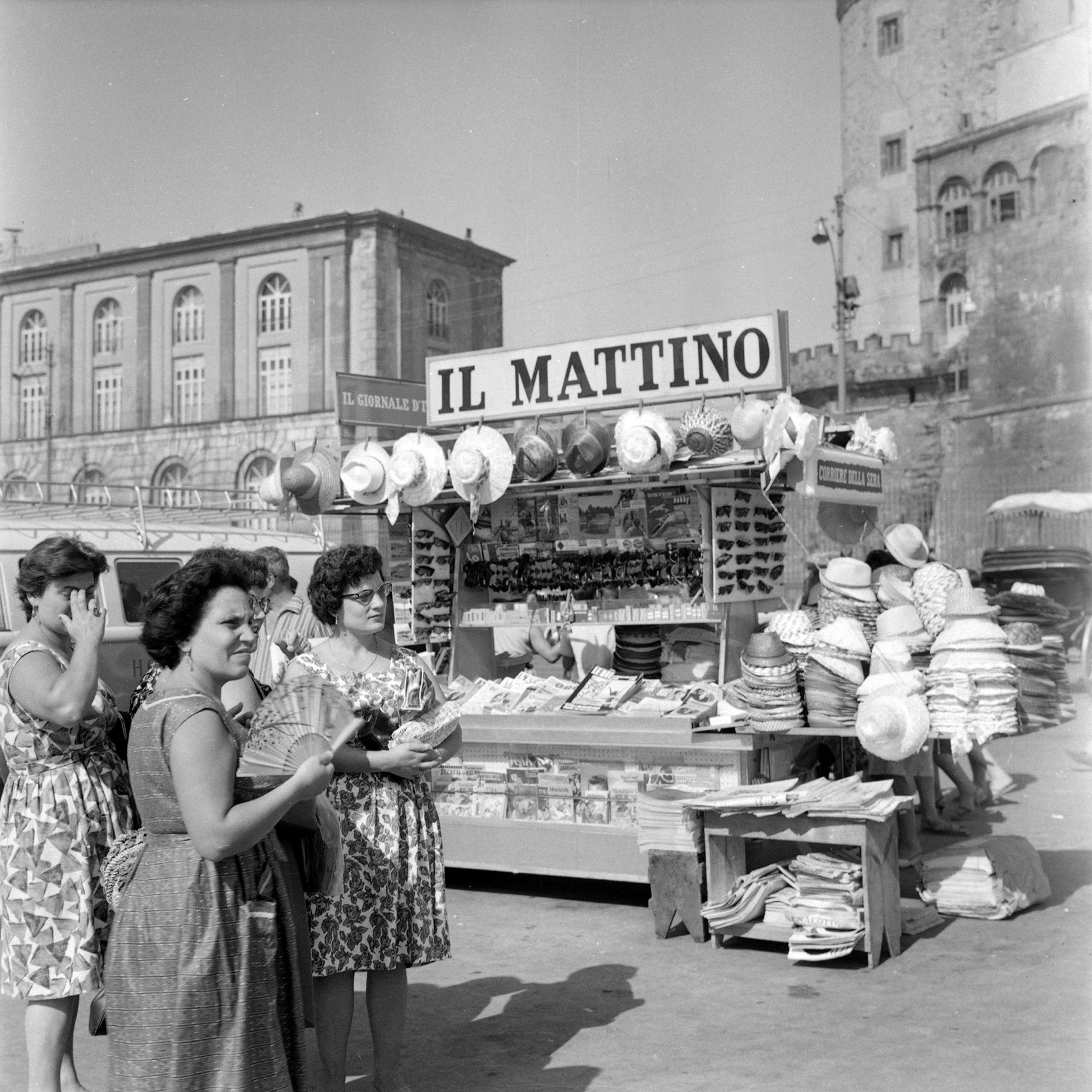
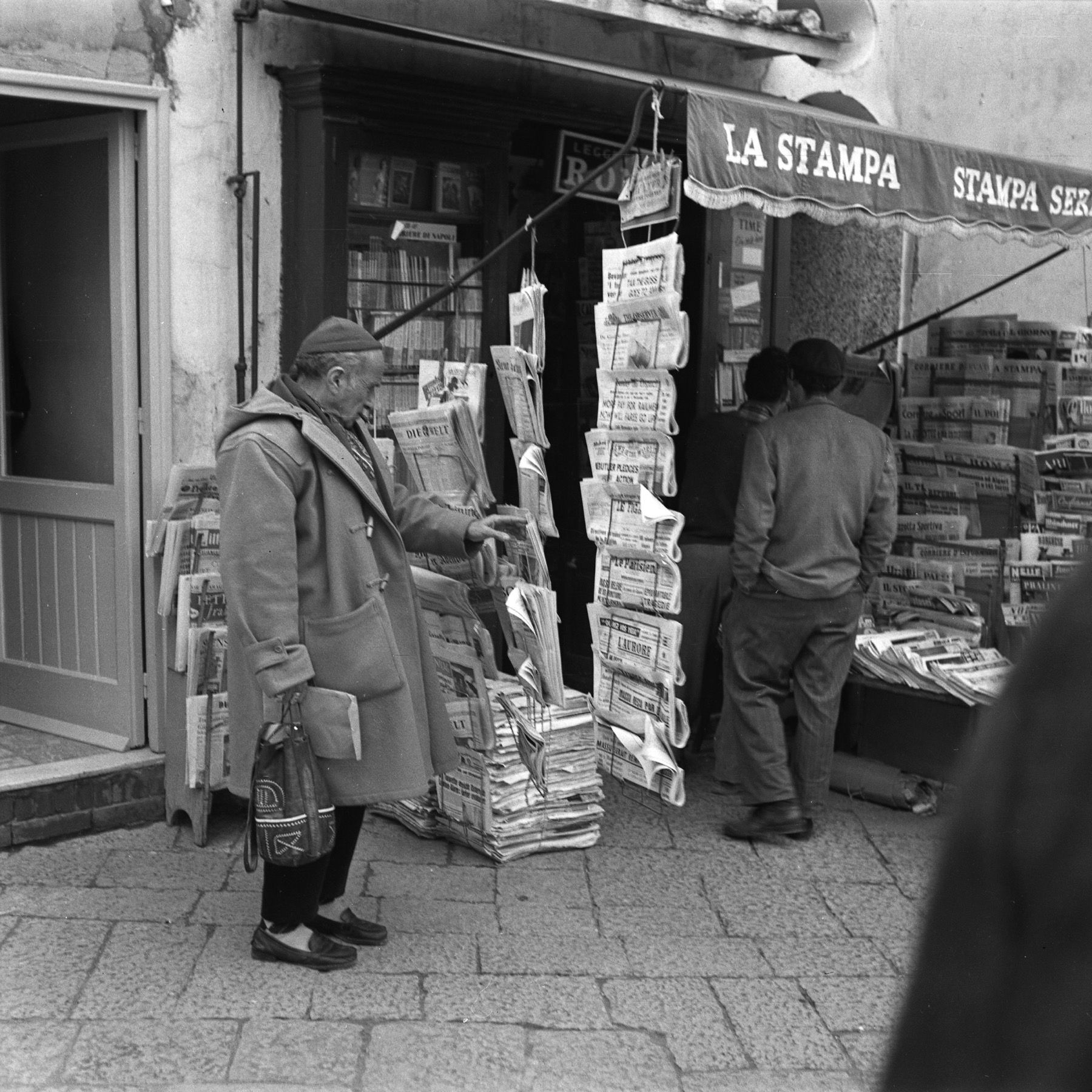
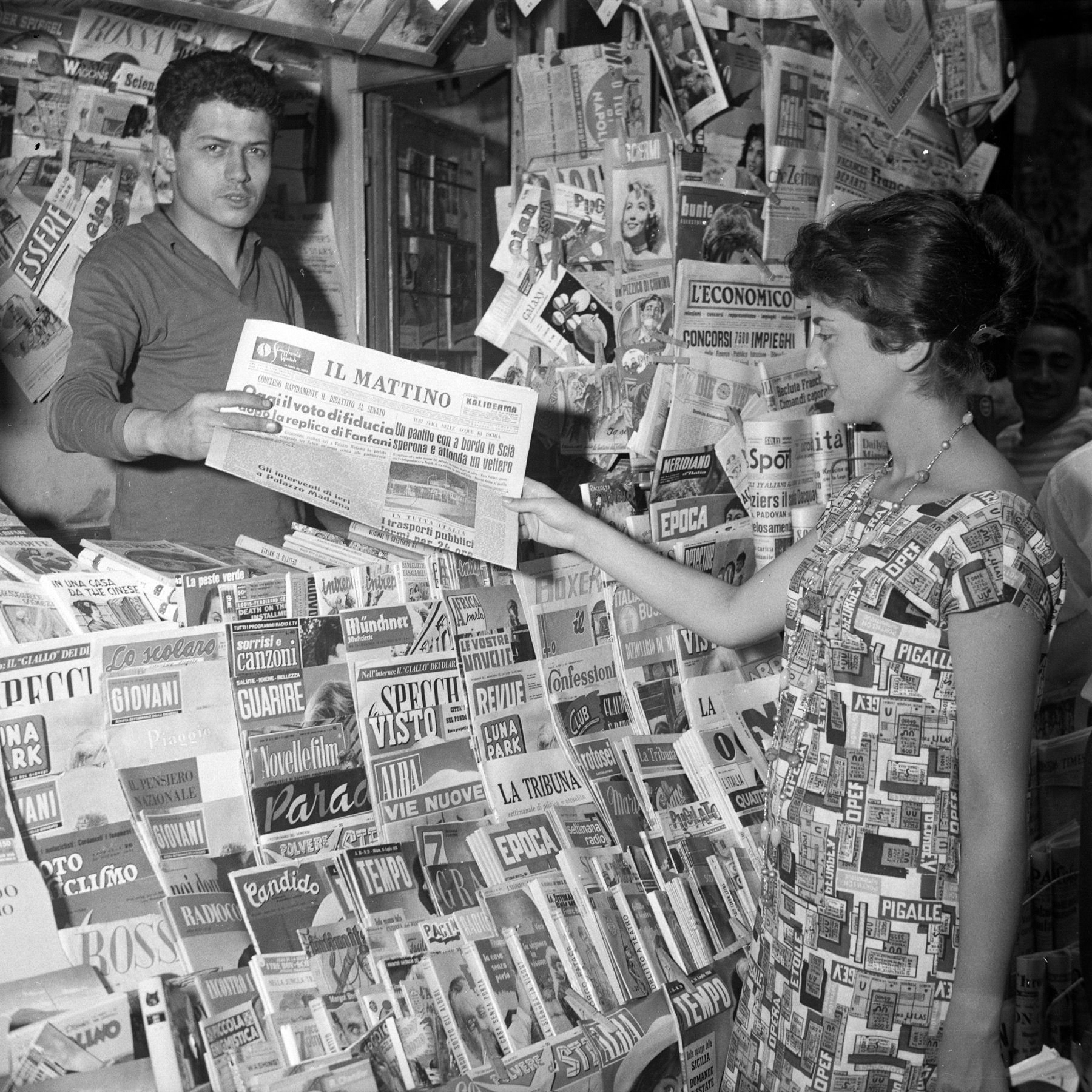
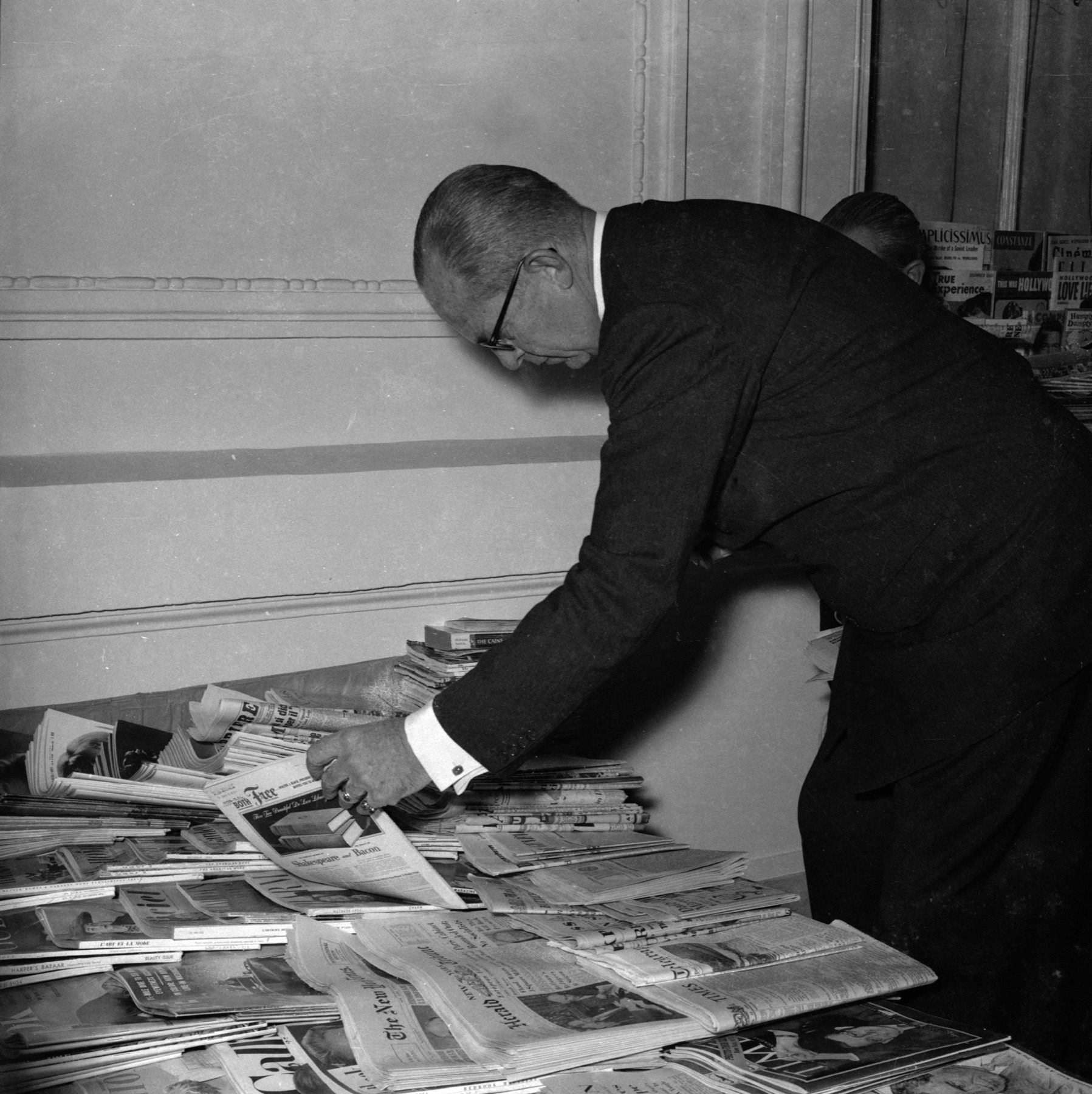
In those days, newsstands in Italy numbered over 30,000; today they are about one third of that figure—a drastic decline that mirrors the steep drop in newspaper circulation, once read and also used to whitewash walls, wrap fish, flowers, and sharpened knives.
“Streets are the dwelling places of the collective” wrote Walter Benjamin, the thinker who more than any other in the twentieth century studied the city. And if for Benjamin the passages were the living room of urban man, what were newsstands? Perhaps panoramic terraces from which to observe the world and try to glimpse its changes. It is clear that today this is no longer the case; those terraces have become increasingly narrow, resembling small balconies offering only a limited horizon.
There is no point in mourning the disappearance of newsstands or nostalgically celebrating their decline or museification. Newsstands are elements undergoing a process of semantic redefinition within cities that are experiencing vast and uneven transformations—not always positive ones. Whether these changes serve those who inhabit the city rather than those who exploit it depends on all of us.