












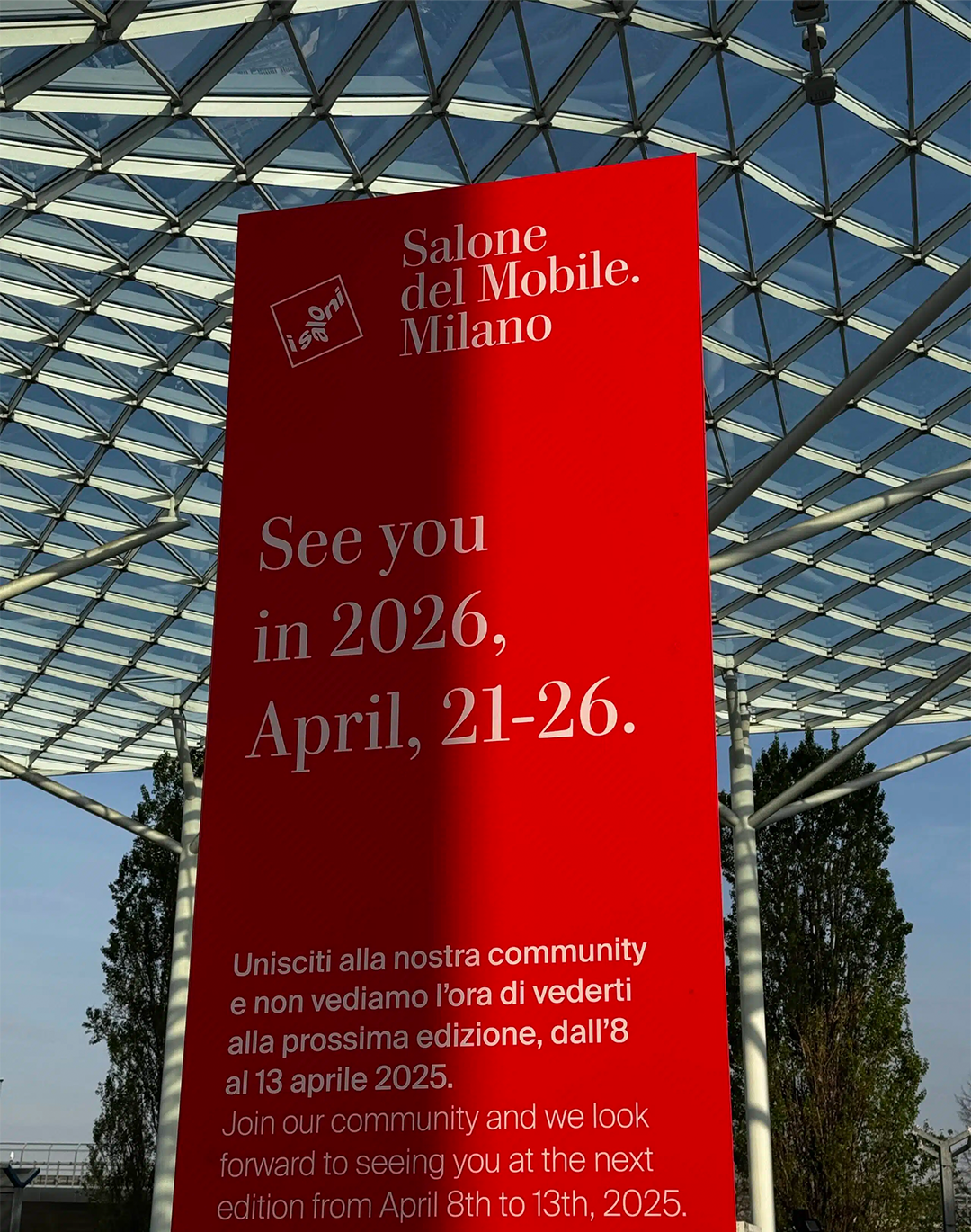
The history of the Salone del Mobile How Milan became the Capital of Design
Milan is like a small world of its own, with its unwritten rules, its rituals, and its recurring events. Among these events, the Salone del Mobile is one of the most special and widely celebrated – even more than the mythical fashion week. Every year, in spring, the city comes alive with a particular energy: it seems as though everyone is out on the streets, all venues stay open late, and the doors of buildings and shops are thrown open all day long.
In addition to being one of the main fairs dedicated to design in Europe, Design Week - which includes the classic Salone and its “twin” Fuorisalone - the galaxy of fairs and events surrounding it are part of the city’s collective life. In fact, the history of Design Week and that of Milan are deeply intertwined, in a story that stretches from the long tradition of the Milan Fair to the more recent Design District between Brera and Porta Venezia.
The Milan Fair already existed in 1906
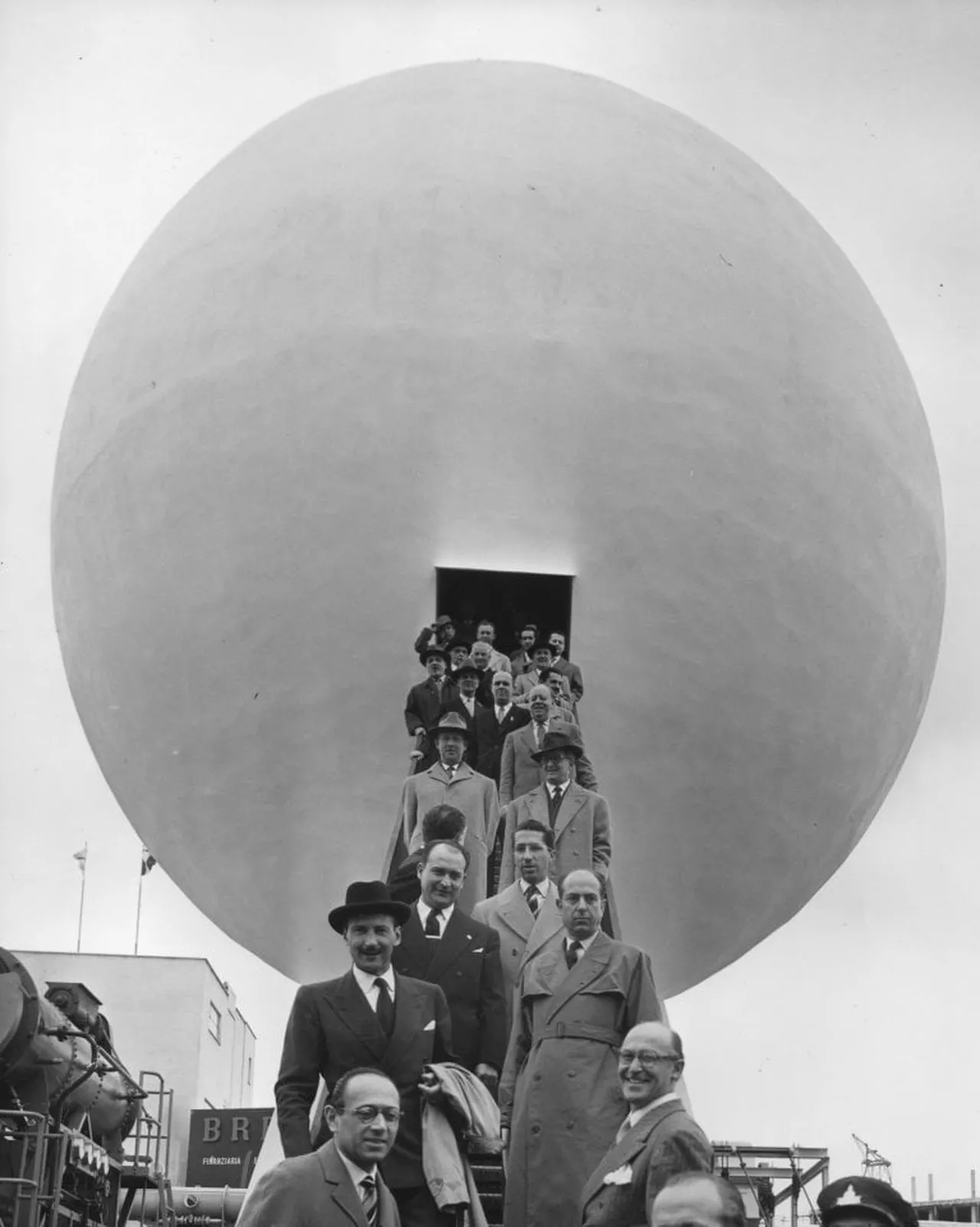
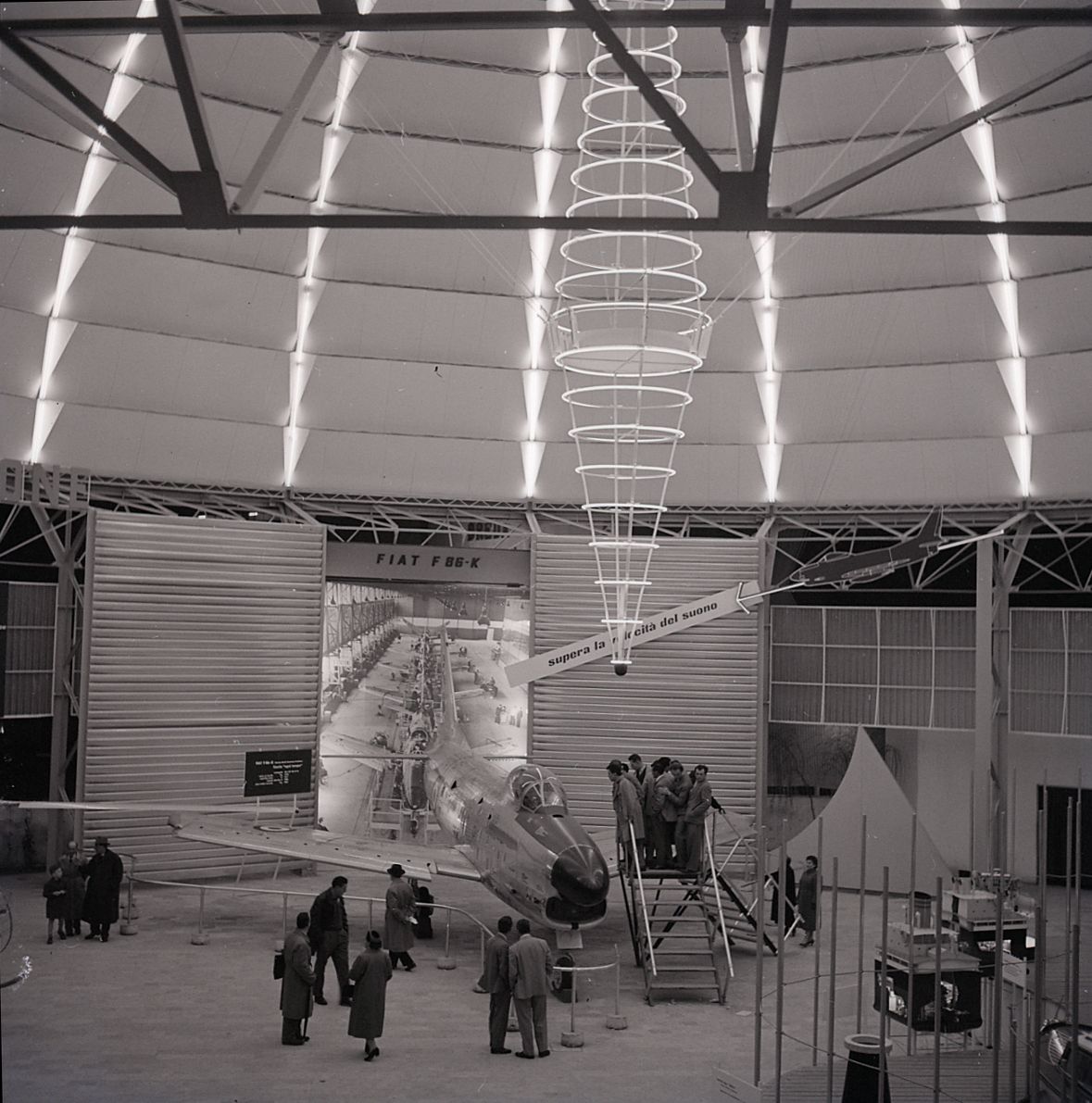
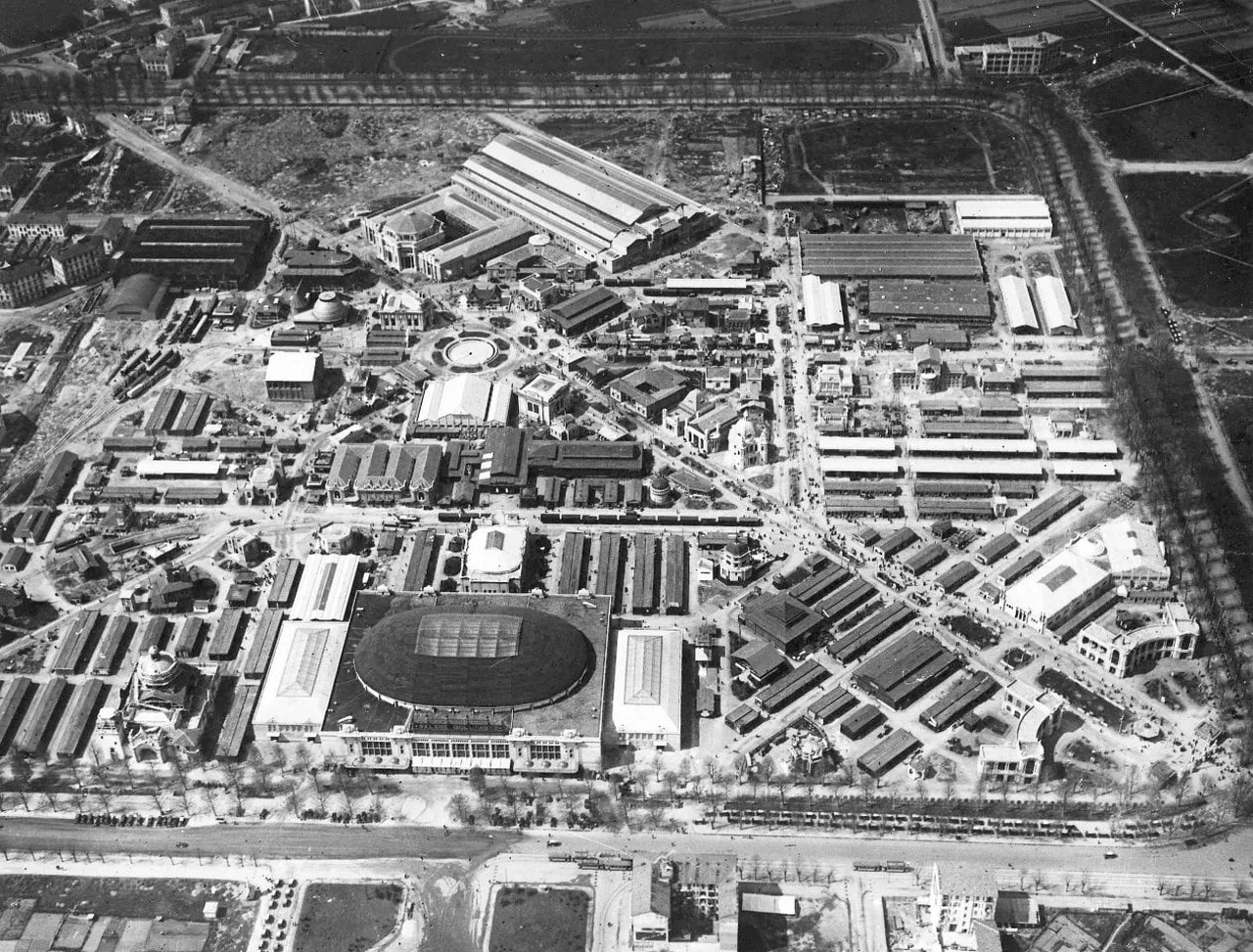
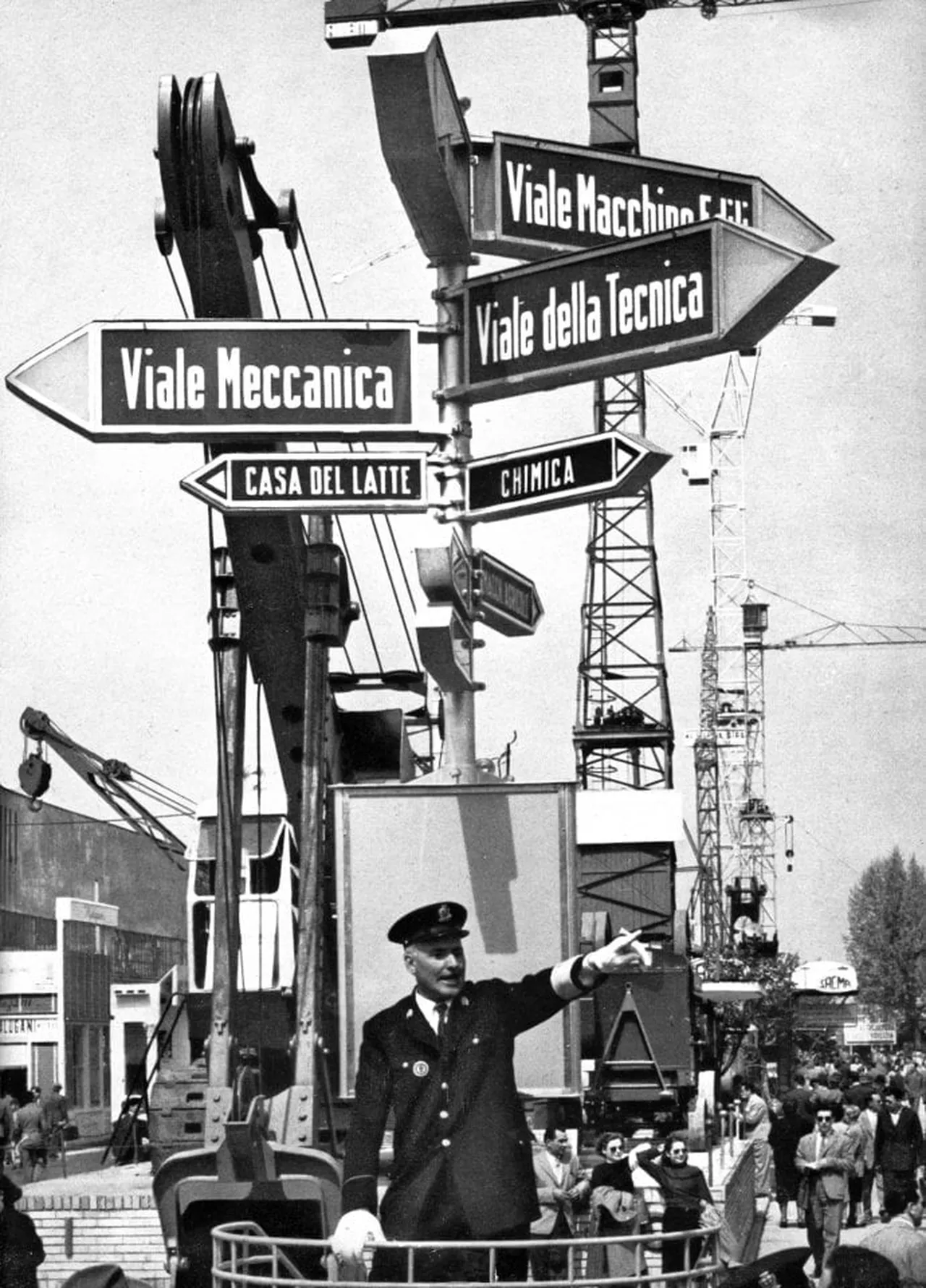
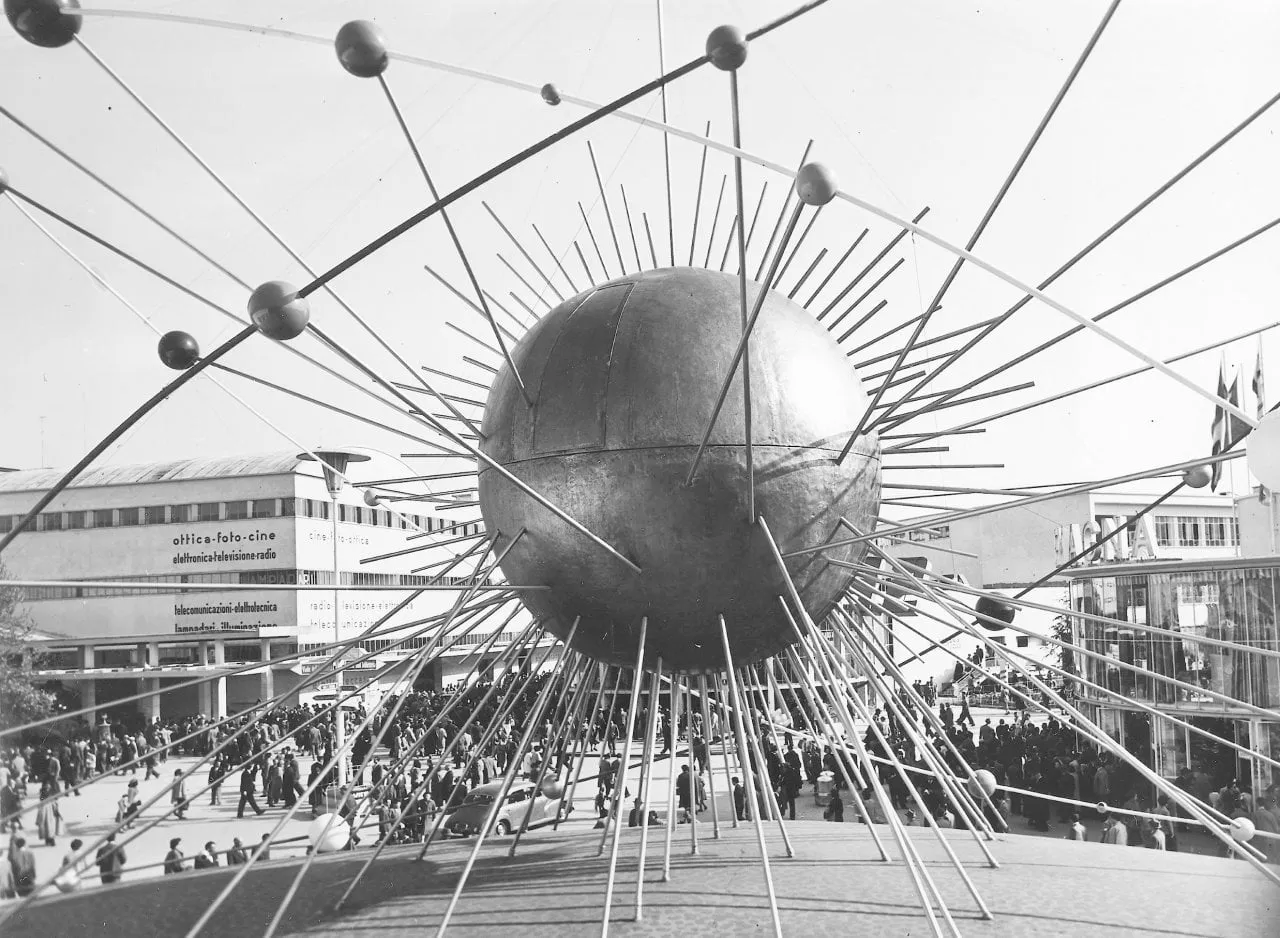
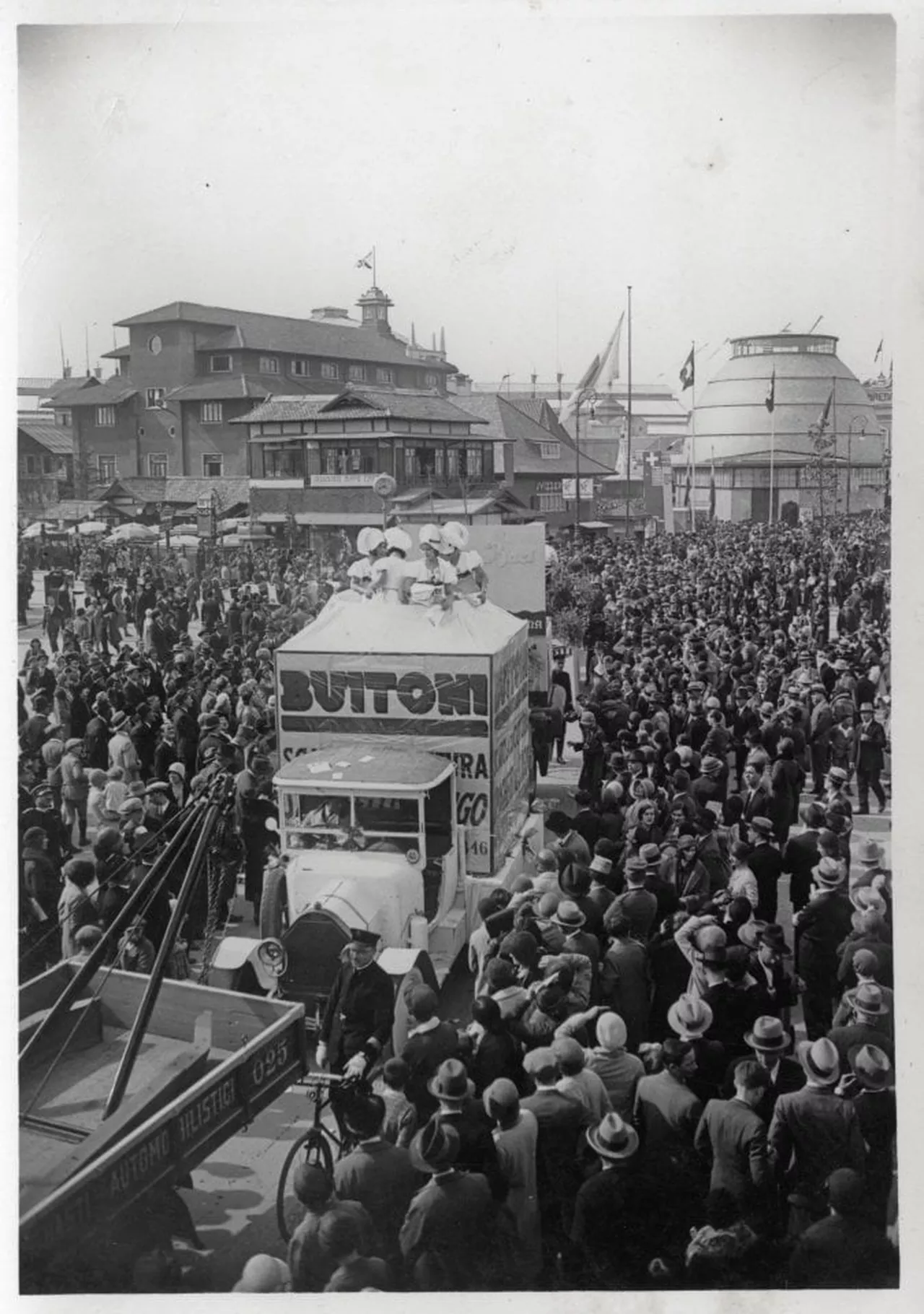
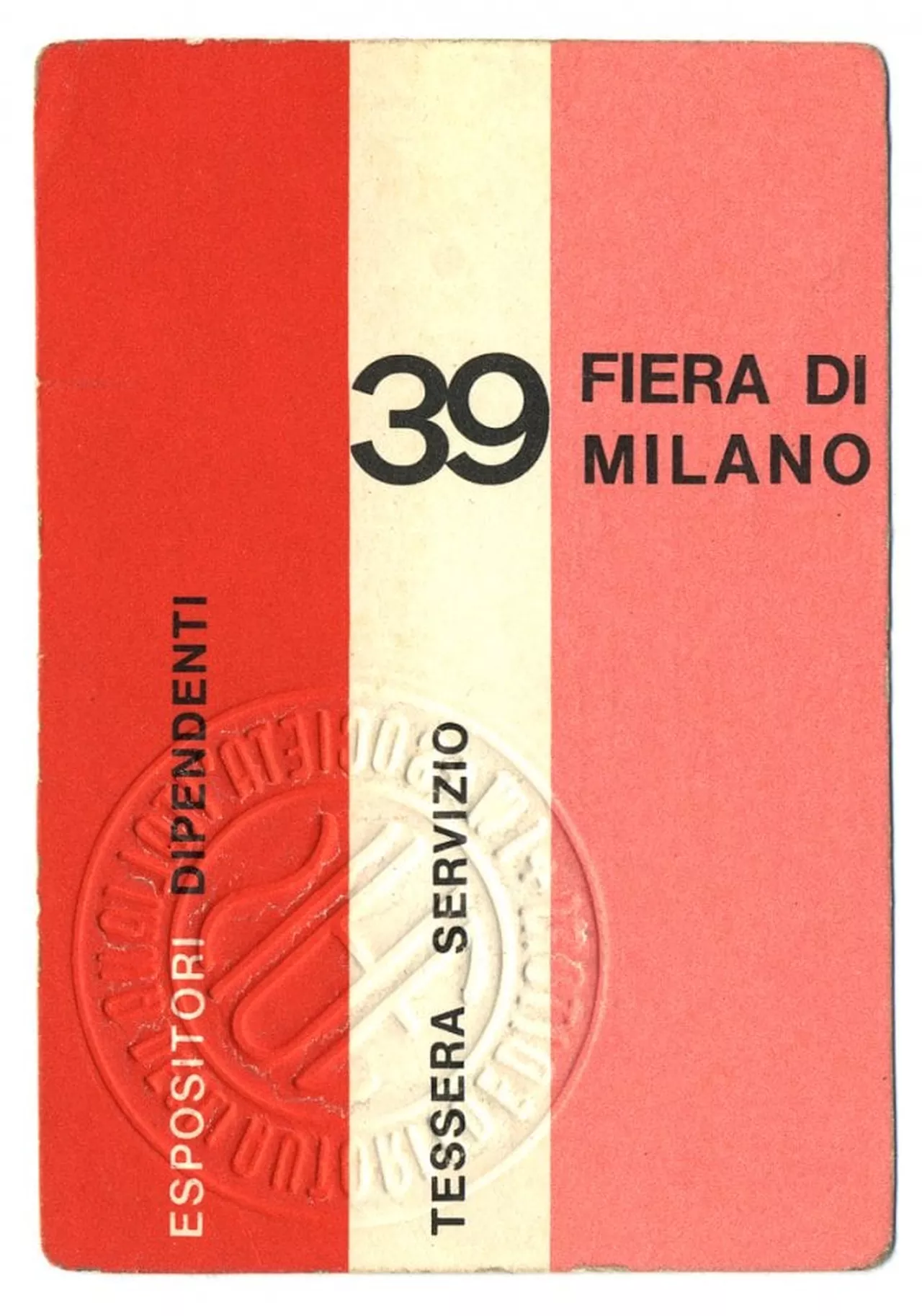
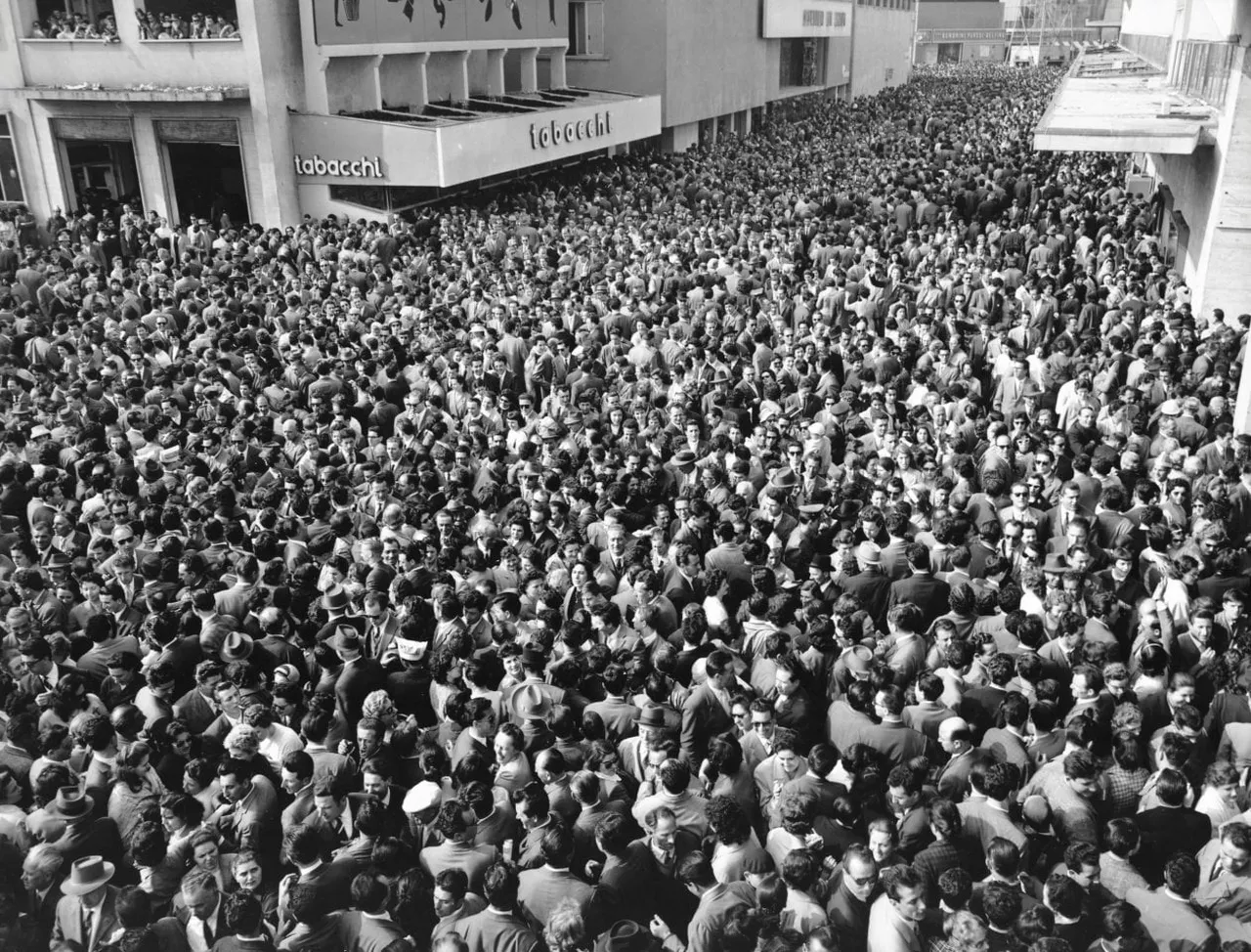
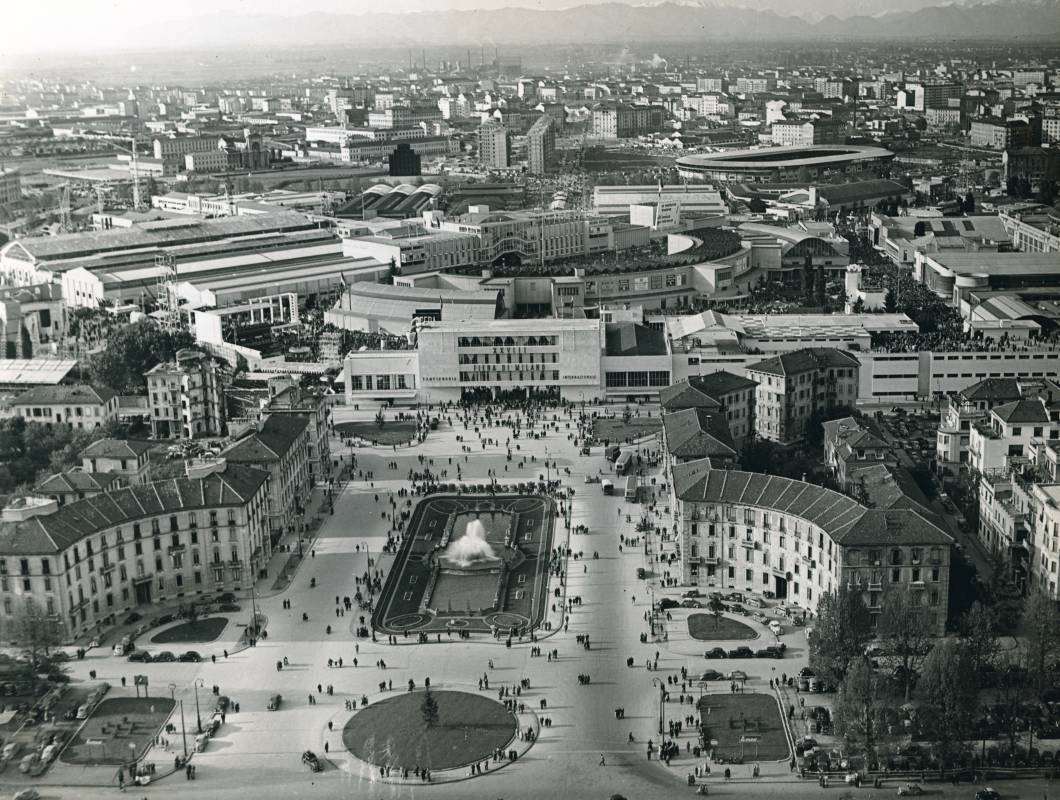
Milan first experienced something similar to the modern Design Week in 1881, with the first Italian National Exhibition held from May to November in front of the Bastions of Porta Venezia. It was only in 1906, however, that the exhibition moved between Parco Sempione and the former Piazza d’Armi, connected by a suspended railway. This date is important because there were 35,000 exhibitors and 5.5 million visitors, as well as pavilions designed by the star architects of the time – numbers so high that they transformed the industrial exhibition into a truly recurring event.
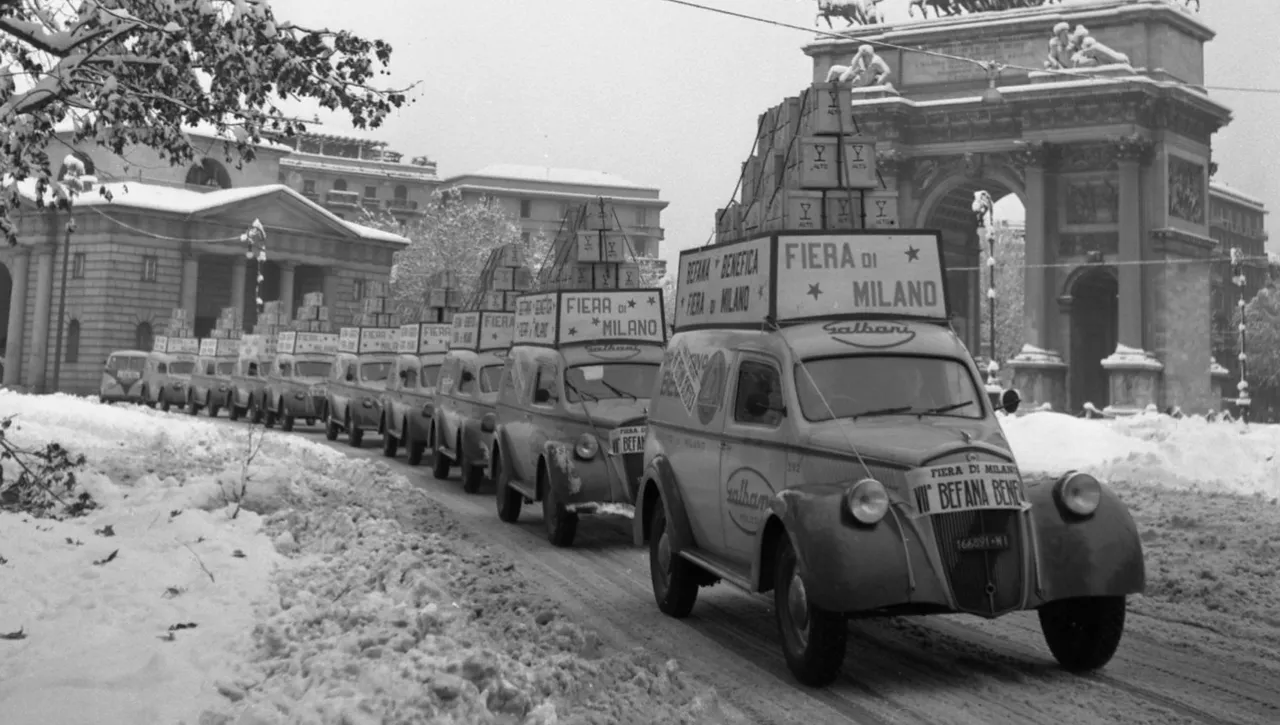
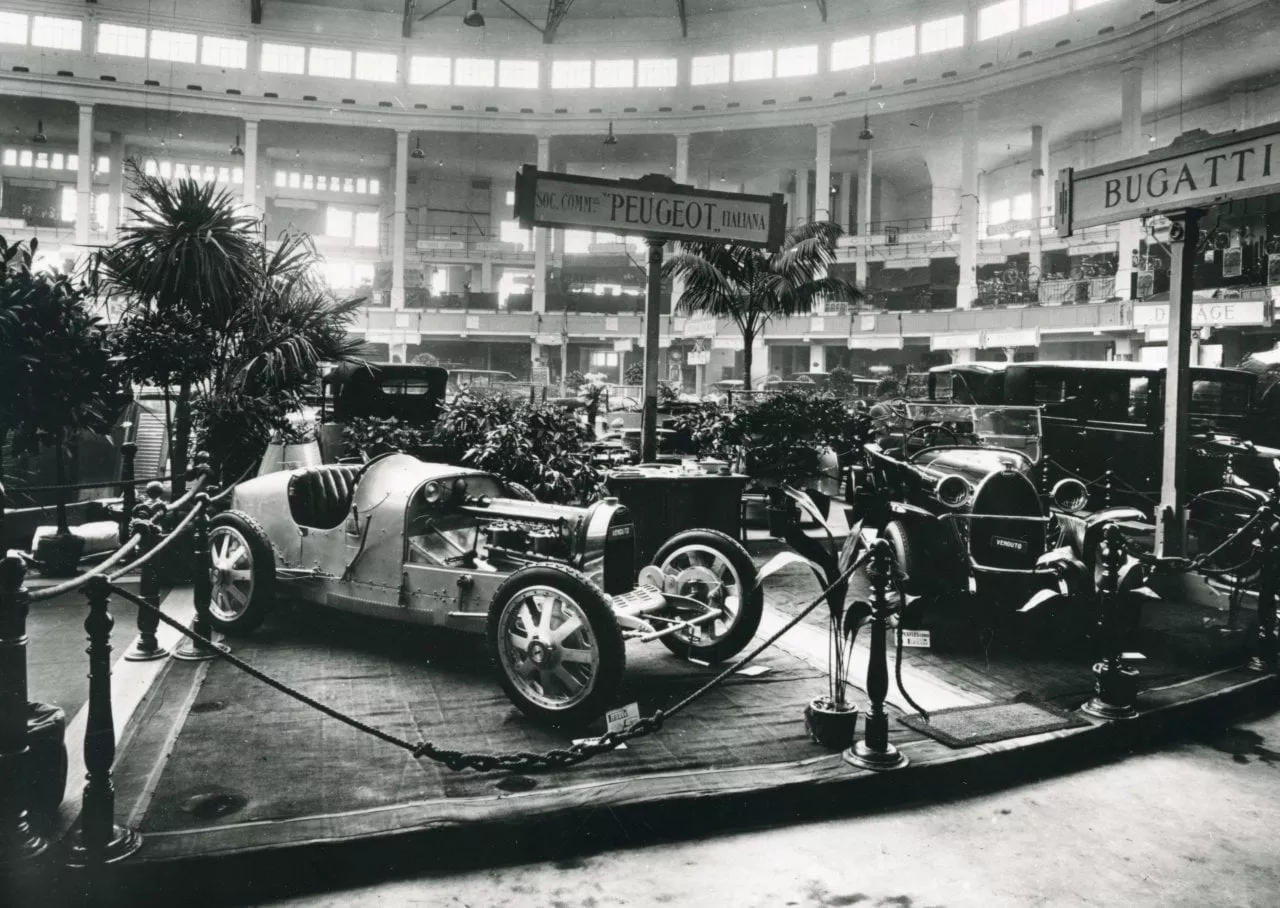
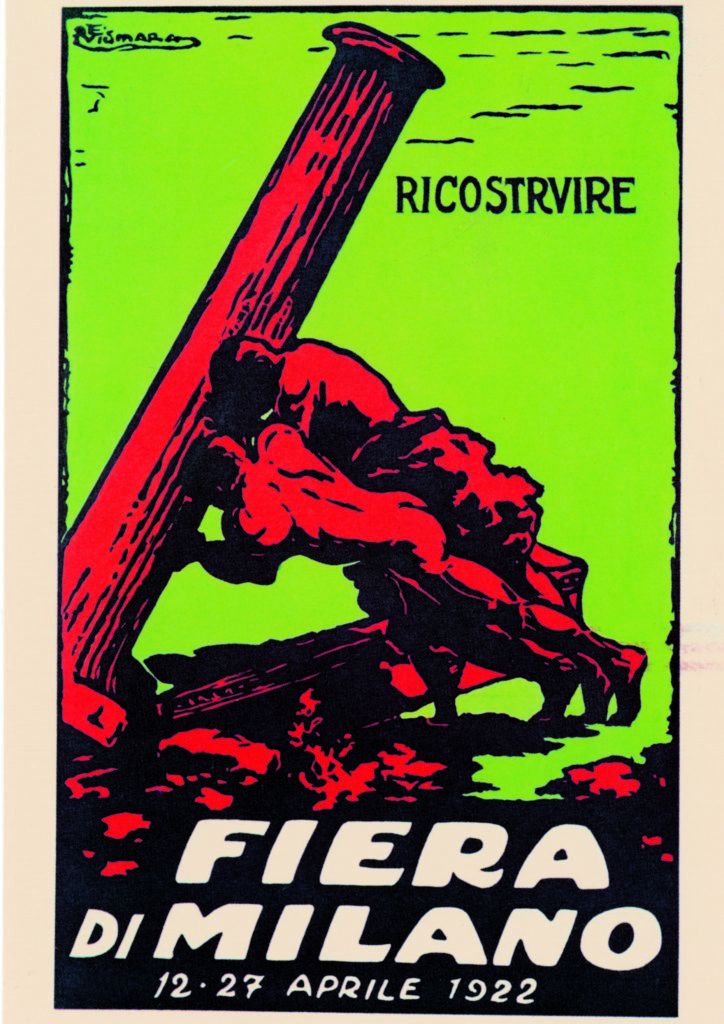
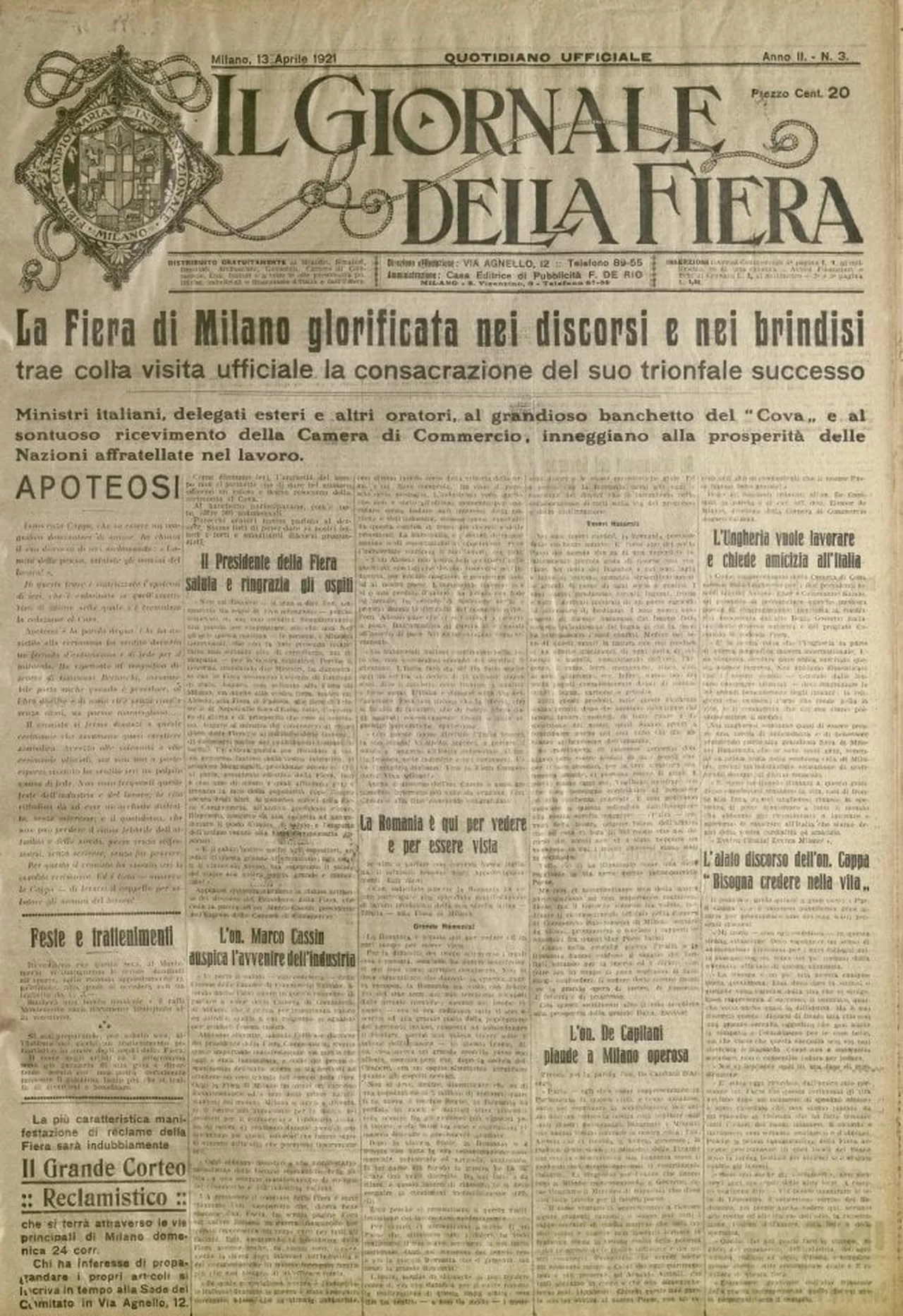
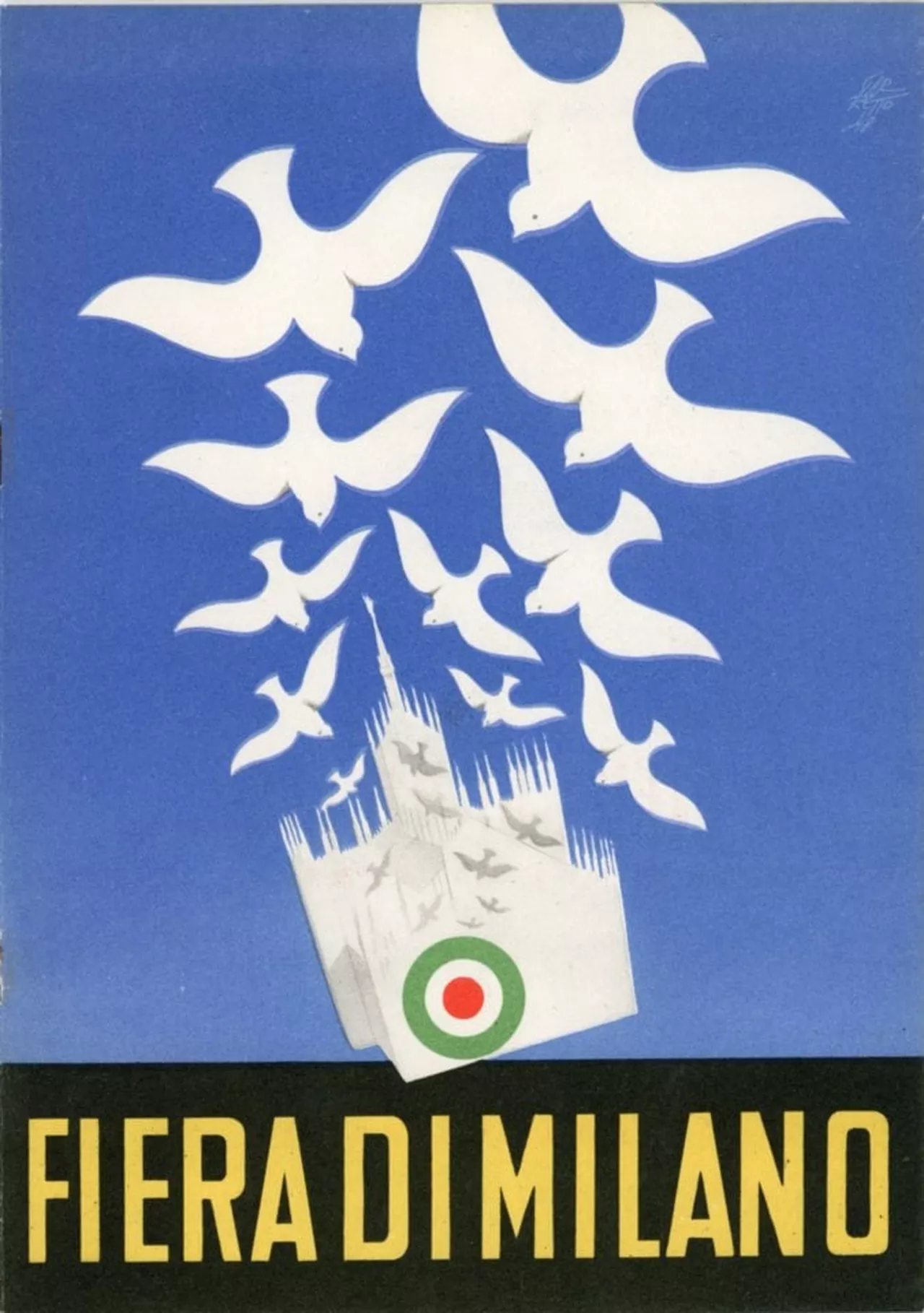
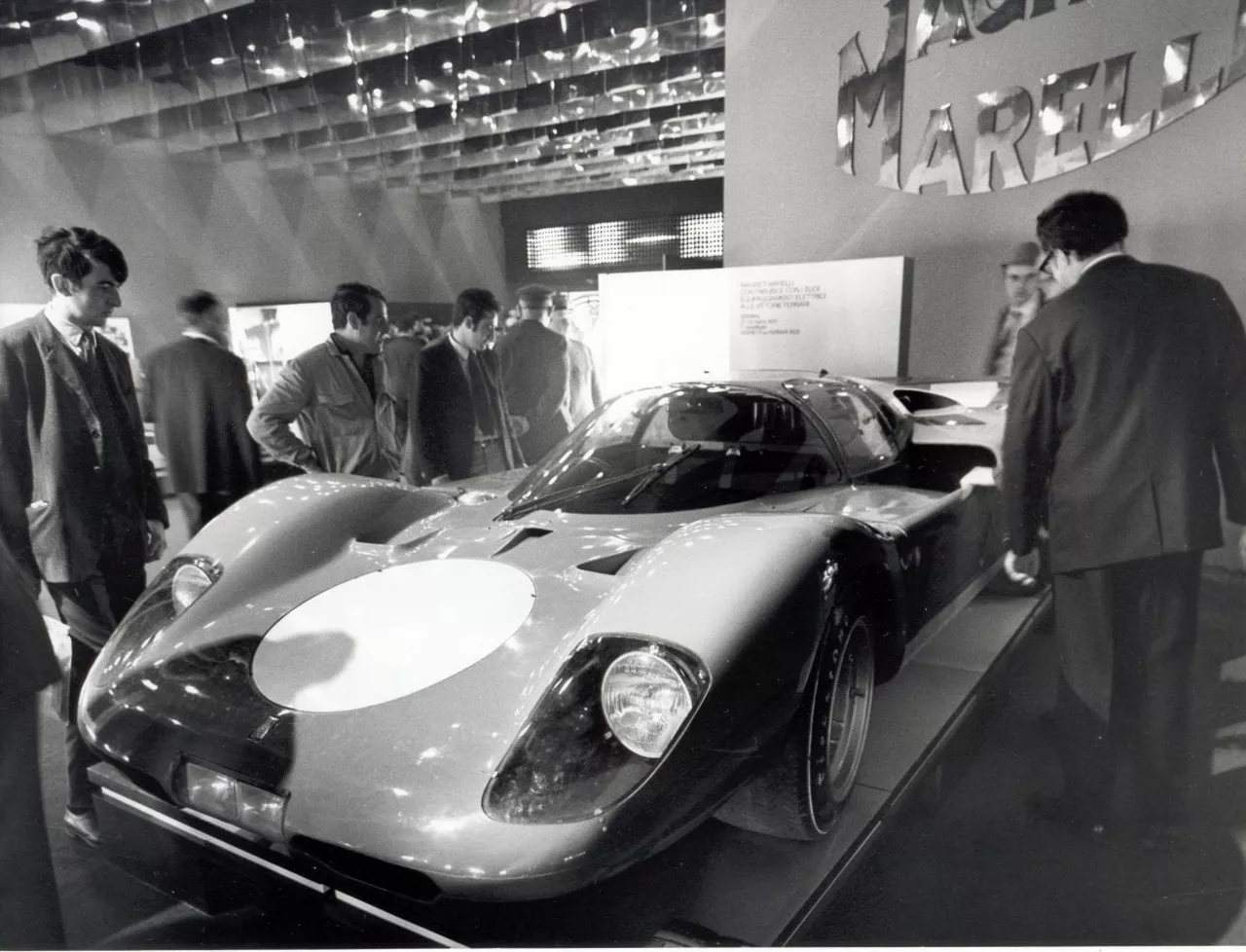
Another key date is 1920, the year in which the first Trade Fair was held with great success, again in Porta Venezia – two years later, the organization in charge of the Fair would be established, launching a tradition that lasted 82 years. For example, at the 1946 fair, the first washing machine was presented to the public. In the 1960s, other fairs “born” from the original exhibition began to emerge, the main one being the Salone del Mobile.
The first Salone del Mobile was an integral part of the “Economic Miracle” of the 1960s
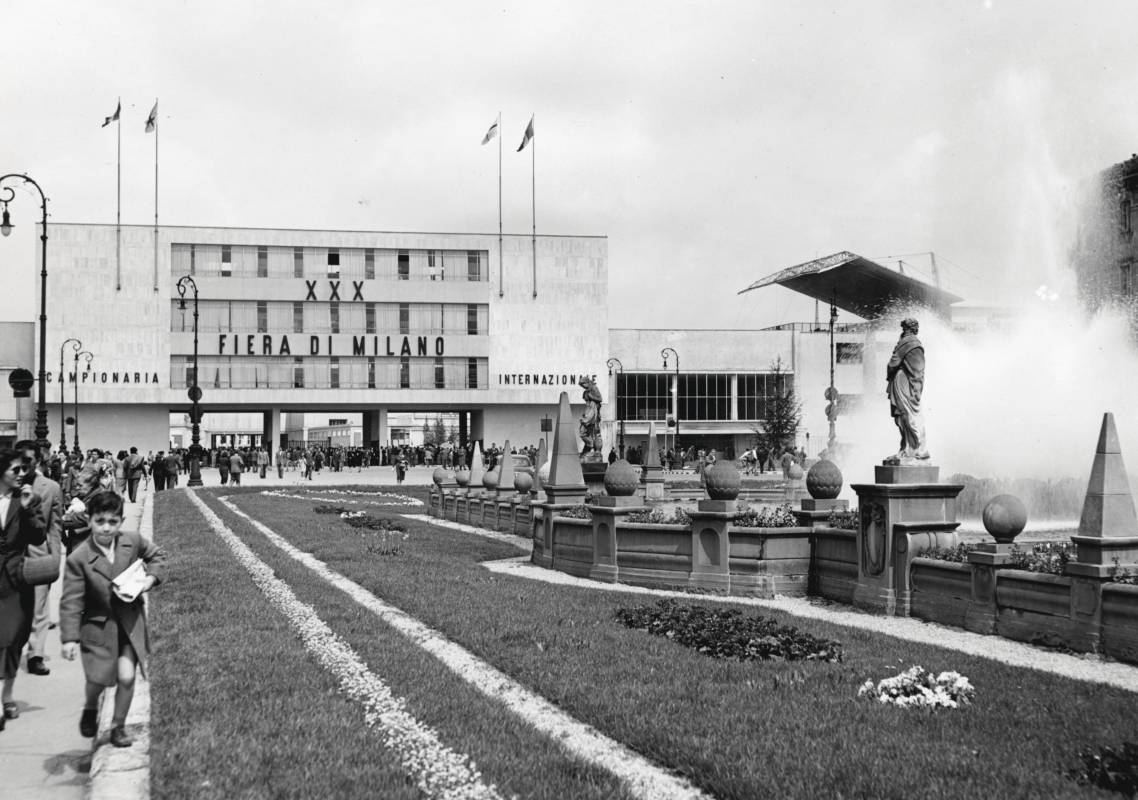
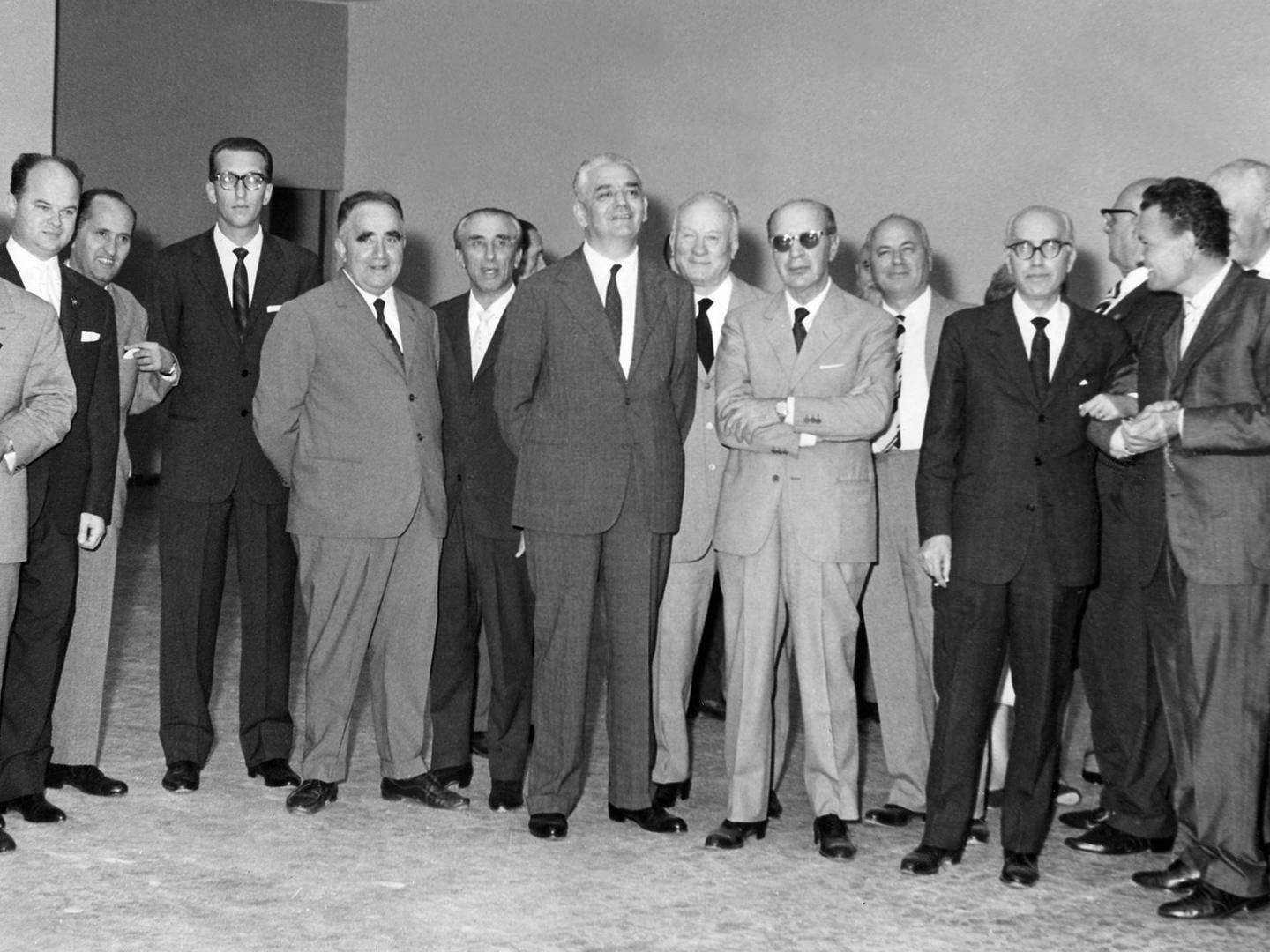
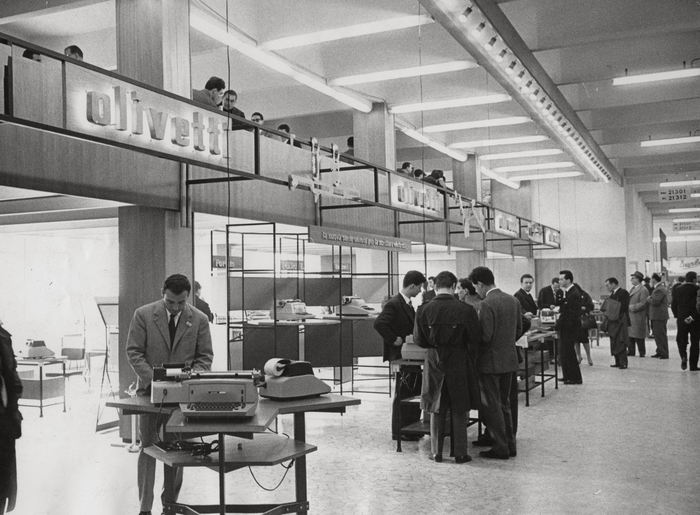
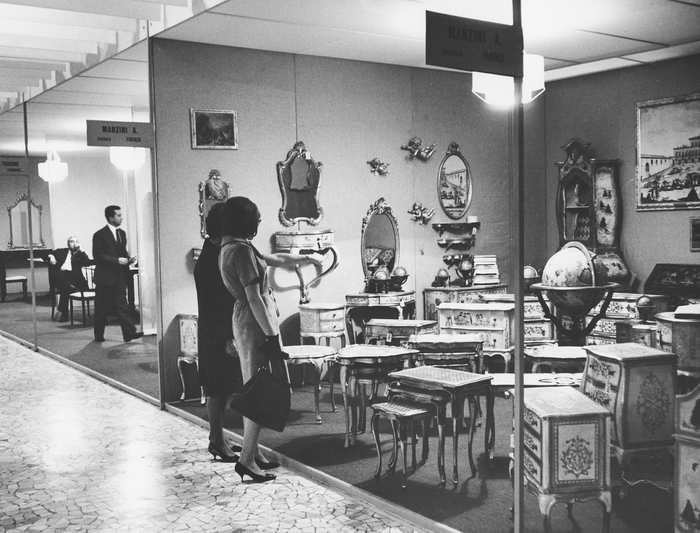
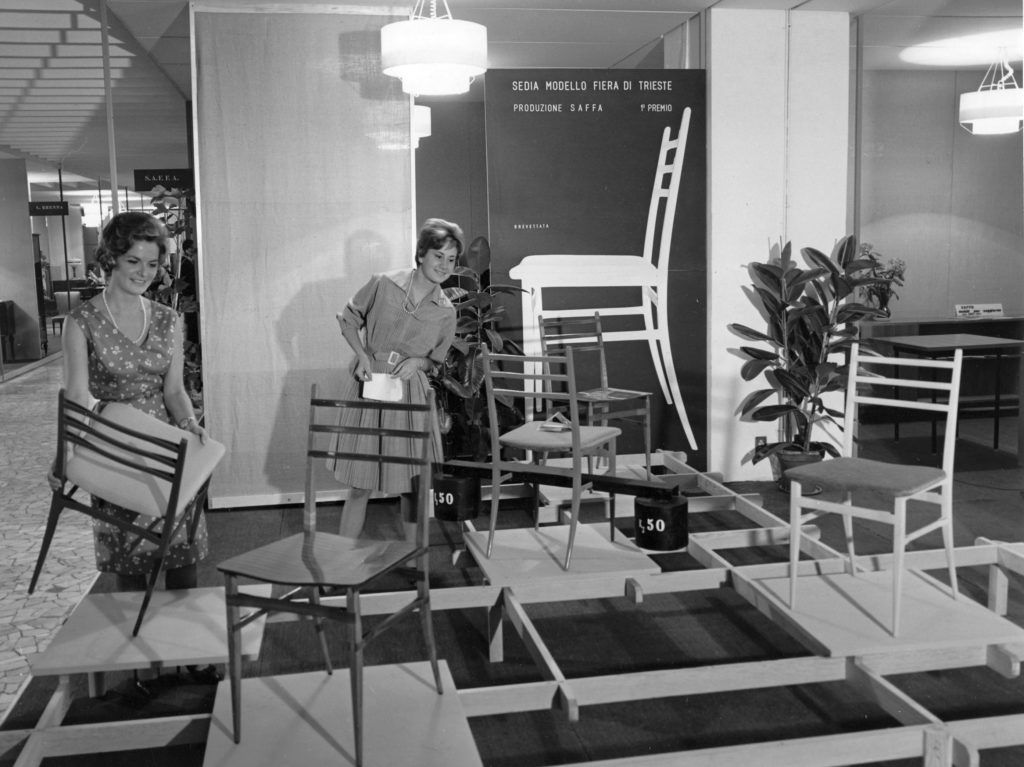
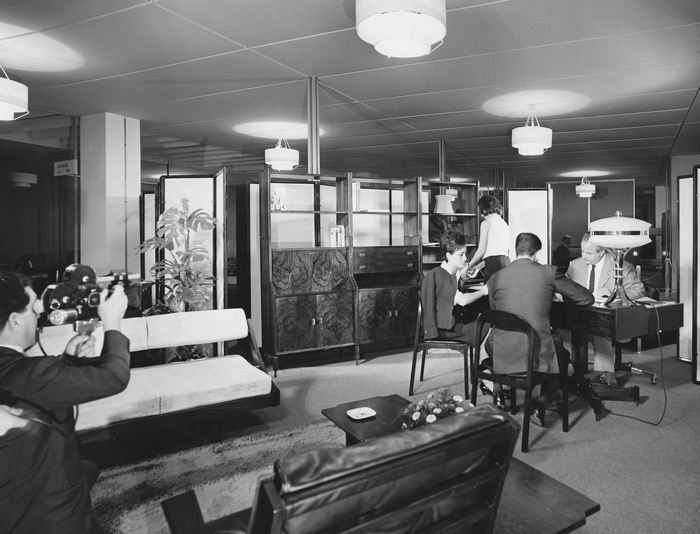
At the beginning of the 1960s, the Italian economy started to grow again: cities expanded, new homes were built, and new furniture was needed for Italian families. There was therefore a need for a meeting point between the many small and medium-sized Italian businesses and consumers looking for modern and practical furniture for their new homes.
After visiting a furniture exhibition in Germany, the entrepreneurs of the Italian Federation of Wood and Cork Industries returned home convinced that a sector-specific fair was necessary to give the Italian industry the boost it needed to restart. It was the proverbial perfect storm: Italian companies found customers both at home and abroad, multiplying their business volume and turning Italian design into a cultural institution – as well as one of the symbols of the economic boom of those years.
Today’s Salone is 20 times larger than it was in the 1960s
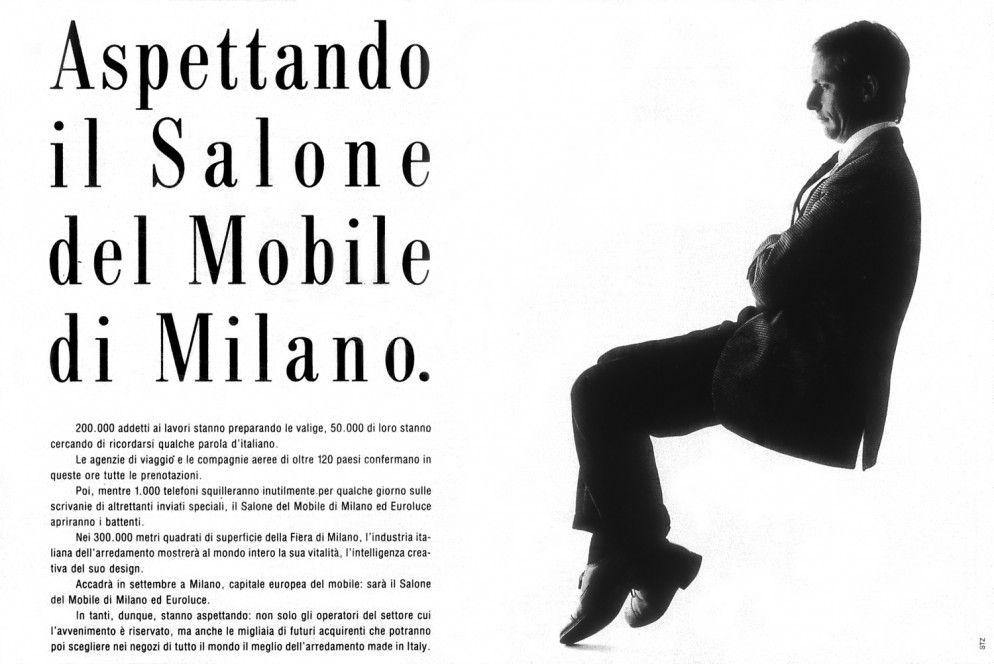
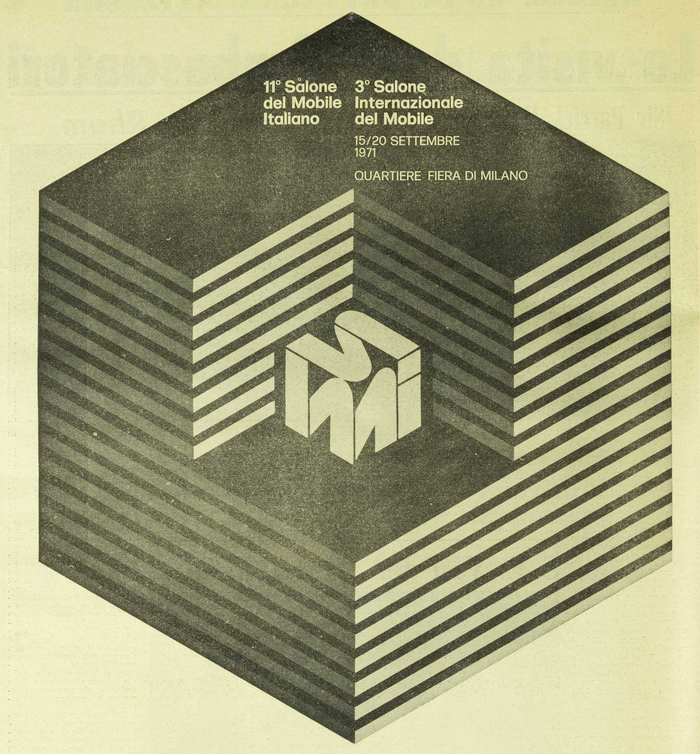
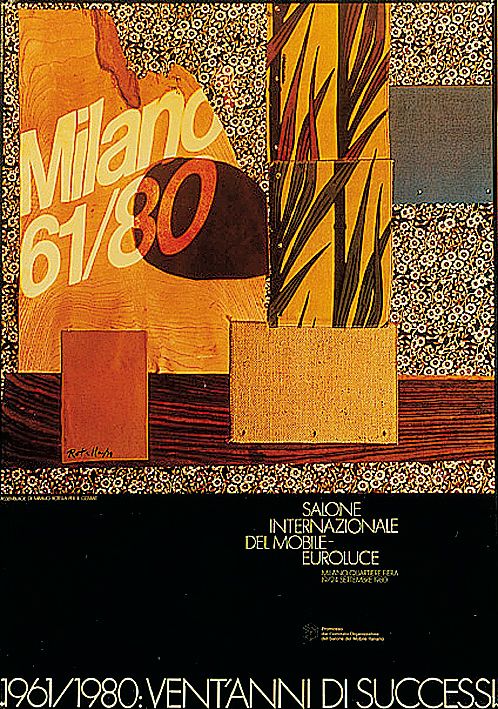
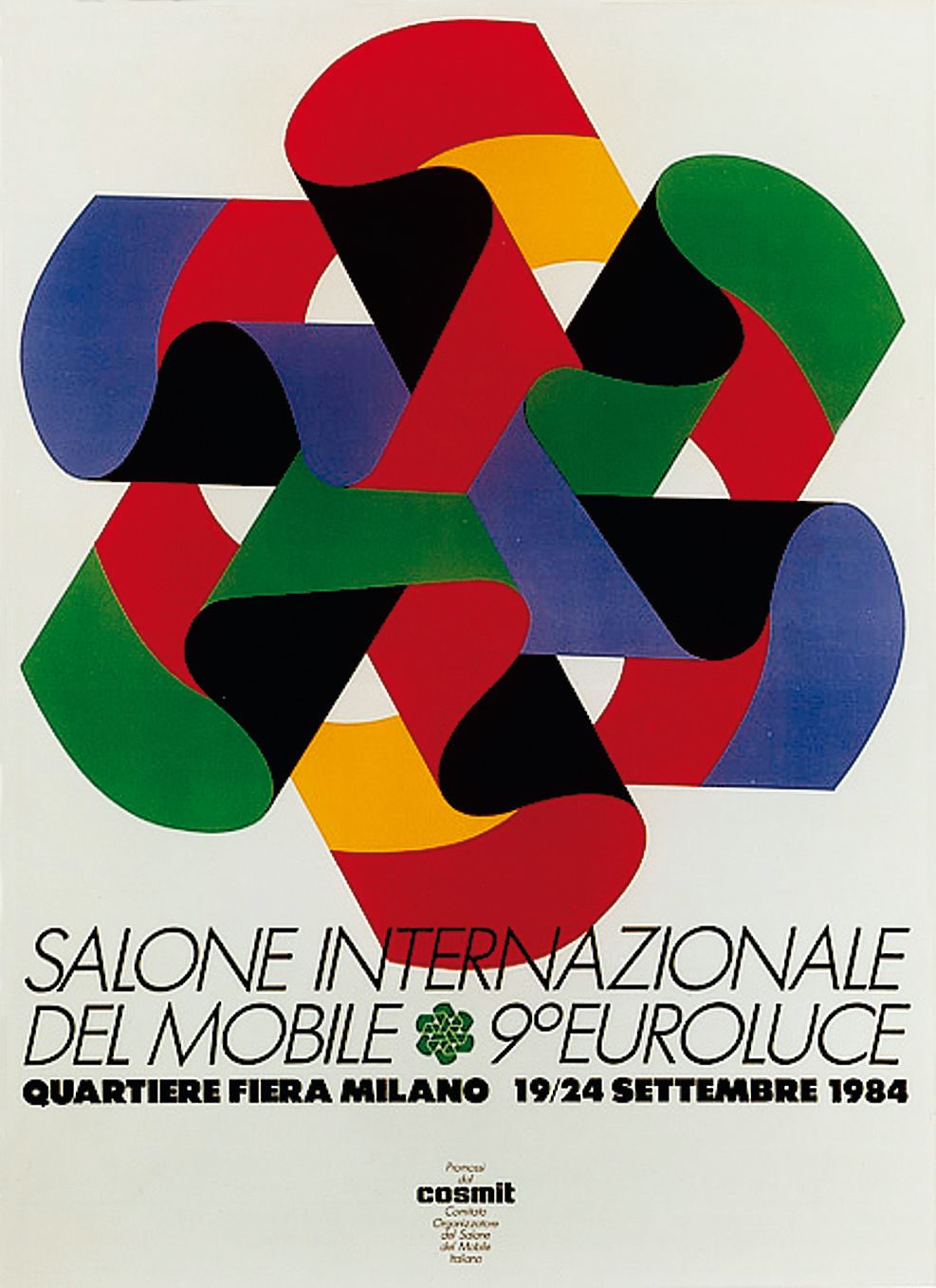
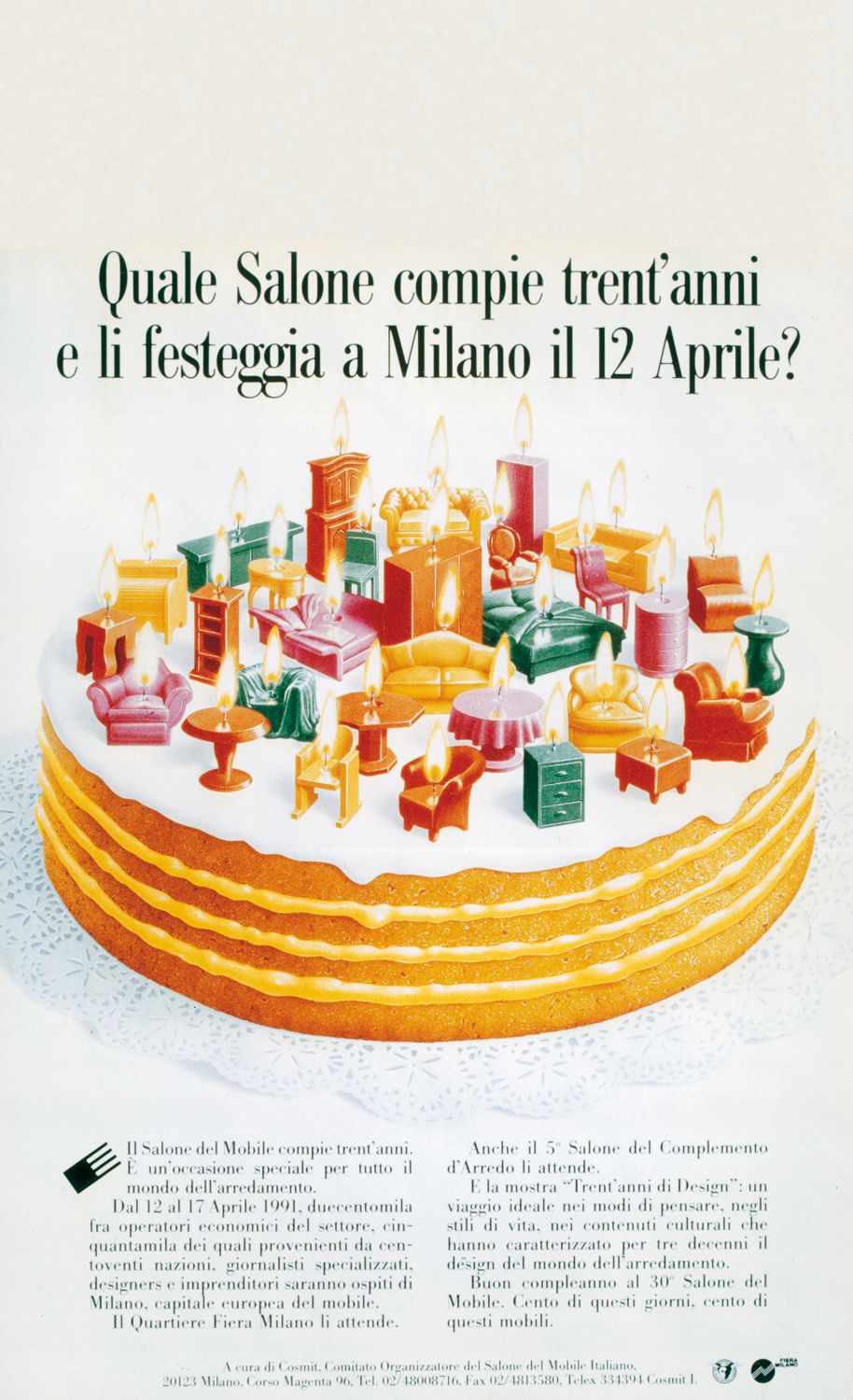
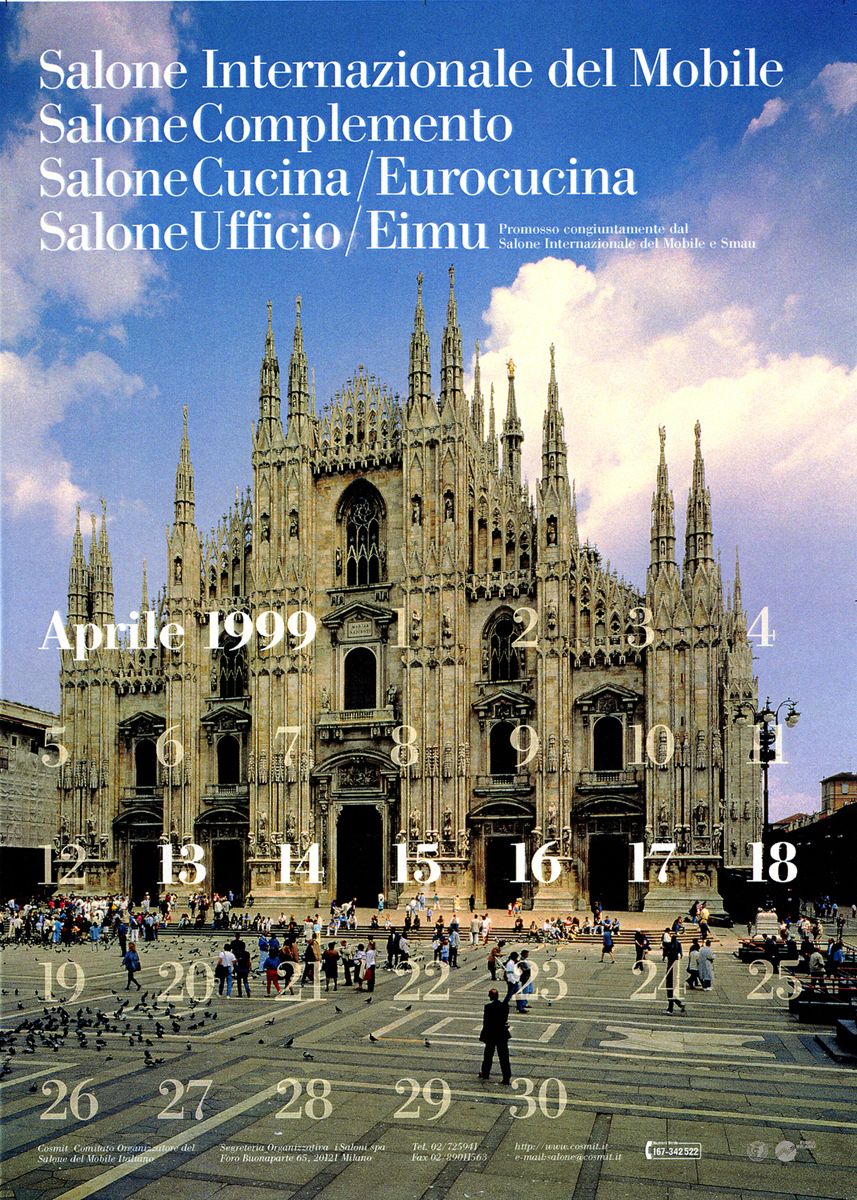
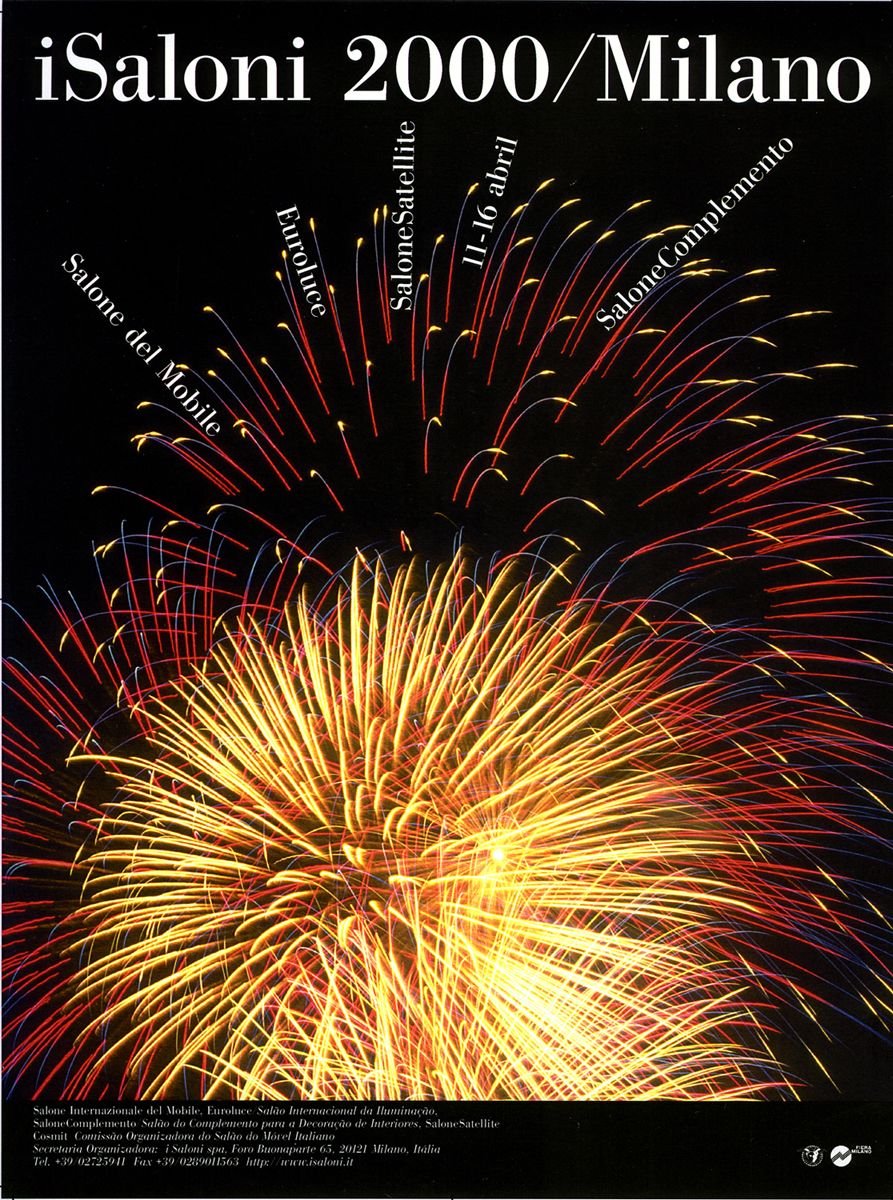
Over the years, the Salone del Mobile became increasingly linked to the myth of Italian design, which had already originated in the mid-1940s but reached full maturity in the 1960s, thanks both to the new purchasing power of citizens and the discovery of new materials such as polyurethane. The growth of the Salone was enormous: while the first edition took place over an exhibition area of 11,860 square meters, the regular Salone del Mobile now covers an area of 205,000 square meters – almost twenty times larger.
The current venue was designed by Massimiliano Fuksas
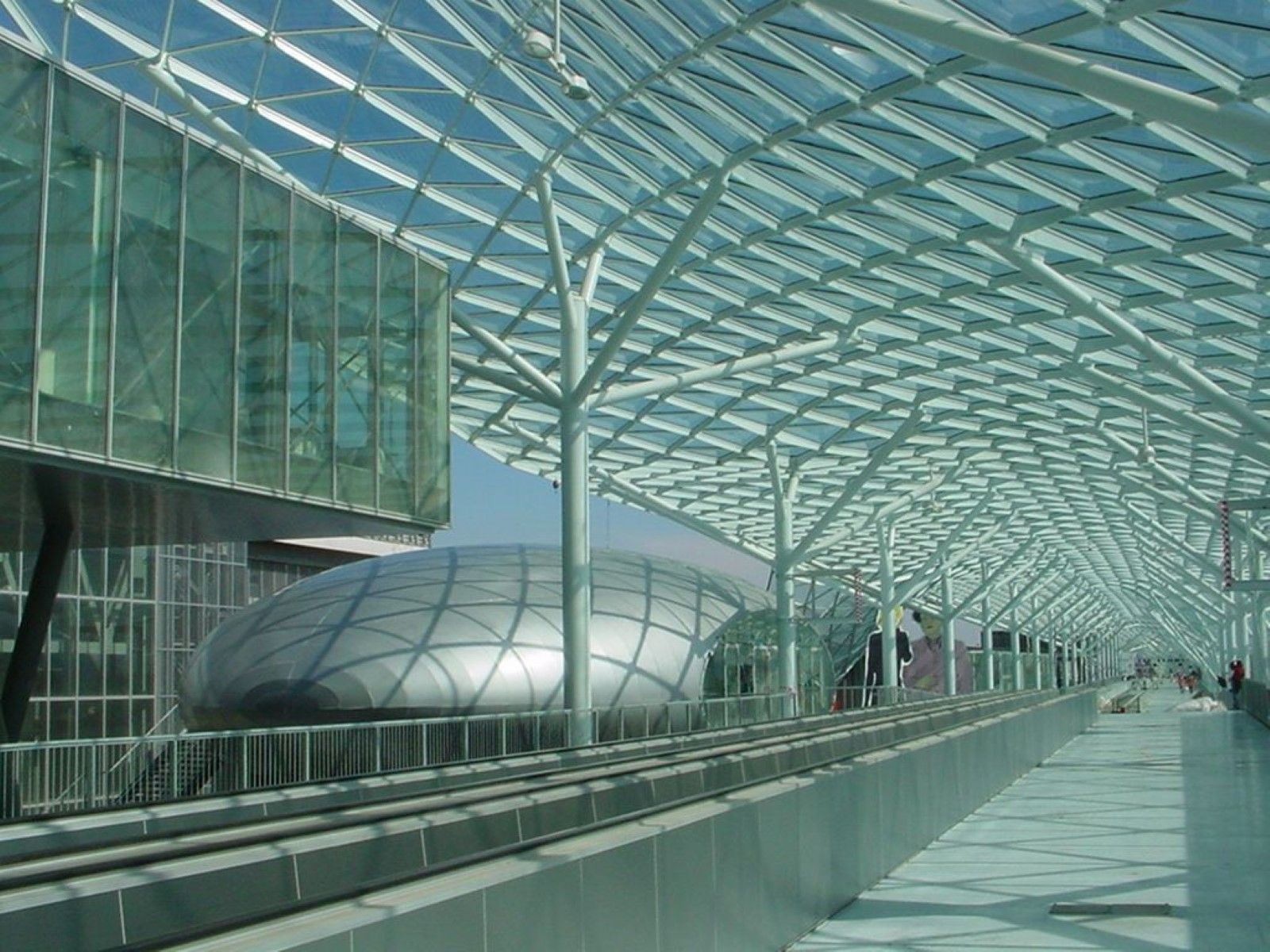
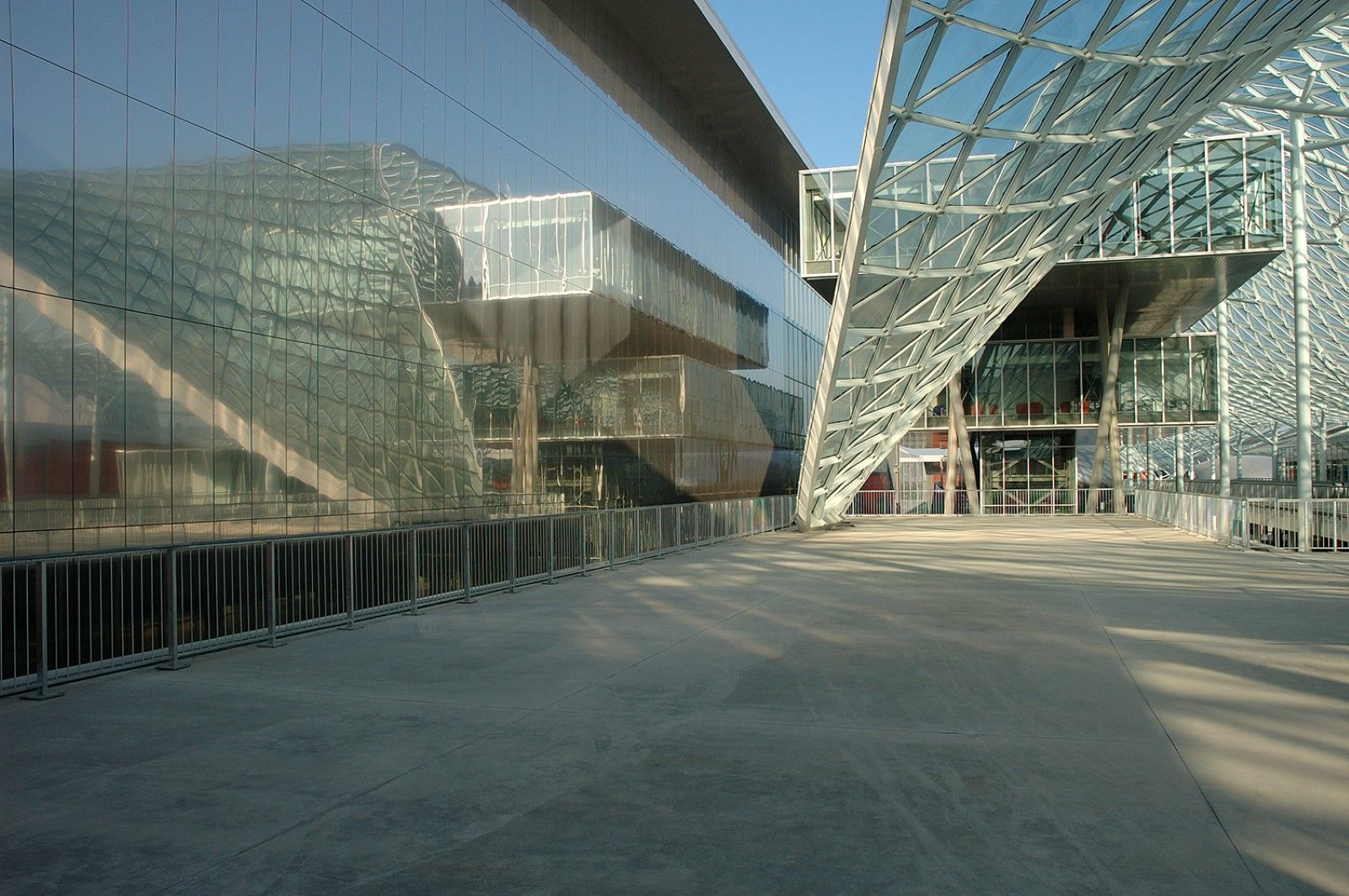
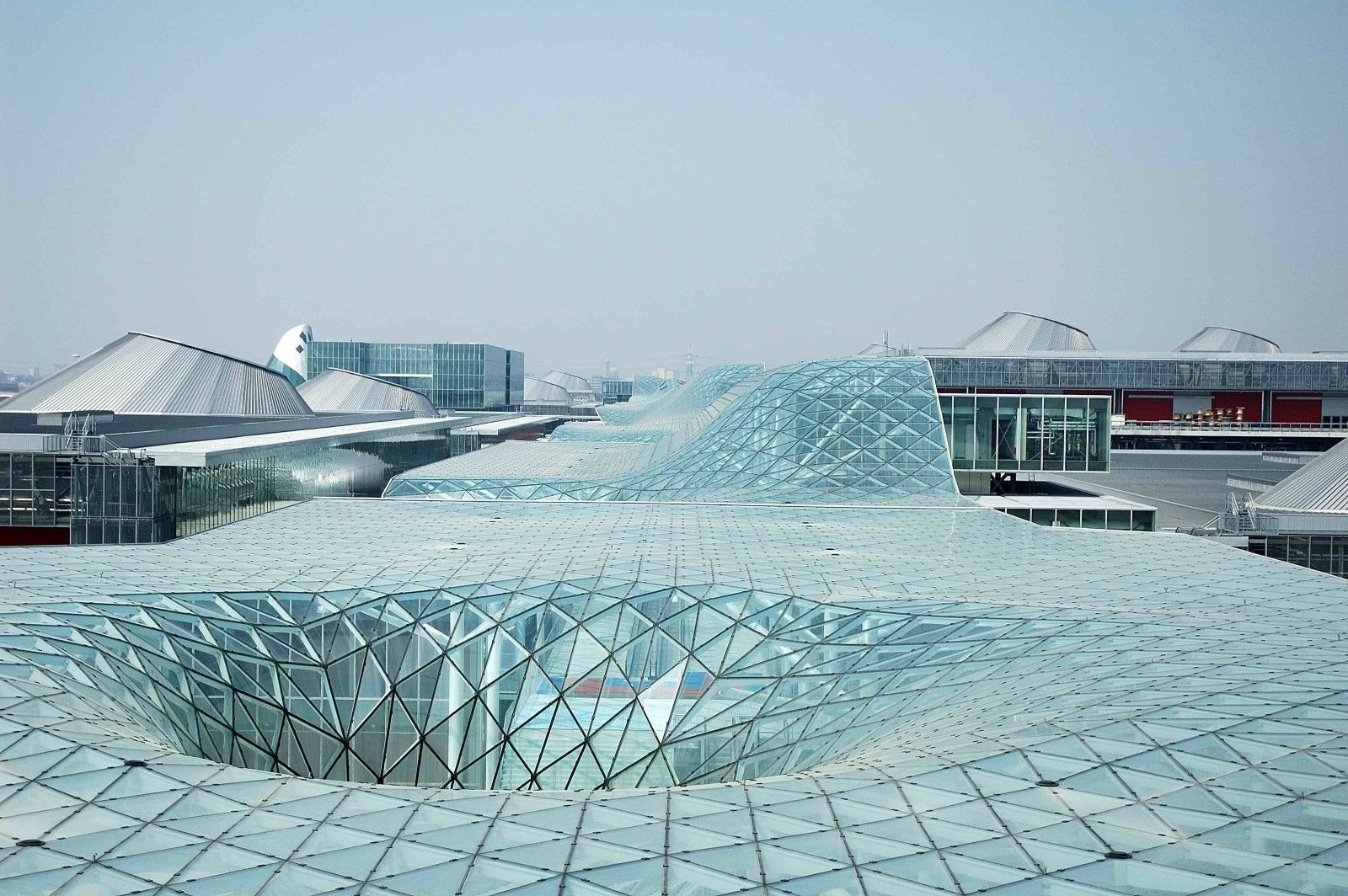
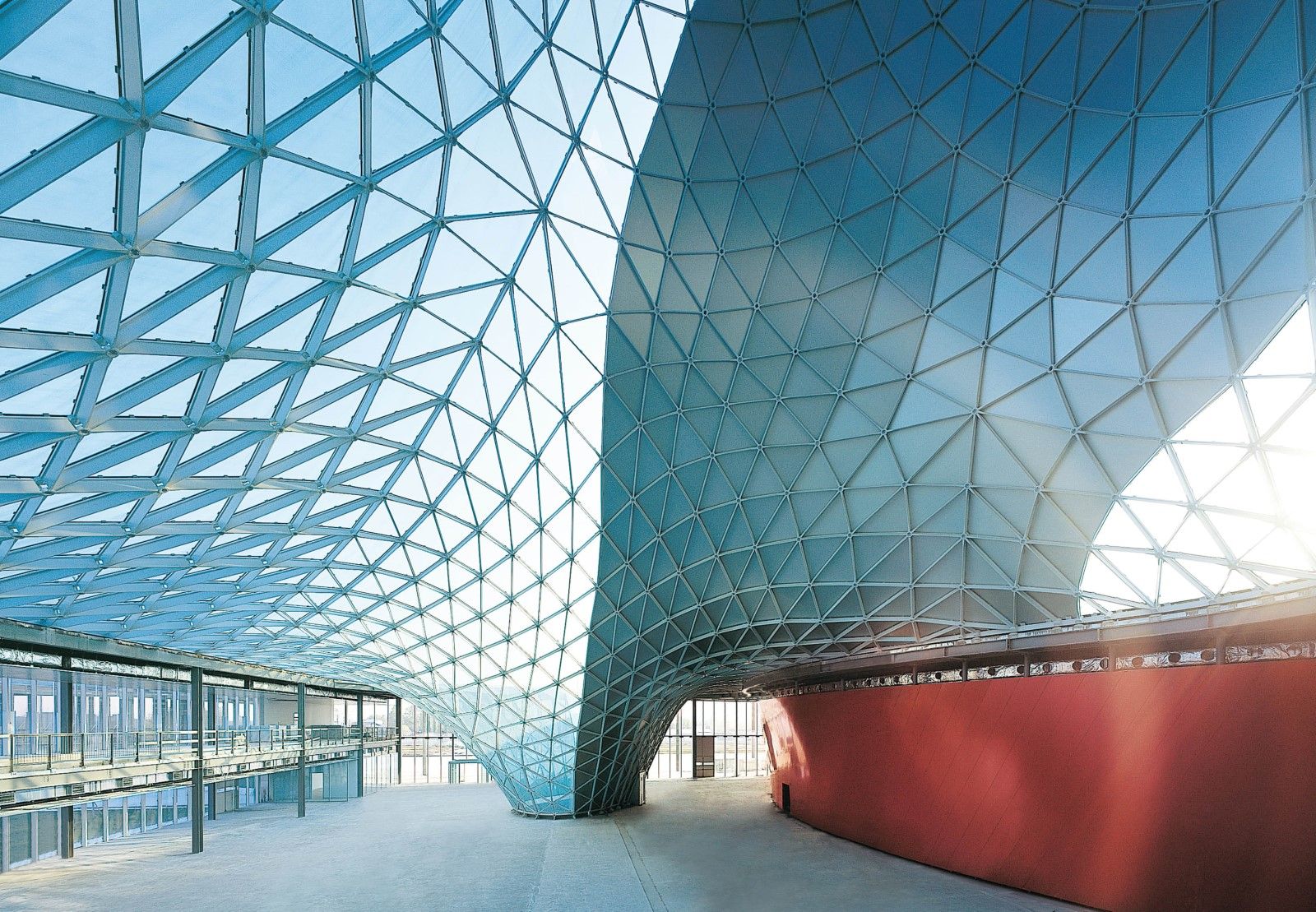
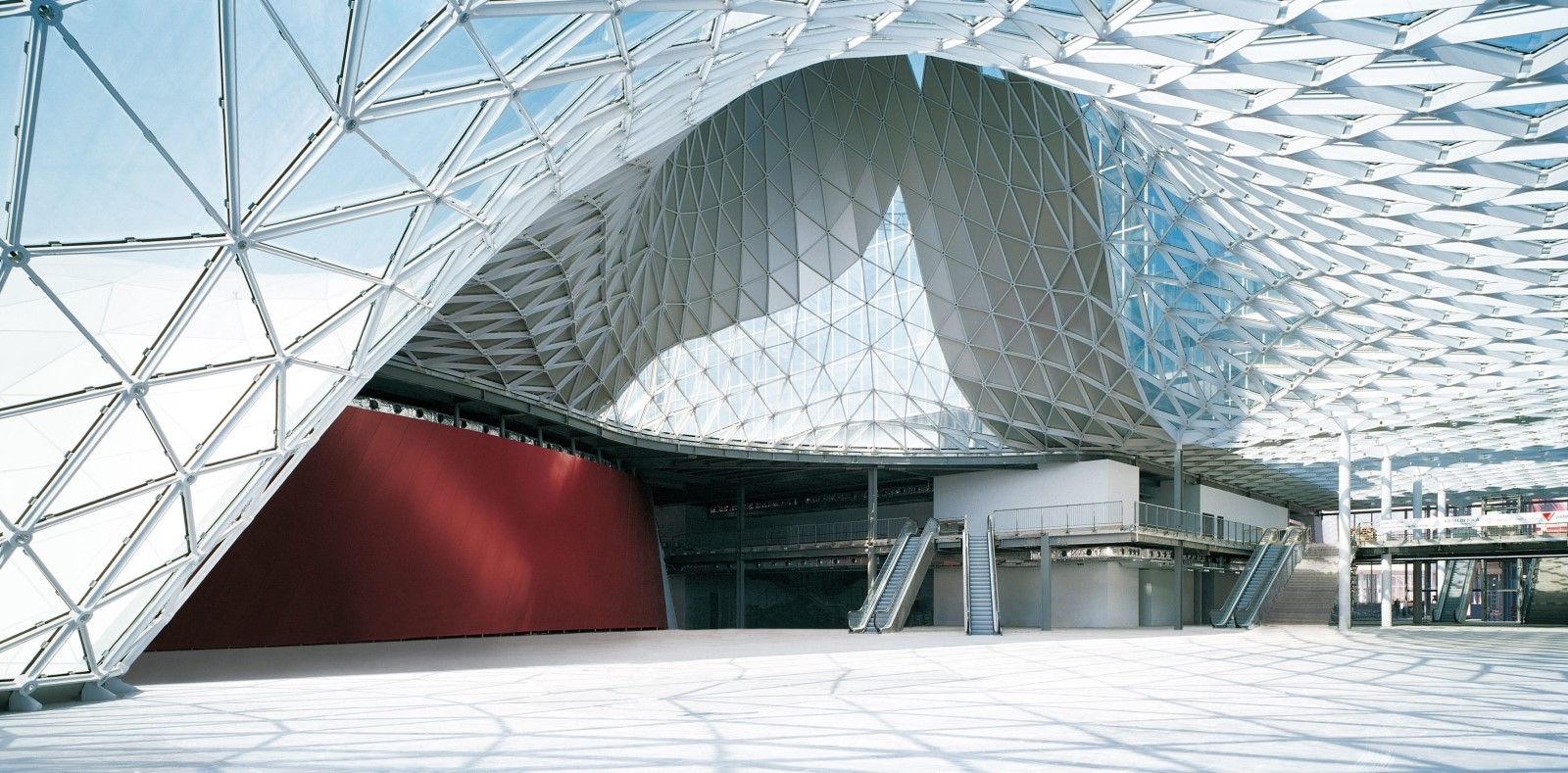
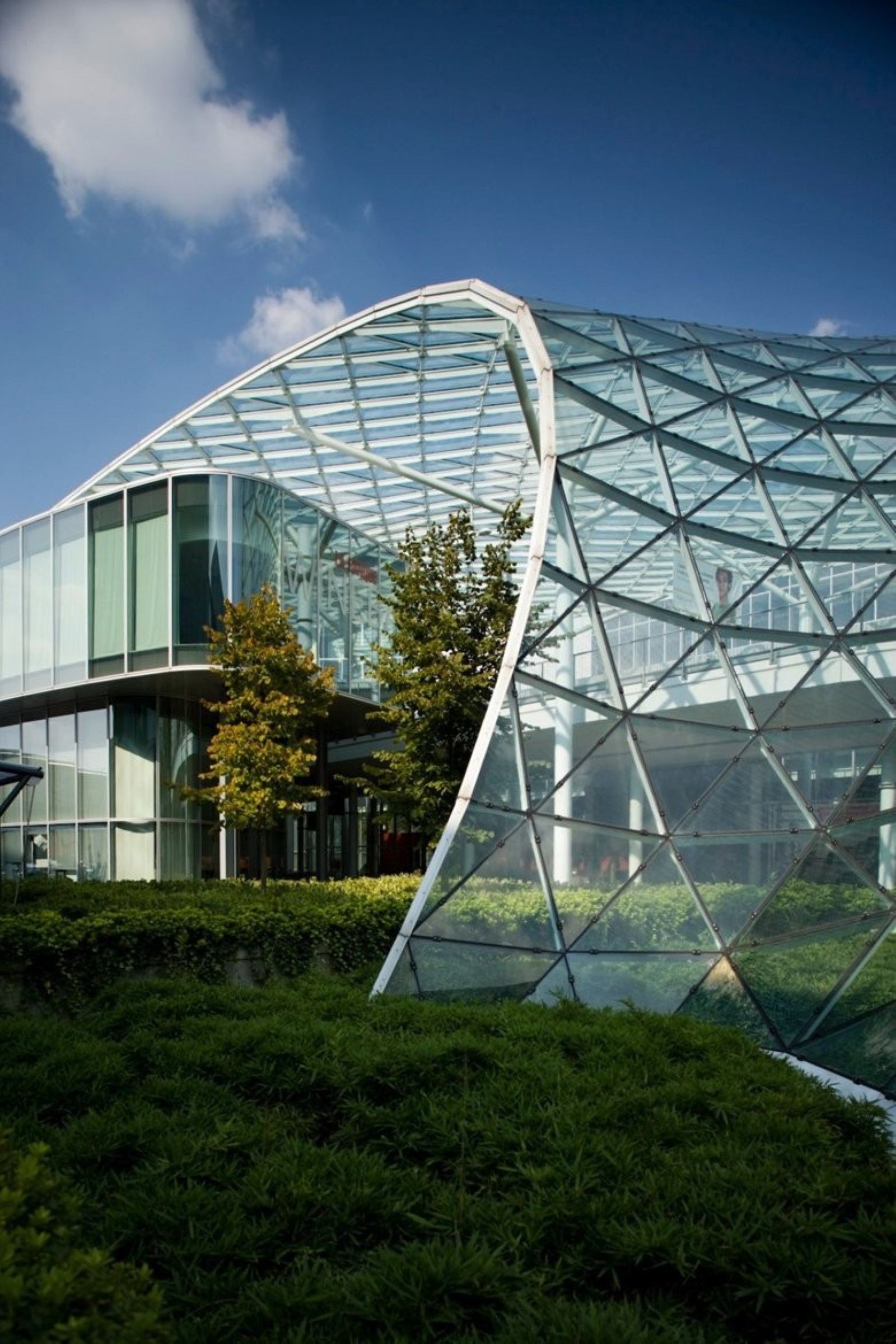
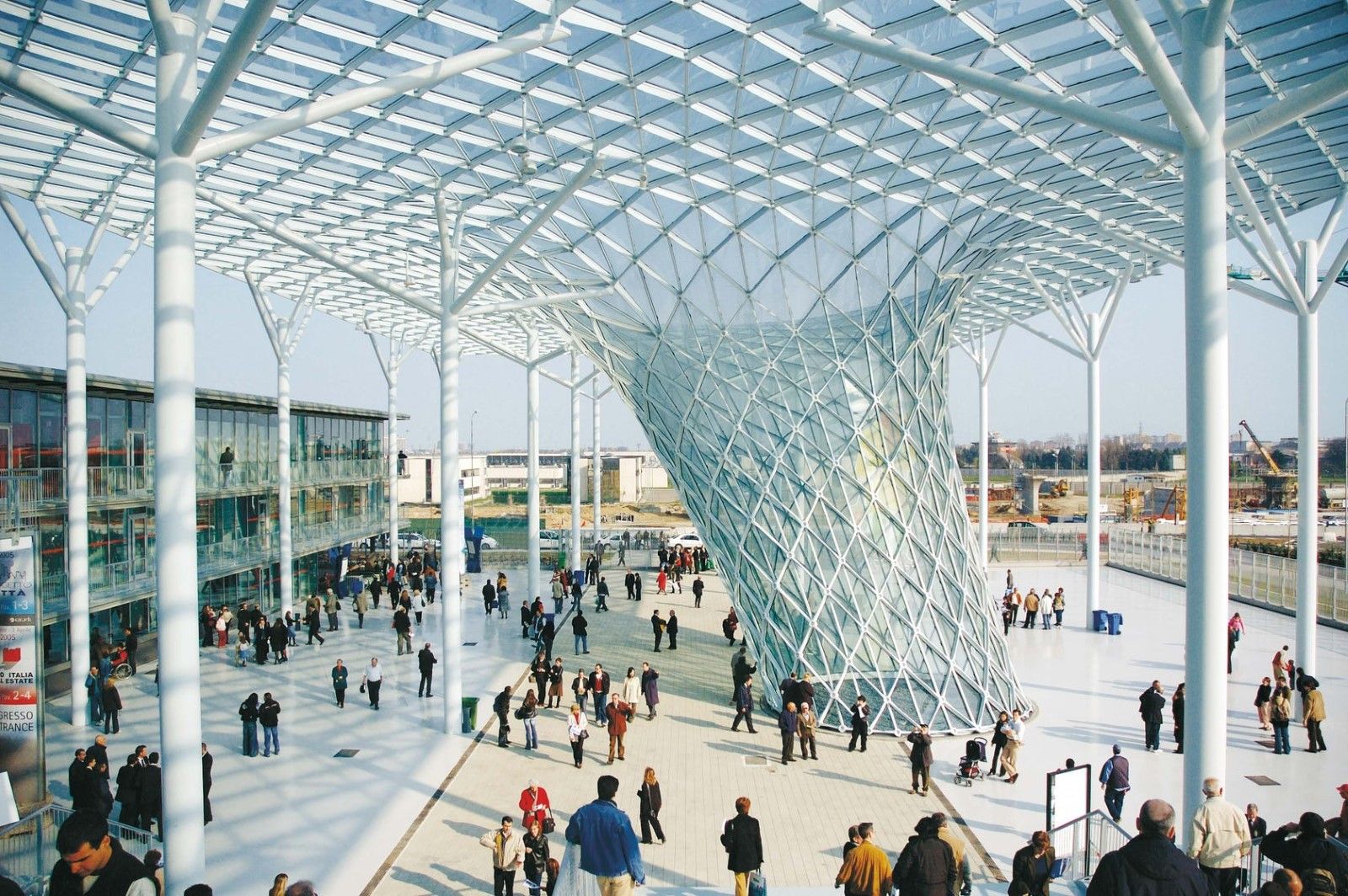
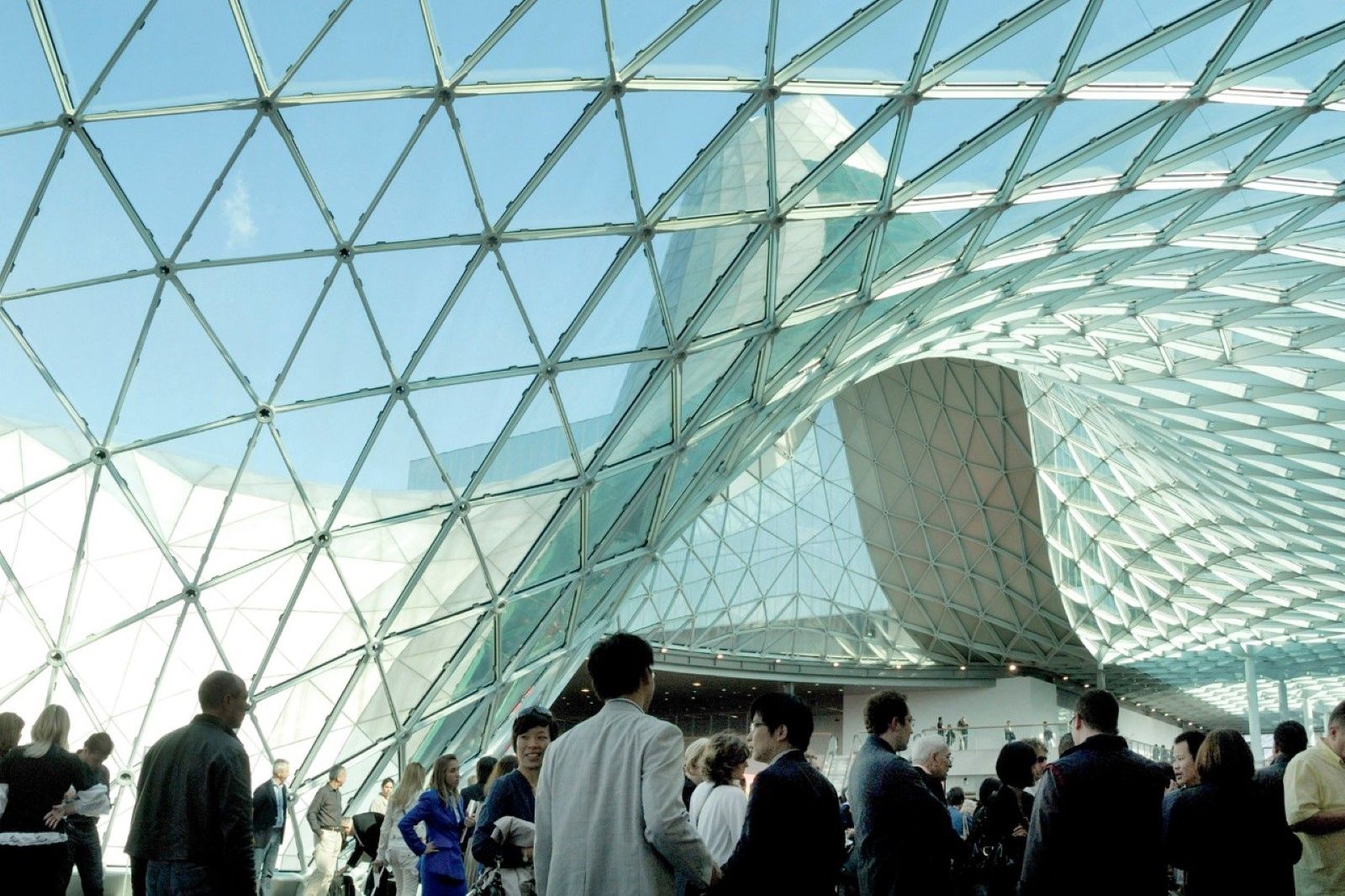
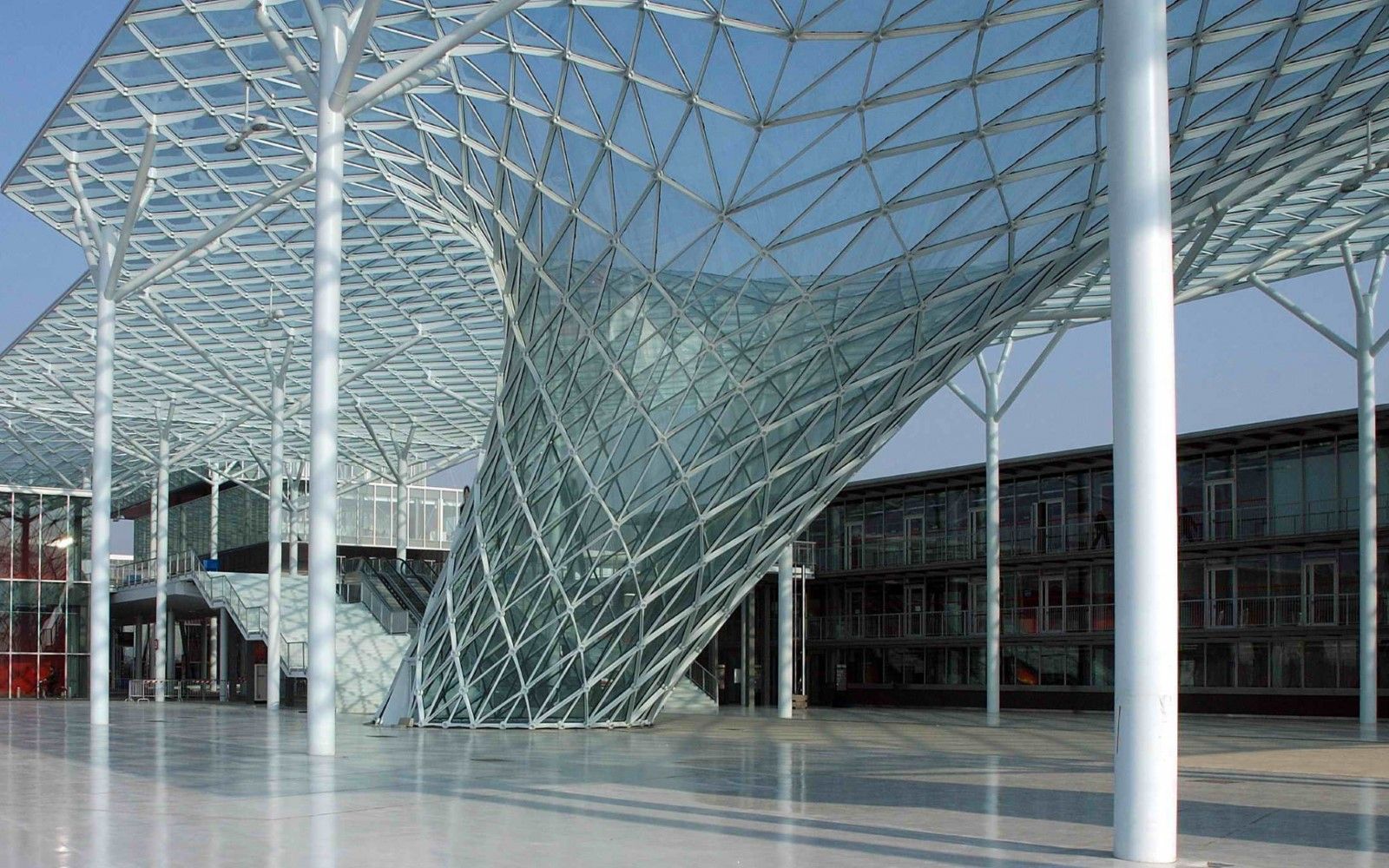
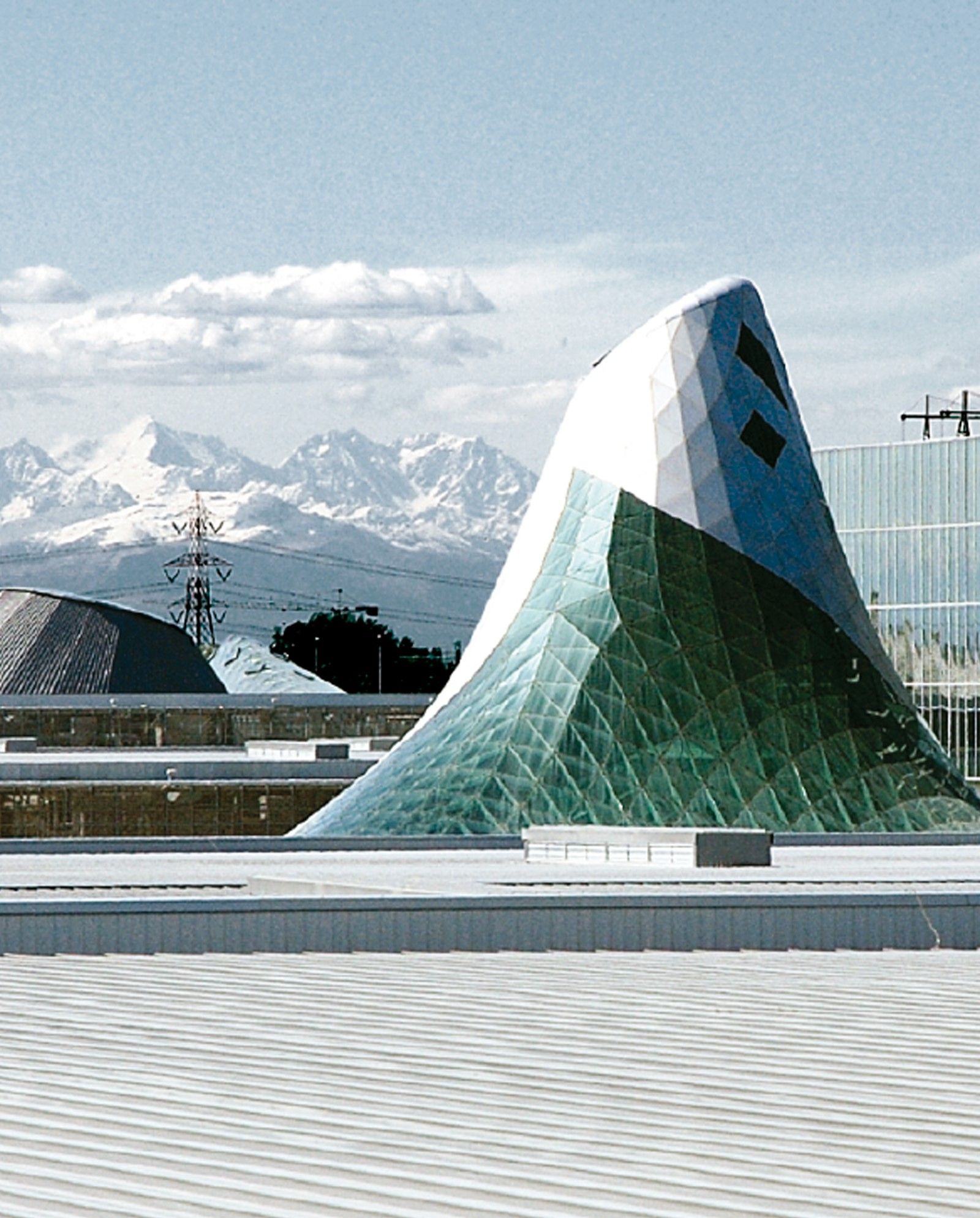
The year 2005 was very important because the Salone del Mobile moved from the Fieramilanocity site in Portello to the new Fieramilano in Rho - designed by Massimiliano Fuksas - one of the most modern and important exhibition centers in Europe, as well as the largest on the continent overall. The gigantic complex, recognizable for its futuristic steel and glass structures, includes eight pavilions, 80 conference rooms, 45 dining areas, as well as offices and a management center equipped with four towers.
What to read next
Fashion Graduate Italia presents “Speak Up”
A new edition dedicated to young future professionals in the fashion world

The PUMA Suede Forever proves that classics never go out of style
Three new colorways and a silhouette spanning nearly sixty years of history — the latest chapter of Never Not Suede goes back to its roots
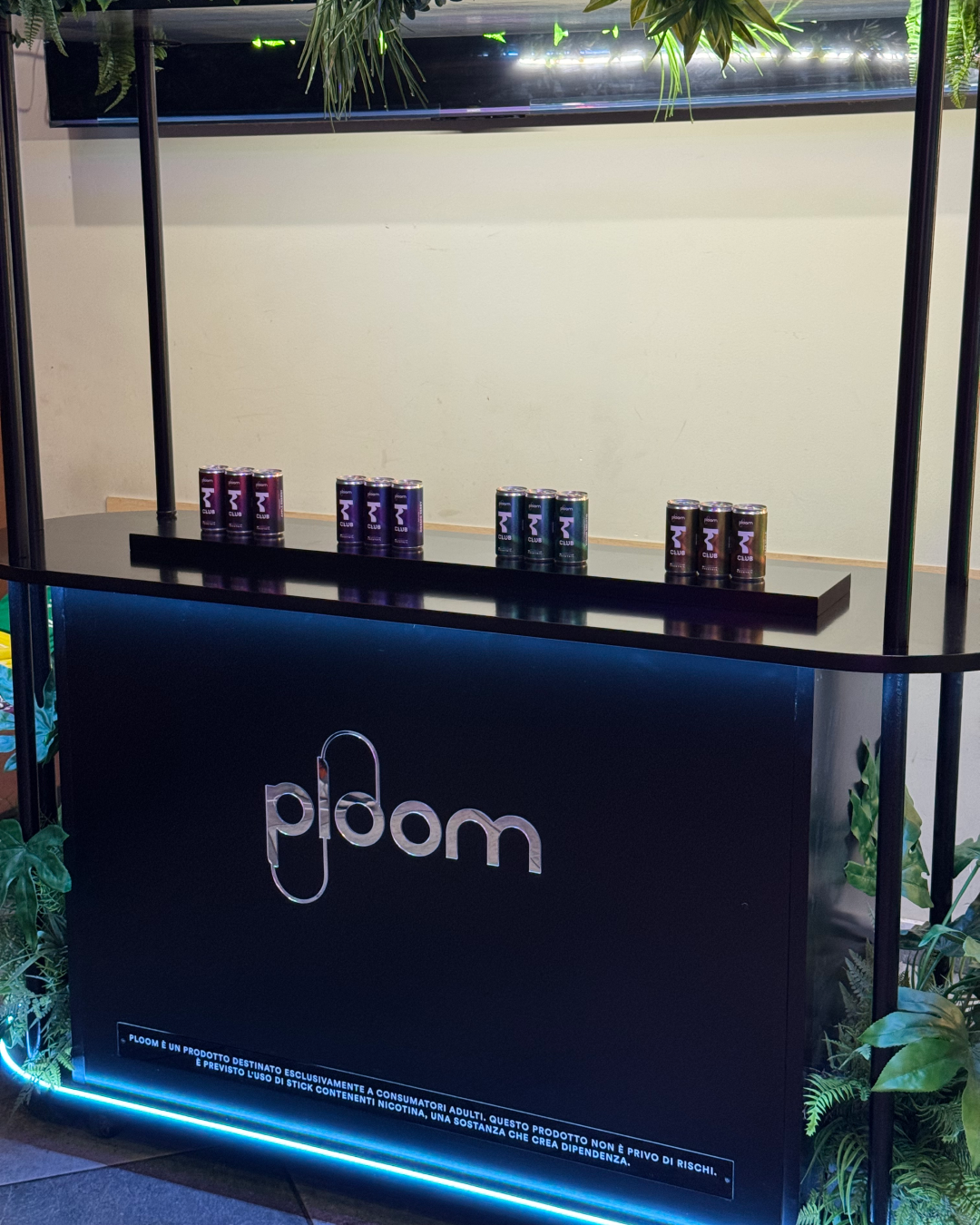
Ploom* reinvents soft clubbing with T-Club
DJ sets, non-alcoholic drinks inspired by the new LYO* range, and exclusive gadgets