
Amarcord: the newsstands of the Romagna Riviera Excerpt from “Edicola Italiana” the first free press of nss newsstand
The Sea Newsstand, the Bellavista Newsstand, the Lido Newsstand: metonyms of the Romagna Riviera that they still try to survive today, between a renovated waterfront and a closed editorial office. Visions of walks on the beach or on the sidewalk full of bicycles and mopeds, with the signs of the Resto del Carlino and the Corriere Romagna that make those kiosks that have always been considered social places recognizable. But that they risk becoming mirages.
Coffee in company, a chat about the local news, the essence of the Riviera's newspapers, a soccer commentary and then a bunch of jokes in dialect. In short, “the calves are beached at the bar”, to quote Federico Fellini, born and raised in Rimini. Newsstands accompanied Italians, and not only that, even on vacation. The scream announced the titles, the posters with Alighiero Boetti style fonts encouraged the reader to buy the newspaper. And then the colorful toys in plain sight, protruding from the boundaries of the kiosk, as if to mean: come here to the newsstands, it's fine.
Then, over the years, these modern sculptures imprinted on the street furniture of Italian cities had to review their role, in addition to their number and their presence in the territories. Out of 7,984 Italian municipalities, more than 60% — so 4,873 — do not have a newsstand. In these areas, often inland, newspapers, magazines, stationery and entertainment are lacking. While cities, larger municipalities and seaside resorts are seeing the number of kiosks diminishing, but at the same time they try to protect this artistic and visual wealth, considering its conversion.
Because, as Fellini himself said in a RAI interview, “the provincial has towards reality, towards situations, encounters, characters, always an attitude that refers to himself: he always brings back everything to his humanity, to his limits, to his surprise, to his wonder.” And the newsstand, even today, gives many that typically childish emotional effect. To see, to discover, to know, to share, to know. Thus, in several cases, provincial citizens have decided to protect, safeguard and defend these points of encounter, of exchange, of refuge in culture. There are those who, inside, have built a vintage clothing store, in the province of Ravenna. Who, on the other hand, has opted to set up an art space, in Rovigo, Siena and recently in Turin, or a photographic exhibition.
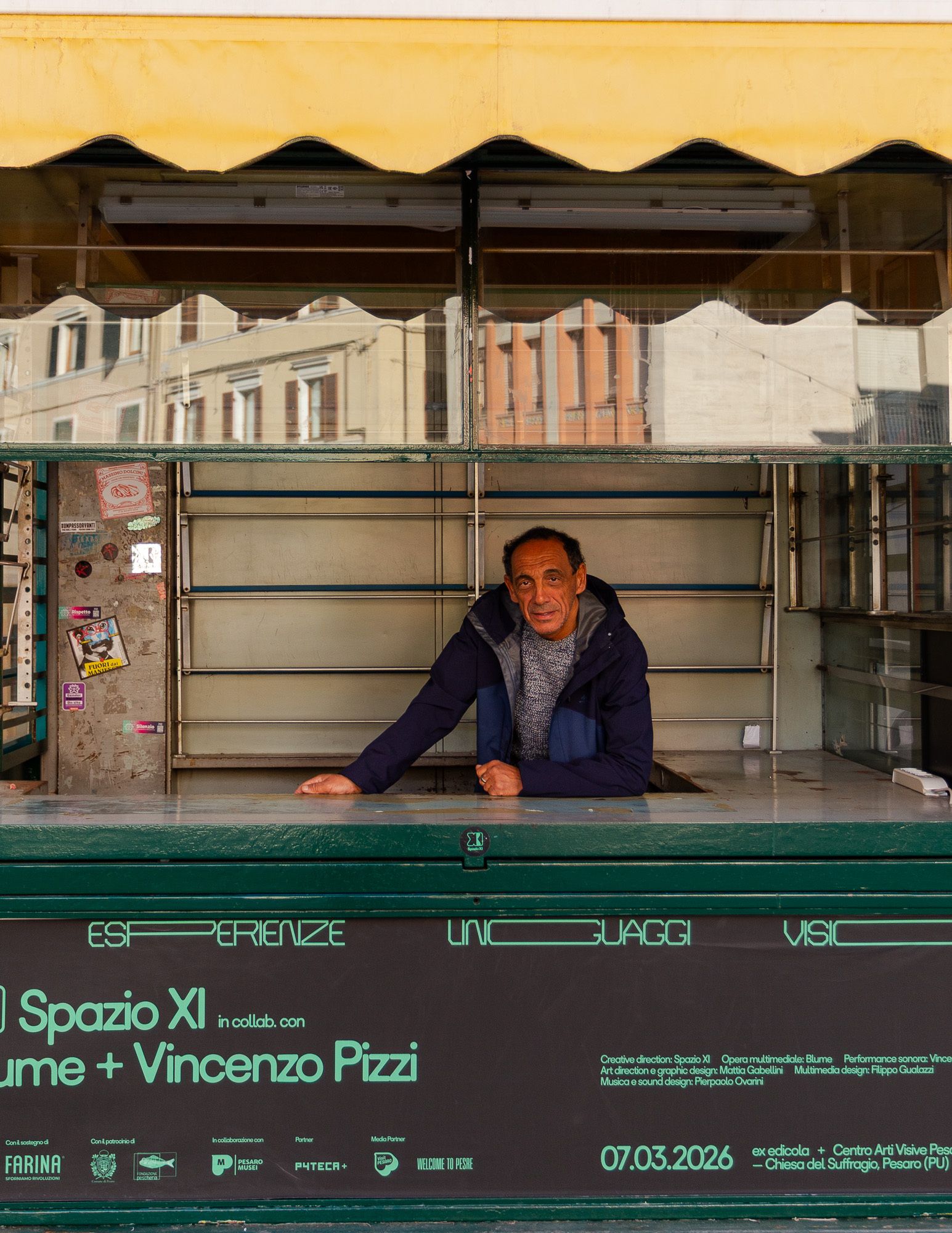
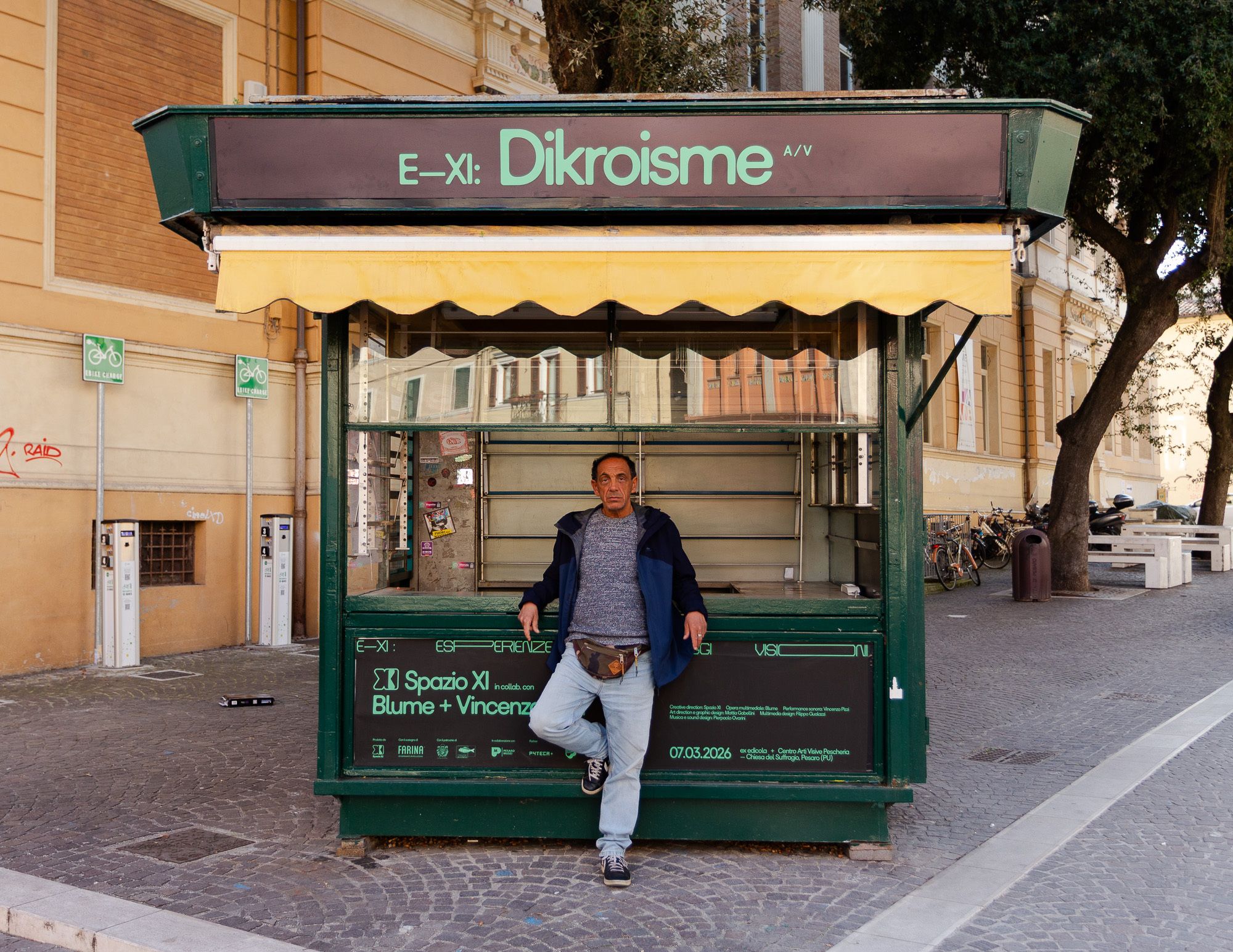
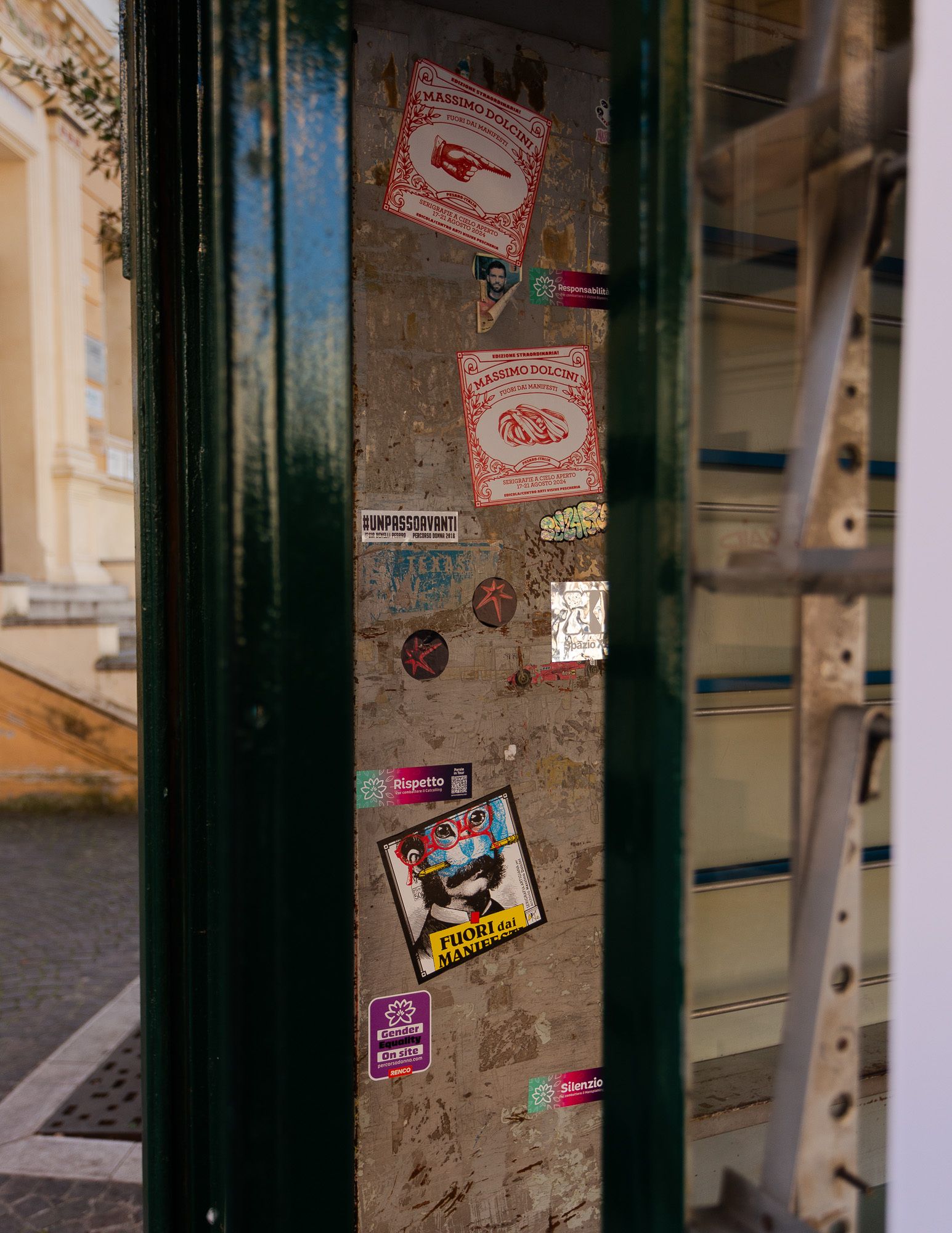
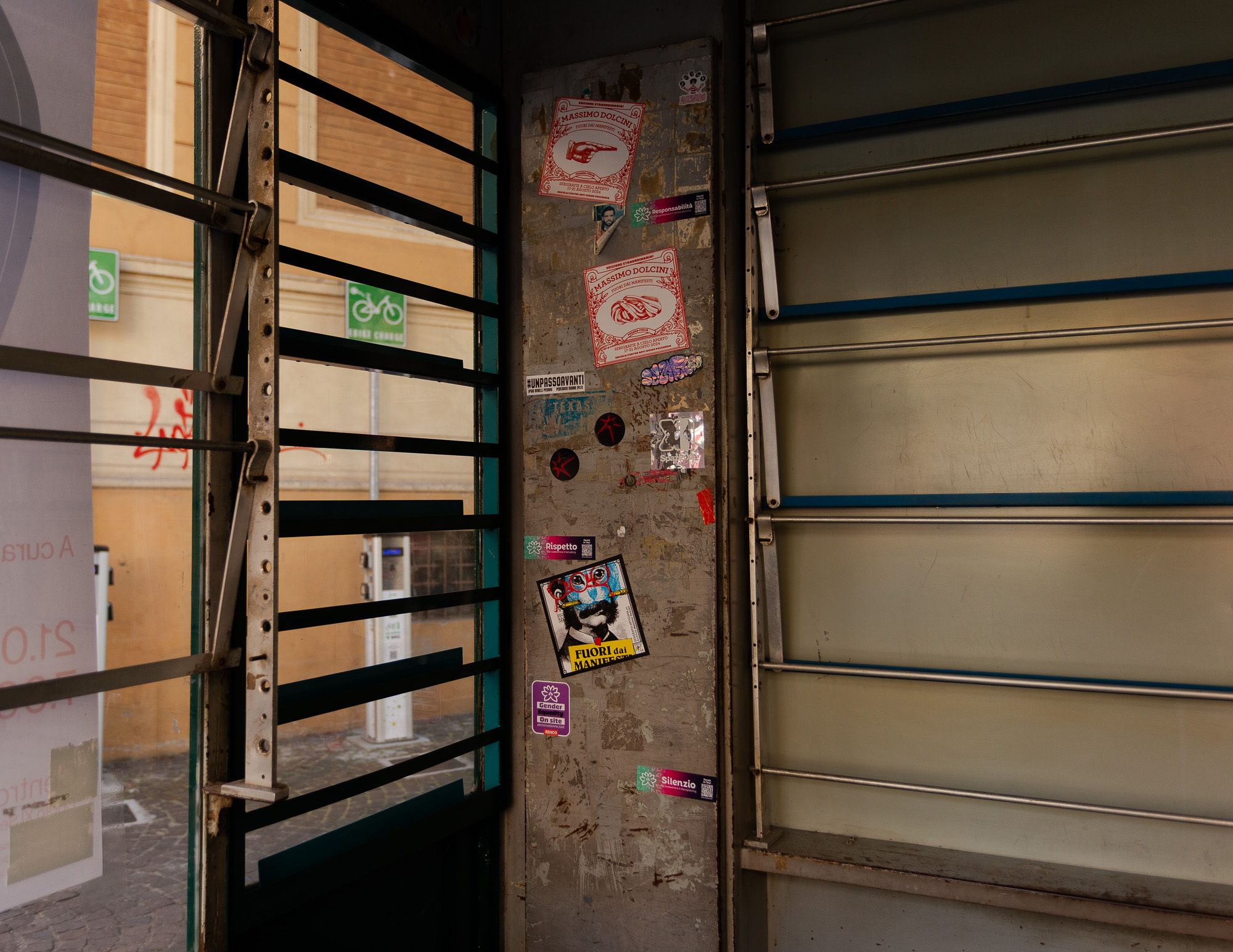
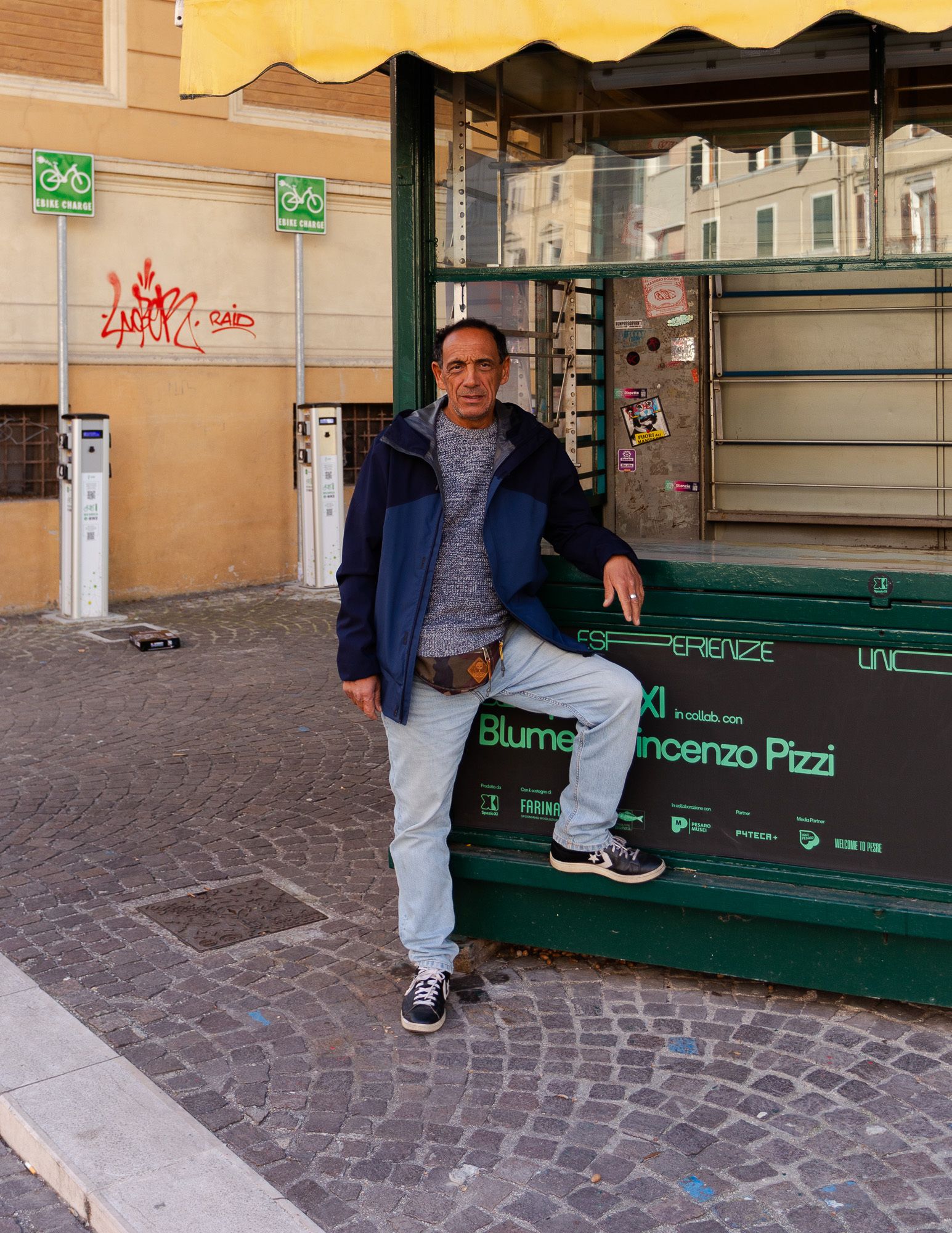
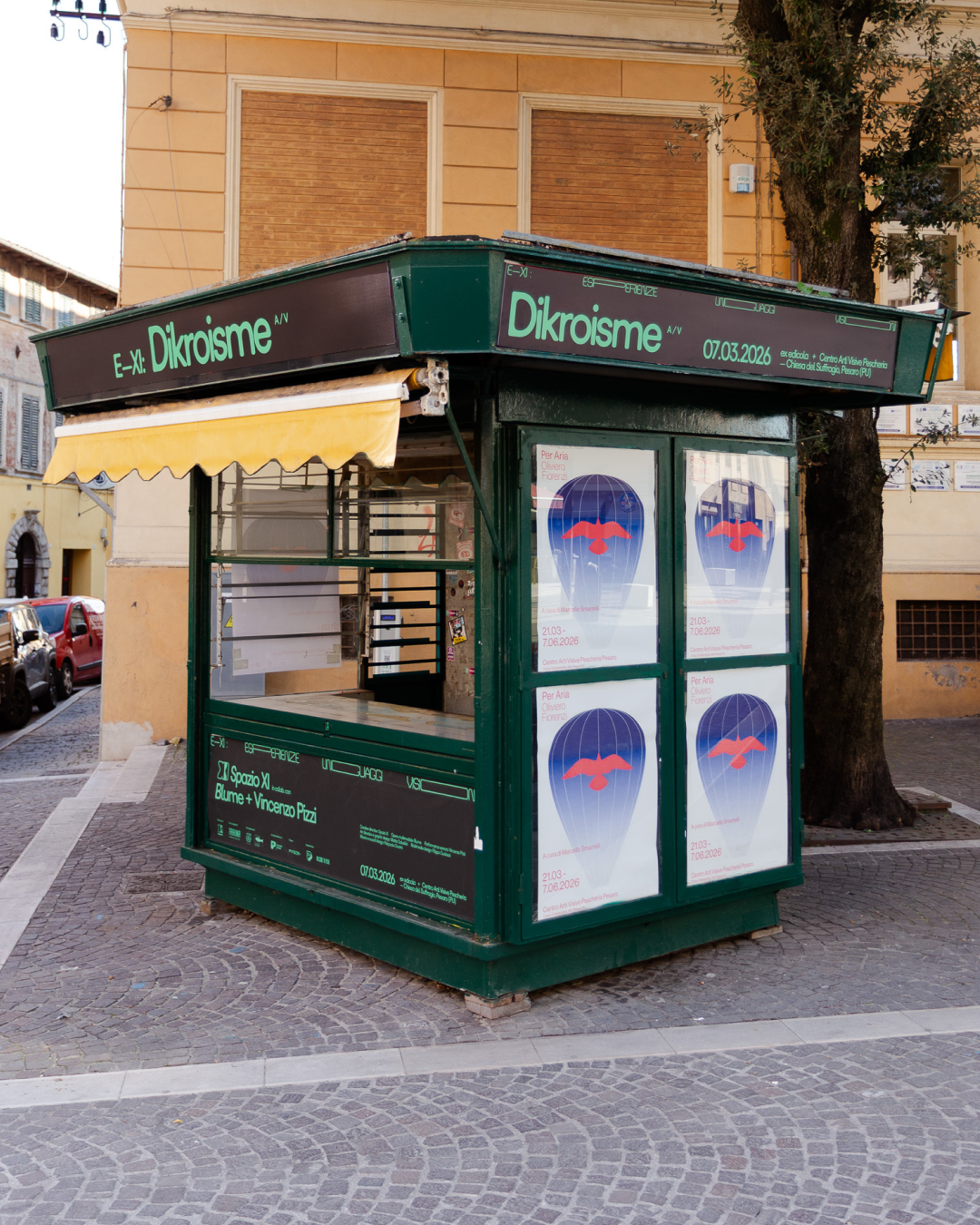
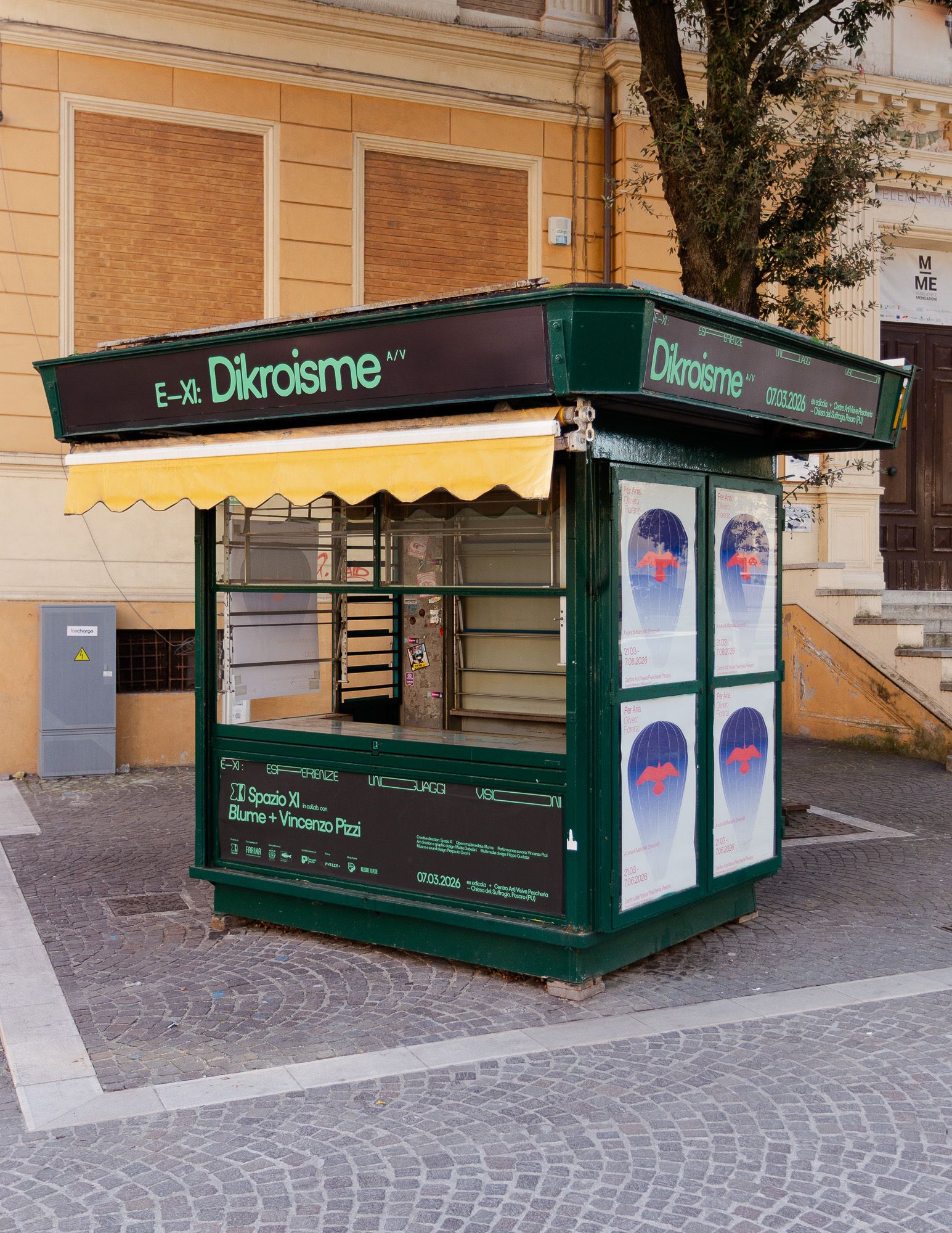
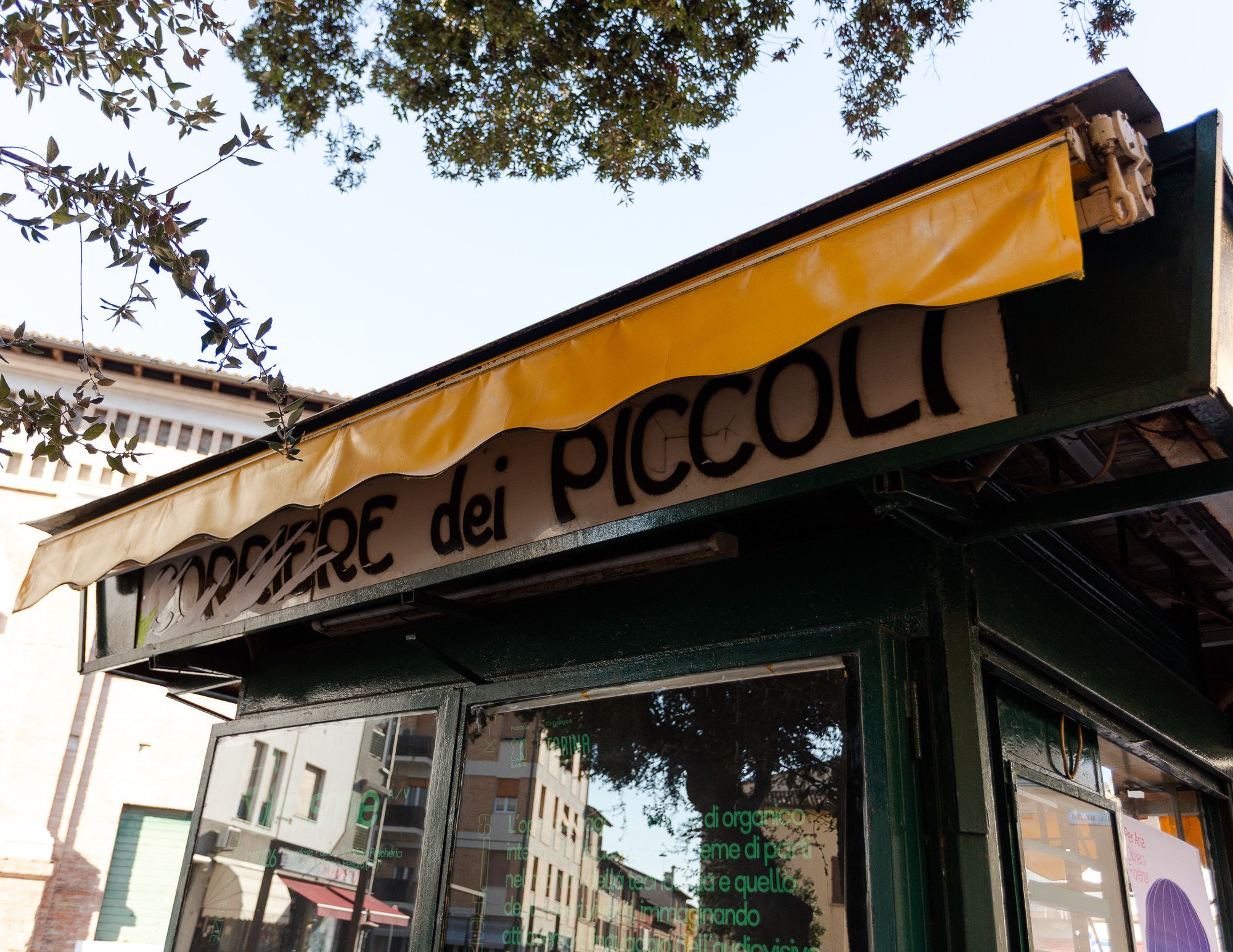
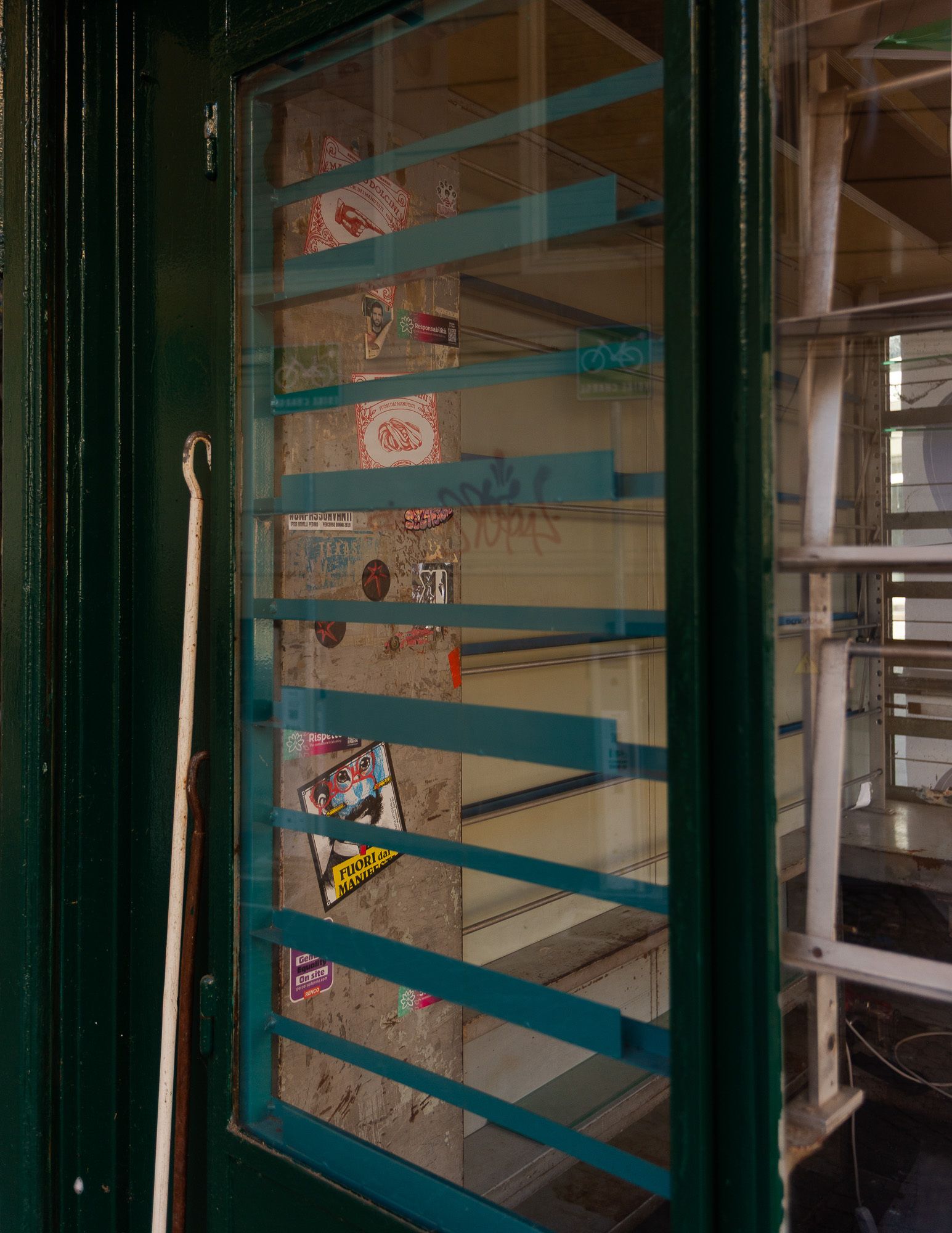
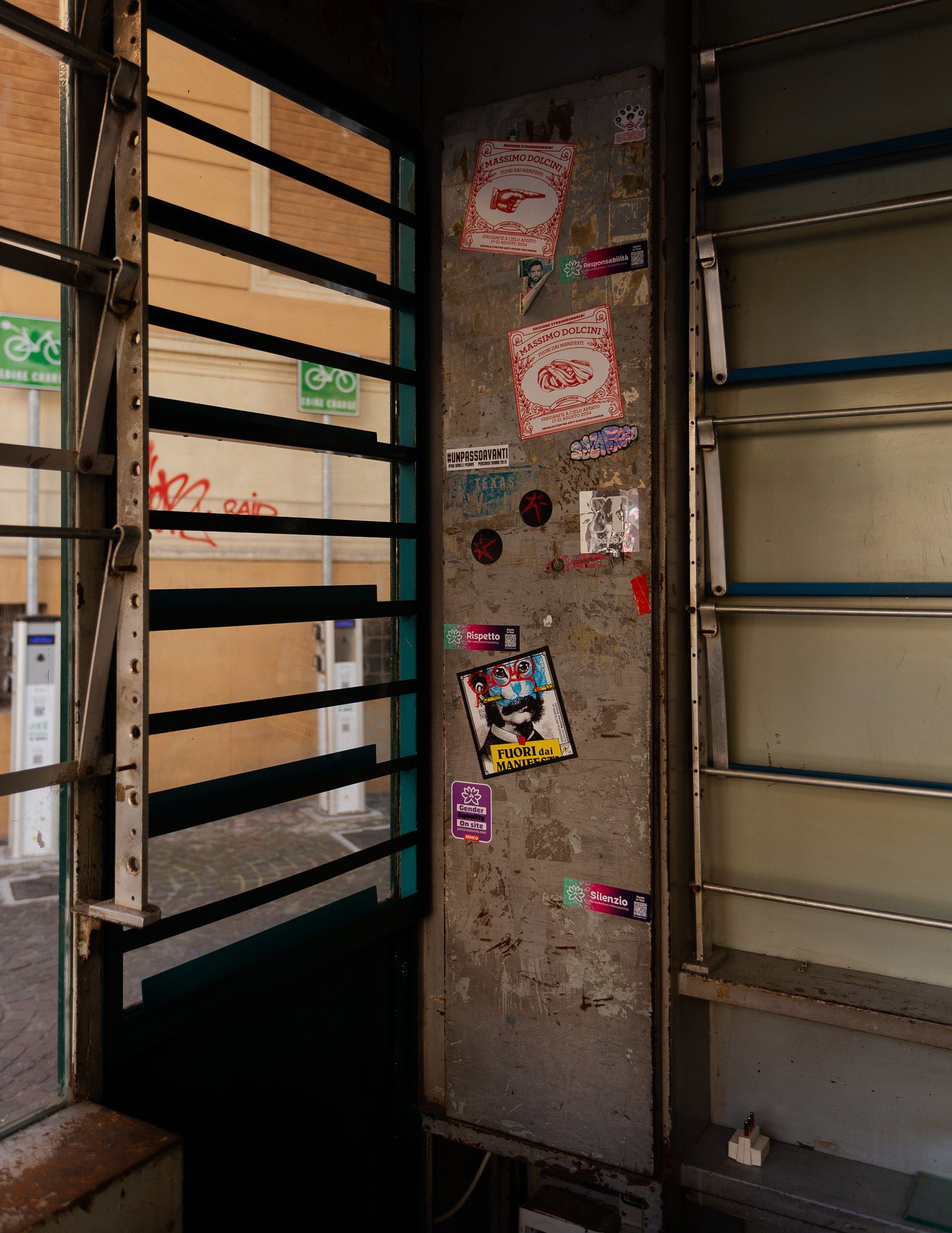
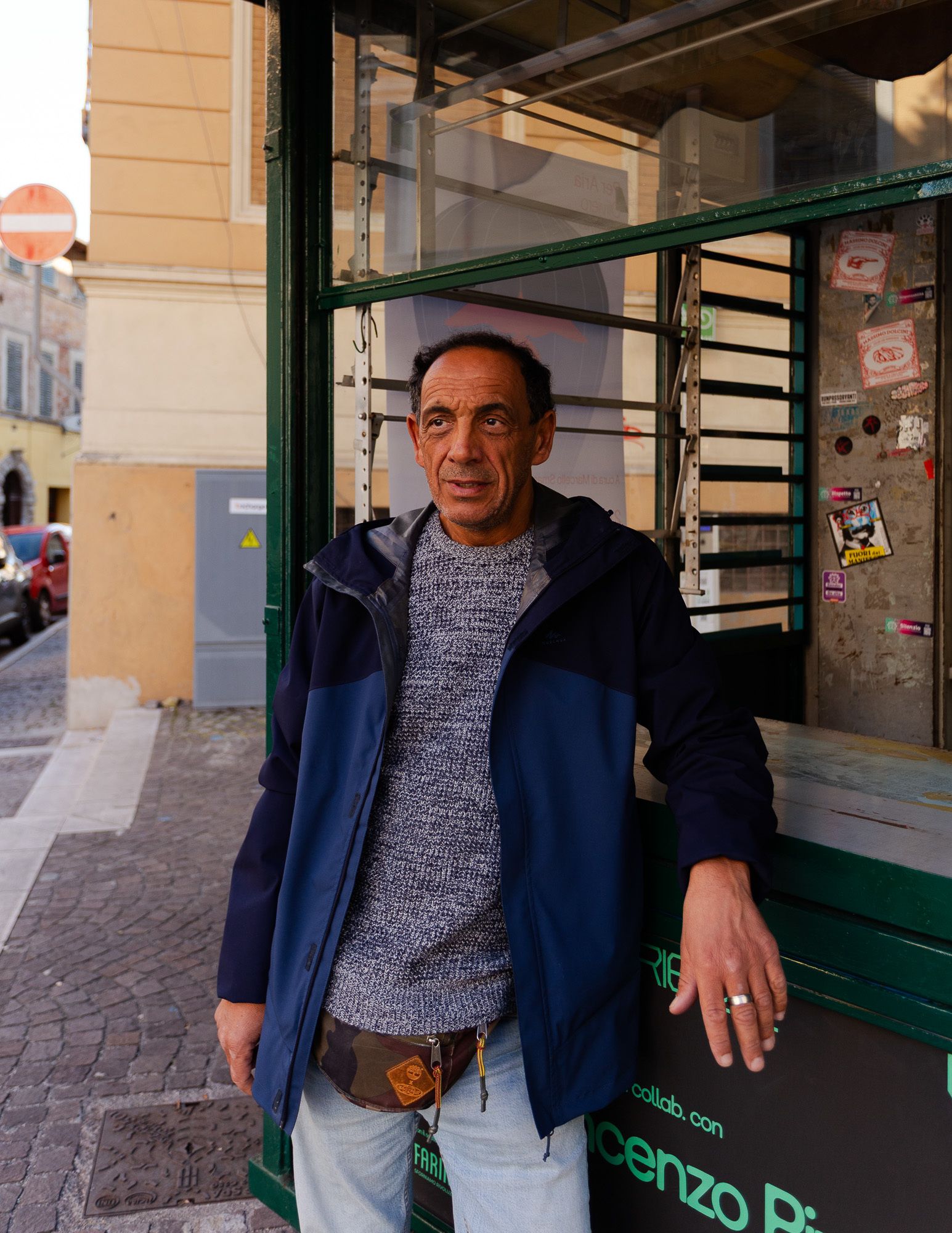
But in addition to the form, the fruition also changes. The old reader has become a spectator of a theatrical show or a talk, staged directly where the newsman once looked out. But another emblematic case is that of a newsstand in Pesaro, in the Marche region, a few kilometers from Romagna. A kiosk in the center, opened in the 1950s, which has now become the property of the Municipality and is part of the museum complex of the Pescheria Visual Arts Center, valued precisely for debates, installations such as the one ad hoc for the graphic designer Massimo Dolcini and also musical events. A local cultural institution.
In fact, in 2022, a bottom-up event was born. Young people who came together in a romantic gesture, asking the newsagent on the corner of Via Mazzini and Corso XI Settembre, Fabio Urbinati, for the opportunity to play with vinyl and consoles. Directly from that place where he, since 1988, has pulled up the shutter every morning at dawn. “I was 24 years old, I worked in the factory, and I decided to take over the newsstand and then buy it in 1995,” says Urbinati. A newsstand that Carla and Aldo had before him. And that before that it belonged to the Cesarini family. Always the same kiosk since the 1950s. “Kiosks can and must have a future - continues Urbinati - we were among the first in Italy to do such a musical event, bringing two thousand people to the newsstand area. I am glad that it still exists today, that it has not been demolished. Events can be held, newsstands can have a second life.”
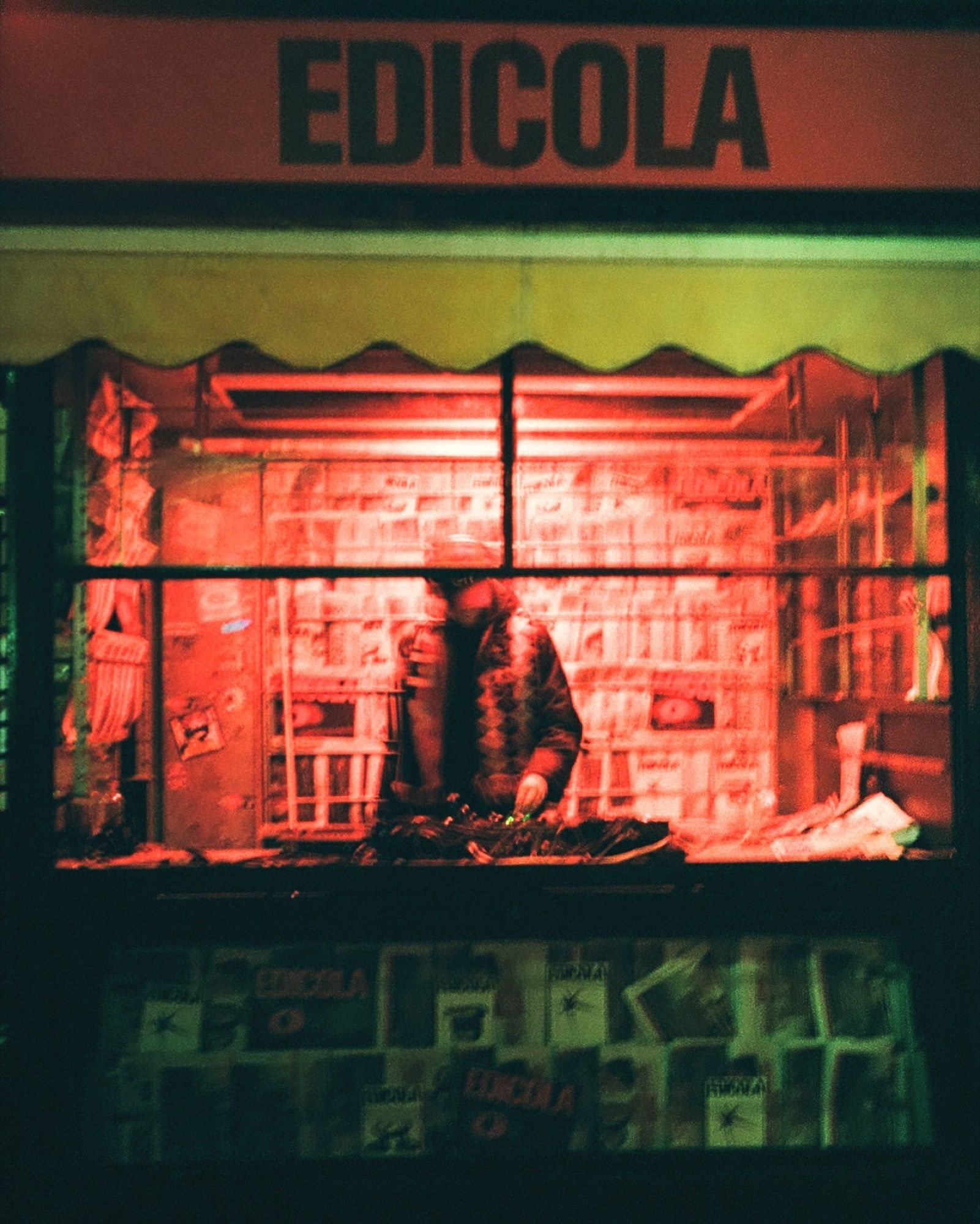
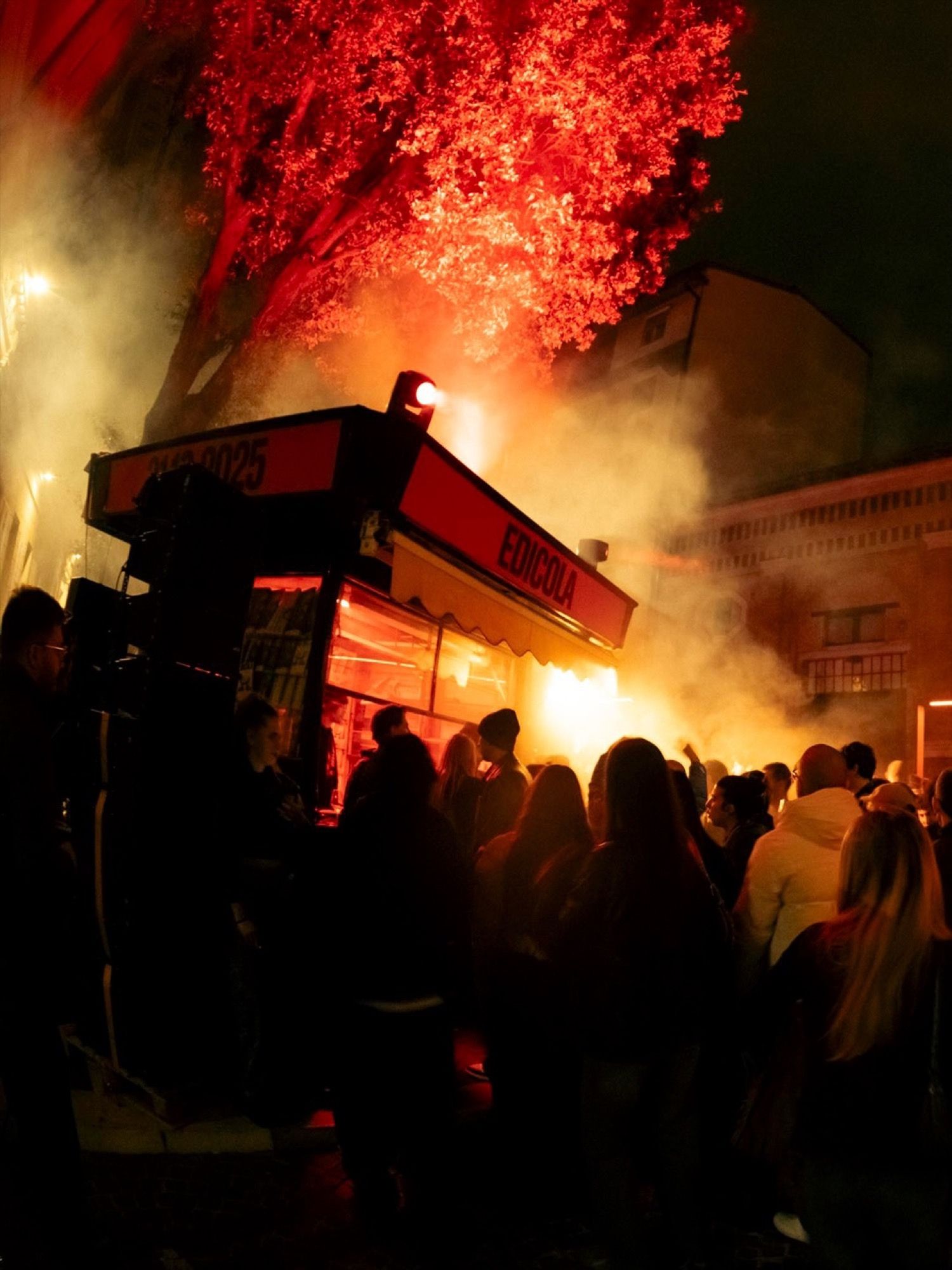
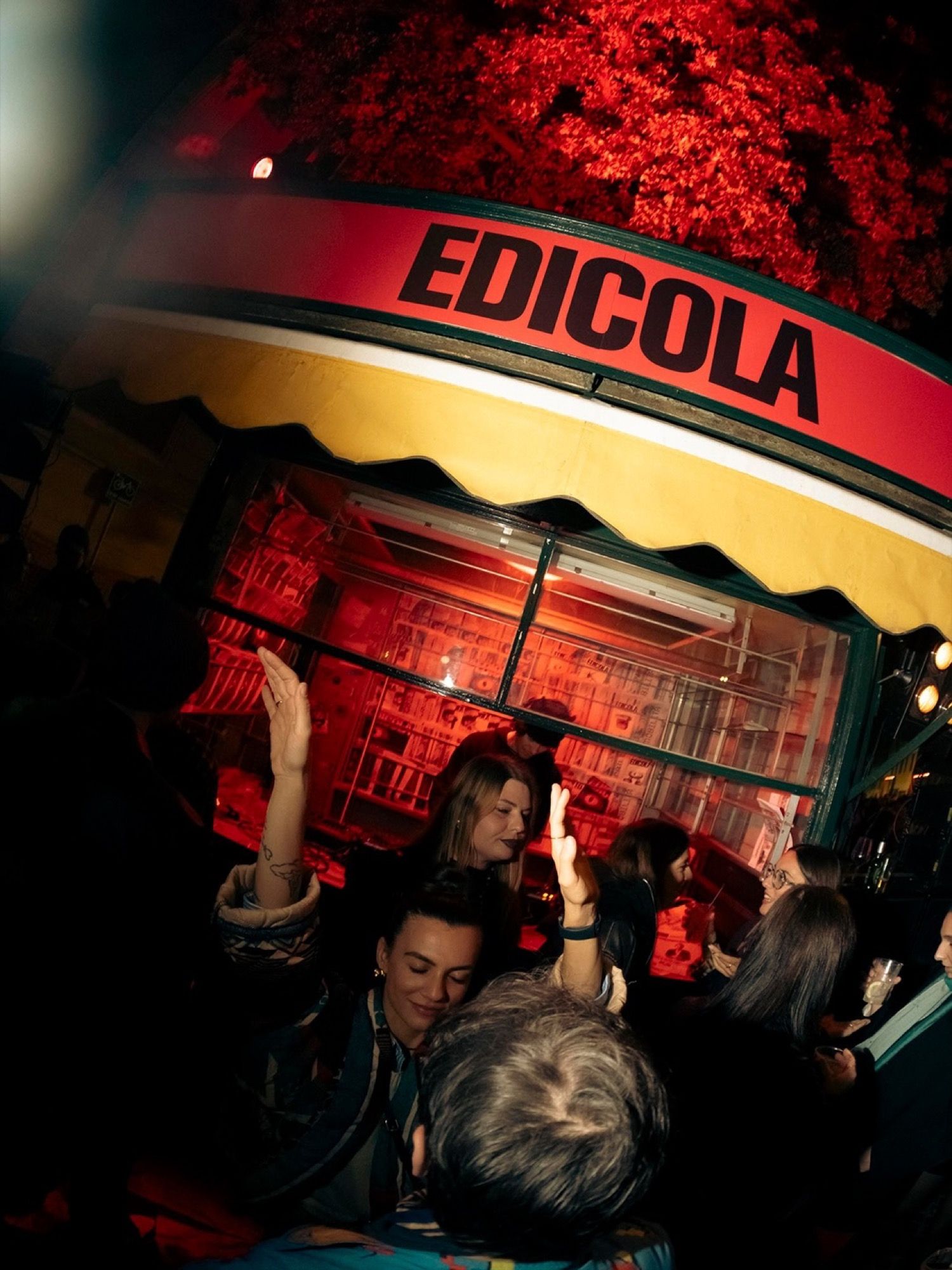
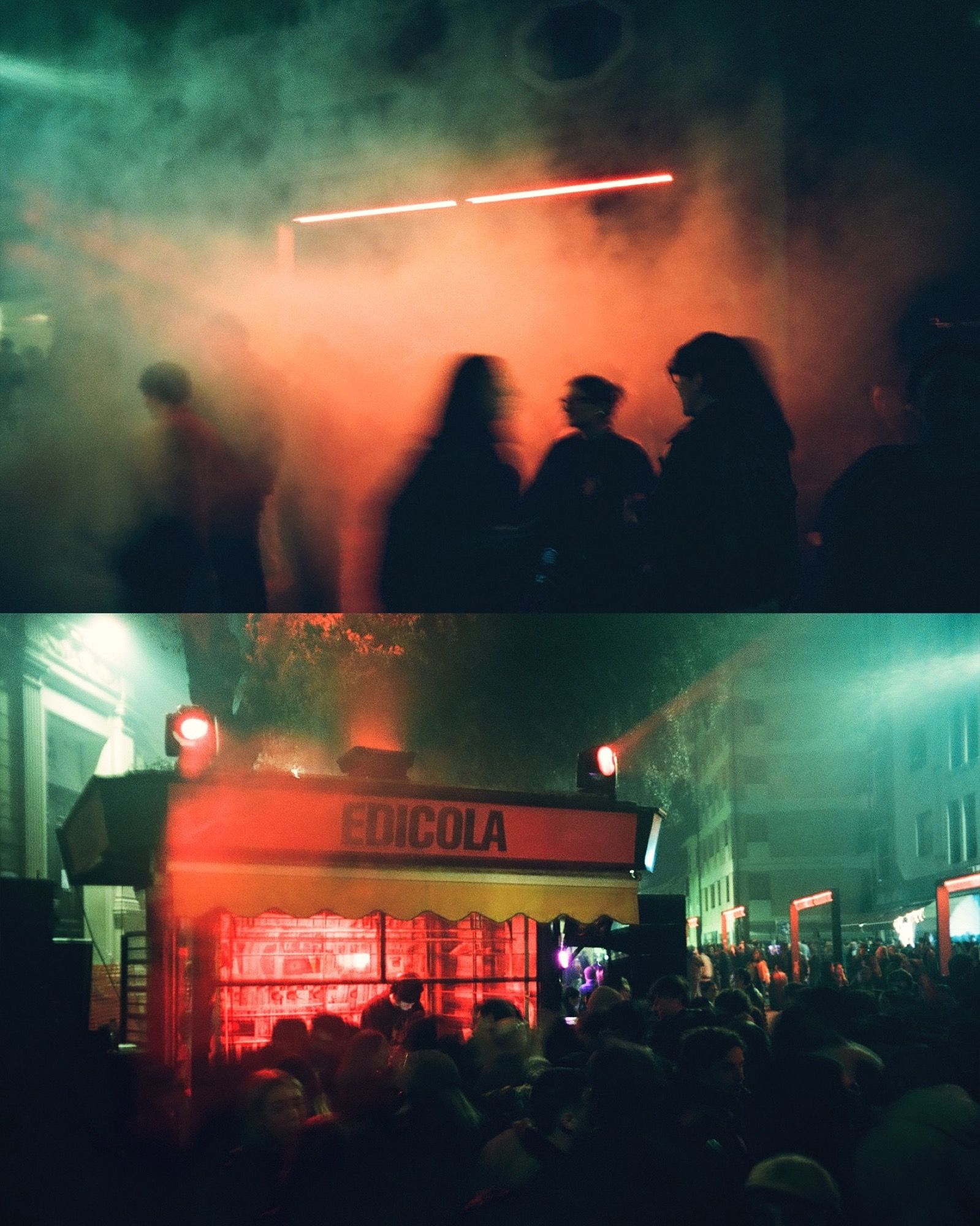
It was he himself who proposed to the City Council the upgrade of the kiosk, granting it free of charge. An idea that could be considered by many other Italian companies. This is how Fabio launches an appeal to newsagents: “If you close, don't throw away this Italian heritage to save. Do something, regenerate, give them to municipalities. Let's not throw away newsstands. In these spaces you can do a lot of things. They are an integral part of society.”
Popular culture is therefore increasingly trying to retain the essence of kiosks as a memory of the urban landscape, with new concepts in dialogue with communities. A sort of countertrend to the current economic and information environment that instead sees newsstands closing, you want the rapid consumption of news, you want the exploit of social networks that has overshadowed cross-media with printed media, which is increasingly limited. A social phenomenon based on trends and habits that therefore risks carrying with it even the elimination of newsstands from streets, parks, beaches, waterfronts and squares.
For this reason, as Fabio explains, one must believe in a common and collective thought, combined with an aesthetic desire, to save them. For all the suggestive and emotional power that newsstands emanate. Because, unlike telephone booths, which have been mostly abandoned for years, newsstands can and must continue to have the function of social aggregator, in order to express their opinion, express their thoughts, live an experience. Not virtually, but live. Like a meeting place, a social aggregator, a cultural asset that is good for sight, memory and heart. An amarcord, to put it Romagnola, in the name of memory, of the re-enactment of the past. Newsstands as roots for the future. From Gabicce to the Ravenna coast, passing through Cesenatico and Riccione.