


























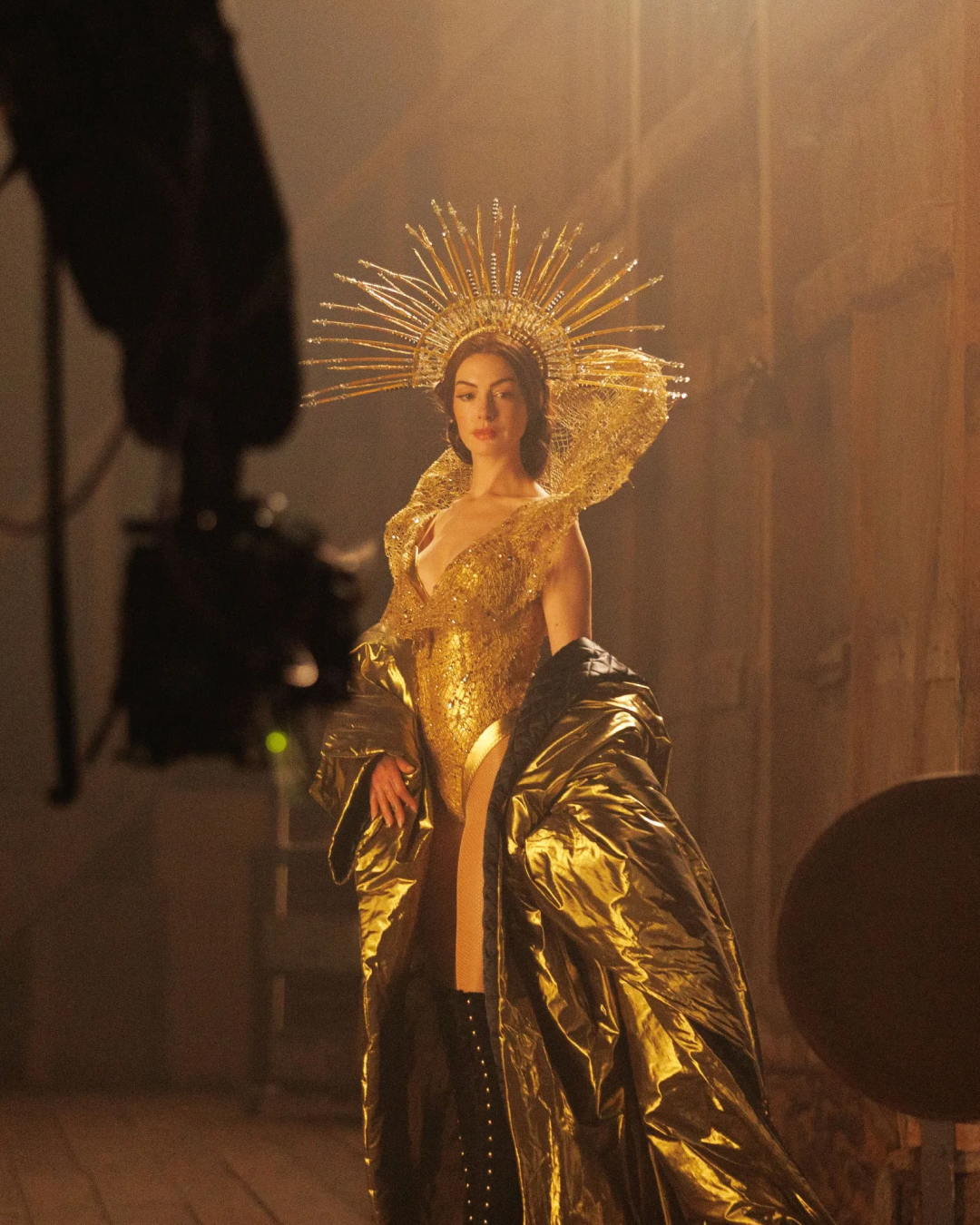
"Mother Mary" and the cult of the pop star Between fashion, ghosts and love with Anne Hathaway and Michaela Coel
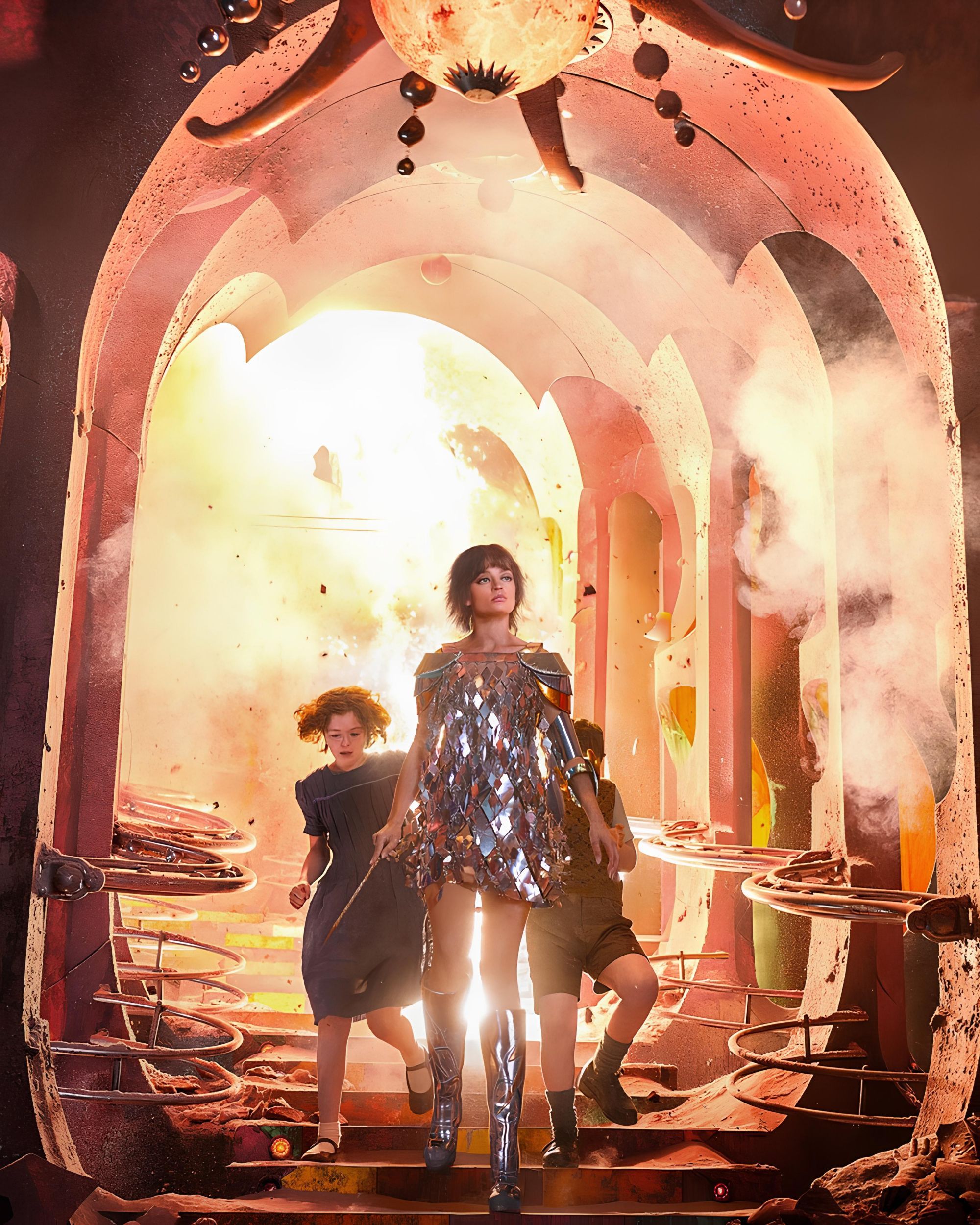
Every love story is a ghost story. So where do the spirits go when a relationship ends? Mother Mary tries to give place to what ties remain even when people move away, united by a common thread that in the film written and directed by David Lowery is shaped like a twirling fabric, a tulle that not only wraps around the protagonists, but pierces them until it penetrates them. It is the designer's job that of Michaela Coel of I May Destroy You, one of the most important British shows in contemporary series. And it can only be through the fabric that his relationship with Anne Hathaway's popstar finds its own image, red like a passion and like the blood he sees when it ends.
The meaning of Mother Mary
Although Mother Mary's tagline wants to tell us that her film is not a film about ghosts, Lowery's attempt to alienate the viewer from an extrasensory environment failed at first (and she knows it well), making us immediately perceive the intangible dimension in which the protagonists will soon be inserted, as well as the shivers down the spine that will be felt. The constant presence that permeates the story is absent, with the character of Hathaway wanting to return to the limelight but, to do so, she needs clarity. The same that David Lowery is overflowing with metaphors and superstructures that the protagonists will have to unhinge to achieve, as if it were a challenge. Remove any infrastructure to get to the essential: to a finished story, to a compromised working relationship, to a connection that goes beyond space and that is inhabited by the fantasies and immaterial remains of what has been.
After all, Lowery had already narrated the end of a relationship, although dictated by life's misfortunes. And, even then, it was a ghost that remained as a testimony. A sheet with eyes and legs whose consequence of human departure has meant a perpetuation over time through the change of the place that the specter has continued to inhabit. A still being (the ghost) that in A Ghost Story becomes the center of gravity to discover how everything is transformed around a single point. A poignant work as well as a lesson on space-time. About loss as something that remains in such a way that it even assumes its own materiality, which is then what also happens in Mother Mary - and which is therefore a ghost story even if with concrete beings as well as imaginative. A giving substance to the feelings that in the work are dressed as nightmares between evocative rites and nervous breakdowns, all in order to find ourselves confused in ghosts.
Mother Mary — plot, characters and cast
Heavenly creations by costume designer Bina Daigeler for Mother Mary. pic.twitter.com/0Z2p7WtseO
— A24 (@A24) April 28, 2026
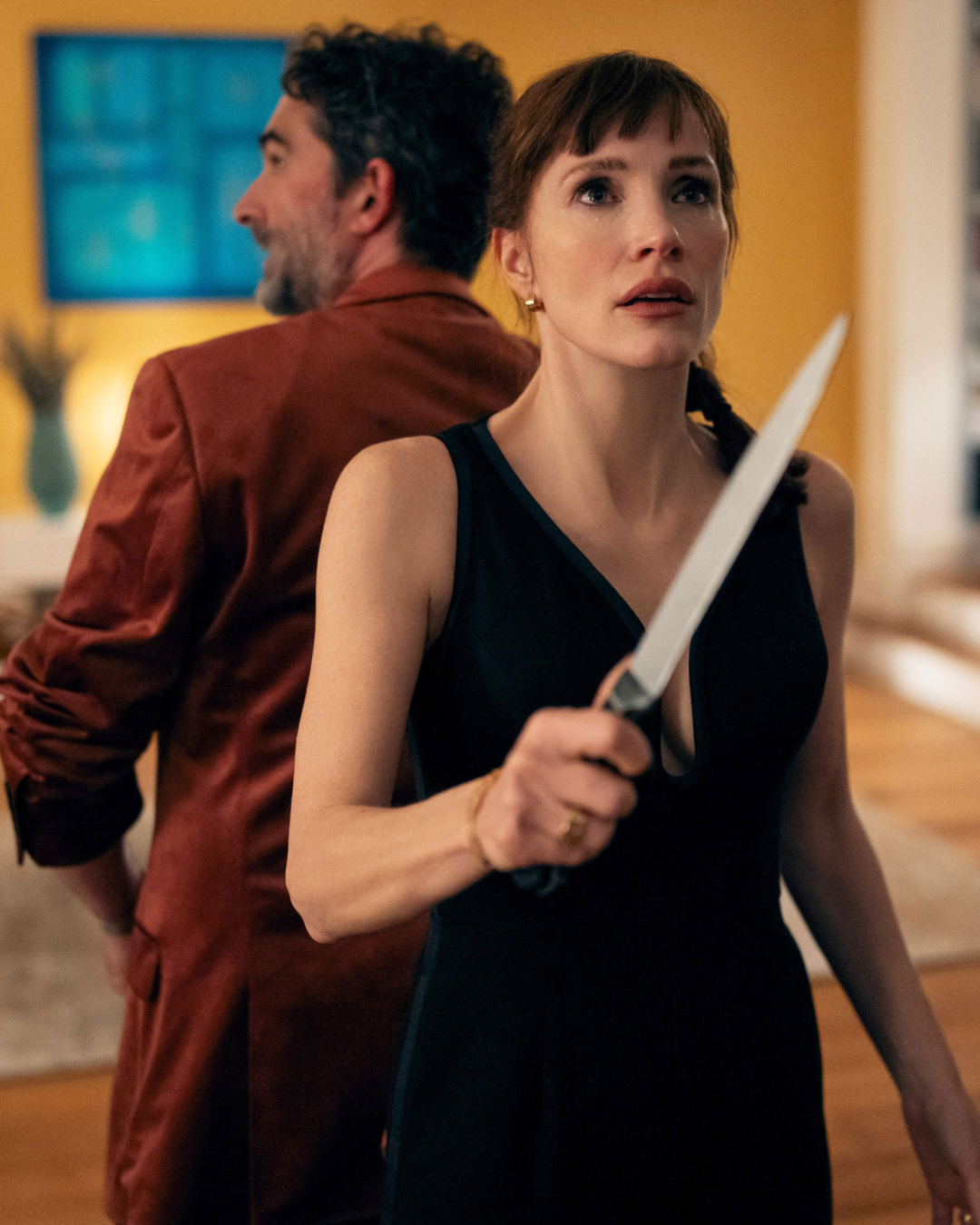
In the mystery that Lowery weaves, the characters of Hathaway and Coel enter into long conversations to go and dissect a relationship that has a double value in the film. There is the human plan, the feeling between two women in their private. And then there is the professional level, which inevitably affects the couple's personal, which leads the work to think about one of the most intense unions that can be established, such as that between an artist and those who dedicate themselves to her image, with the one who wears it and who somehow inserts a piece of herself into the other.
So what does the artist become? A reflection of someone else's wishes or a wish in their own turn for their fans? Without a doubt, it is on the synergy between the work of art and the person who creates it that Mother Mary ends up, which should lead every artist to think about the bond he has with those who help to put on his mask. Because after all, even that is and must be a love story that, instead of sounds and spaces like in A Ghost Story, in Mother Mary takes place with skin changes sometimes made of corsets and beads. Of outfits that, as the popstars have taught us, know how to tell about a person (and their ghosts), showing us how everyone can represent their own different era.
What to read next
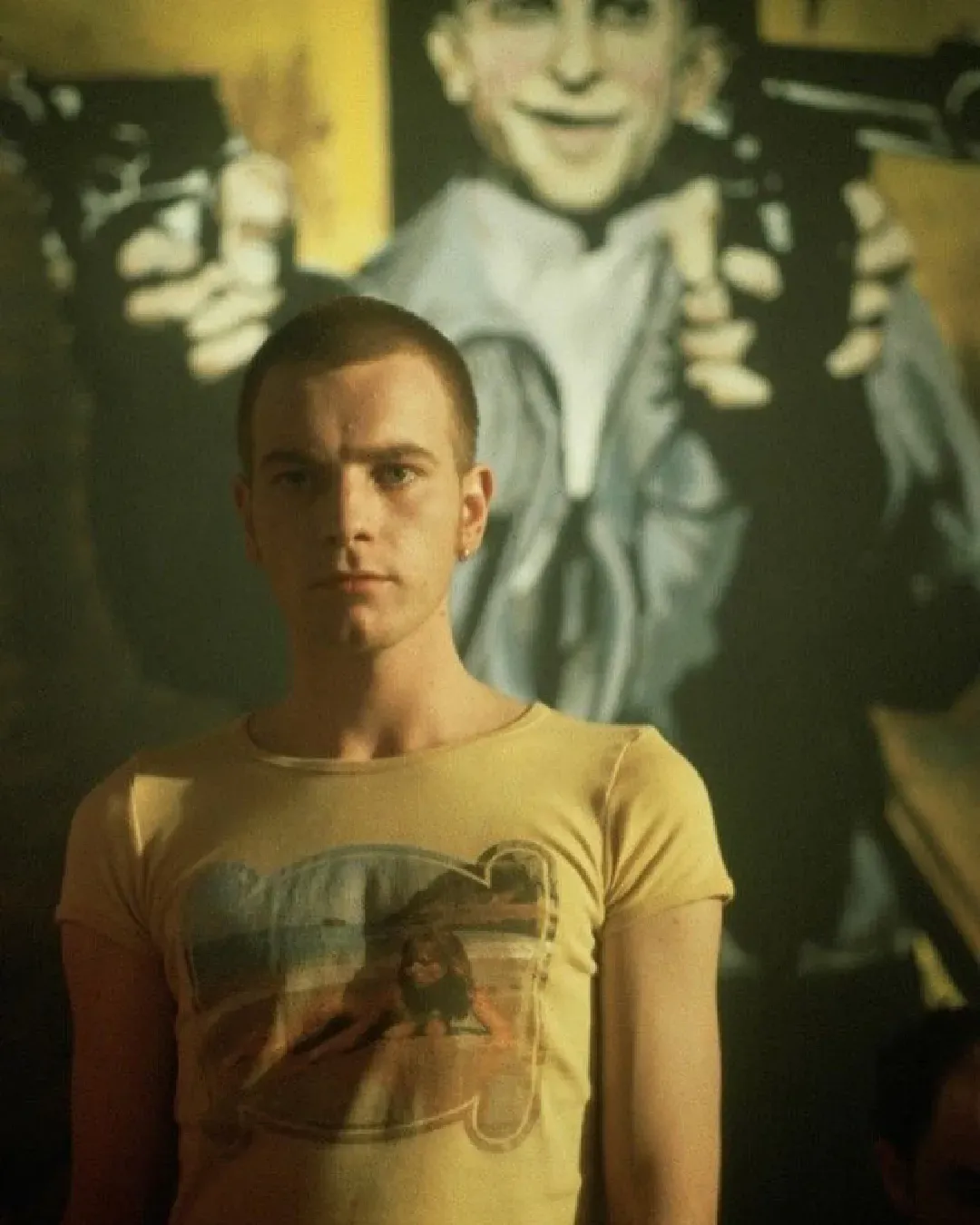
5 trends that Trainspotting anticipated Back in 1996
There is much more to the film than the famous Helmut Lang tank top
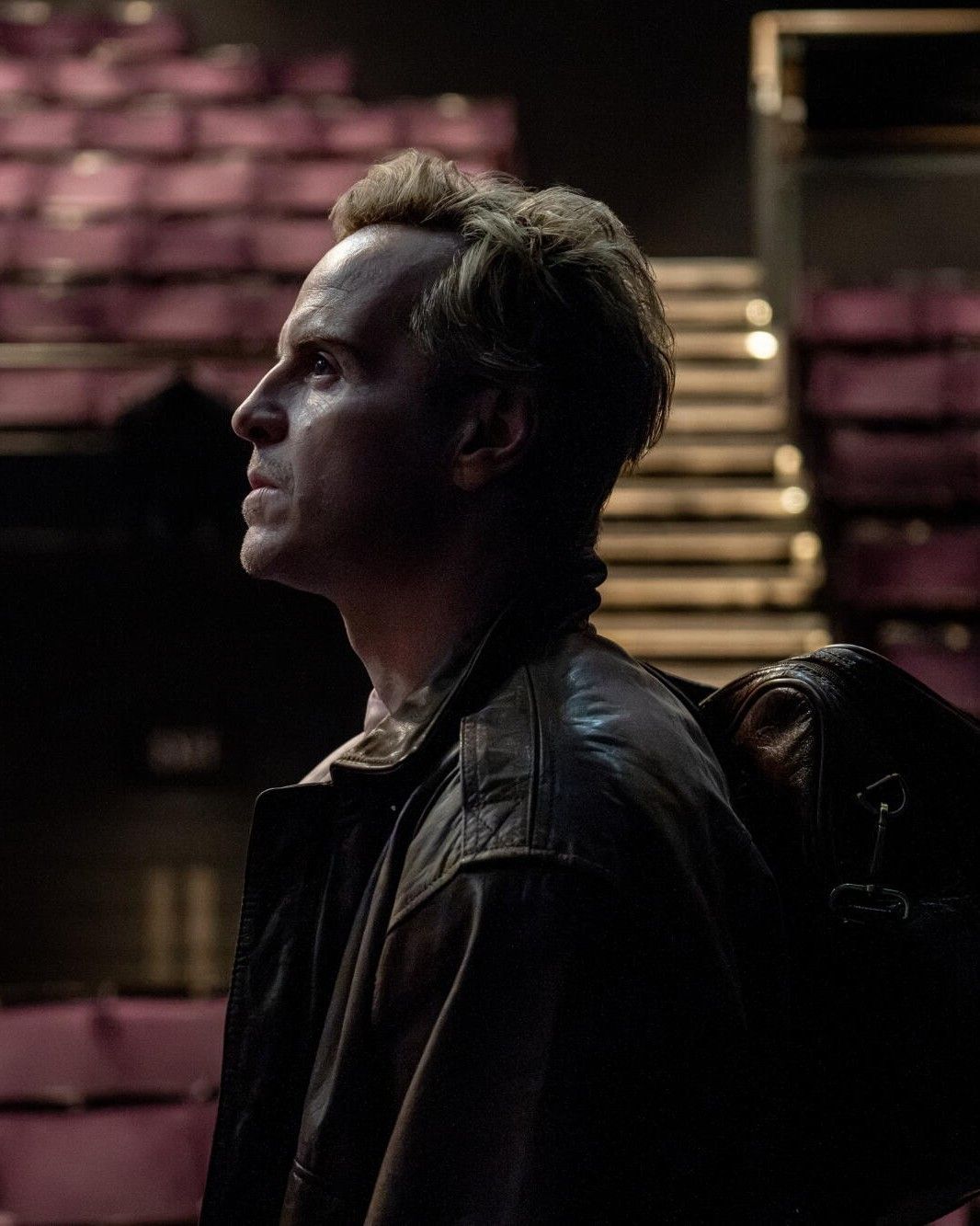
Andrew Scott gives the best performance of his career in "Elsinore"
Simon Stone's film tells the true story of actor Ian Charleson and his production of "Hamlet"
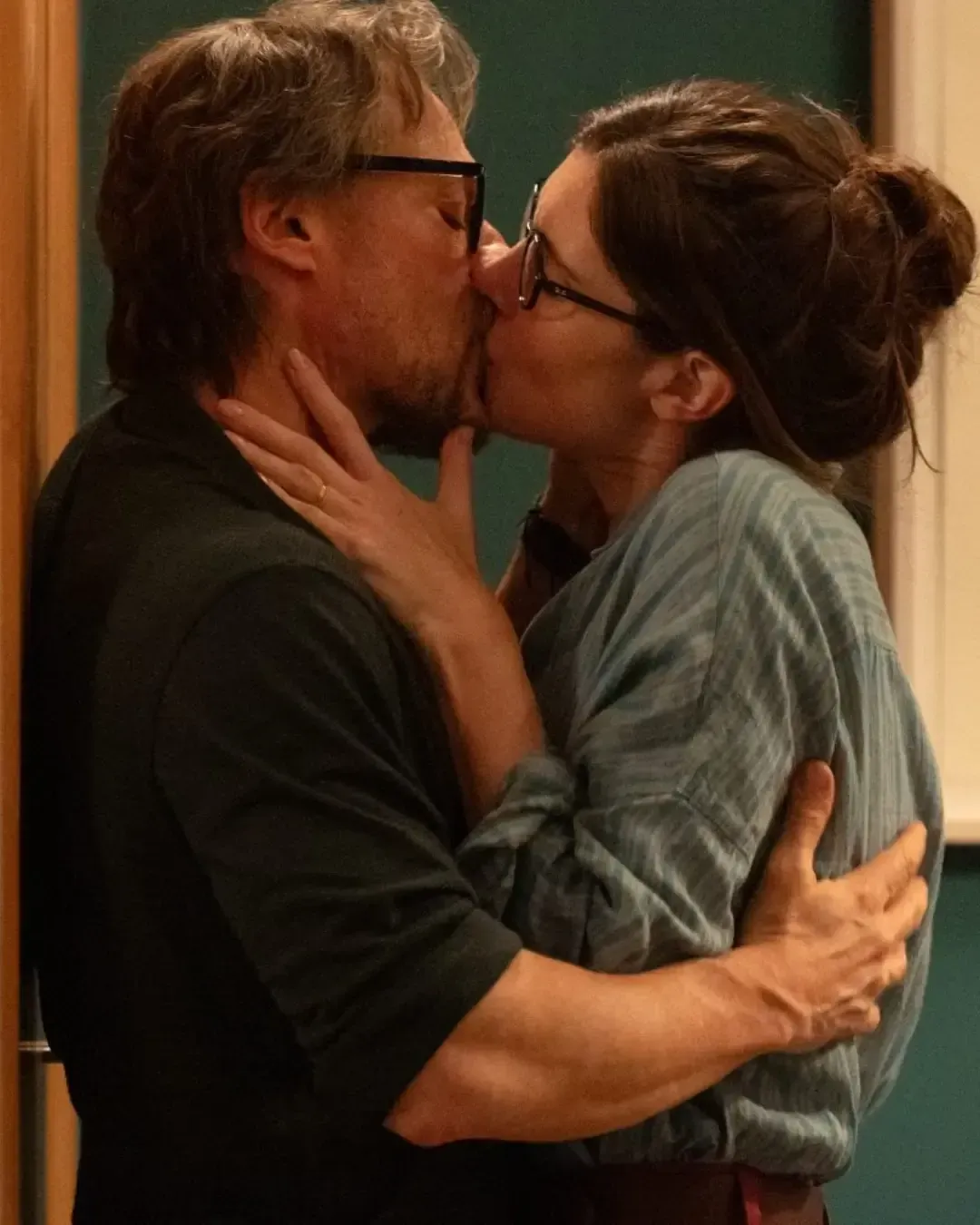
"Il rumore delle cose" by Paolo Genovese opens the 2026 Rome Film Festival
The film, adapted from Genovese's novel of the same name, is nonetheless the usual Italian drama