





























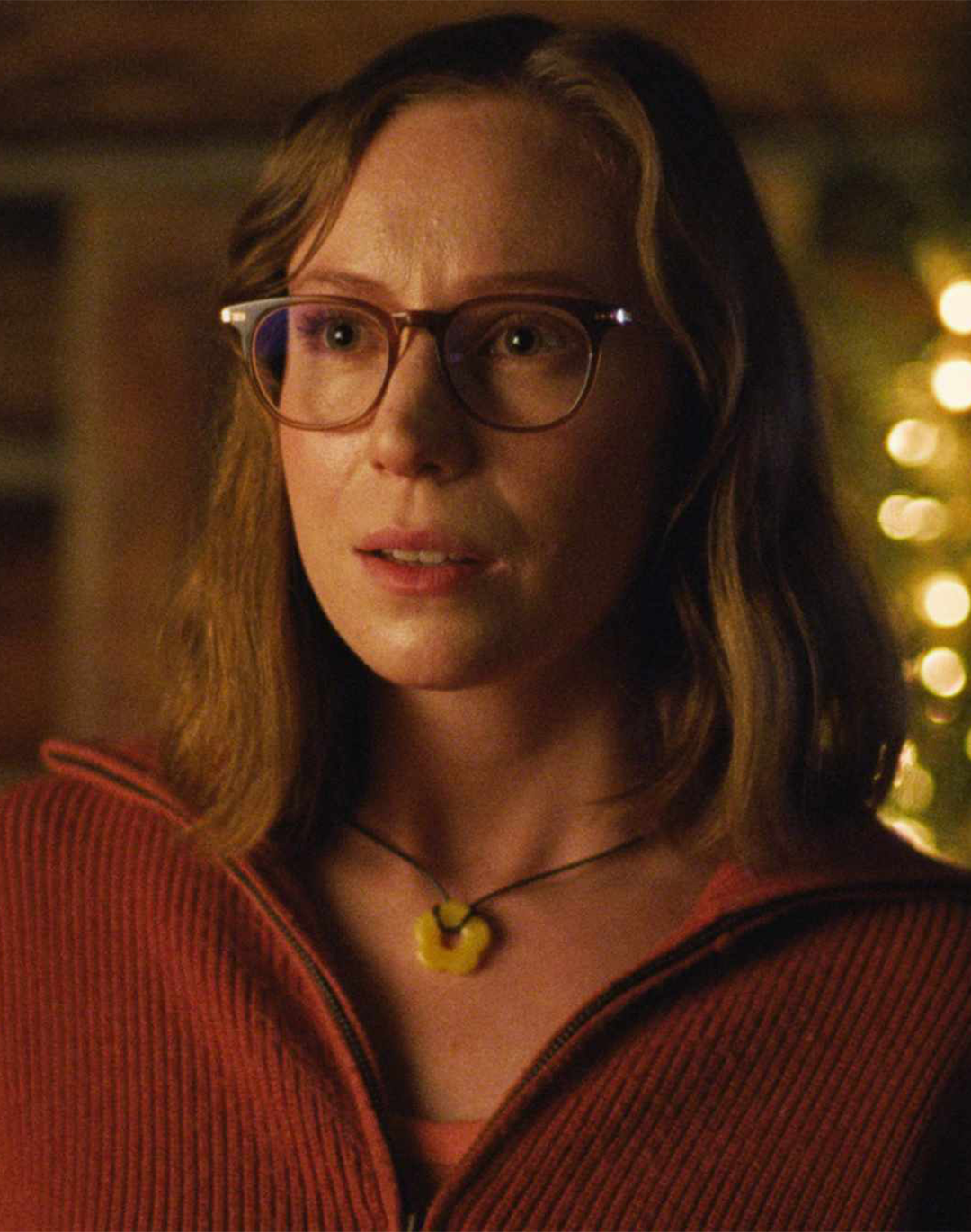
"Teenage Sex and Death at Camp Miasma" is gory, fun and ruthless An essay on sex, death, and pleasure opens Cannes’ Un Certain Regard section
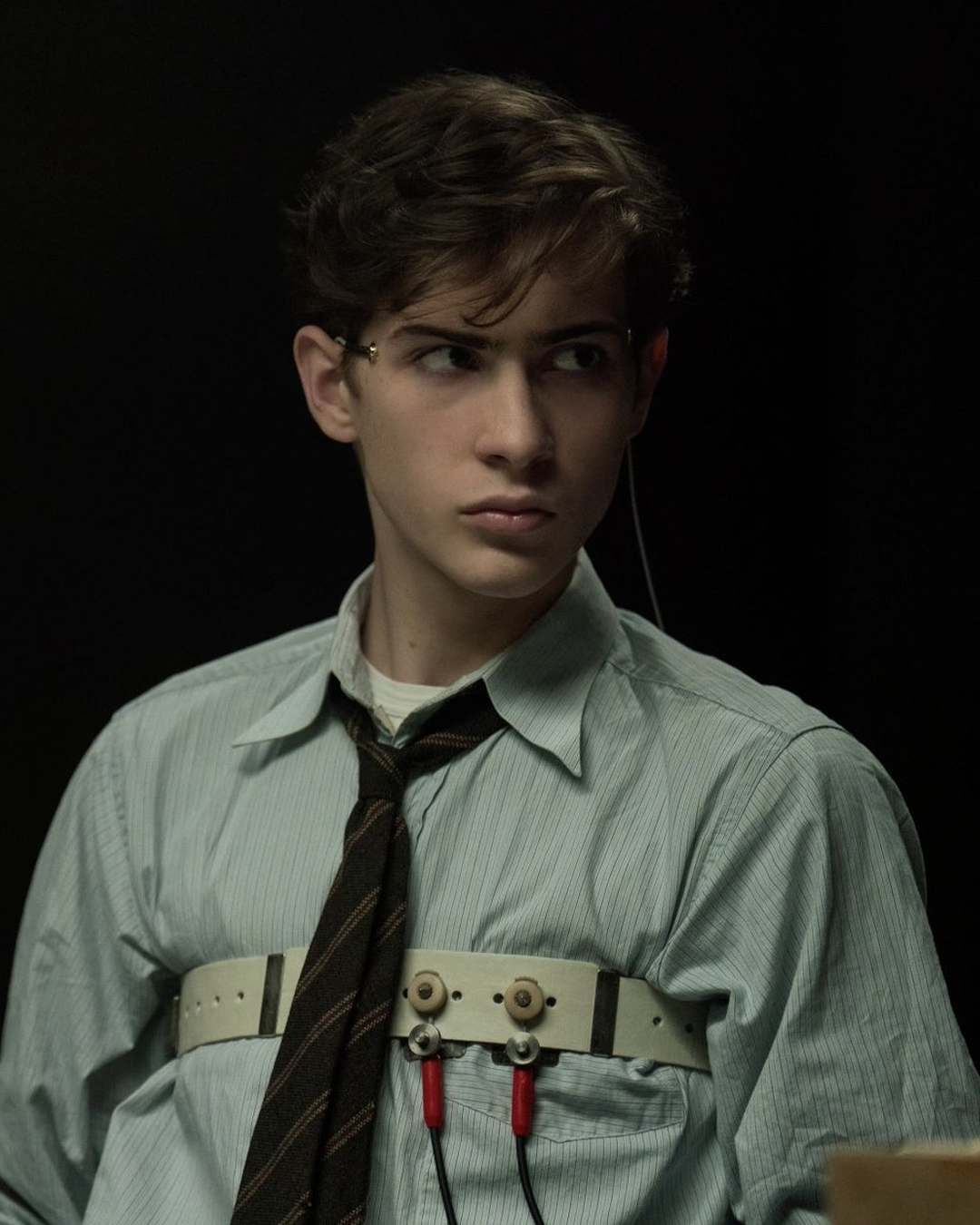
To delve deeper into the themes of Teenage Sex and Death at Camp Miasma, the opening film of Cannes’ Un Certain Regard section and the latest feature from writer-director Jane Schoenbrun of I Saw the TV Glow, would inevitably mean stepping into spoiler territory, but that is not what we are going to do. It is also worth saying that any analysis surrounding the film ultimately feels superfluous, because the story itself already performs that work. This is yet another project in which the filmmaker entangles both herself and the audience, who can only remain captivated by the lucidity of such a layered narrative.
The film brings together the Hollywood industry, sexual desire, and the fear of death, three foundational axes of the horror genre that Schoenbrun dismantles through her work, intertwining them so deeply that they become inseparable. I Saw the TV Glow was already an operation that merged a thematic statement with the trajectories of sci-fi, temporal leaps, and the transformations brought by evolving audiovisual consumption, from VHS to DVDs, from analog to digital. Alongside the personal journeys of its characters came another transition as well: the fluidity of identity itself, with the passage from masculine to feminine experienced as crossing a threshold in order to find oneself, both on one side and the other of a television screen.
Hollywood Unmasked
TEENAGE SEX AND DEATH AT CAMP MIASMA: the ultimate love letter to ‘80s slashers, a heartfelt depiction of the intense, intimate relationship horror fans have with the genre, a melancholic, beautifully strange queer UFO… Hannah Einbinder is just fantastic and Gillian Anderson is… pic.twitter.com/vu5vBN4bPs
— FilmLand Empire (@FilmLandEmpire) May 13, 2026
Although Teenage Sex and Death at Camp Miasma also places gender transition at the core of its project, surrounding it is an investigation into pleasure that digs into the unknown. Into an unconscious dimension that Schoenbrun carefully dissects, showing us how cultural production ends up defining us as individuals; how we are driven to study and determine ourselves through it, while it simultaneously influences us and pushes us to confront the invisible and unsettling sides of who we are.
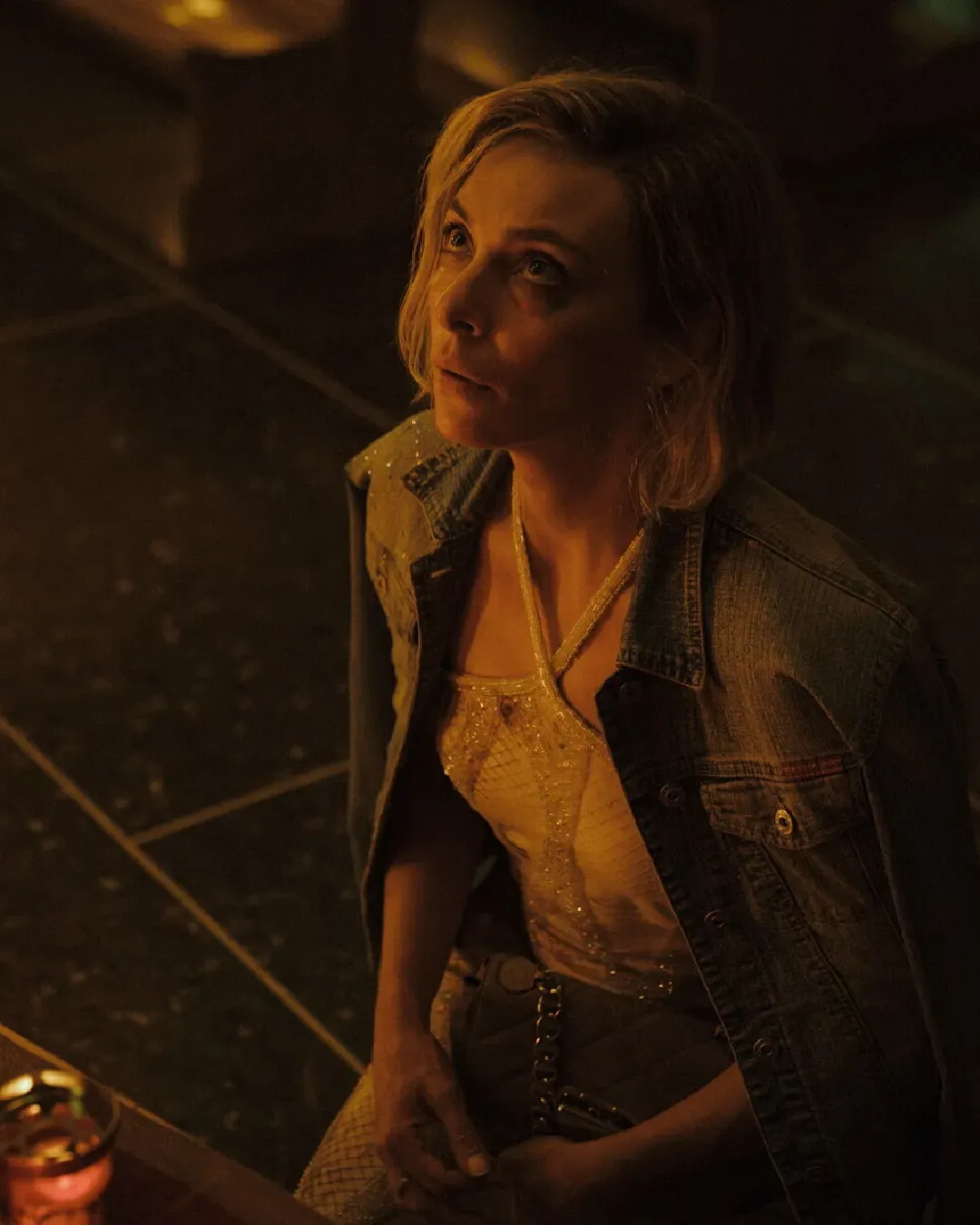
This is what happens to the protagonist played by Hannah Einbinder, known for starring opposite Jean Smart in Hacks, the role that led her to Emmy recognition. She plays a director tasked with rebooting the latest installment of the Camp Miasma horror franchise, aiming to reinvent it through a queer lens. Beating Hollywood at its own game, as the protagonist herself states, she criticizes an industry that believes it can cleanse itself of a past filled with misogynistic, racist, sexist, homophobic, and transphobic works simply by hiring a minority filmmaker, handing them a problematic franchise, and thereby achieving redemption.
The young filmmaker wants to create a movie capable of unmasking the system, while at the same time hoping it will become a new cult classic. To achieve this, she must meet the protagonist of the franchise’s first film (Gillian Anderson), who voluntarily withdrew from public life and chose to spend her days isolated from civilization on the very set where the original film was shot, guarding both the location and a secret hidden beneath its lake.
A Parallel Narrative
While part of the film focuses on the corruption Hollywood must cleanse itself from, observing the industry with irony and occasional biting sharpness, a substantial element of Schoenbrun’s work concentrates on the impact that the films we watched when we were very young have had on who we become. I Saw the TV Glow explored this before, and Teenage Sex and Death at Camp Miasma repeats it here, transforming itself into an essay on slasher movies and on how sexuality cannot remain untouched by the influences absorbed through spectatorship.
The film specifically revolves around one precise rule upon which the slasher genre is built: if you have sex, you are doomed. You are doomed and you must die, and you will do so through a blade, the object that most effectively simulates penetration and therefore a sexual act. How could such a lethal punishment fail to stir something within an audience? How could it not condition a person, perhaps still very young, who may eventually come to associate sex with an equivalent of death?
Between Sex, Death, and Humor
Through a film driven by pure entertainment, excessive gore, and a form of self-reflection in which Jane Schoenbrun once again allows the personal to become collective, Teenage Sex and Death at Camp Miasma investigates pleasure alongside the obstacles and mechanisms involved in reaching it. It explores how surrendering to desire can itself be terrifying. Horror films have always taught us this: in order to experience pleasure, one must also die a little, abandon oneself completely, annihilate oneself in order to be reborn. Not coincidentally, the serial killer in Camp Miasma is named Little Death, the expression used to describe the climax of orgasm. And in the end, even watching a film that frightens us can become a source of pleasure.
Sex and death, humor, and two extraordinary actresses against a deliberately surreal backdrop form the formula of Teenage Sex and Death at Camp Miasma, which Schoenbrun opens with a prologue made of memorabilia from the fictional horror franchise, eventually transforming the film itself into an object of cult fascination. Its camera gazes directly at the audience and vice versa, in a world where pleasure is terrifying yet shared, and where storytelling becomes a way of giving shape to our deepest insecurities, explaining them, caring for them. It is yet another astonishing work from a filmmaker who gives everything of herself, often narrating her own experience while knowing exactly how to reach her audience.