






























Understanding the resurgence of alternative Italian flooring This is the case with “terrazzo” or graniglia, along with other particularly sophisticated surface coverings
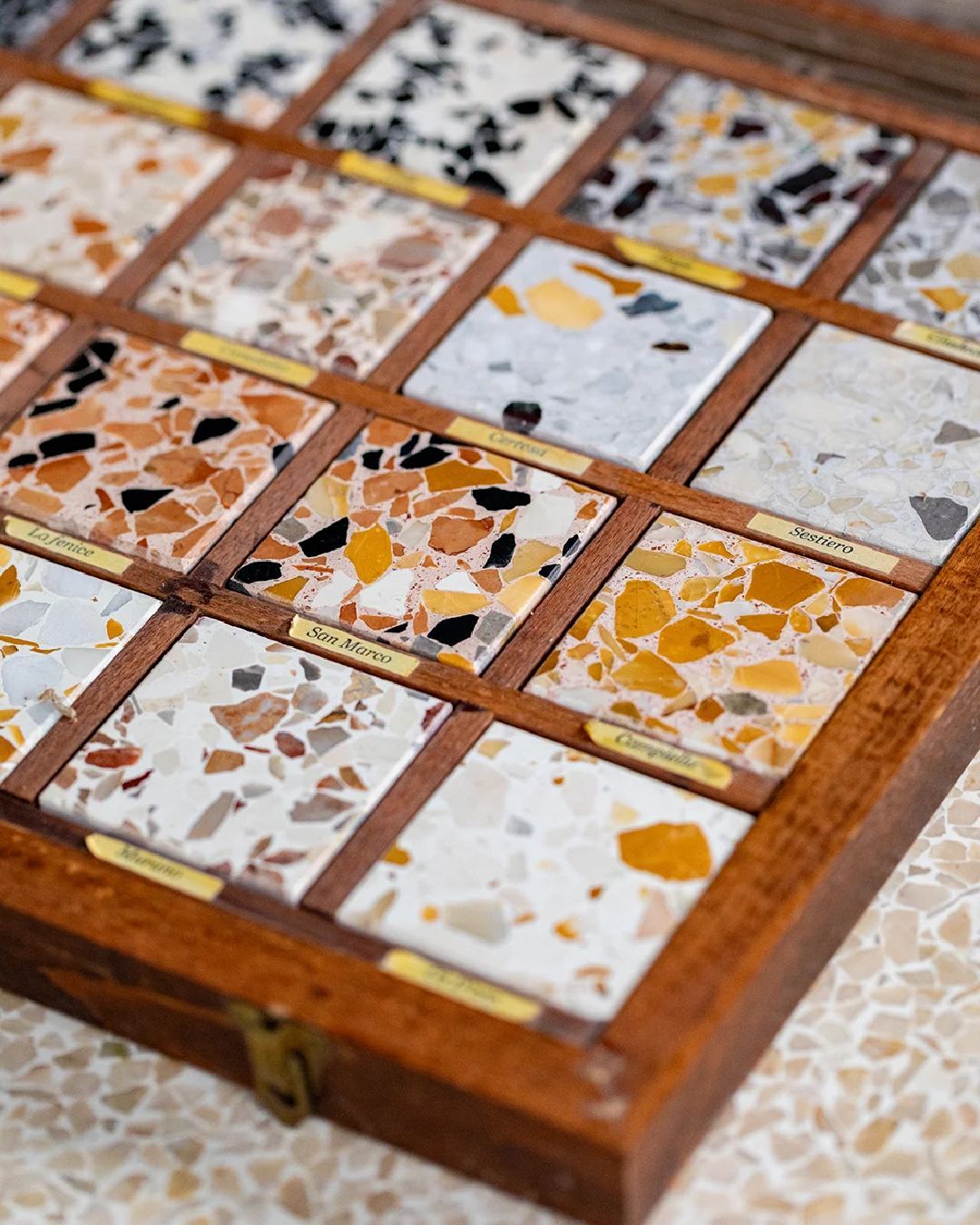
For some time now, terrazzo flooring has come back into fashion for homes and apartments. It is a style inspired by the so-called Venetian terrazzo, a type of surface covering that became widespread starting in the 16th century, characterized by a continuous surface created by mixing fragments of marble, stones, or other materials with lime or cement, and often later decorated with mosaics.
The result is a highly recognizable surface thanks to its speckled effect, created by chips of different sizes and colors, some of which can be quite large. Terrazzo is rooted in a long artisanal tradition, which is why it tends to be very expensive and refined.
It seems that bold and eccentric flooring is back in style once again: even those who opt for subtler and visually more uniform solutions, such as cement resin, nowadays often end up choosing bright or even electric colors.
Where does the trend for patterned flooring come from?
@cyberexboyfriend2 Replying to @Melissa Hamel #greenscreen i love me some confetti cake flooring #terrazzo #interiordesign #interiordecor #designhistory #architecture Mozart Minuet with violin(815356) - 松本一策
Graniglia flooring was very common during the 1950s and 1960s: since it is made by laying a series of prefabricated tiles, it was a much more affordable and widespread solution than terrazzo - which is why it is not uncommon to find it in certain so-called “working-class” apartments built around the second half of the 20th century.
At the time, graniglia flooring was significantly more affordable than marble and parquet; moreover, families appreciated it because it was fairly easy to clean, as well as durable and resistant. Today, however, graniglia has made a comeback thanks to its ability to make interiors feel more dynamic and visually rich: the chromatic variations and the irregularity of the patterns make it possible to create surfaces that are less monotonous than traditional flooring, adapting equally well to minimalist interiors and more eclectic settings. After a long period dominated by minimalism and soft colors, tastes in interior design seem to have changed.
Recovering old aesthetic languages
Today, more and more people choose terrazzo or its industrial counterpart, graniglia, not only for flooring but also for other furnishing elements, such as shower trays, sinks, or kitchen countertops. From this perspective, the varied patterns also help make dust and dirt less noticeable.
The resurgence of the typical terrazzo effect is often linked by industry experts to the rise - within interior design - of so-called skeuomorphism, namely the tendency to reproduce the appearance of natural materials through industrial production.
There is, however, an important distinction to make: many graniglia surfaces do not simply imitate a historical style, but deliberately revive an aesthetic language typical of the 20th century. In many cases, in fact, graniglia is chosen precisely for its intentionally graphic and industrial character, even emphasizing the grout lines between one tile and another.
It is no coincidence that people who buy an apartment that already features graniglia flooring today tend to be inclined to preserve and enhance it rather than remove it - also because it is no longer seen as a cheap substitute for terrazzo, especially by young people.