





























«The imaginary world in which our voices move»: Marco d’Amore talks about “Io Uccido” The actor will be providing the voice for the new Audible series based on Giorgio Faletti’s bestseller
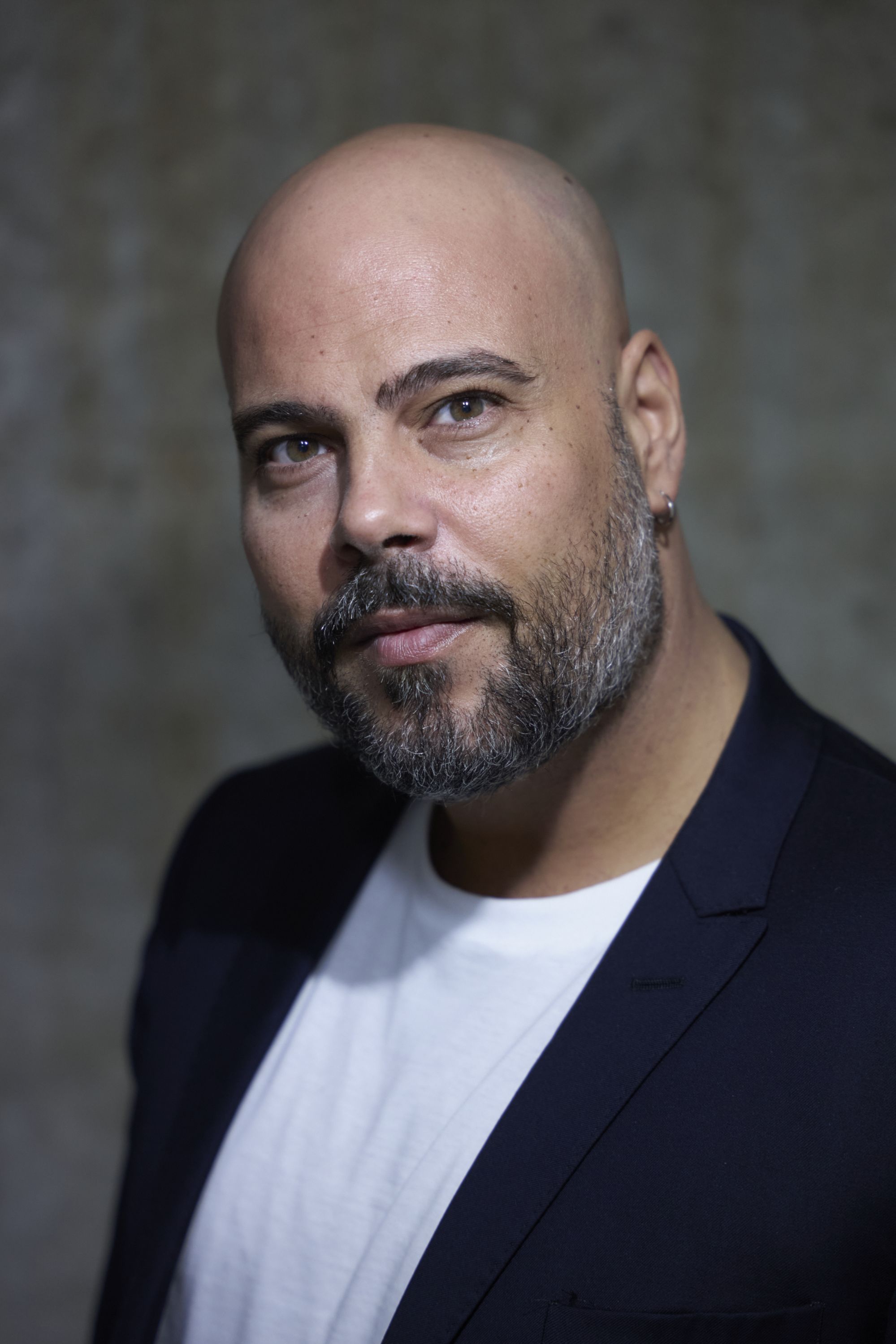
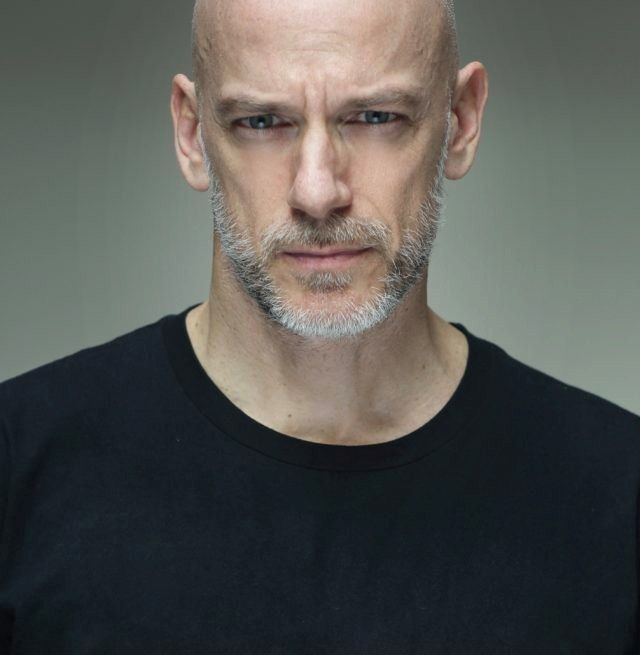
Credits: Fabio Lovino
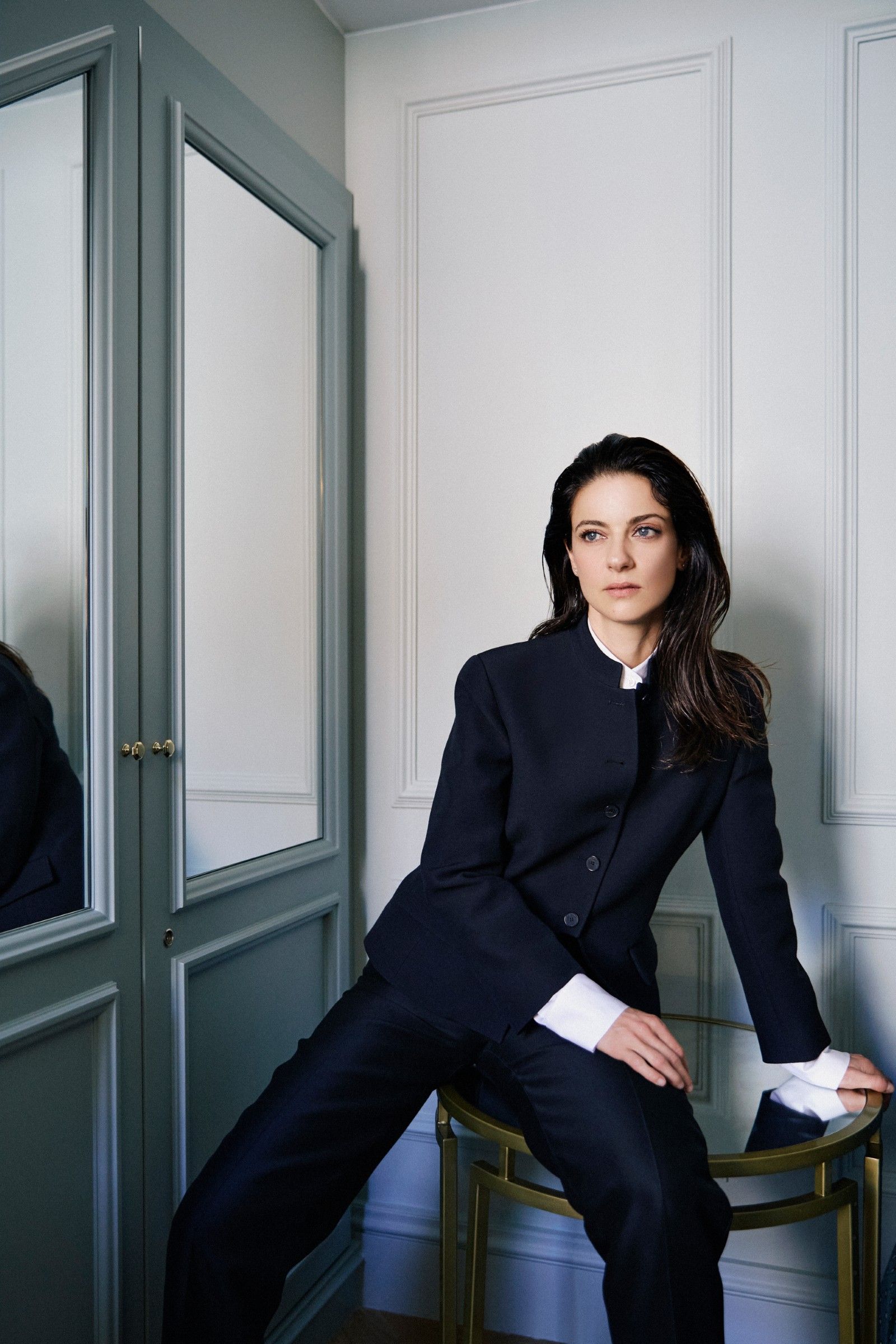
Credits: Mirko Morelli
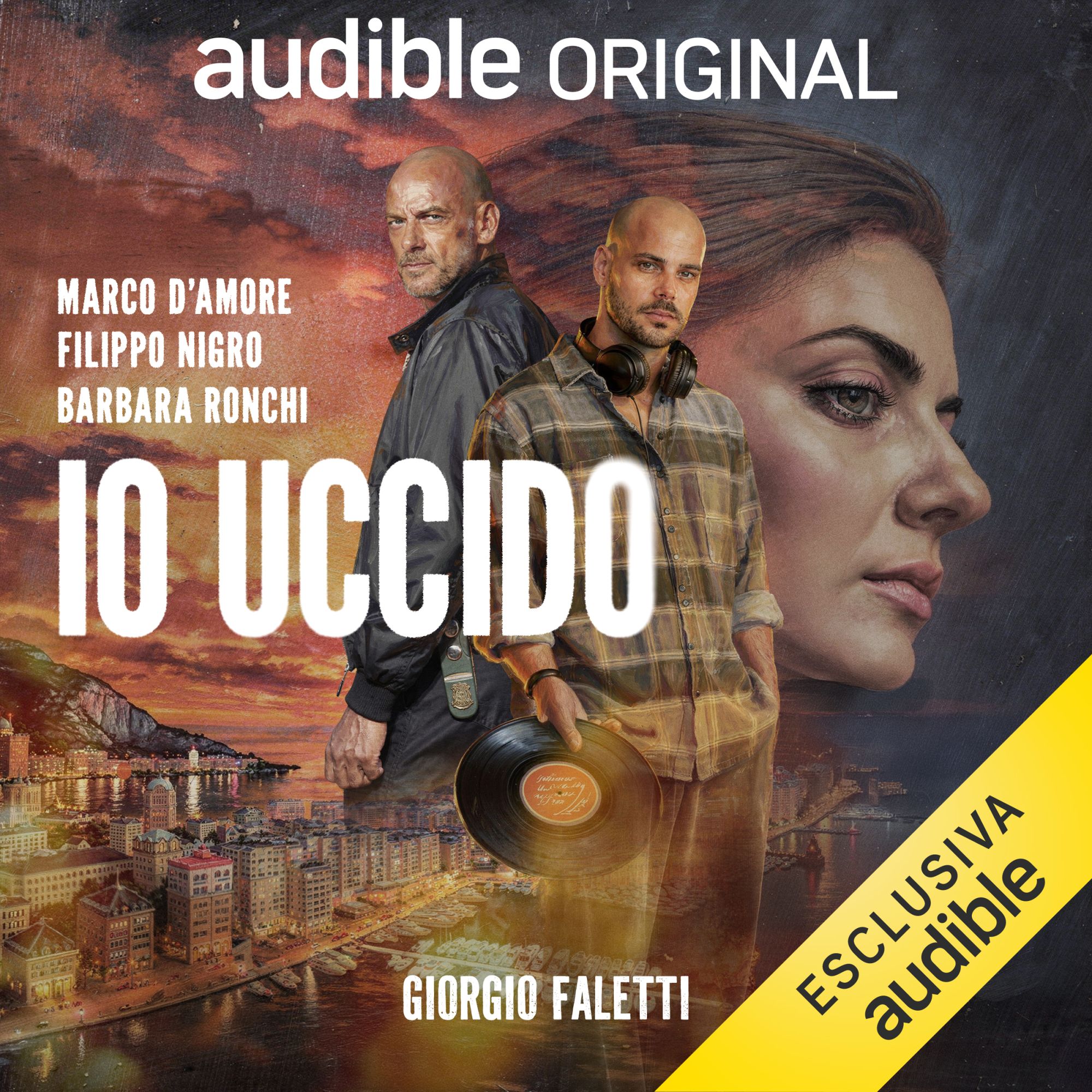
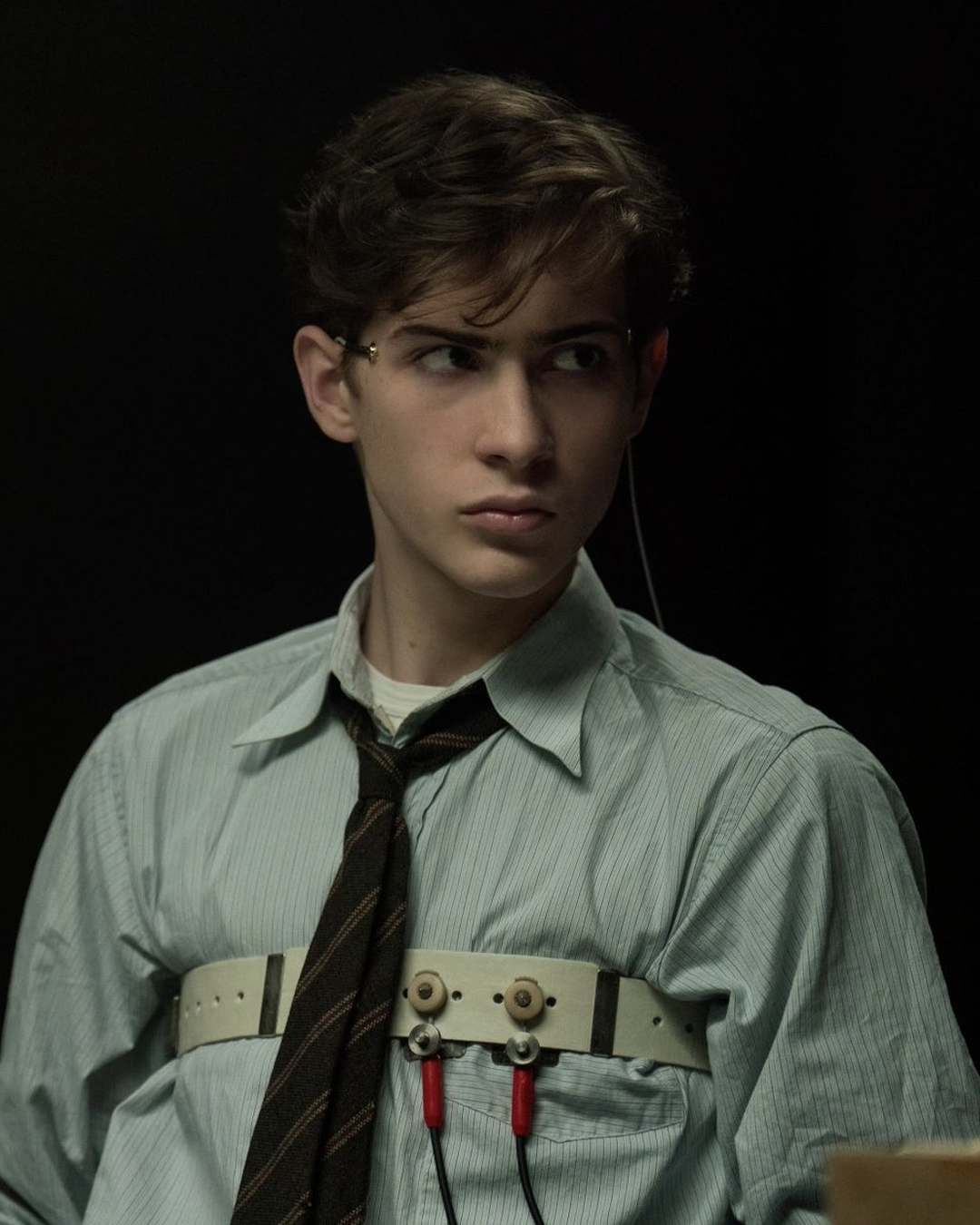
Twenty years ago, the debut novel by the late Giorgio Faletti, Io Uccido, arrived on Italian and international bookshelves to never leave again. Over time, the novel has become one of the longest-running best-sellers in Italian publishing and today returns to the public in a new adaptation: an Audible Original audio series in eight episodes. It would be hard to imagine a better cast: Filippo Nigro, Marco D'Amore and Barbara Ronchi lend their voices to a story that, more than twenty years after its publication, has lost none of its ability to keep listeners on the edge of their seats.
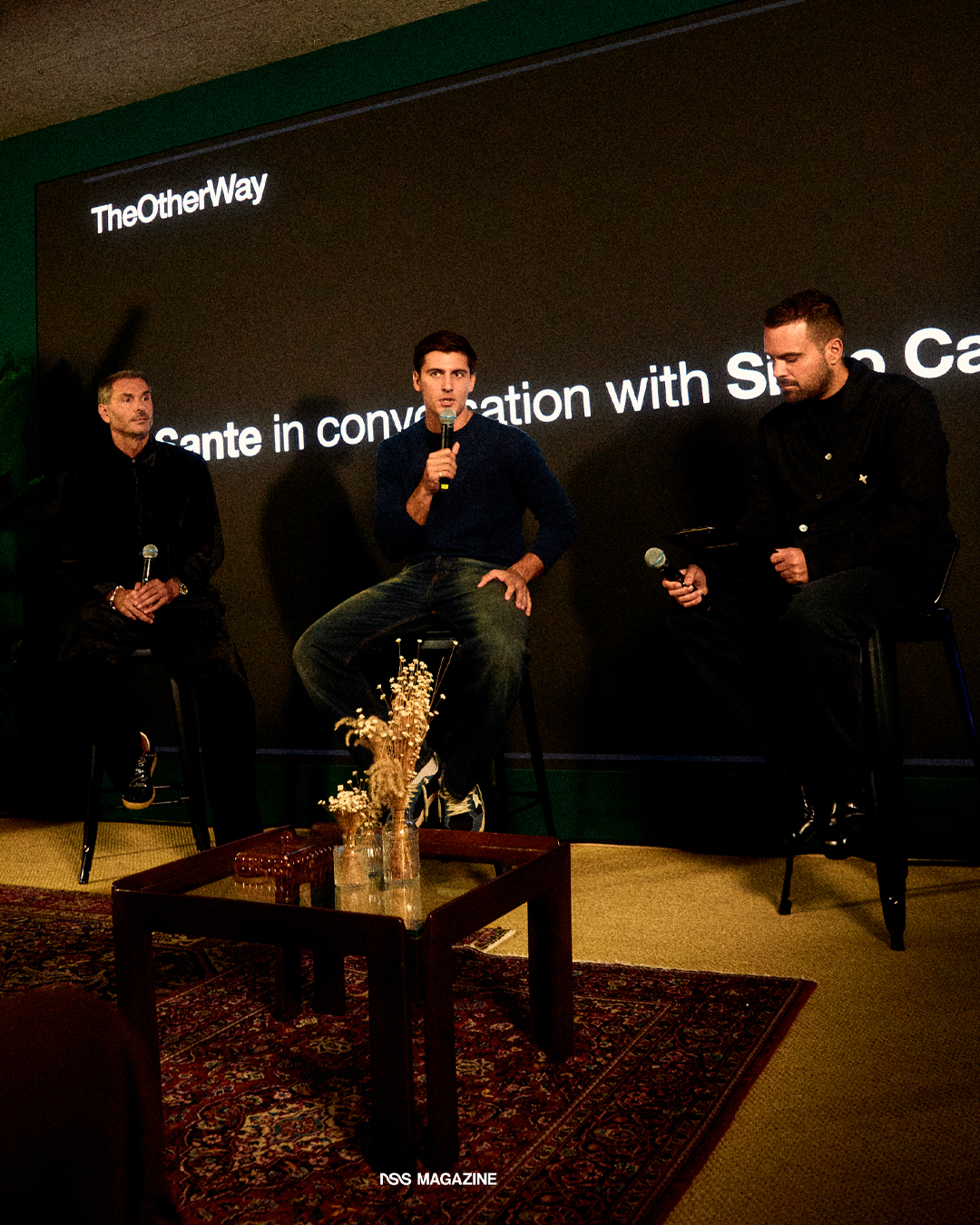
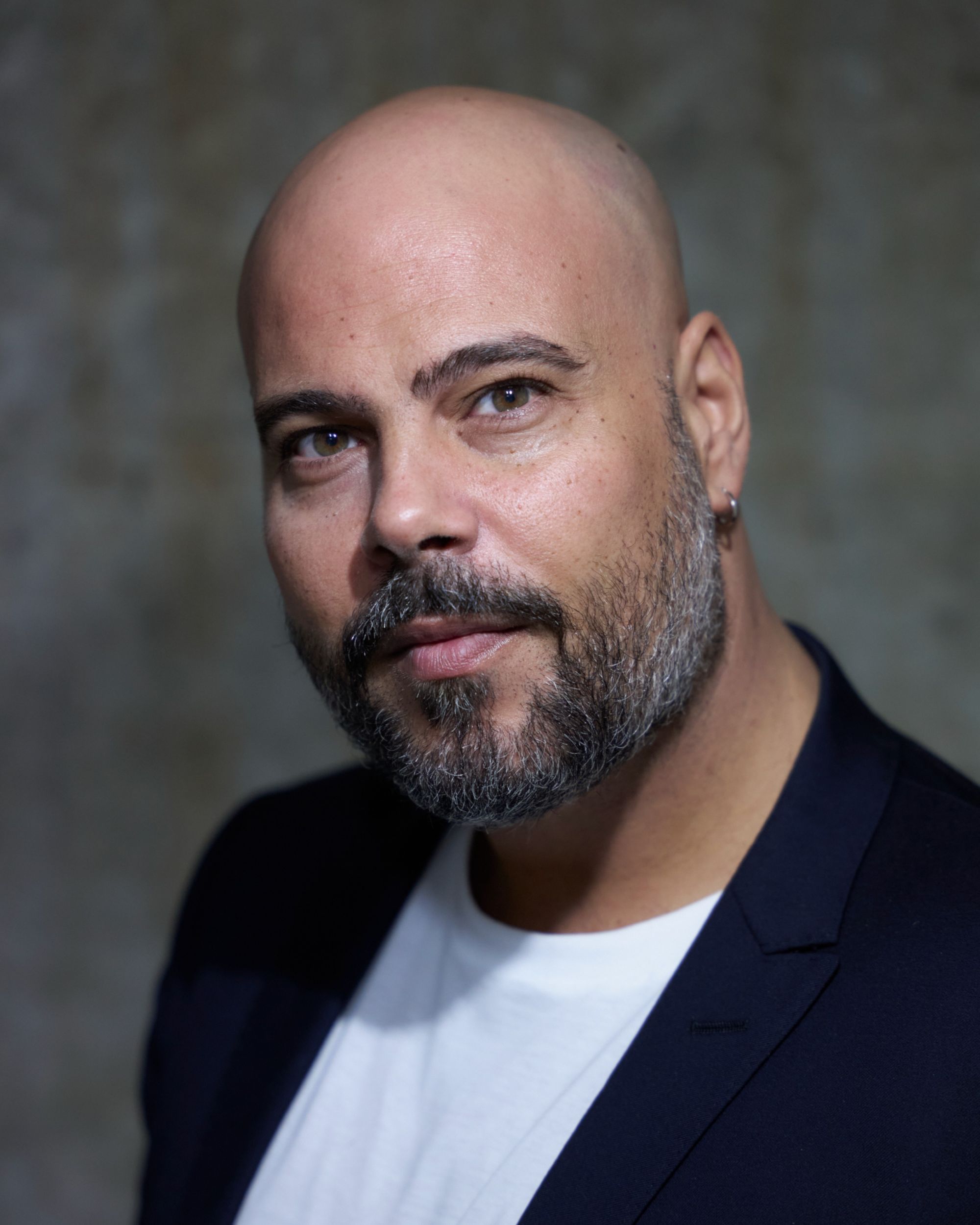
We met Marco D'Amore, who in the series plays Jean-Loup Verdier, the Radio Monte Carlo DJ around whom much of the narrative tension revolves. A character built on the thread of voice, without the support of image, no small challenge for an actor accustomed to dominating the screen. D'Amore spoke about how he approached this format, what it means to tell a story through sound alone, and why a story like Faletti’s is still worth listening to.
Credits: Fabio Lovino
Credits: Mirko Morelli
What initially attracted you to this project?
Marco D’Amore: I confess that on one hand there is a rather primitive joy when I’m given the chance to read, because it is truly one of the things I like most in life, regardless of my profession. Engaging with reading is a deeply intimate pleasure. I had already had experiences in this sense and had always come out very satisfied. On the other hand, I liked having the opportunity to give voice to a character from an enormously successful novel and to measure myself against its popularity, hoping both to give it new light and new life, and to respect the work previously done by the author, as well as to feel satisfaction not only from the public that will welcome it, but also from Faletti’s heirs.
Who is your character? He has a French name: how did you approach this aspect?
Marco D’Amore: He is a very complex character because first of all the story is set in Monte Carlo, and he is a radio speaker. So at first glance he already has a dimension essentially linked to the voice through which he presents himself even before being an image: there is a loop of sound and voice and that is the medium through which he expresses himself. He is a complex character because, without revealing too much of the story, he has a series of manifestations through which he expresses himself. And so we, having to work without images, assigned different vocal lines to these manifestations of the character: a different rhythm, a different density, a different vocality, a different volume. It was complex because it is very easy to slip into mannerism when working with the voice, especially when trying to give a different dimension to the vocality. In this I was closely guided by those who directed the project. I arrived with a rather precise proposal and I believe our work was effective. It is highly stimulating work for an actor: starting from one identity, trying to split oneself and render the profiles of the same human being.
This project is very close to old-style radio broadcasts and audiobooks. What were the main challenges for you compared to the way you are used to acting?
Marco D’Amore: Speaking of the present, it seems to me that this serial and radio dimension is very much in vogue today, in the sense that if you look at how many podcasts have multiplied in recent years, many of them deal with the same genre as the novel. We are really talking about significant numbers, of people who listen a great deal. And then I believe that, from the point of view of enjoyment and for us who act in such a context, it is a return to a primordial dimension of the craft, whereby even though we only lend our voice, the body still acts, but it delegates to the listener’s ability to build the images. And this is very beautiful because there is almost an osmosis between those who lend their voice and those for whom the project is intended, who have the task—not arduous but in my opinion fascinating and creative—of reconstructing the imaginary in which our voices move.
The novel has been transformed into an audio series with the structure of a podcast. Did this change modify the structure of the story or create extra challenges?
Marco D’Amore: In my opinion the operation is very interesting. It departs drastically from the podcast concept in which there is a narrator’s voice that introduces and travels through the story being told. A real audio series in episodes was built, starting from the highest respect for the novel *Io uccido*, but trying, where the novel opens to stage directions and descriptions, to give more space to dramatization, that is, the interaction between characters. That is the aspect that most departs from the novel. But the story is the same. Some characters have been expanded and there is much more active interaction, which in my opinion makes the project fascinating.
What is the point of contact with the public in a project like this compared to theatre, cinema or television?
Marco D’Amore: The relationship certainly changes depending on the medium through which you express yourself. In theatre there is a biological exchange because everything happens in presence. Cinema and television give you the possibility of reaching a vast audience that then gives feedback anyway. But this podcast, and podcasts in general, essentially come from radio, which is a very popular medium today. So there is this much more intimate relationship with the voice of the storyteller and also with the space in which you enjoy the recording. Because theatre and cinema involve sharing; in theatre even not only with the spectators but also with the actors. In the cinema there is an audience, but you have the possibility of listening to this audio series in the intimacy of your living room alone. So it establishes a real one-to-one relationship with the project being told. And I must say that this intimacy, to me who is a great listener of both radio and audiobooks in general, is not at all unpleasant. There is also the pleasure of disappearing, of hiding and letting another vector travel, which is the voice, to establish contact with the listener. It is a dimension I like very much.
There was particular work on sound design. How did you find interacting with sounds instead of the classic theatrical props?
Marco D’Amore: During the recording phase, as far as the actors are concerned, there is no interaction with either sound or noise. We don’t hear the noises and they are not present during the recording. It’s all work done in post-production, which surprises even us, because we only discover it afterwards, when we listen to it.
How would you describe the atmosphere of this audio series compared to that of the novel?
Marco D’Amore: I would say it is a noir, but in my opinion there is a complexity of elements that make it much more than that. There is a whole emotional dimension not only linked to each individual character but also to the interaction between them. There is a thriller element, the search for a culprit, and then there is a dimension in which the characters confront something that is barely real. And so it is as if the listener could take a journey not only inside the story but also into an emotional and psychological dimension that cannot be told otherwise except through the voices of the actors.
Your character hosts a radio program in which music plays an important role. How did this aspect influence your approach to the character?
Marco D’Amore: My character manifests himself through his voice but above all through music. Music that will become not only the leitmotif of the audio series and therefore of the book, but which obviously having a lot to do with the character tells the story of the character’s own journey. That is, the songs he mentions, some songs that are used as a pretext to try to start an investigation, are the narration of the character’s personality. I would say that music has a vital importance in this project.
In three days you will present the project with a live reading at the Salone del Libro in Turin. How does this live presentation make you feel? Do you think projects like this can bring the book closer to a public that is increasingly distant from reading?
Marco D’Amore: Without doubt the opportunity that the Salone del Libro offers us not only to talk about the project, but also, together with Filippo Nigro and Barbara Ronchi, to read some pages of the script, is extremely important not only for the reach of the Salone del Libro, but also because it always manages to create echoes of the most interesting projects presented there. Being a voracious reader myself, accustomed since childhood, and looking around I know how much reading has become a dated exercise and I know this with great regret and sorrow. I hope this project fits into the myriad of initiatives aimed at raising awareness and encouraging the public to read. And I’ll close by saying that our first contact with reading is through someone else’s voice, because everyone as a child had a story read to them. And this project, we are clearly not mum and dad, but we are human beings reading something to someone. We do it with the spirit of stimulating the desire to read and the desire to tell a story and with the hope that this project might encourage listeners to take the journey backwards and, starting from the audio series, recover the novel and read it.