
























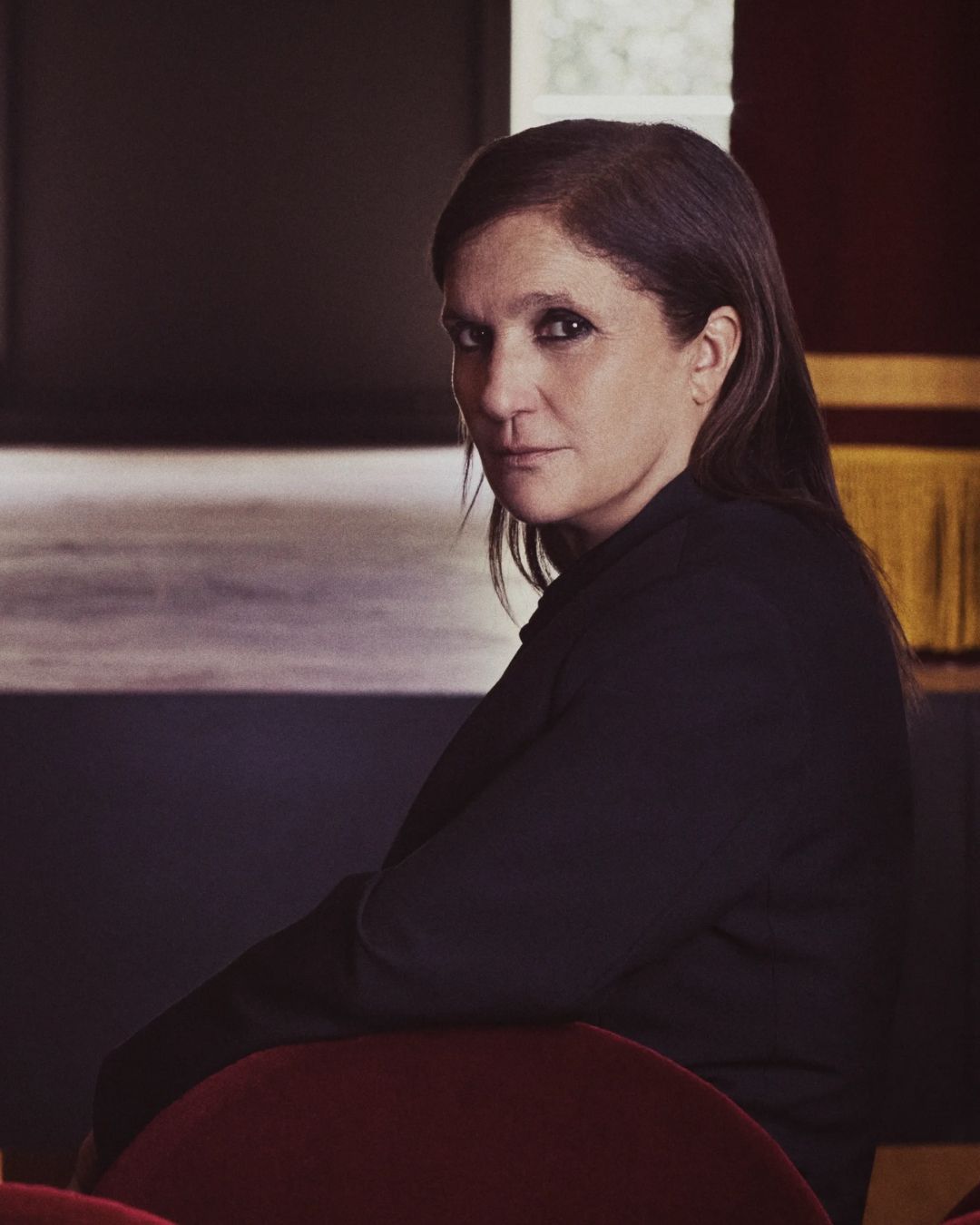
«We want to create a meeting place»: Maria Grazia Chiuri on the Teatro della Cometa Together with her daughter Rachele Regini, the designer talks about the reopening of the historic Roman theater
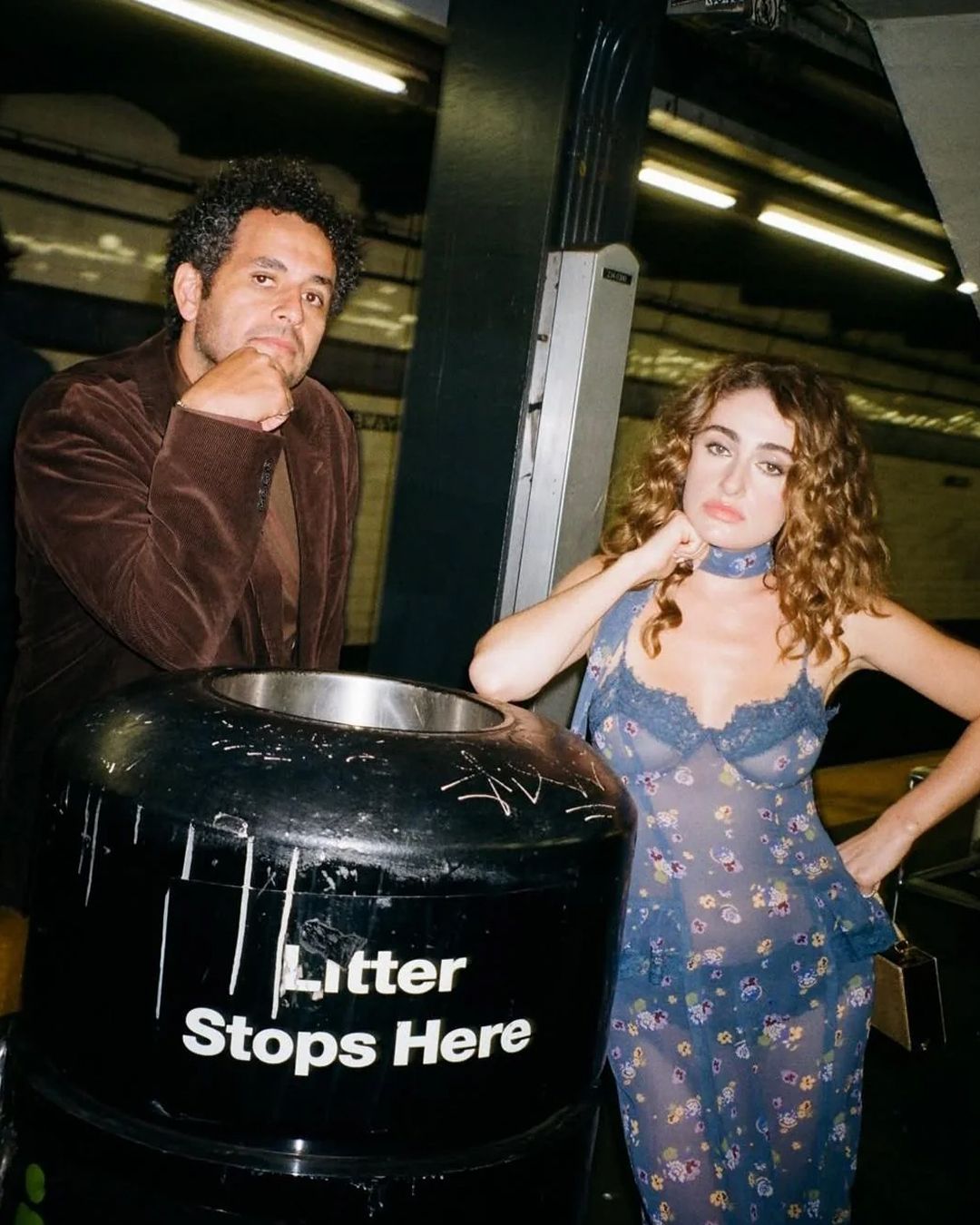
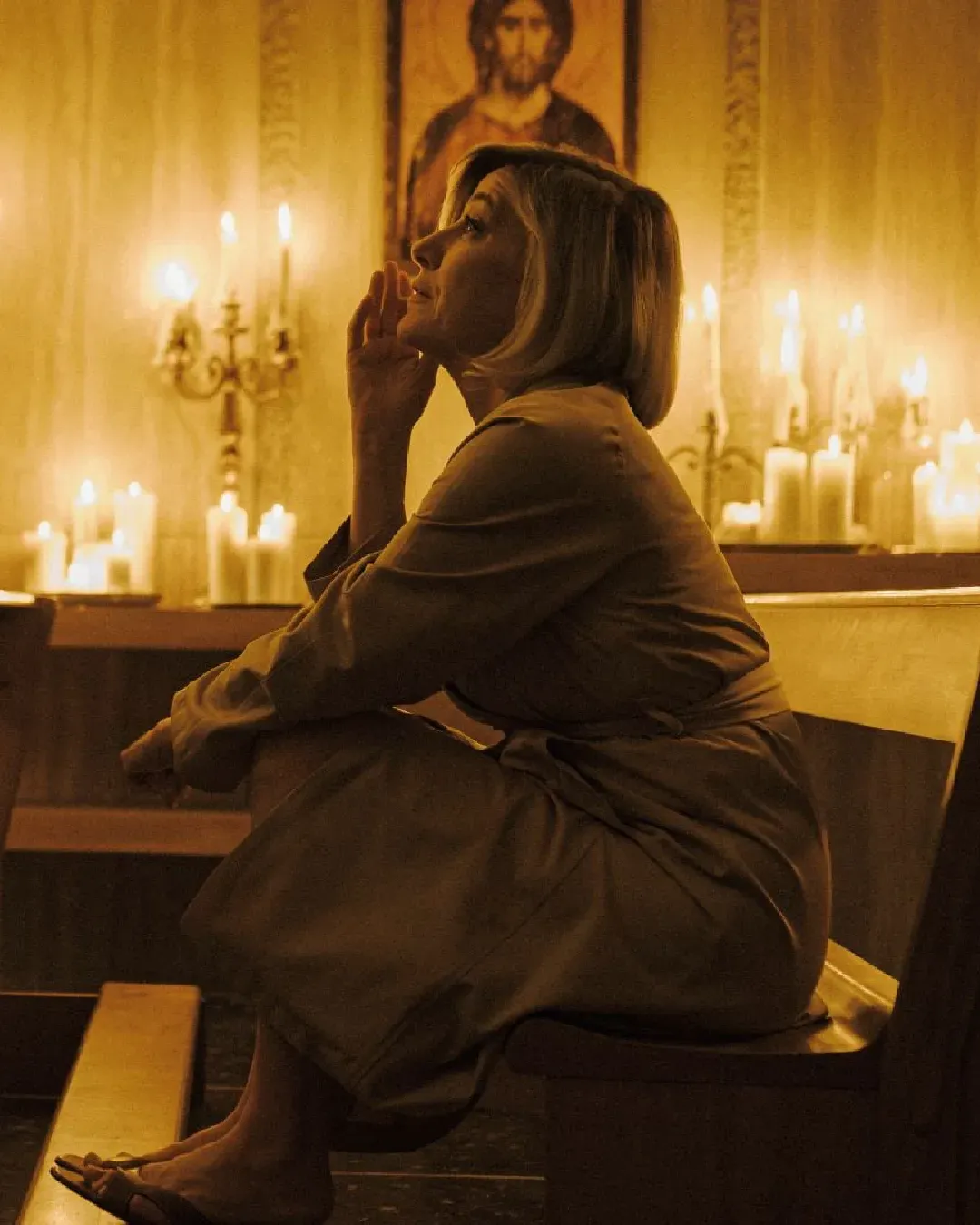
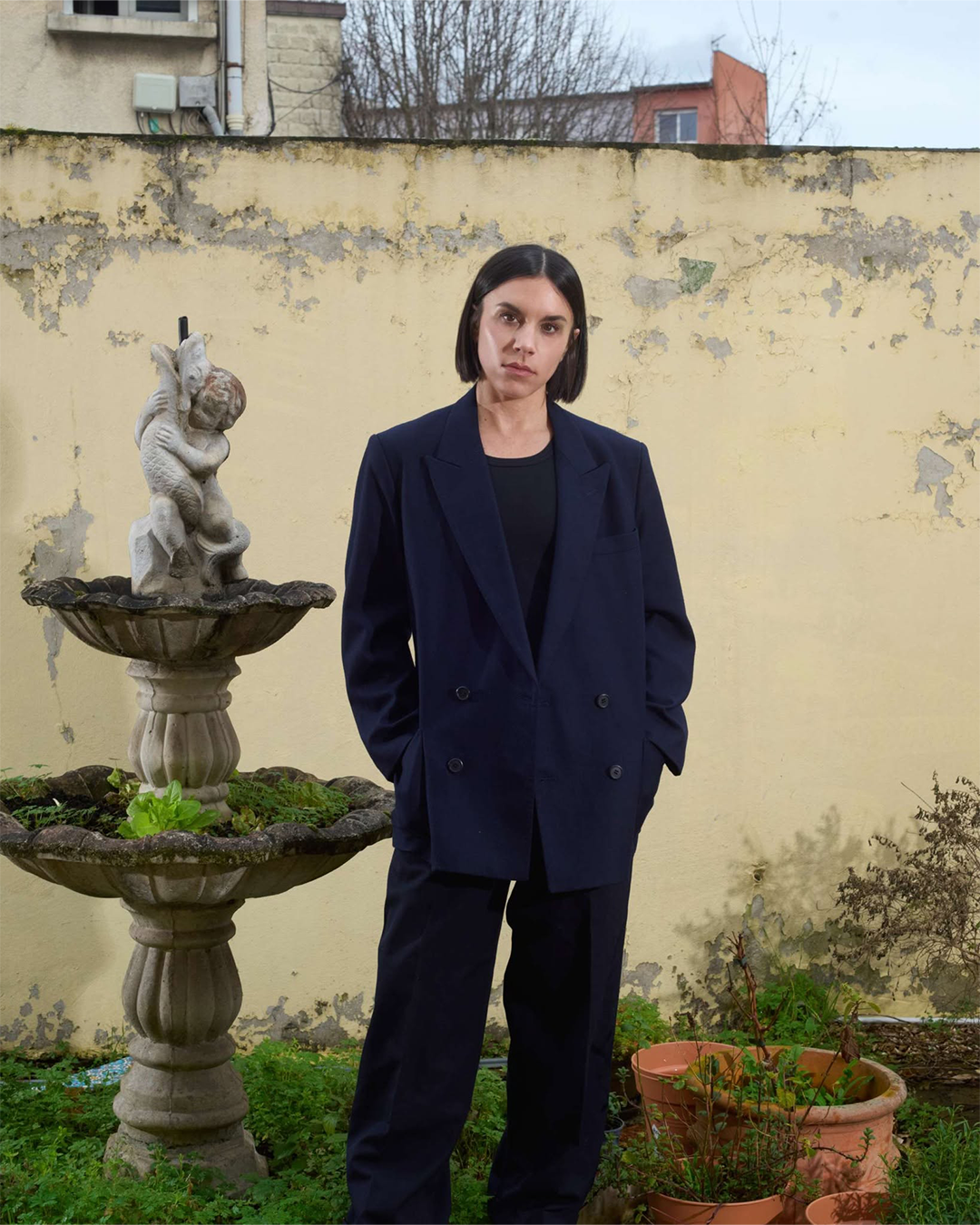
The reopening of the Teatro della Cometa in Rome is more than yet another example of the connection between fashion and performance art (now a rising fascination within the fashion system). For Maria Grazia Chiuri, it marks a new chapter in her decades-long career – one that feels more personal and grounded. This journey is further enriched by the involvement of her daughter, Rachele Regini, who will lead the scientific committee and coordinate curators across the various artistic fields of the theatre’s new programming. In every sense, it is a return home, a return to her roots, but also to a place of sincere personal interest. The designer recalls: «My first connection with Teatro Cometa was as a spectator — my husband Paolo and I were subscribers until its closure in 2020. After acquiring it in 2018, I began collecting materials on its history, and a deeper encounter came through Tomaso Buzzi’s 1947 sketches, which — as often happens — I was surprised to rediscover among those documents». Chiuri’s decision to invest in the theatre arts was no coincidence. Her relationship with performance has always been present, particularly during her last ten years in Paris as the head of one of the city’s leading maisons. There, she cultivated numerous artistic collaborations, many rooted in the world of theatre. From Sharon Eyal’s contemporary dance to the visionary aesthetics of Bob Wilson, these partnerships sharpened her creative sensitivity and deepened her interest in the immersive relationship between body, clothing, and space. As she explains: «I was interested in opening up the inherently performative space of the runway to other ephemeral rituals, like theatrical performances. I wanted to put garments in dialogue with those realities».
The initiative by Maria Grazia Chiuri and the Teatro Cometa team seems to come at a particularly favorable time for the city of Rome, which, as Mayor Roberto Gualtieri recently reiterated, must once again become a vibrant and accessible cultural center, especially for the younger generations. «Part of the programming,» says Rachele Regini, who, as mentioned, heads the scientific committee of the Theater, «will be dedicated to Italian directors from different generations who will have the opportunity to bring their performances to Rome». This urgency is also reflected in the vision behind the reopening of the historic theater, as emphasized by Rachele Regini, for whom the new Cometa is «a point of reference in Rome for a program of prose, music, and dance. The desire is to activate a constant dialogue with the city and its creative communities». The aim is not to replicate existing models, but to offer a «non-traditional program that alternates events of international, but also Italian, origin — a new place that can enrich the cultural landscape of the city through exchange and interaction between cultures and expressive codes». Regini explains that the intention is to activate a constant dialogue with the city and its creative communities, positioning itself within the Roman cultural landscape as a dynamic, inclusive, and open place for exchange.
Spaces like Teatro Cometa remain rare in Italy, especially when compared to cities like Paris, where, as Chiuri herself notes, cultural energy can be felt on many levels. Her time in France had a profound impact on her creative lens: «I’ve learned a great deal in Paris and from the French. They know how to support their artists and performances, and their audiences are incredibly engaged». It’s a model worth looking to, especially if Italy is to recenter culture and foster genuine links between different creative worlds, such as fashion and performance, in ways that feel natural, rather than forced or, worse, commercially opportunistic. For Chiuri, these connections have never been strategic; they’ve always been deeply embedded in her way of working: «Fashion has always been a way of speaking about bodies and our relationship with the body. I’ve used fashion as a platform to collaborate with artists and performers who – along with me – question the nature of that relationship, including how we inhabit our clothes». That same spirit informs the Teatro della Cometa project – conceived as a place where artists, performers, and musicians can collaborate, create new performances, and ask difficult questions without feeling the need to provide immediate answers. Importantly, this isn’t about reinventing Cometa but about honoring its legacy, as Chiuri explains: «We first focused on restoring the space with architect Fabio Tudisco from 2018 to today. Our aim was to bring it back to its original design, preserving its charm while equipping it with the best technical solutions to meet contemporary needs».
As for what’s next for Maria Grazia Chiuri within the fashion world, nothing has been announced yet. But her growing connection to theatre suggests a gradual step away from the fast-paced, high-pressure environment of Paris fashion. It’s not a farewell, but perhaps a search for balance, a way to rediscover a more human rhythm and a deeper connection with artists, audiences, and creative work made to be truly lived, not just consumed. It’s no surprise that Chiuri describes this shift as a moment of renewal: «I’m happy to explore a different kind of space, more intimate and more familial, especially in a time when human connection feels increasingly rare». In an industry now shaped by screens, speed, and remote engagement, returning to theatre, «the space of the here and no,w» offers her a kind of rebirth. «Being physically present again — sharing space with both performers and spectators — is a beautiful new beginning for me». One that remains rooted in creativity and dialogue, but now unfolds at a slower, more honest pace, free from the pressures of the fashion system.