





























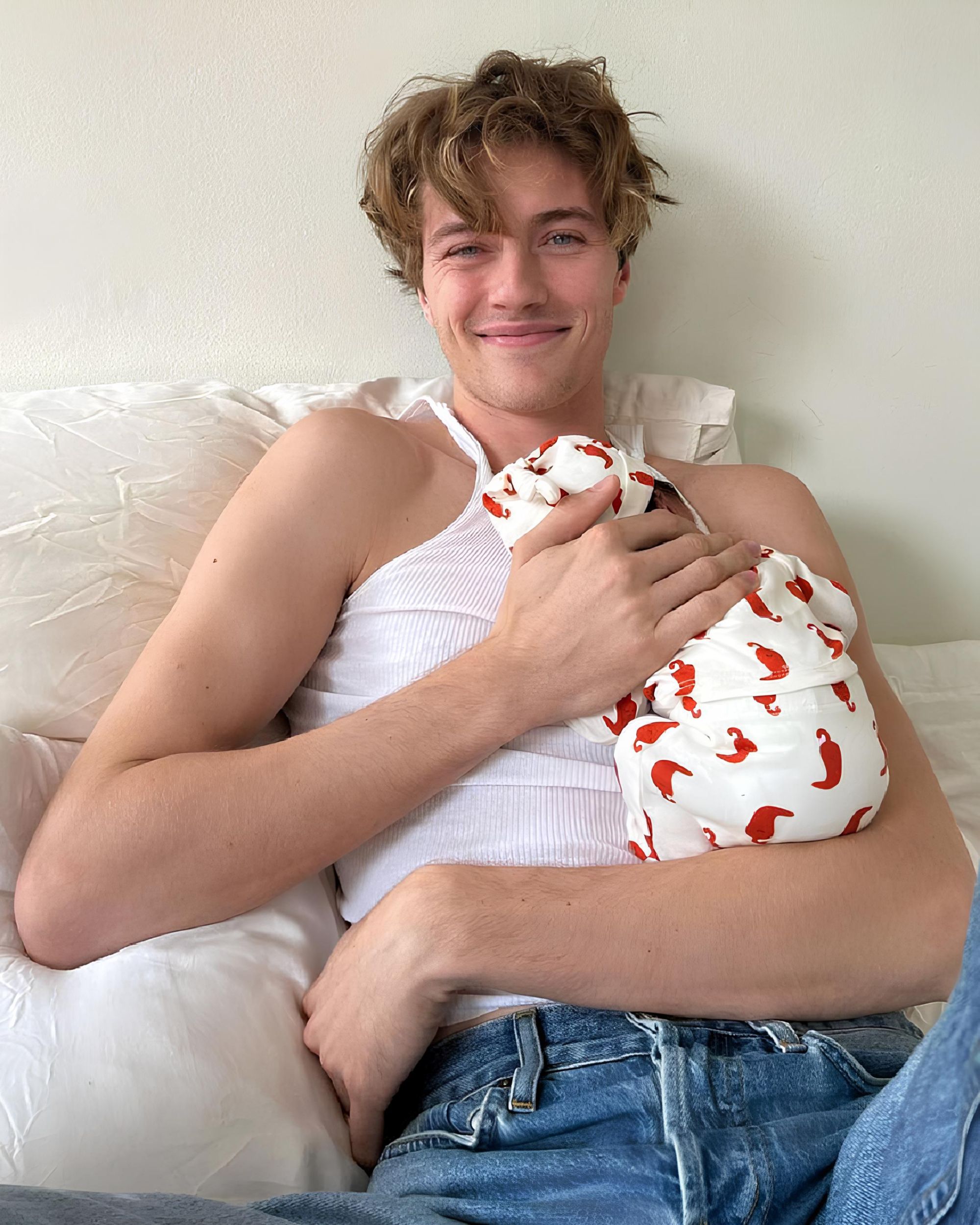
What is the Generation Z Dad? Young people who would like to become fathers, despite all of today's difficulties
If there is one thing that surprises sociologists, demographers, and cultural observers, it is the way Gen Z is rewriting the narrative around several topics: from the environment to social rights, all the way to the discourse on the family. Raised in a world marked by economic crises, job instability, and extremely rapid social change, many expected Gen Z to be the first to definitively turn their backs on the idea of children and parenthood. And yet something different is happening, especially when it comes to men.
Data from the Pew Research Center study
@nicolewebz No shade to Dads of other generations, but Millenial Dads are crushing it #millennialdad #fathersday #dadsoftiktok Work Song - Other Voices Series 19 - Hozier
According to a survey by the Pew Research Center, 62% of Gen Z men between the ages of 18 and 29 say they want to have children in the future. A surprising figure, especially when read alongside the economic difficulties that characterize this age group, suggesting that the desire for fatherhood has not disappeared at all, but rather has been reformulated. What is changing is not so much men’s desire to become fathers, but the way in which this desire is imagined.
The figure of the distant father, scarcely involved and tied exclusively to the role of economic provider, is giving way to an idea of fatherhood that is more present, emotionally aware, and shared. Many young men, as reported in an article by Vox, say they want to be «active parents, capable of taking daily care of their children and sharing family responsibilities in an equal way».
This aspiration toward parenthood, however, runs across the entire Gen Z, regardless of gender. A study conducted on thousands of young adults in Europe and North America shows that about 7 out of 10 Gen Z members want to have children, a higher percentage than that recorded among Millennials at the same age. The difference between the two groups lies mainly in when: parenthood is seen as a long-term project, to be undertaken only in the presence of emotional and economic stability.
A new idea of fatherhood
@cmcnelis41 baby G such a happy guy
This drive toward a new concept of fatherhood coexists with a more complex reality. According to recent economic analyses, Gen Z boys and girls are the most affected by the rising cost of living, job insecurity, and difficulties in accessing housing. In the United States, for example, many young adults earn less in real terms than their parents did at the same age and struggle to reach economic independence.
This gives rise to the paradox of what is being called Generation Dad: the desire for a family exists, but it is often postponed, not out of lack of interest, but due to a growing awareness of the material and emotional responsibilities that parenthood entails. In this sense, Gen Z seems to adopt a more cautious approach compared to previous generations, choosing to delay rather than give up.
The situation in Italy
@speakthisway gen z parents core #genz #genzhumor #genzparents #funny #relatable #parenting #babies #diva #kesha In Italy as well, the situation aligns with the global trend. According to a survey by the Fondazione per la Natalità in collaboration with Istat, almost 70% of very young people between 11 and 19 years old say they want to have children in the future, and over 80% imagine a family with two or more children. All this while the country records one of the lowest birth rates in its recent history, with around 370,000 births in 2024.
This trend does not represent a nostalgic return to the past, nor an indicator to be used for political battles over traditional versus non-traditional families: the data speaks about parenthood, not about how it should be structured, especially from the male point of view. For many young men, being fathers means choosing consciously, taking time, rejecting rigid models, and imagining a more equal and present family—almost the opposite of traditional fatherhood.
What to read next