



























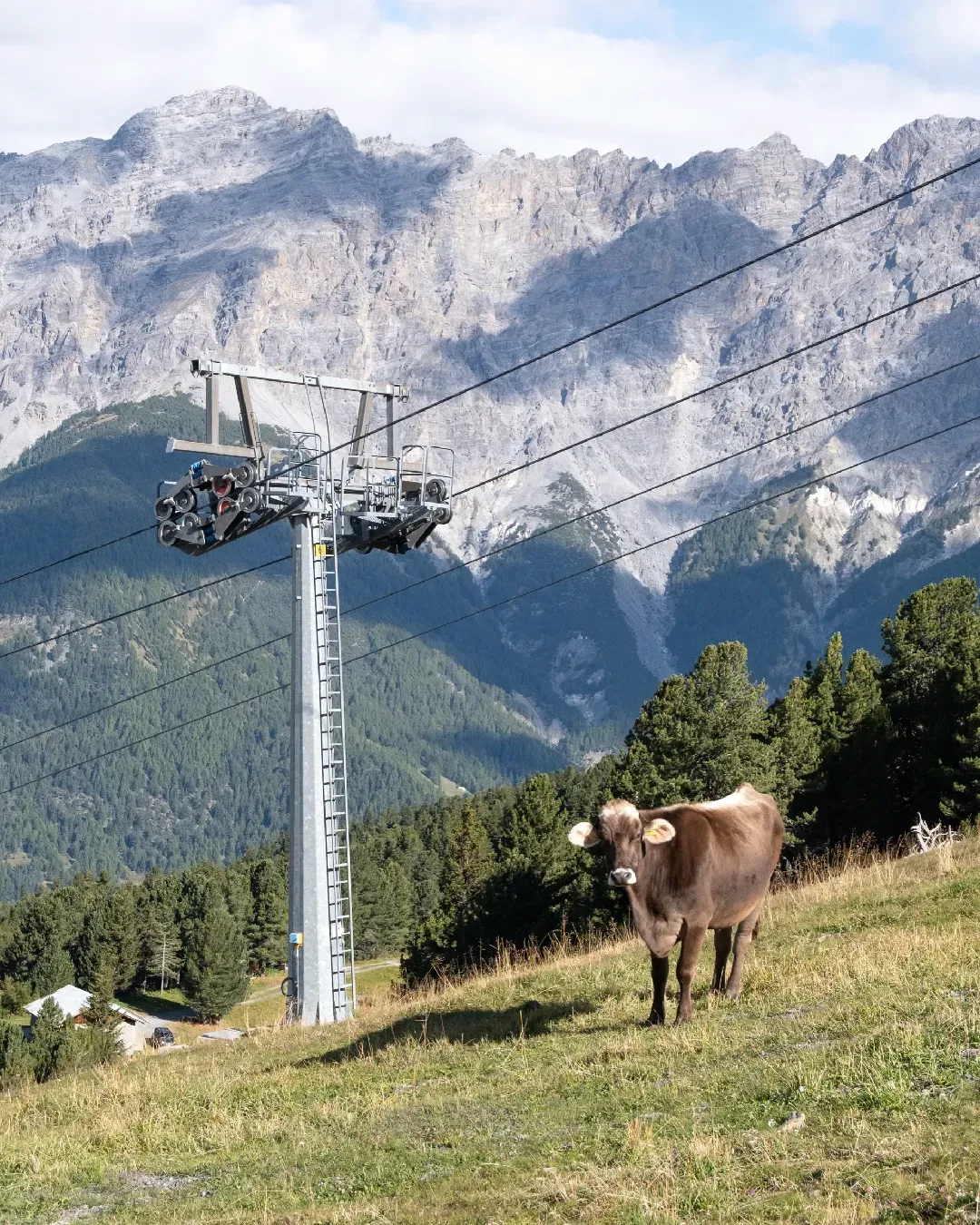
Will the 2026 Milan-Cortina Olympics ruin the mountains for everyone? Interview with Beatrice Citterio, founder of “Giochi Preziosi”
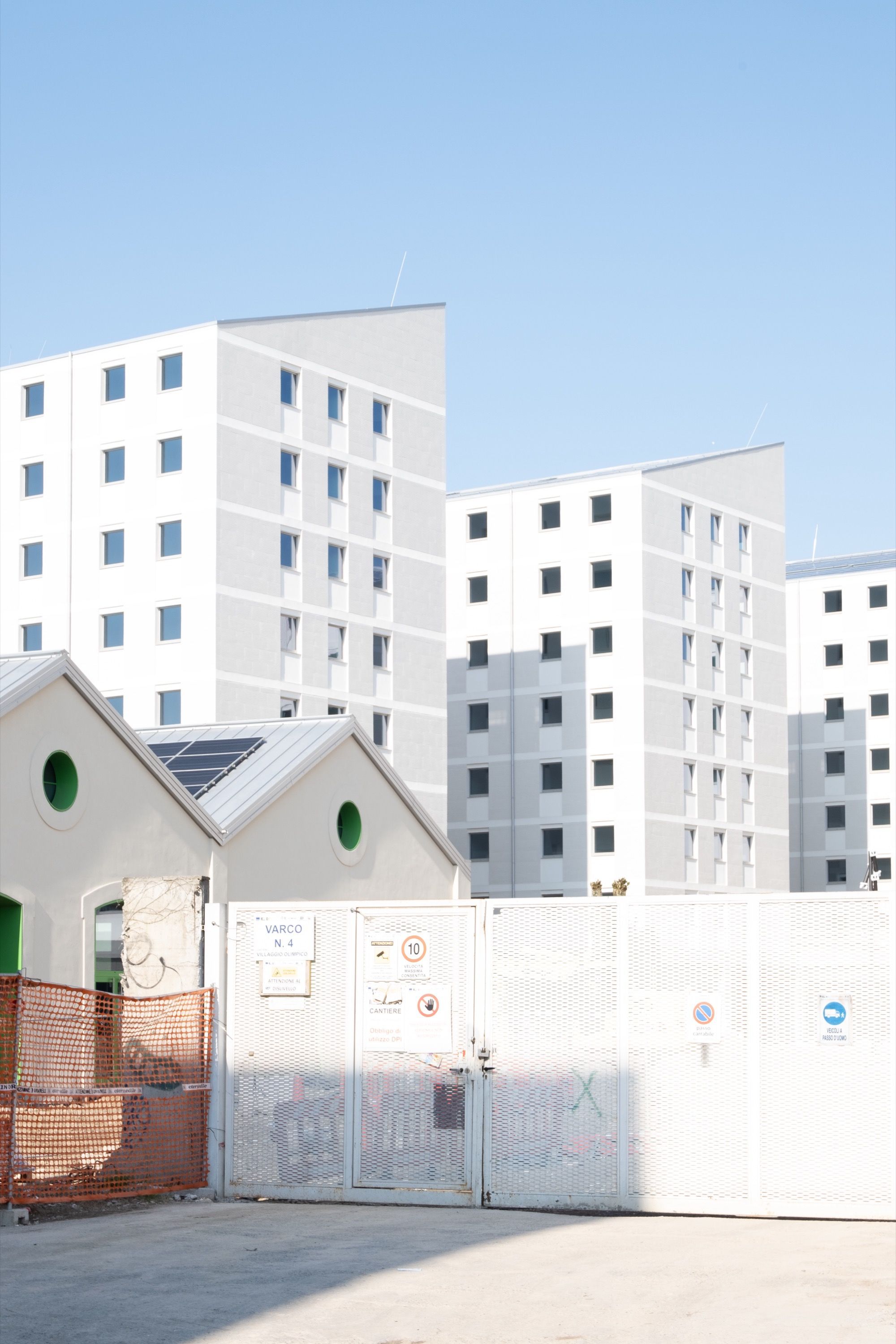
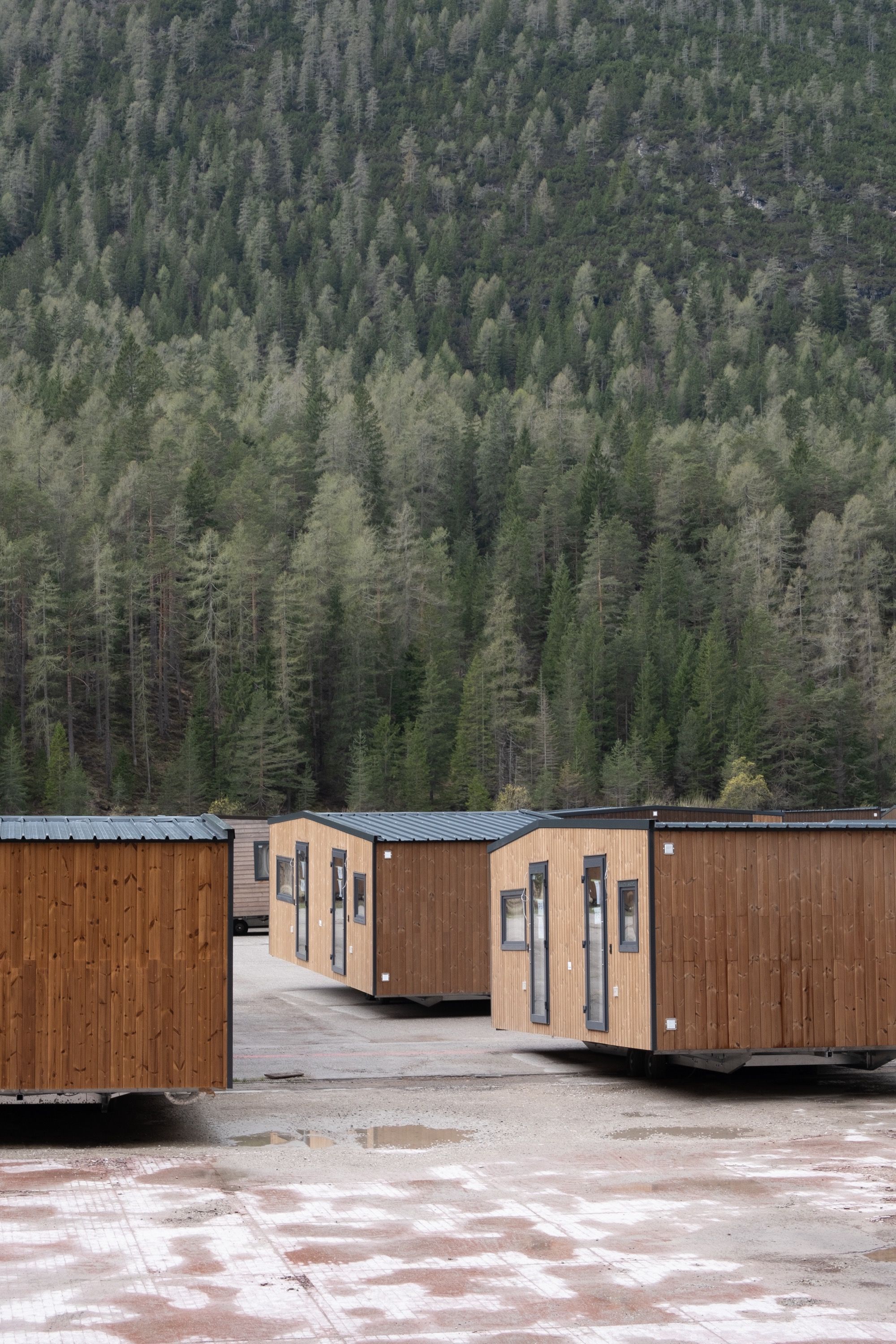
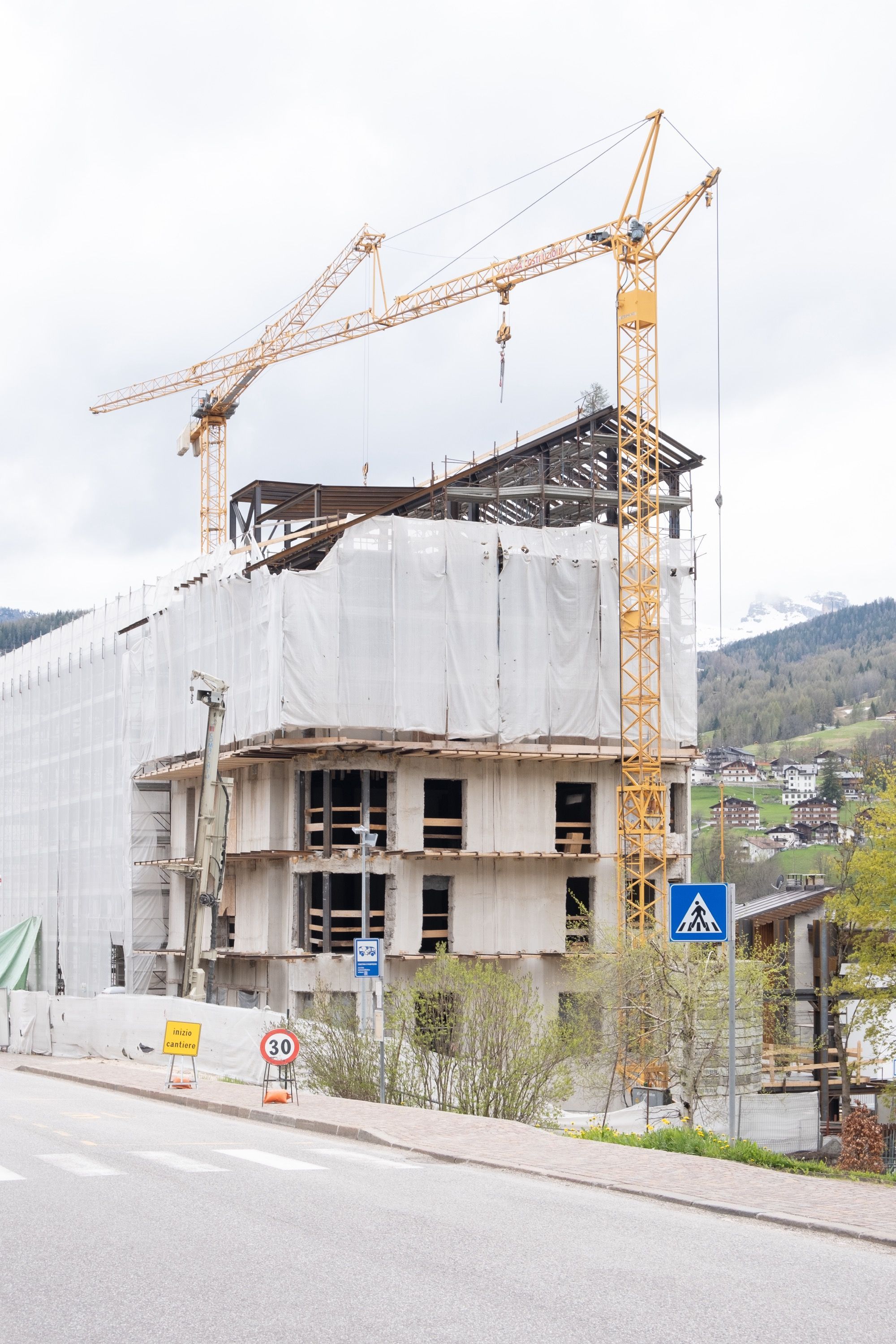
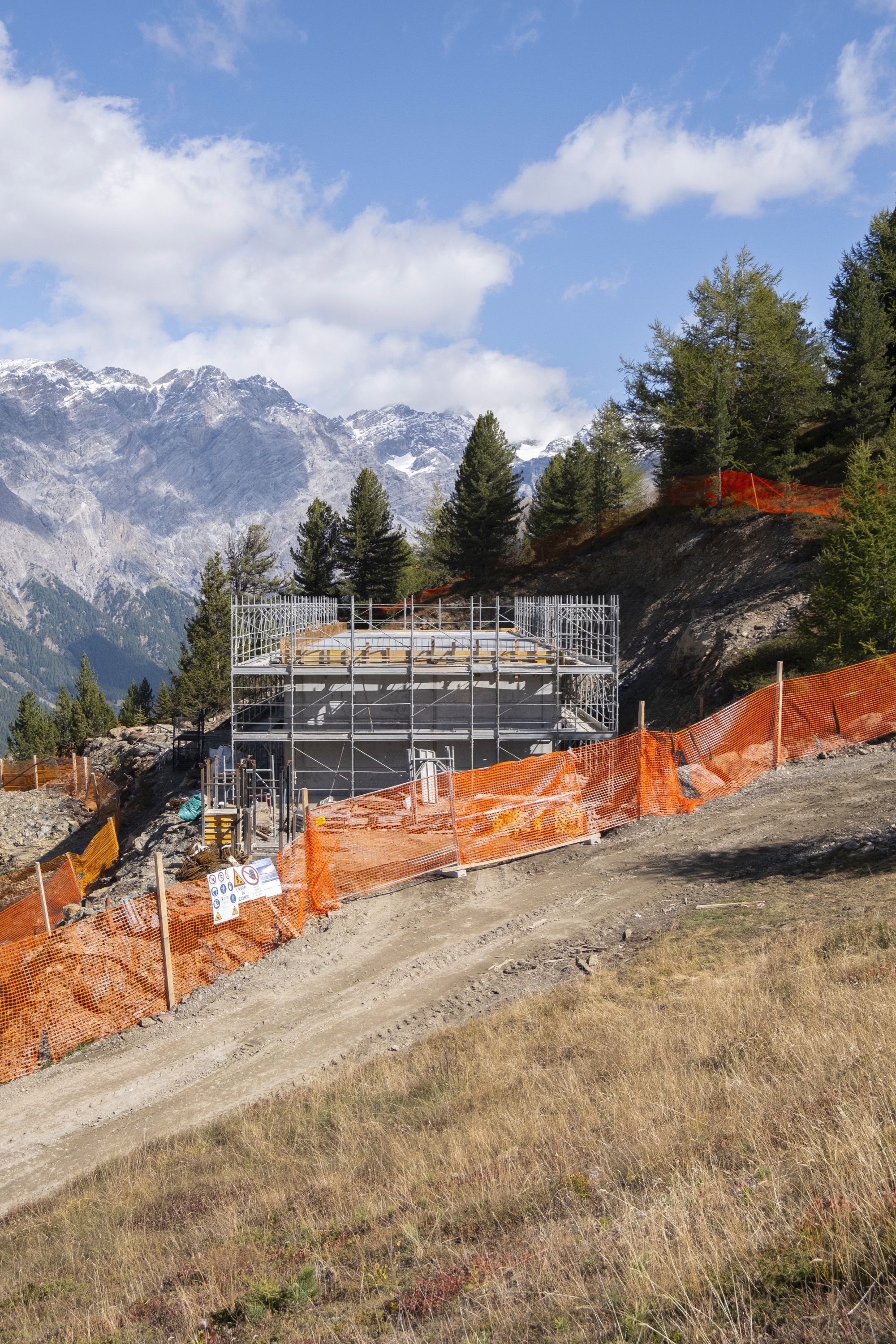
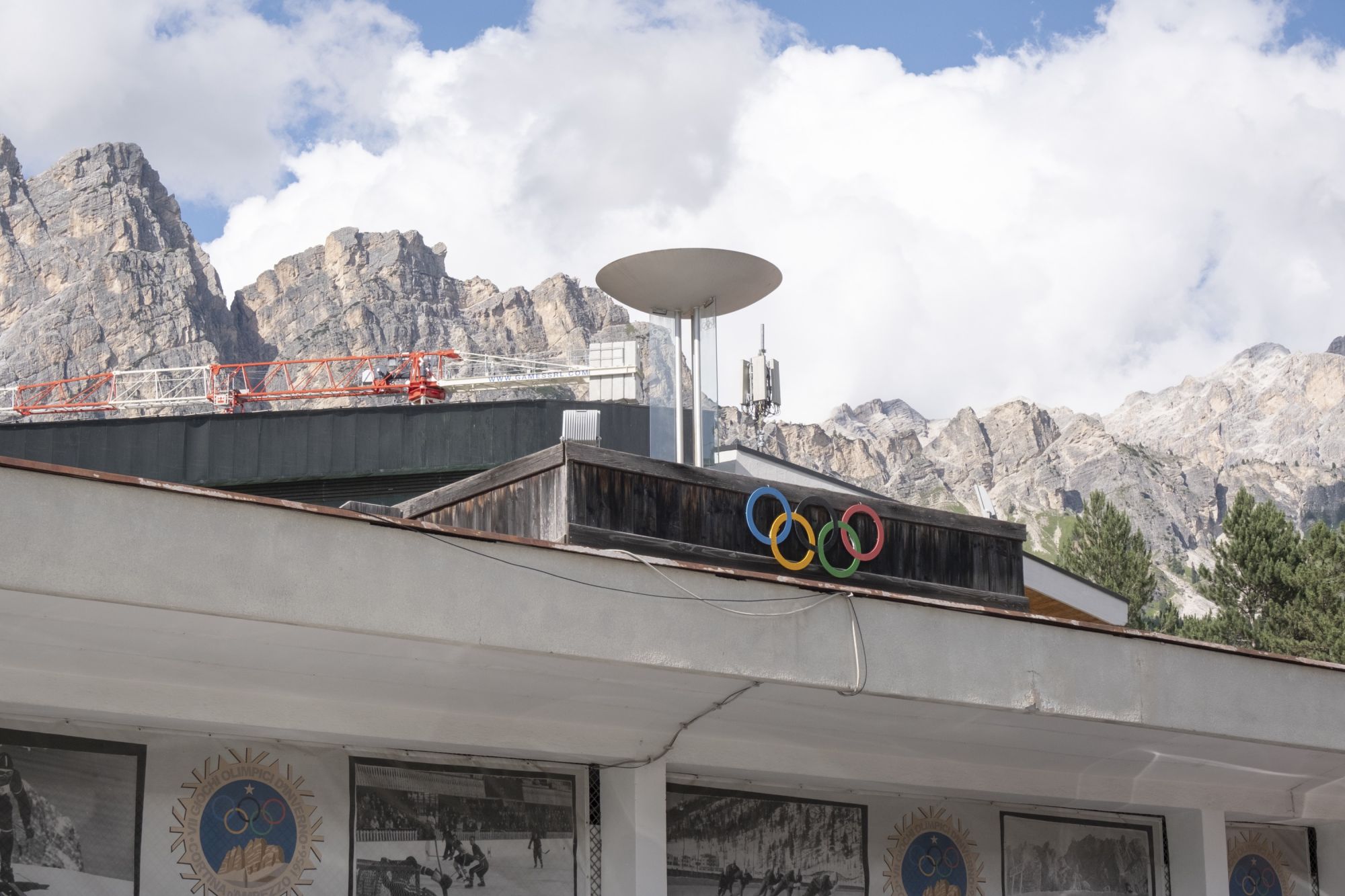
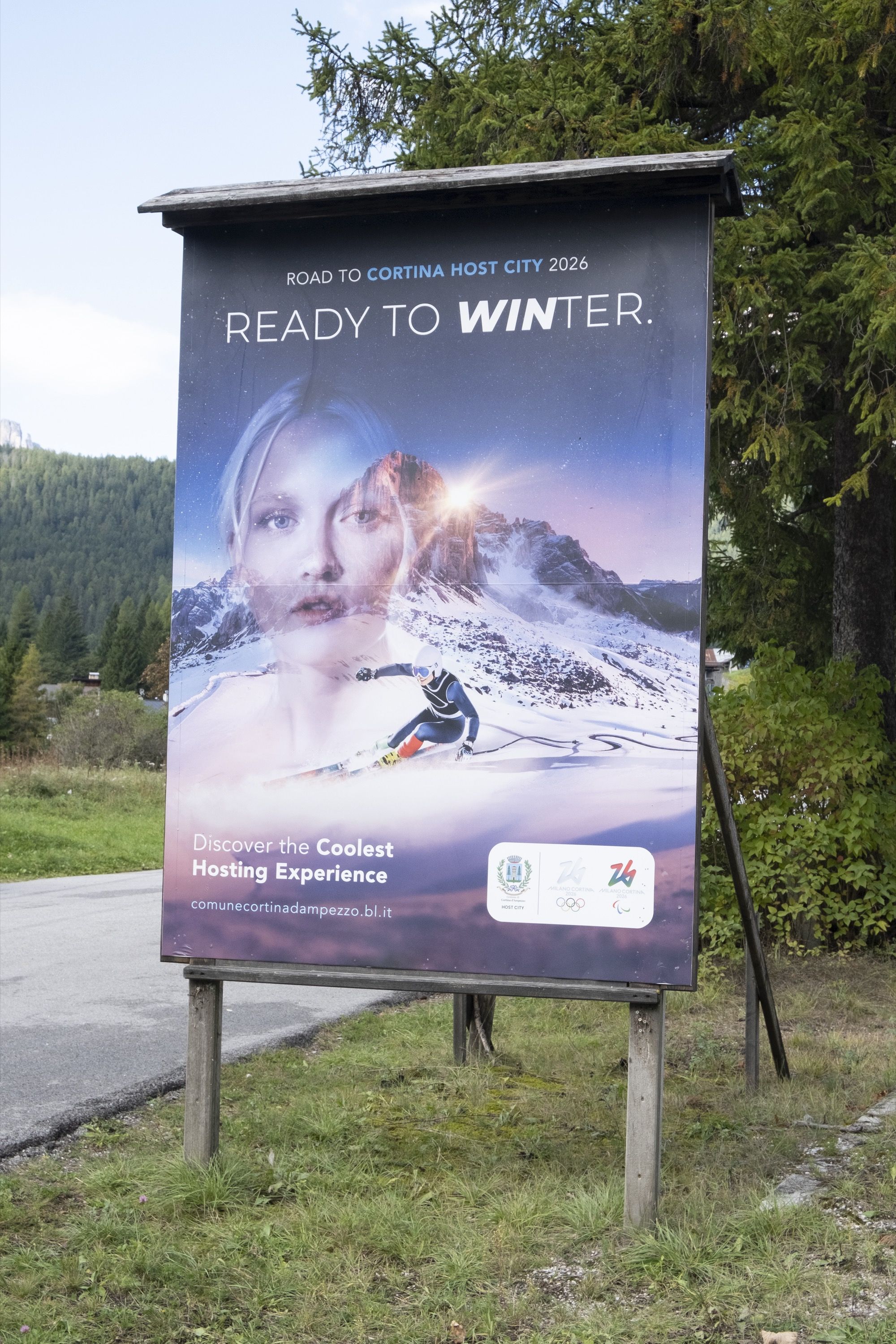
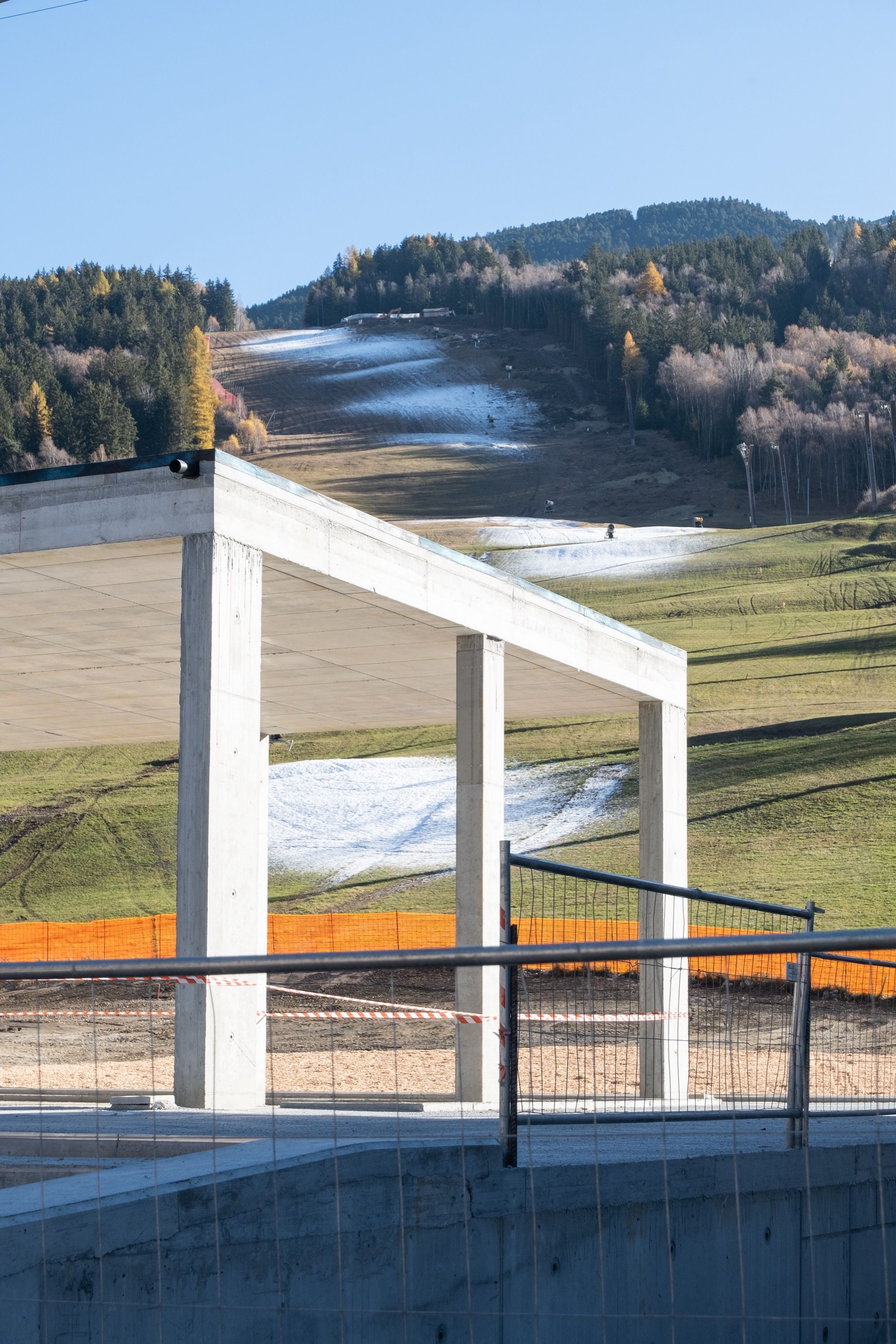
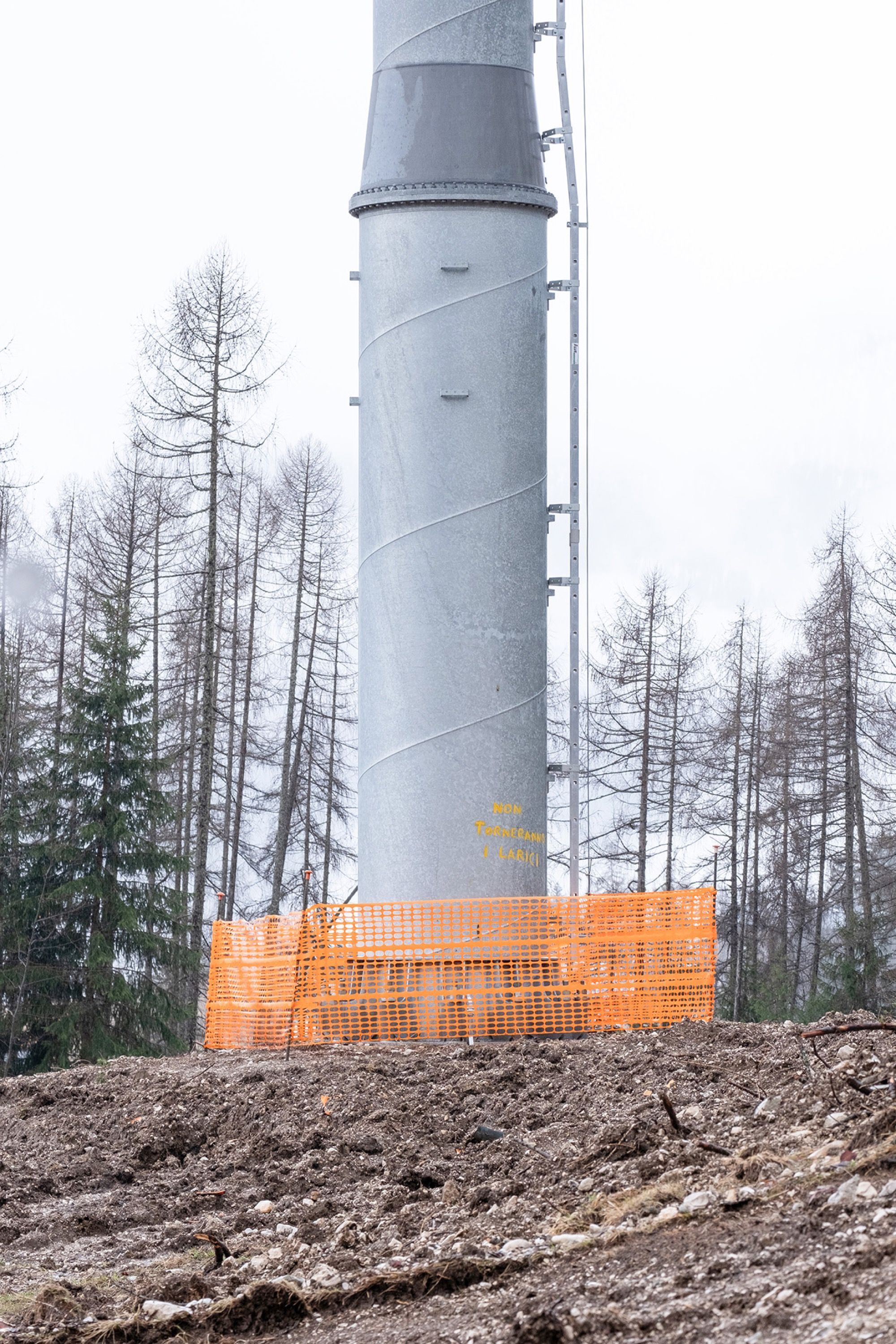
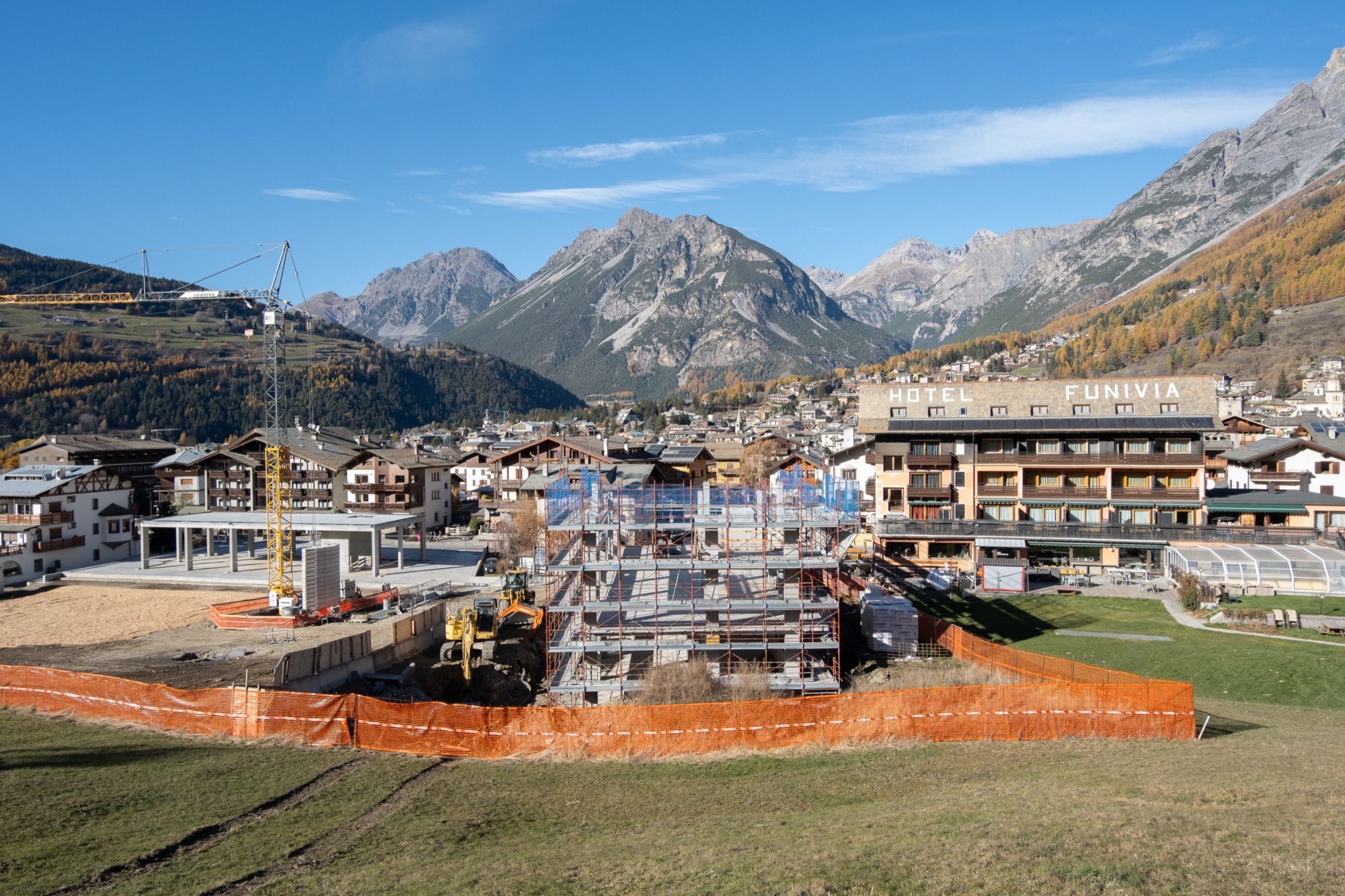
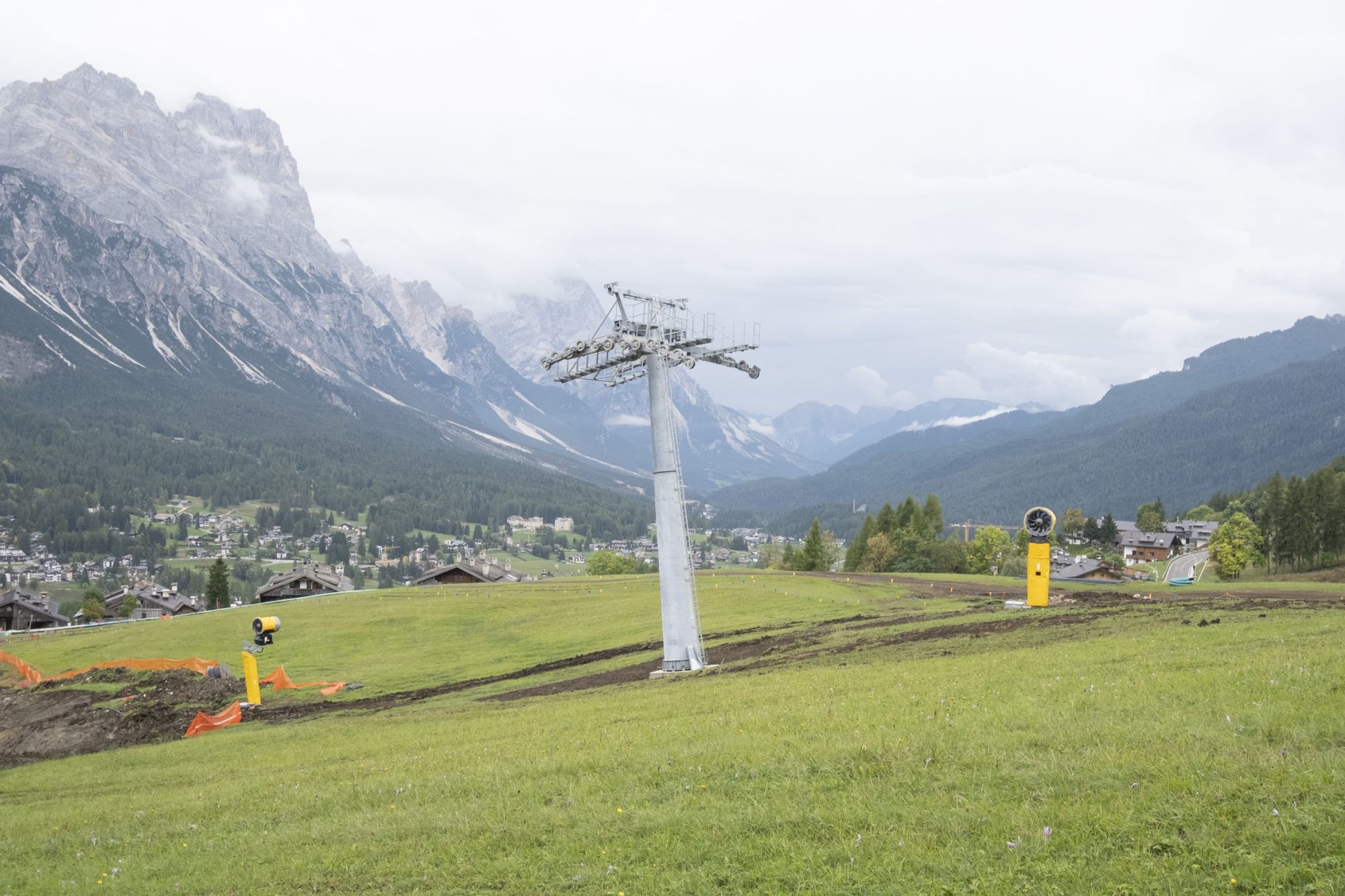
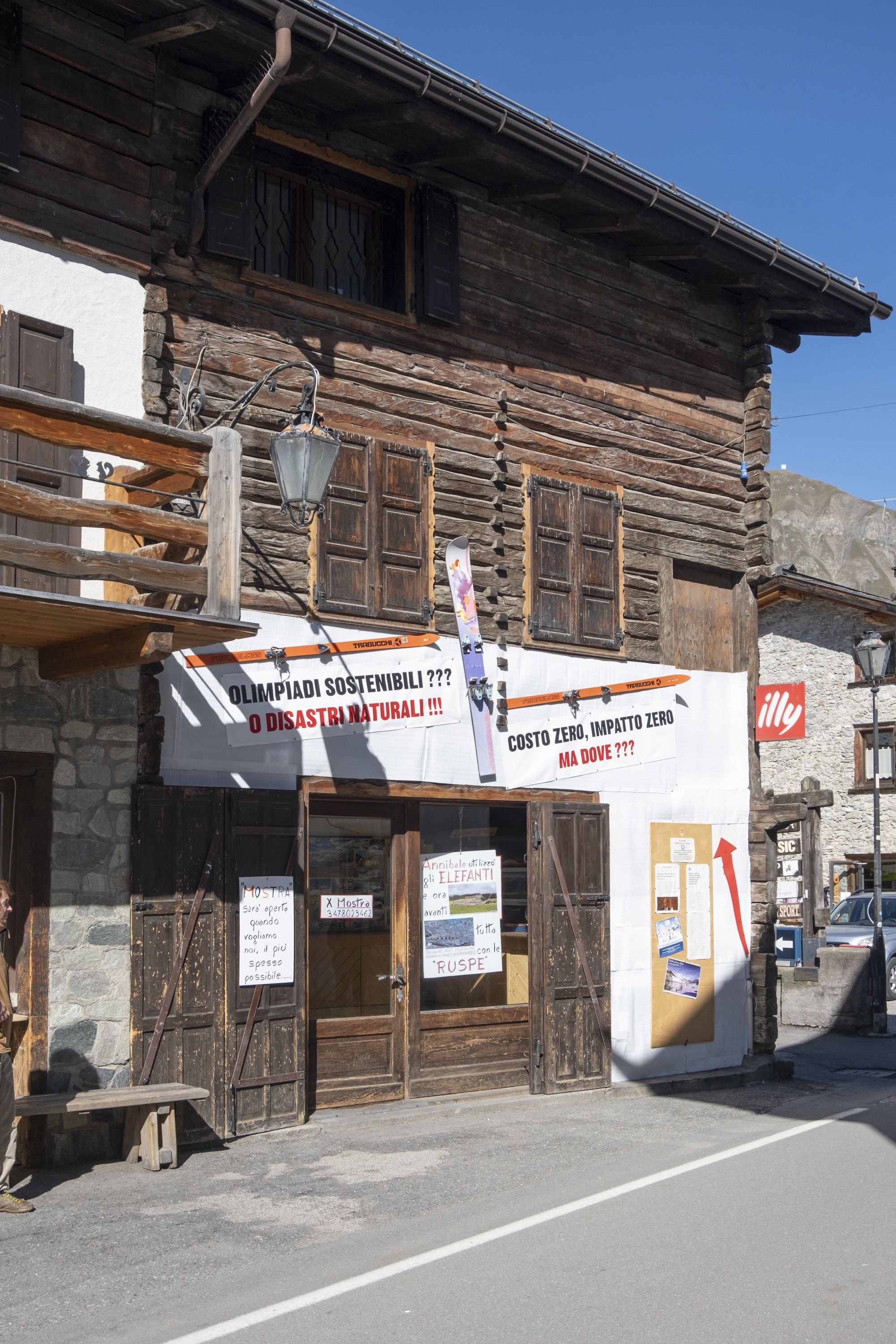
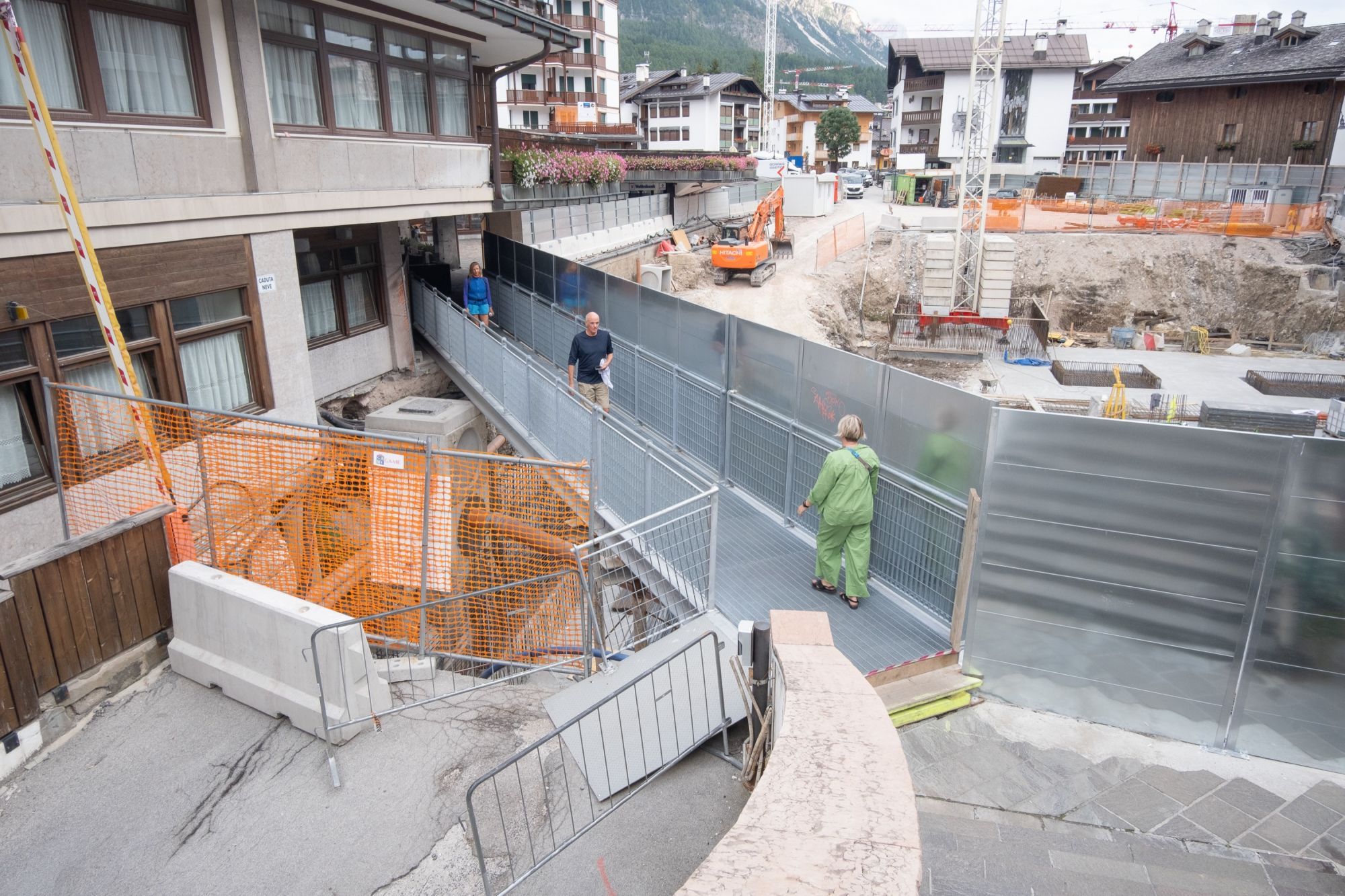
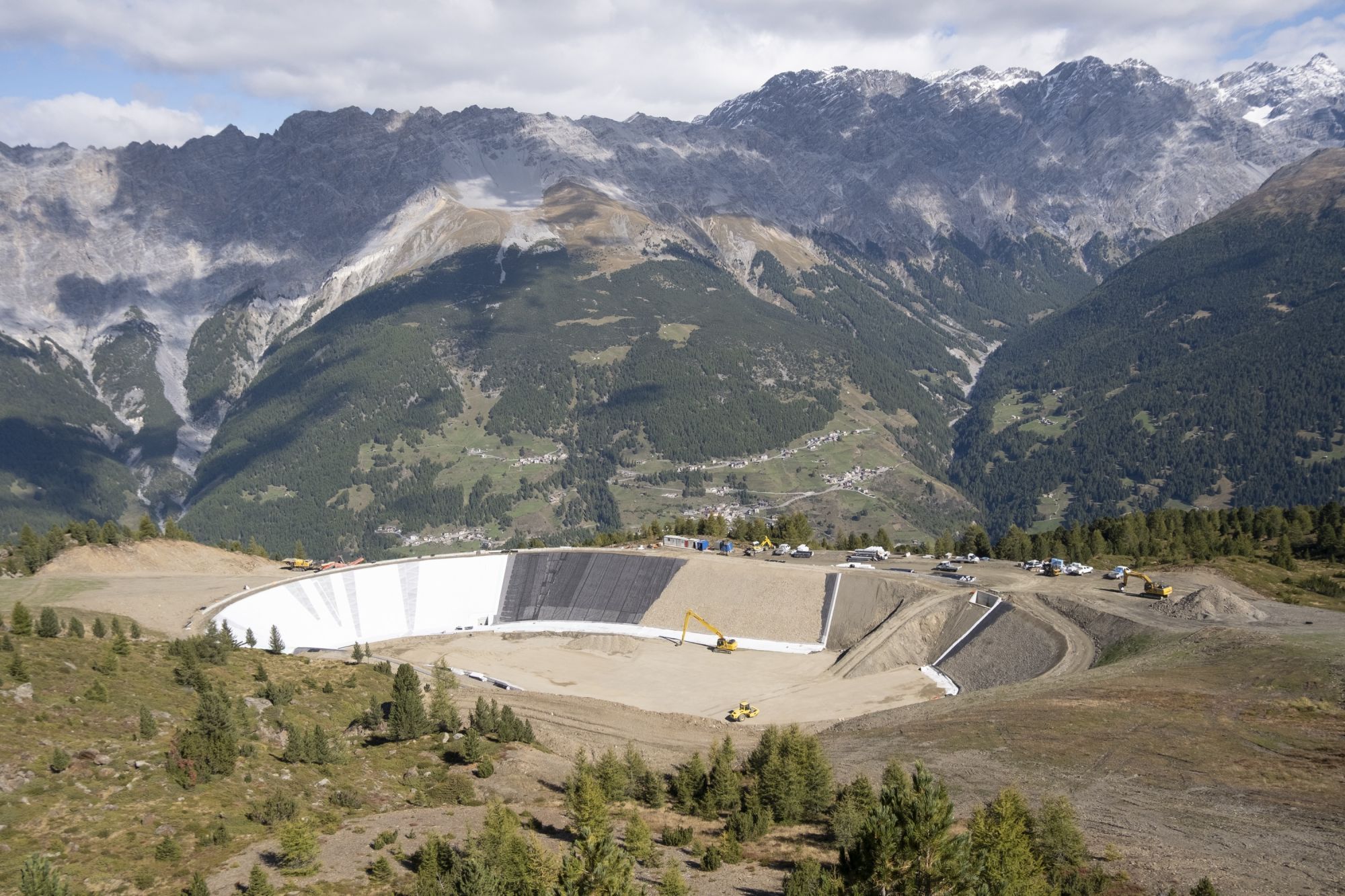
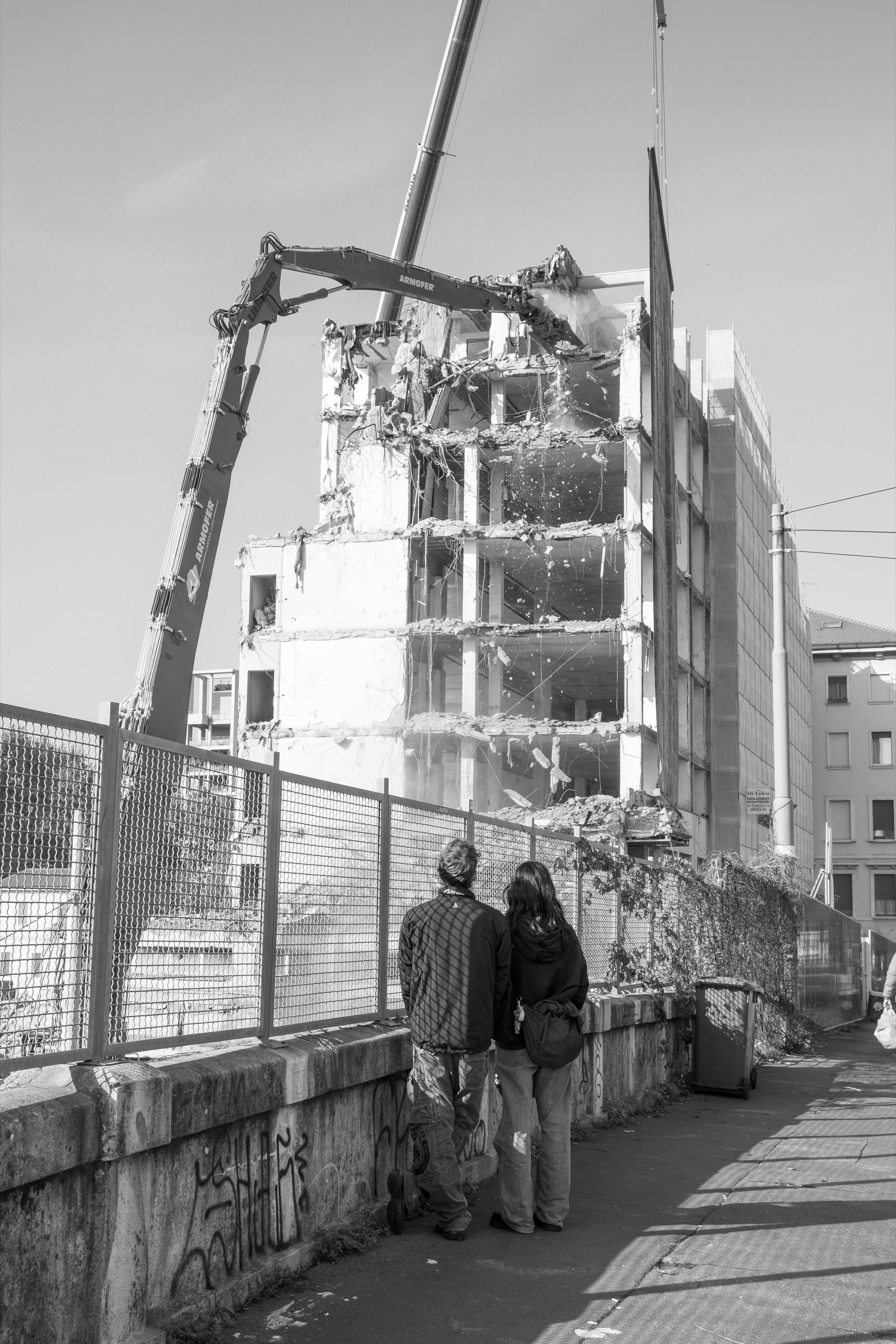
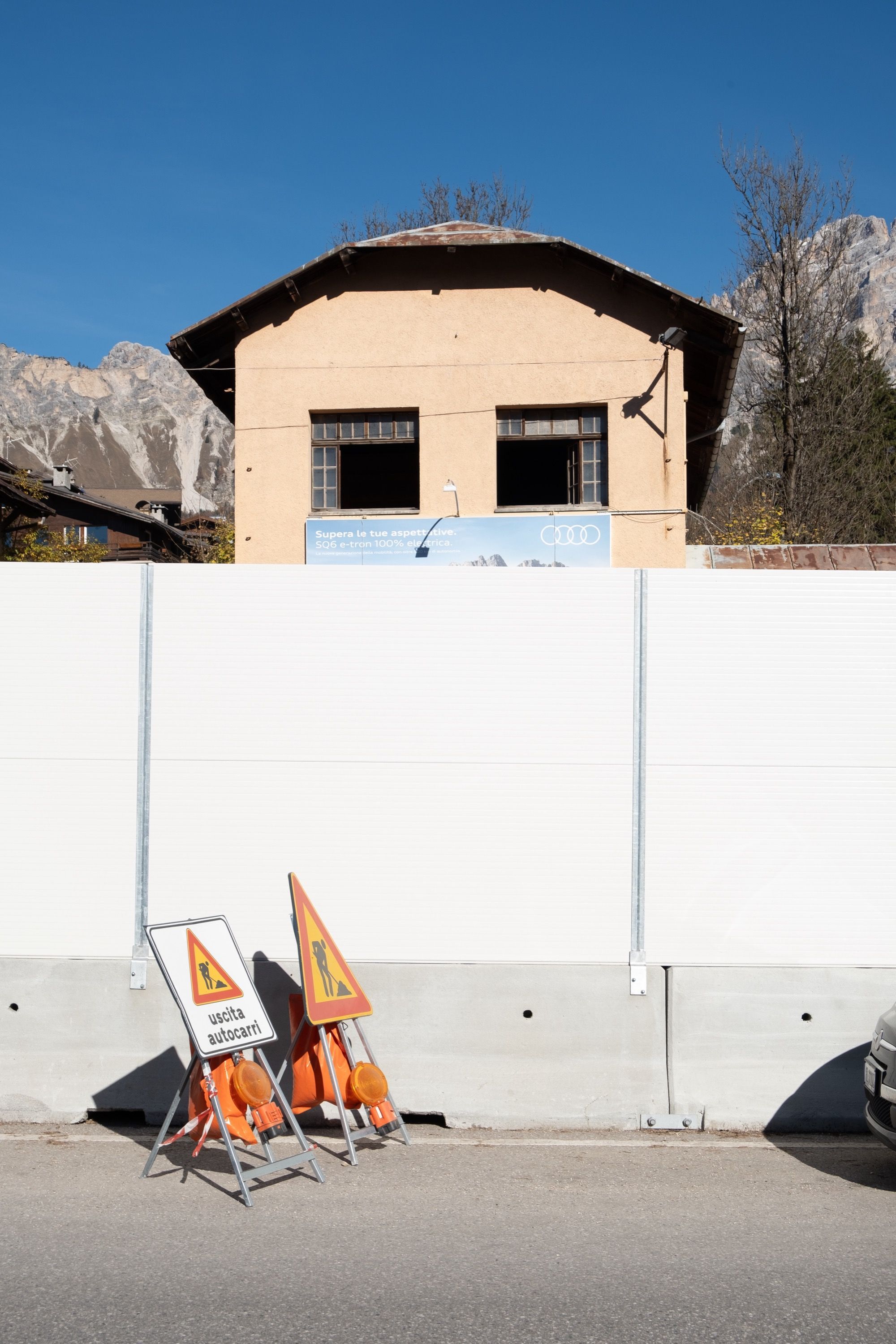
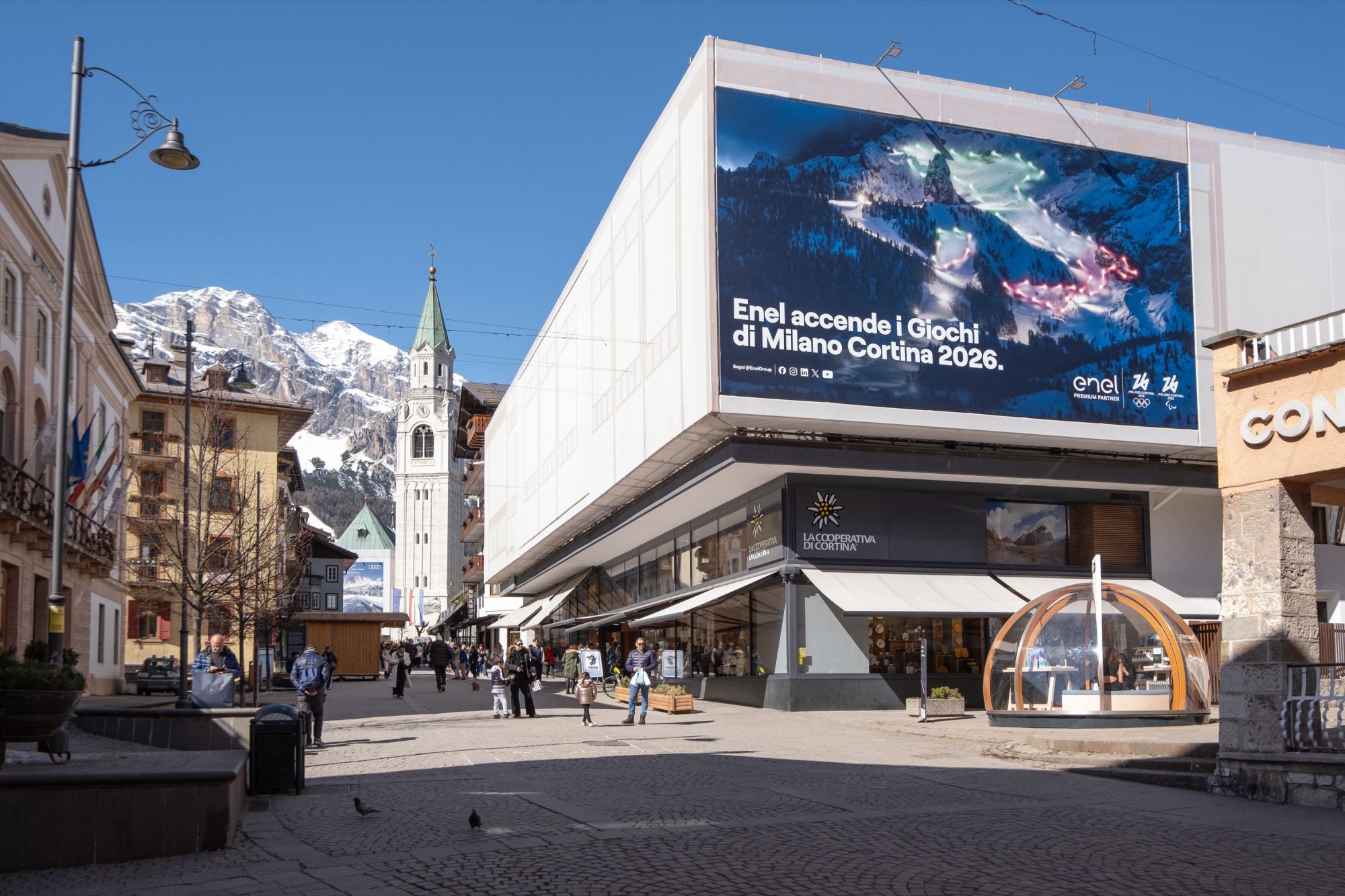
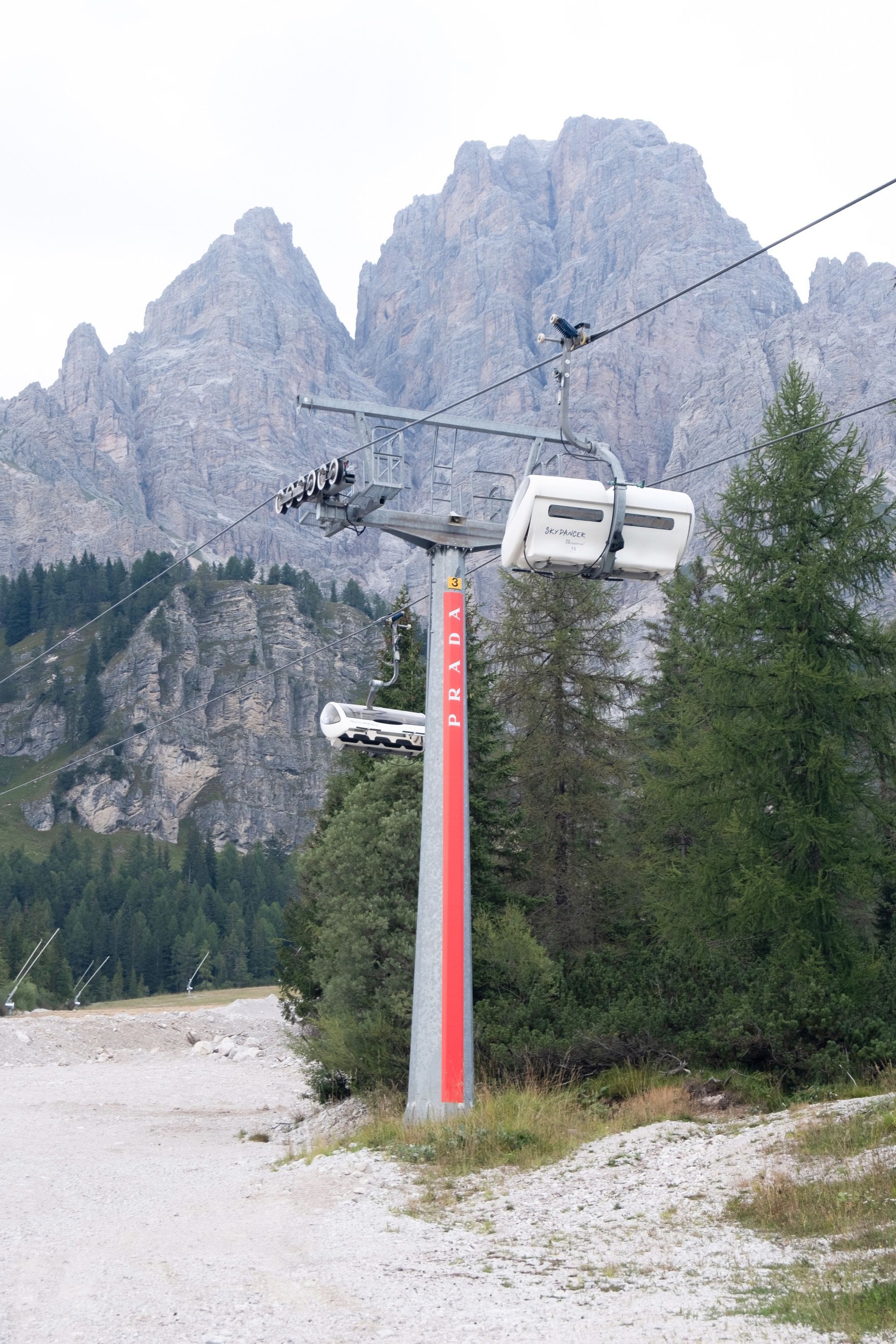
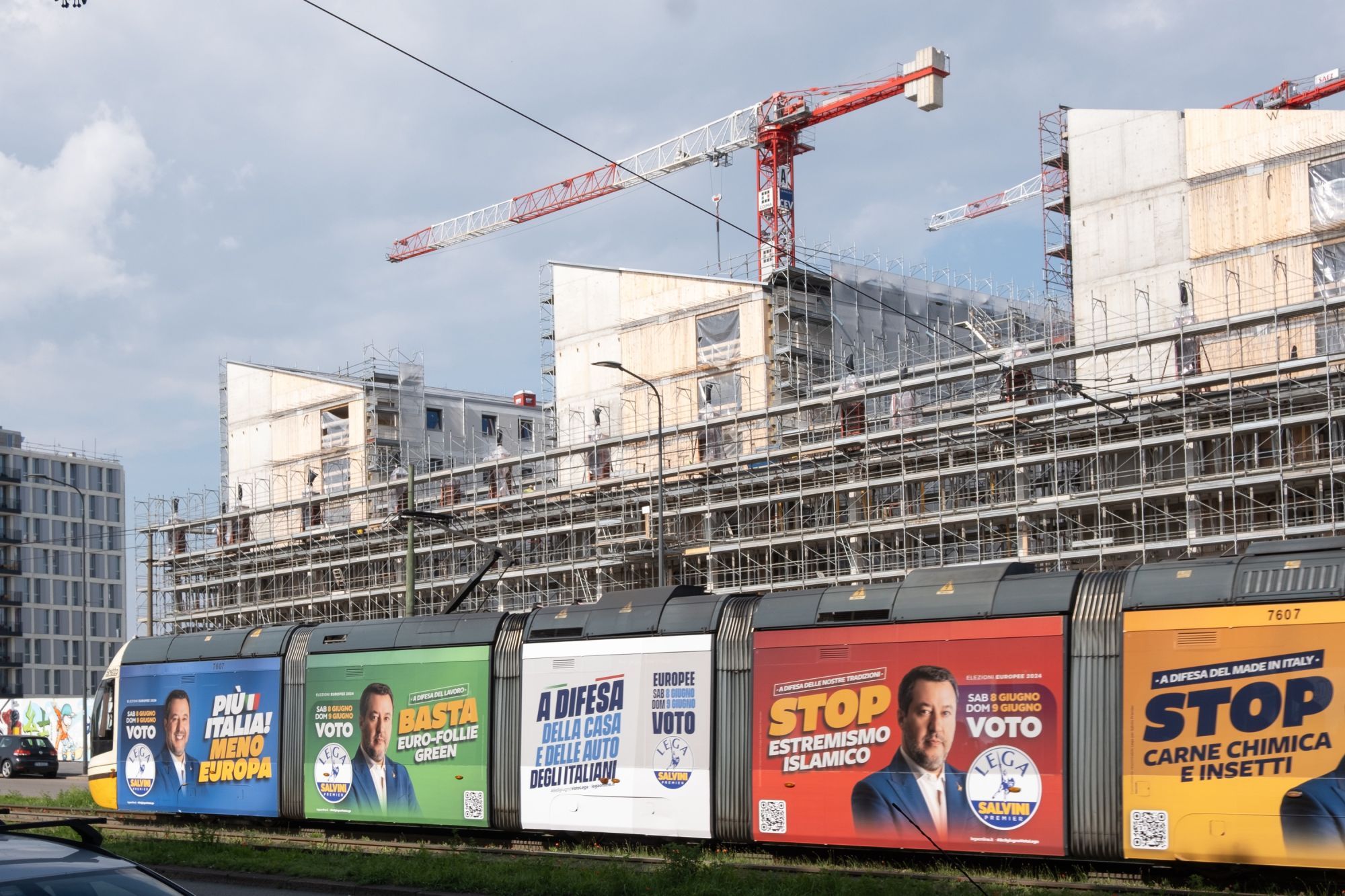
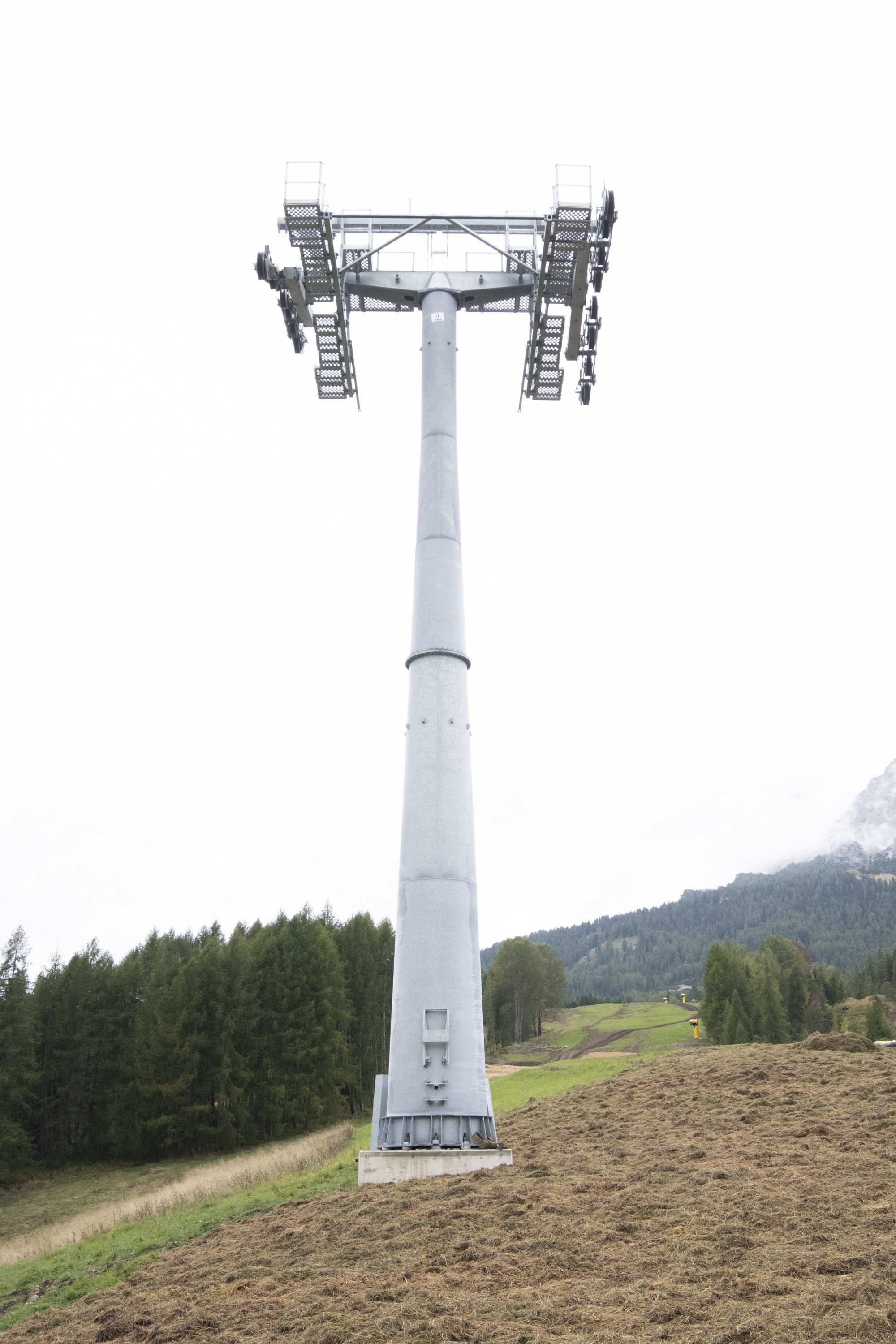
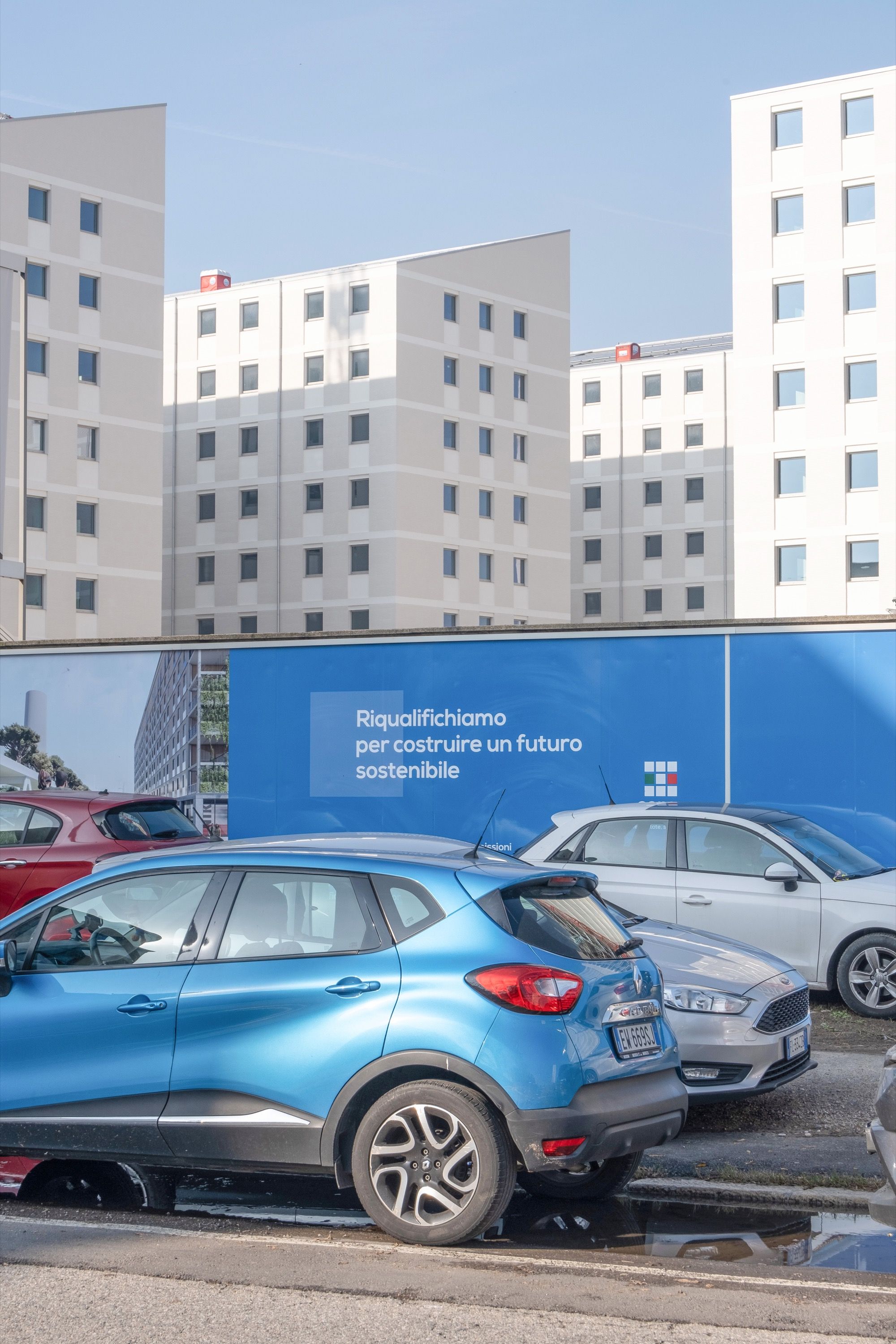
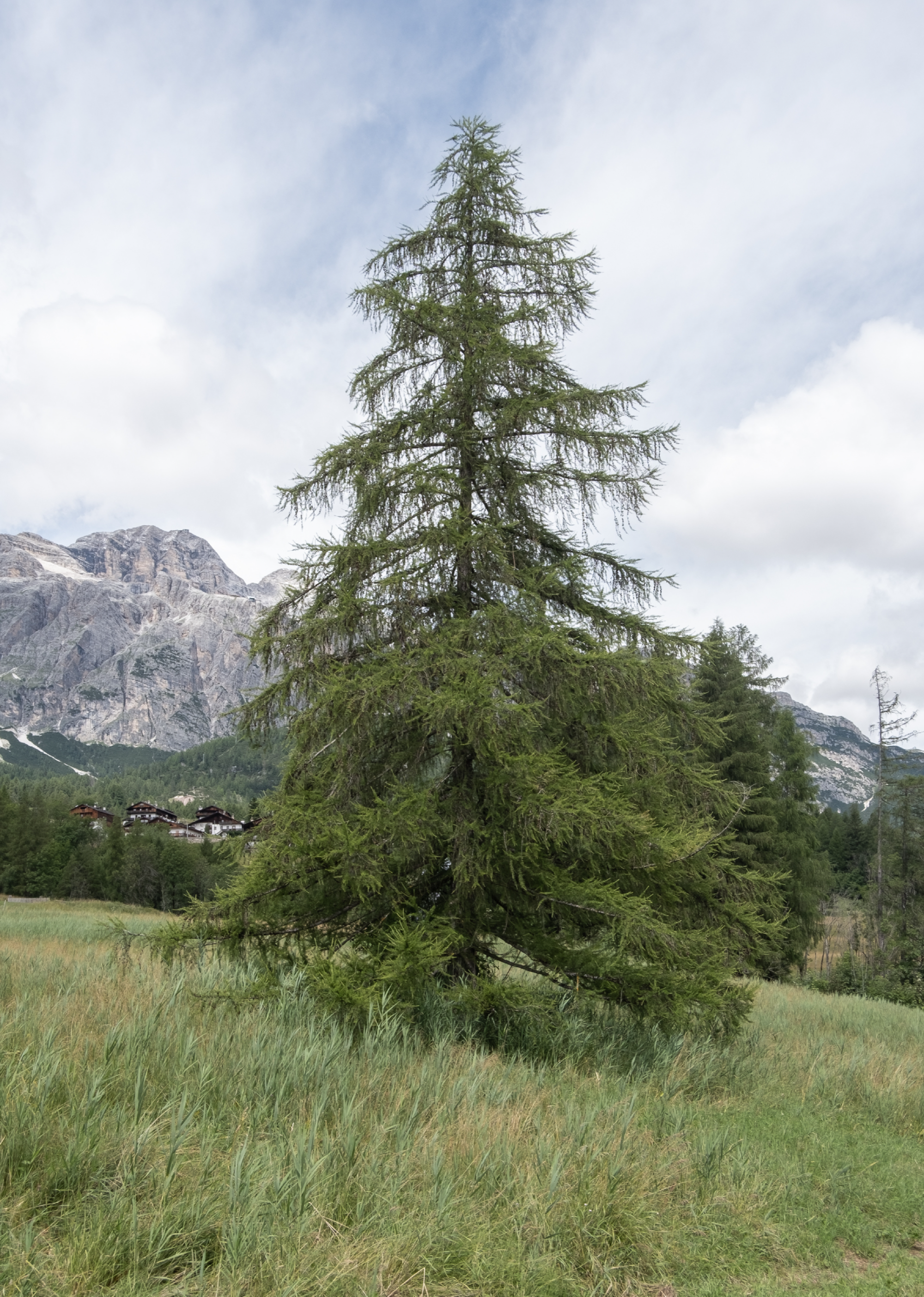
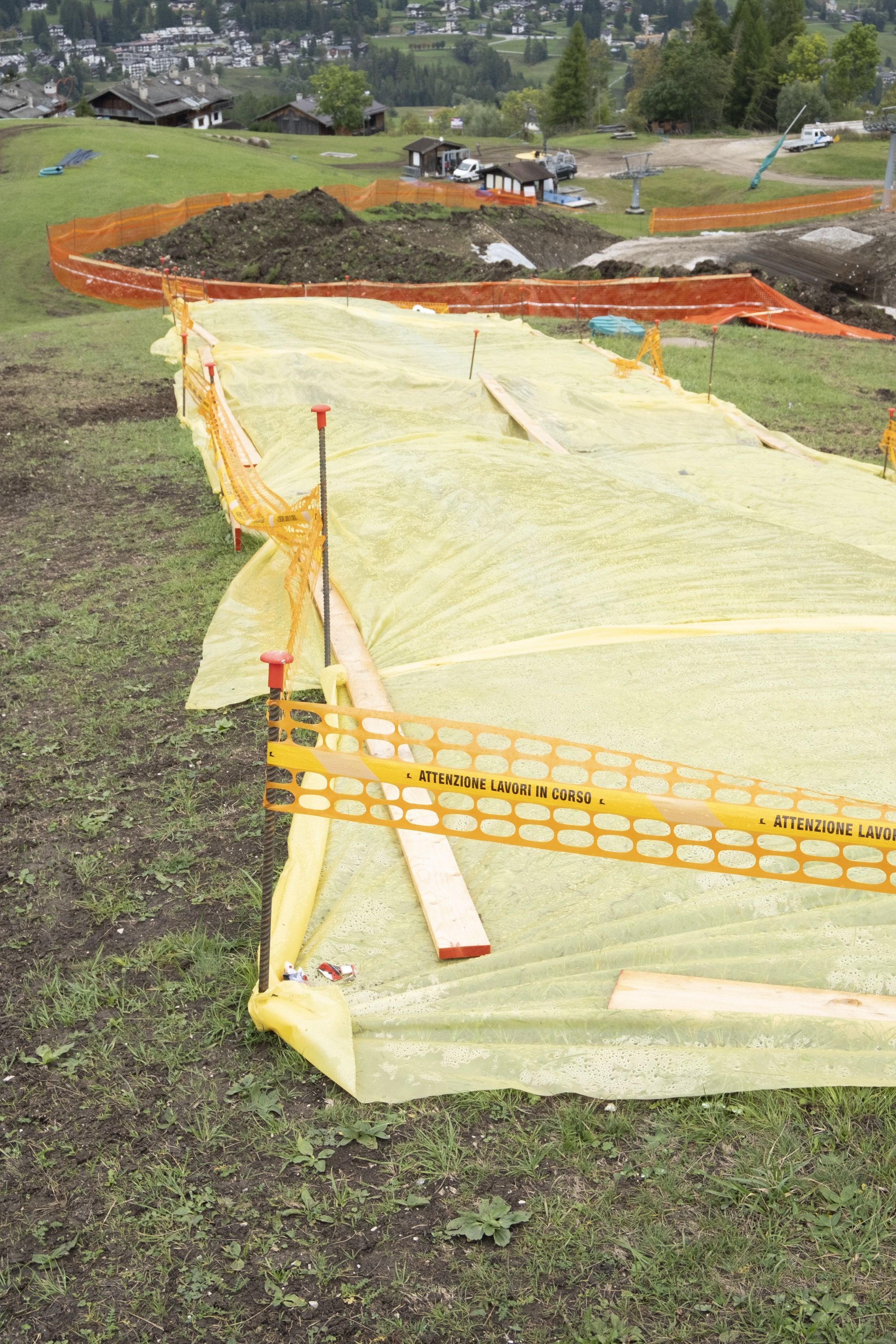
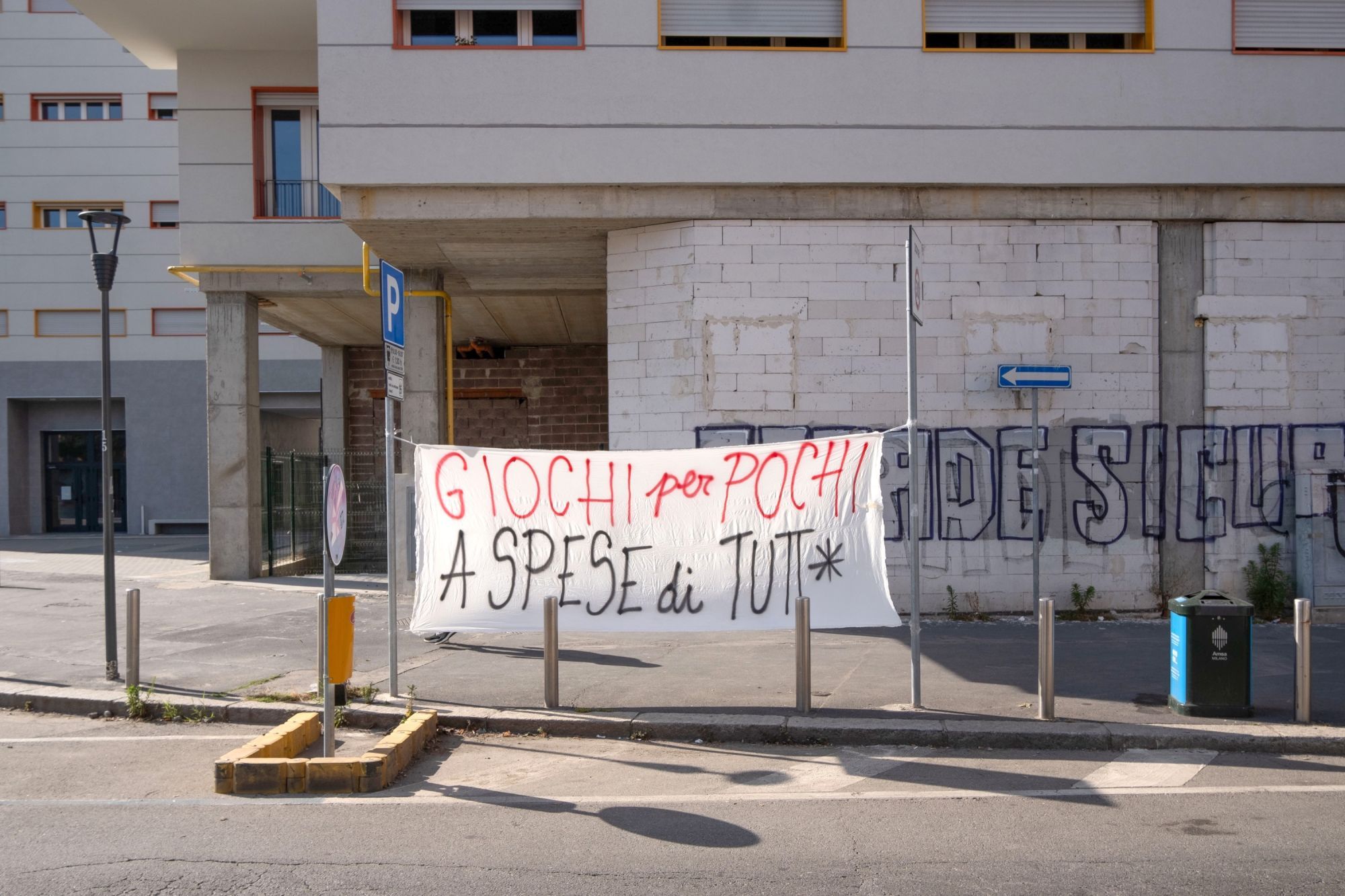
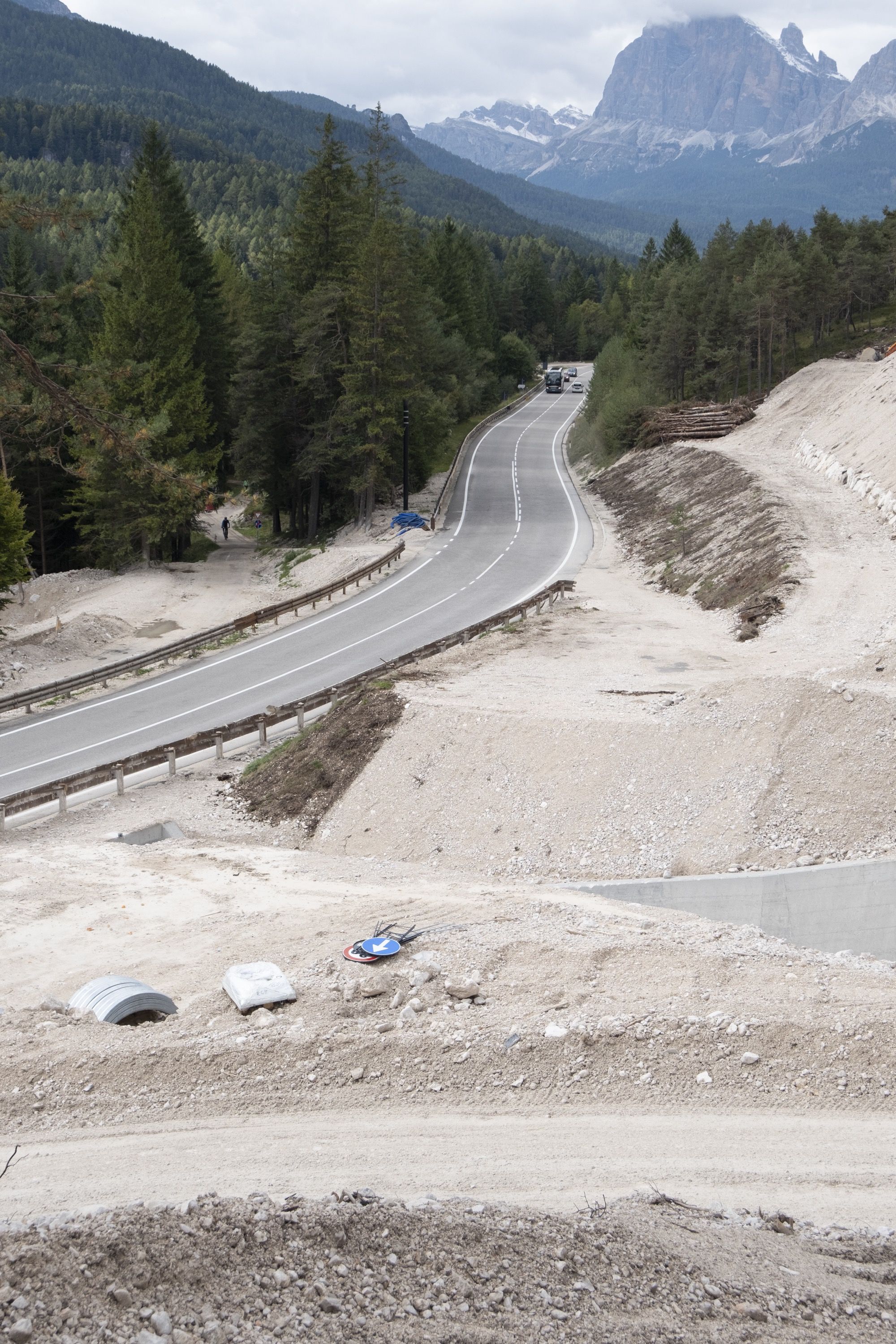
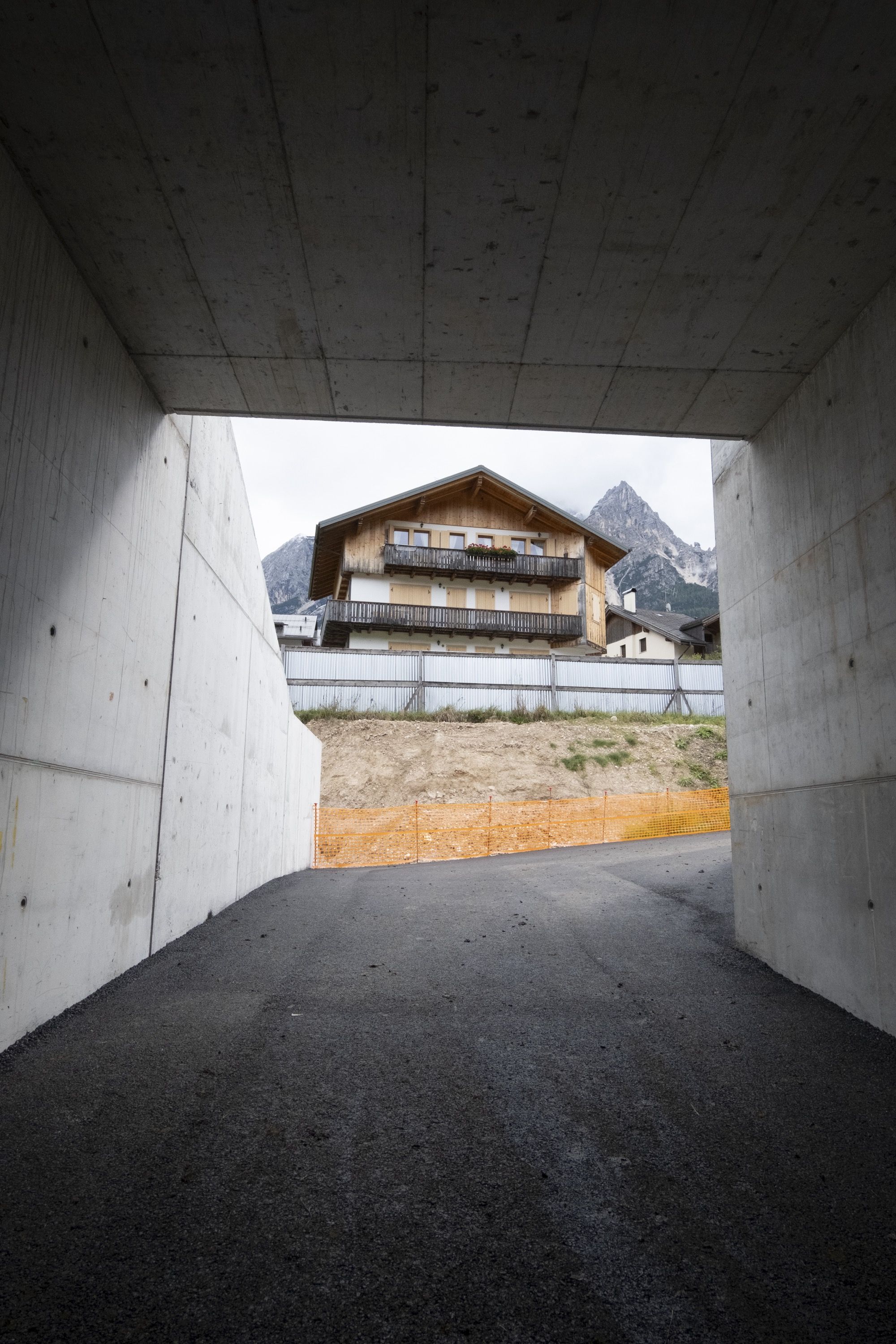
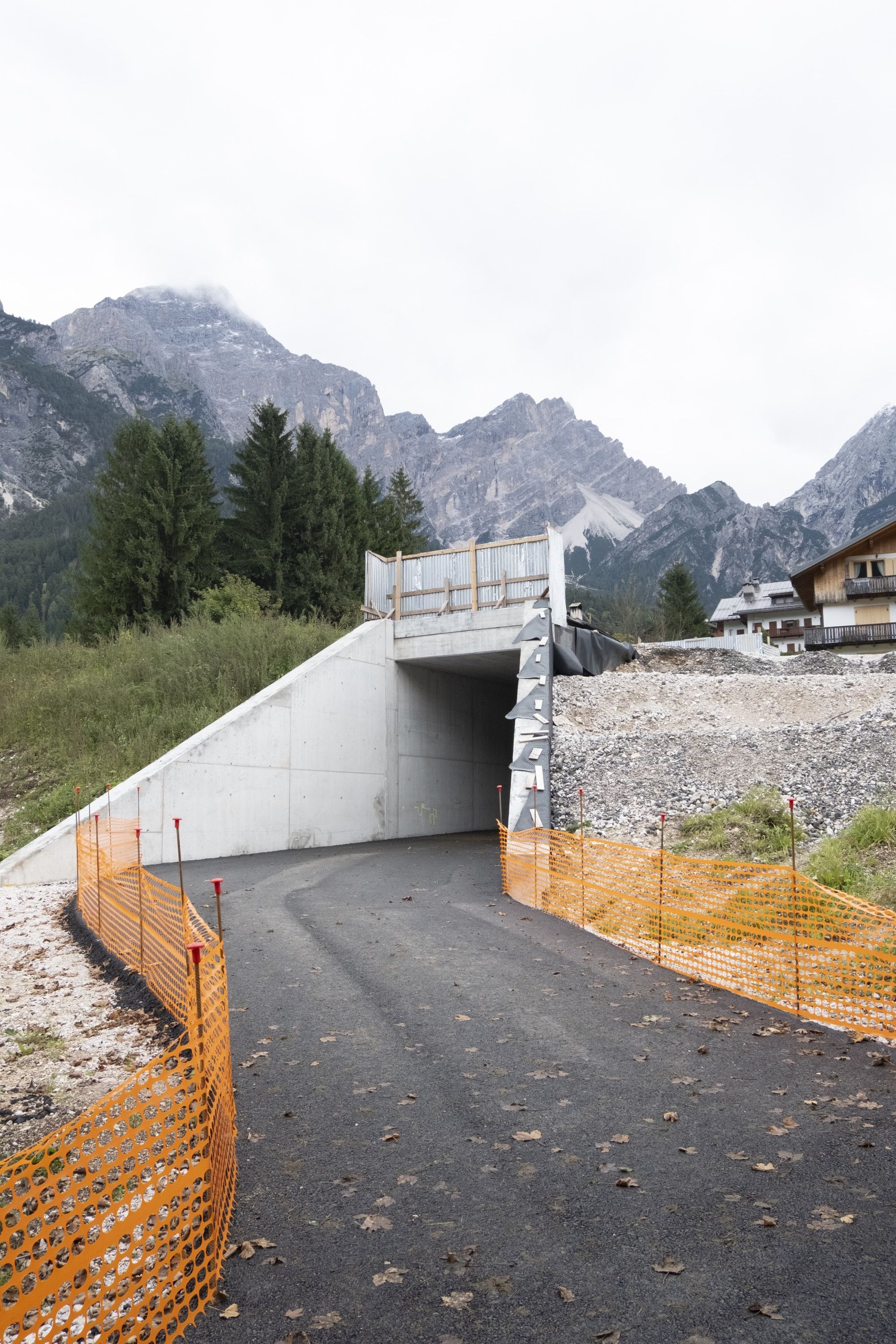
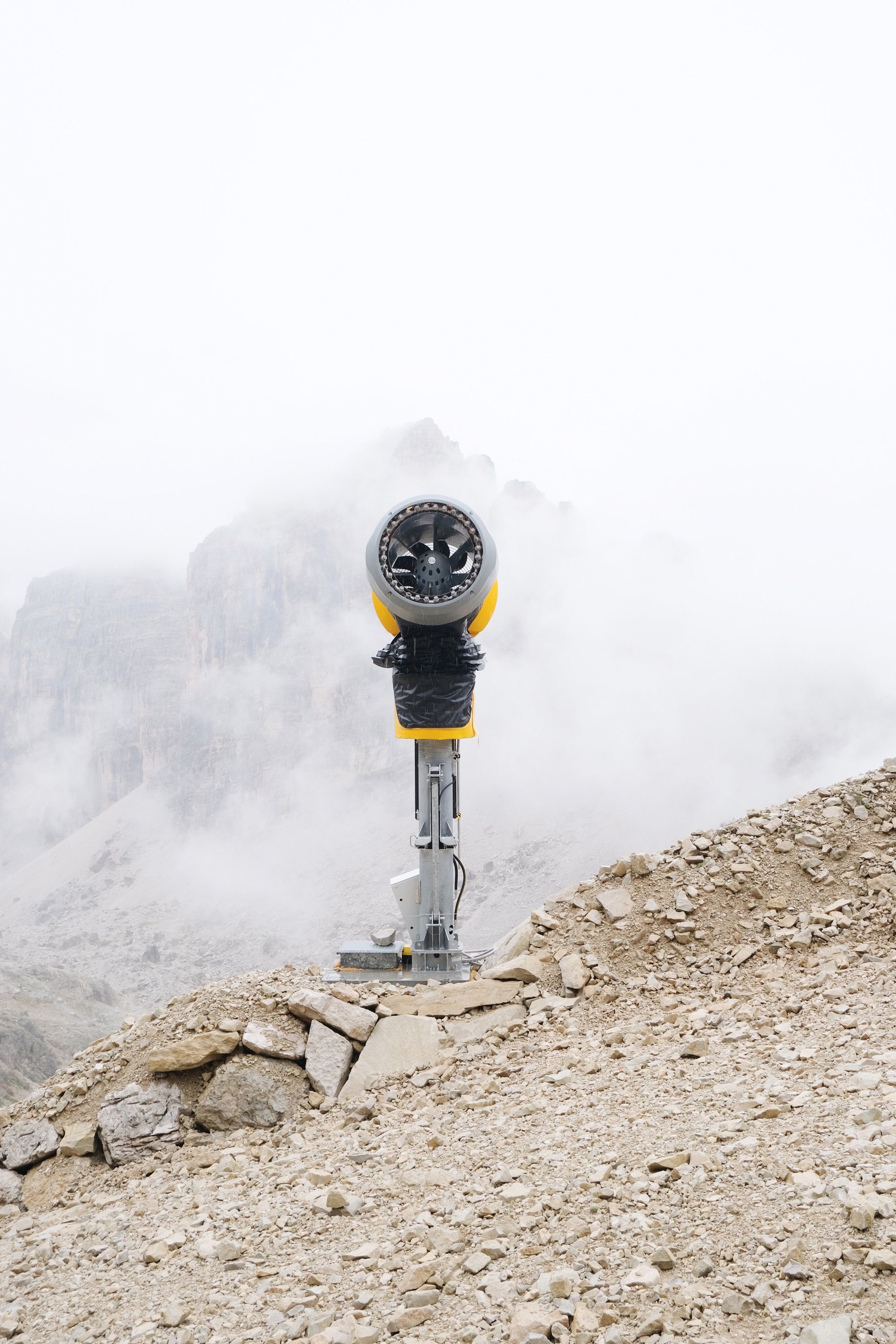
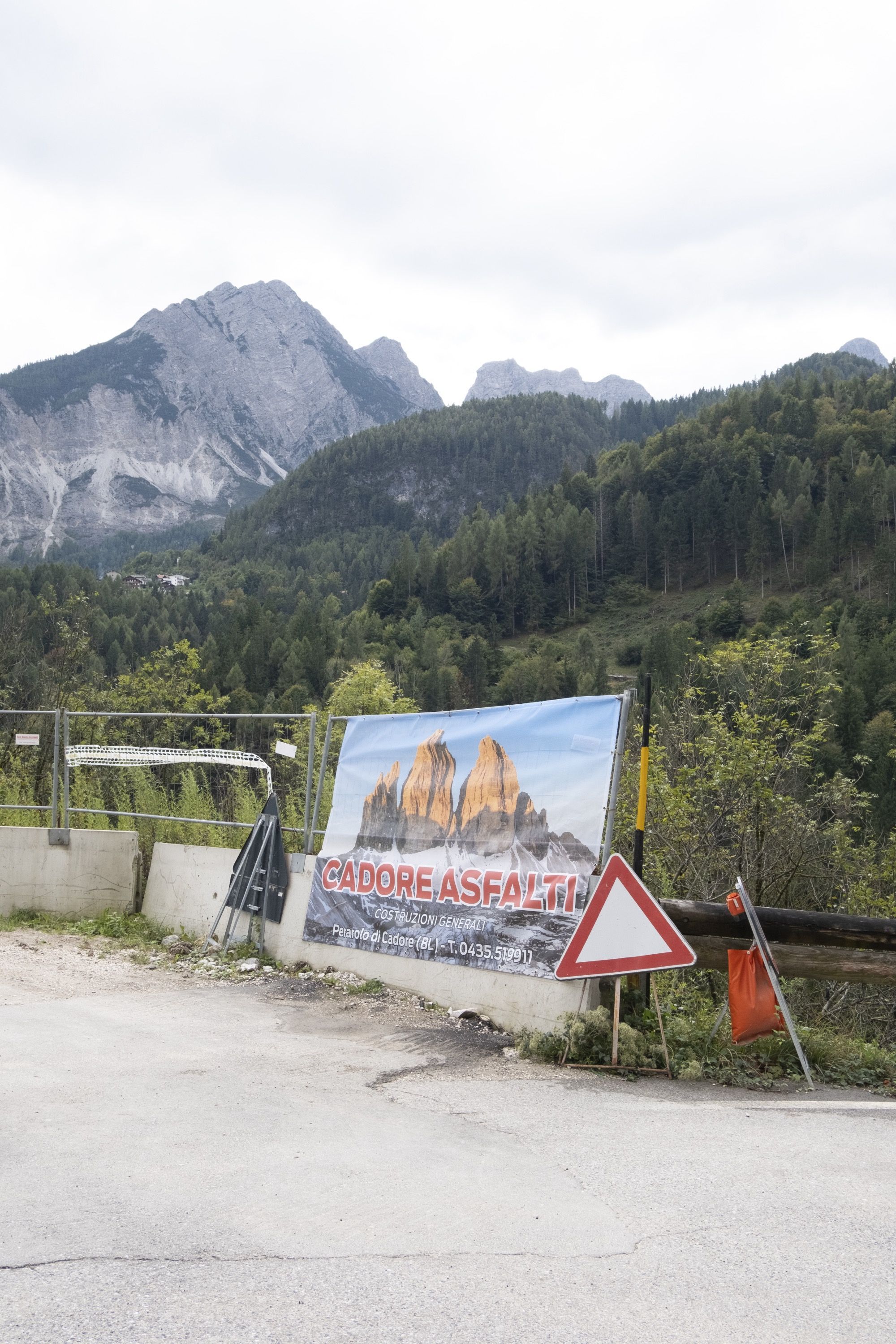
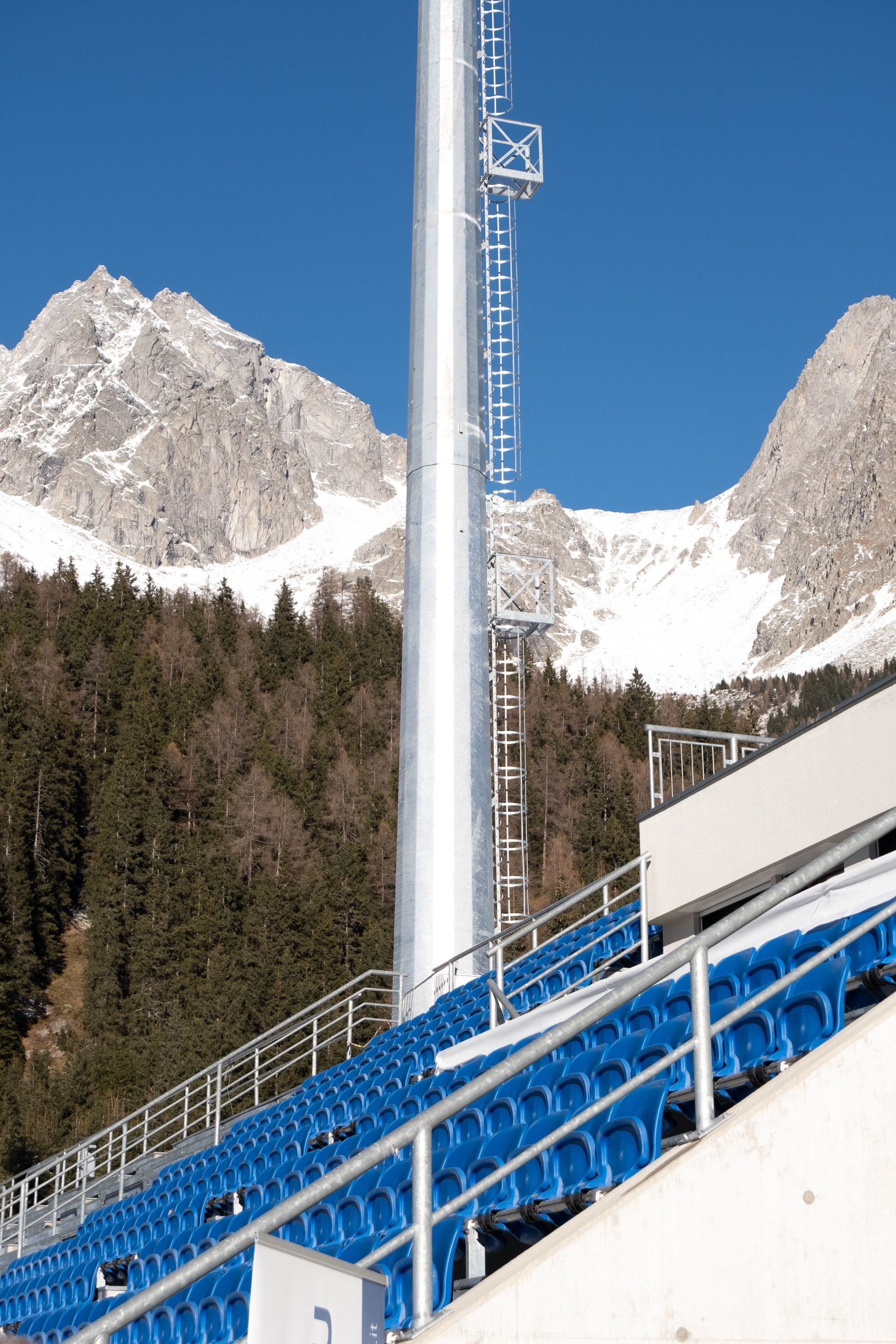
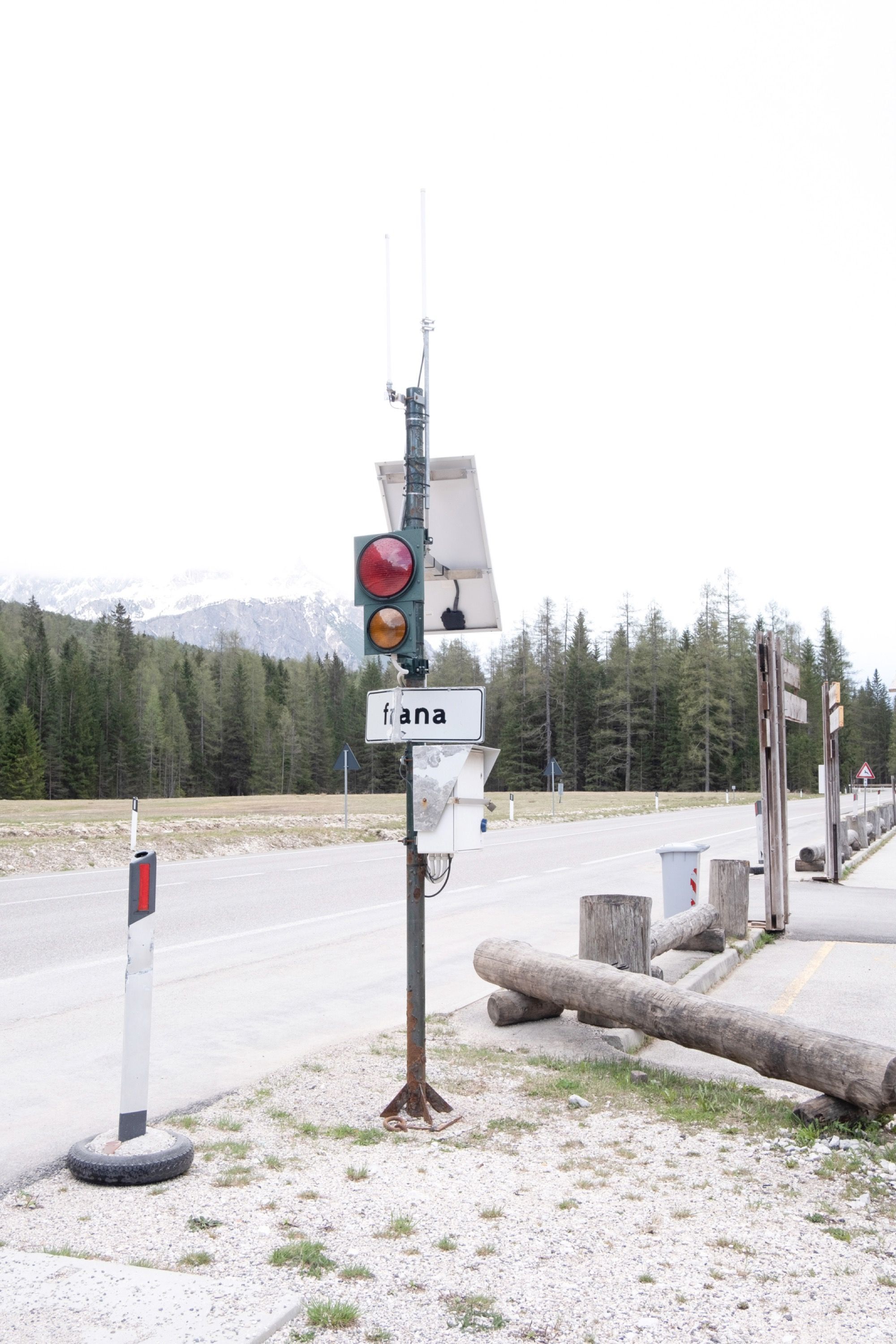
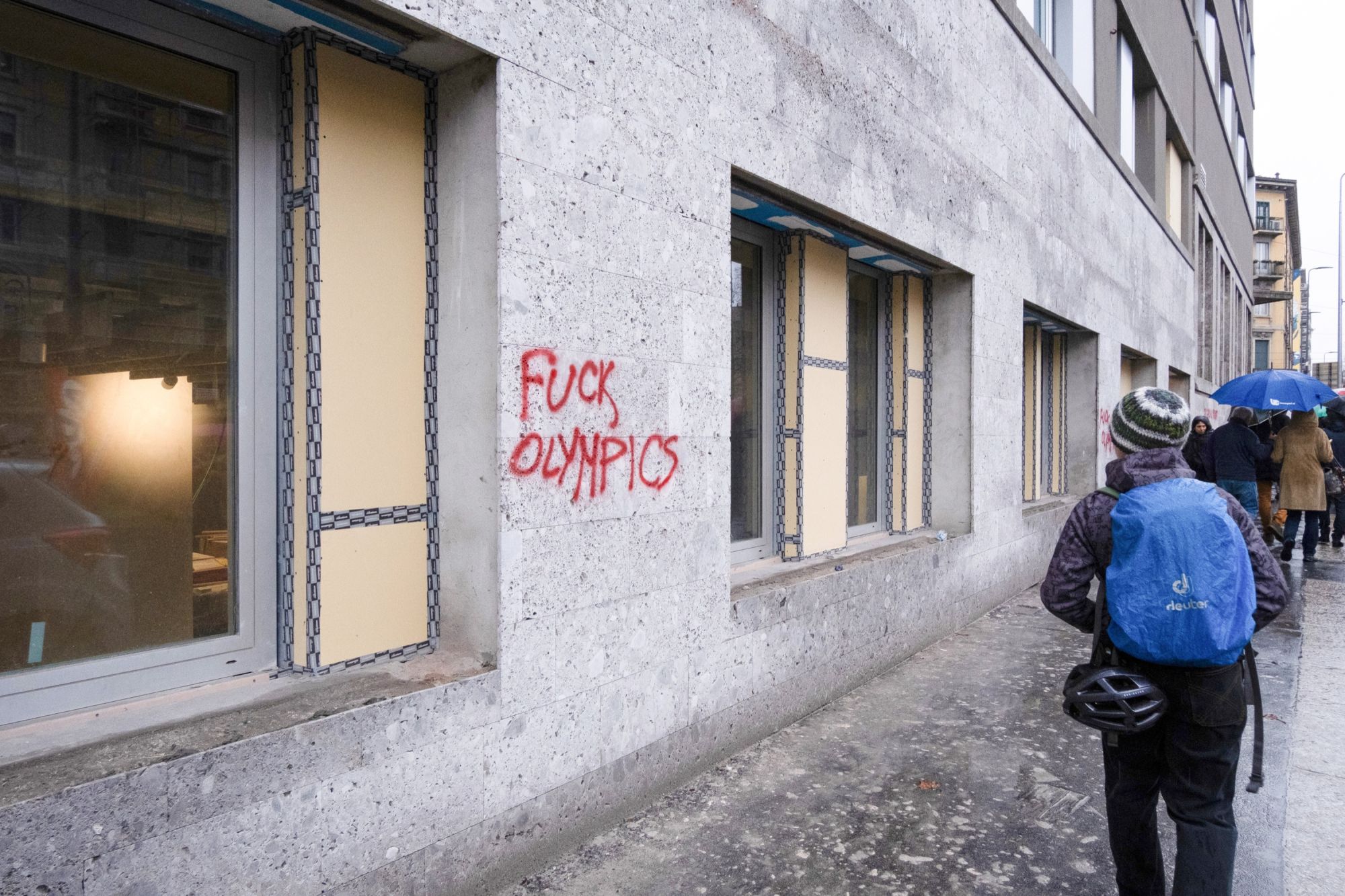
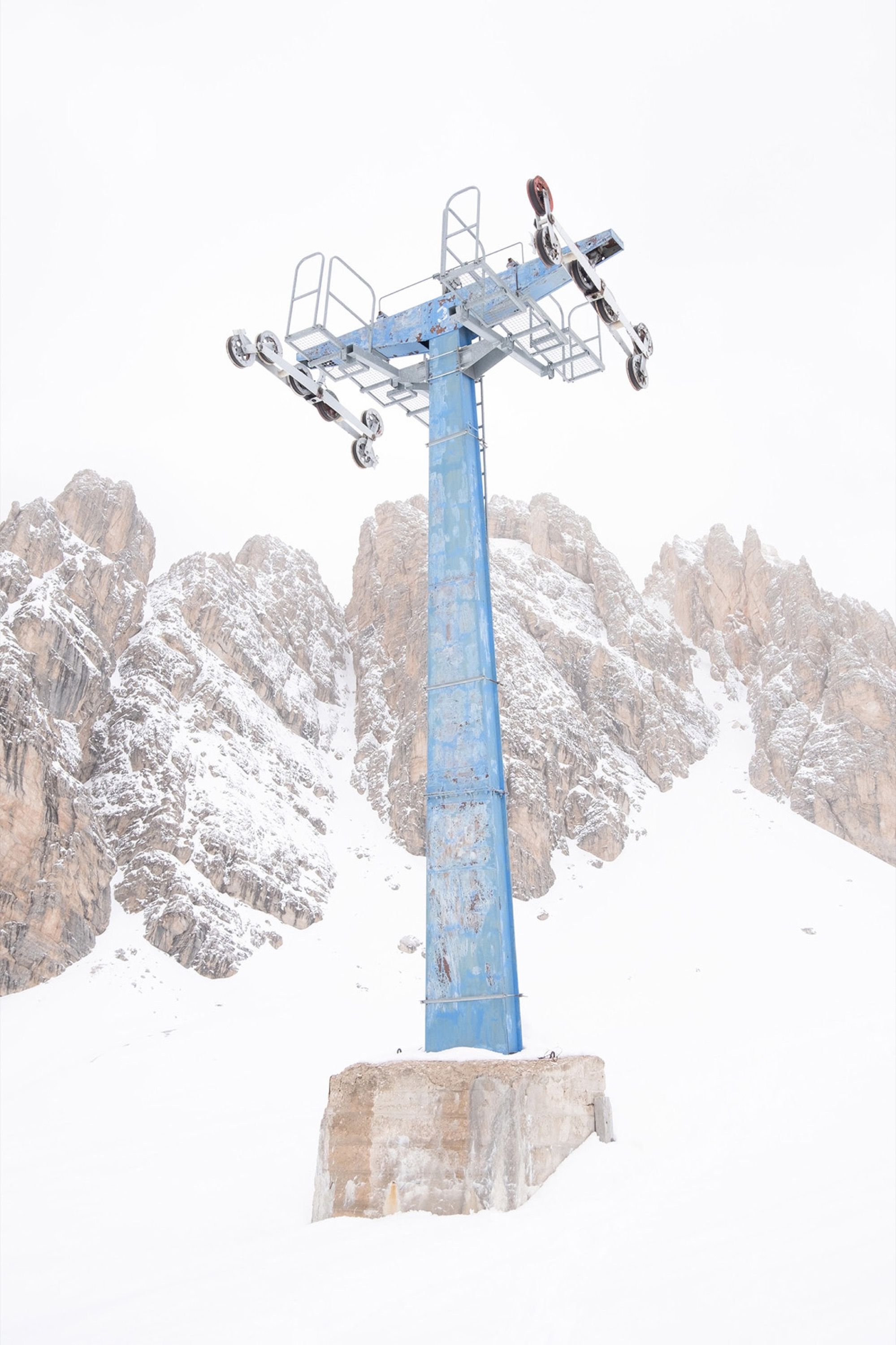
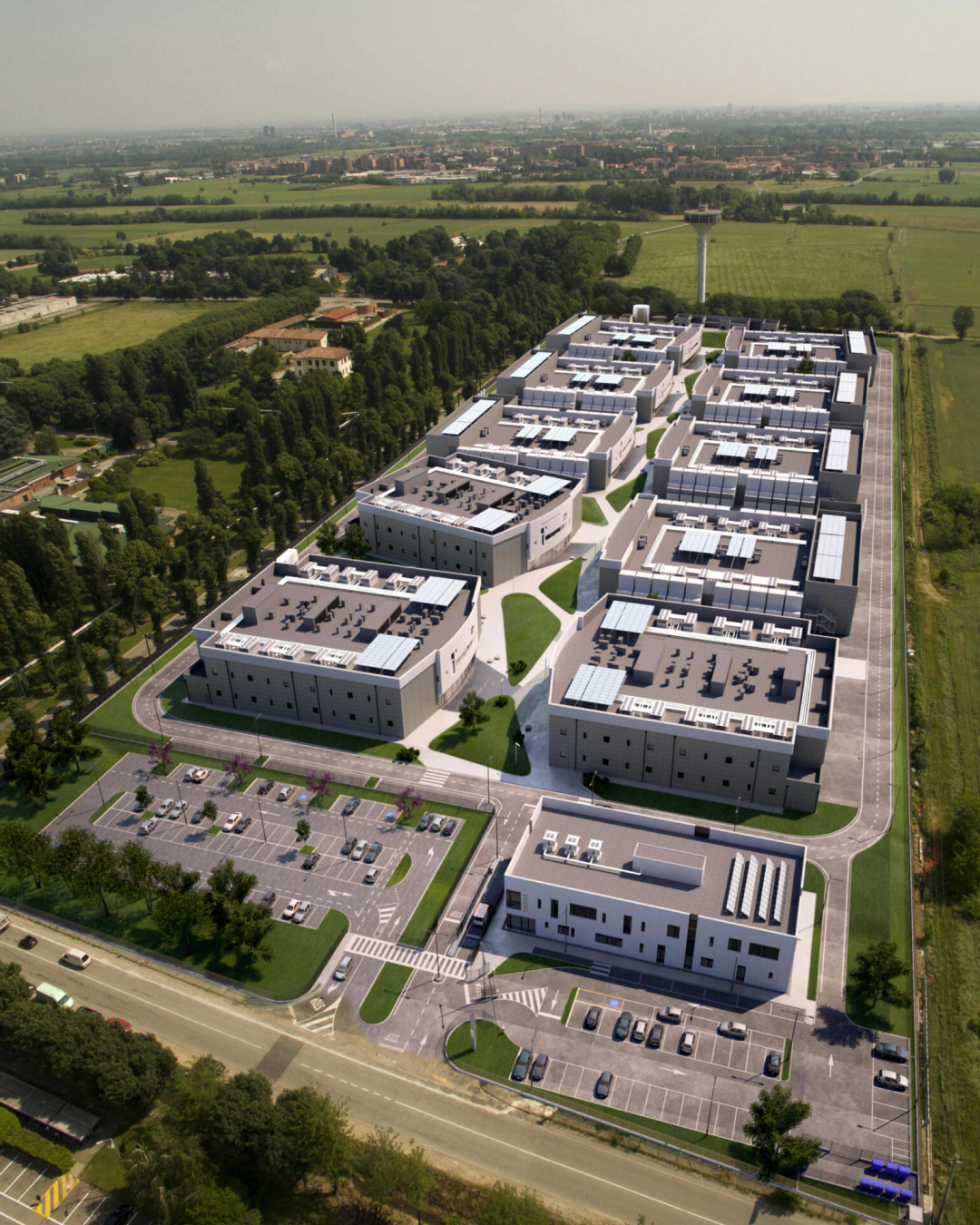
On Friday, February 6, the Milan Cortina 2026 Olympic Games will begin, an event that, even more than Expo 2015, will profoundly impact the lives of all Italians. While the international exposition was centered only on the Lombard capital, this time the global nature of the event has required the collaboration of dozens of mountain and non-mountain locations: right now, the Olympic torch is touring our beautiful peninsula - we've recently witnessed a scene worthy of 2001: A Space Odyssey, complete with figures in suits on Mount Etna and an operatic soundtrack - touching the main Italian tourist destinations. Meanwhile, northern Italy, from Cortina to Livigno, from Val di Fiemme to Verona, passing through Bolzano, is working at full capacity to deliver memorable Olympics to the public. But the changes, such as the new bobsleigh track in Cortina or the Olympic village in Milan, could become unforgettable for the wrong reasons.
And so Giochi Preziosi was born, a project by Beatrice Citterio, a PhD student in Landscape and Cultural Heritage at the University of Bolzano, highlighting the institutional and media gaps in the communication of the 2026 Olympic Games. The project addresses numerous issues related to the event's organization while also focusing on the social, environmental, cultural, and economic impact it will have on the involved locations. «I have no idea why or how we are hosting the 2026 Winter Olympics,» Citterio tells us, explaining the questions that drove her to work on Giochi Preziosi. «Why, unlike many other cities, did we not have a public referendum?»
By studying the event and specifically the way it is being advertised, Citterio found that the Olympics are an isolated event that nonetheless feeds omnipresent problems, such as the «subordinate relationship to which the city has forced its own mountains». Through photography, Citterio has documented «mobilizations, demonstrations, valley meetings» both digitally and on paper, in a tabloid with a quite self-explanatory title. A few weeks before the reprinting of Giochi Preziosi 2, we met the founder to understand if there will be a before and after Milano Cortina 2026. Discovering, finally, that the after is already here.
What kind of response is the Giochi Preziosi project receiving?
Very good, at least from my point of view. For me, it is fundamental not only to bring the discussion to the city but also to the involved Alpine territories, both to understand their response and to start a dialogue that can continue even after the Games, but also to debunk the romantic aura of the mountains a bit.
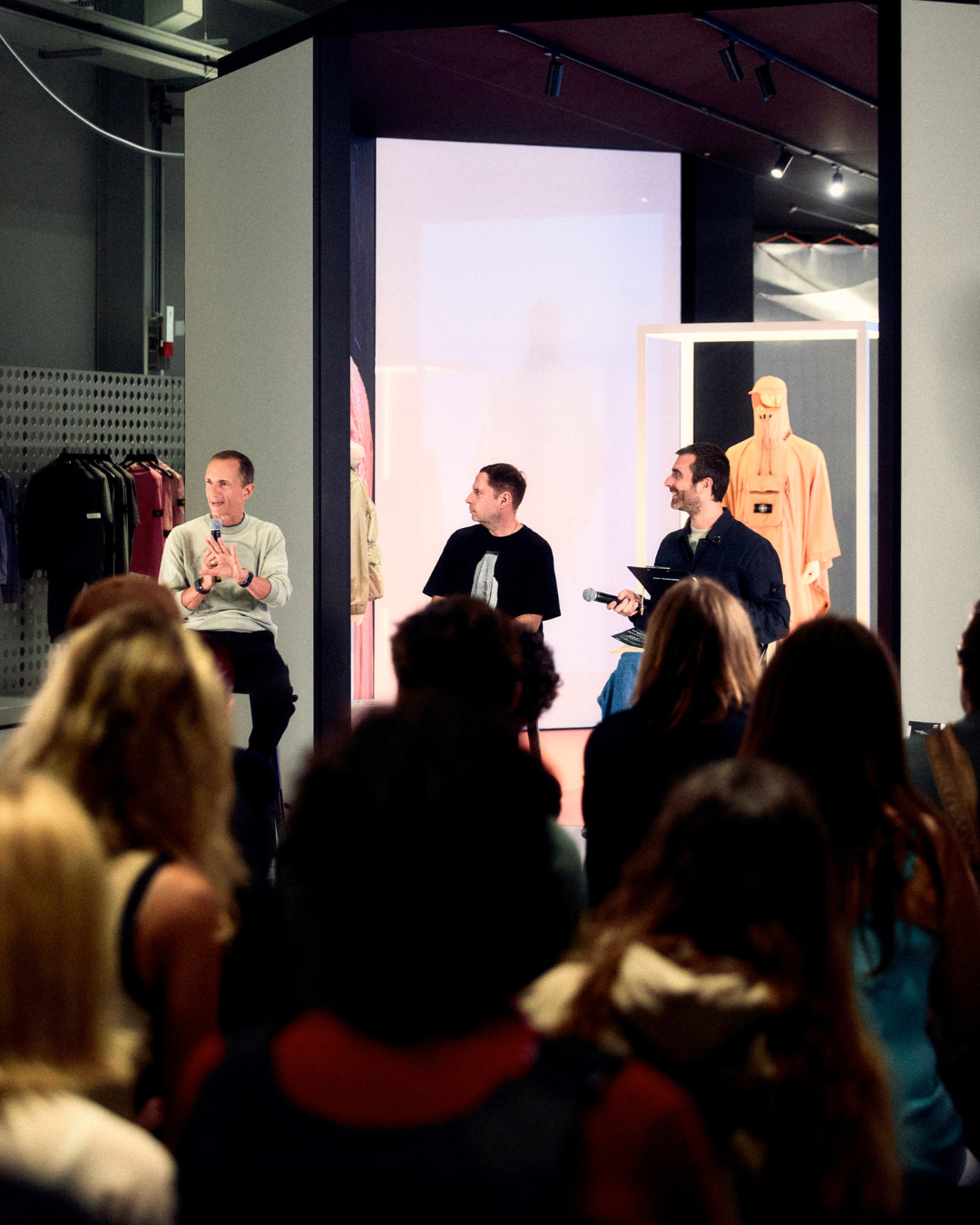
As for the project itself, many presentations have been made in various places: Milan, Parma, Bologna, Lake Iseo, Valtellina, the Venetian Dolomites (in a mountain hut), and they have always been very rich opportunities for discussion and exchange. Through meeting people in person and online, a community sensitive to the issue has been created, which I consider the most important result beyond the information itself. I believe this is indispensable because the big question will be how to continue after the Games: both regarding the much-discussed infrastructure legacy, whether finished or unfinished (more than half will be completed years later), and to try to reason with those who inhabit these territories about an idea of a future different from that of the so-called «white circus», as the snow industry has been defined for some years now and which the Olympics instead continue to relaunch as a winning model.
In your opinion, why should we pay particular attention to the impact that Milano Cortina will have on the urban/landscape fabric of the Alps and Milan?
The project speaks about many things and on multiple levels. Firstly, it addresses the issue of the enormous public spending (over 6 billion euros, constantly increasing) towards the event. However, there is one aspect that is particularly close to my heart, as someone originally from Milan and a frequent visitor to places at different altitudes: the relationship that has been built over the years between the city of Milan and the mountains, historically marked by a neocolonial-style imposition in which the mountain resource is bent for the use of the lowlands. How did we arrive at this idea of the mountain, daily exploited in its romantic, candid, pure dimension, at the service of a narrative instrumentalized as «other» than the city?
The image of the mountain in the city is thus played out between leisure, perception, and imagination, while in the case of the Olympic locations, it translates into a development model centered on seasonal tourism in its most vertical and extractive form. The most popular destinations act as models to be copied for other territories in a state of semi-abandonment, even if pursuing such a model not only relegates Alpine territories to a simple extension of the urban, but above all excludes an effective protection of social, economic, and environmental resources and, consequently, of the livelihood of the communities that inhabit them.
In recent years, Italy has faced serious pressures due to overtourism. According to your research, how will this phenomenon develop during 2026 in relation to the Games?
In the bid document, the Games are proposed as a propulsive tool for tourism. It is strange, however, to place this type of operation precisely in the locations chosen by the Olympics, which are all areas already heavily marked by overtourism: Cortina d’Ampezzo, Val di Fiemme, and Alta Valtellina. The surrounding territories, which perhaps really needed investment, have instead received little or nothing, if not infrastructure designed for passing through and not for staying.
Peak locations are thus advertised vertically, fossilized in institutional billboards (including UNESCO) or in the campaigns of local communication agencies, and the images become symbols of a must-see destination. This pressure on the territories does not, however, take into account what it means for a village to cope with such a spike in presence: in the short term for the management of resources (water, electricity, sewers) and mobility; in the long term for an economic structure increasingly dependent on public funding and a climate whose direction we already know.
Can you explain, summarizing your research, how an event like Milano Cortina could damage the Italian Alps and the city of Milan? (Also in response to those who instead claim that the event «will bring a lot of money and tourism» and therefore benefit the locations involved)
Let's start from the premise that any mega-event (such as the World Cup, Expo, and others) has an impact that is anything but neutral on the territory, both from an environmental and social point of view, and especially an economic one. It is enough to look at the history of countries that have hosted similar events to realize that it has never happened that extra costs were avoided, often exceeding 150% and borne by public resources.
On the environmental level, the fact that countries present themselves as environmentally conscious and focused on sustainability issues during the bidding phase does not stem so much from their good nature as from simple common sense: the IOC's Agenda 2020+5 in fact stipulates that such objectives must be considered, under penalty of exclusion from the competition. Significant examples were Turin 2006, but even more critically Sochi 2014, an event after which, not by chance, the IOC's Agenda 2020 was established. The paradox, however, is that from the same article cited, a progressive decrease in the sustainability of the Games emerges over the years, despite the increase in control measures.
It is also at the very least curious to place an event of such dimensions in the Italian Alps, which are notoriously affected by climate change to an extent double that of the plains and already marked by serious social and economic problems, largely deriving from a development model incapable of attracting and diversifying. It is enough to compare the nearly 7 billion euros in total planned for the Games with the 200 million euros per year allocated until 2027 by the new Mountain Law (September 2025): a figure that, divided among all mountain municipalities, is equivalent to just over 80,000 euros per municipality, intended to cover healthcare, education, agriculture, and essential services.
The bobsleigh track alone cost 120 million, and its maintenance will burden the territory for at least 400 thousand euros a year with funds that will be taken away from other pressing urgencies. In Lombardy, billions in public investment have been unlocked for a «sporting event, for everyone», when only 44% of schools have a gym. The Olympic village in Milan, a private investment with public participation to cover extra costs, will be proposed after the games as student housing in response to Milan's growing housing crisis. Too bad the prices reach one thousand euros per room. And so on.
What are the main concerns of the residents of the mountain areas? and of Milan?
Milan, Valtellina, Val di Fiemme, Val Pusteria, and Cadore seem very far apart, but if we look at the problems, they are closer than they seem. On deeply different geographies, shared criticalities overlap: first and foremost the livability of the places impacted by the Olympics, from the cost of living to the right to housing, from the distribution and accessibility of basic services to public mobility.
The concerns also regard the economic side of the event: on one hand, investments have arrived only where it was chosen to let them arrive; on the other hand, during the Olympic event itself, a widespread closure of commercial activities is looming, both because of the so-called red zones, where circulation will be prohibited or strictly limited, and because of the exorbitant prices that are discouraging a portion of visitors even in the surrounding areas that are not central to the Games.
Broadening the view, however, issues emerge that are far more complex than the holding of the Games, which are precisely amplified and accelerated by the Games. As Roberta De Zanna writes in a contribution included in Giochi Preziosi 2: «without ownership, is there still identity?». In other words: in contexts where the race for privatization for the profit of a few is the order of the day, is it still possible to talk about the identity of local populations, so celebrated by territorial marketing campaigns and institutional, national, and governmental narratives? These criticalities do not only overlap in the various Alpine locations, but they resonate in a surprisingly similar way elsewhere too, both in Milan and outside national borders.
Beyond the border, for the 2030 Winter Games, Barcelona had proposed a bid involving the Catalan and Aragonese Pyrenees, but the top-down imposition of the city on the mountain areas did not find fertile ground in light of the climate crisis and the resulting socio-economic crisis these territories are undergoing. The vast social movement born in opposition to the bid involved politicians, television broadcasters, and citizens, generating a debate that led to the withdrawal of the proposal, also aided by the difficult relations between Catalonia, Aragon, and the Spanish national government. In short, the Games are not so desirable after all.
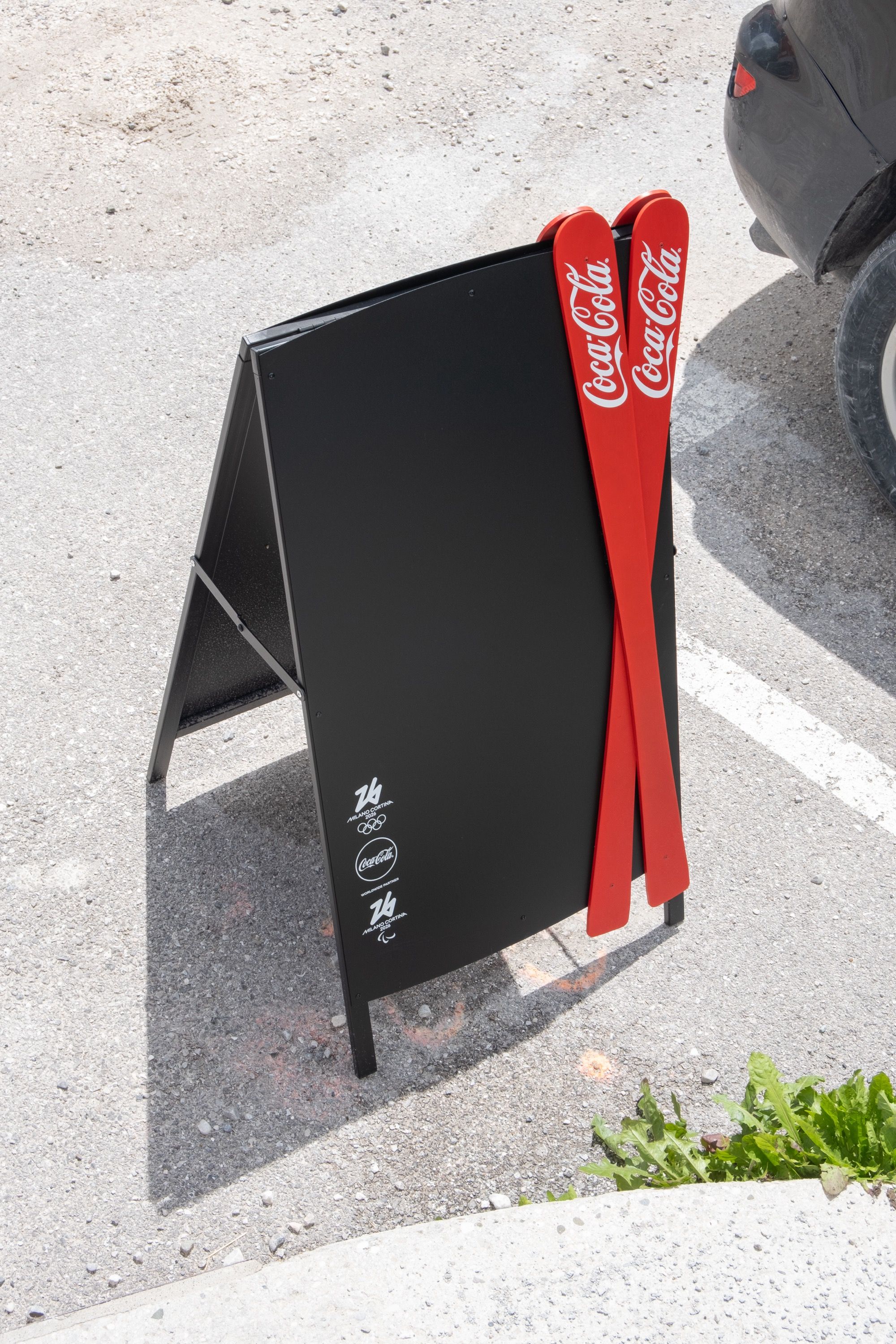
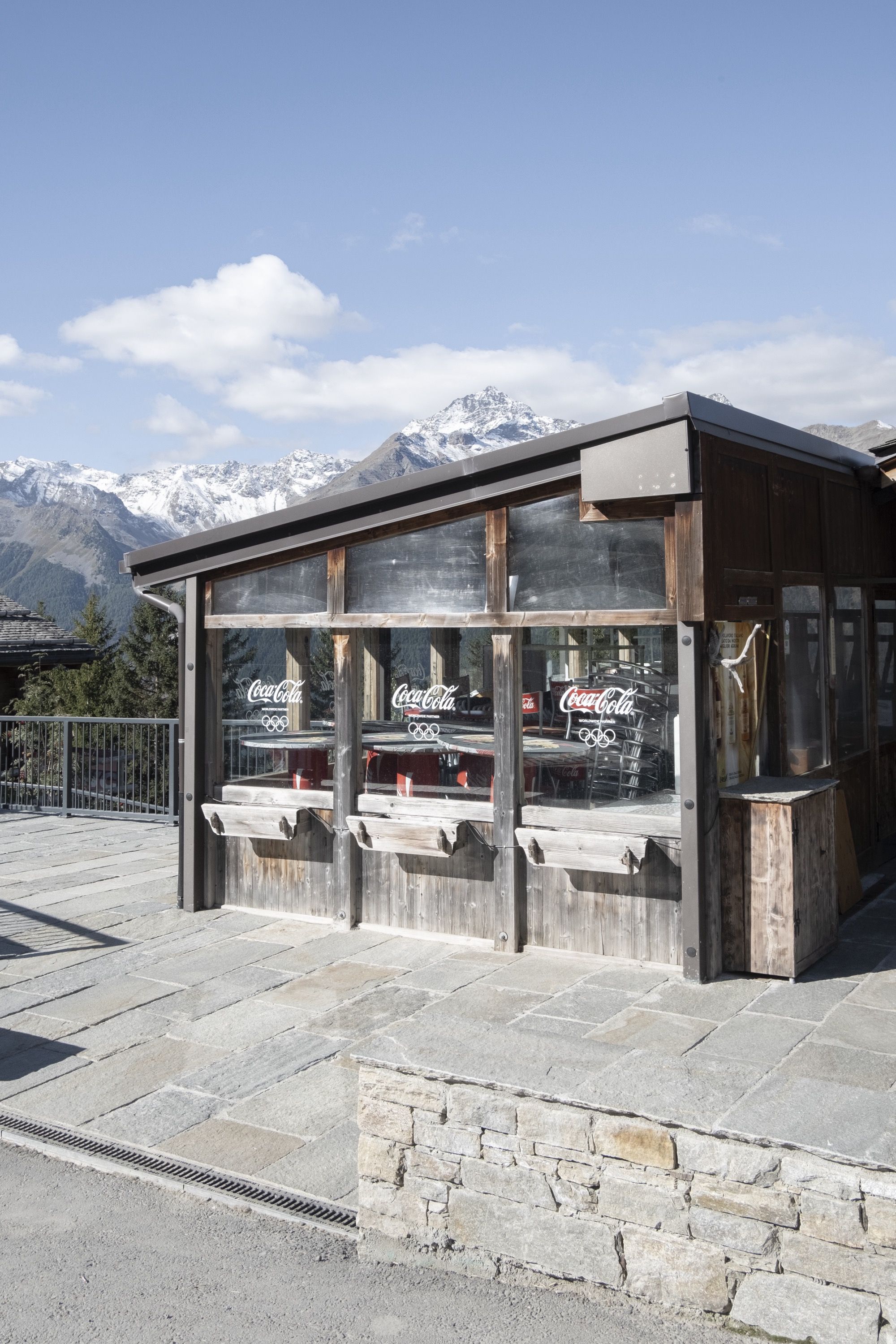
Part of your project also critically observes some of the sponsors supporting the Games. Are there investments that have been made for good, or will the involvement of so many companies and corporations only bring negative implications for the area?
The partners, sponsors, and premium partners of an event like the Olympics say a lot, I think, about the nature of the event itself. I would like to specify that contributions related to partners can only be included in the one and a half billion in funds necessary for the running of the games. The rest, which is progressively exceeding 5 billion, comes from the public coffers of the State. Furthermore, regarding the sponsors of the event, it is difficult to distinguish between their public or private nature (Poste Italiane, Ferrovie dello Stato). As D. Facchini and L. Casanova highlight in Oro Colato: «(...) The image of "private" support therefore appears blurred: a portion of the sponsors is public, while a portion of the private entities draws significant advantages from the spin-off activities and political decisions triggered by the event.» In short, we are the main sponsors.
It is important to divide the agents of the Olympics in Italy into two: on one side Fondazione Milano Cortina 2026 and on the other SIMICO (Società infrastrutture Milano Cortina 2026). Briefly, the first is in charge of managing the event in its bureaucratic, logistical, and cultural components, while the second has the task of creating the necessary infrastructure.
The investment is not traceable, and that says a lot. If we want to name a few sponsors and partners, however, I will borrow a passage from Oro Colato: «Among the premium partners are Enel, Eni, Ferrovie dello Stato, Leonardo, and Poste Italiane; (…) Alongside these, there is a front of fully private sponsors who, thanks to the Olympics, obtain significant indirect benefits. Airbnb operates in a context of exploding rents in the Olympic cities». I don't think there is room here to argue the damage caused by each of these companies in their daily operations, but it is evident that the ultimate recipient of these investments is not the good of the community.
Is it possible for the mountains and their residents to resist the changes that Milano Cortina 2026 will bring? How is it possible to protect our mountains?
A good starting point for the protection of the mountain environment is to ask ourselves who we want to preserve. In mainstream discourse, the concept of environment has been rapidly reduced to something external, separating us from the very definition of nature that we then so frantically seek in daily life. Protecting the environment simply means protecting our lives, so it is important not to label local resistance as just a simple or virtuous form of environmentalism. Protecting the mountains is neither a romantic nor an exotic practice: it is the conservation of an ecosystem necessary for our survival. From the micro-level, like the communities that simply oppose the allocation of funds for unnecessary works, to the macro-level.
If, quite simply, during the bidding phase of the Olympic Games more information had been provided, with real data and facts, perhaps we wouldn't have had these games, or we would have at least had the chance to have a greater impact on the way they are being realized. Protesting, taking legal action, or questioning the utility of certain works becomes almost an act of defiance when the Region or the State pours millions of euros into those projects. Opposing them means challenging not only powerful economic interests but also a political and institutional apparatus that for decades has determined which territories prosper and which remain marginal. Perhaps in this, the city can be of help, in a collaboration that, however, breaks free from the sugar-coated visions that the narrative of the last two centuries has instilled in the minds of those who visit the mountains twice a month.
Who should intervene, and how - either now or once the Games have started - to remedy the problems that Milano Cortina will create?
Remedying always costs more than creating. Too often, top-down decisions are justified with a simple «it's always been done this way», while criticisms are dismissed with a «do you have an alternative?». In reality, these two dimensions should proceed hand in hand: administrations should concretely commit to evaluating alternatives when a development model generates evident problems, because one cannot expect solutions to come from single individuals or groups. A systemic problem requires systemic solutions.
Of course, on a small scale, there are many realities proposing an alternative way to experience the mountains compared to the dominant one, or fairer models of urban life, with effective methods of discussion and participation. However, it is difficult to think of taking a model from one good practice and applying it indiscriminately to all territories. What can be done instead is to work on the maturation of a collective thought that considers change as a concrete alternative, and that administrations can support through the allocation of adequate funds.
Would it have been better not to have the Games? Definitely, yes. Unfortunately, they will happen, and the damage can only be measured with greater precision in hindsight, even if we can already get an idea today. It is important to remember that responsibility should not be dumped only onto those who would like a different world, because damage and solutions should coexist within a truly constructive territorial management where different opinions cross-pollinate. But if, in the context in which we live, we realize that as small or large groups we can make a difference, let's do it.