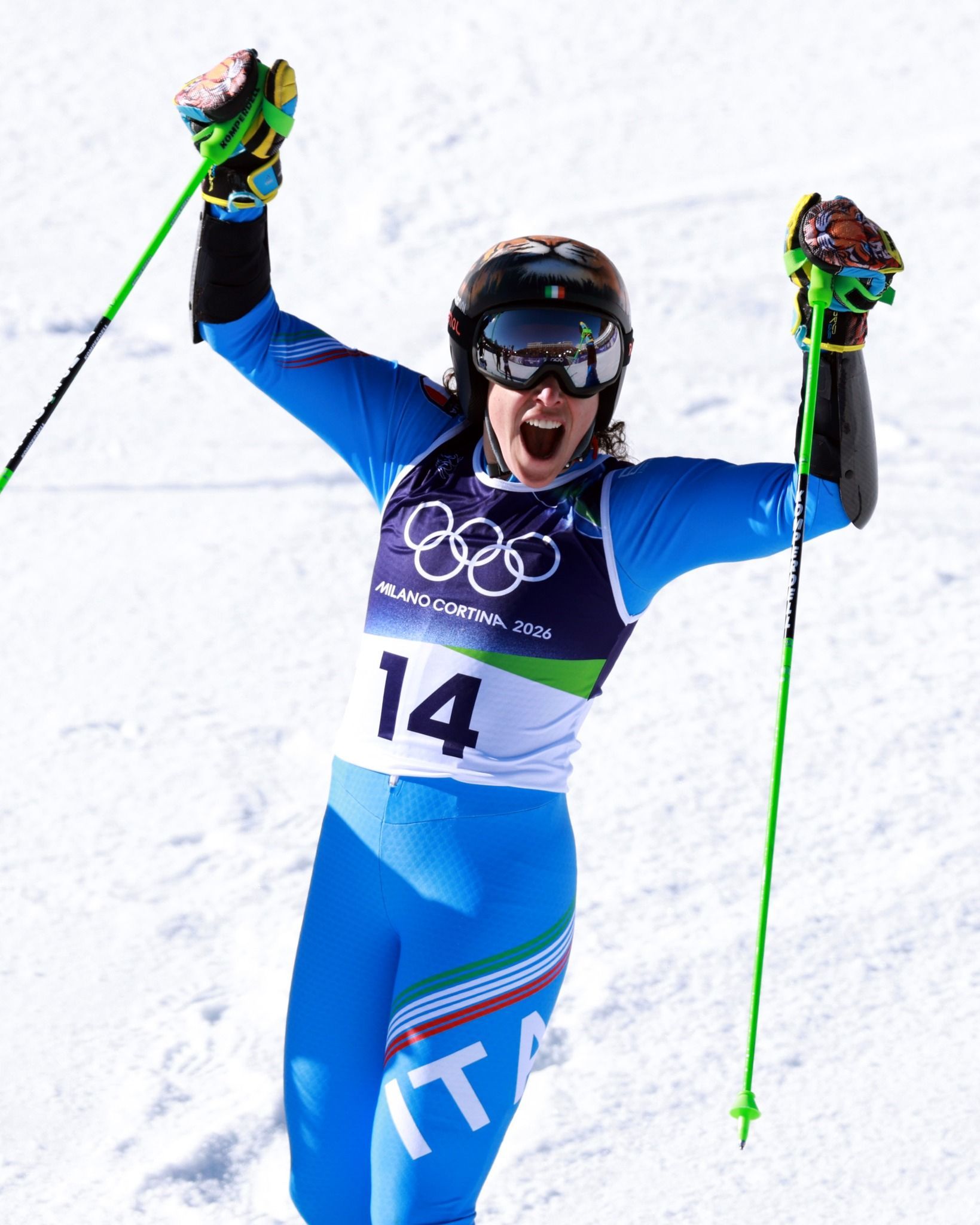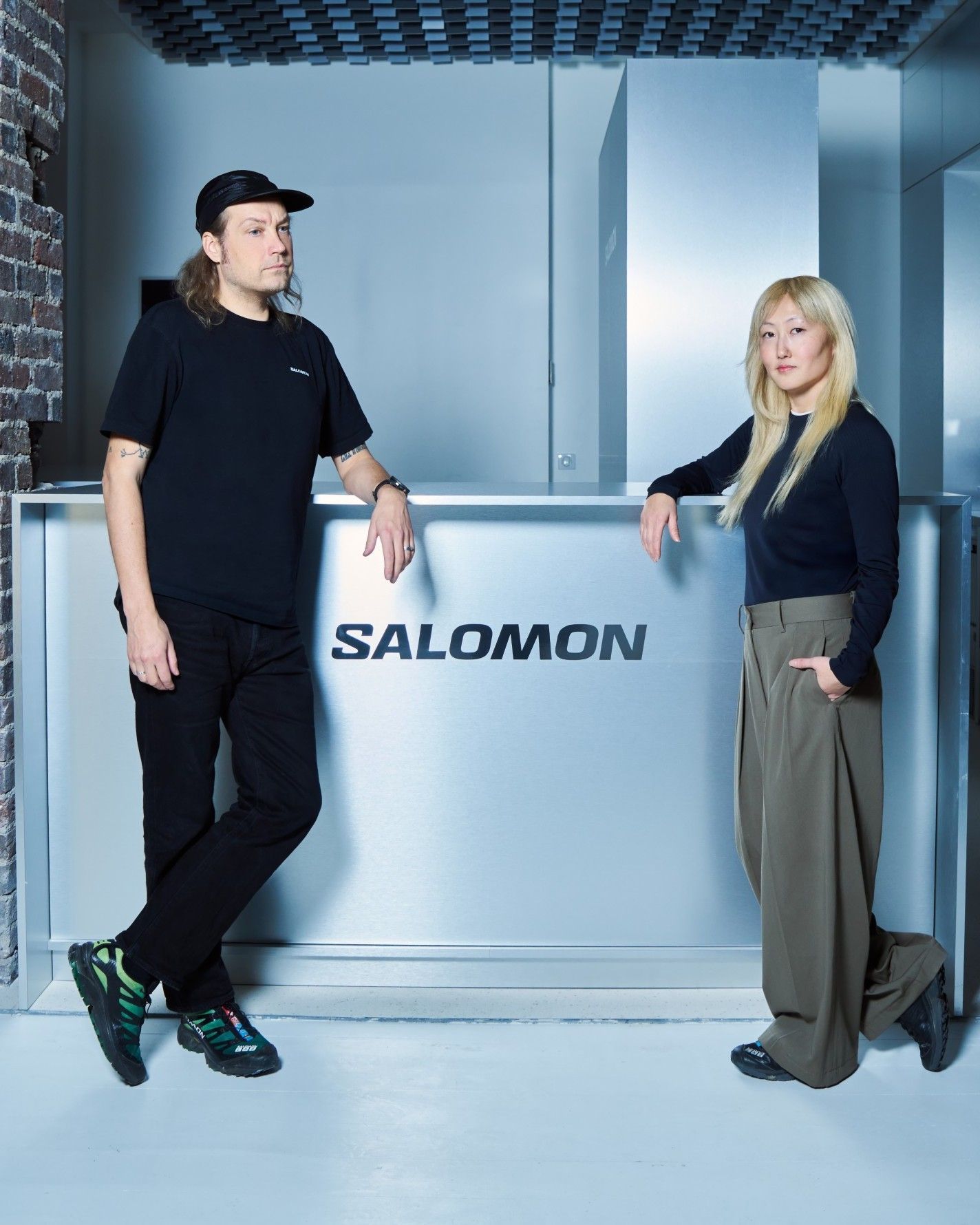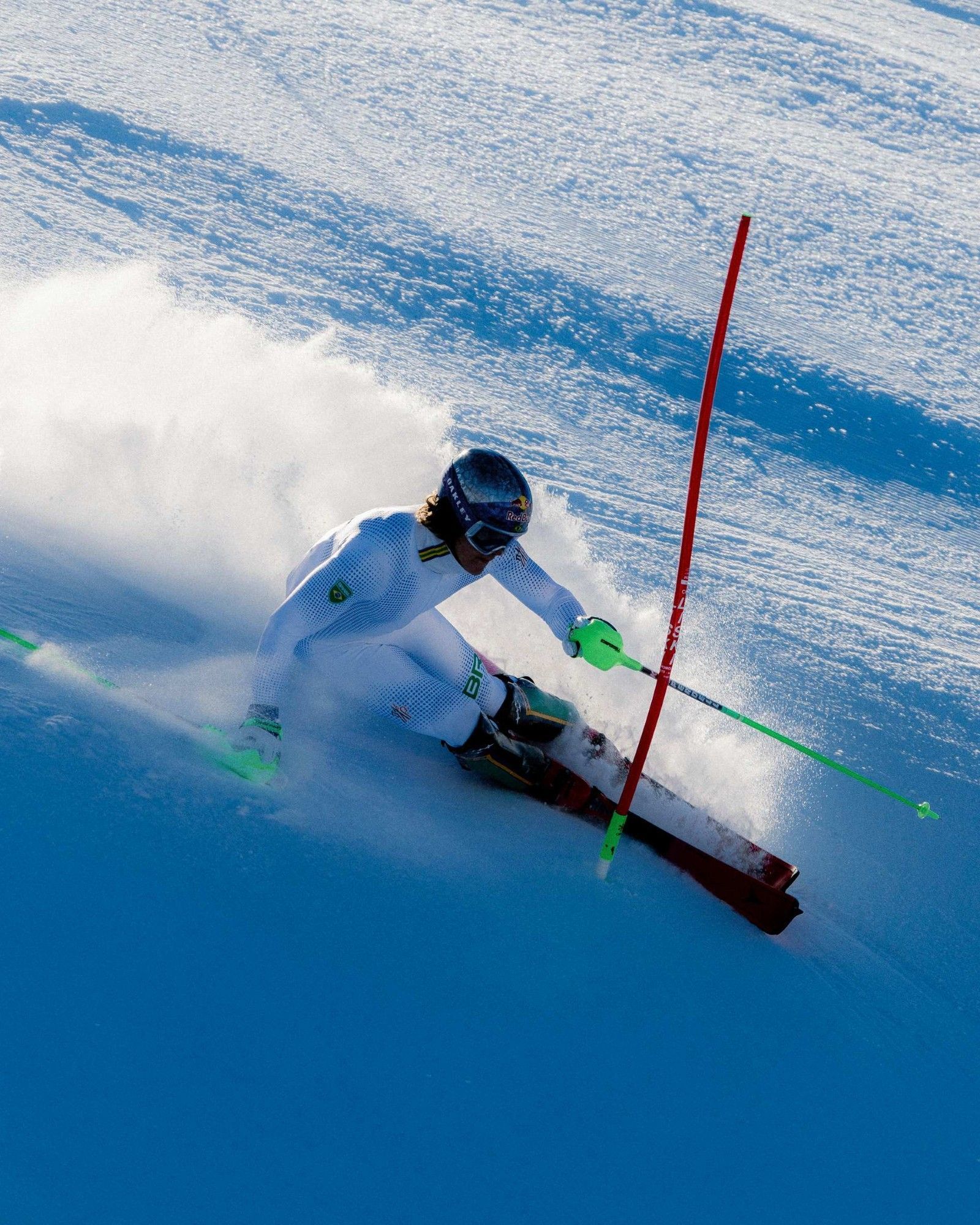























We are living through the engagement Olympics From Paris to Milan, the event has become a second Design Week
The Milan Cortina Olympics are on everyone’s lips and screens. Around the host cities, pop-up stores and temporary installations celebrate the Games with the aim of selling and handing out gifts, while in the Olympic Village, located near Fondazione Prada, others have set up service stations for athletes and their teams. With TikTok and Instagram flooded with viral videos documenting the lives of the Games’ protagonists, the Olympics have now invaded our phones. Between one TV commercial break and another, viewers can discover on the small screen the favorite foods of foreign athletes who fall in love with huge Nutella dispensers and other delicacies of Italian cuisine served in the cafeteria, or follow some athletes as they get their makeup done by Kiko just steps away from their dormitory. All this viral content recalls the videos that circulated during the Paris Olympics or, even more so, the enormous - often nerve-racking - amount of posts dedicated to Milan’s Design Week.
Athletes have become content creators
@juttaleerdam Let’s eat lunch together #Olympics #dininghall #milanocortina2026 Originalton - Kati
Getting hundreds of thousands of views as an Olympic athlete today seems like child’s play. Whether it’s reviewing the dishes served in the Olympic Village cafeteria, showing off one’s medal (apparently broken, judging by the number of winners who have encountered the same issue), or revealing one’s kit, it seems that the formats most loved by TikTok and Instagram users lend themselves perfectly to athletes’ social media success. From Get Ready With Me to Outfit of the Day, from What’s In My Bag to the most popular memes (“When the hangout is at the Olympics”, for example), the Olympic Games are no longer just an event where athletes fight for the most coveted prize in sports, but also in the social arena: followers. After all, it’s social presence that attracts the attention of potential sponsors and ambassador contracts.
The media engagement of the Olympics
@brooklyn_mcdougall Come be overstimulated with me thank you @lululemon original sound - brooklyn_mcdougall
The Olympic organization itself pays close attention to social media engagement during the event. The official Games website reports that Paris hosted the most digitally engaged Olympics ever: an estimated total of 412 billion interactions across 270 million posts, 290% more than the previous edition in Tokyo. The official Olympic accounts recorded 16.7 billion interactions during the Paris Games, more than double those of Tokyo.
Snoop Dogg links up with the Jamaican Bobsled Team at the Winter Olympics pic.twitter.com/2WyACTZDbS
— The Tropixs (@Tropixsofficial) February 7, 2026
Today the Olympics are investing more and more in influencer involvement (last January, a dog, Chico, who has 1 million Instagram followers even carried the Olympic torch) and other public figures at the Games (such as Snoop Dogg). At the same time, athletes themselves are becoming content creators, an addition that undoubtedly improves the Olympics’ online media performance.
A more authentic narrative, but also an opportunity for self-promotion
Telecronista rai stasera: sbagliato stadio, non riconosciuto Matilda De Angelis ("ecco Mariah Carey"???), non riconosciuto i tedofori, scambiato la PRESIDENTE del CIO per la figlia di Mattarella, non nominato Ghali, sbagliato ordine dei paesi, sbagliato decine di dati.
— Giallus (@giallus_) February 6, 2026
Altro?
At the heart of the Olympics’ success on social media are several reasons. The first concerns the event’s narrative, which on television is losing clarity - just think of the recent blunders by Rai commentators and the company’s subsequent decision not to have the Rai Sport host present the Games’ closing ceremony. The criticism from the public toward the television coverage of the Olympics shows how much the medium is losing viewers’ trust, while they have meanwhile found greater transparency on their phones. On Instagram and TikTok, content is shot by the athletes themselves, making the information not only more authentic but also more emotional.
The second reason, as previously mentioned, concerns advertising and the transformation of athletes into content creators. Like any major sporting event, top sponsors have their eyes on the competitions in search of the next ambassador. If in the past the only way to secure a brand deal was to win at least one medal, today social media helps athletes along. This creates a self-sustaining cycle: audiences increasingly appreciate the authentic content produced by athletes and other Olympic protagonists, contributing to growth in social engagement; brands organize activities and installations to encourage the production of more content for spectators and athletes at the Olympics; and competing athletes, partly for fun and partly for fame, seek the attention of audiences and sponsors by creating content that inevitably goes viral.
@milanocortina2026 AMO(S) TOP
If the Olympics have become a social media business, there’s nothing wrong with that - on the contrary, it makes the Games more interactive and exciting. One can only hope that all this obsession with virality and followers doesn’t distract from the true purpose of the world’s most important sporting event. Much like what has happened to Design Week, which in recent years has shifted from being a showcase of Italian design excellence to a stage for marketing stunts of questionable cultural impact.