
































The macabre aesthetic in the interiors of “Frankenstein” Guillermo del Toro's new film is a study of opulence and emotion in architecture
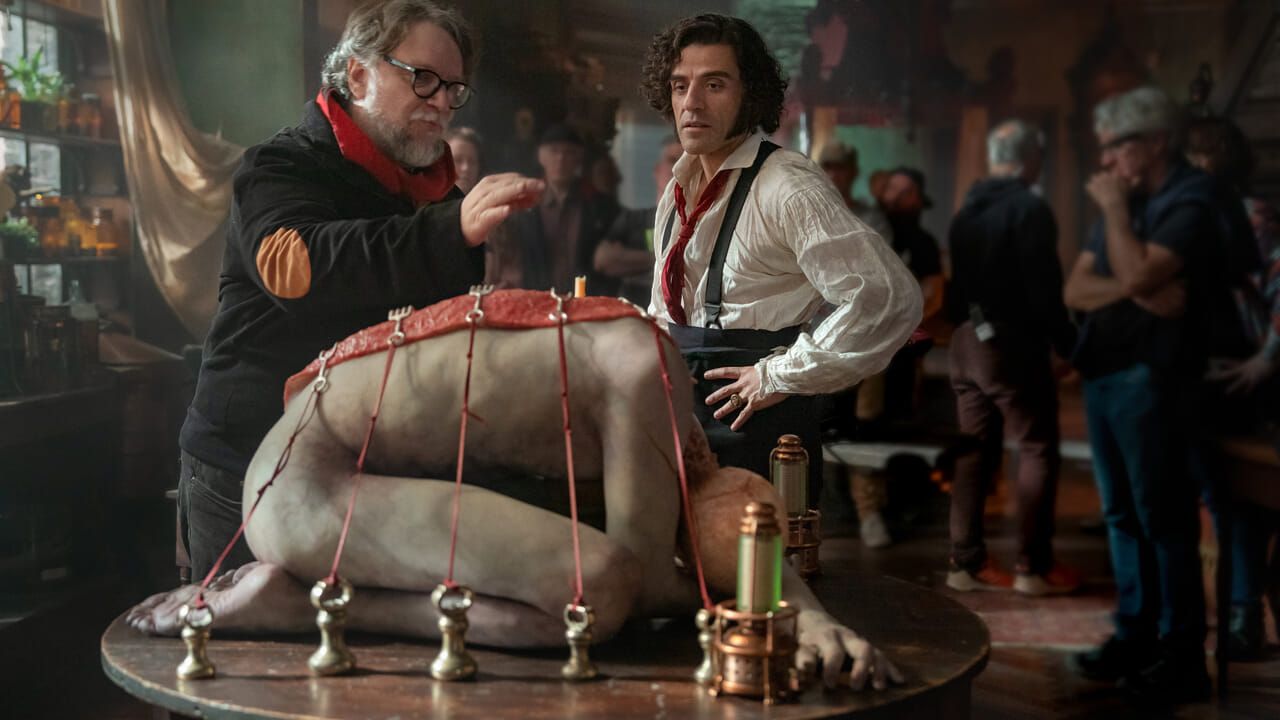
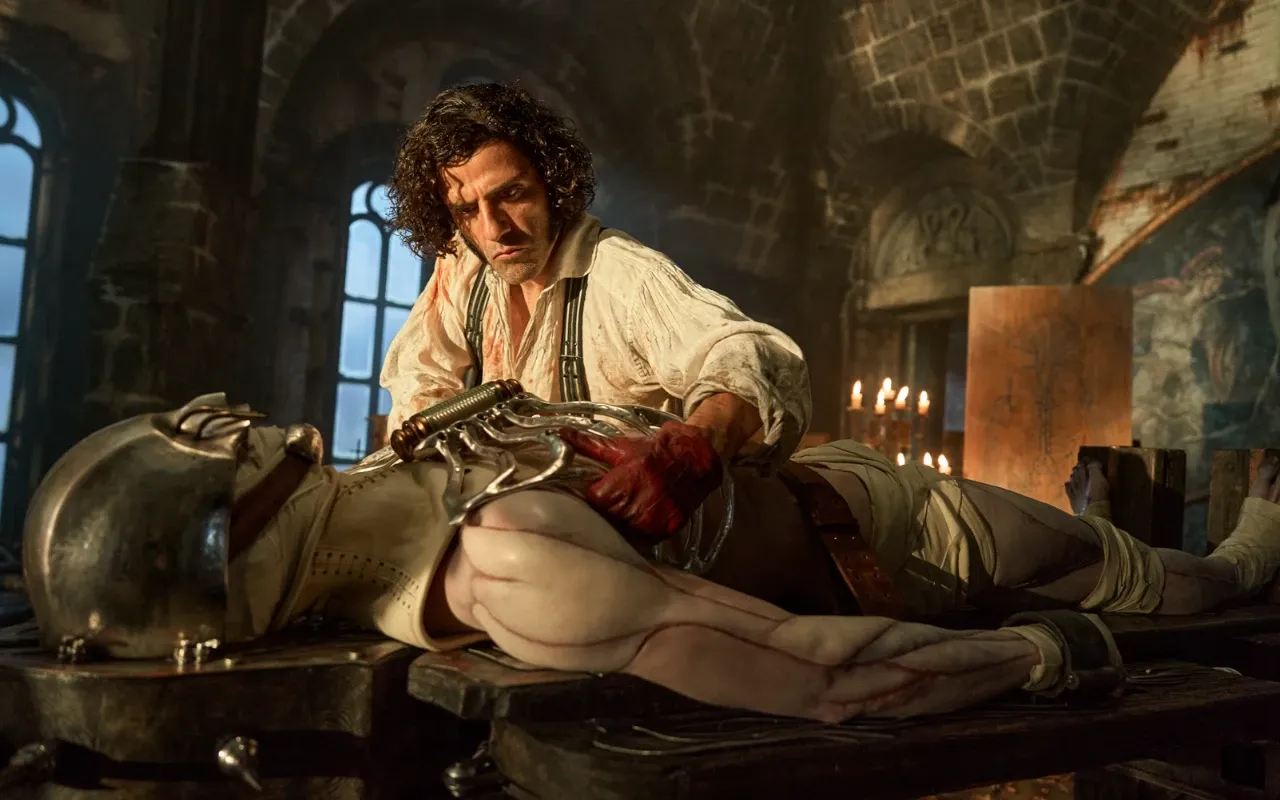
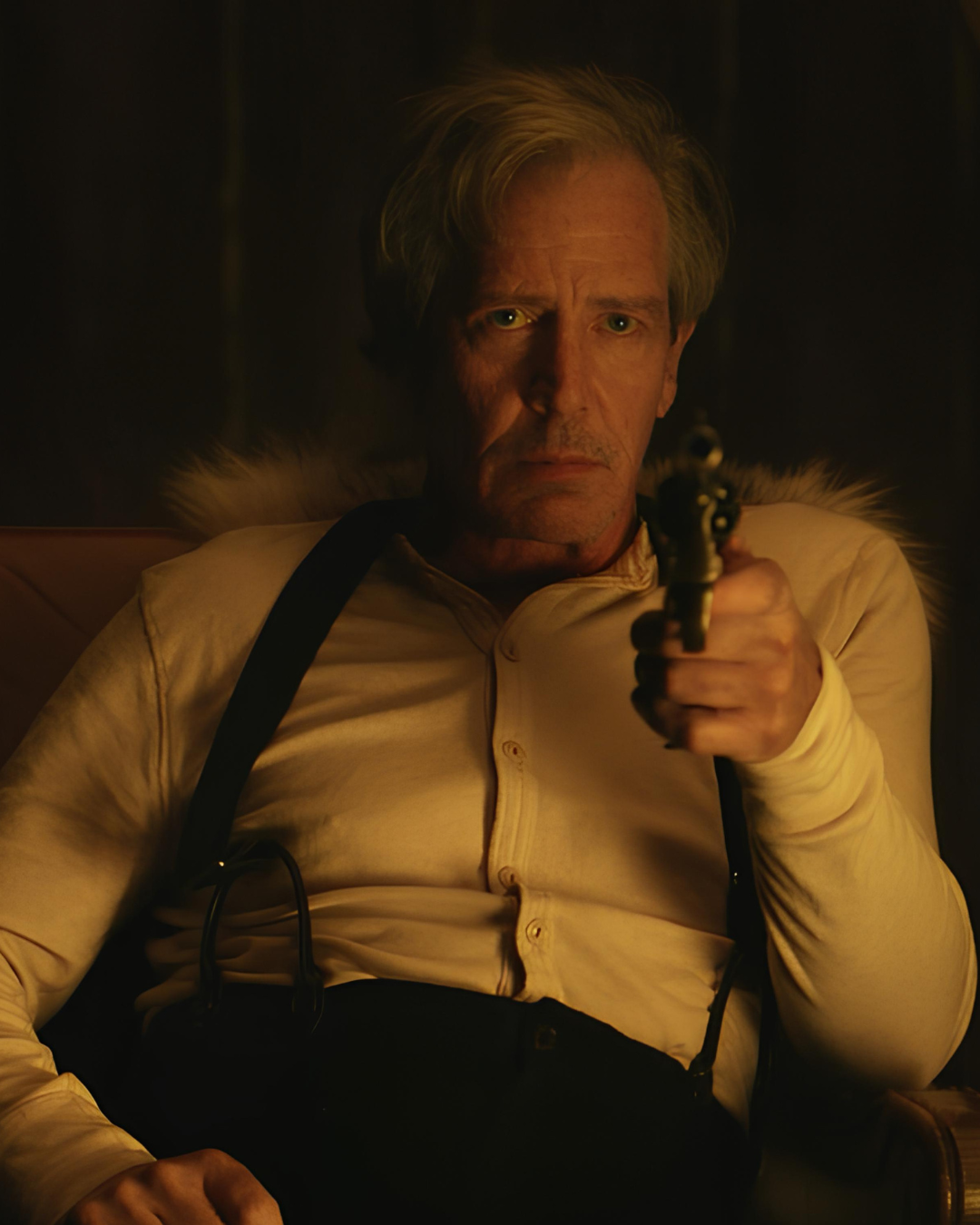
Guillermo del Toro’s Frankenstein is not just yet another reinterpretation of Mary Shelley’s myth, but a true visual manifesto where architecture ceases to be a backdrop and becomes a language. The production built a sartorial universe, stitching together the historical opulence of the United Kingdom with the vast desolation of North America, creating a mood that is at once claustrophobic and sublime, intimate and monumental.
The Neo-Gothic Tower
Can we talk about the similarities in location of the tower in Frankenstein and the mansion in Crimson Peak? Both huge, decadent but partially decaying gothic buildings located in the middle of a desolate plain that feels like it’s on the edge of the earth pic.twitter.com/RUi2JnLQlG
— S (@roomtonez) November 14, 2025
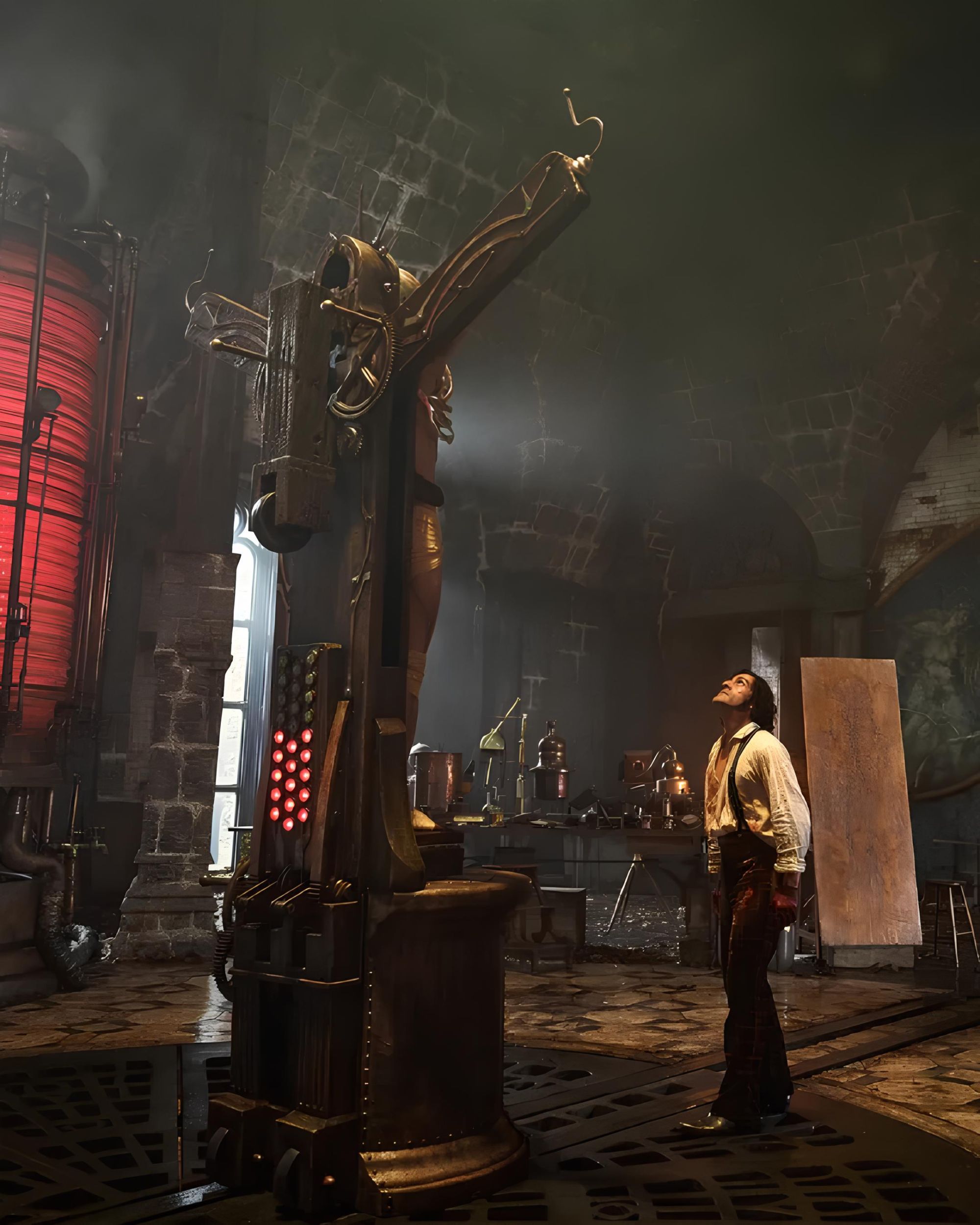
The narrative and visual core is, of course, Frankenstein’s Tower, the place of creation and ruin. Its aesthetic is a brilliant mash-up: the base, imposing and tangible, was built on a set of over 5,000 square meters at the Markham fairgrounds near Toronto. But it is at the top where its hubris reveals itself: the neo-gothic profile is directly inspired by the National Wallace Monument in Stirling, Scotland. A choice that is not just a reference, but a statement of intent: the scientist’s megalomaniacal isolation is etched into the very DNA of the structure, a gothic beacon that cuts across the horizon like a scream.
Space as Luxury
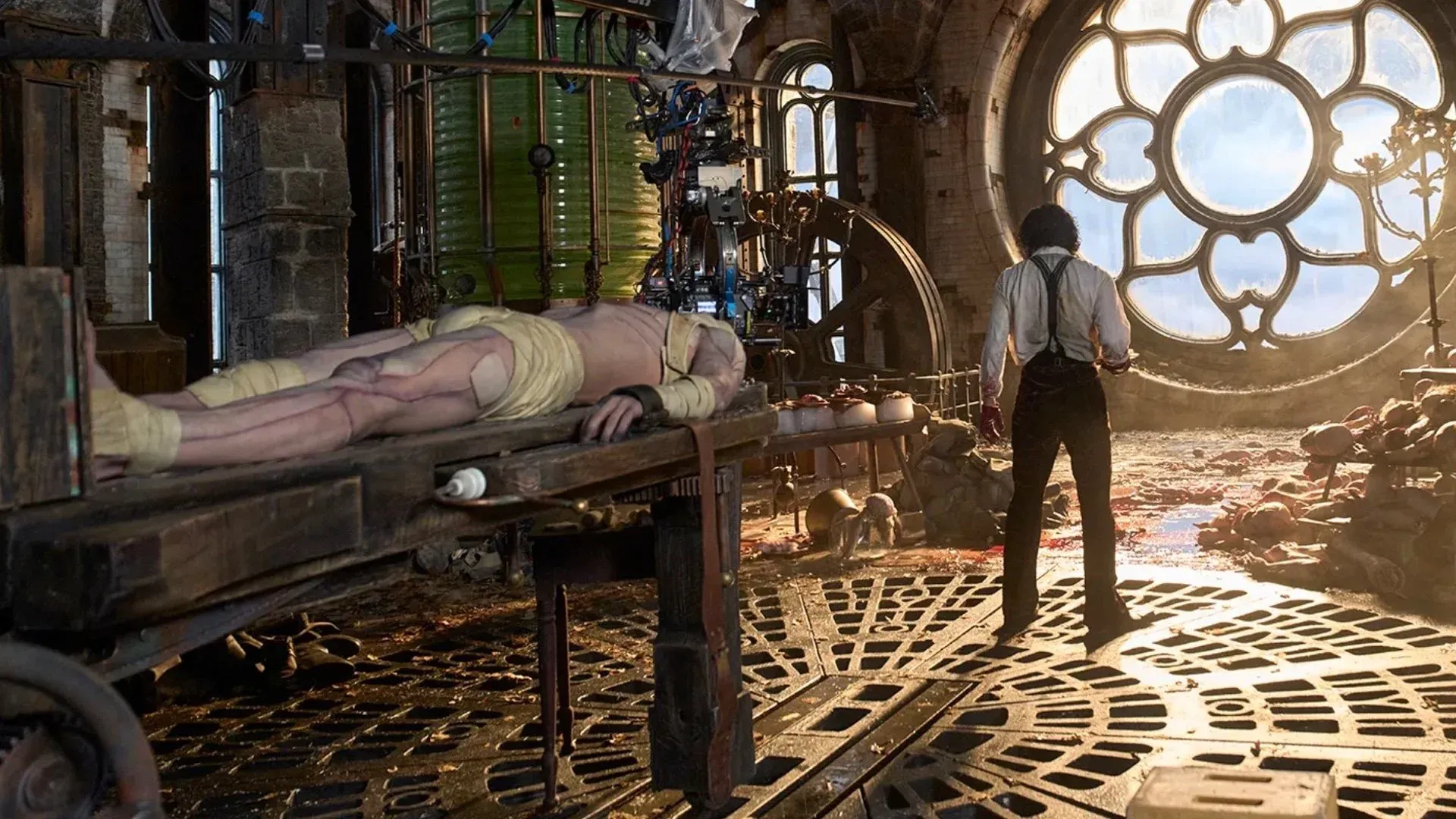
The interiors of the Tower, reconstructed in Toronto studios across eight different sets, are a true work of art. Forget the messy laboratory, here we’re talking about dark science couture: vertiginous spiral staircases, experiment rooms governed by an obsessive search for scientific order, everything designed to suggest that Victor’s true luxury is not material wealth, but having the right space for his greatest obsession.
The Marvelous Houses in *Frankenstein*
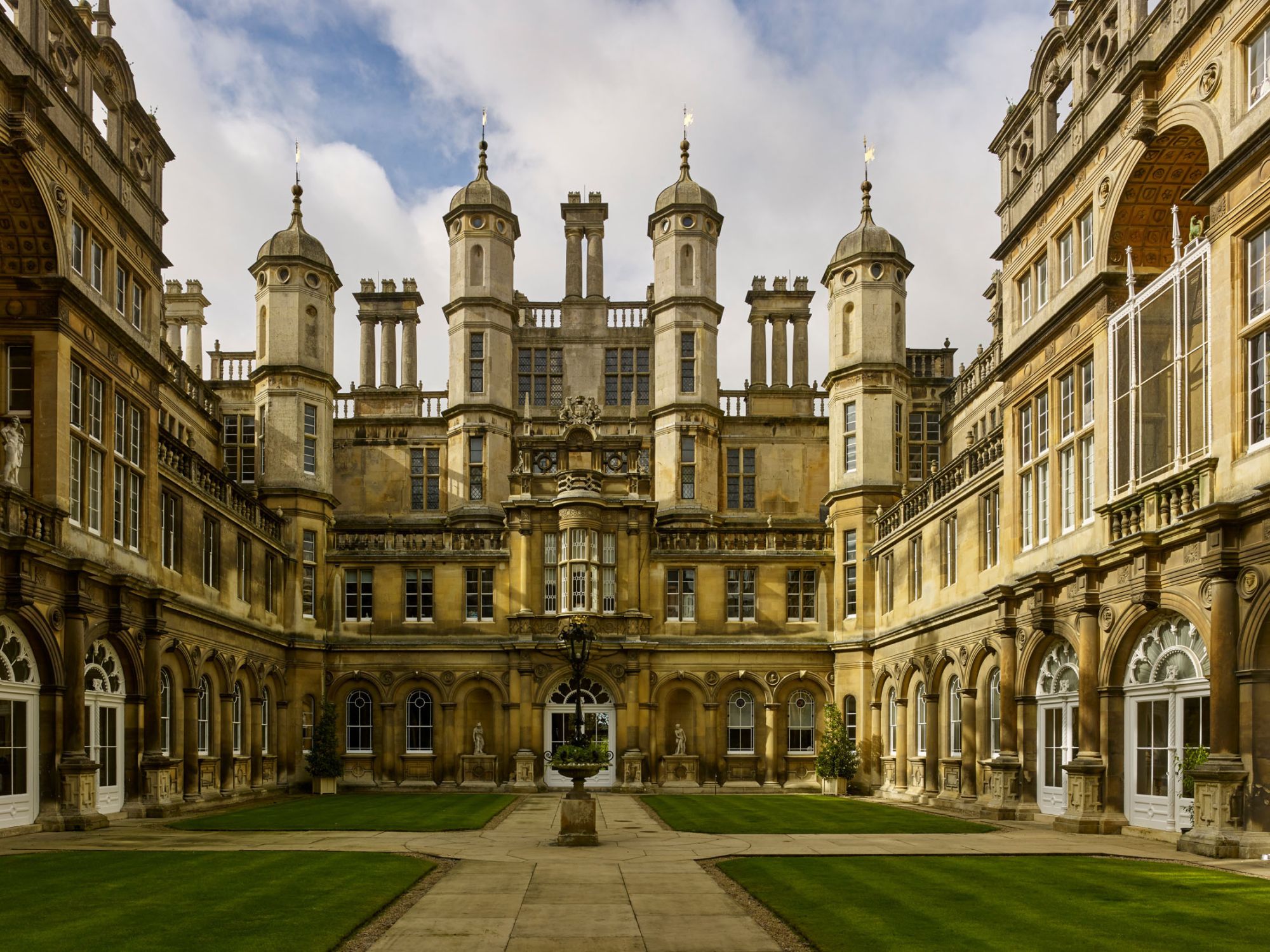
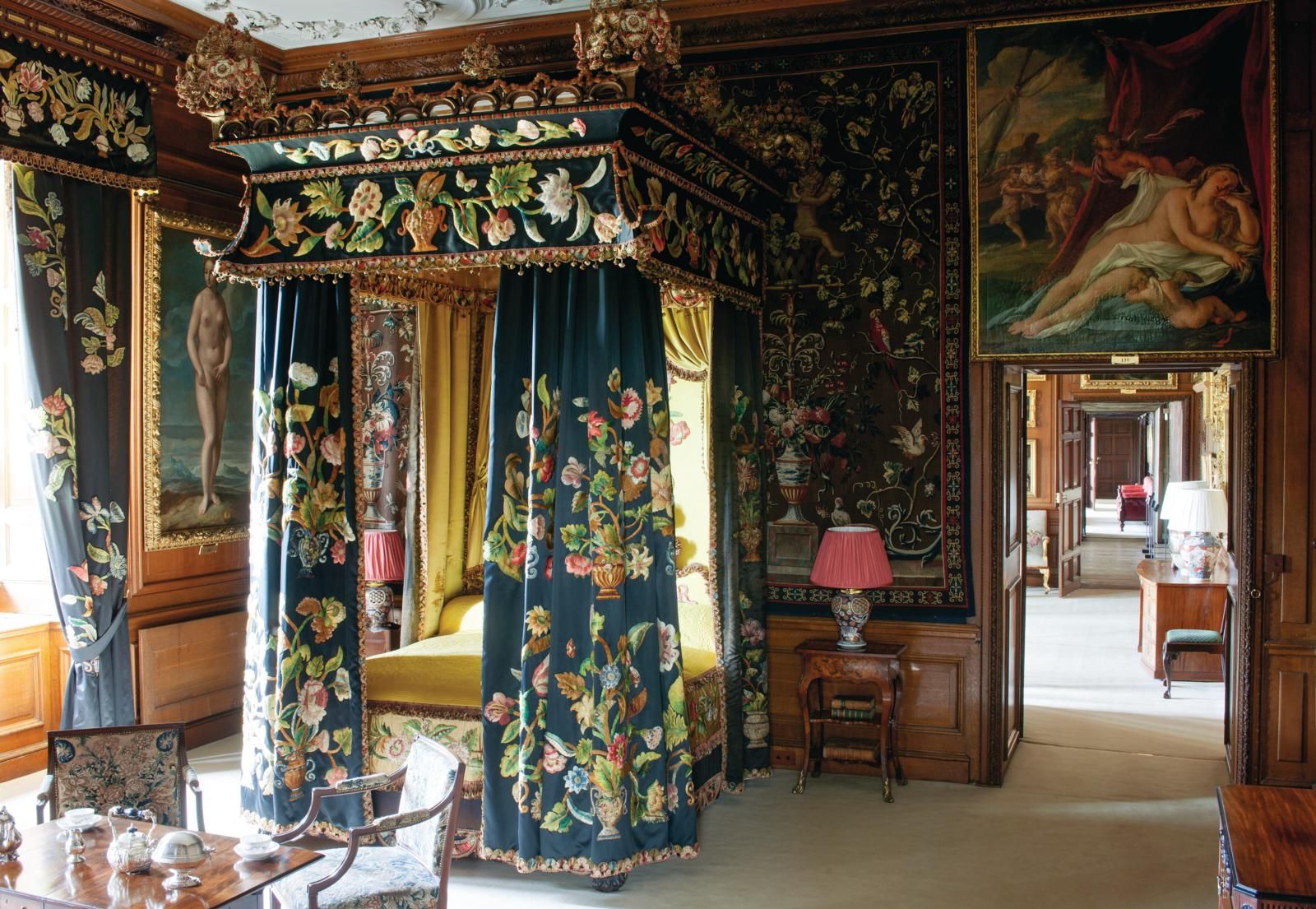
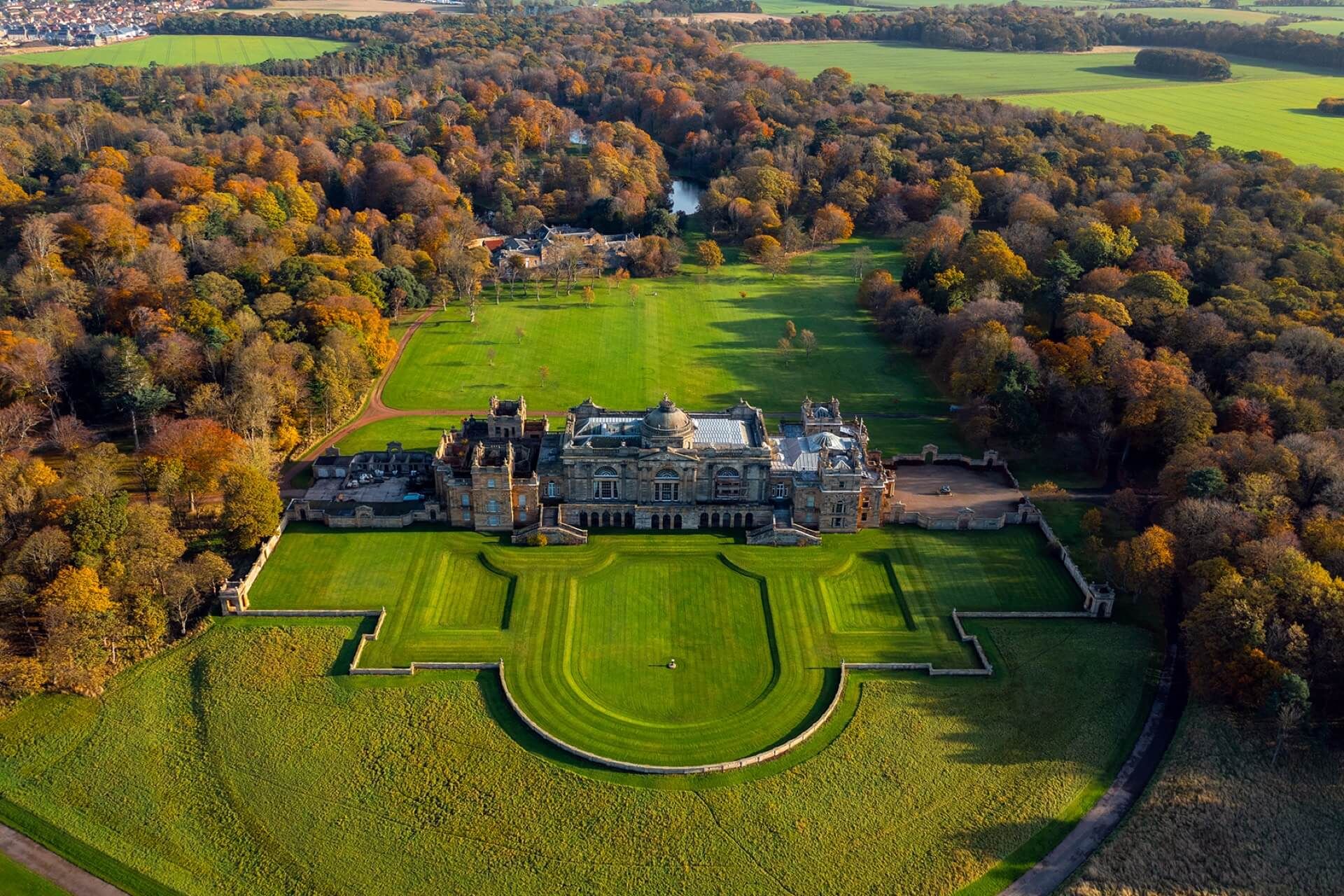
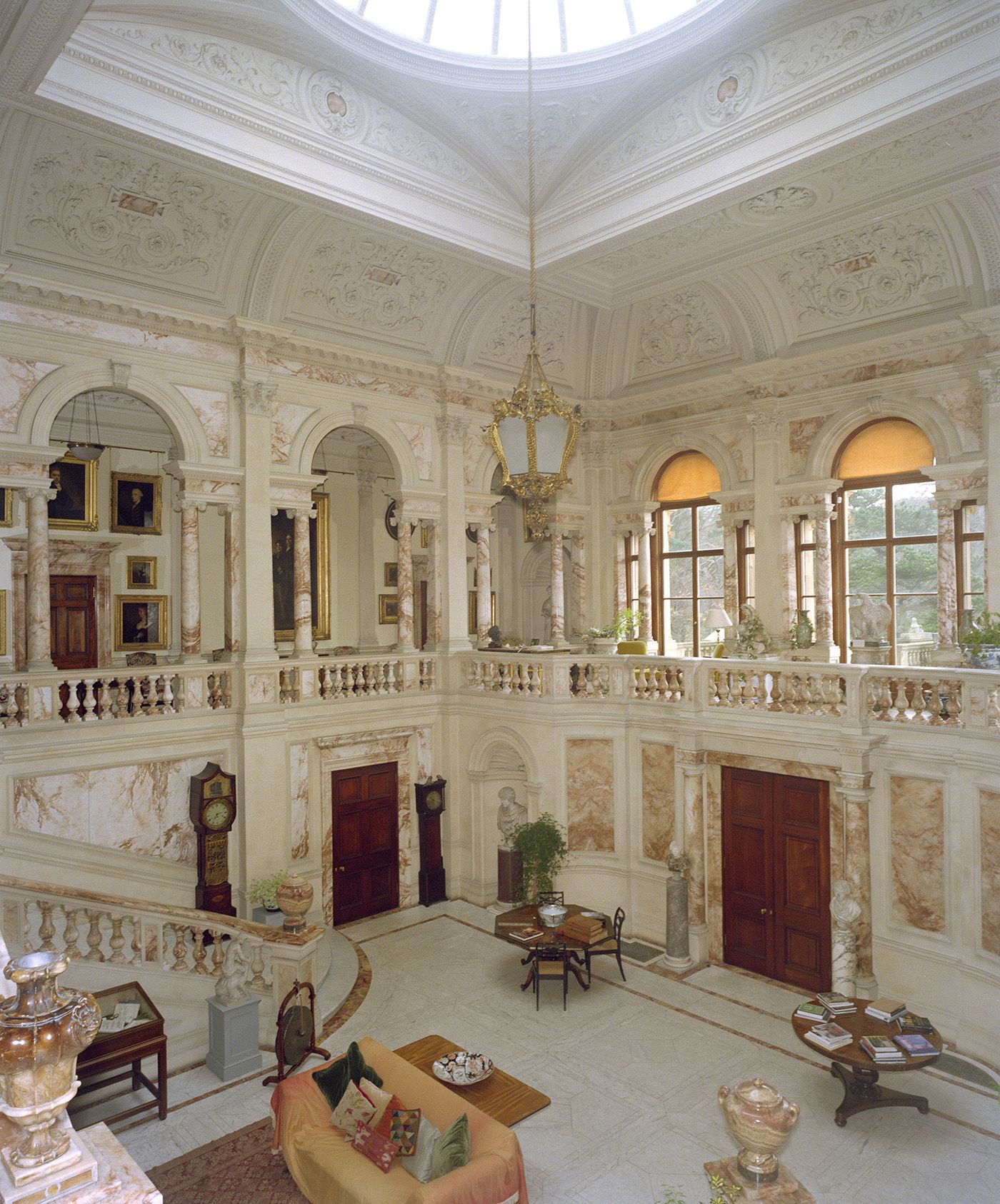
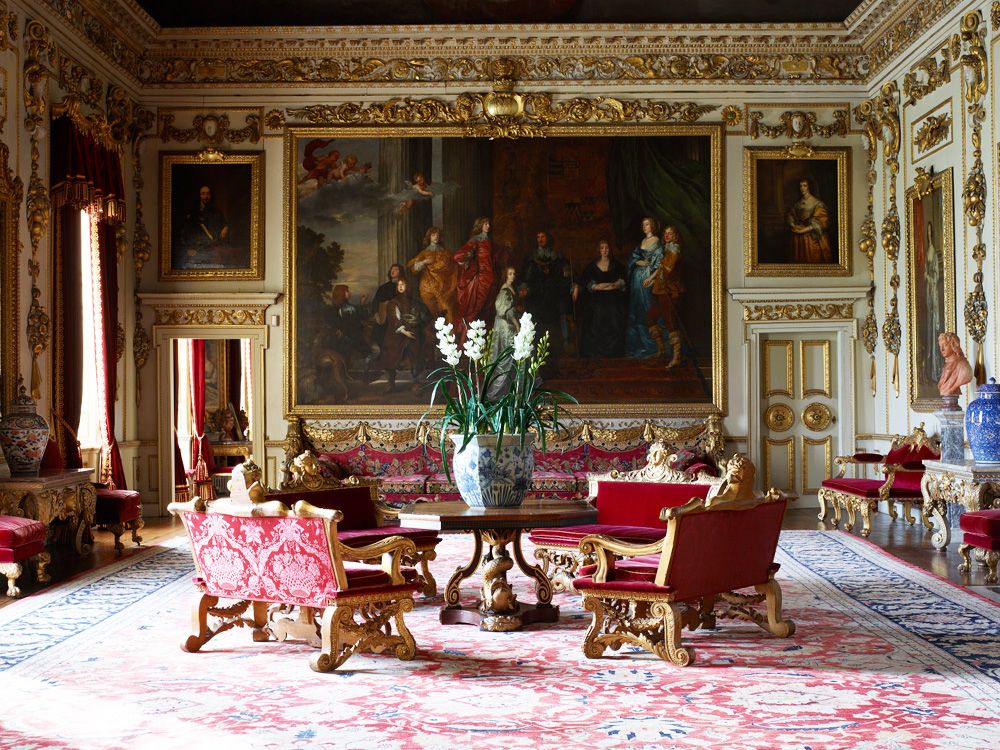
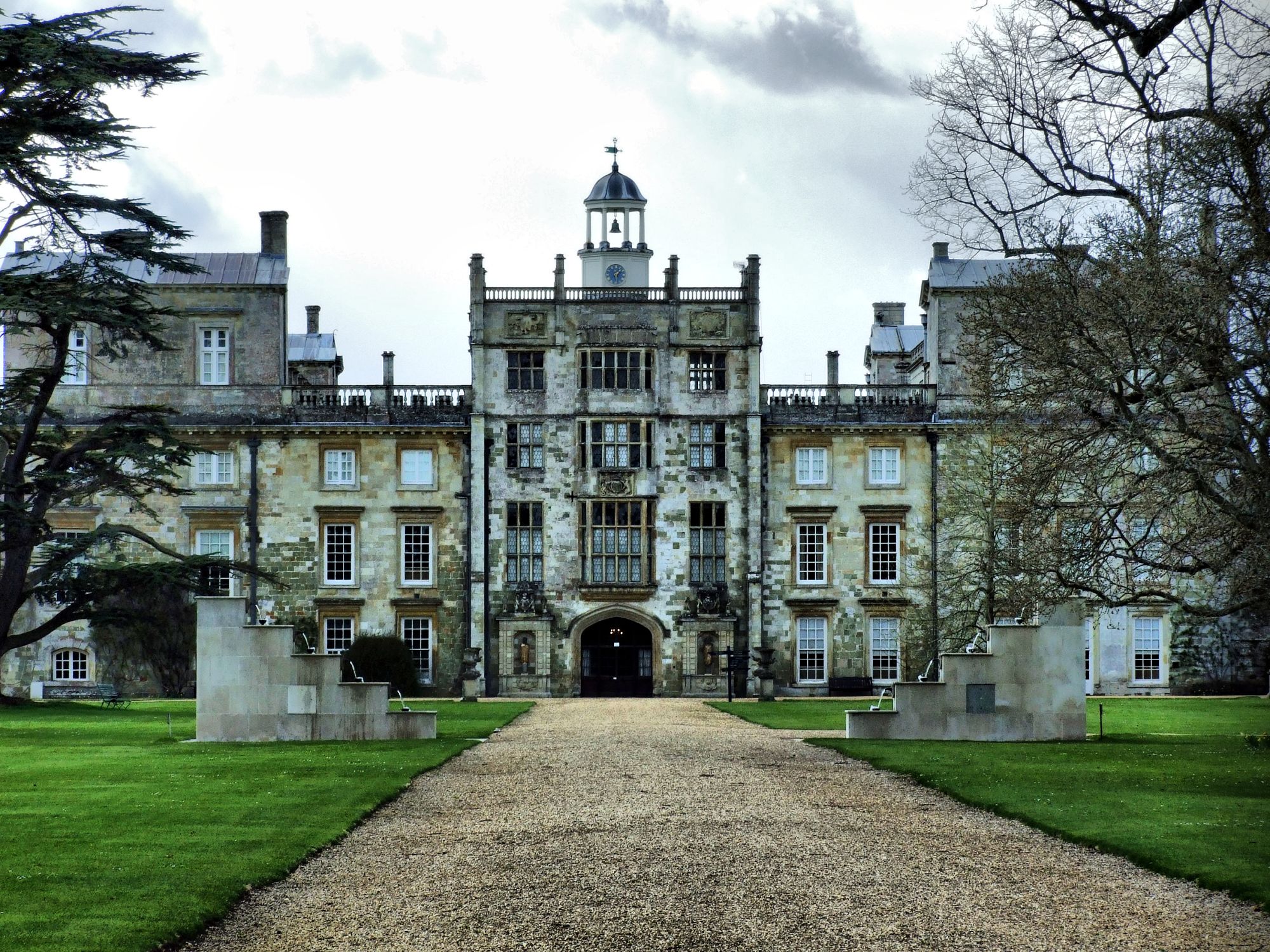
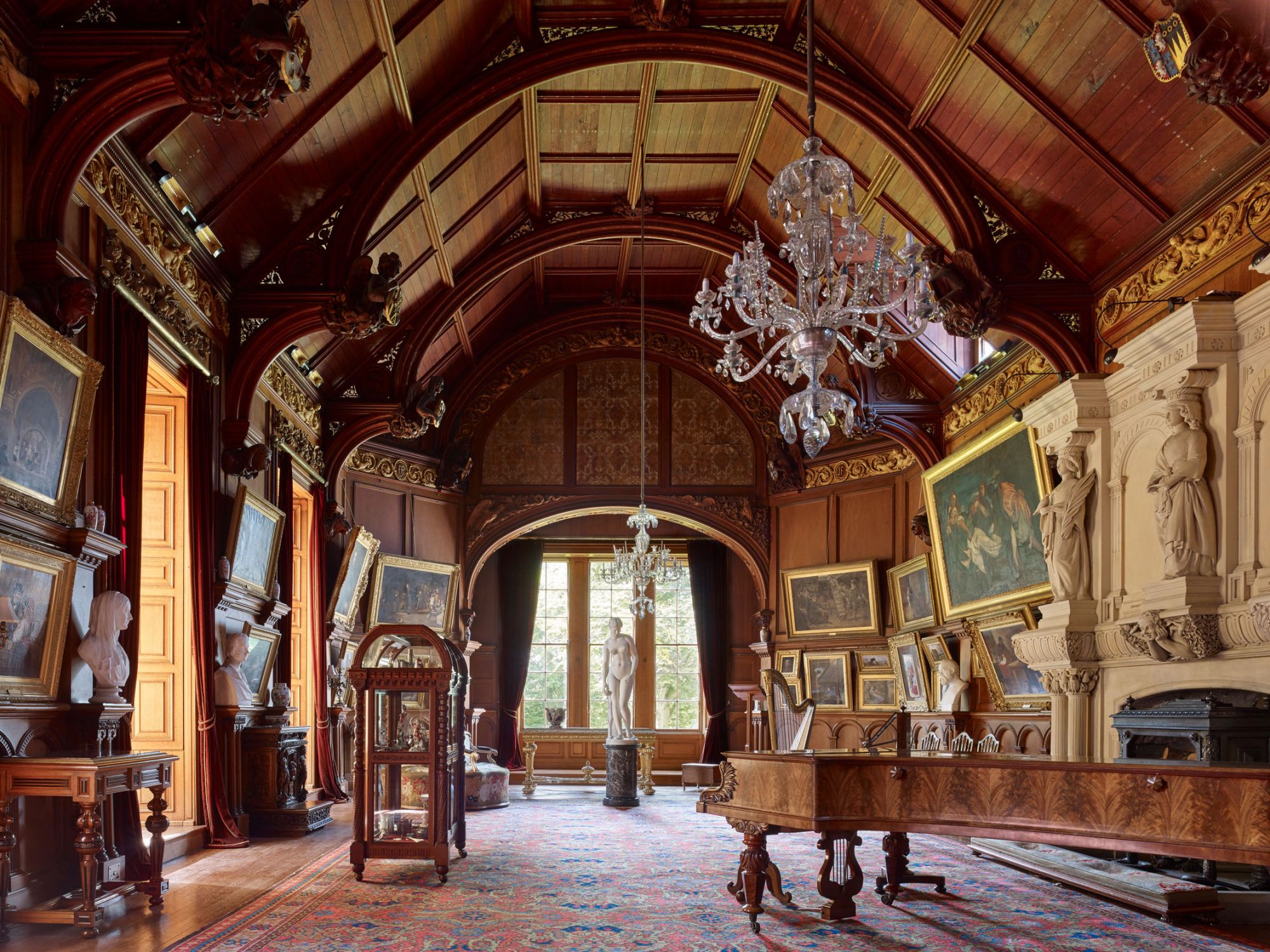
Counterbalancing the controlled chaos of the tower are the elite residences, the environment Victor abandons yet never fully escapes. The production drew from the best of historical architecture: the English house and art gallery Burghley House, whose wooden walls and saturated tapestries become the home of Heinrich Harlander (Christoph Waltz), and a combination of Gosford House in Scotland and Wilton House in England for Victor.
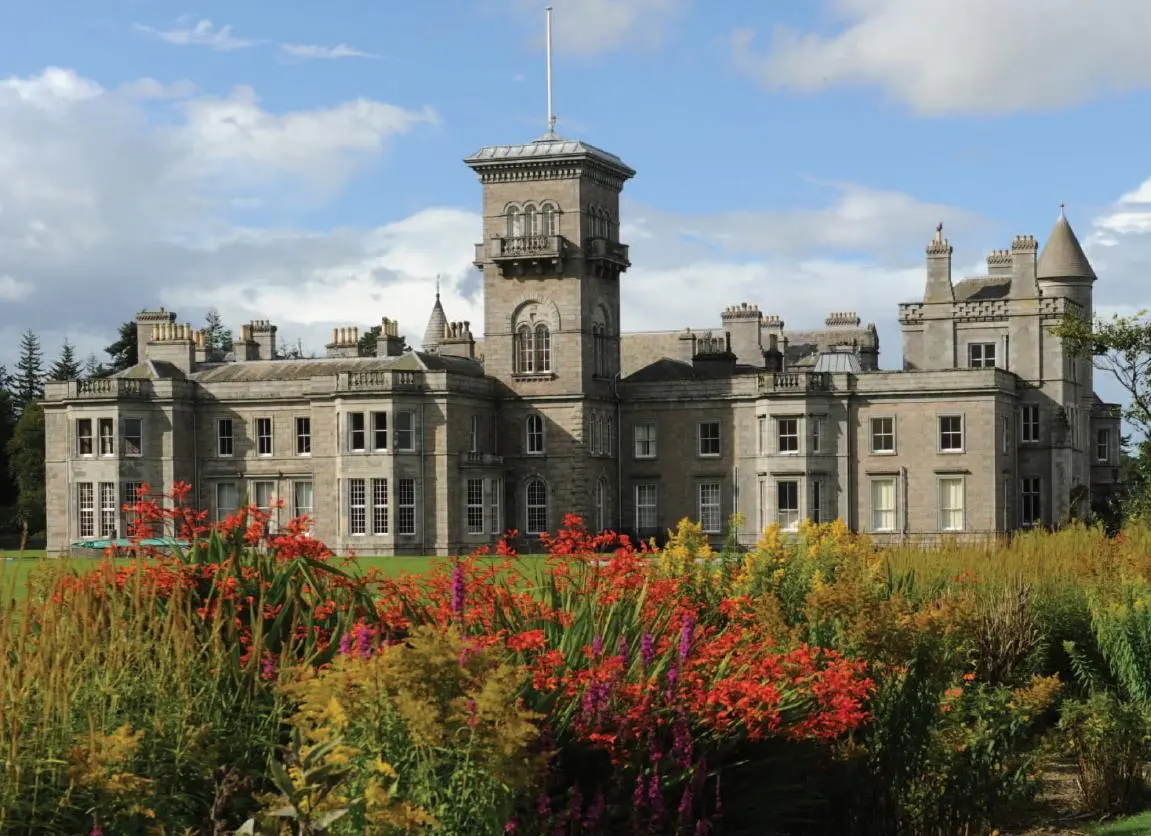
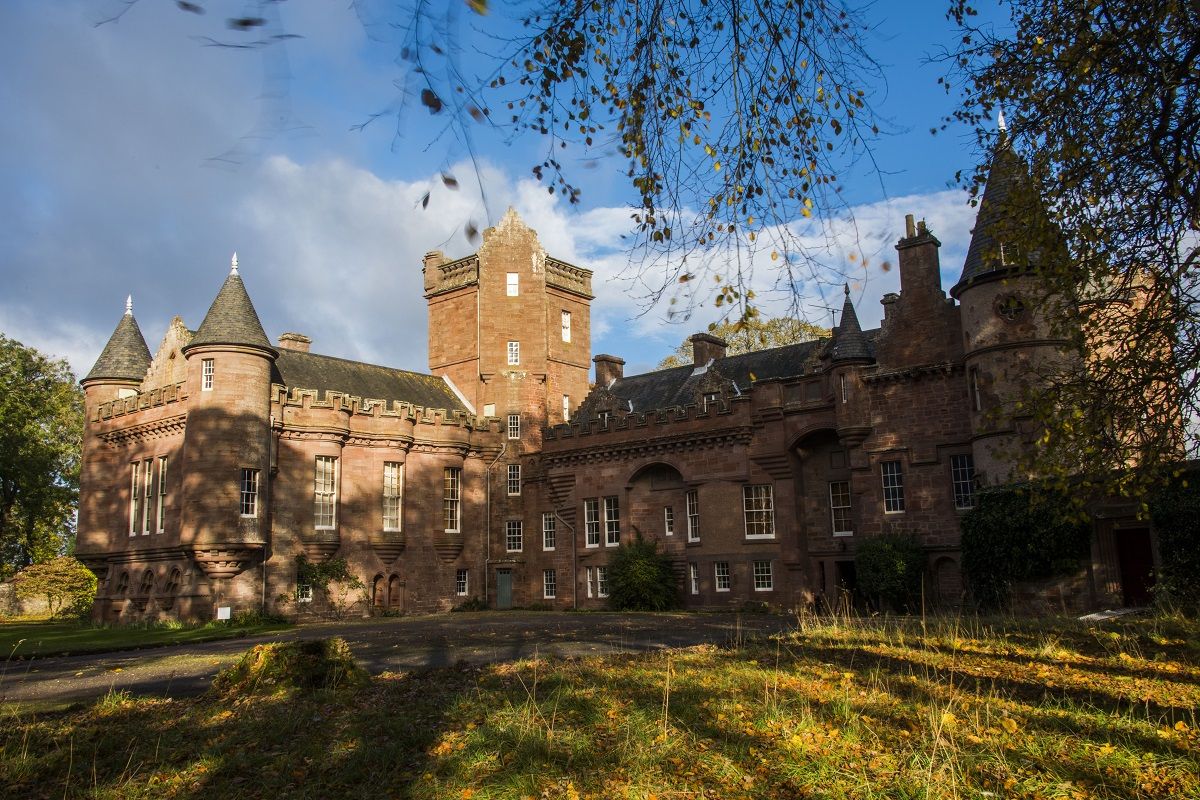
This meticulously curated blend produces interiors of cold, unsettling beauty, characterized by dark wood floors, walls painted in deep shades of emerald green, and marble details. It is the aesthetic of decadent wealth, where elegance is so perfect it becomes suffocating. The opulence extends to Dunecht House in Aberdeen, another sumptuous Scottish residence whose vast gardens and classical architecture reinforce the film’s dramatic and refined tone. Also in Scotland, in Arbroath, the historic Hospitalfield House provided the imposing and melancholic 19th-century aura perfect for the darkest sequences.
Edinburgh, Glasgow, and London
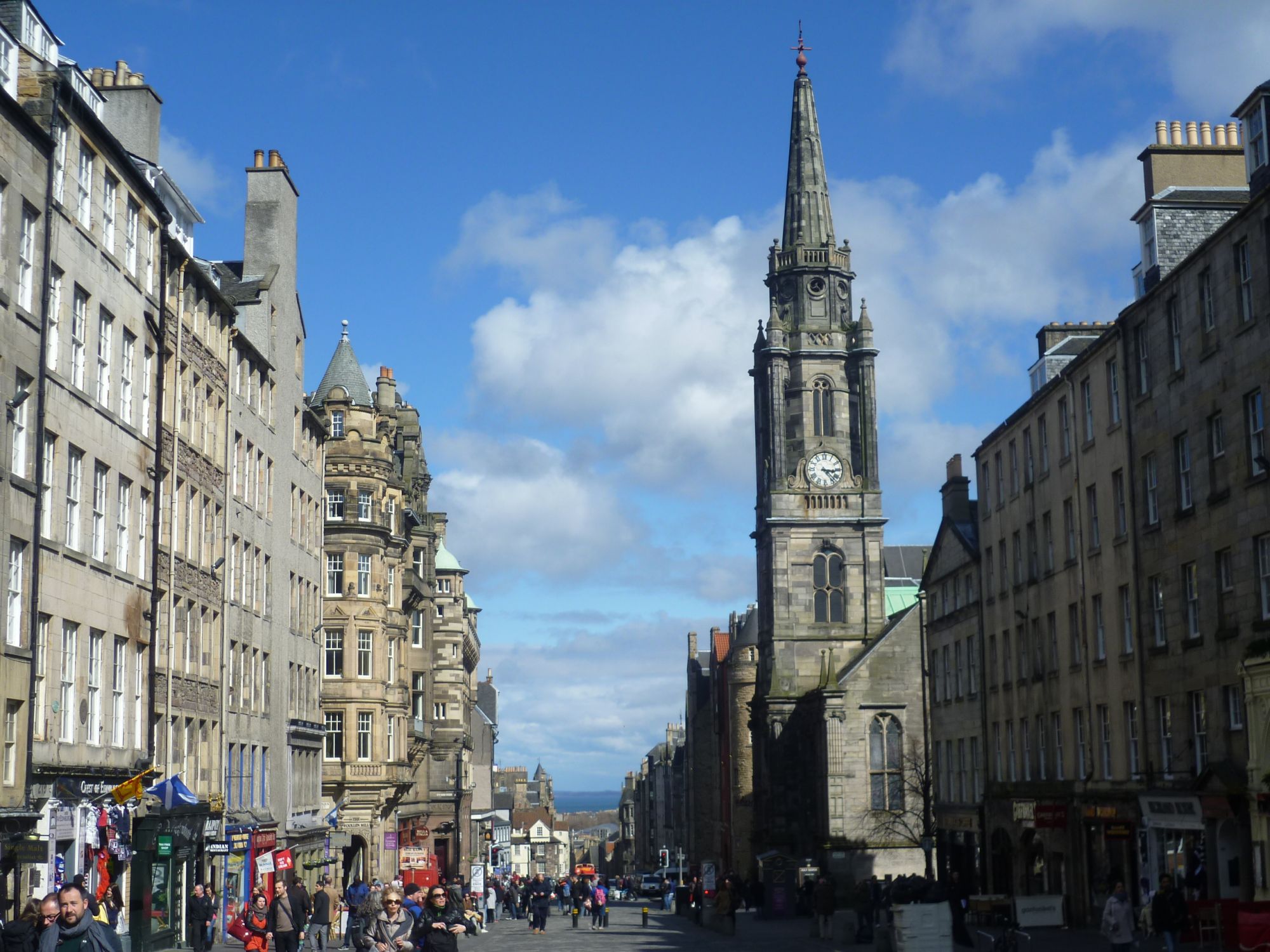
But the United Kingdom also offered its murkier, more gothic urban soul. Edinburgh provided its alleys and ancient streets, particularly the evocative Royal Mile. Places like Bakehouse Close, with its cobblestones and narrow passages, or the isolated Lady Stair’s Close, gave the film that mysterious, timeless tone ideal for chase scenes or introspection.
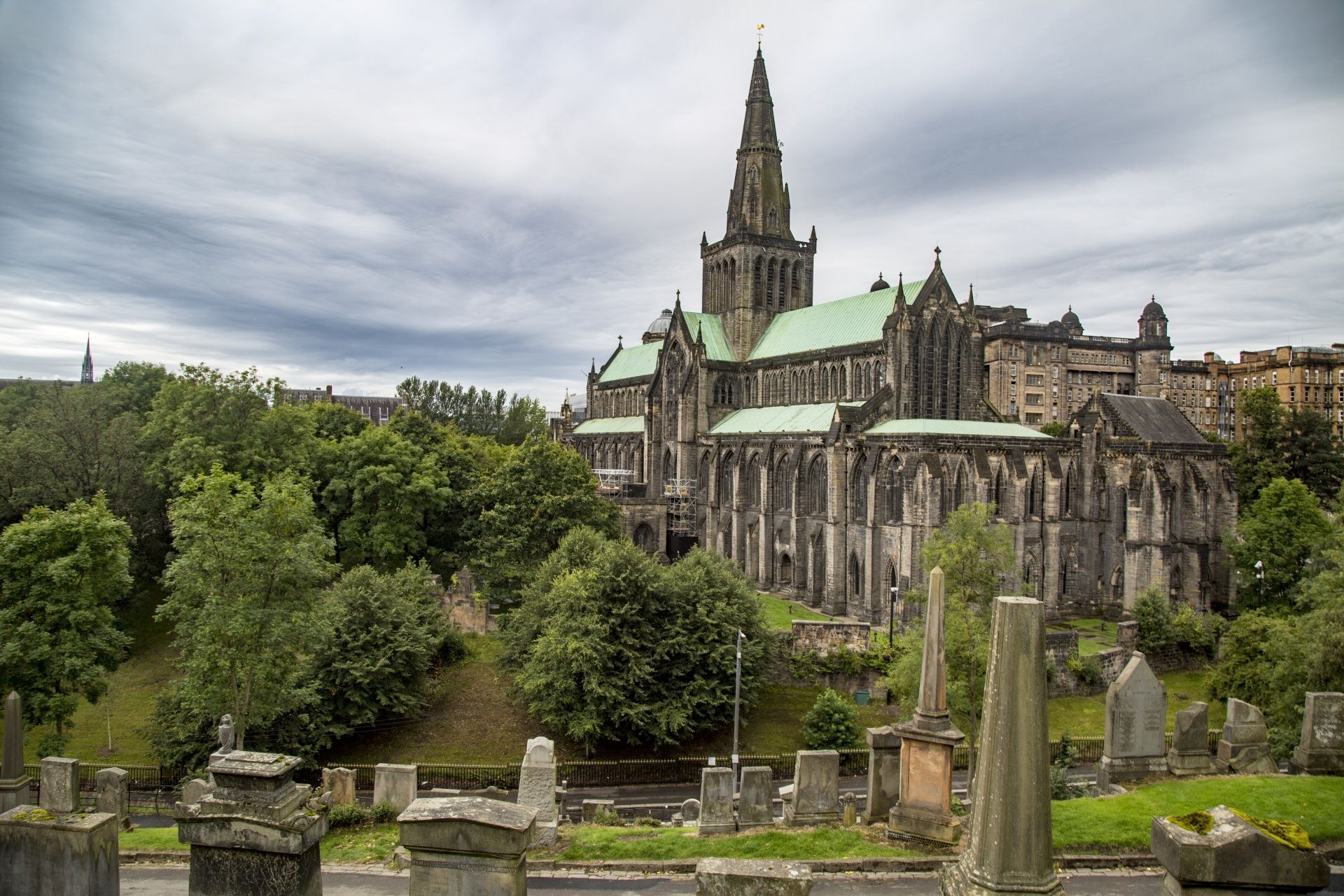
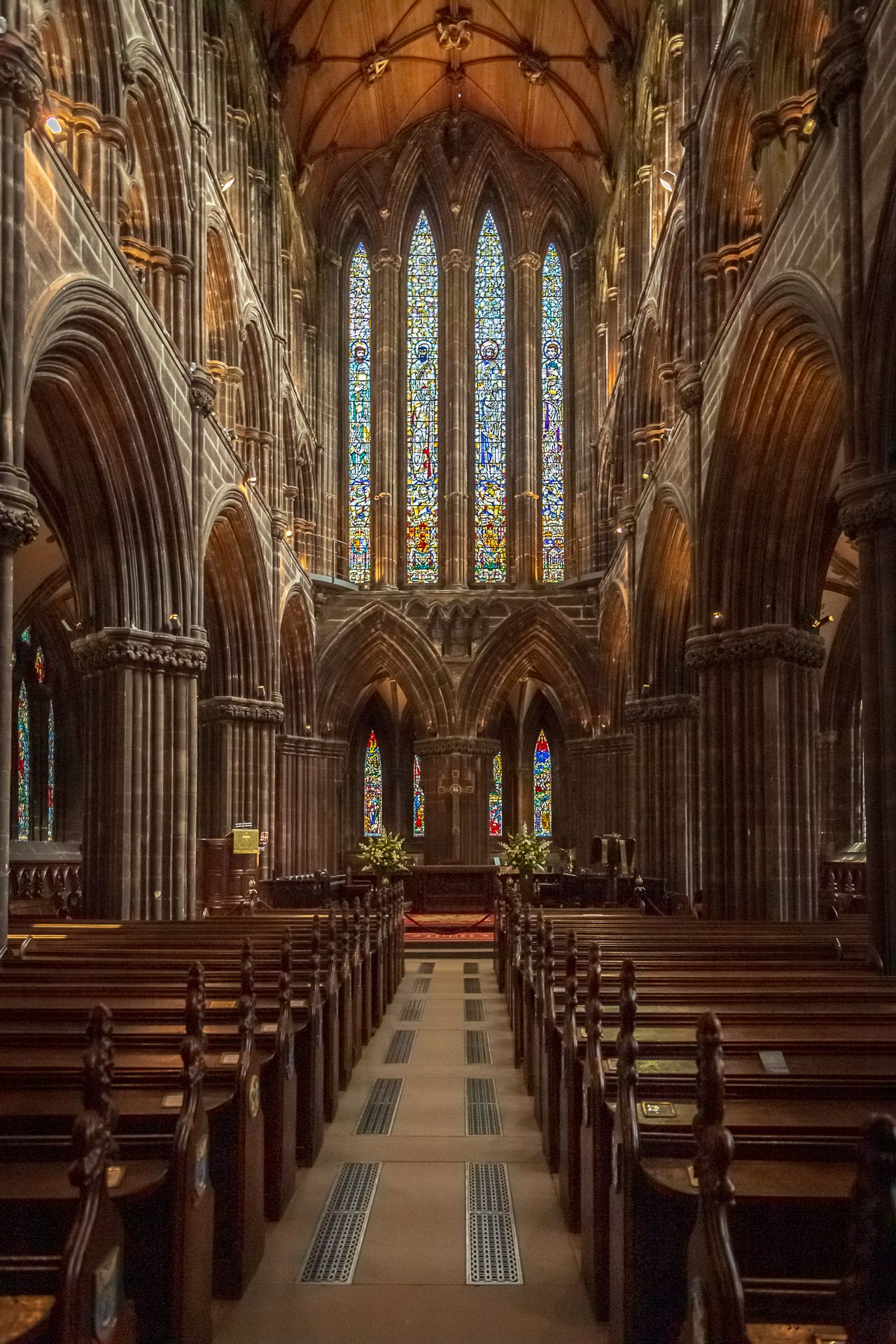
Moving to Glasgow, the city’s majestic medieval Cathedral was used for its soaring naves and gothic style, giving the film a solemn, powerful imprint, a sacred place serving as a silent witness to a blasphemous act. Even London, the great British capital, was recreated not only with exterior shots but with the ingenious use of miniatures and scale models for monumental buildings and complex cityscapes, an old-school technique that delivers an almost painterly visual impact in scenes otherwise impossible to achieve.
The Canadian Cold as Metaphor
@netflixit Noi ci siamo affezionati a questa Creatura #frankenstein #cinematok #oscarisaac #netflixitalia original sound - Netflix Italia
Finally, the most crucial element in defining the Creature’s emotionality: wild nature. The scenes set in hostile landscapes, whether arctic sequences or desperate escapes, were captured in the majestic Glencoe (Scotland), with its dramatic, misty vistas, and in the snowy sequences of Fortress Mountain (Alberta, Canada). To best recreate the glacial environment, the production went as far as North Bay, Ontario, where the harsh climate provided the ideal setting for the arctic and desolate sequences in which the protagonists move.
In del Toro’s Frankenstein, the exteriors are not mere backdrops but the mirror of the Creature’s tormented, uncivilized soul. The film’s visual tension resides in this very aesthetic clash: gothic-Victorian opulence versus primordial vastness, the civilization that creates the monster and the nature that welcomes him.