






























The U.S. government has blocked Trump's tariffs (again) And now companies need to figure out how to manage the refunds
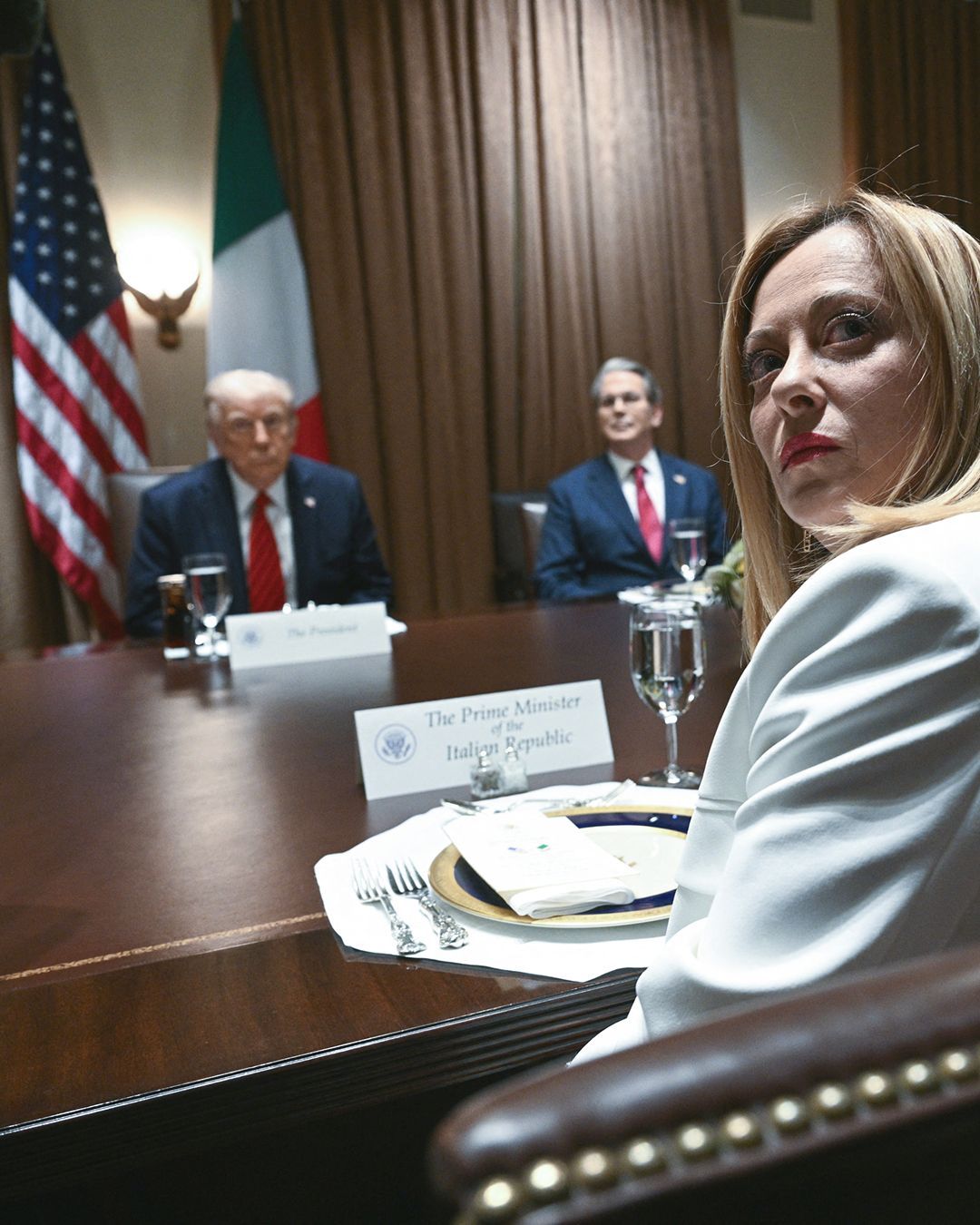
UPDATE 11/05/2026: Even though Trump attempted to impose a new global 10 percent tariff regime, this latest effort has once again run into legal trouble. As reported by WWD, the Court of International Trade ruled that the new tariff structure created by the Trump administration was also unlawful. But once again, the real issue is not the tariffs themselves so much as what comes afterward: the refund question.
The same court had already blocked a previous wave of tariffs introduced through the White House’s emergency powers, triggering an extremely long legal battle involving appeals, suspensions, and trips all the way to the Supreme Court. For this reason, even though the new ruling represents a huge symbolic victory for importers and retailers, nobody in the industry seems to expect money back anytime soon. The fashion industry is now moving with extreme caution: tariffs may be struck down, but that does not automatically mean the government will immediately return the money it collected.
That didn’t stop Prada, Tom Ford, and EssilorLuxottica from suing the U.S. government between November and February, as reported by The Independent. But now that the Supreme Court has declared those tariffs illegal, the U.S. government has been forced to commit to returning $166 billion in paid tariffs, give or take. And because the entire process will be rolled out in multiple phases — while still potentially being interrupted — the race for refunds has officially begun. There is just one problem: companies will get the money back, but consumers who ended up paying more will not see a cent.
How tariff refunds work
@itsdeaann The Trump Administration Is Being Forced To Issue LARGEST Refund In HISTORY.
Deep Cinematic Sub Boom 1 -
Following the Supreme Court ruling, the U.S. government created an online portal managed by U.S. Customs and Border Protection. However, the platform received so many requests that it reportedly crashed for numerous users, who were met with error messages and instructions to try again later. As explained by BoF, the number of companies eligible for tariff refunds is massive: 330,000.
Among the importers cited by BoF are Asos, which announced plans to recover around £7 million; Levi’s, which requested approximately $80 million back; while Gap may have asked for as much as $400 million, Nike up to $1 billion, and Walmart more than $10 billion.
There is still no data on how much European fashion brands may request or have already requested, not only because the refund portal is not public, but also because companies such as LVMH, Kering, Prada, Zegna, or Brunello Cucinelli — being publicly traded companies — would only be required to disclose refunds if they were significant enough to impact their financial statements.
From a procedural standpoint, the refund process is relatively straightforward: companies must collect data on taxed goods, format it according to CBP guidelines, and upload it to the portal. More structured businesses already have these records available, while less organized companies can still rely on customs archives. CBP stated that payments should arrive within 60 to 90 days after claims are approved, meaning some companies could already start seeing money return to their accounts by the end of June. But this is where things get complicated: tariffs caused prices to rise for consumers, yet now that the money is being returned to businesses, are consumers entitled to anything?
Money back guarantee?
So the corporations will get a tariff refund check.
— Bonnie Rae (@bonnieblithe) February 20, 2026
Even though the consumer paid the tariffs.
And the prices will still stay high for the consumer.
Almost like they planned it that way. pic.twitter.com/OuMI9k5bnM
As BoF explains, several companies including E.l.f. Cosmetics, Lululemon, EssilorLuxottica, and Fabletics are already facing a series of class action lawsuits filed by consumers who believe they are entitled to compensation. Many of these companies had publicly justified price increases because of tariffs, meaning they now cannot really pretend those refunds are not at least partially owed to the public. On top of that, there is growing political pressure: 15 Democratic lawmakers sent public letters to the CEOs of Walmart, Amazon, Home Depot, Lowe’s, Target, Best Buy, Costco, FedEx, United Parcel Service, and DHL urging them to pass the refunds on to consumers.
But this legal and political pressure has created yet another headache because, in practical terms, how do you calculate how much each consumer should receive based on what they did or did not buy? Many brands raised prices only in certain categories and according to criteria that varied greatly from one region to another, meaning there was never a uniform increase across all products. Which makes determining how much any individual customer is owed virtually impossible. According to BoF, the most realistic solution would be to lower future prices, but even then companies would first need to receive the refunds themselves. In short, the process will take time. And because the refund system remains private once again, it is impossible to know whether certain companies — Amazon, for example — have even filed claims.
Trump’s warning
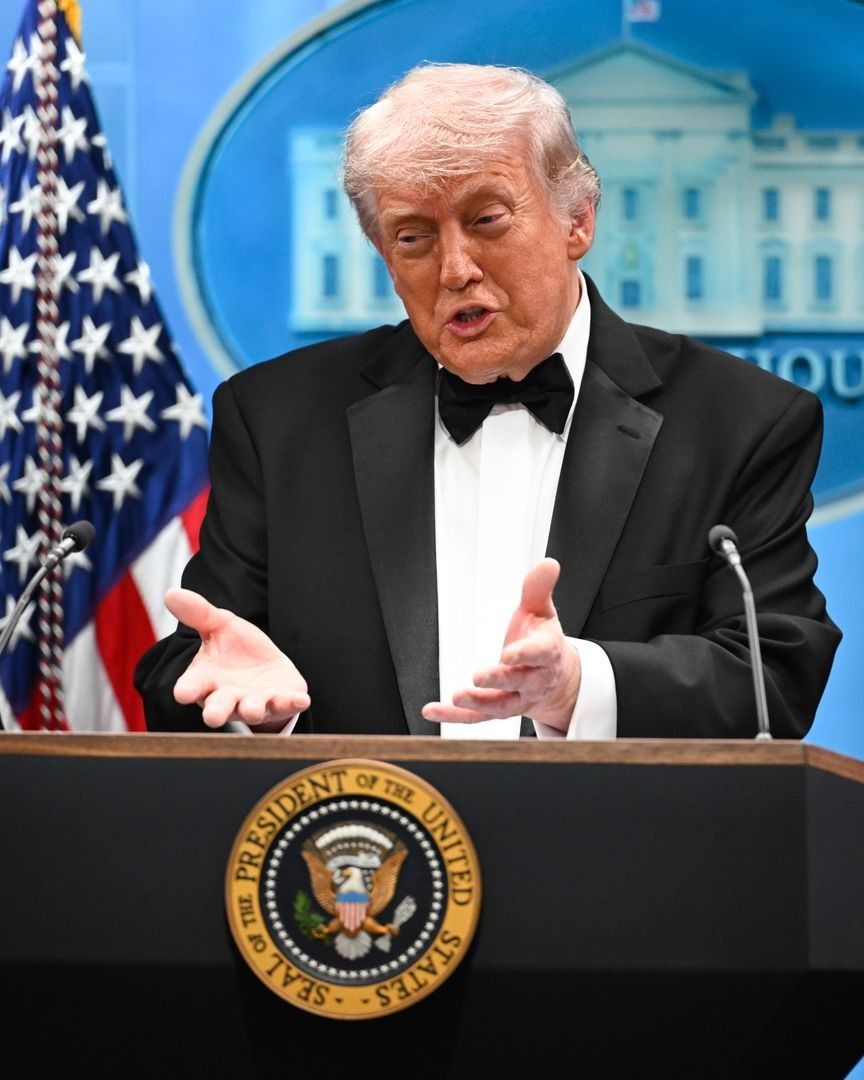
Meanwhile, according to research cited by the U.S. lawmakers formally asking major CEOs to return money to consumers, conducted by the Penn Wharton Budget Model, refunds potentially subject to repayment could reach $175 billion, with an additional $700 million in interest. And in an attempt to counter political pressure with more political pressure, Trump himself stepped in by declaring that he would “remember” companies that give up their refunds — a classic intimidation tactic, vaguely mafia-like, framing the return of funds as a burdensome legal obligation while portraying companies that renounce legally owed refunds as somehow demonstrating loyalty.
But the tariff saga may not be over yet. The Trump administration is already trying to figure out how to reintroduce tariffs on stronger and different legal grounds, launching investigations into sixty countries, including China and Vietnam, accused of relying on forced labor. Treasury Secretary Scott Bessent stated that, if confirmed, tariffs could return to previous levels as early as July, restarting once again the chaotic cycle of uncertainty and rising prices.